TOPIC:THINK GREEN
 Think Green is a four-year initiative to help
you find out more about carbon reduction
and the benefits of greener living. There are
so many new and exciting ways to improve
our environment and Think Green aims to
give everyone the know-how and tools to
make a lasting change. In five years' time the
aim is to have reduced carbon emissions by
25%, creating a greener environment for us
all to enjoy.
 SOME WAYS TO KEEP YOUR NEIGHBOURHOOD
CLEAN AND GREEN…
 NEVER THROW LITTER IN THE STREET.
 ALWAYS PUT YOUR CHEWING GUM INTHE BIN.
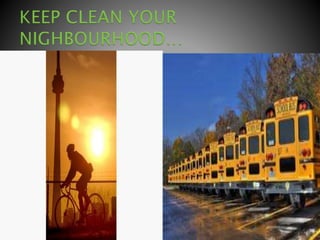
 ALWAYS USE PUBLIC TRANSPORT OR BICYCLE.
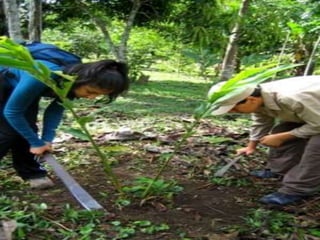
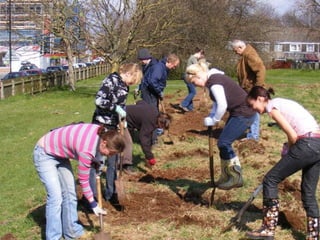
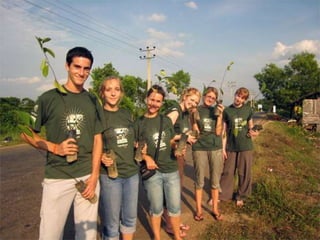
 PLANT MORE TREES.
 PLANT AN HERB GARDEN.
 TURN OFF LIGHTS WHEN YOU LEAVE THE ROOM.
TURN OFF YOUR COMPUTER COMPLETELY AT
NIGHT.
 MAKE YOUR OWN HOUSEHOLD CLEANERS.
 OPEN YOUR CURTAINS AND ENJOY NATURAL
LIGHT.
 . Use Greener Transportation (And Offset Your Carbon
Footprint)
 Lane recommends that people consider trains, as they
"tend to be pretty efficient as far as energy per passenger,
[though] they take time." Inevitably, trains, planes, and
automobiles all emit carbon. "You can reduce it, but you
can't get around it," notes Lane.
 When you do fly, opt for nonstop rather than connecting
flights, as the majority of fuel use occurs during takeoff
and landing. Nonstops are often more expensive than
connecting flights, but as SmarterTravel reader and
connection-phobe lawthomas points out, "My time,
comfort, and sanity are far more important than a few
dollars saved."

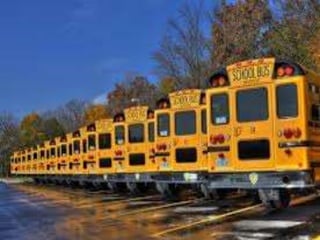
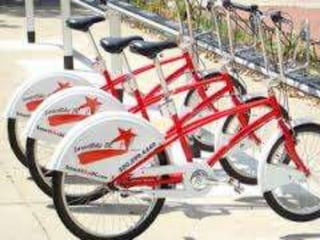
 Walk, Bike, or Use Public Transportation
 Using public transportation is an easy (and cheap)
way to experience a destination like a local. "Buses
and shuttles, especially if they are alternatively fueled
or electric vehicles, are very green," says Lane. Many
cities even offerbicycles for rent. Nothing, however,
beats walking. No matter what, you'll save money not
having to purchase gasoline.
 Sometimes it's unrealistic, if not impossible, to get
around without a car. In that case, consider renting a
hybrid or other fuel-efficient car. Some hotels, such
as Kimpton, offer discounts if you're driving a gas
sipper. All of Budget's rentals in the economy,
compact, and intermediate classes are SmartWay
Certified, meaning they are fuel efficient and better
environmental performers compared to other
vehicles. Avis also offers green driving tips.
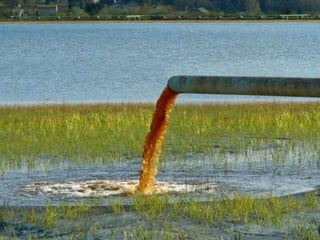
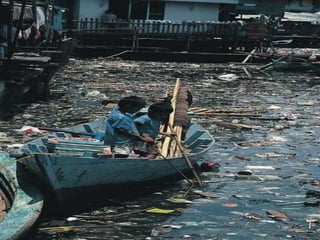
 Water pollution is the contamination
of water bodies
(e.g. lakes, rivers,oceans, aquifers and groundwat
er). Water pollution occurs when pollutants are
discharged directly or indirectly into water bodies
without adequate treatmentto remove harmful
compounds.
 Water pollution affects plants and organisms
living in these bodies of water. In almost all cases
the effect is damaging not only to
individual species and populations, but also to
the natural biological communities
 The specific contaminants leading to pollution in
water include a wide spectrum
of chemicals, pathogens, and physical or sensory
changes such as elevated temperature and
discoloration. While many of the chemicals and
substances that are regulated may be naturally
occurring (calcium, sodium, iron, manganese,
etc.) the concentration is often the key in
determining what is a natural component of
water, and what is a contaminant. High
concentrations of naturally occurring substances
can have negative impacts on aquatic flora and
fauna.
 Oxygen-depleting substances may be natural
materials, such as plant matter (e.g. leaves
and grass) as well as man-made chemicals.
Other natural and anthropogenic substances
may cause turbidity (cloudiness) which blocks
light and disrupts plant growth, and clogs
the gills of some fish species.[10]
 Many of the chemical substances are toxic. Pathogens
can produce waterborne diseases in either human or
animal hosts.[11]Alteration of water's physical
chemistry includes acidity (change in pH), electrical
conductivity, temperature, and
eutrophication.Eutrophication is an increase in the
concentration of chemical nutrients in an ecosystem
to an extent that increases in the primary productivity
of the ecosystem. Depending on the degree of
eutrophication, subsequent negative environmental
effects such as anoxia(oxygen depletion) and severe
reductions in water quality may occur, affecting fish
and other animal populations.
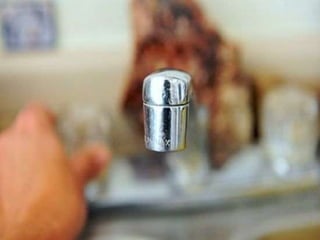
 Conserve water. Turn off the tap
when water isn't necessary and try
to take shorter showers if
possible. This not only helps
prevent water shortages, but
reduces the amount of
contaminated water that needs
treatment.
 Dispose of household wastes, oils, and other litter
properly. Never put these pollutants or any other
chemicals down the sink drain or in the toilet. Call
your local waste management company or recycling
center to find out where to take your trash and
household chemicals.
Read more: How to Save Water From Pollution |
eHow.com http://www.ehow.com/how_7615020_s
ave-water-pollution.html#ixzz2Q4KgL91R
 Use household products that are safe for the
environment. Purchase dish washing soap,
laundry detergent, and other cleaning
supplies that are eco-friendly.
Read more: How to Save Water From Pollution
|
eHow.com http://www.ehow.com/how_7615
020_save-water-
pollution.html#ixzz2Q4Kq9xOk
 Use little to no chemical fertilizers on your
lawn or garden. Overuse can lead to water
runoff carrying excess fertilizer to nearby
lakes and streams. Use natural fertilizers
whenever possible.
Read more: How to Save Water From Pollution
|
eHow.com http://www.ehow.com/how_7615
020_save-water-
pollution.html#ixzz2Q4KwVtAa
 Add more plants to your garden to allow more water
and fertilizers to be absorbed into the ground. This
will decrease the amount of water runoff into lakes
and streams.
 5Clean up and properly dispose of all pet wastes.
This will prevent rain runoff from washing it down
storm gutters, or into nearby lakes and streams.
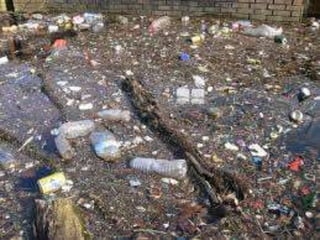
 6Keep rivers, lakes, and oceans clean by not littering.
Dispose of trash properly to prevent it from polluting
these waters.

Read more: How to Save Water From Pollution |
eHow.com http://www.ehow.com/how_7615020_sav
e-water-pollution.html#ixzz2Q4LBZeBq
 All it takes to clean the environment of the
community where we live.
 The best way to do is by collecting all the garbage.
 Plant trees and various plants.
 Coat and street trees along pavements with lime
that is good for the environment.
 Clean parks.
 Clean the streets in her neighborhood wiping with
a broom.
 Separate recyclable waste and take in a certain
place.
 Create flyers and posters, in order to educating
people to care more for the environment that
surrounds it.
THE GOAL ISN'T TO LIVE FOREVER... THE GOAL IS
TO CREATE SOMETHING THAT WILL.
Think Green, Go Green, Live Green
WORKED BY:EDONA BAJRAMI X12

Think greeenn

  • 1.
  • 2.
     Think Greenis a four-year initiative to help you find out more about carbon reduction and the benefits of greener living. There are so many new and exciting ways to improve our environment and Think Green aims to give everyone the know-how and tools to make a lasting change. In five years' time the aim is to have reduced carbon emissions by 25%, creating a greener environment for us all to enjoy.
  • 3.
     SOME WAYSTO KEEP YOUR NEIGHBOURHOOD CLEAN AND GREEN…  NEVER THROW LITTER IN THE STREET.  ALWAYS PUT YOUR CHEWING GUM INTHE BIN.  ALWAYS USE PUBLIC TRANSPORT OR BICYCLE.  PLANT MORE TREES.  PLANT AN HERB GARDEN.  TURN OFF LIGHTS WHEN YOU LEAVE THE ROOM. TURN OFF YOUR COMPUTER COMPLETELY AT NIGHT.  MAKE YOUR OWN HOUSEHOLD CLEANERS.  OPEN YOUR CURTAINS AND ENJOY NATURAL LIGHT.
  • 5.
     . UseGreener Transportation (And Offset Your Carbon Footprint)  Lane recommends that people consider trains, as they "tend to be pretty efficient as far as energy per passenger, [though] they take time." Inevitably, trains, planes, and automobiles all emit carbon. "You can reduce it, but you can't get around it," notes Lane.  When you do fly, opt for nonstop rather than connecting flights, as the majority of fuel use occurs during takeoff and landing. Nonstops are often more expensive than connecting flights, but as SmarterTravel reader and connection-phobe lawthomas points out, "My time, comfort, and sanity are far more important than a few dollars saved." 
  • 6.
     Walk, Bike,or Use Public Transportation  Using public transportation is an easy (and cheap) way to experience a destination like a local. "Buses and shuttles, especially if they are alternatively fueled or electric vehicles, are very green," says Lane. Many cities even offerbicycles for rent. Nothing, however, beats walking. No matter what, you'll save money not having to purchase gasoline.  Sometimes it's unrealistic, if not impossible, to get around without a car. In that case, consider renting a hybrid or other fuel-efficient car. Some hotels, such as Kimpton, offer discounts if you're driving a gas sipper. All of Budget's rentals in the economy, compact, and intermediate classes are SmartWay Certified, meaning they are fuel efficient and better environmental performers compared to other vehicles. Avis also offers green driving tips.
  • 14.
     Water pollutionis the contamination of water bodies (e.g. lakes, rivers,oceans, aquifers and groundwat er). Water pollution occurs when pollutants are discharged directly or indirectly into water bodies without adequate treatmentto remove harmful compounds.  Water pollution affects plants and organisms living in these bodies of water. In almost all cases the effect is damaging not only to individual species and populations, but also to the natural biological communities
  • 15.
     The specificcontaminants leading to pollution in water include a wide spectrum of chemicals, pathogens, and physical or sensory changes such as elevated temperature and discoloration. While many of the chemicals and substances that are regulated may be naturally occurring (calcium, sodium, iron, manganese, etc.) the concentration is often the key in determining what is a natural component of water, and what is a contaminant. High concentrations of naturally occurring substances can have negative impacts on aquatic flora and fauna.
  • 16.
     Oxygen-depleting substancesmay be natural materials, such as plant matter (e.g. leaves and grass) as well as man-made chemicals. Other natural and anthropogenic substances may cause turbidity (cloudiness) which blocks light and disrupts plant growth, and clogs the gills of some fish species.[10]
  • 17.
     Many ofthe chemical substances are toxic. Pathogens can produce waterborne diseases in either human or animal hosts.[11]Alteration of water's physical chemistry includes acidity (change in pH), electrical conductivity, temperature, and eutrophication.Eutrophication is an increase in the concentration of chemical nutrients in an ecosystem to an extent that increases in the primary productivity of the ecosystem. Depending on the degree of eutrophication, subsequent negative environmental effects such as anoxia(oxygen depletion) and severe reductions in water quality may occur, affecting fish and other animal populations.
  • 21.
     Conserve water.Turn off the tap when water isn't necessary and try to take shorter showers if possible. This not only helps prevent water shortages, but reduces the amount of contaminated water that needs treatment.
  • 23.
     Dispose ofhousehold wastes, oils, and other litter properly. Never put these pollutants or any other chemicals down the sink drain or in the toilet. Call your local waste management company or recycling center to find out where to take your trash and household chemicals. Read more: How to Save Water From Pollution | eHow.com http://www.ehow.com/how_7615020_s ave-water-pollution.html#ixzz2Q4KgL91R
  • 24.
     Use householdproducts that are safe for the environment. Purchase dish washing soap, laundry detergent, and other cleaning supplies that are eco-friendly. Read more: How to Save Water From Pollution | eHow.com http://www.ehow.com/how_7615 020_save-water- pollution.html#ixzz2Q4Kq9xOk
  • 25.
     Use littleto no chemical fertilizers on your lawn or garden. Overuse can lead to water runoff carrying excess fertilizer to nearby lakes and streams. Use natural fertilizers whenever possible. Read more: How to Save Water From Pollution | eHow.com http://www.ehow.com/how_7615 020_save-water- pollution.html#ixzz2Q4KwVtAa
  • 26.
     Add moreplants to your garden to allow more water and fertilizers to be absorbed into the ground. This will decrease the amount of water runoff into lakes and streams.  5Clean up and properly dispose of all pet wastes. This will prevent rain runoff from washing it down storm gutters, or into nearby lakes and streams.  6Keep rivers, lakes, and oceans clean by not littering. Dispose of trash properly to prevent it from polluting these waters.  Read more: How to Save Water From Pollution | eHow.com http://www.ehow.com/how_7615020_sav e-water-pollution.html#ixzz2Q4LBZeBq
  • 27.
     All ittakes to clean the environment of the community where we live.  The best way to do is by collecting all the garbage.  Plant trees and various plants.  Coat and street trees along pavements with lime that is good for the environment.  Clean parks.  Clean the streets in her neighborhood wiping with a broom.  Separate recyclable waste and take in a certain place.  Create flyers and posters, in order to educating people to care more for the environment that surrounds it.
  • 32.
    THE GOAL ISN'TTO LIVE FOREVER... THE GOAL IS TO CREATE SOMETHING THAT WILL. Think Green, Go Green, Live Green WORKED BY:EDONA BAJRAMI X12