Nutrition, Federal Policy, and Oppression:
How the United States Department of
Agriculture and its Programs Reinforce Health
DisparitiesAmong Racial Minorities
Leah Schroeder
Commonwealth Honors College, University of
Massachusetts Amherst
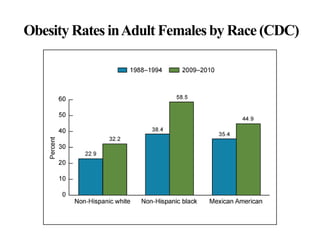
Obesity Rates inAdult Females by Race (CDC)
The United States Department ofAgriculture
• Established in 1862
• Two central responsibilities:
– Nutrition educator to general public
– Advocate for food and agriculture industries
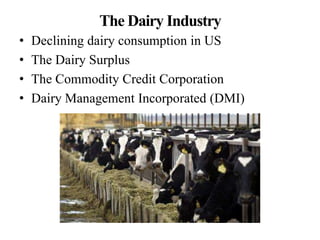
The Dairy Industry
• Declining dairy consumption in US
• The Dairy Surplus
• The Commodity Credit Corporation
• Dairy Management Incorporated (DMI)
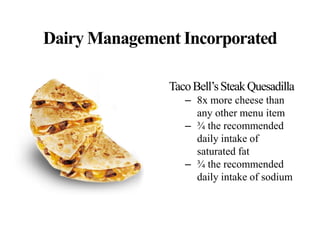
Dairy Management Incorporated
TacoBell’sSteakQuesadilla
– 8x more cheese than
any other menu item
– ¾ the recommended
daily intake of
saturated fat
– ¾ the recommended
daily intake of sodium
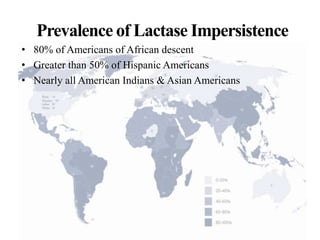
Prevalence of Lactase Impersistence
• 80% of Americans of African descent
• Greater than 50% of Hispanic Americans
• Nearly all American Indians & Asian Americans
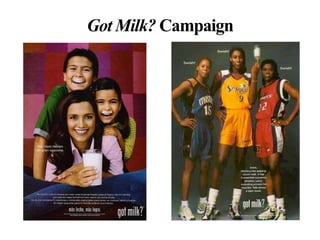
Got Milk? Campaign
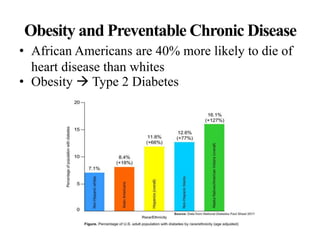
Obesity and Preventable Chronic Disease
• African Americans are 40% more likely to die of
heart disease than whites
• Obesity  Type 2 Diabetes
Effect of Federal Corn Subsidies
• $10 billion annually in federal supports for corn
production
• High Fructose Corn Syrup (HFCS)
– by 1974, HFCS replaced beet & cane sugar
– in 20 years consumption increased 100-fold
• Grain vs. Grass-fed meats
– 1960s: feedlots began to replace open pastures
– Grain-fed meats: higher levels of saturated fat and
cholesterol
– Grass-fed: omega-3 fatty acids, protective agents
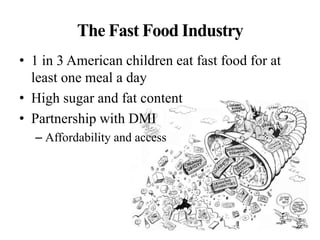
The Fast Food Industry
• 1 in 3 American children eat fast food for at
least one meal a day
• High sugar and fat content
• Partnership with DMI
– Affordability and access
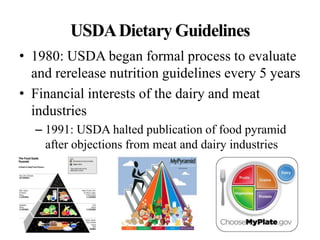
USDADietary Guidelines
• 1980: USDA began formal process to evaluate
and rerelease nutrition guidelines every 5 years
• Financial interests of the dairy and meat
industries
– 1991: USDA halted publication of food pyramid
after objections from meat and dairy industries
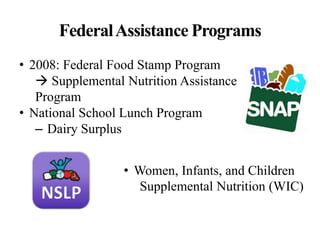
FederalAssistance Programs
• 2008: Federal Food Stamp Program
 Supplemental Nutrition Assistance
Program
• National School Lunch Program
– Dairy Surplus
• Women, Infants, and Children
Supplemental Nutrition (WIC)
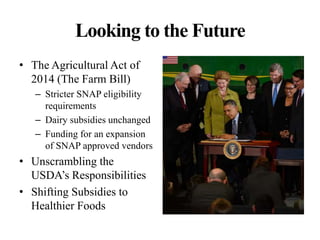
Looking to the Future
• The Agricultural Act of
2014 (The Farm Bill)
– Stricter SNAP eligibility
requirements
– Dairy subsidies unchanged
– Funding for an expansion
of SNAP approved vendors
• Unscrambling the
USDA’s Responsibilities
• Shifting Subsidies to
Healthier Foods

ThesisPresentation

  • 1.
    Nutrition, Federal Policy,and Oppression: How the United States Department of Agriculture and its Programs Reinforce Health DisparitiesAmong Racial Minorities Leah Schroeder Commonwealth Honors College, University of Massachusetts Amherst
  • 2.
    Obesity Rates inAdultFemales by Race (CDC)
  • 3.
    The United StatesDepartment ofAgriculture • Established in 1862 • Two central responsibilities: – Nutrition educator to general public – Advocate for food and agriculture industries
  • 4.
    The Dairy Industry •Declining dairy consumption in US • The Dairy Surplus • The Commodity Credit Corporation • Dairy Management Incorporated (DMI)
  • 5.
    Dairy Management Incorporated TacoBell’sSteakQuesadilla –8x more cheese than any other menu item – ¾ the recommended daily intake of saturated fat – ¾ the recommended daily intake of sodium
  • 6.
    Prevalence of LactaseImpersistence • 80% of Americans of African descent • Greater than 50% of Hispanic Americans • Nearly all American Indians & Asian Americans
  • 7.
  • 8.
    Obesity and PreventableChronic Disease • African Americans are 40% more likely to die of heart disease than whites • Obesity  Type 2 Diabetes
  • 9.
    Effect of FederalCorn Subsidies • $10 billion annually in federal supports for corn production • High Fructose Corn Syrup (HFCS) – by 1974, HFCS replaced beet & cane sugar – in 20 years consumption increased 100-fold • Grain vs. Grass-fed meats – 1960s: feedlots began to replace open pastures – Grain-fed meats: higher levels of saturated fat and cholesterol – Grass-fed: omega-3 fatty acids, protective agents
  • 10.
    The Fast FoodIndustry • 1 in 3 American children eat fast food for at least one meal a day • High sugar and fat content • Partnership with DMI – Affordability and access
  • 11.
    USDADietary Guidelines • 1980:USDA began formal process to evaluate and rerelease nutrition guidelines every 5 years • Financial interests of the dairy and meat industries – 1991: USDA halted publication of food pyramid after objections from meat and dairy industries
  • 12.
    FederalAssistance Programs • 2008:Federal Food Stamp Program  Supplemental Nutrition Assistance Program • National School Lunch Program – Dairy Surplus • Women, Infants, and Children Supplemental Nutrition (WIC)
  • 13.
    Looking to theFuture • The Agricultural Act of 2014 (The Farm Bill) – Stricter SNAP eligibility requirements – Dairy subsidies unchanged – Funding for an expansion of SNAP approved vendors • Unscrambling the USDA’s Responsibilities • Shifting Subsidies to Healthier Foods