How to enable the
Lean Enterprise
Johann Romefort
co-founder @ rainbow
My Background
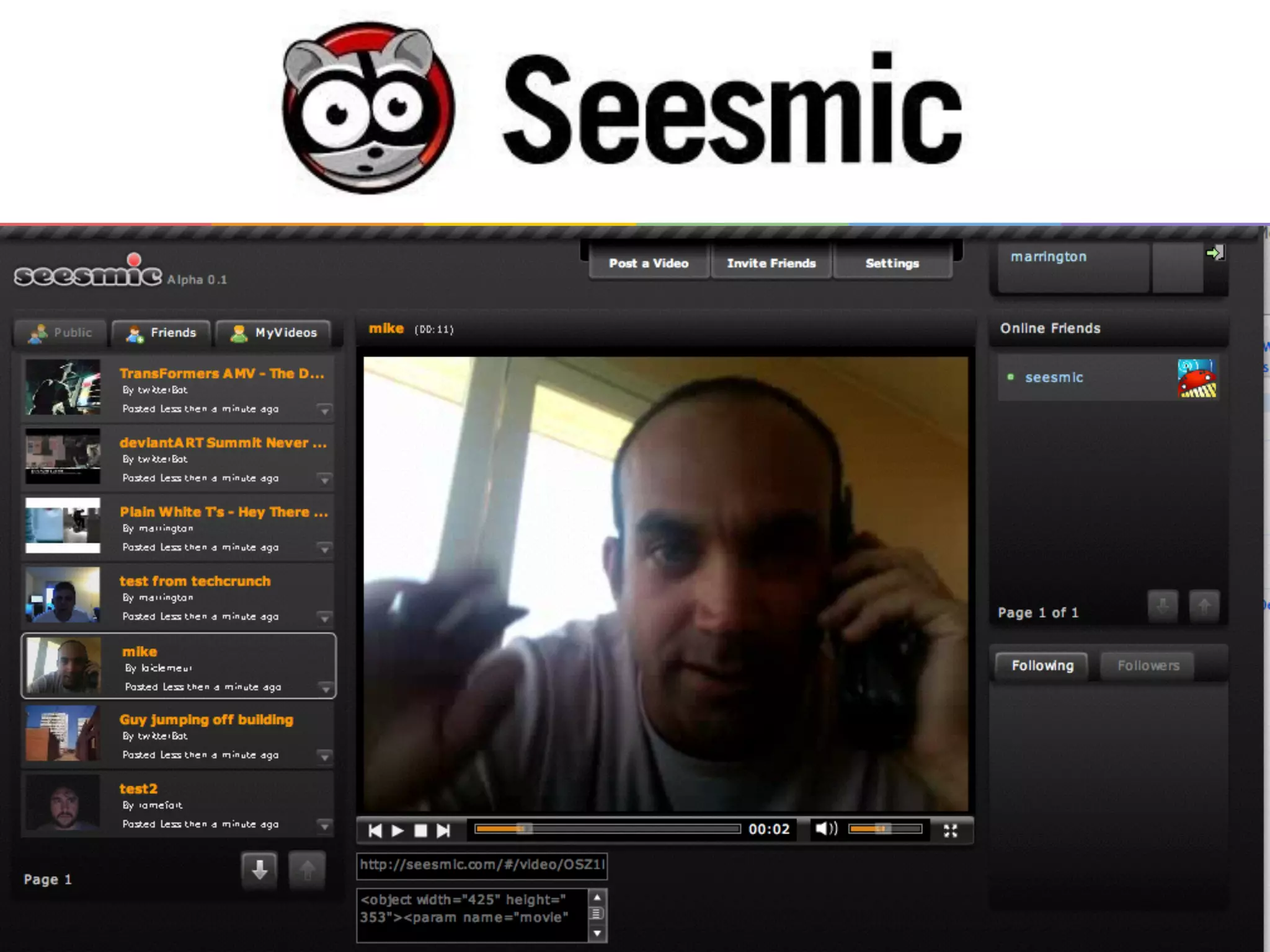
• Seesmic - Co-founder & CTO
Video conversation platform
Social media clients…lots of pivots :)
• Rainbow - Co-founder & CTO
Enterprise App Store
Goal of this presentation
• Understand what is the Lean
Enterprise, how it relates to big data
and the software architecture you
build
• Have a basic understanding of the
technologies and tools involved
What is the Lean
Enterprise?
http://en.wikipedia.org/wiki/Lean_enterprise
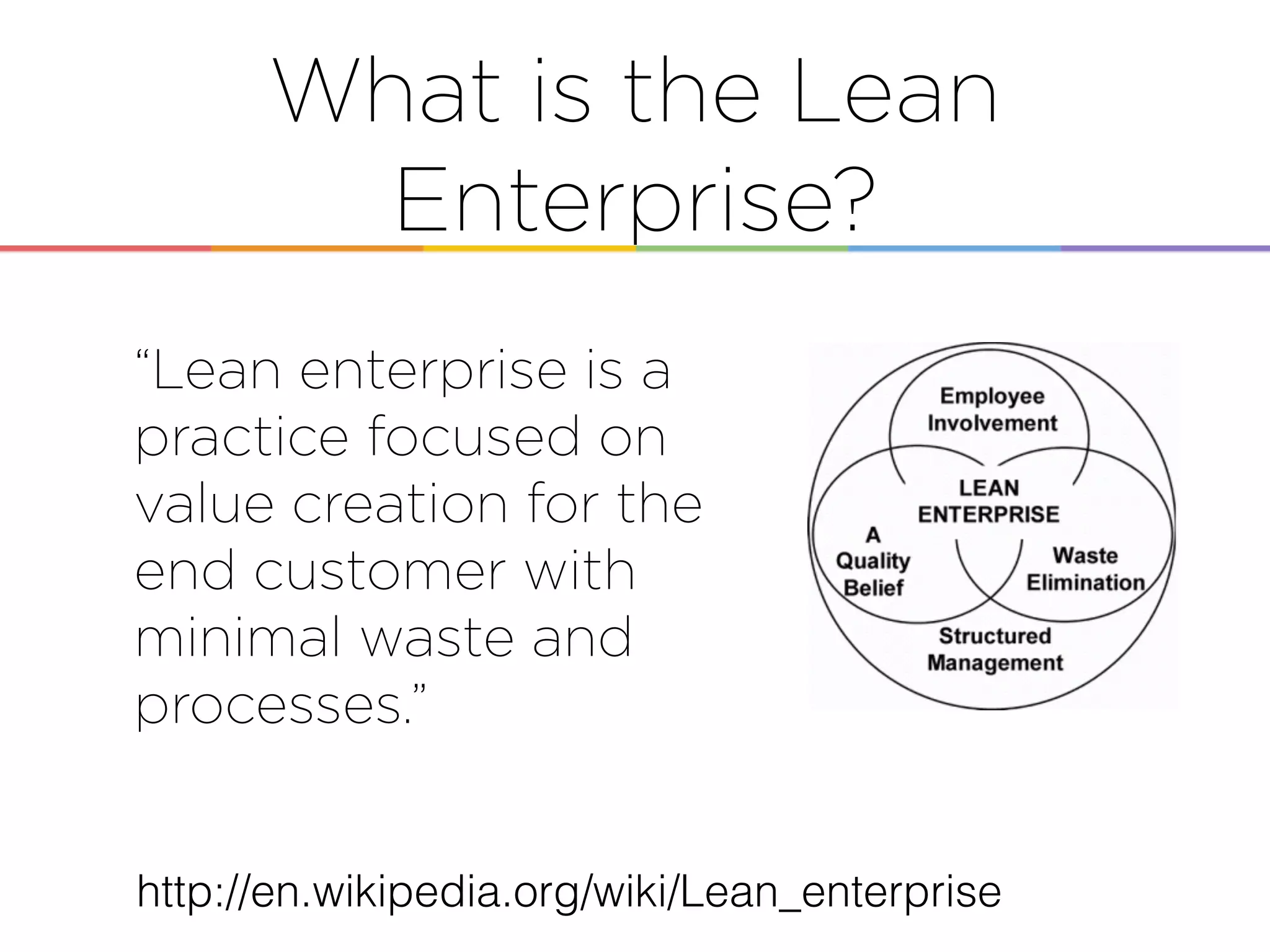
“Lean enterprise is a
practice focused on
value creation for the
end customer with
minimal waste and
processes.”
Enabling the
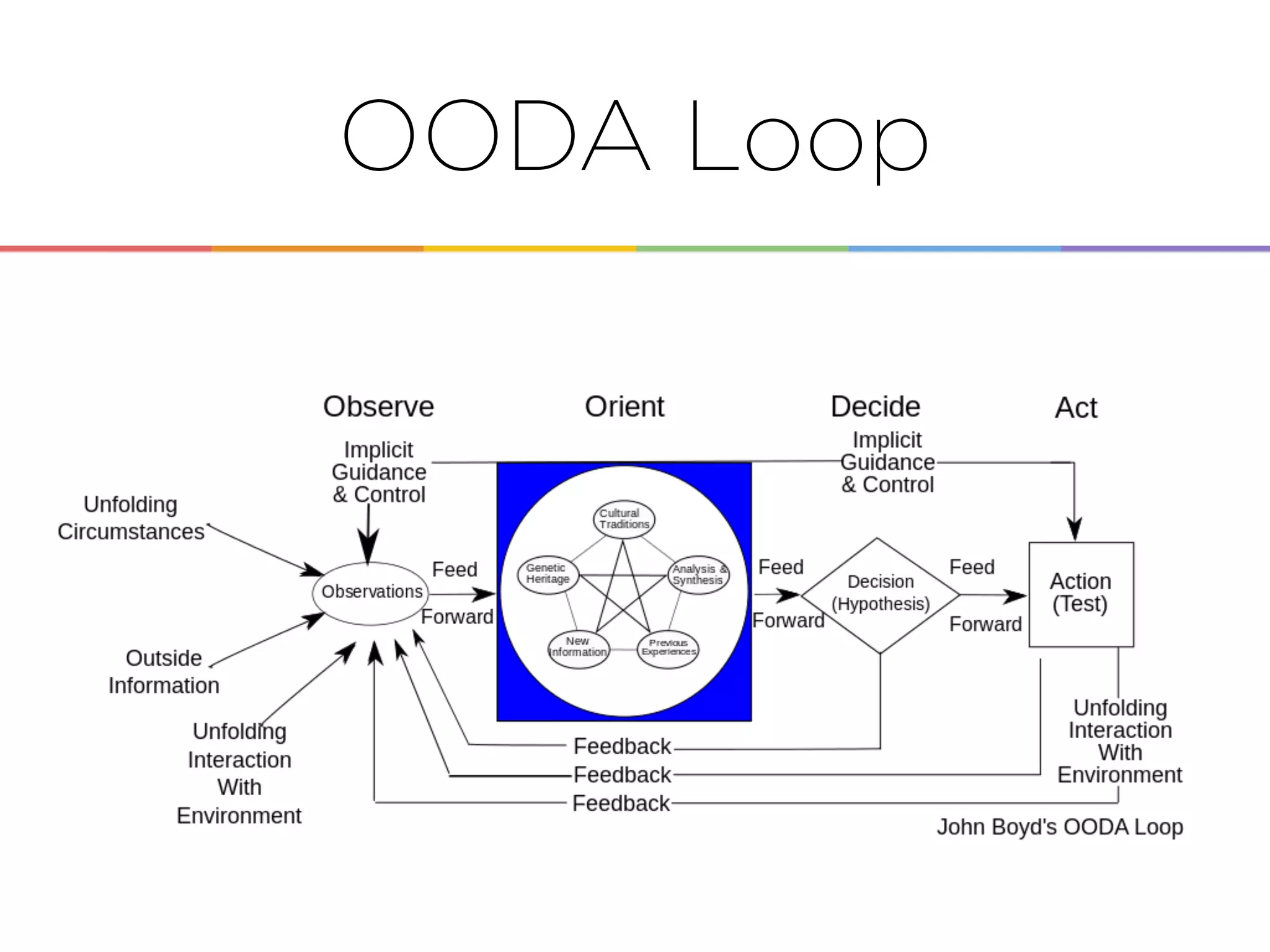
OODA Loop
!
!
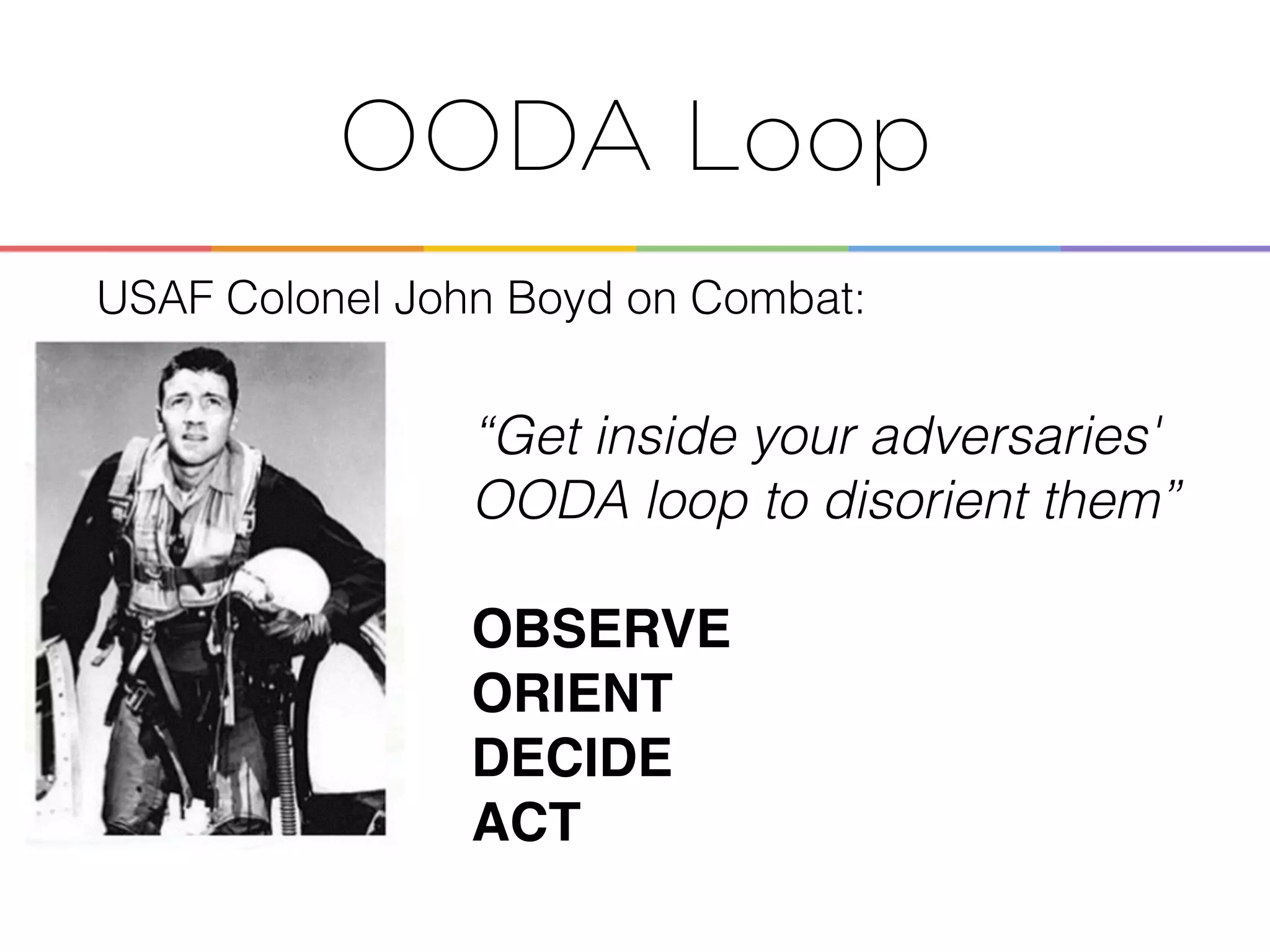
“Get inside your adversaries'
OODA loop to disorient them”
!
OBSERVE
ORIENT
DECIDE
ACT
USAF Colonel John Boyd on Combat:
OODA Loop
Enabling the
OODA Loop
OODA Loop
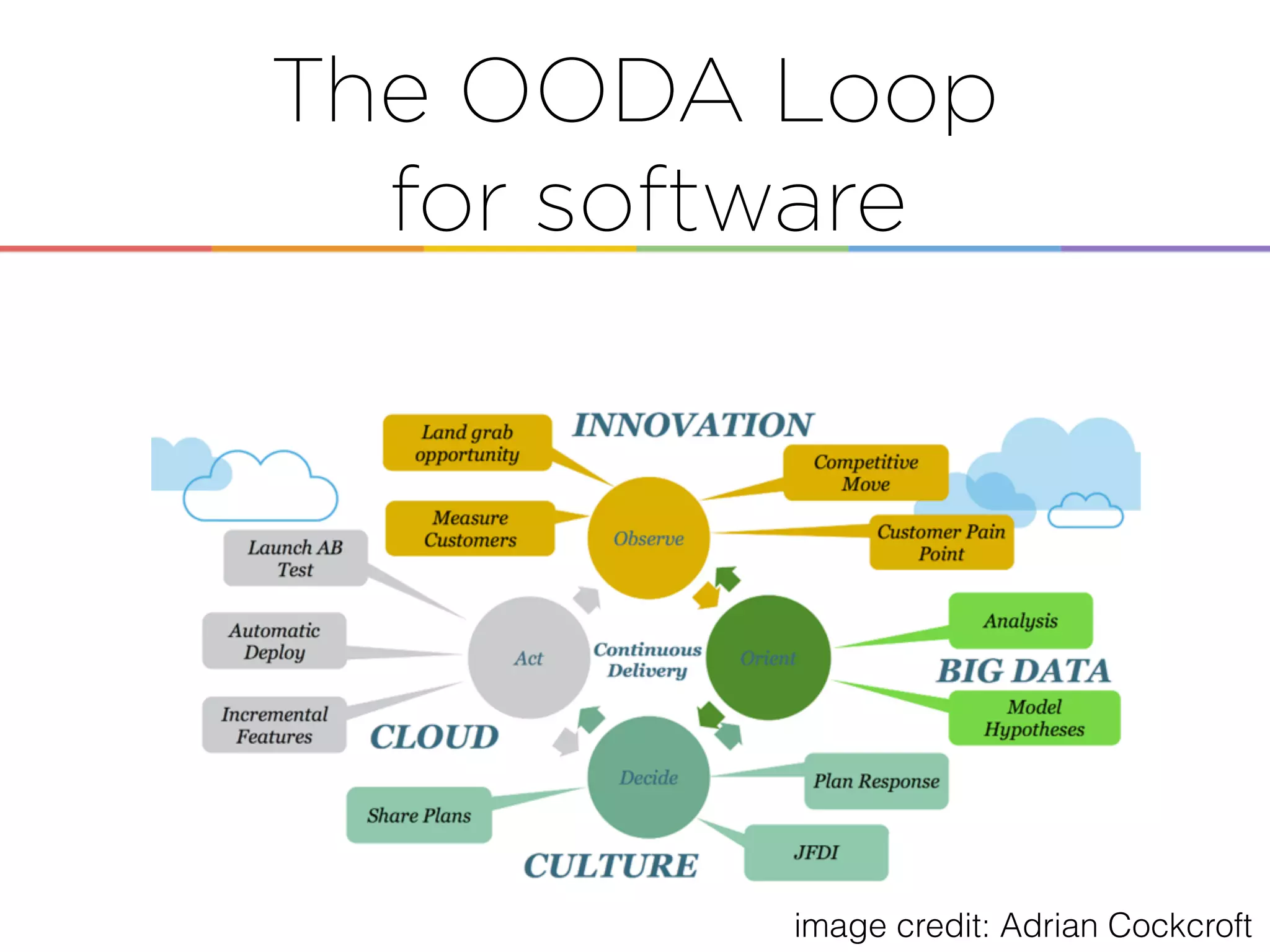
The OODA Loop
for software
image credit: Adrian Cockcroft
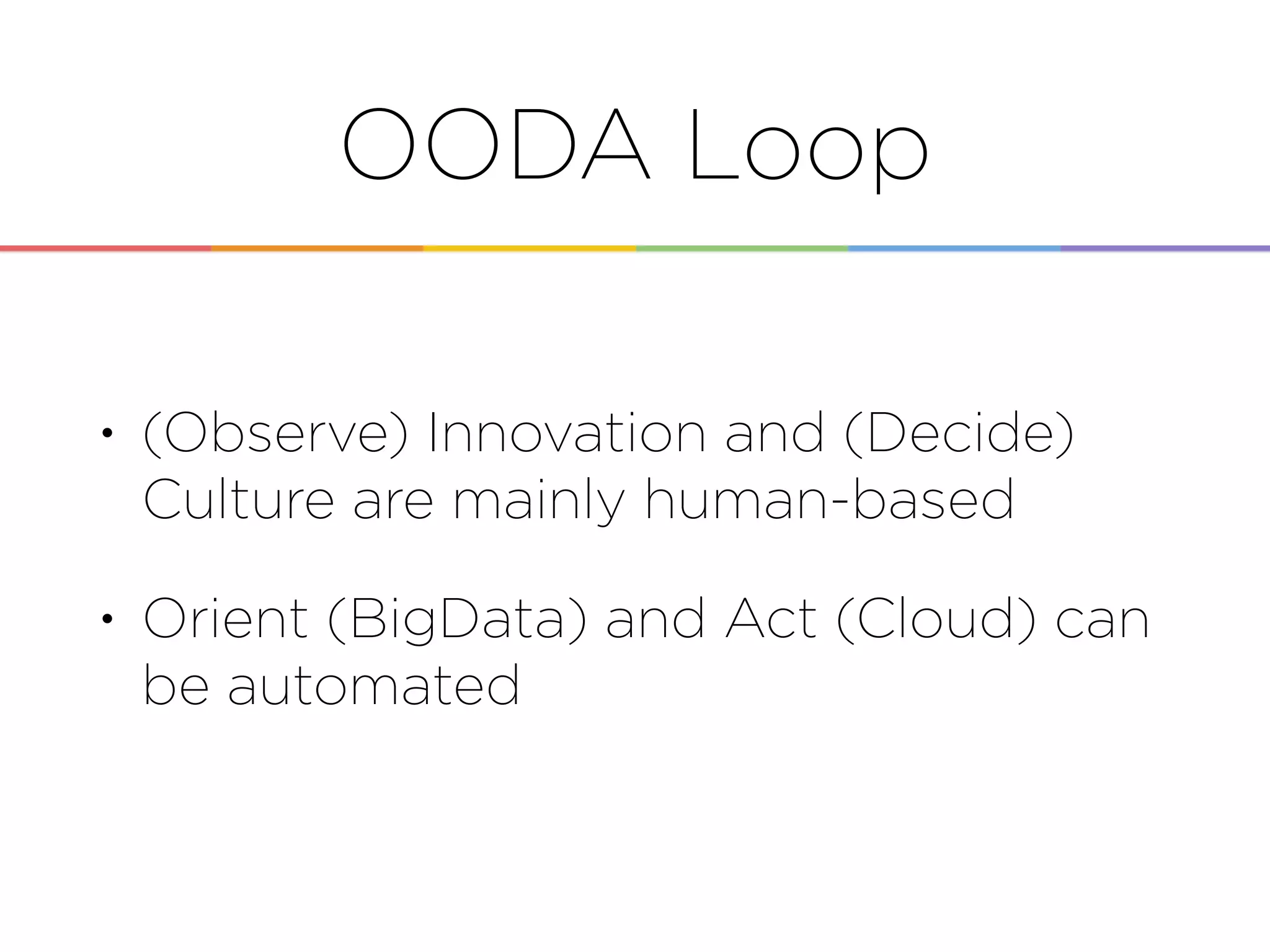
OODA Loop
• (Observe) Innovation and (Decide)
Culture are mainly human-based
• Orient (BigData) and Act (Cloud) can
be automated
ORIENT
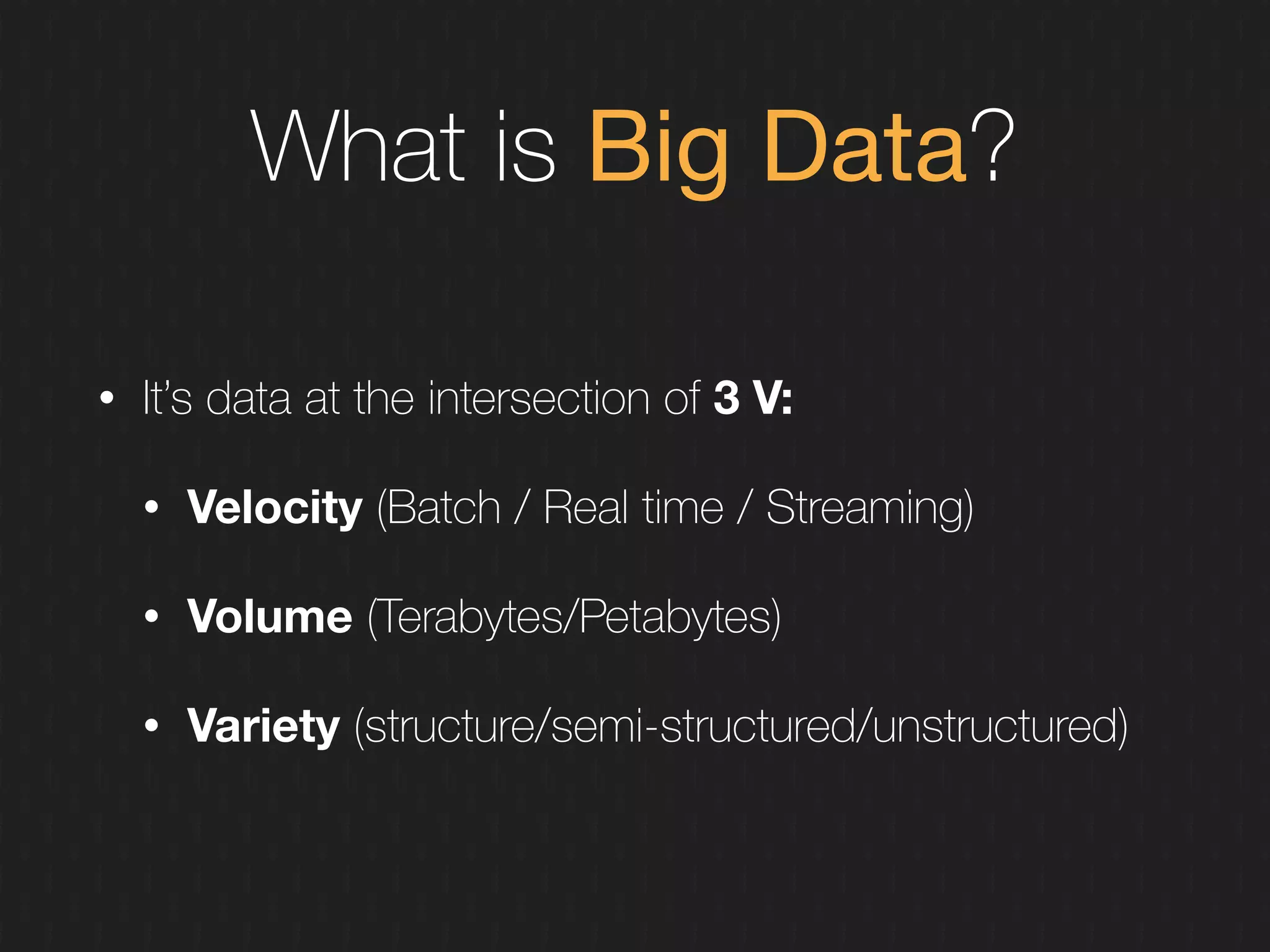
What is Big Data?
• It’s data at the intersection of 3 V:
• Velocity (Batch / Real time / Streaming)
• Volume (Terabytes/Petabytes)
• Variety (structure/semi-structured/unstructured)
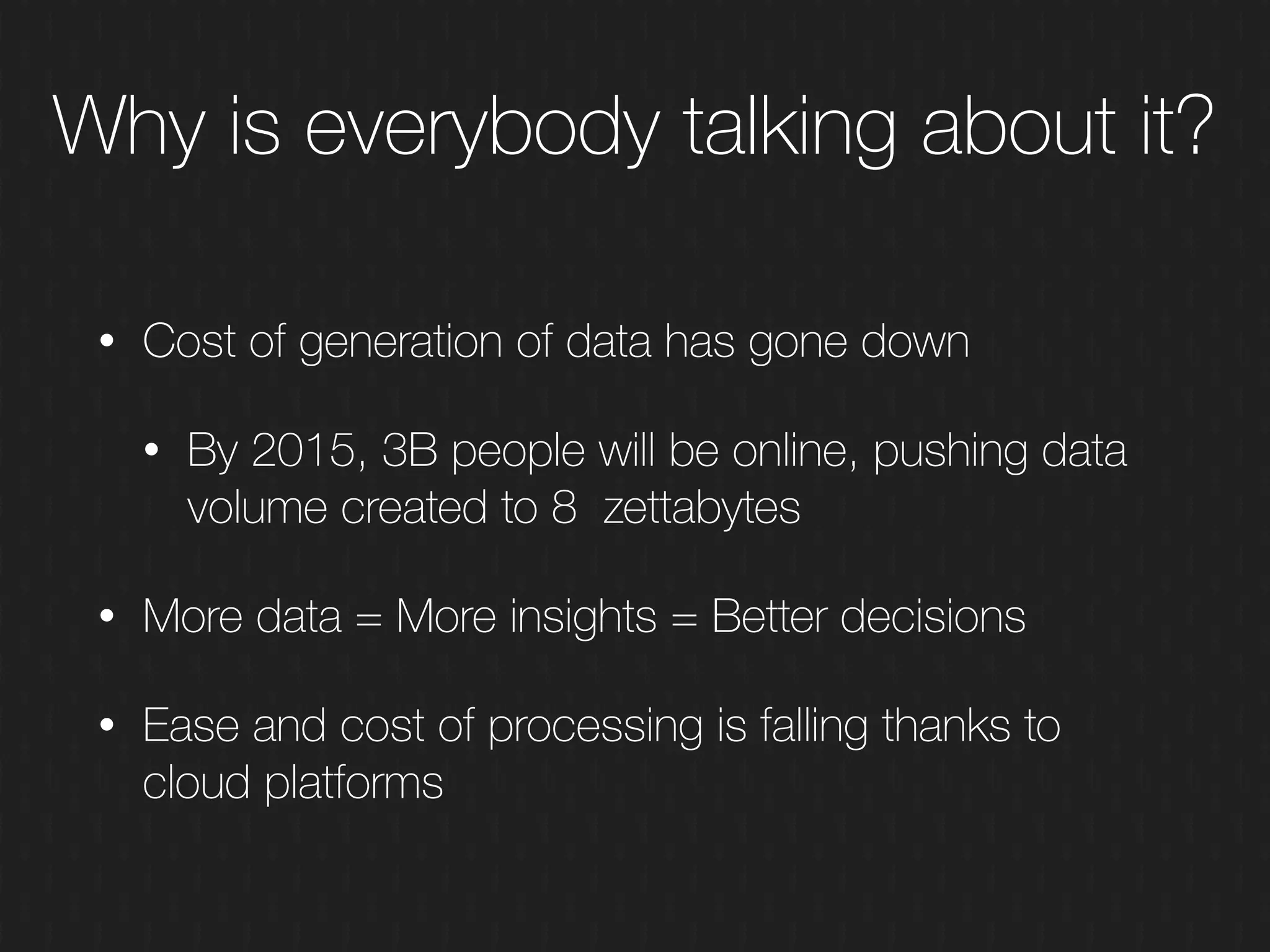
Why is everybody talking about it?
• Cost of generation of data has gone down
• By 2015, 3B people will be online, pushing data
volume created to 8 zettabytes
• More data = More insights = Better decisions
• Ease and cost of processing is falling thanks to
cloud platforms
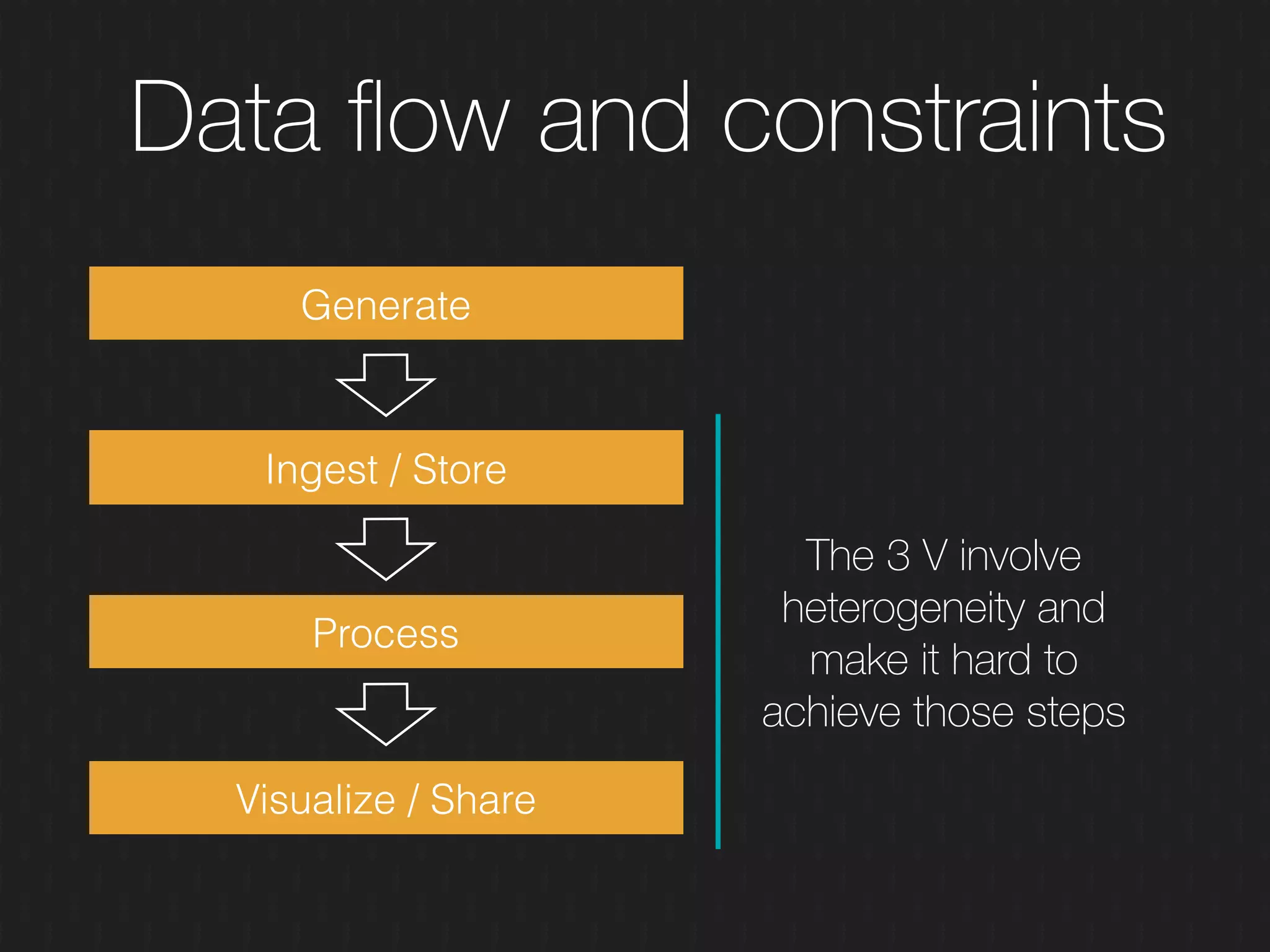
Data flow and constraints
Generate
Ingest / Store
Process
Visualize / Share
The 3 V involve
heterogeneity and
make it hard to
achieve those steps
What is AWS?
• AWS is a cloud computing platform
• On-demand delivery of IT resources
• Pay-as-you-go pricing model
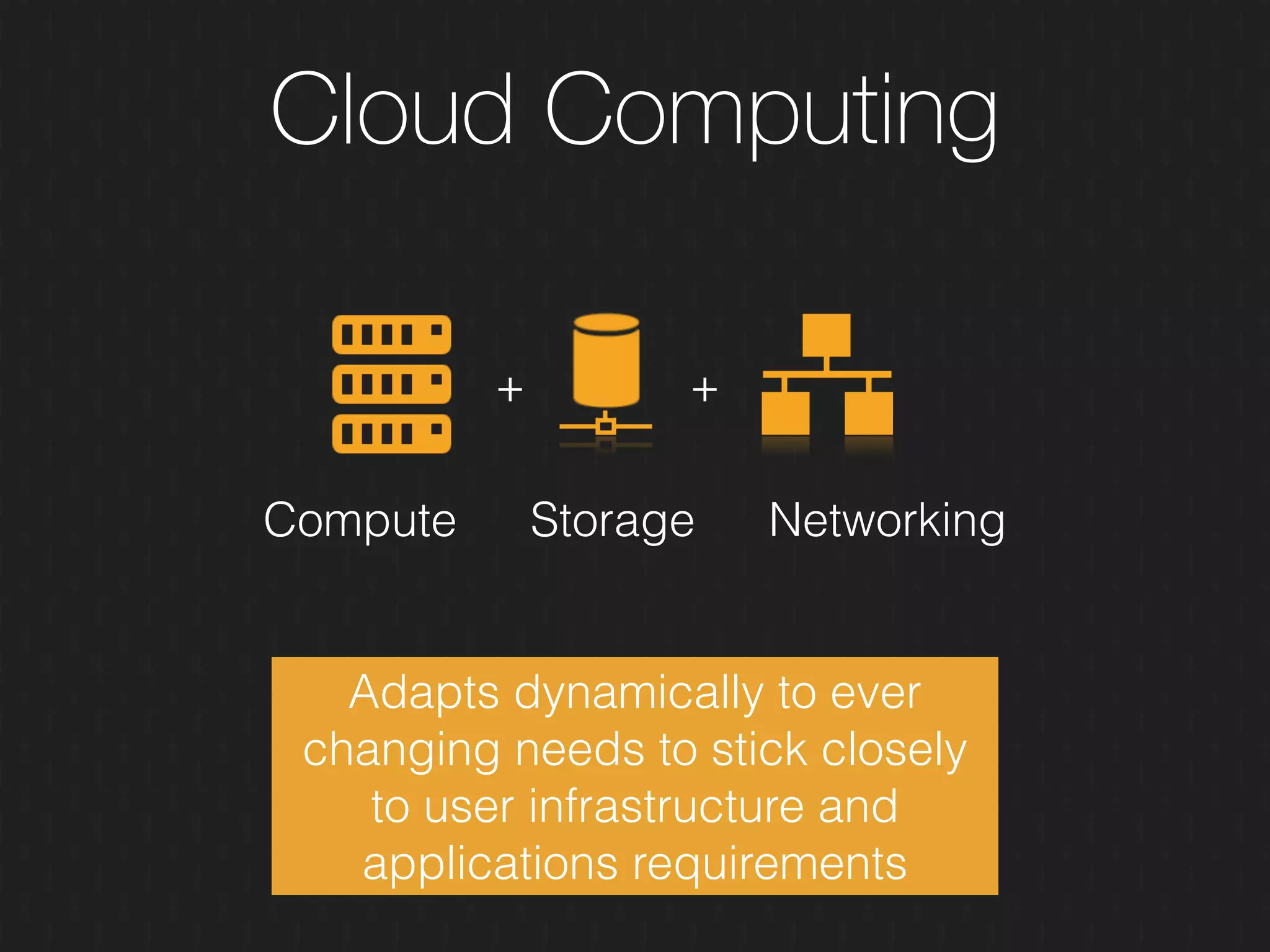
Cloud Computing
+ +
StorageCompute Networking
Adapts dynamically to ever
changing needs to stick closely
to user infrastructure and
applications requirements
How does AWS helps
with Big Data?
• Remove constraints on the ingesting, storing, and
processing layer and adapts closely to demands.
• Provides a collection of integrated tools to adapt to
the 3 V’s of Big Data

• Unlimited capacity of storage and processing power
fits well to changing data storage and analysis
requirements.
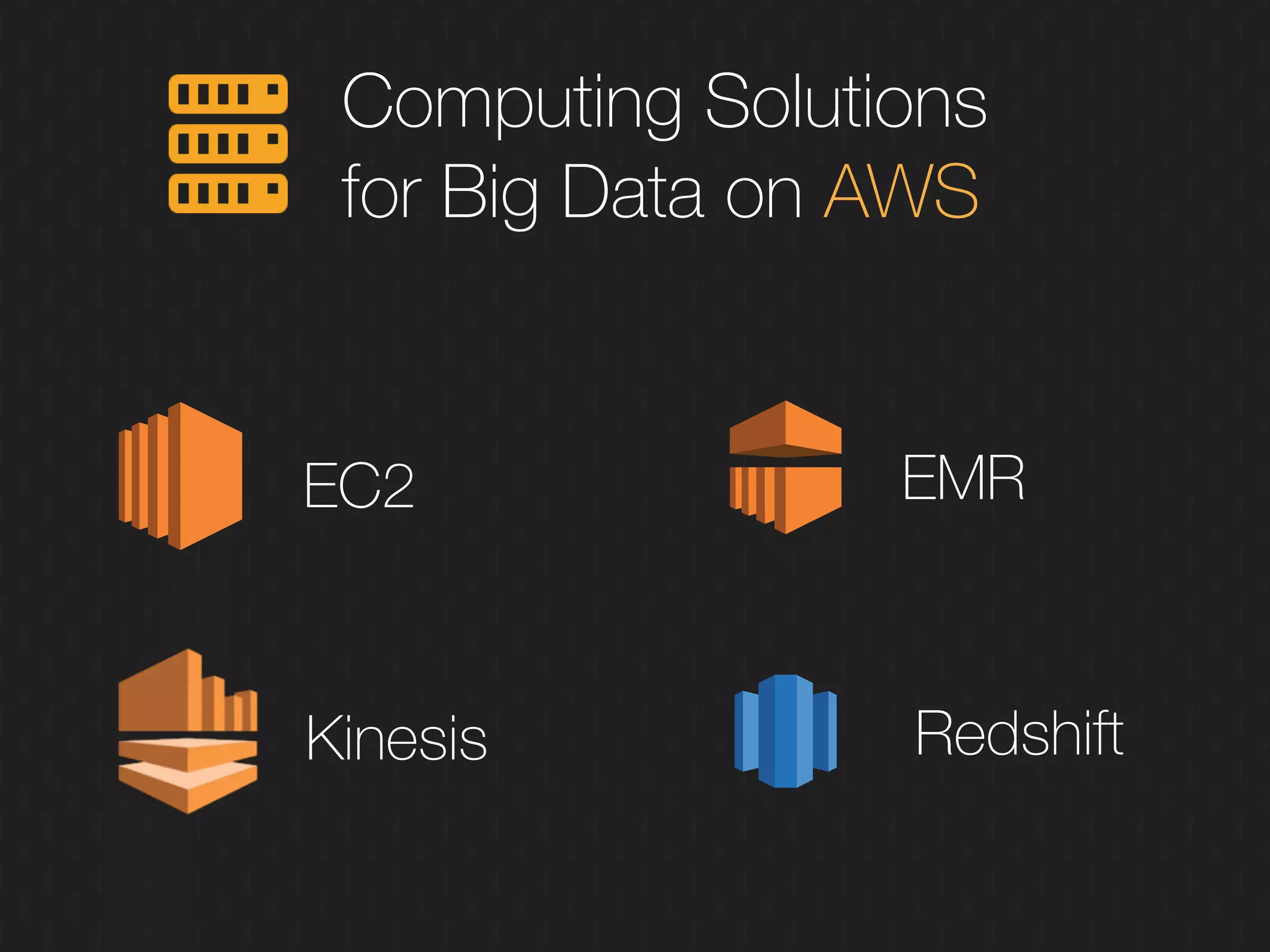
Computing Solutions
for Big Data on AWS
Kinesis
EC2 EMR
Redshift
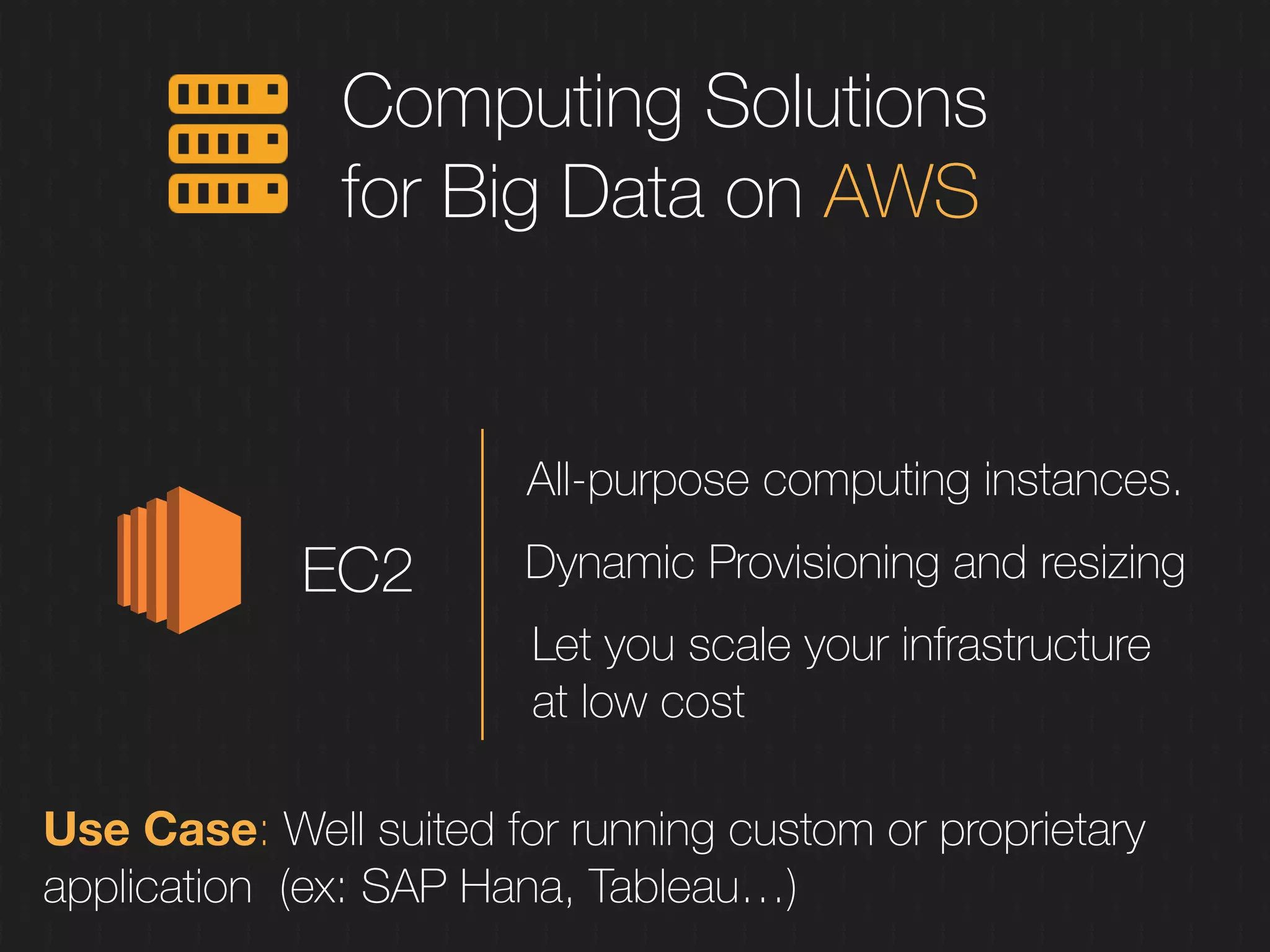
Computing Solutions
for Big Data on AWS
EC2
All-purpose computing instances.
Dynamic Provisioning and resizing
Let you scale your infrastructure
at low cost
Use Case: Well suited for running custom or proprietary
application (ex: SAP Hana, Tableau…)
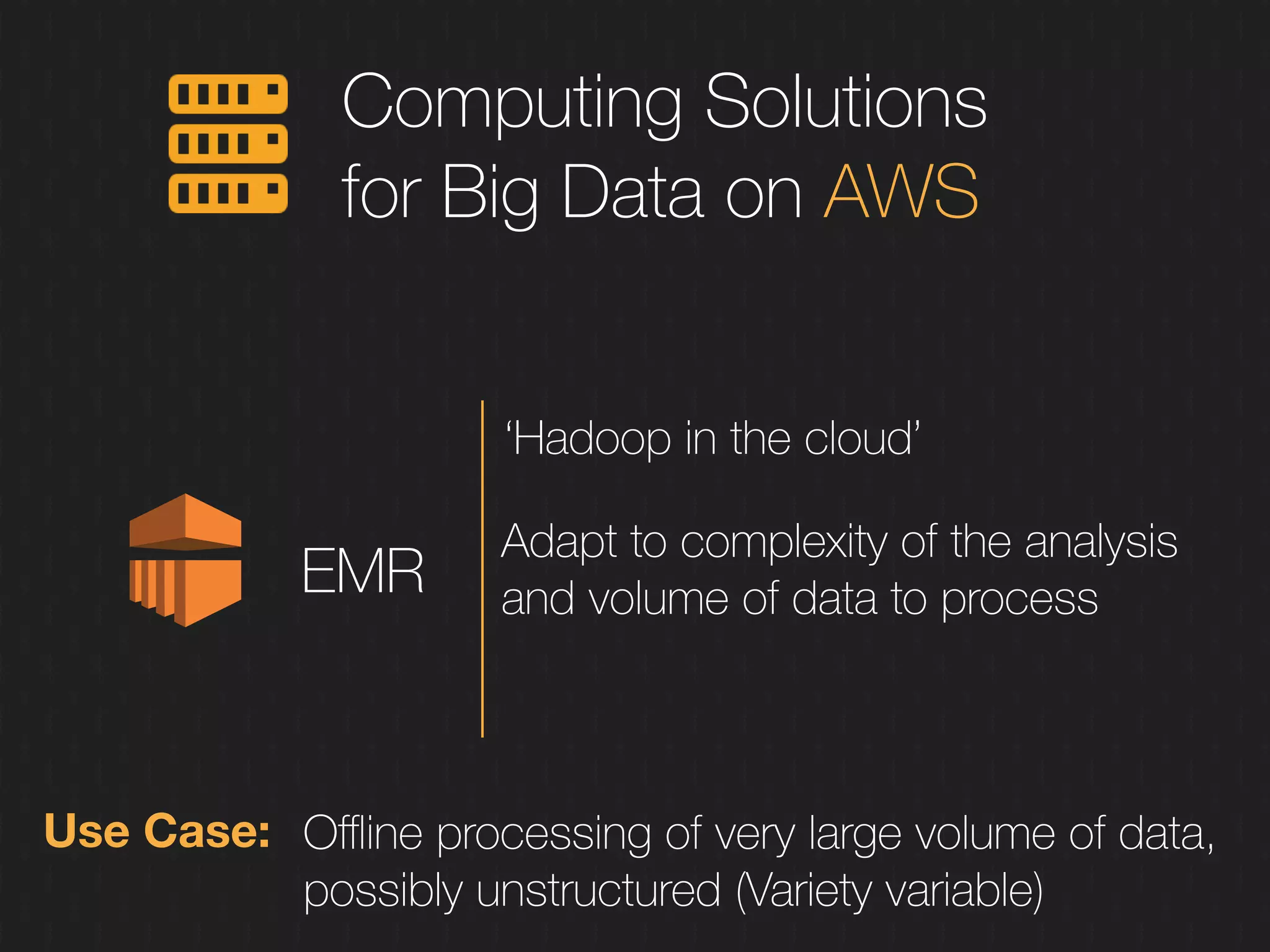
Computing Solutions
for Big Data on AWS
EMR
‘Hadoop in the cloud’
Adapt to complexity of the analysis
and volume of data to process
Use Case: Offline processing of very large volume of data,
possibly unstructured (Variety variable)
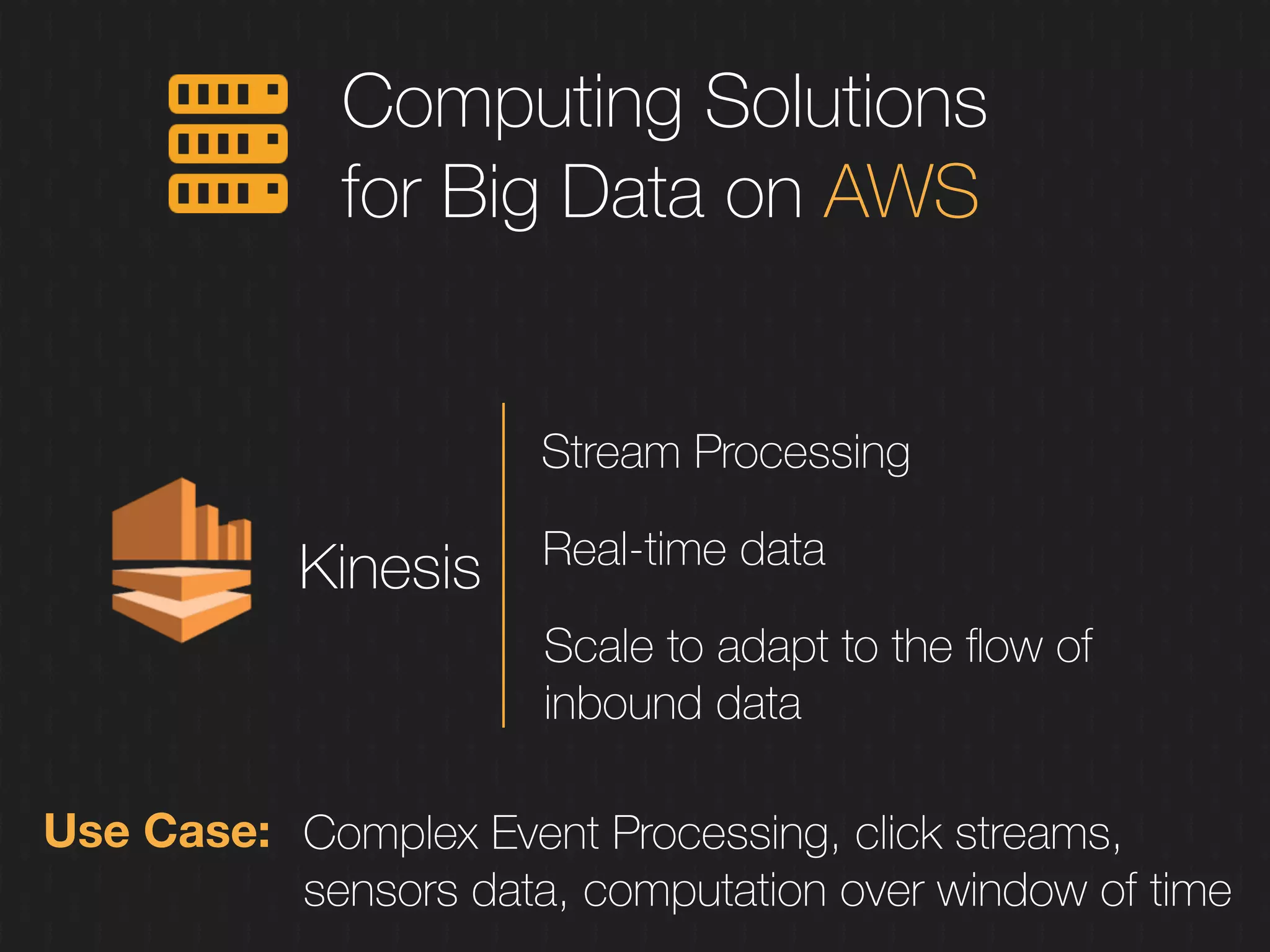
Computing Solutions
for Big Data on AWS
Kinesis
Stream Processing
Real-time data
Scale to adapt to the flow of
inbound data
Use Case: Complex Event Processing, click streams,
sensors data, computation over window of time
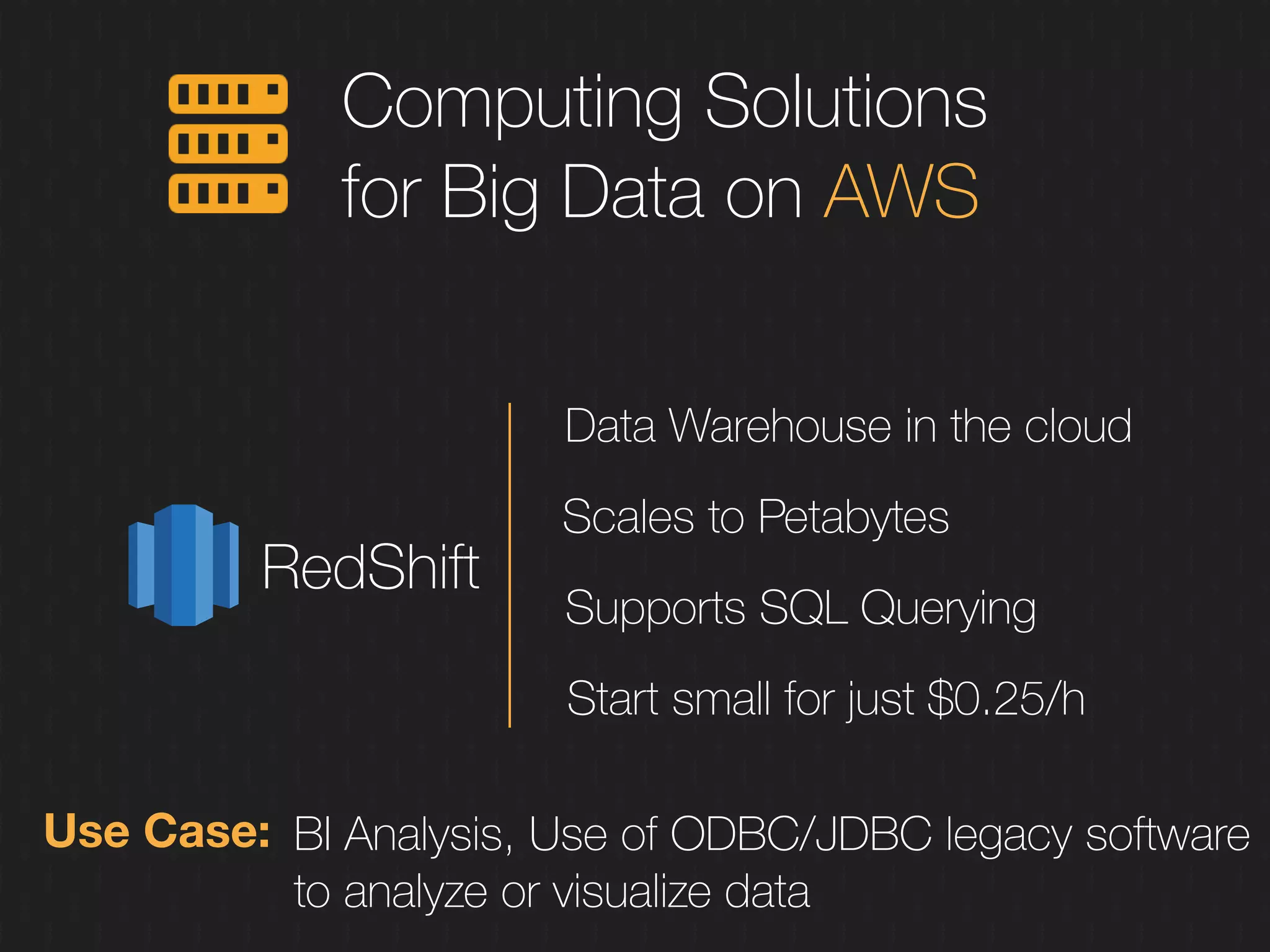
Computing Solutions
for Big Data on AWS
RedShift
Data Warehouse in the cloud
Scales to Petabytes
Supports SQL Querying
Start small for just $0.25/h
Use Case: BI Analysis, Use of ODBC/JDBC legacy software
to analyze or visualize data
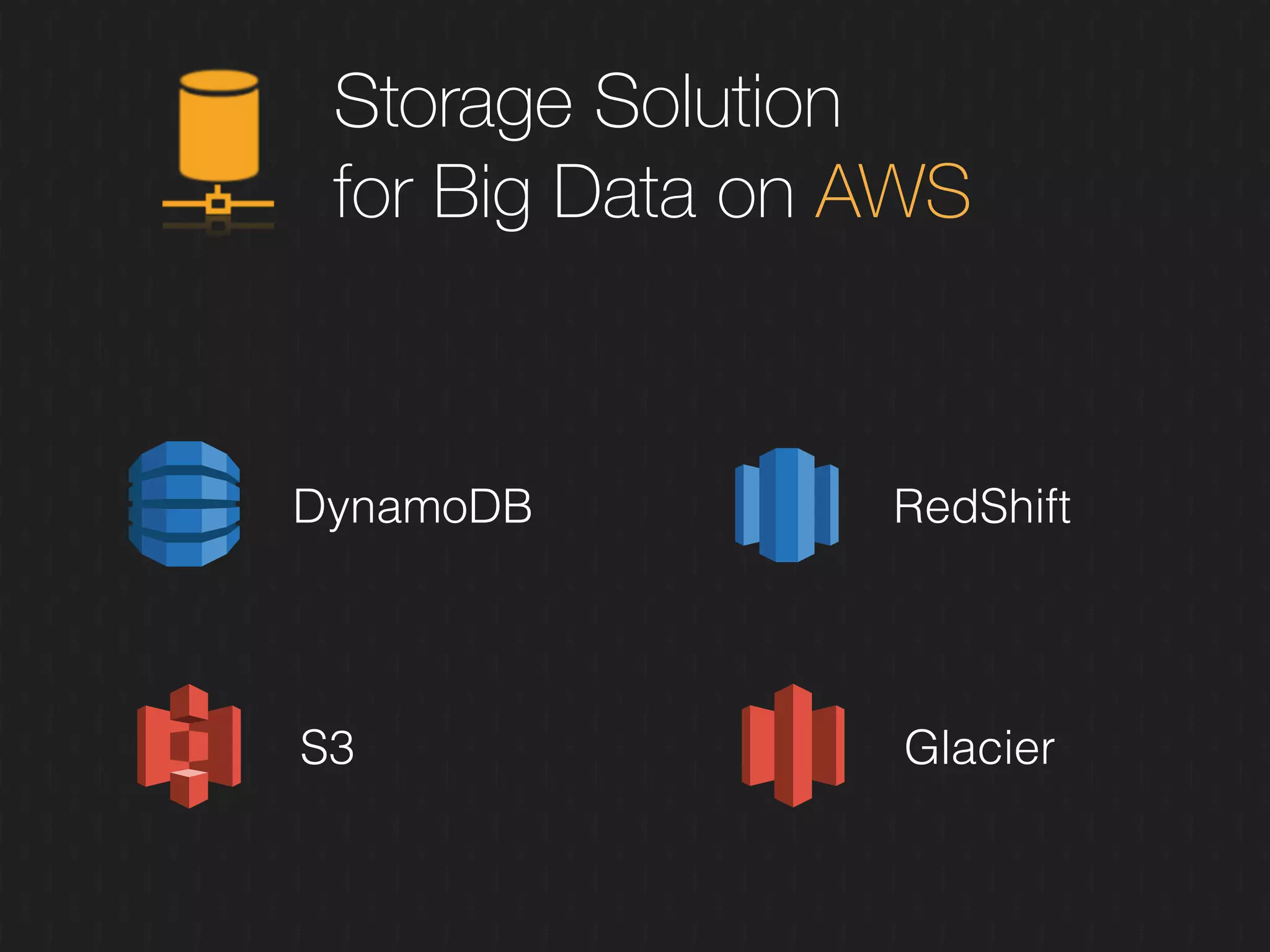
Storage Solution
for Big Data on AWS
DynamoDB RedShift
S3 Glacier
Storage Solution
for Big Data on AWS
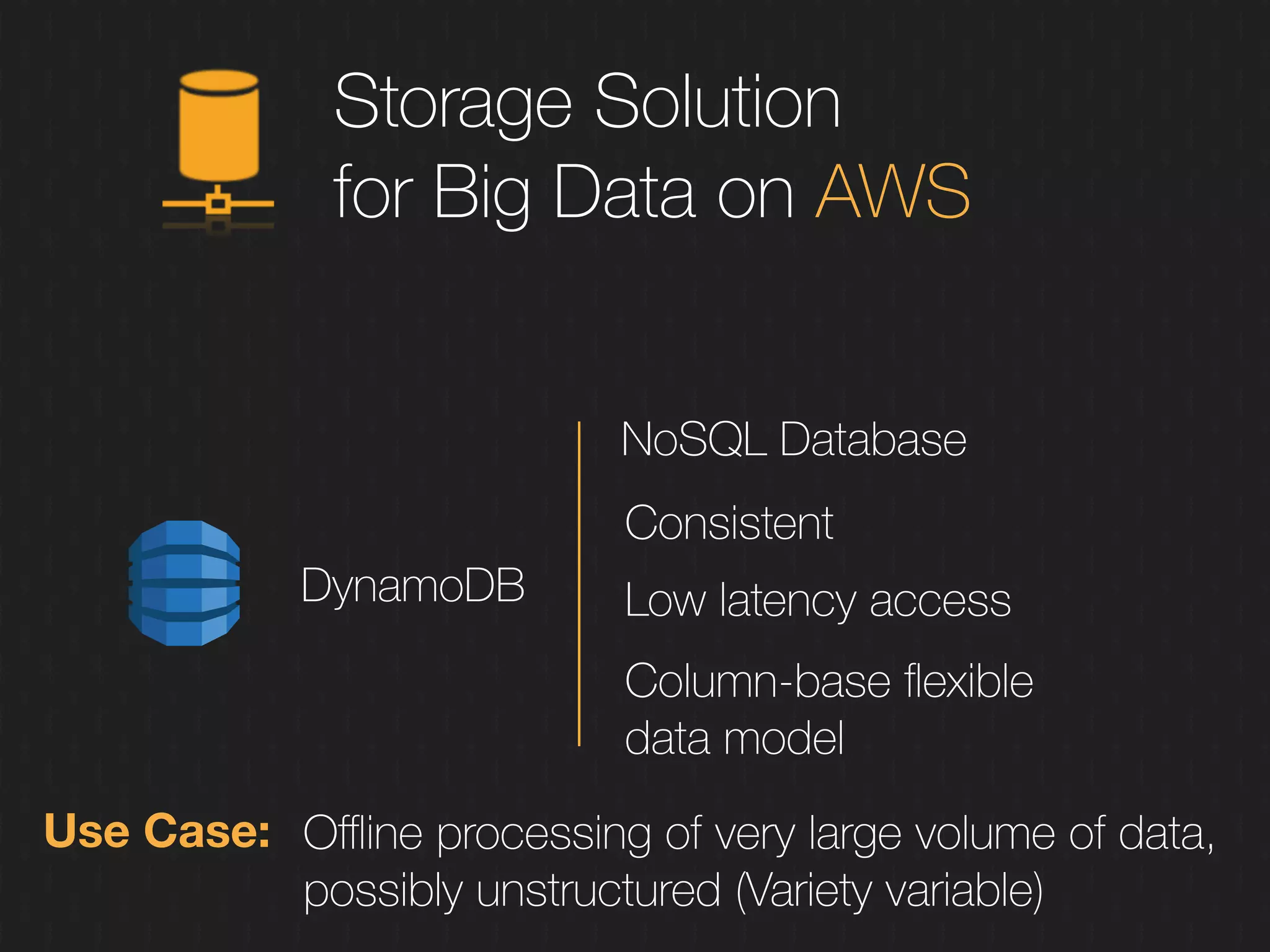
DynamoDB
NoSQL Database
Consistent
Low latency access
Column-base flexible
data model
Use Case: Offline processing of very large volume of data,
possibly unstructured (Variety variable)
Storage Solution
for Big Data on AWS
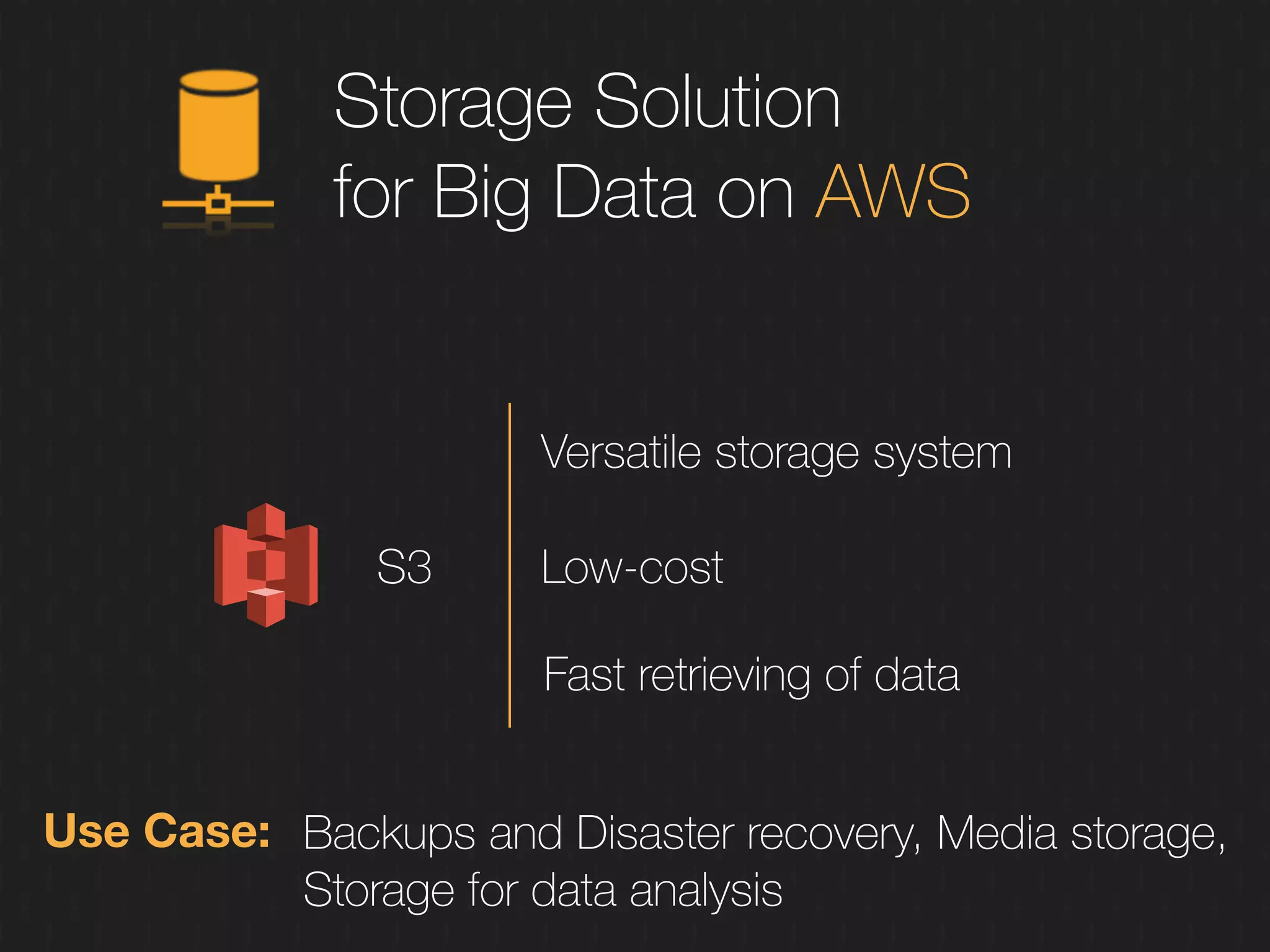
S3
Use Case: Backups and Disaster recovery, Media storage,
Storage for data analysis
Versatile storage system
Low-cost
Fast retrieving of data
Storage Solution
for Big Data on AWS
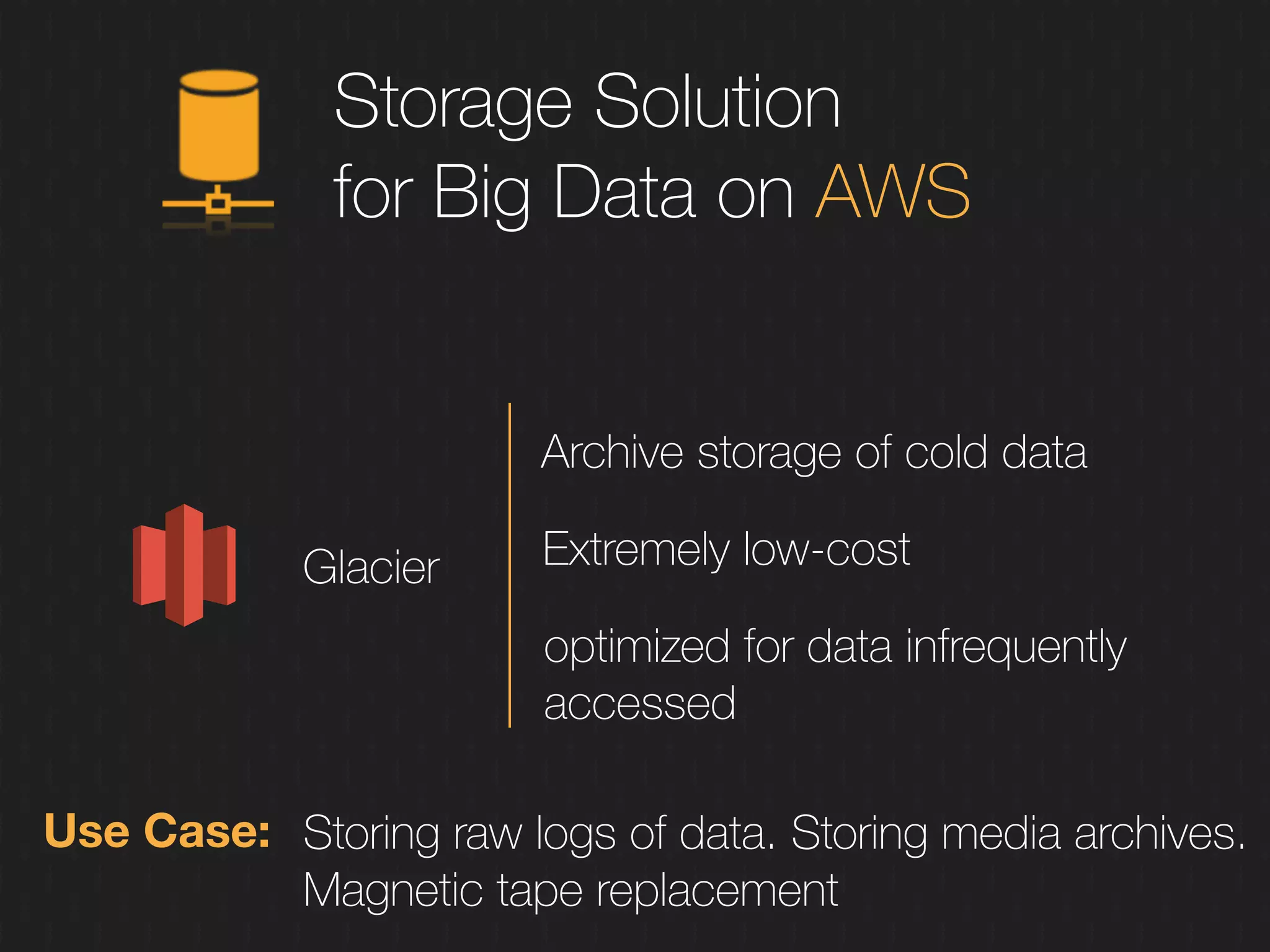
Glacier
Use Case: Storing raw logs of data. Storing media archives.
Magnetic tape replacement
Archive storage of cold data
Extremely low-cost
optimized for data infrequently
accessed
What makes AWS different
when it comes to big data?
Given the 3V’s a collection of tools is most of the time
needed for your data processing and storage.
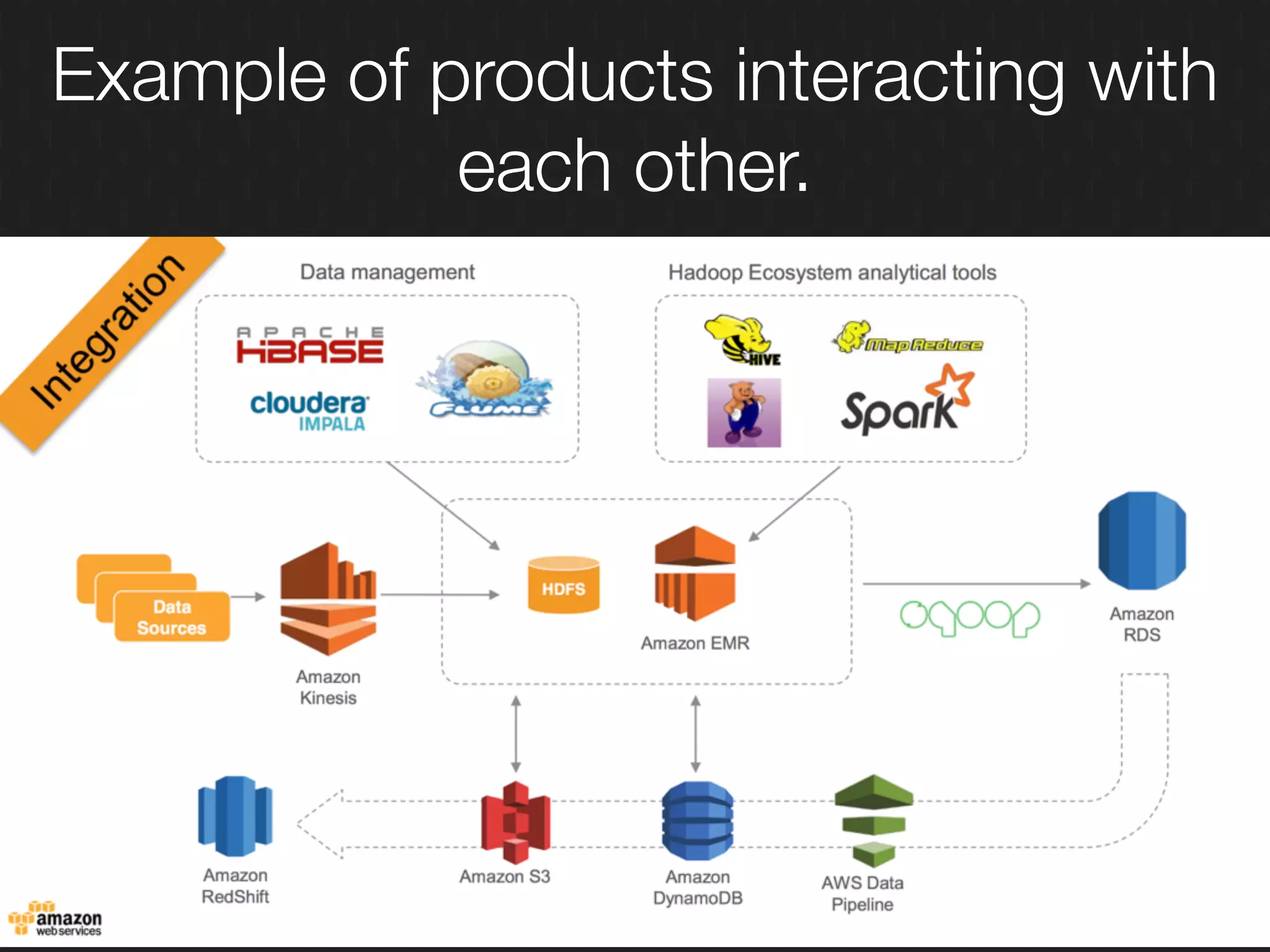
Integrated Environment for Big Data
AWS Big Data solutions comes integrated with each others
already
AWS Big Data solutions also integrate with the whole AWS
ecosystem (Security, Identity Management, Logging, Backups,
Management Console…)
Example of products interacting with
each other.
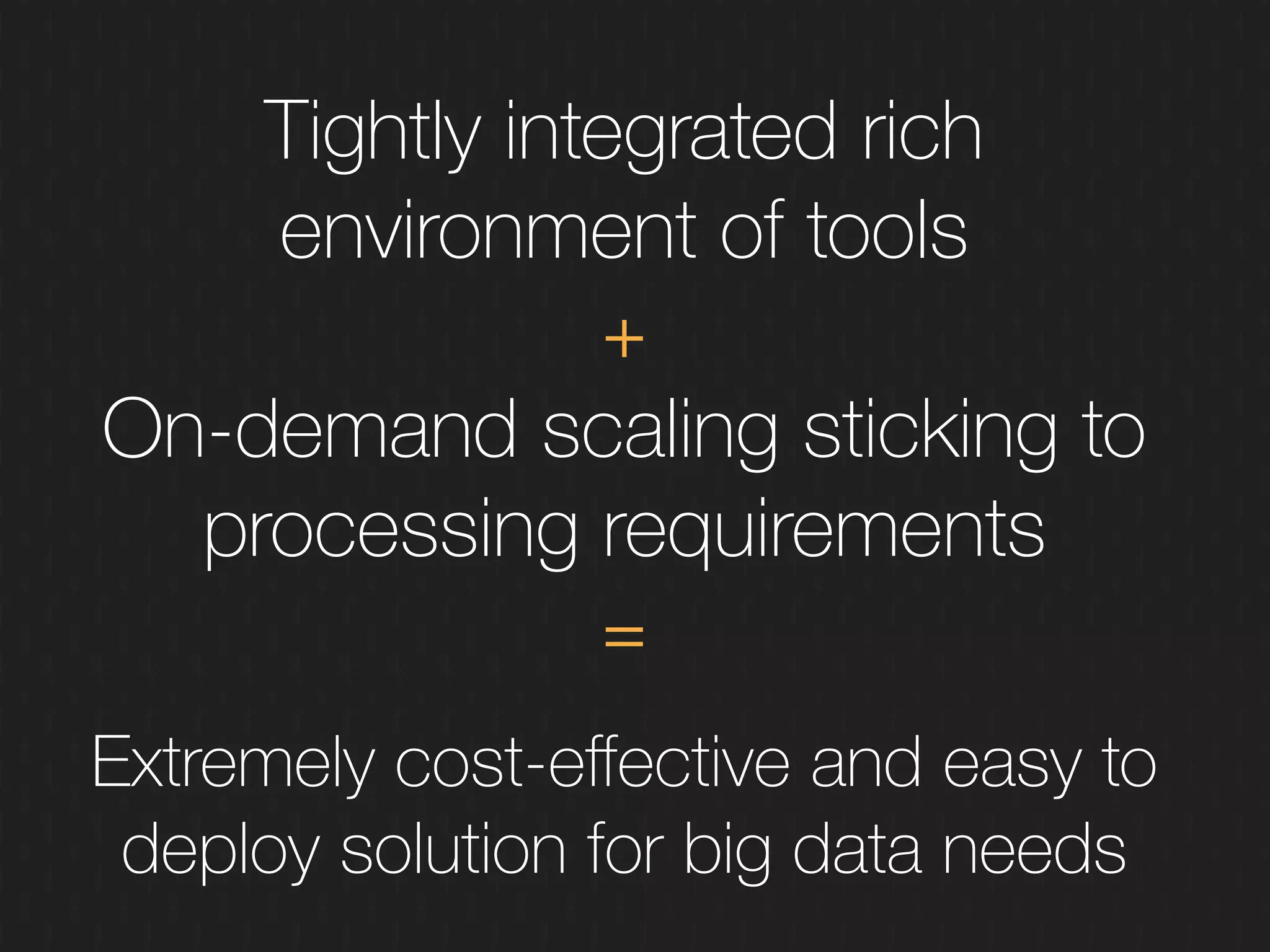
Tightly integrated rich
environment of tools
On-demand scaling sticking to
processing requirements
+
=
Extremely cost-effective and easy to
deploy solution for big data needs
• Error Detection: Real-time detection of hardware
problems
• Optimization and Energy management
Use Case:
Real-time IOT Analytics
Gathering data in real time from sensors deployed in
factory and send them for immediate processing
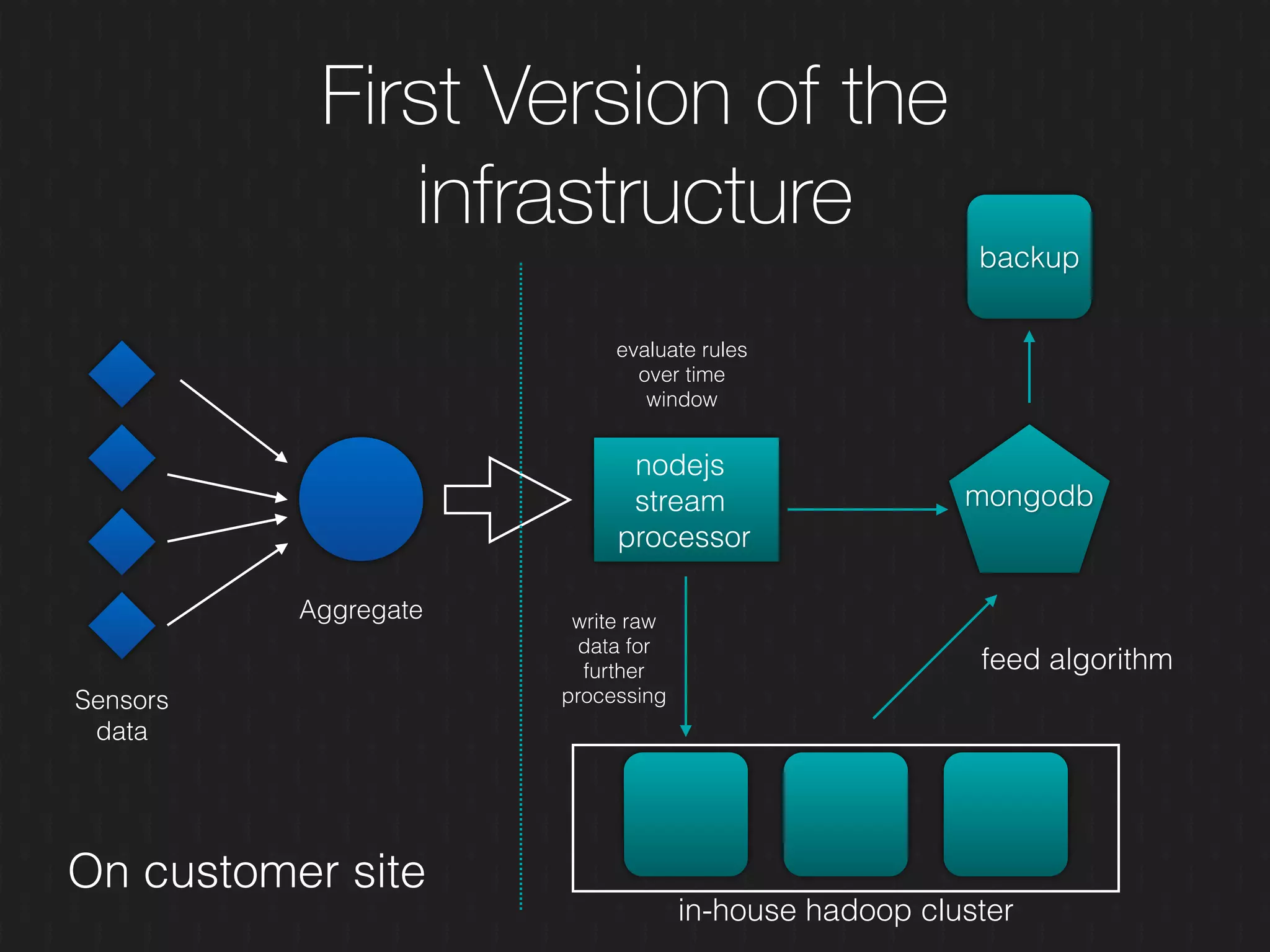
First Version of the
infrastructure
Aggregate
Sensors
data
nodejs
stream
processor
On customer site
evaluate rules
over time
window
in-house hadoop cluster
mongodb
feed algorithm
write raw
data for
further
processing
backup
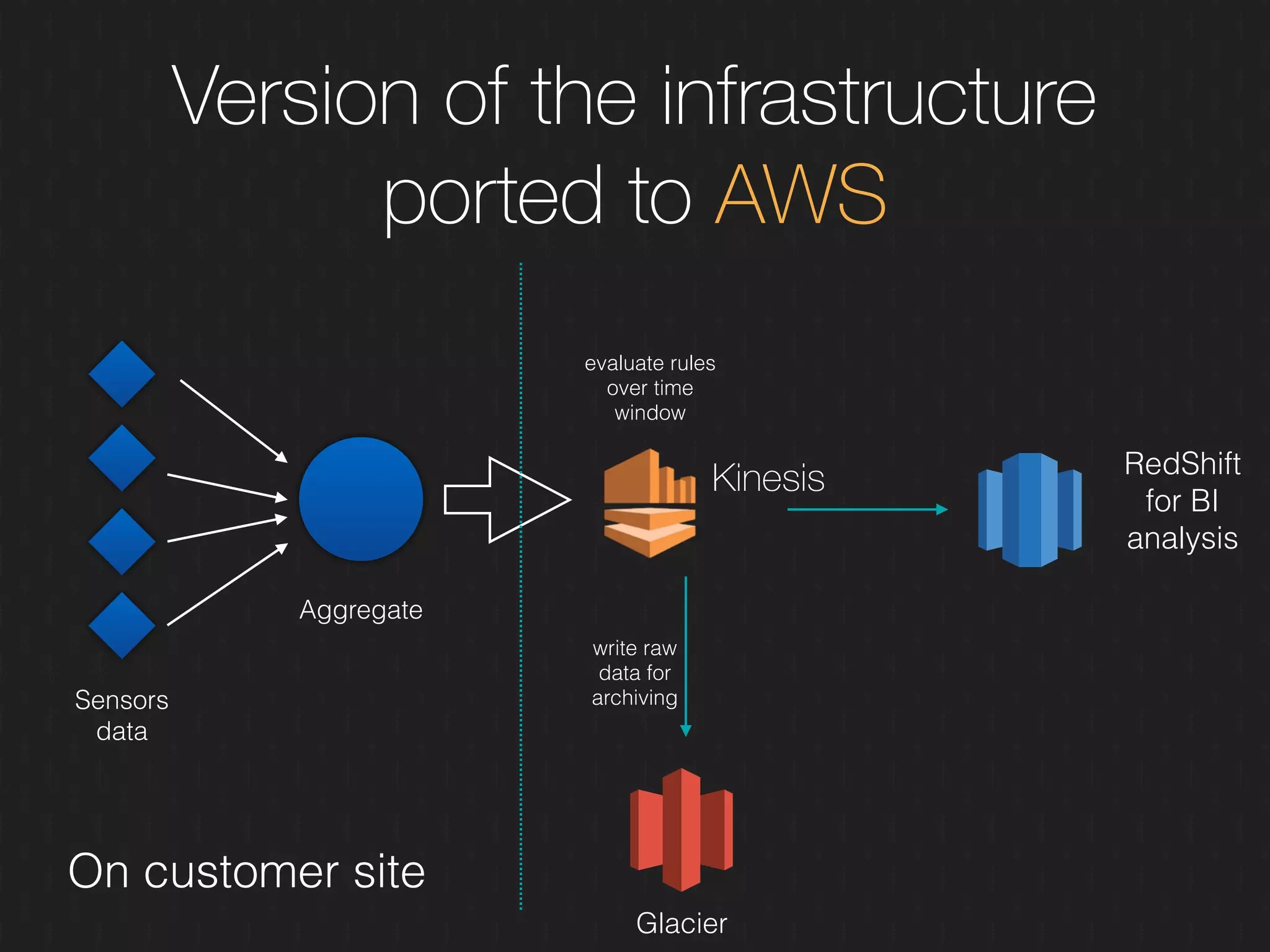
Version of the infrastructure
ported to AWS
Aggregate
Sensors
data
On customer site
evaluate rules
over time
window
write raw
data for
archiving
Kinesis RedShift
for BI
analysis
Glacier
ACT
Cloud and Lean
Enterprise
Let’s start with a
personal example
First year @seesmic
• Prototype becomes production
• Monolithic architecture
• No analytics/metrics
• Little monitoring
• Little automated testing
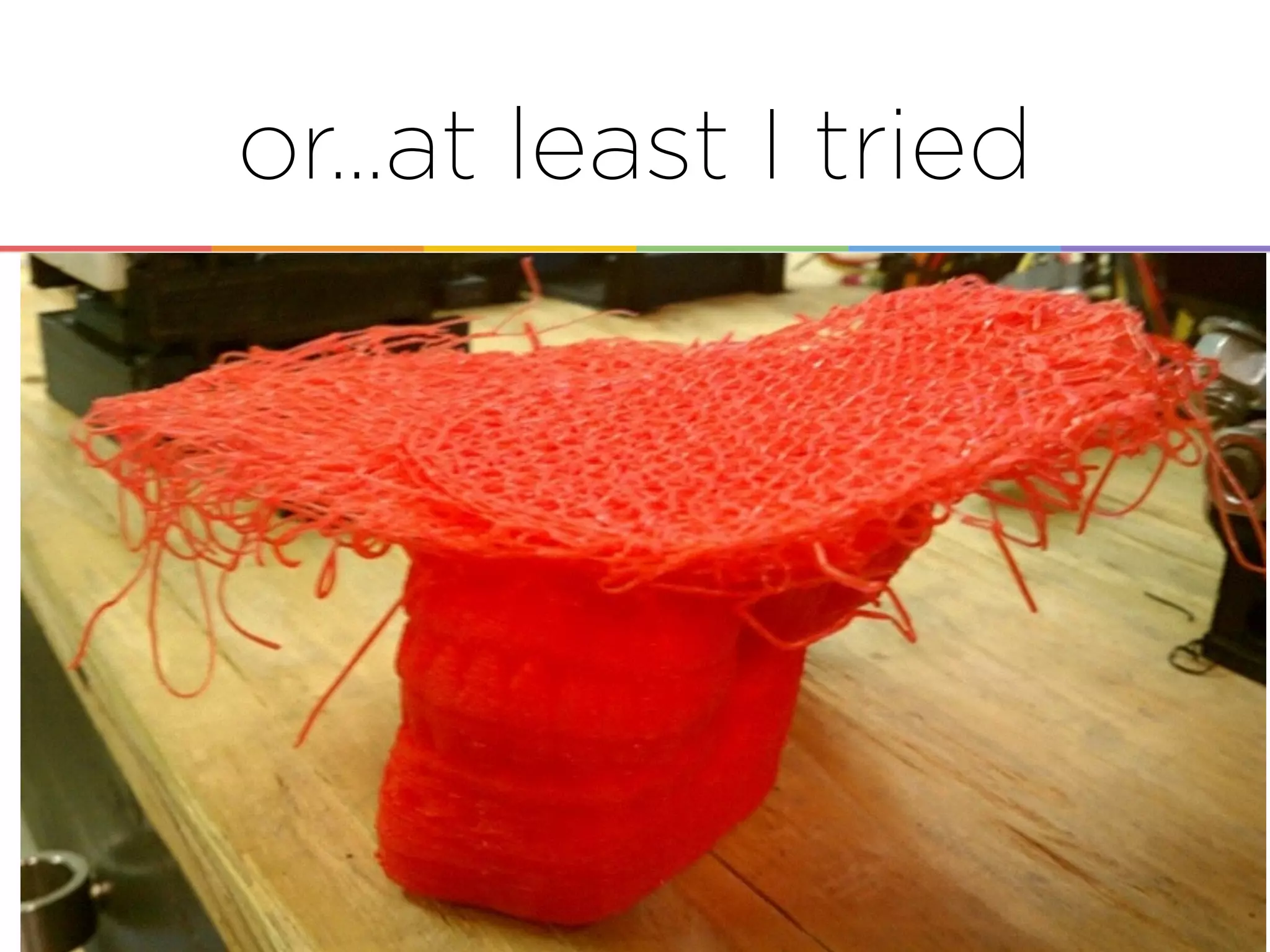
I built a monolith
or…at least I tried
Early days at SeesmicFirst year @seesmic
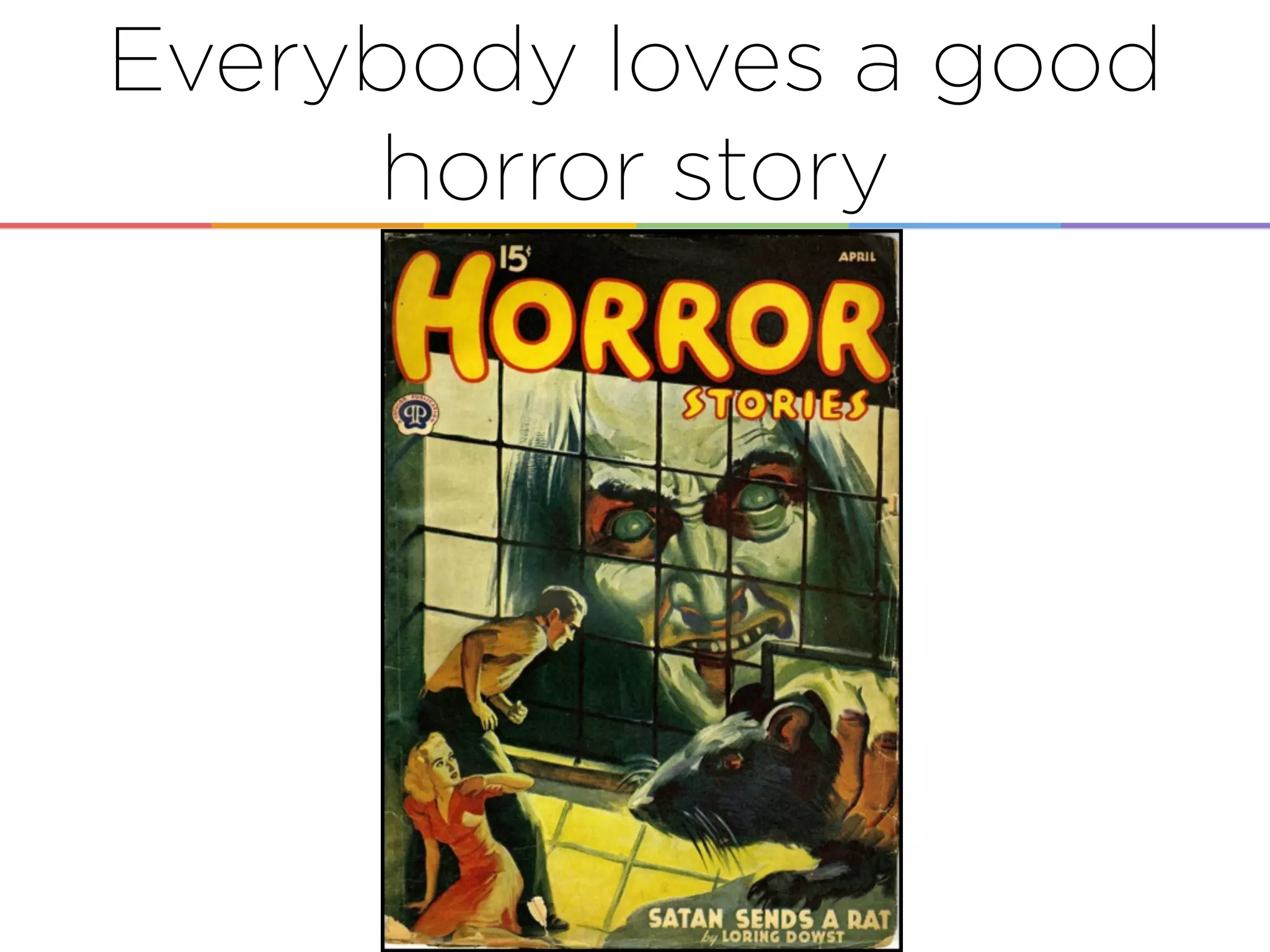
Everybody loves a good
horror story
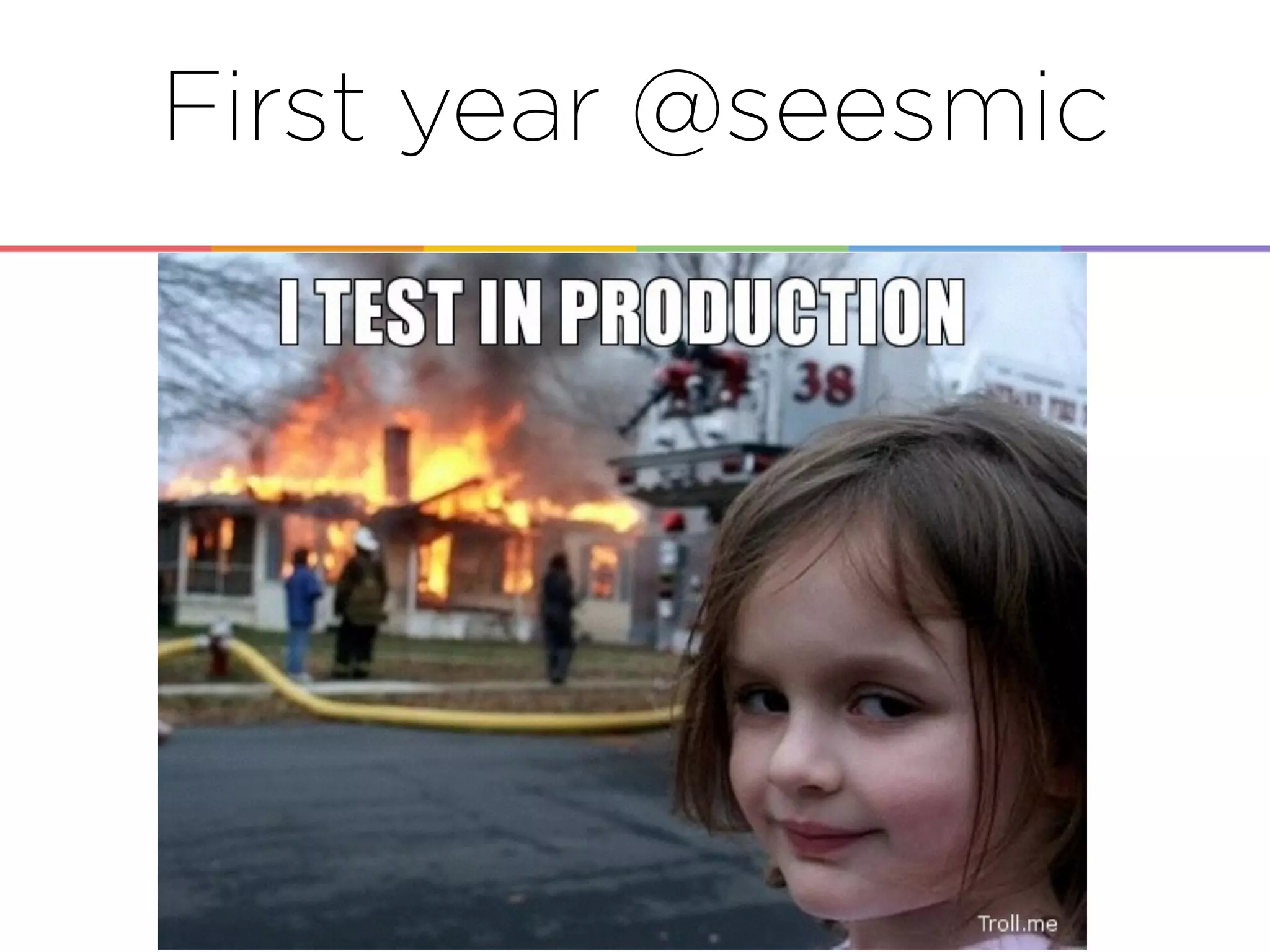
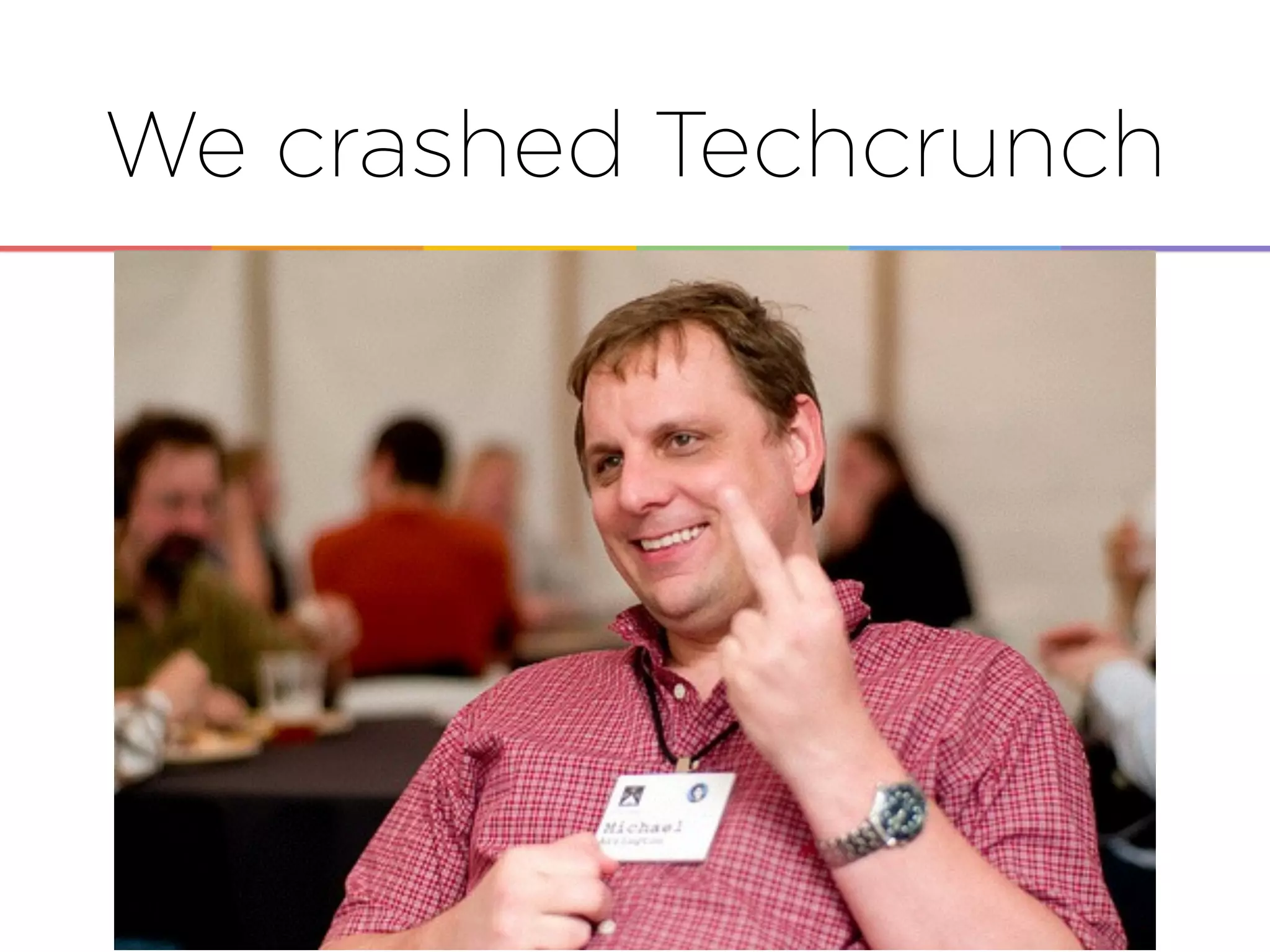
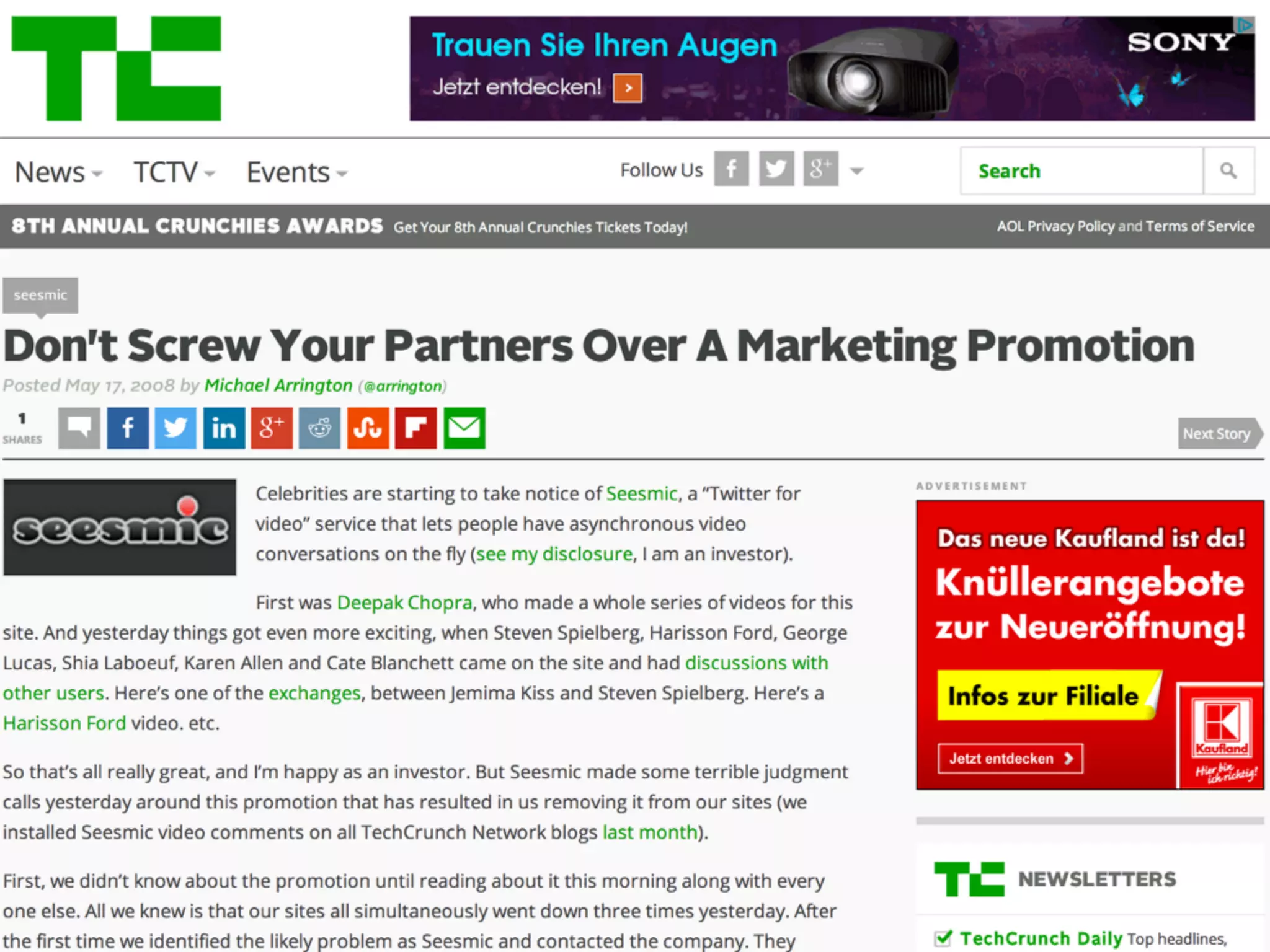
We crashed Techcrunch
What did we do?
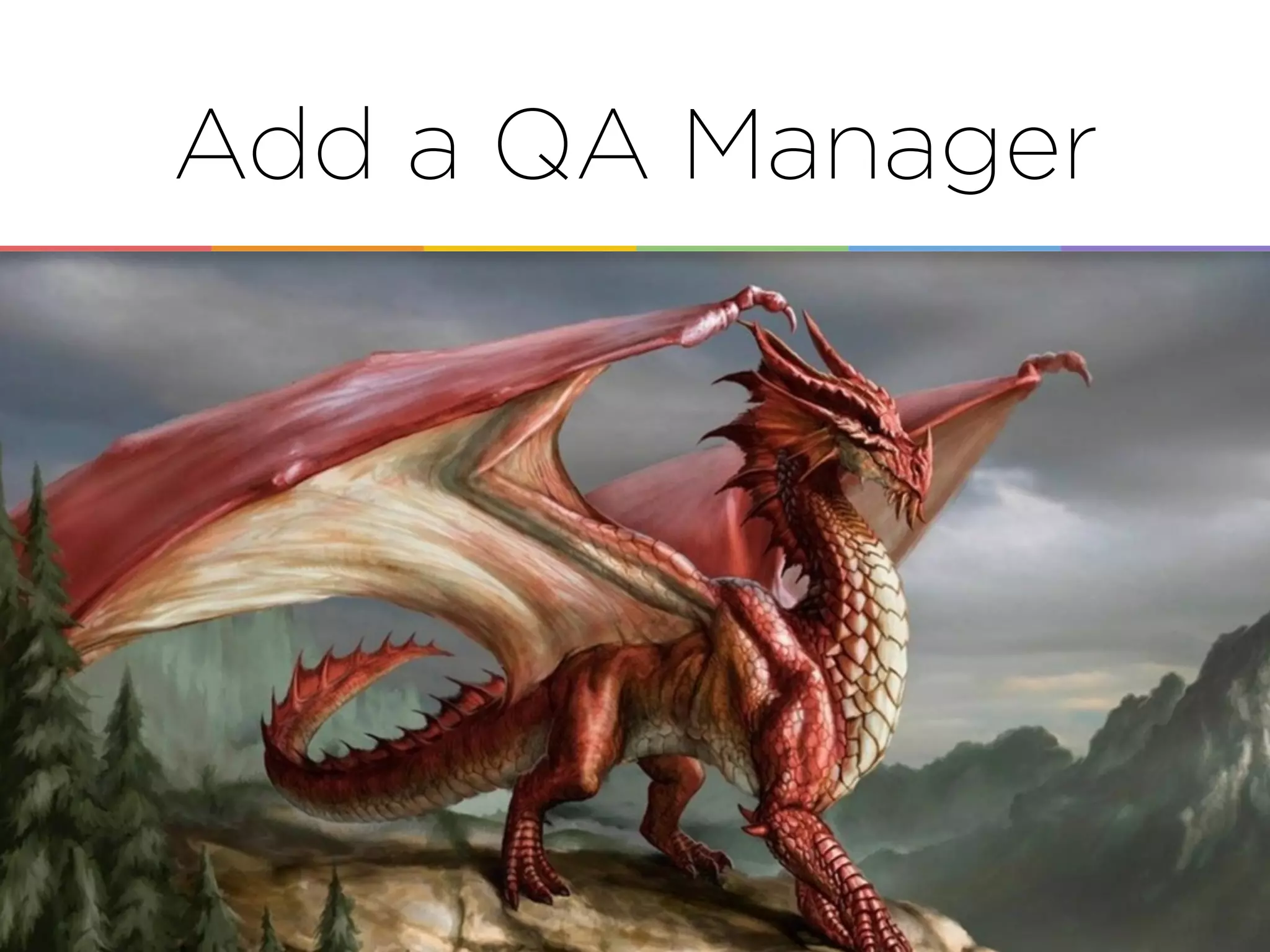
Add a QA Manager
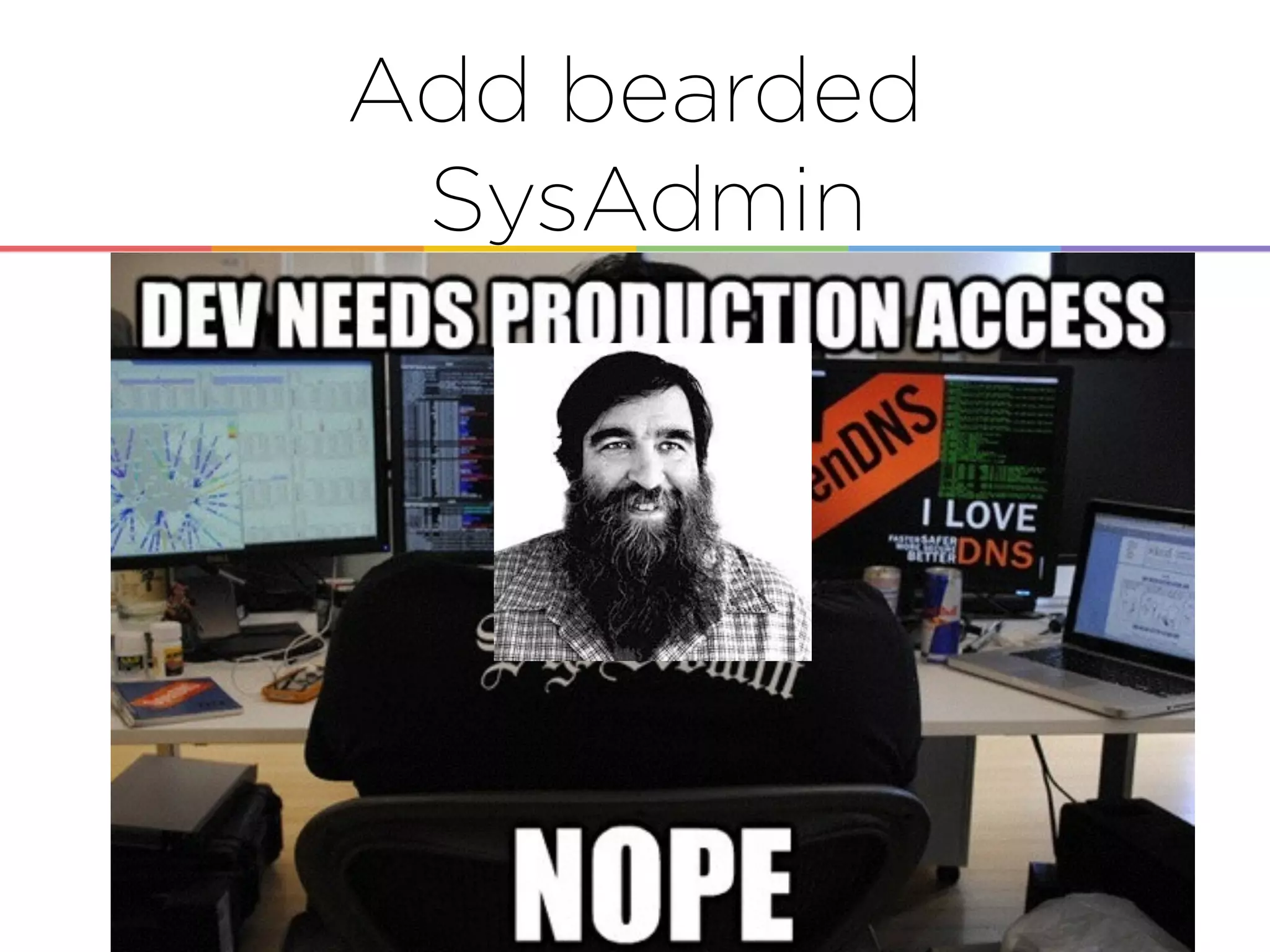
Add bearded
SysAdmin
We added tons of process
so nothing can’t go wrong
Impact on dev team
• Frustration of slow release process
• Lots of back and forth due to bugs and
the necessity to test app all over each
time
• Chain of command too long
• Feeling no power in the process
• Low trust
Impact on product team
• Frustration of not executing fast
enough
• Frustration of having to ask for
everything (like metrics)
• Feeling engineers always have the last
word
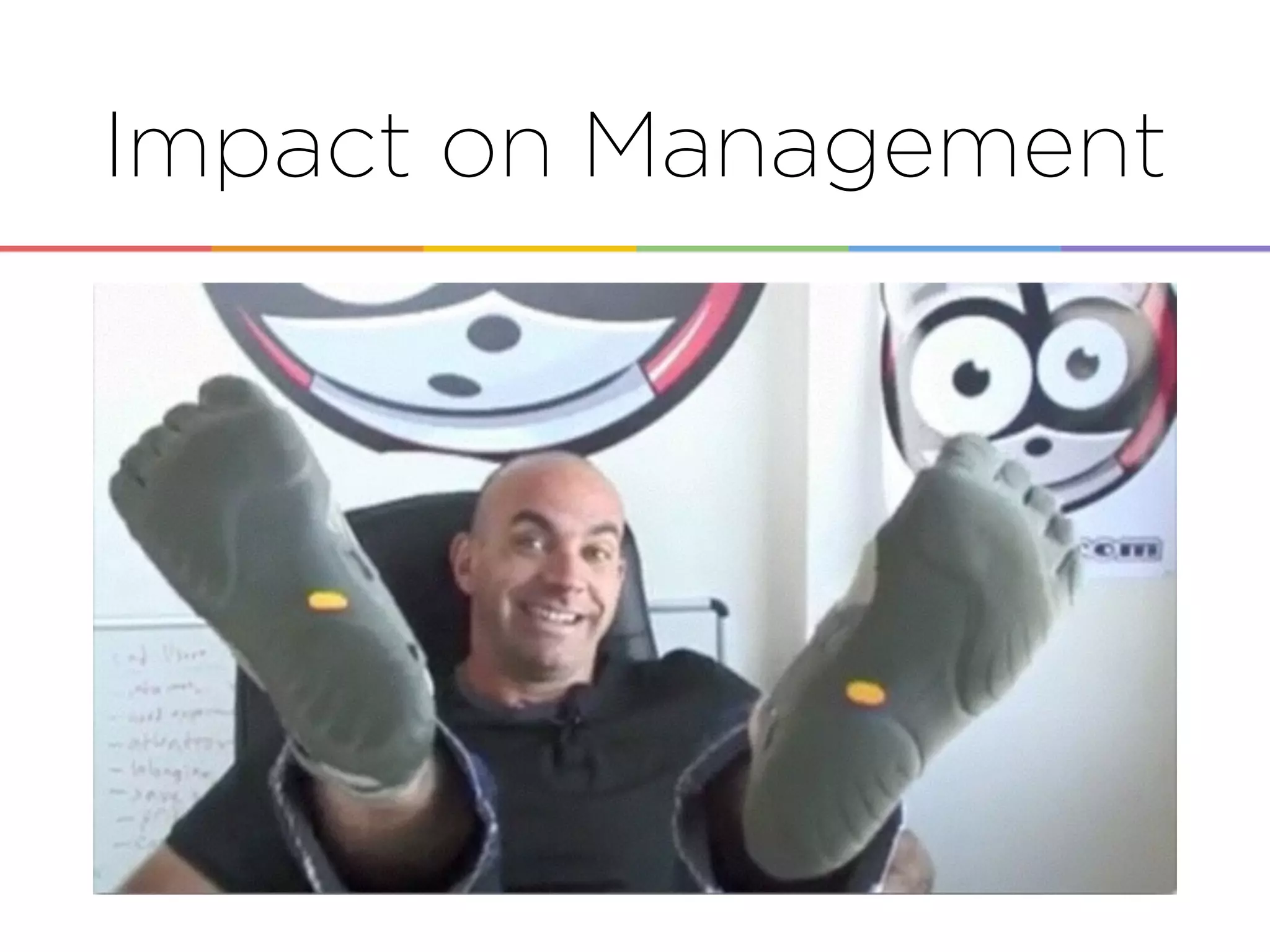
Impact on Management
• Break down software into smaller
autonomous units
• Break down teams into smaller
autonomous units
• Automating and tooling, CI / CD
• Plan for the worst
What can you do?
=
Break down software into
smaller autonomous units
Introduction to
Microservices
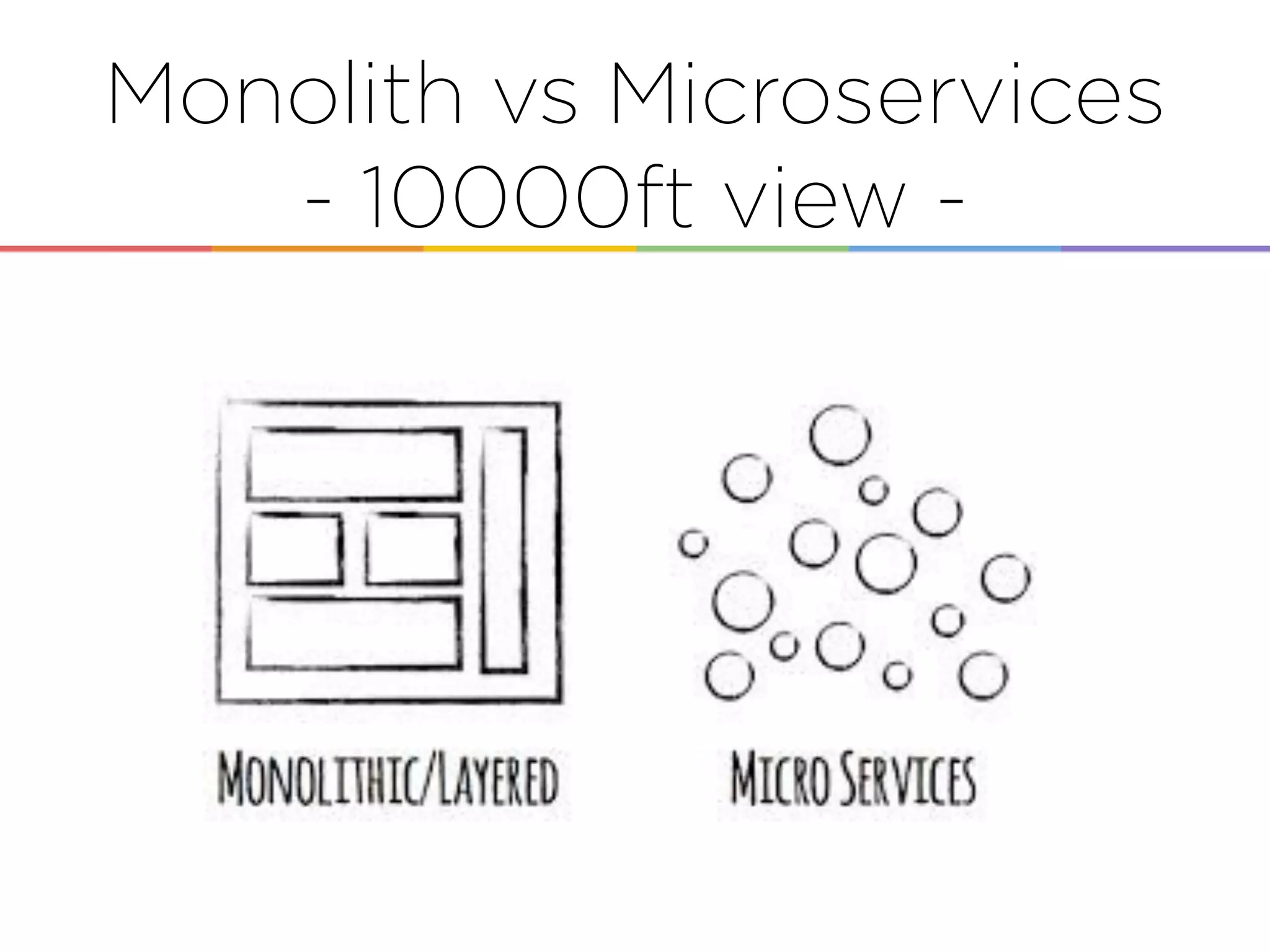
Monolith vs Microservices
- 10000ft view -
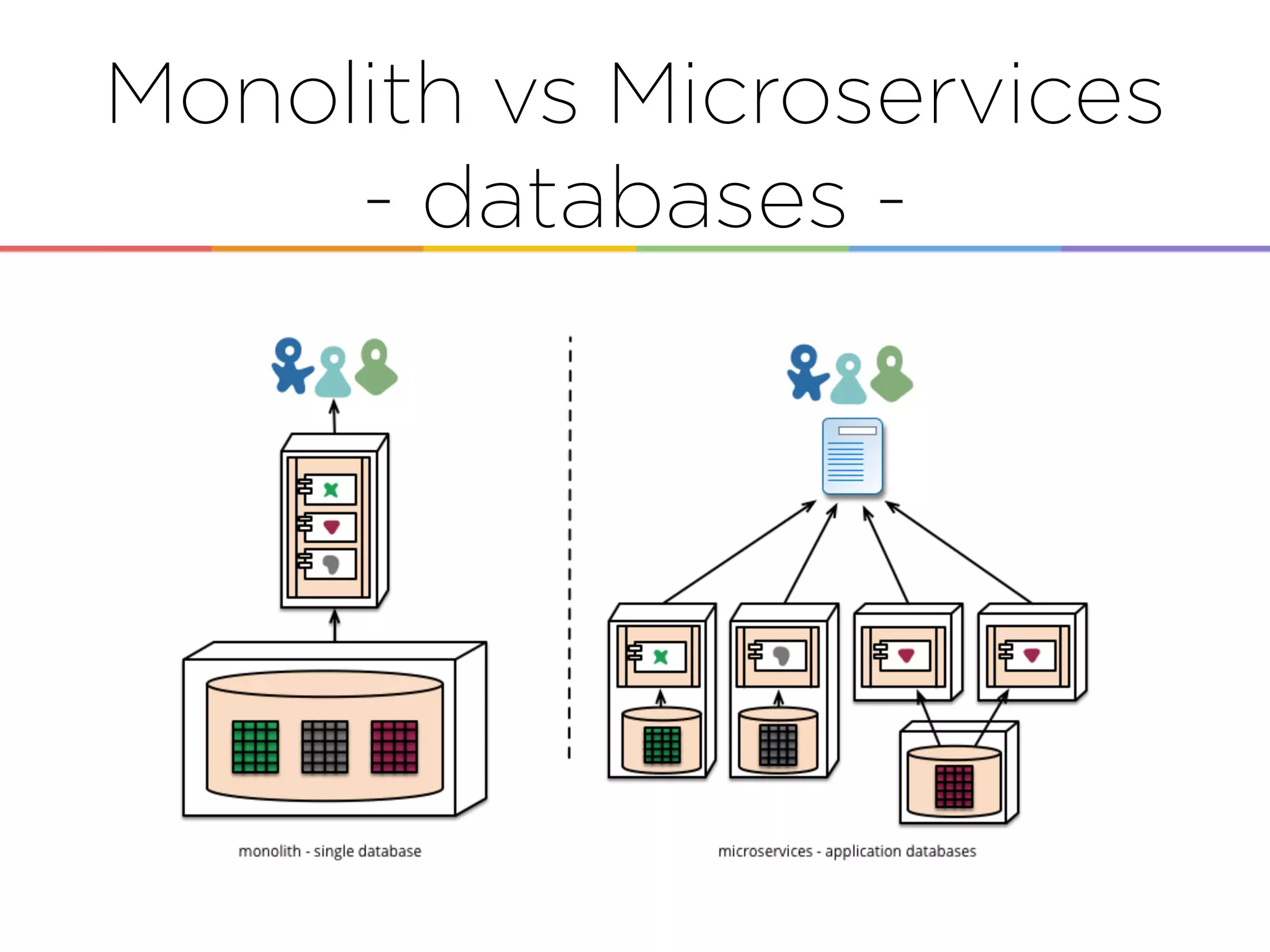
Monolith vs Microservices
- databases -
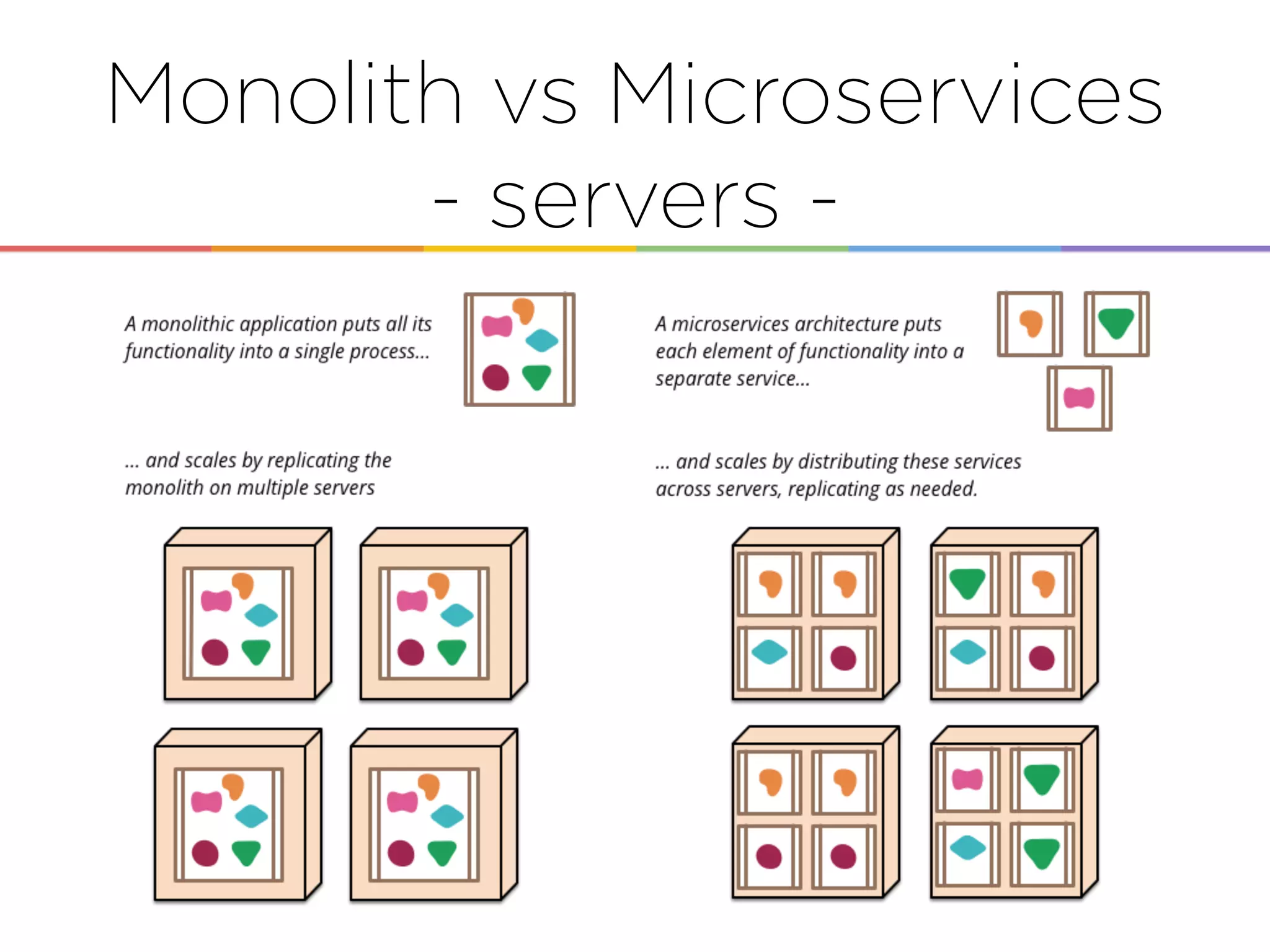
Monolith vs Microservices
- servers -
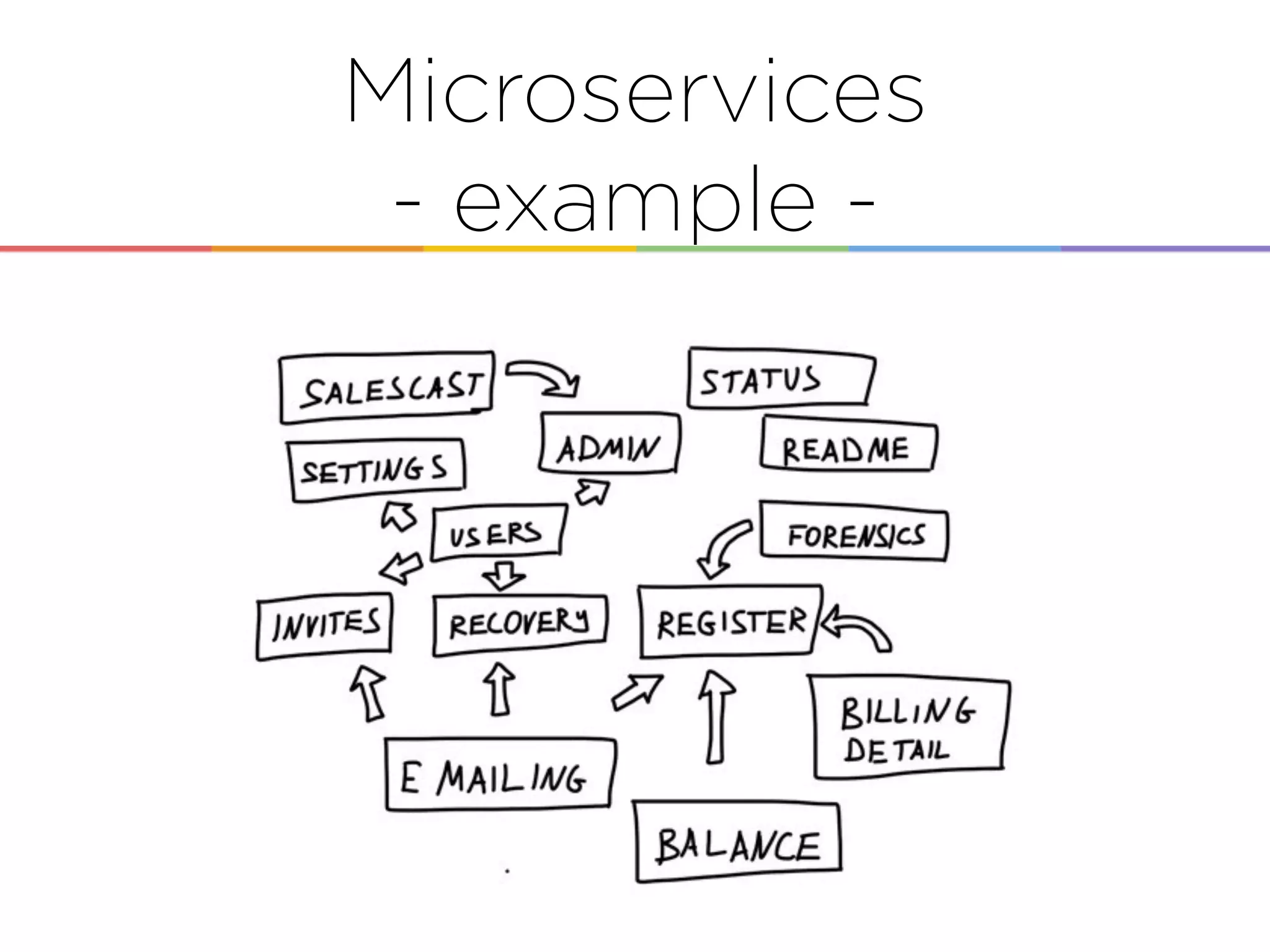
Microservices
- example -
Break down team into
smaller units
Amazon’s
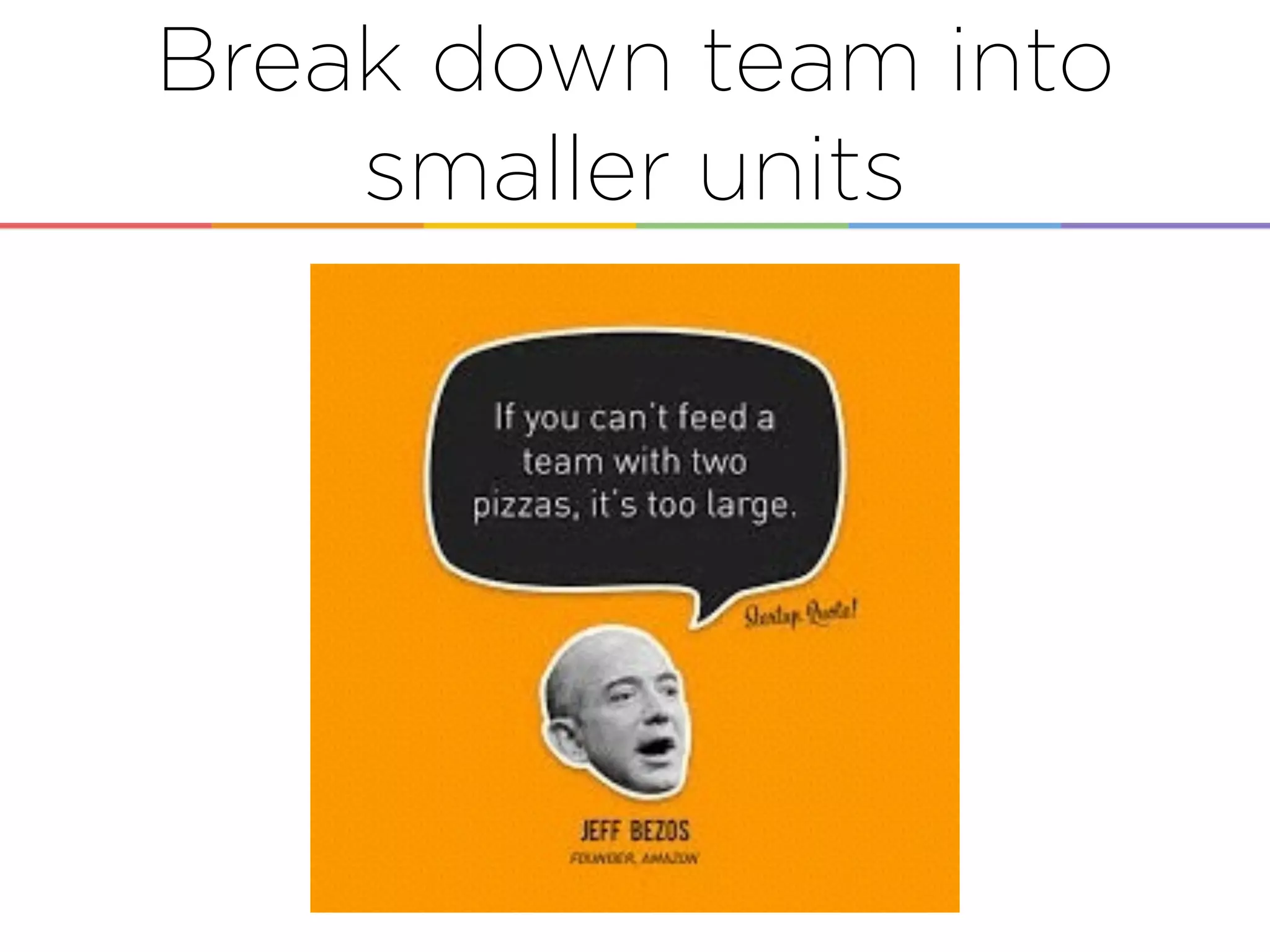
“two-pizza teams”
• 6 to 10 people; you can feed them
with two pizzas.
• It’s not about size, but about
accountability and autonomy
• Each team has its own fitness
function
• Full devops model: good tooling needed
• Still need to be designed for resiliency
• Harder to test
Friction points
Continuous Integration
(CI) is the practice, in software engineering, of
merging all developer working copies with a
shared mainline several times a day
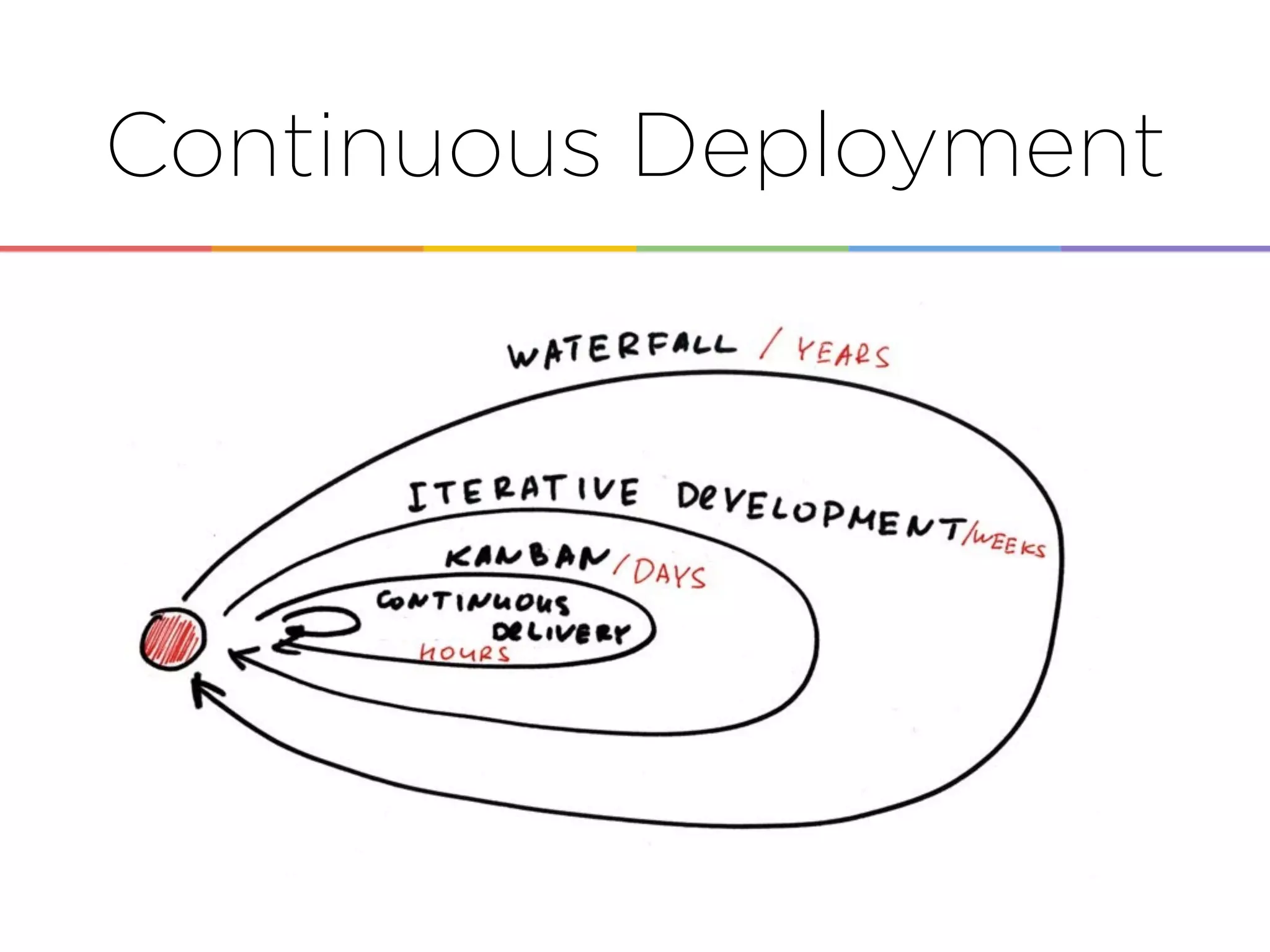
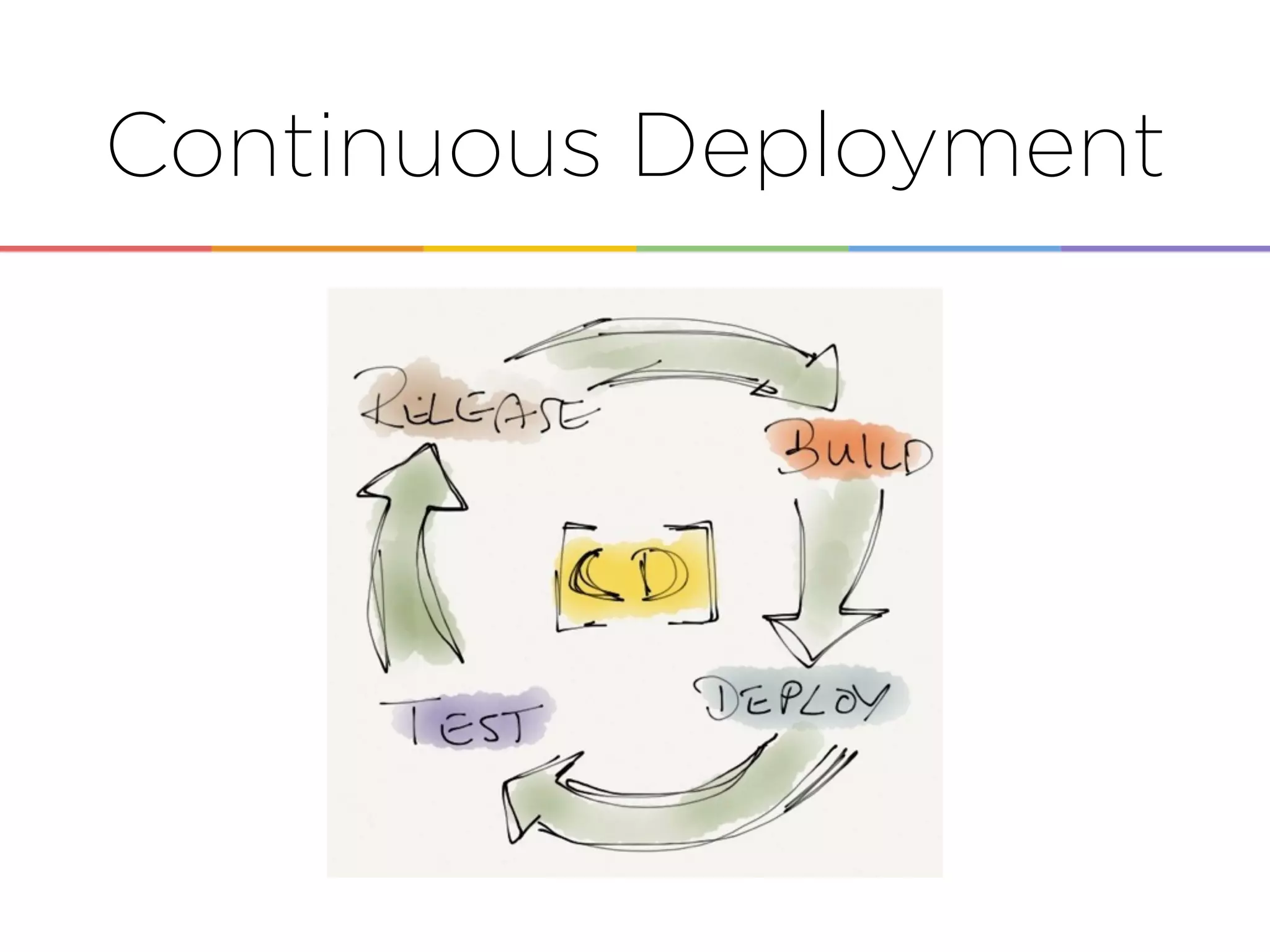
Continuous Deployment
Tools for Continuous
Integration
• Jenkins (Open Source, Lot of plugins,
hard to configure)
• Travis CI (Look better, less plugins)
Tools for Continuous
Deployment
• GO.cd (Open-Source)
• shippable.com (SaaS, Docker
support)
• Code Deploy (AWS)
+ Puppet, Chef, Ansible, Salt, Docker…
Impact on dev
• Autonomy
• Not afraid to try new things
• More confident in codebase
• Don’t have to linger around with old
bugs until there’s a release
Impact on product team
• Iterate faster on features
• Can make, bake and break hypothesis
faster
• Product gets improved incrementally
everyday
Impact on Management
• Enabling Microservices architecture
• Enabling better testing
• Enabling devops model
• Come talk to the Docker team
tomorrow!
Thank You
follow me: @romefort
romefort@gmail.com

Lean Enterprise, Microservices and Big Data

  • 1.
    How to enablethe Lean Enterprise Johann Romefort co-founder @ rainbow
  • 2.
    My Background • Seesmic- Co-founder & CTO Video conversation platform Social media clients…lots of pivots :) • Rainbow - Co-founder & CTO Enterprise App Store
  • 3.
    Goal of thispresentation • Understand what is the Lean Enterprise, how it relates to big data and the software architecture you build • Have a basic understanding of the technologies and tools involved
  • 4.
    What is theLean Enterprise? http://en.wikipedia.org/wiki/Lean_enterprise “Lean enterprise is a practice focused on value creation for the end customer with minimal waste and processes.”
  • 5.
    Enabling the OODA Loop ! ! “Getinside your adversaries' OODA loop to disorient them” ! OBSERVE ORIENT DECIDE ACT USAF Colonel John Boyd on Combat: OODA Loop
  • 6.
  • 7.
    The OODA Loop forsoftware image credit: Adrian Cockcroft
  • 8.
    OODA Loop • (Observe)Innovation and (Decide) Culture are mainly human-based • Orient (BigData) and Act (Cloud) can be automated
  • 9.
  • 10.
    What is BigData? • It’s data at the intersection of 3 V: • Velocity (Batch / Real time / Streaming) • Volume (Terabytes/Petabytes) • Variety (structure/semi-structured/unstructured)
  • 11.
    Why is everybodytalking about it? • Cost of generation of data has gone down • By 2015, 3B people will be online, pushing data volume created to 8 zettabytes • More data = More insights = Better decisions • Ease and cost of processing is falling thanks to cloud platforms
  • 12.
    Data flow andconstraints Generate Ingest / Store Process Visualize / Share The 3 V involve heterogeneity and make it hard to achieve those steps
  • 13.
    What is AWS? •AWS is a cloud computing platform • On-demand delivery of IT resources • Pay-as-you-go pricing model
  • 14.
    Cloud Computing + + StorageComputeNetworking Adapts dynamically to ever changing needs to stick closely to user infrastructure and applications requirements
  • 15.
    How does AWShelps with Big Data? • Remove constraints on the ingesting, storing, and processing layer and adapts closely to demands. • Provides a collection of integrated tools to adapt to the 3 V’s of Big Data
 • Unlimited capacity of storage and processing power fits well to changing data storage and analysis requirements.
  • 16.
    Computing Solutions for BigData on AWS Kinesis EC2 EMR Redshift
  • 17.
    Computing Solutions for BigData on AWS EC2 All-purpose computing instances. Dynamic Provisioning and resizing Let you scale your infrastructure at low cost Use Case: Well suited for running custom or proprietary application (ex: SAP Hana, Tableau…)
  • 18.
    Computing Solutions for BigData on AWS EMR ‘Hadoop in the cloud’ Adapt to complexity of the analysis and volume of data to process Use Case: Offline processing of very large volume of data, possibly unstructured (Variety variable)
  • 19.
    Computing Solutions for BigData on AWS Kinesis Stream Processing Real-time data Scale to adapt to the flow of inbound data Use Case: Complex Event Processing, click streams, sensors data, computation over window of time
  • 20.
    Computing Solutions for BigData on AWS RedShift Data Warehouse in the cloud Scales to Petabytes Supports SQL Querying Start small for just $0.25/h Use Case: BI Analysis, Use of ODBC/JDBC legacy software to analyze or visualize data
  • 21.
    Storage Solution for BigData on AWS DynamoDB RedShift S3 Glacier
  • 22.
    Storage Solution for BigData on AWS DynamoDB NoSQL Database Consistent Low latency access Column-base flexible data model Use Case: Offline processing of very large volume of data, possibly unstructured (Variety variable)
  • 23.
    Storage Solution for BigData on AWS S3 Use Case: Backups and Disaster recovery, Media storage, Storage for data analysis Versatile storage system Low-cost Fast retrieving of data
  • 24.
    Storage Solution for BigData on AWS Glacier Use Case: Storing raw logs of data. Storing media archives. Magnetic tape replacement Archive storage of cold data Extremely low-cost optimized for data infrequently accessed
  • 25.
    What makes AWSdifferent when it comes to big data?
  • 26.
    Given the 3V’sa collection of tools is most of the time needed for your data processing and storage. Integrated Environment for Big Data AWS Big Data solutions comes integrated with each others already AWS Big Data solutions also integrate with the whole AWS ecosystem (Security, Identity Management, Logging, Backups, Management Console…)
  • 27.
    Example of productsinteracting with each other.
  • 28.
    Tightly integrated rich environmentof tools On-demand scaling sticking to processing requirements + = Extremely cost-effective and easy to deploy solution for big data needs
  • 29.
    • Error Detection:Real-time detection of hardware problems • Optimization and Energy management Use Case: Real-time IOT Analytics Gathering data in real time from sensors deployed in factory and send them for immediate processing
  • 30.
    First Version ofthe infrastructure Aggregate Sensors data nodejs stream processor On customer site evaluate rules over time window in-house hadoop cluster mongodb feed algorithm write raw data for further processing backup
  • 31.
    Version of theinfrastructure ported to AWS Aggregate Sensors data On customer site evaluate rules over time window write raw data for archiving Kinesis RedShift for BI analysis Glacier
  • 32.
  • 33.
  • 34.
    Let’s start witha personal example
  • 36.
    First year @seesmic •Prototype becomes production • Monolithic architecture • No analytics/metrics • Little monitoring • Little automated testing
  • 37.
    I built amonolith
  • 38.
  • 39.
    Early days atSeesmicFirst year @seesmic
  • 40.
    Everybody loves agood horror story
  • 41.
  • 43.
  • 44.
    Add a QAManager
  • 45.
  • 46.
    We added tonsof process so nothing can’t go wrong
  • 47.
    Impact on devteam • Frustration of slow release process • Lots of back and forth due to bugs and the necessity to test app all over each time • Chain of command too long • Feeling no power in the process • Low trust
  • 48.
    Impact on productteam • Frustration of not executing fast enough • Frustration of having to ask for everything (like metrics) • Feeling engineers always have the last word
  • 49.
  • 50.
    • Break downsoftware into smaller autonomous units • Break down teams into smaller autonomous units • Automating and tooling, CI / CD • Plan for the worst What can you do?
  • 51.
    = Break down softwareinto smaller autonomous units
  • 52.
  • 53.
  • 54.
  • 55.
  • 56.
  • 57.
    Break down teaminto smaller units
  • 58.
    Amazon’s “two-pizza teams” • 6to 10 people; you can feed them with two pizzas. • It’s not about size, but about accountability and autonomy • Each team has its own fitness function
  • 59.
    • Full devopsmodel: good tooling needed • Still need to be designed for resiliency • Harder to test Friction points
  • 60.
    Continuous Integration (CI) isthe practice, in software engineering, of merging all developer working copies with a shared mainline several times a day
  • 61.
  • 62.
  • 63.
    Tools for Continuous Integration •Jenkins (Open Source, Lot of plugins, hard to configure) • Travis CI (Look better, less plugins)
  • 64.
    Tools for Continuous Deployment •GO.cd (Open-Source) • shippable.com (SaaS, Docker support) • Code Deploy (AWS) + Puppet, Chef, Ansible, Salt, Docker…
  • 65.
    Impact on dev •Autonomy • Not afraid to try new things • More confident in codebase • Don’t have to linger around with old bugs until there’s a release
  • 66.
    Impact on productteam • Iterate faster on features • Can make, bake and break hypothesis faster • Product gets improved incrementally everyday
  • 67.
  • 68.
    • Enabling Microservicesarchitecture • Enabling better testing • Enabling devops model • Come talk to the Docker team tomorrow!
  • 69.
    Thank You follow me:@romefort romefort@gmail.com