
The
psychology
behind
Are companies and
systems influencing
your behaviour without
your awareness?
Probably.
Here’s how.
The Ice Bucket
challenge
The psychology behind…
Why it was so successful
○ Avoids diffusion of responsibility
● Nominating specific people avoids them not partaking
in the challenge
○ Social validation
○ Descriptive norms – telling everyone what
other people are already doing
● Everyone from superstars to your next door neighbors
are doing it
● We’re molded by what others are doing
● We follow rules because other people follow the rules
Company
logos
The psychology behind…
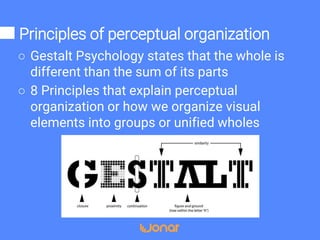
Principles of perceptual organization
○ Gestalt Psychology states that the whole is
different than the sum of its parts
○ 8 Principles that explain perceptual
organization or how we organize visual
elements into groups or unified wholes
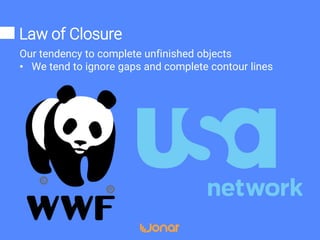
Law of Closure
Our tendency to complete unfinished objects
• We tend to ignore gaps and complete contour lines
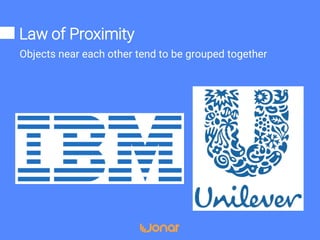
Law of Proximity
Objects near each other tend to be grouped together
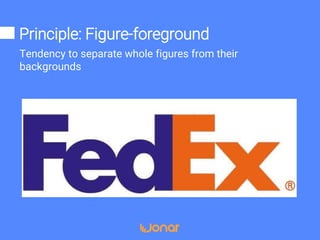
Principle: Figure-foreground
Tendency to separate whole figures from their
backgrounds
Over tipping
The psychology behind…
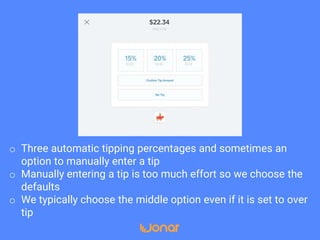
o Three automatic tipping percentages and sometimes an
option to manually enter a tip
o Manually entering a tip is too much effort so we choose the
defaults
o We typically choose the middle option even if it is set to over
tip
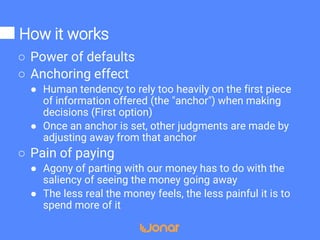
How it works
○ Power of defaults
○ Anchoring effect
● Human tendency to rely too heavily on the first piece
of information offered (the "anchor") when making
decisions (First option)
● Once an anchor is set, other judgments are made by
adjusting away from that anchor
○ Pain of paying
● Agony of parting with our money has to do with the
saliency of seeing the money going away
● The less real the money feels, the less painful it is to
spend more of it
Candy Crush
The psychology behind…
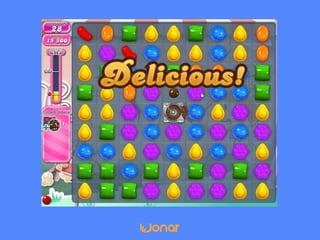
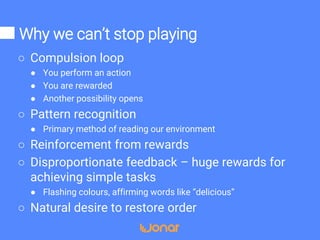
Why we can’t stop playing
○ Compulsion loop
● You perform an action
● You are rewarded
● Another possibility opens
○ Pattern recognition
● Primary method of reading our environment
○ Reinforcement from rewards
○ Disproportionate feedback – huge rewards for
achieving simple tasks
● Flashing colours, affirming words like “delicious”
○ Natural desire to restore order
Die hard
sports fans
The psychology behind…
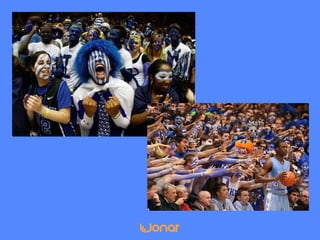
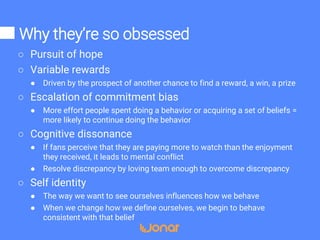
Why they’re so obsessed
○ Pursuit of hope
○ Variable rewards
● Driven by the prospect of another chance to find a reward, a win, a prize
○ Escalation of commitment bias
● More effort people spent doing a behavior or acquiring a set of beliefs =
more likely to continue doing the behavior
○ Cognitive dissonance
● If fans perceive that they are paying more to watch than the enjoyment
they received, it leads to mental conflict
● Resolve discrepancy by loving team enough to overcome discrepancy
○ Self identity
● The way we want to see ourselves influences how we behave
● When we change how we define ourselves, we begin to behave
consistent with that belief
Ikea’s food
court
The psychology behind…
How it leads us to spend more
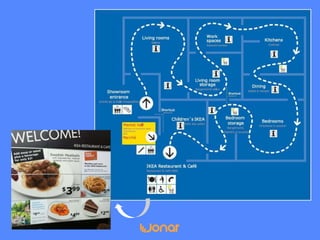
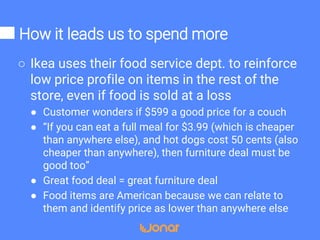
○ Ikea uses their food service dept. to reinforce
low price profile on items in the rest of the
store, even if food is sold at a loss
● Customer wonders if $599 a good price for a couch
● “If you can eat a full meal for $3.99 (which is cheaper
than anywhere else), and hot dogs cost 50 cents (also
cheaper than anywhere), then furniture deal must be
good too”
● Great food deal = great furniture deal
● Food items are American because we can relate to
them and identify price as lower than anywhere else
Buying plane
tickets online
The psychology behind…
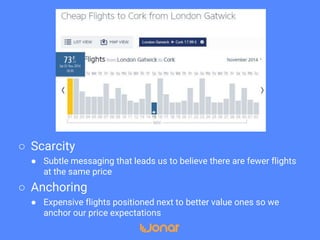
○ Scarcity
● Subtle messaging that leads us to believe there are fewer flights
at the same price
○ Anchoring
● Expensive flights positioned next to better value ones so we
anchor our price expectations
Some online
platforms
The psychology behind…
○ No more late fees from movie rental
platforms
○ We’re bad at predicting our future states and
preferences
● Streaming allows us to feel like we’re paying for what
we want to watch in the moment
● We’re not stuck with movies we only want to watch in
theory
○ Urgency
● Cant go back and get it later
● Not buying is a choice to never be able to buy it in the
future
● Idea of regret leads to purchase
○ Remove stigma of couponing
● We like discounts
● Other people are buying so less stigma to couponing
○ Power of defaults
● Tendency to take the path of least resistance
● They already have our credit card info and address on
file
○ Amazon Prime and Super Saver Shipping
● Shipping fee acts as psychological barrier
● If shipping is already paid
• You’re less likely to buy elsewhere
• Shipping is no longer a barrier so more impulse buys
• We make more purchases to amortize our investment
Whether you know it or not…
Whether you like it or not…
…companies and systems are using
psychology to influence your
behaviour.

The psychology behind ___

  • 1.
  • 2.
    Are companies and systemsinfluencing your behaviour without your awareness?
  • 3.
  • 4.
    The Ice Bucket challenge Thepsychology behind…
  • 5.
    Why it wasso successful ○ Avoids diffusion of responsibility ● Nominating specific people avoids them not partaking in the challenge ○ Social validation ○ Descriptive norms – telling everyone what other people are already doing ● Everyone from superstars to your next door neighbors are doing it ● We’re molded by what others are doing ● We follow rules because other people follow the rules
  • 6.
  • 7.
    Principles of perceptualorganization ○ Gestalt Psychology states that the whole is different than the sum of its parts ○ 8 Principles that explain perceptual organization or how we organize visual elements into groups or unified wholes
  • 8.
    Law of Closure Ourtendency to complete unfinished objects • We tend to ignore gaps and complete contour lines
  • 9.
    Law of Proximity Objectsnear each other tend to be grouped together
  • 10.
    Principle: Figure-foreground Tendency toseparate whole figures from their backgrounds
  • 11.
  • 12.
    o Three automatictipping percentages and sometimes an option to manually enter a tip o Manually entering a tip is too much effort so we choose the defaults o We typically choose the middle option even if it is set to over tip
  • 13.
    How it works ○Power of defaults ○ Anchoring effect ● Human tendency to rely too heavily on the first piece of information offered (the "anchor") when making decisions (First option) ● Once an anchor is set, other judgments are made by adjusting away from that anchor ○ Pain of paying ● Agony of parting with our money has to do with the saliency of seeing the money going away ● The less real the money feels, the less painful it is to spend more of it
  • 14.
  • 16.
    Why we can’tstop playing ○ Compulsion loop ● You perform an action ● You are rewarded ● Another possibility opens ○ Pattern recognition ● Primary method of reading our environment ○ Reinforcement from rewards ○ Disproportionate feedback – huge rewards for achieving simple tasks ● Flashing colours, affirming words like “delicious” ○ Natural desire to restore order
  • 17.
    Die hard sports fans Thepsychology behind…
  • 19.
    Why they’re soobsessed ○ Pursuit of hope ○ Variable rewards ● Driven by the prospect of another chance to find a reward, a win, a prize ○ Escalation of commitment bias ● More effort people spent doing a behavior or acquiring a set of beliefs = more likely to continue doing the behavior ○ Cognitive dissonance ● If fans perceive that they are paying more to watch than the enjoyment they received, it leads to mental conflict ● Resolve discrepancy by loving team enough to overcome discrepancy ○ Self identity ● The way we want to see ourselves influences how we behave ● When we change how we define ourselves, we begin to behave consistent with that belief
  • 20.
  • 22.
    How it leadsus to spend more ○ Ikea uses their food service dept. to reinforce low price profile on items in the rest of the store, even if food is sold at a loss ● Customer wonders if $599 a good price for a couch ● “If you can eat a full meal for $3.99 (which is cheaper than anywhere else), and hot dogs cost 50 cents (also cheaper than anywhere), then furniture deal must be good too” ● Great food deal = great furniture deal ● Food items are American because we can relate to them and identify price as lower than anywhere else
  • 23.
    Buying plane tickets online Thepsychology behind…
  • 24.
    ○ Scarcity ● Subtlemessaging that leads us to believe there are fewer flights at the same price ○ Anchoring ● Expensive flights positioned next to better value ones so we anchor our price expectations
  • 25.
  • 26.
    ○ No morelate fees from movie rental platforms ○ We’re bad at predicting our future states and preferences ● Streaming allows us to feel like we’re paying for what we want to watch in the moment ● We’re not stuck with movies we only want to watch in theory
  • 27.
    ○ Urgency ● Cantgo back and get it later ● Not buying is a choice to never be able to buy it in the future ● Idea of regret leads to purchase ○ Remove stigma of couponing ● We like discounts ● Other people are buying so less stigma to couponing
  • 28.
    ○ Power ofdefaults ● Tendency to take the path of least resistance ● They already have our credit card info and address on file ○ Amazon Prime and Super Saver Shipping ● Shipping fee acts as psychological barrier ● If shipping is already paid • You’re less likely to buy elsewhere • Shipping is no longer a barrier so more impulse buys • We make more purchases to amortize our investment
  • 29.
    Whether you knowit or not… Whether you like it or not… …companies and systems are using psychology to influence your behaviour.

Editor's Notes