The Persian Wars

 Greece’s Finest Hours
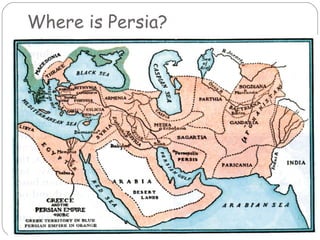
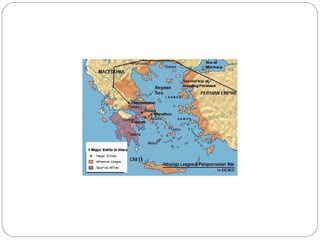
Where is Persia?
Why Fight?
 Greeks had been settling on the west coast of
  Asia Minor (Persia)
 Persia conquered these colonies
 In 499 B.C. Greeks in these colonies revolted
  against Persian rule (they were used to ruling
  themselves—democracy)
 Athens sent troops to support the revolt
Crushing the Revolt
 Emperor Darius of Persia crushed the revolt
  rather quickly
 He decided to punish Athens for helping the
  colonies
 After training for a few years Darius sent
  troops to invade Greece
 Sailed on to the Bay of Marathon
The Battle of Marathon
 Athens asked Sparta to help, but Spartan
  troops would not arrive for 9 days (they were
  in the middle of religious festivals)
 Other jealous city-states decided not to help
  Athens against the Persian Empire
 So Athens took on the mighty Persian Empire
  by themselves
A Serious Mismatch
 Persian troops—100,000
 Athenian troops—20,000


 Did Athens really have any hope against these
 odds?
Victory
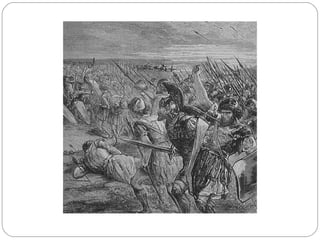
 The Athenian army was well-trained and did
  not break formation as they charged the
  Persian lines
 The organized charge surprised the large but
  scattered (and poorly organized) Persian army
 The Persian soldiers turned and ran from the
  oncoming Athenians
A Slaughter
 The Athenian army almost drove the Persians
  back to the sea

 Final tally
   Persians—6, 400 dead
   Athens—192 dead
   Darius returned to Persia never to return
Connection to the Past
 The modern marathon has its roots in the
  Battle of Marathon
 A Greek soldier, Phidippides, ran from
  Marathon to Athens (26 miles) to tell the
  Athenians of the Greek victory and to warn
  them that the Persians may try to attack
 Phidippides died from exhaustion after
  delivering his message
 Today’s 26 mile marathon races remember
  his heroic act of martyrdom
Back for Revenge
 The Persian Emperor Darius never returned,
  but his son Emperor Xerxes did
 In 480 B.C. the Persians returned to Greece
 They brought even more men this time around
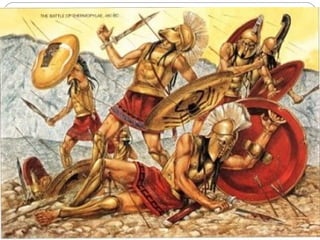
The Battle of Thermopylae
 Persians met a force of Greeks at Thermopylae
 This was a small mountain pass that controlled
  access to all of Greece
 For two days 7,000 Greeks held the Persians
  back, but…
The Downfall
 A Greek traitor showed the Persians a secret
  passageway
 This allowed the Persians to sneak up from
  behind and attack the Greeks
 Most of the Greek defenders ran away
A Heroic Act
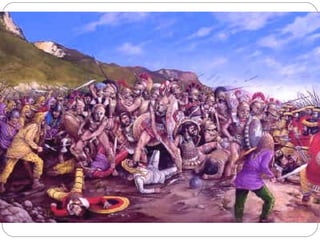
 About 300 Spartans stayed behind and fought
  to their deaths
 This allowed the other Greeks to escape
  capture or certain death
Here come the Persians
 The Persians poured into Greece
 They got their revenge by wreaking havoc
 They even burned Athens to the ground


 What were the Greeks to do?
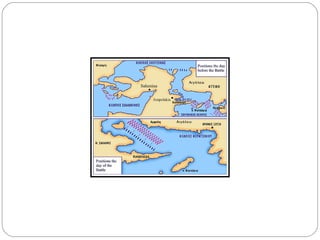
The Battle of Salamis
 As their city-state burned the Athenian people
  and the army escaped to the island of Salamis
 The Persians were quick to follow the
  retreating Greeks to Salamis
Those Clever Athenians
 The Greeks ships first sailed from shore
  like they were fleeing the island
 They then turned quickly around and began
  ramming the Persian ships
 Before the Persians knew what had
  happened half of their fleet was on the
  ocean floor
 The Persians once again retreated back to
  Persia
The Final Battle
 The Battle of Plataea
 The Greeks and Persians at equal strength
 Athens and Sparta fought side by side
 Greek military superiority won out and Persia
 retreated for good
How did the Greeks do it?
 Three reasons
  Inherent advantage of the defender
  They were better soldiers
  They used the element of surprise
This powerpoint was kindly donated to
www.worldofteaching.com


http://www.worldofteaching.com is home to over a
thousand powerpoints submitted by teachers. This is a
completely free site and requires no registration. Please
visit and I hope it will help in your teaching.

The persian wars

  • 1.
    The Persian Wars Greece’s Finest Hours
  • 2.
  • 3.
    Why Fight?  Greekshad been settling on the west coast of Asia Minor (Persia)  Persia conquered these colonies  In 499 B.C. Greeks in these colonies revolted against Persian rule (they were used to ruling themselves—democracy)  Athens sent troops to support the revolt
  • 4.
    Crushing the Revolt Emperor Darius of Persia crushed the revolt rather quickly  He decided to punish Athens for helping the colonies  After training for a few years Darius sent troops to invade Greece  Sailed on to the Bay of Marathon
  • 5.
    The Battle ofMarathon  Athens asked Sparta to help, but Spartan troops would not arrive for 9 days (they were in the middle of religious festivals)  Other jealous city-states decided not to help Athens against the Persian Empire  So Athens took on the mighty Persian Empire by themselves
  • 6.
    A Serious Mismatch Persian troops—100,000  Athenian troops—20,000  Did Athens really have any hope against these odds?
  • 7.
    Victory  The Athenianarmy was well-trained and did not break formation as they charged the Persian lines  The organized charge surprised the large but scattered (and poorly organized) Persian army  The Persian soldiers turned and ran from the oncoming Athenians
  • 9.
    A Slaughter  TheAthenian army almost drove the Persians back to the sea  Final tally  Persians—6, 400 dead  Athens—192 dead  Darius returned to Persia never to return
  • 10.
    Connection to thePast  The modern marathon has its roots in the Battle of Marathon  A Greek soldier, Phidippides, ran from Marathon to Athens (26 miles) to tell the Athenians of the Greek victory and to warn them that the Persians may try to attack  Phidippides died from exhaustion after delivering his message  Today’s 26 mile marathon races remember his heroic act of martyrdom
  • 11.
    Back for Revenge The Persian Emperor Darius never returned, but his son Emperor Xerxes did  In 480 B.C. the Persians returned to Greece  They brought even more men this time around
  • 12.
    The Battle ofThermopylae  Persians met a force of Greeks at Thermopylae  This was a small mountain pass that controlled access to all of Greece  For two days 7,000 Greeks held the Persians back, but…
  • 14.
    The Downfall  AGreek traitor showed the Persians a secret passageway  This allowed the Persians to sneak up from behind and attack the Greeks  Most of the Greek defenders ran away
  • 15.
    A Heroic Act About 300 Spartans stayed behind and fought to their deaths  This allowed the other Greeks to escape capture or certain death
  • 18.
    Here come thePersians  The Persians poured into Greece  They got their revenge by wreaking havoc  They even burned Athens to the ground  What were the Greeks to do?
  • 19.
    The Battle ofSalamis  As their city-state burned the Athenian people and the army escaped to the island of Salamis  The Persians were quick to follow the retreating Greeks to Salamis
  • 20.
    Those Clever Athenians The Greeks ships first sailed from shore like they were fleeing the island  They then turned quickly around and began ramming the Persian ships  Before the Persians knew what had happened half of their fleet was on the ocean floor  The Persians once again retreated back to Persia
  • 22.
    The Final Battle The Battle of Plataea  The Greeks and Persians at equal strength  Athens and Sparta fought side by side  Greek military superiority won out and Persia retreated for good
  • 23.
    How did theGreeks do it?  Three reasons  Inherent advantage of the defender  They were better soldiers  They used the element of surprise
  • 24.
    This powerpoint waskindly donated to www.worldofteaching.com http://www.worldofteaching.com is home to over a thousand powerpoints submitted by teachers. This is a completely free site and requires no registration. Please visit and I hope it will help in your teaching.