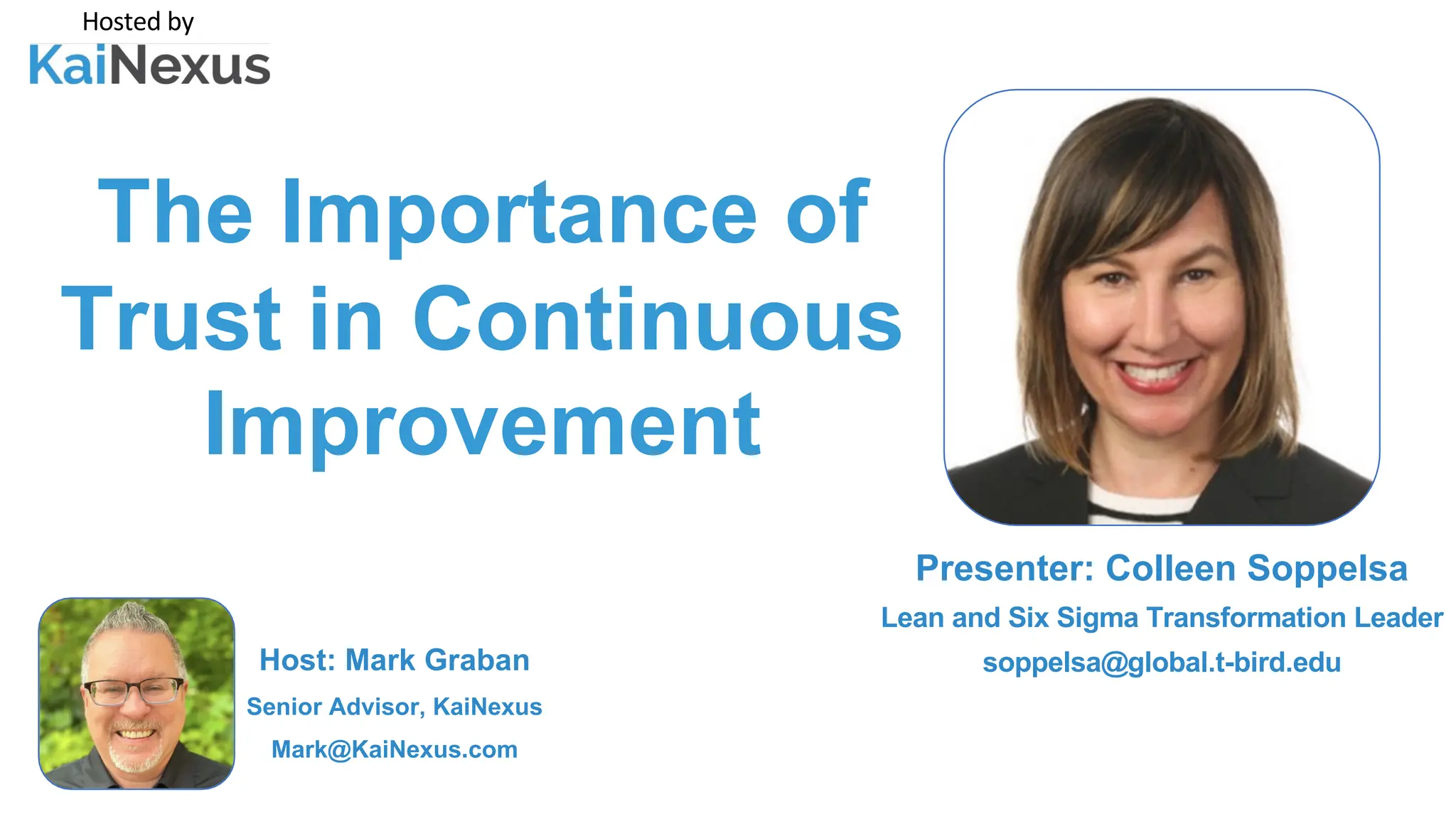
The Importance of
Trust in Continuous
Improvement
Hosted by
Host: Mark Graban
Senior Advisor, KaiNexus
Mark@KaiNexus.com
Presenter: Colleen Soppelsa
Lean and Six Sigma Transformation Leader
soppelsa@global.t-bird.edu
4
KaiNexus.com
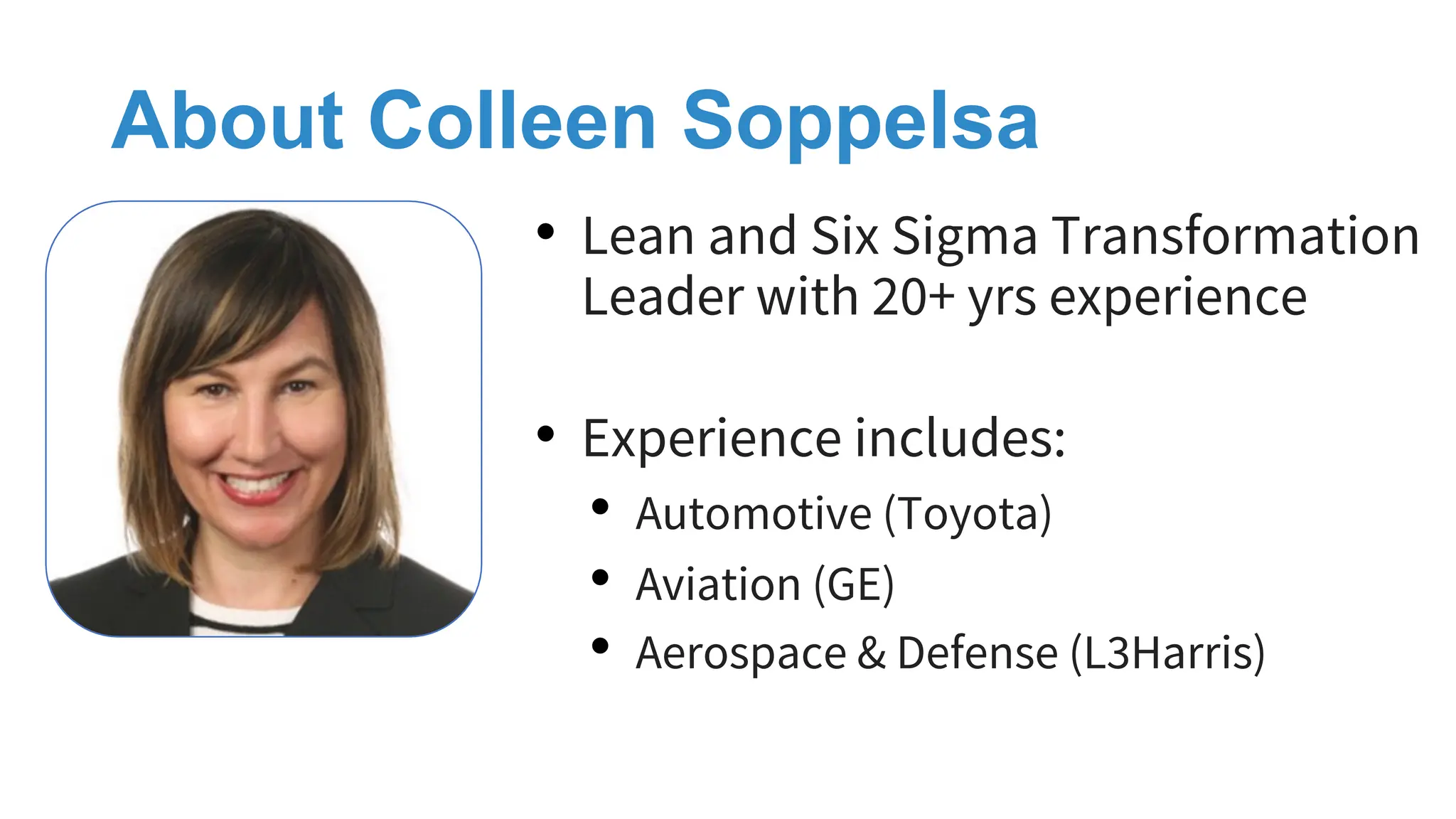
About Colleen Soppelsa
• Lean and Six Sigma Transformation
Leader with 20+ yrs experience
• Experience includes:
• Automotive (Toyota)
• Aviation (GE)
• Aerospace & Defense (L3Harris)
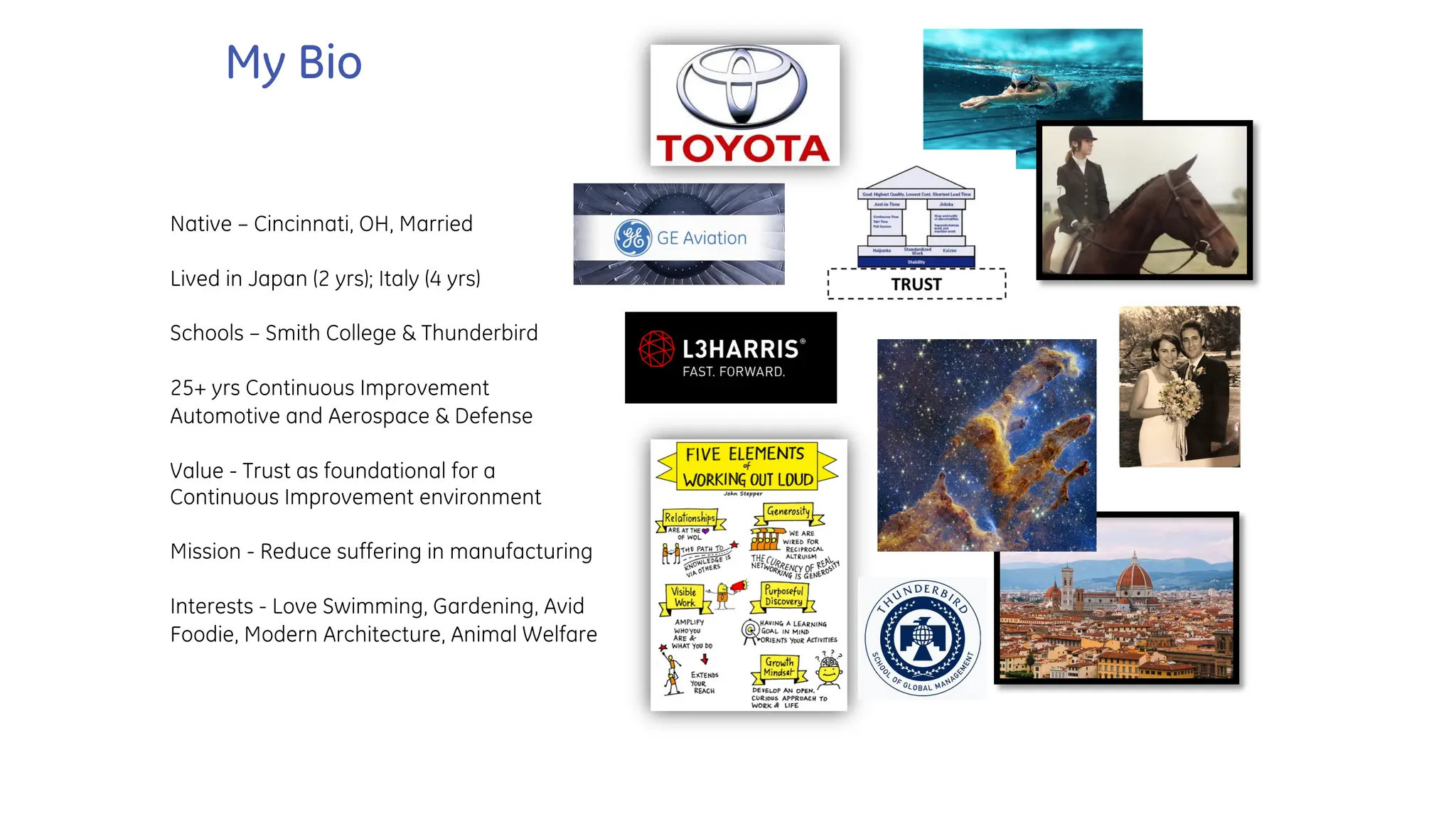
Native – Cincinnati, OH, Married
Lived in Japan (2 yrs); Italy (4 yrs)
Schools – Smith College & Thunderbird
25+ yrs Continuous Improvement
Automotive and Aerospace & Defense
Value - Trust as foundational for a
Continuous Improvement environment
Mission - Reduce suffering in manufacturing
Interests - Love Swimming, Gardening, Avid
Foodie, Modern Architecture, Animal Welfare
My Bio
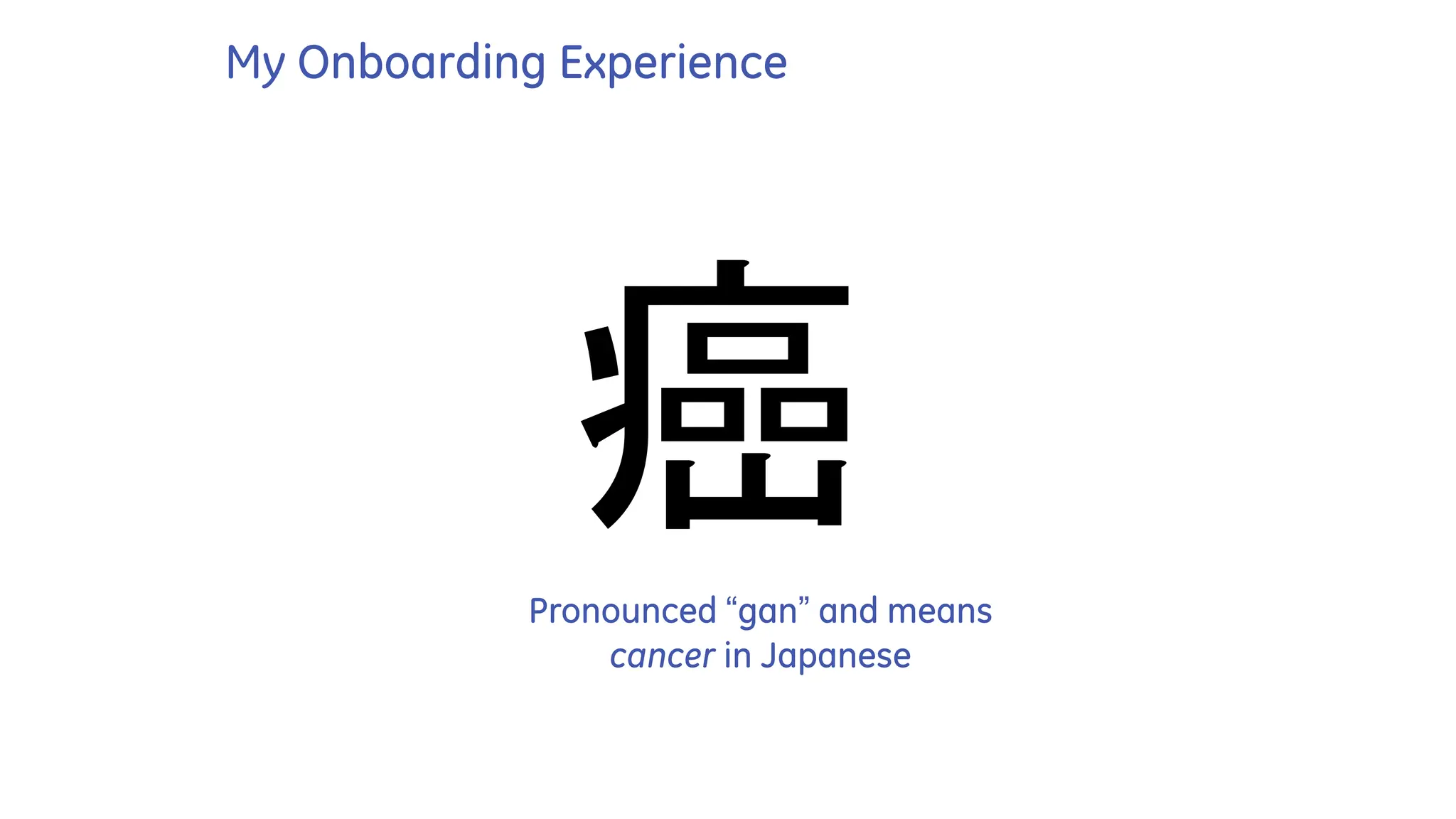
My Onboarding Experience
癌
Pronounced “gan” and means
cancer in Japanese
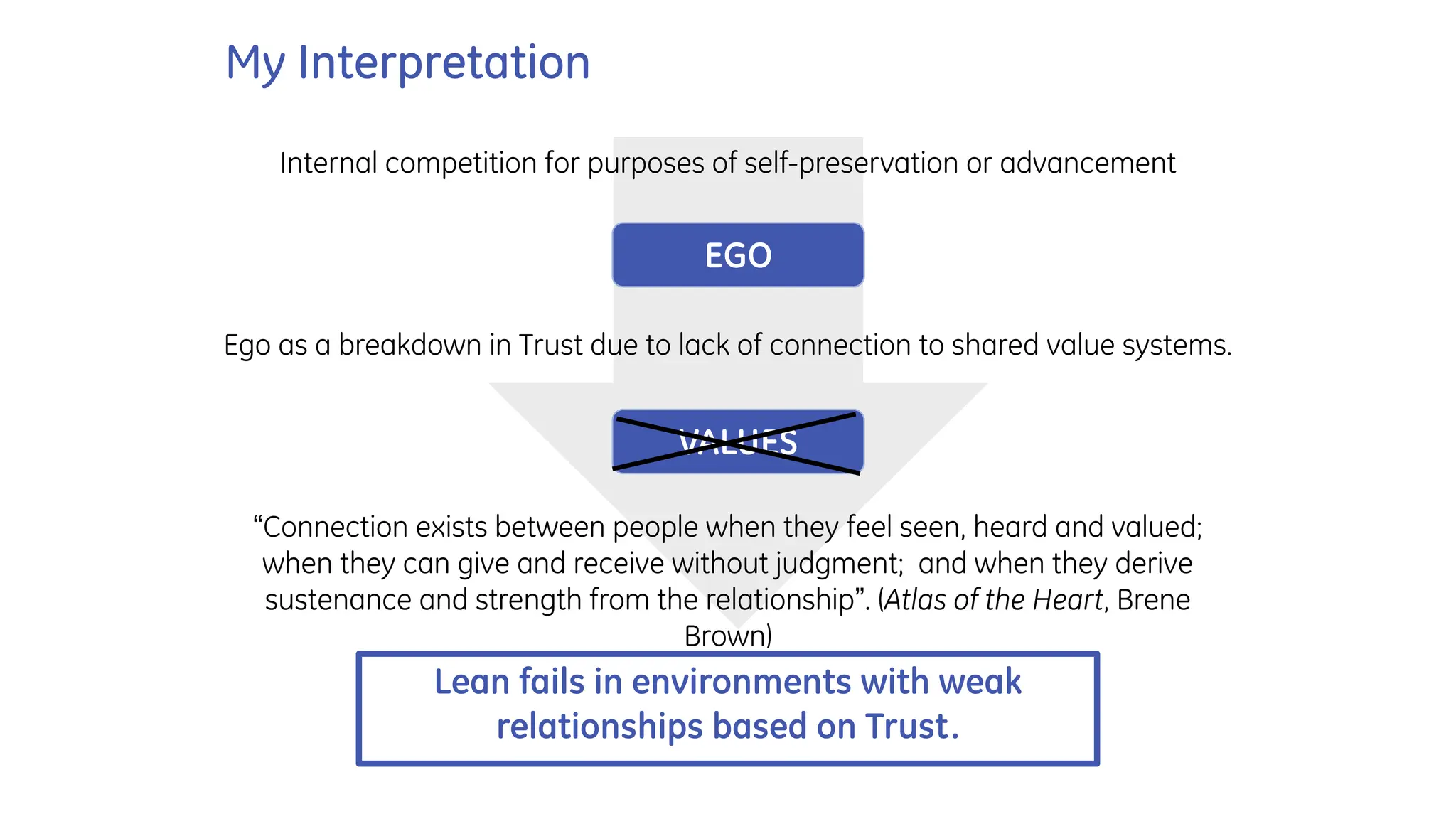
My Interpretation
Lean fails in environments with weak
relationships based on Trust.
Internal competition for purposes of self-preservation or advancement
Ego as a breakdown in Trust due to lack of connection to shared value systems.
“Connection exists between people when they feel seen, heard and valued;
when they can give and receive without judgment; and when they derive
sustenance and strength from the relationship”. (Atlas of the Heart, Brene
Brown)
EGO
VALUES
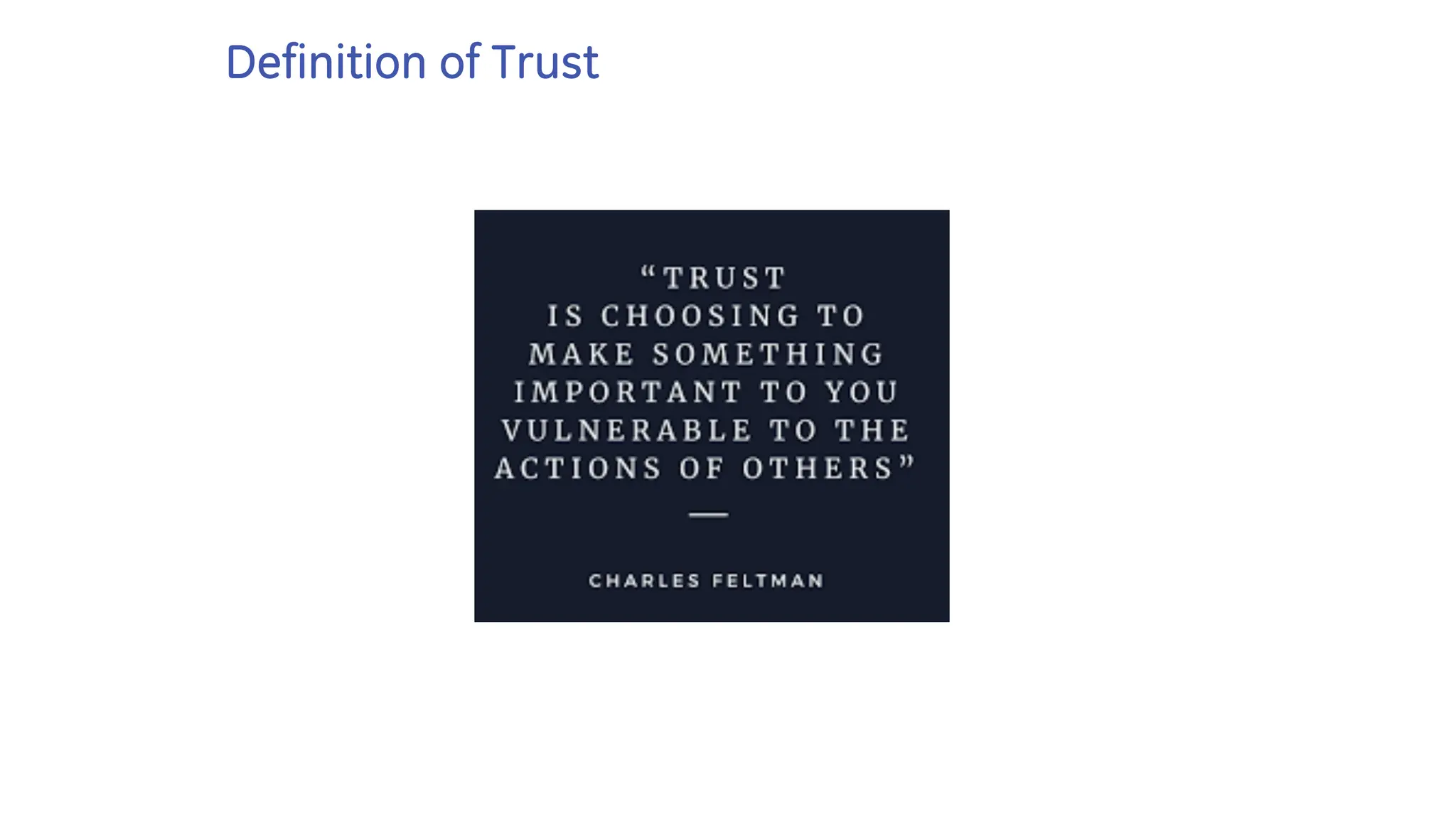
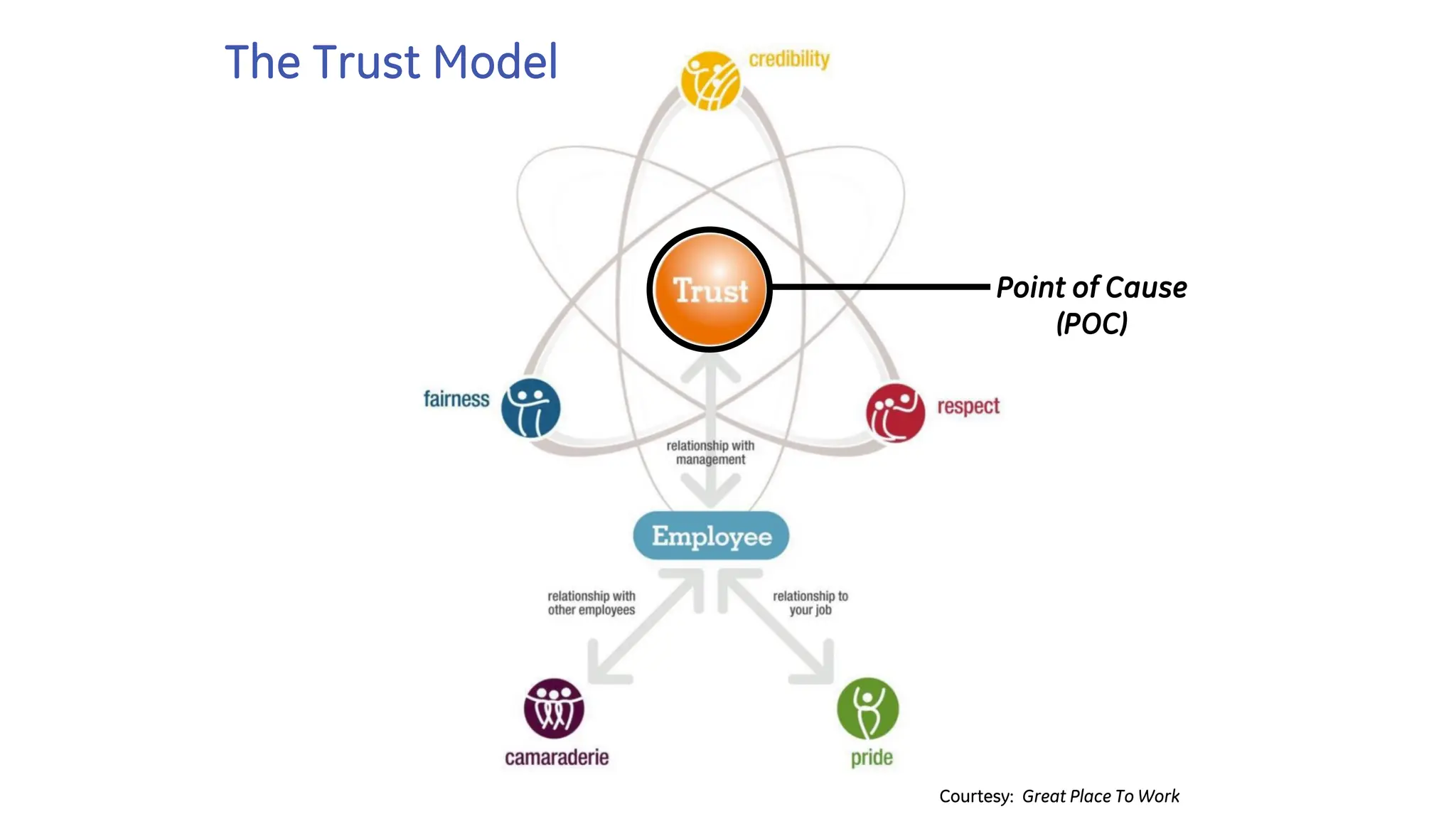
Definition of Trust
Courtesy: Great Place To Work
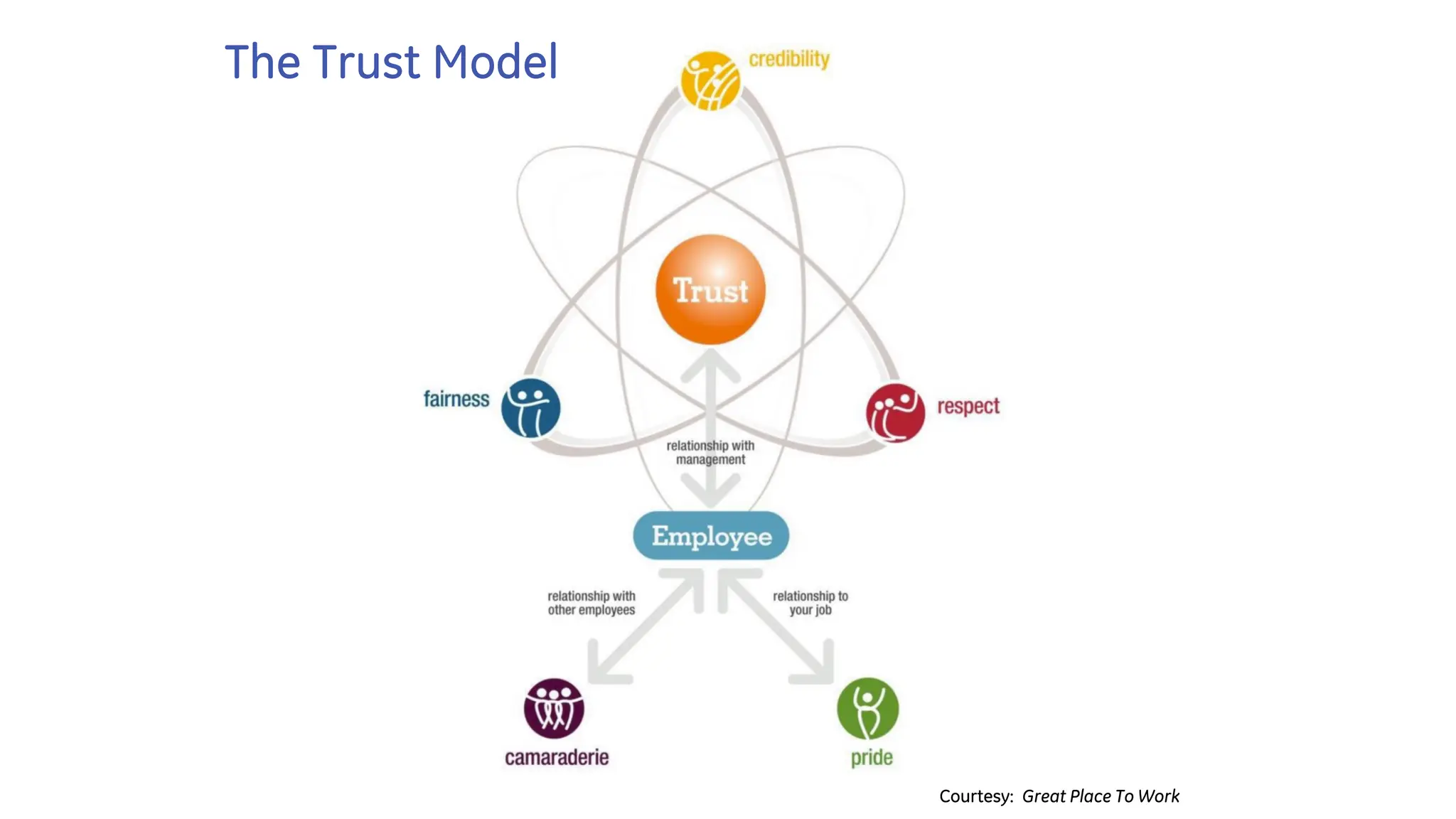
The Trust Model
Courtesy: Great Place To Work
The Trust Model
Point of Cause
(POC)
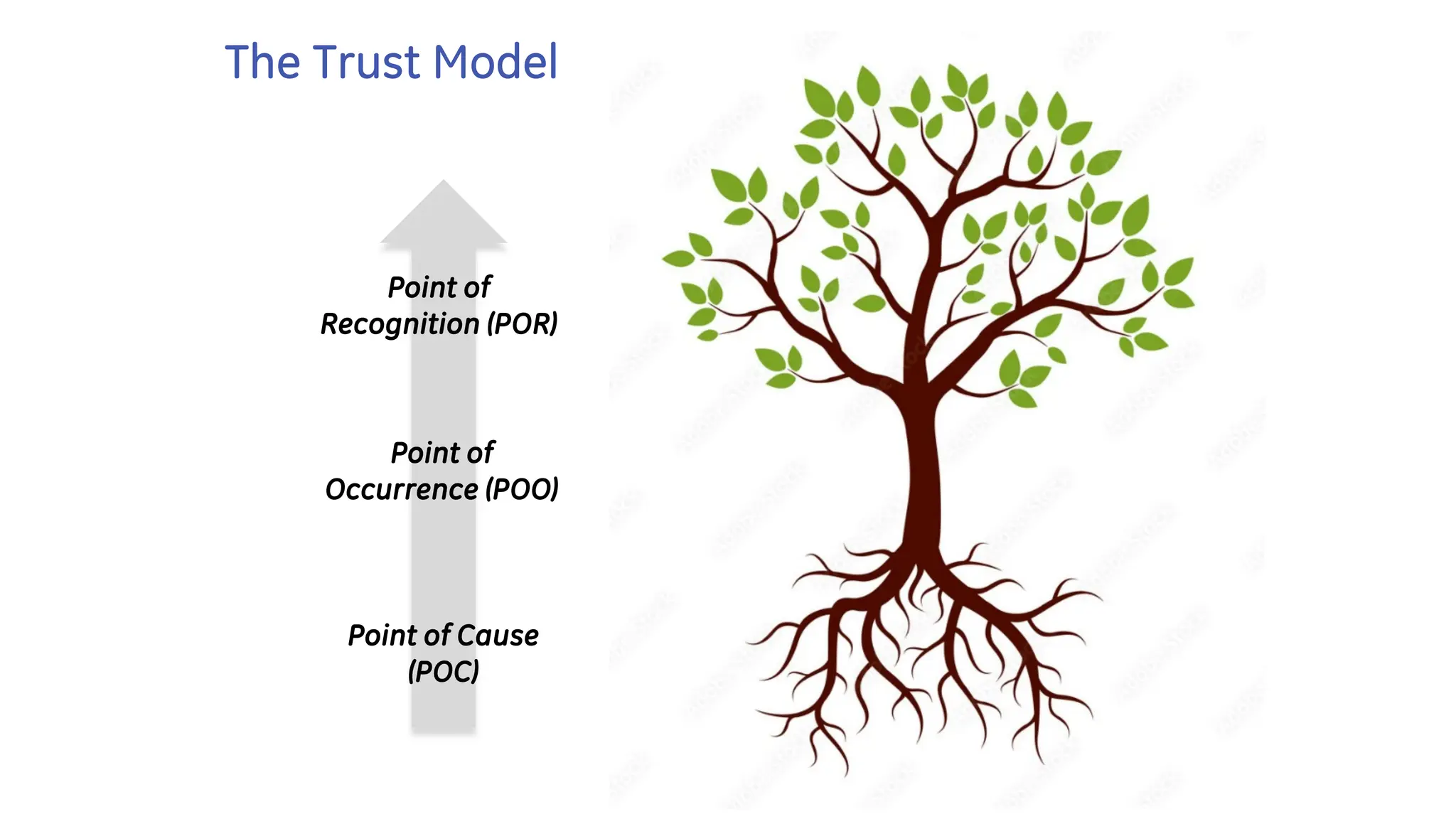
The Trust Model
Point of
Recognition (POR)
Point of
Occurrence (POO)
Point of Cause
(POC)
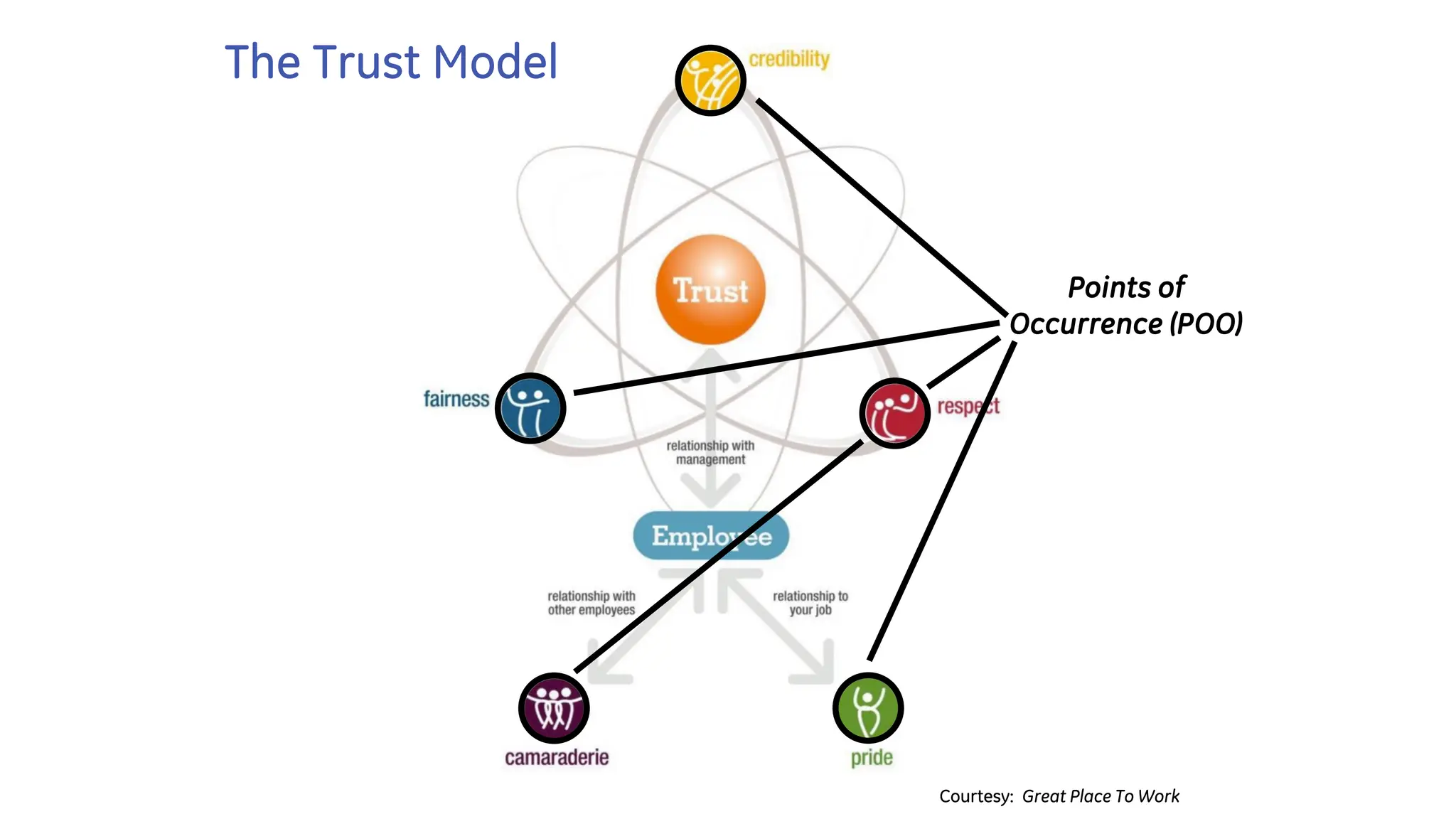
Courtesy: Great Place To Work
The Trust Model
Points of
Occurrence (POO)
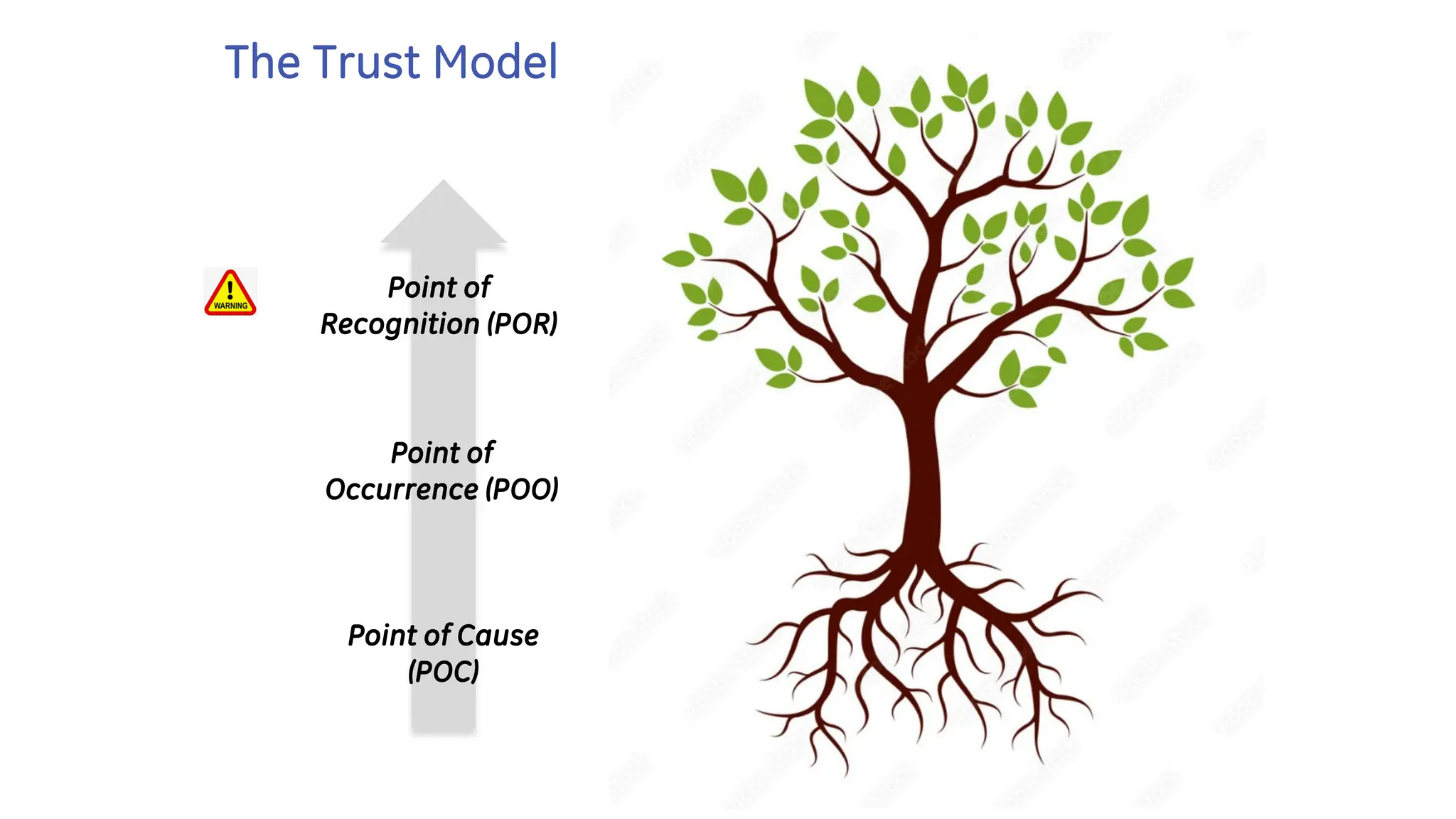
The Trust Model
Point of
Recognition (POR)
Point of
Occurrence (POO)
Point of Cause
(POC)
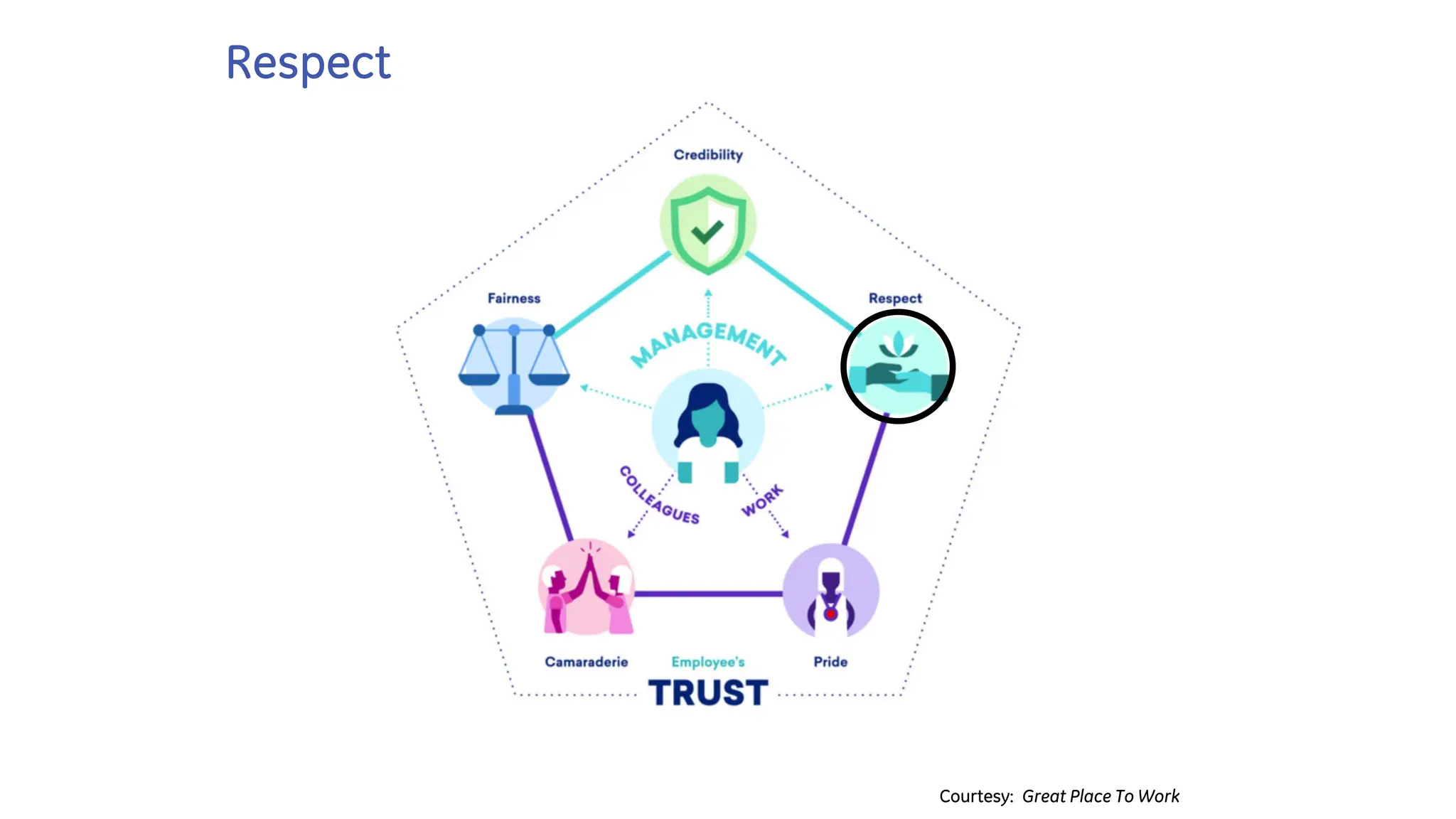
Respect
Courtesy: Great Place To Work
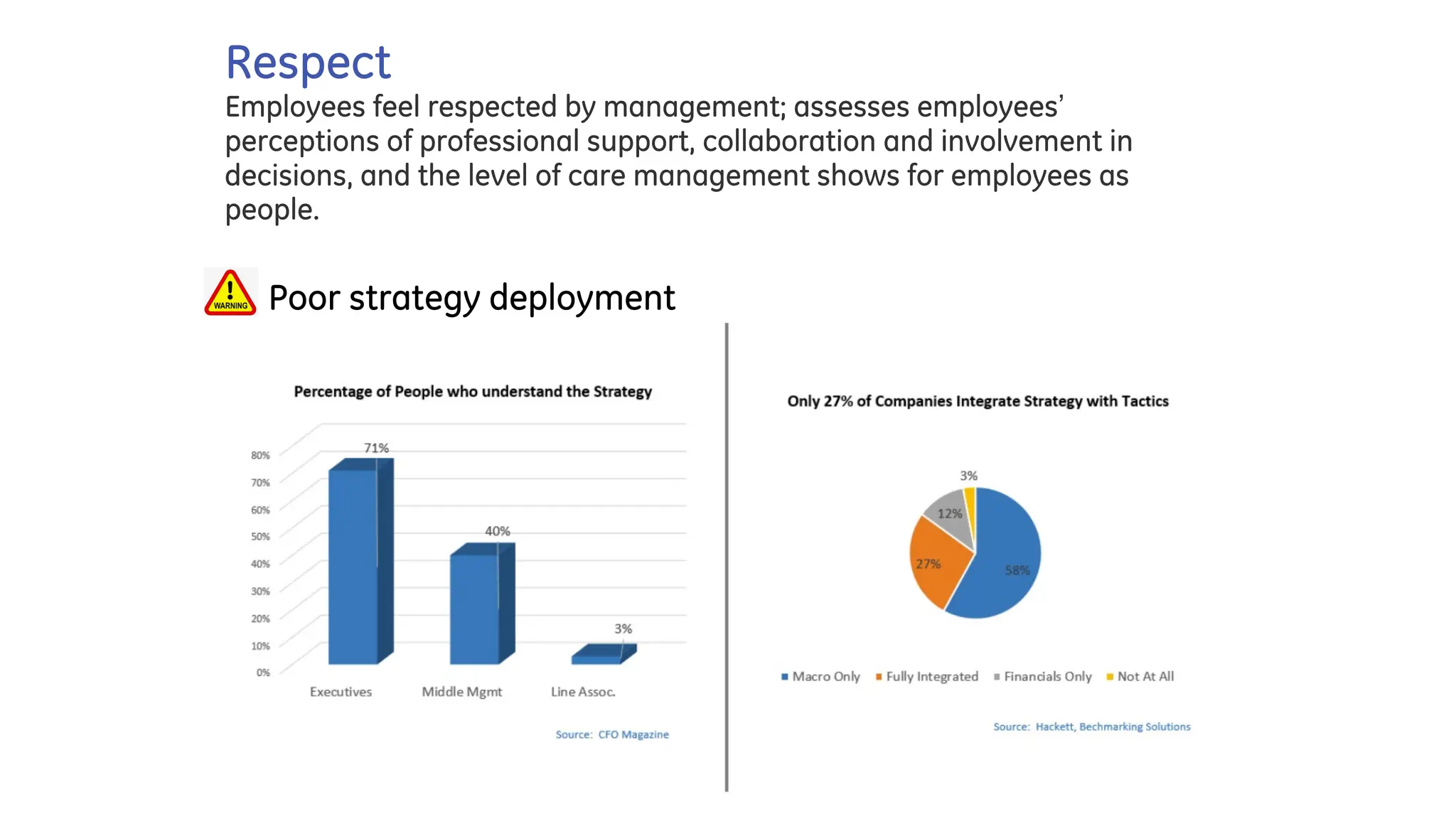
Respect
Employees feel respected by management; assesses employees’
perceptions of professional support, collaboration and involvement in
decisions, and the level of care management shows for employees as
people.
q Poor strategy deployment
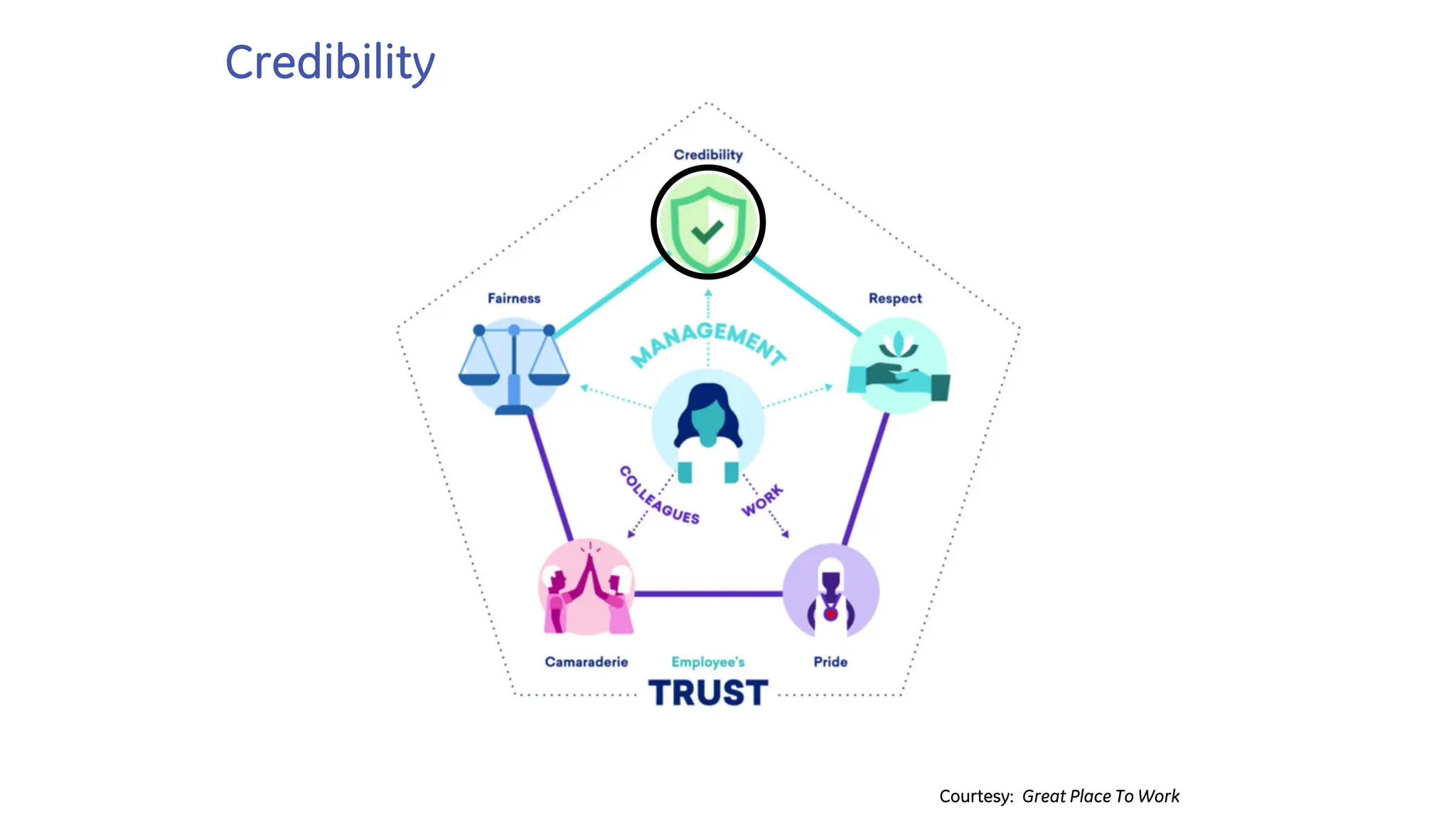
Credibility
Courtesy: Great Place To Work
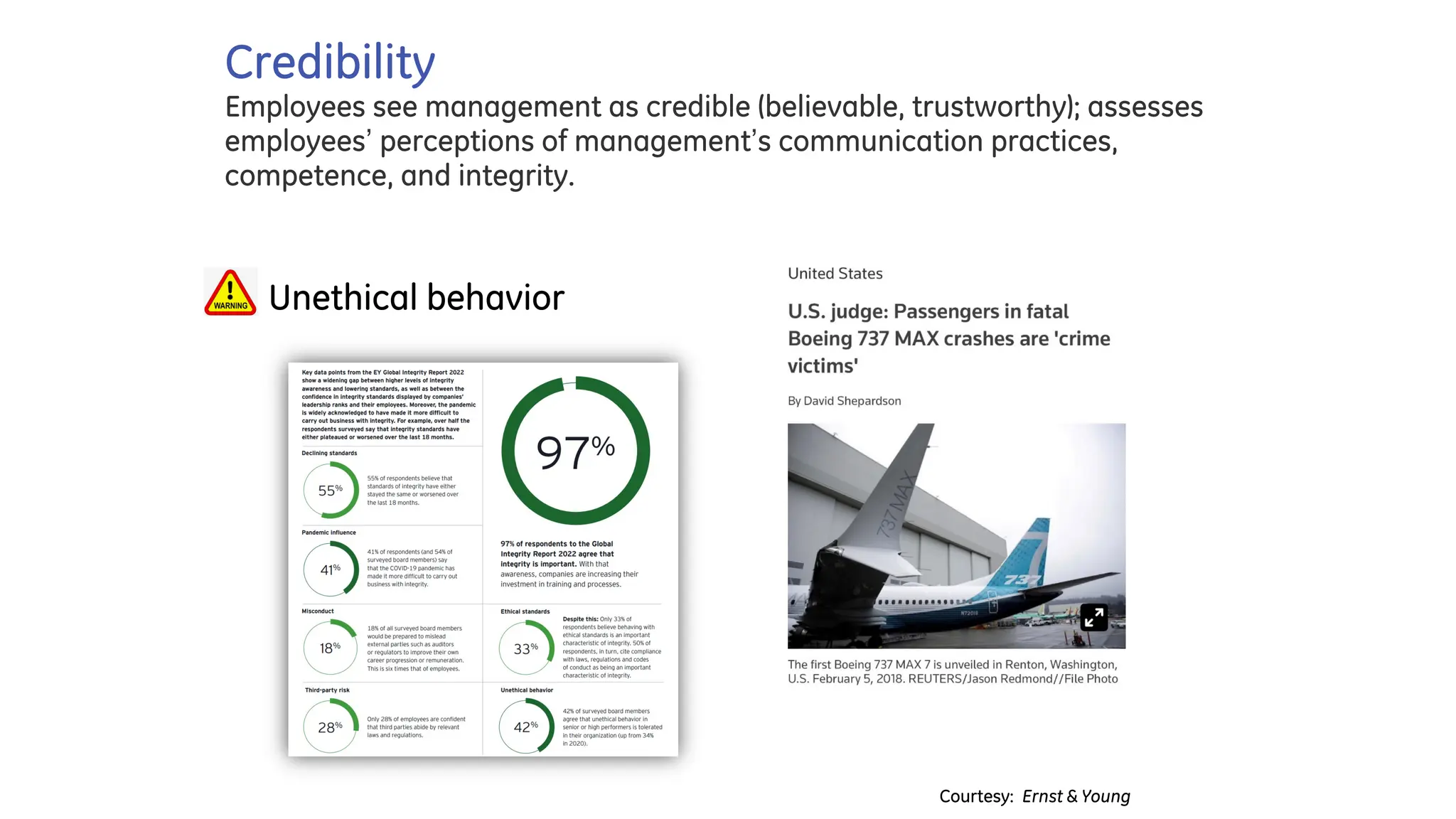
Credibility
Employees see management as credible (believable, trustworthy); assesses
employees’ perceptions of management’s communication practices,
competence, and integrity.
Courtesy: Ernst & Young
q Unethical behavior
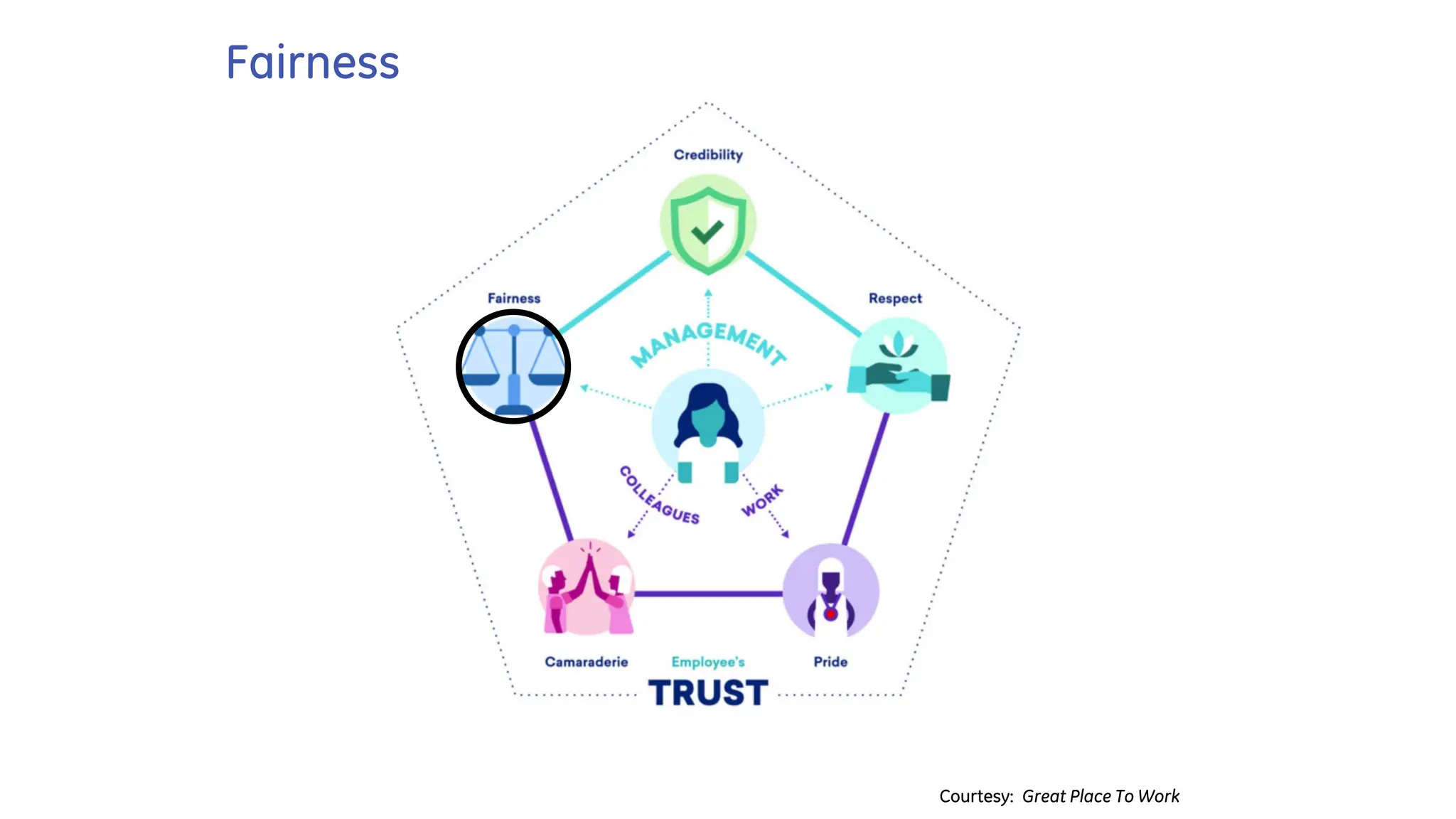
Fairness
Courtesy: Great Place To Work
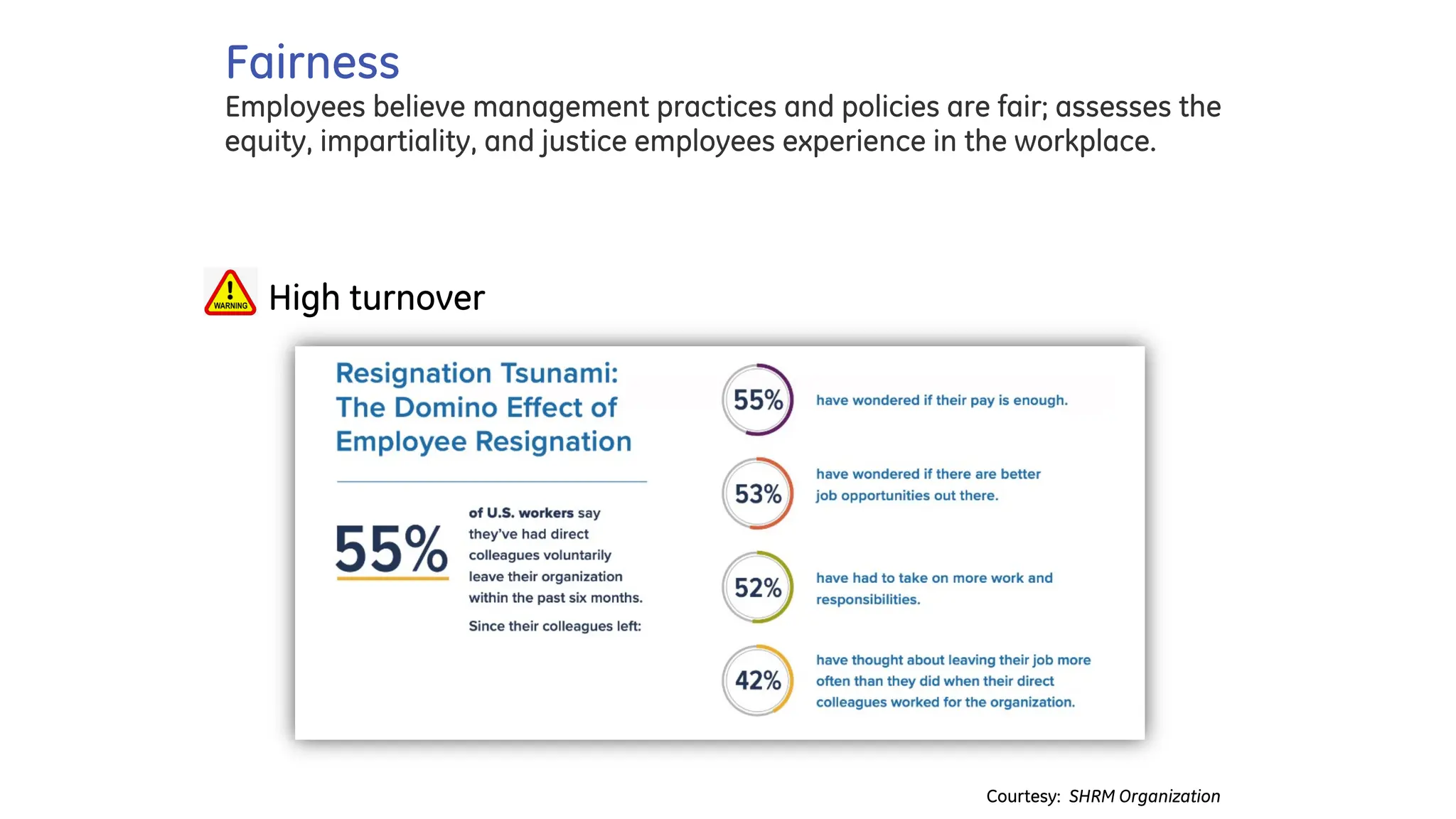
Fairness
Employees believe management practices and policies are fair; assesses the
equity, impartiality, and justice employees experience in the workplace.
Courtesy: SHRM Organization
q High turnover
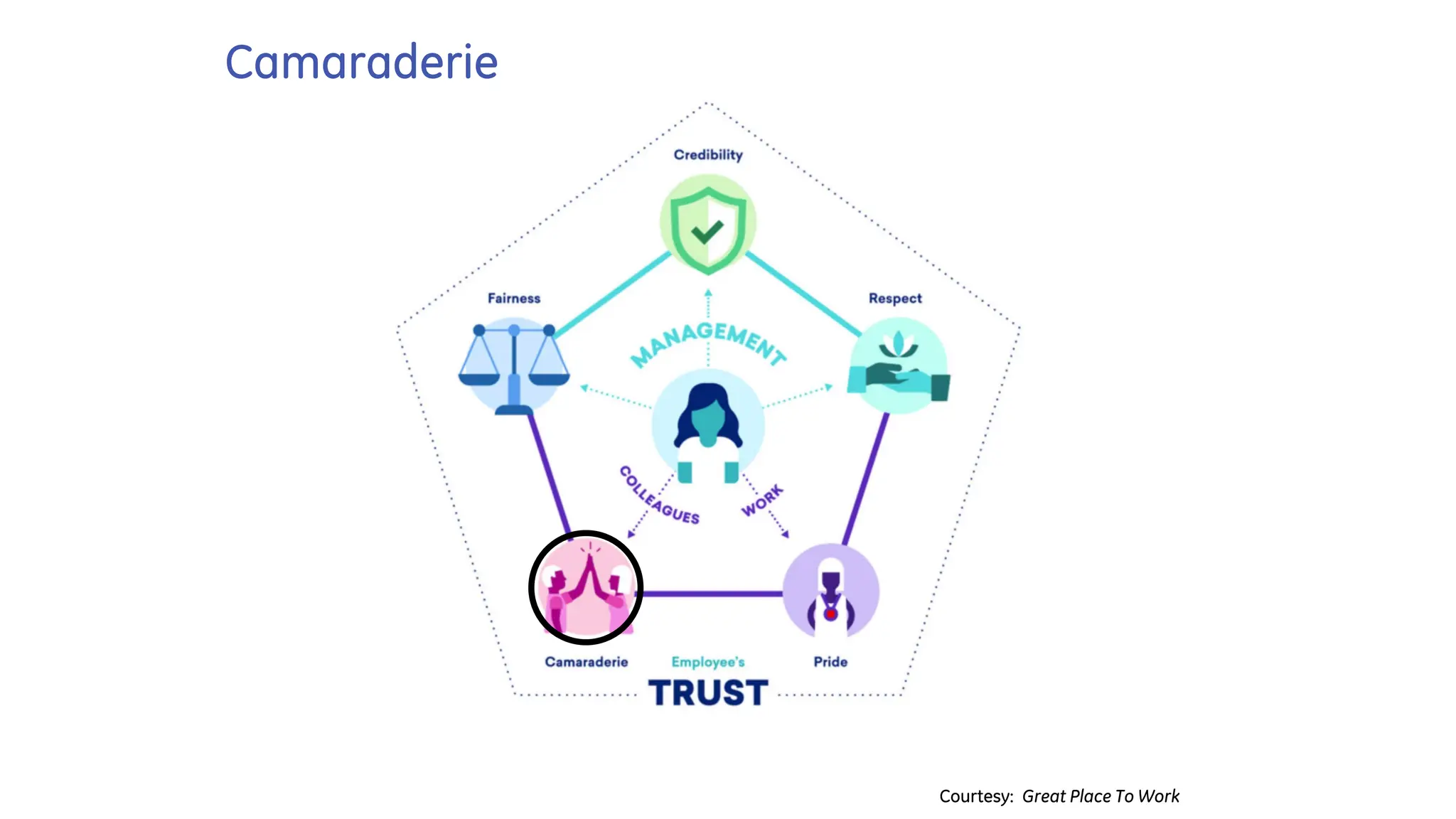
Camaraderie
Courtesy: Great Place To Work
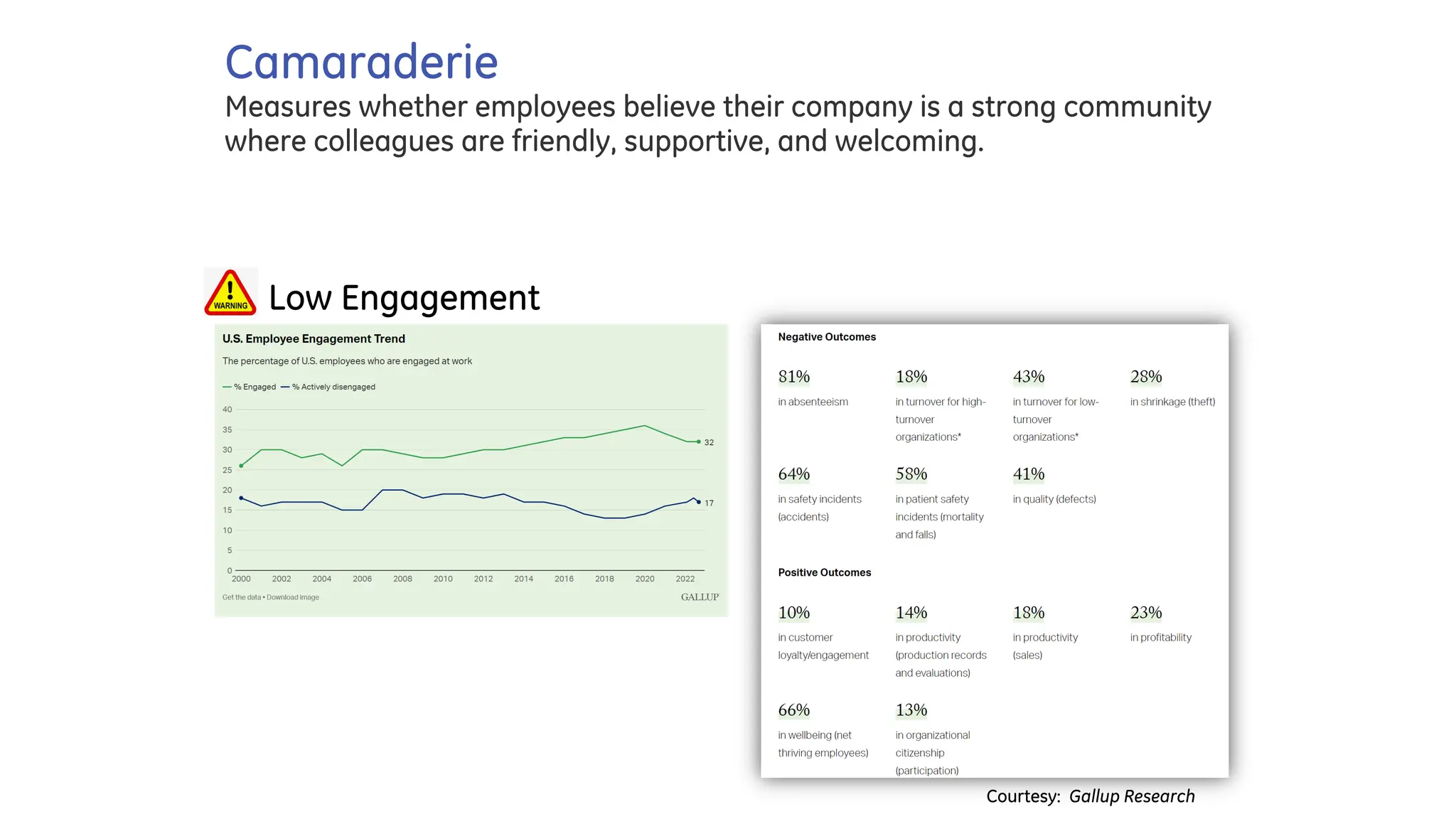
Camaraderie
Measures whether employees believe their company is a strong community
where colleagues are friendly, supportive, and welcoming.
Courtesy: Gallup Research
q Low Engagement
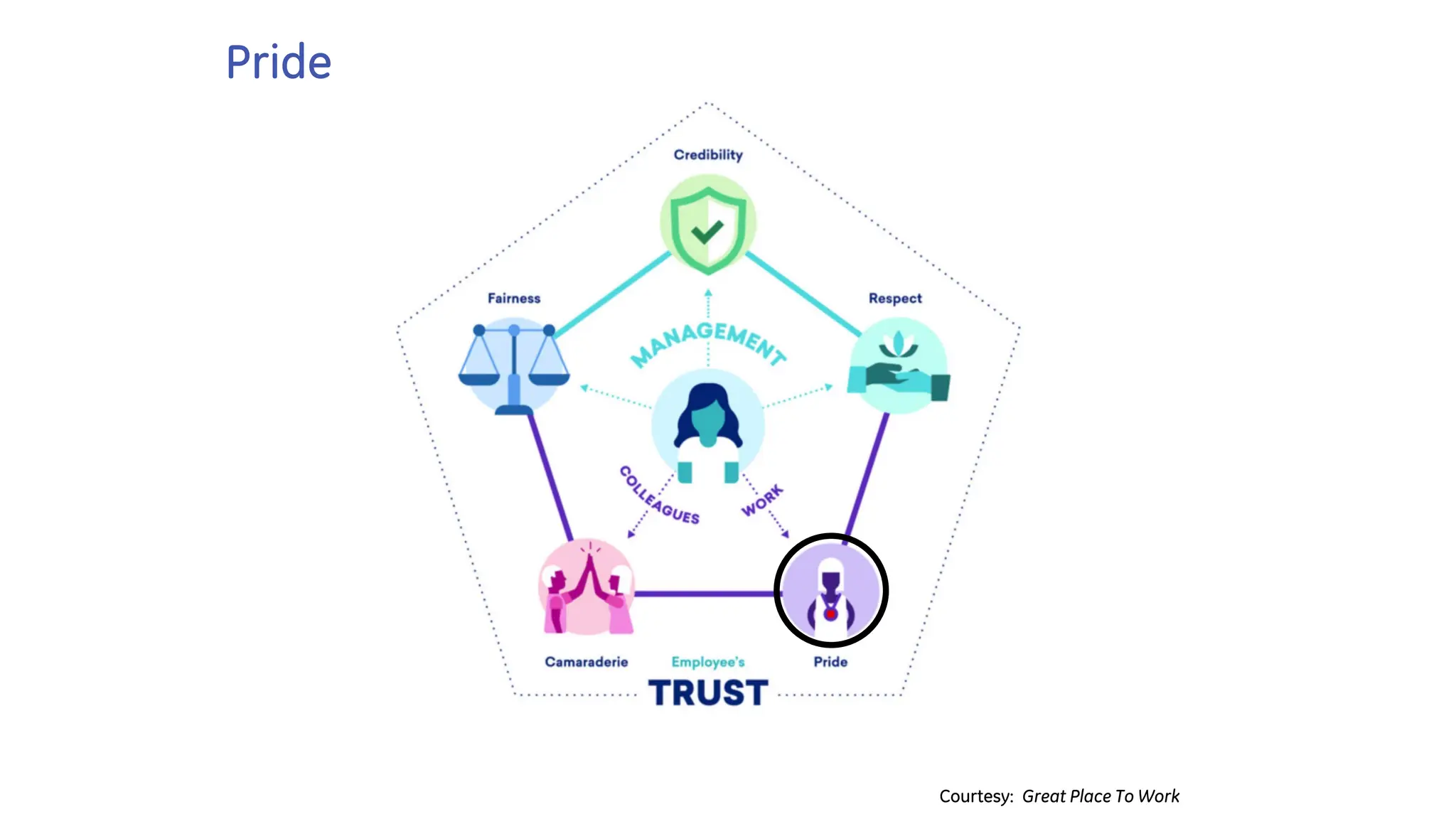
Pride
Courtesy: Great Place To Work
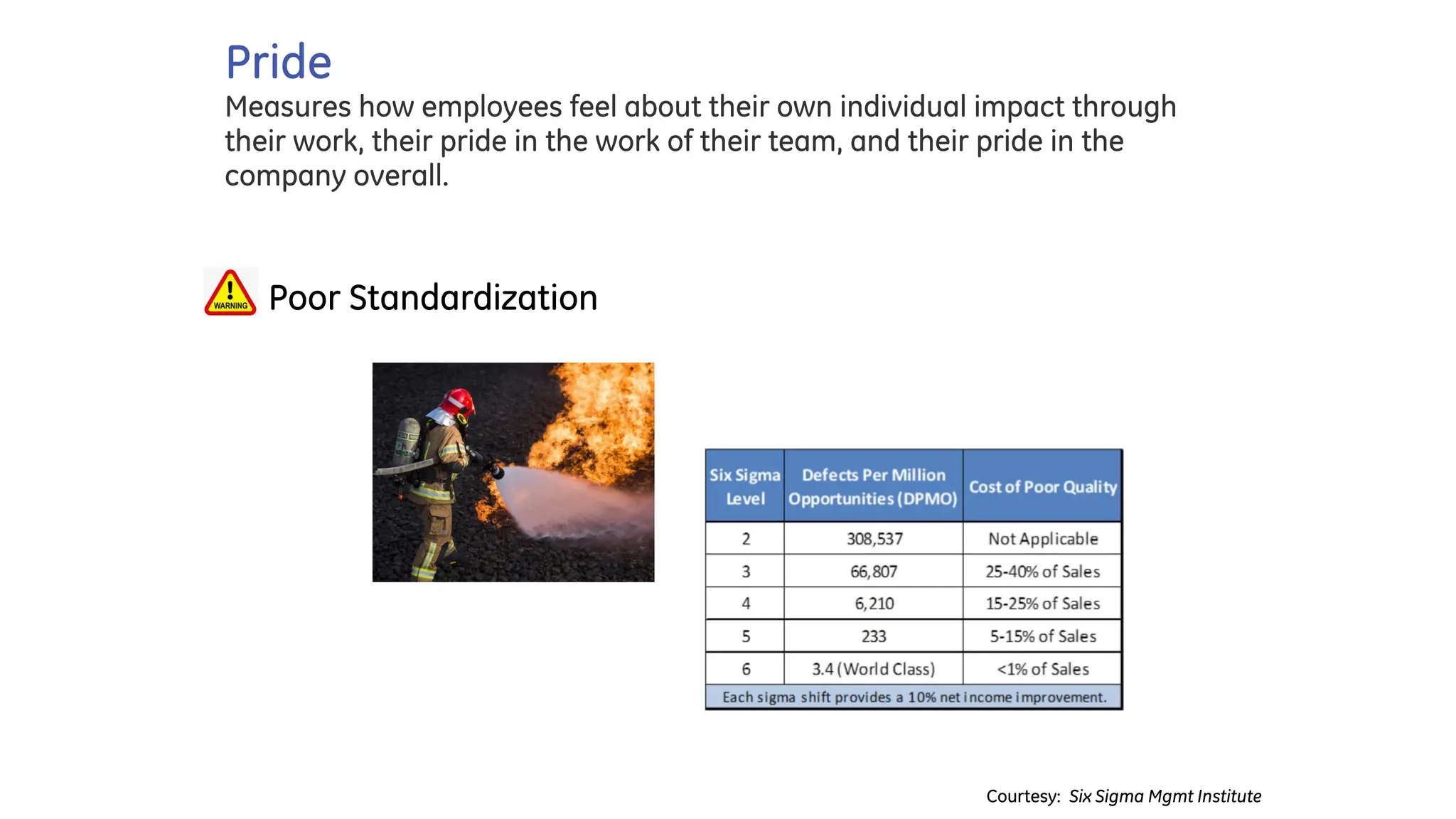
Pride
Measures how employees feel about their own individual impact through
their work, their pride in the work of their team, and their pride in the
company overall.
Courtesy: Six Sigma Mgmt Institute
q Poor Standardization
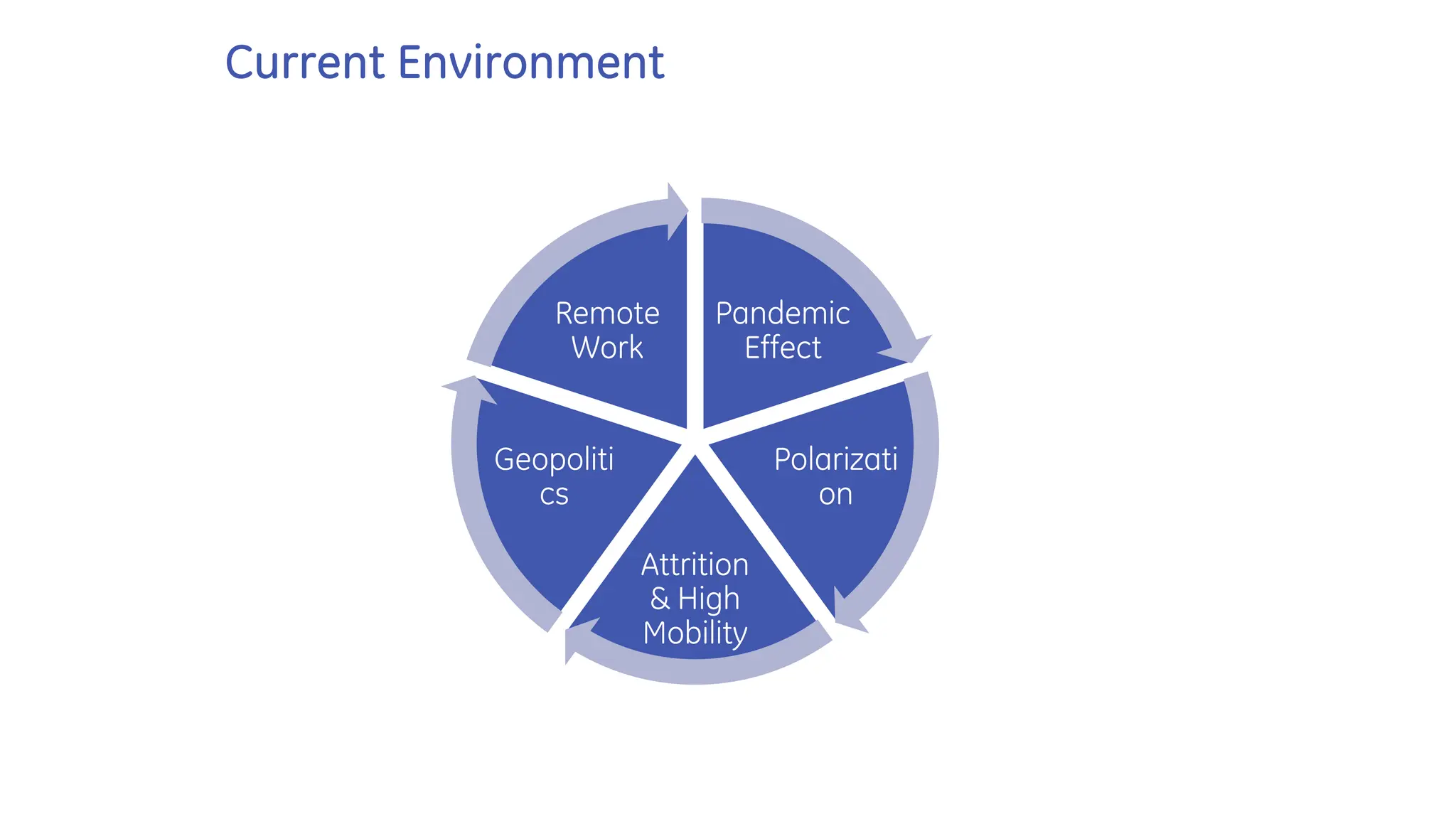
Current Environment
Pandemic
Effect
Polarizati
on
Attrition
& High
Mobility
Geopoliti
cs
Remote
Work
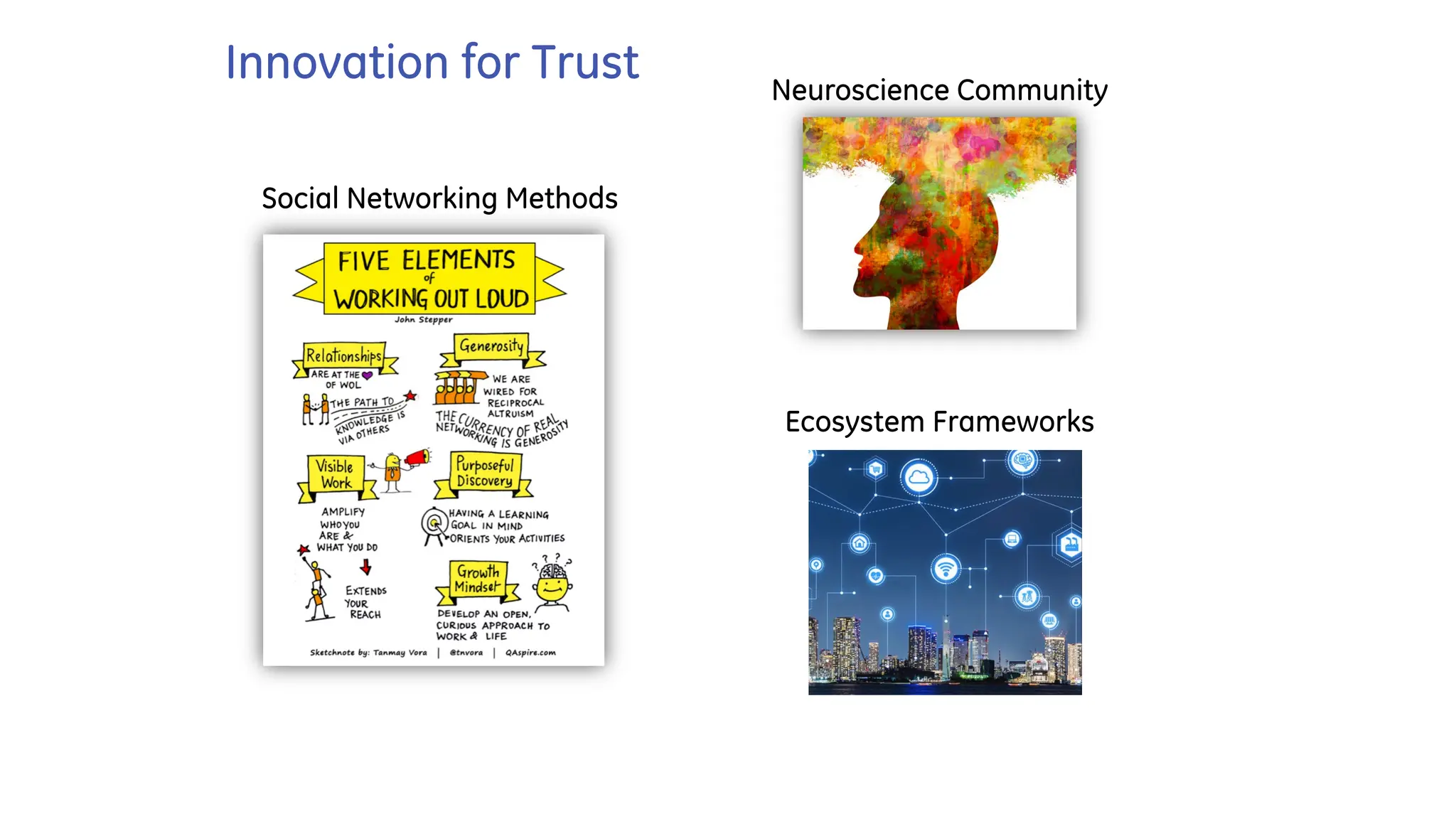
Innovation for Trust
Social Networking Methods
Neuroscience Community
Ecosystem Frameworks
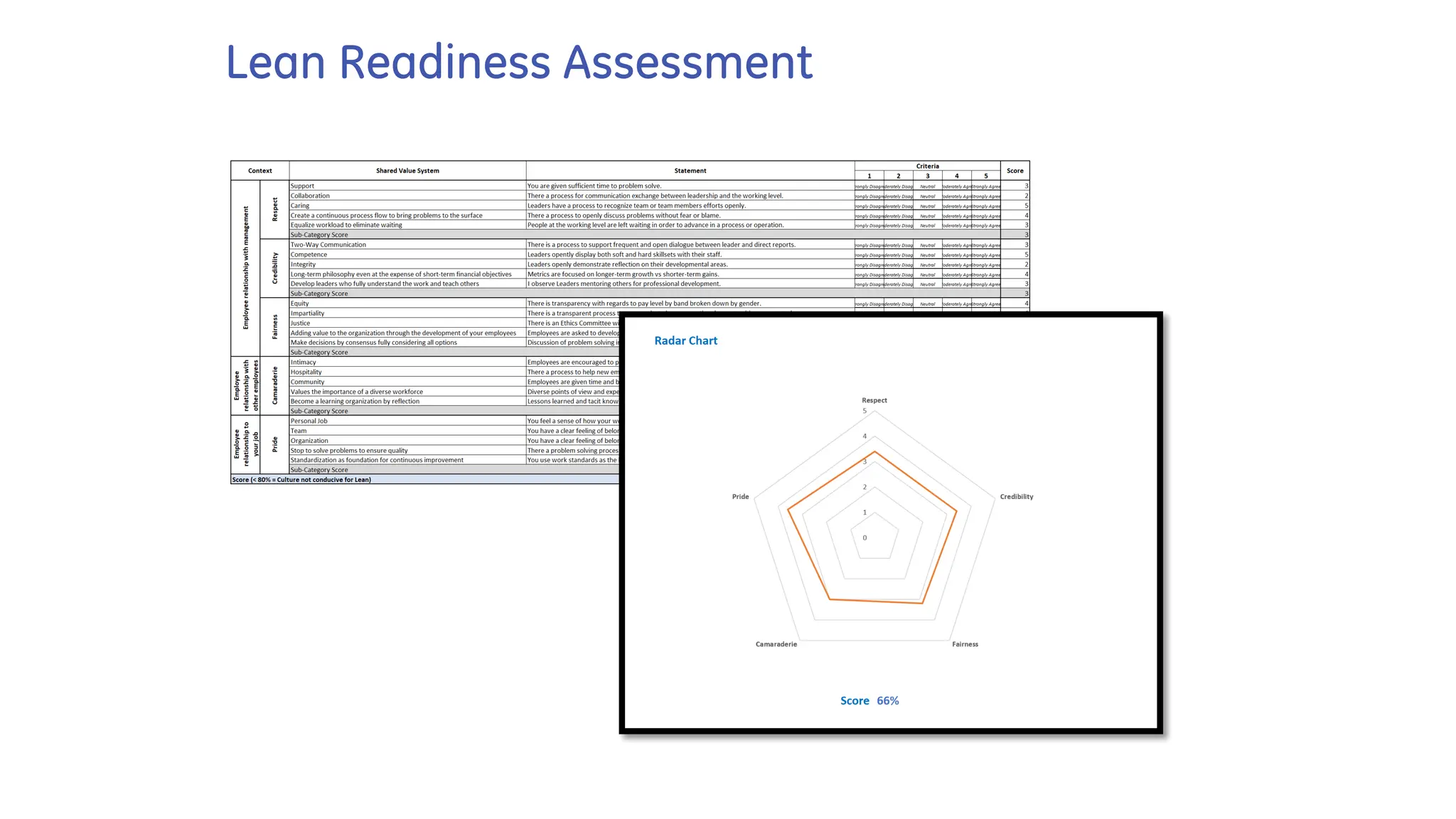
Lean Readiness Assessment
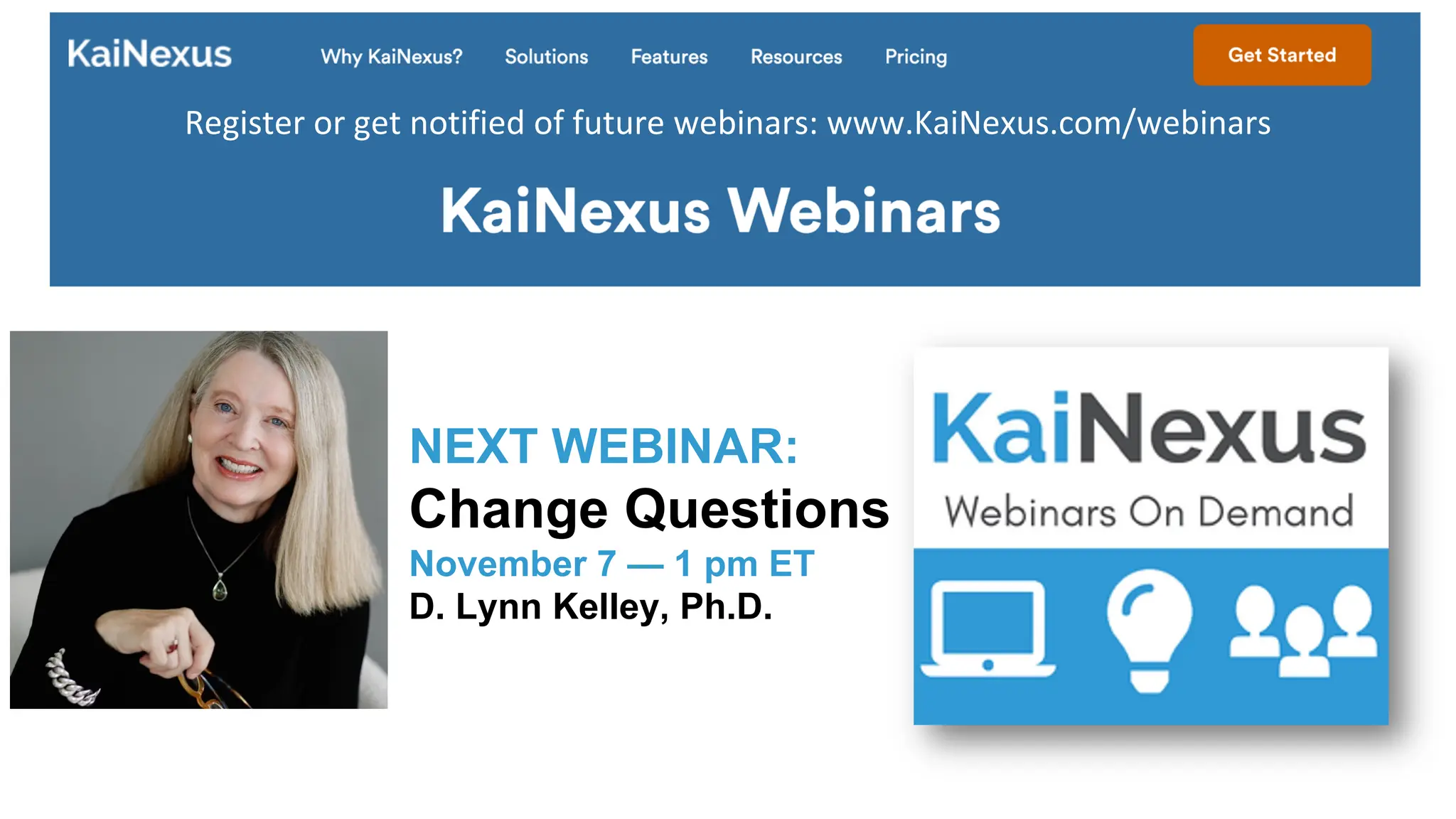
Register or get notified of future webinars: www.KaiNexus.com/webinars
NEXT WEBINAR:
Change Questions
November 7 — 1 pm ET
D. Lynn Kelley, Ph.D.
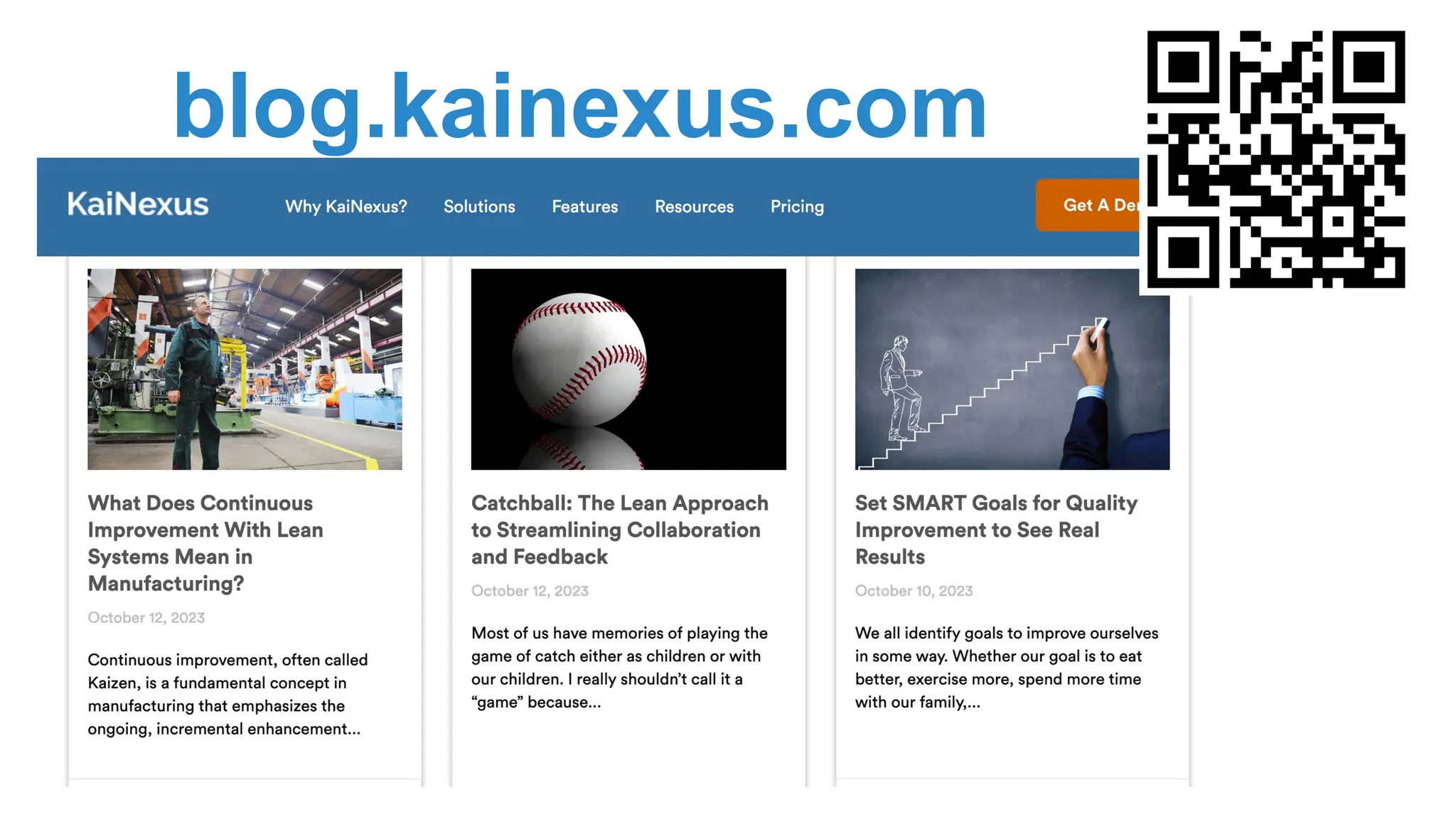
blog.kainexus.com
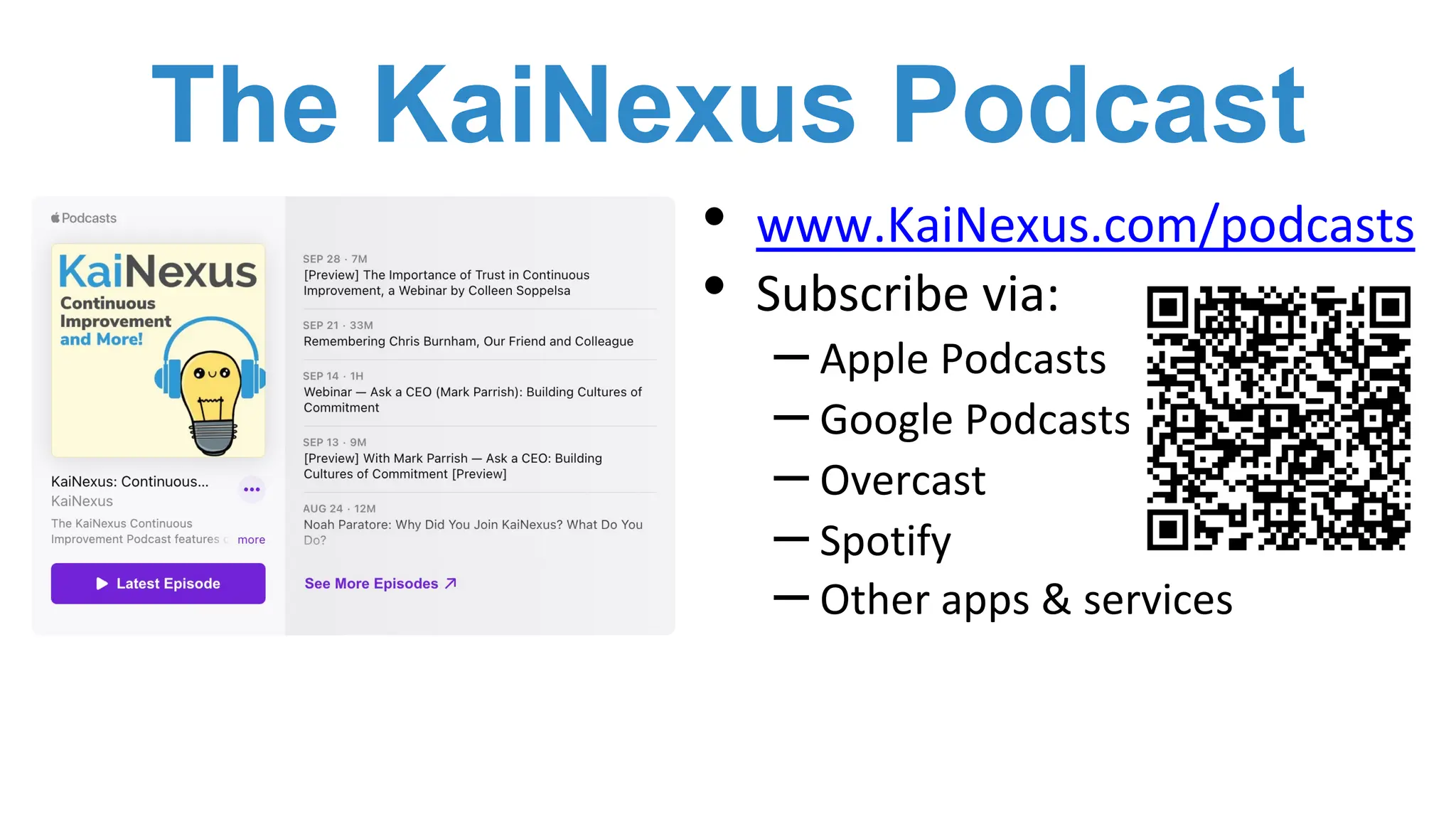
The KaiNexus Podcast
• www.KaiNexus.com/podcasts
• Subscribe via:
– Apple Podcasts
– Google Podcasts
– Overcast
– Spotify
– Other apps & services
Q&A
• Web:
– www.kainexus.com
– blog.kainexus.com
– Webinars on Demand:
– www.kainexus.com/webinars
• Social Media:
– www.linkedin.com/company/kainexus
– www.facebook.com/kainexus
Host: Mark Graban
Senior Advisor, KaiNexus
Mark@KaiNexus.com
Presenter: Colleen Soppelsa
Lean and Six Sigma Transformation Leader
soppelsa@global.t-bird.edu

The Importance of Trust in Continuous Improvement