 Spent the over 30
years in Bethlehem
NH.
 I grow a garden,
farm, cook, drink
beer, hunt and fish
but teaching about
spirits is a passion.
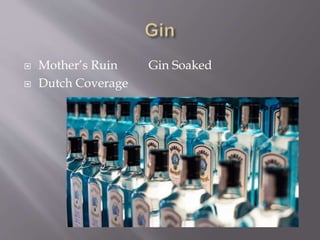
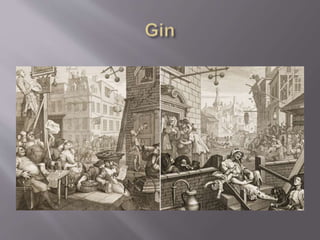
 Mother’s Ruin Gin Soaked
 Dutch Coverage
 Genever
 London Dry Gin
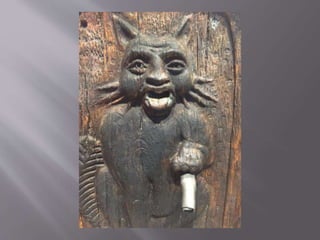
 Tom Cat Gin
 Artisanal Gin
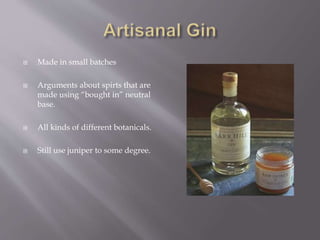
 Made in small batches
 Arguments about spirts that are
made using “bought in” neutral
base.
 All kinds of different botanicals.
 Still use juniper to some degree.
 No tonic, ice or garnish.
 Tasting glass, round wine or whiskey.
 Sniff coffee beans to clear nasal palate.
 Swirl, nose.
 Smell
 Rub on hands and cup hands, smell.
 Taste for first flavors
 Taste for finish
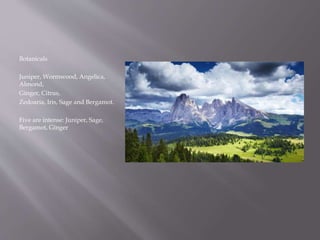
Botanicals
Juniper, Wormwood, Angelica,
Almond,
Ginger, Citrus,
Zedoaria, Iris, Sage and Bergamot.
Five are intense: Juniper, Sage,
Bergamot, Ginger
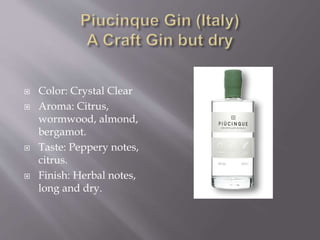
 Color: Crystal Clear
 Aroma: Citrus,
wormwood, almond,
bergamot.
 Taste: Peppery notes,
citrus.
 Finish: Herbal notes,
long and dry.
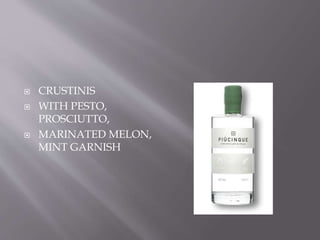
 CRUSTINIS
 WITH PESTO,
PROSCIUTTO,
 MARINATED MELON,
MINT GARNISH
 First made in Belgium.
 Led to the longest
prohibition, 66 years.
 The name gin came
from the Dutch Genever
or Jenever from the
Latin for juniper
juniperus.
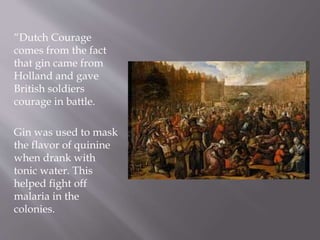
“Dutch Courage
comes from the fact
that gin came from
Holland and gave
British soldiers
courage in battle.
Gin was used to mask
the flavor of quinine
when drank with
tonic water. This
helped fight off
malaria in the
colonies.
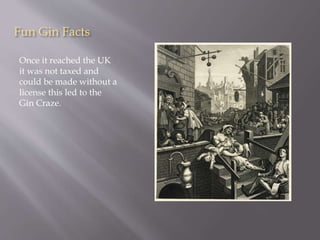
Fun Gin Facts
Once it reached the UK
it was not taxed and
could be made without a
license this led to the
Gin Craze.
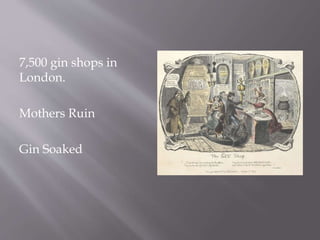
7,500 gin shops in
London.
Mothers Ruin
Gin Soaked
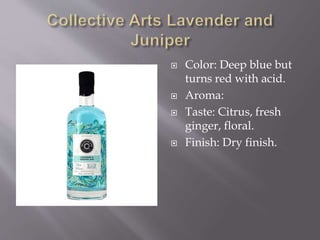
 Color: Deep blue but
turns red with acid.
 Aroma:
 Taste: Citrus, fresh
ginger, floral.
 Finish: Dry finish.
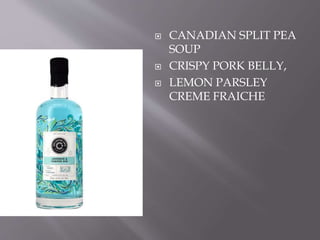
 CANADIAN SPLIT PEA
SOUP
 CRISPY PORK BELLY,
 LEMON PARSLEY
CREME FRAICHE
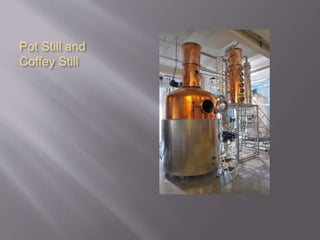
Pot Still and
Coffey Still
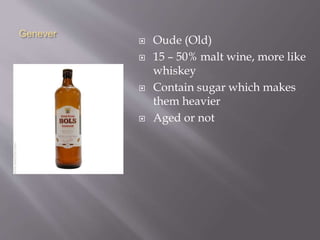
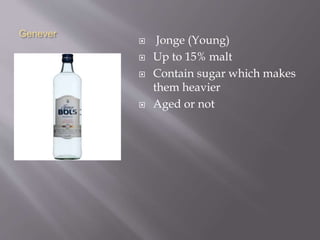
Genever
 Oude (Old)
 15 – 50% malt wine, more like
whiskey
 Contain sugar which makes
them heavier
 Aged or not
Genever
 Jonge (Young)
 Up to 15% malt
 Contain sugar which makes
them heavier
 Aged or not
 London dry gin emerged in 19th century London. It came about
due to improvements in distillation, namely the invention of
the Coffey still, which enabled a high quality alcohol to be
distilled cheaply and efficiently. Gin had previously been sweet
but this new spirit didn’t need sweetening to disguise the taste so
the botanicals such as juniper could take centre stage.
 Nowadays London dry gin doesn’t have to come from London,
it’s a style rather than a place with an EU legal definition. It has to
be made by distilling natural botanicals using neutral alcohol of
96% ABV. Nothing can be added after distillation except water. It
has to have a minimum strength of 37.5% alcohol.

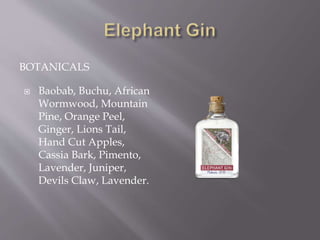
BOTANICALS
 Baobab, Buchu, African
Wormwood, Mountain
Pine, Orange Peel,
Ginger, Lions Tail,
Hand Cut Apples,
Cassia Bark, Pimento,
Lavender, Juniper,
Devils Claw, Lavender.
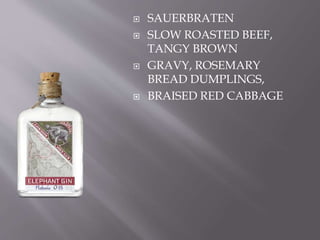
Elephant Gin (Germany and Africa)
(a London Dry Gin)
Color: Crystal clear
Aroma: Aromatic dry
pine, ginger, lavender,
hint of fruitiness.
Palate: Herbs with
spices, smooth
enveloping floral.
Finish: Long, piney
finish with a hint of
citrus.
 SAUERBRATEN
 SLOW ROASTED BEEF,
TANGY BROWN
 GRAVY, ROSEMARY
BREAD DUMPLINGS,
 BRAISED RED CABBAGE
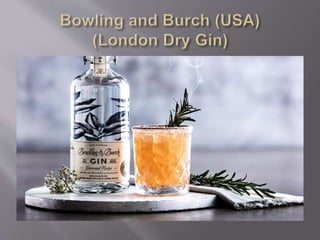
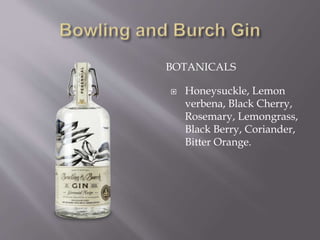
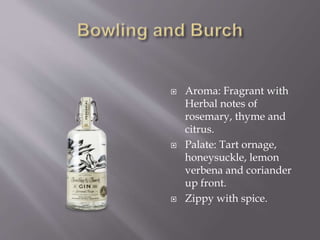
BOTANICALS
 Honeysuckle, Lemon
verbena, Black Cherry,
Rosemary, Lemongrass,
Black Berry, Coriander,
Bitter Orange.
 Aroma: Fragrant with
Herbal notes of
rosemary, thyme and
citrus.
 Palate: Tart ornage,
honeysuckle, lemon
verbena and coriander
up front.
 Zippy with spice.
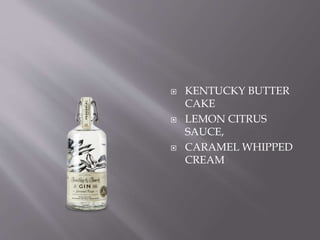
 KENTUCKY BUTTER
CAKE
 LEMON CITRUS
SAUCE,
 CARAMEL WHIPPED
CREAM
The Gincident

The Gincident

  • 1.
     Spent theover 30 years in Bethlehem NH.  I grow a garden, farm, cook, drink beer, hunt and fish but teaching about spirits is a passion.
  • 6.
     Mother’s RuinGin Soaked  Dutch Coverage
  • 7.
     Genever  LondonDry Gin  Tom Cat Gin  Artisanal Gin
  • 8.
     Made insmall batches  Arguments about spirts that are made using “bought in” neutral base.  All kinds of different botanicals.  Still use juniper to some degree.
  • 9.
     No tonic,ice or garnish.  Tasting glass, round wine or whiskey.  Sniff coffee beans to clear nasal palate.  Swirl, nose.  Smell
  • 10.
     Rub onhands and cup hands, smell.  Taste for first flavors  Taste for finish
  • 11.
    Botanicals Juniper, Wormwood, Angelica, Almond, Ginger,Citrus, Zedoaria, Iris, Sage and Bergamot. Five are intense: Juniper, Sage, Bergamot, Ginger
  • 12.
     Color: CrystalClear  Aroma: Citrus, wormwood, almond, bergamot.  Taste: Peppery notes, citrus.  Finish: Herbal notes, long and dry.
  • 13.
     CRUSTINIS  WITHPESTO, PROSCIUTTO,  MARINATED MELON, MINT GARNISH
  • 14.
     First madein Belgium.  Led to the longest prohibition, 66 years.  The name gin came from the Dutch Genever or Jenever from the Latin for juniper juniperus.
  • 15.
    “Dutch Courage comes fromthe fact that gin came from Holland and gave British soldiers courage in battle. Gin was used to mask the flavor of quinine when drank with tonic water. This helped fight off malaria in the colonies.
  • 16.
    Fun Gin Facts Onceit reached the UK it was not taxed and could be made without a license this led to the Gin Craze.
  • 18.
    7,500 gin shopsin London. Mothers Ruin Gin Soaked
  • 21.
     Color: Deepblue but turns red with acid.  Aroma:  Taste: Citrus, fresh ginger, floral.  Finish: Dry finish.
  • 22.
     CANADIAN SPLITPEA SOUP  CRISPY PORK BELLY,  LEMON PARSLEY CREME FRAICHE
  • 25.
  • 26.
    Genever  Oude (Old) 15 – 50% malt wine, more like whiskey  Contain sugar which makes them heavier  Aged or not
  • 27.
    Genever  Jonge (Young) Up to 15% malt  Contain sugar which makes them heavier  Aged or not
  • 28.
     London drygin emerged in 19th century London. It came about due to improvements in distillation, namely the invention of the Coffey still, which enabled a high quality alcohol to be distilled cheaply and efficiently. Gin had previously been sweet but this new spirit didn’t need sweetening to disguise the taste so the botanicals such as juniper could take centre stage.  Nowadays London dry gin doesn’t have to come from London, it’s a style rather than a place with an EU legal definition. It has to be made by distilling natural botanicals using neutral alcohol of 96% ABV. Nothing can be added after distillation except water. It has to have a minimum strength of 37.5% alcohol. 
  • 31.
    BOTANICALS  Baobab, Buchu,African Wormwood, Mountain Pine, Orange Peel, Ginger, Lions Tail, Hand Cut Apples, Cassia Bark, Pimento, Lavender, Juniper, Devils Claw, Lavender.
  • 32.
    Elephant Gin (Germanyand Africa) (a London Dry Gin) Color: Crystal clear Aroma: Aromatic dry pine, ginger, lavender, hint of fruitiness. Palate: Herbs with spices, smooth enveloping floral. Finish: Long, piney finish with a hint of citrus.
  • 33.
     SAUERBRATEN  SLOWROASTED BEEF, TANGY BROWN  GRAVY, ROSEMARY BREAD DUMPLINGS,  BRAISED RED CABBAGE
  • 37.
    BOTANICALS  Honeysuckle, Lemon verbena,Black Cherry, Rosemary, Lemongrass, Black Berry, Coriander, Bitter Orange.
  • 38.
     Aroma: Fragrantwith Herbal notes of rosemary, thyme and citrus.  Palate: Tart ornage, honeysuckle, lemon verbena and coriander up front.  Zippy with spice.
  • 39.
     KENTUCKY BUTTER CAKE LEMON CITRUS SAUCE,  CARAMEL WHIPPED CREAM