The Five
Meetings
Now What?
April 14, 2016
sevenheadsdesign.com@kevinmhoffman
The Five
Meetings
Now What?
April 14, 2016
sevenheadsdesign.com@kevinmhoffman
Beliefs
What do they do for us?
0.
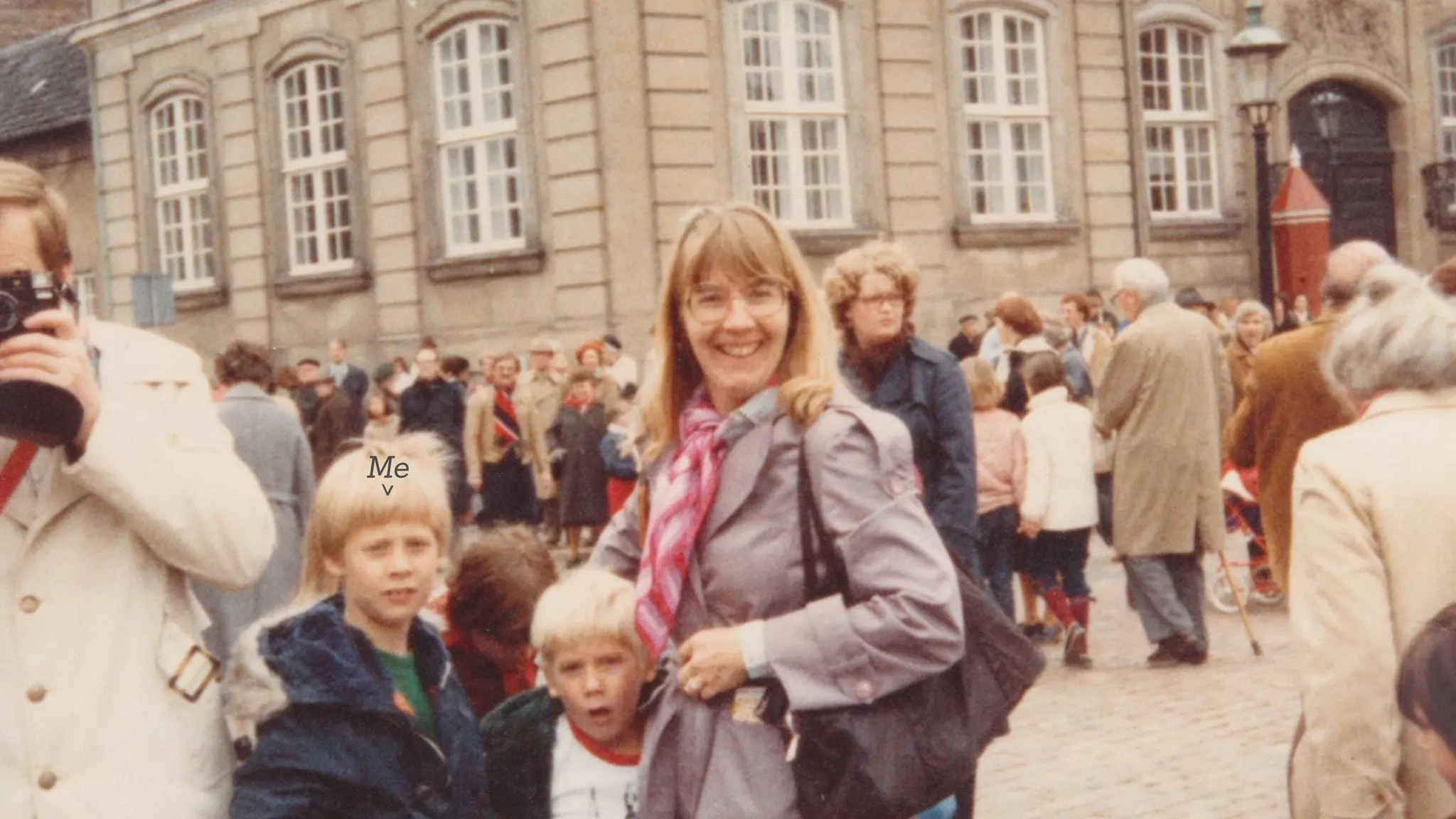
Me
>
Source: huffingtonpost.com
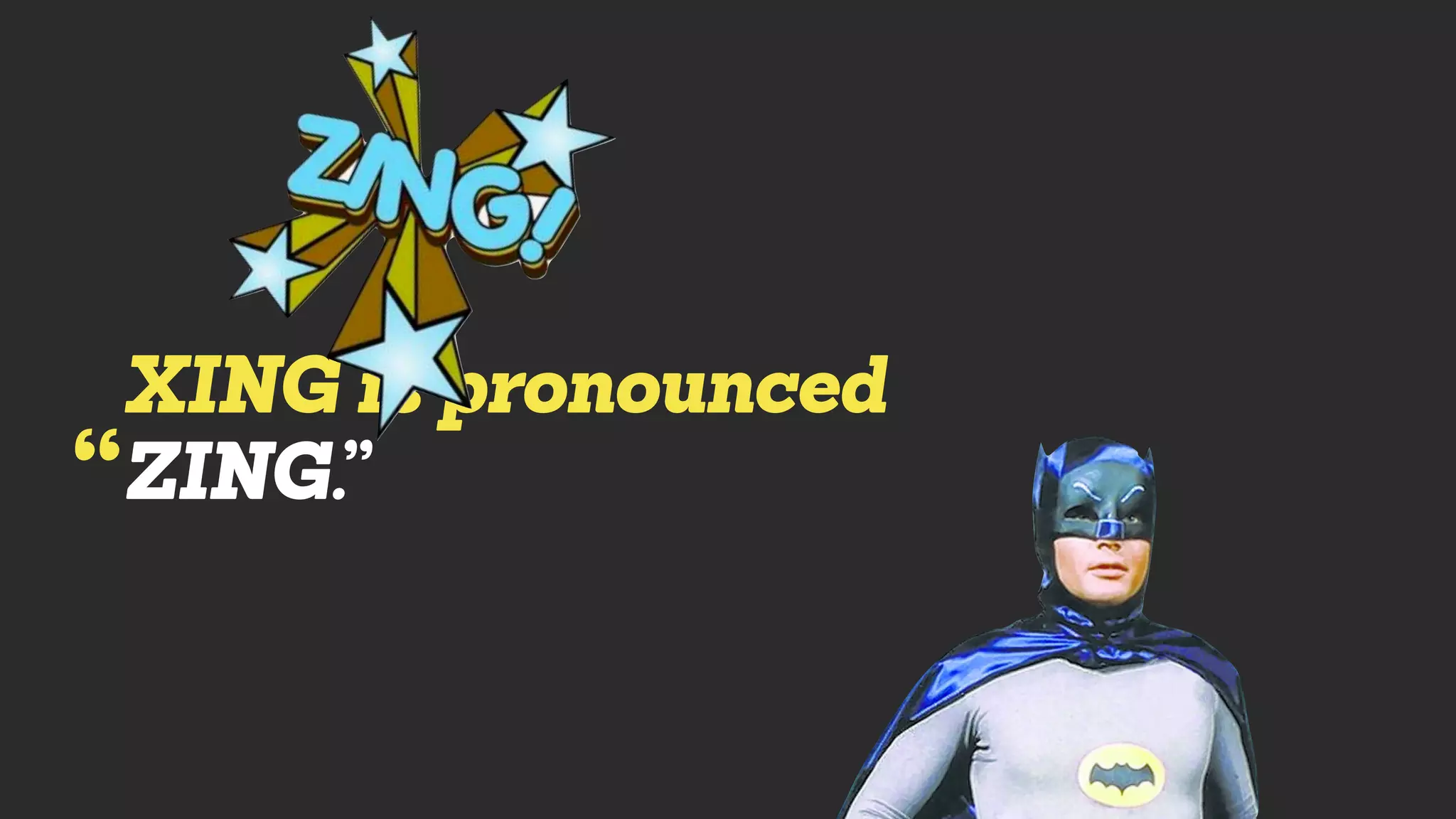
XING is pronounced
ZING.”“
Source: http://txblacks.blogspot.com/
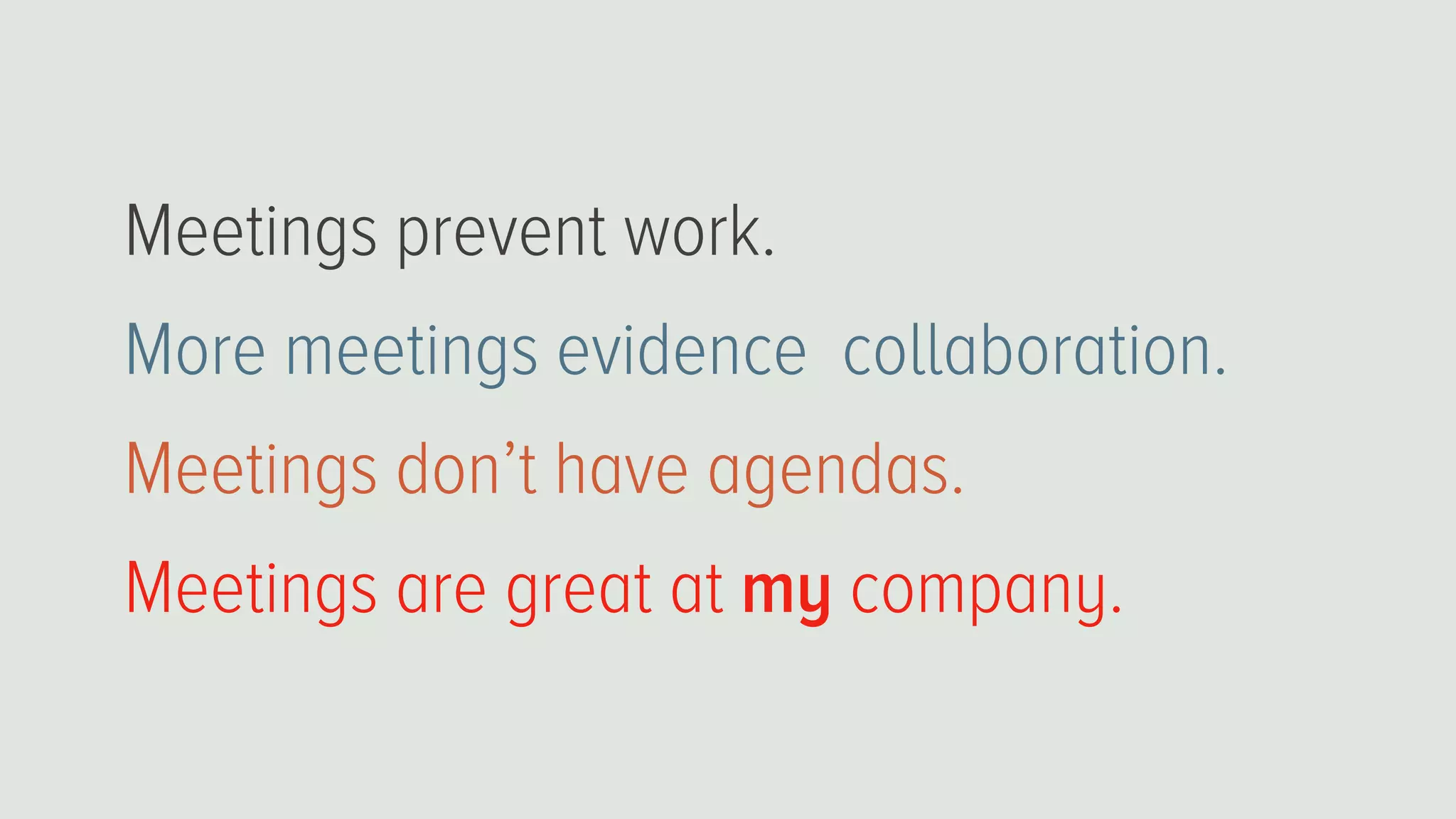
Meetings prevent work.
More meetings evidence collaboration.
Meetings don’t have agendas.
Meetings are great at my company.
Source: http://endlessocean.wikia.com
What is a
design problem?
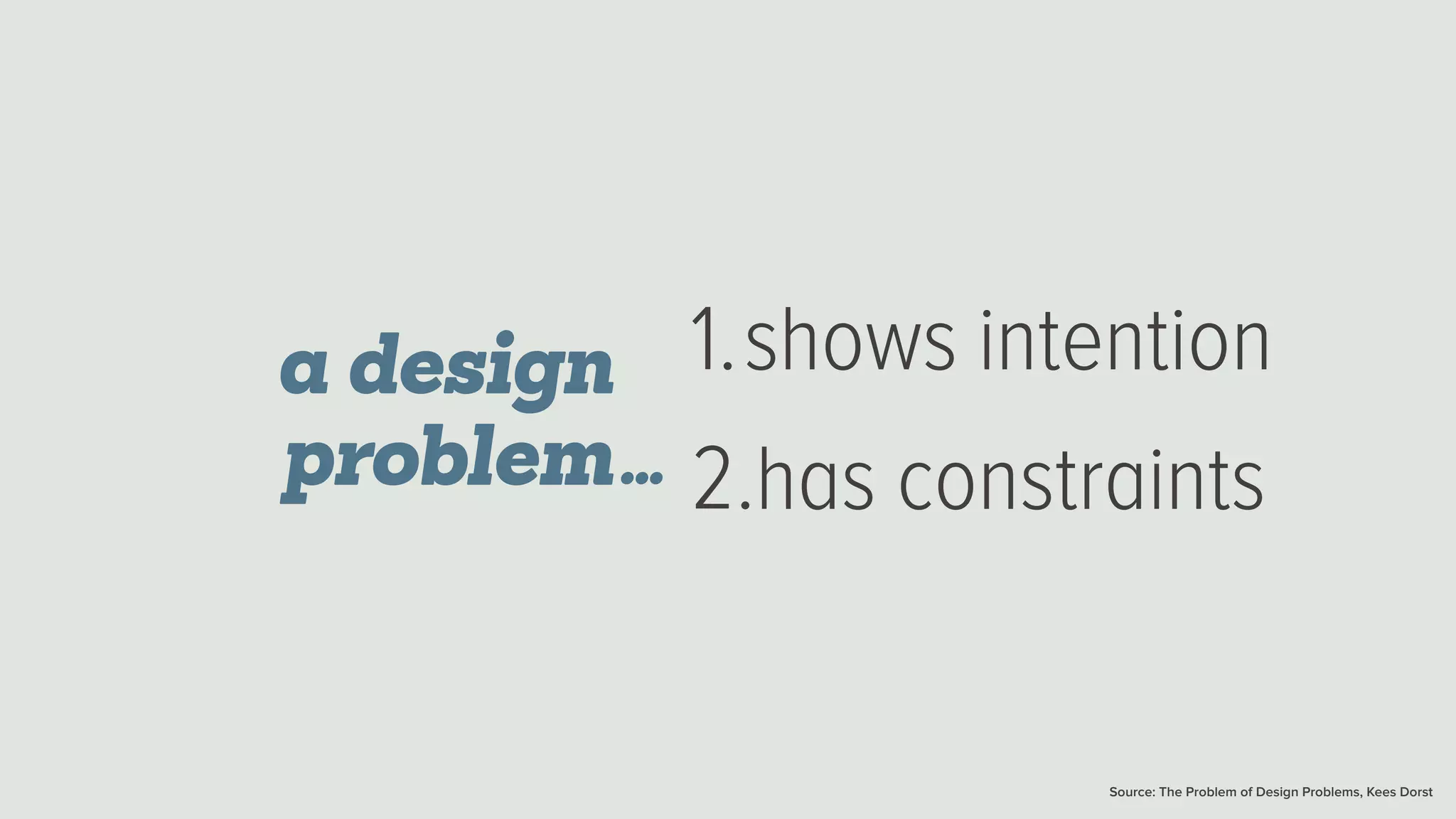
1.shows intention
2.has constraints
a design
problem…
Source: The Problem of Design Problems, Kees Dorst
Intention?
Intention?
Intention!
Intention!
Constraint?
< Big Ass Constraint
Such Constraint >
Ultimate Constraint >
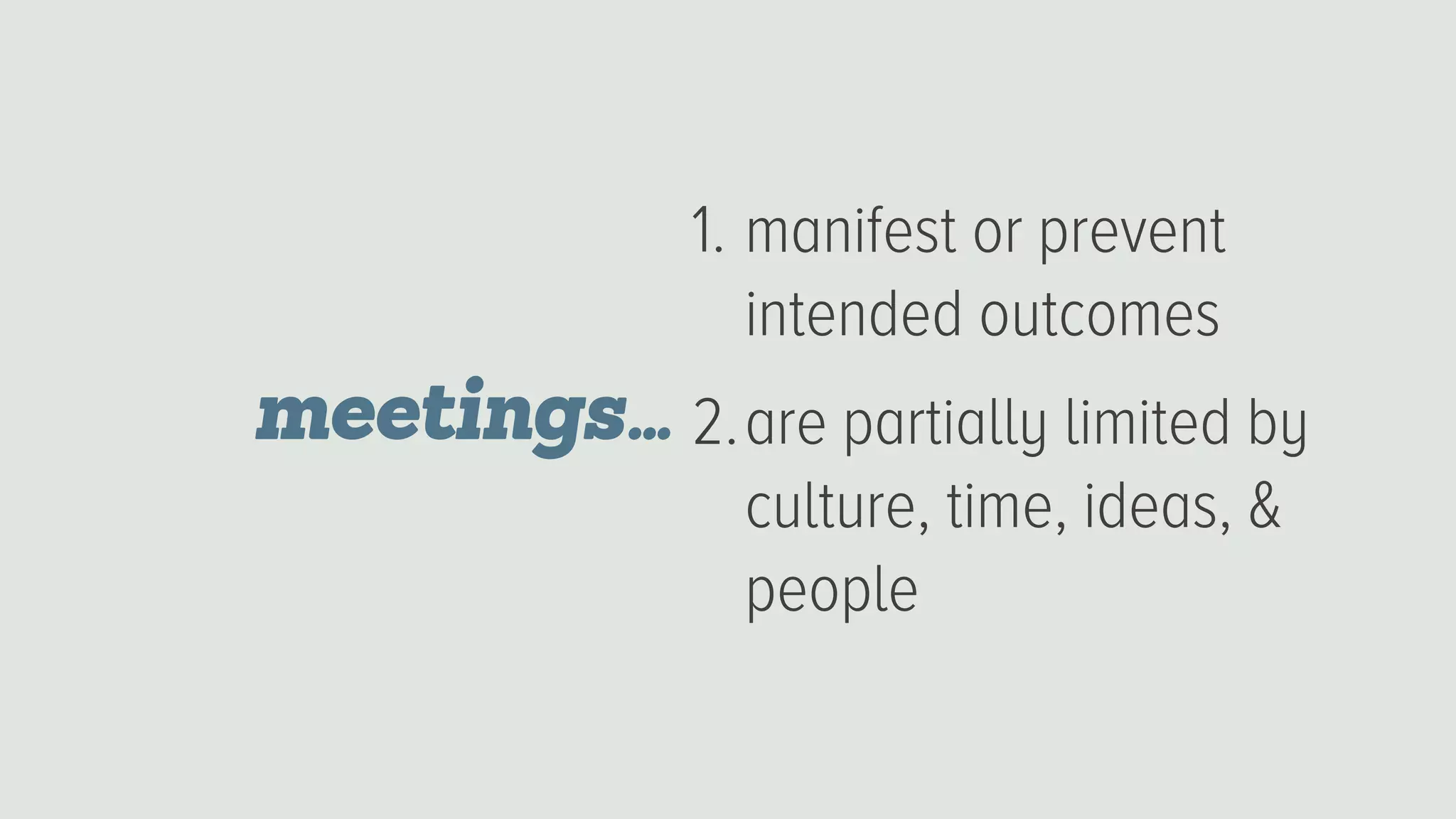
1. manifest or prevent
intended outcomes
2.are partially limited by
culture, time, ideas, &
people
meetings…
Meetings are a great
design problem!
But we don’t treat them like one.
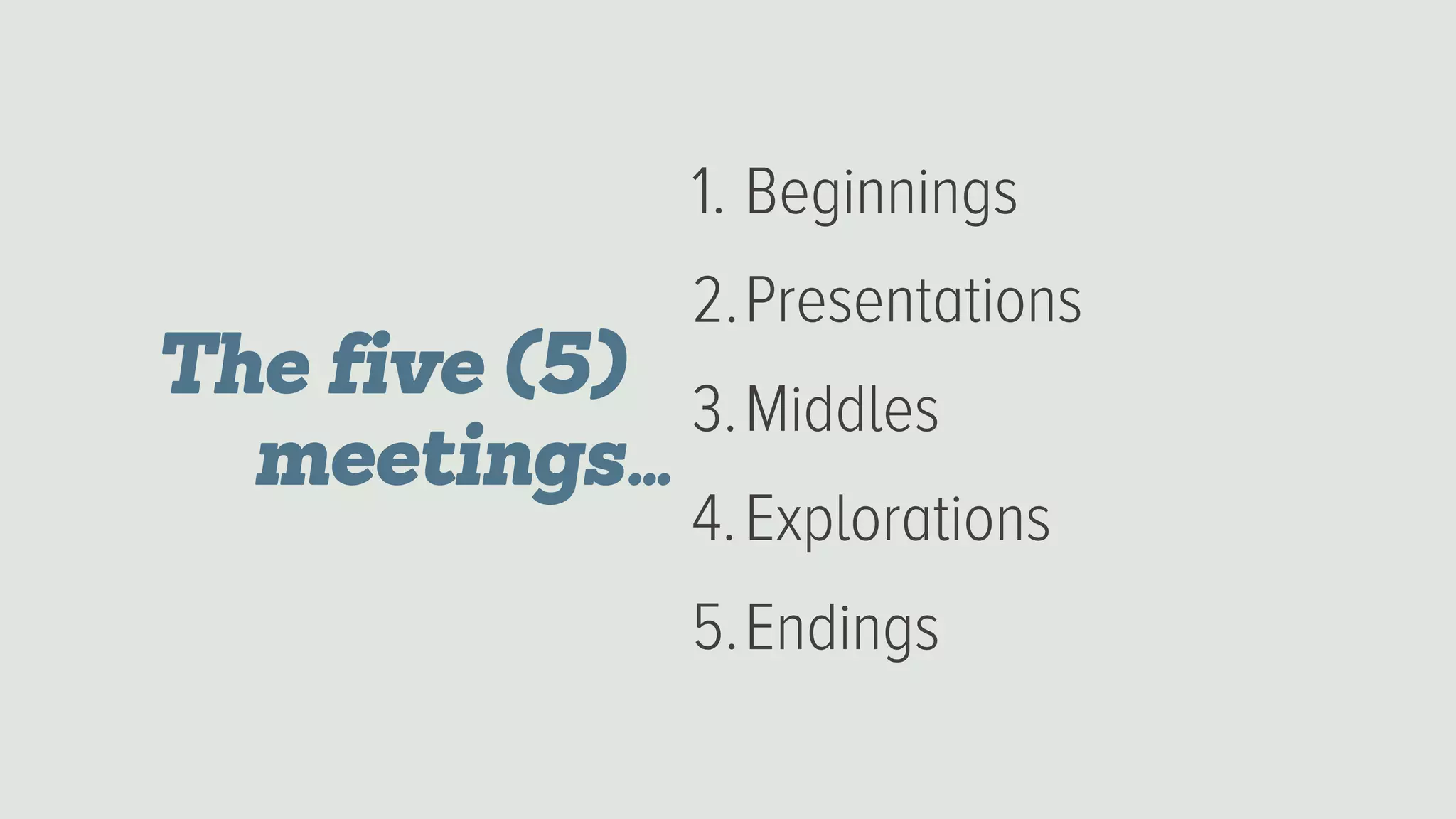
1. Beginnings
2.Presentations
3.Middles
4.Explorations
5.Endings
The five (5)
meetings…
Ye Olde Constraints
Beginnings
Meetings that help us get started.
1.
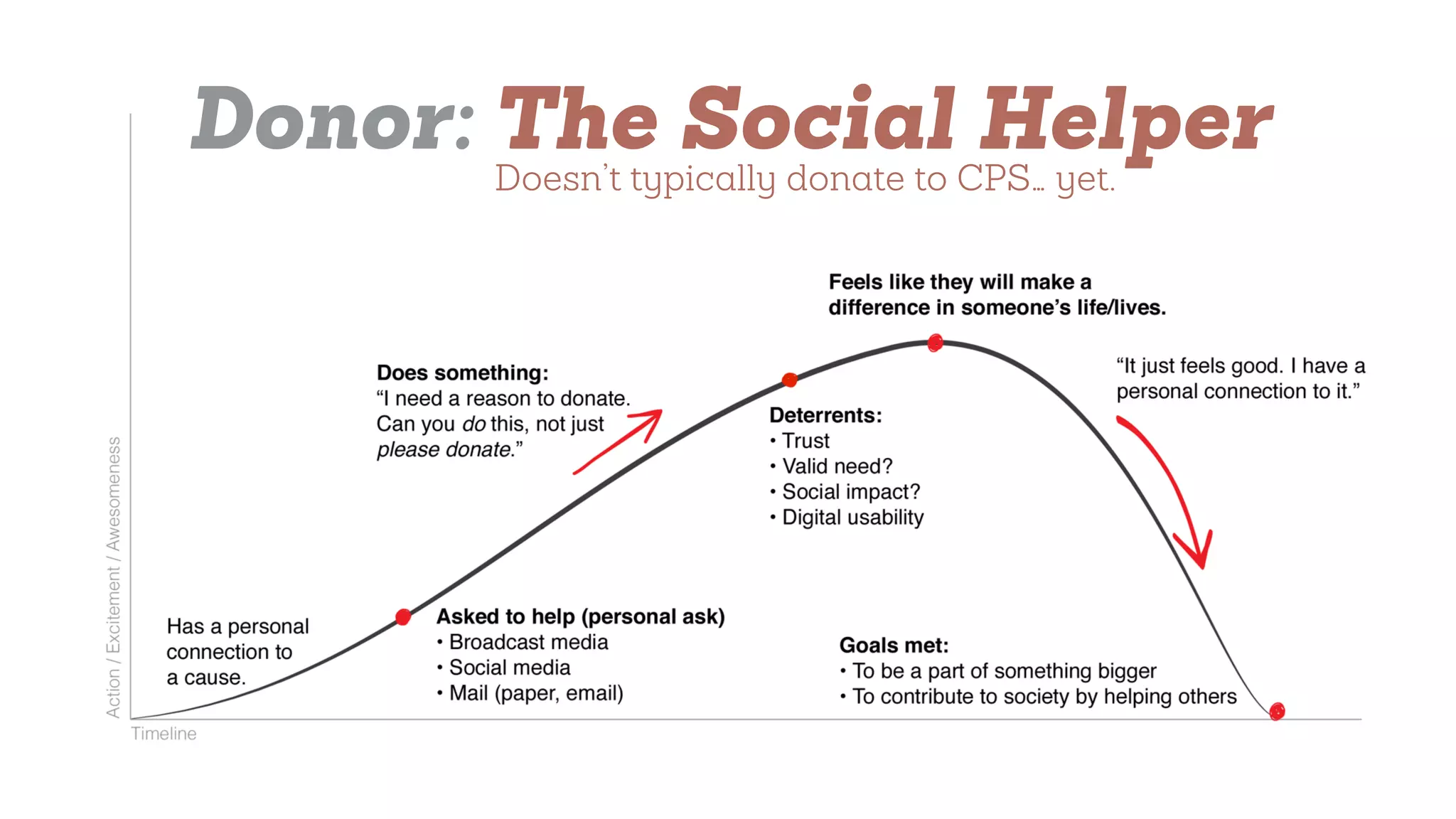
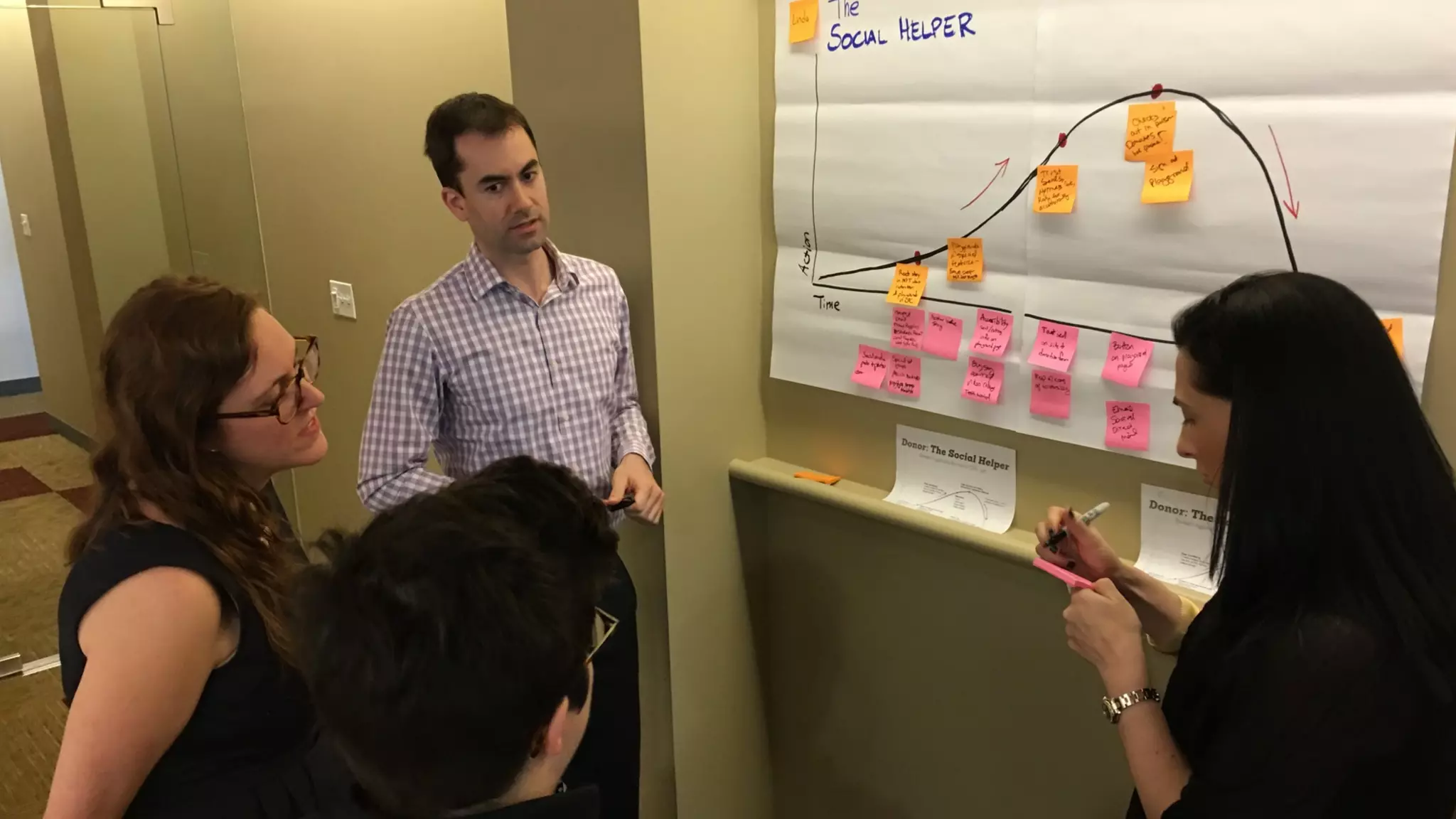
Donor: The Social HelperDoesn’t typically donate to CPS… yet.
Visual listening
makes
good meetings
even better.
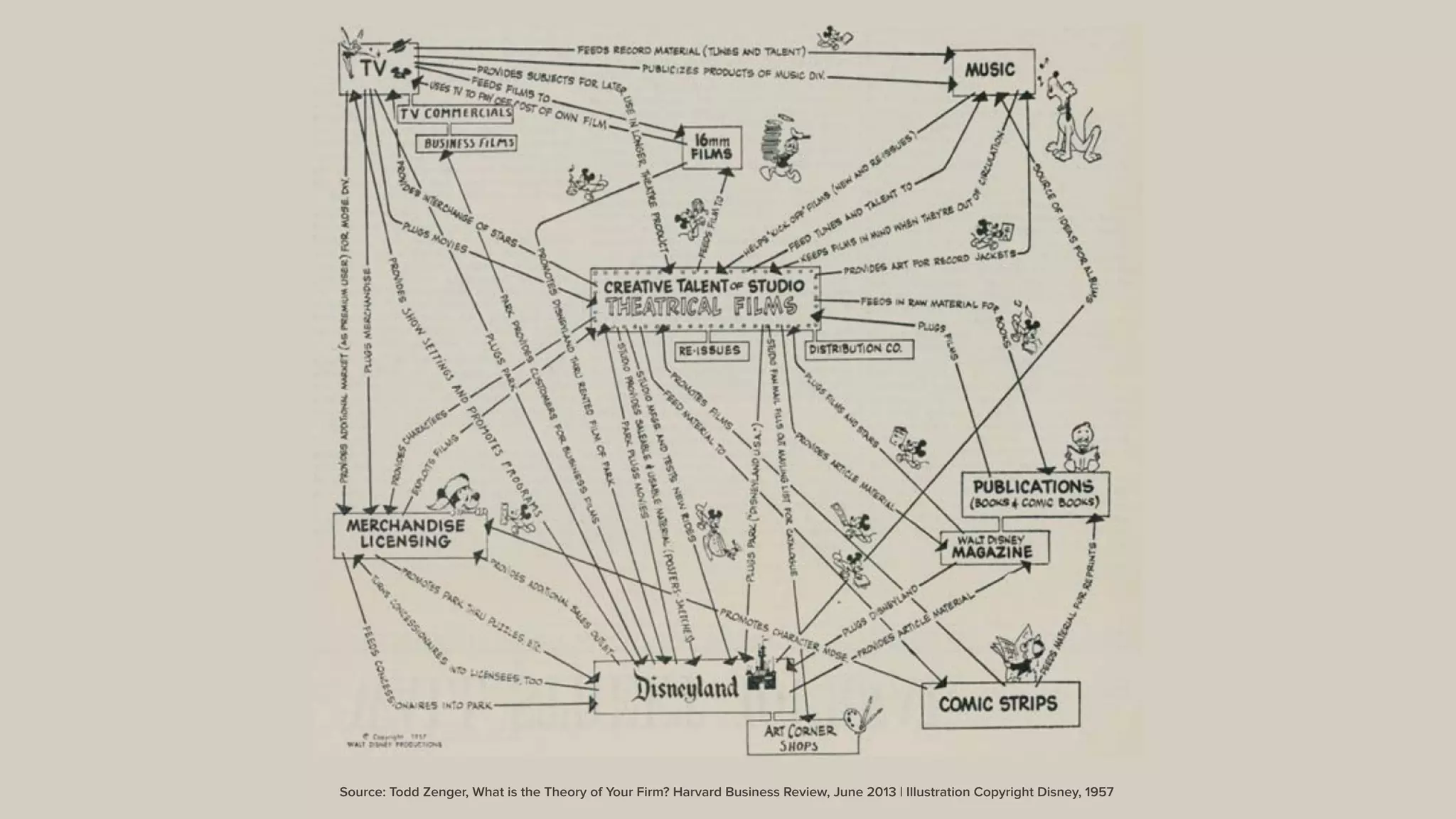
Source: Todd Zenger, What is the Theory of Your Firm? Harvard Business Review, June 2013 | Illustration Copyright Disney, 1957
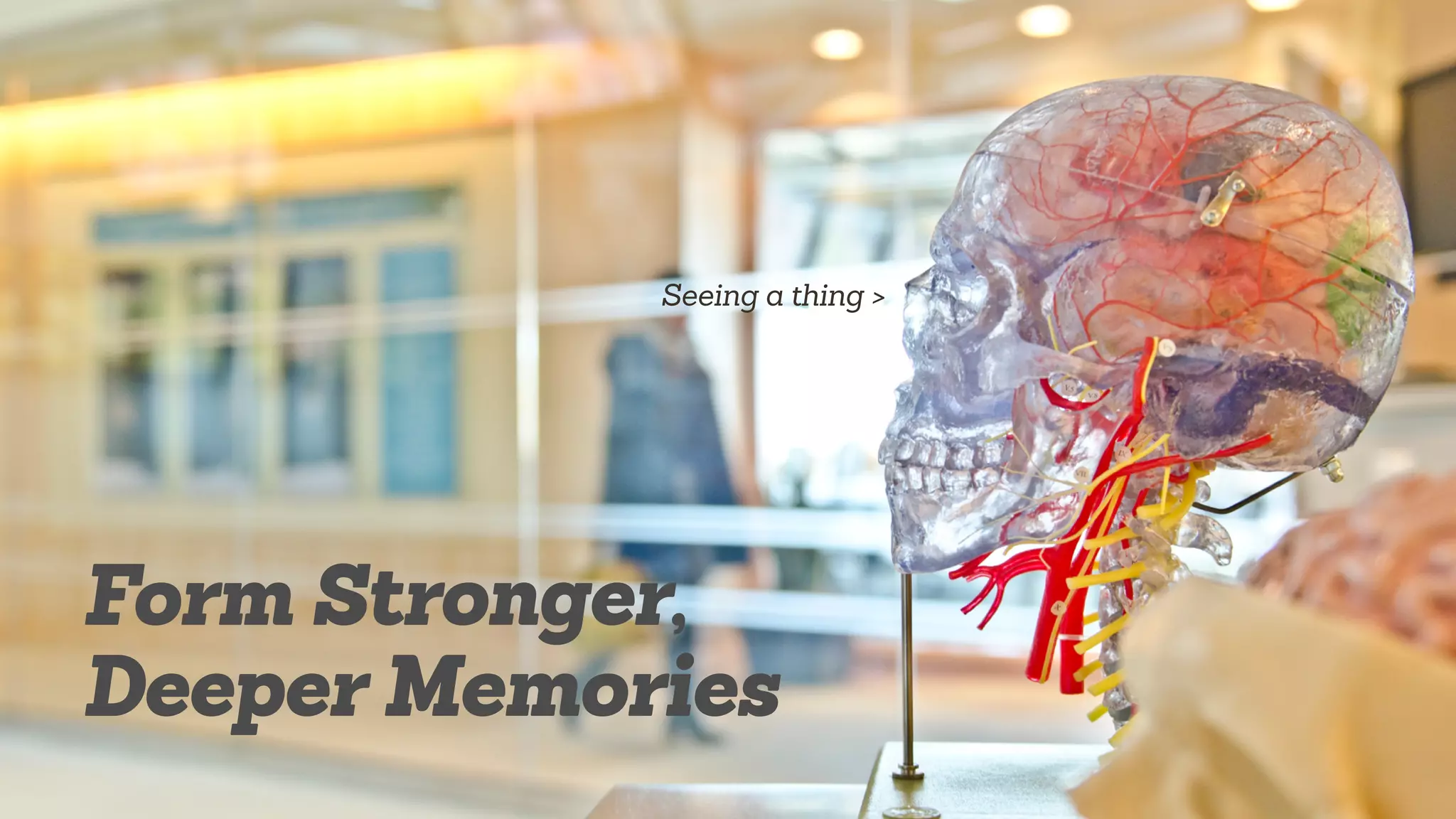
Seeing a thing >
Form Stronger,
Deeper Memories
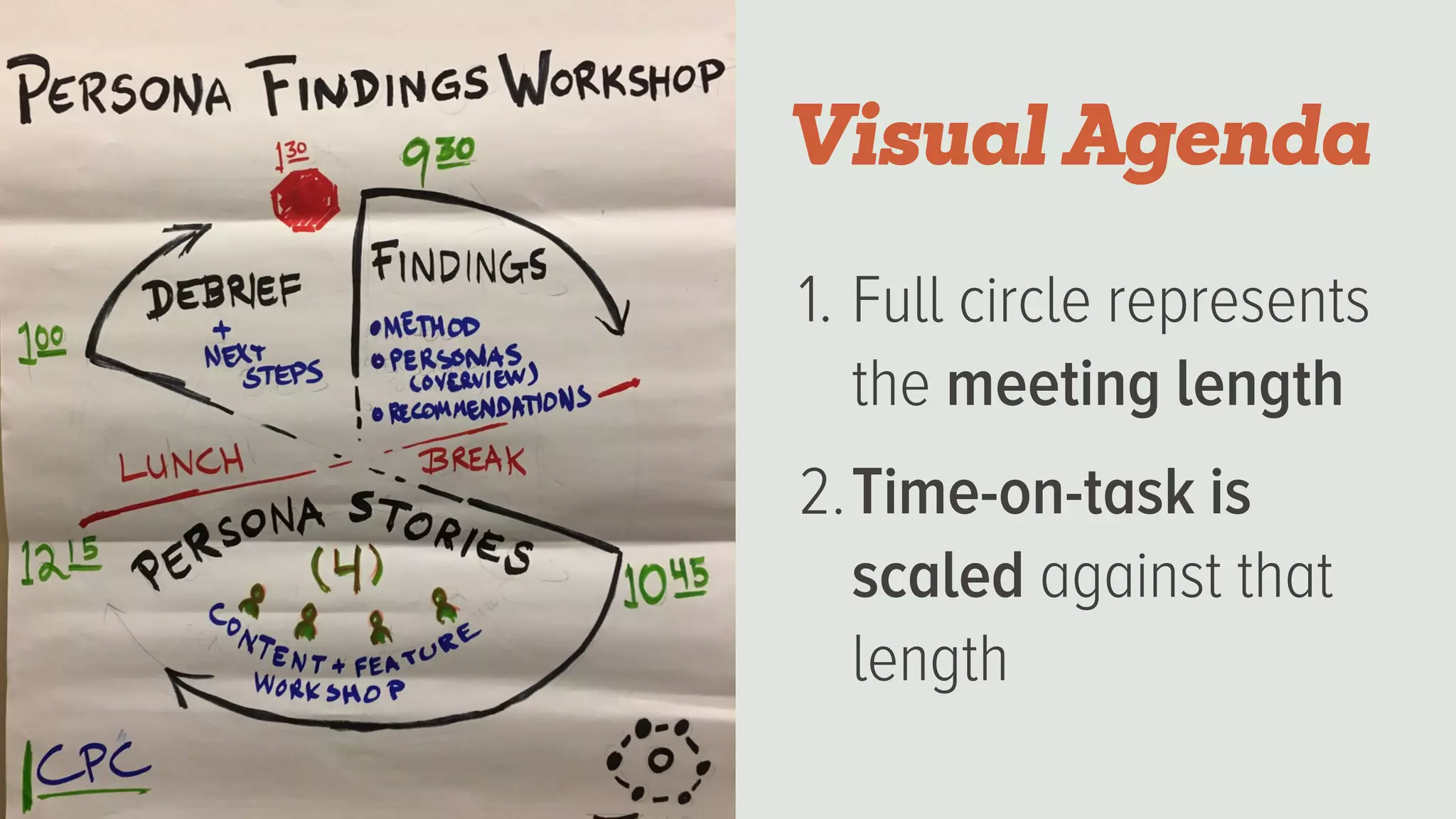
1. Full circle represents
the meeting length
2.Time-on-task is
scaled against that
length
Visual Agenda
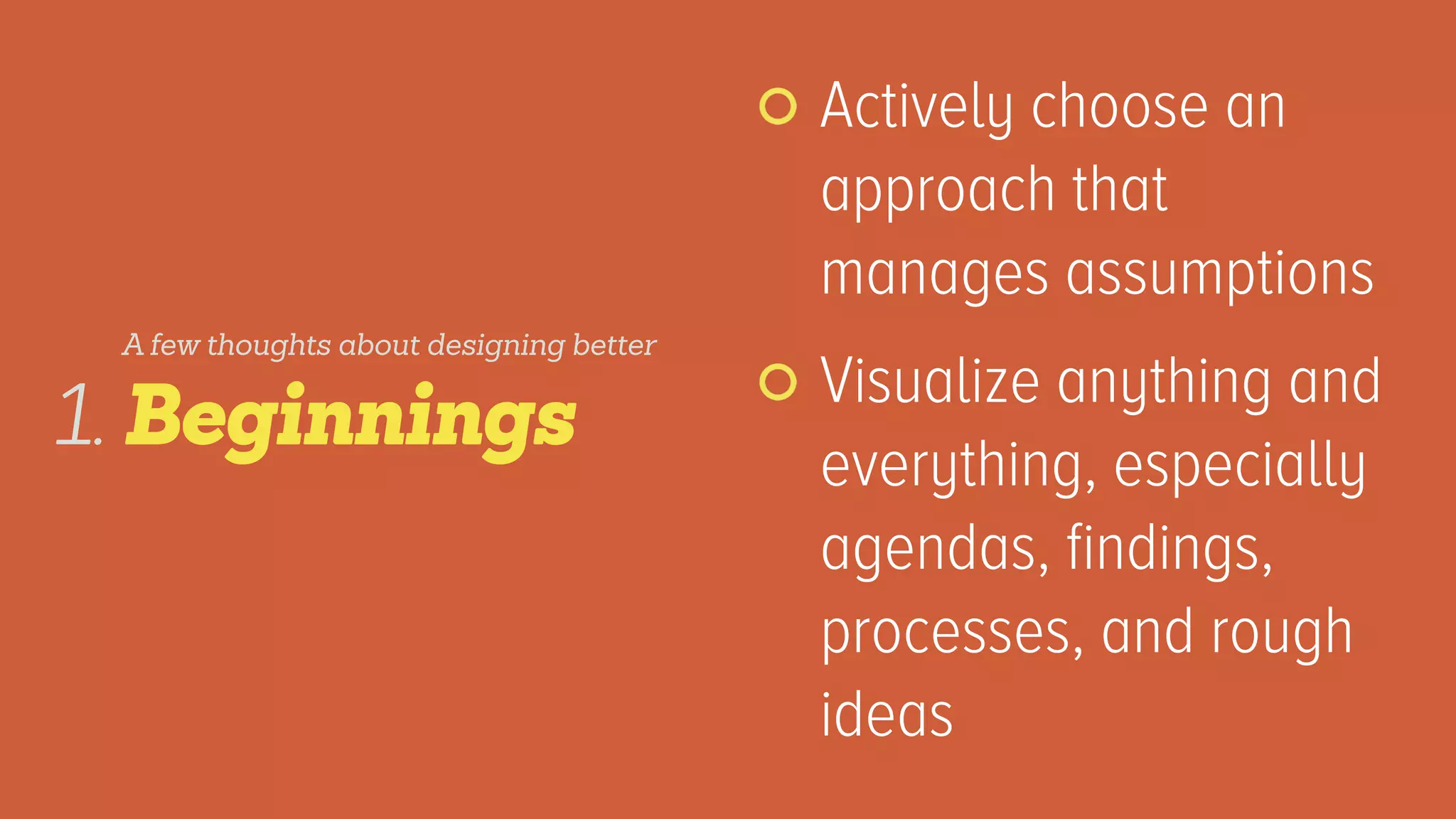
Actively choose an
approach that
manages assumptions
Visualize anything and
everything, especially
agendas, findings,
processes, and rough
ideas
Beginnings1.
A few thoughts about designing better
Presentations
Where we tell the user’s story, not the designers.
2.
Source: http://www.fxnetworks.com
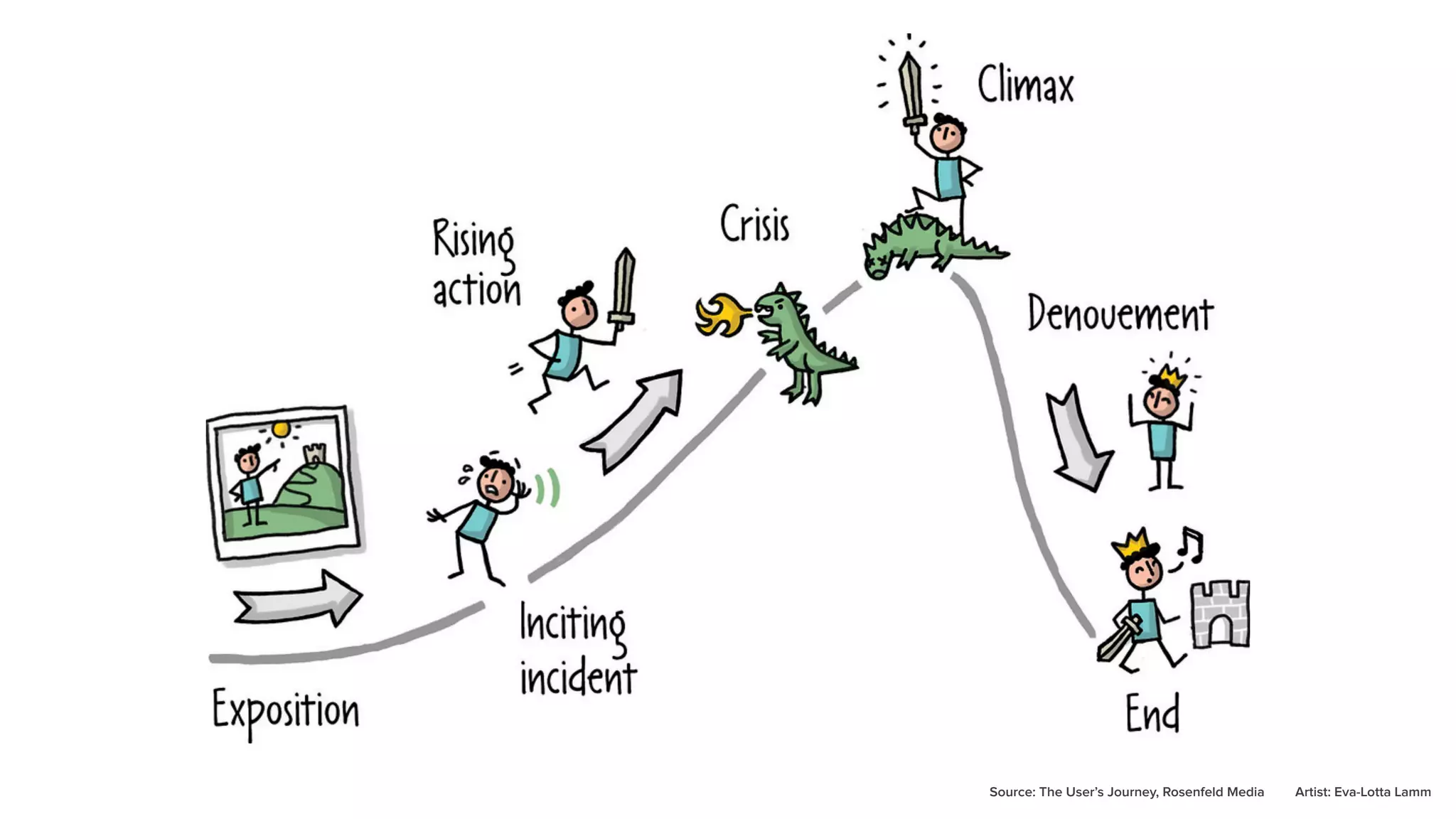
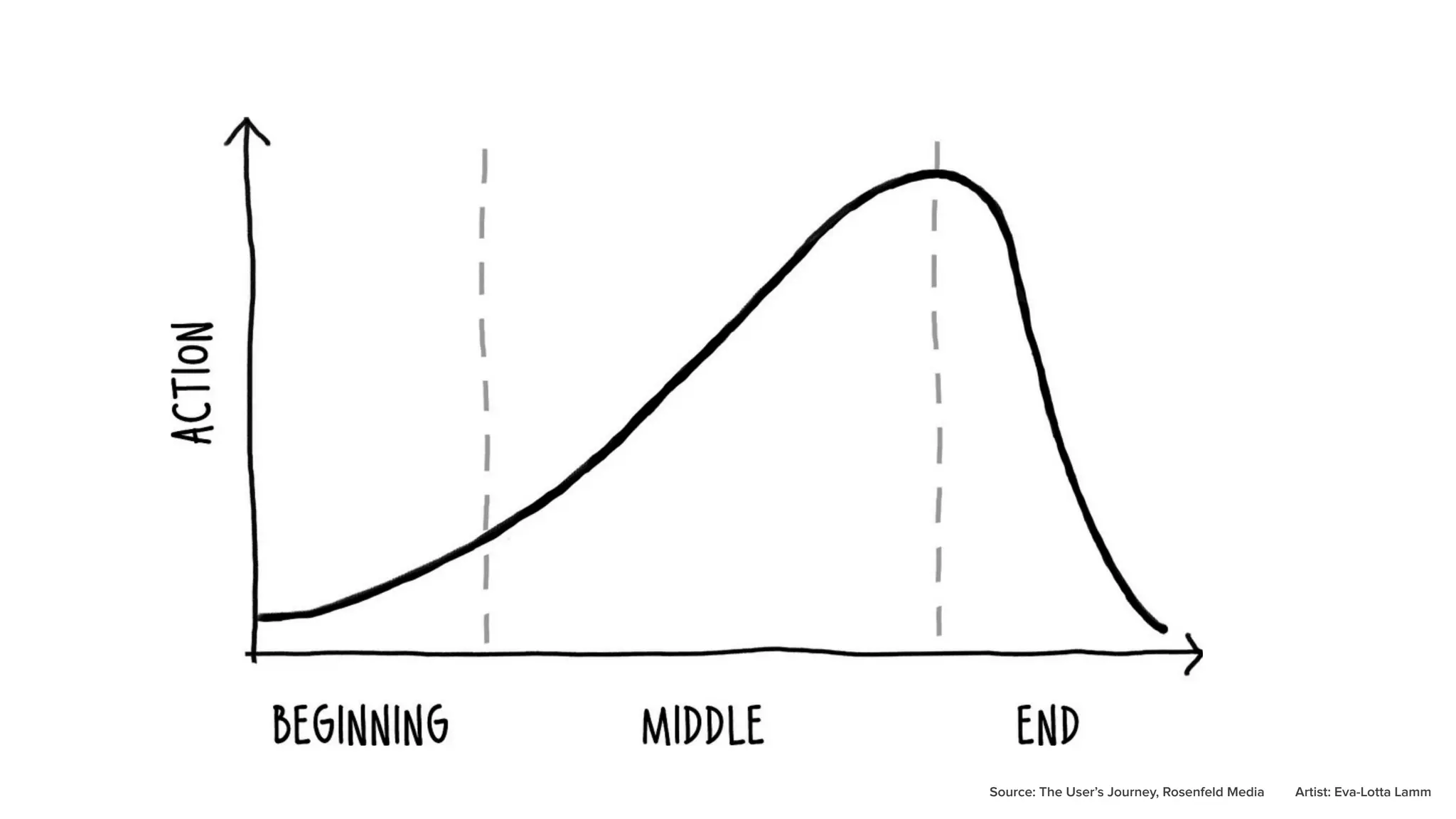
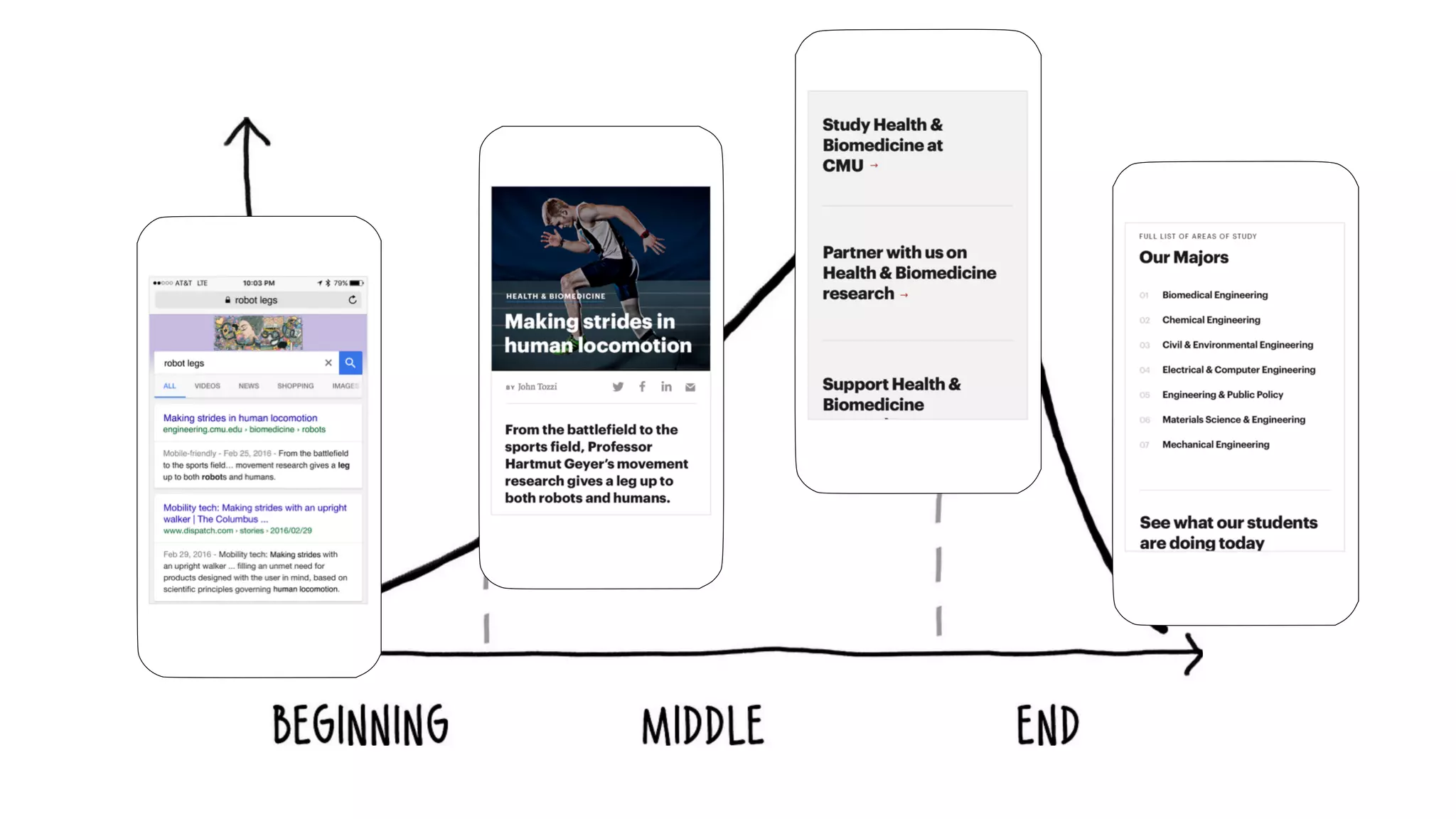
Source: The User’s Journey, Rosenfeld Media Artist: Eva-Lotta Lamm
Presentations are
stories.
But we learn to give them as real estate tours for some reason.
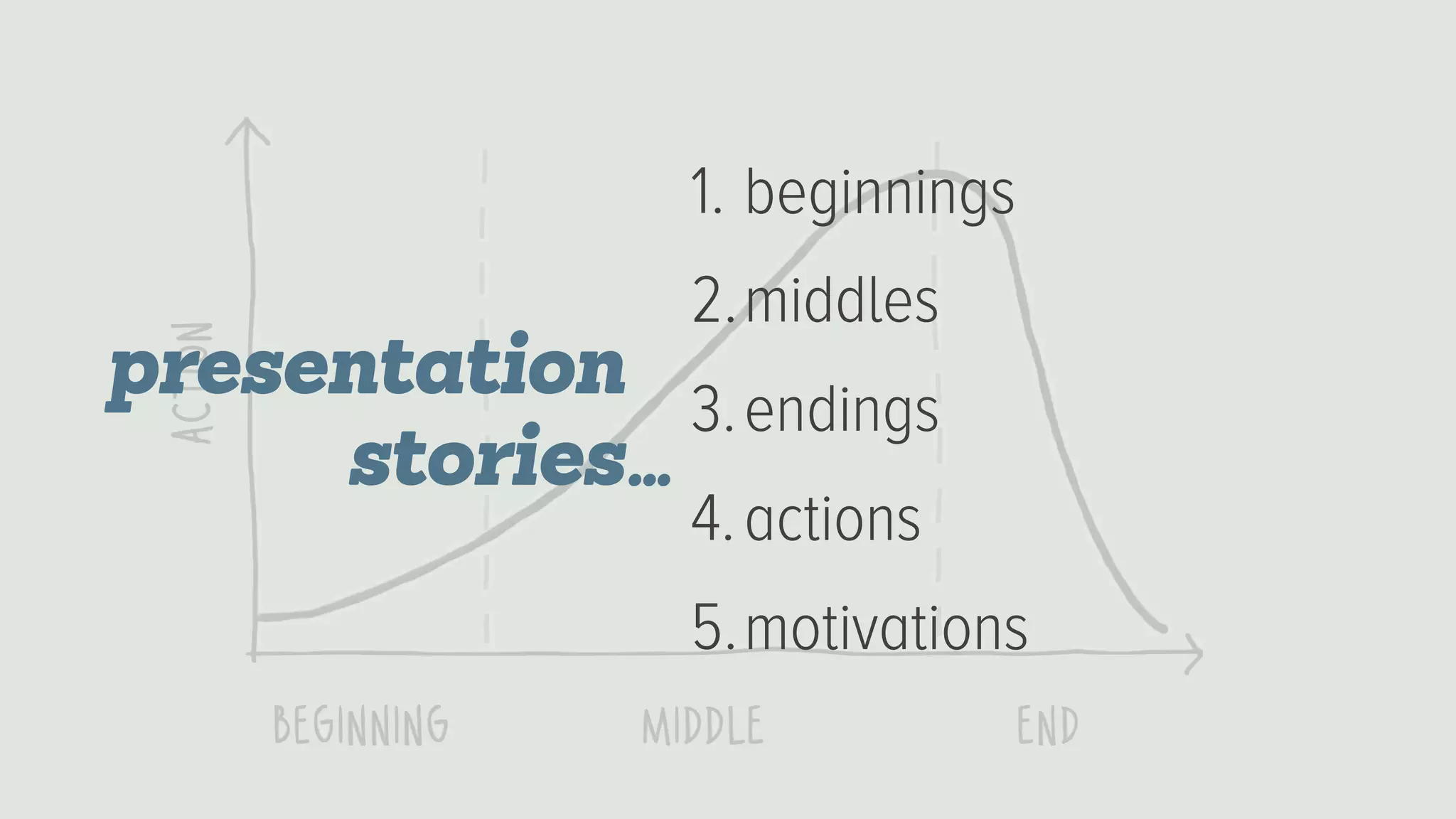
1. beginnings
2.middles
3.endings
4.actions
5.motivations
presentation
stories…
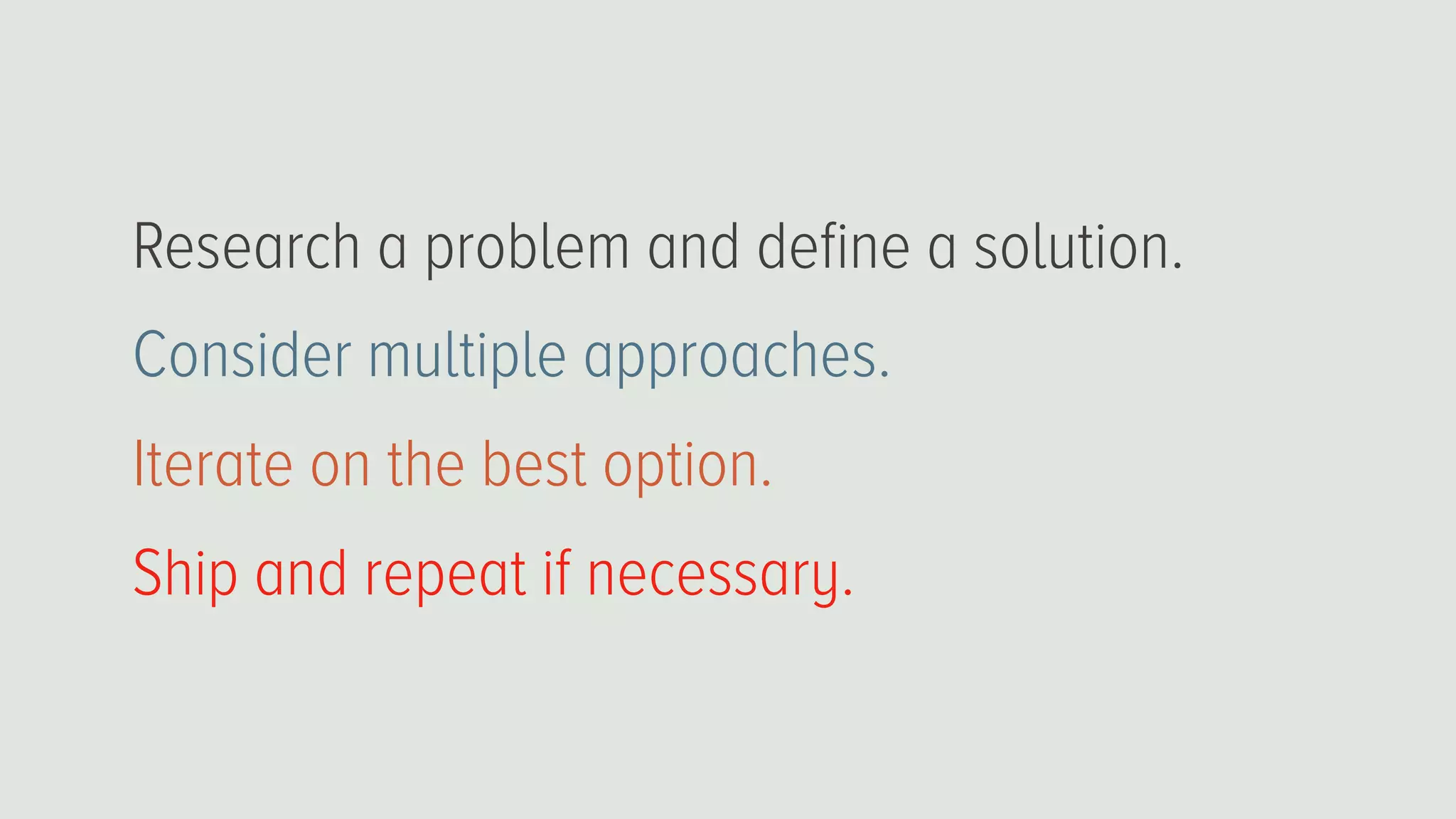
Research a problem and define a solution.
Consider multiple approaches.
Iterate on the best option.
Ship and repeat if necessary.
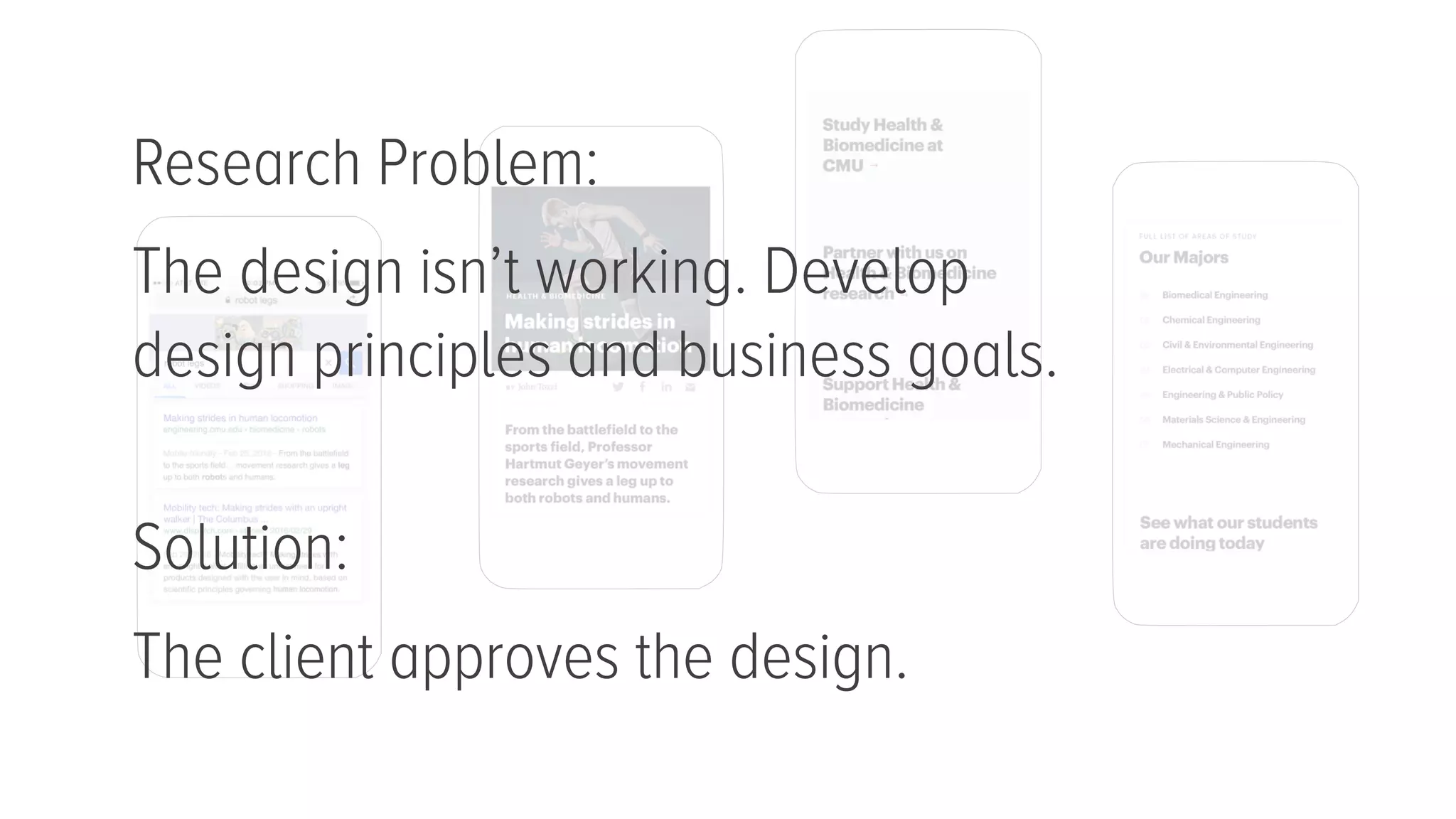
Research Problem:
The design isn’t working. Develop 

design principles and business goals.

Solution:
The client approves the design.
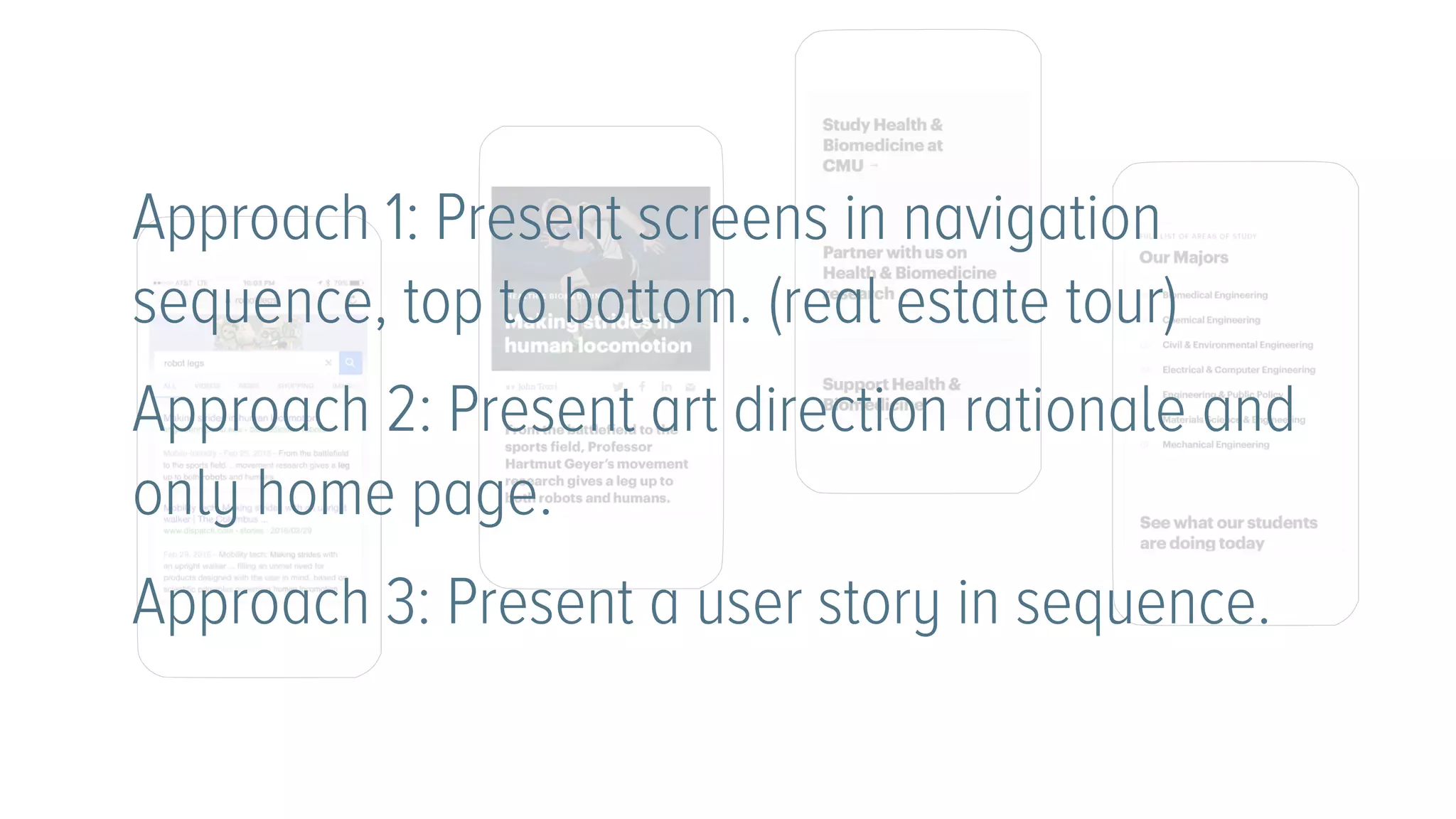
Approach 1: Present screens in navigation
sequence, top to bottom. (real estate tour)
Approach 2: Present art direction rationale and
only home page.
Approach 3: Present a user story in sequence.
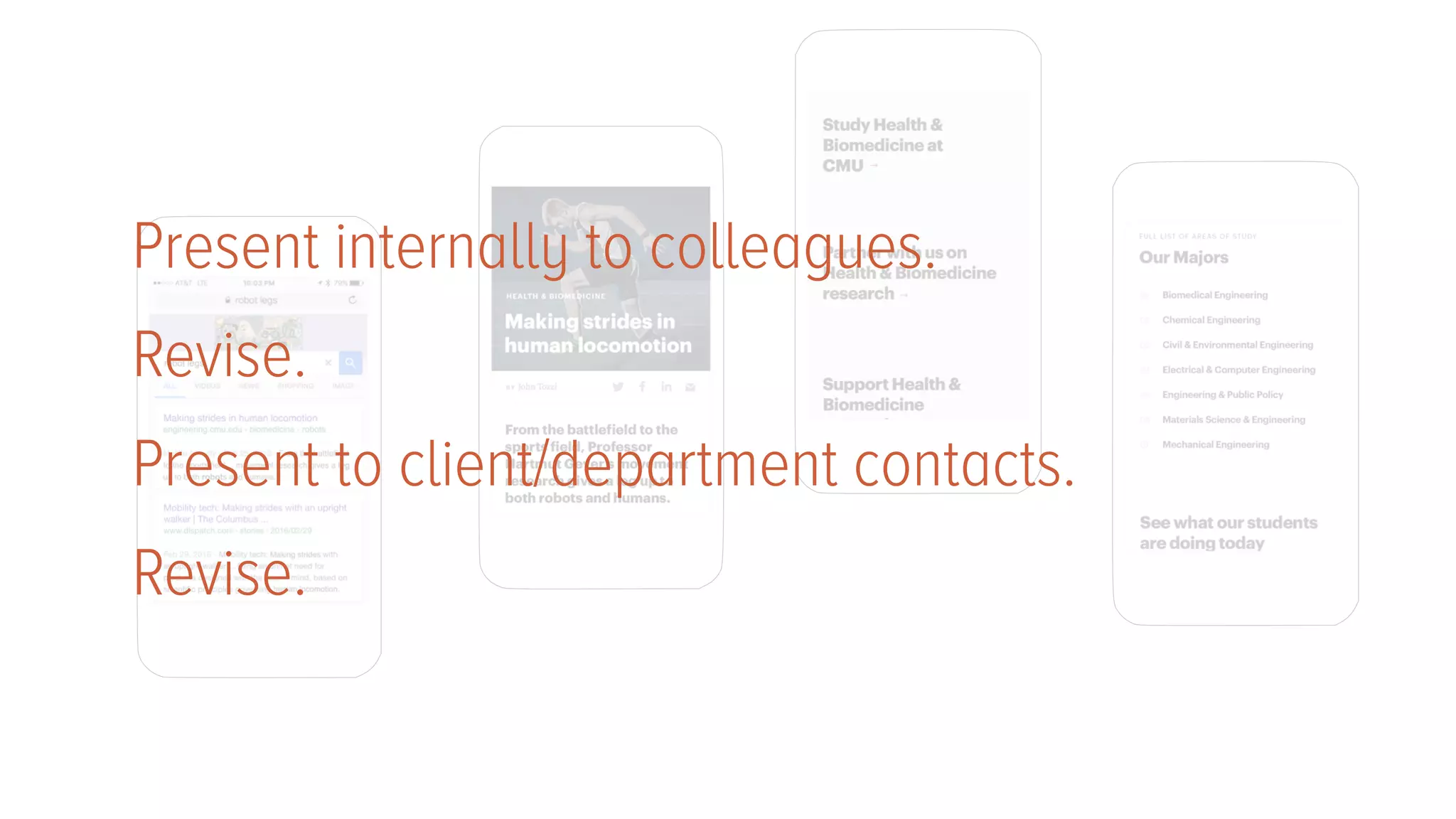
Present internally to colleagues.
Revise.
Present to client/department contacts.
Revise.
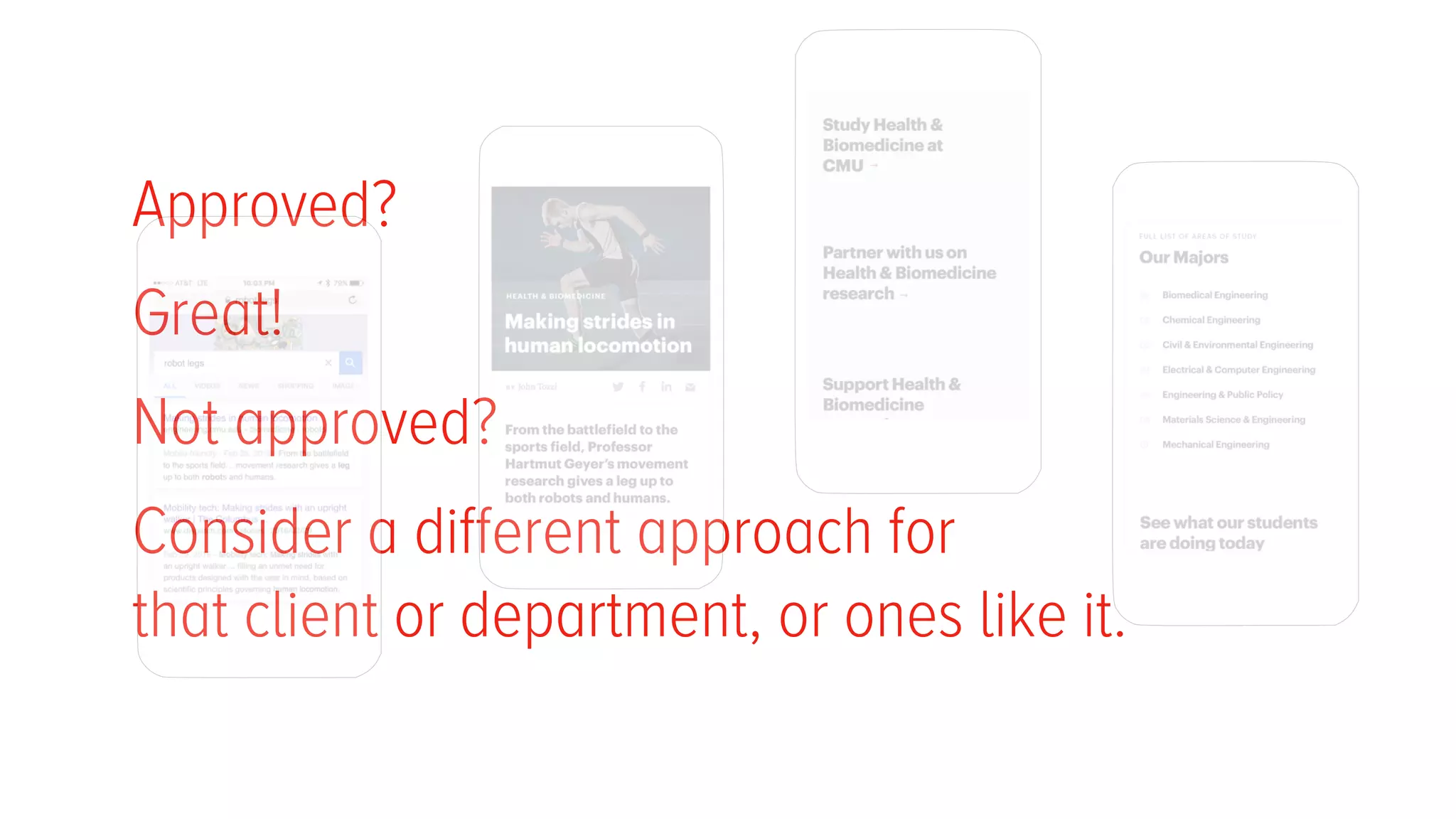
Approved?
Great!
Not approved?
Consider a different approach for 

that client or department, or ones like it.
Use good story
structure to tell the
user’s story
Approach them (and
any meeting) as a
design problem
Presentations2.
A few thoughts about designing better
Middles
Meetings that keep people moving forward.
3.
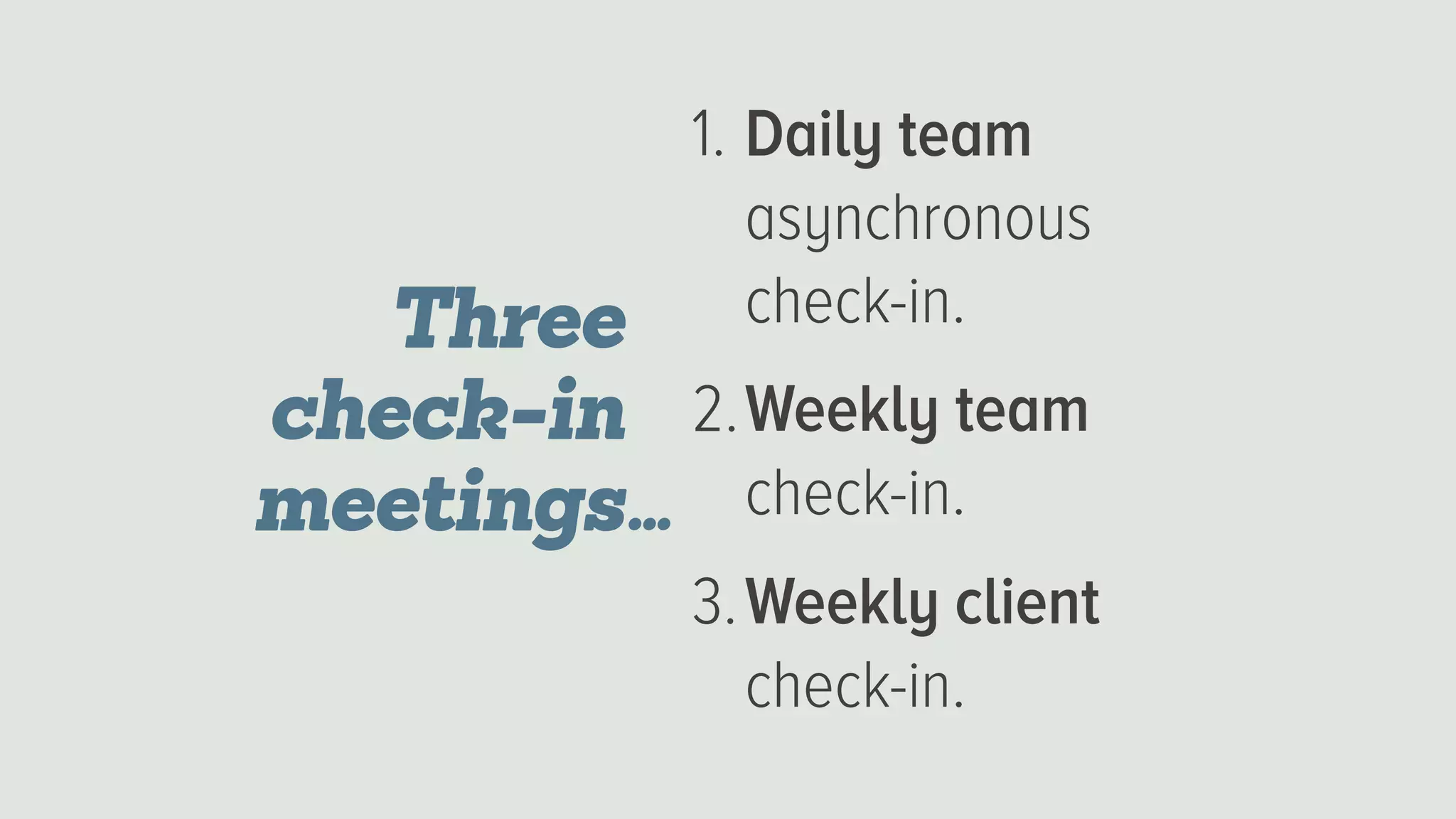
1. Daily team
asynchronous
check-in.
2.Weekly team
check-in.
3.Weekly client
check-in.
Three
check-in
meetings…
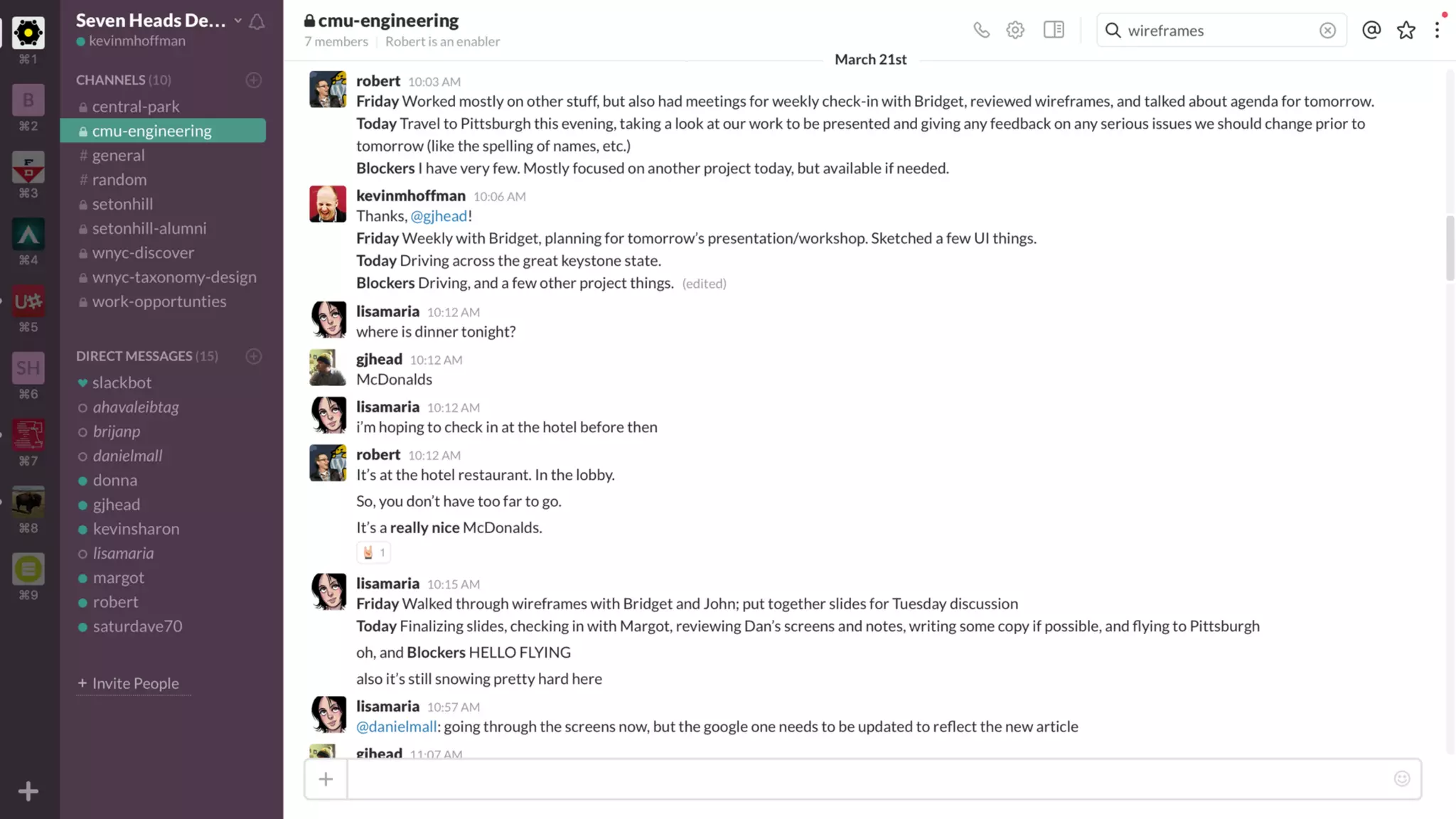
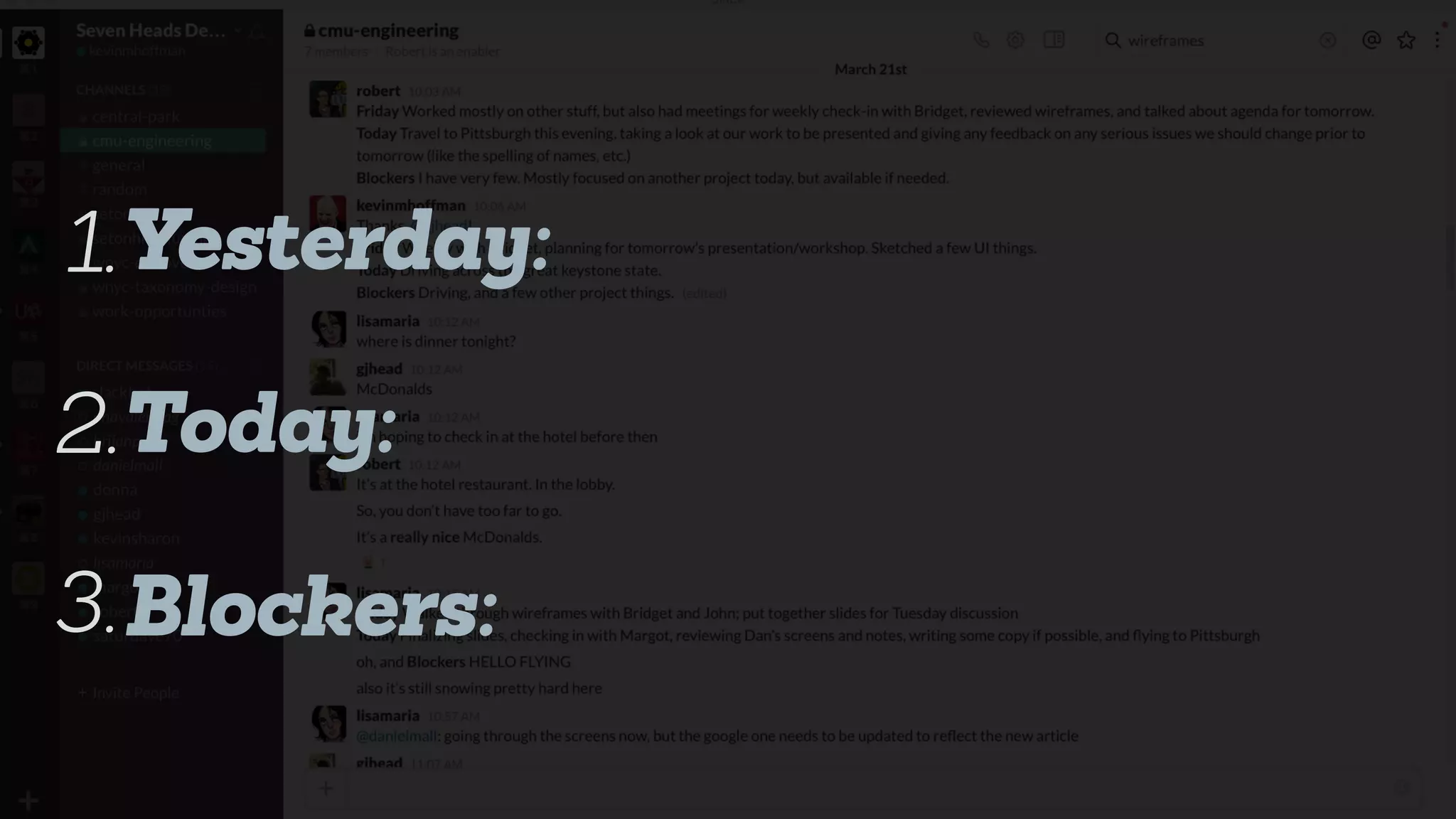
Yesterday:
Today:
Blockers:
1.
2.
3.
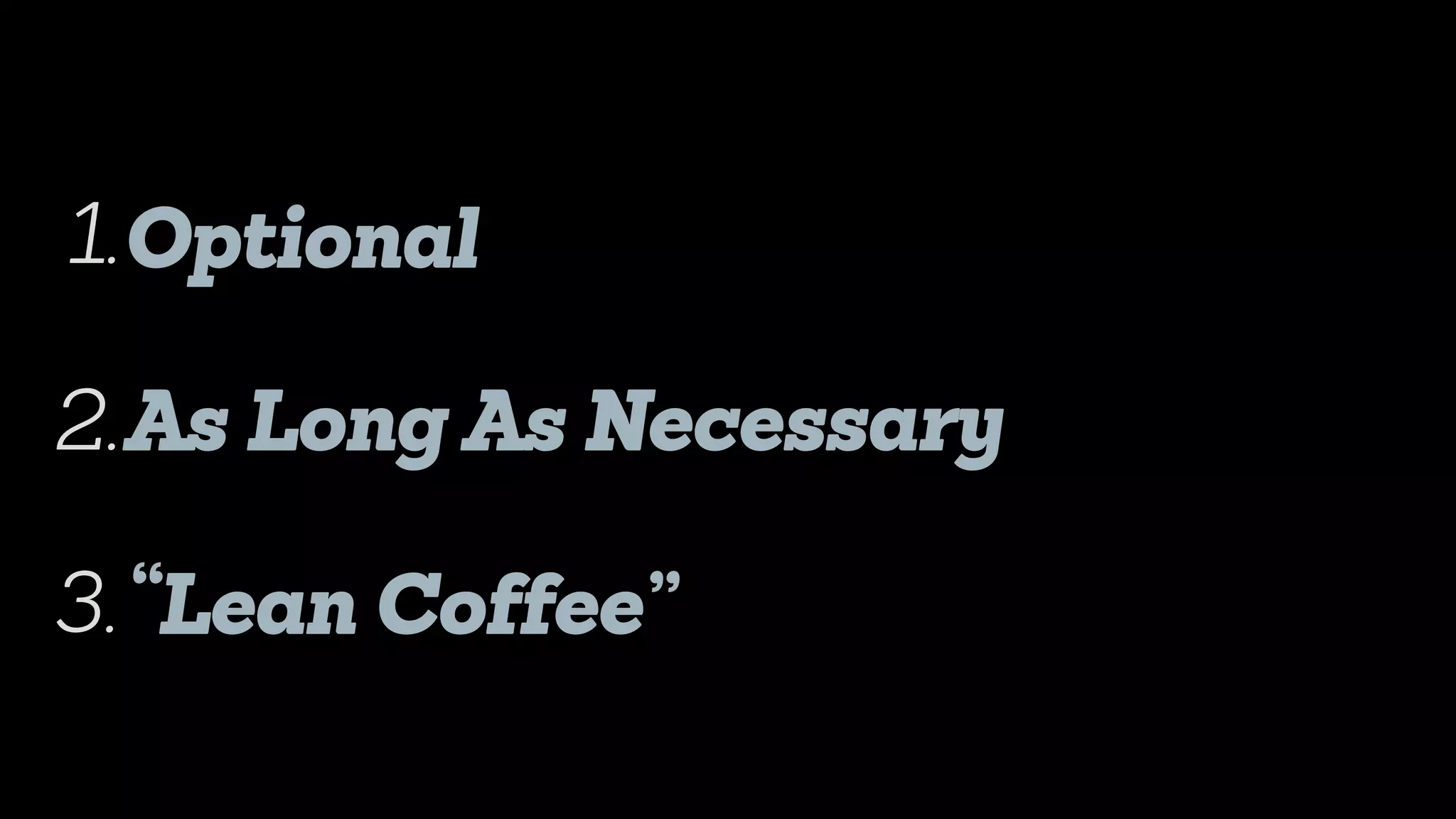
Optional
As Long As Necessary
“Lean Coffee”
1.
2.
3.
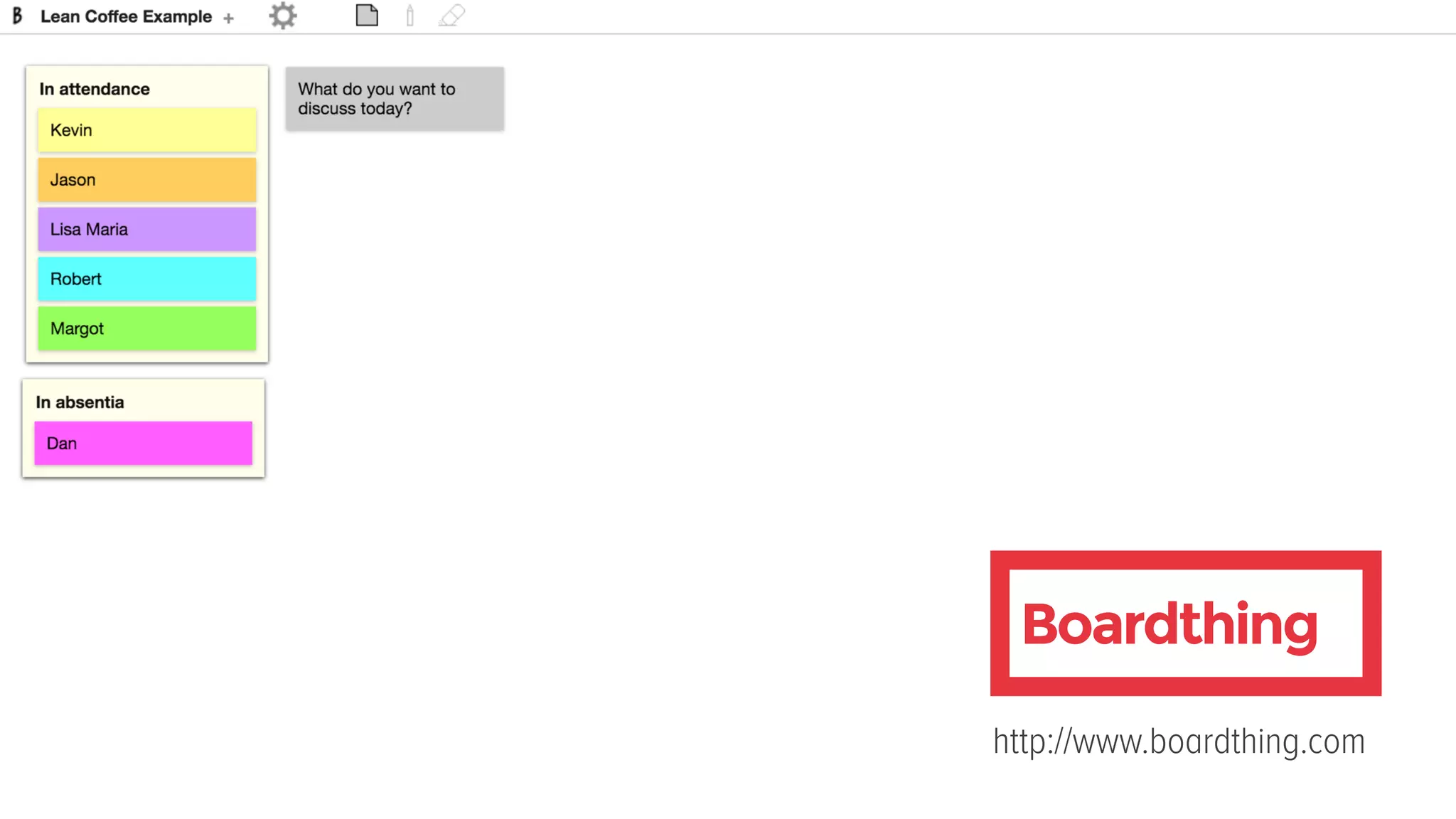
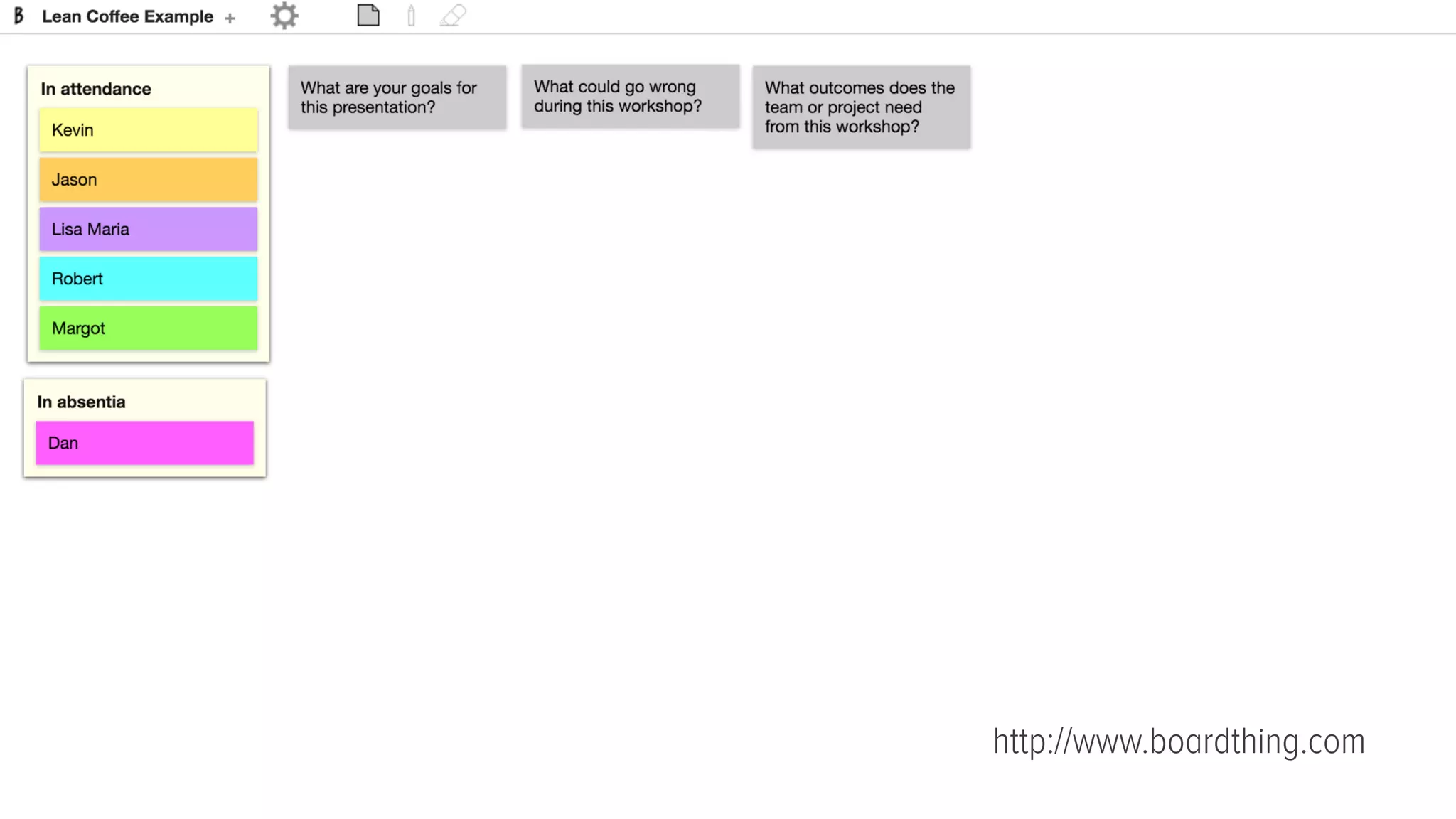
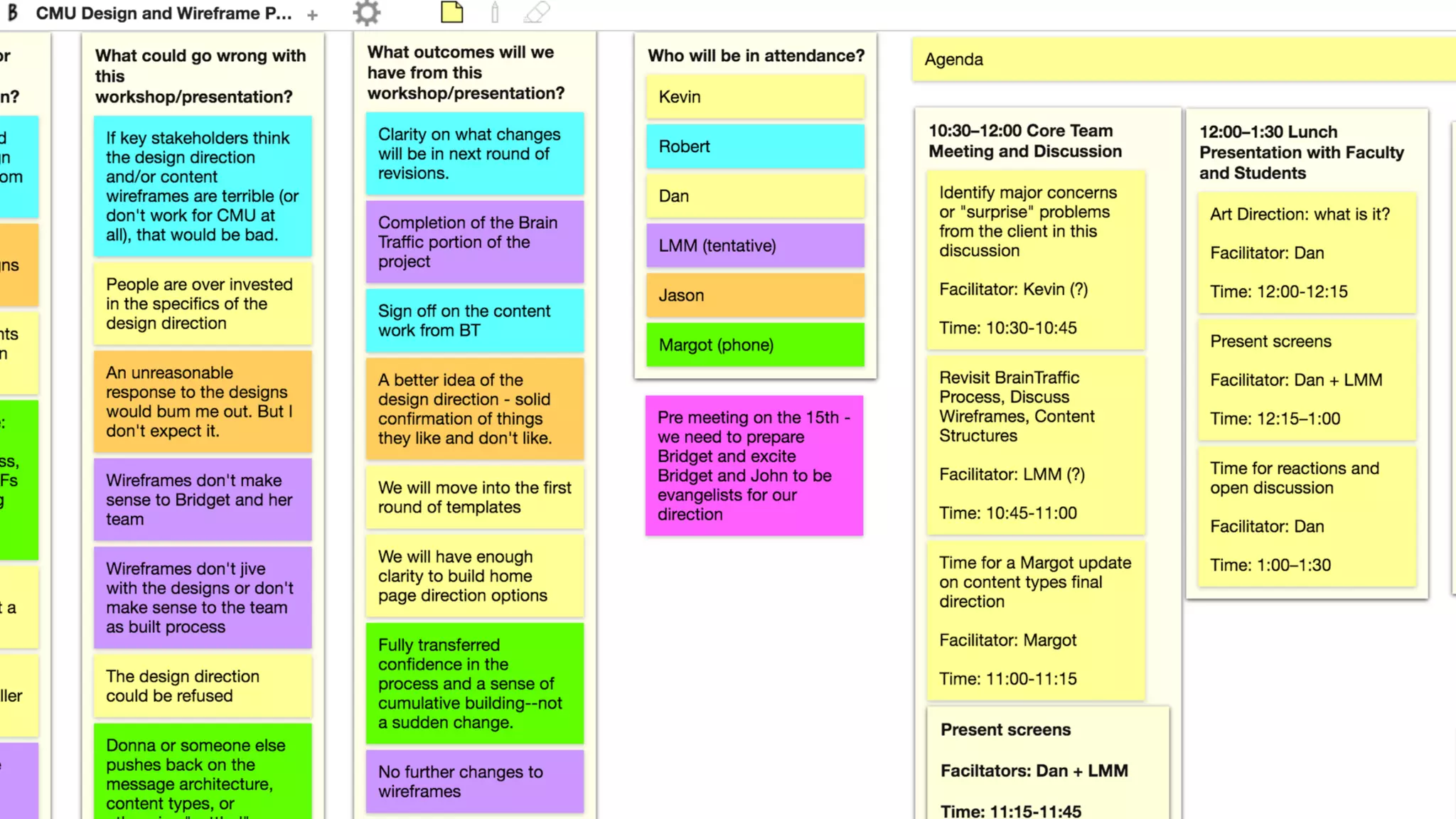
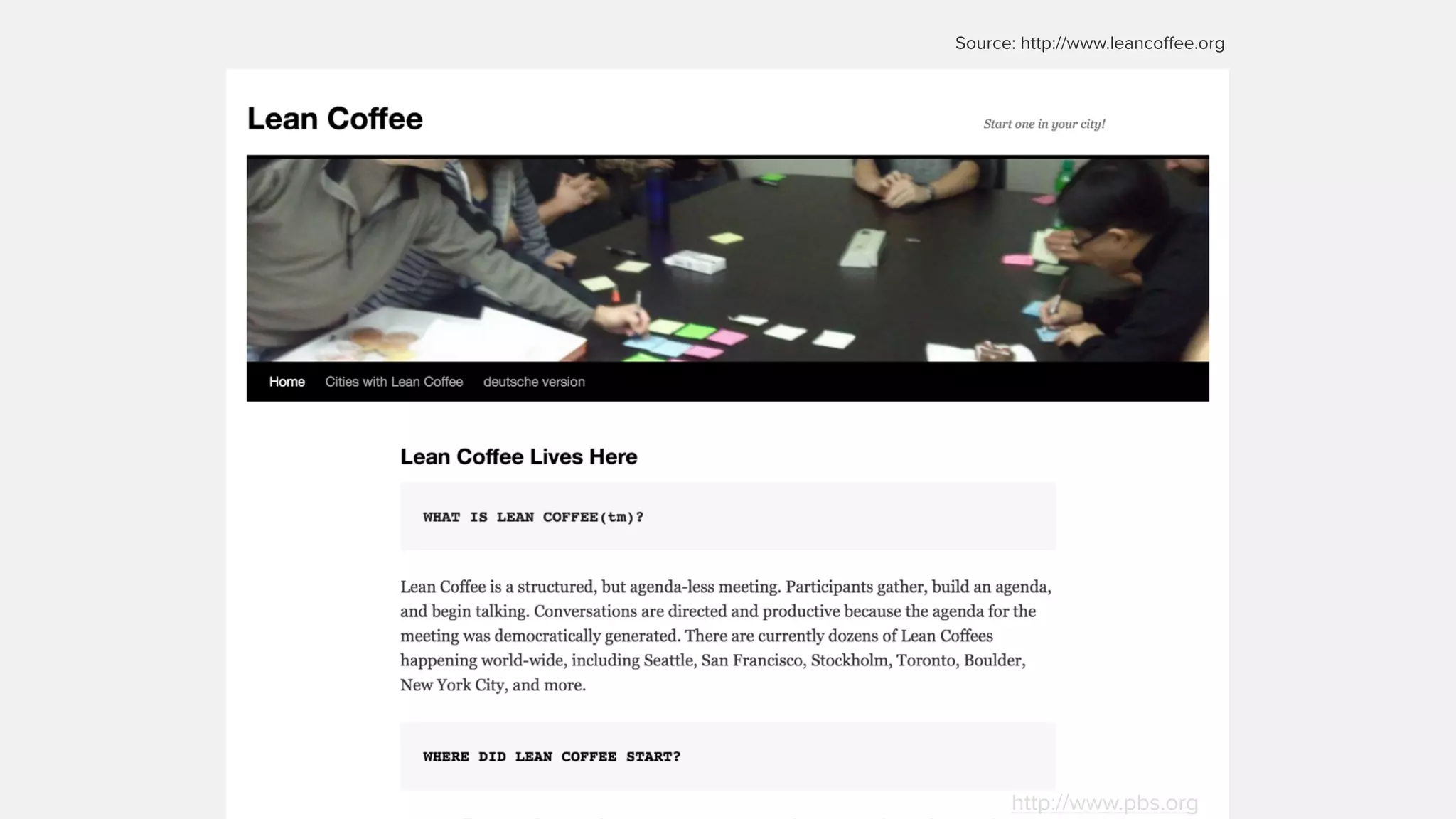
What is a
lean coffee?
http://www.boardthing.com
http://www.pbs.org
Source: http://www.leancoffee.org
How many? Which ones? >
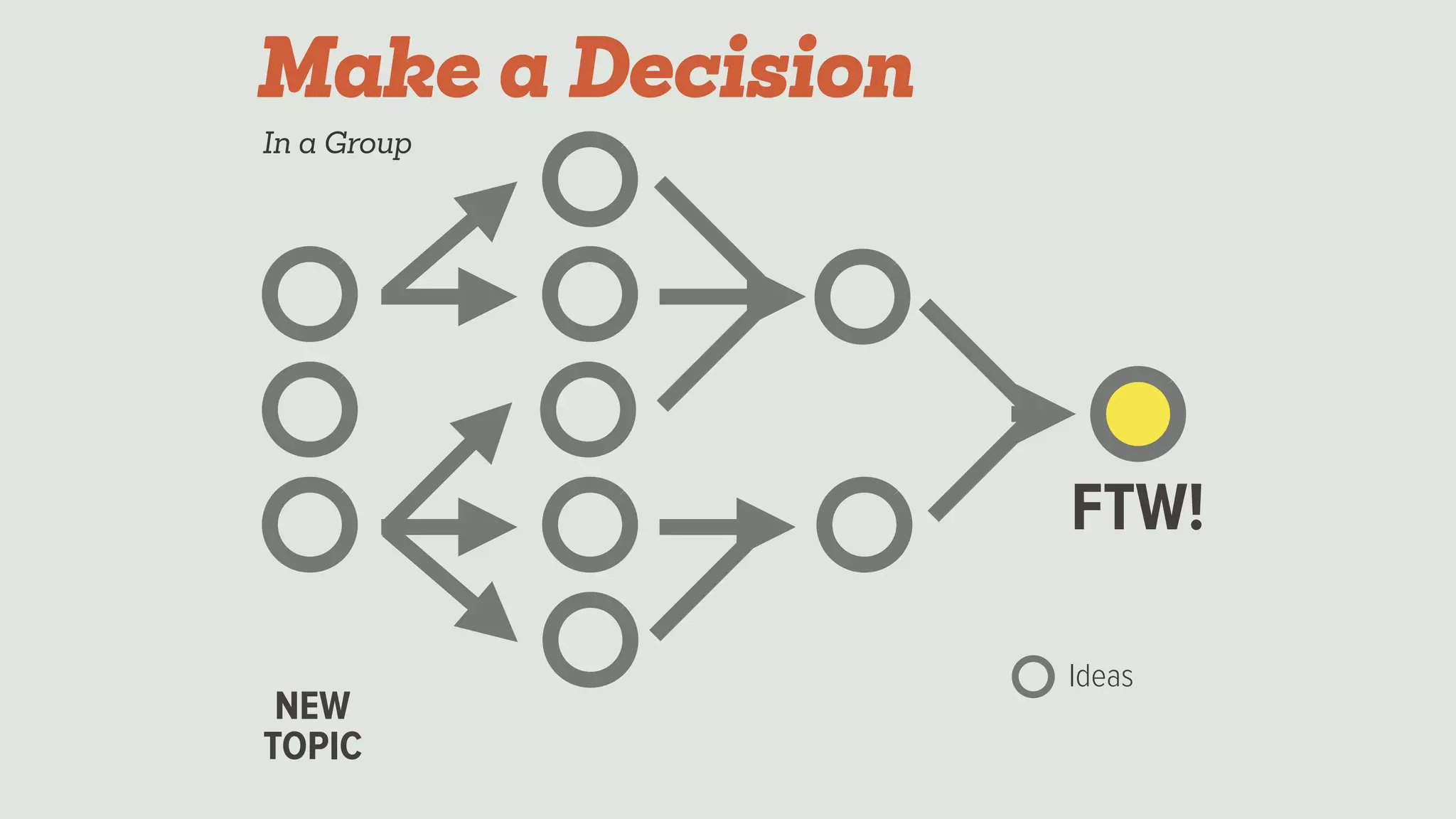
NEW

TOPIC
Ideas
FTW!
Make a Decision
In a Group
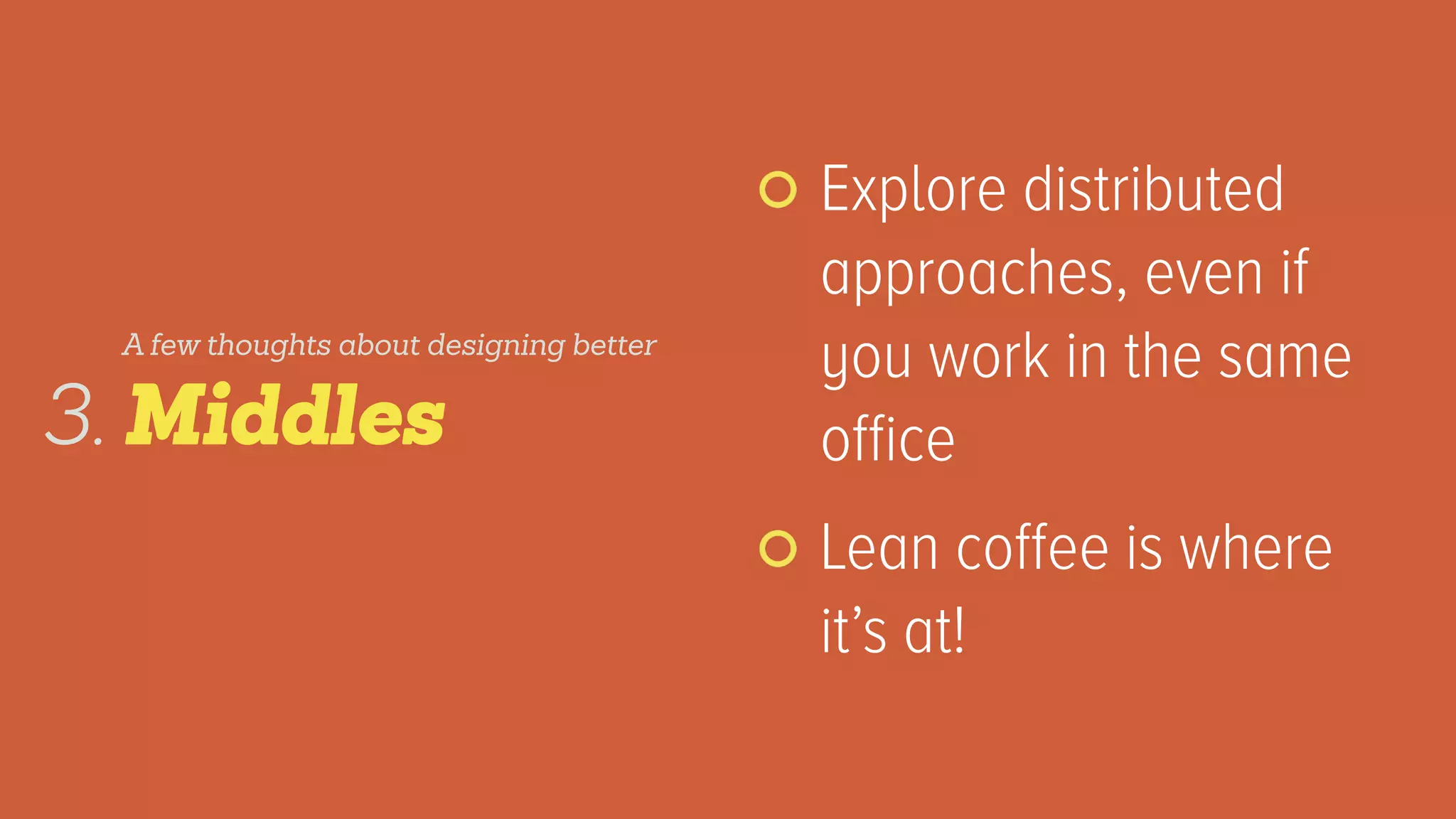
Explore distributed
approaches, even if
you work in the same
office
Lean coffee is where
it’s at!
Middles3.
A few thoughts about designing better
Explorations
Meetings that help people find their way.
4.
Source: joseph-imre.com/
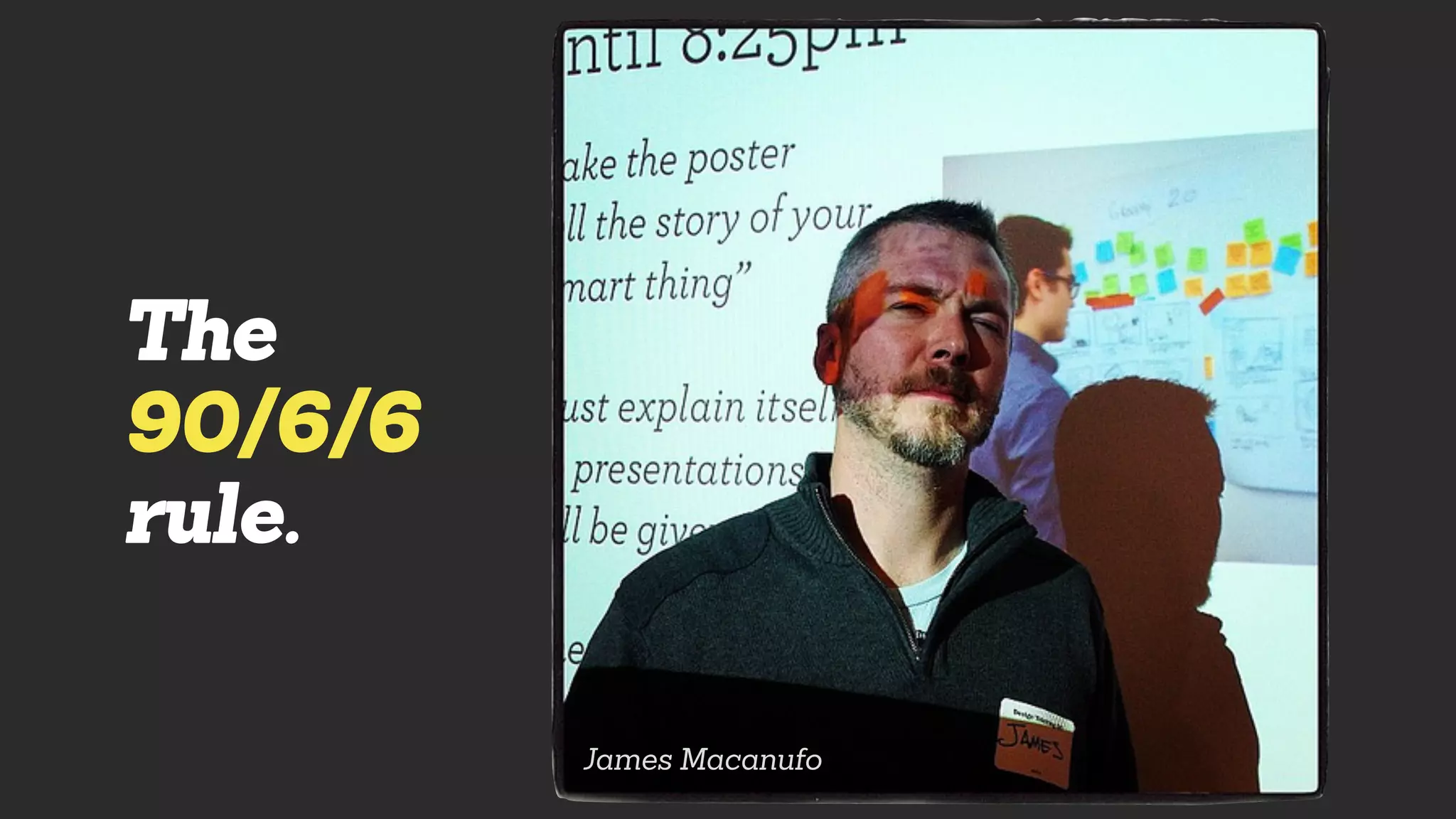
James Macanufo
The
90/6/6
rule.
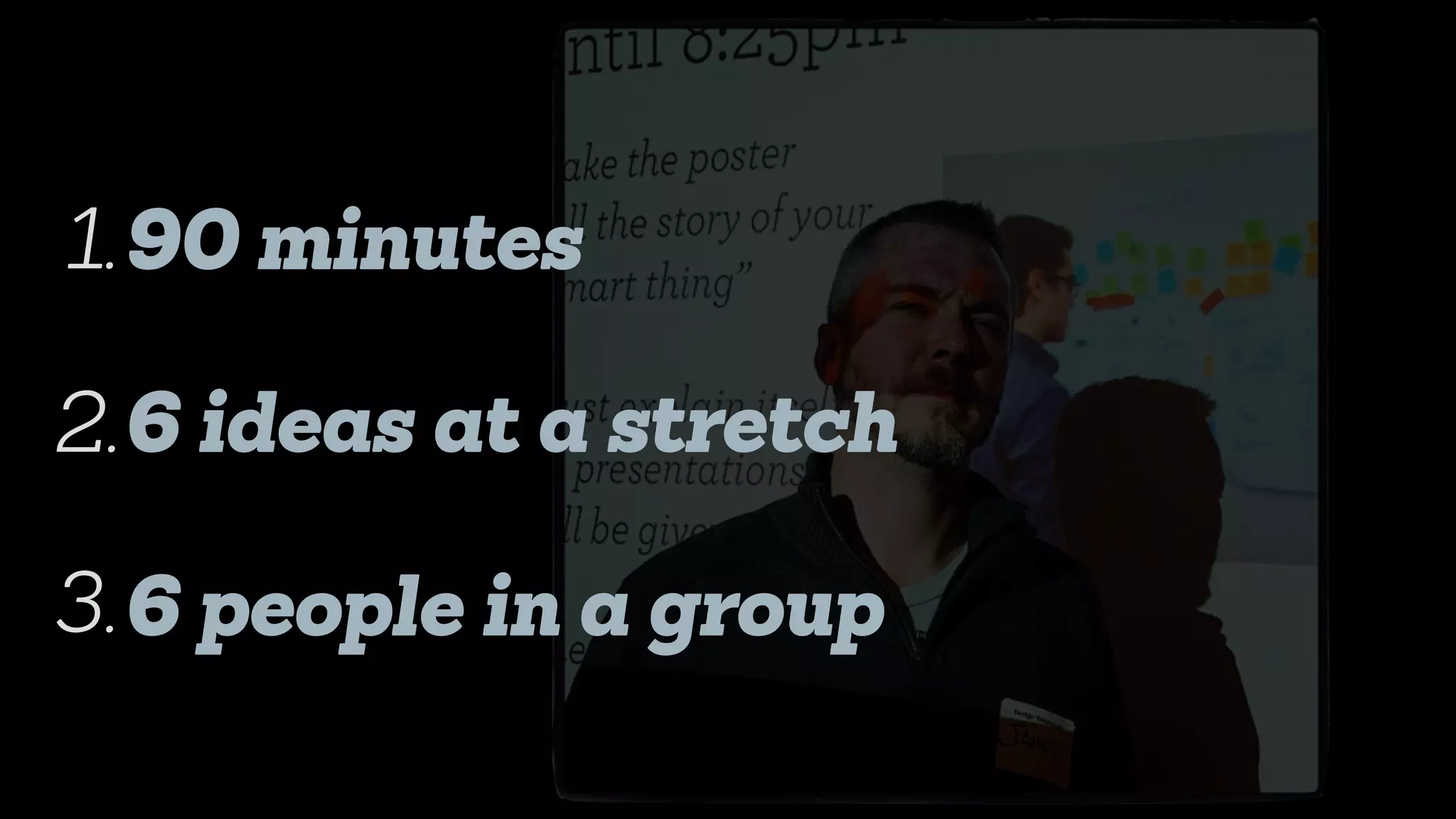
90 minutes
6 ideas at a stretch
6 people in a group
1.
2.
3.
Why
90 minutes?
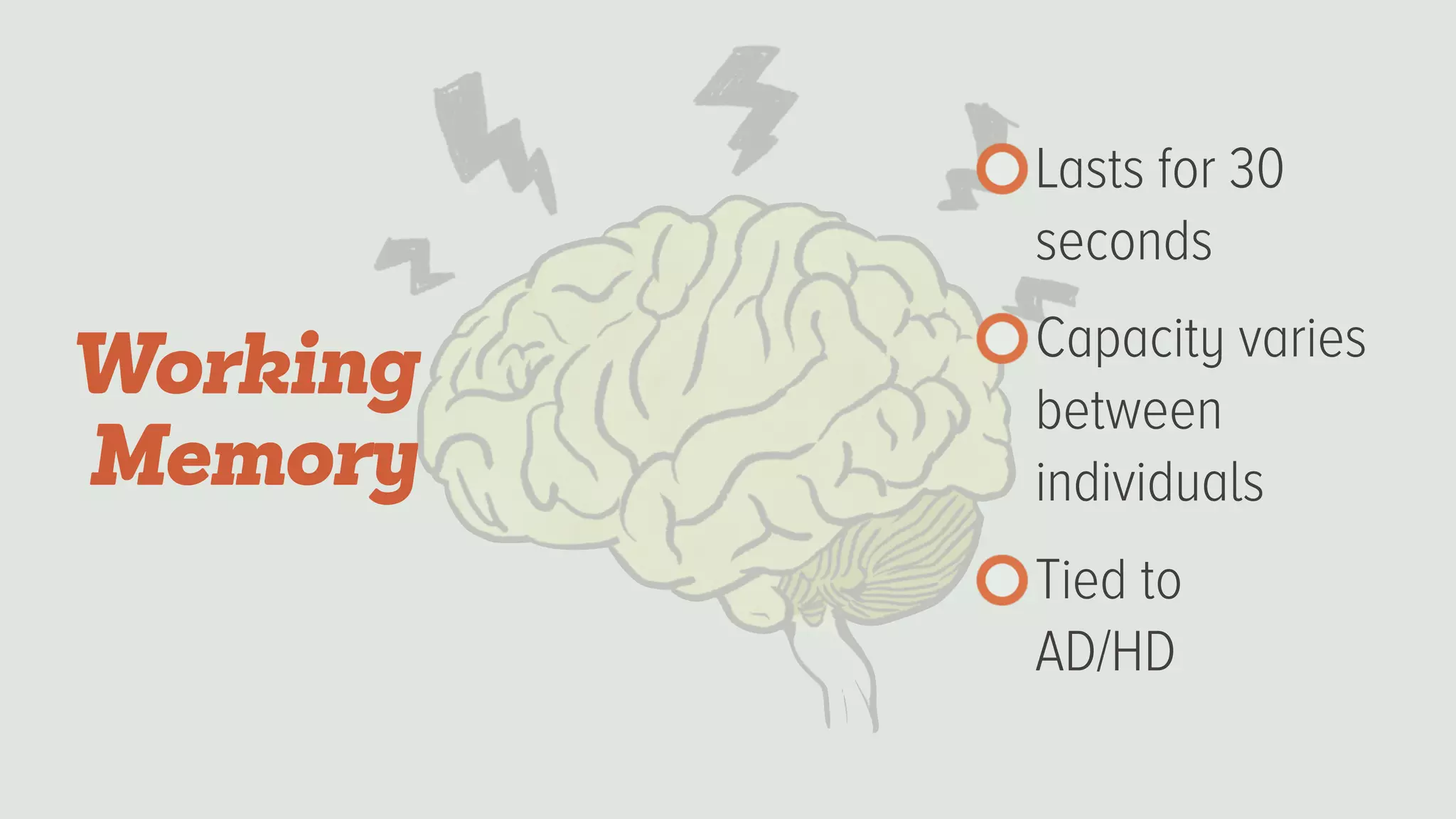
Lasts for 30
seconds
Capacity varies
between
individuals
Tied to 

AD/HD
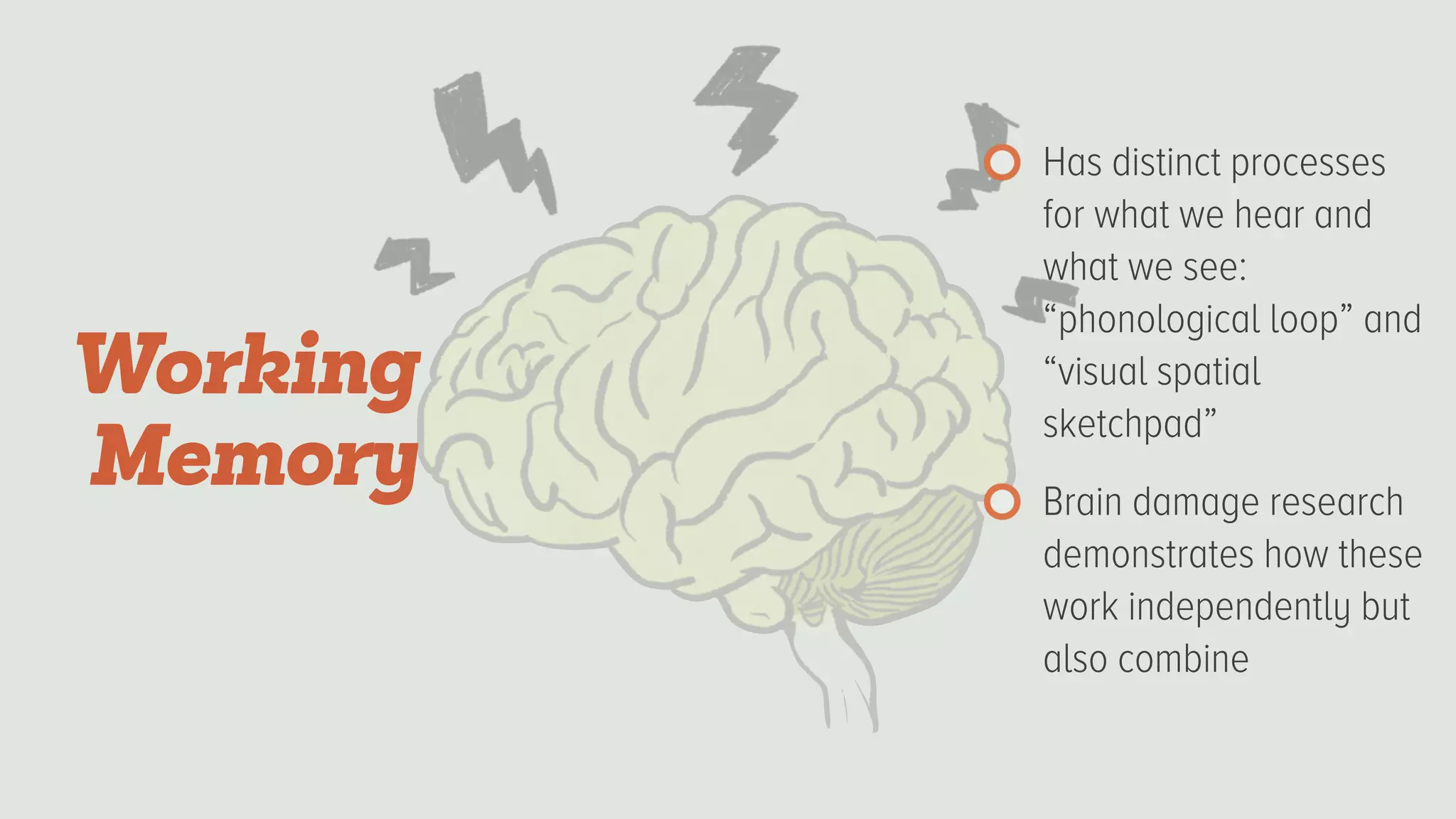
Working
Memory
Has distinct processes
for what we hear and
what we see:
“phonological loop” and
“visual spatial
sketchpad”
Brain damage research
demonstrates how these
work independently but
also combine
Working
Memory
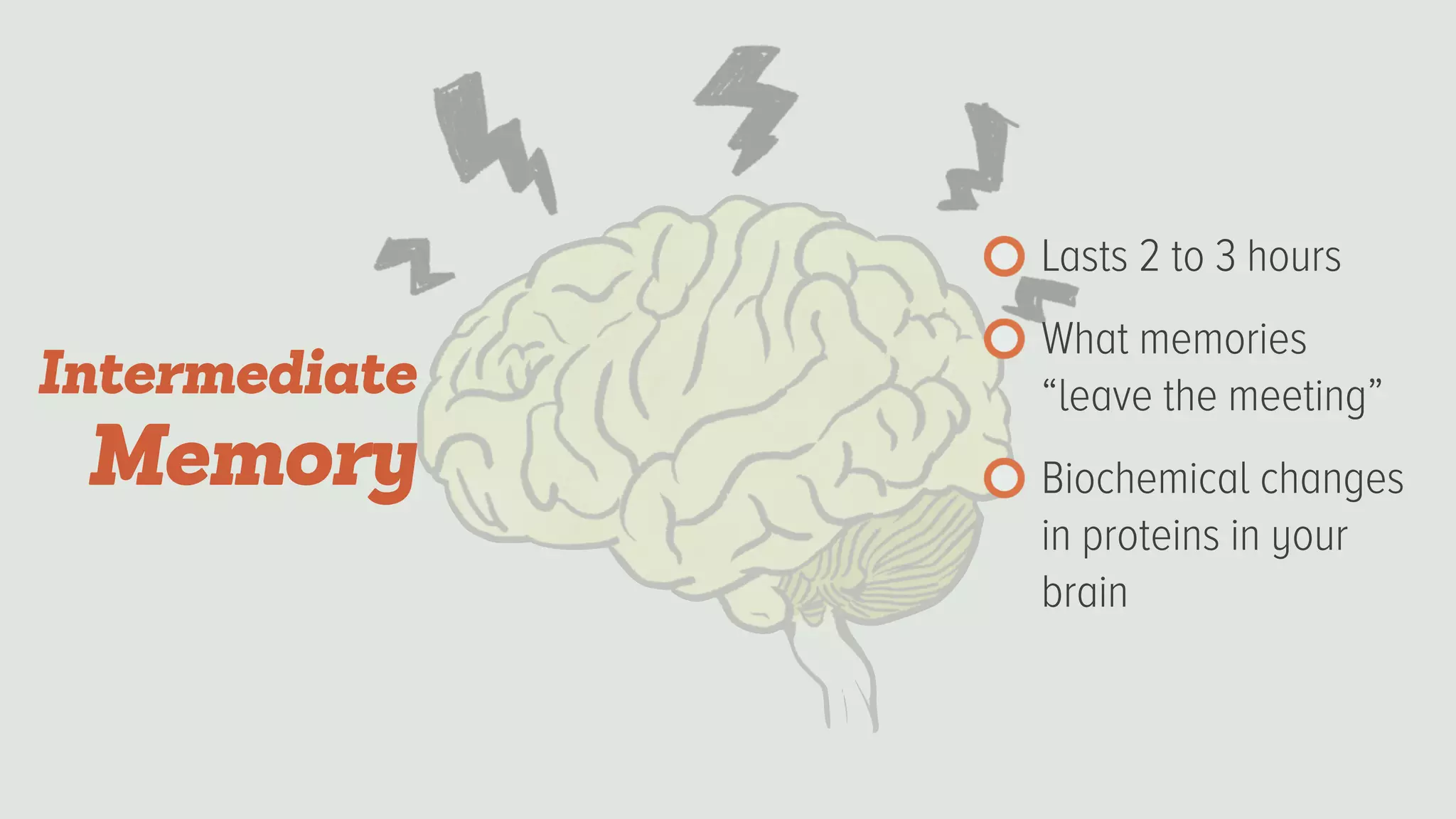
Lasts 2 to 3 hours
What memories
“leave the meeting”
Biochemical changes
in proteins in your
brain
Intermediate
Memory
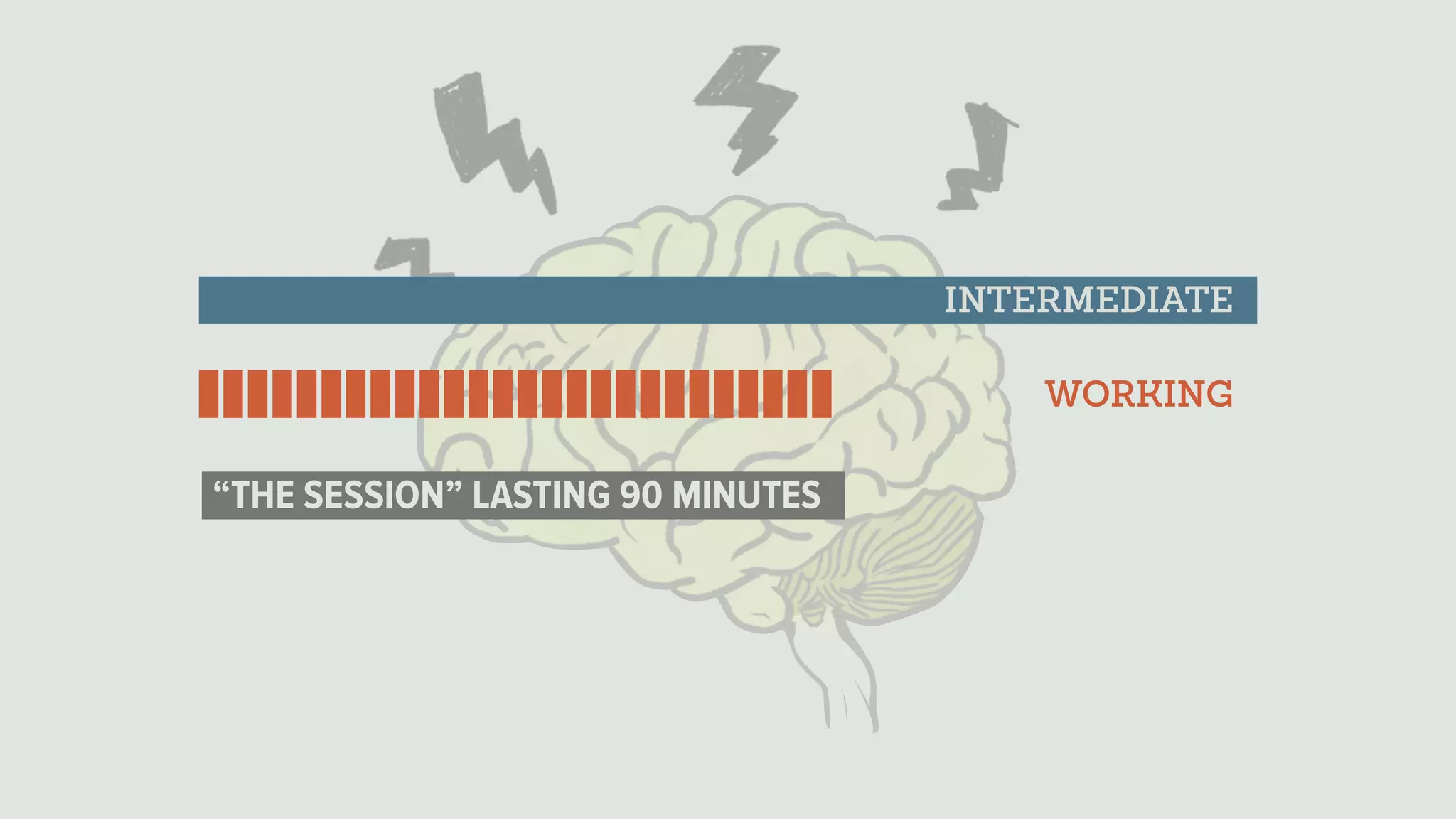
WORKING
INTERMEDIATE
“THE SESSION” LASTING 90 MINUTES
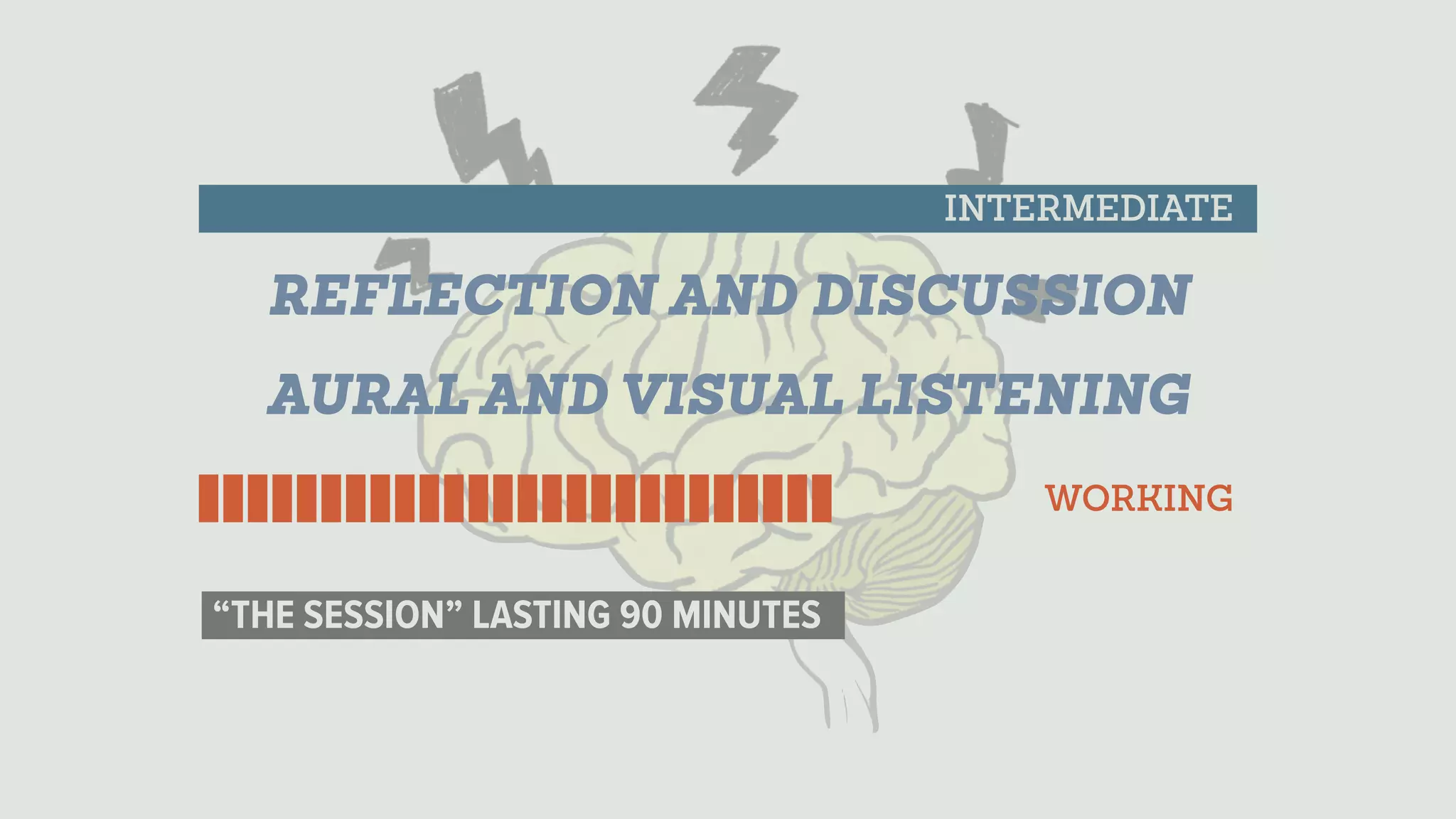
WORKING
INTERMEDIATE
“THE SESSION” LASTING 90 MINUTES
AURAL AND VISUAL LISTENING
REFLECTION AND DISCUSSION
Why
6 ideas?
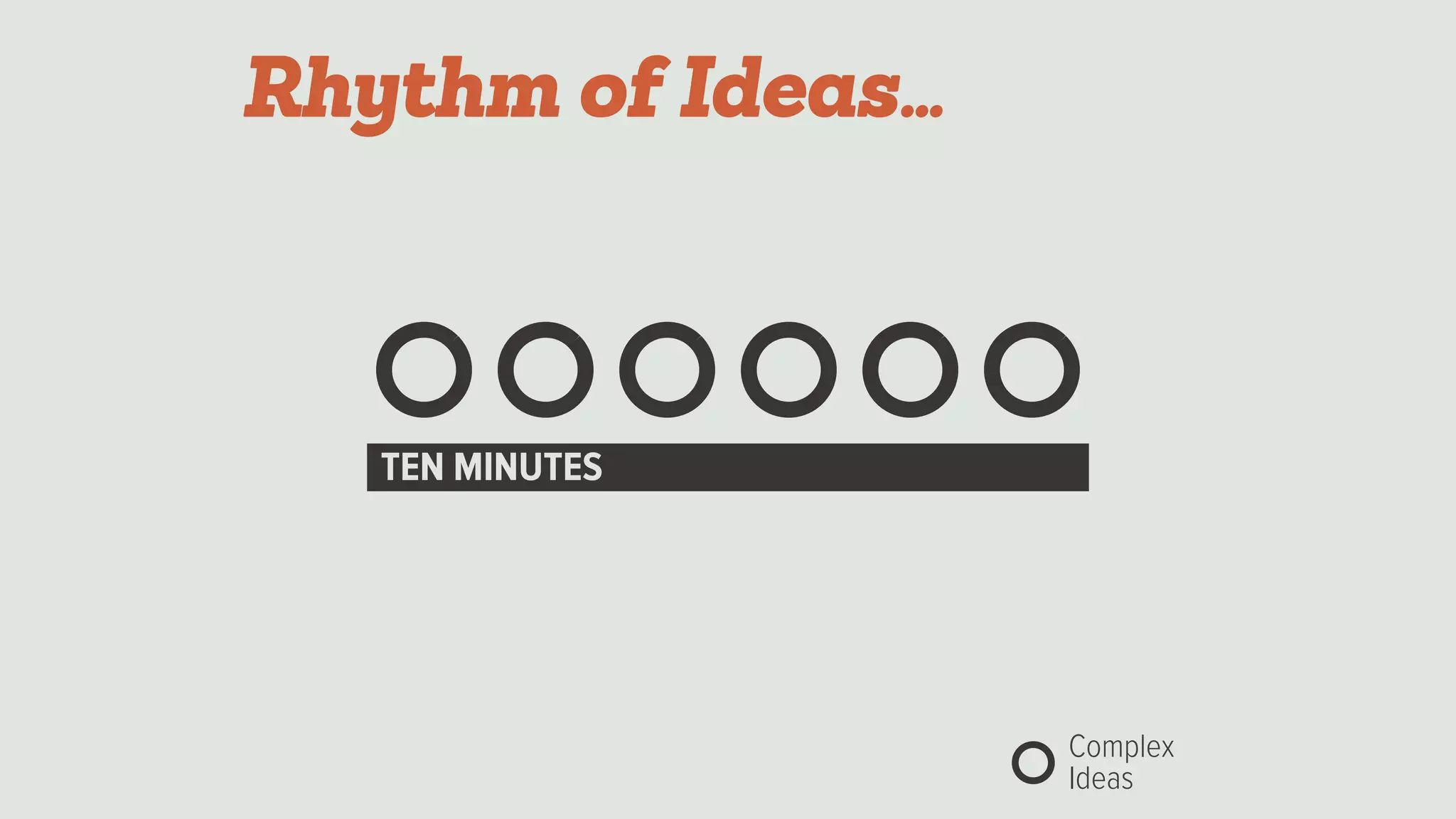
Complex

Ideas
TEN MINUTES
Rhythm of Ideas…
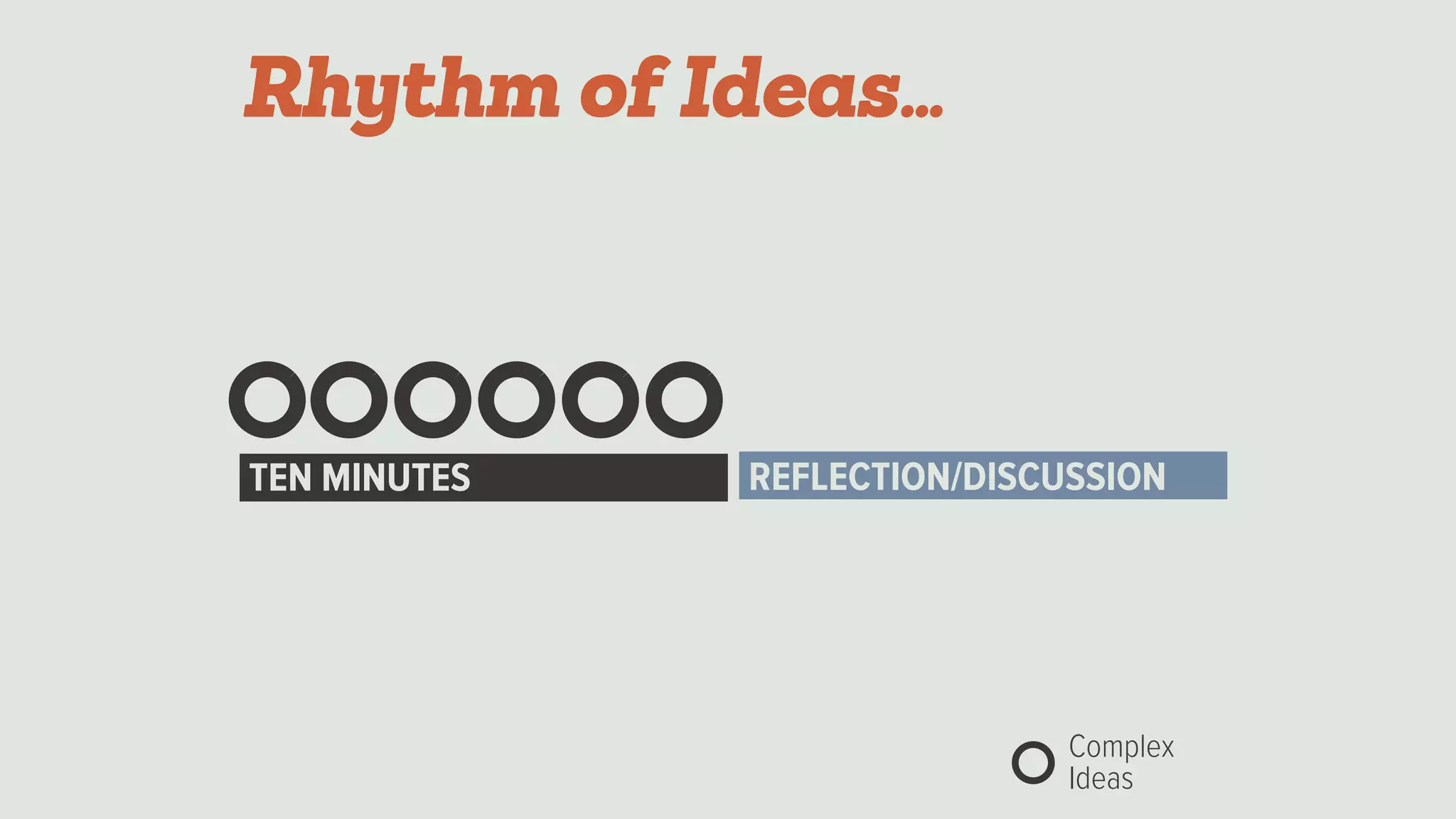
Complex

Ideas
TEN MINUTES REFLECTION/DISCUSSION
Rhythm of Ideas…
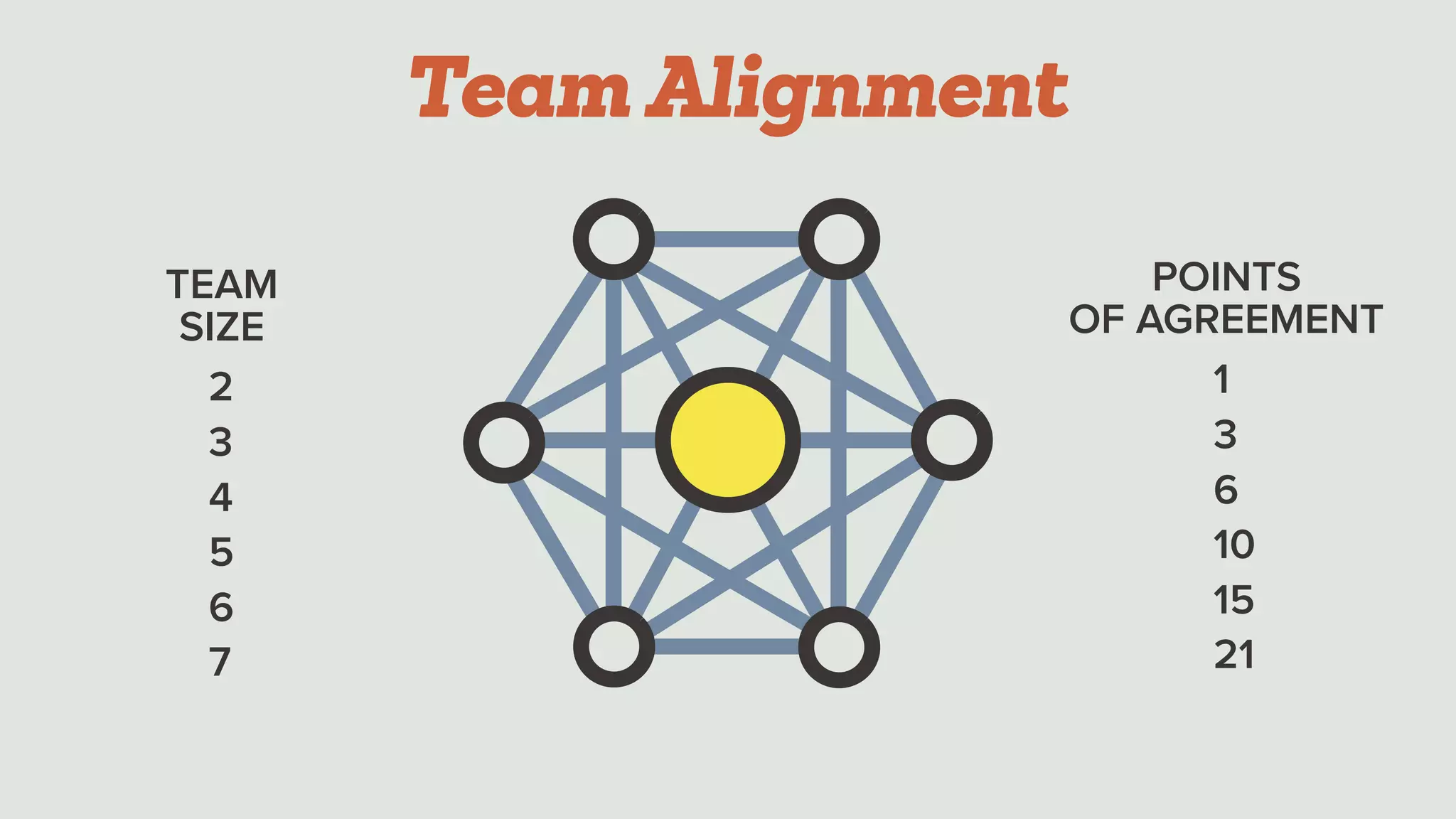
Why
6 people?
TEAM

SIZE
2
3
4
5
6
7
POINTS

OF AGREEMENT
1
3
6
10
15
21
Team Alignment
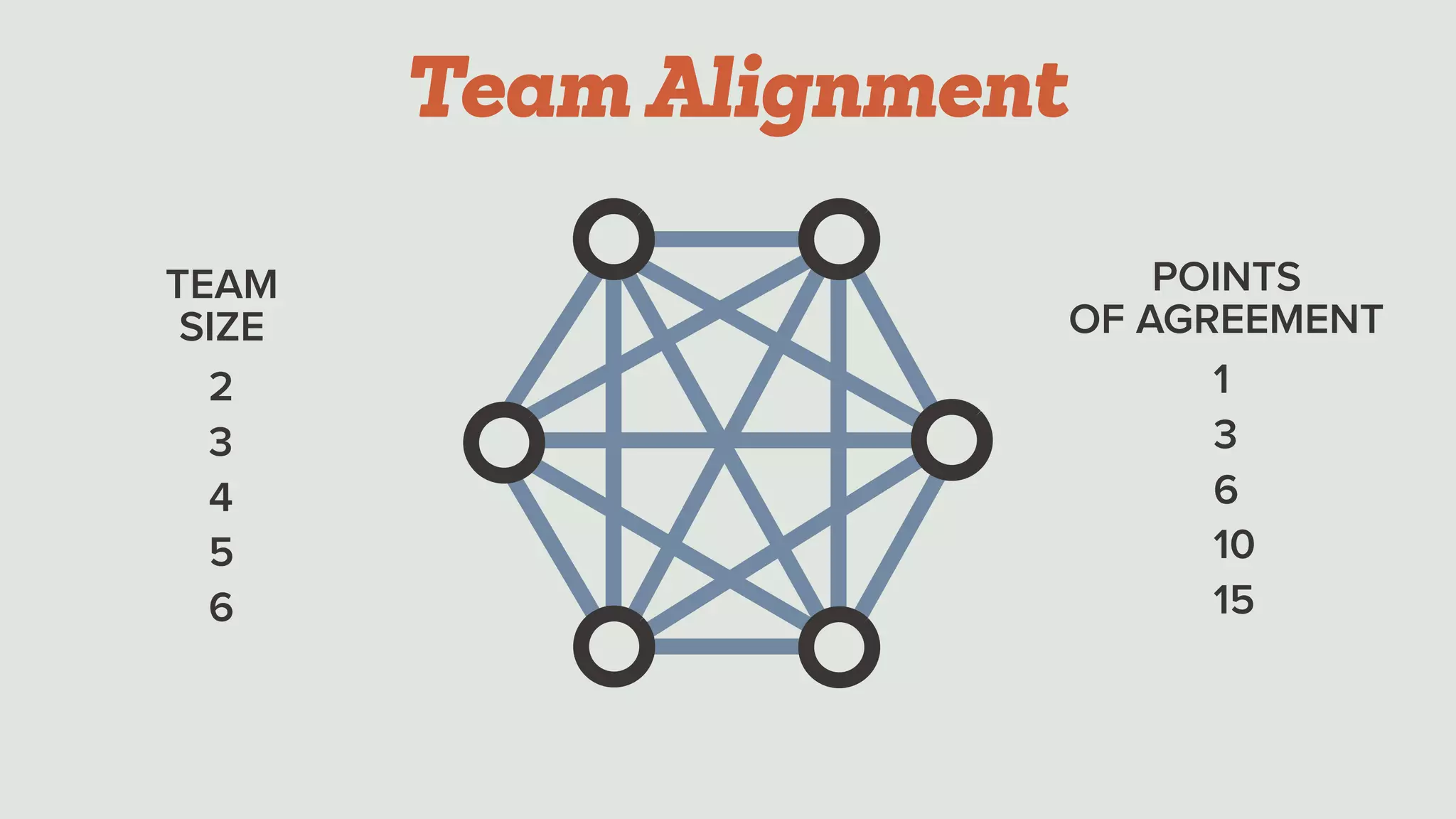
TEAM

SIZE
2
3
4
5
6
POINTS

OF AGREEMENT
1
3
6
10
15
Team Alignment
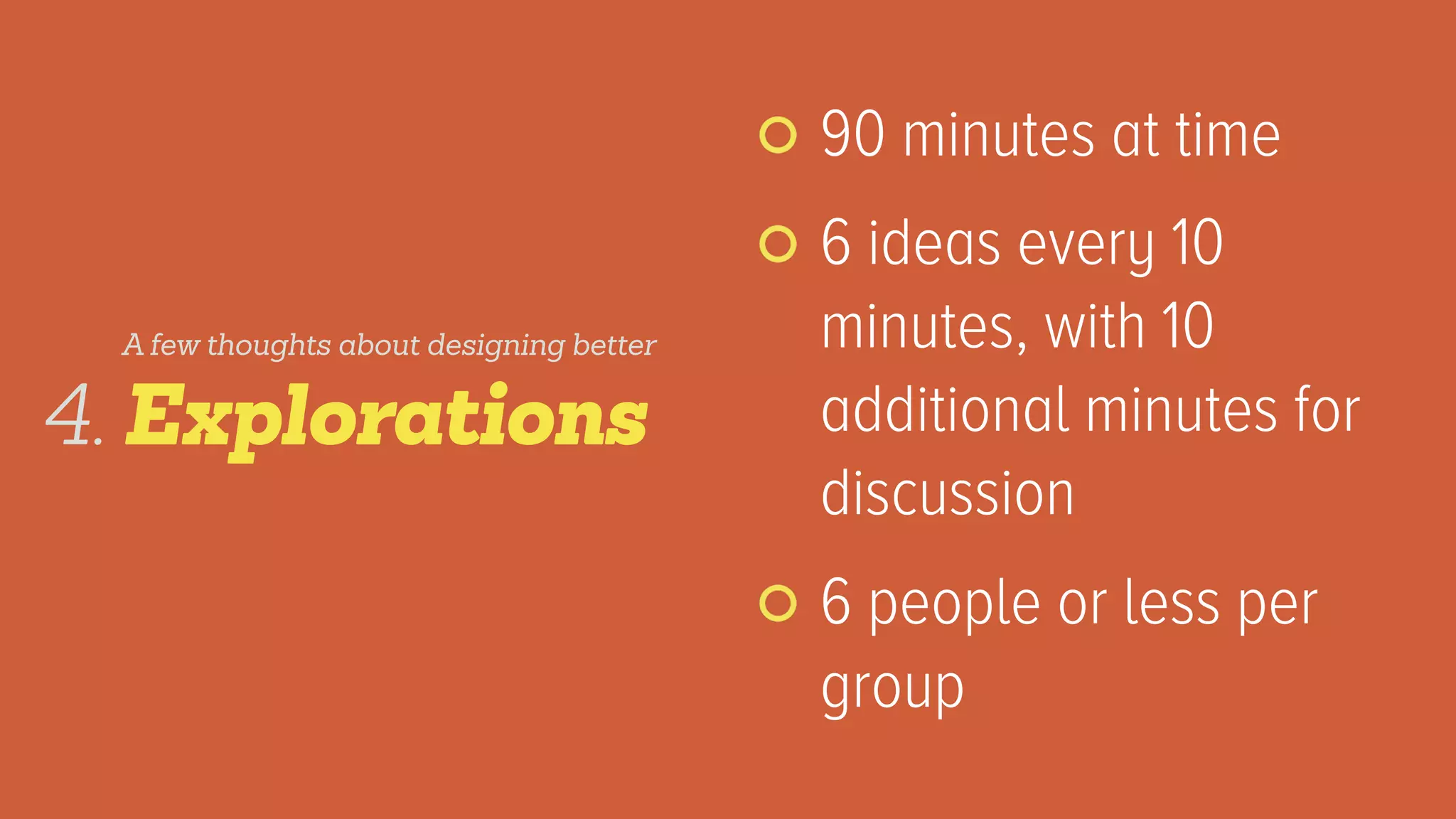
90 minutes at time
6 ideas every 10
minutes, with 10
additional minutes for
discussion
6 people or less per
group
Explorations4.
A few thoughts about designing better
Endings
Meetings that help us find (and learn from) closure.
5.
The Creativity Bias
+ /
What is the meeting
secret sauce of
agile process?
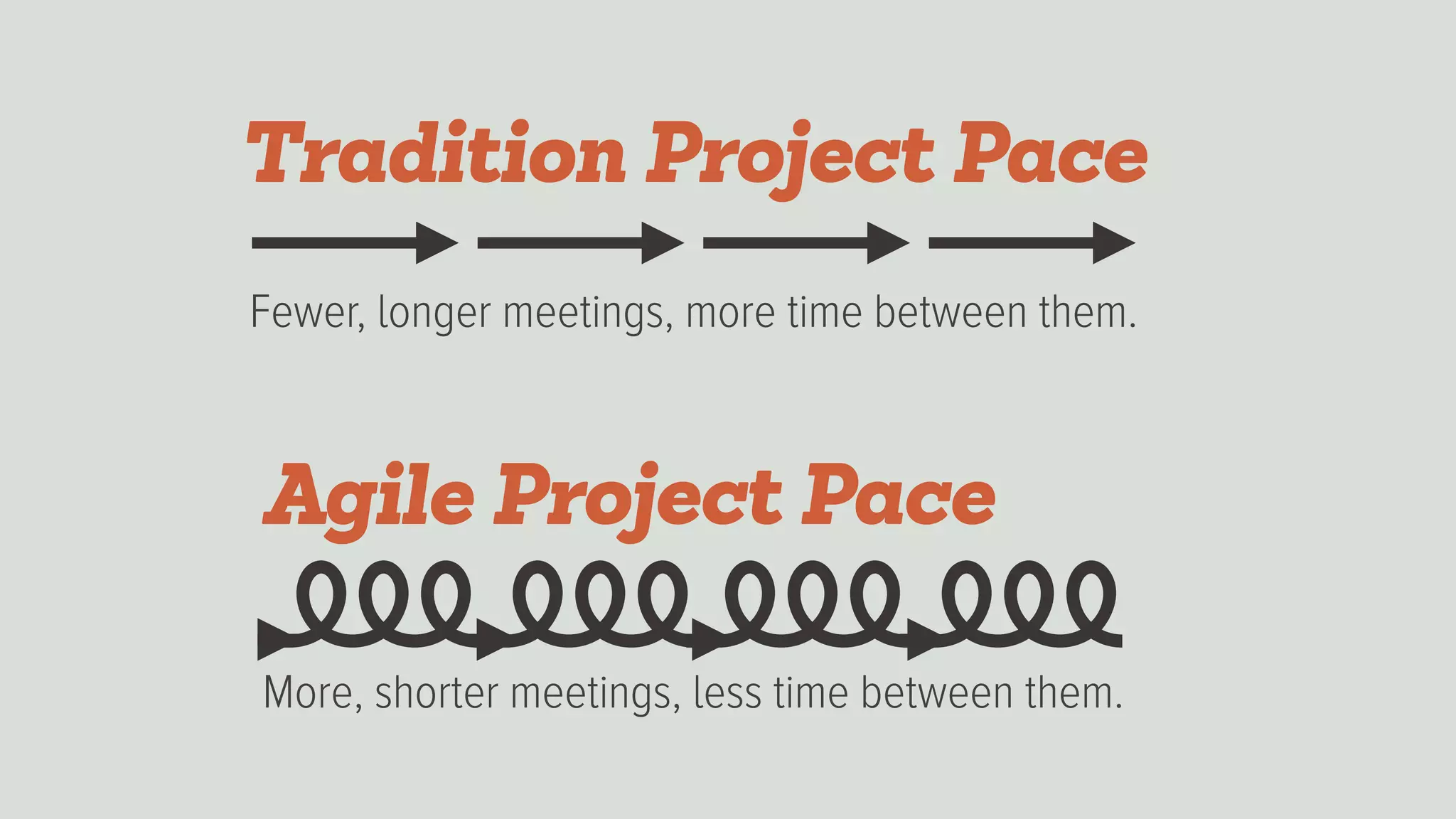
Tradition Project Pace
Agile Project Pace
Fewer, longer meetings, more time between them.
More, shorter meetings, less time between them.
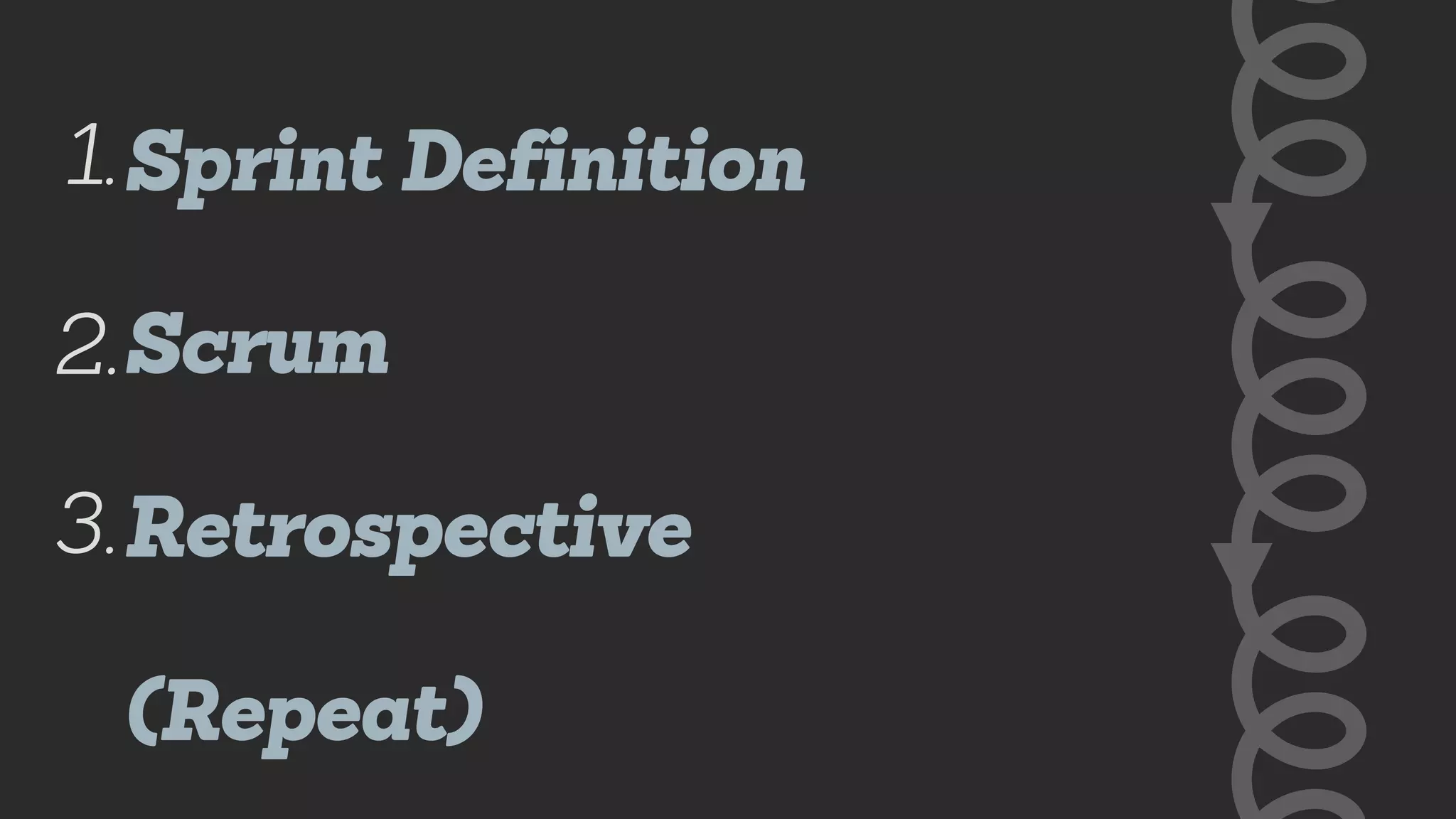
Sprint Definition
Scrum
Retrospective
1.
2.
3.
(Repeat)
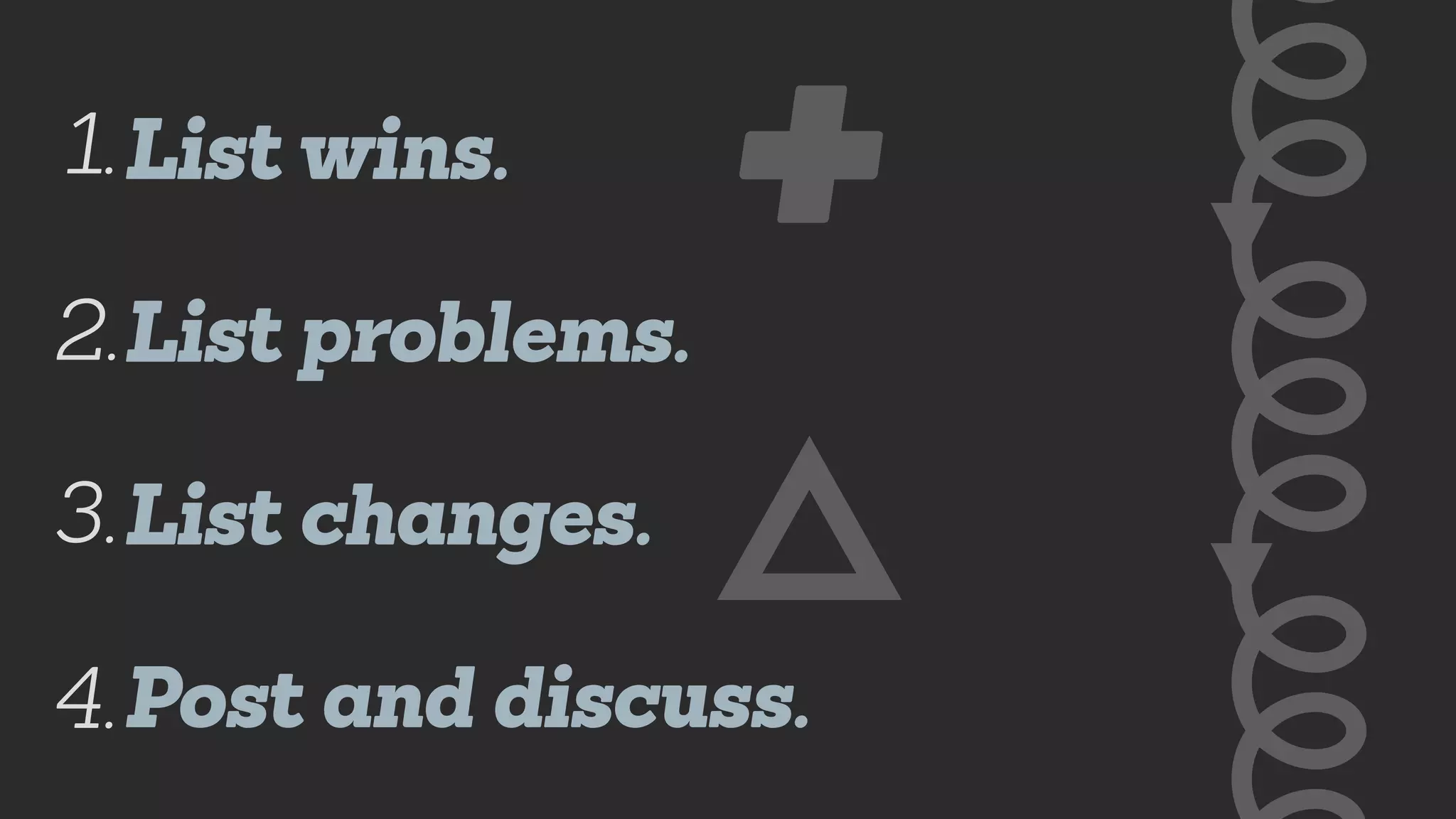
List wins.
List problems.
List changes.
Post and discuss.
1.
2.
3.
4.
+
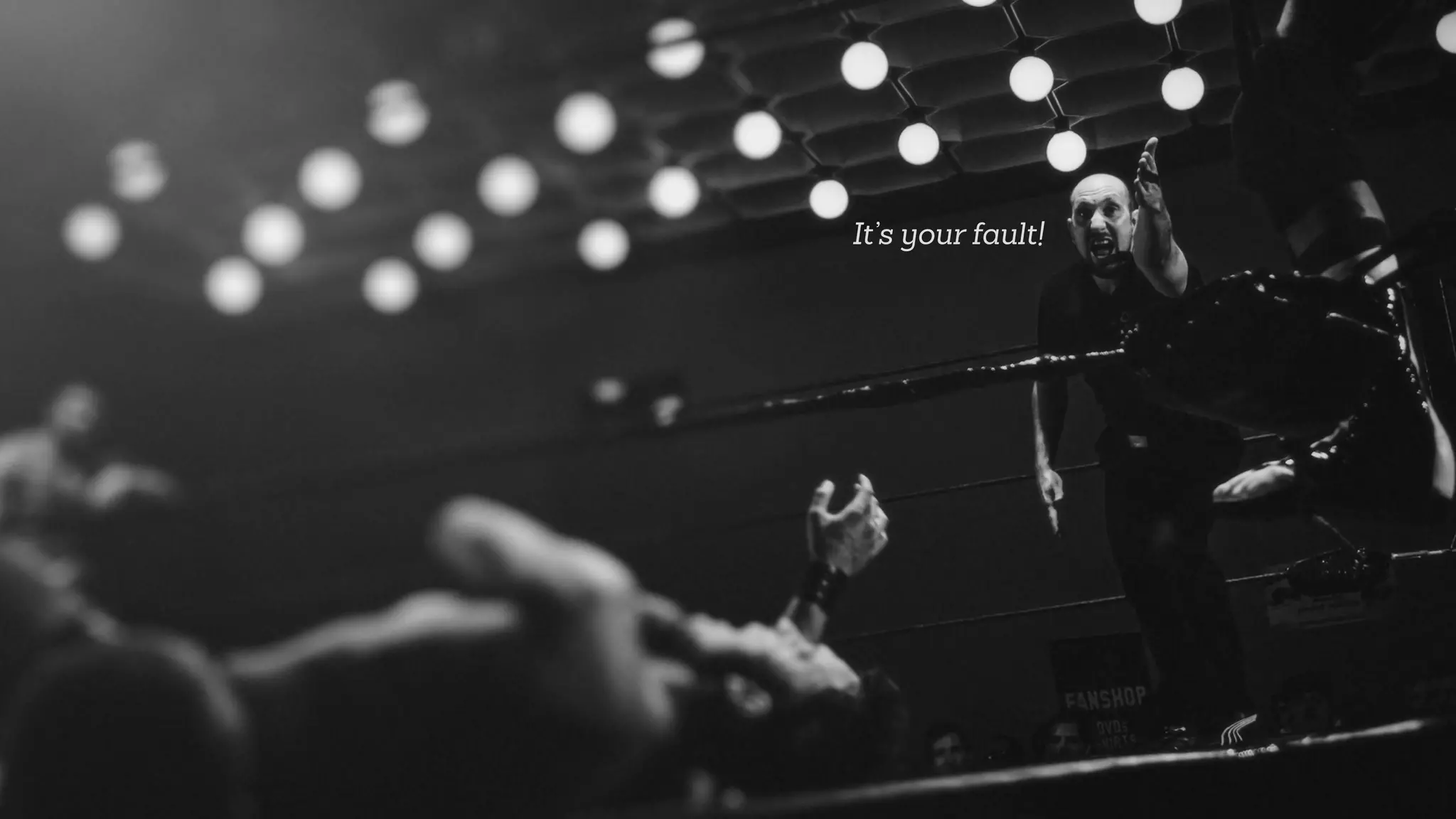
It’s your fault!
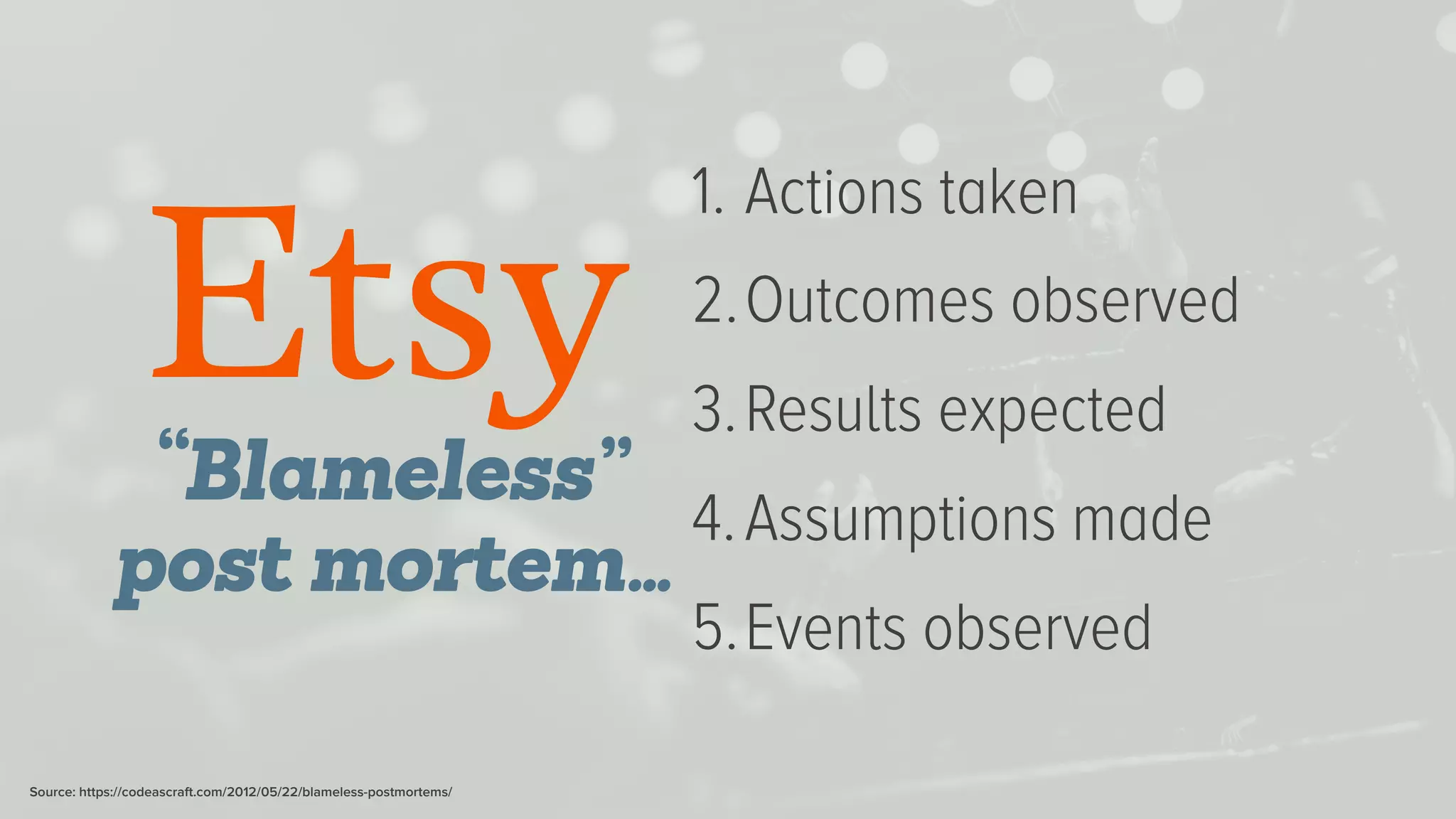
1. Actions taken
2.Outcomes observed
3.Results expected
4.Assumptions made
5.Events observed
“Blameless”
post mortem…
Source: https://codeascraft.com/2012/05/22/blameless-postmortems/
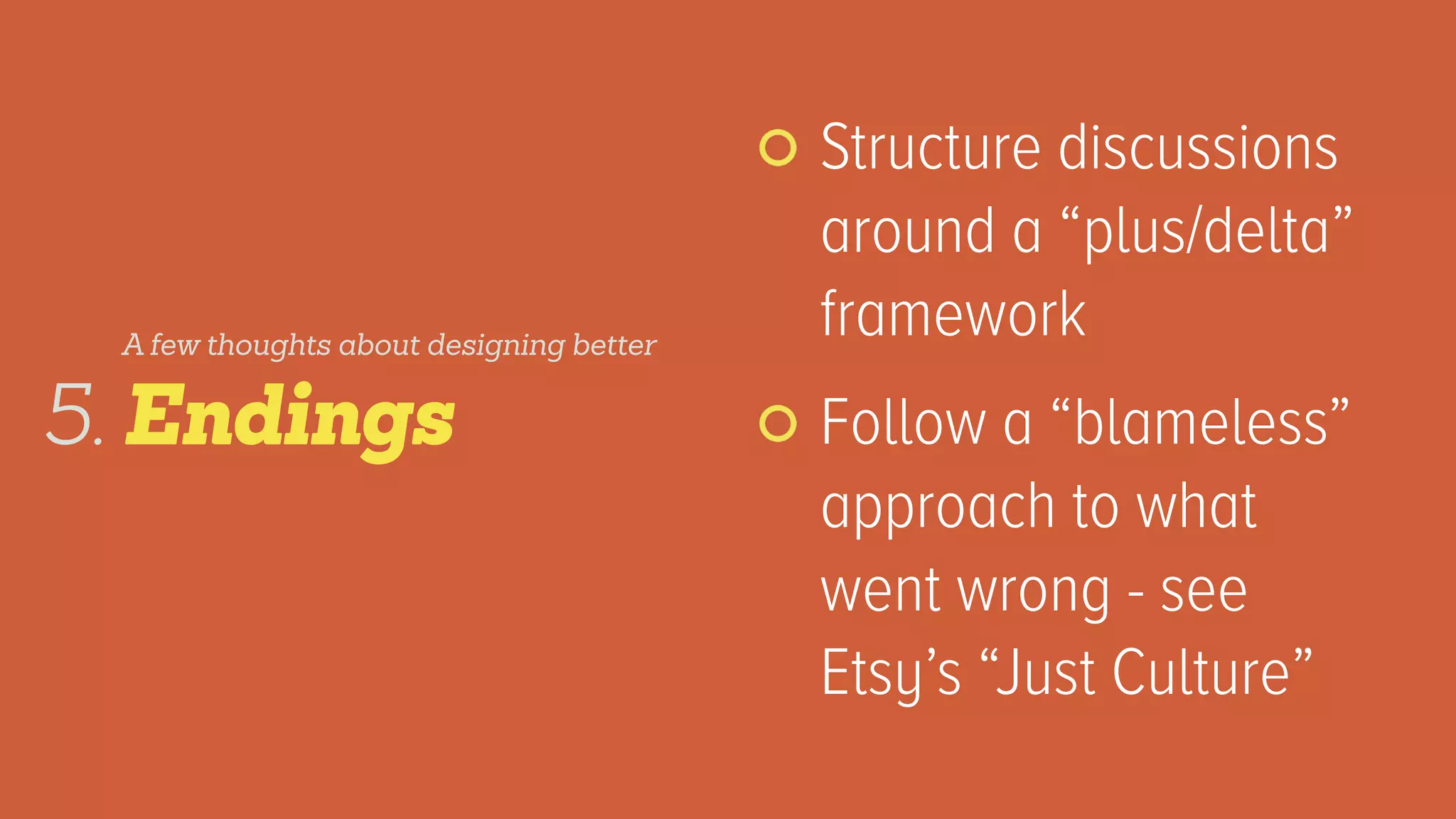
Structure discussions
around a “plus/delta”
framework
Follow a “blameless”
approach to what
went wrong - see
Etsy’s “Just Culture”
Endings5.
A few thoughts about designing better
Nowwhat?
Meetings explain, make, and improve our working culture.
6.
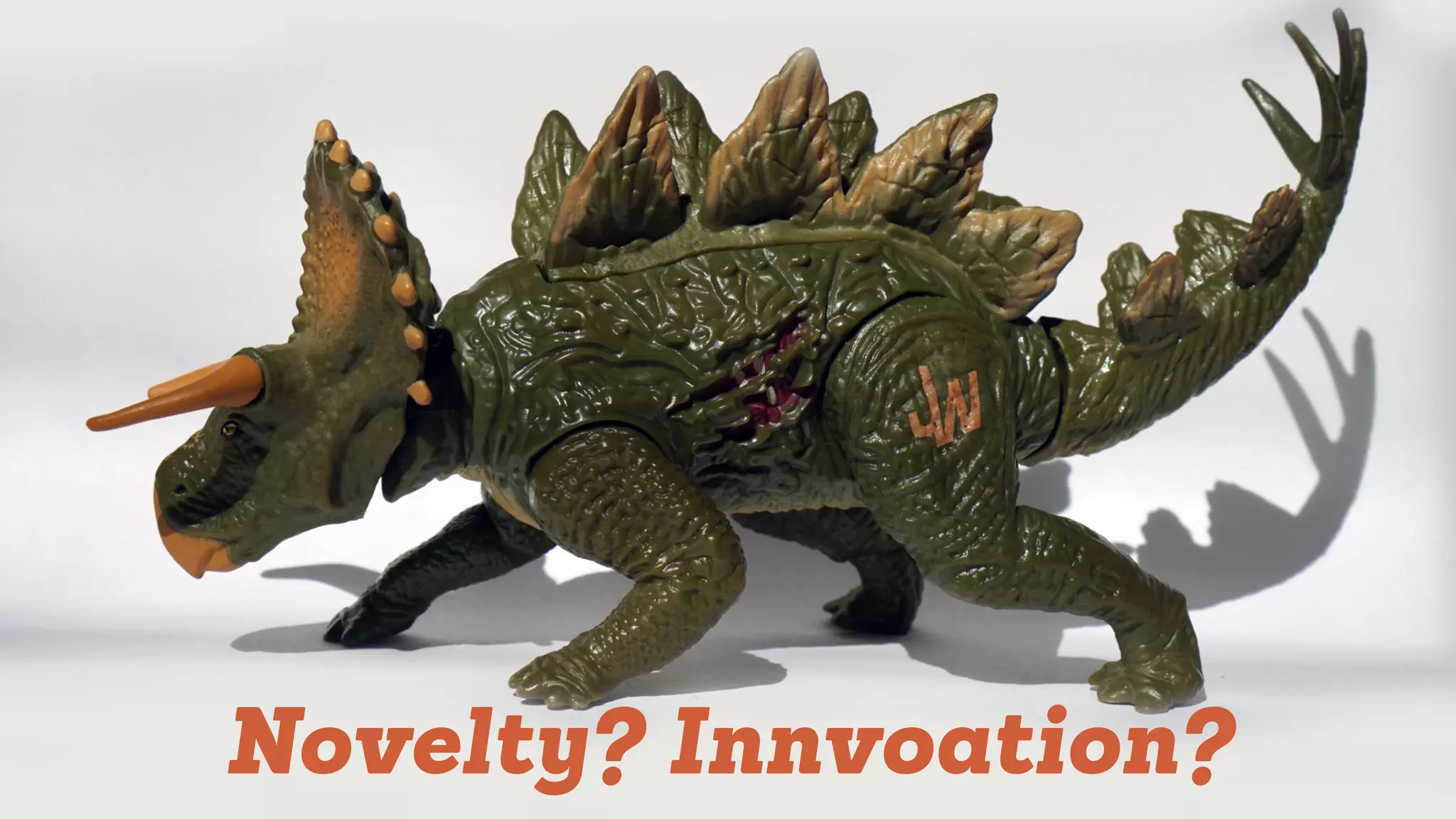
Stegoceratops!
Novelty? Innvoation?
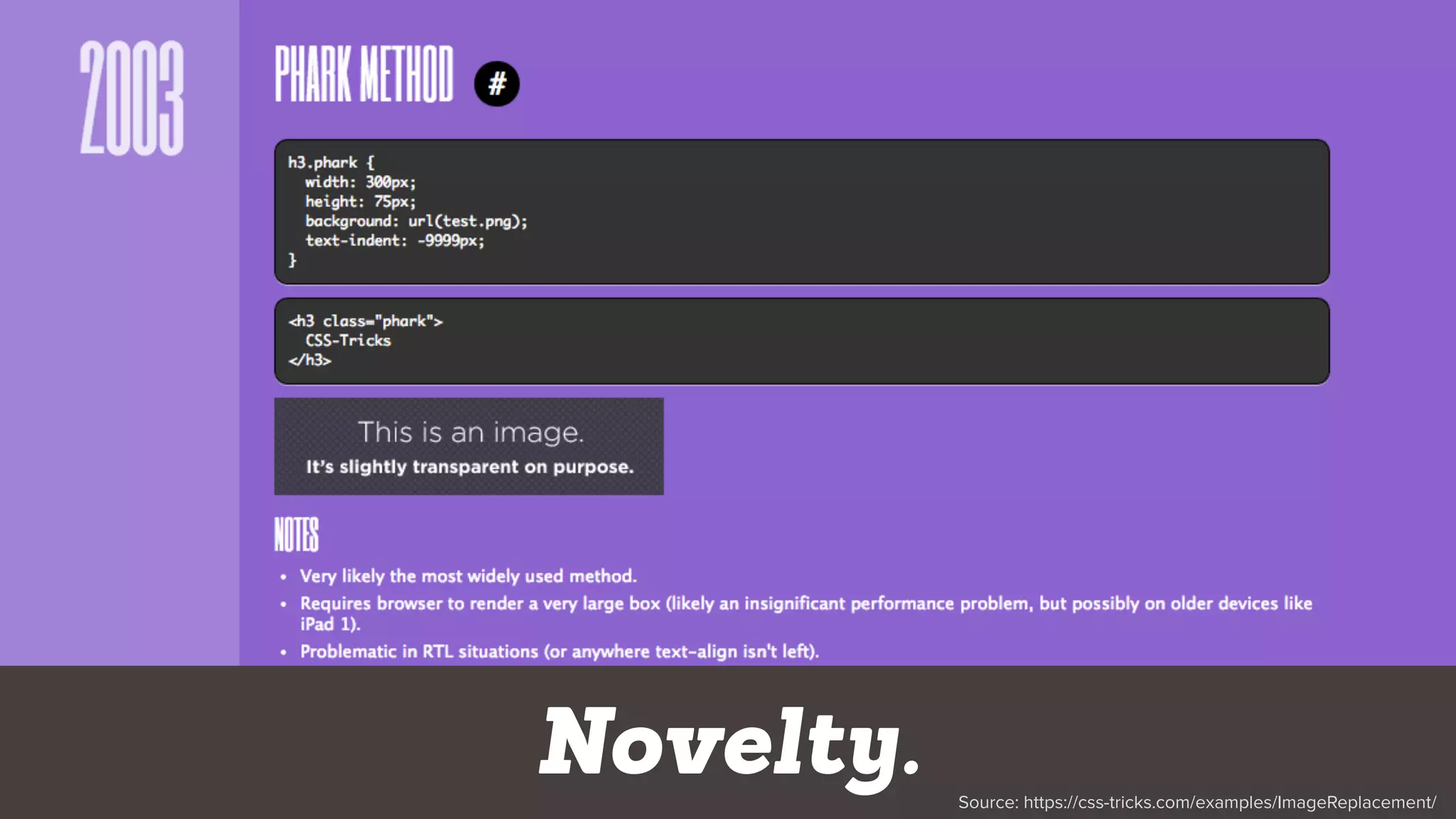
Novelty.
Source: https://css-tricks.com/examples/ImageReplacement/
Novelty.
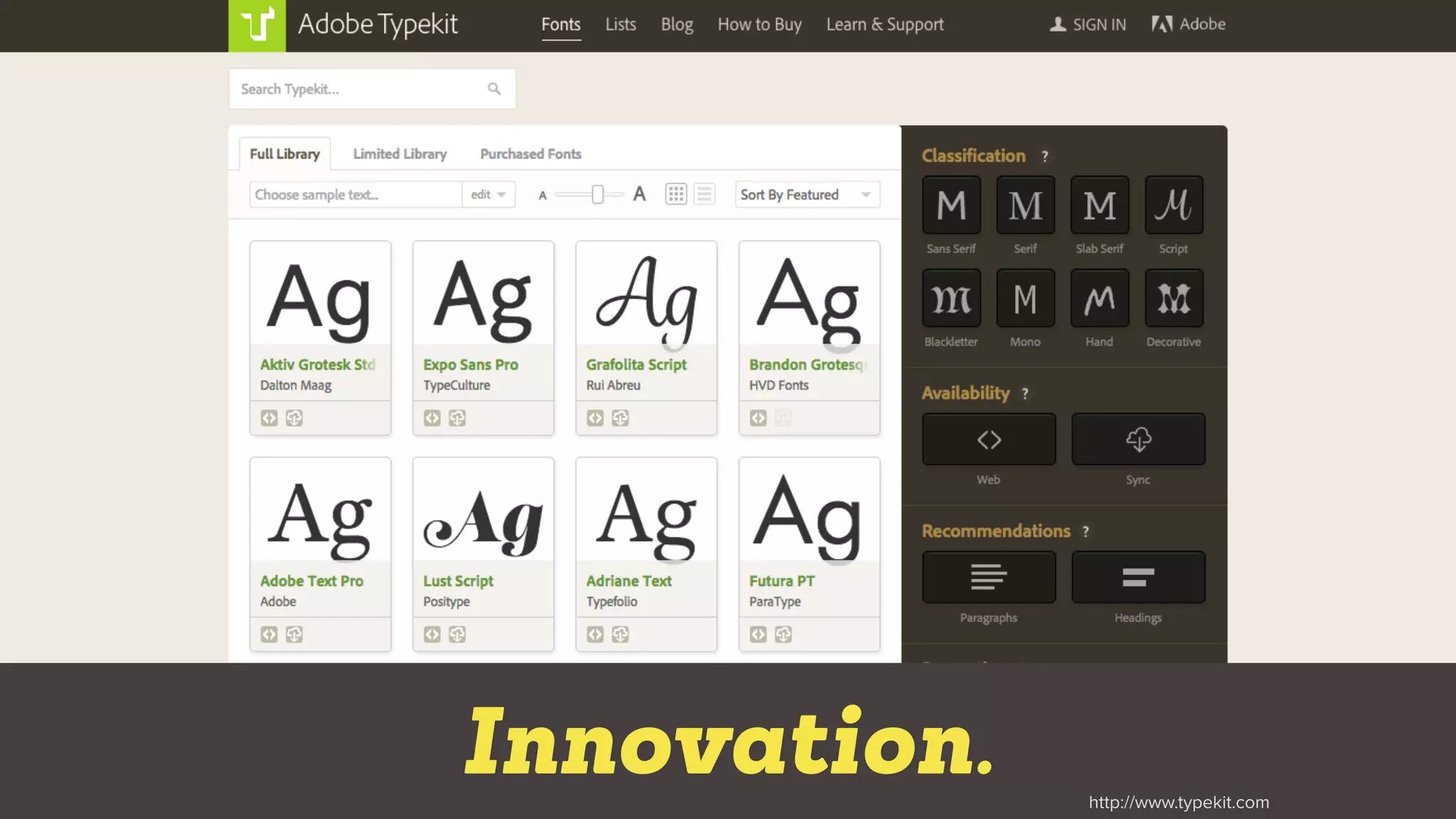
http://www.typekit.com
Innovation.
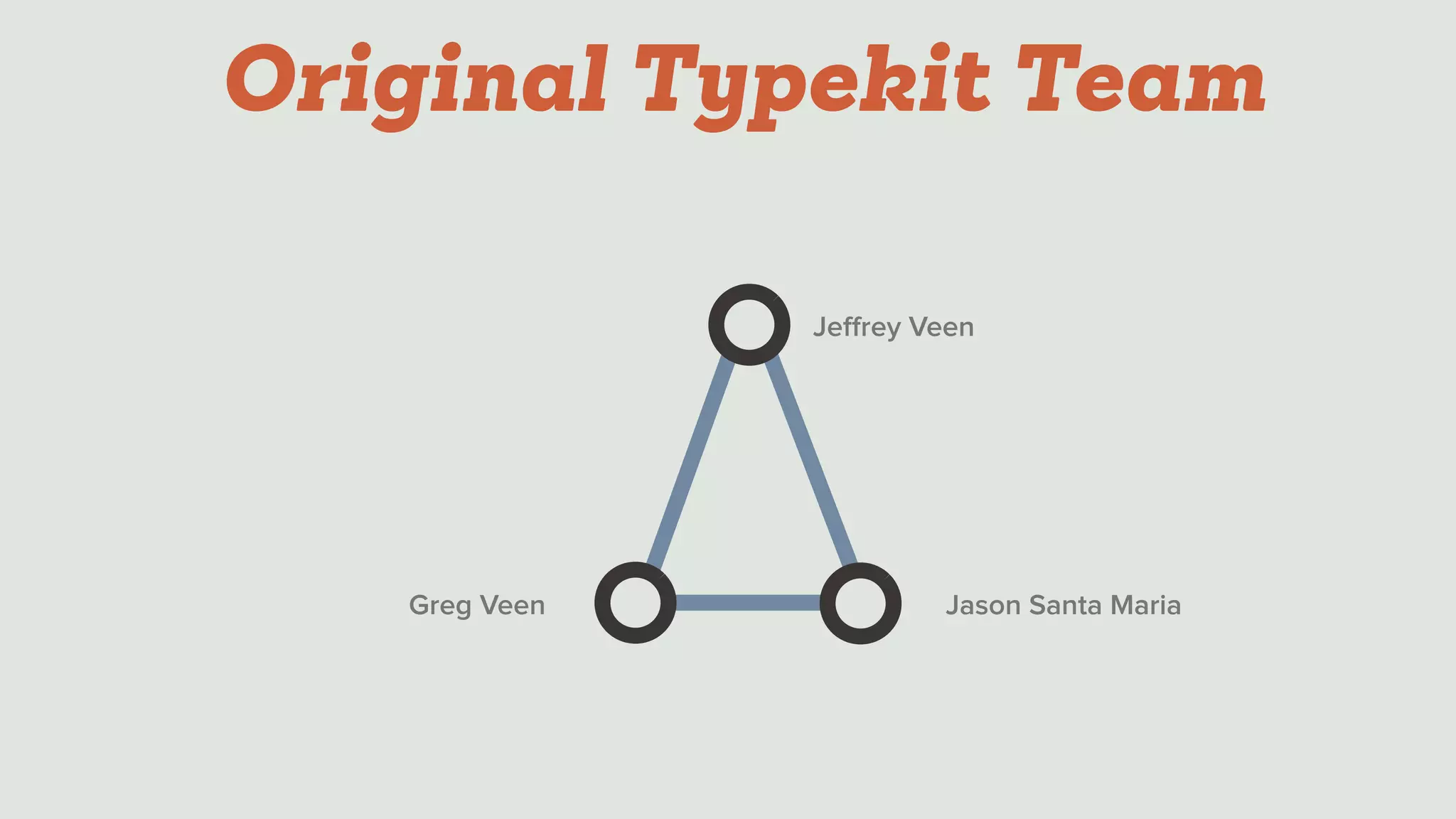
Jeffrey Veen
Greg Veen Jason Santa Maria
Original Typekit Team
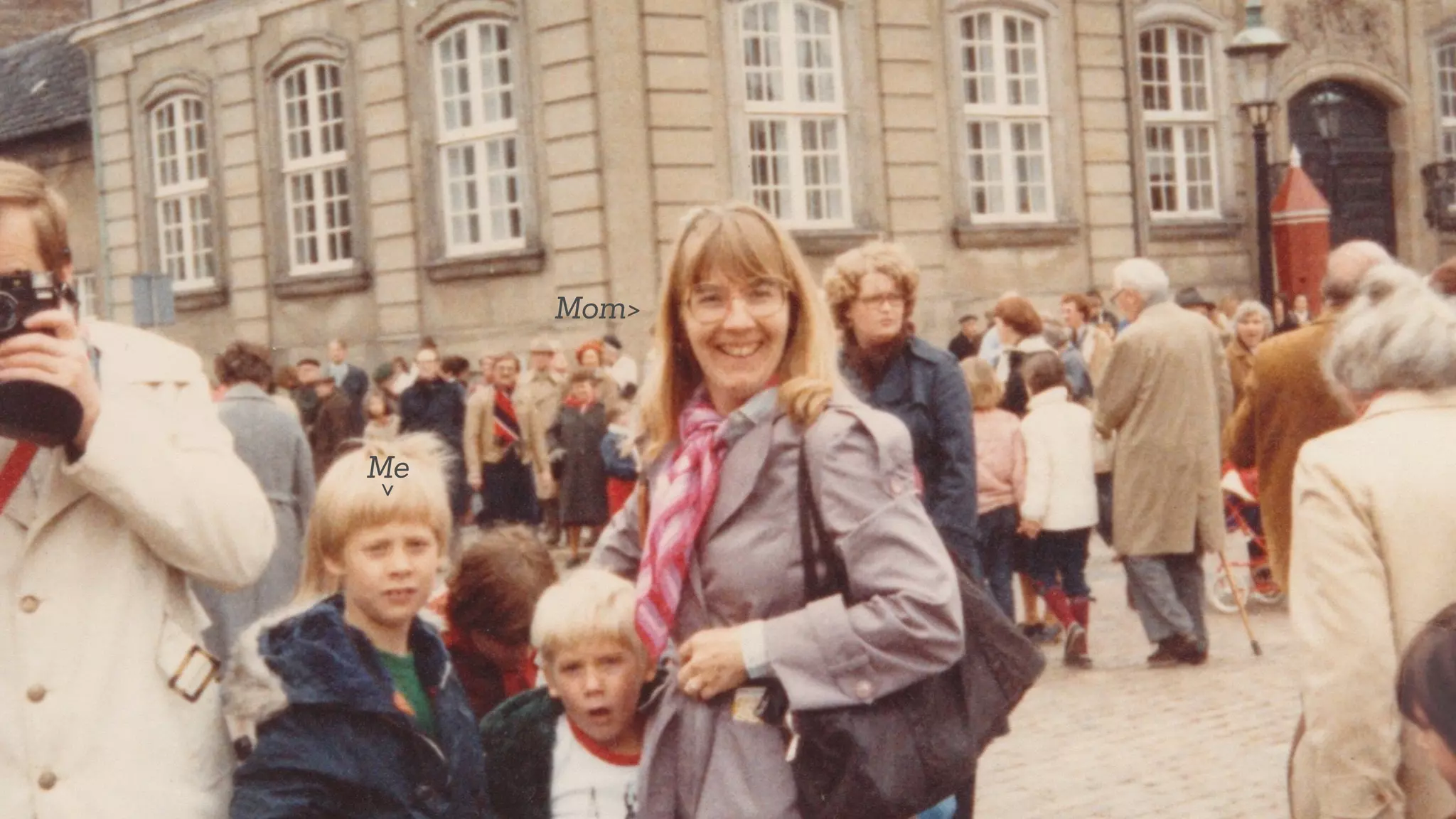
Mom>
Me
>
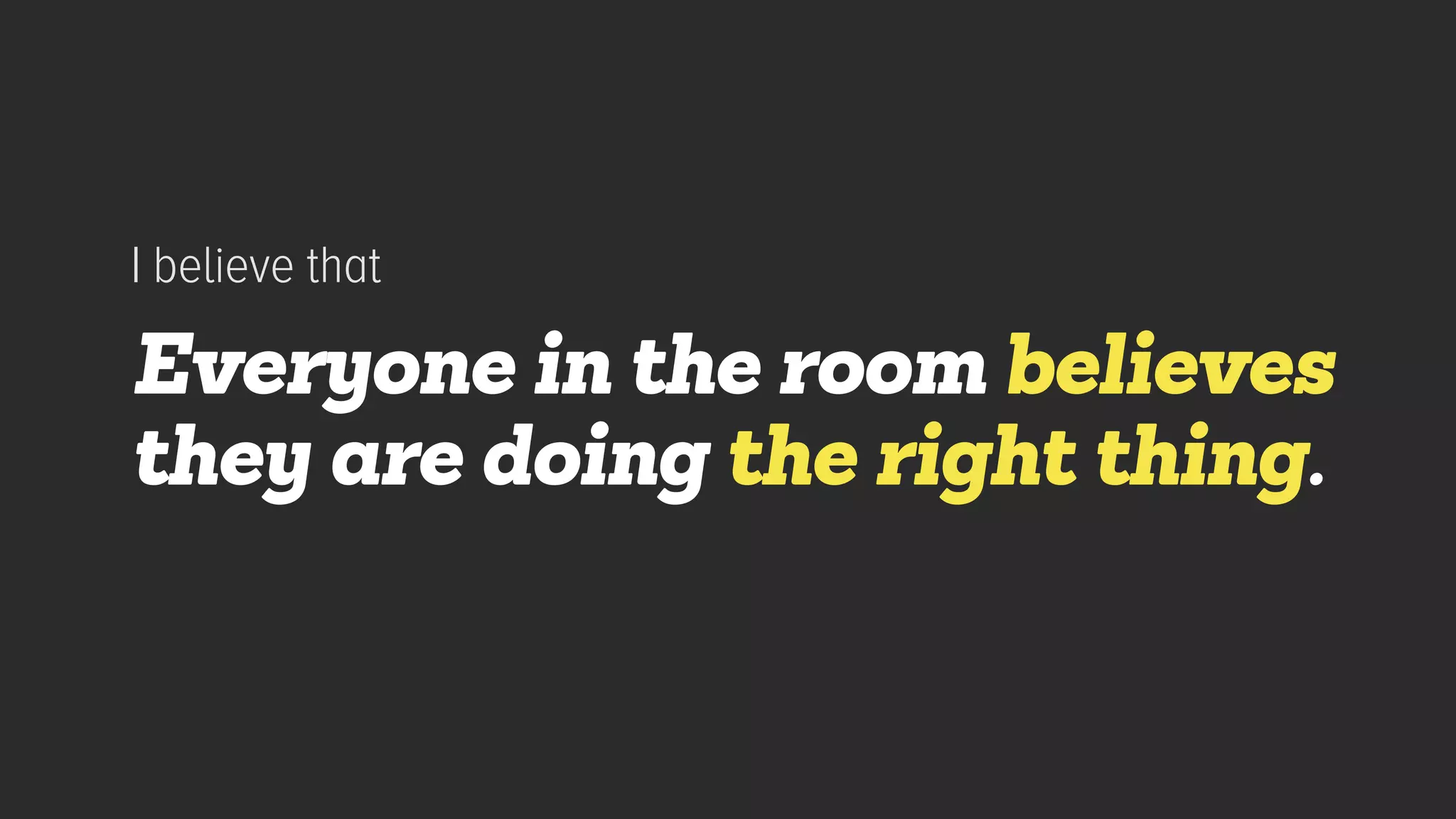
Everyone in the room believes
they are doing the right thing.
I believe that
Slides?
Thank you!
http://kevinmh.co/m/7s
sevenheadsdesign.com@kevinmhoffman
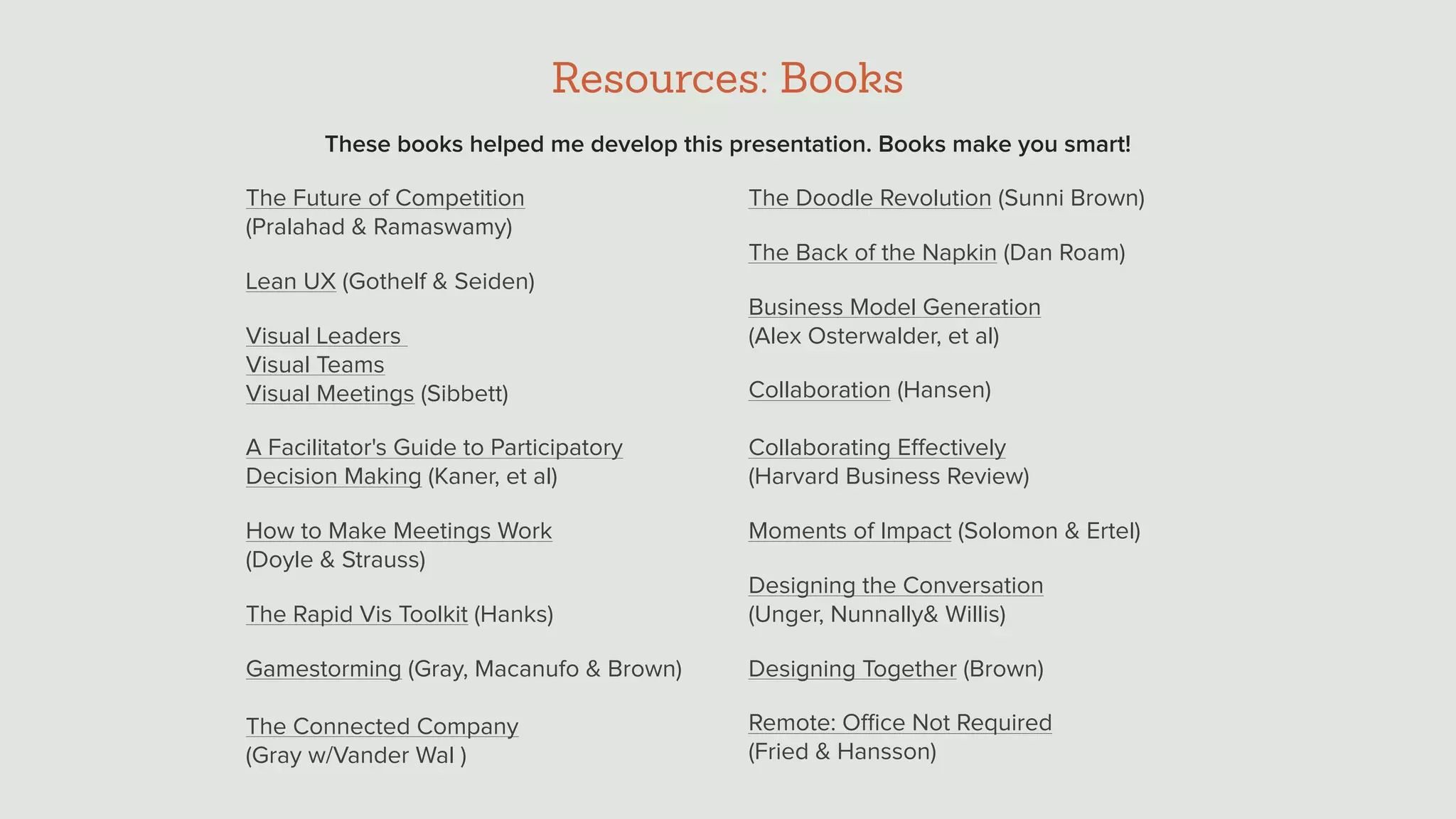
Resources: Books
The Future of Competition 

(Pralahad & Ramaswamy)
Lean UX (Gothelf & Seiden)
Visual Leaders 

Visual Teams

Visual Meetings (Sibbett)
A Facilitator's Guide to Participatory
Decision Making (Kaner, et al)
How to Make Meetings Work 

(Doyle & Strauss)
The Rapid Vis Toolkit (Hanks)
Gamestorming (Gray, Macanufo & Brown)


The Connected Company 

(Gray w/Vander Wal )
The Doodle Revolution (Sunni Brown)
The Back of the Napkin (Dan Roam)
Business Model Generation 

(Alex Osterwalder, et al)
Collaboration (Hansen)


Collaborating Effectively 

(Harvard Business Review)
Moments of Impact (Solomon & Ertel)
Designing the Conversation 

(Unger, Nunnally& Willis)
Designing Together (Brown)
Remote: Office Not Required 

(Fried & Hansson)
These books helped me develop this presentation. Books make you smart!

“The Five Meetings You Meet in Web Design” by Kevin Hoffman (Now What? Conference 2016)