The Element of Line
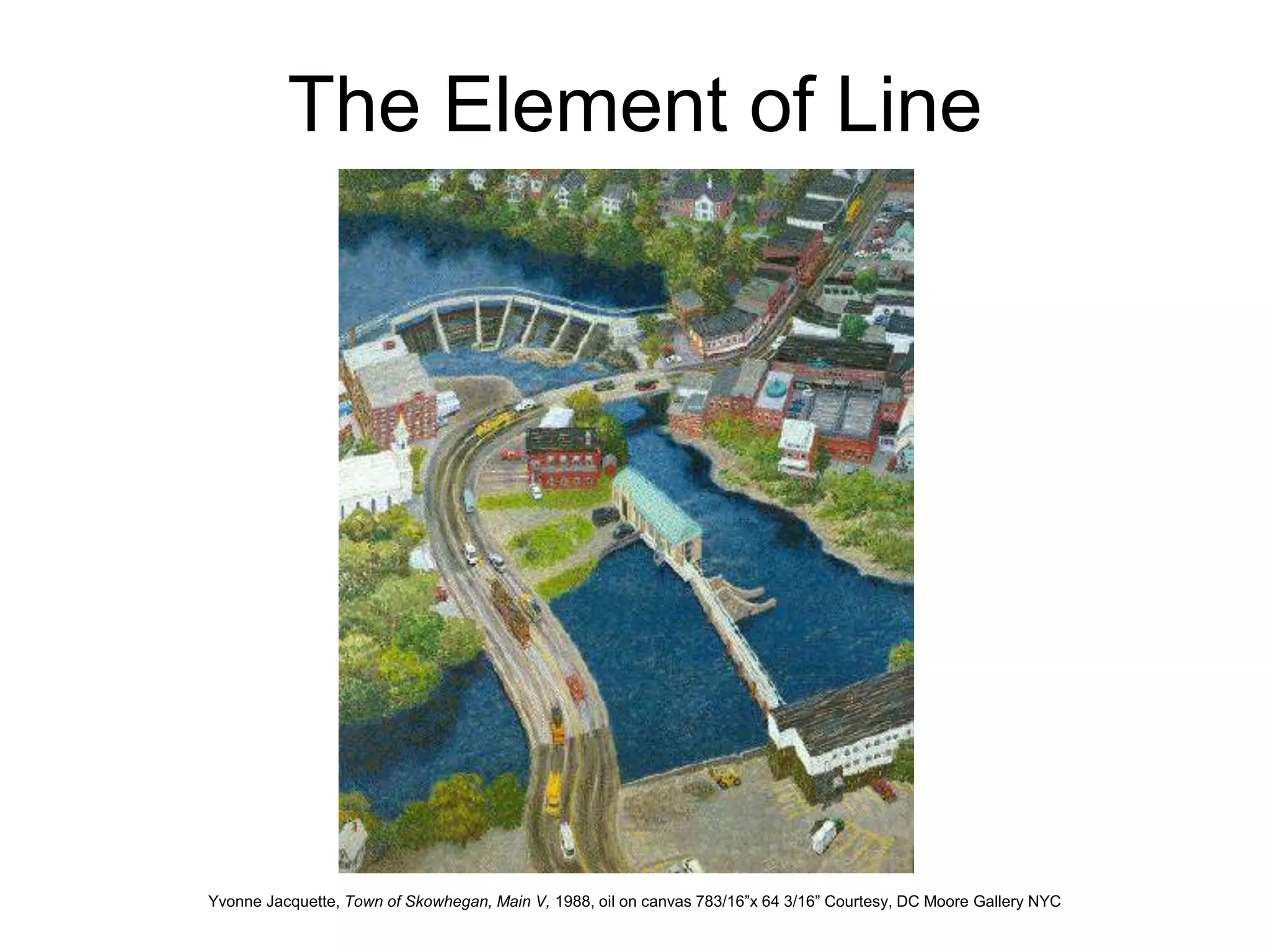
Yvonne Jacquette, Town of Skowhegan, Main V, 1988, oil on canvas 783/16”x 64 3/16” Courtesy, DC Moore Gallery NYC
How do artists use line in art?
Objectives:
Observe the lines in their environment more
closely.
Compare and contrast different kinds of
lines and the use of lines in artworks.
Demonstrate effective use of art media and
tools in drawings.
What is line?
Lines are everywhere. You can find lines in
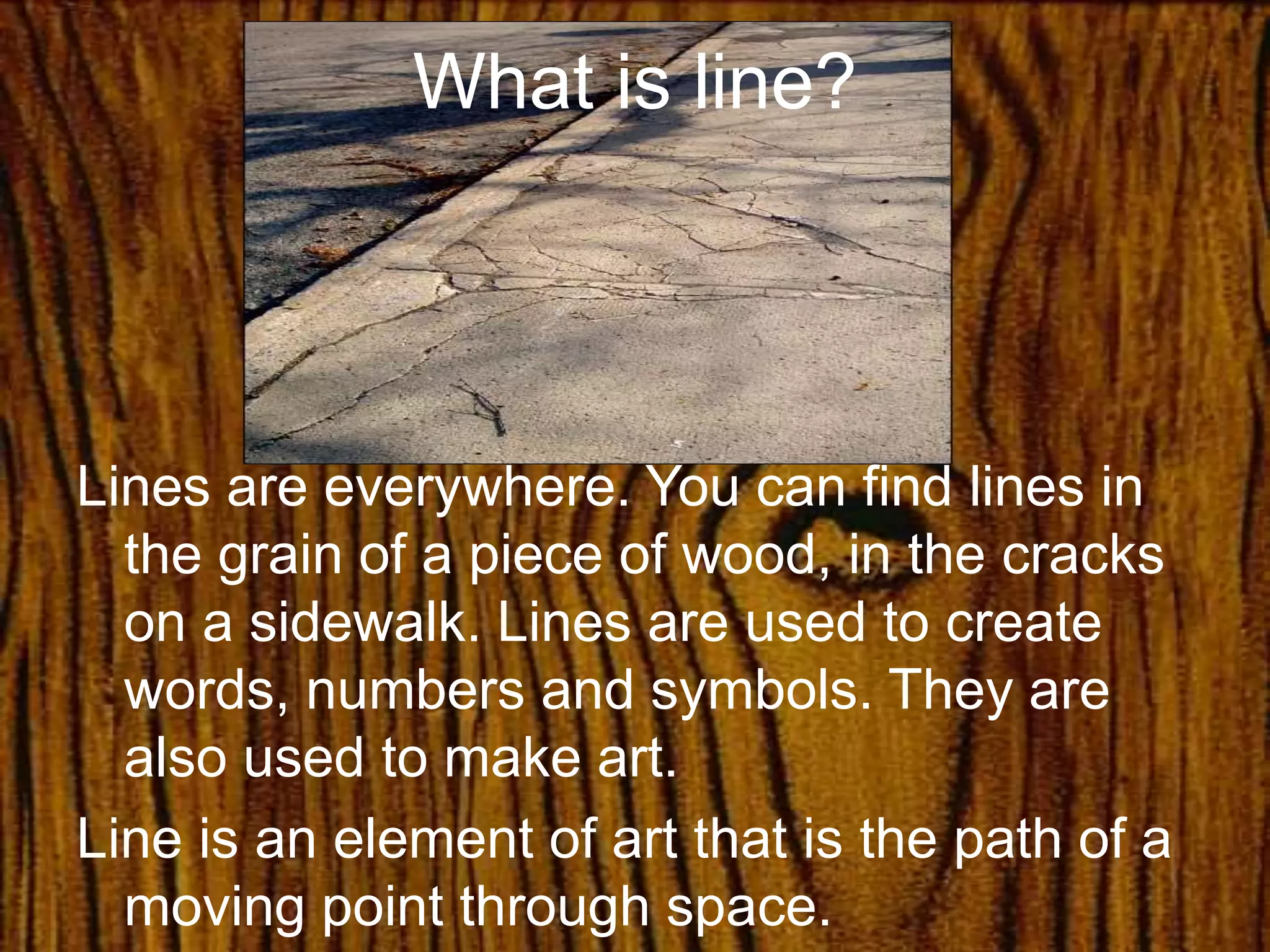
the grain of a piece of wood, in the cracks
on a sidewalk. Lines are used to create
words, numbers and symbols. They are
also used to make art.
Line is an element of art that is the path of a
moving point through space.
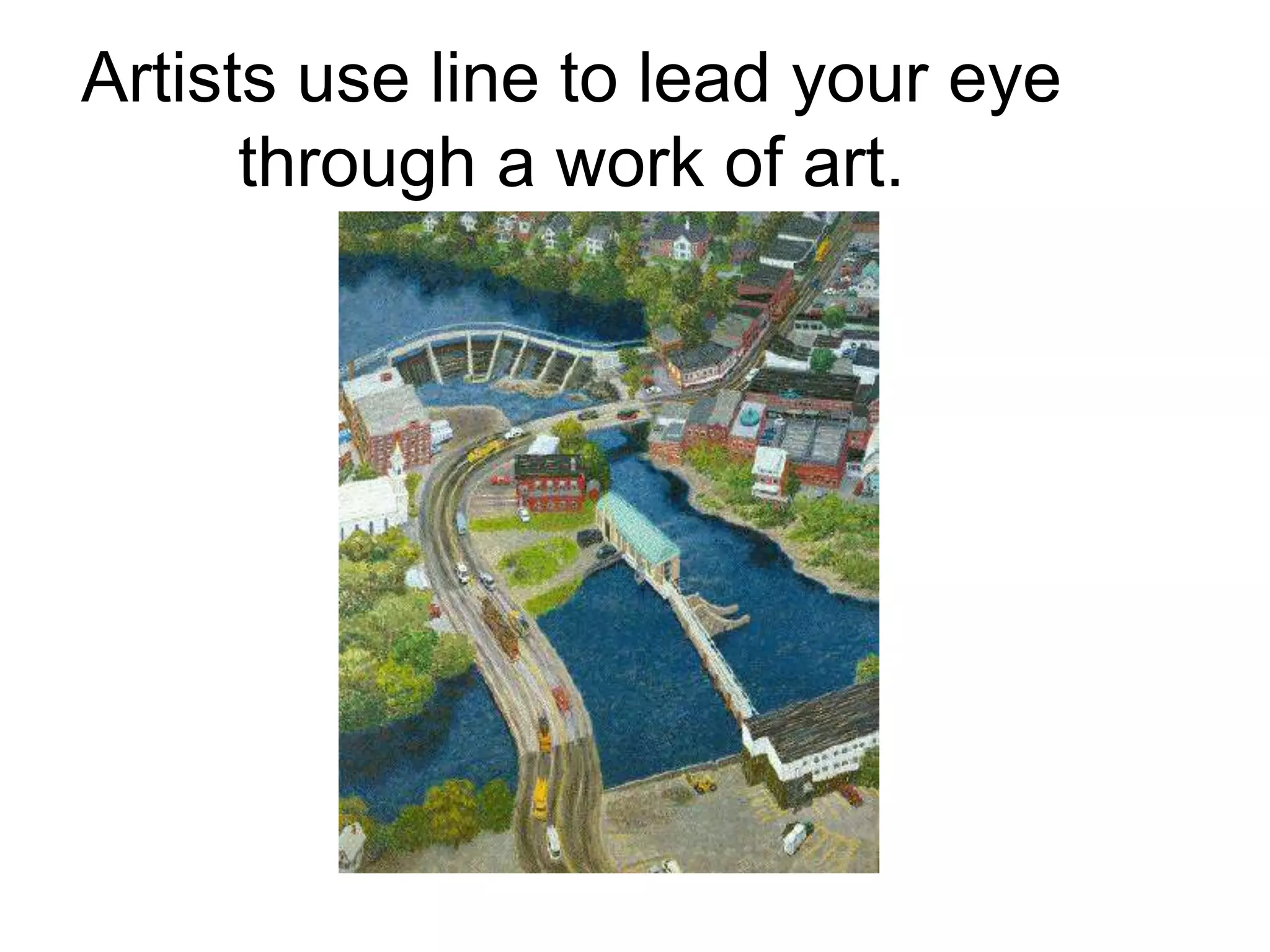
Artists use line to lead your eye
through a work of art.
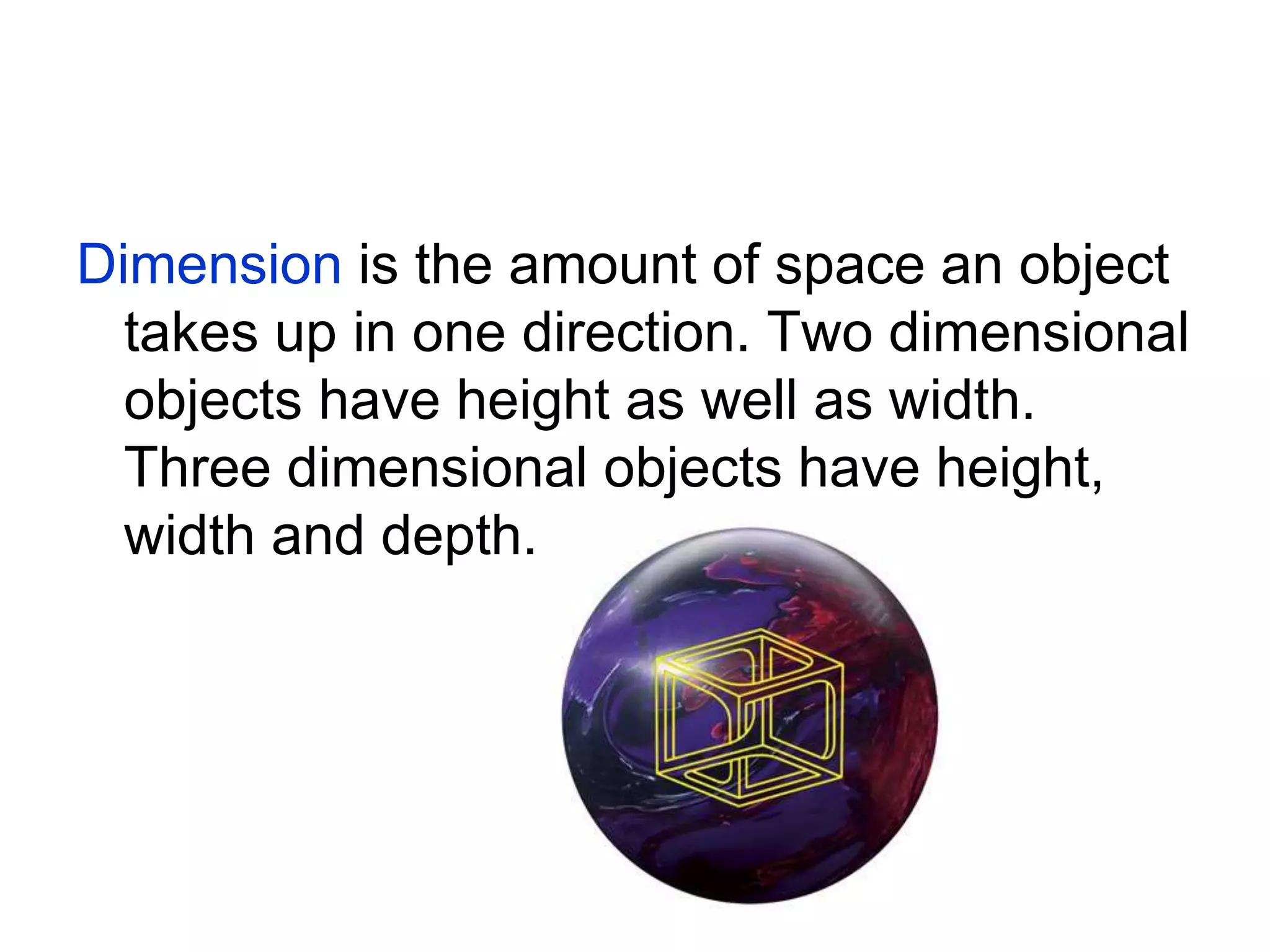
Dimension is the amount of space an object
takes up in one direction. Two dimensional
objects have height as well as width.
Three dimensional objects have height,
width and depth.
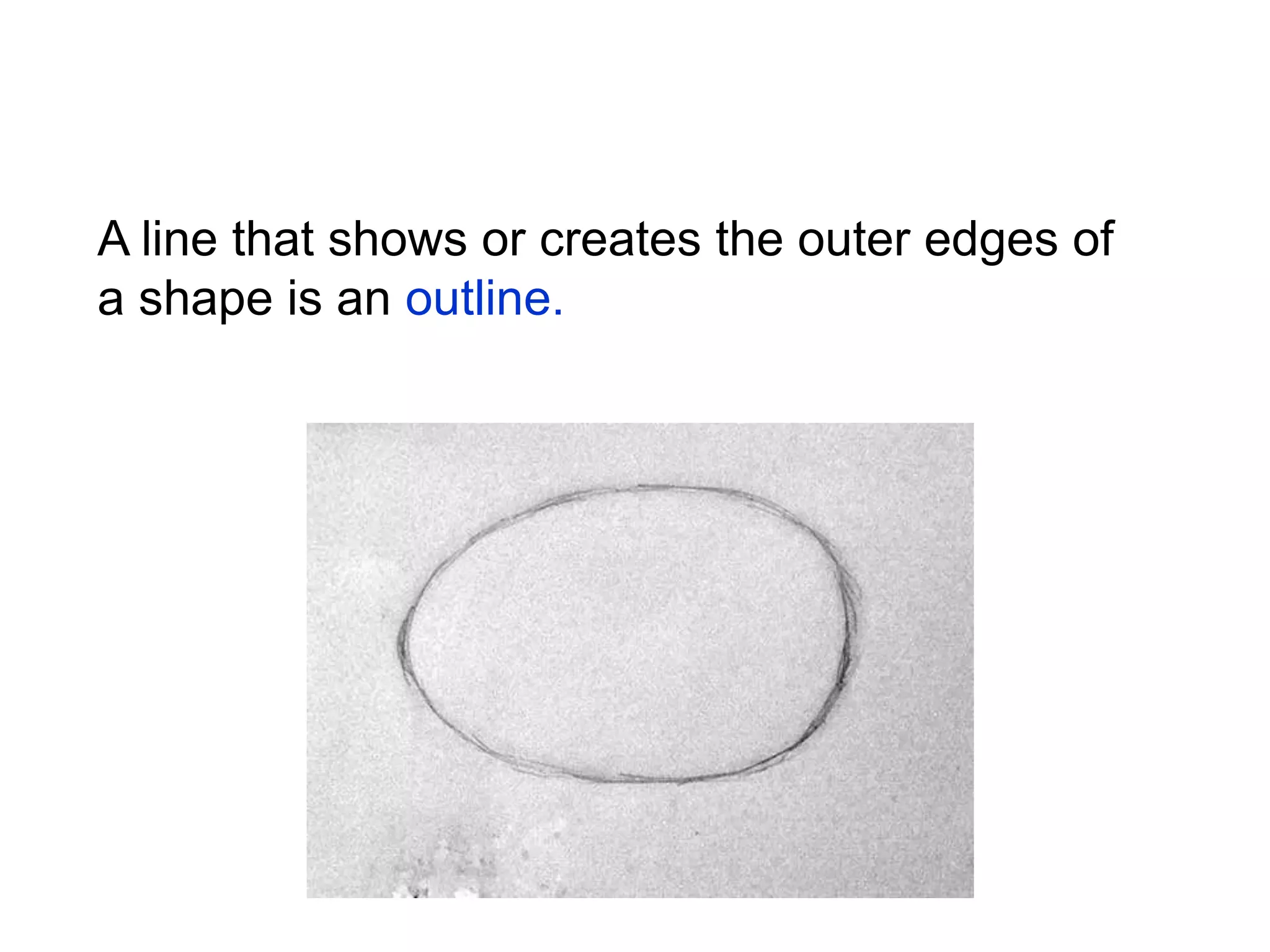
A line that shows or creates the outer edges of
a shape is an outline.
Good Morning
• Today you will need you your sketchbook
to copy notes and to create a new work of
art
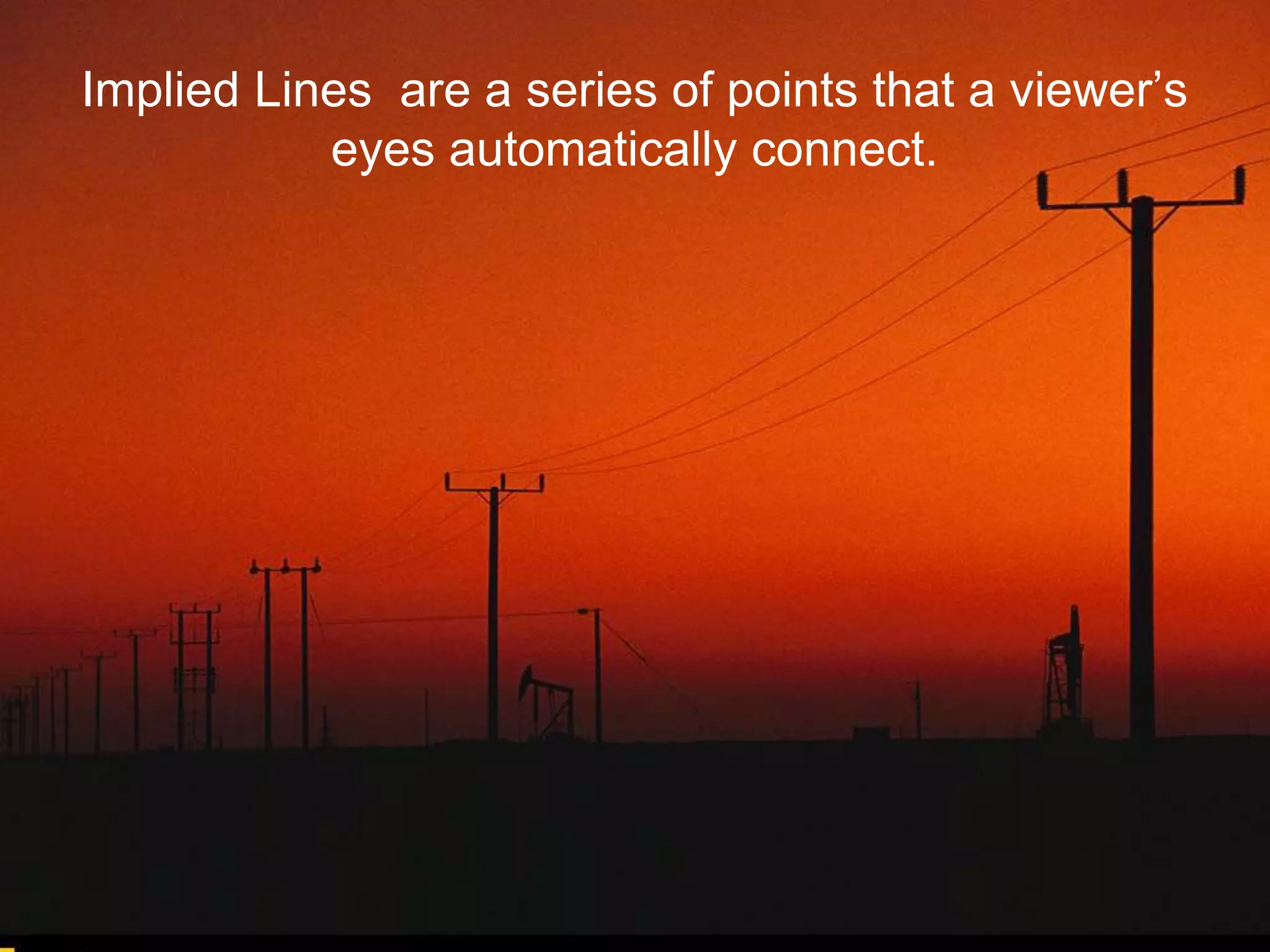
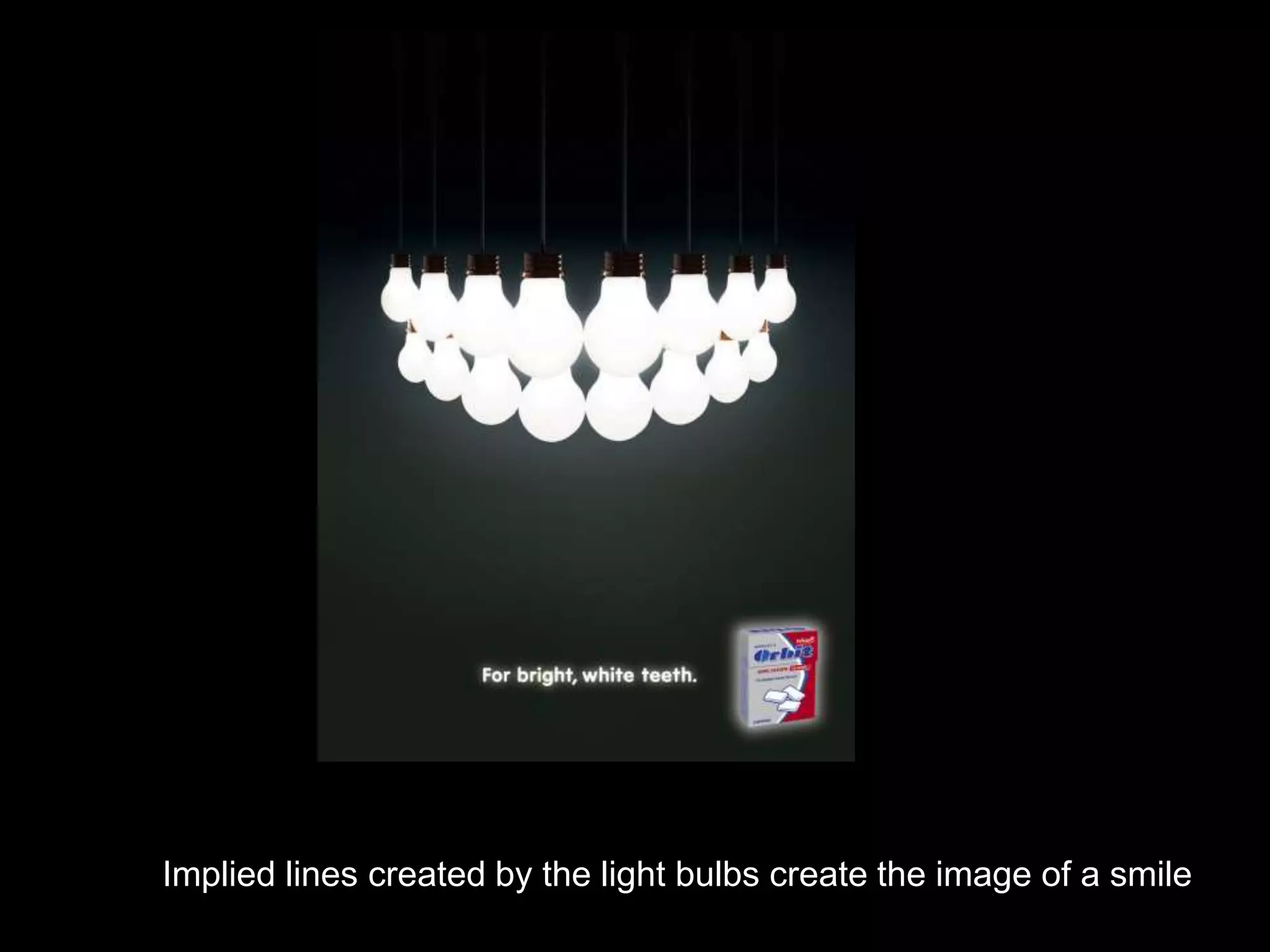
Implied Lines are a series of points that a viewer’s
eyes automatically connect.
Implied lines created by the light bulbs create the image of a smile
Kinds of Lines and How Lines Vary
• Vertical
• Horizontal
• Diagonal
• Zigzag
• Curved
• Length
• Width
• Texture
• Direction
• Degree of Curve
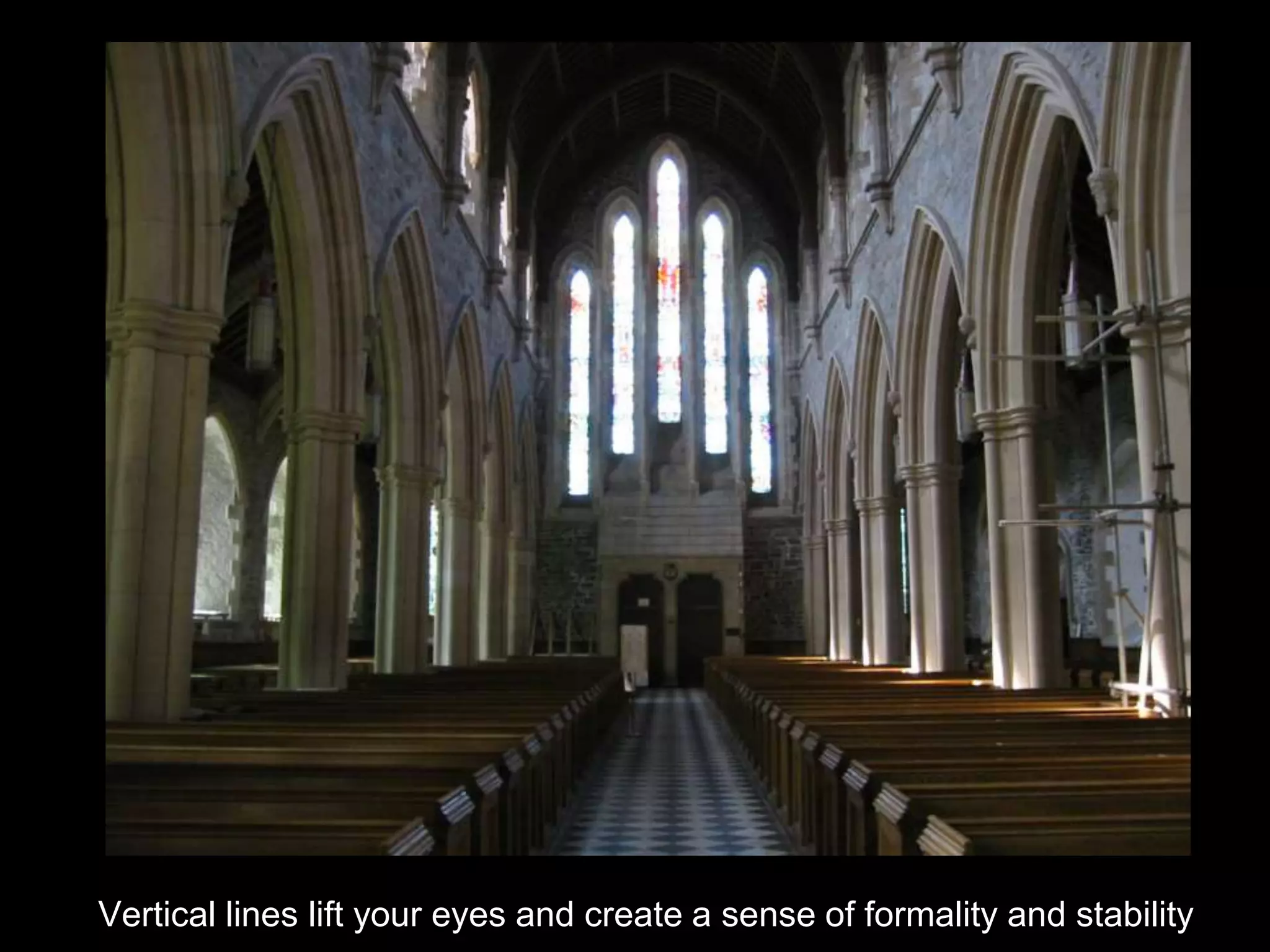
Vertical lines lift your eyes and create a sense of formality and stability
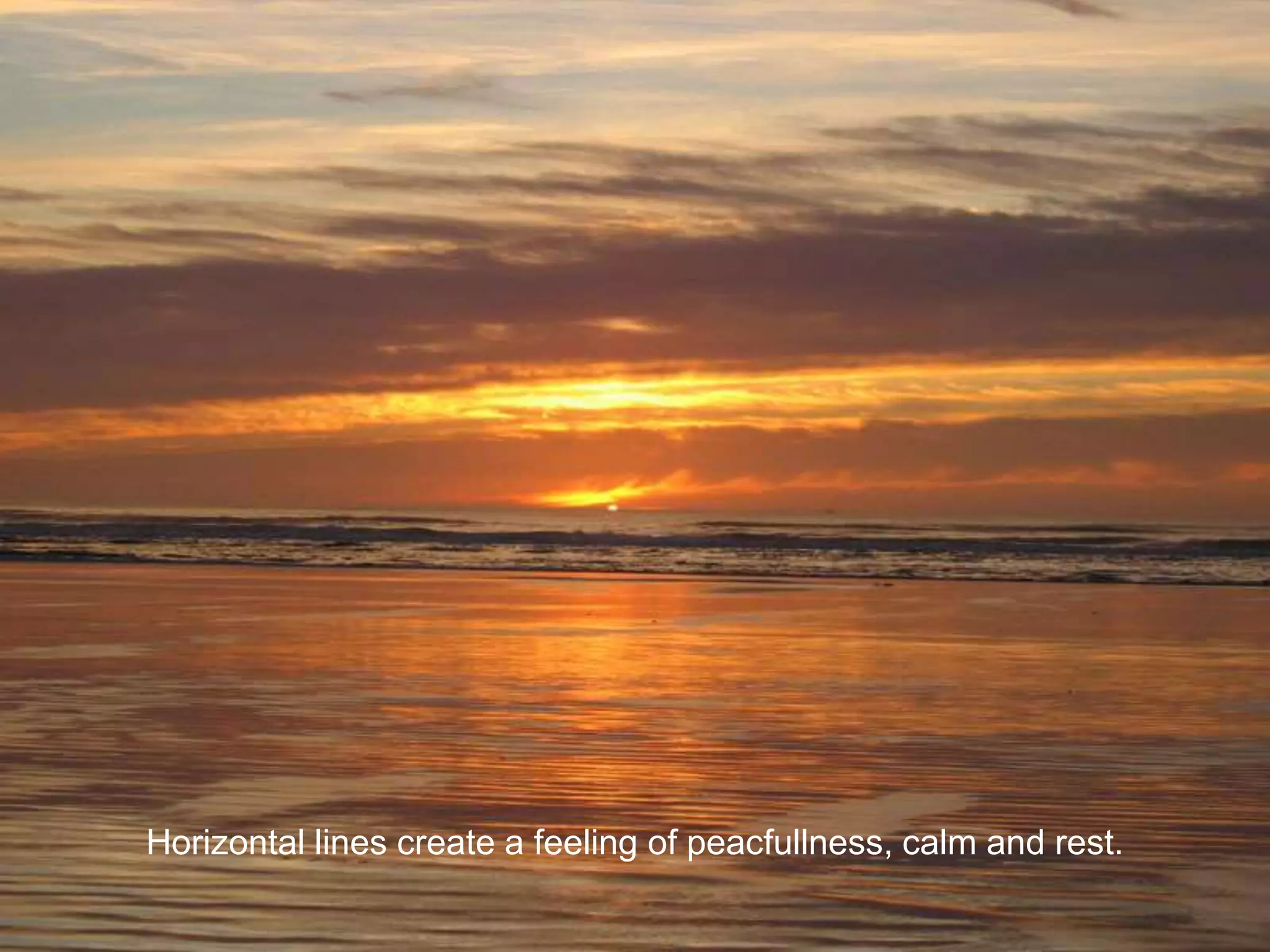
Horizontal lines create a feeling of peacfullness, calm and rest.
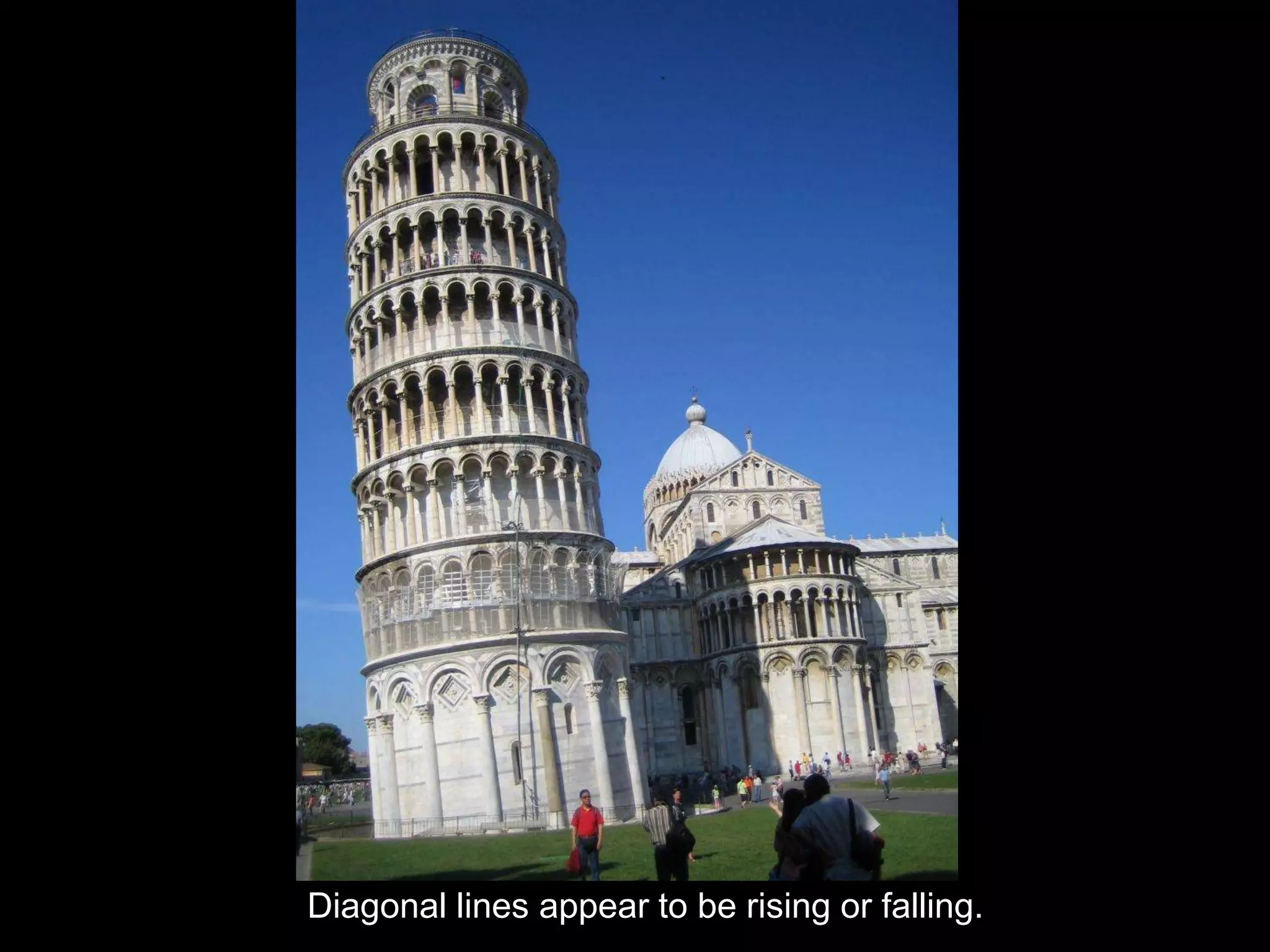
Diagonal lines appear to be rising or falling.
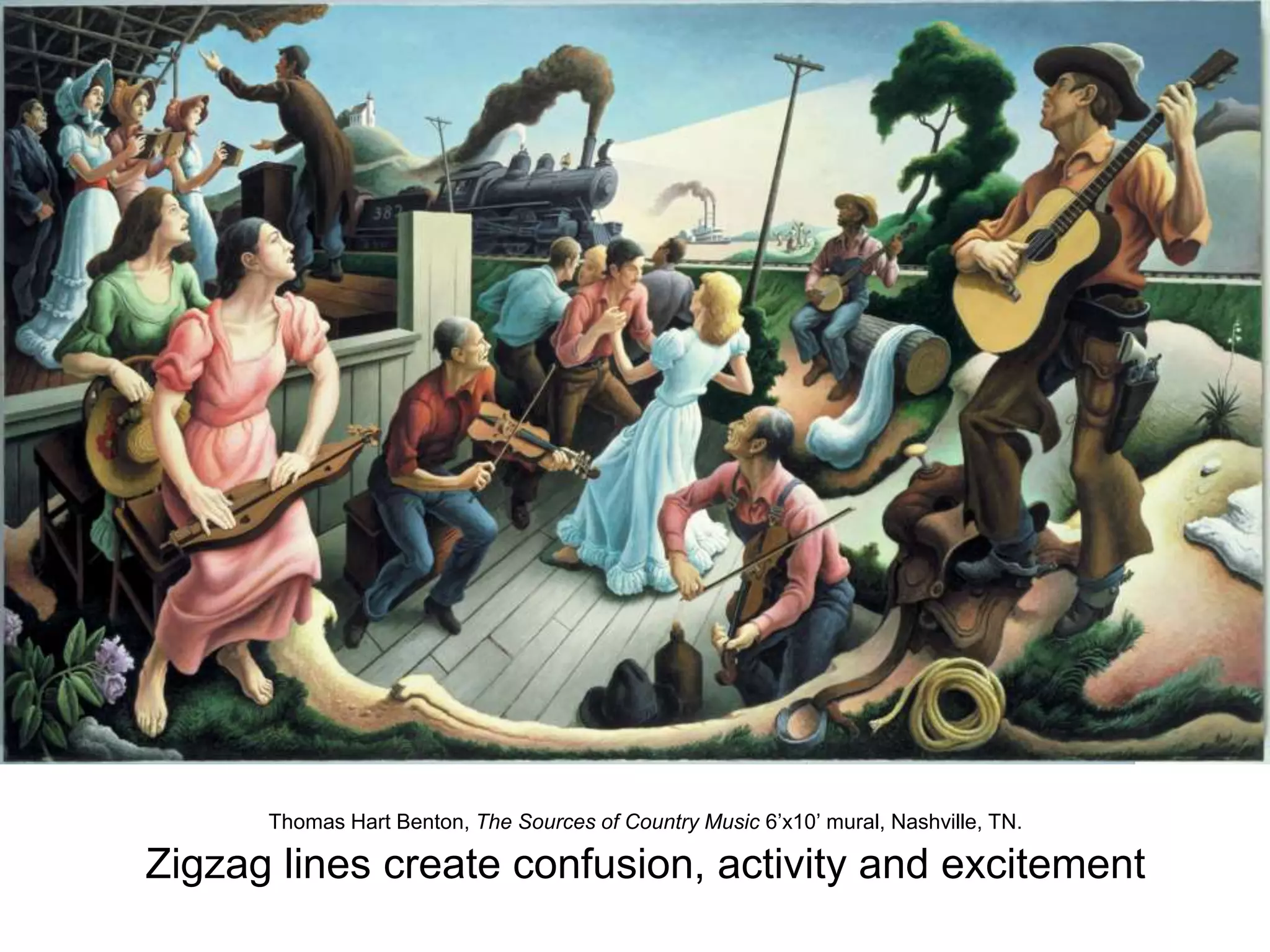
Thomas Hart Benton, The Sources of Country Music 6’x10’ mural, Nashville, TN.
Zigzag lines create confusion, activity and excitement
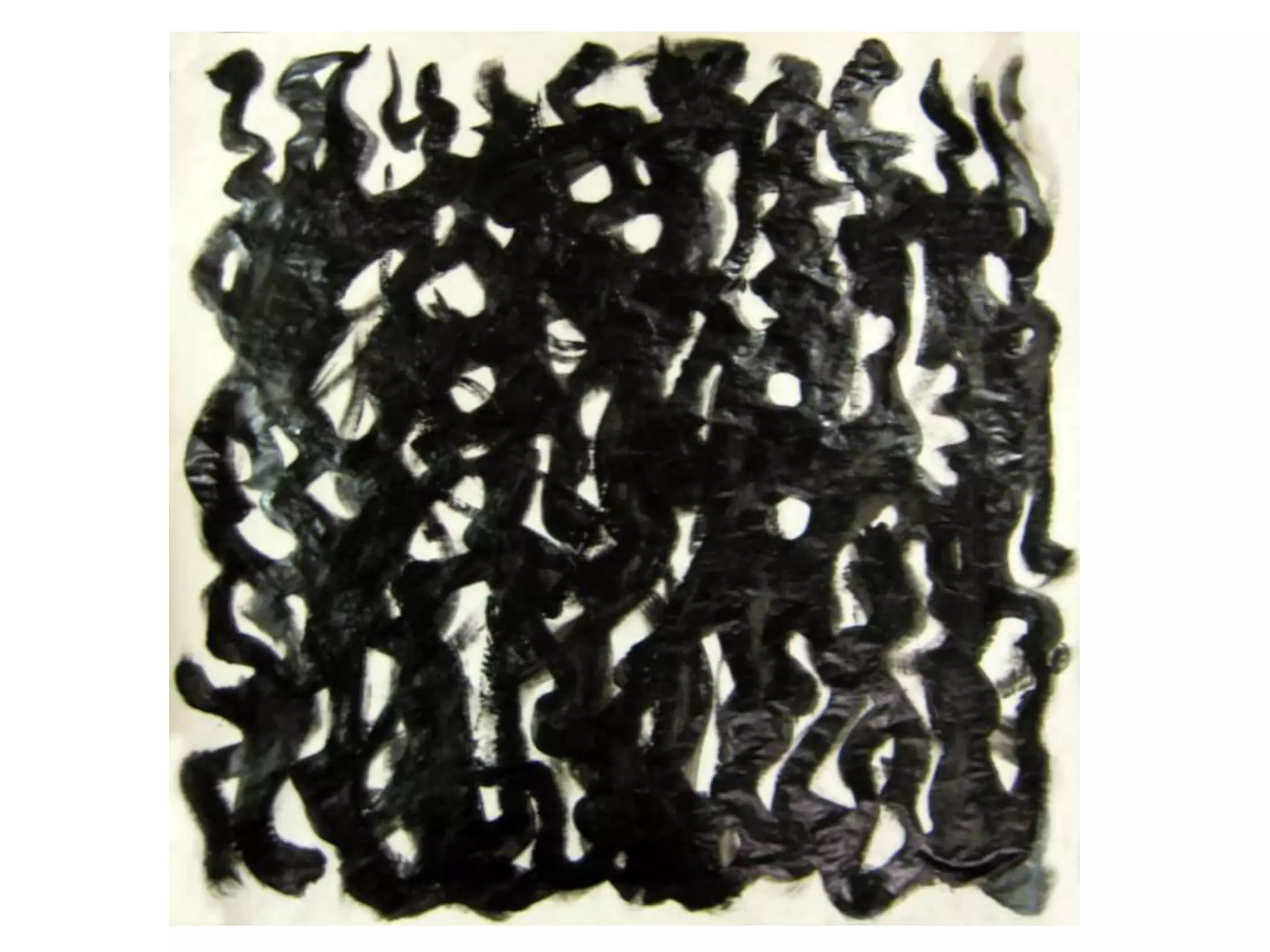
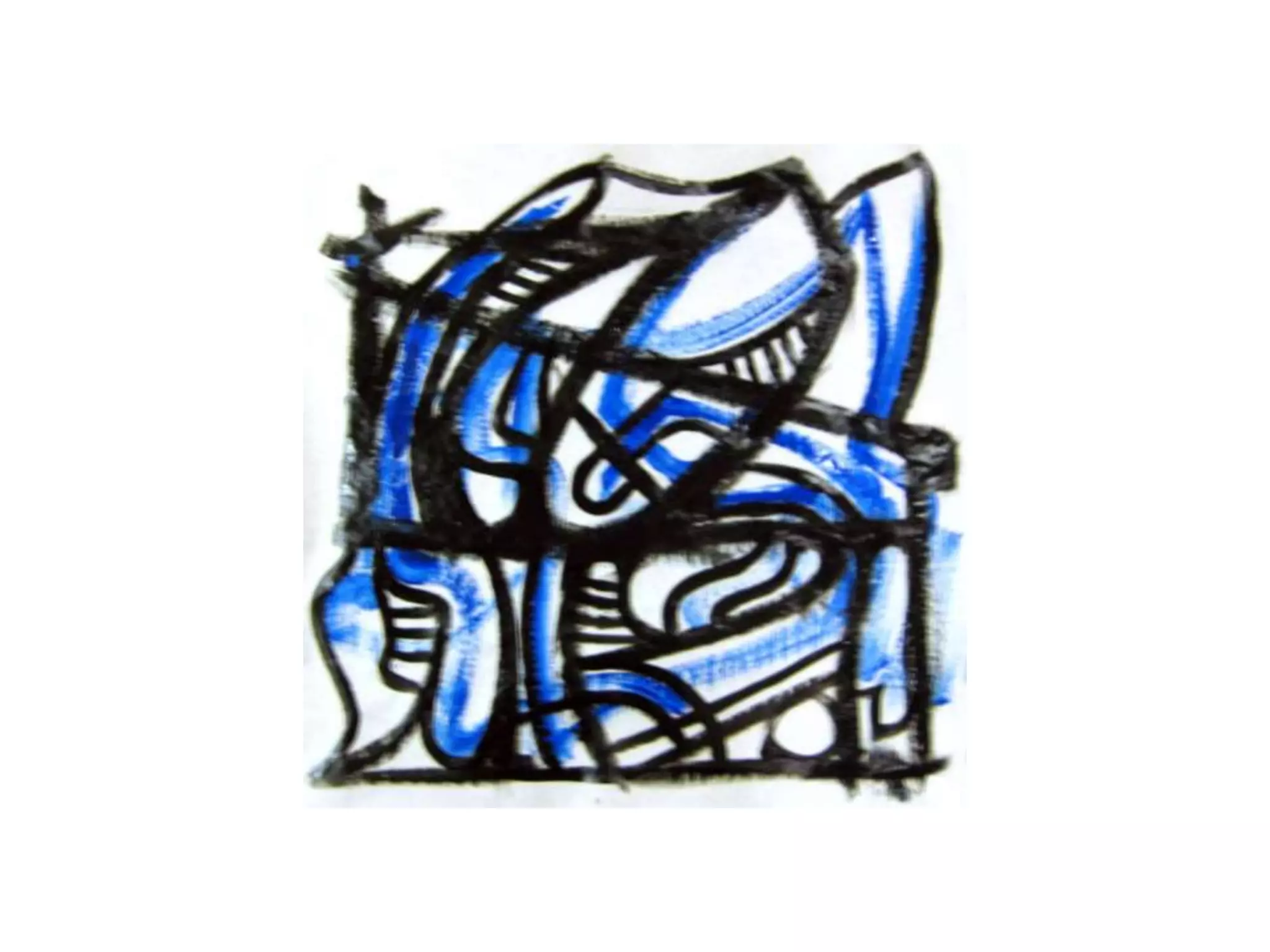
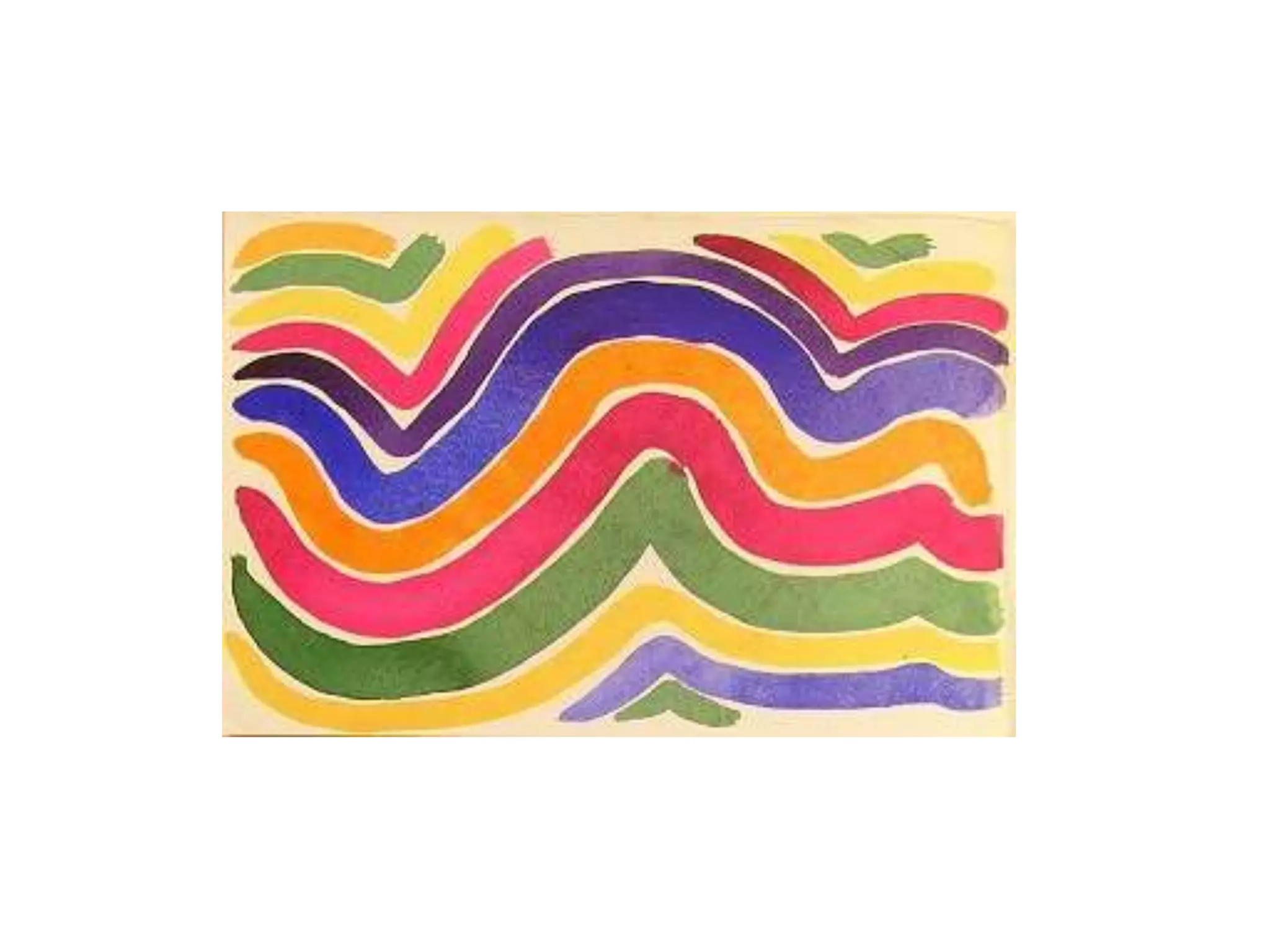
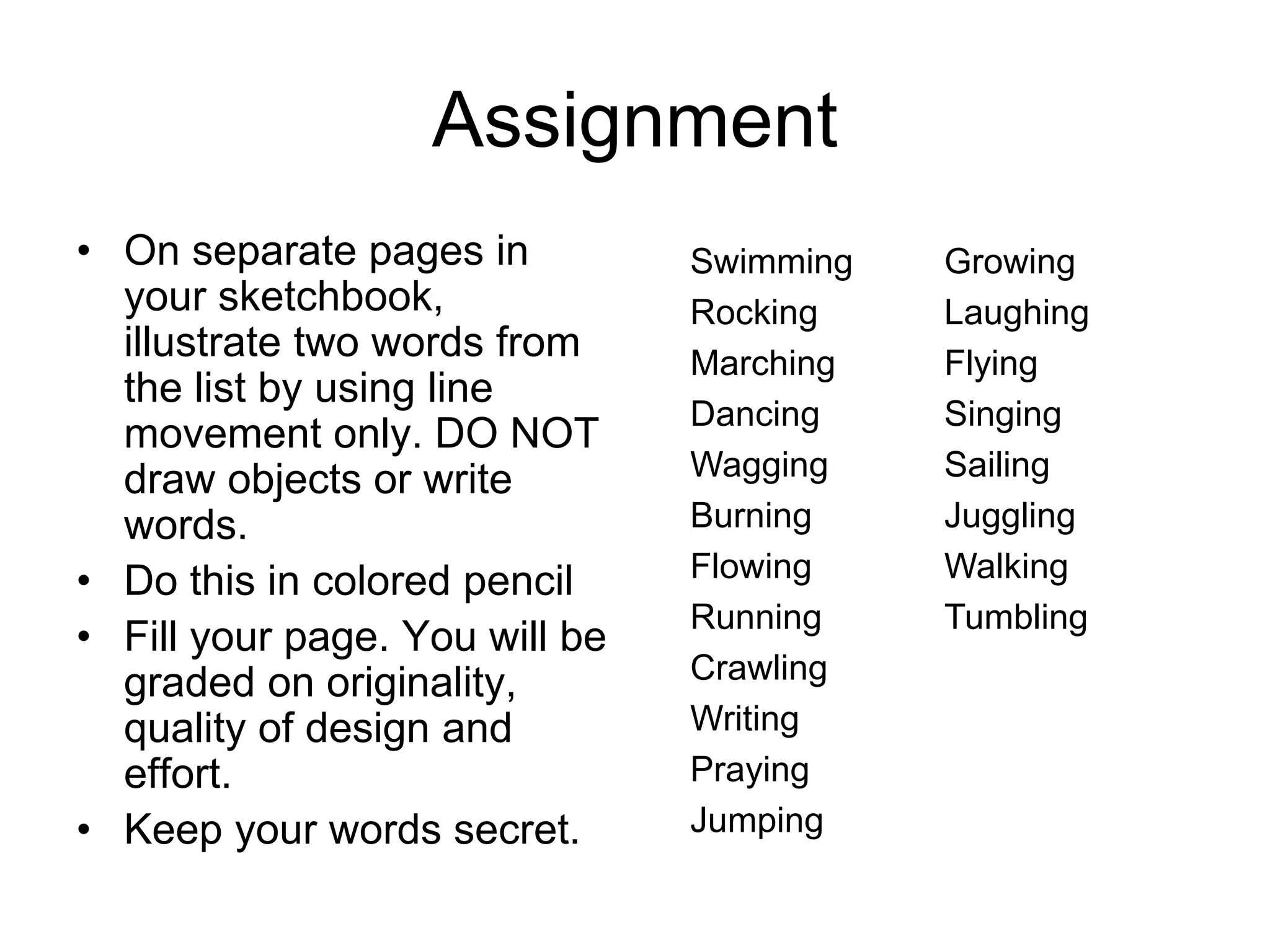
Assignment
• On separate pages in
your sketchbook,
illustrate two words from
the list by using line
movement only. DO NOT
draw objects or write
words.
• Do this in colored pencil
• Fill your page. You will be
graded on originality,
quality of design and
effort.
• Keep your words secret.
Swimming Growing
Rocking Laughing
Marching Flying
Dancing Singing
Wagging Sailing
Burning Juggling
Flowing Walking
Running Tumbling
Crawling
Writing
Praying
Jumping
The element of line

The element of line

  • 1.
    The Element ofLine Yvonne Jacquette, Town of Skowhegan, Main V, 1988, oil on canvas 783/16”x 64 3/16” Courtesy, DC Moore Gallery NYC
  • 2.
    How do artistsuse line in art? Objectives: Observe the lines in their environment more closely. Compare and contrast different kinds of lines and the use of lines in artworks. Demonstrate effective use of art media and tools in drawings.
  • 3.
    What is line? Linesare everywhere. You can find lines in the grain of a piece of wood, in the cracks on a sidewalk. Lines are used to create words, numbers and symbols. They are also used to make art. Line is an element of art that is the path of a moving point through space.
  • 4.
    Artists use lineto lead your eye through a work of art.
  • 5.
    Dimension is theamount of space an object takes up in one direction. Two dimensional objects have height as well as width. Three dimensional objects have height, width and depth.
  • 6.
    A line thatshows or creates the outer edges of a shape is an outline.
  • 7.
    Good Morning • Todayyou will need you your sketchbook to copy notes and to create a new work of art
  • 8.
    Implied Lines area series of points that a viewer’s eyes automatically connect.
  • 9.
    Implied lines createdby the light bulbs create the image of a smile
  • 10.
    Kinds of Linesand How Lines Vary • Vertical • Horizontal • Diagonal • Zigzag • Curved • Length • Width • Texture • Direction • Degree of Curve
  • 11.
    Vertical lines liftyour eyes and create a sense of formality and stability
  • 12.
    Horizontal lines createa feeling of peacfullness, calm and rest.
  • 13.
    Diagonal lines appearto be rising or falling.
  • 14.
    Thomas Hart Benton,The Sources of Country Music 6’x10’ mural, Nashville, TN. Zigzag lines create confusion, activity and excitement
  • 24.
    Assignment • On separatepages in your sketchbook, illustrate two words from the list by using line movement only. DO NOT draw objects or write words. • Do this in colored pencil • Fill your page. You will be graded on originality, quality of design and effort. • Keep your words secret. Swimming Growing Rocking Laughing Marching Flying Dancing Singing Wagging Sailing Burning Juggling Flowing Walking Running Tumbling Crawling Writing Praying Jumping