Telehealth in Southampton Mr C Webb
Brief CV Mental health nurse and CPN (1976 – 1989) Mental health service manager  - community and in-patients (1989 – 2002) Social services (2002) PCT long term conditions and equipment manager (2002 – 2011) COPD, cardiac, diabetes, continence, stoma Equipment, wheelchairs Telehealth & telecare
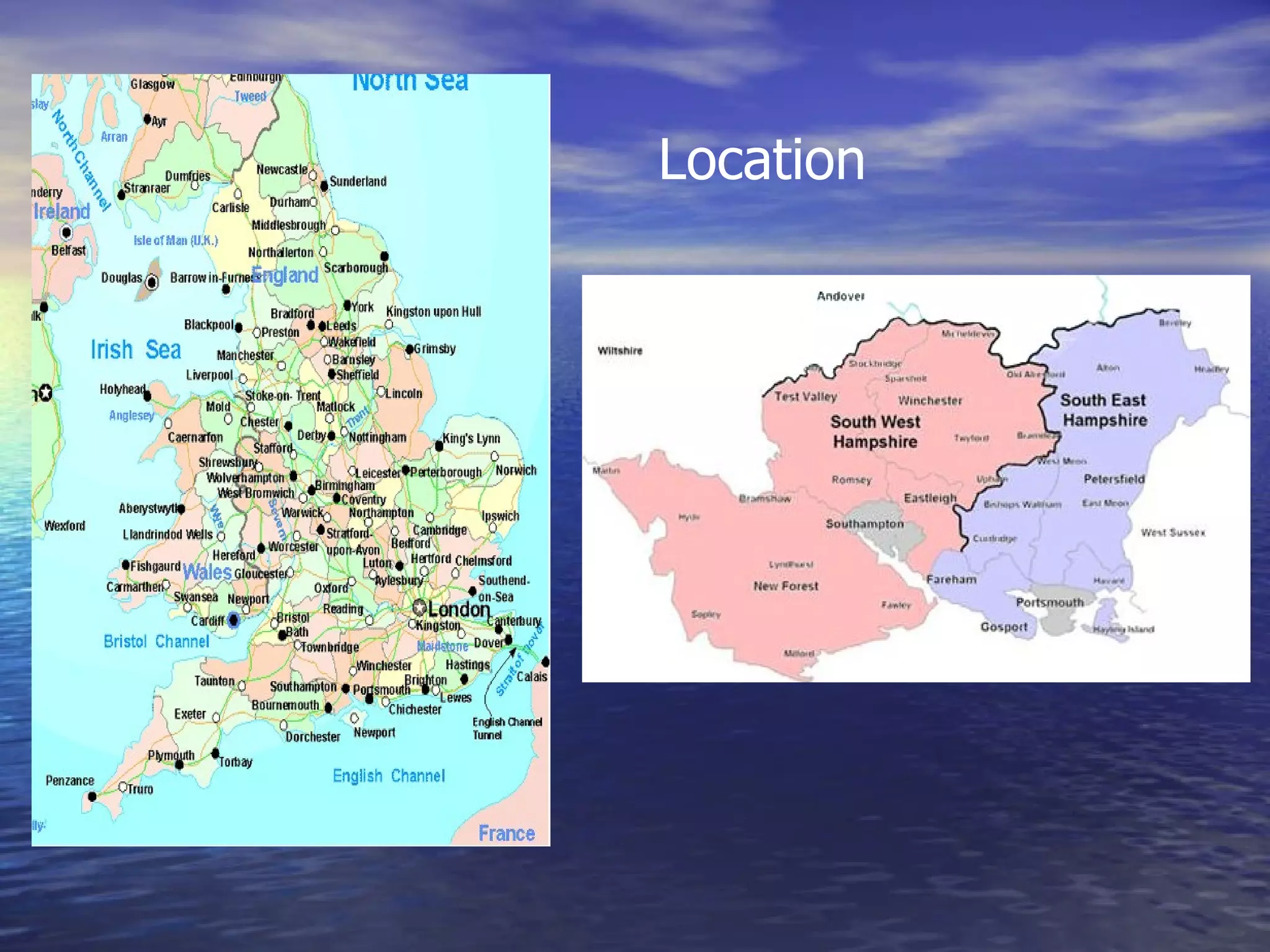
Location
Southampton information 240,000 population (12% over 65) Centres of deprivation (91 st  out of 354, 4 th  most deprived in SE England) 37 GP practices Large acute teaching hospital 86,000 people with a LTC Includes COPD/asthma, CVD & hypertension, diabetes, epilepsy & all severe mental illness 28,000 on hypertension registers Unconfirmed 4000 people with COPD
Solent NHS Trust £177 million 4,200 staff 2 cities – Southampton & Portsmouth, and elements of the South of Hampshire £25,000 core telehealth budget (Southampton only) Manage all telecare work for Southampton City Council and partially in Portsmouth
Drivers for change Personal interest EU project application Budgetary pressures on staff and resources Increasing frailty & LTCs increased numbers and diagnostics in the population Shortening of acute admissions and desire for more community care
Uses Anything that needs monitoring! COPD ✔ (full usage) Cardiac ✔ (heart failure) Continence ✔ (monitoring between clinics) Asthma ✔ (paediatric) Podiatry ✔ (wounds between visits) Leg ulcers ✔ (size of wounds) Diabetes Pain Terminal care
Telehealth in the Solent’s Community COPD Team The main project aims were: To increase the use of telehealth within the Community Chronic Obstructive Pulmonary Disease (COPD) Team,  To explore how the team could work differently to provide an effective service for   an increasing number of patients with this condition.  To measure the efficacy, benefits and cost effectiveness of the technology in supporting patients with COPD.  To examine the impact of telehealth on patient experience and quality of life  To review whether the technology improves the ability of the patient to self manage Over 100 Docobo HealthHUBS are in use  Additional aims
Avoided admissions :  242  to the acute sector (Oct 09 to May 11).  Improved data collection and data content : A   richness of data  A greater understanding  of a patient’s condition  Earlier intervention  in exacerbation  An   enhanced service without increasing  the number of clinical staff.  An improved seamless pathway  with allied community staff and general practice, to provide a more sustainable service Improved   patient experience  of the service  Increased   quality of life  for both themselves and their carers, feeling  more supported and connected  to the team Improved knowledge:  supporting the patient to learn more about their condition  Outcomes
Benefits 1 Patients / clients /carers Contentment Knowledge and awareness Reduction in inappropriate admissions and GP attendances Reduction in dependency and institutionalisation Staff Improved information Improved work planning Reduced travel Appropriate visits / clinics Improved satisfaction
Benefits 2 - overall Reduction in admissions to hospital Reduced costs  More patients managed, same staff complement Reduced travel costs Cheaper alternative & earlier treatments (at home) ‘ Green issues addressed’ Patients able to ‘do’ more for themselves Peer support Socialise Potential to work longer or again
Barriers to change Finance For equipment From savings elsewhere Information governance Sharing across organisations and even internally Culture Traditional working and clinical pathways Staff Mistrust of ‘NHS IT’ Fear for jobs
Planning for development Examine existing clinical & care pathways to consider where innovative technology (telehealth and telecare) can be used. Re-align working practice to use telehealth & telecare. Work with commissioners to re-align finance alongside the new clinical and care pathways. All staff to be trained in the uses of telehealth and all new referrals to be assessed for telehealth via an ‘exclusion policy’. A range of telehealth and telecare to cover as many patient groups as possible, (simple and complex) Link with Single point of access and virtual ward case management Purchase (100) additional units for the next expansion
Future aspirations Telehealth & telecare systems link across NHS, housing and social care Central monitoring Case management via central information centre Assessors, therapists work directed via information and technology

Telehealth In Southampton - C Webb

  • 1.
  • 2.
    Brief CV Mentalhealth nurse and CPN (1976 – 1989) Mental health service manager - community and in-patients (1989 – 2002) Social services (2002) PCT long term conditions and equipment manager (2002 – 2011) COPD, cardiac, diabetes, continence, stoma Equipment, wheelchairs Telehealth & telecare
  • 3.
  • 4.
    Southampton information 240,000population (12% over 65) Centres of deprivation (91 st out of 354, 4 th most deprived in SE England) 37 GP practices Large acute teaching hospital 86,000 people with a LTC Includes COPD/asthma, CVD & hypertension, diabetes, epilepsy & all severe mental illness 28,000 on hypertension registers Unconfirmed 4000 people with COPD
  • 5.
    Solent NHS Trust£177 million 4,200 staff 2 cities – Southampton & Portsmouth, and elements of the South of Hampshire £25,000 core telehealth budget (Southampton only) Manage all telecare work for Southampton City Council and partially in Portsmouth
  • 6.
    Drivers for changePersonal interest EU project application Budgetary pressures on staff and resources Increasing frailty & LTCs increased numbers and diagnostics in the population Shortening of acute admissions and desire for more community care
  • 7.
    Uses Anything thatneeds monitoring! COPD ✔ (full usage) Cardiac ✔ (heart failure) Continence ✔ (monitoring between clinics) Asthma ✔ (paediatric) Podiatry ✔ (wounds between visits) Leg ulcers ✔ (size of wounds) Diabetes Pain Terminal care
  • 8.
    Telehealth in theSolent’s Community COPD Team The main project aims were: To increase the use of telehealth within the Community Chronic Obstructive Pulmonary Disease (COPD) Team, To explore how the team could work differently to provide an effective service for an increasing number of patients with this condition. To measure the efficacy, benefits and cost effectiveness of the technology in supporting patients with COPD. To examine the impact of telehealth on patient experience and quality of life To review whether the technology improves the ability of the patient to self manage Over 100 Docobo HealthHUBS are in use Additional aims
  • 9.
    Avoided admissions : 242 to the acute sector (Oct 09 to May 11). Improved data collection and data content : A richness of data A greater understanding of a patient’s condition Earlier intervention in exacerbation An enhanced service without increasing the number of clinical staff. An improved seamless pathway with allied community staff and general practice, to provide a more sustainable service Improved patient experience of the service Increased quality of life for both themselves and their carers, feeling more supported and connected to the team Improved knowledge: supporting the patient to learn more about their condition Outcomes
  • 10.
    Benefits 1 Patients/ clients /carers Contentment Knowledge and awareness Reduction in inappropriate admissions and GP attendances Reduction in dependency and institutionalisation Staff Improved information Improved work planning Reduced travel Appropriate visits / clinics Improved satisfaction
  • 11.
    Benefits 2 -overall Reduction in admissions to hospital Reduced costs More patients managed, same staff complement Reduced travel costs Cheaper alternative & earlier treatments (at home) ‘ Green issues addressed’ Patients able to ‘do’ more for themselves Peer support Socialise Potential to work longer or again
  • 12.
    Barriers to changeFinance For equipment From savings elsewhere Information governance Sharing across organisations and even internally Culture Traditional working and clinical pathways Staff Mistrust of ‘NHS IT’ Fear for jobs
  • 13.
    Planning for developmentExamine existing clinical & care pathways to consider where innovative technology (telehealth and telecare) can be used. Re-align working practice to use telehealth & telecare. Work with commissioners to re-align finance alongside the new clinical and care pathways. All staff to be trained in the uses of telehealth and all new referrals to be assessed for telehealth via an ‘exclusion policy’. A range of telehealth and telecare to cover as many patient groups as possible, (simple and complex) Link with Single point of access and virtual ward case management Purchase (100) additional units for the next expansion
  • 14.
    Future aspirations Telehealth& telecare systems link across NHS, housing and social care Central monitoring Case management via central information centre Assessors, therapists work directed via information and technology

Editor's Notes

  • #3 35 years in NHS, latterly with a very forward thinking trust and city council
  • #5 Centres of deprivation, high smoking rates plus history of BAT factory, docks Low levels of case finding until recently SUHT is regional centre and ‘attracts’ business
  • #6 New trust formed from 2 PCT provider units Telehealth budget is a started budget – after set up 12 months the service is meant to fund from service budgets by re-aligning budgets The 2 JES look after all the equipment and in Southampton the installer is a joint funded position across telehealth and telecare
  • #8 As service manager my driver was always – what could you use technology for
  • #9 This project earned additional funding from the trust to improve the service
  • #13 Finance is always difficult as telehealth makes savings elsewhere in the system and those people then claim it wasn’t the telehealth so they don’t have to give up budget.
  • #15 Starts getting into COM care I think!