Who are we?
We are System E, a multi-disciplined team of professionals with
over 25 years experience. In recent years we have become
known for our expertise in software projects within the
pharmaceutical industry with particular emphasis on MES
(Manufacturing Execution Systems).
We specialize in Project Management, Programme
Management, Project Rescue, Troubleshooting, Coaching,
Training and System User Requirements Development.  We
work with clients in Life Sciences Manufacturing, and across a
range of Industries.  Our approach is simple. We listen, we plan
and we action.
Definition
It is all about to take control of a project,
managing it from the beginning to a defined
ending.
The first step is to understand what company
goals are, which is their budget and resources,
how to achieve their objectives, and how long it
will take to deliver the service.
Resources managed include personnel,
finances, technology, intellectual property.
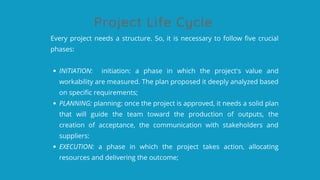
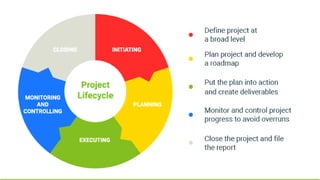
Project Life Cycle
INITIATION: initiation: a phase in which the project's value and
workability are measured. The plan proposed it deeply analyzed based
on specific requirements;
PLANNING: planning: once the project is approved, it needs a solid plan
that will guide the team toward the production of outputs, the
creation of acceptance, the communication with stakeholders and
suppliers:
EXECUTION: a phase in which the project takes action, allocating
resources and delivering the outcome;
Every project needs a structure. So, it is necessary to follow five crucial
phases:
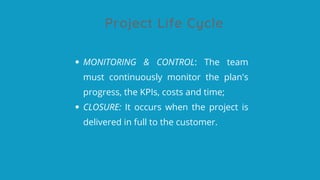
Project Life Cycle
MONITORING & CONTROL: The team
must continuously monitor the plan's
progress, the KPIs, costs and time;
CLOSURE: It occurs when the project is
delivered in full to the customer.
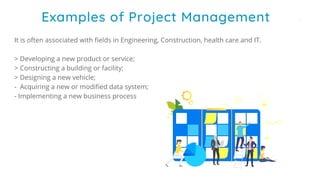
It is often associated with fields in Engineering, Construction, health care and IT.
> Developing a new product or service;
> Constructing a building or facility;
> Designing a new vehicle;
- Acquiring a new or modified data system;
- Implementing a new business process
Examples of Project Management
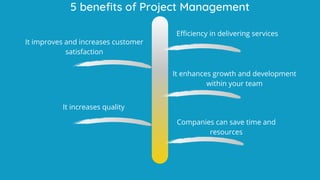
5 benefits of Project Management
Efficiency in delivering services
It improves and increases customer
satisfaction
It enhances growth and development
within your team
It increases quality
Companies can save time and
resources
What is next?
If you enjoyed these slides, we would be happy to share with you more
information about this topic.
Just follow our page and if you have any questions, please, contact us at
karen@systeme.ie or by sending us a message.
We will more than glad to answer to your doubts.
Next topic will be:
Who is the Project Manager? What are his skills and tasks?
See you soon.

Project Management: definition, examples and benefits

  • 2.
    Who are we? Weare System E, a multi-disciplined team of professionals with over 25 years experience. In recent years we have become known for our expertise in software projects within the pharmaceutical industry with particular emphasis on MES (Manufacturing Execution Systems). We specialize in Project Management, Programme Management, Project Rescue, Troubleshooting, Coaching, Training and System User Requirements Development.  We work with clients in Life Sciences Manufacturing, and across a range of Industries.  Our approach is simple. We listen, we plan and we action.
  • 3.
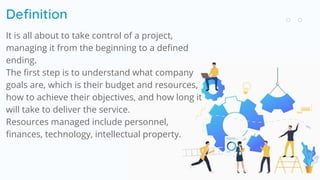
    Definition It is allabout to take control of a project, managing it from the beginning to a defined ending. The first step is to understand what company goals are, which is their budget and resources, how to achieve their objectives, and how long it will take to deliver the service. Resources managed include personnel, finances, technology, intellectual property.
  • 4.
    Project Life Cycle INITIATION:initiation: a phase in which the project's value and workability are measured. The plan proposed it deeply analyzed based on specific requirements; PLANNING: planning: once the project is approved, it needs a solid plan that will guide the team toward the production of outputs, the creation of acceptance, the communication with stakeholders and suppliers: EXECUTION: a phase in which the project takes action, allocating resources and delivering the outcome; Every project needs a structure. So, it is necessary to follow five crucial phases:
  • 5.
    Project Life Cycle MONITORING& CONTROL: The team must continuously monitor the plan's progress, the KPIs, costs and time; CLOSURE: It occurs when the project is delivered in full to the customer.
  • 7.
    It is oftenassociated with fields in Engineering, Construction, health care and IT. > Developing a new product or service; > Constructing a building or facility; > Designing a new vehicle; - Acquiring a new or modified data system; - Implementing a new business process Examples of Project Management
  • 8.
    5 benefits ofProject Management Efficiency in delivering services It improves and increases customer satisfaction It enhances growth and development within your team It increases quality Companies can save time and resources
  • 9.
    What is next? Ifyou enjoyed these slides, we would be happy to share with you more information about this topic. Just follow our page and if you have any questions, please, contact us at karen@systeme.ie or by sending us a message. We will more than glad to answer to your doubts. Next topic will be: Who is the Project Manager? What are his skills and tasks? See you soon.