Guided Notes on Symbolism
Layers of Meaning
What Symbols Stand For
• A symbol is often an ordinary
object, event, person, or animal to
which we have attached
extraordinary meaning and
significance.
Easier Definition?
A symbol is a concrete,
real object that makes
people think of an
abstract, non-concrete
idea.
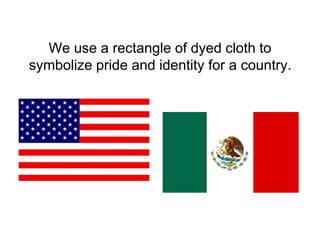
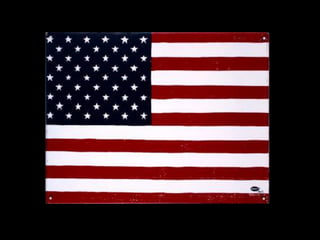
We use a rectangle of dyed cloth to
symbolize pride and identity for a country.
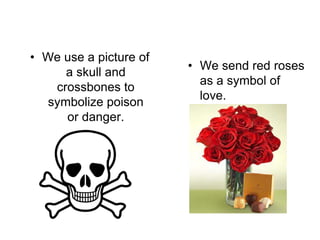
• We use a picture of
a skull and
crossbones to
symbolize poison
or danger.
• We send red roses
as a symbol of
love.
Where Do Symbols Come
From?
● Symbols can be inherited or invented--
symbols can be different within different
cultures
● The most familiar symbols have been
inherited, meaning, they have been
handed down over time
Where Do Symbols Come
From?
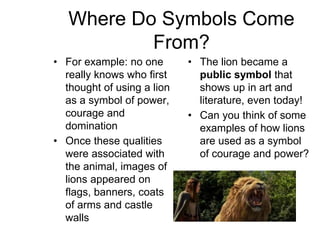
• For example: no one
really knows who first
thought of using a lion
as a symbol of power,
courage and
domination
• Once these qualities
were associated with
the animal, images of
lions appeared on
flags, banners, coats
of arms and castle
walls
• The lion became a
public symbol that
shows up in art and
literature, even today!
• Can you think of some
examples of how lions
are used as a symbol
of courage and power?
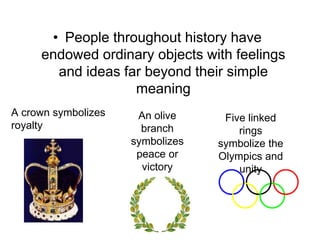
• People throughout history have
endowed ordinary objects with feelings
and ideas far beyond their simple
meaning
A crown symbolizes
royalty
An olive
branch
symbolizes
peace or
victory
Five linked
rings
symbolize the
Olympics and
unity
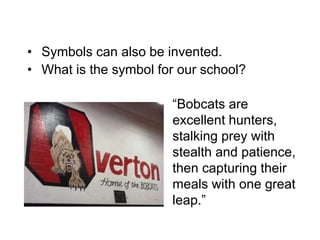
• Symbols can also be invented.
• What is the symbol for our school?
“Bobcats are
excellent hunters,
stalking prey with
stealth and patience,
then capturing their
meals with one great
leap.”
Symbols in Literature
Some invented symbols in literature have
become so widely known that they often have
gained the status of public symbols.
For example,
Peter Pan is a
symbol for
eternal
childhood
Why Create Symbols?
You may ask why writers don’t just come right out and say
what they mean.
• Symbols allow writers to suggest layers and layers of
meaning-possibilities that a simple, literal statement
could never convey.
• A symbol is like a pebble cast into a pond: It sends out
ever widening ripples of meaning
Simon kicked open the door to the small shop. He looked
around in the darkness until he found what he was looking for.
Against the far wall, there stood a worn wooden bench with
crowbars, pliers, screwdrivers and other implements.
Silently, he used the tools to remove the shackles around his
wrists and feet, shackles he had worn for years, shackles that had
helped to keep him imprisoned for most of his life. Finally free, he
left the shackles on the table and began to leave.
Before he reached the door, Simon turned around and stared
at the shackles on the table. He strode across the room and picked
up a heavy hammer. With all his might, he brought the hammer
down again and again on the shackles, until they broke and bent.
Still he hammered, until the cruel chains and manacles were
disfigured, unrecognizable lumps of iron. His face marked by both
fatigue and satisfaction, Simon dropped the hammer and left.
• You may not be able to articulate fully
what a certain symbol means, but you
will always find that the symbol, if it is
powerful and well chosen, will speak
forcefully to your emotions and to your
imagination.
• You may also find that you will
remember and think about the symbol
long after you have forgotten other
parts.
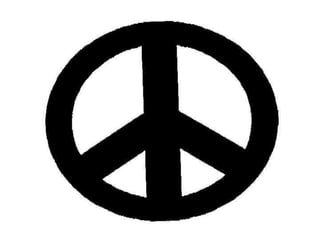
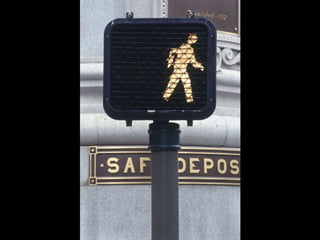
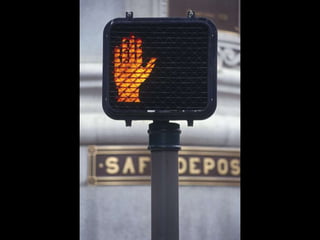
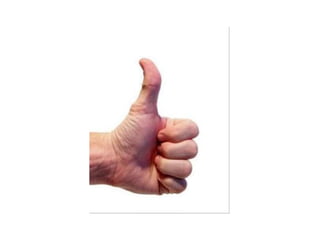
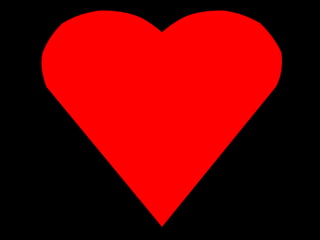
Examples
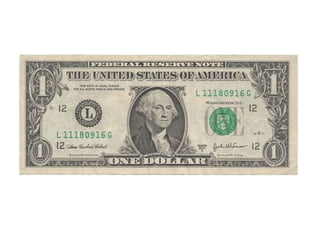
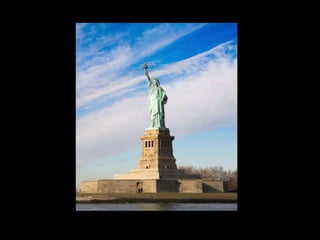
What could the following
concrete objects represent
as abstract ideas or
feelings?
Independent Practice
Complete the remainder of
your guided notes to
prepare for a class
discussion.

Symbolism ppt 2015

  • 1.
    Guided Notes onSymbolism Layers of Meaning
  • 2.
    What Symbols StandFor • A symbol is often an ordinary object, event, person, or animal to which we have attached extraordinary meaning and significance.
  • 3.
    Easier Definition? A symbolis a concrete, real object that makes people think of an abstract, non-concrete idea.
  • 4.
    We use arectangle of dyed cloth to symbolize pride and identity for a country.
  • 5.
    • We usea picture of a skull and crossbones to symbolize poison or danger. • We send red roses as a symbol of love.
  • 6.
    Where Do SymbolsCome From? ● Symbols can be inherited or invented-- symbols can be different within different cultures ● The most familiar symbols have been inherited, meaning, they have been handed down over time
  • 7.
    Where Do SymbolsCome From? • For example: no one really knows who first thought of using a lion as a symbol of power, courage and domination • Once these qualities were associated with the animal, images of lions appeared on flags, banners, coats of arms and castle walls • The lion became a public symbol that shows up in art and literature, even today! • Can you think of some examples of how lions are used as a symbol of courage and power?
  • 8.
    • People throughouthistory have endowed ordinary objects with feelings and ideas far beyond their simple meaning A crown symbolizes royalty An olive branch symbolizes peace or victory Five linked rings symbolize the Olympics and unity
  • 9.
    • Symbols canalso be invented. • What is the symbol for our school? “Bobcats are excellent hunters, stalking prey with stealth and patience, then capturing their meals with one great leap.”
  • 10.
    Symbols in Literature Someinvented symbols in literature have become so widely known that they often have gained the status of public symbols. For example, Peter Pan is a symbol for eternal childhood
  • 11.
    Why Create Symbols? Youmay ask why writers don’t just come right out and say what they mean. • Symbols allow writers to suggest layers and layers of meaning-possibilities that a simple, literal statement could never convey. • A symbol is like a pebble cast into a pond: It sends out ever widening ripples of meaning
  • 12.
    Simon kicked openthe door to the small shop. He looked around in the darkness until he found what he was looking for. Against the far wall, there stood a worn wooden bench with crowbars, pliers, screwdrivers and other implements. Silently, he used the tools to remove the shackles around his wrists and feet, shackles he had worn for years, shackles that had helped to keep him imprisoned for most of his life. Finally free, he left the shackles on the table and began to leave. Before he reached the door, Simon turned around and stared at the shackles on the table. He strode across the room and picked up a heavy hammer. With all his might, he brought the hammer down again and again on the shackles, until they broke and bent. Still he hammered, until the cruel chains and manacles were disfigured, unrecognizable lumps of iron. His face marked by both fatigue and satisfaction, Simon dropped the hammer and left.
  • 13.
    • You maynot be able to articulate fully what a certain symbol means, but you will always find that the symbol, if it is powerful and well chosen, will speak forcefully to your emotions and to your imagination. • You may also find that you will remember and think about the symbol long after you have forgotten other parts.
  • 14.
    Examples What could thefollowing concrete objects represent as abstract ideas or feelings?
  • 23.
    Independent Practice Complete theremainder of your guided notes to prepare for a class discussion.