Intensive Care Med (2013) 39:165–228
DOI 10.1007/s00134-012-2769-8                    GUIDELINES


R. P. Dellinger
Mitchell M. Levy
                                               Surviving Sepsis Campaign: International
Andrew Rhodes                                  Guidelines for Management of Severe Sepsis
Djillali Annane
Herwig Gerlach                                 and Septic Shock, 2012
Steven M. Opal
Jonathan E. Sevransky
Charles L. Sprung
Ivor S. Douglas
Roman Jaeschke
Tiffany M. Osborn
Mark E. Nunnally
Sean R. Townsend
Konrad Reinhart
Ruth M. Kleinpell
Derek C. Angus
Clifford S. Deutschman
Flavia R. Machado
Gordon D. Rubenfeld
Steven Webb
Richard J. Beale
Jean-Louis Vincent
Rui Moreno
The Surviving Sepsis Campaign Guidelines Committee
including The Pediatric Subgroup*
                                               of Hospital Medicine, Surgical Infection       R. P. Dellinger ())
Received: 4 June 2012                          Society, World Federation of Critical Care     Cooper University Hospital,
Accepted: 12 November 2012                     Nurses, World Federation of Pediatric
Published online: 30 January 2013                                                             Camden, NJ, USA
                                               Intensive and Critical Care Societies; World   e-mail: Dellinger-Phil@CooperHealth.edu
Ó SCCM and ESICM 2013                          Federation of Societies of Intensive and
                                               Critical Care Medicine. Participation and
Sponsoring organizations: American             endorsement: The German Sepsis Society         M. M. Levy
Association of Critical-Care Nurses,           and the Latin American Sepsis Institute.       Warren Alpert Medical School of Brown
American College of Chest Physicians,                                                         University, Providence, RI, USA
American College of Emergency                  * Members of the 2012 SSC Guidelines
Physicians, American Thoracic Society,         Committee and Pediatric Subgroup are           A. Rhodes
Asia Pacific Association of Critical Care       listed in Appendix 1 at the end of this        St. George’s Hospital, London, UK
Medicine, Australian and New Zealand           article.
Intensive Care Society, Brazilian Society of                                                  D. Annane
Critical Care, Canadian Critical Care          This article is being simultaneously
                                                                                               ˆ                     ´
                                                                                              Hopital Raymond Poincare,
Society, Chinese Society of Critical Care      published in Critical Care Medicine and
Medicine, Chinese Society of Critical Care     Intensive Care Medicine.                       Garches, France
Medicine—China Medical Association,
Emirates Intensive Care Society, European      For additional information regarding this      H. Gerlach
Respiratory Society, European Society of       article, contact R.P. Dellinger (Dellinger-                          ¨
                                                                                              Vivantes-Klinikum Neukolln,
Clinical Microbiology and Infectious           Phil@CooperHealth.edu).                        Berlin, Germany
Diseases, European Society of Intensive
Care Medicine, European Society of                                                            S. M. Opal
Pediatric and Neonatal Intensive Care,                                                        Memorial Hospital of Rhode Island,
Infectious Diseases Society of America,                                                       Pawtucket, RI, USA
Indian Society of Critical Care Medicine,
International Pan Arabian Critical Care                                                       J. E. Sevransky
Medicine Society, Japanese Association for                                                    Emory University Hospital,
Acute Medicine, Japanese Society of
Intensive Care Medicine, Pediatric Acute                                                      Atlanta, GA, USA
Lung Injury and Sepsis Investigators,
Society for Academic Emergency Medicine,                                                      C. L. Sprung
Society of Critical Care Medicine, Society                                                    Hadassah Hebrew University Medical
                                                                                              Center, Jerusalem, Israel
166


I. S. Douglas                               Abstract Objective: To provide              shock (1C) as the goal of therapy;
Denver Health Medical Center,               an update to the ‘‘Surviving Sepsis         reassessment of antimicrobial therapy
Denver, CO, USA                                                                         daily for de-escalation, when appro-
                                            Campaign Guidelines for Manage-
R. Jaeschke                                 ment of Severe Sepsis and Septic            priate (1B); infection source control
McMaster University,                        Shock,’’ last published in 2008.            with attention to the balance of risks
Hamilton, ON, Canada                        Design: A consensus committee of            and benefits of the chosen method
                                            68 international experts representing       within 12 h of diagnosis (1C); initial
T. M. Osborn                                30 international organizations was          fluid resuscitation with crystalloid
Barnes-Jewish Hospital,                     convened. Nominal groups were               (1B) and consideration of the addition
St. Louis, MO, USA                                                                      of albumin in patients who continue
                                            assembled at key international meet-
M. E. Nunnally                              ings (for those committee members           to require substantial amounts of
University of Chicago Medical Center,       attending the conference). A formal         crystalloid to maintain adequate mean
Chicago, IL, USA                            conflict of interest policy was devel-       arterial pressure (2C) and the avoid-
                                            oped at the onset of the process and        ance of hetastarch formulations (1B);
S. R. Townsend                              enforced throughout. The entire             initial fluid challenge in patients with
California Pacific Medical Center,           guidelines process was conducted            sepsis-induced tissue hypoperfusion
San Francisco, CA, USA                                                                  and suspicion of hypovolemia to
                                            independent of any industry funding.
K. Reinhart                                 A stand-alone meeting was held for          achieve a minimum of 30 mL/kg of
Friedrich Schiller University Jena, Jena,   all subgroup heads, co- and vice-           crystalloids (more rapid administra-
Germany                                     chairs, and selected individuals.           tion and greater amounts of fluid may
                                            Teleconferences and electronic-based        be needed in some patients (1C); fluid
R. M. Kleinpell                             discussion among subgroups and              challenge technique continued as long
Rush University Medical Center,             among the entire committee served as        as hemodynamic improvement is
Chicago, IL, USA                                                                        based on either dynamic or static
                                            an integral part of the development.
D. C. Angus                                 Methods: The authors were advised           variables (UG); norepinephrine as the
University of Pittsburgh,                   to follow the principles of the Grad-       first-choice vasopressor to maintain
Pittsburgh, PA, USA                         ing of Recommendations Assessment,          mean arterial pressure C65 mmHg
                                            Development and Evaluation                  (1B); epinephrine when an additional
C. S. Deutschman                            (GRADE) system to guide assessment          agent is needed to maintain adequate
Perelman School of Medicine at the          of quality of evidence from high            blood pressure (2B); vasopressin
University of Pennsylvania,                                                             (0.03 U/min) can be added to nor-
Philadelphia, PA, USA                       (A) to very low (D) and to determine
                                            the strength of recommendations as          epinephrine to either raise mean
F. R. Machado                               strong (1) or weak (2). The potential       arterial pressure to target or to
Federal University of Sao Paulo,            drawbacks of making strong recom-           decrease norepinephrine dose but
Sao Paulo, Brazil                           mendations in the presence of low-          should not be used as the initial
                                            quality evidence were emphasized.           vasopressor (UG); dopamine is not
G. D. Rubenfeld                             Recommendations were classified              recommended except in highly
Sunnybrook Health Sciences Center,                                                      selected circumstances (2C); dobuta-
Toronto, ON, Canada                         into three groups: (1) those directly
                                            targeting severe sepsis; (2) those tar-     mine infusion administered or added
S. Webb                                     geting general care of the critically ill   to vasopressor in the presence of
Royal Perth Hospital,                       patient and considered high priority in     (a) myocardial dysfunction as sug-
Perth, Western Australia                    severe sepsis; and (3) pediatric con-       gested by elevated cardiac filling
                                            siderations. Results: Key                   pressures and low cardiac output, or
R. J. Beale                                 recommendations and suggestions,            (b) ongoing signs of hypoperfusion
Guy’s and St. Thomas’ Hospital Trust,                                                   despite achieving adequate intravas-
London, UK                                  listed by category, include: early
                                            quantitative resuscitation of the septic    cular volume and adequate mean
J.-L. Vincent                               patient during the first 6 h after rec-      arterial pressure (1C); avoiding use of
Erasme University Hospital,                 ognition (1C); blood cultures before        intravenous hydrocortisone in adult
Brussels, Belgium                           antibiotic therapy (1C); imaging            septic shock patients if adequate fluid
                                            studies performed promptly to con-          resuscitation and vasopressor therapy
R. Moreno                                   firm a potential source of infection         are able to restore hemodynamic sta-
                      ˜     ´
UCINC, Hospital de Sao Jose, Centro
                                            (UG); administration of broad-spec-         bility (2C); hemoglobin target of
Hospitalar de Lisboa Central, E.P.E.,
Lisbon, Portugal                            trum antimicrobials therapy within          7–9 g/dL in the absence of tissue
                                            1 h of the recognition of septic shock      hypoperfusion, ischemic coronary
                                            (1B) and severe sepsis without septic       artery disease, or acute hemorrhage
167


(1B); low tidal volume (1A) and           blood glucose management com-             bolus of 20 mL/kg of crystalloids (or
limitation of inspiratory plateau         mencing insulin dosing when two           albumin equivalent) over 5–10 min
pressure (1B) for acute respiratory       consecutive blood glucose levels are      (2C); more common use of inotropes
distress syndrome (ARDS); applica-        [180 mg/dL, targeting an upper            and vasodilators for low cardiac out-
tion of at least a minimal amount of      blood glucose B180 mg/dL (1A);            put septic shock associated with
positive end-expiratory pressure          equivalency of continuous veno-           elevated systemic vascular resistance
(PEEP) in ARDS (1B); higher rather        venous hemofiltration or intermittent      (2C); and use of hydrocortisone only
than lower level of PEEP for patients     hemodialysis (2B); prophylaxis for        in children with suspected or proven
with sepsis-induced moderate or           deep vein thrombosis (1B); use of         ‘‘absolute’’’ adrenal insufficiency
severe ARDS (2C); recruitment             stress ulcer prophylaxis to prevent       (2C). Conclusions: Strong agree-
maneuvers in sepsis patients with         upper gastrointestinal bleeding in        ment existed among a large cohort of
severe refractory hypoxemia due to        patients with bleeding risk factors       international experts regarding many
ARDS (2C); prone positioning in           (1B); oral or enteral (if necessary)      level 1 recommendations for the best
sepsis-induced ARDS patients with a       feedings, as tolerated, rather than       care of patients with severe sepsis.
PaO2/FiO2 ratio of B100 mm Hg in          either complete fasting or provision      Although a significant number of
facilities that have experience with      of only intravenous glucose within        aspects of care have relatively weak
such practices (2C); head-of-bed ele-     the first 48 h after a diagnosis of        support, evidence-based recommen-
vation in mechanically ventilated         severe sepsis/septic shock (2C); and      dations regarding the acute
patients unless contraindicated (1B);     addressing goals of care, including       management of sepsis and septic
a conservative fluid strategy for          treatment plans and end-of-life plan-     shock are the foundation of improved
patients with established ARDS who        ning (as appropriate) (1B), as early as   outcomes for this important group of
do not have evidence of tissue hypo-      feasible, but within 72 h of intensive    critically ill patients.
perfusion (1C); protocols for weaning     care unit admission (2C). Recom-
and sedation (1A); minimizing use of      mendations specific to pediatric           Keywords Sepsis Á Severe sepsis Á
either intermittent bolus sedation or     severe sepsis include: therapy with       Septic shock Á Sepsis syndrome Á
continuous infusion sedation target-      face mask oxygen, high flow nasal          Infection Á Grading of
ing specific titration endpoints (1B);     cannula oxygen, or nasopharyngeal         Recommendations Assessment,
avoidance of neuromuscular blockers       continuous PEEP in the presence of        Development and Evaluation criteria Á
if possible in the septic patient with-   respiratory distress and hypoxemia        GRADE Á Guidelines Á
out ARDS (1C); a short course of          (2C), use of physical examination         Evidence-based medicine Á
neuromuscular blocker (no longer          therapeutic endpoints such as capil-      Surviving Sepsis Campaign Á
than 48 h) for patients with early        lary refill (2C); for septic shock         Sepsis bundles
ARDS and a PaO2/FIO2 150 mm Hg           associated with hypovolemia, the use
(2C); a protocolized approach to          of crystalloids or albumin to deliver a


Sepsis is a systemic, deleterious host response to infection   making capability when he or she is presented with a
leading to severe sepsis (acute organ dysfunction sec-         patient’s unique set of clinical variables. Most of these
ondary to documented or suspected infection) and septic        recommendations are appropriate for the severe sepsis
shock (severe sepsis plus hypotension not reversed with        patient in the intensive care unit (ICU) and non-ICU
fluid resuscitation). Severe sepsis and septic shock are        settings. In fact, the committee believes that the greatest
major healthcare problems, affecting millions of people        outcome improvement can be made through education
around the world each year, killing one in four (and often     and process change for those caring for severe sepsis
more), and increasing in incidence [1–5]. Similar to           patients in the non-ICU setting and across the spectrum of
polytrauma, acute myocardial infarction, or stroke, the        acute care. Resource limitations in some institutions and
speed and appropriateness of therapy administered in the       countries may prevent physicians from accomplishing
initial hours after severe sepsis develops are likely to       particular recommendations. Thus, these recommenda-
influence outcome.                                              tions are intended to be best practice (the committee
   The recommendations in this document are intended to        considers this a goal for clinical practice) and not created
provide guidance for the clinician caring for a patient with   to represent standard of care. The Surviving Sepsis
severe sepsis or septic shock. Recommendations from            Campaign (SSC) Guidelines Committee hopes that over
these guidelines cannot replace the clinician’s decision-      time, particularly through education programs and formal
168


audit and feedback performance improvement initiatives,            to address content needs for the development process. Four
the guidelines will influence bedside healthcare practi-            clinicians with experience in the GRADE process applica-
tioner behavior that will reduce the burden of sepsis              tion (referred to in this document as GRADE group or
worldwide.                                                         Evidence-Based Medicine [EBM] group) took part in the
                                                                   guidelines development.
                                                                       The guidelines development process began with
                                                                   appointment of group heads and assignment of committee
                                                                   members to groups according to their specific expertise.
Methodology                                                        Each group was responsible for drafting the initial update to
Definitions                                                         the 2008 edition in their assigned area (with major additional
                                                                   elements of information incorporated into the evolving
Sepsis is defined as the presence (probable or documented)          manuscript through year-end 2011 and early 2012).
of infection together with systemic manifestations of infec-           With input from the EBM group, an initial group meet-
tion. Severe sepsis is defined as sepsis plus sepsis-induced        ing was held to establish procedures for literature review and
organ dysfunction or tissue hypoperfusion (Tables 1, 2) [6].       development of tables for evidence analysis. Committees
Throughout this manuscript and the performance improve-            and their subgroups continued work via phone and the
ment bundles, which are included, a distinction is made            Internet. Several subsequent meetings of subgroups and key
between definitions and therapeutic targets or thresholds.          individuals occurred at major international meetings
Sepsis-induced hypotension is defined as a systolic blood           (nominal groups), with work continuing via teleconferences
pressure (SBP)90 mmHg or mean arterial pressure (MAP)             and electronic-based discussions among subgroups and
70 mmHg or a SBP decrease[40 mmHg or less than two                members of the entire committee. Ultimately, a meeting of
standard deviations below normal for age in the absence of         all group heads, executive committee members, and other
other causes of hypotension. An example of a therapeutic           key committee members was held to finalize the draft doc-
target or typical threshold for the reversal of hypotension is     ument for submission to reviewers.
seen in the sepsis bundles for the use of vasopressors. In the
bundles, the MAP threshold is C65 mmHg. The use of defi-
nition versus threshold will be evident throughout this article.   Search techniques
Septic shock is defined as sepsis-induced hypotension per-
sisting despite adequate fluid resuscitation. Sepsis-induced        A separate literature search was performed for each clearly
tissue hypoperfusion is defined as infection-induced hypo-          defined question. The committee chairs worked with sub-
tension, elevated lactate, or oliguria.                            group heads to identify pertinent search terms that were to
                                                                   include, at a minimum, sepsis, severe sepsis, septic shock,
                                                                   and sepsis syndrome crossed against the subgroup’s general
History of the guidelines                                          topic area, as well as appropriate key words of the specific
                                                                   question posed. All questions used in the previous guide-
These clinical practice guidelines are a revision of the 2008      lines publications were searched, as were pertinent new
SSC guidelines for the management of severe sepsis and             questions generated by general topic-related searches or
septic shock [7]. The initial SSC guidelines were published        recent trials. The authors were specifically asked to look for
in 2004 [8] and incorporated the evidence available through        existing meta-analyses related to their question and search a
the end of 2003. The 2008 publication analyzed evidence            minimum of one general database (i.e., MEDLINE, EM-
available through the end of 2007. The most current iteration      BASE) and the Cochrane Library [both The Cochrane
is based on updated literature search incorporated into the        Database of Systematic Reviews (CDSR) and Database of
evolving manuscript through fall 2012.                             Abstracts of Reviews of Effectiveness (DARE)]. Other
                                                                   databases were optional (ACP Journal Club, Evidence-
                                                                   Based Medicine Journal, Cochrane Registry of Controlled
Selection and organization of committee members                    Clinical Trials, International Standard Randomised Con-
                                                                   trolled Trial Registry (http://www.controlled-trials.com/
The selection of committee members was based on interest           isrctn/) or metaRegister of Controlled Trials (http://www.
and expertise in specific aspects of sepsis. Co-chairs and          controlled-trials.com/mrct/). Where appropriate, available
executive committee members were appointed by the                  evidence was summarized in the form of evidence tables.
Society of Critical Care Medicine and European Society of
Intensive Care Medicine governing bodies. Each sponsor-
ing organization appointed a representative who had sepsis Grading of recommendations
expertise. Additional committee members were appointed
by the co-chairs and executive committee to create conti- We advised the authors to follow the principles of the
nuity with the previous committees’ membership as well as GRADE system to guide assessment of quality of
169


Table 1 Diagnostic criteria for sepsis

Infection, documented or suspected, and some of the following:
 General variables
  Fever ([38.3 °C)
  Hypothermia (core temperature 36 °C)
  Heart rate [90 min-1 or more than two SD above the normal value for age
  Tachypnea
  Altered mental status
  Significant edema or positive fluid balance ([ 20 mL/kg over 24 h)
  Hyperglycemia (plasma glucose [140 mg/dL or 7.7 mmol/L) in the absence of diabetes
 Inflammatory variables
  Leukocytosis (WBC count [12,000 lL-1)
  Leukopenia (WBC count 4,000 lL-1)
  Normal WBC count with greater than 10 % immature forms
  Plasma C-reactive protein more than two SD above the normal value
  Plasma procalcitonin more than two SD above the normal value
 Hemodynamic variables
  Arterial hypotension (SBP 90 mmHg, MAP 70 mmHg, or an SBP decrease [40 mmHg in adults
   or less than two SD below normal for age)
 Organ dysfunction variables
  Arterial hypoxemia (PaO2/FiO2 300)
  Acute oliguria (urine output 0.5 mL kg-1 h-1 for at least 2 h despite adequate fluid resuscitation)
  Creatinine increase [0.5 mg/dL or 44.2 lmol/L
  Coagulation abnormalities (INR [1.5 or aPTT [60 s)
  Ileus (absent bowel sounds)
  Thrombocytopenia (platelet count 100,000 lL-1)
  Hyperbilirubinemia (plasma total bilirubin [4 mg/dL or 70 lmol/L)
 Tissue perfusion variables
  Hyperlactatemia ([1 mmol/L)
  Decreased capillary refill or mottling
SD standard deviation, WBC white blood cell, SBP systolic blood        hypothermia (rectal temperature [38.5 or 35 °C), tachycardia
pressure, MAP mean arterial pressure, INR international normalized     (may be absent in hypothermic patients), and at least one of the
ratio, aPTT activated partial thromboplastin time                      following indications of altered organ function: altered mental sta-
Diagnostic criteria for sepsis in the pediatric population are signs   tus, hypoxemia, increased serum lactate level, or bounding pulses
and symptoms of inflammation plus infection with hyper- or              Adapted from [6]

Table 2 Severe sepsis
                                                                           The GRADE system is based on a sequential assess-
Severe sepsis definition = sepsis-induced tissue hypoperfusion or       ment of the quality of evidence, followed by assessment
  organ dysfunction (any of the following thought to be due to the     of the balance between the benefits and risks, burden, and
  infection)                                                           cost, leading to development and grading of a manage-
 Sepsis-induced hypotension                                            ment recommendation. Keeping the rating of quality of
 Lactate above upper limits laboratory normal
 Urine output 0.5 mL kg-1 h-1 for more than 2 h despite               evidence and strength of recommendation explicitly sep-
  adequate fluid resuscitation                                          arate constitutes a crucial and defining feature of the
 Acute lung injury with PaO2/FiO2 250 in the absence of               GRADE approach. This system classifies quality of evi-
  pneumonia as infection source                                        dence as high (grade A), moderate (grade B), low (grade
 Acute lung injury with PaO2/FiO2 200 in the presence of
  pneumonia as infection source                                        C), or very low (grade D). Randomized trials begin as
 Creatinine [2.0 mg/dL (176.8 lmol/L)                                  high-quality evidence but may be downgraded due to
 Bilirubin [2 mg/dL (34.2 lmol/L)                                      limitations in implementation, inconsistency, or impreci-
 Platelet count 100,000 lL                                            sion of the results, indirectness of the evidence, and
 Coagulopathy (international normalized ratio [1.5)                    possible reporting bias (Table 3). Examples of indirect-
Adapted from [6]                                                       ness of the evidence include population studied,
                                                                       interventions used, outcomes measured, and how these
evidence from high (A) to very low (D) and to determine the            relate to the question of interest. Well-done observational
strength of recommendations (Tables 3, 4) [9–11]. The SSC              (nonrandomized) studies begin as low-quality evidence,
Steering Committee and individual authors collaborated                 but the quality level may be upgraded on the basis of a
with GRADE representatives to apply the system during the              large magnitude of effect. An example of this is the
SSC guidelines revision process. The members of the                    quality of evidence for early administration of antibiotics.
GRADE group were directly involved, either in person or                References to supplemental digital content appendices of
via e-mail, in all discussions and deliberations among the             GRADEpro Summary of Evidence Tables appear through-
guidelines committee members as to grading decisions.                  out this document.
170


Table 3 Determination of the quality of evidence                     Table 4 Factors determining strong versus weak recommendation

Underlying methodology                                               What should be considered      Recommended process
 A (high) RCTs
                                                 High or moderate evidence (is The higher the quality of
 B (moderate) downgraded RCTs or upgraded observational studies
                                                   there high or moderate quality
 C (low) well-done observational studies with control RCTs                            evidence, the more likely a
                                                   evidence?)
 D (very low) downgraded controlled studies or expert opinion                         strong recommendation.
  based on other evidence                        Certainty about the balance of The larger the difference
Factors that may decrease the strength of evidence benefits versus harms and           between the desirable and
                                                   burdens (is there certainty?)
 1. Poor quality of planning and implementation of available RCTs,                    undesirable consequences and
  suggesting high likelihood of bias                                                  the certainty around that
 2. Inconsistency of results, including problems with subgroup                        difference, the more likely a
  analyses                                                                            strong recommendation. The
 3. Indirectness of evidence (differing population, intervention,                     smaller the net benefit and the
  control, outcomes, comparison)                                                      lower the certainty for that
 4. Imprecision of results                                                            benefit, the more likely a weak
 5. High likelihood of reporting bias                                                 recommendation
                                                 Certainty in or similar values (is The more certainty or similarity
Main factors that may increase the strength of evidence
                                                   there certainty or similarity?)
 1. Large magnitude of effect (direct evidence, relative risk [ 2                     in values and preferences, the
  with no plausible confounders)                                                      more likely a strong
 2. Very large magnitude of effect with relative risk [ 5 and no                      recommendation
  threats to validity (by two levels)            Resource implications (are         The lower the cost of an
 3. Dose–response gradient                         resources worth expected           intervention compared to the
                                                   benefits?)                          alternative and other costs
RCT randomized controlled trial                                                       related to the decision–i.e.,
                                                                                      fewer resources consumed—
                                                                                      the more likely a strong
   The GRADE system classifies recommendations as                                      recommendation
strong (grade 1) or weak (grade 2). The factors influencing
this determination are presented in Table 4. The assignment
of strong or weak is considered of greater clinical impor-           intervention and that most clinicians should use it in most
tance than a difference in letter level of quality of evidence.      situations. Circumstances may exist in which a strong
The committee assessed whether the desirable effects of              recommendation cannot or should not be followed for an
adherence would outweigh the undesirable effects, and the            individual because of that patient’s preferences or clinical
strength of a recommendation reflects the group’s degree of           characteristics that make the recommendation less appli-
confidence in that assessment. Thus, a strong recommen-               cable. A strong recommendation does not automatically
dation in favor of an intervention reflects the panel’s opinion       imply standard of care. For example, the strong recom-
that the desirable effects of adherence to a recommendation          mendation for administering antibiotics within 1 h of the
(beneficial health outcomes; lesser burden on staff and               diagnosis of severe sepsis, as well as the recommendation
patients; and cost savings) will clearly outweigh the unde-          for achieving a central venous pressure (CVP) of
sirable effects (harm to health; more burden on staff and            8 mmHg and a central venous oxygen saturation (ScvO2)
patients; and greater costs). The potential drawbacks of             of 70 % in the first 6 h of resuscitation of sepsis-induced
making strong recommendations in the presence of low-                tissue hypoperfusion, although deemed desirable, are not
quality evidence were taken into account. A weak recom-              yet standards of care as verified by practice data.
mendation in favor of an intervention indicates the judgment             Significant education of committee members on the
that the desirable effects of adherence to a recommendation          GRADE approach built on the process conducted during
probably will outweigh the undesirable effects, but the panel        2008 efforts. Several members of the committee were
is not confident about these tradeoffs—either because some            trained in the use of GRADEpro software, allowing more
of the evidence is low quality (and thus uncertainty remains         formal use of the GRADE system [12]. Rules were dis-
regarding the benefits and risks) or the benefits and down-            tributed concerning assessing the body of evidence, and
sides are closely balanced. A strong recommendation is               GRADE representatives were available for advice
worded as ‘‘we recommend’’ and a weak recommendation                 throughout the process. Subgroups agreed electronically
as ‘‘we suggest.’’                                                   on draft proposals that were then presented for general
    Throughout the document are a number of statements               discussion among subgroup heads, the SSC Steering
that either follow graded recommendations or are listed as           Committee (two co-chairs, two co-vice chairs, and an at-
stand-alone numbered statements followed by ‘‘ungraded’’             large committee member), and several selected key
in parentheses (UG). In the opinion of the committee,                committee members who met in July 2011 in Chicago.
these recommendations were not conducive for the                     The results of that discussion were incorporated into the
GRADE process.                                                       next version of recommendations and again discussed
    The implications of calling a recommendation strong              with the whole group using electronic mail. Draft rec-
are that most well-informed patients would accept that               ommendations were distributed to the entire committee
171


and finalized during an additional nominal group meeting        Management of severe sepsis
in Berlin in October 2011. Deliberations and decisions
were then recirculated to the entire committee for             Initial resuscitation and infection issues (Table 5)
approval. At the discretion of the chairs and following        A. Initial resuscitation
discussion, competing proposals for wording of recom-
                                                               1. We recommend the protocolized, quantitative resus-
mendations or assigning strength of evidence were
                                                                  citation of patients with sepsis- induced tissue
resolved by formal voting within subgroups and at nom-
                                                                  hypoperfusion (defined in this document as hypoten-
inal group meetings. The manuscript was edited for style
                                                                  sion persisting after initial fluid challenge or blood
and form by the writing committee with final approval by
                                                                  lactate concentration C4 mmol/L). This protocol
subgroup heads and then by the entire committee. To
                                                                  should be initiated as soon as hypoperfusion is rec-
satisfy peer review during the final stages of manuscript
                                                                  ognized and should not be delayed pending ICU
approval for publication, several recommendations were
                                                                  admission. During the first 6 h of resuscitation, the
edited with approval of the SSC executive committee
                                                                  goals of initial resuscitation of sepsis-induced hypo-
group head for that recommendation and the EBM lead.
                                                                  perfusion should include all of the following as a part
                                                                  of a treatment protocol (grade 1C):
Conflict of interest policy                                        (a) CVP 8–12 mmHg
                                                                  (b) MAP C65 mmHg
Since the inception of the SSC guidelines in 2004, no             (c) Urine output C0.5 mL kg h-1
members of the committee represented industry; there              (d) Superior vena cava oxygenation saturation (ScvO2)
was no industry input into guidelines development; and                 or mixed venous oxygen saturation (SvO2) 70 or
no industry representatives were present at any of the                 65 %, respectively.
meetings. Industry awareness or comment on the recom-          2. We suggest targeting resuscitation to normalize lactate
mendations was not allowed. No member of the                      in patients with elevated lactate levels as a marker of
guidelines committee received honoraria for any role in           tissue hypoperfusion (grade 2C).
the 2004, 2008, or 2012 guidelines process.
    A detailed description of the disclosure process and all   Rationale. In a randomized, controlled, single-center
author disclosures appear in Supplemental Digital Content 1    study, early quantitative resuscitation improved survival
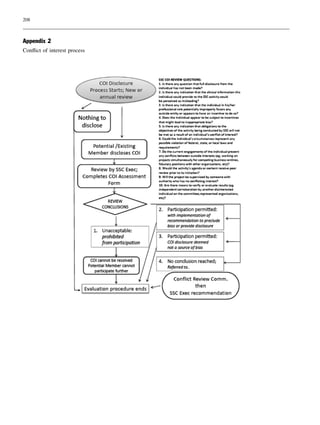
in the supplemental materials to this document. Appendix 2     for emergency department patients presenting with septic
shows a flowchart of the COI disclosure process. Committee      shock [13]. Resuscitation targeting the physiologic goals
members who were judged to have either financial or non-        expressed in recommendation 1 (above) for the initial 6-h
financial/academic competing interests were recused during      period was associated with a 15.9 % absolute reduction in
the closed discussion session and voting session on that       28-day mortality rate. This strategy, termed early goal-
topic. Full disclosure and transparency of all committee       directed therapy, was evaluated in a multicenter trial of
members’ potential conflicts were sought.                       314 patients with severe sepsis in eight Chinese centers
    On initial review, 68 financial conflict of interest         [14]. This trial reported a 17.7 % absolute reduction in
(COI) disclosures and 54 non-financial disclosures were         28-day mortality (survival rates, 75.2 vs. 57.5 %,
submitted by committee members. Declared COI disclo-           P = 0.001). A large number of other observational stud-
sures from 19 members were determined by the COI               ies using similar forms of early quantitative resuscitation
subcommittee to be not relevant to the guidelines content      in comparable patient populations have shown significant
process. Nine who were determined to have COI (finan-           mortality reduction compared to the institutions’ histori-
cial and non-financial) were adjudicated by group               cal controls (Supplemental Digital Content 2). Phase III
reassignment and requirement to adhere to SSC COI              of the SSC activities, the international performance
policy regarding discussion or voting at any committee         improvement program, showed that the mortality of septic
meetings where content germane to their COI was dis-           patients presenting with both hypotension and lactate
cussed. Nine were judged as having conflicts that could         C4 mmol/L was 46.1 %, similar to the 46.6 % mortality
not be resolved solely by reassignment. One of these           found in the first trial cited above [15]. As part of per-
individuals was asked to step down from the committee.         formance improvement programs, some hospitals have
The other eight were assigned to the groups in which they      lowered the lactate threshold for triggering quantitative
had the least COI. They were required to work within           resuscitation in the patient with severe sepsis, but these
their group with full disclosure when a topic for which        thresholds have not been subjected to randomized trials.
they had relevant COI was discussed, and they were not             The consensus panel judged use of CVP and SvO2 targets
allowed to serve as group head. At the time of final            to be recommended physiologic targets for resuscitation.
approval of the document, an update of the COI statement       Although there are limitations to CVP as a marker of
was required. No additional COI issues were reported that      intravascular volume status and response to fluids, a low
required further adjudication.                                 CVP generally can be relied upon as supporting positive
172


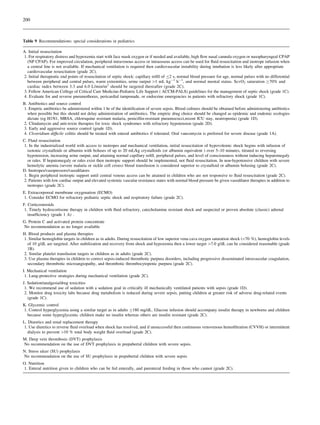
Table 5 Recommendations: initial resuscitation and infection issues

A. Initial resuscitation
 1. Protocolized, quantitative resuscitation of patients with sepsis-induced tissue hypoperfusion (defined in this document as hypotension
   persisting after initial fluid challenge or blood lactate concentration C4 mmol/L). Goals during the first 6 h of resuscitation:
  (a) Central venous pressure 8–12 mmHg
  (b) Mean arterial pressure (MAP) C 65 mmHg
  (c) Urine output C 0.5 mL kg-1 h
  (d) Central venous (superior vena cava) or mixed venous oxygen saturation 70 or 65 %, respectively (grade 1C)
 2. In patients with elevated lactate levels targeting resuscitation to normalize lactate as rapidly as possible (grade 2C)
B. Screening for sepsis and performance improvement
 1. Routine screening of potentially infected seriously ill patients for severe sepsis to allow earlier implementation of therapy (grade 1C)
 2. Hospital-based performance improvement efforts in severe sepsis (UG)
C. Diagnosis
 1. Cultures as clinically appropriate before antimicrobial therapy if no significant delay ([45 min) in the start of antimicrobial(s) (grade
   1C). At least 2 sets of blood cultures (both aerobic and anaerobic bottles) be obtained before antimicrobial therapy with at least 1 drawn
   percutaneously and 1 drawn through each vascular access device, unless the device was recently (48 h) inserted (grade 1C)
 2. Use of the 1,3 b-D-glucan assay (grade 2B), mannan and anti-mannan antibody assays (2C), if available and invasive candidiasis is in
   differential diagnosis of cause of infection.
 3. Imaging studies performed promptly to confirm a potential source of infection (UG)
D. Antimicrobial therapy
 1. Administration of effective intravenous antimicrobials within the first hour of recognition of septic shock (grade 1B) and severe sepsis
   without septic shock (grade 1C) as the goal of therapy
 2a. Initial empiric anti-infective therapy of one or more drugs that have activity against all likely pathogens (bacterial and/or fungal or
   viral) and that penetrate in adequate concentrations into tissues presumed to be the source of sepsis (grade 1B)
 2b. Antimicrobial regimen should be reassessed daily for potential deescalation (grade 1B)
 3. Use of low procalcitonin levels or similar biomarkers to assist the clinician in the discontinuation of empiric antibiotics in patients who
   initially appeared septic, but have no subsequent evidence of infection (grade 2C)
 4a. Combination empirical therapy for neutropenic patients with severe sepsis (grade 2B) and for patients with difficult to treat,
   multidrug-resistant bacterial pathogens such as Acinetobacter and Pseudomonas spp. (grade 2B). For patients with severe infections
   associated with respiratory failure and septic shock, combination therapy with an extended spectrum beta-lactam and either an
   aminoglycoside or a fluoroquinolone is for P. aeruginosa bacteremia (grade 2B). A combination of beta-lactam and macrolide for
   patients with septic shock from bacteremic Streptococcus pneumoniae infections (grade 2B)
 4b. Empiric combination therapy should not be administered for more than 3–5 days. De-escalation to the most appropriate single
   therapy should be performed as soon as the susceptibility profile is known (grade 2B)
 5. Duration of therapy typically 7–10 days; longer courses may be appropriate in patients who have a slow clinical response, undrainable
   foci of infection, bacteremia with S. aureus; some fungal and viral infections or immunologic deficiencies, including neutropenia (grade
   2C)
 6. Antiviral therapy initiated as early as possible in patients with severe sepsis or septic shock of viral origin (grade 2C)
 7. Antimicrobial agents should not be used in patients with severe inflammatory states determined to be of noninfectious cause (UG)
E. Source control
 1. A specific anatomical diagnosis of infection requiring consideration for emergent source control be sought and diagnosed or excluded
   as rapidly as possible, and intervention be undertaken for source control within the first 12 h after the diagnosis is made, if feasible
   (grade 1C)
 2. When infected peripancreatic necrosis is identified as a potential source of infection, definitive intervention is best delayed until
   adequate demarcation of viable and nonviable tissues has occurred (grade 2B)
 3. When source control in a severely septic patient is required, the effective intervention associated with the least physiologic insult
   should be used (e.g., percutaneous rather than surgical drainage of an abscess) (UG)
 4. If intravascular access devices are a possible source of severe sepsis or septic shock, they should be removed promptly after other
   vascular access has been established (UG)
F. Infection prevention
 1a. Selective oral decontamination and selective digestive decontamination should be introduced and investigated as a method to reduce
   the incidence of ventilator-associated pneumonia; This infection control measure can then be instituted in health care settings and
   regions where this methodology is found to be effective (grade 2B)
 1b. Oral chlorhexidine gluconate be used as a form of oropharyngeal decontamination to reduce the risk of ventilator-associated
   pneumonia in ICU patients with severe sepsis (grade 2B)

response to fluid loading. Either intermittent or continuous             achieve the ScvO2 or SvO2 goal are options. The strong
measurements of oxygen saturation were judged to be                     recommendation for achieving a CVP of 8 mmHg and an
acceptable. During the first 6 h of resuscitation, if ScvO2 less         ScvO2 of 70 % in the first 6 h of resuscitation of sepsis-
than 70 % or SvO2 equivalent of less than 65 % persists with            induced tissue hypoperfusion, although deemed desirable,
what is judged to be adequate intravascular volume reple-               are not yet the standard of care as verified by practice data.
tion in the presence of persisting tissue hypoperfusion, then           The publication of the initial results of the international SSC
dobutamine infusion (to a maximum of 20 lg kg-1 min-1)                  performance improvement program demonstrated that
or transfusion of packed red blood cells to achieve a                   adherence to CVP and ScvO2 targets for initial resuscitation
hematocrit of greater than or equal to 30 % in attempts to              was low [15].
173


    In mechanically ventilated patients or those with known       (n = 30). The second trial included 348 patients with lactate
preexisting decreased ventricular compliance, a higher target     levels C3 mmol/L [36]. The strategy in this trial was based
CVP of 12–15 mmHg should be achieved to account for the           on a greater than or equal to 20 % decrease in lactate levels
impediment in filling [16]. Similar consideration may be           per 2 h of the first 8 h in addition to ScvO2 target achieve-
warranted in circumstances of increased abdominal pressure        ment, and was associated with a 9.6 % absolute reduction in
[17]. Elevated CVP may also be seen with preexisting clin-        mortality (P = 0.067; adjusted hazard ratio, 0.61; 95 % CI,
ically significant pulmonary artery hypertension, making use       0.43–0.87; P = 0.006).
of this variable untenable for judging intravascular volume
status. Although the cause of tachycardia in septic patients
may be multifactorial, a decrease in elevated pulse rate with     B. Screening for sepsis and performance improvement
fluid resuscitation is often a useful marker of improving          1. We recommend routine screening of potentially
intravascular filling. Published observational studies have           infected seriously ill patients for severe sepsis to
demonstrated an association between good clinical outcome            increase the early identification of sepsis and allow
in septic shock and MAP C65 mmHg as well as ScvO2                    implementation of early sepsis therapy (grade 1C).
C70 % (measured in the superior vena cava, either inter-
mittently or continuously) [18]. Many studies support the         Rationale. The early identification of sepsis and imple-
value of early protocolized resuscitation in severe sepsis and    mentation of early evidence-based therapies have been
sepsis-induced tissue hypoperfusion [19–24]. Studies of           documented to improve outcomes and decrease sepsis-
patients with shock indicate that SvO2 runs 5–7 % lower than      related mortality [15]. Reducing the time to diagnosis of
ScvO2 [25]. While the committee recognized the controversy        severe sepsis is thought to be a critical component of
surrounding resuscitation targets, an early quantitative          reducing mortality from sepsis-related multiple organ
resuscitation protocol using CVP and venous blood gases           dysfunction [35]. Lack of early recognition is a major
can be readily established in both emergency department and       obstacle to sepsis bundle initiation. Sepsis screening tools
ICU settings [26]. Recognized limitations to static ventric-      have been developed to monitor ICU patients [37–41],
ular filling pressure estimates exist as surrogates for fluid       and their implementation has been associated with
resuscitation [27, 28], but measurement of CVP is currently       decreased sepsis-related mortality [15].
the most readily obtainable target for fluid resuscitation.
Targeting dynamic measures of fluid responsiveness during          2. Performance improvement efforts in severe sepsis
resuscitation, including flow and possibly volumetric indices         should be used to improve patient outcomes (UG).
and microcirculatory changes, may have advantages [29–
32]. Available technologies allow measurement of flow at           Rationale. Performance improvement efforts in sepsis
the bedside [33, 34]; however, the efficacy of these moni-         have been associated with improved patient outcomes [19,
toring techniques to influence clinical outcomes from early        42–46]. Improvement in care through increasing compli-
sepsis resuscitation remains incomplete and requires further      ance with sepsis quality indicators is the goal of a severe
study before endorsement.                                         sepsis performance improvement program [47]. Sepsis
    The global prevalence of severe sepsis patients initially     management requires a multidisciplinary team (physicians,
presenting with either hypotension with lactate C4 mmol/L,        nurses, pharmacy, respiratory, dieticians, and administra-
hypotension alone, or lactate C4 mmol/L alone, is reported        tion) and multispecialty collaboration (medicine, surgery,
as 16.6, 49.5, and 5.4 %, respectively [15]. The mortality        and emergency medicine) to maximize the chance for suc-
rate is high in septic patients with both hypotension and         cess. Evaluation of process change requires consistent
lactate C4 mmol/L (46.1 %) [15], and is also increased in         education, protocol development and implementation, data
severely septic patients with hypotension alone (36.7 %)          collection, measurement of indicators, and feedback to
and lactate C4 mmol/L alone (30 %) [15]. If ScvO2 is not          facilitate the continuous performance improvement.
available, lactate normalization may be a feasible option in      Ongoing educational sessions provide feedback on indi-
the patient with severe sepsis-induced tissue hypoperfusion.      cator compliance and can help identify areas for
ScvO2 and lactate normalization may also be used as a             additional improvement efforts. In addition to traditional
combined endpoint when both are available. Two multi-             continuing medical education efforts to introduce guide-
center randomized trials evaluated a resuscitation strategy       lines into clinical practice, knowledge translation efforts
that included lactate reduction as a single target or a target    have recently been introduced as a means to promote the
combined with ScvO2 normalization [35, 36]. The first trial        use of high-quality evidence in changing behavior [48].
reported that early quantitative resuscitation based on lactate   Protocol implementation associated with education and
clearance (decrease by at least 10 %) was noninferior to          performance feedback has been shown to change clini-
early quantitative resuscitation based on achieving ScvO2 of      cian behavior and is associated with improved outcomes
70 % or more [35]. The intention-to-treat group contained         and cost effectiveness in severe sepsis [19, 23, 24, 49]. In
300, but the number of patients actually requiring either         partnership with the Institute for Healthcare Improve-
ScvO2 normalization or lactate clearance was small                ment, phase III of the SSC targeted the implementation of
174


a core set (‘‘bundle’’) of recommendations in hospital            devices with signs of inflammation, catheter dysfunction, or
environments where change in behavior and clinical                indicators of thrombus formation). Obtaining blood cultures
impact were measured [50]. The SSC guidelines and                 peripherally and through a vascular access device is an
bundles can be used as the basis of a sepsis performance          important strategy. If the same organism is recovered from
improvement program.                                              both cultures, the likelihood that the organism is causing the
    Application of the SSC sepsis bundles led to sustained,       severe sepsis is enhanced.
continuous quality improvement in sepsis care and was                 In addition, if equivalent volumes of blood drawn for
associated with reduced mortality [15]. Analysis of the data      culture and the vascular access device is positive much
from nearly 32,000 patient charts gathered from 239 hospi-        earlier than the peripheral blood culture (i.e., more than 2 h
tals in 17 countries through September 2011 as part of phase      earlier), the data support the concept that the vascular access
III of the campaign informed the revision of the bundles in       device is the source of the infection [36, 51, 52]. Quantitative
conjunction with the 2012 guidelines. As a result, for the        cultures of catheter and peripheral blood may also be useful
2012 version, the management bundle was dropped and the           for determining whether the catheter is the source of infec-
resuscitation bundle was broken into two parts and modified        tion. The volume of blood drawn with the culture tube should
as shown in Fig. 1. For performance improvement quality           be C10 mL [53]. Quantitative (or semiquantitative) cultures
indicators, resuscitation target thresholds are not considered.   of respiratory tract secretions are often recommended for the
However, recommended targets from the guidelines are              diagnosis of ventilator-associated pneumonia (VAP) [54],
included with the bundles for reference purposes.                 but their diagnostic value remains unclear [55].
                                                                      The Gram stain can be useful, in particular for respira-
                                                                  tory tract specimens, to determine if inflammatory cells are
C. Diagnosis
                                                                  present (greater than five polymorphonuclear leukocytes/
1. We recommend obtaining appropriate cultures before             high-powered field and less than 10 squamous cells/low-
   antimicrobial therapy is initiated if such cultures do         powered field) and if culture results will be informative of
   not cause significant delay ([45 min) in the start of           lower respiratory pathogens. Rapid influenza antigen testing
   antimicrobial(s) administration (grade 1C). To opti-           during periods of increased influenza activity in the com-
   mize identification of causative organisms, we                  munity is also recommended. A focused history can provide
   recommend obtaining at least two sets of blood cul-            vital information about potential risk factors for infection
   tures (both aerobic and anaerobic bottles) before              and likely pathogens at specific tissue sites. The potential
   antimicrobial therapy, with at least one drawn percu-          role of biomarkers for diagnosis of infection in patients
   taneously and one drawn through each vascular access           presenting with severe sepsis remains undefined. The utility
   device, unless the device was recently (48 h) inser-          of procalcitonin levels or other biomarkers (such as
   ted. These blood cultures can be drawn at the same             C-reactive protein) to discriminate the acute inflammatory
   time if they are obtained from different sites. Cultures       pattern of sepsis from other causes of generalized inflam-
   of other sites (preferably quantitative where appropri-        mation (e.g., postoperative, other forms of shock) has not
   ate), such as urine, cerebrospinal fluid, wounds,               been demonstrated. No recommendation can be given for
   respiratory secretions, or other body fluids that may be        the use of these markers to distinguish between severe
   the source of infection, should also be obtained before        infection and other acute inflammatory states [56–58].
   antimicrobial therapy if doing so does not cause sig-              In the near future, rapid, non-culture-based diagnostic
   nificant delay in antibiotic administration (grade 1C).         methods (polymerase chain reaction, mass spectroscopy,
                                                                  microarrays) might be helpful for a quicker identification of
Rationale. Although sampling should not delay timely              pathogens and major antimicrobial resistance determinants
administration of antimicrobial agents in patients with           [59]. These methodologies could be particularly useful for
severe sepsis (e.g., lumbar puncture in suspected meningi-        difficult-to-culture pathogens or in clinical situations where
tis), obtaining appropriate cultures before administration of     empiric antimicrobial agents have been administered before
antimicrobials is essential to confirm infection and the           culture samples were been obtained. Clinical experience
responsible pathogens, and to allow de-escalation of anti-        remains limited, and more clinical studies are needed before
microbial therapy after receipt of the susceptibility profile.     recommending these non-culture molecular methods as a
Samples can be refrigerated or frozen if processing cannot        replacement for standard blood culture methods [60, 61].
be performed immediately. Because rapid sterilization of
blood cultures can occur within a few hours after the first 2. We suggest the use of the 1,3 b-D-glucan assay (grade
antimicrobial dose, obtaining those cultures before therapy     2B), mannan and anti-mannan antibody assays (grade
is essential if the causative organism is to be identified. Two  2C), when invasive candidiasis is in the differential
or more blood cultures are recommended [51]. In patients        diagnosis of infection.
with indwelling catheters (for more than 48 h), at least one
blood culture should be drawn through each lumen of each Rationale. The diagnosis of systemic fungal infection
vascular access device (if feasible, especially for vascular (usually candidiasis) in the critically ill patient can be
175


Fig. 1 Surviving sepsis
campaign care bundles

                                                   SURVIVING SEPSIS CAMPAIGN CARE BUNDLES


                                      TO BE COMPLETED WITHIN 3 HOURS:
                                      1) Measure lactate level
                                      2) Obtain blood cultures prior to administration of antibiotics
                                      3) Administer broad spectrum antibiotics
                                      4) Administer 30 mL/kg crystalloid for hypotension or lactate ≥ 4 mmol/L

                                      TO BE COMPLETED WITHIN 6 HOURS:
                                      5) Apply vasopressors (for hypotension that does not respond to initial fluid
                                      resuscitation) to maintain a mean arterial pressure (MAP) ≥ 65 mm Hg
                                      6) In the event of persistent arterial hypotension despite volume resuscitation (septic
                                      shock) or initial lactate ≥ 4 mmol/L (36 mg/dL):
                                              - Measure central venous pressure (CVP)*
                                              - Measure central venous oxygen saturation (ScvO2)*
                                      7) Remeasure lactate if initial lactate was elevated*


                                      *Targets for quantitative resuscitation included in the guidelines are CVP of ≥8 mm Hg,
                                      ScvO2 of ≥ 70%, and normalization of lactate.


challenging, and rapid diagnostic methodologies, such as          shock (grade 1C) should be the goal of therapy.
antigen and antibody detection assays, can be helpful in          Remark: Although the weight of the evidence supports
detecting candidiasis in the ICU patient. These suggested         prompt administration of antibiotics following the
tests have shown positive results significantly earlier than       recognition of severe sepsis and septic shock, the
standard culture methods [62–67], but false-positive              feasibility with which clinicians may achieve this ideal
reactions can occur with colonization alone, and their            state has not been scientifically evaluated.
diagnostic utility in managing fungal infection in the ICU
needs additional study [65].                                   Rationale. Establishing vascular access and initiating
                                                               aggressive fluid resuscitation are the first priorities when
3. We recommend that imaging studies be performed managing patients with severe sepsis or septic shock.
    promptly in attempts to confirm a potential source of Prompt infusion of antimicrobial agents should also be a
    infection. Potential sources of infection should be sam- priority and may require additional vascular access ports
    pled as they are identified and in consideration of patient [68, 69]. In the presence of septic shock, each hour delay
    risk for transport and invasive procedures (e.g., careful in achieving administration of effective antibiotics is
    coordination and aggressive monitoring if the decision is associated with a measurable increase in mortality in a
    made to transport for a computed tomography-guided number of studies [15, 68, 70–72]. Overall, the prepon-
    needle aspiration). Bedside studies, such as ultrasound, derance of data support giving antibiotics as soon as
    may avoid patient transport (UG).                          possible in patients with severe sepsis with or without
                                                               septic shock [15, 68, 70–77]. The administration of anti-
Rationale. Diagnostic studies may identify a source of microbial agents with a spectrum of activity likely to treat
infection that requires removal of a foreign body or drainage the responsible pathogen(s) effectively within 1 h of the
to maximize the likelihood of a satisfactory response to diagnosis of severe sepsis and septic shock. Practical
therapy. Even in the most organized and well-staffed considerations, for example challenges with clinicians’
healthcare facilities, however, transport of patients can be early identification of patients or operational complexities
dangerous, as can be placing patients in outside-unit imaging in the drug delivery chain, represent unstudied variables
devices that are difficult to access and monitor. Balancing that may impact achieving this goal. Future trials should
risk and benefit is therefore mandatory in those settings.      endeavor to provide an evidence base in this regard. This
                                                               should be the target goal when managing patients with
D. Antimicrobial therapy                                       septic shock, whether they are located within the hospital
1. The administration of effective intravenous antimi- ward, the emergency department, or the ICU. The strong
    crobials within the first hour of recognition of septic recommendation for administering antibiotics within 1 h
    shock (grade 1B) and severe sepsis without septic of the diagnosis of severe sepsis and septic shock,
176


although judged to be desirable, is not yet the standard of     agents, or if Candida glabrata infection is suspected from
care as verified by published practice data [15].                earlier culture data. Knowledge of local resistance pat-
    If antimicrobial agents cannot be mixed and delivered       terns to antifungal agents should guide drug selection
promptly from the pharmacy, establishing a supply of            until fungal susceptibility test results, if available, are
premixed antibiotics for such urgent situations is an           performed. Risk factors for candidemia, such as immu-
appropriate strategy for ensuring prompt administration.        nosuppressed or neutropenic state, prior intense antibiotic
Many antibiotics will not remain stable if premixed in a        therapy, or colonization in multiple sites, should also be
solution. This risk must be taken into consideration in         considered when choosing initial therapy.
institutions that rely on premixed solutions for rapid               Because patients with severe sepsis or septic shock have
availability of antibiotics. In choosing the antimicrobial      little margin for error in the choice of therapy, the initial
regimen, clinicians should be aware that some antimi-           selection of antimicrobial therapy should be broad enough
crobial agents have the advantage of bolus administration,      to cover all likely pathogens. Antibiotic choices should be
while others require a lengthy infusion. Thus, if vascular      guided by local prevalence patterns of bacterial pathogens
access is limited and many different agents must be             and susceptibility data. Ample evidence exists that failure to
infused, bolus drugs may offer an advantage.                    initiate appropriate therapy (i.e., therapy with activity
2a. We recommend that initial empiric anti-infective ther-      against the pathogen that is subsequently identified as the
     apy include one or more drugs that have activity against   causative agent) correlates with increased morbidity and
     all likely pathogens (bacterial and/or fungal or viral)    mortality in patients with severe sepsis or septic shock [68,
     and that penetrate in adequate concentrations into the     71, 79, 80]. Recent exposure to antimicrobials (within last
     tissues presumed to be the source of sepsis (grade 1B).    3 months) should be considered in the choice of an empiric
                                                                antibacterial regimen. Patients with severe sepsis or septic
Rationale. The choice of empirical antimicrobial therapy        shock warrant broad-spectrum therapy until the causative
depends on complex issues related to the patient’s history,     organism and its antimicrobial susceptibilities are defined.
including drug intolerances, recent receipt of antibiotics      Although a global restriction of antibiotics is an important
(previous 3 months), underlying disease, the clinical syn-      strategy to reduce the development of antimicrobial resis-
drome, and susceptibility patterns of pathogens in the          tance and to reduce cost, it is not an appropriate strategy in
community and hospital, and that previously have been           the initial therapy for this patient population. However, as
documented to colonize or infect the patient. The most          soon as the causative pathogen has been identified, de-
common pathogens that cause septic shock in hospitalized        escalation should be performed by selecting the most
patients are Gram-positive bacteria, followed by Gram-          appropriate antimicrobial agent that covers the pathogen
negative and mixed bacterial microorganisms. Candidiasis,       and is safe and cost-effective. Collaboration with antimi-
toxic shock syndromes, and an array of uncommon patho-          crobial stewardship programs, where they exist, is
gens should be considered in selected patients. An especially   encouraged to ensure appropriate choices and rapid avail-
wide range of potential pathogens exists for neutropenic        ability of effective antimicrobials for treating septic
patients. Recently used anti-infective agents should gener-     patients. All patients should receive a full loading dose of
ally be avoided. When choosing empirical therapy,               each agent. Patients with sepsis often have abnormal and
clinicians should be cognizant of the virulence and growing     vacillating renal or hepatic function, or may have abnor-
prevalence of oxacillin (methicillin)-resistant Staphylococ-    mally high volumes of distribution due to aggressive fluid
cus aureus, and resistance to broad-spectrum beta-lactams       resuscitation, requiring dose adjustment. Drug serum con-
and carbapenem among Gram-negative bacilli in some              centration monitoring can be useful in an ICU setting for
communities and healthcare settings. Within regions in          those drugs that can be measured promptly. Significant
which the prevalence of such drug-resistant organisms is        expertise is required to ensure that serum concentrations
significant, empiric therapy adequate to cover these patho-      maximize efficacy and minimize toxicity [81, 82].
gens is warranted.
    Clinicians should also consider whether candidemia is       2b. The antimicrobial regimen should be reassessed daily
a likely pathogen when choosing initial therapy. When               for potential de-escalation to prevent the develop-
deemed warranted, the selection of empirical antifungal             ment of resistance, to reduce toxicity, and to reduce
therapy (e.g., an echinocandin, triazoles such as fluco-             costs (grade 1B).
nazole, or a formulation of amphotericin B) should be
tailored to the local pattern of the most prevalent Candida     Rationale. Once the causative pathogen has been iden-
species and any recent exposure to antifungal drugs [78].       tified, the most appropriate antimicrobial agent that
Recent Infectious Diseases Society of America (IDSA)            covers the pathogen and is safe and cost-effective should
guidelines recommend either fluconazole or an echino-            be selected. On occasion, continued use of specific
candin. Empiric use of an echinocandin is preferred in          combinations of antimicrobials might be indicated even
most patients with severe illness, especially in those          after susceptibility testing is available (e.g., Pseudomonas
patients who have recently been treated with antifungal         spp. only susceptible to aminoglycosides; enterococcal
177


endocarditis; Acinetobacter spp. infections susceptible only 4b. We suggest that combination therapy, when used
to polymyxins). Decisions on definitive antibiotic choices           empirically in patients with severe sepsis, should not
should be based on the type of pathogen, patient charac-            be administered for longer than 3–5 days. De-esca-
teristics, and favored hospital treatment regimens.                 lation to the most appropriate single-agent therapy
    Narrowing the spectrum of antimicrobial coverage and            should be performed as soon as the susceptibility
reducing the duration of antimicrobial therapy will reduce          profile is known (grade 2B). Exceptions would
the likelihood that the patient will develop superinfection         include aminoglycoside monotherapy, which should
with other pathogenic or resistant organisms, such as               be generally avoided, particularly for P. aeruginosa
Candida species, Clostridium difficile, or vancomycin-               sepsis, and for selected forms of endocarditis, where
resistant Enterococcus faecium. However, the desire to              prolonged courses of combinations of antibiotics are
minimize superinfections and other complications should             warranted.
not take precedence over giving an adequate course of
therapy to cure the infection that caused the severe sepsis Rationale. A propensity-matched analysis, meta-analy-
or septic shock.                                               sis, and meta-regression analysis, along with additional
                                                               observational studies, have demonstrated that combina-
3. We suggest the use of low procalcitonin levels or tion therapy produces a superior clinical outcome in
    similar biomarkers to assist the clinician in the dis- severely ill, septic patients with a high risk of death [86–
    continuation of empiric antibiotics in patients who 90]. In light of the increasing frequency of resistance to
    appeared septic, but have no subsequent evidence of antimicrobial agents in many parts of the world, broad-
    infection (grade 2C).                                      spectrum coverage generally requires the initial use of
Rationale. This suggestion is predicated on the prepon- combinations of antimicrobial agents. Combination ther-
derance of the published literature relating to the use of apy used in this context connotes at least two different
procalcitonin as a tool to discontinue unnecessary antimi- classes of antibiotics (usually a beta-lactam agent with a
crobials [58, 83]. However, clinical experience with this macrolide, fluoroquinolone, or aminoglycoside for select
strategy is limited and the potential for harm remains a patients). A controlled trial suggested, however, that
concern [83]. No evidence demonstrates that this practice when using a carbapenem as empiric therapy in a popu-
reduces the prevalence of antimicrobial resistance or the risk lation at low risk for infection with resistant
of antibiotic-related diarrhea from C. difficile. One recent microorganisms, the addition of a fluoroquinolone does
study failed to show any benefit of daily procalcitonin not improve outcomes of patients [85]. A number of other
measurement in early antibiotic therapy or survival [84].      recent observational studies and some small, prospective
                                                               trials support initial combination therapy for selected
4a. Empiric therapy should attempt to provide antimi- patients with specific pathogens (e.g., pneumococcal
     crobial activity against the most likely pathogens sepsis, multidrug-resistant Gram-negative pathogens)
     based upon each patient’s presenting illness and local [91–93], but evidence from adequately powered, ran-
     patterns of infection. We suggest combination empiric domized clinical trials is not available to support
     therapy for neutropenic patients with severe sepsis combination over monotherapy other than in septic
     (grade 2B) and for patients with difficult-to- treat, patients at high risk of death. In some clinical scenarios,
     multidrug-resistant bacterial pathogens such as Acine- combination therapies are biologically plausible and are
     tobacter and Pseudomonas spp. (grade 2B). For likely clinically useful even if evidence has not demon-
     selected patients with severe infections associated with strated improved clinical outcome [89, 90, 94, 95].
     respiratory failure and septic shock, combination ther- Combination therapy for suspected or known Pseudo-
     apy with an extended spectrum beta-lactam and either monas aeruginosa or other multiresistant Gram-negative
     an aminoglycoside or a fluoroquinolone is suggested for pathogens, pending susceptibility results, increases the
     P. aeruginosa bacteremia (grade 2B). Similarly, a more likelihood that at least 1 drug is effective against that
     complex combination of beta-lactam and a macrolide is strain and positively affects outcome [88, 96].
     suggested for patients with septic shock from bactere-
     mic Streptococcus pneumoniae infections (grade 2B). 5. We suggest that the duration of therapy typically be
                                                                   7–10 days if clinically indicated; longer courses may
Rationale. Complex combinations might be needed in                 be appropriate in patients who have a slow clinical
settings where highly antibiotic-resistant pathogens are           response, undrainable foci of infection, bacteremia with
prevalent, with such regimens incorporating carbapen-              S. aureus; some fungal and viral infections, or immu-
ems, colistin, rifampin, or other agents. However, a recent        nologic deficiencies, including neutropenia (grade 2C).
controlled trial suggested that adding a fluoroquinolone to
a carbapenem as empiric therapy did not improve out- Rationale. Although patient factors may influence the
come in a population at low risk for infection with length of antibiotic therapy, in general, a duration of 7–10
resistant microorganisms [85].                                 days (in the absence of source control issues) is adequate.
178


Thus, decisions to continue, narrow, or stop antimicrobial       infected with an antimicrobial-resistant pathogen or will
therapy must be made on the basis of clinician judgment          develop a drug-related adverse effect. Although it is
and clinical information. Clinicians should be cognizant         important to stop unnecessary antibiotics early, clinicians
of blood cultures being negative in a significant percent-        should be cognizant that blood cultures will be negative in
age of cases of severe sepsis or septic shock, despite the       more than 50 % of cases of severe sepsis or septic shock
fact that many of these cases are very likely caused by          if the patients are receiving empiric antimicrobial therapy;
bacteria or fungi. Clinicians should be cognizant that           yet many of these cases are very likely caused by bacteria
blood cultures will be negative in a significant percentage       or fungi. Thus, the decisions to continue, narrow, or stop
of cases of severe sepsis or septic shock, despite many of       antimicrobial therapy must be made on the basis of cli-
these cases are very likely caused by bacteria or fungi.         nician judgment and clinical information.
6. We suggest that antiviral therapy be initiated as early
   as possible in patients with severe sepsis or septic E. Source control
   shock of viral origin (grade 2C).
                                                              1. We recommend that a specific anatomical diagnosis of
Rationale. Recommendations for antiviral treatment                infection requiring consideration for emergent source
include the use of: a) early antiviral treatment of sus-          control (e.g., necrotizing soft tissue infection, peritonitis,
pected or confirmed influenza among persons with severe             cholangitis, intestinal infarction) be sought and diagnosed
influenza (e.g., those who have severe, complicated, or            or excluded as rapidly as possible, and intervention be
progressive illness or who require hospitalization); b)           undertaken for source control within the first 12 h after
early antiviral treatment of suspected or confirmed influ-          the diagnosis is made, if feasible (grade 1C).
enza among persons at higher risk for influenza                2. We suggest that when infected peripancreatic necrosis is
complications; and c) therapy with a neuraminidase                identified as a potential source of infection, definitive
inhibitor (oseltamivir or zanamivir) for persons with             intervention is best delayed until adequate demarcation
influenza caused by 2009 H1N1 virus, influenza A                    of viable and nonviable tissues has occurred (grade 2B).
(H3N2) virus, or influenza B virus, or when the influenza 3. When source control in a severely septic patient is
virus type or influenza A virus subtype is unknown [97,            required, the effective intervention associated with the
98]. Susceptibility to antivirals is highly variable in a         least physiologic insult should be used (e.g., percutane-
rapidly evolving virus such as influenza, and therapeutic          ous rather than surgical drainage of an abscess) (UG).
decisions must be guided by updated information 4. If intravascular access devices are a possible source of
regarding the most active, strain-specific, antiviral agents       severe sepsis or septic shock, they should be removed
during influenza epidemics [99, 100].                              promptly after other vascular access has been estab-
   The role of cytomegalovirus (CMV) and other her-               lished (UG).
pesviruses as significant pathogens in septic patients,
especially those not known to be severely immunocom- Rationale. The principles of source control in the
promised, remains unclear. Active CMV viremia is management of sepsis include a rapid diagnosis of the
common (15–35 %) in critically ill patients; the presence specific site of infection and identification of a focus of
of CMV in the bloodstream has been repeatedly found to infection amenable to source control measures (specifi-
be a poor prognostic indicator [101, 102]. What is not cally the drainage of an abscess, debridement of infected
known is whether CMV simply is a marker of disease necrotic tissue, removal of a potentially infected device,
severity or if the virus actually contributes to organ injury and definitive control of a source of ongoing microbial
and death in septic patients [103]. No treatment recom- contamination) [105]. Foci of infection readily amenable
mendations can be given based on the current level of to source control measures include an intra-abdominal
evidence. In those patients with severe primary or gen- abscess or gastrointestinal perforation, cholangitis or
eralized varicella-zoster virus infections, and in rare pyelonephritis, intestinal ischemia or necrotizing soft
patients with disseminated herpes simplex infections, tissue infection, and other deep space infection, such as an
antiviral agents such as acyclovir can be highly effective empyema or septic arthritis. Such infectious foci should
when initiated early in the course of infection [104].        be controlled as soon as possible following successful
                                                              initial resuscitation [106–108], and intravascular access
7. We recommend that antimicrobial agents not be used devices that are potentially the source of severe sepsis or
   in patients with severe inflammatory states determined septic shock should be removed promptly after estab-
   to be of noninfectious cause (UG).                         lishing other sites for vascular access [109, 110].
                                                                  An RCT comparing early to delayed surgical inter-
Rationale. When infection is found not to be present, vention for peripancreatic necrosis showed better
antimicrobial therapy should be stopped promptly to outcomes with a delayed approach [111]. Moreover, a
minimize the likelihood that the patient will become randomized surgical study found that a minimally
179


invasive, step-up approach was better tolerated by             debate, despite the recent evidence that the incidence of
patients and had a lower mortality than open necrosec-         antimicrobial resistance does not change appreciably with
tomy in necrotizing pancreatitis [112], although areas of      current SDD regimens [119–121]. The grade 2B was
uncertainty exist, such as definitive documentation of          designated for both SOD and CHG as it was felt that risk
infection and appropriate length of delay. The selection of    was lower with CHG and the measure better accepted
optimal source control methods must weigh the benefits          despite less published literature than with SOD.
and risks of the specific intervention as well as risks of         Supplemental Digital Content 3 shows a GRADEpro
transfer [113]. Source control interventions may cause         Summary of Evidence Table for the use of topical
further complications, such as bleeding, fistulas, or inad-     digestive tract antibiotics and CHG for prophylaxis
vertent organ injury. Surgical intervention should be          against VAP.
considered when other interventional approaches are
inadequate or when diagnostic uncertainty persists despite
radiologic evaluation. Specific clinical situations require     Hemodynamic support and adjunctive therapy
consideration of available choices, the patient’s prefer-      (Table 6)
ences, and the clinician’s expertise.
                                                               G. Fluid therapy of severe sepsis
                                                               1. We recommend crystalloids be used as the initial fluid
F. Infection prevention                                           of choice in the resuscitation of severe sepsis and
1. We suggest that selective oral decontamination (SOD)           septic shock (grade 1B).
   and selective digestive decontamination (SDD) should        2. We recommend against the use of hydroxyethyl
   be introduced and investigated as a method to reduce           starches (HES) for fluid resuscitation of severe sepsis
   the incidence of VAP; this infection control measure           and septic shock (grade 1B). (This recommendation is
   can then be instituted in healthcare settings and regions      based on the results of the VISEP [128], CRYSTMAS
   where this methodology is found to be effective (grade         [122], 6S [123], and CHEST [124] trials. The results of
   2B).                                                           the recently completed CRYSTAL trial were not
2. We suggest oral chlorhexidine gluconate (CHG) be               considered.)
   used as a form of oropharyngeal decontamination to          3. We suggest the use of albumin in the fluid resuscita-
   reduce the risk of VAP in ICU patients with severe             tion of severe sepsis and septic shock when patients
   sepsis (grade 2B).                                             require substantial amounts of crystalloids (grade 2C).

Rationale. Careful infection control practices (e.g., hand
washing, expert nursing care, catheter care, barrier pre-
cautions, airway management, elevation of the head of the      Rationale. The absence of any clear benefit following
bed, subglottic suctioning) should be instituted during the    the administration of colloid solutions compared to
care of septic patients as reviewed in the nursing con-        crystalloid solutions, together with the expense associated
siderations for the SSC [114]. The role of SDD with            with colloid solutions, supports a high-grade recommen-
systemic antimicrobial prophylaxis and its variants (e.g.,     dation for the use of crystalloid solutions in the initial
SOD, CHG) has been a contentious issue ever since the          resuscitation of patients with severe sepsis and septic
concept was first developed more than 30 years ago. The         shock.
notion of limiting the acquisition of opportunistic, often        Three recent multicenter RCTs evaluating 6 % HES
multiresistant, healthcare-associated microorganisms has       130/0.4 solutions (tetra starches) have been published.
its appeal by promoting ‘‘colonization resistance’’ from       The CRYSTMAS study demonstrated no difference in
the resident microbiome existing along mucosal surfaces        mortality with HES versus 0.9 % normal saline (31 vs.
of the alimentary tract. However, the efficacy of SDD, its      25.3 %, P = 0.37) in the resuscitation of septic shock
safety, propensity to prevent or promote antibiotic resis-     patients; however, the study was underpowered to detect
tance, and cost-effectiveness remain debatable despite a       the 6 % difference in absolute mortality observed [122].
number of favorable meta-analyses and controlled clinical      In a sicker patient cohort, a Scandinavian multicenter
trials [115]. The data indicate an overall reduction in VAP    study in septic patients (6S Trial Group) showed
but no consistent improvement in mortality, except in          increased mortality rates with 6 % HES 130/0.42 fluid
selected populations in some studies. Most studies do not      resuscitation compared to Ringer’s acetate (51 vs. 43 %.
specifically address the efficacy of SDD in patients who         P = 0.03) [123]. The CHEST study, conducted in a het-
present with sepsis, but some do [116–118].                    erogenous population of patients admitted to intensive
    Oral CHG is relatively easy to administer, decreases       care (HES vs. isotonic saline, n = 7000 critically ill
risk of nosocomial infection, and reduces the potential        patients), showed no difference in 90-day mortality
concern over promotion of antimicrobial resistance by          between resuscitation with 6 % HES with a molecular
SDD regimens. This remains a subject of considerable           weight of 130 kD/0.40 and isotonic saline (18 vs. 17 %,
180


Table 6 Recommendations: hemodynamic support and adjunctive therapy

G. Fluid therapy of severe sepsis
 1. Crystalloids as the initial fluid of choice in the resuscitation of severe sepsis and septic shock (grade 1B).
 2. Against the use of hydroxyethyl starches for fluid resuscitation of severe sepsis and septic shock (grade 1B).
 3. Albumin in the fluid resuscitation of severe sepsis and septic shock when patients require substantial amounts of crystalloids (grade
   2C).
 4. Initial fluid challenge in patients with sepsis-induced tissue hypoperfusion with suspicion of hypovolemia to achieve a minimum of 30
   mL/kg of crystalloids (a portion of this may be albumin equivalent). More rapid administration and greater amounts of fluid may be
   needed in some patients (grade 1C).
 5. Fluid challenge technique be applied wherein fluid administration is continued as long as there is hemodynamic improvement either
   based on dynamic (e.g., change in pulse pressure, stroke volume variation) or static (eg, arterial pressure, heart rate) variables (UG).
H. Vasopressors
 1. Vasopressor therapy initially to target a mean arterial pressure (MAP) of 65 mm Hg (grade 1C).
 2. Norepinephrine as the first choice vasopressor (grade 1B).
 3. Epinephrine (added to and potentially substituted for norepinephrine) when an additional agent is needed to maintain adequate blood
   pressure (grade 2B).
 4. Vasopressin 0.03 units/minute can be added to norepinephrine (NE) with intent of either raising MAP or decreasing NE dosage (UG).
 5. Low dose vasopressin is not recommended as the single initial vasopressor for treatment of sepsis-induced hypotension and
   vasopressin doses higher than 0.03-0.04 units/minute should be reserved for salvage therapy (failure to achieve adequate MAP with
   other vasopressor agents) (UG).
 6. Dopamine as an alternative vasopressor agent to norepinephrine only in highly selected patients (eg, patients with low risk of
   tachyarrhythmias and absolute or relative bradycardia) (grade 2C).
 7. Phenylephrine is not recommended in the treatment of septic shock except in circumstances where (a) norepinephrine is associated
   with serious arrhythmias, (b) cardiac output is known to be high and blood pressure persistently low or (c) as salvage therapy when
   combined inotrope/vasopressor drugs and low dose vasopressin have failed to achieve MAP target (grade 1C).
 8. Low-dose dopamine should not be used for renal protection (grade 1A).
 9. All patients requiring vasopressors have an arterial catheter placed as soon as practical if resources are available (UG).
I. Inotropic therapy
 1. A trial of dobutamine infusion up to 20 micrograms/kg/min be administered or added to vasopressor (if in use) in the presence of
   (a) myocardial dysfunction as suggested by elevated cardiac filling pressures and low cardiac output, or (b) ongoing signs of
   hypoperfusion, despite achieving adequate intravascular volume and adequate MAP (grade 1C).
 2. Not using a strategy to increase cardiac index to predetermined supranormal levels (grade 1B).
J. Corticosteroids
 1. Not using intravenous hydrocortisone to treat adult septic shock patients if adequate fluid resuscitation and vasopressor therapy are
   able to restore hemodynamic stability (see goals for Initial Resuscitation). In case this is not achievable, we suggest intravenous
   hydrocortisone alone at a dose of 200 mg per day (grade 2C).
 2. Not using the ACTH stimulation test to identify adults with septic shock who should receive hydrocortisone (grade 2B).
 3. In treated patients hydrocortisone tapered when vasopressors are no longer required (grade 2D).
 4. Corticosteroids not be administered for the treatment of sepsis in the absence of shock (grade 1D).
 5. When hydrocortisone is given, use continuous flow (grade 2D).


P = 0.26); the need for renal replacement therapy was                 clinical trial comparing crystalloids and colloids, was
higher in the HES group [7.0 vs. 5.8 %; relative risk (RR),           recently completed and will provide additional insight
1.21; 95 % confidence interval (CI), 1.00–1.45;                        into HES fluid resuscitation.
P = 0.04] [124]. A meta-analysis of 56 randomized trials                  The SAFE study indicated that albumin administration
found no overall difference in mortality between crys-                was safe and equally as effective as 0.9 % saline [129]. A
talloids and artificial colloids (modified gelatins, HES,               meta-analysis aggregated data from 17 randomized trials
dextran) when used for initial fluid resuscitation [125].              (n = 1977) of albumin versus other fluid solutions in
Information from 3 randomized trials (n = 704 patients                patients with severe sepsis/septic shock [130]; 279 deaths
with severe sepsis/septic shock) did not show survival                occurred among 961 albumin-treated patients versus 343
benefit with use of heta-, hexa-, or pentastarches com-                deaths among 1,016 patients treated with other fluids, thus
pared to other fluids (RR, 1.15; 95 % CI, 0.95–1.39;                   favoring albumin [odds ratio (OR), 0.82; 95 % CI,
random effect; I2 = 0 %) [126–128]. However, these                    0.67–1.00; I2 = 0 %]. When albumin-treated patients
solutions increased substantially the risk of acute kidney            were compared with those receiving crystalloids (7 trials,
injury (RR, 1.60; 95 % CI, 1.26–2.04; I2 = 0 %) [126–                 n = 1441), the OR of dying was significantly reduced for
128]. The evidence of harm observed in the 6S and                     albumin-treated patients (OR, 0.78; 95 % CI, 0.62–0.99;
CHEST studies and the meta-analysis supports a high-                  I2 = 0 %). A multicenter randomized trial (n = 794) in
level recommendation advising against the use of HES                  patients with septic shock compared intravenous albumin
solutions in patients with severe sepsis and septic shock,            (20 g, 20 %) every 8 h for 3 days to intravenous saline
particularly since other options for fluid resuscitation               solution [130]; albumin therapy was associated with
exist. The CRYSTAL trial, another large prospective                   2.2 % absolute reduction in 28-day mortality (from 26.3
181


to 24.1 %), but did not achieve statistical significance.        sepsis-induced hypotension for use of MAP in the diag-
These data support a low-level recommendation regarding         nosis of severe sepsis is different (MAP 70 mmHg)
the use of albumin in patients with sepsis and septic shock     from the evidence-based target of 65 mmHg used in this
(personal communication from J.P. Mira and as presented         recommendation. In any case, the optimal MAP should be
at the 32nd International ISICEM Congress 2012, Brus-           individualized as it may be higher in patients with ath-
sels and the 25th ESICM Annual Congress 2012, Lisbon).          erosclerosis and/or previous hypertension than in young
                                                                patients without cardiovascular comorbidity. For exam-
4. We recommend an initial fluid challenge in patients           ple, a MAP of 65 mmHg might be too low in a patient
   with sepsis-induced tissue hypoperfusion with suspi-         with severe uncontrolled hypertension; in a young, pre-
   cion of hypovolemia to achieve a minimum of 30 mL/           viously normotensive patient, a lower MAP might be
   kg of crystalloids (a portion of this may be albumin         adequate. Supplementing endpoints, such as blood pres-
   equivalent). More rapid administration and greater           sure, with assessment of regional and global perfusion,
   amounts of fluid may be needed in some patients (see          such as blood lactate concentrations, skin perfusion,
   Initial Resuscitation recommendations) (grade 1C).           mental status, and urine output, is important. Adequate
5. We recommend that a fluid challenge technique be              fluid resuscitation is a fundamental aspect of the hemo-
   applied wherein fluid administration is continued as long     dynamic management of patients with septic shock and
   as there is hemodynamic improvement either based on          should ideally be achieved before vasopressors and ino-
   dynamic (e.g., change in pulse pressure, stroke volume       tropes are used; however, using vasopressors early as an
   variation) or static (e.g., arterial pressure, heart rate)   emergency measure in patients with severe shock is fre-
   variables (UG).                                              quently necessary, as when diastolic blood pressure is
                                                                too low. When that occurs, great effort should be
Rationale. Dynamic tests to assess patients’ responsive-        directed to weaning vasopressors with continuing fluid
ness to fluid replacement have become very popular in            resuscitation.
recent years in the ICU [131]. These tests are based on
monitoring changes in stroke volume during mechanical           2. We recommend norepinephrine as the first-choice
ventilation or after passive leg raising in spontaneously          vasopressor (grade 1B).
breathing patients. A systematic review (29 trials, n = 685     3. We suggest epinephrine (added to and potentially
critically ill patients) looked at the association between         substituted for norepinephrine) when an additional
stroke volume variation, pulse pressure variation, and/or          agent is needed to maintain adequate blood pressure
stroke volume variation and the change in stroke volume/           (grade 2B).
cardiac index after a fluid or positive end-expiratory pres-     4. Vasopressin (up to 0.03 U/min) can be added to
sure (PEEP) challenge [132]. The diagnostic OR of fluid             norepinephrine with the intent of raising MAP to target
responsiveness was 59.86 (14 trials, 95 % CI,                      or decreasing norepinephrine dosage (UG).
23.88–150.05) and 27.34 (5 trials, 95 % CI, 3.46–55.53) for     5. Low-dose vasopressin is not recommended as the
the pulse pressure variation and the stroke volume variation,      single initial vasopressor for treatment of sepsis-
respectively. Utility of pulse pressure variation and stroke       induced hypotension, and vasopressin doses higher
volume variation is limited in the presence of atrial fibril-       than 0.03–0.04 U/min should be reserved for salvage
lation, spontaneous breathing, and low pressure support            therapy (failure to achieve an adequate MAP with
breathing. These techniques generally require sedation.            other vasopressor agents) (UG).
                                                                6. We suggest dopamine as an alternative vasopressor
                                                                   agent to norepinephrine only in highly selected
H. Vasopressors                                                    patients (e.g., patients with low risk of tachyarrhyth-
1. We recommend that vasopressor therapy initially tar-            mias and absolute or relative bradycardia) (grade 2C).
   get a MAP of 65 mmHg (grade 1C).                             7. Phenylephrine is not recommended in the treatment of
                                                                   septic shock except in the following circumstances:
Rationale. Vasopressor therapy is required to sustain              (a) norepinephrine is associated with serious arrhyth-
life and maintain perfusion in the face of life-threatening        mias, (b) cardiac output is known to be high and blood
hypotension, even when hypovolemia has not yet been                pressure persistently low, or (c) as salvage therapy
resolved. Below a threshold MAP, autoregulation in                 when combined inotrope/vasopressor drugs and low-
critical vascular beds can be lost, and perfusion can              dose vasopressin have failed to achieve the MAP
become linearly dependent on pressure. Thus, some                  target (grade 1C).
patients may require vasopressor therapy to achieve a
minimal perfusion pressure and maintain adequate flow            Rationale. The physiologic effects of vasopressor and
[133, 134]. The titration of norepinephrine to a MAP as         combined inotrope/vasopressors selection in septic shock
low as 65 mmHg has been shown to preserve tissue                are set out in an extensive number of literature entries
perfusion [134]. Note that the consensus definition of           [135–147]. Table 7 depicts a GRADEpro Summary of
182


Table 7 Norepinephrine compared with dopamine in severe sepsis summary of evidence

Norepinephrine compared with dopamine in severe sepsis

Patient or population: patients with severe sepsis
Settings: intensive care unit
Intervention: norepinephrine
Comparison: dopamine
Sources: analysis performed by Djillali Annane for Surviving Sepsis Campaign using following publications: De Backer D. N Engl J Med 2010;
   362:779–789; Marik PE. JAMA 1994; 272:1354–1357; Mathur RDAC. Indian J Crit Care Med 2007; 11:186–191; Martin C. Chest 1993;
   103:1826–1831; Patel GP. Shock 2010; 33:375–380; Ruokonen E. Crit Care Med 1993; 21:1296–1303
Outcomes               Illustrative comparative risksa (95 % CI)             Relative effect             No. of                  Quality of          Comments
                                                                             (95 % CI)                   participants            the evidence
                       Assumed risk        Corresponding risk                                            (Studies)               (GRADE)
                       Dopamine            Norepinephrine

Short-term             Study population                                      RR 0.91 (0.83–0.99)         2,043 (6 studies)       ÈÈÈÉ
  mortality            530 per 1000        482 per 1,000 (440–524)                                                               moderateb,c
Serious adverse        Study population                                      RR 0.47 (0.38–0.58)         1,931 (2 studies)       ÈÈÈÉ
  events—              229 per 1,000       82 per 1,000 (34–195)                                                                 moderateb,c
  supraventricular
  arrhythmias
Serious adverse        Study population                                      RR 0.35 (0.19–0.66)         1,931 (2 studies)       ÈÈÈÉ
  events—              39 per 1,000        15 per 1000                                                                           moderateb,c
  ventricular                              (8–27)
  arrhythmias
                                                                               b
CI confidence interval, RR risk ratio                                             Strong heterogeneity in the results (I2 = 85 %), however, this reflects degree of
a
  The assumed risk is the control group risk across studies. The corre-        effect, not direction of effect. We have decided not to lower the evidence quality
                                                                               c
sponding risk (and its 95 % CI) is based on the assumed risk in the              Effect results in part from hypovolemic and cardiogenic shock patients in
comparison group and the relative effect of the intervention (and its 95 %     [152]
CI)


Evidence Table comparing dopamine and norepinephrine                           and produces hyperlactatemia, no clinical evidence shows
in the treatment of septic shock. Dopamine increases                           that epinephrine results in worse outcomes, and it should be
MAP and cardiac output, primarily due to an increase in                        the first alternative to norepinephrine. Indeed, information
stroke volume and heart rate. Norepinephrine increases                         from 4 randomized trials (n = 540) comparing norepi-
MAP due to its vasoconstrictive effects, with little change                    nephrine to epinephrine found no evidence for differences in
in heart rate and less increase in stroke volume compared                      the risk of dying (RR, 0.96; CI, 0.77–1.21; fixed effect;
with dopamine. Norepinephrine is more potent than                              I2 = 0 %) [142, 147, 154, 155]. Epinephrine may increase
dopamine and may be more effective at reversing hypo-                          aerobic lactate production via stimulation of skeletal mus-
tension in patients with septic shock. Dopamine may be                         cles’ b2-adrenergic receptors and thus may prevent the use
particularly useful in patients with compromised systolic                      of lactate clearance to guide resuscitation. With its almost
function but causes more tachycardia and may be more                           pure a-adrenergic effects, phenylephrine is the adrenergic
arrhythmogenic than norepinephrine [148]. It may also                          agent least likely to produce tachycardia, but it may
influence the endocrine response via the hypothalamic                           decrease stroke volume and is therefore not recommended
pituitary axis and have immunosuppressive effects.                             for use in the treatment of septic shock except in circum-
However, information from five randomized trials                                stances where norepinephrine is: (a) associated with serious
(n = 1,993 patients with septic shock) comparing nor-                          arrhythmias, or (b) cardiac output is known to be high, or
epinephrine to dopamine does not support the routine use                       (c) as salvage therapy when other vasopressor agents have
of dopamine in the management of septic shock [136, 149–                       failed to achieve target MAP [156]. Vasopressin levels in
152]. Indeed, the relative risk of short-term mortality was                    septic shock have been reported to be lower than anticipated
0.91 (95 % CI, 0.84–1.00; fixed effect; I2 = 0 %) in favor of                   for a shock state [157]. Low doses of vasopressin may be
norepinephrine. A recent meta-analysis showed dopamine                         effective in raising blood pressure in patients, refractory to
was associated with an increased risk [RR, 1.10 (1.01–1.20);                   other vasopressors and may have other potential physiologic
P = 0.035]; in the two trials that reported arrhythmias, these                 benefits [158–163]. Terlipressin has similar effects but is
were more frequent with dopamine than with norepinephrine                      long acting [164]. Studies show that vasopressin concen-
[RR, 2.34 (1.46–3.77); P = 0.001] [153].                                       trations are elevated in early septic shock, but decrease to
    Although some human and animal studies suggest epi-                        normal range in the majority of patients between 24 and
nephrine has deleterious effects on splanchnic circulation                     48 h as shock continues [165]. This has been called relative
183


vasopressin deficiency because in the presence of hypo-             vasopressor (if in use) in the presence of: (a) myocardial
tension, vasopressin would be expected to be elevated. The         dysfunction, as suggested by elevated cardiac filling
significance of this finding is unknown. The VASST trial, a          pressures and low cardiac output, or (b) ongoing signs of
randomized, controlled trial comparing norepinephrine              hypoperfusion, despite achieving adequate intravascular
alone to norepinephrine plus vasopressin at 0.03 U/min,            volume and adequate MAP (grade 1C).
showed no difference in outcome in the intent-to-treat          2. We recommend against the use of a strategy to
population [166]. An a priori defined subgroup analysis             increase cardiac index to predetermined supranormal
demonstrated that survival among patients receiving                levels (grade 1B).
15 lg/min norepinephrine at the time of randomization
was better with the addition of vasopressin; however, the       Rationale. Dobutamine is the first choice inotrope for
pretrial rationale for this stratification was based on          patients with measured or suspected low cardiac output in
exploring potential benefit in the population requiring          the presence of adequate left ventricular filling pressure
C15 lg/min norepinephrine. Higher doses of vasopressin          (or clinical assessment of adequate fluid resuscitation) and
have been associated with cardiac, digital, and splanchnic      adequate MAP. Septic patients who remain hypotensive
ischemia and should be reserved for situations where            after fluid resuscitation may have low, normal, or
alternative vasopressors have failed [167]. Information         increased cardiac outputs. Therefore, treatment with a
from 7 trials (n = 963 patients with septic shock) compar-      combined inotrope/vasopressor, such as norepinephrine or
ing norepinephrine with vasopressin (or terlipressin) does      epinephrine, is recommended if cardiac output is not
not support the routine use of vasopressin or its analog ter-   measured. When the capability exists for monitoring
lipressin [93, 95, 97, 99, 159, 161, 164, 166, 168–170].        cardiac output in addition to blood pressure, a vasopres-
Indeed, the relative risk of dying was 1.12 (95 % CI,           sor, such as norepinephrine, may be used separately to
0.96–1.30; fixed effects; I2 = 0 %). However, the risk of        target specific levels of MAP and cardiac output. Large
supraventricular arrhythmias was increased with norepi-         prospective clinical trials, which included critically ill
nephrine (RR, 7.25; 95 % CI, 2.30–22.90; fixed effect;           ICU patients who had severe sepsis, failed to demonstrate
I2 = 0 %). Cardiac output measurement targeting mainte-         benefit from increasing oxygen delivery to supranormal
nance of a normal or elevated flow is desirable when these       targets by use of dobutamine [173, 174]. These studies did
pure vasopressors are instituted.                               not specifically target patients with severe sepsis and did
                                                                not target the first 6 h of resuscitation. If evidence of
8. We recommend that low-dose dopamine not be used tissue hypoperfusion persists despite adequate intravas-
    for renal protection (grade 1A).                            cular volume and adequate MAP, a viable alternative
                                                                (other than reversing underlying insult) is to add inotropic
Rationale. A large randomized trial and meta-analysis therapy.
comparing low-dose dopamine to placebo found no dif-
ference in either primary outcomes (peak serum
creatinine, need for renal replacement, urine output, time J. Corticosteroids
to recovery of normal renal function) or secondary out-
comes (survival to either ICU or hospital discharge, ICU 1. We suggest not using intravenous hydrocortisone as a
stay, hospital stay, arrhythmias) [171, 172]. Thus, the            treatment of adult septic shock patients if adequate
available data do not support administration of low doses          fluid resuscitation and vasopressor therapy are able to
of dopamine solely to maintain renal function.                     restore hemodynamic stability (see goals for Initial
                                                                   Resuscitation). If this is not achievable, we suggest
9. We recommend that all patients requiring vasopressors           intravenous hydrocortisone alone at a dose of 200 mg
    have an arterial catheter placed as soon as practical if       per day (grade 2C).
    resources are available (UG).
                                                                Rationale. The response of septic shock patients to fluid
Rationale. In shock states, estimation of blood pressure and vasopressor therapy seems to be an important factor
using a cuff is commonly inaccurate; use of an arterial cannula in selection of patients for optional hydrocortisone ther-
provides a more appropriate and reproducible measurement apy. One French multicenter RCT of patients in
of arterial pressure. These catheters also allow continuous vasopressor-unresponsive septic shock (hypotension
analysis so that decisions regarding therapy can be based on despite fluid resuscitation and vasopressors for more than
immediate and reproducible blood pressure information.          60 min) showed significant shock reversal and reduction
                                                                of mortality rate in patients with relative adrenal insuffi-
                                                                ciency [defined as postadrenocorticotropic hormone
I. Inotropic therapy                                            (ACTH) cortisol increase B9 lg/dL] [175]. Two smaller
1. We recommend that a trial of dobutamine infusion up RCTs also showed significant effects on shock reversal
    to 20 lg kg-1 min-1 be administered or added to with steroid therapy [176, 177]. In contrast, a large,
184


European multicenter trial (CORTICUS) that enrolled             [184]. Although the clinical significance is not clear, it is
patients without sustained shock and had a lower risk of        now recognized that etomidate, when used for induction
death than the French trial failed to show a mortality          for intubation, will suppress the hypothalamic–pituitary–
benefit with steroid therapy [178]. Unlike the French trial      adrenal axis [185, 186]. Moreover, a subanalysis of the
that only enrolled shock patients with blood pressure           CORTICUS trial [178] revealed that the use of etomidate
unresponsive to vasopressor therapy, the CORTICUS               before application of low-dose steroids was associated
study included patients with septic shock regardless of         with an increased 28-day mortality rate [187]. An inap-
how the blood pressure responded to vasopressors; the           propriately low random cortisol level (18 lg/dL) in a
study baseline (placebo) 28-day mortality rate was 61 and       patient with shock would be considered an indication for
31 %, respectively. The use of the ACTH test (responders        steroid therapy along traditional adrenal insufficiency
and nonresponders) did not predict the faster resolution of     guidelines.
shock. In recent years, several systematic reviews have
examined the use of low-dose hydrocortisone in septic           3. We suggest that clinicians taper the treated patient
shock with contradictory results: Annane et al. [179]              from steroid therapy when vasopressors are no longer
analyzed the results of 12 studies and calculated a sig-           required (grade 2D).
nificant reduction in 28-day mortality with prolonged
low-dose steroid treatment in adult septic shock patients       Rationale. There has been no comparative study
(RR, 0.84; 95 % CI, 0.72–0.97; P = 0.02). In parallel,          between a fixed-duration and clinically guided regimen or
Sligl and colleagues [180] used a similar technique, but        between tapering and abrupt cessation of steroids. Three
only identified eight studies for their meta-analysis, six of    RCTs used a fixed-duration protocol for treatment [175,
which had a high-level RCT design with low risk of bias         177, 178], and therapy was decreased after shock reso-
[181]. In contrast to the aforementioned review, this           lution in two RCTs [176, 182]. In four studies, steroids
analysis revealed no statistically significant difference in     were tapered over several days [176–178, 182], and ste-
mortality (RR, 1.00; 95 % CI, 0.84–1.18). Both reviews,         roids were withdrawn abruptly in two RCTs [175, 183].
however, confirmed the improved shock reversal by using          One crossover study showed hemodynamic and immu-
low-dose hydrocortisone [180, 181]. A recent review on          nologic rebound effects after abrupt cessation of
the use of steroids in adult septic shock underlined the        corticosteroids [188]. Furthermore, a study revealed that
importance of selection of studies for systematic analysis      there is no difference in outcome of septic shock patients
[181] and identified only 6 high-level RCTs as adequate          if low-dose hydrocortisone is used for 3 or 7 days; hence,
for systematic review [175–178, 182, 183]. When only            no recommendation can be given with regard to the
these six studies are analyzed, we found that in ‘‘low risk’’   optimal duration of hydrocortisone therapy [189].
patients from three studies (i.e., those with a placebo         4. We recommend that corticosteroids not be adminis-
mortality rate of less than 50 %, which represents the             tered for the treatment of sepsis in the absence of
majority of all patients), hydrocortisone failed to show           shock (grade 1D).
any benefit on outcome (RR 1.06). The minority of patients
from the remaining three studies, who had a placebo mor-        Rationale. Steroids may be indicated in the presence of
tality of greater than 60 %, showed a nonsignificant trend to    a history of steroid therapy or adrenal dysfunction, but
lower mortality by using hydrocortisone. See Supplemental       whether low-dose steroids have a preventive potency in
Digital Content 4, Summary of Evidence Table.                   reducing the incidence of severe sepsis and septic shock
2. We suggest not using the ACTH stimulation test to            in critically ill patients cannot be answered. A preliminary
   identify the subset of adults with septic shock who          study of stress-dose level steroids in community-acquired
   should receive hydrocortisone (grade 2B).                    pneumonia showed improved outcome measures in a
                                                                small population [190], and a recent confirmatory RCT
Rationale. In one study, the observation of a potential         revealed reduced hospital length of stay without affecting
interaction between steroid use and ACTH test was not           mortality [191].
statistically significant [175]. Furthermore, no evidence of     5. When low-dose hydrocortisone is given, we suggest
this distinction was observed between responders and               using continuous infusion rather than repetitive bolus
nonresponders in a recent multicenter trial [178]. Random          injections (grade 2D).
cortisol levels may still be useful for absolute adrenal
insufficiency; however, for septic shock patients who            Rationale. Several randomized trials on the use of low-
suffer from relative adrenal insufficiency (no adequate          dose hydrocortisone in septic shock patients revealed a
stress response), random cortisol levels have not been          significant increase of hyperglycemia and hypernatremia
demonstrated to be useful. Cortisol immunoassays may            [175] as side effects. A small prospective study demon-
over- or underestimate the actual cortisol level, affecting     strated that repetitive bolus application of hydrocortisone
the assignment of patients to responders or nonresponders       leads to a significant increase in blood glucose; this peak
185


effect was not detectable during continuous infusion.           of erythropoietin in severe sepsis and septic shock would
Furthermore, considerable inter-individual variability was      not be expected to be more beneficial than in other critical
seen in this blood glucose peak after the hydrocortisone        conditions. Patients with severe sepsis and septic shock
bolus [192]. Although an association of hyperglycemia           may have coexisting conditions that meet indications for
and hypernatremia with patient outcome measures could           the use of erythropoietin.
not be shown, good practice includes strategies for
avoidance and/or detection of these side effects.               3. We suggest that fresh frozen plasma not be used to
                                                                   correct laboratory clotting abnormalities in the absence
                                                                   of bleeding or planned invasive procedures (grade 2D).
Supportive therapy of severe sepsis (Table 8)
                                                                Rationale. Although clinical studies have not assessed
K. Blood product administration                                 the impact of transfusion of fresh frozen plasma on out-
1. Once tissue hypoperfusion has resolved and in the            comes in critically ill patients, professional organizations
   absence of extenuating circumstances, such as myocar-        have recommended it for coagulopathy when there is a
   dial ischemia, severe hypoxemia, acute hemorrhage, or        documented deficiency of coagulation factors (increased
   ischemic coronary artery disease, we recommend that          prothrombin time, international normalized ratio, or par-
   red blood cell transfusion occur when the hemoglobin         tial thromboplastin time) and the presence of active
   concentration decreases to 7.0 g/dL to target a hemo-       bleeding or before surgical or invasive procedures [200–
   globin concentration of 7.0–9.0 g/dL in adults (grade        203]. In addition, transfusion of fresh frozen plasma
   1B).                                                         usually fails to correct the prothrombin time in nonblee-
                                                                ding patients with mild abnormalities [204, 205]. No
                                                                studies suggest that correction of more severe coagulation
                                                                abnormalities benefits patients who are not bleeding.
Rationale. Although the optimum hemoglobin concen-              4. We recommend against antithrombin administration
tration for patients with severe sepsis has not been               for the treatment of severe sepsis and septic shock
specifically investigated, the Transfusion Requirements in          (grade 1B).
Critical Care trial suggested that a hemoglobin level of
7–9 g/dL, compared with 10–12 g/dL, was not associated          Rationale. A phase III clinical trial of high-dose anti-
with increased mortality in critically ill adults [193]. No     thrombin did not demonstrate any beneficial effect on
significant differences in 30-day mortality rates were           28-day all-cause mortality in adults with severe sepsis and
observed between treatment groups in the subgroup of            septic shock. High-dose antithrombin was associated with
patients with severe infections and septic shock (22.8 and      an increased risk of bleeding when administered with
29.7 %, respectively; P = 0.36),                                heparin [206]. Although a post hoc subgroup analysis of
    Although less applicable to septic patients, results of a   patients with severe sepsis and high risk of death showed
randomized trial in patients undergoing cardiac surgery         better survival in patients receiving antithrombin, this
with cardiopulmonary bypass support a restrictive trans-        agent cannot be recommended until further clinical trials
fusion strategy using a threshold hematocrit of 24 %           are performed [207].
(hemoglobin & 8 g/dL) as equivalent to a transfusion
threshold of hematocrit of 30 % (hemoglobin & 10 g/            5. In patients with severe sepsis, we suggest that platelets
dL) [194]. Red blood cell transfusion in septic patients           be administered prophylactically when counts are
increases oxygen delivery but does not usually increase            B10,000/mm3 (10 9 109/L) in the absence of apparent
oxygen consumption [195–197]. The transfusion thresh-              bleeding, as well when counts are B20,000/mm3
old of 7 g/dL contrasts with early goal-directed                   (20 9 109/L) if the patient has a significant risk of
resuscitation protocols that use a target hematocrit of            bleeding. Higher platelet counts [C50,000/mm3
30 % in patients with low ScvO2 during the first 6 h of             (50 9 109/L)] are advised for active bleeding, surgery,
resuscitation of septic shock [13].                                or invasive procedures (grade 2D).

2. We recommend not using erythropoietin as a specific Rationale. Guidelines for transfusion of platelets are
   treatment of anemia associated with severe sepsis derived from consensus opinion and experience in
   (grade 1B).                                                   patients with chemotherapy-induced thrombocytopenia.
                                                                 Patients with severe sepsis are likely to have some limi-
Rationale. No specific information regarding erythro- tation of platelet production similar to that in
poietin use in septic patients is available, but clinical trials chemotherapy-treated patients, but they also are likely to
of erythropoietin administration in critically ill patients have increased platelet consumption. Recommendations
show some decrease in red cell transfusion requirement take into account the etiology of thrombocytopenia,
with no effect on clinical outcome [198, 199]. The effect platelet dysfunction, risk of bleeding, and presence of
186


Table 8 Recommendations: other supportive therapy of severe sepsis

K. Blood product administration
 1. Once tissue hypoperfusion has resolved and in the absence of extenuating circumstances, such as myocardial ischemia, severe
  hypoxemia, acute hemorrhage, or ischemic heart disease, we recommend that red blood cell transfusion occur only when hemoglobin
  concentration decreases to 7.0 g/dL to target a hemoglobin concentration of 7.0–9.0 g/dL in adults (grade 1B).
 2. Not using erythropoietin as a specific treatment of anemia associated with severe sepsis (grade 1B).
 3. Fresh frozen plasma not be used to correct laboratory clotting abnormalities in the absence of bleeding or planned invasive procedures
  (grade 2D).
 4. Not using antithrombin for the treatment of severe sepsis and septic shock (grade 1B).
 5. In patients with severe sepsis, administer platelets prophylactically when counts are B10,000/mm3 (10 9 109/L) in the absence of
  apparent bleeding. We suggest prophylactic platelet transfusion when counts are B20,000/mm3 (20 9 109/L) if the patient has a
  significant risk of bleeding. Higher platelet counts (C50,000/mm3 [50 9 109/L]) are advised for active bleeding, surgery, or invasive
  procedures (grade 2D).
L. Immunoglobulins
 1. Not using intravenous immunoglobulins in adult patients with severe sepsis or septic shock (grade 2B).
M. Selenium
 1. Not using intravenous selenium for the treatment of severe sepsis (grade 2C).
N. History of Recommendations Regarding Use of Recombinant Activated Protein C (rhAPC)
 A history of the evolution of SSC recommendations as to rhAPC (no longer available) is provided.
O. Mechanical ventilation of sepsis-induced acute respiratory distress syndrome (ARDS)
 1. Target a tidal volume of 6 mL/kg predicted body weight in patients with sepsis-induced ARDS (grade 1A vs. 12 mL/kg).
 2. Plateau pressures be measured in patients with ARDS and initial upper limit goal for plateau pressures in a passively inflated lung
  be B30 cm H2O (grade 1B).
 3. Positive end-expiratory pressure (PEEP) be applied to avoid alveolar collapse at end expiration (atelectotrauma) (grade 1B).
 4. Strategies based on higher rather than lower levels of PEEP be used for patients with sepsis- induced moderate or severe ARDS (grade
  2C).
 5. Recruitment maneuvers be used in sepsis patients with severe refractory hypoxemia (grade 2C).
 6. Prone positioning be used in sepsis-induced ARDS patients with a PaO2/FIO2 ratio B100 mm Hg in facilities that have experience
  with such practices (grade 2B).
 7. That mechanically ventilated sepsis patients be maintained with the head of the bed elevated to 30–45 degrees to limit aspiration risk
  and to prevent the development of ventilator-associated pneumonia (grade 1B).
 8. That noninvasive mask ventilation (NIV) be used in that minority of sepsis-induced ARDS patients in whom the benefits of NIV have
  been carefully considered and are thought to outweigh the risks (grade 2B).
 9. That a weaning protocol be in place and that mechanically ventilated patients with severe sepsis undergo spontaneous breathing trials
  regularly to evaluate the ability to discontinue mechanical ventilation when they satisfy the following criteria: a) arousable; b)
  hemodynamically stable (without vasopressor agents); c) no new potentially serious conditions; d) low ventilatory and end-expiratory
  pressure requirements; and e) low FIo2 requirements which can be met safely delivered with a face mask or nasal cannula. If the
  spontaneous breathing trial is successful, consideration should be given for extubation (grade 1A).
 10. Against the routine use of the pulmonary artery catheter for patients with sepsis-induced ARDS (grade 1A).
 11. A conservative rather than liberal fluid strategy for patients with established sepsis-induced ARDS who do not have evidence of
  tissue hypoperfusion (grade 1C).
 12. In the absence of specific indications such as bronchospasm, not using beta 2-agonists for treatment of sepsis- induced ARDS. (Grade
  1B).
P. Sedation, analgesia, and neuromuscular blockade in sepsis
 1. Continuous or intermittent sedation be minimized in mechanically ventilated sepsis patients, targeting specific titration endpoints
  (grade 1B).
 2. Neuromuscular blocking agents (NMBAs) be avoided if possible in the septic patient without ARDS due to the risk of prolonged
  neuromuscular blockade following discontinuation. If NMBAs must be maintained, either intermittent bolus as required or continuous
  infusion with train-of-four monitoring of the depth of blockade should be used (grade 1C).
 3. A short course of NMBA of not greater than 48 hours for patients with early sepsis-induced ARDS and a PaO2/FIO2 150 mm Hg
  (grade 2C).
Q. Glucose control
 1. A protocolized approach to blood glucose management in ICU patients with severe sepsis commencing insulin dosing when 2
  consecutive blood glucose levels are [180 mg/dL. This protocolized approach should target an upper blood glucose B180 mg/dL
  rather than an upper target blood glucose B110 mg/dL (grade 1A).
 2. blood glucose values be monitored every 1–2 hrs until glucose values and insulin infusion rates are stable and then every 4 hrs
  thereafter (grade 1C).
 3. glucose levels obtained with point-of-care testing of capillary blood be interpreted with caution, as such measurements may not
  accurately estimate arterial blood or plasma glucose values (UG).
R. Renal replacement therapy
 1. Continuous renal replacement therapies and intermittent hemodialysis are equivalent in patients with severe sepsis and acute renal
  failure (grade 2B).
 2. Use continuous therapies to facilitate management of fluid balance in hemodynamically unstable septic patients (grade 2D).
187


Table 8 continued

S. Bicarbonate therapy
 1. Not using sodium bicarbonate therapy for the purpose of improving hemodynamics or reducing vasopressor requirements in patients
  with hypoperfusion-induced lactic acidemia with pH C7.15 (grade 2B).
T. Deep vein thrombosis prophylaxis
 1. Patients with severe sepsis receive daily pharmacoprophylaxis against venous thromboembolism (VTE) (grade 1B). This should be
  accomplished with daily subcutaneous low-molecular weight heparin (LMWH) (grade 1B versus twice daily UFH, grade 2C versus
  three times daily UFH). If creatinine clearance is 30 mL/min, use dalteparin (grade 1A) or another form of LMWH that has a low
  degree of renal metabolism (grade 2C) or UFH (grade 1A).
 2. Patients with severe sepsis be treated with a combination of pharmacologic therapy and intermittent pneumatic compression devices
  whenever possible (grade 2C).
 3. Septic patients who have a contraindication for heparin use (eg, thrombocytopenia, severe coagulopathy, active bleeding, recent
  intracerebral hemorrhage) not receive pharmacoprophylaxis (grade 1B), but receive mechanical prophylactic treatment, such as
  graduated compression stockings or intermittent compression devices (grade 2C), unless contraindicated. When the risk decreases start
  pharmacoprophylaxis (grade 2C).
U. Stress ulcer prophylaxis
 1. Stress ulcer prophylaxis using H2 blocker or proton pump inhibitor be given to patients with severe sepsis/septic shock who have
  bleeding risk factors (grade 1B).
 2. When stress ulcer prophylaxis is used, proton pump inhibitors rather than H2RA (grade 2D)
 3. Patients without risk factors do not receive prophylaxis (grade 2B).
V. Nutrition
 1. Administer oral or enteral (if necessary) feedings, as tolerated, rather than either complete fasting or provision of only intravenous
  glucose within the first 48 hours after a diagnosis of severe sepsis/septic shock (grade 2C).
 2. Avoid mandatory full caloric feeding in the first week but rather suggest low dose feeding (e.g., up to 500 calories per day), advancing
  only as tolerated (grade 2B).
 3. Use intravenous glucose and enteral nutrition rather than total parenteral nutrition (TPN) alone or parenteral nutrition in conjunction
  with enteral feeding in the first 7 days after a diagnosis of severe sepsis/septic shock (grade 2B).
 4. Use nutrition with no specific immunomodulating supplementation rather than nutrition providing specific immunomodulating
  supplementation in patients with severe sepsis (grade 2C).
W. Setting goals of care
 1. Discuss goals of care and prognosis with patients and families (grade 1B).
 2. Incorporate goals of care into treatment and end-of-life care planning, utilizing palliative care principles where appropriate (grade 1B).
 3. Address goals of care as early as feasible, but no later than within 72 hours of ICU admission (grade 2C).


concomitant disorders [200, 202, 203, 208, 209]. Factors                immunoglobulin (Ig) M-enriched polyclonal IVIG
that may increase the bleeding risk and indicate the need               (n = 528) [212]. Compared with placebo, IVIG resulted
for a higher platelet count are frequently present in                   in a significant reduction in mortality (RR, 0.81 and 95 %
patients with severe sepsis. Sepsis itself is considered to             CI, 0.70–0.93; and RR, 0.66 and 95 % CI, 0.51–0.85,
be a risk factor for bleeding in patients with chemother-               respectively). Also the subgroup of IgM-enriched IVIGs
apy-induced thrombocytopenia. Other factors considered                  (n = 7 trials) showed a significant reduction in mortality
to increase the risk of bleeding in patients with severe                rates compared with placebo (RR, 0.66; 95 % CI,
sepsis include temperature higher than 38 °C, recent                    0.51–0.85). Trials with low risk of bias showed no
minor hemorrhage, rapid decrease in platelet count, and                 reduction in mortality with polyclonal IVIG (RR, 0.97;
other coagulation abnormalities [203, 208, 209].                        95 % CI, 0.81–1.15; five trials, n = 945). Three of these
                                                                        trials [210, 213, 214] used standard polyclonal IVIG and
                                                                        two IgM-enriched IVIG [215, 216].
L. Immunoglobulins                                                          These findings are in accordance with those of 2 older
1. We suggest not using intravenous immunoglobulins                     meta-analyses [217, 218] from other Cochrane authors.
   in adult patients with severe sepsis or septic shock                 One systematic review [217] included a total of 21 trials
   (grade 2B).                                                          and showed a relative risk of death of 0.77 with immu-
                                                                        noglobulin treatment (95 % CI, 0.68–0.88); however, the
Rationale. One larger multicenter RCT (n = 624) [210]                   results of only high-quality trials (total of 763 patients)
in adult patients and one large multinational RCT in                    showed a relative risk of 1.02 (95 % CI, 0.84–1.24).
infants with neonatal sepsis (n = 3,493) [211] found no                 Similarly, Laupland et al. [218] found a significant
benefit for intravenous immunoglobulin (IVIG). (For                      reduction in mortality with the use of IVIG treatment
more on this trial, see ‘‘Pediatric considerations in severe            (OR, 0.66; 95 % CI, 0.53–0.83; P  0.005). When only
sepsis’’.). A meta-analysis by the Cochrane collaboration,              high-quality studies were pooled, the OR for mortality
which did not include this most recent RCT, identified 10                was 0.96 (95 % CI, 0.71–1.3; P = 0.78). Two meta-
polyclonal IVIG trials (n = 1,430) and seven trials on                  analyses, which used less strict criteria to identify sources
188


of bias or did not state their criteria for the assessment of   (glutamine was also tested in a two-factorial design) to
study quality, found significant improvement in patient          parenteral nutrition in critically ill patients reduces
mortality with IVIG treatment [219, 220]. In contrast to        infections and improves outcome [226]. Selenium supple-
the most recent Cochrane review, Kreymann et al. [219]          mentation did not significantly affect the development of a
classified five studies that investigated IgM-enriched            new infection (OR, 0.81; 95 % CI, 0.57–1.15), and the
preparation as high-quality studies, combining studies in       6-month mortality rate was not unaffected (OR, 0.89; 95 %
adults and neonates, and found an OR for mortality of 0.5       CI, 0.62–1.29). In addition, length of stay, days of antibiotic
(95 % CI, 0.34–0.73).                                           use, and modified Sequential Organ Failure Assessment
    Most IVIG studies are small, some have methodo-             score were not significantly affected by selenium [227].
logical flaws; the only large study (n = 624) showed no              In addition to the lack of evidence, the questions of
effect [210]. Subgroup effects between IgM-enriched and         optimal dosing and application mode remain unanswered.
nonenriched formulations reveal substantial heterogene-         Reported high-dose regimens have involved a loading dose
ity. In addition, indirectness and publication bias were        followed by an infusion, while animal trials suggest that
considered in grading this recommendation. The low-             bolus dosing could be more effective [227]; this, however,
quality evidence led to the grading as a weak recom-            has not been tested in humans. These unsolved problems
mendation. The statistical information that comes from          require additional trials, and we encourage conducting large
the high-quality trials does not support a beneficial effect     multicenter studies to further evaluate the effectiveness of
of polyclonal IVIG. We encourage conducting large               intravenous selenium in patients with severe sepsis. This
multicenter studies to further evaluate the effectiveness of    recommendation does not exclude the use of low-dose
other polyclonal immunoglobulin preparations given              selenium as part of the standard minerals and oligo-ele-
intravenously in patients with severe sepsis.                   ments used during total parenteral nutrition (TPN).

M. Selenium
                                                               N. History of recommendations regarding use
1. We suggest not using intravenous selenium to treat of recombinant activated protein C
    severe sepsis (grade 2C).
                                                               Recombinant human activated protein C (rhAPC) was
Rationale. Selenium was administered in the hope that it approved for use in adult patients in a number of countries
could correct the known reduction of selenium concentra- in 2001 following the Recombinant Human Activated
tion in sepsis patients and provide a pharmacologic effect Protein C Worldwide Evaluation in Severe Sepsis
through an antioxidant defense. Although some randomized (PROWESS) trial, which enrolled 1,690 severe sepsis
controlled trials are available, the evidence on the use of patients and showed a significant reduction in mortality
intravenous selenium is still very weak. Only one large (24.7 %) with rhAPC compared with placebo (30.8 %,
clinical trial has examined the effect on mortality rates, and P = 0.005) [228]. The 2004 SSC guidelines recom-
no significant impact was reported on the intent-to-treat mended use of rhAPC in line with the product labeling
population with severe systemic inflammatory response instructions required by the US and European regulatory
syndrome, sepsis, or septic shock (OR, 0.66; 95 % CI, authorities with a grade B quality of evidence [7, 8].
0.39–1.10; P = 0.109) [221]. Overall, there was a trend           By the time of publication of the 2008 SSC guidelines,
toward a concentration-dependent reduction in mortality; no additional studies of rhAPC in severe sepsis (as required
differences in secondary outcomes or adverse events were by regulatory agencies) had shown it ineffective in less
detected. Finally, no comment on standardization of sepsis severely ill patients with severe sepsis as well as in
management was included in this study, which recruited 249 children [229, 230]. The 2008 SSC recommendations
patients over a period of 6 years (1999–2004) [221].           reflected these findings, and the strength of the rhAPC
    A French RCT in a small population revealed no effect recommendation was downgraded to a suggestion for use
on primary (shock reversal) or secondary (days on in adult patients with a clinical assessment of high risk of
mechanical ventilation, ICU mortality) endpoints [222]. death, most of whom will have Acute Physiology and
Another small RCT revealed less early VAP in the selenium Chronic Health Evaluation (APACHE) II scores C25 or
group (P = 0.04), but no difference in late VAP or sec- multiple organ failure (grade 2C; quality of evidence was
ondary outcomes such as ICU or hospital mortality [223]. also downgraded from 2004, from B to C) [7]. The 2008
This is in accordance with 2 RCTs that resulted in reduced guidelines also recommended against use of rhAPC in
number of infectious episodes [224] or increase in gluta- low-risk adult patients, most of whom will have APACHE
thione peroxidase concentrations [225]; neither study, II scores B20 or single organ failures (grade 1A), and
however, showed a beneficial effect on secondary outcome against use in all pediatric patients (grade 1B).
measures (renal replacement, ICU mortality) [224, 225].           The results of the PROWESS SHOCK trial (1,696
    A more recent large RCT tried to determine if the patients) were released in late 2011, showing no benefit of
addition of relatively low doses of supplemental selenium rhAPC in patients with septic shock (mortality 26.4 % for
189


rhAPC, 24.2 % placebo) with a relative risk of 1.09 and a     patients who are passively inflated. Conversely, patients
P value of 0.31 [231]. The drug was withdrawn from the        with very stiff chest walls may require plateau pressures
market and is no longer available, negating any need for      [30 cmH2O to meet vital clinical objectives. A retro-
an SSC recommendation regarding its use.                      spective study suggested that tidal volumes should be
                                                              lowered even with plateau pressures B30 cmH2O [244] as
                                                              lower plateau pressures were associated with decreased
O. Mechanical ventilation of sepsis-induced acute             in-hospital mortality [245].
respiratory distress syndrome                                     High tidal volumes that are coupled with high plateau
1. We recommend that clinicians target a tidal volume of      pressures should be avoided in ARDS. Clinicians should
   6 mL/kg predicted body weight in patients with sepsis-     use as a starting point the objective of reducing tidal
   induced acute respiratory distress syndrome (ARDS)         volume over 1–2 h from its initial value toward the goal
   (grade 1A vs. 12 mL/kg).                                   of a ‘‘low’’ tidal volume (&6 mL/kg PBW) achieved in
2. We recommend that plateau pressures be measured in         conjunction with an end-inspiratory plateau pressure
   patients with ARDS and that the initial upper limit        B30 cmH2O. If the plateau pressure remains [30 cmH2O
   goal for plateau pressures in a passively inflated lung     after reduction of tidal volume to 6 mL/kg PBW, tidal
   be B 30 cmH2O (grade 1B).                                  volume may be reduced further to as low as 4 mL/kg
                                                              PBW per protocol. (Appendix 3 provides ARDSNet
Rationale. Of note, studies used to determine recom-          ventilator management and formulas to calculate PBW.)
mendations in this section enrolled patients using criteria   Using volume- and pressure-limited ventilation may lead
from the American-European Consensus Criteria Defini-          to hypercapnia with maximum tolerated set respiratory
tion for Acute Lung Injury (ALI) and ARDS [232]. For this     rates. In such cases, hypercapnia that is otherwise not
document, we have used the updated Berlin definition and       contraindicated (e.g., high intracranial pressure) and
used the terms mild, moderate, and severe ARDS (PaO2/         appears to be tolerated should be allowed. Sodium
FIO2 B300, B200, and B100 mm Hg, respectively) for            bicarbonate or tromethamine (THAM) infusion may be
the syndromes previously known as ALI and ARDS [233].         considered in selected patients to facilitate use of limited
Several multicenter randomized trials have been per-          ventilator conditions that result in permissive hypercapnia
formed in patients with established ARDS to evaluate the      [246, 247].
effects of limiting inspiratory pressure through moderation       A number of observational trials in mechanically
of tidal volume [234–238]. These studies showed differing     ventilated patients have demonstrated a decreased risk of
results that may have been caused by differences in airway    developing ARDS when smaller trial volumes are used
pressures in the treatment and control groups [233, 234,      [248–251]. Accordingly, high tidal volumes and plateau
239]. Several meta-analyses suggest decreased mortality in    pressures should be avoided in mechanically ventilated
patients with a pressure- and volume-limited strategy for     patients at risk for developing ARDS, including those
established ARDS [240, 241].                                  with sepsis.
    The largest trial of a volume- and pressure-limited           No single mode of ventilation (pressure control, vol-
strategy showed an absolute 9 % decrease in all-cause         ume control) has consistently been shown to be
mortality in patients with ARDS ventilated with tidal         advantageous when compared with any other that respects
volumes of 6 mL/kg compared with 12 mL/kg of pre-             the same principles of lung protection.
dicted body weight (PBW), and aiming for a plateau            3. We recommend that PEEP be applied to avoid alveolar
pressure B30 cm H2O [233]. The use of lung-protective            collapse at end expiration (atelectotrauma) (grade 1B).
strategies for patients with ARDS is supported by clinical    4. We suggest strategies based on higher rather than
trials and has been widely accepted, but the precise choice      lower levels of PEEP for patients with sepsis-induced
of tidal volume for an individual patient with ARDS may          moderate to severe ARDS (grade 2C).
require adjustment for such factors as the plateau pressure
achieved, the level of PEEP chosen, the compliance of the     Rationale. Raising PEEP in ARDS keeps lung units
thoracoabdominal compartment, and the vigor of the            open to participate in gas exchange. This will increase
patient’s breathing effort. Patients with profound meta-      PaO2 when PEEP is applied through either an endotra-
bolic acidosis, high obligate minute ventilations, or short   cheal tube or a face mask [252–254]. In animal
stature may require additional manipulation of tidal vol-     experiments, avoidance of end-expiratory alveolar col-
umes. Some clinicians believe it may be safe to ventilate     lapse helps minimize ventilator-induced lung injury when
with tidal volumes [6 mL/kg PBW as long as the plateau        relatively high plateau pressures are in use. Three large
pressure can be maintained B30 cm H2O [242, 243]. The         multicenter trials using higher versus lower levels of
validity of this ceiling value will depend on the patient’s   PEEP in conjunction with low tidal volumes did not
effort, as those who are actively breathing generate higher   uncover benefit or harm [255–257]. A meta-analysis using
transalveolar pressures for a given plateau pressure than     individual patient data showed no benefit in all patients
190


with ARDS; however, patients with moderate or severe            release ventilation, and extracorporeal membrane oxygen-
ARDS (Pao2/FIo2 ratio B200 mm Hg) had decreased                 ation [271], may be considered as rescue therapies in centers
mortality with the use of higher PEEP, whereas those with       with expertise and experience with their use [261, 271–274].
mild ARDS did not [258]. Two options are recommended            Inhaled nitric oxide does not improve mortality rates in
for PEEP titration. One option is to titrate PEEP (and tidal    patients with ARDS and should not be routinely used [275].
volume) according to bedside measurements of thoraco-
pulmonary compliance with the objective of obtaining the        7. We recommend that mechanically ventilated sepsis
best compliance, reflecting a favorable balance of lung             patients be maintained with the head of the bed ele-
recruitment and overdistension [259]. The second option            vated between 30 and 45 degrees to limit aspiration
is to titrate PEEP based on severity of oxygenation deficit         risk and to prevent the development of VAP
and guided by the FIo2 required to maintain adequate               (grade 1B).
oxygenation [234, 255, 256]. A PEEP[5 cm H20 is usually
required to avoid lung collapse [260]. The ARDSNet              Rationale. The semi-recumbent position has been
standard PEEP strategy is shown in Appendix 3. The higher       demonstrated to decrease the incidence of VAP [276].
PEEP strategy recommended for ARDS is shown in                  Enteral feeding increased the risk of developing VAP; 50 %
Appendix 4 and comes from the ALVEOLI trial [257].              of the patients who were fed enterally in the supine position
                                                                developed VAP compared with 9 % of those fed in the semi-
5. We suggest recruitment maneuvers in sepsis patients          recumbent position [276]. However, the bed position was
   with severe refractory hypoxemia due to ARDS (grade          monitored only once a day, and patients who did not achieve
   2C).                                                         the desired bed elevation were not included in the analysis
6. We suggest prone positioning in sepsis-induced ARDS          [276]. One study did not show a difference in incidence of
   patients with a PaO2/FiO2 ratio B100 mmHg in facilities      VAP between patients maintained in supine and semi-
   that have experience with such practices (grade 2B).         recumbent positions [277]; patients assigned to the semi-
                                                                recumbent group did not consistently achieve the desired
Rationale. Many strategies exist for treating refractory        head of the bed elevation, and the head of bed elevation in
hypoxemia in patients with severe ARDS [261]. Tempo-            the supine group approached that of the semi-recumbent
rarily raising transpulmonary pressure may facilitate           group by day 7 [277]. When necessary, patients may be laid
opening atelectatic alveoli to permit gas exchange [260],       flat for procedures, hemodynamic measurements, and dur-
but could also overdistend aerated lung units leading to        ing episodes of hypotension. Patients should not be fed
ventilator-induced lung injury and temporary hypoten-           enterally while supine.
sion. The application of transient sustained use of
continuous positive airway pressure (CPAP) appears to           8. We suggest that noninvasive mask ventilation (NIV) be
improve oxygenation in patients initially, but these effects       used in that minority of sepsis-induced ARDS patients in
can be transient [262]. Although selected patients with            whom the benefits of NIV have been carefully consid-
severe hypoxemia may benefit from recruitment maneu-                ered and are thought to outweigh the risks (grade 2B).
vers in conjunction with higher levels of PEEP, little
evidence supports the routine use in all ARDS patients          Rationale. Obviating the need for airway intubation
[262]. Blood pressure and oxygenation should be moni-           confers multiple advantages: better communication, lower
tored and recruitment maneuvers discontinued if                 incidence of infection, and reduced requirements for
deterioration in these variables is observed.                   sedation. Two RCTs in patients with acute respiratory
    Several small studies and one large study in patients       failure demonstrated improved outcome with the use of
with hypoxemic respiratory failure or ARDS have shown           NIV when it can be used successfully [278, 279].
that most patients respond to the prone position with           Unfortunately, only a small percentage of sepsis patients
improved oxygenation [263–266]. None of the individual          with life-threatening hypoxemia can be managed in this
trials of prone positioning in patients with ARDS or            way [280, 281].
hypoxemic respiratory failure demonstrated a mortality ben-         NIV should be considered in patients with sepsis-
efit [267–270]. One meta-analysis suggested potential            induced ARDS if they are responsive to relatively low levels
benefits for prone positioning in patients with profound hyp-    of pressure support and PEEP with stable hemodynamics,
oxemia and PaO2/FiO2 ratio B100 mmHg, but not in those          can be made comfortable, and are easily arousable; if they
with less severe hypoxemia [270]. Prone positioning may be      are able to protect the airway and spontaneously clear the
associated with potentially life-threatening complications,     airway of secretions; and if they are anticipated to recover
including accidental dislodging of the endotracheal and chest   rapidly from the precipitating insult [280, 281]. A low
tubes; these complications occur more frequently in patients    threshold for airway intubation should be maintained.
in the prone compared with supine position [270].               9. We recommend that a weaning protocol be in place
    Other methods to treat refractory hypoxemia, including         and that mechanically ventilated patients with severe
high-frequency oscillatory ventilation, airway pressure            sepsis undergo spontaneous breathing trials regularly
191


   to evaluate the ability to discontinue mechanical ven-    ventilation [297, 298]. A fluid-conservative strategy to
   tilation when they satisfy the following criteria:        minimize fluid infusion and weight gain in patients with
   (a) arousable; (b) hemodynamically stable (without        ARDS, based on either a central venous catheter (CVP
   vasopressor agents); (c) no new potentially serious       4 mmHg) or a PA catheter (pulmonary artery wedge
   conditions; (d) low ventilatory and end-expiratory        pressure8 mmHg), along with clinical variables to guide
   pressure requirements; and (e) low FiO2 requirements      treatment, led to fewer days of mechanical ventilation and
   which can be safely delivered with a face mask or nasal   reduced length of ICU stay without altering the incidence of
   cannula. If the spontaneous breathing trial is successful,renal failure or mortality rates [299]. This strategy was only
   extubation should be considered (grade 1A).               used in patients with established ARDS, some of whom had
                                                             shock present during the ICU stay, and active attempts to
Rationale. Spontaneous breathing trial options include a reduce fluid volume were conducted only outside periods of
low level of pressure support, CPAP (&5 cmH2O), or a shock.
use of a T-piece. Studies demonstrated that daily spon-
taneous breathing trials in appropriately selected patients 12. In the absence of specific indications such as bron-
reduce the duration of mechanical ventilation [282, 283].         chospasm, we recommend against the use of
These breathing trials should be conducted in conjunction         b2-agonists for treatment of patients with sepsis-
with a spontaneous awakening trial [284]. Successful              induced ARDS (grade 1B).
completion of spontaneous breathing trials leads to a high
likelihood of successful early discontinuation of Rationale. Patients with sepsis-induced ARDS often
mechanical ventilation.                                      develop increased vascular permeability. Preclinical and
                                                             early clinical data suggest that b-adrenergic agonists may
10. We recommend against the routine use of the pul- speed resorption of alveolar edema [300]. Two random-
     monary artery catheter for patients with sepsis- ized clinical trials studied the effect of b-agonists in
     induced ARDS (grade 1A).                                patients with ARDS [301, 302]. In one, a comparison of
                                                             aerosolized albuterol and placebo in 282 patients with
Rationale. Although insertion of a pulmonary artery ARDS, the trial was stopped for futility [301]. Patients
(PA) catheter may provide useful information on a receiving albuterol had higher heart rates on day 2, and a
patient’s volume status and cardiac function, these bene- trend was detected toward decreased ventilator-free days
fits may be confounded by differences in the (days alive and off the ventilator). The rates of death
interpretation of results [285–287], lack of correlation of before discharge were 23.0 % in the albuterol group
PA occlusion pressures with clinical response [288], and versus 17.7 % in placebo-treated patients. More than half
an absence of a proven strategy to use catheter results to of the patients enrolled in this trial had pulmonary or
improve patient outcomes [173]. Two multicenter ran- nonpulmonary sepsis as the cause of the ARDS [301].
domized trials, one in patients with shock or ARDS [289]         The use of intravenous salbutamol was tested in the
and the other in those with only ARDS [290], failed to BALTI-2 trial [302]. Three hundred twenty-six patients
show benefit with the routine use of PA catheters in with ARDS, 251 of whom had pulmonary or nonpulmo-
ARDS. In addition, other studies in different types of nary sepsis as cause, were randomized to intravenous
critically ill patients have failed to show definitive benefit salbutatmol, 15 lg/kg of ideal body weight, or placebo
with routine use of the PA catheter [291–293]. Well- for up to 7 days. Patients treated with salbutamol had
selected patients remain appropriate candidates for PA increased 28-day mortality rates (34 vs. 23 %; RR, 1.4;
catheter insertion only when the answers to important 95 % CI, 1.03–2.08) leading to early termination of the
management decisions depend on information solely trial [302].
obtainable from direct measurements made within the PA           b2-agonists may have specific indications, such as
[292, 294].                                                  treatment of bronchospasm and hyperkalemia. In the
                                                             absence of these conditions, we recommend against the
11. We recommend a conservative fluid strategy for
                                                             routine use of b-agonists, either in intravenous or aero-
     patients with established sepsis-induced ARDS who do
                                                             solized form, for the treatment of patients with sepsis-
     not have evidence of tissue hypoperfusion (grade 1C).
                                                             induced ARDS.
Rationale. Mechanisms for the development of pul-
monary edema in patients with ARDS include increased
                                                            P. Sedation, analgesia, and neuromuscular blockade
capillary permeability, increased hydrostatic pressure, and
                                                            in sepsis
decreased oncotic pressure [295]. Small prospective
studies in patients with critical illness and ARDS 1. We recommend that either continuous or intermittent
have suggested that low weight gain is associated with         sedation be minimized in mechanically ventilated sepsis
improved oxygenation [296] and fewer days of mechanical        patients, targeting specific titration endpoints (grade 1B).
192


Rationale. A growing body of evidence indicates that          mechanical ventilation or lengths of stay between the
limiting the use of sedation in critically ill ventilated     groups; and daily interruption was associated with higher
patients can reduce the duration of mechanical ventilation    daily opioid and benzodiazepines doses, as well as higher
and ICU and hospital lengths of stay [303–305]. While         nurse workload. Additionally, a randomized prospective
studies limiting sedation have been performed in a wide       blinded observational study demonstrated that although
range of critically ill patients, there is little reason to   myocardial ischemia is common in critically ill ventilated
assume that septic patients will not derive benefit from       patients, daily sedative interruption is not associated with
this approach [305]. The use of protocols for sedation is     an increased occurrence of myocardial ischemia [312].
one method to limit sedation use, and a randomized,           Regardless of sedation approach, early physical rehabili-
controlled clinical trial found that protocolized sedation    tation should be a goal [313].
compared with usual care reduced duration of mechanical
ventilation, lengths of stay, and tracheostomy rates [305].   2. We recommend that NMBAs be avoided if possible in
Avoidance of sedation is another strategy. A recent              the septic patient without ARDS due to the risk of
observational study of 250 critically ill patients suggests      prolonged neuromuscular blockade following discon-
that deep sedation is common in mechanically ventilated          tinuation. If NMBAs must be maintained, either
patients [306]. A randomized, controlled clinical trial          intermittent bolus as required or continuous infusion
found that patients treated with intravenous morphine            with train-of-four monitoring of the depth of blockade
boluses preferentially, had significantly more days with-         should be used (grade 1C).
out ventilation, shorter stay in ICU and hospital, than       3. We suggest a short course of an NMBA (B48 h) for
patients who received sedation (propofol and midazolam)          patients with early, sepsis-induced ARDS and PaO2/
in addition to morphine [307]. However, agitated delirium        FIO2 150 mm Hg (grade 2C).
was more frequently detected in the intervention group.
Although not specifically studied in patients with sepsis,     Rationale. Although NMBAs are often administered to
the administration of intermittent sedation, daily sedative   critically ill patients, their role in the ICU is not well defined.
interruption, and systematic titration to a predefined         No evidence exists that neuromuscular blockade in this
endpoint have been demonstrated to decrease the duration      patient population reduces mortality or major morbidity. In
of mechanical ventilation [284, 305, 308, 309]. Patients      addition, no studies have been published that specifically
receiving neuromuscular blocking agents (NMBAs) must          address the use of NMBAs in septic patients.
be individually assessed regarding discontinuation of             The most common indication for NMBA use in the
sedative drugs because the neuromuscular blockade must        ICU is to facilitate mechanical ventilation [314]. When
first be reversed. The use of intermittent vs. continuous      appropriately used, these agents may improve chest wall
methods for the delivery of sedation in critically ill        compliance, prevent respiratory dyssynchrony, and
patients has been examined in an observational study of       reduce peak airway pressures [315]. Muscle paralysis may
mechanically ventilated patients that showed that patients    also reduce oxygen consumption by decreasing the work
receiving continuous sedation had significantly longer         of breathing and respiratory muscle blood flow [316].
durations of mechanical ventilation and ICU and hospital      However, a randomized, placebo-controlled clinical trial
lengths of stay [310].                                        in patients with severe sepsis demonstrated that oxygen
    Clinical trials have evaluated daily interruption of      delivery, oxygen consumption, and gastric intramucosal
continuous sedative infusions. A prospective, randomized      pH were not improved during deep neuromuscular
controlled trial in 128 mechanically ventilated adults        blockade [317].
receiving continuous intravenous sedation demonstrated            A recent randomized clinical trial of continuous
that a daily interruption in the continuous sedative infu-    infusions of cisatracurium in patients with early ARDS
sion until the patient was awake decreased the duration of    and a PaO2/FIO2 150 mm Hg showed improved adjus-
mechanical ventilation and ICU length of stay [310].          ted survival rates and more organ failure-free days
Although the patients did receive continuous sedative         without an increased risk in ICU-acquired weakness
infusions in this study, the daily interruption and awak-     compared with placebo-treated patients [318]. The
ening allowed for titration of sedation, in effect making     investigators used a high fixed dose of cisatracurium
the dosing intermittent. In addition, a paired spontaneous    without train-of-four monitoring, and half of the patients
awakening trial combined with a spontaneous breathing         in the placebo group received at least a single dose of
trial decreased the duration of mechanical ventilation,       NMBA. Whether another NMBA would have similar
length of ICU and hospital stay, and 1-year mortality         effects is unknown. Although many of the patients
[284]. More recently, a multicenter randomized trial          enrolled into this trial appeared to meet sepsis criteria, it
compared protocolized sedation with protocolized seda-        is not clear whether similar results would occur in sepsis
tion plus daily sedation interruption in 423 critically ill   patients. A GRADEpro Summary of Evidence Table
mechanically ventilated medical and surgical patients         regarding use of NMBA in ARDS appears in Supple-
[311]. There were no differences in duration of               mental Digital Content 5.
193


    An association between NMBA use and myopathies           length of stay of more than 3 days in three medical ICUs
and neuropathies has been suggested by case studies and      and overall mortality was not reduced [327].
prospective observational studies in the critical care           Since these studies [326, 327] and the previous Sur-
population [315, 319–322], but the mechanisms by which       viving Sepsis Guidelines [7] appeared, several RCTs
NMBAs produce or contribute to myopathies and neur-          [128, 328–332] and meta-analyses [333– 337] of intensive
opathies in these patients are unknown. Although no          insulin therapy have been performed. The RCTs studied
studies are specific to the septic patient population, it     mixed populations of surgical and medical ICU patients
seems clinically prudent, based on existing knowledge,       [128, 328–332] and found that intensive insulin therapy
that NMBAs not be administered unless there is a clear       did not significantly decrease mortality [128, 328–332],
indication for neuromuscular blockade that cannot be         whereas the NICE-SUGAR trial demonstrated an
safely achieved with appropriate sedation and analgesia      increased mortality [331]. All studies [128, 326–332]
[315].                                                       reported a much higher incidence of severe hypoglycemia
    Only one prospective RCT has compared peripheral         (glucose B40 mg/dL) (6–29 %) with intensive insulin
nerve stimulation and standard clinical assessment in ICU    therapy. Several meta-analyses confirmed that intensive
patients [323]. Rudis et al. randomized 77 critically ill    insulin therapy was not associated with a mortality benefit
ICU patients requiring neuromuscular blockade to receive     in surgical, medical, or mixed ICU patients [333, 335,
dosing of vecuronium based on train-of-four stimulation      337]. The meta-analysis by Griesdale and colleagues
or on clinical assessment (control group). The peripheral    [334], using between-trial comparisons driven mainly by
nerve stimulation group received less drug and recovered     the 2001 study by van den Berghe et al. [326], found that
neuromuscular function and spontaneous ventilation fas-      intensive insulin therapy was beneficial in surgical ICU
ter than the control group. Nonrandomized observational      patients [risk ratio 0.63 (0.44–0.9)], whereas the meta-
studies have suggested that peripheral nerve monitoring      analysis by Friedrich et al. [336], using within-trial
reduces or has no effect on clinical recovery from           comparisons, showed no benefit for surgical patients in
NMBAs in the ICU [324, 325].                                 mixed medical-surgical ICUs [risk ratio 0.99 (0.82–1.11)]
    Benefits to neuromuscular monitoring, including faster    and no subgroup of surgical patients who benefited from
recovery of neuromuscular function and shorter intuba-       intensive insulin therapy. Interestingly, the RCTs that
tion times, appear to exist. A potential for cost savings    reported [326, 337] compared intensive insulin therapy to
(reduced total dose of NMBAs and shorter intubation          high controls (180–200 mg/dL) [OR 0.89 (0.73–1.09)],
times) also may exist, although this has not been studied    whereas those that did not demonstrate benefit [330–332]
formally.                                                    compared intensive therapy to moderate controls
                                                             (108–180 mg/dL) [OR 1.14 (1.02 to -1.26)]. See Sup-
                                                             plemental Digital Content 6 for details.
Q. Glucose control
                                                                 The trigger to start an insulin protocol for blood glu-
1. We recommend a protocolized approach to blood             cose levels [180 mg/dL with an upper target blood
   glucose management in ICU patients with severe            glucose level 180 mg/dL derives from the NICE-
   sepsis, commencing insulin dosing when two consec-        SUGAR study [331], which used these values for initi-
   utive blood glucose levels are [180 mg/dL. This           ating and stopping therapy. The NICE-SUGAR trial is the
   approach should target an upper blood glucose level       largest, most compelling study to date on glucose control
   B180 mg/dL rather than an upper target blood glucose      in ICU patients given its inclusion of multiple ICUs and
   B110 mg/dL (grade 1A).                                    hospitals and a general patient population. Several med-
2. We recommend blood glucose values be monitored            ical organizations, including the American Association of
   every 1–2 h until glucose values and insulin infusion     Clinical Endocrinologists, American Diabetes Associa-
   rates are stable, then every 4 h thereafter (grade 1C).   tion, American Heart Association, American College of
3. We recommend that glucose levels obtained with            Physicians, and Society of Critical Care Medicine, have
   point-of-care testing of capillary blood be interpreted   published consensus statements for glycemic control of
   with caution, as such measurements may not accu-          hospitalized patients [338–341]. These statements usually
   rately estimate arterial blood or plasma glucose values   targeted glucose levels between 140 and 180 mg/dL. As
   (UG).                                                     there is no evidence that targets between 140 and 180 mg/
                                                             dL are different from targets of 110–140 mg/dL, the
Rationale. One large RCT single center trial in a pre-       recommendations use an upper target blood glucose
dominantly cardiac surgical ICU demonstrated a               B180 mg/dL without a lower target other than hypogly-
reduction in ICU mortality with intensive intravenous        cemia. Treatment should avoid hyperglycemia ([180 mg/
insulin (Leuven protocol) targeting blood glucose to         dL), hypoglycemia, and wide swings in glucose levels.
80–110 mg/dL [326]. A second randomized trial of             The continuation of insulin infusions, especially with the
intensive insulin therapy using the Leuven protocol          cessation of nutrition, has been identified as a risk factor
enrolled medical ICU patients with an anticipated ICU        for hypoglycemia [332]. Balanced nutrition may be
194


associated with a reduced risk of hypoglycemia [342].           analyses [365, 366] reported the absence of significant
Several studies have suggested that the variability in          difference in hospital mortality between patients who
glucose levels over time is an important determinant of         receive continuous and intermittent renal replacement
mortality [343–345]. Hyperglycemia and glucose vari-            therapies. This absence of apparent benefit of one
ability seem to be unassociated with increased mortality        modality over the other persists even when the analysis
rates in diabetic patients compared to nondiabetic patients     is restricted to RCT studies [366]. To date, five pro-
[346, 347].                                                     spective RCTs have been published [367–371]; four
    Several factors may affect the accuracy and repro-          found no significant difference in mortality [367–371],
ducibility of point-of-care testing of blood capillary blood    whereas one found significantly higher mortality in the
glucose, including the type and model of the device used,       continuous treatment group [367], but imbalanced ran-
user expertise, and patient factors, including hematocrit       domization had led to a higher baseline severity of
(false elevation with anemia), PaO2, and drugs [348].           illness in this group. When a multivariable model was
Plasma glucose values by capillary point-of-care testing        used to adjust for severity of illness, no difference in
have been found to be inaccurate with frequent false            mortality was apparent between the groups [367]. Most
elevations [349] over the range of glucose levels [350],        studies comparing modes of renal replacement in the
but especially in the hypoglycemic [349, 351] and               critically ill have included a small number of patients
hyperglycemic ranges [351] and in hypotensive patients          and some major weaknesses (i.e., randomization failure,
[352] or patients receiving catecholamines [353]. A             modifications of therapeutic protocol during the study
review of 12 published insulin infusion protocols for           period, combination of different types of continuous
critically ill patients showed wide variability in dose         renal replacement therapies, small number of heteroge-
recommendations and variable glucose control [354]. This        neous groups of enrollees). The most recent and largest
lack of consensus about optimal dosing of intravenous           RCT [371] enrolled 360 patients and found no significant
insulin may reflect variability in patient factors (severity     difference in survival between the continuous and
of illness, surgical vs medical settings), or practice pat-     intermittent groups. Moreover, no evidence supports the
terns (e.g., approaches to feeding, intravenous dextrose)       use of continuous therapies in sepsis independent of
in the environments in which these protocols were               renal replacement needs.
developed and tested. Alternatively, some protocols may             No evidence supports a better tolerance with contin-
be more effective than others, conclusion supported by          uous treatments regarding the hemodynamic tolerance of
the wide variability in hypoglycemia rates reported with        each method. Two prospective studies [369, 372] have
protocols [128, 326–333]. Thus, the use of established          reported a better hemodynamic tolerance with continuous
insulin protocols is important not only for clinical care but   treatment, with no improvement in regional perfusion
also for the conduct of clinical trials to avoid hypogly-       [372] and no survival benefit [369]. Four other prospec-
cemia, adverse events, and premature termination of trials      tive studies did not find any significant difference in MAP
before the efficacy signal, if any, can be determined.           or drop in systolic pressure between the two methods
Several studies have suggested that computer-based              [368, 370, 371, 373]. Two studies reported a significant
algorithms result in tighter glycemic control with a            improvement in goal achievement with continuous
reduced risk of hypoglycemia [355, 356]. Further study of       methods [367, 369] regarding fluid balance management.
validated, safe, and effective protocols for controlling        In summary, the evidence is insufficient to draw strong
blood glucose concentrations and variability in the severe      conclusions regarding the mode of replacement therapy
sepsis population is needed.                                    for acute renal failure in septic patients.
                                                                    The effect of dose of continuous renal replacement on
                                                                outcomes in patients with acute renal failure has shown
R. Renal replacement therapy                                    mixed results [374, 375]. None of these trials was con-
1. We suggest that continuous renal replacement thera-          ducted specifically in patients with sepsis. Although the
   pies and intermittent hemodialysis are equivalent in         weight of evidence suggests that higher doses of renal
   patients with severe sepsis and acute renal failure          replacement may be associated with improved outcomes,
   because they achieve similar short-term survival rates       these results may not be generalizable. Two large multi-
   (grade 2B).                                                  center randomized trials comparing the dose of renal
2. We suggest the use of continuous therapies to facilitate     replacement (Acute Renal Failure Trial Network in the
   management of fluid balance in hemodynamically                United States and RENAL Renal Replacement Therapy
   unstable septic patients (grade 2D).                         Study in Australia and New Zealand) failed to show
                                                                benefit of more aggressive renal replacement dosing [376,
Rationale. Although numerous nonrandomized studies              377]. A typical dose for continuous renal replacement
have reported a nonsignificant trend toward improved             therapy would be 20–25 mL kg-1 h-1 of effluent
survival using continuous methods [357–364], two meta-          generation.
195


S. Bicarbonate therapy                                       Rationale. ICU patients are at risk for deep vein
1. We recommend against the use of sodium bicarbonate        thrombosis (DVT) [380]. It is logical that patients with
   therapy for the purpose of improving hemodynamics         severe sepsis would be at a similar or higher risk than the
   or reducing vasopressor requirements in patients with     general ICU population. The consequences of VTE in the
   hypoperfusion-induced lactic acidemia with pH C7.15       setting of sepsis (increased risk of potentially fatal pul-
   (grade 2B).                                               monary emboli in an already hemodynamically
                                                             compromised patient) are dire. Therefore, prevention of
Rationale. Although bicarbonate therapy may be useful        VTE is highly desirable, especially if it can be done safely
in limiting tidal volume in ARDS in some situations of       and effectively.
permissive hypercapnia (see ‘‘Mechanical ventilation’’           Prophylaxis is generally effective. In particular, nine
of ARDS), no evidence supports the use of bicarbonate        placebo-controlled RCTs of VTE prophylaxis have been
therapy in the treatment of hypoperfusion-induced lactic     conducted in general populations of acutely ill patients
acidemia associated with sepsis. Two blinded, crossover      [381–389]. All trials showed reduction in DVT or pul-
RCTs that compared equimolar saline and bicarbonate          monary embolism, a benefit that is also supported by
in patients with lactic acidosis failed to reveal any dif-   meta-analyses [390, 391]. Thus, the evidence strongly
ference in hemodynamic variables or vasopressor              supports the value of VTE prophylaxis (grade 1A). The
requirements [378, 379]. The number of patients with         prevalence of infection/sepsis was 17 % in those studies
7.15 pH in these studies was small. Bicarbonate             in which this could be ascertained. One study investigated
administration has been associated with sodium and           only ICU patients only, and 52 % of those enrolled had
fluid overload, an increase in lactate and PCO2, and a        infection/sepsis. The need to extrapolate from general,
decrease in serum ionized calcium, but the relevance of      acutely ill patients to critically ill patients to septic
these variables to outcome is uncertain. The effect of       patients downgrades the evidence. That the effect is
bicarbonate administration on hemodynamics and               pronounced and the data are robust somewhat mitigate
vasopressor requirements at lower pH, as well as the         against the extrapolation, leading to a grade B determi-
effect on clinical outcomes at any pH, is unknown. No        nation. Because the patient’s risk of administration is
studies have examined the effect of bicarbonate              small, the gravity of not administering may be great, and
administration on outcomes.                                  the cost is low, the strength of the recommendation is
                                                             strong [1].
                                                                 Deciding how to provide prophylaxis is decidedly
T. Deep vein thrombosis prophylaxis                          more difficult. The Canadian Critical Care Trials Group
                                                             compared UFH (5000 IU twice daily) to LMWH (dal-
1. We recommend that patients with severe sepsis receive     teparin, 5000 IU once per day and a second placebo
   daily pharmacoprophylaxis against venous thrombo-         injection to ensure parallel-group equivalence) [392]. No
   embolism (VTE) (grade 1B). We recommend that this         statistically significant difference in asymptomatic DVTs
   be accomplished with daily subcutaneous low-molec-        was found between the two groups (hazard ratio, 0.92;
   ular weight heparin (LMWH) (grade 1B versus               95 % CI, 0.68–1.23; P = 0.57), but the proportion of
   unfractionated heparin [UFH] twice daily and grade        patients diagnosed with pulmonary embolism on CT scan,
   2C versus UFH given thrice daily). If creatinine          high-probability ventilation perfusion scan, or autopsy
   clearance is 30 mL/min we recommend use of dal-          was significantly lower in the LMWH group (hazard ratio,
   teparin (grade 1A) or another form of LMWH that has       0.51; 95 % CI, 0.30–0.88; P = 0.01).The study did not
   a low degree of renal metabolism (grade 2C) or UFH        account for the use of other forms of LMWH. These data
   (grade 1A).                                               suggest that LMWH (dalteparin) is the treatment of
2. We suggest that patients with severe sepsis be treated    choice over UFH administered twice daily in critically ill
   with a combination of pharmacologic therapy and           patients. Also, because the study included septic patients,
   intermittent pneumatic compression devices whenever       the evidence supporting the use of dalteparin over twice
   possible (grade 2C).                                      daily UFH in critically ill, and perhaps septic, patients is
3. We recommend that septic patients who have a              strong. Similarly, a meta-analysis of acutely ill, general
   contraindication to heparin use (e.g., thrombocytope-     medical patients comparing UFH twice and thrice daily
   nia, severe coagulopathy, active bleeding, recent         demonstrated that the latter regimen was more effective at
   intracerebral hemorrhage) not receive pharmacopro-        preventing VTE, but twice daily dosing produced less
   phylaxis (grade 1B). Rather we suggest they receive       bleeding [393]. Both critically ill and septic patients were
   mechanical prophylactic treatment, such as graduated      included in these analyses, but their numbers are unclear.
   compression stockings or intermittent compression         Nonetheless, the quality of evidence supporting the use of
   devices (grade 2C), unless contraindicated. When the      three times daily, as opposed to twice daily, UFH dosing
   risk decreases, we suggest starting pharmacoprophy-       in preventing VTE in acutely ill medical patients is high
   laxis (grade 2C).                                         (A). However, comparing LMWH to twice daily UFH, or
196


twice daily UFH to three times daily UFH, in sepsis                2. When stress ulcer prophylaxis is used, we suggest the
requires extrapolation, downgrading the data. No data                 use of proton pump inhibitors rather than H2 receptor
exist on direct comparison of LMWH to UFH adminis-                    antagonists (H2RA) (grade 2C).
tered three times daily, nor are there any studies directly        3. We suggest that patients without risk factors should
comparing twice daily and thrice daily UFH dosing in                  not receive prophylaxis (grade 2B).
septic or critically ill patients. Therefore, it is not possible
to state that LMWH is superior to three times daily UFH            Rationale. Although no study has been performed spe-
or that three times daily dosing is superior to twice daily        cifically in patients with severe sepsis, trials confirming
administration in sepsis. This downgrades the quality of           the benefit of stress ulcer prophylaxis in reducing upper
the evidence and therefore the recommendation.                     gastrointestinal (GI) bleeding in general ICU populations
    Douketis et al. [394] conducted a study of 120 criti-          included 20–25 % of patients with sepsis [403–406]. This
cally ill patients with acute kidney injury (creatinine            benefit should be applicable to patients with severe sepsis
clearance 30 mL/min) who received VTE prophylaxis                 and septic shock. In addition, the risk factors for GI
with dalteparin 5,000 IU daily for between 4 and 14 days           bleeding (e.g., coagulopathy, mechanical ventilation for at
and had at least one trough anti-factor Xa level measured.         least 48 h, possibly hypotension) are frequently present in
None of the patients had bio-accumulation (trough anti-            patients with severe sepsis and septic shock [407, 408].
factor Xa level lower than 0.06 IU/mL). The incidence of           Patients without these risk factors are unlikely (0.2 %;
major bleeding was somewhat higher than in trials of               95 % CI, 0.02–0.5) to have clinically important bleeding
other agents, but most other studies did not involve crit-         [407].
ically ill patients, in whom the bleeding risk is higher.              Both old and new meta-analyses show prophylaxis-
Further, bleeding did not correlate with detectable trough         induced reduction in clinically significant upper GI
levels [394]. Therefore, we recommend that dalteparin              bleeding, which we consider significant even in the
can be administered to critically ill patients with acute          absence of proven mortality benefit [409–411]. The ben-
renal failure (A). Data on other LMWHs are lacking.                efit of prevention of upper GI bleeding must be weighed
Consequently, these forms should probably be avoided or,           against the potential (unproven) effect of increased
if used, anti-factor Xa levels should be monitored (grade          stomach pH on a greater incidence of VAP and C. difficile
2C). UFH is not renally cleared and is safe (grade 1A).            infection [409, 412, 413]. (See Supplemental Digital
    Mechanical methods (intermittent compression                   Content 6, 7 and 8, Summary of Evidence Tables for
devices and graduated compression stockings) are rec-              effects of treatments on specific outcomes.) In an
ommended when anticoagulation is contraindicated [395–             exploratory hypothesis, we considered (as did the authors
397]. A meta-analysis of 11 studies, including six RCTs,           of the meta-analysis) [411] the possibility of less benefit
published in the Cochrane Library concluded that the               and more harm in prophylaxis among patients receiving
combination of pharmacologic and mechanical prophy-                enteral nutrition but decided to provide one recommen-
laxis was superior to either modality alone in preventing          dation while lowering the quality of evidence. The
DVT and was better than compression alone in preventing            balance of benefits and risks may thus depend on the
pulmonary embolism [398]. This analysis did not focus on           individual patient’s characteristics as well as on the local
sepsis or critically ill patients but included studies of          epidemiology of VAP and C. difficile infections. The
prophylaxis after orthopedic, pelvic, and cardiac surgery.         rationale for considering only suppression of acid pro-
In addition, the type of pharmacologic prophylaxis varied,         duction (and not sucralfate) is based on the study of 1,200
including UFH, LMWH, aspirin, and warfarin. Nonethe-               patients by Cook et al. [414] comparing H2 blockers and
less, the minimal risk associated with compression                 sucralfate. More recent meta-analyses provide low-quality
devices lead us to recommend combination therapy in                evidence suggesting more effective GI bleeding protec-
most cases. In very-high-risk patients, LMWH is pre-               tion with the use of proton pump inhibitors than with
ferred over UFH [392, 399–401]. Patients receiving                 H2RA [415–417]. Patients should be periodically evalu-
heparin should be monitored for development of heparin-            ated for the continued need for prophylaxis.
induced thrombocytopenia. These recommendations are
consistent with those developed by the American College
of Chest Physicians [402].                                         V. Nutrition
                                                          1. We suggest administering oral or enteral (if necessary)
                                                             feedings, as tolerated, rather than either complete
U. Stress ulcer prophylaxis                                  fasting or provision of only intravenous glucose within
1. We recommend that stress ulcer prophylaxis using H2       the first 48 h after a diagnosis of severe sepsis/septic
   blocker or proton pump inhibitor be given to patients     shock (grade 2C).
   with severe sepsis/septic shock who have bleeding risk 2. We suggest avoiding mandatory full caloric feeding in
   factors (grade 1B).                                       the first week, but rather suggest low dose feeding
197


   (e.g., up to 500 kcal per day), advancing only as             Underfeeding/trophic feeding strategies did not exclude
   tolerated (grade 2B).                                         advancing diet as tolerated in those who improved
3. We suggest using intravenous glucose and enteral              quickly.
   nutrition rather than TPN alone or parenteral nutrition           Some form of parenteral nutrition has been compared
   in conjunction with enteral feeding in the first 7 days        to alternative feeding strategies (e.g., fasting or enteral
   after a diagnosis of severe sepsis/septic shock (grade        nutrition) in well over 50 studies, although only one
   2B).                                                          exclusively studied sepsis [436], and eight meta-analyses
4. We suggest using nutrition with no specific immuno-            have been published [429, 437–443]. Two of the meta-
   modulating supplementation in patients with severe            analyses summarize comparisons of parenteral nutrition
   sepsis (grade 2C).                                            versus fasting or intravenous glucose [437, 438], and 6
                                                                 look at parenteral versus enteral nutrition [429, 439–443],
Rationale. Early enteral nutrition has theoretical               two of which attempted to explore the effect of early
advantages in the integrity of gut mucosa and prevention         enteral nutrition [441, 442]. Recently, a study much larger
of bacterial translocation and organ dysfunction, but also       than most earlier nutrition trials compared ICU patients
concerning is the risk of ischemia, mainly in hemody-            randomized to early use of parenteral nutrition to augment
namically unstable patients.                                     enteral feeding versus enteral feeding with only late ini-
    Unfortunately, no clinical trial has specifically             tiation of parenteral nutrition if necessary [444].
addressed early feeding in septic patients. Studies on               No direct evidence supports the benefits or harm of
different subpopulations of critically ill patients, mostly      parenteral nutrition in the first 48 h in sepsis. Rather, the
surgical patients, are not consistent, with great variability    evidence is generated predominantly from surgical, burn,
in the intervention and control groups; all are of low           and trauma patients. None of the meta-analyses reports a
methodological quality [418–427] and none was indi-              mortality benefit with parenteral nutrition, except one
vidually powered for mortality, with very low mortality          suggesting parenteral nutrition may be better than late
rates [418–420, 423, 426]. Authors of previously pub-            introduction of enteral nutrition [442]. Several suggested
lished meta-analyses of optimal nutrition strategies for the     that parenteral nutrition had higher infectious complica-
critically ill all reported that the studies they included had   tions compared both to fasting or intravenous glucose and
high heterogeneity and low quality [418–430]. Although           to enteral nutrition [429, 431, 438, 439, 442]. Enteral
no consistent effect on mortality was observed, there was        feeding was associated with a higher rate of enteral
evidence of benefit from some early enteral feeding on            complications (e.g., diarrhea) than parenteral nutrition
secondary outcomes, such as reduced incidence of                 [438]. The use of parenteral nutrition to supplement ent-
infectious complications [418, 422, 426, 427–430],               eral feeding was also analyzed by Dhaliwal et al. [440],
reduced length of mechanical ventilation [421, 427], and         who also reported no benefit. The trial by Casaer et al.
reduced ICU [421, 427] and hospital stays [428]. No              [444] reported that early initiation of parenteral nutrition
evidence of harm was demonstrated in any of those                led to longer hospital and ICU stays, longer duration of
studies. Therefore, there is insufficient evidence to issue a     organ support, and higher incidence of ICU-acquired
strong recommendation, but the suggestion of benefit and          infection. One-fifth of patients had sepsis and there was
absence of harm supports a suggestion that some enteral          no evidence of heterogeneity in treatment effects across
feeding is warranted.                                            subgroups, including the sepsis subjects. Therefore, no
    Studies comparing full caloric early enteral feeding to      studies suggest the superiority of TPN over enteral alone
lower targets in the critically ill have produced incon-         in the first 24 h. In fact, there is a suggestion that enteral
clusive results. In four studies, no effect on mortality was     nutrition may in fact be superior to TPN vis a vis infec-
seen [431–434]; one reported fewer infectious complica-          tious complications and possibly requirement for
tions [431], and the others reported increased diarrhea and      intensive care and organ support.
gastric residuals [433, 434] and increased incidence of              Immune system function can be modified through
infectious complications with full caloric feeding [432].        alterations in the supply of certain nutrients, such as
In another study, mortality was greater with higher              arginine, glutamine, or omega-3 fatty acids. Numerous
feeding, but differences in feeding strategies were modest       studies have assessed whether use of these agents as
and the sample size was small [435]. Therefore, evidence         nutritional supplements can affect the course of critical
is insufficient to support an early target of full caloric        illness, but few specifically addressed their early use in
intake and, indeed, some possibility of harm exists.             sepsis. Four meta-analyses evaluated immune-enhancing
Underfeeding (60–70 % of target) or trophic feeding              nutrition and found no difference in mortality, neither in
(upper limit of 500 kcal) is probably a better nutritional       surgical nor medical patients [445–448]. However, they
strategy in the first week of severe sepsis/septic shock.         analyzed all studies together, regardless of the immuno-
This upper limit for trophic feeding is a somewhat arbi-         component used, which could have compromised their
trary number, but based in part on the fact that the two         conclusions. Other individual studies analyzed diets with
recent studies used a range of 240–480 kcal [433, 434].          a mix of arginine, glutamine, antioxidants, and/or omega-
198


3 with negative results [449, 450] including a small study    arachidonic acid-derived equivalents, reducing the pro-
in septic patients showing a non-significant increase in       inflammatory impact on the immune response [452, 453].
ICU mortality [451, 452].                                     Three early studies were summarized in a meta-analysis
    Arginine. Arginine availability is reduced in sepsis,     that reported a significant mortality reduction, increased
which can lead to reduced nitric oxide synthesis, loss of     ventilator-free days, and reduced risk of new organ dys-
microcirculatory regulation, and enhanced production of       function [470]. However, only one study was in septic
superoxide and peroxynitrite. However, arginine supple-       patients [471], none was individually powered for mor-
mentation could lead to unwanted vasodilation and             tality [472, 473], and all three used a diet with high
hypotension [452, 453]. Human trials of L-arginine sup-       omega-6 lipid content in the control group, which is not
plementation have generally been small and reported           the usual standard of care in the critically ill. The authors
variable effects on mortality [454–457]. The only study in    who first reported reduced mortality in sepsis [471] con-
septic patients showed improved survival, but had limi-       ducted a follow-up multicenter study and again found
tations in study design [455]. Other studies suggested no     improvement in nonmortality outcomes, though notably
benefit [449, 454, 455] or possible harm [455] in the          with no demonstrable effect on mortality [474]. Other
subgroup of septic patients. Some authors found               studies using enteral [475–477] or parenteral [478–480]
improvement in secondary outcomes in septic patients,         fish oil failed to confirm these findings in general critical
such as reduced infectious complications [454, 455] and       illness or acute lung injury. Thus, no large, reproducible
length of hospital stay [454], but the relevance of these     findings suggest a clear benefit in the use of immuno-
findings in the face of potential harm is unclear.             modulating nutritional supplements in sepsis, though
    Glutamine. Glutamine levels are also reduced during       larger trials are ongoing.
critical illness. Exogenous supplementation can improve
gut mucosal atrophy and permeability, possibly leading to
reduced bacterial translocation. Other potential benefits
                                                              W. Setting goals of care
are enhanced immune cell function, decreased pro-
inflammatory cytokine production, and higher levels of         1. We recommend that goals of care and prognosis be
glutathione and antioxidative capacity [452, 453]. How-          discussed with patients and families (grade 1B).
ever, the clinical significance of these findings is not        2. We recommend that the goals of care be incorporated
clearly established.                                             into treatment and end-of-life care planning, utilizing
    Although a previous meta-analysis showed mortality           palliative care principles where appropriate (grade 1B).
reduction [428], four other meta-analyses did not [458–       3. We suggest that goals of care be addressed as early as
462]. Other small studies not included in those meta-            feasible, but no later than within 72 h of ICU admission
analyses had similar results [463, 464]. Three recent well-      (grade 2C).
designed studies also failed to show a mortality benefit in
the primary analyses [227, 465, 466], but again, none         Rationale. The majority of ICU patients receive full
focused specifically on septic patients. Two small studies     support with aggressive, life-sustaining treatments. Many
on septic patients showed no benefit in mortality rates        patients with multiple organ system failure or severe neu-
[467, 468] but a significant reduction in infectious com-      rologic injuries will not survive or will have a poor quality of
plications [467] and a faster recovery of organ               life. Decisions to provide less-aggressive life-sustaining
dysfunction [468]. Some previous individual studies and       treatments or to withdraw life-sustaining treatments in these
meta-analyses showed positive secondary outcomes, such        patients may be in the patient’s best interest and may be what
as reduction in infectious morbidity [461, 462, 465] and      patients and their families desire [481]. Physicians have
organ dysfunction [462]. Beneficial effects were found         different end-of-life practices based on their region of
mostly in trials using parenteral rather than enteral glu-    practice, culture, and religion [482]. Although the outcome
tamine. However, recent and well-sized studies could not      of intensive care treatment in critically ill patients may be
demonstrate a reduction of infectious complications [227]     difficult to prognosticate accurately, establishing realistic
or organ dysfunction [465, 466], even with parenteral         treatment goals is important in promoting patient-centered
glutamine. An ongoing trial (REDOXS) of 1,200 patients        care in the ICU [483]. Models for structuring initiatives to
will test both enteral and parenteral glutamine and anti-     enhance care in the ICU highlight the importance of incor-
oxidant supplementation in critically ill, mechanically       porating goals of care along with the prognosis into
ventilated patients [469]. Although no clear benefit could     treatment plans [484]. Additionally, discussing the prog-
be demonstrated in clinical trials with supplemental glu-     nosis for achieving the goals of care and level of certainty of
tamine, there is no sign of harm.                             prognosis has been identified as an important component of
    The omega-3 fatty acids eicosapentaenoic acid (EPA)       surrogate decision-making in the ICU [485, 486]. However,
and gamma-linolenic acid (GLA) are eicosanoid precur-         variations exist in the use of advanced care planning and
sors. The prostaglandins, leukotrienes, and thromboxanes      integration of palliative and end-of-life care in the ICU,
produced from EPA/GLA are less potent than their              which can lead to conflicts that may threaten overall quality
199


of care [487, 488]. The use of proactive family care con-      require early intubation; however, during intubation and
ferences to identify advanced directives and treatment         mechanical ventilation, increased intrathoracic pressure
goals within 72 h of ICU admission promotes communi-           can reduce venous return and lead to worsening shock if
cation and understanding between the patient’s family and      the patient is not volume loaded. In those who desaturate
the care team; improves family satisfaction; decreases         despite administration of face mask oxygen, high-flow
stress, anxiety, and depression in surviving relatives;        nasal cannula oxygen or nasopharyngeal CPAP can be
facilitates end-of-life decision making; and shortens          used to increase functional residual capacity and reduce
length of stay for patients who die in the ICU [489–494].      the work of breathing, allowing for establishment of
Clinical practice guidelines for support of the ICU patient    intravenous or intraosseous access for fluid resuscitation
and family promote: early and repeated care conferencing       and peripheral inotrope delivery [502, 503]. Drugs used
to reduce family stress and improve consistency in com-        for sedation have important side effects in these patients.
munication; open flexible visitation; family presence           For example, etomidate is associated with increased
during clinical rounds and resuscitation; and attention to     mortality in children with meningococcal sepsis because
cultural and spiritual support [495]. Additionally, the        of adrenal suppression effect [504, 505]. Because
integration of advanced care planning and palliative care      attainment of central access is more difficult in children
focused on pain management, symptom control, and               than adults, reliance on peripheral or intraosseous access
family support has been shown to improve symptom               can be substituted until and unless central access is
management and patient comfort, and to improve family          available.
communication [484, 490, 496].

                                                               2. We suggest that the initial therapeutic endpoints of
Pediatric considerations in severe sepsis (Table 9)               resuscitation of septic shock be capillary refill of B2 s,
                                                                  normal blood pressure for age, normal pulses with no
While sepsis in children is a major cause of death in             differential between peripheral and central pulses,
industrialized countries with state-of-the-art ICUs, the          warm extremities, urine output [1 mL kg-1 h-1, and
overall mortality from severe sepsis is much lower than           normal mental status. Thereafter, ScvO2 saturation
that in adults, estimated at about 2–10 % [497–499]. The          greater than or equal to 70 % and cardiac index
hospital mortality rate for severe sepsis is 2 % in previ-        between 3.3 and 6.0 L min-1 m-2 should be targeted
ously healthy children and 8 % in chronically ill children        (grade 2C).
in the US [497]. Definitions of sepsis, severe sepsis, septic
shock, and multiple organ dysfunction/failure syndromes
                                                               Rationale. Adult guidelines recommend lactate clear-
are similar to adult definitions but depend on age-specific
                                                               ance as well, but children commonly have normal lactate
heart rate, respiratory rate, and white blood cell count
                                                               levels with septic shock. Because of the many modalities
cutoff values [500, 501]. This document provides rec-
                                                               used to measure ScvO2 and cardiac index, the specific
ommendations only for term newborns and children in the
                                                               choice is left to the practitioner’s discretion [506–512].
industrialized resource-rich setting with full access to
mechanical ventilation ICUs.
                                                             3. We recommend following the American College of
                                                                Critical Care Medicine-Pediatric Advanced Life Sup-
A. Initial resuscitation
                                                                port guidelines for the management of septic shock
1. We suggest starting with oxygen administered by face         (grade 1C).
   mask or, if needed and available, high-flow nasal
   cannula oxygen or nasopharyngeal CPAP for respira- Rationale. The recommended guidelines are summa-
   tory distress and hypoxemia. Peripheral intravenous rized in Fig. 2 [510–512].
   access or intraosseous access can be used for fluid
   resuscitation and inotrope infusion when a central line
   is not available. If mechanical ventilation is required, 4. We recommend evaluating for and reversing pneumo-
   then cardiovascular instability during intubation is less    thorax, pericardial tamponade, or endocrine emergencies
   likely after appropriate cardiovascular resuscitation        in patients with refractory shock (grade 1C).
   (grade 2C).
                                                    Rationale. Endocrine emergencies include hypoadre-
                                                    nalism and hypothyroidism. In select patients, intra-
Rationale. Due to low functional residual capacity, abdominal hypertension may also need to be considered
young infants and neonates with severe sepsis may [513–515].
200


Table 9 Recommendations: special considerations in pediatrics

A. Initial resuscitation
1. For respiratory distress and hypoxemia start with face mask oxygen or if needed and available, high flow nasal cannula oxygen or nasopharyngeal CPAP
  (NP CPAP). For improved circulation, peripheral intravenous access or intraosseus access can be used for fluid resuscitation and inotrope infusion when
  a central line is not available. If mechanical ventilation is required then cardiovascular instability during intubation is less likely after appropriate
  cardiovascular resuscitation (grade 2C).
2. Initial therapeutic end points of resuscitation of septic shock: capillary refill of B2 s, normal blood pressure for age, normal pulses with no differential
  between peripheral and central pulses, warm extremities, urine output [1 mL kg-1 h-1, and normal mental status. ScvO2 saturation C70% and
  cardiac index between 3.3 and 6.0 L/min/m2 should be targeted thereafter (grade 2C).
3. Follow American College of Critical Care Medicine-Pediatric Life Support ( ACCM-PALS) guidelines for the management of septic shock (grade 1C).
4. Evaluate for and reverse pneumothorax, pericardial tamponade, or endocrine emergencies in patients with refractory shock (grade 1C).
B. Antibiotics and source control
1. Empiric antibiotics be administered within 1 hr of the identification of severe sepsis. Blood cultures should be obtained before administering antibiotics
  when possible but this should not delay administration of antibiotics. The empiric drug choice should be changed as epidemic and endemic ecologies
  dictate (eg H1N1, MRSA, chloroquine resistant malaria, penicillin-resistant pneumococci,recent ICU stay, neutropenia) (grade 1D).
2. Clindamycin and anti-toxin therapies for toxic shock syndromes with refractory hypotension (grade 2D).
3. Early and aggressive source control (grade 1D).
4. Clostridium difficile colitis should be treated with enteral antibiotics if tolerated. Oral vancomycin is preferred for severe disease (grade 1A).
C. Fluid resuscitation
1. In the industrialized world with access to inotropes and mechanical ventilation, initial resuscitation of hypovolemic shock begins with infusion of
  isotonic crystalloids or albumin with boluses of up to 20 mL/kg crystalloids (or albumin equivalent ) over 5–10 minutes, titrated to reversing
  hypotension, increasing urine output, and attaining normal capillary refill, peripheral pulses, and level of consciousness without inducing hepatomegaly
  or rales. If hepatomegaly or rales exist then inotropic support should be implemented, not fluid resuscitation. In non-hypotensive children with severe
  hemolytic anemia (severe malaria or sickle cell crises) blood transfusion is considered superior to crystalloid or albumin bolusing (grade 2C).
D. Inotropes/vasopressors/vasodilators
1. Begin peripheral inotropic support until central venous access can be attained in children who are not responsive to fluid resuscitation (grade 2C).
2. Patients with low cardiac output and elevated systemic vascular resistance states with normal blood pressure be given vasodilator therapies in addition to
  inotropes (grade 2C).
E. Extracorporeal membrane oxygenation (ECMO)
 1. Consider ECMO for refractory pediatric septic shock and respiratory failure (grade 2C).
F. Corticosteroids
 1. Timely hydrocortisone therapy in children with fluid refractory, catecholamine resistant shock and suspected or proven absolute (classic) adrenal
   insufficiency (grade 1 A) .
G. Protein C and activated protein concentrate
No recommendation as no longer available
H. Blood products and plasma therapies
1. Similar hemoglobin targets in children as in adults. During resuscitation of low superior vena cava oxygen saturation shock (70 %), hemoglobin levels
  of 10 g/dL are targeted. After stabilization and recovery from shock and hypoxemia then a lower target [7.0 g/dL can be considered reasonable (grade
  1B).
2. Similar platelet transfusion targets in children as in adults (grade 2C).
3. Use plasma therapies in children to correct sepsis-induced thrombotic purpura disorders, including progressive disseminated intravascular coagulation,
  secondary thrombotic microangiopathy, and thrombotic thrombocytopenic purpura (grade 2C).
I. Mechanical ventilation
 1. Lung-protective strategies during mechanical ventilation (grade 2C).
J. Sedation/analgesia/drug toxicities
 1. We recommend use of sedation with a sedation goal in critically ill mechanically ventilated patients with sepsis (grade 1D).
 2. Monitor drug toxicity labs because drug metabolism is reduced during severe sepsis, putting children at greater risk of adverse drug-related events
   (grade 1C).
K. Glycemic control
1. Control hyperglycemia using a similar target as in adults B180 mg/dL. Glucose infusion should accompany insulin therapy in newborns and children
  because some hyperglycemic children make no insulin whereas others are insulin resistant (grade 2C).
L. Diuretics and renal replacement therapy
 1. Use diuretics to reverse fluid overload when shock has resolved, and if unsuccessful then continuous venovenous hemofiltration (CVVH) or intermittent
   dialysis to prevent [10 % total body weight fluid overload (grade 2C).
M. Deep vein thrombosis (DVT) prophylaxis
No recommendation on the use of DVT prophylaxis in prepubertal children with severe sepsis.
N. Stress ulcer (SU) prophylaxis
No recommendation on the use of SU prophylaxis in prepubertal children with severe sepsis
O. Nutrition
1. Enteral nutrition given to children who can be fed enterally, and parenteral feeding in those who cannot (grade 2C).
201


Fig. 2 Algorithm for time sensitive, goal-directed stepwise management of hemodynamic support in infants and children. Reproduced
from [510]

B. Antibiotics and source control                                    resistant malaria, penicillin-resistant pneumococci,
1. We recommend that empiric antimicrobials be admin-                recent ICU stay, neutropenia) (grade 1D).
   istered within 1 h of the identification of severe sepsis.
   Blood cultures should be obtained before administering        Rationale. Vascular access and blood drawing is
   antibiotics when possible, but this should not delay ini-     more difficult in newborns and children. Antimicro-
   tiation of antibiotics. The empiric drug choice should be     bials can be given intramuscularly or orally (if
   changed as epidemic and endemic ecologies dictate (e.g.,      tolerated) until intravenous line access is available
   H1N1, methicillin-resistant S. aureus, chloroquine-           [516–519].
202


2. We suggest the use of clindamycin and antitoxin                transfusion is considered superior to crystalloid or
   therapies for toxic shock syndromes with refractory            albumin bolusing (grade 2C).
   hypotension (grade 2D).
                                                               Rationale. Three RCTs compared the use of colloid to
Rationale. Children are more prone to toxic shock than         crystalloid resuscitation in children with hypovolemic
adults because of their lack of circulating antibodies to      dengue shock with near 100 % survival in all treatment
toxins. Children with severe sepsis and erythroderma and       arms [542–544]. In the industrialized world, two before-
suspected toxic shock should be treated with clindamycin       and-after studies observed tenfold reductions in mortality
to reduce toxin production. The role of IVIG in toxic          when children with purpura/meningococcal septic shock
shock syndrome is unclear, but it may be considered in         were treated with fluid boluses, inotropes, and mechanical
refractory toxic shock syndrome [520–527].                     ventilation in the community emergency department [545,
                                                               546]. In one randomized trial, septic shock mortality was
                                                               reduced (40–12 %) when increased fluid boluses, blood,
                                                               and inotropes were given to attain a ScvO2 monitoring
3. We recommend early and aggressive infection source
                                                               goal of greater than 70 % [511]. A quality improvement
   control (grade 1D).
                                                               study achieved a reduction in severe sepsis mortality
                                                               (from 4.0 to 2.4 %) with the delivery of fluid boluses and
                ´
Rationale. Debridement and source control is para-             antibiotics in the first hour in a pediatric emergency
mount in severe sepsis and septic shock. Conditions            department to reverse clinical signs of shock [547].
             ´
requiring debridement or drainage include necrotizing             Children normally have a lower blood pressure than
pneumonia, necrotizing fasciitis, gangrenous myonecro-         adults, and a fall in blood pressure can be prevented by
sis, empyema, and abscesses. Perforated viscus requires        vasoconstriction and increasing heart rate. Therefore,
repair and peritoneal washout. Delay in use of an appro-       blood pressure alone is not a reliable endpoint for
priate antibiotic, inadequate source control, and failure to   assessing the adequacy of resuscitation. However, once
remove infected devices are associated with increased          hypotension occurs, cardiovascular collapse may soon
mortality in a synergistic manner [528–538].                   follow. Thus, fluid resuscitation is recommended for both
                                                               normotensive and hypotensive children in hypovolemic
                                                               shock [542–554]. Because hepatomegaly and/or rales
4. C. difficile colitis should be treated with enteral          occur in children who are fluid overloaded, these findings
   antibiotics if tolerated. Oral vancomycin is preferred      can be helpful signs of hypervolemia. In the absence of
   for severe disease (grade 1A).                              these signs, large fluid deficits can exist, and initial
                                                               volume resuscitation can require 40–60 mL/kg or more;
Rationale. In adults, metronidazole is a first choice;          however, if these signs are present, then fluid adminis-
however, response to treatment with C. difficile can be         tration should be ceased and diuretics should be given.
best with enteral vancomycin. In very severe cases where       Inotrope infusions and mechanical ventilation are com-
diverting ileostomy or colectomy is performed, parenteral      monly required for children with fluid refractory shock.
treatment should be considered until clinical improvement
is ascertained [539–541].
                                                               D. Inotropes/vasopressors/vasodilators
                                                            1. We suggest beginning peripheral inotropic support
C. Fluid resuscitation                                         until central venous access can be attained in children
1. In the industrialized world with access to inotropes and    who are not responsive to fluid resuscitation (grade
   mechanical ventilation, we suggest that initial resus-      2C).
   citation of hypovolemic shock begin with infusion of
   isotonic crystalloids or albumin, with boluses of up to Rationale. Cohort studies show that delay in the use of
   20 mL/kg for crystalloids (or albumin equivalent) over inotropic therapies is associated with major increases in
   5–10 min. These should be titrated to reversing mortality risk [553, 554]. This delay is often related to
   hypotension, increasing urine output, and attaining difficulty in attaining central access. In the initial resus-
   normal capillary refill, peripheral pulses and level of citation phase, inotrope/vasopressor therapy may be
   consciousness without inducing hepatomegaly or rales. required to sustain perfusion pressure, even when hypo-
   If hepatomegaly or rales develop, inotropic support volemia has not yet been resolved. Children with severe
   should be implemented, not fluid resuscitation. In sepsis can present with low cardiac output and high sys-
   children with severe hemolytic anemia (severe malaria temic vascular resistance, high cardiac output and low
   or sickle cell crises) who are not hypotensive, blood systemic vascular resistance, or low cardiac output and
203


low systemic vascular resistance shock [555]. A child          [574], with one center reporting 74 % survival to hospital
may move from one hemodynamic state to another.                discharge using central cannulation via sternotomy [575].
Vasopressor or inotrope therapy should be used according       ECMO has been used successfully in critically ill H1N1
to the hemodynamic state [555]. Dopamine-refractory            pediatric patients with refractory respiratory failure [576,
shock may reverse with epinephrine or norepinephrine           577].
infusion. In the case of extremely low systemic vascular
resistance despite the use of norepinephrine, the use of
vasopressin and terlipressin has been described in a           F. Corticosteroids
number of case reports, yet evidence to support this in        1. We suggest timely hydrocortisone therapy in children
pediatric sepsis, as well as safety data, are still lacking.      with fluid-refractory, catecholamine-resistant shock
Indeed, two RCTs showed no benefit in outcome with use             and suspected or proven absolute (classic) adrenal
of vasopressin or terlipressin in children [556–559].             insufficiency (grade 1A).
Interestingly, while vasopressin levels are reduced in
adults with septic shock, such levels seem to vary
extensively in children. When vasopressors are used for        Rationale. Approximately 25 % of children with septic
refractory hypotension, the addition of inotropes is com-      shock have absolute adrenal insufficiency. Patients at risk
monly needed to maintain adequate cardiac output [510,         for absolute adrenal insufficiency include children with
511, 555].                                                     severe septic shock and purpura, those who have previ-
                                                               ously received steroid therapies for chronic illness, and
                                                               children with pituitary or adrenal abnormalities. Initial
2. We suggest that patients with low cardiac output and        treatment is hydrocortisone infusion given at stress doses
   elevated systemic vascular resistance states with           (50 mg/m2/24 h); however, infusions up to 50 mg kg-1
   normal blood pressure be given vasodilator therapies        day-1 may be required to reverse shock in the short term.
   in addition to inotropes (grade 2C).                        Death from absolute adrenal insufficiency and septic
                                                               shock occurs within 8 h of presentation. Obtaining a
                                                               serum cortisol level at the time empiric hydrocortisone is
Rationale. The choice of vasoactive agent is initially         administered may be helpful [578–583].
determined by the clinical examination; however, for the
child with invasive monitoring in place and demonstration
of a persistent low cardiac output state with high systemic    G. Protein C and activated protein concentrate
vascular resistance and normal blood pressure despite
fluid resuscitation and inotropic support, vasodilator          See ‘‘History of recommendations regarding use of
therapy can reverse shock. Type III phosphodiesterase          recombinant activated protein C’’.
inhibitors (amrinone, milrinone, enoximone) and the
calcium sensitizer levosimendan can be helpful because
they overcome receptor desensitization. Other important        H. Blood products and plasma therapies
vasodilators include nitrosovasodilators, prostacyclin, and
fenoldopam. In two RCTs, pentoxifylline reduced mor-           1. We suggest similar hemoglobin targets in children as
tality from severe sepsis in newborns [510, 560–569].             in adults. During resuscitation of low superior vena
                                                                  cava oxygen saturation shock (70 %), hemoglobin
                                                                  levels of 10 g/dL are targeted. After stabilization and
                                                                  recovery from shock and hypoxemia, then a lower target
E. Extracorporeal Membrane Oxygenation                            [7.0 g/dL can be considered reasonable (grade 1B).
1. We suggest ECMO in children with refractory septic
    shock or with refractory respiratory failure associated Rationale. The optimal hemoglobin for a critically ill
    with sepsis (grade 2C).                                 child with severe sepsis is not known. A recent multi-
                                                            center trial reported no difference in mortality in
Rationale. ECMO may be used to support children and hemodynamically stable critically ill children managed
neonates with septic shock or sepsis-associated respira- with a transfusion threshold of 7 g/dL compared with
tory failure [570, 571]. The survival of septic patients those managed with a transfusion threshold of 9.5 g/dL;
supported with ECMO is 73 % for newborns and 39 % however, the severe sepsis subgroup had an increase in
for older children, and is highest in those receiving nosocomial sepsis and lacked clear evidence of equiva-
venovenous ECMO [572]. Forty-one percent of children lence in outcomes with the restrictive strategy [584, 585].
with a diagnosis of sepsis requiring ECMO for respiratory Blood transfusion is recommended by the World Health
failure survive to hospital discharge [573]. Venoarterial Organization for severe anemia, hemoglobin value 5 g/
ECMO is useful in children with refractory septic shock dL, and acidosis. A RCT of early goal-directed therapy for
204


pediatric septic shock using the threshold hemoglobin of          Rationale. Although there are no data supporting any
10 g/dL for patients with a SvcO2 saturation less than 70 % in    particular drugs or regimens, propofol should not be used
the first 72 h of pediatric ICU admission showed improved          for long-term sedation in children younger than 3 years
survival in the multimodal intervention arm [511].                because of the reported association with fatal metabolic
                                                                  acidosis. The use of etomidate and/or dexmedetomidine
                                                                  during septic shock should be discouraged, or at least
2. We suggest similar platelet transfusion targets in considered carefully, because these drugs inhibit the
    children as in adults (grade 2C).                             adrenal axis and the sympathetic nervous system,
3. We suggest the use of plasma therapies in children to respectively, both of which are needed for hemodynamic
    correct sepsis-induced thrombotic purpura disorders, stability [617–620].
    including progressive disseminated intravascular coag-
    ulation, secondary thrombotic microangiopathy, and
    thrombotic thrombocytopenic purpura (grade 2C).               2. We recommend monitoring drug toxicity labs because
                                                                     drug metabolism is reduced during severe sepsis,
Rationale. We give plasma to reverse thrombotic micro-               putting children at greater risk of adverse drug-related
angiopathies in children with thrombocytopenia-associated            events (grade 1C).
multiple organ failure and progressive purpura because
fresh frozen plasma contains protein C, antithrombin III, Rationale. Children with severe sepsis have reduced
and other anticoagulant proteins. Rapid resuscitation of drug metabolism [621].
shock reverses most disseminated intravascular coagula-
tion; however, purpura progresses in some children in part
due to critical consumption of antithrombotic proteins (e.g., K. Glycemic control
protein C, antithrombin III, ADAMTS 13). Plasma is 1. We suggest controlling hyperglycemia using a similar
infused with the goal of correcting prolonged prothrombin/           target as in adults (B180 mg/dL). Glucose infusion
partial thromboplastin times and halting purpura. Large              should accompany insulin therapy in newborns and
volumes of plasma require concomitant use of diuretics,              children (grade 2C).
continuous renal replacement therapy, or plasma exchange
to prevent greater than 10 % fluid overload [586–611].
                                                                  Rationale. In general, infants are at risk for developing
                                                                  hypoglycemia when they depend on intravenous fluids.
I. Mechanical ventilation                                         This means that a glucose intake of 4–6 mg kg-1 min-1
                                                                  or maintenance fluid intake with dextrose 10 % normal
1. We suggest providing lung-protective strategies during saline containing solution is advised (6–8 mg kg-1 min-1
    mechanical ventilation (grade 2C).                            in newborns). Associations have been reported between
                                                                  hyperglycemia and an increased risk of death and longer
Rationale. Some patients with ARDS will require length of stay. A retrospective pediatric ICU study
increased PEEP to attain functional residual capacity and reported associations of hyperglycemia, hypoglycemia,
maintain oxygenation, and peak pressures above and glucose variability with increased length of stay and
30–35 cmH2O to attain effective tidal volumes of 6–8 mL/kg mortality rates. An RCT of strict glycemic control com-
with adequate CO2 removal. In these patients, physicians pared to moderate control using insulin in a pediatric ICU
generally transition from conventional pressure control ven- population found a reduction in mortality with an increase
tilation to pressure release ventilation (airway pressure release in hypoglycemia. Insulin therapy should only be con-
ventilation) or to high-frequency oscillatory ventilation. ducted with frequent glucose monitoring in view of the
These modes maintain oxygenation with higher mean airway risks for hypoglycemia which can be greater in newborns
pressures using an ‘‘open’’ lung ventilation strategy. To be and children due to a) relative lack of glycogen stores and
effective, these modes can require a mean airway pressure muscle mass for gluconeogenesis, and b) the heteroge-
5 cmH2O higher than that used with conventional ventilation. neity of the population with some excreting no
This can reduce venous return leading to greater need for fluid endogenous insulin and others demonstrating high insulin
resuscitation and vasopressor requirements [612–616].             levels and insulin resistance [622–628].


J. Sedation/analgesia/drug toxicities                            L. Diuretics and renal replacement therapy
1. We recommend use of sedation with a sedation goal in 1. We suggest the use of diuretics to reverse fluid over-
   critically ill mechanically ventilated patients with sepsis load when shock has resolved and if unsuccessful, then
   (grade 1D).                                                 continuous venovenous hemofiltration or intermittent
205


    dialysis to prevent greater than 10 % total body weight Summary and future directions
    fluid overload (grade 2C).
                                                            Although this document is static, the optimum treatment
Rationale. A retrospective study of children with of severe sepsis and septic shock is a dynamic and
meningococcemia showed an associated mortality risk evolving process. Additional evidence that has appeared
when children received too little or too much fluid since the publication of the 2008 guidelines allows more
resuscitation [549, 553]. A retrospective study of 113 certainty with which we make severe sepsis recommen-
critically ill children with multiple-organ dysfunction dations; however, further programmatic clinical research
syndrome reported that patients with less fluid overload in sepsis is essential to optimize these evidence-based
before continuous venovenous hemofiltration had better medicine recommendations.
survival [629–631],                                             New interventions will be proven and established
                                                            interventions may need modification. This publication
                                                            represents an ongoing process. The SSC and the con-
                                                            sensus committee members are committed to updating the
M. DVT prophylaxis                                          guidelines regularly as new interventions are tested and
1. We make no graded recommendations on the use of results published.
    DVT prophylaxis in prepubertal children with severe
    sepsis.                                                 Acknowledgments The revision process was funded through a
                                                                 grant from the Gordon and Betty Irene Moore Foundation. We
                                                                 would also like to acknowledge the dedication and untold hours of
Rationale. Most DVTs in young children are associated            donated time of committee members over the last 2 years; the
with central venous catheters. Heparin-bonded catheters          sponsoring organizations that worked with us toward the reality of a
                                                                 consensus document across so many disciplines, specialties, and
may decrease the risk of catheter-associated DVT. No             continents; and those that contribute in so many ways to create the
data exist on the efficacy of UFH or LMWH prophylaxis             new science to move us forward in treating this potentially dev-
to prevent catheter-related DVT in children in the ICU           astating disease: the funders of research, the investigators, the
[632, 633].                                                      subjects, and those associated with the evidence publishing bodies.
                                                                 Finally, we thank Deborah McBride for the incredible editorial
                                                                 support provided persistently over months that brought the manu-
                                                                 script to life and finalization.
N. Stress ulcer prophylaxis                                      Conflicts of interest Dr. Dellinger consulted for Biotest (immu-
1. We make no graded recommendations on stress ulcer noglobulin concentrate available in Europe for potential use in
                                                     sepsis) and AstraZeneca (anti-TNF compound unsuccessful in
   prophylaxis.                                      recently completed sepsis clinical trial); his institution received
                                                                 consulting income from IKARIA for new product development
Rationale. Studies have shown that clinically important          (IKARIA has inhaled nitric oxide available for off-label use in
                                                                 ARDS) and grant support from Spectral Diagnostics Inc (current
GI bleeding in children occurs at rates similar to those of      endotoxin removal clinical trial), Ferring (vasopressin analog
adults. Stress ulcer prophylaxis is commonly used in             clinical trial-ongoing), as well as serving on speakers bureau for
children who are mechanically ventilated, usually with H2        Eisai (anti-endotoxin compound that failed to show benefit in
blockers or proton pump inhibitors, although Its effect is       clinical trial). Dr. Levy received grant support from Eisai (Ocean
                                                                 State Clinical Coordinating Center to fund clinical trial [$500 K]),
not known [634, 635].                                            he received honoraria from Eli Lilly (lectures in India $8,000), and
                                                                 he has been involved with the Surviving Sepsis Campaign guideline
                                                                 from its beginning. Dr. Rhodes consulted for Eli Lilly with mon-
O. Nutrition                                                     etary compensation paid to himself as well as his institution
                                                                 (Steering Committee for the PROWESS Shock trial) and LiDCO;
1. Enteral nutrition should be used in children who can          travel/accommodation reimbursement was received from Eli Lilly
   tolerate it, parenteral feeding in those who cannot           and LiDCO; he received income for participation in review activ-
                                                                 ities such as data monitoring boards, statistical analysis from Orion,
   (grade 2C).                                                   and for Eli Lilly; he is an author on manuscripts describing early
                                                                 goal-directed therapy, and believes in the concept of minimally
Rationale. Dextrose 10 % (always with sodium-con-                invasive hemodynamic monitoring. Dr. Annane participated on the
                                                                 Fresenius Kabi International Advisory Board (honorarium 2000€).
taining solution in children) at maintenance rate provides       His nonfinancial disclosures include being the principal investigator
the glucose delivery requirements for newborns and               of a completed investigator-led multicenter randomized controlled
children [636]. Patients with sepsis have increased glu-         trial assessing the early guided benefit to risk of NIRS tissue
cose delivery needs which can be met by this regimen.            oxygen saturation; he was the principal investigator of an investi-
Specific measurement of caloric requirements are thought          gator-led randomized controlled trial of epinephrine versus
                                                                 norepinephrine (CATS study)–Lancet 2007; he also is the principle
to be best attained using a metabolic cart as they are           investigator of an ongoing investigator-led multinational random-
generally less in the critically ill child than in the healthy   ized controlled trial of crystalloids versus colloids (Crystal Study).
child.                                                           Dr. Gerlach disclosed that he has no potential conflicts of interest;
206


he is an author of a review on the use of activated protein C in        government funded (nonindustry) grant. Grant awarded to chief
surgical patients (published in the New England Journal of Medi-        investigator from ICNARC. She is a trial clinician for ProMISe. Dr.
cine, 2009). Dr. Opal consulted for Genzyme Transgenics                 Nunnally received a stipend for a chapter on diabetes mellitus; he is
(consultant on transgenic antithrombin $1,000), Pfizer (consultant       an author of editorials contesting classic tight glucose control. Dr.
on TLR4 inhibitor project $3,000), British Therapeutics (consultant     Townsend is an advocate for healthcare quality improvement. Dr.
on polyclonal antibody project $1,000), and Biotest A (consultant       Reinhart consulted for EISAI (Steering Committee member—less
on immunoglobin project $2,000). His institution received grant         then US $10,000); BRAHMS Diagnostics (less than US $10,000);
support from Novartis (Clinical Coordinating Center to assist in        and SIRS-Lab Jena (founding member, less than US $10,000). He
patient enrollment in a phase III trial with the use of Tissue Factor   received honararia for lectures including service on the speakers’
Pathway Inhibitor (TFPI) in severe community acquired pneumonia         bureau from Biosyn Germany (less than €10,000) and Braun
(SCAP) $30,000 for 2 years), Eisai ($30,000 for 3 years), Astra         Melsungen (less than €10,000). He received royalties from Edwards
Zeneca ($30,000 for 1 year), Aggenix ($30,000 for 1 year), Inimex       Life Sciences for sales of central venous oxygen catheters
($10,000), Eisai ($10,000), Atoxbio ($10,000), Wyeth ($20,000),         (*$100,000). Dr. Kleinpell received monetary compensation for
Sirtris (preclinical research $50,000), and Cellular Bioengineering     providing expert testimony (four depositions and one trial in the
Inc. ($500). He received honoraria from Novartis (clinical evalua-      past year). Her institution receives grants from the Agency for
tion committee TFPI study for SCAP $20,000) and Eisai ($25,000).        Healthcare Research and Quality and the Prince Foundation (4-year
He received travel/accommodations reimbursed from Sangart (data         R01 grant, PI and 3-year foundation grant, Co-l). She received
and safety monitoring $2,000), Spectral Diagnostics (data and           honoraria from the Cleveland Clinic and the American Association
safety monitoring $2,000), Takeda (data and safety monitoring           of Critical Care Nurses for keynote speeches at conferences; she
$2,000) and Canadian trials group ROS II oseltamivir study (data        received royalties from McGraw Hill (co-editor of critical care
and safety monitoring board (no money). He is also on the Data          review book); travel/accommodations reimbursed from the Amer-
Safety Monitoring Board for Tetraphase (received US $600 in             ican Academy of Nurse Practitioners, Society of Critical Care
2012). Dr. Sevransky received grant support to his institution from     Medicine, and American Association of Critical Care Nurses (one
Sirius Genomics Inc; he consulted for Idaho Technology ($1,500);        night hotel coverage at national conference). Dr. Angus consulted
he is the co-principal investigator of a multicenter study evaluating   for Eli Lilly (member of the Data Safety Monitoring Board, Mul-
the association between ICU organizational and structural factors,      ticenter trial of a PC for septic shock), Eisai Inc (Anti-TLR4
including protocols and in-patient mortality. He maintains that         therapy for severe sepsis), and Idaho Technology (sepsis bio-
protocols serve as useful reminders to busy clinicians to consider      markers); he received grant support (investigator, long-term follow-
certain therapies in patients with sepsis or other life threatening     up of phase III trial of an anti-TLR4 agent in severe sepsis), a
illness. Dr. Sprung received grants paid to his institution from        consulting income (anti-TRL4 therapy for severe sepsis), and tra-
Artisan Pharma ($25,000–$50,000), Eisai, Corp ($1,000-$5,000            vel/accommodation expense reimbursement from Eisai, Inc; he is
ACCESS), Ferring Pharmaceuticals A/S ($5,000–$10,000),                  the primary investigator for an ongoing National Institutes of
Hutchinson Technology Incorporated ($1,000-$5,000), Novartis            Health-funded study comparing early resuscitation strategies for
Corp (less than $1,000). His institution receives grant support for     sepsis induced tissue hypoperfusion. Dr. Deutschman has nonfi-
patients enrolled in clinical studies from Eisai Corporation (PI.       nancial involvement as a coauthor of the Society of Critical Care
Patients enrolled in the ACCESS study $50,000–$100,000), Takeda         Medicine’s Glycemic Control guidelines. Dr. Machado reports
(PI. Study terminated before patients enrolled). He received grants     unrestricted grant support paid to her institution for Surviving
paid to his institution and consulting income from Artisan Pharma/      Sepsis Campaign implementation in Brazil (Eli Lilly do Brasil); she
Asahi Kasei Pharma America Corp ($25,000–$50,000). He con-              is the primary investigator for an ongoing study involving vaso-
sulted for Eli Lilly (Sabbatical Consulting fee $10,000–$25,000)        pressin. Dr. Rubenfeld received grant support from nonprofit
and received honoraria from Eli Lilly (lecture $1,000–$5,000). He       agencies or foundations including National Institutes of Health ($10
is a member of the Australia and New Zealand Intensive Care             million), Robert Wood Johnson Foundation ($500,000), and CIHR
Society Clinical Trials Group for the NICE SUGAR Study (no              ($200,000). His institution received grants from for-profit compa-
money received); he is a council member of the International Sepsis     nies including Advanced Lifeline System ($150,000), Siemens
Forum (as of Oct. 2010); he has held long time research interests in    ($50,000), Bayer ($10,000), Byk Gulden ($15,000), AstraZeneca
steroids in sepsis, PI of Corticus study, end-of-life decision making   ($10,000), Faron Pharmaceuticals ($5,000), and Cerus Corporation
and PI of Ethicus, Ethicatt, and Welpicus studies. Dr. Douglas          ($11,000). He received honoraria, consulting fees, editorship, roy-
received grants paid to his institution from Eli Lilly (PROWESS         alties, and Data and Safety Monitoring Board membership fees paid
Shock site), Eisai (study site), National Institutes of Health (ARDS    to him from Bayer ($500), DHD ($1,000), Eli Lilly ($5,000),
Network), Accelr8 (VAP diagnostics), CCCTG (Oscillate Study),           Oxford University Press ($10,000), Hospira ($15,000), Cerner
and Hospira (Dexmedetomidine in Alcohol Withdrawal RCT). His            ($5,000), Pfizer ($1,000), KCI ($7,500), American Association for
institution received an honorarium from the Society of Critical Care    Respiratory Care ($10,000), American Thoracic Society ($7,500),
Medicine (Paragon ICU Improvement); he consulted for Eli Lilly          BioMed Central ($1,000), National Institutes of Health ($1,500),
(PROWESS Shock SC and Sepsis Genomics Study) in accordance              and the Alberta Heritage Foundation for Medical Research ($250).
with institutional policy; he received payment for providing expert     He has database access or other intellectual (non-financial) support
testimony (Smith Moore Leatherwood LLP); travel/accommoda-              from Cerner. Dr. Webb consulted for AstraZeneca (anti-infectives
tions reimbursed by Eli Lilly and Company (PROWESS Shock                $1,000–$5,000) and Jansen-Cilag (ani-infectives $1,000-$5,000).
Steering Committee) and the Society of Critical Care Medicine           He received grant support from a NHMRC project grant (ARISE
(Hospital Quality Alliance, Washington DC, four times per year          RECT of EGDT); NHMRC project grant and Fresinius-unrestricted
2009–2011); he received honoraria from Covidien (non-CME lec-           grant (CHEST RCT of voluven vs saline); RCT of steroid versus
ture 2010, US$500) and the University of Minnesota Center for           placebo for septic shock); NHMRC project grant (BLISS study of
Excellence in Critical Care CME program (2009, 2010); he has a          bacteria detection by PRC in septic shock) Intensive Care Foun-
pending patent for a bed backrest elevation monitor. Dr. Jaeschke       dation-ANZ (BLING pilot RCT of betalactam administration by
disclosed that he has no potential conflicts of interest. Dr. Osborn     infusion); Hospira (SPICE programme of sedation delirium
consulted for Sui Generis Health ($200). Her institution receives       research); NHMRC Centres for Research Excellent Grant (critical
grant support from the National Institutes of Health Research,          illness microbiology observational studies); Hospira-unrestricted
Health Technology Assessment Programme-United Kingdom (trial            grant (DAHlia RCT of dexmedetomidine for agitated delirium).
doctor for sepsis related RCT). Salary paid through the NIHR            Travel/accommodations reimbursed by Jansen-Cilag ($5,000–
207


$10,000) and AstraZeneca ($1,000–$5,000); he has a patent for a           Paolo Biban,3 Julian F. Bion, Thierry Calandra, Joseph A.
meningococcal vaccine. He is chair of the ANZICS Clinical Trials          Carcillo, Terry P. Clemmer, Clifford S. Deutschman, J.V.
Group and is an investigator in trials of EGDT, PCR for deter-
mining bacterial load and a steroid in the septic shock trial. Dr.        Divatia,4 Ivor S. Douglas, Bin Du,5 Seitaro Fujishima,
Beale received compensation for his participation as board member         Satoshi Gando,6 Herwig Gerlach, Caryl Goodyear-
                                             ´
for Eisai, Inc, Applied Physiology, bioMerieux, Covidien, SIRS-           Bruch,7 Gordon Guyatt, Jan A. Hazelzet, Hiroyuki
Lab, and Novartis; consulting income was paid to his institution          Hirasawa,8 Steven M. Hollenberg, Judith Jacobi, Roman
from PriceSpective Ltd, Easton Associates (soluble guanylate
cyclase activator in acute respiratory distress syndrome/acute lung       Jaeschke, Ian Jenkins,9 Edgar Jimenez,10 Alan E. Jones,11
injury adjunct therapy to supportive care and ventilation strategies),    Robert M. Kacmarek, Winfried Kern,12 Ruth M.
Eisai (eritoran), and Phillips (Respironics); he provided expert          Kleinpell,1 Shin Ok Koh,13 Joji Kotani, Mitchell Levy,14
testimony for Eli Lilly and Company (paid to his institution);            Flavia Machado,15 John Marini, John C. Marshall, Henry
honoraria received (paid to his institution) from Applied Physiol-
ogy (Applied Physiology PL SAB, Applied Physiology SAB,
                                                                          Masur, Sangeeta Mehta, John Muscedere,16 Lena M.
Brussels, Satellite Symposium at the ISICEM, Brussels), bio-              Napolitano,17 Mark E. Nunnally, Steven M. Opal,18 Tif-
   ´
Merieux (GeneXpert Focus Group, France), SIRS-Lab (SIRS-LAB               fany M. Osborn,19 Margaret M. Parker, Joseph E.
SAB Forum, Brussels and SIRS-LAB SAB, Lisbon), Eli Lilly                  Parrrillo, Haibo Qiu,20 Adrienne G. Randolph, Konrad
(CHMP Hearing), Eisai (eritoran through leader touch plan in              Reinhart,21 Jordi Rello, Ederlon Resende,22 Andrew
Brussels), Eli Lilly (Lunchtime Symposium, Vienna), Covidien
(adult monitoring advisory board meeting, Frankfurt), Covidien            Rhodes,23 Emanuel P. Rivers, Gordon D. Rubenfeld,24
(Global Advisory Board CNIBP Boulder USA), Eli Lilly and                  Christa A. Schorr, Jonathan E. Sevransky, Khalid Shu-
Company (development of educational presentations including               kri,25 Eliezer Silva, Mark D. Soth, Charles L. Sprung,
service on speaker’ bureaus (intensive care school hosted in              Ann E. Thompson,26 Sean R. Townsend, Jeffery S.
department); travel/accommodations were reimbursed from bio-
Merieux (GeneXpert Focus Group, France) and LiDCO (Winter                 Vender,27 Jean-Louis Vincent, Steve A. Webb,28 Tobias
Anaesthetic and Critical Care Review Conference), Surviving               Welte,29 Janice L. Zimmerman.
                                                                              1
Sepsis Campaign (Publications Meeting, New York; Care Bundles                  World Federation of Critical Care Nurses; 2Emirates
Conference, Manchester), SSC Publication Committee Meeting and            Intensive Care Society; 3European Society of Pediatric
SSC Executive Committee Meeting, Nashville; SSC Meeting,
Manchester), Novartis (Advisory Board Meeting, Zurich), Institute
                                                                          and Neonatal Intensive Care; 4Indian Society of Critical
of Biomedical Engineering (Hospital of the Future Grand Chal-             Care Medicine; 5Chinese Society of Critical Care Medi-
lenge Kick-Off Meeting, Hospital of the Future Grand Challenge            cine; 6Japanese Association for Acute Medicine;
                                                                          7
Interviews EPSRC Headquarters, Swindon, Philips (Kick-Off                  American Association of Critical-Care Nurses, 8Japanese
Meeting, Boeblingen, Germany; MET Conference, Cohenhagen),                Society of Intensive Care Medicine; 9Society of Hospital
Covidien (Adult Monitoring Advisory Board Meeting, Frankfurt),
Eisai (ACCESS Investigators Meeting, Barcelona). His non-finan-            Medicine; 10World Federation of Societies of Intensive
cial disclosures include authorship of the position statement on fluid     and Critical Care Medicine; 11Society of Academic
resuscitation from the ESICM task force on colloids (yet to be            Emergency Medicine; 12European Society of Clinical
finalized). Dr. Vincent reports consulting income paid to his insti-       Microbiology and Infectious Diseases; 13Asia Pacific
tution from Astellas, AstraZeneca, Curacyte, Eli Lilly, Eisai,
Ferring, GlaxoSmithKline, Merck, and Pfizer. His institution               Association of Critical Care Medicine; 14Society of
received honoraria on his behalf from Astellas, AstraZeneca, Cu-          Critical Care Medicine; 15Latin American Sepsis Insti-
racyte, Eli Lilly, Eisai, Ferring, Merck, and Pfizer. His institution      tute; 16Canadian Critical Care Society; 17Surgical
received grant support from Astellas, Curacyte, Eli Lilly, Eisai,         Infection Society; 18Infectious Diseases Society of
Ferring, and Pfizer. His institution received payment for educa-
tional presentations from Astellas, AstraZeneca, Curacyte, Eli
                                                                          America; 19American College of Emergency Physicians;
                                                                          20
Lilly, Eisai, Ferring, Merck, and Pfizer. Dr. Moreno consulted for           Chinese Society of Critical Care-China Medical Asso-
bioMerieux (expert meeting). He is a coauthor of a paper on cor-          ciation; 21German Sepsis Society; 22Brazilian Society of
ticosteroids in patients with septic shock. He is the author of several   Critical Care (AMIB); 23European Society of Intensive
manuscripts defining sepsis and stratification of the patient with          Care Medicine; 24American Thoracic Society; 25Interna-
sepsis. He is also the author of several manuscripts contesting the
utility of sepsis bundles. Complete author and committee disclo-          tional Pan Arab Critical Care Medicine Society;
                                                                          26
sures are listed in Supplemental Digital Content 1.                         Pediatric Acute Lung Injury and Sepsis Investigators;
                                                                          27
                                                                            American College of Chest Physicians; 28Australian and
                                                                          New Zealand Intensive Care Society; 29European Respi-
                                                                          ratory Society; World Federation of Pediatric Intensive
                                                                          and Critical Care Societies.
Appendix 1
2012 Surviving Sepsis Campaign Guidelines                                 Pediatric Subgroup
Committee
                                                         Jan A. Hazelzet, Adrienne G. Randolph, Margaret M.
R. Phillip Dellinger, (Co-Chair); Rui Moreno (Co-Chair); Parker, Ann E. Thompson, Paolo Biban, Alan Duncan,
Leanne Aitken,1 Hussain Al Rahma,2 Derek C. Angus, Cristina Mangia, Niranjan Kissoon, and Joseph A. Car-
Dijillali Annane, Richard J. Beale, Gordon R. Bernard, cillo (Head).
208


Appendix 2
Conflict of interest process
209


Appendix 3


ARDSnet ventilator management

 Assist control mode—volume ventilation
 Reduce tidal volume to 6 mL/kg lean body weight
 Keep plateau pressure 30 cmH2O
  Reduce tidal volume as low as 4 mL/kg predicted body weight to limit plateau pressure
 Maintain SaO2/SpO2 between 88 and 95 %
 Anticipated PEEP settings at various Fio2 requirements
  FIo2       0.3     0.4      0.4      0.5      0.5     0.6    0.7      0.7      0.7      0.8      0.9     0.9     0.9    1.0
  PEEP       5       5        8        8        10      10     10       12       14       14       14      16      18     20–24
Predicted body weight calculation
 Male—50 ? 2.3 [height (in.) - 60] or 50 ? 0.91 [height (cm) - 152.4]
 Female—45.5 ? 2.3 [height (in.) - 60] or 45.5 ? 0.91 [height (cm) - 152.4]
Adapted from [234]
Sao2 arterial oxygen saturation, PEEP positive end-expiratory pressure, Spo2 oxygen saturation on pulse oximetry


Appendix 4


Summary of ventilator procedures in the higher-PEEP groups of the ALVEOLI Trial

Procedure                 Value

Ventilator mode           Volume assist/control
Tidal-volume goal         6 mL/kg of predicted body weight
Plateau-pressure goal     B30 cmH2O
Ventilator rate and pH    6–35, adjusted to achieve arterial pH C7.30 if possible
  goal
Inspiration:expiration    1:1–1:3
  time
Oxygenation goal
 PaO2                    55–80 mmHg
 SpO2                    88–95 %
 Weaning                 Weaning attempted by means of pressure support when level of arterial oxygenation acceptable with
                           PEEP 8 cmH2O and FiO2 0.40
Allowable combinations of PEEP and FiO2a
Higher-PEEP group (after protocol changed to use higher levels of PEEP)
FiO2       0.3    0.3     0.4           0.4           0.5           0.5       0.5–0.8            0.8           0.9         1
PEEP     12     14       14            16            16            18         20                22            22           22–24
Complete ventilator procedures and eligibility criteria can be found a In both study groups (lower and higher PEEP), additional
at ‘‘http://www.ardsnet.org’’                                        increases in PEEP to 34 cm H2O were allowed but not required
SpO2 oxyhemoglobin saturation as measured by pulse oximetry, after Fio2 had been increased to 1.0, according to the protocol
FIO2 fraction of inspired oxygen, PEEP positive end-expiratory Adapted from [257]
pressure
210


References
 1. Angus DC, Linde-Zwirble WT,                14. Early Goal-Directed Therapy                25. Reinhart K, Kuhn HJ, Hartog C et al
    Lidicker J et al (2001) Epidemiology           Collaborative Group of Zhejiang                (2004) Continuous central venous and
    of severe sepsis in the United States:         Province (2010) The effect of early            pulmonary artery oxygen saturation
    analysis of incidence, outcome, and            goal-directed therapy on treatment of          monitoring in the critically ill.
    associated costs of care. Crit Care Med        critical patients with severe sepsis/          Intensive Care Med 30:1572–1578
    29:1303–1310                                   septic shock: a multi-center,              26. Trzeciak S, Dellinger RP, Abate N
 2. Dellinger RP (2003) Cardiovascular             prospective, randomized, controlled            et al (2006) Translating research to
    management of septic shock. Crit Care          study (in Chinese). Zhongguo Wei               clinical practice: a 1-year experience
    Med 31:946–955                                 Zhong Bing Ji Jiu Yi Xue 6:331–334             with implementing early goal-directed
 3. Martin GS, Mannino DM, Eaton S             15. Levy MM, Dellinger RP, Townsend                therapy for septic shock in the
    et al (2003) The epidemiology of               SR, Surviving Sepsis Campaign et al            emergency department. Chest
    sepsis in the United States from 1979          (2010) The Surviving Sepsis                    129:225–232
    through 2000. N Engl J Med                     Campaign: results of an international      27. Magder S (2006) Central venous
    348:1546–1554                                  guideline-based performance                    pressure: a useful but not so simple
 4. Linde-Zwirble WT, Angus DC (2004)              improvement program targeting severe           measurement. Crit Care Med
    Severe sepsis epidemiology: sampling,          sepsis. Crit Care Med 38:367–374               34:2224–2227
    selection, and society. Crit Care          16. Bendjelid K, Romand JA (2003) Fluid        28. Bendjelid K (2005) Right arterial
    8:222–226                                      responsiveness in mechanically                 pressure: determinant or result of
 5. Dombrovskiy VY, Martin AA,                     ventilated patients: a review of indices       change in venous return? Chest
    Sunderram J et al (2007) Rapid                 used in intensive care. Intensive Care         128:3639–3640
    increase in hospitalization and                Med 29:352–360                             29. Vincent JL, Weil MH (2006) Fluid
    mortality rates for severe sepsis in the   17. Malbrain ML, Deeren D, De Potter TJ            challenge revisited. Crit Care Med
    United States: a trend analysis from           (2005) Intraabdominal hypertension in          34:1333–1337
    1993 to 2003. Crit Care Med                    the critically ill: it is time to pay      30. Trzeciak S, Dellinger RP, Parrillo JE
    35:1414–1415                                   attention. Curr Opin Crit Care                 et al (2007) Early microcirculatory
 6. Levy MM, Fink MP, Marshall JC et al            11:156–171                                     perfusion derangements in patients
    (2003) 2001 SCCM/ESICM/ACCP/               18. Varpula M, Tallgren M, Saukkonen K             with severe sepsis and septic shock:
    ATS/SIS international sepsis                   et al (2005) Hemodynamic variables             relationship to hemodynamics, oxygen
    definitions conference. Crit Care Med           related to outcome in septic shock.            transport, and survival. Ann Emerg
    31:1250–1256                                   Intensive Care Med 31:1066–1071                Med 49:88–98
 7. Dellinger RP, Levy MM, Carlet JM           19. Kortgen A, Niederprum P, Bauer M           31. De Backer D, Creteur J, Dubois MJ
    et al (2008) International guidelines          (2006) Implementation of an                    et al (2006) The effects of dobutamine
    for management of severe sepsis and            evidence-based ‘‘standard operating            on microcirculatory alternations in
    septic shock. Crit Care Med                    procedure’’ and outcome in septic              patients with septic shock are
    36:296–327 (Erratum in: Crit Care              shock. Crit Care Med 34:943–949                independent of its systemic effects.
    Med 2008; 36:1394–1396 and                 20. Sebat F, Johnson D, Musthafa AA et al          Crit Care Med 34:403–408
    Intensive Care Med 2008; 34:17–60)             (2005) A multidisciplinary community       32. Buwalda M, Ince C (2002) Opening
 8. Dellinger RP, Carlet JM, Masur H et al         hospital program for early and rapid           the microcirculation: can vasodilators
    (2004) Surviving sepsis campaign               resuscitation of shock in nontrauma            be useful in sepsis? Intensive Care
    guidelines for management of severe            patients. Chest 127:1729–1743                  Med 28:1208–1217
    sepsis and septic shock. Crit Care Med     21. Shapiro NI, Howell MD, Talmor D            33. Boldt J (2002) Clinical review:
    32:858–873 and Intensive Care Med              et al (2006) Implementation and                hemodynamic monitoring in the
    30:536–555                                     outcomes of the multiple urgent sepsis         intensive care unit. Crit Care 6:52–59
 9. Guyatt GH, Oxman AD, Vist GE et al             therapies (MUST) protocol. Crit Care       34. Pinsky MR, Payen D (2005)
    (2008) GRADE: an emerging                      Med 34:1025–1032                               Functional hemodynamic monitoring.
    consensus on rating quality of             22. Micek SST, Roubinian N, Heuring T              Crit Care 9:566–572
    evidence and strength of                       et al (2006) Before-after study of a       35. Jones AE, Shapiro NI, Trzeciak S,
    recommendations. BMJ 336:924–926               standardized hospital order set for the        Emergency MEDICINE SHOCK
10. Guyatt GH, Oxman AD, Kunz R et al              management of septic shock. Crit Care          RESEARCH NETWORk
    (2008) What is ‘‘quality of evidence’’         Med 34:2707–2713                               (EMShockNet) Investigators et al
    and why is it important to clinicians?     23. Nguyen HB, Corbett SW, Steele R                (2010) Lactate clearance vs central
    BMJ 336:995–998                                et al (2007) Implementation of a               venous oxygen saturation as goals of
11. Guyatt GH, Oxman AD, Kunz R et al              bundle of quality indicators for the           early sepsis therapy: a randomized
    (2008) Going from evidence to                  early management of severe sepsis and          clinical trial. JAMA 303:739–746
    recommendations. BMJ                           septic shock is associated with            36. Jansen TC, van Bommel J,
    336:1049–1051                                  decreased mortality. Crit Care Med             Schoonderbeek FJ et al (2010) Early
        z                       ¨
12. Bro_ ek J, Oxman AD, Schunemann HJ             35:1105–1112                                   lactate-guided therapy in intensive
    (2012) GRADEpro (computer                  24. Shorr AF, Micek ST, Jackson WL Jr              care unit patients: a multicenter, open-
    program) version 3.2 for windows.              et al (2007) Economic implications of          label, randomized controlled trial. Am
    http://www.cc-ims.net/revman/                  an evidence-based sepsis protocol: can         J Respir Crit Care Med 182:752–761
    gradepro                                       we improve outcomes and lower              37. Cinel I, Dellinger RP (2006) Current
13. Rivers E, Nguyen B, Havstad S et al            costs? Crit Care Med 35:1257–1262              treatment of severe sepsis. Curr Infect
    (2001) Early goal-directed therapy in                                                         Dis Rep 8:358–365
    the treatment of severe sepsis and
    septic shock. N Engl J Med
    345:1368–1377
211


38. Moore LJ, Jones SL, Kreiner LA et al      50. Levy MM, Pronovost PJ, Dellinger RP        61. Tissari P, Zumla A, Tarkka E et al
    (2009) Validation of a screening tool         et al (2004) Sepsis change bundles:            (2010) Accurate and rapid
    for the early identification of sepsis.        converting guidelines into meaningful          identification of bacterial species from
    J Trauma 66:1539–1546 (discussion             change in behavior and clinical                positive blood cultures with a DNA-
    1546–1547)                                    outcome. Crit Care Med                         based microarray platform: an
39. Subbe CP, Kruger M, Rutherford P              32(Suppl):S595–S597                            observational study. Lancet
    et al (2001) Validation of a modified      51. Weinstein MP, Reller LP, Murphy JR             16(375):224–230
    early warning score in medical                et al (1983) The clinical significance      62. Alam FF, Mustafa AS, Khan ZU
    admissions. Quart J Med 94:521–526            of positive blood cultures: a                  (2007) Comparative evaluation of
40. Evaluation for Severe Sepsis                  comprehensive analysis of 500                  (1,3)-beta-D-glucan, mannan and anti-
    Screening Tool, Institute for                 episodes of bacteremia and fungemia            mannan antibodies, and Candida
    Healthcare Improvement (IHI).                 in adults. I. Laboratory and                   species-specific snPCR in patients
    http://www.ihi.org/IHI/Topics/                epidemiologic observations. Rev                with candidemia. BMC Infect Dis
    CriticalCare/Sepsis/Tools/Evaluation          Infect Dis 5:35–53                             7:103
    forSevereSepsisScreeningTool.htm          52. Blot F, Schmidt E, Nitenberg G et al       63. Oliveri S, Trovato L, Betta P et al
41. Evaluation for severe sepsis screening        (1998) Earlier positivity of central           (2008) Experience with the Platelia
    tool (2012) http://www.                       venous versus peripheral blood                 Candida ELISA for the diagnosis of
    survivingsepsis.org/files/Tools/               cultures is highly predictive of               invasive candidosis in neonatal
    evaluation                                    catheter-related sepsis. J Clin                patients. Clin Microbiol Infect
    forseveresepsisscreeningtool.pdf              Microbiol 36:105–109                           14:391–393
42. Rivers EP, Ahrens T (2008) Improving      53. Mermel LA, Maki DG (1993)                  64. Sendid B, Poirot JL, Tabouret M et al
    outcomes for severe sepsis and septic         Detection of bacteremia in adults:             (2002) Combined detection of
    shock: tools for early identification of       consequences of culturing an                   mannanaemia and antimannan
    at-risk patients and treatment protocol       inadequate volume of blood. Ann                antibodies as a strategy for the
    implementation. Crit Care Clin 23:S1–         Intern Med 119:270–272                         diagnosis of systemic infection caused
    S47                                       54. (2005) Guidelines for the management           by pathogenic Candida species. J Med
43. Gao F, Melody T, Daniels DF et al             of adults with hospital-acquired,              Microbiol 51:433–442
    (2005) The impact of compliance with          ventilator-associated, and healthcare-     65. Sendid B, Jouault T, Coudriau R et al
    6-hour and 24-hour sepsis bundles on          associated pneumonia. Am J Respir              (2004) Increased sensitivity of
    hospital mortality in patients with           Crit Care Med 171:388–416                      mannanemia detection tests by joint
    severe sepsis: a prospective              55. Muscedere J, Dodek P, Keenan S et al           detection of alpha- and beta-linked
    observational study. Crit Care                (2008) Comprehensive evidence-based            oligomannosides during experimental
    9:R764–R770                                   clinical practice guidelines for               and human systemic candidiasis.
44. Schorr C (2009) Performance                   ventilator-associated pneumonia:               J Clin Microbiol 42:164–171
    improvement in the management of              diagnosis and treatment. J Crit Care       66. Sendid B, Dotan N, Nseir S et al
    sepsis. Crit Care Clin 25:857–867             23:138–147                                     (2008) Antibodies against glucan,
45. Girardis M, Rinaldi L, Donno L et al      56. Giamarellos-Bourboulis EJ,                     chitin, and Saccharomyces cerevisiae
    (2009) Sopravvivere alla Sepsi Group          Giannopoulou P, Grecka P et al (2004)          mannan as new biomarkers of
    of the Modena-University Hospital:            Should procalcitonin be introduced in          Candida albicans infection that
    effects on management and outcome             the diagnostic criteria for the systemic       complement tests based on C. albicans
    of severe sepsis and septic shock             inflammatory response syndrome and              mannan. Clin Vaccine Immunol
    patients admitted to the intensive care       sepsis? J Crit Care 19:152–157                 15:1868–1877
    unit after implementation of a sepsis     57. Uzzan B, Cohen R, Nicolas P et al          67. Yera H, Sendid B, Francois N et al
    program: a pilot study. Crit Care             (2006) Procalcitonin as a diagnostic           (2001) Contribution of serological
    13:R143                                       test for sepsis in critically ill adults       tests and blood culture to the early
          ˜                       ¨
46. Pestana D, Espinosa E, Sanguesa-              after surgery or trauma: a systematic          diagnosis of systemic candidiasis. Eur
    Molina JR et al (2010) Compliance             review and meta-analysis. Crit Care            J Clin Microbiol Infect Dis
    with a sepsis bundle and its effect on        Med 34:1996–2003                               20:864–870
    intensive care unit mortality in          58. Tang BM, Eslick GD, Craig JC et al         68. Kumar A, Roberts D, Wood KE et al
    surgical septic shock patients.               (2007) Accuracy of procalcitonin for           (2006) Duration of hypotension prior
    J Trauma 69:1282–1287                         sepsis diagnosis in critically ill             to initiation of effective antimicrobial
47. Berenholtz SM, Pronovost PJ, Ngo K            patients: systematic review and meta-          therapy is the critical determinant of
    et al (2007) Developing quality               analysis. Lancet Infect Dis 7:210–217          survival in human septic shock. Crit
    measures for sepsis care in the ICU. Jt   59. Tenover FC (2007) Rapid detection              Care Med 34:1589–1596
    Comm J Qual Patient Safety                    and identification of bacterial             69. Morrell M, Fraser VJ, Kollef MH
    33:559–568                                    pathogens using novel molecular                (2005) Delaying the empiric treatment
48. Black MD, Schorr C, Levy MM                   technologies: infection control and            of candida bloodstream infection until
    (2012) Knowledge translation and the          beyond. Clin Infect Dis 44:418–423             positive blood culture results are
    multifaceted intervention in the          60. Klouche M, Schroder U (2008) Rapid             obtained: a potential risk factor for
    intensive care unit. Crit Care Med            methods for diagnosis of bloodstream           hospital mortality. Antimicrob Agents
    40:1324–1328                                  infections. Clin Chem Lab Med                  Chemother 49:3640–3645
49. Suarez A, Ferrer R, Artigas A et al           46:888–908                                 70. Ferrer R, Artigas A, Suarez D et al
    (2011) Cost-effectiveness of the                                                             (2009) Effectiveness of treatments for
    Surviving Sepsis Campaign protocol                                                           severe sepsis: a prospective,
    for severe sepsis: a prospective                                                             multicenter, observational study. Am J
    nationwide study in Spain. Intensive                                                         Respir Crit Care Med 180:861–866
    Care Med 37:444–452
212


71. Barie PS, Hydo LJ, Shou J et al (2005)      82. Amsden GW, Ballow CH, Bertino JS          92. Rodriguez A, Mendia A, Sirvent JM
    Influence of antibiotic therapy on               (2010) Pharmacokinetics and                   et al (2007) Combination antibiotic
    mortality of critical illness caused or         pharmacodynamics of anti-infective            therapy improves survival in patients
    complicated by infection. Surg Infect           agents. In: Mandell GL, Bennett JE,           with community-acquired pneumonia
    6:41–54                                         Dolin R (eds) Principles and practice         and shock. Crit Care Med
72. Castellanos-Ortega A, Suberviola B,             of infectious diseases, 7th edn.              35:1493–1498
    Garcia-Astudillo LA et al (2010)                Churchill Livingstone, Philadelphia,      93. Baddour LM, Yu VL, Klugman KP
    Impact of the surviving sepsis                  pp 297–307                                    et al (2004) Combination antibiotic
    protocols on hospital length of stay        83. Heyland DK, Reynolds S, Jiang X et al         therapy lowers mortality among
    and mortality in septic shock patients:         (2011) Procalcitonin for reduced              severely ill patients with
    results of a three-year follow-up quasi-        antibiotic exposure in the critical care      pneumococcal bacteremia. Am J
    experimental study. Crit Care Med               setting: a systematic review and an           Respir Crit Care Med 170:440–444
    38:1036–1043                                    economic evaluation. Crit Care Med        94. Safdar N, Handelsman J, Maki DG
73. Puskarich MA, Trzeciak S, Shapiro               39:1792–1799                                  (2004) Does combination
    MI et al (2011) Association between         84. Jensen JU, Hein L, Lundgren B et al           antimicrobial therapy reduce mortality
    timing of antibiotic administration and         (2011) Procalcitonin-guided                   in Gram-negative bacteraemia? A
    mortality from septic shock inpatients          interventions against infections to           meta-analysis. Lancet Infect Dis
    treated with a quantitative                     increase early appropriate antibiotics        4:519–527
    resuscitation protocol. Crit Care Med           and improve survival in the intensive     95. Paul M, Silbiger I, Grozinsky S et al
    39:2066–2071                                    care unit: a randomized trial. Crit Care      (2006) Beta lactam antibiotic
74. El Solh AA, Akinnusi ME, Alsawalha              Med 39:2048–2058                              monotherapy versus beta lactam
    LN et al (2008) Outcome of septic           85. Brunkhorst FM, Oppert M, Marx G               aminoglycoside antibiotic
    shock in older adults after                     et al (2012) Effect of empirical              combination therapy for sepsis.
    implementation of the sepsis                    treatment with moxifloxacin and                Cochrane Database Syst Rev
    ‘‘Bundle’’. J Am Geriat Soc                     meropenem vs meropenem on sepsis-             (1):CD003344
    56:272–278                                      related organ dysfunction in patients     96. Garnacho-Montero J, Sa-Borges M,
75. Gurnani PK, Patel GP, Crank CW et al            with severe sepsis. JAMA                      Sole-Violan J et al (2007) Optimal
    (2010) Impact of the implementation             307:2390–2399                                 management therapy for Pseudomonas
    of a sepsis protocol for the                86. Kumar A, Safdar N, Kethireddy S et al         aeruginosa ventilator associated
    management of fluid-refractory septic            (2010) A survival benefit of                   pneumonia: an observational,
    shock: a single-center, before-and-             combination antibiotic therapy for            multicenter study comparing
    after study. Clin Therap 32:1285–1293           serious infections associated with            monotherapy with combination
76. Larsen GY, Mecham N, Greenberg R                sepsis and septic shock is contingent         antibiotic therapy. Crit Care Med
    (2011) An emergency department                  only of death: a meta-analytic/meta-          35:1888–1895
    septic shock protocol and care                  regression study. Crit Care Med           97. Jain S, Kamimoto L, Bramley AM
    guideline for children initiated at             38:1651–1664                                  et al (2009) Hospitalized patients with
    triage. Pediatrics 127:e1585–e1592          87. Kumar A, Zarychanski R, Light B et al         2009 H1N1 influenza in the United
77. Barochia AV, Cui X, Vitberg D et al             (2010) Early combination antibiotic           States, April–June 2009. N Engl J Med
    (2010) Bundled care for septic shock:           therapy yields improved survival              361:1935–1944
    an analysis of clinical trials. Crit Care       compared with monotherapy: a              98. Writing Committee of the WHO
    Med 38:668–678                                  propensity-matched analysis. Crit Care        Consultation on Clinical Aspects of
78. Pappas PG, Kauffman CA, Andes D                 Med 38:1773–1785                              Pandemic (H1N1) 2009 Influenza,
    et al (2009) Clinical practice              88. Micek ST, Welch EC, Khan J et al              Bautista E, Chotpitayasunondh T et al
    guidelines for the management of                (2010) Empiric combination                    (2009) Clinical aspects of pandemic
    candidiasis: 2009 update by the                 antimicrobial therapy is associated           influenza A (H1N1) virus infection.
    Infectious Diseases Society of                  with improved outcome against sepsis          N Engl J Med 2010(362):1708–1719
    America. Clin Infect Dis 48:503–535             due to gram-negative bacteria: a          99. Smith JR, Ariano RE, Toovey S
79. Leibovici L, Shraga I, Drucker M et al          retrospective analysis. Antimicrob            (2010) The use of antiviral agents for
    (1998) The benefit of appropriate                Agents Chemother 54:1742–1748                 the management of severe influenza.
    empirical antibiotic treatment in           89. Al-Hassan MN, Wilson JW, Lahr BD              Crit Care Med 38(Suppl 4):e43–e51
    patients with bloodstream infection.            et al (2009) Beta-lactam and             100. Fiore AE, Fry A, Shay D et al (2011)
    J Intern Med 244:379–386                        fluoroquinolone combination                    Antiviral agents for the treatment and
80. Ibrahim EH, Sherman G, Ward S et al             antibiotic therapy for bacteremia             chemoprophylaxis of influenza:
    (2000) The influence of inadequate               caused by gram-negative bacilli.              recommendations of the Advisory
    antimicrobial treatment of                      Antimicrob Agents Chemother                   Committee on Immunization Practices
    bloodstream infections on patient               53:1386–1394                                  (ACIP). MMWR Recomm Rep
    outcomes in the ICU setting. Chest          90. Klastersky J (2004) Management of             60:1–24
    118:146–155                                     fever in neutropenic patients with       101. Kalil A (2008) A silent killer:
81. Ali MZ, Goetz MB (1997) A meta-                 different risks of complications. Clin        cytomegalovirus infection in the non-
    analysis of the relative efficacy and            Infect Dis 39(Suppl 1):S32–S37                immunocompromised critically ill
    toxicity of single daily dosing versus      91. Martin-Loeches I, Lisboa T,                   patient. Crit Care Med 36:3261–3264
    multiple daily dosing of                        Rodriguez A et al (2010) Combination 102. Ziemann M, Sedemund-Adib B,
    aminoglycosides. Clin Infect Dis                antibiotic therapy with macrolides            Reibland P et al (2008) Increased
    24:796–809                                      improves survival in intubated patients       mortality in long-term intensive care
                                                    with community-acquired pneumonia.            patients with active cytomegalovirus
                                                    Intensive Care Med 36:612–620                 infection. Crit Care Med
                                                                                                  36:3145–3150
213


103. Hotchkiss RS, Opal SM (2010)                116. de Jonge E, Schultz MJ, Spanjaard L         127. McIntyre LA, Fergusson D, Cook DJ
     Immunotherapy for sepsis: a new                  et al (2003) Effects of selective                et al (2008) Fluid resuscitation in the
     approach against an ancient foe.                 decontamination of the digestive tract           management of early septic shock
     N Engl J Med 363:87–89                           on mortality and acquisition of                  (FINESS): a randomized controlled
104. Miller GG, Dummer JS (2007) Herpes               resistance bacteria on intensive care: a         feasibility trial. Can J Anaesth
     simplex and varicella zoster viruses:            randomised controlled trial. Lancet              55:819–826
     forgotten but not gone. Am J Transpl             362:1011–1016                               128. Brunkhorst FM, Engel C, Bloos F et al
     7:741–747                                   117. de Smet AMGA, Kluytmans JAJM,                    (2008) Intensive insulin therapy and
105. Jimenez MF, Marshall JC (2001)                   Cooper BS et al (2009)                           pentastarch resuscitation in severe
     Source control in the management of              Decontamination of the digestive tract           sepsis. N Engl J Med 358:125–139
     sepsis. Intensive Care Med 27:S49–               and oropharynx in ICU patients.             129. Finfer S, Bellomo R, Boyce N et al
     S62                                              N Engl J Med 360:20–31                           (2004) A comparison of albumin and
106. Moss RL, Musemeche CA, Kosloske             118. Cuthbertson BH, Francis J, Campbell              saline for fluid resuscitation in the
     AM (1996) Necrotizing fascitis in                MK et al (2010) A study of the                   intensive care unit. N Engl J Med
     children: prompt recognition and                 perceived risks, benefits and barriers to         350:2247–2256
     aggressive therapy improve survival.             the use of SDD in adult critical care       130. Delaney AP, Dan A, McCaffrey J et al
     J Pediatr Surg 31:1142–1146                      units (SuDDICU study). Trials 11:117             (2011) The role of albumin as a
107. Boyer A, Vargas F, Coste F et al            119. de Smet AMGA, Kluytmans JAJM,                    resuscitation fluid for patients with
     (2009) Influence of surgical treatment            Blok HEM et al (2011) Selective                  sepsis: a systematic review and meta-
     on mortality from necrotizing soft               digestive tract decontamination and              analysis. Crit Care Med 39:386–391
     tissue infections requiring intensive            selective oropharyngeal                     131. Marik PE, Teboul JL (2011)
     care management. Intensive Care Med              decontamination and antibiotic                   Hemodynamic parameters to guide
     35:847–853                                       resistance in patients in the intensive          fluid therapy. Ann Intensive Care 1:1
108. Bufalari A, Giustozzi G, Moggi L                 care unit: an open label, cluster           132. Marik PE, Cavallazzi R, Vasu T et al
     (1996) Postoperative intraabdominal              grouped, randomized cross over study.            (2009) Dynamic changes in arterial
     abscesses: percutaneous versus                   Lancet Infect Dis 11:372–380                     waveform derived variables and fluid
     surgical treatment. Acta Chir Belg          120. Oostdijk EAN, de Smet AMGA, Blok                 responsiveness in mechanically
     96:197–200                                       HEM et al (2010) Ecological effects of           ventilated patients: a systematic
109. O’Grady NP, Alexander M, Dellinger               selective decontamination on resistant           review of the literature. Crit Care Med
     EP et al (2002) Guidelines for the               gram-negative bacterial colonization.            37:2642–2647
     prevention of intravascular catheter-            Am J Respir Crit Care Med                   133. Hollenberg SM, Ahrens TS, Annane D
     related infections. MMWR Recomm                  181:452–457                                      et al (2004) Practice parameters for
     Rep 51:1–29                                                                 ´
                                                 121. Ochoa-Ardila ME, Garcıa-Canas A, ˜               hemodynamic support of sepsis in
110. O’Grady NP, Alexander M, Dellinger                 ´
                                                      Gomez-Mediavilla K et al (2011)                  adult patients: 2004 update. Crit Care
     EP et al (2002) Guidelines for the               Long-term use of selective                       Med 32:1928–1948
     prevention of intravascular catheter-            decontamination of the digestive tract      134. LeDoux D, Astiz ME, Carpati CM
     related infections. Clin Infect Dis              does not increase antibiotic resistance:         et al (2000) Effects of perfusion
     35:1281–1307                                     a 5-year prospective cohort study.               pressure on tissue perfusion in septic
111. Mier J, Leon EL, Castillo A et al                Intensive Care Med 37:1458–1465                  shock. Crit Care Med 28:2729–2732
     (1997) Early versus late necrosectomy       122. Guidet B, Martinet O, Boulain T et al       135. Martin C, Papazian L, Perrin G et al
     in severe necrotizing pancreatitis. Am           (2012) Assessment of hemodynamic                 (1993) Norepinephrine or dopamine
     J Surg 173:71–75                                 efficacy and safety of 6%                         for the treatment of hyperdynamic
112. van Santvoort HC, Besselink MG,                  hydroxyethylstarch 130/0.4 vs 0.9%               septic shock? Chest 103:1826–1831
     Bakker OJ et al (2010) A step-up                 NaCl fluid replacement in patients           136. Martin C, Viviand X, Leone M et al
     approach or open necrosectomy for                with severe sepsis: the CRYSTMAS                 (2000) Effect of norepinephrine on the
     necrotizing pancreatitis. N Engl J Med           study. Crit Care 16:R94                          outcome of septic shock. Crit Care
     362:1491–1502                               123. Perner A, Haase N, Guttormsen AB                 Med 28:2758–2765
113. Evans A, Winslow BH (1995) Oxygen                et al (2012) Hydroxyethyl starch            137. De Backer D, Creteur J, Silva E et al
     saturation and hemodynamic response              130/0.42 versus Ringer’s acetate in              (2003) Effects of dopamine,
     in critically ill mechanically ventilated        severe sepsis. N Engl J Med                      norepinephrine, and epinephrine on
     adults during intra hospital transport.          367:124–134                                      the splanchnic circulation in septic
     Am J Crit Care 4:106–111                    124. Myburgh JA, Finfer S, Bellomo R et al            shock: which is best? Crit Care Med
114. Aitken LM, Williams G, Harvey M                  (2012) Hydroxyethyl starch or saline             31:1659–1667
     et al (2011) Nursing considerations to           for fluid resuscitation in intensive care.   138. Day NP, Phu NH, Bethell DP et al
     complement the Surviving Sepsis                  N Engl J Med. doi:                               (1996) The effects of dopamine and
     Campaign. Crit Care Med                          10.1056/NEJMoa1209759                            adrenaline infusions on acid-base
     39:1800–1818                                125. Perel P, Roberts I (2011) Colloids               balance and systemic haemodynamics
115. Liberati A, D’Amico R, Pifferi S et al           versus crystalloids for fluid                     in severe infection. Lancet
     (2010) Antibiotic prophylaxis to                 resuscitation in critically ill patients.        348:219–223
     reduce respiratory tract infections and          Cochrane Database Syst Rev                  139. Le Tulzo Y, Seguin P, Gacouin A et al
     mortality in adults receiving intensive          (3):CD000567 (Review)                            (1997) Effects of epinephrine on right
     care. Cochrane Collab 9:1–72                126. Schortgen F, Lacherade JC, Bruneel F             ventricular function in patients with
                                                      et al (2001) Effects of hydroxyethyl             severe septic shock and right
                                                      starch and gelatin on renal function in          ventricular failure: a preliminary
                                                      severe sepsis: a multicentre                     descriptive study. Intensive Care Med
                                                      randomised study. Lancet                         23:664–670
                                                      357:911–916
214


140. Bollaert PE, Bauer P, Audibert G et al     153. De Backer D, Aldecoa C, Njimi H                   ¨
                                                                                                167. Dunser MW, Mayr AJ, Tura A et al
     (1990) Effects of epinephrine on                et al (2012) Dopamine versus                    (2003) Ischemic skin lesions as a
     hemodynamics and oxygen                         norepinephrine in the treatment of              complication of continuous
     metabolism in dopamine-resistant                septic shock: a meta-analysis. Crit             vasopressin infusion in catecholamine-
     septic shock. Chest 98:949–953                  Care 40:725–730                                 resistant vasodilatory shock: incidence
141. Zhou SX, Qiu HB, Huang YZ et al            154. Seguin P, Bellissant E, Le-Tulzo Y              and risk factors. Crit Care Med
     (2002) Effects of norepinephrine,               et al (2002) Effects of epinephrine             31:1394–1398
     epinephrine, and norepinephrine-                compared with the combination of                       `
                                                                                                168. Albanese J, Leone M, Delmas A et al
     dobutamine on systemic and gastric              dobutamine and norepinephrine on                (2005) Terlipressin or norepinephrine
     mucosal oxygenation in septic shock.            gastric perfusion in septic shock. Clin         in hyperdynamic septic shock: a
     Acta Pharm Sin 23:654–658                       Pharmacol Ther 71:381–388                       prospective, randomized study. Crit
142. Levy B, Bollaert PE, Charpentier C         155. Myburgh JA, Higgins A, Jovanovska               Care Med 33:1897–1902
     et al (1997) Comparison of                      A et al (2008) A comparison of             169. Morelli A, Ertmer C, Lange M et al
     norepinephrine and dobutamine to                epinephrine and norepinephrine in               (2008) Effects of short-term
     epinephrine for hemodynamics, lactate           critically ill patients. Intensive Care         simultaneous infusion of dobutamine
     metabolism, and gastric tonometric              Med 34:2226–2234                                and terlipressin in patients with septic
     variables in septic shock: a               156. Morelli A, Ertmer C, Rehberg S et al            shock: the DOBUPRESS study. Br J
     prospective, randomized study.                  (2008) Phenylephrine versus                     Anesth 100:494–503
     Intensive Care Med 23:282–287                   norepinephrine for initial                 170. Morelli A, Ertmer C, Rehberg S et al
143. Mackenzie SJ, Kapadia F, Nimmo GR               hemodynamic support of patients with            (2009) Continuous terlipressin versus
     et al (1991) Adrenaline in treatment of         septic shock: a randomized, controlled          vasopressin infusion in septic shock
     septic shock: effects on                        trial. Crit Care 12:R143                        (TERLIVAP): a randomized,
     haemodynamics and oxygen transport.        157. Landry DW, Levin HR, Gallant EM                 controlled pilot study. Crit Care
     Intensive Care Med 17:36–39                     et al (1997) Vasopressin deficiency              13:R130
144. Moran JL, O’Fathartaigh MS, Peisach             contributes to the vasodilation of         171. Bellomo R, Chapman M, Finfer S et al
     AR et al (1993) Epinephrine as an               septic shock. Circulation                       (2000) Low-dose dopamine in patients
     inotropic agent in septic shock: a dose-        95:1122–1125                                    with early renal dysfunction: a
     profile analysis. Crit Care Med             158. Patel BM, Chittock DR, Russell JA               placebo-controlled randomised trial.
     21:70–77                                        et al (2002) Beneficial effects of short-        Australian and New Zealand Intensive
145. Yamazaki T, Shimada Y, Taenaka N                term vasopressin infusion during                Care Society (ANZICS) Clinical
     et al (1982) Circulatory responses to           severe septic shock. Anesthesiology             Trials Group. Lancet 356:2139–2143
     after loading with phenylephrine in             96:576–582                                 172. Kellum J, Decker J (2001) Use of
     hyperdynamic sepsis. Crit Care Med                 ¨
                                                159. Dunser MW, Mayr AJ, Ulmer H et al               dopamine in acute renal failure: a
     10:432–435                                      (2003) Arginine vasopressin in                  meta-analysis. Crit Care Med
146. Gregory JS, Bonfiglio MF, Dasta JF               advanced vasodilatory shock: a                  29:1526–1531
     et al (1991) Experience with                    prospective, randomized, controlled        173. Gattinoni L, Brazzi L, Pelosi P et al
     phenylephrine as a component of the             study. Circulation 107:2313–2319                (1995) A trial of goal-oriented
     pharmacologic support of septic            160. Holmes CL, Patel BM, Russell JA et al           hemodynamic therapy in critically ill
     shock. Crit Care Med 19:1395–1400               (2001) Physiology of vasopressin                patients. N Engl J Med
147. Annane D, Vignon P, Renault A, For              relevant to management of septic                333:1025–1032
     the CATS Study Group et al (2007)               shock. Chest 120:989–1002                  174. Hayes MA, Timmins AC, Yau EHS
     Norepinephrine plus dobutamine             161. Malay MB, Ashton RC, Landry DW                  et al (1994) Elevation of systemic
     versus epinephrine alone for                    et al (1999) Low-dose vasopressin in            oxygen delivery in the treatment of
     management of septic shock: a                   the treatment of vasodilatory septic            critically ill patients. N Engl J Med
     randomized trial. Lancet 370:676–684            shock. J Trauma 47:699–705                      330:1717–1722
148. Regnier B, Rapin M, Gory G et al           162. Holmes CL, Walley KR, Chittock DR          175. Annane D, Sebille V, Charpentier C
     (1977) Haemodynamic effects of                  et al (2001) The effects of vasopressin         et al (2002) Effect of treatment with
     dopamine in septic shock. Intensive             on hemodynamics and renal function              low doses of hydrocortisone and
     Care Med 3:47–53                                in severe septic shock: a case series.          fludrocortisone on mortality in patients
149. Ruokonen E, Takala J, Kari A et al              Intensive Care Med 27:1416–1421                 with septic shock. JAMA
     (1993) Regional blood flow and              163. Lauzier F, Levy B, Lamarre P et al              288:862–871
     oxygen transport in septic shock. Crit          (2006) Vasopressin or norepinephrine       176. Briegel J, Forst H, Haller M et al
     Care Med 21:1296–1303                           in early hyperdynamic septic shock: a           (1999) Stress doses of hydrocortisone
150. Marik PE, Mohedin M (1994) The                  randomized clinical trial. Intensive            reverse hyperdynamic septic shock: a
     contrasting effects of dopamine and             Care Med 32:1782–1789                           prospective, randomized, double-
     norepinephrine on systemic and             164. O’Brien A, Calpp L, Singer M (2002)             blind, single-center study. Crit Care
     splanchnic oxygen utilization in                Terlipressin for norepinephrine-                Med 27:723–732
     hyperdynamic sepsis. JAMA                       resistant septic shock. Lancet             177. Bollaert PE, Charpentier C, Levy B
     272:1354–1357                                   359:1209–1210                                   et al (1998) Reversal of late septic
151. Patel GP, Grahe JS, Sperry M et al         165. Sharshar T, Blanchard A, Paillard M             shock with supraphysiologic doses of
     (2010) Efficacy and safety of                    et al (2003) Circulating vasopressin            hydrocortisone. Crit Care Med
     dopamine versus norepinephrine in the           levels in septic shock. Crit Care Med           26:645–650
     management of septic shock. Shock               31:1752–1758                               178. Sprung CL, Annane D, Keh D et al
     33:375–380                                 166. Russell JA, Walley KR, Singer J et al           (2008) Hydrocortisone therapy for
152. De Backer D, Biston P, Devriendt J              (2008) Vasopressin versus                       patients with septic shock. N Engl J
     et al (2010) Comparison of dopamine             norepinephrine infusion in patients             Med 358:111–124
     and norepinephrine in the treatment of          with septic shock. N Engl J Med
     shock. N Engl J Med 362:779–789                 358:877–887
215


179. Annane D, Bellissant E, Bollaert PE        191. Meijvis SCA, Hardemann H,                  204. Abdel-Wahab OI, Healy B, Dzik WH
     et al (2009) Corticosteroids in the             Remmelts HHF et al (2011)                       (2006) Effect of fresh-frozen plasma
     treatment of severe sepsis and septic           Dexamethasone and length of hospital            transfusion on prothrombin time and
     shock in adults: a systematic review.           stay in patients with community-                bleeding in patients with mild
     JAMA 301:2362–2375                              acquired pneumonia: a randomized,               coagulation abnormalities.
180. Sligl WI, Milner DA Jr, Sundar S et al          double-blind, placebo-controlled trial.         Transfusion 46:1279–1285
     (2009) Safety and efficacy of                    Lancet 377:2023–2030                       205. Stanworth SJ, Walsh TS, Prescott RJ
     corticosteroids for the treatment of       192. Weber-Carstens S, Deja M, Bercker S             et al (2011) A national study of plasma
     septic shock: a systematic review and           et al (2007) Impact of bolus                    use in critical care: clinical
     meta-analysis. Clin Infect Dis                  application of low-dose                         indications, dose, and effect on
     49:93–101                                       hydrocortisone on glycemic control in           prothrombin time. Crit Care 15:R108
181. Patel GP, Balk RA (2012) Systemic               septic shock patients. Intensive Care      206. Warren BL, Eid A, Singer P et al
     steroids in severe sepsis and septic            Med 33:730–733                                  (2001) High-dose antithrombin III in
     shock. Am J Respir Crit Care Med                  ´
                                                193. Hebert PC, Wells G, Blajchman MA                severe sepsis: a randomized controlled
     185:133–139                                     et al (1999) A multicenter,                     trial. JAMA 286:1869–1878
182. Oppert M, Schindler R, Husung C et al           randomized, controlled clinical trial of   207. Wiedermann CJ, Hoffmann JN, Juers
     (2005) Low dose hydrocortisone                  transfusion in critical care. N Engl J          M et al (2006) High-dose antithrombin
     improves shock reversal and reduces             Med 340:409–417                                 III in the treatment of severe sepsis in
     cytokine levels in early hyperdynamic      194. Hajjar LA, Vincent JL, Galas FRBG               patients with a high risk of death:
     septic shock. Crit Care Med                     et al (2010) Transfusion requirements           efficacy and safety. Crit Care Med
     33:2457–2464                                    after cardiac surgery: the TRACS                34:285–292
183. Yildiz O, Doganay M, Aygen B et al              randomized controlled trial. JAMA          208. Schiffer CA, Anderson KC, Bennett
     (2002) Physiologic-dose steroid                 304:1559–1567                                   CL et al (2001) Platelet transfusion for
     therapy in sepsis. Crit Care 6:251–259     195. Marik PE, Sibbald WJ (1993) Effect              patients with cancer: clinical practice
                   ¨
184. Briegel J, Mohnle P, Sprung CL et al            of stored-blood transfusion on oxygen           guidelines of the American Society of
     (2009) Multicenter comparison of                delivery in patients with sepsis. JAMA          Clinical Oncology. J Clin Oncol
     cortisol as measured by different               269:3024–3029                                   19:1519–1538
     methods in samples of patients with                                 ´
                                                196. Lorente JA, Landın L, dePablo R et al      209. (2003) Guidelines for the use of
     septic shock. Intensive Care Med                (1993) Effects of blood transfusion on          platelet transfusions. Br J Haematol
     35:2151–2156                                    oxygen transport variables in severe            122:10–23
185. Allolio B, Dorr H, Stuttmann R et al            sepsis. Crit Care Med 21:1312–1318         210. Werdan K, Pilz G, Bujdoso O et al
     (1985) Effect of a single bolus of         197. Fernandes CJ, Akamine N, DeMarco                (2007) Score-based immunoglobulin
     etomidate upon eight major                      FVC et al (2001) Red blood cell                 G therapy of patients with sepsis: the
     corticosteroid hormone and plasma               transfusion does not increase oxygen            SBITS study. Crit Care Med
     ACTH. Clin Endocrinol (Oxf)                     consumption in critically ill septic            35:2693–2701
     22:281–286                                      patients. Crit Care 5:362–567              211. INIS Collaborative Group,
186. Jabre P, Combes X, Lapostolle F et al      198. Corwin HL, Gettinger A, Rodriguez               Brocklehurst P, Farrell B et al (2011)
     (2009) Etomidate versus ketamine for            RM et al (1999) Efficacy of                      Treatment of neonatal sepsis with
     rapid sequence intubation in acutely ill        recombinant human erythropoietin in             intravenous immune globulin. N Engl
     patients: a multicentre randomised              the critically ill patient: a randomized        J Med 365:1201–1211
     controlled trial. Lancet 374:293–300            double-blind, placebo-controlled trial.    212. Alejandria MM, Lansang MAD, Dans
187. Cuthbertson BH, Sprung CL, Annane               Crit Care Med 27:2346–2350                      LF et al (2002) Intravenous
     D et al (2009) The effects of etomidate    199. Corwin HL, Gettinger A, Pearl RG                immunoglobulin for treating sepsis,
     on adrenal responsiveness and                   et al (2002) Efficacy of recombinant             severe sepsis and septic shock.
     mortality in patients with septic shock.        human erythropoietin in critically ill          Cochrane Database Syst Rev
     Intensive Care Med 35:1868–1876                 patients. JAMA 28:2827–2835                     (1):CD001090
188. Keh D, Boehnke T, Weber-Carstens S         200. College of American Pathologists           213. Burns ER, Lee V, Rubinstein A (1991)
     et al (2003) Immunologic and                    (1994) Practice parameter for the use           Treatment of septic thrombocytemia
     hemodynamic effects of ‘‘low-dose’’             of fresh-frozen plasma,                         with immune globulin. J Clin
     hydrocortisone in septic shock: a               cryoprecipitate, and platelets. JAMA            Immunol 11:363–368
     double-blind, randomized, placebo               271:777–781                                                                     ¨
                                                                                                214. Darenberg J, Ihendyane N, Sjolin J
     controlled, crossover study. Am J          201. Canadian Medical Association Expert             et al (2003) Intravenous
     Respir Crit Care Med 167:512–520                Working Group (1997) Guidelines for             immunoglobulin G therapy in
189. Huh JW, Choi HS, Lim CM et al                   red blood cell and plasma transfusion           streptococcal toxic shock syndrome: a
     (2011) Low-dose hydrocortisone                  for adults and children. Can Med                European randomized, double-blind,
     treatment for patients with septic              Assoc J 156:S1–S24                              placebo-controlled trial. Clin Infect
     shock: a pilot study comparing 3 days      202. American Society of                             Dis 37:333–340
     with 7 days. Respirology                        Anaesthesiologists Task Force on           215. Hentrich M, Fehnle K, Ostermann H
     16:1088–1095                                    Blood Component Therapy (1996)                  et al (2006) IgMA-enriched
190. Confalonieri M, Urbino R, Potena A              Practice guidelines for blood                   immunoglobulin in neutropenic
     et al (2005) Hydrocortisone infusion            component therapy. Anesthesiology               patients with sepsis syndrome and
     for severe community-acquired                   84:732–747                                      septic shock: a randomized,
     pneumonia: a preliminary randomized        203. Liumbruno GL, Bennardello F,                    controlled, multiple-center trial. Crit
     study. Am J Respir Crit Care Med                Lattanzio A et al (2009)                        Care Med 34:1319–1325
     171:242–248                                     Recommendations for the transfusion
                                                     of plasma and platelets. Blood
                                                     Transfus 7:132–150
216


216. Rodriguez A, Rello J, Neira J et al          227. Wang Z, Forceville X, Van Antwerpen         238. Stewart TE, Meade MO, Cook DJ et al
     (2005) Effects of high-dose                       P et al (2009) A large-bolus injection,          (1998) Evaluation of a ventilation
     intravenous immunoglobulin and                    but not continuous infusion of sodium            strategy to prevent barotrauma in
     antibiotics on survival for severe                selenite improves outcome in                     patients at high risk for acute
     sepsis undergoing surgery. Shock                  peritonitis. Shock 32:140–146                    respiratory distress syndrome. N Engl
     23:298–304                                   228. Bernard GR, Vincent JL, Laterre PF,              J Med 338:355–361
217. Pildal J, Gøtzsche PC (2004)                      Recombinant Human Protein C                 239. Eichacker PQ, Gerstenberger EP,
     Polyclonal immunoglobulin for                     Worldwide Evaluation in Severe                   Banks SM et al (2002) Meta-analysis
     treatment of bacterial sepsis: a                  Sepsis (PROWESS) Study Group et al               of acute lung injury and acute
     systematic review. Clin Infect Dis                (2001) Efficacy and safety of                     respiratory distress syndrome trials
     39:38–46                                          recombinant human activated protein              testing low tidal volumes. Am J Respir
218. Laupland KB, Kirkpatrick AW,                      C for severe sepsis. N Engl J Med                Crit Care Med 166:1510–1514
     Delaney A (2007) Polyclonal                       344:699–709                                 240. Putensen C, Theuerkauf N, Zinserling
     intravenous immunoglobulin for the           229. Abraham E, Laterre P-F, Garg F et al             J et al (2009) Meta-analysis:
     treatment of severe sepsis and septic             (2005) Drotrecogin alfa (activated) for          ventilation strategies and outcomes of
     shock in critically ill adults: a                 adults with severe sepsis and a low              the acute respiratory distress syndrome
     systematic review and meta-analysis.              risk of death. N Engl J Med                      and acute lung injury. Ann Intern Med
     Crit Care Med 35:2686–2692                        353:1332–1341                                    151:566–576
219. Kreymann KG, de Heer G, Nierhaus A           230. Nadel S, Goldstein B, Williams MD           241. Burns KE, Adhikari NK, Slutsky AS
     (2007) Use of polyclonal                          et al (2007) Drotrecogin alfa                    et al (2011) Pressure and volume
     immunoglobulins as adjunctive                     (activated) in children with severe              limited ventilation for the ventilatory
     therapy for sepsis or septic shock. Crit          sepsis: a multicentre phase III                  management of patients with acute
     Care Med 35:2677–2685                             randomised controlled trial. Lancet              lung injury: a systematic review and
220. Turgeon AF, Hutton B, Fergusson DA                369:836–843                                      meta-analysis. PLoS ONE 6:e14623
     et al (2007) Meta-analysis:                  231.                                             242. Tobin MJ (2000) Culmination of an
     intravenous immunoglobulin in                     http://www.fda.gov/Drugs/                        era in research on the acute respiratory
     critically ill adult patients with sepsis.        DrugSafety/DrugSafetyPodcasts/                   distress syndrome. N Engl J Med
     Ann Intern Med 146:193–203                        ucm277212.htm. Accessed 18 Dec                   342:1360–1361
221. Angstwurm MW, Engelmann L,                        2011                                        243. Marini JJ, Gattinoni L (2004)
     Zimmermann T et al (2007) Selenium           232. Bernard GR, Artigas A, Brigham KL                Ventilatory management of acute
     in intensive care (SIC): results of a             et al (1994) The American-European               respiratory distress syndrome: a
     prospective randomized, placebo-                  Consensus Conference on ARDS:                    consensus of two. Crit Care Med
     controlled, multiple-center study in              definitions, mechanisms, relevant                 32:250–255
     patients with severe systemic                     outcomes, and clinical trial                244. Hager DN, Krishnan JA, Hayden DL
     inflammatory response syndrome,                    coordination. Am J Respir Crit Care              et al (2005) Tidal volume reduction in
     sepsis, and septic shock. Crit Care               Med 149:818–824                                  patients with acute lung injury when
     Med 35:118–126                               233. Ranieri VM, Rubenfeld GD,                        plateau pressures are not high. Am J
222. Forceville X, Laviolle B, Annane D                Thompson BT et al (2012) Acute                   Respir Crit Care Med 172:1241–1245
     et al (2007) Effects of high doses of             respiratory distress syndrome: the          245. Checkley W, Brower R, Korpak A
     selenium, a sodium selenite, in septic            Berlin definition. JAMA                           et al (2008) Effects of a clinical trial
     shock: a placebo-controlled,                      307:25226–25233                                  on mechanical ventilation practices in
     randomized, double-blind, phase II           234. Acute Respiratory Distress Syndrome              patients with acute lung injury. Am J
     study. Crit Care 11:R73                           Network (2000) Ventilation with                  Respir Crit Care Med 177:1215–1222
223. Manzanares W, Biestro A, Torre MH                 lower tidal volumes as compared with        246. Kallet RH, Jasmer RM, Luce JM et al
     et al (2011) High-dose selenium                   traditional tidal volumes for acute lung         (2000) The treatment of acidosis in
     reduces ventilator-associated                     injury and the acute respiratory                 acute lung injury with tris-
     pneumonia and illness severity in                 distress syndrome. N Engl J Med                  hydroxymethyl aminomethane
     critically ill patients with systemic             342:1301–1308                                    (THAM). Am J Respir Crit Care Med
     inflammation. Intensive Care Med              235. Amato MB, Barbas CS, Medeiros DM                 161:1149–1153
     37:1120–1127                                      et al (1998) Effect of a protective-        247. Weber T, Tschernich H, Sitzwohl C
224. Berger MM, Eggimann P, Heyland                    ventilation strategy on mortality in the         et al (2000) Tromethamine buffer
     DK et al (2006) Reduction of                      acute respiratory distress syndrome.             modifies the depressant effect of
     nosocomial pneumonia after major                  N Engl J Med 338:347–354                         permissive hypercapnia on myocardial
     burns by trace element                       236. Brochard L, Roudot-Thoraval F,                   contractility in patients with acute
     supplementation: aggregation of two               Roupie E et al (1998) Tidal volume               respiratory distress syndrome. Am J
     randomized trials. Crit Care 10:R153              reduction for prevention of ventilator-          Respir Crit Care Med 162:1361–1365
225. Mishra V, Baines M, Perry SE et al                induced lung injury in acute                248. Determann RM, Royakkers A,
     (2007) Effect of selenium                         respiratory distress syndrome: the               Wolthuis EK et al (2010) Ventilation
     supplementation on biochemical                    multicenter trail group on tidal volume          with lower tidal volumes as compared
     markers and outcome in critically ill             reduction in ARDS. Am J Respir Crit              with conventional tidal volumes for
     patients. Clin Nutr 26:41–50                      Care Med 158:1831–1838                           patients without acute lung injury: a
226. Andrews PJ, Avenell A, Noble DW              237. Brower RG, Shanholtz CB, Fessler HE              preventive randomized controlled
     et al (2011) Randomised trial of                  et al (1999) Prospective, randomized,            trial. Crit Care 14:R1
     glutamine, selenium, or both, to                  controlled clinical trial comparing
     supplemental parenteral nutrition for             traditional versus reduced tidal volume
     critically ill patients. BMJ 342:d1542            ventilation in acute respiratory distress
                                                       syndrome patients. Crit Care Med
                                                       27:1492–1498
217


249. Yilmaz M, Keegan MT, Iscimen R            259. Amato MB, Barbas CS, Medeiros DM           271. Sud S, Sud M, Friedrich JO et al
     et al (2007) Toward the prevention of          et al (1995) Beneficial effects of the           (2010) High frequency oscillation in
     acute lung injury: protocol-guided             ‘‘open lung approach’’ with low                 patients with acute lung injury and
     limitation of large tidal volume               distending pressures in acute                   acute respiratory distress syndrome
     ventilation and inappropriate                  respiratory distress syndrome: a                (ARDS): systematic review and meta-
     transfusion. Crit Care Med                     prospective randomized study on                 analysis. BMJ 340:c2327
     35:1660–1666                                   mechanical ventilation. Am J Respir        272. Noah MA, Peek GJ, Finney SJ et al
250. Gajic O, Dara SI, Mendez JL et al              Crit Care Med 152:1835–1846                     (2011) Referral to an extracorporeal
     (2004) Ventilator-associated lung         260. Gattinoni L, Caironi P, Cressoni M              membrane oxygenation center and
     injury in patients without acute lung          et al (2006) Lung recruitment in                mortality among patients with severe
     injury at the onset of mechanical              patients with the acute respiratory             2009 influenza A (H1N1). JAMA
     ventilation. Crit Care Med                     distress syndrome. N Engl J Med                 306:1659–1668
     32:1817–1824                                   354:1775–1786                              273. Checkley W (2011) Extracorporeal
251. Schultz MJ (2008) Lung-protective         261. Pipeling MR, Fan E (2010) Therapies             membrane oxygenation as a first-line
     mechanical ventilation with lower              for refractory hypoxemia in acute               treatment strategy for ARDS: is the
     tidal volumes in patients not suffering        respiratory distress syndrome. JAMA             evidence sufficiently strong? JAMA
     from acute lung injury: a review of            304:2521–2527                                   306:1703–1704
     clinical studies. Med Sci Monit           262. Fan E, Wilcox ME, Brower RG et al          274. Peek GJ, Mugford M, Tiruvoipati R
     14:RA22–RA26                                   (2008) Recruitment maneuvers for                et al (2009) Efficacy and economic
252. Marini JJ, Ravenscraft SA (1992)               acute lung injury: a systematic review.         assessment of conventional ventilator
     Mean airway pressure: physiologic              Am J Respir Crit Care Med                       support versus extracorporeal
     determinants and clinical                      178:1156–1163                                   membrane oxygenation for severe
     importance—part 1: physiologic            263. Stocker R, Neff T, Stein S et al (1997)         adult respiratory failure (CESAR): a
     determinants and measurements. Crit            Prone positioning and low-volume                multicenter randomised controlled
     Care Med 20:1461–1472                          pressure-limited ventilation improve            trial. Lancet 374:1330
253. Gattinoni L, Marcolin R, Caspani ML            survival in patients with severe ARDS.     275. Adhaikari NK, Burns KE, Friedrich JO
     et al (1985) Constant mean airway              Chest 111:1008–1017                             (2007) Effect of nitric oxide on
     pressure with different patterns of       264. Lamm WJ, Graham MM, Albert RK                   oxygenation and mortality in acute
     positive pressure breathing during the         (1994) Mechanism by which the prone             lung injury: systematic review and
     adult respiratory distress syndrome.           position improves oxygenation in                meta-analysis. BMJ 334:779
     Bull Eur Physiopathol Respir                   acute lung injury. Am J Respir Crit        276. Drakulovic MB, Torres A, Bauer TT
     21:275–279                                     Care Med 150:184–193                            et al (1999) Supine body position as a
254. Pesenti A, Marcolin R, Prato P et al      265. Jolliet P, Bulpa P, Chevrolet JC (1998)         risk factor for nosocomial pneumonia
     (1985) Mean airway pressure vs.                Effects of the prone position on gas            in mechanically ventilated patients: a
     positive end-expiratory pressure               exchange and hemodynamics in severe             randomised trial. Lancet
     during mechanical ventilation. Crit            acute respiratory distress syndrome.            354:1851–1858
     Care Med 13:34–37                              Crit Care Med 26:1977–1985                 277. van Nieuwenhoven CA,
255. Mercat A, Richard JC, Vielle B et al      266. Guerin C, Gaillard S, Lemasson S et al          Vandenbroucke-Grauls C, van Tiel FH
     (2008) Positive end-expiratory                 (2004) Effects of systematic prone              et al (2006) Feasibility and effects of
     pressure setting in adults with acute          positioning in hypoxemic acute                  the semi-recumbent position to
     lung injury and acute respiratory              respiratory failure: a randomized               prevent ventilator-associated
     distress syndrome: a randomized                controlled trial. JAMA                          pneumonia: a randomized study. Crit
     controlled trial. JAMA 299:646–655             292:2379–2387                                   Care Med 34:396–402
256. Meade MO, Cook DJ, Guyatt GH et al        267. Taccone P, Pesenti A, Latini R et al       278. Antonelli M, Conti G, Rocco M et al
     (2008) Ventilation strategy using low          (2009) Prone positioning in patients            (1998) A comparison of noninvasive
     tidal volumes, recruitment maneuvers,          with moderate and severe acute                  positive-pressure ventilation and
     and high positive end-expiratory               respiratory distress syndrome: a                conventional mechanical ventilation in
     pressure for acute lung injury and             randomized controlled trial. JAMA               patients with acute respiratory failure.
     acute respiratory distress syndrome: a         302:1977–1984                                   N Engl J Med 339:429–435
     randomized controlled trial. JAMA         268. Mancebo J, Fernandez R, Blanch L           279. Ferrer M, Esquinas A, Leon M et al
     299:637–645                                    et al (2006) A multicenter trial of             (2003) Noninvasive ventilation in
257. Brower RG, Lanken PN, MacIntyre N              prolonged prone ventilation in severe           severe hypoxemic respiratory failure:
     et al (2004) Higher versus lower               acute respiratory distress syndrome.            a randomized clinical trial. Am J
     positive end-expiratory pressures in           Am J Respir Crit Care Med                       Respir Crit Care Med 168:1438–1444
     patients with the acute respiratory            173:1233–1239                              280. Rana S, Jenad H, Gay PC et al (2006)
     distress syndrome. N Engl J Med           269. Gattinoni L, Tognoni G, Pesenti A               Failure of non-invasive ventilation in
     351:327–336                                    et al (2001) Effect of prone positioning        patients with acute lung injury:
258. Briel M, Meade M, Mercat A et al               on the survival of patients with acute          observational cohort study. Crit Care
     (2010) Higher vs lower positive end-           respiratory failure. N Engl J Med               10:R79
     expiratory pressure in patients with           345:568–573                                281. Domenighetti G, Moccia A, Gayer R
     acute lung injury and acute respiratory   270. Sud S, Friedrich JO, Taccone P et al            (2008) Observational case-control
     distress syndrome: systematic review           (2010) Prone ventilation reduces                study of non-invasive ventilation in
     and meta-analysis. JAMA                        mortality in patients with acute                patients with ARDS. Monaldi Arch
     303:865–873                                    respiratory failure and severe                  Chest Dis 69:5–10
                                                    hypoxemia: systematic review and
                                                    meta-analysis. Intensive Care Med
                                                    36:585–599
218


282. Ely W, Baker AB, Dunagen DP (1996)          293. Harvey S, Harrison DA, Singer M et al     304. MacLaren R, Plamondon JM, Ramsay
     Effect on the duration of mechanical             (2005) Assessment of the clinical              KB et al (2000) A prospective
     ventilation of identifying patients              effectiveness of pulmonary artery              evaluation of empiric versus protocol-
     capable of breathing spontaneously.              catheters in management of patients in         based sedation and analgesia.
     New Engl J Med 335:1865–1869                     intensive care (PAC-man): a                    Pharmacotherapy 20:662–672
283. Kress JP, Pohlman AS, O’Connor MF                randomised controlled trial. Lancet       305. Brook AD, Ahrens TS, Schaiff R et al
     et al (2000) Daily interruption of               366:472–477                                    (1999) Effect of a nursing-
     sedative infusions in critically ill        294. Harvey S, Young D, Brampton W et al            implemented sedation protocol on the
     patients undergoing mechanical                   (2006) Pulmonary artery catheters for          duration of mechanical ventilation.
     ventilation. N Engl J Med                        adult patients in intensive care.              Crit Care Med 27:2609–2615
     342:1471–1477                                    Cochrane Database Syst Rev                306. Shehabi Y, Bellomo R, Reade MC
284. Girard TD, Kress JP, Fuchs BD et al              (3):CD003408                                   (2012) Early intensive care sedation
     (2008) Efficacy and safety of a paired       295. Sibbald WJ, Short AK, Warshawski FJ            predicts long-term mortality in
     sedation and ventilator weaning                  et al (1985) Thermal dye                       ventilated critically ill patients. Am J
     protocol for mechanically ventilated             measurements of extravascular lung             Respir Crit Care Med 186:724–731
     patients in intensive care (awakening            water in critically ill patients:         307. Strom T, Martinussen T, Toft P (2010)
     and breathing controlled trial): a               intravascular starling forces and              A protocol of no sedation for critically
     randomised controlled trial. Lancet              extravascular lung water in the adult          ill patients receiving mechanical
     371:126–134                                      respiratory distress syndrome. Chest           ventilation: a randomised trial. Lancet
285. Iberti TJ, Fischer EP, Leibowitz AB              87:585–592                                     375:475–480
     et al (1990) A multicenter study of         296. Martin GS, Mangialardi RJ, Wheeler        308. Devlin JW, Boleski G, Mlynarek M
     physicians’ knowledge of the                     AP et al (2002) Albumin and                    et al (1999) Motor activity assessment
     pulmonary artery catheter. JAMA                  furosemide therapy in                          scale: a valid and reliable sedation
     264:2928–2932                                    hypoproteinemic patients with acute            scale for use with mechanically
286. Al-Kharrat T, Zarich S, Amoateng-                lung injury. Crit Care Med                     ventilated patients in an adult surgical
     Adjepong Y et al (1999) Analysis of              30:2175–2182                                   intensive care unit. Crit Care Med
     observer variability in measurement of      297. Mitchell JP, Schuller D, Calandrino            27:1271–1275
     pulmonary artery occlusion pressures.            FS et al (1992) Improved outcome          309. De Jonghe B, Cook D, Sharshar T et al
     Am J Respir Crit Care Med                        based on fluid management in                                           ´
                                                                                                     (1998) Groupe de reflexion et d’etude  ´
     160:415–420                                      critically ill patients requiring              sur les neuromyopathies en
287. Connors AF Jr, McCaffree DR, Gray                pulmonary artery catheterization. Am            ´
                                                                                                     reanimation: acquired neuromuscular
     BA (1983) Evaluation of right-heart              Rev Respir Dis 145:990–998                     disorders in critically ill patients: a
     catheterization in the critically ill       298. Schuller D, Mitchell JP, Calandrino            systematic review. Intensive Care Med
     patient without acute myocardial                 FS et al (1991) Fluid balance during           24:1242–1250
     infarction. N Engl J Med 308:263–267             pulmonary edema: is fluid gain a           310. Kollef MH, Levy NT, Ahrens TS et al
288. Osman D, Ridel C, Ray P et al (2007)             marker or a cause of poor outcome?             (1998) The use of continuous IV
     Cardiac filling pressures are not                 Chest 100:1068–1075                            sedation is associated with
     appropriate to predict hemodynamic          299. National Heart, Lung, and Blood                prolongation of mechanical
     response to volume challenge. Crit               Institute Acute Respiratory Distress           ventilation. Chest 114:541–548
     Care Med 35:64–68                                Syndrome (ARDS) Clinical Trials           311. Mehta S, Burry L, Cook D et al (2012)
289. Richard C, Warszawski J, Anguel N                Network, Wiedemann HP, Wheeler                 SLEAP Investigators; Canadian
     et al (2003) Early use of the                    AP et al (2006) Comparison of two              Critical Care Trials Group: Daily
     pulmonary artery catheter and                    fluid-management strategies in acute            sedation interruption in mechanically
     outcomes in patients with shock and              lung injury. N Engl J Med                      ventilated critically ill patients cared
     acute respiratory distress syndrome: a           354:2564–2575                                  for with a sedation protocol: a
     randomized controlled trial. JAMA           300. Perkins GD, McAuley DF, Thickett               randomized controlled trial. JAMA
     290:2713–2720                                    DR et al (2006) The b-agonist lung             308:1985–1992
290. National Heart, Lung, and Blood                  injury trial (BALTI): a randomized        312. Kress JP, Vinayak AG, Levitt J et al
     Institute Acute Respiratory Distress             placebo-controlled clinical trial. Am J        (2007) Daily sedative interruption in
     Syndrome (ARDS) Clinical Trials                  Respir Crit Care Med 173:281–287               mechanically ventilated patients at
     Network, Wheeler AP, Bernard GR             301. Matthay MA, Brower RG, Carson S                risk for coronary artery disease. Crit
     et al (2006) Pulmonary-artery versus             et al (2011) Randomized, placebo-              Care Med 35:365–371
     central venous catheter to guide                 controlled clinical trial of an           313. Schweickert WD, Pohlman MC,
     treatment of acute lung injury. N Engl           aerolosolized b-2 agonist for treatment        Pohlman AS et al (2009) Early
     J Med 354:2213–2224                              of acute lung injury. Am J Resp Crit           physical and occupational therapy in
291. Sandham JD, Hull RD, Brant RF et al              Care Med 184:561–568                           mechanically ventilated, critically ill
     (2003) A randomized, controlled trial       302. Gao Smith F, Perkins DG, Gates S               patients: a randomised controlled trial.
     of the use of pulmonary-artery                   et al (2012) Effect of intravenous b-2         Lancet 373:1874–1882
     catheters in high-risk surgical patients.        agonist treatment on clinical outcomes    314. Klessig HT, Geiger HJ, Murray MJ et al
     N Engl J Med 348:5–14                            in acute respiratory distress syndrome         (1992) A national survey on the practice
292. Shah MR, Hasselblad V, Stevenson                 (BALTI-2): a multicentre, randomised           patterns of anesthesiologist intensivists
     LW et al (2005) Impact of the                    controlled trial. Lancet 379:229–235           in the use of muscle relaxants. Crit Care
     pulmonary artery catheter in critically     303. Marx WH, DeMaintenon NL, Mooney                Med 20:1341–1345
     ill patients: meta-analysis of                   KF et al (1999) Cost reduction and        315. Murray MJ, Cowen J, DeBlock H et al
     randomized clinical trials. JAMA                 outcome improvement in the intensive           (2002) Clinical practice guidelines for
     294:1664–1670                                    care unit. J Trauma 46:625–629                 sustained neuromuscular blockade in
                                                      (discussion 629–630)                           the adult critically ill patient. Crit Care
                                                                                                     Med 30:142–156
219


316. Hansen-Flaschen JH, Brazinsky S,              328. Arabi YM, Dabbagh OC, Tamim HM              339. Qaseem A, Humphrey LL, Chou R
     Basile C et al (1991) Use of sedating              (2008) Intensive versus conventional             et al (2011) Use of intensive insulin
     drugs and neuromuscular blocking                   insulin therapy: a randomized                    therapy for the management of
     agents in patients requiring                       controlled trial in medical and surgical         glycemic control in hospitalized
     mechanical ventilation for respiratory             critically ill patients. Crit Care Med           patients: a clinical practice guideline
     failure: a national survey. JAMA                   36:3190–3197                                     from the American College of
     266:2870–2875                                 329. De La Rosa GDC, Hernando Donado                  Physicians. Ann Intern Med
317. Freebairn RC, Derrick J, Gomersall                 J, Restrepo AH (2008) Strict                     154:260–267
     CD et al (1997) Oxygen delivery,                   glycaemic control in patients               340. Moghissi ES, Korytkowski MT,
     oxygen consumption, and gastric                    hospitalised in a mixed medical and              Dinardo M et al (2009) American
     intramucosal pH are not improved by a              surgical intensive care unit: a                  Association of Clinical
     computer-controlled, closed-loop,                  randomised clinical trial. Critical Care         Endocrinologists and American
     vecuronium infusion in severe sepsis               12:R120                                          Diabetes Association consensus
     and septic shock. Crit Care Med               330. COIITSS Study Investigators, Annane              statement on inpatient glycemic
     25:72–77                                           D, Cariou A et al (2012)                         control. Diabetes Care 32:1119–1131
318. Papazian L, Forel JM, Gacouin A et al              Corticosteroid treatment and intensive      341. Jacobi J, Bircher N, Krinsley J et al
     (2010) Neuromuscular blockers in                   insulin therapy for septic shock in              (2012) Guidelines for the use of
     early acute respiratory distress                   adults: a randomized controlled trial.           insulin infusion for the management of
     syndrome. N Engl J Med                             JAMA 303:341–348                                 hyperglycemia in critically ill patients.
     363:1107–1116                                 331. The NICE-SUGAR Study                             Crit Care Med 40:3251–3276
319. Forel JM, Roch A, Marin V et al                    Investigators (2009) Intensive versus       342. Kauffmann RM, Hayes RM, Jenkins
     (2006) Neuromuscular blocking agents               conventional glucose control in                  JM et al (2011) Provision of balanced
     decrease inflammatory response in                   critically ill patients. N Engl J Med            nutrition protects against
     patients presenting with acute                     360:1283–1297                                    hypoglycemia in the critically ill
     respiratory distress syndrome. Crit           332. Preiser JC, Devos P, Ruiz-Santana S              surgical patient. JPEN J Parenter
     Care Med 34:2749–2757                              (2009) A prospective randomised                  Enteral Nutr 35:686–694
320. Shapiro BA, Warren J, Egol AB et al                multi-centre controlled trial on tight      343. Egi M, Bellomo R, Stachowski E et al
     (1995) Practice parameters for                     glucose control by intensive insulin             (2006) Variability in blood glucose
     sustained neuromuscular blockade in                therapy in adult intensive care units:           concentrations and short-term
     the adult critically ill patient: an               the Glucontrol study. Intensive Care             mortality in critically ill patients.
     executive summary. Crit Care Med                   Med 35:1738–1748                                 Anesthesiology 105:233–234
     23:1601–1605                                  333. Wiener RS, Wiener DC, Larson RJ             344. Krinsley JS (2008) Glycemic
321. Meyer KC, Prielipp RC, Grossman JE                 (2008) Benefits and risks of tight                variability: a strong independent
     et al (1994) Prolonged weakness after              glucose control in critically ill adults:        predictor of mortality in critically ill
     infusion of atracurium in two intensive            a meta-analysis. JAMA 300:933–936                patients. Crit Care Med 36:3008–3013
     care unit patients. Anesth Analg              334. Griesdale DEG, de Souza RJ, van             345. Mackenzie IMJ, Whitehouse T,
     78:772–774                                         Dam RM et al (2009) Intensive insulin            Nightingale PG (2011) The metrics of
322. Lacomis D, Petrella JT, Giuliani MJ                therapy and mortality among critically           glycaemic control in critical care.
     (1998) Causes of neuromuscular                     ill patients: a meta-analysis including          Intensive Care Med 37:435–443
     weakness in the intensive care unit: a             NICE-SUGAR study data. CMAJ                 346. Egi M, Bellomo R, Stachowski E
     study of ninety-two patients. Muscle               180:821–827                                      (2008) Blood glucose concentration
     Nerve 21:610–617                              335. Marik PE, Preiser JC (2010) Toward               and outcome of critical illness: the
323. Rudis MI, Sikora CA, Angus E et al                 understanding tight glycemic control             impact of diabetes. Crit Care Med
     (1997) A prospective, randomized,                  in the ICU: a systematic review and              36:2249–2255
     controlled evaluation of peripheral                metaanalysis. Chest 137:544–551             347. Krinsley JS (2009) Glycemic
     nerve stimulation versus standard             336. Friedrich JO, Chant C, Adhikari NKJ              variability and mortality in critically
     clinical dosing of neuromuscular                   (2010) Does intensive insulin therapy            ill patients: the impact of diabetes.
     blocking agents in critically ill                  really reduce mortality in critically ill        J Diabetes Sci Technol 3:1292–1301
     patients. Crit Care Med 25:575–583                 surgical patients? A reanalysis of          348. Nichols JH (2002) Bedside testing,
324. Frankel H, Jeng J, Tilly E et al (1996)            meta-analytic data. Crit Care                    glucose monitoring, and diabetes
     The impact of implementation of                    14:324–330                                       management. In: Kost GJ (ed)
     neuromuscular blockade monitoring             337. Kansagara D, Fu R, Freeman M et al               Principles of point of care testing.
     standards in a surgical intensive care             (2011) Intensive insulin therapy in              Lippincott Williams & Wilkins,
     unit. Am Surg 62:503–506                           hospitalized patients: a systematic              Philadelphia
325. Strange C, Vaughan L, Franklin C et al             review. Ann Intern Med 154:268–282          349. Kanji S, Buffie J, Hutton B et al (2005)
     (1997) Comparison of train-of-four            338. Peberdy MA, Callaway CW, Neumar                  Reliability of point-of-care testing for
     and best clinical assessment during                RW et al (2010) Part 9: post-cardiac             glucose measurement in critically ill
     continuous paralysis. Am J Respir Crit             arrest care: 2010 American Heart                 adults. Crit Care Med 33:2778–2785
     Care Med 156:1556–1561                             Association guidelines for                  350. Hoedemaekers CW, Klein Gunnewiek
326. van den Berghe G, Wouters P,                       cardiopulmonary resuscitation and                JM, Prinsen MA et al (2008) Accuracy
     Weekers F et al (2001) Intensive                   emergency cardiovascular care.                   of bedside glucose measurement from
     insulin therapy in critically ill patients.        Circulation 122:S768–S786                        three glucometers in critically ill
     N Engl J Med 345:1359–1367                                                                          patients. Crit Care Med 36:3062–3066
327. van den Berghe G, Wilmer A,
     Hermans G et al (2006) Intensive
     insulin therapy in the medical ICU.
     N Engl J Med 354:449–461
220


351. Khan AI, Vasquez Y, Gray J et al           362. Kruczinski K, Irvine-Bird K,                                                    ¨
                                                                                                372. John S, Griesbach D, Baumgartel M
     (2006) The variability of results               Toffelmire EB et al (1993) A                    et al (2001) Effects of continuous
     between point-of-care testing glucose           comparison of continuous                        haemofiltration vs intermittent
     meters and the central laboratory               arteriovenous hemofiltration and                 haemodialysis on systemic
     analyzer. Arch Pathol Lab Med                   intermittent hemodialysis in acute              haemodynamics and splanchnic
     130:1527–1532                                   renal failure patients in intensive care        regional perfusion in septic shock
352. Desachy A, Vuagnat AC, Ghazali AD               unit. Am Soc Artif Intern Organs J              patients: a prospective, randomized
     et al (2008) Accuracy of bedside                38:M778–M781                                    clinical trial. Nephrol Dial Transpl
     glucometry in critically ill patients:     363. Van Bommel EH, Bouvy ND, Sob KL                 16:320–327
     influence of clinical characteristics and        et al (1995) Acute dialytic support for    373. Misset B, Timsit JF, Chevret S et al
     perfusion index. Mayo Clin Proc                 the critically ill: intermittent                (1996) A randomized cross-over
     83:400–405                                      hemodialysis versus continuous                  comparison of the hemodynamic
353. Fekih Hassen M, Ayed S, Gharbi R                arteriovenous hemodiafiltration. Am J            response to intermittent hemodialysis
     et al (2010) Bedside capillary blood            Nephrol 15:192–200                              and continuous hemofiltration in ICU
     glucose measurements in critically ill     364. Guerin C, Girard R, Selli JM et al              patients with acute renal failure.
     patients: influence of catecholamine             (2002) Intermittent versus continuous           Intensive Care Med 22:742–746
     therapy. Diabetes Res Clin Pract                renal replacement therapy for acute        374. Ronco C, Bellomo R, Homel P et al
     87:87–91                                        renal failure in intensive care units:          (2000) Effects of different doses in
354. Wilson M, Weinreb J, Soo Hoo GW                 results from a multicenter prospective          continuous venovenous
     (2007) Intensive insulin therapy in             epidemiological survey. Intensive               haemofiltration on outcomes of acute
     critical care: a review of a dozen              Care Med 28:1411–1418                           renal failure: a prospective
     protocols. Diabetes Care                   365. Kellum JA, Angus DC, Johnson JP                 randomized trial. Lancet 356:26–30
     30:1005–1011                                    et al (2002) Continuous versus             375. Bouman CS, Oudemans-Van Straaten
355. Newton CA, Smiley D, Bode BW et al              intermittent renal replacement therapy:         HM, Tijssen JG et al (2002) Effects of
     (2010) A comparison study of                    a meta-analysis. Intensive Care Med             early high-volume continuous
     continuous insulin infusion protocols           28:29–37                                        venovenous hemofiltration on survival
     in the medical intensive care unit:        366. Tonelli M, Manns B, Feller-Kopman               and recovery of renal function in
     computer-guided vs. standard column-            D (2002) Acute renal failure in the             intensive care patients with acute renal
     based algorithms. J Hosp Med                    intensive care unit: a systematic               failure: a prospective, randomized
     5:432–437                                       review of the impact of dialytic                trial. Crit Care Med 30:2205–2211
356. Dortch MJ, Mowery NT, Ozdas A et al             modality on mortality and renal            376. The VA/NIH Acute Renal Failure
     (2008) A computerized insulin                   recovery. Am J Kidney Dis                       Trial Network (2008) Intensity of
     infusion titration protocol improves            40:875–885                                      renal support in critically ill patients
     glucose control with less                  367. Mehta RL, McDonald B, Gabbai FB                 with acute kidney injury. N Engl J
     hypoglycemia compared to a manual               et al (2001) A randomized clinical trial        Med 359:7–20
     titration protocol in a trauma intensive        of continuous versus intermittent          377. The RENAL Replacement Therapy
     care unit. JPEN J Parenter Enteral              dialysis for acute renal failure. Kidney        Study Investigators (2009) Intensity of
     Nutr 32:18–27                                   Int 60:1154–1163                                continuous renal-replacement therapy
357. Mauritz W, Sporn P, Schindler I et al      368. Gasparovic V, Filipovic-Greie I,                in critically ill patients. N Engl J Med
     (1986) Acute renal failure in                   Merkler M et al (2003) Continuous               361:1627–1638
     abdominal infection: comparison of              renal replacement therapy (CRRT) or        378. Cooper DJ, Walley KR, Wiggs BR
     hemodialysis and continuous                     intermittent hemodialysis (IHD)—                et al (1990) Bicarbonate does not
     arteriovenous and continuous                    what is the procedure of choice in              improve hemodynamics in critically ill
     hemofiltration. Anasth Intensivther              critically ill patients? Ren Fail               patients who have lactic acidosis: a
     Nortfallmed 21:212–217                          25:855–862                                      prospective, controlled clinical study.
358. Bartlett RH, Mault JR, Dechert RE          369. Augustine JJ, Sandy D, Seifert TH               Ann Intern Med 112:492–498
     et al (1986) Continuous arteriovenous           et al (2004) A randomized controlled       379. Mathieu D, Neviere R, Billard V et al
     hemofiltration: improved survival in             trial comparing intermittent with               (1991) Effects of bicarbonate therapy
     surgical acute renal failure. Surgery           continuous dialysis in patients with            on hemodynamics and tissue
     100:400–408                                     ARF. Am J Kidney Dis 44:1000–1007               oxygenation in patients with lactic
359. Kierdorf H (1991) Continuous versus        370. Uehlinger DE, Jakob SM, Ferrari P               acidosis: a prospective, controlled
     intermittent treatment: clinical results        et al (2005) Comparison of continuous           clinical study. Crit Care Med
     in acute renal failure. Contrib Nephrol         and intermittent renal replacement              19:1352–1356
     93:1–12                                         therapy for acute renal failure.           380. Cade JF (1982) High risk of the
360. Bellomo R, Mansfield D, Rumble S                 Nephrol Dial Transpl 20:1630–1637               critically ill for venous
     et al (1992) Acute renal failure in        371. Vinsonneau C, Camus C, Combes A                 thromboembolism. Crit Care Med
     critical illness: conventional dialysis         et al (2006) Continuous venovenous              10:448–450
     versus continuous hemodiafiltration.             haemodiafiltration versus intermittent      381. Halkin H, Goldberg J, Modal M et al
     Am Soc Artif Intern Organs J                    haemodialysis for acute renal failure in        (1982) Reduction in mortality in
     38:M654–M657                                    patients with multiple-organ                    general medical in-patients by low-
361. Bellomo R, Farmer M, Parkin G et al             dysfunction syndrome: a multicentre             dose heparin prophylaxis. Ann Intern
     (1995) Severe acute renal failure: a            randomised trial. Lancet 368:379–385            Med 96:561–565
     comparison of acute continuous                                                             382. Pingleton SK, Bone RC, Pingleton
     hemodiafiltration and conventional                                                               WW et al (1981) Prevention of
     dialytic therapy. Nephron 71:59–64                                                              pulmonary emboli in a respiratory
                                                                                                     intensive care unit. Chest 79:647–650
221


383. Belch JJ, Lowe DO, Ward AG et al            394. Douketis J, Cook D, Meade M et al         403. Basso N, Bagarani M, Materia A et al
     (1981) Prevention of deep vein                   (2008) Prophylaxis against deep vein           (1981) Cimetidine and antacid
     thrombosis in medical patients by low-           thrombosis in critically ill patients          prophylaxis of acute upper
     dose heparin. Scott Med J 26:115–117             with severe renal insufficiency with            gastrointestinal bleeding in high risk
384. Gardlund B (1996) Randomized,                    the low-molecular-weight heparin               patients. Am J Surg 141:339–342
     controlled trial of low-dose heparin for         dalteparin: an assessment of safety and   404. Bresalier RS, Grendell JH, Cello JP
     prevention of fatal pulmonary                    pharmacodynamics: the DIRECT                   et al (1987) Sucralfate versus titrated
     embolism in patients with infectious             study. Arch Intern Med                         antacid for the prevention of acute
     diseases: the Heparin Prophylaxis                168:1805–1812                                  stress-related gastrointestinal
     Study Group. Lancet 347:1357–1361           395. Vanek VW (1998) Meta-analysis of               hemorrhage in critically ill patients.
385. Samama MM, Cohen AT, Darmon JY                   effectiveness of intermittent                  Am J Med 83:110–116
     et al (1999) A comparison of                     pneumatic compression devices with a      405. Poleski MH, Spanier AH (1986)
     enoxaparin with placebo for the                  comparison of thigh-high to knee-high          Cimetidine versus antacids in the
     prevention of venous                             sleeves. Am Surg 64:1050–1058                  prevention of stress erosions in
     thromboembolism in acutely ill              396. Turpie AG, Hirsh J, Gent M et al               critically ill patients. Am J
     medical patients. N Engl J Med                   (1989) Prevention of deep vein                 Gastroenterol 81:107–111
     341:793–800                                      thrombosis in potential neurosurgical     406. Stothert JC, Simonowitz DA,
386. Dahan R, Houlbert D, Caulin C et al              patients: a randomized trial comparing         Dellinger EP et al (1980) Randomized
     (1986) Prevention of deep vein                   graduated compression stockings                prospective evaluation of cimetidine
     thrombosis in elderly medical in-                alone or graduated compression                 and antacid control of gastric pH in the
     patients by a low molecular weight               stockings plus intermittent pneumatic          critically ill. Ann Surg 192:169–174
     heparin: a randomized double-blind               compression with control. Arch Intern     407. Cook DJ, Fuller HD, Guyatt GH et al
     trial. Haemostasis 16:159–164                    Med 149:679–681                                (1994) Risk factors for gastrointestinal
387. Hirsch DR, Ingenito EP, Goldhaber           397. Agu O, Hamilton G, Baker D (1999)              bleeding in critically ill patients.
     SZ (1995) Prevalence of deep venous              Graduated compression stocking in the          N Engl J Med 330:377–381
     thrombosis among patients in medical             prevention of venous                      408. Schuster DP, Rowley H, Feinstein S
     intensive care. JAMA 274:335–337                 thromboembolism. Br J Surg                     et al (1984) Prospective evaluation of
388. Fraisse F, Holzapfel L, Couland JM               86:992–1004                                    the risk of upper gastrointestinal
     et al (2000) Nadroparin in the              398. Kakkos SK, Caprini JA, Geroulakos G            bleeding after admission to a medical
     prevention of deep vein thrombosis in            et al (2008) Combined intermittent             intensive care unit. Am J Med
     acute decompensated COPD: the                    pneumatic leg compression and                  76:623–629
     Association of Non-University                    pharmacological prophylaxis for           409. Kahn JM, Doctor JN, Rubenfeld GD
     Affiliated Intensive Care Specialist              prevention of venous                           (2006) Stress ulcer prophylaxis in
     Physicians of France. Am J Respir Crit           thromboembolism in high-risk                   mechanically ventilated patients:
     Care Med 161:1109–1114                           patients. Cochrane Database Syst Rev           integrating evidence and judgment
389. Kupfer Y, Anwar J, Seneviratne C                 (4): CD005258                                  using a decision analysis. Intensive
     et al (1999) Prophylaxis with               399. German Hip Arthroplasty Trial Group            Care Med 32:1151–1158
     subcutaneous heparin significantly                (GHAT) (1992) Prevention of deep          410. Cook DJ, Reeve BK, Guyatt GH et al
     reduces the incidence of deep venous             vein thrombosis with low molecular-            (1996) Stress ulcer prophylaxis in
     thrombophlebitis in the critically ill.          weight heparin in patients undergoing          critically ill patients: resolving
     Abstr Am J Crit Care Med                         total hip replacement: a randomized            discordant meta-analyses. JAMA
     159(Suppl):A519                                  trial. Arch Orthop Trauma Surg                 275:308–314
390. Geerts W, Cook D, Shelby R et al                 111:110–120                               411. Marik P, Vasu T, Hirani A et al (2010)
     (2002) Venous thromboembolism and           400. Colwell CW, Spiro TE, Trowbridge               Stress ulcer prophylaxis in the new
     its prevention in critical care. J Crit          AA et al (1994) Use of enoxaparin, a           millennium: a systematic review and
     Care 17:95–104                                   low-molecular-weight heparin, and              meta-analysis. Crit Care Med
391. Attia J, Ray JG, Cook DJ et al (2001)            unfractionated heparin for the                 38:222–228
     Deep vein thrombosis and its                     prevention of deep venous thrombosis      412. Howell MD, Novack C, Grgurich P
     prevention in critically ill adults. Arch        after elective hip replacement: a              et al (2010) Iatrogenic gastric acid
     Intern Med 161:1268–1279                         clinical trial comparing efficacy and           suppression and the risk of nosocomial
392. PROTECT Investigators for the                    safety. J Bone Joint Surg Am 76:3–14           Clostridium difficile infection. Arch
     Canadian Critical Care Trials Group         401. Geerts WH, Jay RM, Code KI et al               Intern Med 170:784–790
     and the Australian and New Zealand               (1996) A comparison of low-dose           413. Leonard J, Marshall JK, Moayyedi P
     Intensive Care Society Clinical Trials           heparin with low-molecular-weight              (2007) Systematic review of the risk of
     Group, Cook D, Meade M et al (2011)              heparin as prophylaxis against venous          enteric infection in patients taking acid
     Dalteparin versus unfractionated                 thromboembolism after major trauma.            supression. Am J Gastroenterol
     heparin in critically ill patients. New          N Engl J Med 335:701–707                       102:2047–2056
     Engl J Med 364:1305–1314                    402. Guyatt GH, Akl EA, Crowther M et al       414. Cook D, Guyatt G, Marshall J et al
393. King CS, Holley AB, Jackson JF et al             (2012) Executive summary:                      (1998) A comparison of sucralfate and
     (2007) Twice vs three times daily                antithrombotic therapy and prevention          ranitidine for the prevention of upper
     heparin dosing for thromboembolism               of thrombosis, 9th ed: American                gastrointestinal bleeding in patients
     prophylaxis in the general medical               College of Chest Physicians Evidence-          requiring mechanical ventilation.
     population: a meta-analysis. Chest               Based Clinical Practice Guidelines.            N Engl J Med 338:791–797
     131:507–516                                      Chest 141(Suppl 2):7S–47S
222


415. Lin P, Chang C, Hsu P et al (2010)          427. Nguyen NQ, Fraser RJ, Bryant LK              438. Braunschweig CL, Levy P, Sheean
     The efficacy and safety of proton                 et al (2008) The impact of delaying               PM et al (2001) Enteral compared with
     pump inhibitors vs histamine-2                   enteral feeding on gastric emptying,              parenteral nutrition: a meta-analysis.
     receptor antagonists for stress ulcer            plasma cholecystokinin, and peptide               Am J Clin Nutr 74:534–542
     bleeding prophylaxis among critical              YY concentrations in critically ill          439. Gramlich L, Kichian K, Pinilla J et al
     care patients: a meta-analysis. Crit             patients. Crit Care Med 36:1469–1474              (2004) Does enteral nutrition
     Care Med 38:1197–1205                       428. Marik PE, Zaloga GP (2001) Early                  compared to parenteral nutrition result
416. Pongprasobchai S, Kridkratoke S,                 enteral nutrition in acutely ill patients:        in better outcomes in critically ill adult
     Nopmaneejumruslers C (2009) Proton               a systematic review. Crit Care Med                patients? A systematic review of the
     pump inhibitors for the prevention of            29:2264–2270                                      literature. Nutrition 20:843–848
     stress-related mucosal disease in           429. Heyland DK, Dhaliwal R, Drover JW            440. Dhaliwal R, Jurewitsch B, Harrietha D
     critically-ill patients: a meta-analysis.        et al (2003) Canadian clinical practice           et al (2004) Combination enteral and
     J Med Assoc Thai 92:632–637                      guidelines for nutrition support in               parenteral nutrition in critically ill
417. Alhazzani W, Alshahrani M,                       mechanically ventilated, critically ill           patients: harmful or beneficial? A
     Moayyedi P et al (2012) Stress ulcer             adult patients. JPEN J Parenter Enteral           systematic review of the evidence.
     prophylaxis in critically ill patients:          Nutr 27:355–373                                   Intensive Care Med 30:1666–1671
     review of the evidence. Pol Arch Med        430. Doig GS, Heighes PT, Simpson F et al         441. Peter JV, Moran JL, Phillips-Hughes J
     Wewn 122:107–114                                 (2009) Early enteral nutrition,                   (2005) A meta-analysis of treatment
418. Moore EE, Jones TN (1986) Benefits                provided within 24 hours of injury or             outcomes of early enteral versus early
     of immediate jejunostomy feeding                 intensive care unit admission,                    parenteral nutrition in hospitalized
     after major abdominal trauma: a                  significantly reduces mortality in                 patients. Crit Care Med 33:213–220
     prospective, randomized study.                   critically ill patients: a meta-analysis     442. Simpson F, Doig GS (2005) Parenteral
     J Trauma 26:874–881                              of randomised controlled trials.                  vs. enteral nutrition in the critically ill
419. Chiarelli A, Enzi G, Casadei A et al             Intensive Care Med 35:2018–2027                   patient: a meta-analysis of trials using
     (1990) Very early nutrition                 431. Taylor SJ, Fettes SB, Jewkes C et al              the intention to treat principle.
     supplementation in burned patients.              (1999) Prospective, randomized,                   Intensive Care Med 31:12–23
     Am J Clin Nutr 51:1035–1039                      controlled trial to determine the effect     443. Koretz RL, Avenell A, Lipman TO
420. Eyer SD, Micon LT, Konstantinides                of early enhanced enteral nutrition on            et al (2007) Does enteral nutrition
     FN et al (1993) Early enteral feeding            clinical outcome in mechanically                  affect clinical outcome? A systematic
     does not attenuate metabolic response            ventilated patients suffering head                review of the randomized trials. Am J
     after blunt trauma. J Trauma                     injury. Crit Care Med 27:2525–2531                Gastroenterol 102:412–429 (quiz 468)
     34:639–643                                  432. Ibrahim EH, Mehringer L, Prentice D          444. Casaer MP, Mesotten D, Hermans G
421. Chuntrasakul C, Siltharm S,                      et al (2002) Early versus late enteral            et al (2011) Early versus late
     Chinswangwatanakul V et al (1996)                feeding of mechanically ventilated                parenteral nutrition in critically ill
     Early nutritional support in severe              patients: results of a clinical trial.            adults. N Engl J Med 365:506–517
     traumatic patients. J Med Assoc Thai             JPEN J Parenter Enteral Nutr                 445. Beale RJ, Bryg DJ, Bihari DJ (1999)
     79:21–26                                         26:174–181                                        Immunonutrition in the critically ill: a
422. Singh G, Ram RP, Khanna SK (1998)           433. Rice TW, Mogan S, Hays MA et al                   systematic review of clinical outcome.
     Early postoperative enteral feeding in           (2011) Randomized trial of initial                Crit Care Med 27:2799–2805
     patients with nontraumatic intestinal            trophic versus full-energy enteral           446. Heyland DK, Novak F, Drover JW
     perforation and peritonitis. J Am Coll           nutrition in mechanically ventilated              et al (2001) Should immunonutrition
     Surg 187:142–146                                 patients with acute respiratory failure.          become routine in critically ill
423. Kompan L, Kremzar B, Gadzijev E                  Crit Care Med 39:967–974                          patients? A systematic review of the
     et al (1999) Effects of early enteral       434. National Heart, Lung, and Blood                   evidence. JAMA 286:944–953
     nutrition on intestinal permeability and         Institute Acute Respiratory Distress         447. Montejo JC, Zarazaga A, Lopez-
     the development of multiple organ                Syndrome (ARDS) Clinical Trials                   Martinez J et al (2003)
     failure after multiple injury. Intensive         Network, Rice TW, Wheeler AP,                     Immunonutrition in the intensive care
     Care Med 25:157–161                              Thompson BT et al (2012) Trophic vs               unit: a systematic review and
424. Minard G, Kudsk KA, Melton S et al               full enteral feeding in patients with             consensus statement. Clin Nutr
     (2000) Early versus delayed feeding              acute lung injury: the EDEN                       22:221–233
     with an immune-enhancing diet in                 randomized trial. JAMA 137:795–803           448. Marik PE, Zaloga GP (2008)
     patients with severe head injuries.         435. Arabi YM, Tamim HM, Dhar GS et al                 Immunonutrition in critically ill
     JPEN J Parenter Enteral Nutr                     (2011) Permissive underfeeding and                patients: a systematic review and
     24:145–149                                       intensive insulin therapy in critically           analysis of the literature. Intensive
425. Pupelis G, Selga G, Austrums E et al             ill patients: a randomized controlled             Care Med 34:1980–1990
     (2001) Jejunal feeding, even when                trial. Am J Clin Nutr 93:569–577             449. Kieft H, Roos AN, van Drunen JD
     instituted late, improves outcomes in       436. Cerra FB, McPherson JP,                           et al (2005) Clinical outcome of
     patients with severe pancreatitis and            Konstantinides FN et al (1988) Enteral            immunonutrition in a heterogeneous
     peritonitis. Nutrition 17:91–94                  nutrition does not prevent multiple               intensive care population. Intensive
426. Kompan L, Vidmar G, Spindler-Vesel               organ failure syndrome (MOFS) after               Care Med 31:524–532
     A et al (2004) Is early enteral nutrition        sepsis. Surgery 104:727–733                  450. Tugrul S, Ozcan PE, Akinci IO et al
     a risk factor for gastric intolerance and   437. Heyland DK, MacDonald S, Keefe L                  (2004) The effects of immunonutrition
     pneumonia? Clin Nutr 23:527–532                  et al (1998) Total parenteral nutrition           on the development of nosocomial
                                                      in the critically ill patient: a meta-            infections and on clinical outcome in
                                                      analysis. JAMA 280:2013–2019                      critically ill patients [in Turkish]. Ulus
                                                                                                        Travma Acil Cerrahi Derg 10:89–96
223


451. Radrizzani D, Bertolini G, Facchini R       462. Avenell A (2009) Hot topics in              471. Pontes-Arruda A, Aragao AM,
     et al (2006) Early enteral                       parenteral nutrition: current evidence           Albuquerque JD (2006) Effects of
     immunonutrition vs. parenteral                   and ongoing trials on the use of                 enteral feeding with eicosapentaenoic
     nutrition in critically ill patients             glutamine in critically ill patients and         acid, gamma-linolenic acid, and
     without severe sepsis: a randomized              patients undergoing surgery. Proc Nutr           antioxidants in mechanically
     clinical trial. Intensive Care Med               Soc 68:261–268                                   ventilated patients with severe sepsis
     32:1191–1198                                463. Tian H, Wang KF, Wu TJ (2006)                    and septic shock. Crit Care Med
452. Bertolini G, Iapichino G, Radrizzani D           Effect of total parenteral nutrition with        34:2325–2333
     et al (2003) Early enteral                       supplementation of glutamine on the         472. Gadek JE, DeMichele SJ, Karlstad
     immunonutrition in patients with                 plasma diamine oxidase activity and D-           MD et al (1999) Effect of enteral
     severe sepsis: results of an interim             lactate content in patients with                 feeding with eicosapentaenoic acid,
     analysis of a randomized multicentre             multiple organ dysfunction syndrome              gamma-linolenic acid, and
     clinical trial. Intensive Care Med               (in Chinese). Zhongguo Wei Zhong                 antioxidants in patients with acute
     29:834–840                                       Bing Ji Jiu Yi Xue 18:616–618                    respiratory distress syndrome. Enteral
453. Suchner U, Kuhn KS, Furst P (2000)          464. Cai GL, Yan J, Yu YH et al (2006)                Nutrition in ARDS Study Group. Crit
     The scientific basis of                           Influence of glutamine and growth                 Care Med 27:1409–1420
     immunonutrition. Proc Nutr Soc                   hormone intensified nutrition support        473. Singer P, Theilla M, Fisher H et al
     59:553–563                                       on immunomodulation in critically ill            (2006) Benefit of an enteral diet
454. Santora R, Kozar RA (2010)                       elderly patients (in Chinese).                   enriched with eicosapentaenoic acid
     Molecular mechanisms of                          Zhongguo Wei Zhong Bing Ji Jiu Yi                and gamma-linolenic acid in
     pharmaconutrients. J Surg Res                    Xue 18:595–598                                   ventilated patients with acute lung
     161:288–294                                 465. Grau T, Bonet A, Minambres E et al               injury. Crit Care Med 34:1033–1038
455. Bower RH, Cerra FB, Bershadsky B                 (2011) The effect of L-alanyl-L-            474. Pontes-Arruda A, Martins LF, de Lima
     et al (1995) Early enteral                       glutamine dipeptide supplemented                 SM et al (2011) Enteral nutrition with
     administration of a formula (Impact)             total parenteral nutrition on infectious         eicosapentaenoic acid, gamma-
     supplemented with arginine,                      morbidity and insulin sensitivity in             linolenic acid and antioxidants in the
     nucleotides, and fish oil in intensive            critically ill patients. Crit Care Med           early treatment of sepsis: Results from
     care unit patients: results of a                 39:1263–1268                                     a multicenter, prospective,
     multicenter, prospective, randomized,       466. Wernerman J, Kirketeig T, Andersson              randomized, double-blinded,
     clinical trial. Crit Care Med                    B et al (2011) Scandinavian glutamine            controlled study: The INTERSEPT
     23:436–449                                       trial: a pragmatic multi-centre                  study. Crit Care 15:R144
456. Galban C, Montejo JC, Mesejo A et al             randomised clinical trial of intensive      475. Rice TW, Wheeler AP, Thompson BT
     (2000) An immune-enhancing enteral               care unit patients. Acta Anaesthesiol            et al (2011) Enteral omega-3 fatty
     diet reduces mortality rate and                  Scand 55:812–818                                 acid, gamma-linolenic acid, and
     episodes of bacteremia in septic            467. Fuentes-Orozco C, Anaya-Prado R,                 antioxidant supplementation in acute
     intensive care unit patients. Crit Care          Gonzalez-Ojeda A et al (2004)                    lung injury. JAMA 306:1574–1581
     Med 28:643–648                                   L-alanyl-L-glutamine-supplemented           476. Stapleton RD, Martin TR, Weiss NS
457. Caparros T, Lopez J, Grau T (2001)               parenteral nutrition improves                    et al (2011) A phase II randomized
     Early enteral nutrition in critically ill        infectious morbidity in secondary                placebo-controlled trial of omega-3
     patients with a high-protein diet                peritonitis. Clin Nutr 23:13–21                  fatty acids for the treatment of acute
     enriched with arginine, fiber, and           468. Beale RJ, Sherry T, Lei K et al (2008)           lung injury. Crit Care Med
     antioxidants compared with a standard            Early enteral supplementation with               39:1655–1662
     high-protein diet: the effect on                 key pharmaconutrients improves              477. Grau-Carmona T, Moran-Garcia V,
     nosocomial infections and outcome.               sequential organ failure assessment              Garcia-de-Lorenzo A et al (2011)
     JPEN J Parenter Enteral Nutr                     score in critically ill patients with            Effect of an enteral diet enriched with
     25:299–308                                       sepsis: outcome of a randomized,                 eicosapentaenoic acid, gamma-
458. Preiser JC, Berre PJ, Van Gossum A               controlled, double-blind trial. Crit             linolenic acid and anti-oxidants on the
     et al (2001) Metabolic effects of                Care Med 36:131–144                              outcome of mechanically ventilated,
     arginine addition to the enteral feeding    469. Trial of glutamine and antioxidant               critically ill, septic patients. Clin Nutr
     of critically ill patients. JPEN J               supplementation in critically ill                30:578–584
     Parenter Enteral Nutr 25:182–187                 patients (REDOXS).                          478. Friesecke S, Lotze C, Kohler J et al
459. Novak F, Heyland DK, Avenell A et al             http://clinicaltrials.gov/ct2/                   (2008) Fish oil supplementation in the
     (2002) Glutamine supplementation in              show/NCT00133978?term=                           parenteral nutrition of critically ill
     serious illness: a systematic review of          NCT00133978&rank=1                               medical patients: a randomised
     the evidence. Crit Care Med                 470. Pontes-Arruda A, Demichele S, Seth               controlled trial. Intensive Care Med
     30:2022–2029                                     A et al (2008) The use of an                     34:1411–1420
460. Avenell A (2006) Glutamine in critical           inflammation-modulating diet in              479. Barbosa VM, Miles EA, Calhau C et al
     care: current evidence from systematic           patients with acute lung injury or acute         (2010) Effects of a fish oil containing
     reviews. Proc Nutr Soc 65:236–241                respiratory distress syndrome: a meta-           lipid emulsion on plasma phospholipid
461. Jiang H, Chen W, Hu W et al (2009)               analysis of outcome data. JPEN J                 fatty acids, inflammatory markers, and
     The impact of glutamine-enhanced                 Parenter Enteral Nutr 32:596–605                 clinical outcomes in septic patients: a
     enteral nutrition on clinical outcome                                                             randomized, controlled clinical trial.
     of patients with critical illness: a                                                              Crit Care 14:R5
     systematic review of randomized
     controlled trials (in Chinese).
     Zhonghua Shao Shang Za Zhi
     25:325–330
224


480. Gupta A, Govil D, Bhatnagar S et al         492. Lautrette A, Darmon M, Megarbane B          505. den Brinker M, Joosten KFM, Lime O
     (2011) Efficacy and safety of                     et al (2007) A communication strategy            et al (2005) Adrenal insufficiency in
     parenteral omega 3 fatty acids in                and brochure for relatives of patients           meningococcal sepsis: bioavailable
     ventilated patients with acute lung              dying in the ICU. N Engl J Med                   cortisol levels and impact of
     injury. Indian J Crit Care Med                   356:469–478                                      interleukin-6 levels and intubation
     15:108–113                                  493. Norton SA, Hogan LA, Holloway RG                 with etomidate on adrenal function
481. Thompson BT, Cox PN, Antonelli M                 et al (2007) Proactive palliative care in        and mortality. Clin Endocrinol Metab
     et al (2004) Challenges in end-of-life           the medical intensive care unit: effect          90:5110–5117
     care in the ICU: statement of the 5th            on length of stay for selected high-risk    506. Han YY, Carcillo JA, Dragotta MA
     international consensus conference in            patients. Crit Care Med 35:1530–1535             et al (2003) Early reversal of pediatric-
     critical care: Brussels, Belgium, April     494. Scheunemann LP, McDevitt M,                      neonatal septic shock by community
     2003: executive summary. Crit Care               Carson SS et al (2011) Randomized                physicians is associated with improved
     Med 32:1781–1784                                 controlled trials of interventions to            outcome. Pediatrics 112:793–799
482. Sprung CL, Cohen SL, Sjokvist P et al            improve communication in intensive          507. Carcillo JA, Kuch BA, Han YY et al
     (2003) End of life practices in                  care: a systematic review. Chest                 (2009) Mortality and functional
     European intensive care units: the               139:543–554                                      morbidity after use of PALS/APLS by
     Ethicus Study. JAMA 290:790–797             495. Davidson J, Powers K, Hedayat K et al            community physicians. Pediatrics
483. White DB, Engelberg RA, Wenrich                  (2007) Clinical practice guidelines for          124:500–508
     MD et al (2010) The language of                  support of the family in the patient-                                          ´
                                                                                                  508. Oliveira CF, Nogueira de Sa FR,
     prognostication in the intensive care            centered intensive care unit: american           Oliveira DS et al (2008) Time- and
     units. Med Decis Making 30:76–83                 College of Critical Care Medicine                fluid-sensitive resuscitation for
484. Nelson JE, Bassett R, Boss RD et al              Task Force. Crit Care Med                        hemodynamic support of children in
     (2010) Models for structuring a                  35:605–622                                       septic shock: barriers to the
     clinical initiative to enhance palliative   496. Curtis JR, Treece PD, Nielsen EL et al           implementation of the American
     care in the intensive care unit: a report        (2008) Integrating palliative and                College of Critical Care Medicine/
     from the IPAL-ICU Project                        critical care: evaluation of a quality-          Pediatric Advanced Life Support
     (improving palliative care in the ICU).          improvement intervention. Am J                   Guidelines in a pediatric intensive care
     Crit Care Med 38:1765–1772                       Respir Crit Care Med 178:269–275                 unit in a developing world. Pediatr
485. Evans LR, Boyd EA, Malvar G et al           497. Odetola FO, Gebremariam A, Freed                 Emerg Care 24:810–815
     (2009) Surrogate decision-makers’                GL (2007) Patient and hospital              509. Raimer PL, Han YY, Weber MS et al
     perspectives on discussing prognosis             correlates of clinical outcomes and              (2011) A normal capillary refill time
     in the face of uncertainty. Am J Respir          resource utilization in severe pediatric         of B2 seconds is associated with
     Crit Care Med 179:48–53                          sepsis. Pediatrics 119:487–494                   superior vena cava oxygen saturations
486. Lee Char SJ, Evans LR, Malvar GL            498. Typpo KV, Petersen NJ, Hallman DM                of C70%. J Pediatr 158:968–972
     et al (2010) A randomized trial of two           et al (2009) Day 1 multiple organ           510. Brierly J, Carcillo JA, Choong K et al
     methods to disclose prognosis to                 dysfunction syndrome is associated               (2009) Clinical practice parameters for
     surrogate decision makers in intensive           with poor functional outcome and                 hemodynamic support of pediatric and
     care units. Am J Respir Crit Care Med            mortality in the pediatric intensive             neonatal patients in septic shock: 2007
     182:905–909                                      care unit. Pediatr Crit Care Med                 update from the American College of
487. Azoulay E, Metnizt B, Sprung CL et al            10:562–570                                       Critical Care Medicine. Crit Care Med
     (2009) End-of-life practices in 282         499. Kissoon N, Carcillo J, Espinosa V et al          37:666–688
     intensive care units: data from the              (2011) Global sepsis initiative. Pediatr    511. de Oliveira CF, de Oliveira DS,
     SAPS 3 database. Int Care Med                    Crit Care Med 12:494–503                         Gottschald AF et al (2008) ACCM/
     35:623–630                                  500. Goldstein B, Giroir B, Randolph A                PALS haemodynamic support
488. Azoulay E, Timsit JF, Sprung CL et al            (2005) International pediatric sepsis            guidelines for paediatric septic shock:
     (2009) Prevalence and factors of                 consensus conference: definitions for             an outcomes comparison with and
     intensive care unit conflicts: the                sepsis and organ dysfunction in                  without monitoring central venous
     Conflicus study. A J Resp Crit Care               pediatrics. Pediatr Crit Care Med                oxygen saturation. Intensive Care Med
     Med 180:854–860                                  6:2–8                                            34:1065–1075
489. Bertolini G, Boffelli S, Malacarne P        501. Kuch BA, Carcillo JA, Han YY et al          512. Inwald DP, Tasker RC, Peters MJ et al
     et al (2010) End-of-life decision                (2005) Definitions of pediatric septic            (2009) Paediatric Intensive Care
     making and quality of ICU                        shock. Pediatr Crit Care Med 6:501               Society sepsis audit. Arch Dis Child
     performance: an observational study in      502. Cam BV, Tuan DT, Fonsmark L et al                94:348–353
     84 Italian units. Int Care Med                   (2002) Randomized comparison of             513. Malbrain ML, De laet I, Cheatham M
     36:1495–1504                                     oxygen mask treatment vs nasal                   (2007) Consensus conference
490. Detering KM, Hancock AD, Reade                   continuous positive airway pressure in           definitions and recommendations on
     MC et al (2010) The impact of                    dengue shock syndrome with acute                 intra-abdominal hypertension (IAH)
     advance care planning on end of life             respiratory failure. J Trop Pediatr              and the abdominal compartment
     care in elderly patients: randomised             48:335–339                                       syndrome (ACS): the long road to the
     controlled trial. BMJ 340:c1345             503. Duke T, Frank D, Mgone J (2000)                  final publications, how did we get
491. Marchare Delgado E, Callahan A,                  Hypoxaemia in children with severe               there? Acta Clin Belg (Suppl):54–59
     Paganelli G et al (2009)                         pneumonia in Papua New Guinea. Int
     Multidisciplinary family meetings in             J TB Lung Dis 5:511–519
     the ICU facilitate end-of-life decision     504. Pollard AJ, Britto J, Nadel S et al
     making. Am J Hosp Palliat Care                   (1999) Emergency management of
     26:295–302                                       meningococcal disease. Arch Dis
                                                      Child 80:290–296
225


514. Cheatham ML, Malbrain ML,                            ´         ˜
                                               524. Rodrıguez-Nunez A, Dosil-Gallardo S,       536. Gwynne-Jones DP, Stott NS (1999)
     Kirkpatrick A et al (2007) Results             Jordan I et al (2011) Clinical                  Community-acquired methicillin-
     from the international conference of           characteristics of children with group          resistant Staphylococcus aureus: a
     experts on intra-abdominal                     A streptococcal toxic shock syndrome            cause of musculoskeletal sepsis in
     hypertension and abdominal                     admitted to pediatric intensive care            children. J Pediatr Orthop 19:413–416
     compartment syndrome—part II:                  units. Eur J Pediatr 170:639–644           537. Wu MH, Tseng YL, Lin MY et al
     recommendations. Intensive Care Med       525. Paganini HR, Della Latta P, Soto A              (1997) Surgical treatment of pediatric
     33:951–962                                     et al (2010) Community-acquired                 lung abscess. Pediatr Surg Int
515. Rollins MD, Vogler SA, Mills MK                Staphylococcus aureus bacteremia: 17            12:293–295
     et al (2010) Decompressive                     years of experience in Argentine           538. Murphy JJ, Granger R, Blair GK et al
     laparotomy for abdominal                       children (in Spanish). Arch Argent              (1995) Necrotizing fasciitis in
     compartment syndrome in children:              Pediatr 108:311–317                             childhood. J Pediatr Surg
     before it is too late. J Pediatr Surg     526. Tilanus AM, de Geus HR, Rijnders BJ             30:1131–1134
     45:1324–1329                                   et al (2010) Severe group A                539. Jaber MR, Olafsson S, Fung WL et al
516. Amado VM, Vilela GP, Queiroz A Jr              streptococcal toxic shock syndrome              (2008) Clinical review of the
     et al (2011) Effect of a quality               presenting as primary peritonitis: a            management of fulminant clostridium
     improvement intervention to decrease           case report and brief review of the             difficile infection. Am J Gastroenterol
     delays in antibiotic delivery in               literature. Int J Infect Dis 14(Suppl           103:3195–3203
     pediatric febrile neutropenia: A pilot         3):e208–e212                               540. Ananthakrishnan AN (2011)
     study. J Crit Care 26:103, e9–103, e12    527. Newland JG, Kearns GL (2008)                    Clostridium difficile infection:
517. Cordery RJ, Roberts CH, Cooper SJ              Treatment strategies for methicillin-           epidemiology, risk factors and
     et al (2008) Evaluation of risk factors        resistant Staphylococcus aureus                 management. Nat Rev Gastroenterol
     for the acquisition of bloodstream             infections in pediatrics. Paediatr Drugs        Hepatol 8:17–26
     infections with extended-spectrum              10:367–378                                 541. Olivas AD, Umanskiy K, Zuckerbraun
     beta-lactamase-producing Escherichia      528. Barie PS, Williams MD, McCollam JS              B et al (2010) Avoiding colectomy
     coli and Klebsiella species in the             et al (2004) Benefit/risk profile of              during surgical management of
     intensive care unit: antibiotic                drotrecogin alfa (activated) in surgical        fulminant Clostridium difficile colitis.
     management and clinical outcome.               patients with severe sepsis. Am J Surg          Surg Infect 11:299–305
     J Hosp Infect 68:108–115                       188:212–220                                542. Ngo NT, Cao XT, Kneen R et al
                       ´
518. Ardura MI, Mejıas A, Katz KS et al        529. Barie PS, Hydo LJ, Shou J et al (2006)          (2001) Acute management of dengue
     (2007) Daptomycin therapy for                  Efficacy and safety of drotrecogin alfa          shock syndrome: a randomized
     invasive gram-positive bacterial               (activated) for the therapy of surgical         double-blind comparison of 4
     infections in children. Pediatr Infect         patients with severe sepsis. Surg Infect        intravenous fluid regimens in the first
     Dis J 26:1128–1132                             7(Suppl 2):S77–S80                              hour. Clin Infect Dis 32:204–213
519. Corey AL, Snyder S (2008)                 530. Marshall JC, Maier RV, Jimenez M           543. Willis BA, Dung NM, Loan HT et al
     Antibiotics in 30 minutes or less for          et al (2004) Source control in the              (2005) Comparison of three fluid
     febrile neutropenic patients: a quality        management of severe sepsis and                 solutions for resuscitation in dengue
     control measure in a new hospital.             septic shock: an evidence-based                 shock syndrome. N Engl J Med
     J Pediatr Oncol Nurs 25:208–212                review. Crit Care Med 32(Suppl                  353:877–889
520. Russell NE, Pachorek RE (2000)                 11):S513–S526                              544. Dung NM, Day NP, Tam DT et al
     Clindamycin in the treatment of           531. Penington AJ, Craft RO, Tilkorn DJ              (1999) Fluid replacement in dengue
     streptococcal and staphylococcal toxic         (2007) Plastic surgery management of            shock syndrome: a randomized,
     shock syndromes. Ann Pharmacother              soft tissue loss in meningococcal               double-blind comparison of four
     34:936–939                                     septicemia: experience of the                   intravenous-fluid regimens. Clin Infect
521. Nathwani D, Morgan M, Masterton                Melbourne Royal Children’s Hospital.            Dis 29:787–794
     RG et al (2008) Guidelines for UK              Ann Plast Surg 58:308–314                  545. Booy R, Habibi P, Nadel S et al (2001)
     practice for the diagnosis and            532. Wheeler JS, Anderson BJ, De Chalain             Reduction in case fatality rate from
     management of methicillin-resistant            TM (2003) Surgical interventions in             meningococcal disease associated with
     Staphylococcus aureus (MRSA)                   children with meningococcal purpura             improved healthcare delivery. Arch
     infections presenting in the                   fulminans: a review of 117 procedures           Dis Child 85:386–390
     community. J Antimicrob Chemother              in 21 children. J Pediatr Surg             546. Maat M, Buysse CM, Emonts M et al
     61:976–994                                     38:597–603                                      (2007) Improved survival of children
522. Gemmell CG, Edwards DI, Fraise AP         533. Jackson MA, Colombo J, Boldrey A                with sepsis and purpura: effects of age,
     et al (2006) Guidelines for the                (2003) Streptococcal fasciitis with             gender and era. Crit Care 11:R112
     prophylaxis and treatment of                   toxic shock syndrome in the pediatric      547. Cruz AT, Perry AM, Williams EA
     methicillin-resistant Staphylococcus           patient. Orthop Nurs 22:4–8                     et al (2011) Implementation of goal-
     aureus (MRSA) infections in the UK.       534. Xiao-Wu W, Herndon DN, Spies M                  directed therapy for children with
     J Antimicrob Chemother 57:589–608              et al (2002) Effects of delayed wound           suspected sepsis in the emergency
523. Cawley MJ, Briggs M, Haith LR Jr               excision and grafting in severely               department. Pediatrics 127:e758–e766
     et al (1999) Intravenous                       burned children. Arch Surg                 548. Kanter RK, Zimmerman JJ, Strauss
     immunoglobulin as adjunctive                   137:1049–1054                                   RH et al (1986) Pediatric emergency
     treatment for streptococcal toxic shock   535. Haecker FM, Berger D, Schumacher U              intravenous access: evaluation of a
     syndrome associated with necrotizing           et al (2000) Peritonitis in childhood:          protocol. Am J Dis Child 140:132–134
     fasciitis: case report and review.             aspects of pathogenesis and therapy.       549. Carcillo JA, Davis AL, Zaritsky A
     Pharmacotherapy 19:1094–1098                   Pediatr Surg Int 16:182–188                     (1991) Role of early fluid resuscitation
                                                                                                    in pediatric septic shock. JAMA
                                                                                                    266:1242–1245
226


550. Ranjit S, Kissoon N, Jayakumar I            563. Irazuzta JE, Pretzlaff RK, Rowin ME       574. Bartlett RH (2007) Extracorporeal
     (2005) Aggressive management of                  (2001) Amrinone in pediatric                   support for septic shock. Pediatr Crit
     dengue shock syndrome may decrease               refractory septic shock: an open-label         Care Med 8:498–499
     mortality rate: a suggested protocol.            pharmacodynamic study. Pediatr Crit       575. Maclaren G, Butt W, Best D et al
     Pediatr Crit Care Med 6:412–419                  Care Med 2:24–28                               (2011) Central extracorporeal
551. Akech S, Ledermann N, Maitland K            564. Powell KR, Sugarman LI, Eskenazi               membrane oxygenation for refractory
     (2010) Choice of fluids for                       AE et al (1991) Normalization of               pediatric septic shock. Pediatr Crit
     resuscitation in children with severe            plasma arginine vasopressin                    Care Med 12:133–136
     infection and shock. Systematic                  concentrations when children with         576. Flagg A, Danziger-Isakov L, Foster C
     review. BMJ 341:c4416                            meningitis are given maintenance plus          et al (2010) Novel 2009 H1N1
552. Santhanam I, Sangareddi S,                       replacement fluid therapy. J Pediatr            influenza virus infection requiring
     Venkataraman S et al (2008) A                    117:515–522                                    extracorporeal membrane oxygenation
     prospective randomized controlled           565. Ringe HI, Varnholt V, Gaedicke G               in a pediatric heart transplant
     study of two fluid regimens in the                (2003) Cardiac rescue with enoximone           recipient. J Heart Lung Transpl
     initial management of septic shock in            in volume and catecholamine                    29:582–584
     the emergency department. Pediatr                refractory septic shock. Pediatr Crit     577. Kumar A, Zarychanski R, Pinto R et al
     Emerg Care 24:647–655                            Care Med 4:471–475                             (2009) Critically ill patients with 2009
553. Ninis N, Phillips C, Bailey L et al         566. Morelli A, Donati A, Ertmer C et al            influenza A (H1N1) infection in
     (2005) The role of healthcare delivery           (2010) Levosimendan for resuscitating          Canada. JAMA 302:1872–1879
     in the outcome of meningococcal                  the microcirculation in patients with     578. Pizarro CF, Troster EJ, Damiani D
     disease in children: case-control study          septic shock: a randomized controlled          et al (2005) Absolute and relative
     of fatal and non-fatal meningococcal             study. Crit Care 14:R232                       adrenal insufficiency in children with
     disease in children. BMJ 330:1475           567. Namachivayam P, Crossland DS, Butt             septic shock. Crit Care Med
554. Thompson MJ, Ninis N, Perera R et al             WW et al (2006) Early experience               33:855–859
     (2006) Clinical recognition of                   with Levosimendan in children with        579. Riordan FA, Thomson AP, Ratcliffe
     meningococcal disease in children and            ventricular dysfunction. Pediatr Crit          JM et al (1999) Admission cortisol and
     adolescents. Lancet 367:397–403                  Care Med 7:445–448 (Erratum in:                adrenocorticotrophic hormone levels
555. Ceneviva G, Paschall JA, Maffei F                Pediatr Crit Care Med 2007; 8:197)             in children with meningococcal
     et al (1998) Hemodynamic support in         568. Magliola R, Moreno G, Vassallo JC              disease: evidence of adrenal
     fluid-refractory pediatric septic shock.          et al (2009) Levosimendan, a new               insufficiency? Crit Care Med
     Pediatrics 102:e19                               inotropic drug: experience in children         27:2257–2261
556. Choong K, Bohn D, Fraser DD et al                with acute heart failure (in Spanish).    580. De Kleijn ED, Joosten KF, Van Rijn B
     (2009) Vasopressin in pediatric                  Arch Argent Pediatr 107:139–145                et al (2002) Low serum cortisol in
     vasodilatory shock: a multicenter           569. Harris E, Schulzke SM, Patole SK               combination with high
     randomized controlled trial. Am J                (2010) Pentoxifylline in preterm               adrenocorticotrophic hormone
     Respir Crit Care Med 180:632–639                 neonates: a systematic review.                 concentrations is associated with poor
557. Yildizdas D, Yapicioglu H, Celik U               Paediatr Drugs 12:301–311                      outcome in children with severe
     et al (2008) Terlipressin as a rescue       570. Meyer DM, Jessen ME (1997) Results             meningococcal disease. Pediatr Infect
     therapy for catecholamine-resistant              of extracorporeal membrane                     Dis J 21:330–336
     septic shock in children. Intensive              oxygenation in children with sepsis:      581. Markovitz BP, Goodman DM, Watson
     Care Med 34:511–517                              the extracorporeal Life Support                S et al (2005) A retrospective cohort
558. Rodriguez-Nunez A, Lopez-Herce J,                Organization. Ann Thorac Surg                  study of prognostic factors associated
     Gil-Anton J et al (2006) Tescue                  63:756–761                                     with outcome in pediatric severe
     treatment with terlipressin in children     571. Goldman AP, Kerr SJ, Butt W et al              sepsis: what is the role of steroids?
     with refractory septic shock: a clinical         (1997) Extracorporeal support for              Pediatr Crit Care Med 6:270–274
     study. Crit Care 10:R20                          intractable cardiorespiratory failure     582. Pizarro CF, Troster EJ (2007) Adrenal
           ´       ´˜
559. Rodrıguez-Nunez A, Oulego-Erroz I,               due to meningococcal disease. Lancet           function in sepsis and septic shock.
              ´
     Gil-Anton J et al (2010) Continuous              349:466–469                                    J Pediatr (Rio J) 83(Suppl 5):S155–
     terlipressin infusion as rescue             572. Skinner SC, Iocono JA, Ballard HO              S162
     treatment in a case series of children           et al (2012) Improved survival in         583. Zimmerman JJ, Williams MD (2011)
     with refractory septic shock. Ann                venovenous vs venoarterial                     Adjunctive corticosteroid therapy in
     Pharmacother 44:1545–1553                        extracorporeal membrane oxygenation            pediatric severe sepsis: observations
560. Keeley SR, Bohn DJ (1988) The use of             for pediatric noncardiac sepsis                from the RESOLVE study. Pediatr
     inotropic and afterload-reducing                 patients: a study of the Extracorporeal        Crit Care Med 12:2–8
     agents in neonates. Clin Perinatol               Life Support registry. J Ped Surg         584. Lacroix J, Hebert PC, Hutchison JS
     15:467–489                                       47:63–67                                       et al (2007) Transfusion strategies for
561. Barton P, Garcia J, Kouatli A et al         573. Domico MB, Ridout DA, Bronicki R               patients in pediatric intensive care
     (1996) Hemodynamic effects of i.v.               et al (2012) The impact of mechanical          units. N Engl J Med 256:1609–1619
     milrinone lactate in pediatric patients          ventilation time before initiation of     585. Karam O, Tucci M, Ducruet T et al
     with septic shock: a prospective,                extracorporeal life support on survival        (2011) Ted blood cell transfusion
     double-blinded, randomized, placebo-             in pediatric respiratory failure: a            thresholds in pediatric patients with
     controlled, interventional study. Chest          review of the extracorporeal life              sepsis. Pediatr Crit Care Med
     109:1302–1312                                    support registry. Pediatr Crit Care Med        12:512–518
562. Lindsay CA, Barton P, Lawless S et al            13:16–21                                  586. Church GD, Matthay MA, Liu K et al
     (1998) Pharmacokinetics and                                                                     (2009) Blood product transfusions and
     pharmacodynamics of milrinone                                                                   clinical outcomes in pediatric patients
     lactate in pediatric patients with septic                                                       with acute lung injury. Pediatr Crit
     shock. J Pediatr 132:329–334                                                                    Care Med 10:297–302
227


       ´
587. Lopez-Herce Cid J, Bustinza Arriortua ´    599. Muntean W, Schramm W, Seifried E          612. Randolph AG (2009) Management of
     A, Alcaraz Romero A et al (2003)                et al (1998) Guideline for the use of          acute lung injury and acute respiratory
     Treatment of septic shock with                  fresh-frozen plasma. Medical                   distress syndrome in children. Crit
     continuous plasma filtration and                 Directors Advisory Committee,                  Care Med 37:2448–2454
     hemodiafiltration (in Spanish). An               National Blood Transfusion Council.       613. Krishnan J, Morrison W (2007)
     Pediatr 59:491–496                              S Afr Med J 88:1344–1347                       Airway pressure release ventilation: a
588. Stegmayr BG, Banga R, Berggren L           600. Nguyen TC, Han YY (2011) Plasma                pediatric case series. Pediatr Pulmonol
     et al (2003) Plasma exchange as rescue          exchange therapy for thrombotic                42:83–88
     therapy in multiple organ failure               microangiopathies. Organogenesis          614. Ten IS, Anderson MR (2006) Is high-
     including acute renal failure. Crit Care        1:28–31                                        frequency ventilation more beneficial
     Med 31:1730–1736                           601. van Deuren M, Brandtzaeg P, van der            than low-tidal volume conventional
589. El-Nawawy A, Abbassy AA, El-                    Meer JW (2000) Update on                       ventilation? Respir Care Clin N Am
     Bordiny M et al (2004) Evaluation of            meningococcal disease with emphasis            12:437–451
     early detection and management of               on pathogenesis and clinical              615. Rotta AT, Steinhorn DM (2006) Is
     disseminated intravascular coagulation          management. Clin Microbiol Rev                 permissive hypercapnia a beneficial
     among Alexandria University                     13:144–166                                     strategy for pediatric acute lung
     pediatric intensive care patients.         602. Scharfman WB, Tillotson JR, Taft EG            injury? Respir Care Clin N Am
     J Trop Pediatr 50:339–347                       et al (1979) Plasmapheresis for                12:371–387
590. Campanelli A, Kaya G, Ozsahin AH                meningococcemia with disseminated         616. Ben Jaballah N, Khaldi A, Mnif K et al
     et al (2004) Purpura fulminans in a             intravascular coagulation. N Engl J            (2006) High-frequency oscillatory
     child as a complication of chicken pox          Med 300:1277–1278                              ventilation in pediatric patients with
     infection. Dermatology 208:262–264         603. van Deuren M, Santman FW, van                  acute respiratory failure. Pediatr Crit
591. Muntean W (2002) Fresh frozen                   Dalen R et al (1992) Plasma and whole          Care Med 7:362–367
     plasma in the pediatric age group and           blood exchange in meningococcal           617. Kam PC, Cardone D (2007) Propofol
     in congenital coagulation factor                sepsis. Clin Infect Dis 15:424–430             infusion syndrome. Anaesthesia
     deficiency. Thromb Res 107(Suppl            604. Bjorvatn B, Bjertnaes L, Fadnes HO             62:690–701
     1):S29–S32 (Review)                             et al (1984) Meningococcal                618. Parke TJ, Stevens JE, Rice AS et al
       ´                           ´
592. Sanchez Miralles A, Reig Saenz R,               septicaemia treated with combined              (1992) Metabolic acidosis and fatal
     Marco Vera P et al (2002)                       plasmapheresis and leucapheresis or            myocardial failure after propofol
     Abnormalities in coagulation and                with blood exchange. Br Med J                  infusion in children: five case reports.
     fibrinolysis in septic shock with                288:439–441                                    BMJ 305:613–616
     purpura (in Spanish). An Esp Pediatr       605. Brandtzaeg P, Sirnes K, Folsland B        619. den Brinker M, Hokken-Koelega AC,
     56:99–100                                       et al (1985) Plasmapheresis in the             Hazelzet JA et al (2008) One single
593. Hazelzet JA, Risseeuw-Appel IM,                 treatment of severe meningococcal or           dose of etomidate negatively
     Kornelisse RF et al (1996) Age-related          pneumococcal septicaemia with DIC              influences adrenocortical performance
     differences in outcome and severity of          and fibrinolysis: preliminary data on           for at least 24 h in children with
     DIC in children with septic shock and           eight patients. Scand J Clin Lab Invest        meningococcal sepsis. Intensive Care
     purpura. Thromb Haemost                         178(Suppl):53–55                               Med 34:163–168
     76:932–938                                 606. Drapkin MS, Wisch JS, Gelfand JA          620. Su F, Hammer GB (2011)
594. Churchwell KB, McManus ML, Kent                 et al (1989) Plasmapheresis for                Dexmedetomidine: pediatric
     P et al (1995) Intensive blood and              fulminant meningococcemia. Pediatr             pharmacology, clinical uses and
     plasma exchange for treatment of                Infect Dis J 8:399–400                         safety. Expert Opin Drug Saf
     coagulopathy in meningococcemia.           607. Schott U, Bjorsell-Ostling E (1995)            10:55–66
     J Clin Apher 10:171–177                         Sonoclot coagulation analysis and         621. Carcillo JA, Doughty L, Kofos D et al
595. Ala FA, Greaves M, Jones J et al                plasma exchange in a case of                   (2003) Cytochrome P450 mediated-
     (2009) Guidelines for the use of fresh          meningococcal septicaemia. Can J               drug metabolism is reduced in children
     frozen plasma. British Committee for            Anaesth 42:64–68                               with sepsis-induced multiple organ
     Standards in Haematology, Working          608. Mok Q, Butt W (1996) The outcome               failure. Intensive Care Med
     Party of the Blood Transfusion Task             of children admitted to intensive care         29:980–984
     Force. Curr Vasc Pharmacol                      with meningococcal septicaemia.           622. Branco RG, Garcia PC, Piva JP et al
     7:110–119                                       Intensive Care Med 22:259–263                  (2005) Glucose level and risk of
596. Meyer B, Hellstern P (2008)                609. Kumar A, Kanagasundaram NS,                    mortality in pediatric septic shock.
     Recommendations for the use of                  Collyns TA et al (1998) Plasma                 Pediatr Crit Care Med 6:470–472
     therapeutic plasma. Semin Nephrol               exchange and haemodiafiltration in         623. Faustino EV, Apkon M (2005)
     28:447–456                                      fulminant meningococcal sepsis.                Persistent hyperglycemia in critically
597. Fortenberry JD (2008) Pediatric                 Nephrol Dial Transpl 13:484–487                ill children. J Pediatr 146:30–34
     critical care management of septic         610. Muntean C, Bloodworth LL, Korn TH         624. Jeschke MG, Kulp GA, Kraft R et al
     shock prior to acute kidney injury              (2000) Antithrombin concentrate with           (2010) Intensive insulin therapy in
     and renal replacement therapy. Semin            plasma exchange in purpura                     severely burned pediatric patients: a
     Nephrol 28:447–456                              fulminans. Pediatr Crit Care Med               prospective randomized trial. Am J
598. O’Shaughnessy DF, Atterbury C,                  1:84–87                                        Respir Crit Care Med 182:351–359
     Bolton M et al (2002) British              611. Busund R, Koukline V, Utrobin U et al     625. Day KM, Haub N, Betts H et al (2008)
     Committee for Standards in                      (2002) Plasmapheresis in severe sepsis         Hyperglycemia is associated with
     Haematology, Blood Transfusion Task             and septic shock: a prospective,               morbidity in critically ill children with
     Force. Practical guidelines for the             randomised, controlled trial. Intensive        meningococcal sepsis. Pediatr Crit
     clinical use of plasma. Thromb Res              Care Med 28:1434–1439                          Care Med 9:636–640
     107(Suppl 1):S53–S57
228


                                                                      ´
626. Garcia Branco R, Tasker RC, Ramos 630. Santiago MJ, Lopez-Herce J, Urbano J                 633. Pierce CM, Wade A, Mok Q (2000)
     Garcia PC et al (2007) Glycemic                  et al (2010) Clinical course and                Heparin-bonded central venous lines
     control and insulin therapy in sepsis            mortality risk factors in critically ill        reduce thrombotic and infective
     and critical illness. J Pediatr (Rio J)          children requiring continuous renal             complications in critically ill children.
     83(Suppl 5):S128–S136                            replacement therapy. Intensive Care             Intensive Care Med 26:967–972
627. Verhoeven JJ, den Brinker M,                     Med 36:843–849                                      ¨
                                                                                                 634. Chaıbou M, Tucci M, Dugas MA et al
     Hokken-Koelega AC et al (2011)              631. Brophy PD (2008) Renal supportive               (1998) Clinically significant upper
     Pathophysiological aspects of                    therapy for pediatric acute kidney              gastrointestinal bleeding acquired in a
     hyperglycemia in children with                   injury in the setting of multiorgan             pediatric intensive care unit: a
     meningococcal sepsis and septic                  dysfunction syndrome/sepsis. Semin              prospective study. Pediatrics
     shock: a prospective, observational              Nephrol 28:457–469                              102:933–938
     cohort study. Crit Care 15:R44              632. Krafte-Jacobs B, Sivit CJ, Mejia R                                         ¨
                                                                                                 635. Gauvin F, Dugas M, Chaıbou M et al
628. Vlasselaers D, Milants I, Desmet L               et al (1995) Catheter-related                   (2001) The impact of clinically
     et al (2009) Intensive insulin therapy           thrombosis in critically ill children:          significant upper gastrointestinal
     for patients in paediatric intensive             comparison of catheters with and                bleeding in a pediatric intensive care
     care: a prospective, randomised                  without heparin bonding. J Pediatr              unit. Pediatr Crit Care Med 2:294–298
     controlled study. Lancet 373:547–556             126:50–54                                  636. Sheridan RL, Yu YM, Prelack K et al
629. Foland JA, Fortenberry JD, Warshaw                                                               (1998) Maximal parenteral glucose
     BL et al (2004) Fluid overload before                                                            oxidation in hypermetabolic young
     continuous hemofiltration and survival                                                            children: a stable isotope study. JPEN
     in critically ill children: a retrospective                                                      J Parenter Enteral Nutr 22:212–216
     analysis. Crit Care Med 32:1771–1776

Surviving sepsis campaign 2012

  • 1.
    Intensive Care Med(2013) 39:165–228 DOI 10.1007/s00134-012-2769-8 GUIDELINES R. P. Dellinger Mitchell M. Levy Surviving Sepsis Campaign: International Andrew Rhodes Guidelines for Management of Severe Sepsis Djillali Annane Herwig Gerlach and Septic Shock, 2012 Steven M. Opal Jonathan E. Sevransky Charles L. Sprung Ivor S. Douglas Roman Jaeschke Tiffany M. Osborn Mark E. Nunnally Sean R. Townsend Konrad Reinhart Ruth M. Kleinpell Derek C. Angus Clifford S. Deutschman Flavia R. Machado Gordon D. Rubenfeld Steven Webb Richard J. Beale Jean-Louis Vincent Rui Moreno The Surviving Sepsis Campaign Guidelines Committee including The Pediatric Subgroup* of Hospital Medicine, Surgical Infection R. P. Dellinger ()) Received: 4 June 2012 Society, World Federation of Critical Care Cooper University Hospital, Accepted: 12 November 2012 Nurses, World Federation of Pediatric Published online: 30 January 2013 Camden, NJ, USA Intensive and Critical Care Societies; World e-mail: Dellinger-Phil@CooperHealth.edu Ó SCCM and ESICM 2013 Federation of Societies of Intensive and Critical Care Medicine. Participation and Sponsoring organizations: American endorsement: The German Sepsis Society M. M. Levy Association of Critical-Care Nurses, and the Latin American Sepsis Institute. Warren Alpert Medical School of Brown American College of Chest Physicians, University, Providence, RI, USA American College of Emergency * Members of the 2012 SSC Guidelines Physicians, American Thoracic Society, Committee and Pediatric Subgroup are A. Rhodes Asia Pacific Association of Critical Care listed in Appendix 1 at the end of this St. George’s Hospital, London, UK Medicine, Australian and New Zealand article. Intensive Care Society, Brazilian Society of D. Annane Critical Care, Canadian Critical Care This article is being simultaneously ˆ ´ Hopital Raymond Poincare, Society, Chinese Society of Critical Care published in Critical Care Medicine and Medicine, Chinese Society of Critical Care Intensive Care Medicine. Garches, France Medicine—China Medical Association, Emirates Intensive Care Society, European For additional information regarding this H. Gerlach Respiratory Society, European Society of article, contact R.P. Dellinger (Dellinger- ¨ Vivantes-Klinikum Neukolln, Clinical Microbiology and Infectious Phil@CooperHealth.edu). Berlin, Germany Diseases, European Society of Intensive Care Medicine, European Society of S. M. Opal Pediatric and Neonatal Intensive Care, Memorial Hospital of Rhode Island, Infectious Diseases Society of America, Pawtucket, RI, USA Indian Society of Critical Care Medicine, International Pan Arabian Critical Care J. E. Sevransky Medicine Society, Japanese Association for Emory University Hospital, Acute Medicine, Japanese Society of Intensive Care Medicine, Pediatric Acute Atlanta, GA, USA Lung Injury and Sepsis Investigators, Society for Academic Emergency Medicine, C. L. Sprung Society of Critical Care Medicine, Society Hadassah Hebrew University Medical Center, Jerusalem, Israel
  • 2.
    166 I. S. Douglas Abstract Objective: To provide shock (1C) as the goal of therapy; Denver Health Medical Center, an update to the ‘‘Surviving Sepsis reassessment of antimicrobial therapy Denver, CO, USA daily for de-escalation, when appro- Campaign Guidelines for Manage- R. Jaeschke ment of Severe Sepsis and Septic priate (1B); infection source control McMaster University, Shock,’’ last published in 2008. with attention to the balance of risks Hamilton, ON, Canada Design: A consensus committee of and benefits of the chosen method 68 international experts representing within 12 h of diagnosis (1C); initial T. M. Osborn 30 international organizations was fluid resuscitation with crystalloid Barnes-Jewish Hospital, convened. Nominal groups were (1B) and consideration of the addition St. Louis, MO, USA of albumin in patients who continue assembled at key international meet- M. E. Nunnally ings (for those committee members to require substantial amounts of University of Chicago Medical Center, attending the conference). A formal crystalloid to maintain adequate mean Chicago, IL, USA conflict of interest policy was devel- arterial pressure (2C) and the avoid- oped at the onset of the process and ance of hetastarch formulations (1B); S. R. Townsend enforced throughout. The entire initial fluid challenge in patients with California Pacific Medical Center, guidelines process was conducted sepsis-induced tissue hypoperfusion San Francisco, CA, USA and suspicion of hypovolemia to independent of any industry funding. K. Reinhart A stand-alone meeting was held for achieve a minimum of 30 mL/kg of Friedrich Schiller University Jena, Jena, all subgroup heads, co- and vice- crystalloids (more rapid administra- Germany chairs, and selected individuals. tion and greater amounts of fluid may Teleconferences and electronic-based be needed in some patients (1C); fluid R. M. Kleinpell discussion among subgroups and challenge technique continued as long Rush University Medical Center, among the entire committee served as as hemodynamic improvement is Chicago, IL, USA based on either dynamic or static an integral part of the development. D. C. Angus Methods: The authors were advised variables (UG); norepinephrine as the University of Pittsburgh, to follow the principles of the Grad- first-choice vasopressor to maintain Pittsburgh, PA, USA ing of Recommendations Assessment, mean arterial pressure C65 mmHg Development and Evaluation (1B); epinephrine when an additional C. S. Deutschman (GRADE) system to guide assessment agent is needed to maintain adequate Perelman School of Medicine at the of quality of evidence from high blood pressure (2B); vasopressin University of Pennsylvania, (0.03 U/min) can be added to nor- Philadelphia, PA, USA (A) to very low (D) and to determine the strength of recommendations as epinephrine to either raise mean F. R. Machado strong (1) or weak (2). The potential arterial pressure to target or to Federal University of Sao Paulo, drawbacks of making strong recom- decrease norepinephrine dose but Sao Paulo, Brazil mendations in the presence of low- should not be used as the initial quality evidence were emphasized. vasopressor (UG); dopamine is not G. D. Rubenfeld Recommendations were classified recommended except in highly Sunnybrook Health Sciences Center, selected circumstances (2C); dobuta- Toronto, ON, Canada into three groups: (1) those directly targeting severe sepsis; (2) those tar- mine infusion administered or added S. Webb geting general care of the critically ill to vasopressor in the presence of Royal Perth Hospital, patient and considered high priority in (a) myocardial dysfunction as sug- Perth, Western Australia severe sepsis; and (3) pediatric con- gested by elevated cardiac filling siderations. Results: Key pressures and low cardiac output, or R. J. Beale recommendations and suggestions, (b) ongoing signs of hypoperfusion Guy’s and St. Thomas’ Hospital Trust, despite achieving adequate intravas- London, UK listed by category, include: early quantitative resuscitation of the septic cular volume and adequate mean J.-L. Vincent patient during the first 6 h after rec- arterial pressure (1C); avoiding use of Erasme University Hospital, ognition (1C); blood cultures before intravenous hydrocortisone in adult Brussels, Belgium antibiotic therapy (1C); imaging septic shock patients if adequate fluid studies performed promptly to con- resuscitation and vasopressor therapy R. Moreno firm a potential source of infection are able to restore hemodynamic sta- ˜ ´ UCINC, Hospital de Sao Jose, Centro (UG); administration of broad-spec- bility (2C); hemoglobin target of Hospitalar de Lisboa Central, E.P.E., Lisbon, Portugal trum antimicrobials therapy within 7–9 g/dL in the absence of tissue 1 h of the recognition of septic shock hypoperfusion, ischemic coronary (1B) and severe sepsis without septic artery disease, or acute hemorrhage
  • 3.
    167 (1B); low tidalvolume (1A) and blood glucose management com- bolus of 20 mL/kg of crystalloids (or limitation of inspiratory plateau mencing insulin dosing when two albumin equivalent) over 5–10 min pressure (1B) for acute respiratory consecutive blood glucose levels are (2C); more common use of inotropes distress syndrome (ARDS); applica- [180 mg/dL, targeting an upper and vasodilators for low cardiac out- tion of at least a minimal amount of blood glucose B180 mg/dL (1A); put septic shock associated with positive end-expiratory pressure equivalency of continuous veno- elevated systemic vascular resistance (PEEP) in ARDS (1B); higher rather venous hemofiltration or intermittent (2C); and use of hydrocortisone only than lower level of PEEP for patients hemodialysis (2B); prophylaxis for in children with suspected or proven with sepsis-induced moderate or deep vein thrombosis (1B); use of ‘‘absolute’’’ adrenal insufficiency severe ARDS (2C); recruitment stress ulcer prophylaxis to prevent (2C). Conclusions: Strong agree- maneuvers in sepsis patients with upper gastrointestinal bleeding in ment existed among a large cohort of severe refractory hypoxemia due to patients with bleeding risk factors international experts regarding many ARDS (2C); prone positioning in (1B); oral or enteral (if necessary) level 1 recommendations for the best sepsis-induced ARDS patients with a feedings, as tolerated, rather than care of patients with severe sepsis. PaO2/FiO2 ratio of B100 mm Hg in either complete fasting or provision Although a significant number of facilities that have experience with of only intravenous glucose within aspects of care have relatively weak such practices (2C); head-of-bed ele- the first 48 h after a diagnosis of support, evidence-based recommen- vation in mechanically ventilated severe sepsis/septic shock (2C); and dations regarding the acute patients unless contraindicated (1B); addressing goals of care, including management of sepsis and septic a conservative fluid strategy for treatment plans and end-of-life plan- shock are the foundation of improved patients with established ARDS who ning (as appropriate) (1B), as early as outcomes for this important group of do not have evidence of tissue hypo- feasible, but within 72 h of intensive critically ill patients. perfusion (1C); protocols for weaning care unit admission (2C). Recom- and sedation (1A); minimizing use of mendations specific to pediatric Keywords Sepsis Á Severe sepsis Á either intermittent bolus sedation or severe sepsis include: therapy with Septic shock Á Sepsis syndrome Á continuous infusion sedation target- face mask oxygen, high flow nasal Infection Á Grading of ing specific titration endpoints (1B); cannula oxygen, or nasopharyngeal Recommendations Assessment, avoidance of neuromuscular blockers continuous PEEP in the presence of Development and Evaluation criteria Á if possible in the septic patient with- respiratory distress and hypoxemia GRADE Á Guidelines Á out ARDS (1C); a short course of (2C), use of physical examination Evidence-based medicine Á neuromuscular blocker (no longer therapeutic endpoints such as capil- Surviving Sepsis Campaign Á than 48 h) for patients with early lary refill (2C); for septic shock Sepsis bundles ARDS and a PaO2/FIO2 150 mm Hg associated with hypovolemia, the use (2C); a protocolized approach to of crystalloids or albumin to deliver a Sepsis is a systemic, deleterious host response to infection making capability when he or she is presented with a leading to severe sepsis (acute organ dysfunction sec- patient’s unique set of clinical variables. Most of these ondary to documented or suspected infection) and septic recommendations are appropriate for the severe sepsis shock (severe sepsis plus hypotension not reversed with patient in the intensive care unit (ICU) and non-ICU fluid resuscitation). Severe sepsis and septic shock are settings. In fact, the committee believes that the greatest major healthcare problems, affecting millions of people outcome improvement can be made through education around the world each year, killing one in four (and often and process change for those caring for severe sepsis more), and increasing in incidence [1–5]. Similar to patients in the non-ICU setting and across the spectrum of polytrauma, acute myocardial infarction, or stroke, the acute care. Resource limitations in some institutions and speed and appropriateness of therapy administered in the countries may prevent physicians from accomplishing initial hours after severe sepsis develops are likely to particular recommendations. Thus, these recommenda- influence outcome. tions are intended to be best practice (the committee The recommendations in this document are intended to considers this a goal for clinical practice) and not created provide guidance for the clinician caring for a patient with to represent standard of care. The Surviving Sepsis severe sepsis or septic shock. Recommendations from Campaign (SSC) Guidelines Committee hopes that over these guidelines cannot replace the clinician’s decision- time, particularly through education programs and formal
  • 4.
    168 audit and feedbackperformance improvement initiatives, to address content needs for the development process. Four the guidelines will influence bedside healthcare practi- clinicians with experience in the GRADE process applica- tioner behavior that will reduce the burden of sepsis tion (referred to in this document as GRADE group or worldwide. Evidence-Based Medicine [EBM] group) took part in the guidelines development. The guidelines development process began with appointment of group heads and assignment of committee members to groups according to their specific expertise. Methodology Each group was responsible for drafting the initial update to Definitions the 2008 edition in their assigned area (with major additional elements of information incorporated into the evolving Sepsis is defined as the presence (probable or documented) manuscript through year-end 2011 and early 2012). of infection together with systemic manifestations of infec- With input from the EBM group, an initial group meet- tion. Severe sepsis is defined as sepsis plus sepsis-induced ing was held to establish procedures for literature review and organ dysfunction or tissue hypoperfusion (Tables 1, 2) [6]. development of tables for evidence analysis. Committees Throughout this manuscript and the performance improve- and their subgroups continued work via phone and the ment bundles, which are included, a distinction is made Internet. Several subsequent meetings of subgroups and key between definitions and therapeutic targets or thresholds. individuals occurred at major international meetings Sepsis-induced hypotension is defined as a systolic blood (nominal groups), with work continuing via teleconferences pressure (SBP)90 mmHg or mean arterial pressure (MAP) and electronic-based discussions among subgroups and 70 mmHg or a SBP decrease[40 mmHg or less than two members of the entire committee. Ultimately, a meeting of standard deviations below normal for age in the absence of all group heads, executive committee members, and other other causes of hypotension. An example of a therapeutic key committee members was held to finalize the draft doc- target or typical threshold for the reversal of hypotension is ument for submission to reviewers. seen in the sepsis bundles for the use of vasopressors. In the bundles, the MAP threshold is C65 mmHg. The use of defi- nition versus threshold will be evident throughout this article. Search techniques Septic shock is defined as sepsis-induced hypotension per- sisting despite adequate fluid resuscitation. Sepsis-induced A separate literature search was performed for each clearly tissue hypoperfusion is defined as infection-induced hypo- defined question. The committee chairs worked with sub- tension, elevated lactate, or oliguria. group heads to identify pertinent search terms that were to include, at a minimum, sepsis, severe sepsis, septic shock, and sepsis syndrome crossed against the subgroup’s general History of the guidelines topic area, as well as appropriate key words of the specific question posed. All questions used in the previous guide- These clinical practice guidelines are a revision of the 2008 lines publications were searched, as were pertinent new SSC guidelines for the management of severe sepsis and questions generated by general topic-related searches or septic shock [7]. The initial SSC guidelines were published recent trials. The authors were specifically asked to look for in 2004 [8] and incorporated the evidence available through existing meta-analyses related to their question and search a the end of 2003. The 2008 publication analyzed evidence minimum of one general database (i.e., MEDLINE, EM- available through the end of 2007. The most current iteration BASE) and the Cochrane Library [both The Cochrane is based on updated literature search incorporated into the Database of Systematic Reviews (CDSR) and Database of evolving manuscript through fall 2012. Abstracts of Reviews of Effectiveness (DARE)]. Other databases were optional (ACP Journal Club, Evidence- Based Medicine Journal, Cochrane Registry of Controlled Selection and organization of committee members Clinical Trials, International Standard Randomised Con- trolled Trial Registry (http://www.controlled-trials.com/ The selection of committee members was based on interest isrctn/) or metaRegister of Controlled Trials (http://www. and expertise in specific aspects of sepsis. Co-chairs and controlled-trials.com/mrct/). Where appropriate, available executive committee members were appointed by the evidence was summarized in the form of evidence tables. Society of Critical Care Medicine and European Society of Intensive Care Medicine governing bodies. Each sponsor- ing organization appointed a representative who had sepsis Grading of recommendations expertise. Additional committee members were appointed by the co-chairs and executive committee to create conti- We advised the authors to follow the principles of the nuity with the previous committees’ membership as well as GRADE system to guide assessment of quality of
  • 5.
    169 Table 1 Diagnosticcriteria for sepsis Infection, documented or suspected, and some of the following: General variables Fever ([38.3 °C) Hypothermia (core temperature 36 °C) Heart rate [90 min-1 or more than two SD above the normal value for age Tachypnea Altered mental status Significant edema or positive fluid balance ([ 20 mL/kg over 24 h) Hyperglycemia (plasma glucose [140 mg/dL or 7.7 mmol/L) in the absence of diabetes Inflammatory variables Leukocytosis (WBC count [12,000 lL-1) Leukopenia (WBC count 4,000 lL-1) Normal WBC count with greater than 10 % immature forms Plasma C-reactive protein more than two SD above the normal value Plasma procalcitonin more than two SD above the normal value Hemodynamic variables Arterial hypotension (SBP 90 mmHg, MAP 70 mmHg, or an SBP decrease [40 mmHg in adults or less than two SD below normal for age) Organ dysfunction variables Arterial hypoxemia (PaO2/FiO2 300) Acute oliguria (urine output 0.5 mL kg-1 h-1 for at least 2 h despite adequate fluid resuscitation) Creatinine increase [0.5 mg/dL or 44.2 lmol/L Coagulation abnormalities (INR [1.5 or aPTT [60 s) Ileus (absent bowel sounds) Thrombocytopenia (platelet count 100,000 lL-1) Hyperbilirubinemia (plasma total bilirubin [4 mg/dL or 70 lmol/L) Tissue perfusion variables Hyperlactatemia ([1 mmol/L) Decreased capillary refill or mottling SD standard deviation, WBC white blood cell, SBP systolic blood hypothermia (rectal temperature [38.5 or 35 °C), tachycardia pressure, MAP mean arterial pressure, INR international normalized (may be absent in hypothermic patients), and at least one of the ratio, aPTT activated partial thromboplastin time following indications of altered organ function: altered mental sta- Diagnostic criteria for sepsis in the pediatric population are signs tus, hypoxemia, increased serum lactate level, or bounding pulses and symptoms of inflammation plus infection with hyper- or Adapted from [6] Table 2 Severe sepsis The GRADE system is based on a sequential assess- Severe sepsis definition = sepsis-induced tissue hypoperfusion or ment of the quality of evidence, followed by assessment organ dysfunction (any of the following thought to be due to the of the balance between the benefits and risks, burden, and infection) cost, leading to development and grading of a manage- Sepsis-induced hypotension ment recommendation. Keeping the rating of quality of Lactate above upper limits laboratory normal Urine output 0.5 mL kg-1 h-1 for more than 2 h despite evidence and strength of recommendation explicitly sep- adequate fluid resuscitation arate constitutes a crucial and defining feature of the Acute lung injury with PaO2/FiO2 250 in the absence of GRADE approach. This system classifies quality of evi- pneumonia as infection source dence as high (grade A), moderate (grade B), low (grade Acute lung injury with PaO2/FiO2 200 in the presence of pneumonia as infection source C), or very low (grade D). Randomized trials begin as Creatinine [2.0 mg/dL (176.8 lmol/L) high-quality evidence but may be downgraded due to Bilirubin [2 mg/dL (34.2 lmol/L) limitations in implementation, inconsistency, or impreci- Platelet count 100,000 lL sion of the results, indirectness of the evidence, and Coagulopathy (international normalized ratio [1.5) possible reporting bias (Table 3). Examples of indirect- Adapted from [6] ness of the evidence include population studied, interventions used, outcomes measured, and how these evidence from high (A) to very low (D) and to determine the relate to the question of interest. Well-done observational strength of recommendations (Tables 3, 4) [9–11]. The SSC (nonrandomized) studies begin as low-quality evidence, Steering Committee and individual authors collaborated but the quality level may be upgraded on the basis of a with GRADE representatives to apply the system during the large magnitude of effect. An example of this is the SSC guidelines revision process. The members of the quality of evidence for early administration of antibiotics. GRADE group were directly involved, either in person or References to supplemental digital content appendices of via e-mail, in all discussions and deliberations among the GRADEpro Summary of Evidence Tables appear through- guidelines committee members as to grading decisions. out this document.
  • 6.
    170 Table 3 Determinationof the quality of evidence Table 4 Factors determining strong versus weak recommendation Underlying methodology What should be considered Recommended process A (high) RCTs High or moderate evidence (is The higher the quality of B (moderate) downgraded RCTs or upgraded observational studies there high or moderate quality C (low) well-done observational studies with control RCTs evidence, the more likely a evidence?) D (very low) downgraded controlled studies or expert opinion strong recommendation. based on other evidence Certainty about the balance of The larger the difference Factors that may decrease the strength of evidence benefits versus harms and between the desirable and burdens (is there certainty?) 1. Poor quality of planning and implementation of available RCTs, undesirable consequences and suggesting high likelihood of bias the certainty around that 2. Inconsistency of results, including problems with subgroup difference, the more likely a analyses strong recommendation. The 3. Indirectness of evidence (differing population, intervention, smaller the net benefit and the control, outcomes, comparison) lower the certainty for that 4. Imprecision of results benefit, the more likely a weak 5. High likelihood of reporting bias recommendation Certainty in or similar values (is The more certainty or similarity Main factors that may increase the strength of evidence there certainty or similarity?) 1. Large magnitude of effect (direct evidence, relative risk [ 2 in values and preferences, the with no plausible confounders) more likely a strong 2. Very large magnitude of effect with relative risk [ 5 and no recommendation threats to validity (by two levels) Resource implications (are The lower the cost of an 3. Dose–response gradient resources worth expected intervention compared to the benefits?) alternative and other costs RCT randomized controlled trial related to the decision–i.e., fewer resources consumed— the more likely a strong The GRADE system classifies recommendations as recommendation strong (grade 1) or weak (grade 2). The factors influencing this determination are presented in Table 4. The assignment of strong or weak is considered of greater clinical impor- intervention and that most clinicians should use it in most tance than a difference in letter level of quality of evidence. situations. Circumstances may exist in which a strong The committee assessed whether the desirable effects of recommendation cannot or should not be followed for an adherence would outweigh the undesirable effects, and the individual because of that patient’s preferences or clinical strength of a recommendation reflects the group’s degree of characteristics that make the recommendation less appli- confidence in that assessment. Thus, a strong recommen- cable. A strong recommendation does not automatically dation in favor of an intervention reflects the panel’s opinion imply standard of care. For example, the strong recom- that the desirable effects of adherence to a recommendation mendation for administering antibiotics within 1 h of the (beneficial health outcomes; lesser burden on staff and diagnosis of severe sepsis, as well as the recommendation patients; and cost savings) will clearly outweigh the unde- for achieving a central venous pressure (CVP) of sirable effects (harm to health; more burden on staff and 8 mmHg and a central venous oxygen saturation (ScvO2) patients; and greater costs). The potential drawbacks of of 70 % in the first 6 h of resuscitation of sepsis-induced making strong recommendations in the presence of low- tissue hypoperfusion, although deemed desirable, are not quality evidence were taken into account. A weak recom- yet standards of care as verified by practice data. mendation in favor of an intervention indicates the judgment Significant education of committee members on the that the desirable effects of adherence to a recommendation GRADE approach built on the process conducted during probably will outweigh the undesirable effects, but the panel 2008 efforts. Several members of the committee were is not confident about these tradeoffs—either because some trained in the use of GRADEpro software, allowing more of the evidence is low quality (and thus uncertainty remains formal use of the GRADE system [12]. Rules were dis- regarding the benefits and risks) or the benefits and down- tributed concerning assessing the body of evidence, and sides are closely balanced. A strong recommendation is GRADE representatives were available for advice worded as ‘‘we recommend’’ and a weak recommendation throughout the process. Subgroups agreed electronically as ‘‘we suggest.’’ on draft proposals that were then presented for general Throughout the document are a number of statements discussion among subgroup heads, the SSC Steering that either follow graded recommendations or are listed as Committee (two co-chairs, two co-vice chairs, and an at- stand-alone numbered statements followed by ‘‘ungraded’’ large committee member), and several selected key in parentheses (UG). In the opinion of the committee, committee members who met in July 2011 in Chicago. these recommendations were not conducive for the The results of that discussion were incorporated into the GRADE process. next version of recommendations and again discussed The implications of calling a recommendation strong with the whole group using electronic mail. Draft rec- are that most well-informed patients would accept that ommendations were distributed to the entire committee
  • 7.
    171 and finalized duringan additional nominal group meeting Management of severe sepsis in Berlin in October 2011. Deliberations and decisions were then recirculated to the entire committee for Initial resuscitation and infection issues (Table 5) approval. At the discretion of the chairs and following A. Initial resuscitation discussion, competing proposals for wording of recom- 1. We recommend the protocolized, quantitative resus- mendations or assigning strength of evidence were citation of patients with sepsis- induced tissue resolved by formal voting within subgroups and at nom- hypoperfusion (defined in this document as hypoten- inal group meetings. The manuscript was edited for style sion persisting after initial fluid challenge or blood and form by the writing committee with final approval by lactate concentration C4 mmol/L). This protocol subgroup heads and then by the entire committee. To should be initiated as soon as hypoperfusion is rec- satisfy peer review during the final stages of manuscript ognized and should not be delayed pending ICU approval for publication, several recommendations were admission. During the first 6 h of resuscitation, the edited with approval of the SSC executive committee goals of initial resuscitation of sepsis-induced hypo- group head for that recommendation and the EBM lead. perfusion should include all of the following as a part of a treatment protocol (grade 1C): Conflict of interest policy (a) CVP 8–12 mmHg (b) MAP C65 mmHg Since the inception of the SSC guidelines in 2004, no (c) Urine output C0.5 mL kg h-1 members of the committee represented industry; there (d) Superior vena cava oxygenation saturation (ScvO2) was no industry input into guidelines development; and or mixed venous oxygen saturation (SvO2) 70 or no industry representatives were present at any of the 65 %, respectively. meetings. Industry awareness or comment on the recom- 2. We suggest targeting resuscitation to normalize lactate mendations was not allowed. No member of the in patients with elevated lactate levels as a marker of guidelines committee received honoraria for any role in tissue hypoperfusion (grade 2C). the 2004, 2008, or 2012 guidelines process. A detailed description of the disclosure process and all Rationale. In a randomized, controlled, single-center author disclosures appear in Supplemental Digital Content 1 study, early quantitative resuscitation improved survival in the supplemental materials to this document. Appendix 2 for emergency department patients presenting with septic shows a flowchart of the COI disclosure process. Committee shock [13]. Resuscitation targeting the physiologic goals members who were judged to have either financial or non- expressed in recommendation 1 (above) for the initial 6-h financial/academic competing interests were recused during period was associated with a 15.9 % absolute reduction in the closed discussion session and voting session on that 28-day mortality rate. This strategy, termed early goal- topic. Full disclosure and transparency of all committee directed therapy, was evaluated in a multicenter trial of members’ potential conflicts were sought. 314 patients with severe sepsis in eight Chinese centers On initial review, 68 financial conflict of interest [14]. This trial reported a 17.7 % absolute reduction in (COI) disclosures and 54 non-financial disclosures were 28-day mortality (survival rates, 75.2 vs. 57.5 %, submitted by committee members. Declared COI disclo- P = 0.001). A large number of other observational stud- sures from 19 members were determined by the COI ies using similar forms of early quantitative resuscitation subcommittee to be not relevant to the guidelines content in comparable patient populations have shown significant process. Nine who were determined to have COI (finan- mortality reduction compared to the institutions’ histori- cial and non-financial) were adjudicated by group cal controls (Supplemental Digital Content 2). Phase III reassignment and requirement to adhere to SSC COI of the SSC activities, the international performance policy regarding discussion or voting at any committee improvement program, showed that the mortality of septic meetings where content germane to their COI was dis- patients presenting with both hypotension and lactate cussed. Nine were judged as having conflicts that could C4 mmol/L was 46.1 %, similar to the 46.6 % mortality not be resolved solely by reassignment. One of these found in the first trial cited above [15]. As part of per- individuals was asked to step down from the committee. formance improvement programs, some hospitals have The other eight were assigned to the groups in which they lowered the lactate threshold for triggering quantitative had the least COI. They were required to work within resuscitation in the patient with severe sepsis, but these their group with full disclosure when a topic for which thresholds have not been subjected to randomized trials. they had relevant COI was discussed, and they were not The consensus panel judged use of CVP and SvO2 targets allowed to serve as group head. At the time of final to be recommended physiologic targets for resuscitation. approval of the document, an update of the COI statement Although there are limitations to CVP as a marker of was required. No additional COI issues were reported that intravascular volume status and response to fluids, a low required further adjudication. CVP generally can be relied upon as supporting positive
  • 8.
    172 Table 5 Recommendations:initial resuscitation and infection issues A. Initial resuscitation 1. Protocolized, quantitative resuscitation of patients with sepsis-induced tissue hypoperfusion (defined in this document as hypotension persisting after initial fluid challenge or blood lactate concentration C4 mmol/L). Goals during the first 6 h of resuscitation: (a) Central venous pressure 8–12 mmHg (b) Mean arterial pressure (MAP) C 65 mmHg (c) Urine output C 0.5 mL kg-1 h (d) Central venous (superior vena cava) or mixed venous oxygen saturation 70 or 65 %, respectively (grade 1C) 2. In patients with elevated lactate levels targeting resuscitation to normalize lactate as rapidly as possible (grade 2C) B. Screening for sepsis and performance improvement 1. Routine screening of potentially infected seriously ill patients for severe sepsis to allow earlier implementation of therapy (grade 1C) 2. Hospital-based performance improvement efforts in severe sepsis (UG) C. Diagnosis 1. Cultures as clinically appropriate before antimicrobial therapy if no significant delay ([45 min) in the start of antimicrobial(s) (grade 1C). At least 2 sets of blood cultures (both aerobic and anaerobic bottles) be obtained before antimicrobial therapy with at least 1 drawn percutaneously and 1 drawn through each vascular access device, unless the device was recently (48 h) inserted (grade 1C) 2. Use of the 1,3 b-D-glucan assay (grade 2B), mannan and anti-mannan antibody assays (2C), if available and invasive candidiasis is in differential diagnosis of cause of infection. 3. Imaging studies performed promptly to confirm a potential source of infection (UG) D. Antimicrobial therapy 1. Administration of effective intravenous antimicrobials within the first hour of recognition of septic shock (grade 1B) and severe sepsis without septic shock (grade 1C) as the goal of therapy 2a. Initial empiric anti-infective therapy of one or more drugs that have activity against all likely pathogens (bacterial and/or fungal or viral) and that penetrate in adequate concentrations into tissues presumed to be the source of sepsis (grade 1B) 2b. Antimicrobial regimen should be reassessed daily for potential deescalation (grade 1B) 3. Use of low procalcitonin levels or similar biomarkers to assist the clinician in the discontinuation of empiric antibiotics in patients who initially appeared septic, but have no subsequent evidence of infection (grade 2C) 4a. Combination empirical therapy for neutropenic patients with severe sepsis (grade 2B) and for patients with difficult to treat, multidrug-resistant bacterial pathogens such as Acinetobacter and Pseudomonas spp. (grade 2B). For patients with severe infections associated with respiratory failure and septic shock, combination therapy with an extended spectrum beta-lactam and either an aminoglycoside or a fluoroquinolone is for P. aeruginosa bacteremia (grade 2B). A combination of beta-lactam and macrolide for patients with septic shock from bacteremic Streptococcus pneumoniae infections (grade 2B) 4b. Empiric combination therapy should not be administered for more than 3–5 days. De-escalation to the most appropriate single therapy should be performed as soon as the susceptibility profile is known (grade 2B) 5. Duration of therapy typically 7–10 days; longer courses may be appropriate in patients who have a slow clinical response, undrainable foci of infection, bacteremia with S. aureus; some fungal and viral infections or immunologic deficiencies, including neutropenia (grade 2C) 6. Antiviral therapy initiated as early as possible in patients with severe sepsis or septic shock of viral origin (grade 2C) 7. Antimicrobial agents should not be used in patients with severe inflammatory states determined to be of noninfectious cause (UG) E. Source control 1. A specific anatomical diagnosis of infection requiring consideration for emergent source control be sought and diagnosed or excluded as rapidly as possible, and intervention be undertaken for source control within the first 12 h after the diagnosis is made, if feasible (grade 1C) 2. When infected peripancreatic necrosis is identified as a potential source of infection, definitive intervention is best delayed until adequate demarcation of viable and nonviable tissues has occurred (grade 2B) 3. When source control in a severely septic patient is required, the effective intervention associated with the least physiologic insult should be used (e.g., percutaneous rather than surgical drainage of an abscess) (UG) 4. If intravascular access devices are a possible source of severe sepsis or septic shock, they should be removed promptly after other vascular access has been established (UG) F. Infection prevention 1a. Selective oral decontamination and selective digestive decontamination should be introduced and investigated as a method to reduce the incidence of ventilator-associated pneumonia; This infection control measure can then be instituted in health care settings and regions where this methodology is found to be effective (grade 2B) 1b. Oral chlorhexidine gluconate be used as a form of oropharyngeal decontamination to reduce the risk of ventilator-associated pneumonia in ICU patients with severe sepsis (grade 2B) response to fluid loading. Either intermittent or continuous achieve the ScvO2 or SvO2 goal are options. The strong measurements of oxygen saturation were judged to be recommendation for achieving a CVP of 8 mmHg and an acceptable. During the first 6 h of resuscitation, if ScvO2 less ScvO2 of 70 % in the first 6 h of resuscitation of sepsis- than 70 % or SvO2 equivalent of less than 65 % persists with induced tissue hypoperfusion, although deemed desirable, what is judged to be adequate intravascular volume reple- are not yet the standard of care as verified by practice data. tion in the presence of persisting tissue hypoperfusion, then The publication of the initial results of the international SSC dobutamine infusion (to a maximum of 20 lg kg-1 min-1) performance improvement program demonstrated that or transfusion of packed red blood cells to achieve a adherence to CVP and ScvO2 targets for initial resuscitation hematocrit of greater than or equal to 30 % in attempts to was low [15].
  • 9.
    173 In mechanically ventilated patients or those with known (n = 30). The second trial included 348 patients with lactate preexisting decreased ventricular compliance, a higher target levels C3 mmol/L [36]. The strategy in this trial was based CVP of 12–15 mmHg should be achieved to account for the on a greater than or equal to 20 % decrease in lactate levels impediment in filling [16]. Similar consideration may be per 2 h of the first 8 h in addition to ScvO2 target achieve- warranted in circumstances of increased abdominal pressure ment, and was associated with a 9.6 % absolute reduction in [17]. Elevated CVP may also be seen with preexisting clin- mortality (P = 0.067; adjusted hazard ratio, 0.61; 95 % CI, ically significant pulmonary artery hypertension, making use 0.43–0.87; P = 0.006). of this variable untenable for judging intravascular volume status. Although the cause of tachycardia in septic patients may be multifactorial, a decrease in elevated pulse rate with B. Screening for sepsis and performance improvement fluid resuscitation is often a useful marker of improving 1. We recommend routine screening of potentially intravascular filling. Published observational studies have infected seriously ill patients for severe sepsis to demonstrated an association between good clinical outcome increase the early identification of sepsis and allow in septic shock and MAP C65 mmHg as well as ScvO2 implementation of early sepsis therapy (grade 1C). C70 % (measured in the superior vena cava, either inter- mittently or continuously) [18]. Many studies support the Rationale. The early identification of sepsis and imple- value of early protocolized resuscitation in severe sepsis and mentation of early evidence-based therapies have been sepsis-induced tissue hypoperfusion [19–24]. Studies of documented to improve outcomes and decrease sepsis- patients with shock indicate that SvO2 runs 5–7 % lower than related mortality [15]. Reducing the time to diagnosis of ScvO2 [25]. While the committee recognized the controversy severe sepsis is thought to be a critical component of surrounding resuscitation targets, an early quantitative reducing mortality from sepsis-related multiple organ resuscitation protocol using CVP and venous blood gases dysfunction [35]. Lack of early recognition is a major can be readily established in both emergency department and obstacle to sepsis bundle initiation. Sepsis screening tools ICU settings [26]. Recognized limitations to static ventric- have been developed to monitor ICU patients [37–41], ular filling pressure estimates exist as surrogates for fluid and their implementation has been associated with resuscitation [27, 28], but measurement of CVP is currently decreased sepsis-related mortality [15]. the most readily obtainable target for fluid resuscitation. Targeting dynamic measures of fluid responsiveness during 2. Performance improvement efforts in severe sepsis resuscitation, including flow and possibly volumetric indices should be used to improve patient outcomes (UG). and microcirculatory changes, may have advantages [29– 32]. Available technologies allow measurement of flow at Rationale. Performance improvement efforts in sepsis the bedside [33, 34]; however, the efficacy of these moni- have been associated with improved patient outcomes [19, toring techniques to influence clinical outcomes from early 42–46]. Improvement in care through increasing compli- sepsis resuscitation remains incomplete and requires further ance with sepsis quality indicators is the goal of a severe study before endorsement. sepsis performance improvement program [47]. Sepsis The global prevalence of severe sepsis patients initially management requires a multidisciplinary team (physicians, presenting with either hypotension with lactate C4 mmol/L, nurses, pharmacy, respiratory, dieticians, and administra- hypotension alone, or lactate C4 mmol/L alone, is reported tion) and multispecialty collaboration (medicine, surgery, as 16.6, 49.5, and 5.4 %, respectively [15]. The mortality and emergency medicine) to maximize the chance for suc- rate is high in septic patients with both hypotension and cess. Evaluation of process change requires consistent lactate C4 mmol/L (46.1 %) [15], and is also increased in education, protocol development and implementation, data severely septic patients with hypotension alone (36.7 %) collection, measurement of indicators, and feedback to and lactate C4 mmol/L alone (30 %) [15]. If ScvO2 is not facilitate the continuous performance improvement. available, lactate normalization may be a feasible option in Ongoing educational sessions provide feedback on indi- the patient with severe sepsis-induced tissue hypoperfusion. cator compliance and can help identify areas for ScvO2 and lactate normalization may also be used as a additional improvement efforts. In addition to traditional combined endpoint when both are available. Two multi- continuing medical education efforts to introduce guide- center randomized trials evaluated a resuscitation strategy lines into clinical practice, knowledge translation efforts that included lactate reduction as a single target or a target have recently been introduced as a means to promote the combined with ScvO2 normalization [35, 36]. The first trial use of high-quality evidence in changing behavior [48]. reported that early quantitative resuscitation based on lactate Protocol implementation associated with education and clearance (decrease by at least 10 %) was noninferior to performance feedback has been shown to change clini- early quantitative resuscitation based on achieving ScvO2 of cian behavior and is associated with improved outcomes 70 % or more [35]. The intention-to-treat group contained and cost effectiveness in severe sepsis [19, 23, 24, 49]. In 300, but the number of patients actually requiring either partnership with the Institute for Healthcare Improve- ScvO2 normalization or lactate clearance was small ment, phase III of the SSC targeted the implementation of
  • 10.
    174 a core set(‘‘bundle’’) of recommendations in hospital devices with signs of inflammation, catheter dysfunction, or environments where change in behavior and clinical indicators of thrombus formation). Obtaining blood cultures impact were measured [50]. The SSC guidelines and peripherally and through a vascular access device is an bundles can be used as the basis of a sepsis performance important strategy. If the same organism is recovered from improvement program. both cultures, the likelihood that the organism is causing the Application of the SSC sepsis bundles led to sustained, severe sepsis is enhanced. continuous quality improvement in sepsis care and was In addition, if equivalent volumes of blood drawn for associated with reduced mortality [15]. Analysis of the data culture and the vascular access device is positive much from nearly 32,000 patient charts gathered from 239 hospi- earlier than the peripheral blood culture (i.e., more than 2 h tals in 17 countries through September 2011 as part of phase earlier), the data support the concept that the vascular access III of the campaign informed the revision of the bundles in device is the source of the infection [36, 51, 52]. Quantitative conjunction with the 2012 guidelines. As a result, for the cultures of catheter and peripheral blood may also be useful 2012 version, the management bundle was dropped and the for determining whether the catheter is the source of infec- resuscitation bundle was broken into two parts and modified tion. The volume of blood drawn with the culture tube should as shown in Fig. 1. For performance improvement quality be C10 mL [53]. Quantitative (or semiquantitative) cultures indicators, resuscitation target thresholds are not considered. of respiratory tract secretions are often recommended for the However, recommended targets from the guidelines are diagnosis of ventilator-associated pneumonia (VAP) [54], included with the bundles for reference purposes. but their diagnostic value remains unclear [55]. The Gram stain can be useful, in particular for respira- tory tract specimens, to determine if inflammatory cells are C. Diagnosis present (greater than five polymorphonuclear leukocytes/ 1. We recommend obtaining appropriate cultures before high-powered field and less than 10 squamous cells/low- antimicrobial therapy is initiated if such cultures do powered field) and if culture results will be informative of not cause significant delay ([45 min) in the start of lower respiratory pathogens. Rapid influenza antigen testing antimicrobial(s) administration (grade 1C). To opti- during periods of increased influenza activity in the com- mize identification of causative organisms, we munity is also recommended. A focused history can provide recommend obtaining at least two sets of blood cul- vital information about potential risk factors for infection tures (both aerobic and anaerobic bottles) before and likely pathogens at specific tissue sites. The potential antimicrobial therapy, with at least one drawn percu- role of biomarkers for diagnosis of infection in patients taneously and one drawn through each vascular access presenting with severe sepsis remains undefined. The utility device, unless the device was recently (48 h) inser- of procalcitonin levels or other biomarkers (such as ted. These blood cultures can be drawn at the same C-reactive protein) to discriminate the acute inflammatory time if they are obtained from different sites. Cultures pattern of sepsis from other causes of generalized inflam- of other sites (preferably quantitative where appropri- mation (e.g., postoperative, other forms of shock) has not ate), such as urine, cerebrospinal fluid, wounds, been demonstrated. No recommendation can be given for respiratory secretions, or other body fluids that may be the use of these markers to distinguish between severe the source of infection, should also be obtained before infection and other acute inflammatory states [56–58]. antimicrobial therapy if doing so does not cause sig- In the near future, rapid, non-culture-based diagnostic nificant delay in antibiotic administration (grade 1C). methods (polymerase chain reaction, mass spectroscopy, microarrays) might be helpful for a quicker identification of Rationale. Although sampling should not delay timely pathogens and major antimicrobial resistance determinants administration of antimicrobial agents in patients with [59]. These methodologies could be particularly useful for severe sepsis (e.g., lumbar puncture in suspected meningi- difficult-to-culture pathogens or in clinical situations where tis), obtaining appropriate cultures before administration of empiric antimicrobial agents have been administered before antimicrobials is essential to confirm infection and the culture samples were been obtained. Clinical experience responsible pathogens, and to allow de-escalation of anti- remains limited, and more clinical studies are needed before microbial therapy after receipt of the susceptibility profile. recommending these non-culture molecular methods as a Samples can be refrigerated or frozen if processing cannot replacement for standard blood culture methods [60, 61]. be performed immediately. Because rapid sterilization of blood cultures can occur within a few hours after the first 2. We suggest the use of the 1,3 b-D-glucan assay (grade antimicrobial dose, obtaining those cultures before therapy 2B), mannan and anti-mannan antibody assays (grade is essential if the causative organism is to be identified. Two 2C), when invasive candidiasis is in the differential or more blood cultures are recommended [51]. In patients diagnosis of infection. with indwelling catheters (for more than 48 h), at least one blood culture should be drawn through each lumen of each Rationale. The diagnosis of systemic fungal infection vascular access device (if feasible, especially for vascular (usually candidiasis) in the critically ill patient can be
  • 11.
    175 Fig. 1 Survivingsepsis campaign care bundles SURVIVING SEPSIS CAMPAIGN CARE BUNDLES TO BE COMPLETED WITHIN 3 HOURS: 1) Measure lactate level 2) Obtain blood cultures prior to administration of antibiotics 3) Administer broad spectrum antibiotics 4) Administer 30 mL/kg crystalloid for hypotension or lactate ≥ 4 mmol/L TO BE COMPLETED WITHIN 6 HOURS: 5) Apply vasopressors (for hypotension that does not respond to initial fluid resuscitation) to maintain a mean arterial pressure (MAP) ≥ 65 mm Hg 6) In the event of persistent arterial hypotension despite volume resuscitation (septic shock) or initial lactate ≥ 4 mmol/L (36 mg/dL): - Measure central venous pressure (CVP)* - Measure central venous oxygen saturation (ScvO2)* 7) Remeasure lactate if initial lactate was elevated* *Targets for quantitative resuscitation included in the guidelines are CVP of ≥8 mm Hg, ScvO2 of ≥ 70%, and normalization of lactate. challenging, and rapid diagnostic methodologies, such as shock (grade 1C) should be the goal of therapy. antigen and antibody detection assays, can be helpful in Remark: Although the weight of the evidence supports detecting candidiasis in the ICU patient. These suggested prompt administration of antibiotics following the tests have shown positive results significantly earlier than recognition of severe sepsis and septic shock, the standard culture methods [62–67], but false-positive feasibility with which clinicians may achieve this ideal reactions can occur with colonization alone, and their state has not been scientifically evaluated. diagnostic utility in managing fungal infection in the ICU needs additional study [65]. Rationale. Establishing vascular access and initiating aggressive fluid resuscitation are the first priorities when 3. We recommend that imaging studies be performed managing patients with severe sepsis or septic shock. promptly in attempts to confirm a potential source of Prompt infusion of antimicrobial agents should also be a infection. Potential sources of infection should be sam- priority and may require additional vascular access ports pled as they are identified and in consideration of patient [68, 69]. In the presence of septic shock, each hour delay risk for transport and invasive procedures (e.g., careful in achieving administration of effective antibiotics is coordination and aggressive monitoring if the decision is associated with a measurable increase in mortality in a made to transport for a computed tomography-guided number of studies [15, 68, 70–72]. Overall, the prepon- needle aspiration). Bedside studies, such as ultrasound, derance of data support giving antibiotics as soon as may avoid patient transport (UG). possible in patients with severe sepsis with or without septic shock [15, 68, 70–77]. The administration of anti- Rationale. Diagnostic studies may identify a source of microbial agents with a spectrum of activity likely to treat infection that requires removal of a foreign body or drainage the responsible pathogen(s) effectively within 1 h of the to maximize the likelihood of a satisfactory response to diagnosis of severe sepsis and septic shock. Practical therapy. Even in the most organized and well-staffed considerations, for example challenges with clinicians’ healthcare facilities, however, transport of patients can be early identification of patients or operational complexities dangerous, as can be placing patients in outside-unit imaging in the drug delivery chain, represent unstudied variables devices that are difficult to access and monitor. Balancing that may impact achieving this goal. Future trials should risk and benefit is therefore mandatory in those settings. endeavor to provide an evidence base in this regard. This should be the target goal when managing patients with D. Antimicrobial therapy septic shock, whether they are located within the hospital 1. The administration of effective intravenous antimi- ward, the emergency department, or the ICU. The strong crobials within the first hour of recognition of septic recommendation for administering antibiotics within 1 h shock (grade 1B) and severe sepsis without septic of the diagnosis of severe sepsis and septic shock,
  • 12.
    176 although judged tobe desirable, is not yet the standard of agents, or if Candida glabrata infection is suspected from care as verified by published practice data [15]. earlier culture data. Knowledge of local resistance pat- If antimicrobial agents cannot be mixed and delivered terns to antifungal agents should guide drug selection promptly from the pharmacy, establishing a supply of until fungal susceptibility test results, if available, are premixed antibiotics for such urgent situations is an performed. Risk factors for candidemia, such as immu- appropriate strategy for ensuring prompt administration. nosuppressed or neutropenic state, prior intense antibiotic Many antibiotics will not remain stable if premixed in a therapy, or colonization in multiple sites, should also be solution. This risk must be taken into consideration in considered when choosing initial therapy. institutions that rely on premixed solutions for rapid Because patients with severe sepsis or septic shock have availability of antibiotics. In choosing the antimicrobial little margin for error in the choice of therapy, the initial regimen, clinicians should be aware that some antimi- selection of antimicrobial therapy should be broad enough crobial agents have the advantage of bolus administration, to cover all likely pathogens. Antibiotic choices should be while others require a lengthy infusion. Thus, if vascular guided by local prevalence patterns of bacterial pathogens access is limited and many different agents must be and susceptibility data. Ample evidence exists that failure to infused, bolus drugs may offer an advantage. initiate appropriate therapy (i.e., therapy with activity 2a. We recommend that initial empiric anti-infective ther- against the pathogen that is subsequently identified as the apy include one or more drugs that have activity against causative agent) correlates with increased morbidity and all likely pathogens (bacterial and/or fungal or viral) mortality in patients with severe sepsis or septic shock [68, and that penetrate in adequate concentrations into the 71, 79, 80]. Recent exposure to antimicrobials (within last tissues presumed to be the source of sepsis (grade 1B). 3 months) should be considered in the choice of an empiric antibacterial regimen. Patients with severe sepsis or septic Rationale. The choice of empirical antimicrobial therapy shock warrant broad-spectrum therapy until the causative depends on complex issues related to the patient’s history, organism and its antimicrobial susceptibilities are defined. including drug intolerances, recent receipt of antibiotics Although a global restriction of antibiotics is an important (previous 3 months), underlying disease, the clinical syn- strategy to reduce the development of antimicrobial resis- drome, and susceptibility patterns of pathogens in the tance and to reduce cost, it is not an appropriate strategy in community and hospital, and that previously have been the initial therapy for this patient population. However, as documented to colonize or infect the patient. The most soon as the causative pathogen has been identified, de- common pathogens that cause septic shock in hospitalized escalation should be performed by selecting the most patients are Gram-positive bacteria, followed by Gram- appropriate antimicrobial agent that covers the pathogen negative and mixed bacterial microorganisms. Candidiasis, and is safe and cost-effective. Collaboration with antimi- toxic shock syndromes, and an array of uncommon patho- crobial stewardship programs, where they exist, is gens should be considered in selected patients. An especially encouraged to ensure appropriate choices and rapid avail- wide range of potential pathogens exists for neutropenic ability of effective antimicrobials for treating septic patients. Recently used anti-infective agents should gener- patients. All patients should receive a full loading dose of ally be avoided. When choosing empirical therapy, each agent. Patients with sepsis often have abnormal and clinicians should be cognizant of the virulence and growing vacillating renal or hepatic function, or may have abnor- prevalence of oxacillin (methicillin)-resistant Staphylococ- mally high volumes of distribution due to aggressive fluid cus aureus, and resistance to broad-spectrum beta-lactams resuscitation, requiring dose adjustment. Drug serum con- and carbapenem among Gram-negative bacilli in some centration monitoring can be useful in an ICU setting for communities and healthcare settings. Within regions in those drugs that can be measured promptly. Significant which the prevalence of such drug-resistant organisms is expertise is required to ensure that serum concentrations significant, empiric therapy adequate to cover these patho- maximize efficacy and minimize toxicity [81, 82]. gens is warranted. Clinicians should also consider whether candidemia is 2b. The antimicrobial regimen should be reassessed daily a likely pathogen when choosing initial therapy. When for potential de-escalation to prevent the develop- deemed warranted, the selection of empirical antifungal ment of resistance, to reduce toxicity, and to reduce therapy (e.g., an echinocandin, triazoles such as fluco- costs (grade 1B). nazole, or a formulation of amphotericin B) should be tailored to the local pattern of the most prevalent Candida Rationale. Once the causative pathogen has been iden- species and any recent exposure to antifungal drugs [78]. tified, the most appropriate antimicrobial agent that Recent Infectious Diseases Society of America (IDSA) covers the pathogen and is safe and cost-effective should guidelines recommend either fluconazole or an echino- be selected. On occasion, continued use of specific candin. Empiric use of an echinocandin is preferred in combinations of antimicrobials might be indicated even most patients with severe illness, especially in those after susceptibility testing is available (e.g., Pseudomonas patients who have recently been treated with antifungal spp. only susceptible to aminoglycosides; enterococcal
  • 13.
    177 endocarditis; Acinetobacter spp.infections susceptible only 4b. We suggest that combination therapy, when used to polymyxins). Decisions on definitive antibiotic choices empirically in patients with severe sepsis, should not should be based on the type of pathogen, patient charac- be administered for longer than 3–5 days. De-esca- teristics, and favored hospital treatment regimens. lation to the most appropriate single-agent therapy Narrowing the spectrum of antimicrobial coverage and should be performed as soon as the susceptibility reducing the duration of antimicrobial therapy will reduce profile is known (grade 2B). Exceptions would the likelihood that the patient will develop superinfection include aminoglycoside monotherapy, which should with other pathogenic or resistant organisms, such as be generally avoided, particularly for P. aeruginosa Candida species, Clostridium difficile, or vancomycin- sepsis, and for selected forms of endocarditis, where resistant Enterococcus faecium. However, the desire to prolonged courses of combinations of antibiotics are minimize superinfections and other complications should warranted. not take precedence over giving an adequate course of therapy to cure the infection that caused the severe sepsis Rationale. A propensity-matched analysis, meta-analy- or septic shock. sis, and meta-regression analysis, along with additional observational studies, have demonstrated that combina- 3. We suggest the use of low procalcitonin levels or tion therapy produces a superior clinical outcome in similar biomarkers to assist the clinician in the dis- severely ill, septic patients with a high risk of death [86– continuation of empiric antibiotics in patients who 90]. In light of the increasing frequency of resistance to appeared septic, but have no subsequent evidence of antimicrobial agents in many parts of the world, broad- infection (grade 2C). spectrum coverage generally requires the initial use of Rationale. This suggestion is predicated on the prepon- combinations of antimicrobial agents. Combination ther- derance of the published literature relating to the use of apy used in this context connotes at least two different procalcitonin as a tool to discontinue unnecessary antimi- classes of antibiotics (usually a beta-lactam agent with a crobials [58, 83]. However, clinical experience with this macrolide, fluoroquinolone, or aminoglycoside for select strategy is limited and the potential for harm remains a patients). A controlled trial suggested, however, that concern [83]. No evidence demonstrates that this practice when using a carbapenem as empiric therapy in a popu- reduces the prevalence of antimicrobial resistance or the risk lation at low risk for infection with resistant of antibiotic-related diarrhea from C. difficile. One recent microorganisms, the addition of a fluoroquinolone does study failed to show any benefit of daily procalcitonin not improve outcomes of patients [85]. A number of other measurement in early antibiotic therapy or survival [84]. recent observational studies and some small, prospective trials support initial combination therapy for selected 4a. Empiric therapy should attempt to provide antimi- patients with specific pathogens (e.g., pneumococcal crobial activity against the most likely pathogens sepsis, multidrug-resistant Gram-negative pathogens) based upon each patient’s presenting illness and local [91–93], but evidence from adequately powered, ran- patterns of infection. We suggest combination empiric domized clinical trials is not available to support therapy for neutropenic patients with severe sepsis combination over monotherapy other than in septic (grade 2B) and for patients with difficult-to- treat, patients at high risk of death. In some clinical scenarios, multidrug-resistant bacterial pathogens such as Acine- combination therapies are biologically plausible and are tobacter and Pseudomonas spp. (grade 2B). For likely clinically useful even if evidence has not demon- selected patients with severe infections associated with strated improved clinical outcome [89, 90, 94, 95]. respiratory failure and septic shock, combination ther- Combination therapy for suspected or known Pseudo- apy with an extended spectrum beta-lactam and either monas aeruginosa or other multiresistant Gram-negative an aminoglycoside or a fluoroquinolone is suggested for pathogens, pending susceptibility results, increases the P. aeruginosa bacteremia (grade 2B). Similarly, a more likelihood that at least 1 drug is effective against that complex combination of beta-lactam and a macrolide is strain and positively affects outcome [88, 96]. suggested for patients with septic shock from bactere- mic Streptococcus pneumoniae infections (grade 2B). 5. We suggest that the duration of therapy typically be 7–10 days if clinically indicated; longer courses may Rationale. Complex combinations might be needed in be appropriate in patients who have a slow clinical settings where highly antibiotic-resistant pathogens are response, undrainable foci of infection, bacteremia with prevalent, with such regimens incorporating carbapen- S. aureus; some fungal and viral infections, or immu- ems, colistin, rifampin, or other agents. However, a recent nologic deficiencies, including neutropenia (grade 2C). controlled trial suggested that adding a fluoroquinolone to a carbapenem as empiric therapy did not improve out- Rationale. Although patient factors may influence the come in a population at low risk for infection with length of antibiotic therapy, in general, a duration of 7–10 resistant microorganisms [85]. days (in the absence of source control issues) is adequate.
  • 14.
    178 Thus, decisions tocontinue, narrow, or stop antimicrobial infected with an antimicrobial-resistant pathogen or will therapy must be made on the basis of clinician judgment develop a drug-related adverse effect. Although it is and clinical information. Clinicians should be cognizant important to stop unnecessary antibiotics early, clinicians of blood cultures being negative in a significant percent- should be cognizant that blood cultures will be negative in age of cases of severe sepsis or septic shock, despite the more than 50 % of cases of severe sepsis or septic shock fact that many of these cases are very likely caused by if the patients are receiving empiric antimicrobial therapy; bacteria or fungi. Clinicians should be cognizant that yet many of these cases are very likely caused by bacteria blood cultures will be negative in a significant percentage or fungi. Thus, the decisions to continue, narrow, or stop of cases of severe sepsis or septic shock, despite many of antimicrobial therapy must be made on the basis of cli- these cases are very likely caused by bacteria or fungi. nician judgment and clinical information. 6. We suggest that antiviral therapy be initiated as early as possible in patients with severe sepsis or septic E. Source control shock of viral origin (grade 2C). 1. We recommend that a specific anatomical diagnosis of Rationale. Recommendations for antiviral treatment infection requiring consideration for emergent source include the use of: a) early antiviral treatment of sus- control (e.g., necrotizing soft tissue infection, peritonitis, pected or confirmed influenza among persons with severe cholangitis, intestinal infarction) be sought and diagnosed influenza (e.g., those who have severe, complicated, or or excluded as rapidly as possible, and intervention be progressive illness or who require hospitalization); b) undertaken for source control within the first 12 h after early antiviral treatment of suspected or confirmed influ- the diagnosis is made, if feasible (grade 1C). enza among persons at higher risk for influenza 2. We suggest that when infected peripancreatic necrosis is complications; and c) therapy with a neuraminidase identified as a potential source of infection, definitive inhibitor (oseltamivir or zanamivir) for persons with intervention is best delayed until adequate demarcation influenza caused by 2009 H1N1 virus, influenza A of viable and nonviable tissues has occurred (grade 2B). (H3N2) virus, or influenza B virus, or when the influenza 3. When source control in a severely septic patient is virus type or influenza A virus subtype is unknown [97, required, the effective intervention associated with the 98]. Susceptibility to antivirals is highly variable in a least physiologic insult should be used (e.g., percutane- rapidly evolving virus such as influenza, and therapeutic ous rather than surgical drainage of an abscess) (UG). decisions must be guided by updated information 4. If intravascular access devices are a possible source of regarding the most active, strain-specific, antiviral agents severe sepsis or septic shock, they should be removed during influenza epidemics [99, 100]. promptly after other vascular access has been estab- The role of cytomegalovirus (CMV) and other her- lished (UG). pesviruses as significant pathogens in septic patients, especially those not known to be severely immunocom- Rationale. The principles of source control in the promised, remains unclear. Active CMV viremia is management of sepsis include a rapid diagnosis of the common (15–35 %) in critically ill patients; the presence specific site of infection and identification of a focus of of CMV in the bloodstream has been repeatedly found to infection amenable to source control measures (specifi- be a poor prognostic indicator [101, 102]. What is not cally the drainage of an abscess, debridement of infected known is whether CMV simply is a marker of disease necrotic tissue, removal of a potentially infected device, severity or if the virus actually contributes to organ injury and definitive control of a source of ongoing microbial and death in septic patients [103]. No treatment recom- contamination) [105]. Foci of infection readily amenable mendations can be given based on the current level of to source control measures include an intra-abdominal evidence. In those patients with severe primary or gen- abscess or gastrointestinal perforation, cholangitis or eralized varicella-zoster virus infections, and in rare pyelonephritis, intestinal ischemia or necrotizing soft patients with disseminated herpes simplex infections, tissue infection, and other deep space infection, such as an antiviral agents such as acyclovir can be highly effective empyema or septic arthritis. Such infectious foci should when initiated early in the course of infection [104]. be controlled as soon as possible following successful initial resuscitation [106–108], and intravascular access 7. We recommend that antimicrobial agents not be used devices that are potentially the source of severe sepsis or in patients with severe inflammatory states determined septic shock should be removed promptly after estab- to be of noninfectious cause (UG). lishing other sites for vascular access [109, 110]. An RCT comparing early to delayed surgical inter- Rationale. When infection is found not to be present, vention for peripancreatic necrosis showed better antimicrobial therapy should be stopped promptly to outcomes with a delayed approach [111]. Moreover, a minimize the likelihood that the patient will become randomized surgical study found that a minimally
  • 15.
    179 invasive, step-up approachwas better tolerated by debate, despite the recent evidence that the incidence of patients and had a lower mortality than open necrosec- antimicrobial resistance does not change appreciably with tomy in necrotizing pancreatitis [112], although areas of current SDD regimens [119–121]. The grade 2B was uncertainty exist, such as definitive documentation of designated for both SOD and CHG as it was felt that risk infection and appropriate length of delay. The selection of was lower with CHG and the measure better accepted optimal source control methods must weigh the benefits despite less published literature than with SOD. and risks of the specific intervention as well as risks of Supplemental Digital Content 3 shows a GRADEpro transfer [113]. Source control interventions may cause Summary of Evidence Table for the use of topical further complications, such as bleeding, fistulas, or inad- digestive tract antibiotics and CHG for prophylaxis vertent organ injury. Surgical intervention should be against VAP. considered when other interventional approaches are inadequate or when diagnostic uncertainty persists despite radiologic evaluation. Specific clinical situations require Hemodynamic support and adjunctive therapy consideration of available choices, the patient’s prefer- (Table 6) ences, and the clinician’s expertise. G. Fluid therapy of severe sepsis 1. We recommend crystalloids be used as the initial fluid F. Infection prevention of choice in the resuscitation of severe sepsis and 1. We suggest that selective oral decontamination (SOD) septic shock (grade 1B). and selective digestive decontamination (SDD) should 2. We recommend against the use of hydroxyethyl be introduced and investigated as a method to reduce starches (HES) for fluid resuscitation of severe sepsis the incidence of VAP; this infection control measure and septic shock (grade 1B). (This recommendation is can then be instituted in healthcare settings and regions based on the results of the VISEP [128], CRYSTMAS where this methodology is found to be effective (grade [122], 6S [123], and CHEST [124] trials. The results of 2B). the recently completed CRYSTAL trial were not 2. We suggest oral chlorhexidine gluconate (CHG) be considered.) used as a form of oropharyngeal decontamination to 3. We suggest the use of albumin in the fluid resuscita- reduce the risk of VAP in ICU patients with severe tion of severe sepsis and septic shock when patients sepsis (grade 2B). require substantial amounts of crystalloids (grade 2C). Rationale. Careful infection control practices (e.g., hand washing, expert nursing care, catheter care, barrier pre- cautions, airway management, elevation of the head of the Rationale. The absence of any clear benefit following bed, subglottic suctioning) should be instituted during the the administration of colloid solutions compared to care of septic patients as reviewed in the nursing con- crystalloid solutions, together with the expense associated siderations for the SSC [114]. The role of SDD with with colloid solutions, supports a high-grade recommen- systemic antimicrobial prophylaxis and its variants (e.g., dation for the use of crystalloid solutions in the initial SOD, CHG) has been a contentious issue ever since the resuscitation of patients with severe sepsis and septic concept was first developed more than 30 years ago. The shock. notion of limiting the acquisition of opportunistic, often Three recent multicenter RCTs evaluating 6 % HES multiresistant, healthcare-associated microorganisms has 130/0.4 solutions (tetra starches) have been published. its appeal by promoting ‘‘colonization resistance’’ from The CRYSTMAS study demonstrated no difference in the resident microbiome existing along mucosal surfaces mortality with HES versus 0.9 % normal saline (31 vs. of the alimentary tract. However, the efficacy of SDD, its 25.3 %, P = 0.37) in the resuscitation of septic shock safety, propensity to prevent or promote antibiotic resis- patients; however, the study was underpowered to detect tance, and cost-effectiveness remain debatable despite a the 6 % difference in absolute mortality observed [122]. number of favorable meta-analyses and controlled clinical In a sicker patient cohort, a Scandinavian multicenter trials [115]. The data indicate an overall reduction in VAP study in septic patients (6S Trial Group) showed but no consistent improvement in mortality, except in increased mortality rates with 6 % HES 130/0.42 fluid selected populations in some studies. Most studies do not resuscitation compared to Ringer’s acetate (51 vs. 43 %. specifically address the efficacy of SDD in patients who P = 0.03) [123]. The CHEST study, conducted in a het- present with sepsis, but some do [116–118]. erogenous population of patients admitted to intensive Oral CHG is relatively easy to administer, decreases care (HES vs. isotonic saline, n = 7000 critically ill risk of nosocomial infection, and reduces the potential patients), showed no difference in 90-day mortality concern over promotion of antimicrobial resistance by between resuscitation with 6 % HES with a molecular SDD regimens. This remains a subject of considerable weight of 130 kD/0.40 and isotonic saline (18 vs. 17 %,
  • 16.
    180 Table 6 Recommendations:hemodynamic support and adjunctive therapy G. Fluid therapy of severe sepsis 1. Crystalloids as the initial fluid of choice in the resuscitation of severe sepsis and septic shock (grade 1B). 2. Against the use of hydroxyethyl starches for fluid resuscitation of severe sepsis and septic shock (grade 1B). 3. Albumin in the fluid resuscitation of severe sepsis and septic shock when patients require substantial amounts of crystalloids (grade 2C). 4. Initial fluid challenge in patients with sepsis-induced tissue hypoperfusion with suspicion of hypovolemia to achieve a minimum of 30 mL/kg of crystalloids (a portion of this may be albumin equivalent). More rapid administration and greater amounts of fluid may be needed in some patients (grade 1C). 5. Fluid challenge technique be applied wherein fluid administration is continued as long as there is hemodynamic improvement either based on dynamic (e.g., change in pulse pressure, stroke volume variation) or static (eg, arterial pressure, heart rate) variables (UG). H. Vasopressors 1. Vasopressor therapy initially to target a mean arterial pressure (MAP) of 65 mm Hg (grade 1C). 2. Norepinephrine as the first choice vasopressor (grade 1B). 3. Epinephrine (added to and potentially substituted for norepinephrine) when an additional agent is needed to maintain adequate blood pressure (grade 2B). 4. Vasopressin 0.03 units/minute can be added to norepinephrine (NE) with intent of either raising MAP or decreasing NE dosage (UG). 5. Low dose vasopressin is not recommended as the single initial vasopressor for treatment of sepsis-induced hypotension and vasopressin doses higher than 0.03-0.04 units/minute should be reserved for salvage therapy (failure to achieve adequate MAP with other vasopressor agents) (UG). 6. Dopamine as an alternative vasopressor agent to norepinephrine only in highly selected patients (eg, patients with low risk of tachyarrhythmias and absolute or relative bradycardia) (grade 2C). 7. Phenylephrine is not recommended in the treatment of septic shock except in circumstances where (a) norepinephrine is associated with serious arrhythmias, (b) cardiac output is known to be high and blood pressure persistently low or (c) as salvage therapy when combined inotrope/vasopressor drugs and low dose vasopressin have failed to achieve MAP target (grade 1C). 8. Low-dose dopamine should not be used for renal protection (grade 1A). 9. All patients requiring vasopressors have an arterial catheter placed as soon as practical if resources are available (UG). I. Inotropic therapy 1. A trial of dobutamine infusion up to 20 micrograms/kg/min be administered or added to vasopressor (if in use) in the presence of (a) myocardial dysfunction as suggested by elevated cardiac filling pressures and low cardiac output, or (b) ongoing signs of hypoperfusion, despite achieving adequate intravascular volume and adequate MAP (grade 1C). 2. Not using a strategy to increase cardiac index to predetermined supranormal levels (grade 1B). J. Corticosteroids 1. Not using intravenous hydrocortisone to treat adult septic shock patients if adequate fluid resuscitation and vasopressor therapy are able to restore hemodynamic stability (see goals for Initial Resuscitation). In case this is not achievable, we suggest intravenous hydrocortisone alone at a dose of 200 mg per day (grade 2C). 2. Not using the ACTH stimulation test to identify adults with septic shock who should receive hydrocortisone (grade 2B). 3. In treated patients hydrocortisone tapered when vasopressors are no longer required (grade 2D). 4. Corticosteroids not be administered for the treatment of sepsis in the absence of shock (grade 1D). 5. When hydrocortisone is given, use continuous flow (grade 2D). P = 0.26); the need for renal replacement therapy was clinical trial comparing crystalloids and colloids, was higher in the HES group [7.0 vs. 5.8 %; relative risk (RR), recently completed and will provide additional insight 1.21; 95 % confidence interval (CI), 1.00–1.45; into HES fluid resuscitation. P = 0.04] [124]. A meta-analysis of 56 randomized trials The SAFE study indicated that albumin administration found no overall difference in mortality between crys- was safe and equally as effective as 0.9 % saline [129]. A talloids and artificial colloids (modified gelatins, HES, meta-analysis aggregated data from 17 randomized trials dextran) when used for initial fluid resuscitation [125]. (n = 1977) of albumin versus other fluid solutions in Information from 3 randomized trials (n = 704 patients patients with severe sepsis/septic shock [130]; 279 deaths with severe sepsis/septic shock) did not show survival occurred among 961 albumin-treated patients versus 343 benefit with use of heta-, hexa-, or pentastarches com- deaths among 1,016 patients treated with other fluids, thus pared to other fluids (RR, 1.15; 95 % CI, 0.95–1.39; favoring albumin [odds ratio (OR), 0.82; 95 % CI, random effect; I2 = 0 %) [126–128]. However, these 0.67–1.00; I2 = 0 %]. When albumin-treated patients solutions increased substantially the risk of acute kidney were compared with those receiving crystalloids (7 trials, injury (RR, 1.60; 95 % CI, 1.26–2.04; I2 = 0 %) [126– n = 1441), the OR of dying was significantly reduced for 128]. The evidence of harm observed in the 6S and albumin-treated patients (OR, 0.78; 95 % CI, 0.62–0.99; CHEST studies and the meta-analysis supports a high- I2 = 0 %). A multicenter randomized trial (n = 794) in level recommendation advising against the use of HES patients with septic shock compared intravenous albumin solutions in patients with severe sepsis and septic shock, (20 g, 20 %) every 8 h for 3 days to intravenous saline particularly since other options for fluid resuscitation solution [130]; albumin therapy was associated with exist. The CRYSTAL trial, another large prospective 2.2 % absolute reduction in 28-day mortality (from 26.3
  • 17.
    181 to 24.1 %),but did not achieve statistical significance. sepsis-induced hypotension for use of MAP in the diag- These data support a low-level recommendation regarding nosis of severe sepsis is different (MAP 70 mmHg) the use of albumin in patients with sepsis and septic shock from the evidence-based target of 65 mmHg used in this (personal communication from J.P. Mira and as presented recommendation. In any case, the optimal MAP should be at the 32nd International ISICEM Congress 2012, Brus- individualized as it may be higher in patients with ath- sels and the 25th ESICM Annual Congress 2012, Lisbon). erosclerosis and/or previous hypertension than in young patients without cardiovascular comorbidity. For exam- 4. We recommend an initial fluid challenge in patients ple, a MAP of 65 mmHg might be too low in a patient with sepsis-induced tissue hypoperfusion with suspi- with severe uncontrolled hypertension; in a young, pre- cion of hypovolemia to achieve a minimum of 30 mL/ viously normotensive patient, a lower MAP might be kg of crystalloids (a portion of this may be albumin adequate. Supplementing endpoints, such as blood pres- equivalent). More rapid administration and greater sure, with assessment of regional and global perfusion, amounts of fluid may be needed in some patients (see such as blood lactate concentrations, skin perfusion, Initial Resuscitation recommendations) (grade 1C). mental status, and urine output, is important. Adequate 5. We recommend that a fluid challenge technique be fluid resuscitation is a fundamental aspect of the hemo- applied wherein fluid administration is continued as long dynamic management of patients with septic shock and as there is hemodynamic improvement either based on should ideally be achieved before vasopressors and ino- dynamic (e.g., change in pulse pressure, stroke volume tropes are used; however, using vasopressors early as an variation) or static (e.g., arterial pressure, heart rate) emergency measure in patients with severe shock is fre- variables (UG). quently necessary, as when diastolic blood pressure is too low. When that occurs, great effort should be Rationale. Dynamic tests to assess patients’ responsive- directed to weaning vasopressors with continuing fluid ness to fluid replacement have become very popular in resuscitation. recent years in the ICU [131]. These tests are based on monitoring changes in stroke volume during mechanical 2. We recommend norepinephrine as the first-choice ventilation or after passive leg raising in spontaneously vasopressor (grade 1B). breathing patients. A systematic review (29 trials, n = 685 3. We suggest epinephrine (added to and potentially critically ill patients) looked at the association between substituted for norepinephrine) when an additional stroke volume variation, pulse pressure variation, and/or agent is needed to maintain adequate blood pressure stroke volume variation and the change in stroke volume/ (grade 2B). cardiac index after a fluid or positive end-expiratory pres- 4. Vasopressin (up to 0.03 U/min) can be added to sure (PEEP) challenge [132]. The diagnostic OR of fluid norepinephrine with the intent of raising MAP to target responsiveness was 59.86 (14 trials, 95 % CI, or decreasing norepinephrine dosage (UG). 23.88–150.05) and 27.34 (5 trials, 95 % CI, 3.46–55.53) for 5. Low-dose vasopressin is not recommended as the the pulse pressure variation and the stroke volume variation, single initial vasopressor for treatment of sepsis- respectively. Utility of pulse pressure variation and stroke induced hypotension, and vasopressin doses higher volume variation is limited in the presence of atrial fibril- than 0.03–0.04 U/min should be reserved for salvage lation, spontaneous breathing, and low pressure support therapy (failure to achieve an adequate MAP with breathing. These techniques generally require sedation. other vasopressor agents) (UG). 6. We suggest dopamine as an alternative vasopressor agent to norepinephrine only in highly selected H. Vasopressors patients (e.g., patients with low risk of tachyarrhyth- 1. We recommend that vasopressor therapy initially tar- mias and absolute or relative bradycardia) (grade 2C). get a MAP of 65 mmHg (grade 1C). 7. Phenylephrine is not recommended in the treatment of septic shock except in the following circumstances: Rationale. Vasopressor therapy is required to sustain (a) norepinephrine is associated with serious arrhyth- life and maintain perfusion in the face of life-threatening mias, (b) cardiac output is known to be high and blood hypotension, even when hypovolemia has not yet been pressure persistently low, or (c) as salvage therapy resolved. Below a threshold MAP, autoregulation in when combined inotrope/vasopressor drugs and low- critical vascular beds can be lost, and perfusion can dose vasopressin have failed to achieve the MAP become linearly dependent on pressure. Thus, some target (grade 1C). patients may require vasopressor therapy to achieve a minimal perfusion pressure and maintain adequate flow Rationale. The physiologic effects of vasopressor and [133, 134]. The titration of norepinephrine to a MAP as combined inotrope/vasopressors selection in septic shock low as 65 mmHg has been shown to preserve tissue are set out in an extensive number of literature entries perfusion [134]. Note that the consensus definition of [135–147]. Table 7 depicts a GRADEpro Summary of
  • 18.
    182 Table 7 Norepinephrinecompared with dopamine in severe sepsis summary of evidence Norepinephrine compared with dopamine in severe sepsis Patient or population: patients with severe sepsis Settings: intensive care unit Intervention: norepinephrine Comparison: dopamine Sources: analysis performed by Djillali Annane for Surviving Sepsis Campaign using following publications: De Backer D. N Engl J Med 2010; 362:779–789; Marik PE. JAMA 1994; 272:1354–1357; Mathur RDAC. Indian J Crit Care Med 2007; 11:186–191; Martin C. Chest 1993; 103:1826–1831; Patel GP. Shock 2010; 33:375–380; Ruokonen E. Crit Care Med 1993; 21:1296–1303 Outcomes Illustrative comparative risksa (95 % CI) Relative effect No. of Quality of Comments (95 % CI) participants the evidence Assumed risk Corresponding risk (Studies) (GRADE) Dopamine Norepinephrine Short-term Study population RR 0.91 (0.83–0.99) 2,043 (6 studies) ÈÈÈÉ mortality 530 per 1000 482 per 1,000 (440–524) moderateb,c Serious adverse Study population RR 0.47 (0.38–0.58) 1,931 (2 studies) ÈÈÈÉ events— 229 per 1,000 82 per 1,000 (34–195) moderateb,c supraventricular arrhythmias Serious adverse Study population RR 0.35 (0.19–0.66) 1,931 (2 studies) ÈÈÈÉ events— 39 per 1,000 15 per 1000 moderateb,c ventricular (8–27) arrhythmias b CI confidence interval, RR risk ratio Strong heterogeneity in the results (I2 = 85 %), however, this reflects degree of a The assumed risk is the control group risk across studies. The corre- effect, not direction of effect. We have decided not to lower the evidence quality c sponding risk (and its 95 % CI) is based on the assumed risk in the Effect results in part from hypovolemic and cardiogenic shock patients in comparison group and the relative effect of the intervention (and its 95 % [152] CI) Evidence Table comparing dopamine and norepinephrine and produces hyperlactatemia, no clinical evidence shows in the treatment of septic shock. Dopamine increases that epinephrine results in worse outcomes, and it should be MAP and cardiac output, primarily due to an increase in the first alternative to norepinephrine. Indeed, information stroke volume and heart rate. Norepinephrine increases from 4 randomized trials (n = 540) comparing norepi- MAP due to its vasoconstrictive effects, with little change nephrine to epinephrine found no evidence for differences in in heart rate and less increase in stroke volume compared the risk of dying (RR, 0.96; CI, 0.77–1.21; fixed effect; with dopamine. Norepinephrine is more potent than I2 = 0 %) [142, 147, 154, 155]. Epinephrine may increase dopamine and may be more effective at reversing hypo- aerobic lactate production via stimulation of skeletal mus- tension in patients with septic shock. Dopamine may be cles’ b2-adrenergic receptors and thus may prevent the use particularly useful in patients with compromised systolic of lactate clearance to guide resuscitation. With its almost function but causes more tachycardia and may be more pure a-adrenergic effects, phenylephrine is the adrenergic arrhythmogenic than norepinephrine [148]. It may also agent least likely to produce tachycardia, but it may influence the endocrine response via the hypothalamic decrease stroke volume and is therefore not recommended pituitary axis and have immunosuppressive effects. for use in the treatment of septic shock except in circum- However, information from five randomized trials stances where norepinephrine is: (a) associated with serious (n = 1,993 patients with septic shock) comparing nor- arrhythmias, or (b) cardiac output is known to be high, or epinephrine to dopamine does not support the routine use (c) as salvage therapy when other vasopressor agents have of dopamine in the management of septic shock [136, 149– failed to achieve target MAP [156]. Vasopressin levels in 152]. Indeed, the relative risk of short-term mortality was septic shock have been reported to be lower than anticipated 0.91 (95 % CI, 0.84–1.00; fixed effect; I2 = 0 %) in favor of for a shock state [157]. Low doses of vasopressin may be norepinephrine. A recent meta-analysis showed dopamine effective in raising blood pressure in patients, refractory to was associated with an increased risk [RR, 1.10 (1.01–1.20); other vasopressors and may have other potential physiologic P = 0.035]; in the two trials that reported arrhythmias, these benefits [158–163]. Terlipressin has similar effects but is were more frequent with dopamine than with norepinephrine long acting [164]. Studies show that vasopressin concen- [RR, 2.34 (1.46–3.77); P = 0.001] [153]. trations are elevated in early septic shock, but decrease to Although some human and animal studies suggest epi- normal range in the majority of patients between 24 and nephrine has deleterious effects on splanchnic circulation 48 h as shock continues [165]. This has been called relative
  • 19.
    183 vasopressin deficiency becausein the presence of hypo- vasopressor (if in use) in the presence of: (a) myocardial tension, vasopressin would be expected to be elevated. The dysfunction, as suggested by elevated cardiac filling significance of this finding is unknown. The VASST trial, a pressures and low cardiac output, or (b) ongoing signs of randomized, controlled trial comparing norepinephrine hypoperfusion, despite achieving adequate intravascular alone to norepinephrine plus vasopressin at 0.03 U/min, volume and adequate MAP (grade 1C). showed no difference in outcome in the intent-to-treat 2. We recommend against the use of a strategy to population [166]. An a priori defined subgroup analysis increase cardiac index to predetermined supranormal demonstrated that survival among patients receiving levels (grade 1B). 15 lg/min norepinephrine at the time of randomization was better with the addition of vasopressin; however, the Rationale. Dobutamine is the first choice inotrope for pretrial rationale for this stratification was based on patients with measured or suspected low cardiac output in exploring potential benefit in the population requiring the presence of adequate left ventricular filling pressure C15 lg/min norepinephrine. Higher doses of vasopressin (or clinical assessment of adequate fluid resuscitation) and have been associated with cardiac, digital, and splanchnic adequate MAP. Septic patients who remain hypotensive ischemia and should be reserved for situations where after fluid resuscitation may have low, normal, or alternative vasopressors have failed [167]. Information increased cardiac outputs. Therefore, treatment with a from 7 trials (n = 963 patients with septic shock) compar- combined inotrope/vasopressor, such as norepinephrine or ing norepinephrine with vasopressin (or terlipressin) does epinephrine, is recommended if cardiac output is not not support the routine use of vasopressin or its analog ter- measured. When the capability exists for monitoring lipressin [93, 95, 97, 99, 159, 161, 164, 166, 168–170]. cardiac output in addition to blood pressure, a vasopres- Indeed, the relative risk of dying was 1.12 (95 % CI, sor, such as norepinephrine, may be used separately to 0.96–1.30; fixed effects; I2 = 0 %). However, the risk of target specific levels of MAP and cardiac output. Large supraventricular arrhythmias was increased with norepi- prospective clinical trials, which included critically ill nephrine (RR, 7.25; 95 % CI, 2.30–22.90; fixed effect; ICU patients who had severe sepsis, failed to demonstrate I2 = 0 %). Cardiac output measurement targeting mainte- benefit from increasing oxygen delivery to supranormal nance of a normal or elevated flow is desirable when these targets by use of dobutamine [173, 174]. These studies did pure vasopressors are instituted. not specifically target patients with severe sepsis and did not target the first 6 h of resuscitation. If evidence of 8. We recommend that low-dose dopamine not be used tissue hypoperfusion persists despite adequate intravas- for renal protection (grade 1A). cular volume and adequate MAP, a viable alternative (other than reversing underlying insult) is to add inotropic Rationale. A large randomized trial and meta-analysis therapy. comparing low-dose dopamine to placebo found no dif- ference in either primary outcomes (peak serum creatinine, need for renal replacement, urine output, time J. Corticosteroids to recovery of normal renal function) or secondary out- comes (survival to either ICU or hospital discharge, ICU 1. We suggest not using intravenous hydrocortisone as a stay, hospital stay, arrhythmias) [171, 172]. Thus, the treatment of adult septic shock patients if adequate available data do not support administration of low doses fluid resuscitation and vasopressor therapy are able to of dopamine solely to maintain renal function. restore hemodynamic stability (see goals for Initial Resuscitation). If this is not achievable, we suggest 9. We recommend that all patients requiring vasopressors intravenous hydrocortisone alone at a dose of 200 mg have an arterial catheter placed as soon as practical if per day (grade 2C). resources are available (UG). Rationale. The response of septic shock patients to fluid Rationale. In shock states, estimation of blood pressure and vasopressor therapy seems to be an important factor using a cuff is commonly inaccurate; use of an arterial cannula in selection of patients for optional hydrocortisone ther- provides a more appropriate and reproducible measurement apy. One French multicenter RCT of patients in of arterial pressure. These catheters also allow continuous vasopressor-unresponsive septic shock (hypotension analysis so that decisions regarding therapy can be based on despite fluid resuscitation and vasopressors for more than immediate and reproducible blood pressure information. 60 min) showed significant shock reversal and reduction of mortality rate in patients with relative adrenal insuffi- ciency [defined as postadrenocorticotropic hormone I. Inotropic therapy (ACTH) cortisol increase B9 lg/dL] [175]. Two smaller 1. We recommend that a trial of dobutamine infusion up RCTs also showed significant effects on shock reversal to 20 lg kg-1 min-1 be administered or added to with steroid therapy [176, 177]. In contrast, a large,
  • 20.
    184 European multicenter trial(CORTICUS) that enrolled [184]. Although the clinical significance is not clear, it is patients without sustained shock and had a lower risk of now recognized that etomidate, when used for induction death than the French trial failed to show a mortality for intubation, will suppress the hypothalamic–pituitary– benefit with steroid therapy [178]. Unlike the French trial adrenal axis [185, 186]. Moreover, a subanalysis of the that only enrolled shock patients with blood pressure CORTICUS trial [178] revealed that the use of etomidate unresponsive to vasopressor therapy, the CORTICUS before application of low-dose steroids was associated study included patients with septic shock regardless of with an increased 28-day mortality rate [187]. An inap- how the blood pressure responded to vasopressors; the propriately low random cortisol level (18 lg/dL) in a study baseline (placebo) 28-day mortality rate was 61 and patient with shock would be considered an indication for 31 %, respectively. The use of the ACTH test (responders steroid therapy along traditional adrenal insufficiency and nonresponders) did not predict the faster resolution of guidelines. shock. In recent years, several systematic reviews have examined the use of low-dose hydrocortisone in septic 3. We suggest that clinicians taper the treated patient shock with contradictory results: Annane et al. [179] from steroid therapy when vasopressors are no longer analyzed the results of 12 studies and calculated a sig- required (grade 2D). nificant reduction in 28-day mortality with prolonged low-dose steroid treatment in adult septic shock patients Rationale. There has been no comparative study (RR, 0.84; 95 % CI, 0.72–0.97; P = 0.02). In parallel, between a fixed-duration and clinically guided regimen or Sligl and colleagues [180] used a similar technique, but between tapering and abrupt cessation of steroids. Three only identified eight studies for their meta-analysis, six of RCTs used a fixed-duration protocol for treatment [175, which had a high-level RCT design with low risk of bias 177, 178], and therapy was decreased after shock reso- [181]. In contrast to the aforementioned review, this lution in two RCTs [176, 182]. In four studies, steroids analysis revealed no statistically significant difference in were tapered over several days [176–178, 182], and ste- mortality (RR, 1.00; 95 % CI, 0.84–1.18). Both reviews, roids were withdrawn abruptly in two RCTs [175, 183]. however, confirmed the improved shock reversal by using One crossover study showed hemodynamic and immu- low-dose hydrocortisone [180, 181]. A recent review on nologic rebound effects after abrupt cessation of the use of steroids in adult septic shock underlined the corticosteroids [188]. Furthermore, a study revealed that importance of selection of studies for systematic analysis there is no difference in outcome of septic shock patients [181] and identified only 6 high-level RCTs as adequate if low-dose hydrocortisone is used for 3 or 7 days; hence, for systematic review [175–178, 182, 183]. When only no recommendation can be given with regard to the these six studies are analyzed, we found that in ‘‘low risk’’ optimal duration of hydrocortisone therapy [189]. patients from three studies (i.e., those with a placebo 4. We recommend that corticosteroids not be adminis- mortality rate of less than 50 %, which represents the tered for the treatment of sepsis in the absence of majority of all patients), hydrocortisone failed to show shock (grade 1D). any benefit on outcome (RR 1.06). The minority of patients from the remaining three studies, who had a placebo mor- Rationale. Steroids may be indicated in the presence of tality of greater than 60 %, showed a nonsignificant trend to a history of steroid therapy or adrenal dysfunction, but lower mortality by using hydrocortisone. See Supplemental whether low-dose steroids have a preventive potency in Digital Content 4, Summary of Evidence Table. reducing the incidence of severe sepsis and septic shock 2. We suggest not using the ACTH stimulation test to in critically ill patients cannot be answered. A preliminary identify the subset of adults with septic shock who study of stress-dose level steroids in community-acquired should receive hydrocortisone (grade 2B). pneumonia showed improved outcome measures in a small population [190], and a recent confirmatory RCT Rationale. In one study, the observation of a potential revealed reduced hospital length of stay without affecting interaction between steroid use and ACTH test was not mortality [191]. statistically significant [175]. Furthermore, no evidence of 5. When low-dose hydrocortisone is given, we suggest this distinction was observed between responders and using continuous infusion rather than repetitive bolus nonresponders in a recent multicenter trial [178]. Random injections (grade 2D). cortisol levels may still be useful for absolute adrenal insufficiency; however, for septic shock patients who Rationale. Several randomized trials on the use of low- suffer from relative adrenal insufficiency (no adequate dose hydrocortisone in septic shock patients revealed a stress response), random cortisol levels have not been significant increase of hyperglycemia and hypernatremia demonstrated to be useful. Cortisol immunoassays may [175] as side effects. A small prospective study demon- over- or underestimate the actual cortisol level, affecting strated that repetitive bolus application of hydrocortisone the assignment of patients to responders or nonresponders leads to a significant increase in blood glucose; this peak
  • 21.
    185 effect was notdetectable during continuous infusion. of erythropoietin in severe sepsis and septic shock would Furthermore, considerable inter-individual variability was not be expected to be more beneficial than in other critical seen in this blood glucose peak after the hydrocortisone conditions. Patients with severe sepsis and septic shock bolus [192]. Although an association of hyperglycemia may have coexisting conditions that meet indications for and hypernatremia with patient outcome measures could the use of erythropoietin. not be shown, good practice includes strategies for avoidance and/or detection of these side effects. 3. We suggest that fresh frozen plasma not be used to correct laboratory clotting abnormalities in the absence of bleeding or planned invasive procedures (grade 2D). Supportive therapy of severe sepsis (Table 8) Rationale. Although clinical studies have not assessed K. Blood product administration the impact of transfusion of fresh frozen plasma on out- 1. Once tissue hypoperfusion has resolved and in the comes in critically ill patients, professional organizations absence of extenuating circumstances, such as myocar- have recommended it for coagulopathy when there is a dial ischemia, severe hypoxemia, acute hemorrhage, or documented deficiency of coagulation factors (increased ischemic coronary artery disease, we recommend that prothrombin time, international normalized ratio, or par- red blood cell transfusion occur when the hemoglobin tial thromboplastin time) and the presence of active concentration decreases to 7.0 g/dL to target a hemo- bleeding or before surgical or invasive procedures [200– globin concentration of 7.0–9.0 g/dL in adults (grade 203]. In addition, transfusion of fresh frozen plasma 1B). usually fails to correct the prothrombin time in nonblee- ding patients with mild abnormalities [204, 205]. No studies suggest that correction of more severe coagulation abnormalities benefits patients who are not bleeding. Rationale. Although the optimum hemoglobin concen- 4. We recommend against antithrombin administration tration for patients with severe sepsis has not been for the treatment of severe sepsis and septic shock specifically investigated, the Transfusion Requirements in (grade 1B). Critical Care trial suggested that a hemoglobin level of 7–9 g/dL, compared with 10–12 g/dL, was not associated Rationale. A phase III clinical trial of high-dose anti- with increased mortality in critically ill adults [193]. No thrombin did not demonstrate any beneficial effect on significant differences in 30-day mortality rates were 28-day all-cause mortality in adults with severe sepsis and observed between treatment groups in the subgroup of septic shock. High-dose antithrombin was associated with patients with severe infections and septic shock (22.8 and an increased risk of bleeding when administered with 29.7 %, respectively; P = 0.36), heparin [206]. Although a post hoc subgroup analysis of Although less applicable to septic patients, results of a patients with severe sepsis and high risk of death showed randomized trial in patients undergoing cardiac surgery better survival in patients receiving antithrombin, this with cardiopulmonary bypass support a restrictive trans- agent cannot be recommended until further clinical trials fusion strategy using a threshold hematocrit of 24 % are performed [207]. (hemoglobin & 8 g/dL) as equivalent to a transfusion threshold of hematocrit of 30 % (hemoglobin & 10 g/ 5. In patients with severe sepsis, we suggest that platelets dL) [194]. Red blood cell transfusion in septic patients be administered prophylactically when counts are increases oxygen delivery but does not usually increase B10,000/mm3 (10 9 109/L) in the absence of apparent oxygen consumption [195–197]. The transfusion thresh- bleeding, as well when counts are B20,000/mm3 old of 7 g/dL contrasts with early goal-directed (20 9 109/L) if the patient has a significant risk of resuscitation protocols that use a target hematocrit of bleeding. Higher platelet counts [C50,000/mm3 30 % in patients with low ScvO2 during the first 6 h of (50 9 109/L)] are advised for active bleeding, surgery, resuscitation of septic shock [13]. or invasive procedures (grade 2D). 2. We recommend not using erythropoietin as a specific Rationale. Guidelines for transfusion of platelets are treatment of anemia associated with severe sepsis derived from consensus opinion and experience in (grade 1B). patients with chemotherapy-induced thrombocytopenia. Patients with severe sepsis are likely to have some limi- Rationale. No specific information regarding erythro- tation of platelet production similar to that in poietin use in septic patients is available, but clinical trials chemotherapy-treated patients, but they also are likely to of erythropoietin administration in critically ill patients have increased platelet consumption. Recommendations show some decrease in red cell transfusion requirement take into account the etiology of thrombocytopenia, with no effect on clinical outcome [198, 199]. The effect platelet dysfunction, risk of bleeding, and presence of
  • 22.
    186 Table 8 Recommendations:other supportive therapy of severe sepsis K. Blood product administration 1. Once tissue hypoperfusion has resolved and in the absence of extenuating circumstances, such as myocardial ischemia, severe hypoxemia, acute hemorrhage, or ischemic heart disease, we recommend that red blood cell transfusion occur only when hemoglobin concentration decreases to 7.0 g/dL to target a hemoglobin concentration of 7.0–9.0 g/dL in adults (grade 1B). 2. Not using erythropoietin as a specific treatment of anemia associated with severe sepsis (grade 1B). 3. Fresh frozen plasma not be used to correct laboratory clotting abnormalities in the absence of bleeding or planned invasive procedures (grade 2D). 4. Not using antithrombin for the treatment of severe sepsis and septic shock (grade 1B). 5. In patients with severe sepsis, administer platelets prophylactically when counts are B10,000/mm3 (10 9 109/L) in the absence of apparent bleeding. We suggest prophylactic platelet transfusion when counts are B20,000/mm3 (20 9 109/L) if the patient has a significant risk of bleeding. Higher platelet counts (C50,000/mm3 [50 9 109/L]) are advised for active bleeding, surgery, or invasive procedures (grade 2D). L. Immunoglobulins 1. Not using intravenous immunoglobulins in adult patients with severe sepsis or septic shock (grade 2B). M. Selenium 1. Not using intravenous selenium for the treatment of severe sepsis (grade 2C). N. History of Recommendations Regarding Use of Recombinant Activated Protein C (rhAPC) A history of the evolution of SSC recommendations as to rhAPC (no longer available) is provided. O. Mechanical ventilation of sepsis-induced acute respiratory distress syndrome (ARDS) 1. Target a tidal volume of 6 mL/kg predicted body weight in patients with sepsis-induced ARDS (grade 1A vs. 12 mL/kg). 2. Plateau pressures be measured in patients with ARDS and initial upper limit goal for plateau pressures in a passively inflated lung be B30 cm H2O (grade 1B). 3. Positive end-expiratory pressure (PEEP) be applied to avoid alveolar collapse at end expiration (atelectotrauma) (grade 1B). 4. Strategies based on higher rather than lower levels of PEEP be used for patients with sepsis- induced moderate or severe ARDS (grade 2C). 5. Recruitment maneuvers be used in sepsis patients with severe refractory hypoxemia (grade 2C). 6. Prone positioning be used in sepsis-induced ARDS patients with a PaO2/FIO2 ratio B100 mm Hg in facilities that have experience with such practices (grade 2B). 7. That mechanically ventilated sepsis patients be maintained with the head of the bed elevated to 30–45 degrees to limit aspiration risk and to prevent the development of ventilator-associated pneumonia (grade 1B). 8. That noninvasive mask ventilation (NIV) be used in that minority of sepsis-induced ARDS patients in whom the benefits of NIV have been carefully considered and are thought to outweigh the risks (grade 2B). 9. That a weaning protocol be in place and that mechanically ventilated patients with severe sepsis undergo spontaneous breathing trials regularly to evaluate the ability to discontinue mechanical ventilation when they satisfy the following criteria: a) arousable; b) hemodynamically stable (without vasopressor agents); c) no new potentially serious conditions; d) low ventilatory and end-expiratory pressure requirements; and e) low FIo2 requirements which can be met safely delivered with a face mask or nasal cannula. If the spontaneous breathing trial is successful, consideration should be given for extubation (grade 1A). 10. Against the routine use of the pulmonary artery catheter for patients with sepsis-induced ARDS (grade 1A). 11. A conservative rather than liberal fluid strategy for patients with established sepsis-induced ARDS who do not have evidence of tissue hypoperfusion (grade 1C). 12. In the absence of specific indications such as bronchospasm, not using beta 2-agonists for treatment of sepsis- induced ARDS. (Grade 1B). P. Sedation, analgesia, and neuromuscular blockade in sepsis 1. Continuous or intermittent sedation be minimized in mechanically ventilated sepsis patients, targeting specific titration endpoints (grade 1B). 2. Neuromuscular blocking agents (NMBAs) be avoided if possible in the septic patient without ARDS due to the risk of prolonged neuromuscular blockade following discontinuation. If NMBAs must be maintained, either intermittent bolus as required or continuous infusion with train-of-four monitoring of the depth of blockade should be used (grade 1C). 3. A short course of NMBA of not greater than 48 hours for patients with early sepsis-induced ARDS and a PaO2/FIO2 150 mm Hg (grade 2C). Q. Glucose control 1. A protocolized approach to blood glucose management in ICU patients with severe sepsis commencing insulin dosing when 2 consecutive blood glucose levels are [180 mg/dL. This protocolized approach should target an upper blood glucose B180 mg/dL rather than an upper target blood glucose B110 mg/dL (grade 1A). 2. blood glucose values be monitored every 1–2 hrs until glucose values and insulin infusion rates are stable and then every 4 hrs thereafter (grade 1C). 3. glucose levels obtained with point-of-care testing of capillary blood be interpreted with caution, as such measurements may not accurately estimate arterial blood or plasma glucose values (UG). R. Renal replacement therapy 1. Continuous renal replacement therapies and intermittent hemodialysis are equivalent in patients with severe sepsis and acute renal failure (grade 2B). 2. Use continuous therapies to facilitate management of fluid balance in hemodynamically unstable septic patients (grade 2D).
  • 23.
    187 Table 8 continued S.Bicarbonate therapy 1. Not using sodium bicarbonate therapy for the purpose of improving hemodynamics or reducing vasopressor requirements in patients with hypoperfusion-induced lactic acidemia with pH C7.15 (grade 2B). T. Deep vein thrombosis prophylaxis 1. Patients with severe sepsis receive daily pharmacoprophylaxis against venous thromboembolism (VTE) (grade 1B). This should be accomplished with daily subcutaneous low-molecular weight heparin (LMWH) (grade 1B versus twice daily UFH, grade 2C versus three times daily UFH). If creatinine clearance is 30 mL/min, use dalteparin (grade 1A) or another form of LMWH that has a low degree of renal metabolism (grade 2C) or UFH (grade 1A). 2. Patients with severe sepsis be treated with a combination of pharmacologic therapy and intermittent pneumatic compression devices whenever possible (grade 2C). 3. Septic patients who have a contraindication for heparin use (eg, thrombocytopenia, severe coagulopathy, active bleeding, recent intracerebral hemorrhage) not receive pharmacoprophylaxis (grade 1B), but receive mechanical prophylactic treatment, such as graduated compression stockings or intermittent compression devices (grade 2C), unless contraindicated. When the risk decreases start pharmacoprophylaxis (grade 2C). U. Stress ulcer prophylaxis 1. Stress ulcer prophylaxis using H2 blocker or proton pump inhibitor be given to patients with severe sepsis/septic shock who have bleeding risk factors (grade 1B). 2. When stress ulcer prophylaxis is used, proton pump inhibitors rather than H2RA (grade 2D) 3. Patients without risk factors do not receive prophylaxis (grade 2B). V. Nutrition 1. Administer oral or enteral (if necessary) feedings, as tolerated, rather than either complete fasting or provision of only intravenous glucose within the first 48 hours after a diagnosis of severe sepsis/septic shock (grade 2C). 2. Avoid mandatory full caloric feeding in the first week but rather suggest low dose feeding (e.g., up to 500 calories per day), advancing only as tolerated (grade 2B). 3. Use intravenous glucose and enteral nutrition rather than total parenteral nutrition (TPN) alone or parenteral nutrition in conjunction with enteral feeding in the first 7 days after a diagnosis of severe sepsis/septic shock (grade 2B). 4. Use nutrition with no specific immunomodulating supplementation rather than nutrition providing specific immunomodulating supplementation in patients with severe sepsis (grade 2C). W. Setting goals of care 1. Discuss goals of care and prognosis with patients and families (grade 1B). 2. Incorporate goals of care into treatment and end-of-life care planning, utilizing palliative care principles where appropriate (grade 1B). 3. Address goals of care as early as feasible, but no later than within 72 hours of ICU admission (grade 2C). concomitant disorders [200, 202, 203, 208, 209]. Factors immunoglobulin (Ig) M-enriched polyclonal IVIG that may increase the bleeding risk and indicate the need (n = 528) [212]. Compared with placebo, IVIG resulted for a higher platelet count are frequently present in in a significant reduction in mortality (RR, 0.81 and 95 % patients with severe sepsis. Sepsis itself is considered to CI, 0.70–0.93; and RR, 0.66 and 95 % CI, 0.51–0.85, be a risk factor for bleeding in patients with chemother- respectively). Also the subgroup of IgM-enriched IVIGs apy-induced thrombocytopenia. Other factors considered (n = 7 trials) showed a significant reduction in mortality to increase the risk of bleeding in patients with severe rates compared with placebo (RR, 0.66; 95 % CI, sepsis include temperature higher than 38 °C, recent 0.51–0.85). Trials with low risk of bias showed no minor hemorrhage, rapid decrease in platelet count, and reduction in mortality with polyclonal IVIG (RR, 0.97; other coagulation abnormalities [203, 208, 209]. 95 % CI, 0.81–1.15; five trials, n = 945). Three of these trials [210, 213, 214] used standard polyclonal IVIG and two IgM-enriched IVIG [215, 216]. L. Immunoglobulins These findings are in accordance with those of 2 older 1. We suggest not using intravenous immunoglobulins meta-analyses [217, 218] from other Cochrane authors. in adult patients with severe sepsis or septic shock One systematic review [217] included a total of 21 trials (grade 2B). and showed a relative risk of death of 0.77 with immu- noglobulin treatment (95 % CI, 0.68–0.88); however, the Rationale. One larger multicenter RCT (n = 624) [210] results of only high-quality trials (total of 763 patients) in adult patients and one large multinational RCT in showed a relative risk of 1.02 (95 % CI, 0.84–1.24). infants with neonatal sepsis (n = 3,493) [211] found no Similarly, Laupland et al. [218] found a significant benefit for intravenous immunoglobulin (IVIG). (For reduction in mortality with the use of IVIG treatment more on this trial, see ‘‘Pediatric considerations in severe (OR, 0.66; 95 % CI, 0.53–0.83; P 0.005). When only sepsis’’.). A meta-analysis by the Cochrane collaboration, high-quality studies were pooled, the OR for mortality which did not include this most recent RCT, identified 10 was 0.96 (95 % CI, 0.71–1.3; P = 0.78). Two meta- polyclonal IVIG trials (n = 1,430) and seven trials on analyses, which used less strict criteria to identify sources
  • 24.
    188 of bias ordid not state their criteria for the assessment of (glutamine was also tested in a two-factorial design) to study quality, found significant improvement in patient parenteral nutrition in critically ill patients reduces mortality with IVIG treatment [219, 220]. In contrast to infections and improves outcome [226]. Selenium supple- the most recent Cochrane review, Kreymann et al. [219] mentation did not significantly affect the development of a classified five studies that investigated IgM-enriched new infection (OR, 0.81; 95 % CI, 0.57–1.15), and the preparation as high-quality studies, combining studies in 6-month mortality rate was not unaffected (OR, 0.89; 95 % adults and neonates, and found an OR for mortality of 0.5 CI, 0.62–1.29). In addition, length of stay, days of antibiotic (95 % CI, 0.34–0.73). use, and modified Sequential Organ Failure Assessment Most IVIG studies are small, some have methodo- score were not significantly affected by selenium [227]. logical flaws; the only large study (n = 624) showed no In addition to the lack of evidence, the questions of effect [210]. Subgroup effects between IgM-enriched and optimal dosing and application mode remain unanswered. nonenriched formulations reveal substantial heterogene- Reported high-dose regimens have involved a loading dose ity. In addition, indirectness and publication bias were followed by an infusion, while animal trials suggest that considered in grading this recommendation. The low- bolus dosing could be more effective [227]; this, however, quality evidence led to the grading as a weak recom- has not been tested in humans. These unsolved problems mendation. The statistical information that comes from require additional trials, and we encourage conducting large the high-quality trials does not support a beneficial effect multicenter studies to further evaluate the effectiveness of of polyclonal IVIG. We encourage conducting large intravenous selenium in patients with severe sepsis. This multicenter studies to further evaluate the effectiveness of recommendation does not exclude the use of low-dose other polyclonal immunoglobulin preparations given selenium as part of the standard minerals and oligo-ele- intravenously in patients with severe sepsis. ments used during total parenteral nutrition (TPN). M. Selenium N. History of recommendations regarding use 1. We suggest not using intravenous selenium to treat of recombinant activated protein C severe sepsis (grade 2C). Recombinant human activated protein C (rhAPC) was Rationale. Selenium was administered in the hope that it approved for use in adult patients in a number of countries could correct the known reduction of selenium concentra- in 2001 following the Recombinant Human Activated tion in sepsis patients and provide a pharmacologic effect Protein C Worldwide Evaluation in Severe Sepsis through an antioxidant defense. Although some randomized (PROWESS) trial, which enrolled 1,690 severe sepsis controlled trials are available, the evidence on the use of patients and showed a significant reduction in mortality intravenous selenium is still very weak. Only one large (24.7 %) with rhAPC compared with placebo (30.8 %, clinical trial has examined the effect on mortality rates, and P = 0.005) [228]. The 2004 SSC guidelines recom- no significant impact was reported on the intent-to-treat mended use of rhAPC in line with the product labeling population with severe systemic inflammatory response instructions required by the US and European regulatory syndrome, sepsis, or septic shock (OR, 0.66; 95 % CI, authorities with a grade B quality of evidence [7, 8]. 0.39–1.10; P = 0.109) [221]. Overall, there was a trend By the time of publication of the 2008 SSC guidelines, toward a concentration-dependent reduction in mortality; no additional studies of rhAPC in severe sepsis (as required differences in secondary outcomes or adverse events were by regulatory agencies) had shown it ineffective in less detected. Finally, no comment on standardization of sepsis severely ill patients with severe sepsis as well as in management was included in this study, which recruited 249 children [229, 230]. The 2008 SSC recommendations patients over a period of 6 years (1999–2004) [221]. reflected these findings, and the strength of the rhAPC A French RCT in a small population revealed no effect recommendation was downgraded to a suggestion for use on primary (shock reversal) or secondary (days on in adult patients with a clinical assessment of high risk of mechanical ventilation, ICU mortality) endpoints [222]. death, most of whom will have Acute Physiology and Another small RCT revealed less early VAP in the selenium Chronic Health Evaluation (APACHE) II scores C25 or group (P = 0.04), but no difference in late VAP or sec- multiple organ failure (grade 2C; quality of evidence was ondary outcomes such as ICU or hospital mortality [223]. also downgraded from 2004, from B to C) [7]. The 2008 This is in accordance with 2 RCTs that resulted in reduced guidelines also recommended against use of rhAPC in number of infectious episodes [224] or increase in gluta- low-risk adult patients, most of whom will have APACHE thione peroxidase concentrations [225]; neither study, II scores B20 or single organ failures (grade 1A), and however, showed a beneficial effect on secondary outcome against use in all pediatric patients (grade 1B). measures (renal replacement, ICU mortality) [224, 225]. The results of the PROWESS SHOCK trial (1,696 A more recent large RCT tried to determine if the patients) were released in late 2011, showing no benefit of addition of relatively low doses of supplemental selenium rhAPC in patients with septic shock (mortality 26.4 % for
  • 25.
    189 rhAPC, 24.2 %placebo) with a relative risk of 1.09 and a patients who are passively inflated. Conversely, patients P value of 0.31 [231]. The drug was withdrawn from the with very stiff chest walls may require plateau pressures market and is no longer available, negating any need for [30 cmH2O to meet vital clinical objectives. A retro- an SSC recommendation regarding its use. spective study suggested that tidal volumes should be lowered even with plateau pressures B30 cmH2O [244] as lower plateau pressures were associated with decreased O. Mechanical ventilation of sepsis-induced acute in-hospital mortality [245]. respiratory distress syndrome High tidal volumes that are coupled with high plateau 1. We recommend that clinicians target a tidal volume of pressures should be avoided in ARDS. Clinicians should 6 mL/kg predicted body weight in patients with sepsis- use as a starting point the objective of reducing tidal induced acute respiratory distress syndrome (ARDS) volume over 1–2 h from its initial value toward the goal (grade 1A vs. 12 mL/kg). of a ‘‘low’’ tidal volume (&6 mL/kg PBW) achieved in 2. We recommend that plateau pressures be measured in conjunction with an end-inspiratory plateau pressure patients with ARDS and that the initial upper limit B30 cmH2O. If the plateau pressure remains [30 cmH2O goal for plateau pressures in a passively inflated lung after reduction of tidal volume to 6 mL/kg PBW, tidal be B 30 cmH2O (grade 1B). volume may be reduced further to as low as 4 mL/kg PBW per protocol. (Appendix 3 provides ARDSNet Rationale. Of note, studies used to determine recom- ventilator management and formulas to calculate PBW.) mendations in this section enrolled patients using criteria Using volume- and pressure-limited ventilation may lead from the American-European Consensus Criteria Defini- to hypercapnia with maximum tolerated set respiratory tion for Acute Lung Injury (ALI) and ARDS [232]. For this rates. In such cases, hypercapnia that is otherwise not document, we have used the updated Berlin definition and contraindicated (e.g., high intracranial pressure) and used the terms mild, moderate, and severe ARDS (PaO2/ appears to be tolerated should be allowed. Sodium FIO2 B300, B200, and B100 mm Hg, respectively) for bicarbonate or tromethamine (THAM) infusion may be the syndromes previously known as ALI and ARDS [233]. considered in selected patients to facilitate use of limited Several multicenter randomized trials have been per- ventilator conditions that result in permissive hypercapnia formed in patients with established ARDS to evaluate the [246, 247]. effects of limiting inspiratory pressure through moderation A number of observational trials in mechanically of tidal volume [234–238]. These studies showed differing ventilated patients have demonstrated a decreased risk of results that may have been caused by differences in airway developing ARDS when smaller trial volumes are used pressures in the treatment and control groups [233, 234, [248–251]. Accordingly, high tidal volumes and plateau 239]. Several meta-analyses suggest decreased mortality in pressures should be avoided in mechanically ventilated patients with a pressure- and volume-limited strategy for patients at risk for developing ARDS, including those established ARDS [240, 241]. with sepsis. The largest trial of a volume- and pressure-limited No single mode of ventilation (pressure control, vol- strategy showed an absolute 9 % decrease in all-cause ume control) has consistently been shown to be mortality in patients with ARDS ventilated with tidal advantageous when compared with any other that respects volumes of 6 mL/kg compared with 12 mL/kg of pre- the same principles of lung protection. dicted body weight (PBW), and aiming for a plateau 3. We recommend that PEEP be applied to avoid alveolar pressure B30 cm H2O [233]. The use of lung-protective collapse at end expiration (atelectotrauma) (grade 1B). strategies for patients with ARDS is supported by clinical 4. We suggest strategies based on higher rather than trials and has been widely accepted, but the precise choice lower levels of PEEP for patients with sepsis-induced of tidal volume for an individual patient with ARDS may moderate to severe ARDS (grade 2C). require adjustment for such factors as the plateau pressure achieved, the level of PEEP chosen, the compliance of the Rationale. Raising PEEP in ARDS keeps lung units thoracoabdominal compartment, and the vigor of the open to participate in gas exchange. This will increase patient’s breathing effort. Patients with profound meta- PaO2 when PEEP is applied through either an endotra- bolic acidosis, high obligate minute ventilations, or short cheal tube or a face mask [252–254]. In animal stature may require additional manipulation of tidal vol- experiments, avoidance of end-expiratory alveolar col- umes. Some clinicians believe it may be safe to ventilate lapse helps minimize ventilator-induced lung injury when with tidal volumes [6 mL/kg PBW as long as the plateau relatively high plateau pressures are in use. Three large pressure can be maintained B30 cm H2O [242, 243]. The multicenter trials using higher versus lower levels of validity of this ceiling value will depend on the patient’s PEEP in conjunction with low tidal volumes did not effort, as those who are actively breathing generate higher uncover benefit or harm [255–257]. A meta-analysis using transalveolar pressures for a given plateau pressure than individual patient data showed no benefit in all patients
  • 26.
    190 with ARDS; however,patients with moderate or severe release ventilation, and extracorporeal membrane oxygen- ARDS (Pao2/FIo2 ratio B200 mm Hg) had decreased ation [271], may be considered as rescue therapies in centers mortality with the use of higher PEEP, whereas those with with expertise and experience with their use [261, 271–274]. mild ARDS did not [258]. Two options are recommended Inhaled nitric oxide does not improve mortality rates in for PEEP titration. One option is to titrate PEEP (and tidal patients with ARDS and should not be routinely used [275]. volume) according to bedside measurements of thoraco- pulmonary compliance with the objective of obtaining the 7. We recommend that mechanically ventilated sepsis best compliance, reflecting a favorable balance of lung patients be maintained with the head of the bed ele- recruitment and overdistension [259]. The second option vated between 30 and 45 degrees to limit aspiration is to titrate PEEP based on severity of oxygenation deficit risk and to prevent the development of VAP and guided by the FIo2 required to maintain adequate (grade 1B). oxygenation [234, 255, 256]. A PEEP[5 cm H20 is usually required to avoid lung collapse [260]. The ARDSNet Rationale. The semi-recumbent position has been standard PEEP strategy is shown in Appendix 3. The higher demonstrated to decrease the incidence of VAP [276]. PEEP strategy recommended for ARDS is shown in Enteral feeding increased the risk of developing VAP; 50 % Appendix 4 and comes from the ALVEOLI trial [257]. of the patients who were fed enterally in the supine position developed VAP compared with 9 % of those fed in the semi- 5. We suggest recruitment maneuvers in sepsis patients recumbent position [276]. However, the bed position was with severe refractory hypoxemia due to ARDS (grade monitored only once a day, and patients who did not achieve 2C). the desired bed elevation were not included in the analysis 6. We suggest prone positioning in sepsis-induced ARDS [276]. One study did not show a difference in incidence of patients with a PaO2/FiO2 ratio B100 mmHg in facilities VAP between patients maintained in supine and semi- that have experience with such practices (grade 2B). recumbent positions [277]; patients assigned to the semi- recumbent group did not consistently achieve the desired Rationale. Many strategies exist for treating refractory head of the bed elevation, and the head of bed elevation in hypoxemia in patients with severe ARDS [261]. Tempo- the supine group approached that of the semi-recumbent rarily raising transpulmonary pressure may facilitate group by day 7 [277]. When necessary, patients may be laid opening atelectatic alveoli to permit gas exchange [260], flat for procedures, hemodynamic measurements, and dur- but could also overdistend aerated lung units leading to ing episodes of hypotension. Patients should not be fed ventilator-induced lung injury and temporary hypoten- enterally while supine. sion. The application of transient sustained use of continuous positive airway pressure (CPAP) appears to 8. We suggest that noninvasive mask ventilation (NIV) be improve oxygenation in patients initially, but these effects used in that minority of sepsis-induced ARDS patients in can be transient [262]. Although selected patients with whom the benefits of NIV have been carefully consid- severe hypoxemia may benefit from recruitment maneu- ered and are thought to outweigh the risks (grade 2B). vers in conjunction with higher levels of PEEP, little evidence supports the routine use in all ARDS patients Rationale. Obviating the need for airway intubation [262]. Blood pressure and oxygenation should be moni- confers multiple advantages: better communication, lower tored and recruitment maneuvers discontinued if incidence of infection, and reduced requirements for deterioration in these variables is observed. sedation. Two RCTs in patients with acute respiratory Several small studies and one large study in patients failure demonstrated improved outcome with the use of with hypoxemic respiratory failure or ARDS have shown NIV when it can be used successfully [278, 279]. that most patients respond to the prone position with Unfortunately, only a small percentage of sepsis patients improved oxygenation [263–266]. None of the individual with life-threatening hypoxemia can be managed in this trials of prone positioning in patients with ARDS or way [280, 281]. hypoxemic respiratory failure demonstrated a mortality ben- NIV should be considered in patients with sepsis- efit [267–270]. One meta-analysis suggested potential induced ARDS if they are responsive to relatively low levels benefits for prone positioning in patients with profound hyp- of pressure support and PEEP with stable hemodynamics, oxemia and PaO2/FiO2 ratio B100 mmHg, but not in those can be made comfortable, and are easily arousable; if they with less severe hypoxemia [270]. Prone positioning may be are able to protect the airway and spontaneously clear the associated with potentially life-threatening complications, airway of secretions; and if they are anticipated to recover including accidental dislodging of the endotracheal and chest rapidly from the precipitating insult [280, 281]. A low tubes; these complications occur more frequently in patients threshold for airway intubation should be maintained. in the prone compared with supine position [270]. 9. We recommend that a weaning protocol be in place Other methods to treat refractory hypoxemia, including and that mechanically ventilated patients with severe high-frequency oscillatory ventilation, airway pressure sepsis undergo spontaneous breathing trials regularly
  • 27.
    191 to evaluate the ability to discontinue mechanical ven- ventilation [297, 298]. A fluid-conservative strategy to tilation when they satisfy the following criteria: minimize fluid infusion and weight gain in patients with (a) arousable; (b) hemodynamically stable (without ARDS, based on either a central venous catheter (CVP vasopressor agents); (c) no new potentially serious 4 mmHg) or a PA catheter (pulmonary artery wedge conditions; (d) low ventilatory and end-expiratory pressure8 mmHg), along with clinical variables to guide pressure requirements; and (e) low FiO2 requirements treatment, led to fewer days of mechanical ventilation and which can be safely delivered with a face mask or nasal reduced length of ICU stay without altering the incidence of cannula. If the spontaneous breathing trial is successful,renal failure or mortality rates [299]. This strategy was only extubation should be considered (grade 1A). used in patients with established ARDS, some of whom had shock present during the ICU stay, and active attempts to Rationale. Spontaneous breathing trial options include a reduce fluid volume were conducted only outside periods of low level of pressure support, CPAP (&5 cmH2O), or a shock. use of a T-piece. Studies demonstrated that daily spon- taneous breathing trials in appropriately selected patients 12. In the absence of specific indications such as bron- reduce the duration of mechanical ventilation [282, 283]. chospasm, we recommend against the use of These breathing trials should be conducted in conjunction b2-agonists for treatment of patients with sepsis- with a spontaneous awakening trial [284]. Successful induced ARDS (grade 1B). completion of spontaneous breathing trials leads to a high likelihood of successful early discontinuation of Rationale. Patients with sepsis-induced ARDS often mechanical ventilation. develop increased vascular permeability. Preclinical and early clinical data suggest that b-adrenergic agonists may 10. We recommend against the routine use of the pul- speed resorption of alveolar edema [300]. Two random- monary artery catheter for patients with sepsis- ized clinical trials studied the effect of b-agonists in induced ARDS (grade 1A). patients with ARDS [301, 302]. In one, a comparison of aerosolized albuterol and placebo in 282 patients with Rationale. Although insertion of a pulmonary artery ARDS, the trial was stopped for futility [301]. Patients (PA) catheter may provide useful information on a receiving albuterol had higher heart rates on day 2, and a patient’s volume status and cardiac function, these bene- trend was detected toward decreased ventilator-free days fits may be confounded by differences in the (days alive and off the ventilator). The rates of death interpretation of results [285–287], lack of correlation of before discharge were 23.0 % in the albuterol group PA occlusion pressures with clinical response [288], and versus 17.7 % in placebo-treated patients. More than half an absence of a proven strategy to use catheter results to of the patients enrolled in this trial had pulmonary or improve patient outcomes [173]. Two multicenter ran- nonpulmonary sepsis as the cause of the ARDS [301]. domized trials, one in patients with shock or ARDS [289] The use of intravenous salbutamol was tested in the and the other in those with only ARDS [290], failed to BALTI-2 trial [302]. Three hundred twenty-six patients show benefit with the routine use of PA catheters in with ARDS, 251 of whom had pulmonary or nonpulmo- ARDS. In addition, other studies in different types of nary sepsis as cause, were randomized to intravenous critically ill patients have failed to show definitive benefit salbutatmol, 15 lg/kg of ideal body weight, or placebo with routine use of the PA catheter [291–293]. Well- for up to 7 days. Patients treated with salbutamol had selected patients remain appropriate candidates for PA increased 28-day mortality rates (34 vs. 23 %; RR, 1.4; catheter insertion only when the answers to important 95 % CI, 1.03–2.08) leading to early termination of the management decisions depend on information solely trial [302]. obtainable from direct measurements made within the PA b2-agonists may have specific indications, such as [292, 294]. treatment of bronchospasm and hyperkalemia. In the absence of these conditions, we recommend against the 11. We recommend a conservative fluid strategy for routine use of b-agonists, either in intravenous or aero- patients with established sepsis-induced ARDS who do solized form, for the treatment of patients with sepsis- not have evidence of tissue hypoperfusion (grade 1C). induced ARDS. Rationale. Mechanisms for the development of pul- monary edema in patients with ARDS include increased P. Sedation, analgesia, and neuromuscular blockade capillary permeability, increased hydrostatic pressure, and in sepsis decreased oncotic pressure [295]. Small prospective studies in patients with critical illness and ARDS 1. We recommend that either continuous or intermittent have suggested that low weight gain is associated with sedation be minimized in mechanically ventilated sepsis improved oxygenation [296] and fewer days of mechanical patients, targeting specific titration endpoints (grade 1B).
  • 28.
    192 Rationale. A growingbody of evidence indicates that mechanical ventilation or lengths of stay between the limiting the use of sedation in critically ill ventilated groups; and daily interruption was associated with higher patients can reduce the duration of mechanical ventilation daily opioid and benzodiazepines doses, as well as higher and ICU and hospital lengths of stay [303–305]. While nurse workload. Additionally, a randomized prospective studies limiting sedation have been performed in a wide blinded observational study demonstrated that although range of critically ill patients, there is little reason to myocardial ischemia is common in critically ill ventilated assume that septic patients will not derive benefit from patients, daily sedative interruption is not associated with this approach [305]. The use of protocols for sedation is an increased occurrence of myocardial ischemia [312]. one method to limit sedation use, and a randomized, Regardless of sedation approach, early physical rehabili- controlled clinical trial found that protocolized sedation tation should be a goal [313]. compared with usual care reduced duration of mechanical ventilation, lengths of stay, and tracheostomy rates [305]. 2. We recommend that NMBAs be avoided if possible in Avoidance of sedation is another strategy. A recent the septic patient without ARDS due to the risk of observational study of 250 critically ill patients suggests prolonged neuromuscular blockade following discon- that deep sedation is common in mechanically ventilated tinuation. If NMBAs must be maintained, either patients [306]. A randomized, controlled clinical trial intermittent bolus as required or continuous infusion found that patients treated with intravenous morphine with train-of-four monitoring of the depth of blockade boluses preferentially, had significantly more days with- should be used (grade 1C). out ventilation, shorter stay in ICU and hospital, than 3. We suggest a short course of an NMBA (B48 h) for patients who received sedation (propofol and midazolam) patients with early, sepsis-induced ARDS and PaO2/ in addition to morphine [307]. However, agitated delirium FIO2 150 mm Hg (grade 2C). was more frequently detected in the intervention group. Although not specifically studied in patients with sepsis, Rationale. Although NMBAs are often administered to the administration of intermittent sedation, daily sedative critically ill patients, their role in the ICU is not well defined. interruption, and systematic titration to a predefined No evidence exists that neuromuscular blockade in this endpoint have been demonstrated to decrease the duration patient population reduces mortality or major morbidity. In of mechanical ventilation [284, 305, 308, 309]. Patients addition, no studies have been published that specifically receiving neuromuscular blocking agents (NMBAs) must address the use of NMBAs in septic patients. be individually assessed regarding discontinuation of The most common indication for NMBA use in the sedative drugs because the neuromuscular blockade must ICU is to facilitate mechanical ventilation [314]. When first be reversed. The use of intermittent vs. continuous appropriately used, these agents may improve chest wall methods for the delivery of sedation in critically ill compliance, prevent respiratory dyssynchrony, and patients has been examined in an observational study of reduce peak airway pressures [315]. Muscle paralysis may mechanically ventilated patients that showed that patients also reduce oxygen consumption by decreasing the work receiving continuous sedation had significantly longer of breathing and respiratory muscle blood flow [316]. durations of mechanical ventilation and ICU and hospital However, a randomized, placebo-controlled clinical trial lengths of stay [310]. in patients with severe sepsis demonstrated that oxygen Clinical trials have evaluated daily interruption of delivery, oxygen consumption, and gastric intramucosal continuous sedative infusions. A prospective, randomized pH were not improved during deep neuromuscular controlled trial in 128 mechanically ventilated adults blockade [317]. receiving continuous intravenous sedation demonstrated A recent randomized clinical trial of continuous that a daily interruption in the continuous sedative infu- infusions of cisatracurium in patients with early ARDS sion until the patient was awake decreased the duration of and a PaO2/FIO2 150 mm Hg showed improved adjus- mechanical ventilation and ICU length of stay [310]. ted survival rates and more organ failure-free days Although the patients did receive continuous sedative without an increased risk in ICU-acquired weakness infusions in this study, the daily interruption and awak- compared with placebo-treated patients [318]. The ening allowed for titration of sedation, in effect making investigators used a high fixed dose of cisatracurium the dosing intermittent. In addition, a paired spontaneous without train-of-four monitoring, and half of the patients awakening trial combined with a spontaneous breathing in the placebo group received at least a single dose of trial decreased the duration of mechanical ventilation, NMBA. Whether another NMBA would have similar length of ICU and hospital stay, and 1-year mortality effects is unknown. Although many of the patients [284]. More recently, a multicenter randomized trial enrolled into this trial appeared to meet sepsis criteria, it compared protocolized sedation with protocolized seda- is not clear whether similar results would occur in sepsis tion plus daily sedation interruption in 423 critically ill patients. A GRADEpro Summary of Evidence Table mechanically ventilated medical and surgical patients regarding use of NMBA in ARDS appears in Supple- [311]. There were no differences in duration of mental Digital Content 5.
  • 29.
    193 An association between NMBA use and myopathies length of stay of more than 3 days in three medical ICUs and neuropathies has been suggested by case studies and and overall mortality was not reduced [327]. prospective observational studies in the critical care Since these studies [326, 327] and the previous Sur- population [315, 319–322], but the mechanisms by which viving Sepsis Guidelines [7] appeared, several RCTs NMBAs produce or contribute to myopathies and neur- [128, 328–332] and meta-analyses [333– 337] of intensive opathies in these patients are unknown. Although no insulin therapy have been performed. The RCTs studied studies are specific to the septic patient population, it mixed populations of surgical and medical ICU patients seems clinically prudent, based on existing knowledge, [128, 328–332] and found that intensive insulin therapy that NMBAs not be administered unless there is a clear did not significantly decrease mortality [128, 328–332], indication for neuromuscular blockade that cannot be whereas the NICE-SUGAR trial demonstrated an safely achieved with appropriate sedation and analgesia increased mortality [331]. All studies [128, 326–332] [315]. reported a much higher incidence of severe hypoglycemia Only one prospective RCT has compared peripheral (glucose B40 mg/dL) (6–29 %) with intensive insulin nerve stimulation and standard clinical assessment in ICU therapy. Several meta-analyses confirmed that intensive patients [323]. Rudis et al. randomized 77 critically ill insulin therapy was not associated with a mortality benefit ICU patients requiring neuromuscular blockade to receive in surgical, medical, or mixed ICU patients [333, 335, dosing of vecuronium based on train-of-four stimulation 337]. The meta-analysis by Griesdale and colleagues or on clinical assessment (control group). The peripheral [334], using between-trial comparisons driven mainly by nerve stimulation group received less drug and recovered the 2001 study by van den Berghe et al. [326], found that neuromuscular function and spontaneous ventilation fas- intensive insulin therapy was beneficial in surgical ICU ter than the control group. Nonrandomized observational patients [risk ratio 0.63 (0.44–0.9)], whereas the meta- studies have suggested that peripheral nerve monitoring analysis by Friedrich et al. [336], using within-trial reduces or has no effect on clinical recovery from comparisons, showed no benefit for surgical patients in NMBAs in the ICU [324, 325]. mixed medical-surgical ICUs [risk ratio 0.99 (0.82–1.11)] Benefits to neuromuscular monitoring, including faster and no subgroup of surgical patients who benefited from recovery of neuromuscular function and shorter intuba- intensive insulin therapy. Interestingly, the RCTs that tion times, appear to exist. A potential for cost savings reported [326, 337] compared intensive insulin therapy to (reduced total dose of NMBAs and shorter intubation high controls (180–200 mg/dL) [OR 0.89 (0.73–1.09)], times) also may exist, although this has not been studied whereas those that did not demonstrate benefit [330–332] formally. compared intensive therapy to moderate controls (108–180 mg/dL) [OR 1.14 (1.02 to -1.26)]. See Sup- plemental Digital Content 6 for details. Q. Glucose control The trigger to start an insulin protocol for blood glu- 1. We recommend a protocolized approach to blood cose levels [180 mg/dL with an upper target blood glucose management in ICU patients with severe glucose level 180 mg/dL derives from the NICE- sepsis, commencing insulin dosing when two consec- SUGAR study [331], which used these values for initi- utive blood glucose levels are [180 mg/dL. This ating and stopping therapy. The NICE-SUGAR trial is the approach should target an upper blood glucose level largest, most compelling study to date on glucose control B180 mg/dL rather than an upper target blood glucose in ICU patients given its inclusion of multiple ICUs and B110 mg/dL (grade 1A). hospitals and a general patient population. Several med- 2. We recommend blood glucose values be monitored ical organizations, including the American Association of every 1–2 h until glucose values and insulin infusion Clinical Endocrinologists, American Diabetes Associa- rates are stable, then every 4 h thereafter (grade 1C). tion, American Heart Association, American College of 3. We recommend that glucose levels obtained with Physicians, and Society of Critical Care Medicine, have point-of-care testing of capillary blood be interpreted published consensus statements for glycemic control of with caution, as such measurements may not accu- hospitalized patients [338–341]. These statements usually rately estimate arterial blood or plasma glucose values targeted glucose levels between 140 and 180 mg/dL. As (UG). there is no evidence that targets between 140 and 180 mg/ dL are different from targets of 110–140 mg/dL, the Rationale. One large RCT single center trial in a pre- recommendations use an upper target blood glucose dominantly cardiac surgical ICU demonstrated a B180 mg/dL without a lower target other than hypogly- reduction in ICU mortality with intensive intravenous cemia. Treatment should avoid hyperglycemia ([180 mg/ insulin (Leuven protocol) targeting blood glucose to dL), hypoglycemia, and wide swings in glucose levels. 80–110 mg/dL [326]. A second randomized trial of The continuation of insulin infusions, especially with the intensive insulin therapy using the Leuven protocol cessation of nutrition, has been identified as a risk factor enrolled medical ICU patients with an anticipated ICU for hypoglycemia [332]. Balanced nutrition may be
  • 30.
    194 associated with areduced risk of hypoglycemia [342]. analyses [365, 366] reported the absence of significant Several studies have suggested that the variability in difference in hospital mortality between patients who glucose levels over time is an important determinant of receive continuous and intermittent renal replacement mortality [343–345]. Hyperglycemia and glucose vari- therapies. This absence of apparent benefit of one ability seem to be unassociated with increased mortality modality over the other persists even when the analysis rates in diabetic patients compared to nondiabetic patients is restricted to RCT studies [366]. To date, five pro- [346, 347]. spective RCTs have been published [367–371]; four Several factors may affect the accuracy and repro- found no significant difference in mortality [367–371], ducibility of point-of-care testing of blood capillary blood whereas one found significantly higher mortality in the glucose, including the type and model of the device used, continuous treatment group [367], but imbalanced ran- user expertise, and patient factors, including hematocrit domization had led to a higher baseline severity of (false elevation with anemia), PaO2, and drugs [348]. illness in this group. When a multivariable model was Plasma glucose values by capillary point-of-care testing used to adjust for severity of illness, no difference in have been found to be inaccurate with frequent false mortality was apparent between the groups [367]. Most elevations [349] over the range of glucose levels [350], studies comparing modes of renal replacement in the but especially in the hypoglycemic [349, 351] and critically ill have included a small number of patients hyperglycemic ranges [351] and in hypotensive patients and some major weaknesses (i.e., randomization failure, [352] or patients receiving catecholamines [353]. A modifications of therapeutic protocol during the study review of 12 published insulin infusion protocols for period, combination of different types of continuous critically ill patients showed wide variability in dose renal replacement therapies, small number of heteroge- recommendations and variable glucose control [354]. This neous groups of enrollees). The most recent and largest lack of consensus about optimal dosing of intravenous RCT [371] enrolled 360 patients and found no significant insulin may reflect variability in patient factors (severity difference in survival between the continuous and of illness, surgical vs medical settings), or practice pat- intermittent groups. Moreover, no evidence supports the terns (e.g., approaches to feeding, intravenous dextrose) use of continuous therapies in sepsis independent of in the environments in which these protocols were renal replacement needs. developed and tested. Alternatively, some protocols may No evidence supports a better tolerance with contin- be more effective than others, conclusion supported by uous treatments regarding the hemodynamic tolerance of the wide variability in hypoglycemia rates reported with each method. Two prospective studies [369, 372] have protocols [128, 326–333]. Thus, the use of established reported a better hemodynamic tolerance with continuous insulin protocols is important not only for clinical care but treatment, with no improvement in regional perfusion also for the conduct of clinical trials to avoid hypogly- [372] and no survival benefit [369]. Four other prospec- cemia, adverse events, and premature termination of trials tive studies did not find any significant difference in MAP before the efficacy signal, if any, can be determined. or drop in systolic pressure between the two methods Several studies have suggested that computer-based [368, 370, 371, 373]. Two studies reported a significant algorithms result in tighter glycemic control with a improvement in goal achievement with continuous reduced risk of hypoglycemia [355, 356]. Further study of methods [367, 369] regarding fluid balance management. validated, safe, and effective protocols for controlling In summary, the evidence is insufficient to draw strong blood glucose concentrations and variability in the severe conclusions regarding the mode of replacement therapy sepsis population is needed. for acute renal failure in septic patients. The effect of dose of continuous renal replacement on outcomes in patients with acute renal failure has shown R. Renal replacement therapy mixed results [374, 375]. None of these trials was con- 1. We suggest that continuous renal replacement thera- ducted specifically in patients with sepsis. Although the pies and intermittent hemodialysis are equivalent in weight of evidence suggests that higher doses of renal patients with severe sepsis and acute renal failure replacement may be associated with improved outcomes, because they achieve similar short-term survival rates these results may not be generalizable. Two large multi- (grade 2B). center randomized trials comparing the dose of renal 2. We suggest the use of continuous therapies to facilitate replacement (Acute Renal Failure Trial Network in the management of fluid balance in hemodynamically United States and RENAL Renal Replacement Therapy unstable septic patients (grade 2D). Study in Australia and New Zealand) failed to show benefit of more aggressive renal replacement dosing [376, Rationale. Although numerous nonrandomized studies 377]. A typical dose for continuous renal replacement have reported a nonsignificant trend toward improved therapy would be 20–25 mL kg-1 h-1 of effluent survival using continuous methods [357–364], two meta- generation.
  • 31.
    195 S. Bicarbonate therapy Rationale. ICU patients are at risk for deep vein 1. We recommend against the use of sodium bicarbonate thrombosis (DVT) [380]. It is logical that patients with therapy for the purpose of improving hemodynamics severe sepsis would be at a similar or higher risk than the or reducing vasopressor requirements in patients with general ICU population. The consequences of VTE in the hypoperfusion-induced lactic acidemia with pH C7.15 setting of sepsis (increased risk of potentially fatal pul- (grade 2B). monary emboli in an already hemodynamically compromised patient) are dire. Therefore, prevention of Rationale. Although bicarbonate therapy may be useful VTE is highly desirable, especially if it can be done safely in limiting tidal volume in ARDS in some situations of and effectively. permissive hypercapnia (see ‘‘Mechanical ventilation’’ Prophylaxis is generally effective. In particular, nine of ARDS), no evidence supports the use of bicarbonate placebo-controlled RCTs of VTE prophylaxis have been therapy in the treatment of hypoperfusion-induced lactic conducted in general populations of acutely ill patients acidemia associated with sepsis. Two blinded, crossover [381–389]. All trials showed reduction in DVT or pul- RCTs that compared equimolar saline and bicarbonate monary embolism, a benefit that is also supported by in patients with lactic acidosis failed to reveal any dif- meta-analyses [390, 391]. Thus, the evidence strongly ference in hemodynamic variables or vasopressor supports the value of VTE prophylaxis (grade 1A). The requirements [378, 379]. The number of patients with prevalence of infection/sepsis was 17 % in those studies 7.15 pH in these studies was small. Bicarbonate in which this could be ascertained. One study investigated administration has been associated with sodium and only ICU patients only, and 52 % of those enrolled had fluid overload, an increase in lactate and PCO2, and a infection/sepsis. The need to extrapolate from general, decrease in serum ionized calcium, but the relevance of acutely ill patients to critically ill patients to septic these variables to outcome is uncertain. The effect of patients downgrades the evidence. That the effect is bicarbonate administration on hemodynamics and pronounced and the data are robust somewhat mitigate vasopressor requirements at lower pH, as well as the against the extrapolation, leading to a grade B determi- effect on clinical outcomes at any pH, is unknown. No nation. Because the patient’s risk of administration is studies have examined the effect of bicarbonate small, the gravity of not administering may be great, and administration on outcomes. the cost is low, the strength of the recommendation is strong [1]. Deciding how to provide prophylaxis is decidedly T. Deep vein thrombosis prophylaxis more difficult. The Canadian Critical Care Trials Group compared UFH (5000 IU twice daily) to LMWH (dal- 1. We recommend that patients with severe sepsis receive teparin, 5000 IU once per day and a second placebo daily pharmacoprophylaxis against venous thrombo- injection to ensure parallel-group equivalence) [392]. No embolism (VTE) (grade 1B). We recommend that this statistically significant difference in asymptomatic DVTs be accomplished with daily subcutaneous low-molec- was found between the two groups (hazard ratio, 0.92; ular weight heparin (LMWH) (grade 1B versus 95 % CI, 0.68–1.23; P = 0.57), but the proportion of unfractionated heparin [UFH] twice daily and grade patients diagnosed with pulmonary embolism on CT scan, 2C versus UFH given thrice daily). If creatinine high-probability ventilation perfusion scan, or autopsy clearance is 30 mL/min we recommend use of dal- was significantly lower in the LMWH group (hazard ratio, teparin (grade 1A) or another form of LMWH that has 0.51; 95 % CI, 0.30–0.88; P = 0.01).The study did not a low degree of renal metabolism (grade 2C) or UFH account for the use of other forms of LMWH. These data (grade 1A). suggest that LMWH (dalteparin) is the treatment of 2. We suggest that patients with severe sepsis be treated choice over UFH administered twice daily in critically ill with a combination of pharmacologic therapy and patients. Also, because the study included septic patients, intermittent pneumatic compression devices whenever the evidence supporting the use of dalteparin over twice possible (grade 2C). daily UFH in critically ill, and perhaps septic, patients is 3. We recommend that septic patients who have a strong. Similarly, a meta-analysis of acutely ill, general contraindication to heparin use (e.g., thrombocytope- medical patients comparing UFH twice and thrice daily nia, severe coagulopathy, active bleeding, recent demonstrated that the latter regimen was more effective at intracerebral hemorrhage) not receive pharmacopro- preventing VTE, but twice daily dosing produced less phylaxis (grade 1B). Rather we suggest they receive bleeding [393]. Both critically ill and septic patients were mechanical prophylactic treatment, such as graduated included in these analyses, but their numbers are unclear. compression stockings or intermittent compression Nonetheless, the quality of evidence supporting the use of devices (grade 2C), unless contraindicated. When the three times daily, as opposed to twice daily, UFH dosing risk decreases, we suggest starting pharmacoprophy- in preventing VTE in acutely ill medical patients is high laxis (grade 2C). (A). However, comparing LMWH to twice daily UFH, or
  • 32.
    196 twice daily UFHto three times daily UFH, in sepsis 2. When stress ulcer prophylaxis is used, we suggest the requires extrapolation, downgrading the data. No data use of proton pump inhibitors rather than H2 receptor exist on direct comparison of LMWH to UFH adminis- antagonists (H2RA) (grade 2C). tered three times daily, nor are there any studies directly 3. We suggest that patients without risk factors should comparing twice daily and thrice daily UFH dosing in not receive prophylaxis (grade 2B). septic or critically ill patients. Therefore, it is not possible to state that LMWH is superior to three times daily UFH Rationale. Although no study has been performed spe- or that three times daily dosing is superior to twice daily cifically in patients with severe sepsis, trials confirming administration in sepsis. This downgrades the quality of the benefit of stress ulcer prophylaxis in reducing upper the evidence and therefore the recommendation. gastrointestinal (GI) bleeding in general ICU populations Douketis et al. [394] conducted a study of 120 criti- included 20–25 % of patients with sepsis [403–406]. This cally ill patients with acute kidney injury (creatinine benefit should be applicable to patients with severe sepsis clearance 30 mL/min) who received VTE prophylaxis and septic shock. In addition, the risk factors for GI with dalteparin 5,000 IU daily for between 4 and 14 days bleeding (e.g., coagulopathy, mechanical ventilation for at and had at least one trough anti-factor Xa level measured. least 48 h, possibly hypotension) are frequently present in None of the patients had bio-accumulation (trough anti- patients with severe sepsis and septic shock [407, 408]. factor Xa level lower than 0.06 IU/mL). The incidence of Patients without these risk factors are unlikely (0.2 %; major bleeding was somewhat higher than in trials of 95 % CI, 0.02–0.5) to have clinically important bleeding other agents, but most other studies did not involve crit- [407]. ically ill patients, in whom the bleeding risk is higher. Both old and new meta-analyses show prophylaxis- Further, bleeding did not correlate with detectable trough induced reduction in clinically significant upper GI levels [394]. Therefore, we recommend that dalteparin bleeding, which we consider significant even in the can be administered to critically ill patients with acute absence of proven mortality benefit [409–411]. The ben- renal failure (A). Data on other LMWHs are lacking. efit of prevention of upper GI bleeding must be weighed Consequently, these forms should probably be avoided or, against the potential (unproven) effect of increased if used, anti-factor Xa levels should be monitored (grade stomach pH on a greater incidence of VAP and C. difficile 2C). UFH is not renally cleared and is safe (grade 1A). infection [409, 412, 413]. (See Supplemental Digital Mechanical methods (intermittent compression Content 6, 7 and 8, Summary of Evidence Tables for devices and graduated compression stockings) are rec- effects of treatments on specific outcomes.) In an ommended when anticoagulation is contraindicated [395– exploratory hypothesis, we considered (as did the authors 397]. A meta-analysis of 11 studies, including six RCTs, of the meta-analysis) [411] the possibility of less benefit published in the Cochrane Library concluded that the and more harm in prophylaxis among patients receiving combination of pharmacologic and mechanical prophy- enteral nutrition but decided to provide one recommen- laxis was superior to either modality alone in preventing dation while lowering the quality of evidence. The DVT and was better than compression alone in preventing balance of benefits and risks may thus depend on the pulmonary embolism [398]. This analysis did not focus on individual patient’s characteristics as well as on the local sepsis or critically ill patients but included studies of epidemiology of VAP and C. difficile infections. The prophylaxis after orthopedic, pelvic, and cardiac surgery. rationale for considering only suppression of acid pro- In addition, the type of pharmacologic prophylaxis varied, duction (and not sucralfate) is based on the study of 1,200 including UFH, LMWH, aspirin, and warfarin. Nonethe- patients by Cook et al. [414] comparing H2 blockers and less, the minimal risk associated with compression sucralfate. More recent meta-analyses provide low-quality devices lead us to recommend combination therapy in evidence suggesting more effective GI bleeding protec- most cases. In very-high-risk patients, LMWH is pre- tion with the use of proton pump inhibitors than with ferred over UFH [392, 399–401]. Patients receiving H2RA [415–417]. Patients should be periodically evalu- heparin should be monitored for development of heparin- ated for the continued need for prophylaxis. induced thrombocytopenia. These recommendations are consistent with those developed by the American College of Chest Physicians [402]. V. Nutrition 1. We suggest administering oral or enteral (if necessary) feedings, as tolerated, rather than either complete U. Stress ulcer prophylaxis fasting or provision of only intravenous glucose within 1. We recommend that stress ulcer prophylaxis using H2 the first 48 h after a diagnosis of severe sepsis/septic blocker or proton pump inhibitor be given to patients shock (grade 2C). with severe sepsis/septic shock who have bleeding risk 2. We suggest avoiding mandatory full caloric feeding in factors (grade 1B). the first week, but rather suggest low dose feeding
  • 33.
    197 (e.g., up to 500 kcal per day), advancing only as Underfeeding/trophic feeding strategies did not exclude tolerated (grade 2B). advancing diet as tolerated in those who improved 3. We suggest using intravenous glucose and enteral quickly. nutrition rather than TPN alone or parenteral nutrition Some form of parenteral nutrition has been compared in conjunction with enteral feeding in the first 7 days to alternative feeding strategies (e.g., fasting or enteral after a diagnosis of severe sepsis/septic shock (grade nutrition) in well over 50 studies, although only one 2B). exclusively studied sepsis [436], and eight meta-analyses 4. We suggest using nutrition with no specific immuno- have been published [429, 437–443]. Two of the meta- modulating supplementation in patients with severe analyses summarize comparisons of parenteral nutrition sepsis (grade 2C). versus fasting or intravenous glucose [437, 438], and 6 look at parenteral versus enteral nutrition [429, 439–443], Rationale. Early enteral nutrition has theoretical two of which attempted to explore the effect of early advantages in the integrity of gut mucosa and prevention enteral nutrition [441, 442]. Recently, a study much larger of bacterial translocation and organ dysfunction, but also than most earlier nutrition trials compared ICU patients concerning is the risk of ischemia, mainly in hemody- randomized to early use of parenteral nutrition to augment namically unstable patients. enteral feeding versus enteral feeding with only late ini- Unfortunately, no clinical trial has specifically tiation of parenteral nutrition if necessary [444]. addressed early feeding in septic patients. Studies on No direct evidence supports the benefits or harm of different subpopulations of critically ill patients, mostly parenteral nutrition in the first 48 h in sepsis. Rather, the surgical patients, are not consistent, with great variability evidence is generated predominantly from surgical, burn, in the intervention and control groups; all are of low and trauma patients. None of the meta-analyses reports a methodological quality [418–427] and none was indi- mortality benefit with parenteral nutrition, except one vidually powered for mortality, with very low mortality suggesting parenteral nutrition may be better than late rates [418–420, 423, 426]. Authors of previously pub- introduction of enteral nutrition [442]. Several suggested lished meta-analyses of optimal nutrition strategies for the that parenteral nutrition had higher infectious complica- critically ill all reported that the studies they included had tions compared both to fasting or intravenous glucose and high heterogeneity and low quality [418–430]. Although to enteral nutrition [429, 431, 438, 439, 442]. Enteral no consistent effect on mortality was observed, there was feeding was associated with a higher rate of enteral evidence of benefit from some early enteral feeding on complications (e.g., diarrhea) than parenteral nutrition secondary outcomes, such as reduced incidence of [438]. The use of parenteral nutrition to supplement ent- infectious complications [418, 422, 426, 427–430], eral feeding was also analyzed by Dhaliwal et al. [440], reduced length of mechanical ventilation [421, 427], and who also reported no benefit. The trial by Casaer et al. reduced ICU [421, 427] and hospital stays [428]. No [444] reported that early initiation of parenteral nutrition evidence of harm was demonstrated in any of those led to longer hospital and ICU stays, longer duration of studies. Therefore, there is insufficient evidence to issue a organ support, and higher incidence of ICU-acquired strong recommendation, but the suggestion of benefit and infection. One-fifth of patients had sepsis and there was absence of harm supports a suggestion that some enteral no evidence of heterogeneity in treatment effects across feeding is warranted. subgroups, including the sepsis subjects. Therefore, no Studies comparing full caloric early enteral feeding to studies suggest the superiority of TPN over enteral alone lower targets in the critically ill have produced incon- in the first 24 h. In fact, there is a suggestion that enteral clusive results. In four studies, no effect on mortality was nutrition may in fact be superior to TPN vis a vis infec- seen [431–434]; one reported fewer infectious complica- tious complications and possibly requirement for tions [431], and the others reported increased diarrhea and intensive care and organ support. gastric residuals [433, 434] and increased incidence of Immune system function can be modified through infectious complications with full caloric feeding [432]. alterations in the supply of certain nutrients, such as In another study, mortality was greater with higher arginine, glutamine, or omega-3 fatty acids. Numerous feeding, but differences in feeding strategies were modest studies have assessed whether use of these agents as and the sample size was small [435]. Therefore, evidence nutritional supplements can affect the course of critical is insufficient to support an early target of full caloric illness, but few specifically addressed their early use in intake and, indeed, some possibility of harm exists. sepsis. Four meta-analyses evaluated immune-enhancing Underfeeding (60–70 % of target) or trophic feeding nutrition and found no difference in mortality, neither in (upper limit of 500 kcal) is probably a better nutritional surgical nor medical patients [445–448]. However, they strategy in the first week of severe sepsis/septic shock. analyzed all studies together, regardless of the immuno- This upper limit for trophic feeding is a somewhat arbi- component used, which could have compromised their trary number, but based in part on the fact that the two conclusions. Other individual studies analyzed diets with recent studies used a range of 240–480 kcal [433, 434]. a mix of arginine, glutamine, antioxidants, and/or omega-
  • 34.
    198 3 with negativeresults [449, 450] including a small study arachidonic acid-derived equivalents, reducing the pro- in septic patients showing a non-significant increase in inflammatory impact on the immune response [452, 453]. ICU mortality [451, 452]. Three early studies were summarized in a meta-analysis Arginine. Arginine availability is reduced in sepsis, that reported a significant mortality reduction, increased which can lead to reduced nitric oxide synthesis, loss of ventilator-free days, and reduced risk of new organ dys- microcirculatory regulation, and enhanced production of function [470]. However, only one study was in septic superoxide and peroxynitrite. However, arginine supple- patients [471], none was individually powered for mor- mentation could lead to unwanted vasodilation and tality [472, 473], and all three used a diet with high hypotension [452, 453]. Human trials of L-arginine sup- omega-6 lipid content in the control group, which is not plementation have generally been small and reported the usual standard of care in the critically ill. The authors variable effects on mortality [454–457]. The only study in who first reported reduced mortality in sepsis [471] con- septic patients showed improved survival, but had limi- ducted a follow-up multicenter study and again found tations in study design [455]. Other studies suggested no improvement in nonmortality outcomes, though notably benefit [449, 454, 455] or possible harm [455] in the with no demonstrable effect on mortality [474]. Other subgroup of septic patients. Some authors found studies using enteral [475–477] or parenteral [478–480] improvement in secondary outcomes in septic patients, fish oil failed to confirm these findings in general critical such as reduced infectious complications [454, 455] and illness or acute lung injury. Thus, no large, reproducible length of hospital stay [454], but the relevance of these findings suggest a clear benefit in the use of immuno- findings in the face of potential harm is unclear. modulating nutritional supplements in sepsis, though Glutamine. Glutamine levels are also reduced during larger trials are ongoing. critical illness. Exogenous supplementation can improve gut mucosal atrophy and permeability, possibly leading to reduced bacterial translocation. Other potential benefits W. Setting goals of care are enhanced immune cell function, decreased pro- inflammatory cytokine production, and higher levels of 1. We recommend that goals of care and prognosis be glutathione and antioxidative capacity [452, 453]. How- discussed with patients and families (grade 1B). ever, the clinical significance of these findings is not 2. We recommend that the goals of care be incorporated clearly established. into treatment and end-of-life care planning, utilizing Although a previous meta-analysis showed mortality palliative care principles where appropriate (grade 1B). reduction [428], four other meta-analyses did not [458– 3. We suggest that goals of care be addressed as early as 462]. Other small studies not included in those meta- feasible, but no later than within 72 h of ICU admission analyses had similar results [463, 464]. Three recent well- (grade 2C). designed studies also failed to show a mortality benefit in the primary analyses [227, 465, 466], but again, none Rationale. The majority of ICU patients receive full focused specifically on septic patients. Two small studies support with aggressive, life-sustaining treatments. Many on septic patients showed no benefit in mortality rates patients with multiple organ system failure or severe neu- [467, 468] but a significant reduction in infectious com- rologic injuries will not survive or will have a poor quality of plications [467] and a faster recovery of organ life. Decisions to provide less-aggressive life-sustaining dysfunction [468]. Some previous individual studies and treatments or to withdraw life-sustaining treatments in these meta-analyses showed positive secondary outcomes, such patients may be in the patient’s best interest and may be what as reduction in infectious morbidity [461, 462, 465] and patients and their families desire [481]. Physicians have organ dysfunction [462]. Beneficial effects were found different end-of-life practices based on their region of mostly in trials using parenteral rather than enteral glu- practice, culture, and religion [482]. Although the outcome tamine. However, recent and well-sized studies could not of intensive care treatment in critically ill patients may be demonstrate a reduction of infectious complications [227] difficult to prognosticate accurately, establishing realistic or organ dysfunction [465, 466], even with parenteral treatment goals is important in promoting patient-centered glutamine. An ongoing trial (REDOXS) of 1,200 patients care in the ICU [483]. Models for structuring initiatives to will test both enteral and parenteral glutamine and anti- enhance care in the ICU highlight the importance of incor- oxidant supplementation in critically ill, mechanically porating goals of care along with the prognosis into ventilated patients [469]. Although no clear benefit could treatment plans [484]. Additionally, discussing the prog- be demonstrated in clinical trials with supplemental glu- nosis for achieving the goals of care and level of certainty of tamine, there is no sign of harm. prognosis has been identified as an important component of The omega-3 fatty acids eicosapentaenoic acid (EPA) surrogate decision-making in the ICU [485, 486]. However, and gamma-linolenic acid (GLA) are eicosanoid precur- variations exist in the use of advanced care planning and sors. The prostaglandins, leukotrienes, and thromboxanes integration of palliative and end-of-life care in the ICU, produced from EPA/GLA are less potent than their which can lead to conflicts that may threaten overall quality
  • 35.
    199 of care [487,488]. The use of proactive family care con- require early intubation; however, during intubation and ferences to identify advanced directives and treatment mechanical ventilation, increased intrathoracic pressure goals within 72 h of ICU admission promotes communi- can reduce venous return and lead to worsening shock if cation and understanding between the patient’s family and the patient is not volume loaded. In those who desaturate the care team; improves family satisfaction; decreases despite administration of face mask oxygen, high-flow stress, anxiety, and depression in surviving relatives; nasal cannula oxygen or nasopharyngeal CPAP can be facilitates end-of-life decision making; and shortens used to increase functional residual capacity and reduce length of stay for patients who die in the ICU [489–494]. the work of breathing, allowing for establishment of Clinical practice guidelines for support of the ICU patient intravenous or intraosseous access for fluid resuscitation and family promote: early and repeated care conferencing and peripheral inotrope delivery [502, 503]. Drugs used to reduce family stress and improve consistency in com- for sedation have important side effects in these patients. munication; open flexible visitation; family presence For example, etomidate is associated with increased during clinical rounds and resuscitation; and attention to mortality in children with meningococcal sepsis because cultural and spiritual support [495]. Additionally, the of adrenal suppression effect [504, 505]. Because integration of advanced care planning and palliative care attainment of central access is more difficult in children focused on pain management, symptom control, and than adults, reliance on peripheral or intraosseous access family support has been shown to improve symptom can be substituted until and unless central access is management and patient comfort, and to improve family available. communication [484, 490, 496]. 2. We suggest that the initial therapeutic endpoints of Pediatric considerations in severe sepsis (Table 9) resuscitation of septic shock be capillary refill of B2 s, normal blood pressure for age, normal pulses with no While sepsis in children is a major cause of death in differential between peripheral and central pulses, industrialized countries with state-of-the-art ICUs, the warm extremities, urine output [1 mL kg-1 h-1, and overall mortality from severe sepsis is much lower than normal mental status. Thereafter, ScvO2 saturation that in adults, estimated at about 2–10 % [497–499]. The greater than or equal to 70 % and cardiac index hospital mortality rate for severe sepsis is 2 % in previ- between 3.3 and 6.0 L min-1 m-2 should be targeted ously healthy children and 8 % in chronically ill children (grade 2C). in the US [497]. Definitions of sepsis, severe sepsis, septic shock, and multiple organ dysfunction/failure syndromes Rationale. Adult guidelines recommend lactate clear- are similar to adult definitions but depend on age-specific ance as well, but children commonly have normal lactate heart rate, respiratory rate, and white blood cell count levels with septic shock. Because of the many modalities cutoff values [500, 501]. This document provides rec- used to measure ScvO2 and cardiac index, the specific ommendations only for term newborns and children in the choice is left to the practitioner’s discretion [506–512]. industrialized resource-rich setting with full access to mechanical ventilation ICUs. 3. We recommend following the American College of Critical Care Medicine-Pediatric Advanced Life Sup- A. Initial resuscitation port guidelines for the management of septic shock 1. We suggest starting with oxygen administered by face (grade 1C). mask or, if needed and available, high-flow nasal cannula oxygen or nasopharyngeal CPAP for respira- Rationale. The recommended guidelines are summa- tory distress and hypoxemia. Peripheral intravenous rized in Fig. 2 [510–512]. access or intraosseous access can be used for fluid resuscitation and inotrope infusion when a central line is not available. If mechanical ventilation is required, 4. We recommend evaluating for and reversing pneumo- then cardiovascular instability during intubation is less thorax, pericardial tamponade, or endocrine emergencies likely after appropriate cardiovascular resuscitation in patients with refractory shock (grade 1C). (grade 2C). Rationale. Endocrine emergencies include hypoadre- nalism and hypothyroidism. In select patients, intra- Rationale. Due to low functional residual capacity, abdominal hypertension may also need to be considered young infants and neonates with severe sepsis may [513–515].
  • 36.
    200 Table 9 Recommendations:special considerations in pediatrics A. Initial resuscitation 1. For respiratory distress and hypoxemia start with face mask oxygen or if needed and available, high flow nasal cannula oxygen or nasopharyngeal CPAP (NP CPAP). For improved circulation, peripheral intravenous access or intraosseus access can be used for fluid resuscitation and inotrope infusion when a central line is not available. If mechanical ventilation is required then cardiovascular instability during intubation is less likely after appropriate cardiovascular resuscitation (grade 2C). 2. Initial therapeutic end points of resuscitation of septic shock: capillary refill of B2 s, normal blood pressure for age, normal pulses with no differential between peripheral and central pulses, warm extremities, urine output [1 mL kg-1 h-1, and normal mental status. ScvO2 saturation C70% and cardiac index between 3.3 and 6.0 L/min/m2 should be targeted thereafter (grade 2C). 3. Follow American College of Critical Care Medicine-Pediatric Life Support ( ACCM-PALS) guidelines for the management of septic shock (grade 1C). 4. Evaluate for and reverse pneumothorax, pericardial tamponade, or endocrine emergencies in patients with refractory shock (grade 1C). B. Antibiotics and source control 1. Empiric antibiotics be administered within 1 hr of the identification of severe sepsis. Blood cultures should be obtained before administering antibiotics when possible but this should not delay administration of antibiotics. The empiric drug choice should be changed as epidemic and endemic ecologies dictate (eg H1N1, MRSA, chloroquine resistant malaria, penicillin-resistant pneumococci,recent ICU stay, neutropenia) (grade 1D). 2. Clindamycin and anti-toxin therapies for toxic shock syndromes with refractory hypotension (grade 2D). 3. Early and aggressive source control (grade 1D). 4. Clostridium difficile colitis should be treated with enteral antibiotics if tolerated. Oral vancomycin is preferred for severe disease (grade 1A). C. Fluid resuscitation 1. In the industrialized world with access to inotropes and mechanical ventilation, initial resuscitation of hypovolemic shock begins with infusion of isotonic crystalloids or albumin with boluses of up to 20 mL/kg crystalloids (or albumin equivalent ) over 5–10 minutes, titrated to reversing hypotension, increasing urine output, and attaining normal capillary refill, peripheral pulses, and level of consciousness without inducing hepatomegaly or rales. If hepatomegaly or rales exist then inotropic support should be implemented, not fluid resuscitation. In non-hypotensive children with severe hemolytic anemia (severe malaria or sickle cell crises) blood transfusion is considered superior to crystalloid or albumin bolusing (grade 2C). D. Inotropes/vasopressors/vasodilators 1. Begin peripheral inotropic support until central venous access can be attained in children who are not responsive to fluid resuscitation (grade 2C). 2. Patients with low cardiac output and elevated systemic vascular resistance states with normal blood pressure be given vasodilator therapies in addition to inotropes (grade 2C). E. Extracorporeal membrane oxygenation (ECMO) 1. Consider ECMO for refractory pediatric septic shock and respiratory failure (grade 2C). F. Corticosteroids 1. Timely hydrocortisone therapy in children with fluid refractory, catecholamine resistant shock and suspected or proven absolute (classic) adrenal insufficiency (grade 1 A) . G. Protein C and activated protein concentrate No recommendation as no longer available H. Blood products and plasma therapies 1. Similar hemoglobin targets in children as in adults. During resuscitation of low superior vena cava oxygen saturation shock (70 %), hemoglobin levels of 10 g/dL are targeted. After stabilization and recovery from shock and hypoxemia then a lower target [7.0 g/dL can be considered reasonable (grade 1B). 2. Similar platelet transfusion targets in children as in adults (grade 2C). 3. Use plasma therapies in children to correct sepsis-induced thrombotic purpura disorders, including progressive disseminated intravascular coagulation, secondary thrombotic microangiopathy, and thrombotic thrombocytopenic purpura (grade 2C). I. Mechanical ventilation 1. Lung-protective strategies during mechanical ventilation (grade 2C). J. Sedation/analgesia/drug toxicities 1. We recommend use of sedation with a sedation goal in critically ill mechanically ventilated patients with sepsis (grade 1D). 2. Monitor drug toxicity labs because drug metabolism is reduced during severe sepsis, putting children at greater risk of adverse drug-related events (grade 1C). K. Glycemic control 1. Control hyperglycemia using a similar target as in adults B180 mg/dL. Glucose infusion should accompany insulin therapy in newborns and children because some hyperglycemic children make no insulin whereas others are insulin resistant (grade 2C). L. Diuretics and renal replacement therapy 1. Use diuretics to reverse fluid overload when shock has resolved, and if unsuccessful then continuous venovenous hemofiltration (CVVH) or intermittent dialysis to prevent [10 % total body weight fluid overload (grade 2C). M. Deep vein thrombosis (DVT) prophylaxis No recommendation on the use of DVT prophylaxis in prepubertal children with severe sepsis. N. Stress ulcer (SU) prophylaxis No recommendation on the use of SU prophylaxis in prepubertal children with severe sepsis O. Nutrition 1. Enteral nutrition given to children who can be fed enterally, and parenteral feeding in those who cannot (grade 2C).
  • 37.
    201 Fig. 2 Algorithmfor time sensitive, goal-directed stepwise management of hemodynamic support in infants and children. Reproduced from [510] B. Antibiotics and source control resistant malaria, penicillin-resistant pneumococci, 1. We recommend that empiric antimicrobials be admin- recent ICU stay, neutropenia) (grade 1D). istered within 1 h of the identification of severe sepsis. Blood cultures should be obtained before administering Rationale. Vascular access and blood drawing is antibiotics when possible, but this should not delay ini- more difficult in newborns and children. Antimicro- tiation of antibiotics. The empiric drug choice should be bials can be given intramuscularly or orally (if changed as epidemic and endemic ecologies dictate (e.g., tolerated) until intravenous line access is available H1N1, methicillin-resistant S. aureus, chloroquine- [516–519].
  • 38.
    202 2. We suggestthe use of clindamycin and antitoxin transfusion is considered superior to crystalloid or therapies for toxic shock syndromes with refractory albumin bolusing (grade 2C). hypotension (grade 2D). Rationale. Three RCTs compared the use of colloid to Rationale. Children are more prone to toxic shock than crystalloid resuscitation in children with hypovolemic adults because of their lack of circulating antibodies to dengue shock with near 100 % survival in all treatment toxins. Children with severe sepsis and erythroderma and arms [542–544]. In the industrialized world, two before- suspected toxic shock should be treated with clindamycin and-after studies observed tenfold reductions in mortality to reduce toxin production. The role of IVIG in toxic when children with purpura/meningococcal septic shock shock syndrome is unclear, but it may be considered in were treated with fluid boluses, inotropes, and mechanical refractory toxic shock syndrome [520–527]. ventilation in the community emergency department [545, 546]. In one randomized trial, septic shock mortality was reduced (40–12 %) when increased fluid boluses, blood, and inotropes were given to attain a ScvO2 monitoring 3. We recommend early and aggressive infection source goal of greater than 70 % [511]. A quality improvement control (grade 1D). study achieved a reduction in severe sepsis mortality (from 4.0 to 2.4 %) with the delivery of fluid boluses and ´ Rationale. Debridement and source control is para- antibiotics in the first hour in a pediatric emergency mount in severe sepsis and septic shock. Conditions department to reverse clinical signs of shock [547]. ´ requiring debridement or drainage include necrotizing Children normally have a lower blood pressure than pneumonia, necrotizing fasciitis, gangrenous myonecro- adults, and a fall in blood pressure can be prevented by sis, empyema, and abscesses. Perforated viscus requires vasoconstriction and increasing heart rate. Therefore, repair and peritoneal washout. Delay in use of an appro- blood pressure alone is not a reliable endpoint for priate antibiotic, inadequate source control, and failure to assessing the adequacy of resuscitation. However, once remove infected devices are associated with increased hypotension occurs, cardiovascular collapse may soon mortality in a synergistic manner [528–538]. follow. Thus, fluid resuscitation is recommended for both normotensive and hypotensive children in hypovolemic shock [542–554]. Because hepatomegaly and/or rales 4. C. difficile colitis should be treated with enteral occur in children who are fluid overloaded, these findings antibiotics if tolerated. Oral vancomycin is preferred can be helpful signs of hypervolemia. In the absence of for severe disease (grade 1A). these signs, large fluid deficits can exist, and initial volume resuscitation can require 40–60 mL/kg or more; Rationale. In adults, metronidazole is a first choice; however, if these signs are present, then fluid adminis- however, response to treatment with C. difficile can be tration should be ceased and diuretics should be given. best with enteral vancomycin. In very severe cases where Inotrope infusions and mechanical ventilation are com- diverting ileostomy or colectomy is performed, parenteral monly required for children with fluid refractory shock. treatment should be considered until clinical improvement is ascertained [539–541]. D. Inotropes/vasopressors/vasodilators 1. We suggest beginning peripheral inotropic support C. Fluid resuscitation until central venous access can be attained in children 1. In the industrialized world with access to inotropes and who are not responsive to fluid resuscitation (grade mechanical ventilation, we suggest that initial resus- 2C). citation of hypovolemic shock begin with infusion of isotonic crystalloids or albumin, with boluses of up to Rationale. Cohort studies show that delay in the use of 20 mL/kg for crystalloids (or albumin equivalent) over inotropic therapies is associated with major increases in 5–10 min. These should be titrated to reversing mortality risk [553, 554]. This delay is often related to hypotension, increasing urine output, and attaining difficulty in attaining central access. In the initial resus- normal capillary refill, peripheral pulses and level of citation phase, inotrope/vasopressor therapy may be consciousness without inducing hepatomegaly or rales. required to sustain perfusion pressure, even when hypo- If hepatomegaly or rales develop, inotropic support volemia has not yet been resolved. Children with severe should be implemented, not fluid resuscitation. In sepsis can present with low cardiac output and high sys- children with severe hemolytic anemia (severe malaria temic vascular resistance, high cardiac output and low or sickle cell crises) who are not hypotensive, blood systemic vascular resistance, or low cardiac output and
  • 39.
    203 low systemic vascularresistance shock [555]. A child [574], with one center reporting 74 % survival to hospital may move from one hemodynamic state to another. discharge using central cannulation via sternotomy [575]. Vasopressor or inotrope therapy should be used according ECMO has been used successfully in critically ill H1N1 to the hemodynamic state [555]. Dopamine-refractory pediatric patients with refractory respiratory failure [576, shock may reverse with epinephrine or norepinephrine 577]. infusion. In the case of extremely low systemic vascular resistance despite the use of norepinephrine, the use of vasopressin and terlipressin has been described in a F. Corticosteroids number of case reports, yet evidence to support this in 1. We suggest timely hydrocortisone therapy in children pediatric sepsis, as well as safety data, are still lacking. with fluid-refractory, catecholamine-resistant shock Indeed, two RCTs showed no benefit in outcome with use and suspected or proven absolute (classic) adrenal of vasopressin or terlipressin in children [556–559]. insufficiency (grade 1A). Interestingly, while vasopressin levels are reduced in adults with septic shock, such levels seem to vary extensively in children. When vasopressors are used for Rationale. Approximately 25 % of children with septic refractory hypotension, the addition of inotropes is com- shock have absolute adrenal insufficiency. Patients at risk monly needed to maintain adequate cardiac output [510, for absolute adrenal insufficiency include children with 511, 555]. severe septic shock and purpura, those who have previ- ously received steroid therapies for chronic illness, and children with pituitary or adrenal abnormalities. Initial 2. We suggest that patients with low cardiac output and treatment is hydrocortisone infusion given at stress doses elevated systemic vascular resistance states with (50 mg/m2/24 h); however, infusions up to 50 mg kg-1 normal blood pressure be given vasodilator therapies day-1 may be required to reverse shock in the short term. in addition to inotropes (grade 2C). Death from absolute adrenal insufficiency and septic shock occurs within 8 h of presentation. Obtaining a serum cortisol level at the time empiric hydrocortisone is Rationale. The choice of vasoactive agent is initially administered may be helpful [578–583]. determined by the clinical examination; however, for the child with invasive monitoring in place and demonstration of a persistent low cardiac output state with high systemic G. Protein C and activated protein concentrate vascular resistance and normal blood pressure despite fluid resuscitation and inotropic support, vasodilator See ‘‘History of recommendations regarding use of therapy can reverse shock. Type III phosphodiesterase recombinant activated protein C’’. inhibitors (amrinone, milrinone, enoximone) and the calcium sensitizer levosimendan can be helpful because they overcome receptor desensitization. Other important H. Blood products and plasma therapies vasodilators include nitrosovasodilators, prostacyclin, and fenoldopam. In two RCTs, pentoxifylline reduced mor- 1. We suggest similar hemoglobin targets in children as tality from severe sepsis in newborns [510, 560–569]. in adults. During resuscitation of low superior vena cava oxygen saturation shock (70 %), hemoglobin levels of 10 g/dL are targeted. After stabilization and recovery from shock and hypoxemia, then a lower target E. Extracorporeal Membrane Oxygenation [7.0 g/dL can be considered reasonable (grade 1B). 1. We suggest ECMO in children with refractory septic shock or with refractory respiratory failure associated Rationale. The optimal hemoglobin for a critically ill with sepsis (grade 2C). child with severe sepsis is not known. A recent multi- center trial reported no difference in mortality in Rationale. ECMO may be used to support children and hemodynamically stable critically ill children managed neonates with septic shock or sepsis-associated respira- with a transfusion threshold of 7 g/dL compared with tory failure [570, 571]. The survival of septic patients those managed with a transfusion threshold of 9.5 g/dL; supported with ECMO is 73 % for newborns and 39 % however, the severe sepsis subgroup had an increase in for older children, and is highest in those receiving nosocomial sepsis and lacked clear evidence of equiva- venovenous ECMO [572]. Forty-one percent of children lence in outcomes with the restrictive strategy [584, 585]. with a diagnosis of sepsis requiring ECMO for respiratory Blood transfusion is recommended by the World Health failure survive to hospital discharge [573]. Venoarterial Organization for severe anemia, hemoglobin value 5 g/ ECMO is useful in children with refractory septic shock dL, and acidosis. A RCT of early goal-directed therapy for
  • 40.
    204 pediatric septic shockusing the threshold hemoglobin of Rationale. Although there are no data supporting any 10 g/dL for patients with a SvcO2 saturation less than 70 % in particular drugs or regimens, propofol should not be used the first 72 h of pediatric ICU admission showed improved for long-term sedation in children younger than 3 years survival in the multimodal intervention arm [511]. because of the reported association with fatal metabolic acidosis. The use of etomidate and/or dexmedetomidine during septic shock should be discouraged, or at least 2. We suggest similar platelet transfusion targets in considered carefully, because these drugs inhibit the children as in adults (grade 2C). adrenal axis and the sympathetic nervous system, 3. We suggest the use of plasma therapies in children to respectively, both of which are needed for hemodynamic correct sepsis-induced thrombotic purpura disorders, stability [617–620]. including progressive disseminated intravascular coag- ulation, secondary thrombotic microangiopathy, and thrombotic thrombocytopenic purpura (grade 2C). 2. We recommend monitoring drug toxicity labs because drug metabolism is reduced during severe sepsis, Rationale. We give plasma to reverse thrombotic micro- putting children at greater risk of adverse drug-related angiopathies in children with thrombocytopenia-associated events (grade 1C). multiple organ failure and progressive purpura because fresh frozen plasma contains protein C, antithrombin III, Rationale. Children with severe sepsis have reduced and other anticoagulant proteins. Rapid resuscitation of drug metabolism [621]. shock reverses most disseminated intravascular coagula- tion; however, purpura progresses in some children in part due to critical consumption of antithrombotic proteins (e.g., K. Glycemic control protein C, antithrombin III, ADAMTS 13). Plasma is 1. We suggest controlling hyperglycemia using a similar infused with the goal of correcting prolonged prothrombin/ target as in adults (B180 mg/dL). Glucose infusion partial thromboplastin times and halting purpura. Large should accompany insulin therapy in newborns and volumes of plasma require concomitant use of diuretics, children (grade 2C). continuous renal replacement therapy, or plasma exchange to prevent greater than 10 % fluid overload [586–611]. Rationale. In general, infants are at risk for developing hypoglycemia when they depend on intravenous fluids. I. Mechanical ventilation This means that a glucose intake of 4–6 mg kg-1 min-1 or maintenance fluid intake with dextrose 10 % normal 1. We suggest providing lung-protective strategies during saline containing solution is advised (6–8 mg kg-1 min-1 mechanical ventilation (grade 2C). in newborns). Associations have been reported between hyperglycemia and an increased risk of death and longer Rationale. Some patients with ARDS will require length of stay. A retrospective pediatric ICU study increased PEEP to attain functional residual capacity and reported associations of hyperglycemia, hypoglycemia, maintain oxygenation, and peak pressures above and glucose variability with increased length of stay and 30–35 cmH2O to attain effective tidal volumes of 6–8 mL/kg mortality rates. An RCT of strict glycemic control com- with adequate CO2 removal. In these patients, physicians pared to moderate control using insulin in a pediatric ICU generally transition from conventional pressure control ven- population found a reduction in mortality with an increase tilation to pressure release ventilation (airway pressure release in hypoglycemia. Insulin therapy should only be con- ventilation) or to high-frequency oscillatory ventilation. ducted with frequent glucose monitoring in view of the These modes maintain oxygenation with higher mean airway risks for hypoglycemia which can be greater in newborns pressures using an ‘‘open’’ lung ventilation strategy. To be and children due to a) relative lack of glycogen stores and effective, these modes can require a mean airway pressure muscle mass for gluconeogenesis, and b) the heteroge- 5 cmH2O higher than that used with conventional ventilation. neity of the population with some excreting no This can reduce venous return leading to greater need for fluid endogenous insulin and others demonstrating high insulin resuscitation and vasopressor requirements [612–616]. levels and insulin resistance [622–628]. J. Sedation/analgesia/drug toxicities L. Diuretics and renal replacement therapy 1. We recommend use of sedation with a sedation goal in 1. We suggest the use of diuretics to reverse fluid over- critically ill mechanically ventilated patients with sepsis load when shock has resolved and if unsuccessful, then (grade 1D). continuous venovenous hemofiltration or intermittent
  • 41.
    205 dialysis to prevent greater than 10 % total body weight Summary and future directions fluid overload (grade 2C). Although this document is static, the optimum treatment Rationale. A retrospective study of children with of severe sepsis and septic shock is a dynamic and meningococcemia showed an associated mortality risk evolving process. Additional evidence that has appeared when children received too little or too much fluid since the publication of the 2008 guidelines allows more resuscitation [549, 553]. A retrospective study of 113 certainty with which we make severe sepsis recommen- critically ill children with multiple-organ dysfunction dations; however, further programmatic clinical research syndrome reported that patients with less fluid overload in sepsis is essential to optimize these evidence-based before continuous venovenous hemofiltration had better medicine recommendations. survival [629–631], New interventions will be proven and established interventions may need modification. This publication represents an ongoing process. The SSC and the con- sensus committee members are committed to updating the M. DVT prophylaxis guidelines regularly as new interventions are tested and 1. We make no graded recommendations on the use of results published. DVT prophylaxis in prepubertal children with severe sepsis. Acknowledgments The revision process was funded through a grant from the Gordon and Betty Irene Moore Foundation. We would also like to acknowledge the dedication and untold hours of Rationale. Most DVTs in young children are associated donated time of committee members over the last 2 years; the with central venous catheters. Heparin-bonded catheters sponsoring organizations that worked with us toward the reality of a consensus document across so many disciplines, specialties, and may decrease the risk of catheter-associated DVT. No continents; and those that contribute in so many ways to create the data exist on the efficacy of UFH or LMWH prophylaxis new science to move us forward in treating this potentially dev- to prevent catheter-related DVT in children in the ICU astating disease: the funders of research, the investigators, the [632, 633]. subjects, and those associated with the evidence publishing bodies. Finally, we thank Deborah McBride for the incredible editorial support provided persistently over months that brought the manu- script to life and finalization. N. Stress ulcer prophylaxis Conflicts of interest Dr. Dellinger consulted for Biotest (immu- 1. We make no graded recommendations on stress ulcer noglobulin concentrate available in Europe for potential use in sepsis) and AstraZeneca (anti-TNF compound unsuccessful in prophylaxis. recently completed sepsis clinical trial); his institution received consulting income from IKARIA for new product development Rationale. Studies have shown that clinically important (IKARIA has inhaled nitric oxide available for off-label use in ARDS) and grant support from Spectral Diagnostics Inc (current GI bleeding in children occurs at rates similar to those of endotoxin removal clinical trial), Ferring (vasopressin analog adults. Stress ulcer prophylaxis is commonly used in clinical trial-ongoing), as well as serving on speakers bureau for children who are mechanically ventilated, usually with H2 Eisai (anti-endotoxin compound that failed to show benefit in blockers or proton pump inhibitors, although Its effect is clinical trial). Dr. Levy received grant support from Eisai (Ocean State Clinical Coordinating Center to fund clinical trial [$500 K]), not known [634, 635]. he received honoraria from Eli Lilly (lectures in India $8,000), and he has been involved with the Surviving Sepsis Campaign guideline from its beginning. Dr. Rhodes consulted for Eli Lilly with mon- O. Nutrition etary compensation paid to himself as well as his institution (Steering Committee for the PROWESS Shock trial) and LiDCO; 1. Enteral nutrition should be used in children who can travel/accommodation reimbursement was received from Eli Lilly tolerate it, parenteral feeding in those who cannot and LiDCO; he received income for participation in review activ- ities such as data monitoring boards, statistical analysis from Orion, (grade 2C). and for Eli Lilly; he is an author on manuscripts describing early goal-directed therapy, and believes in the concept of minimally Rationale. Dextrose 10 % (always with sodium-con- invasive hemodynamic monitoring. Dr. Annane participated on the Fresenius Kabi International Advisory Board (honorarium 2000€). taining solution in children) at maintenance rate provides His nonfinancial disclosures include being the principal investigator the glucose delivery requirements for newborns and of a completed investigator-led multicenter randomized controlled children [636]. Patients with sepsis have increased glu- trial assessing the early guided benefit to risk of NIRS tissue cose delivery needs which can be met by this regimen. oxygen saturation; he was the principal investigator of an investi- Specific measurement of caloric requirements are thought gator-led randomized controlled trial of epinephrine versus norepinephrine (CATS study)–Lancet 2007; he also is the principle to be best attained using a metabolic cart as they are investigator of an ongoing investigator-led multinational random- generally less in the critically ill child than in the healthy ized controlled trial of crystalloids versus colloids (Crystal Study). child. Dr. Gerlach disclosed that he has no potential conflicts of interest;
  • 42.
    206 he is anauthor of a review on the use of activated protein C in government funded (nonindustry) grant. Grant awarded to chief surgical patients (published in the New England Journal of Medi- investigator from ICNARC. She is a trial clinician for ProMISe. Dr. cine, 2009). Dr. Opal consulted for Genzyme Transgenics Nunnally received a stipend for a chapter on diabetes mellitus; he is (consultant on transgenic antithrombin $1,000), Pfizer (consultant an author of editorials contesting classic tight glucose control. Dr. on TLR4 inhibitor project $3,000), British Therapeutics (consultant Townsend is an advocate for healthcare quality improvement. Dr. on polyclonal antibody project $1,000), and Biotest A (consultant Reinhart consulted for EISAI (Steering Committee member—less on immunoglobin project $2,000). His institution received grant then US $10,000); BRAHMS Diagnostics (less than US $10,000); support from Novartis (Clinical Coordinating Center to assist in and SIRS-Lab Jena (founding member, less than US $10,000). He patient enrollment in a phase III trial with the use of Tissue Factor received honararia for lectures including service on the speakers’ Pathway Inhibitor (TFPI) in severe community acquired pneumonia bureau from Biosyn Germany (less than €10,000) and Braun (SCAP) $30,000 for 2 years), Eisai ($30,000 for 3 years), Astra Melsungen (less than €10,000). He received royalties from Edwards Zeneca ($30,000 for 1 year), Aggenix ($30,000 for 1 year), Inimex Life Sciences for sales of central venous oxygen catheters ($10,000), Eisai ($10,000), Atoxbio ($10,000), Wyeth ($20,000), (*$100,000). Dr. Kleinpell received monetary compensation for Sirtris (preclinical research $50,000), and Cellular Bioengineering providing expert testimony (four depositions and one trial in the Inc. ($500). He received honoraria from Novartis (clinical evalua- past year). Her institution receives grants from the Agency for tion committee TFPI study for SCAP $20,000) and Eisai ($25,000). Healthcare Research and Quality and the Prince Foundation (4-year He received travel/accommodations reimbursed from Sangart (data R01 grant, PI and 3-year foundation grant, Co-l). She received and safety monitoring $2,000), Spectral Diagnostics (data and honoraria from the Cleveland Clinic and the American Association safety monitoring $2,000), Takeda (data and safety monitoring of Critical Care Nurses for keynote speeches at conferences; she $2,000) and Canadian trials group ROS II oseltamivir study (data received royalties from McGraw Hill (co-editor of critical care and safety monitoring board (no money). He is also on the Data review book); travel/accommodations reimbursed from the Amer- Safety Monitoring Board for Tetraphase (received US $600 in ican Academy of Nurse Practitioners, Society of Critical Care 2012). Dr. Sevransky received grant support to his institution from Medicine, and American Association of Critical Care Nurses (one Sirius Genomics Inc; he consulted for Idaho Technology ($1,500); night hotel coverage at national conference). Dr. Angus consulted he is the co-principal investigator of a multicenter study evaluating for Eli Lilly (member of the Data Safety Monitoring Board, Mul- the association between ICU organizational and structural factors, ticenter trial of a PC for septic shock), Eisai Inc (Anti-TLR4 including protocols and in-patient mortality. He maintains that therapy for severe sepsis), and Idaho Technology (sepsis bio- protocols serve as useful reminders to busy clinicians to consider markers); he received grant support (investigator, long-term follow- certain therapies in patients with sepsis or other life threatening up of phase III trial of an anti-TLR4 agent in severe sepsis), a illness. Dr. Sprung received grants paid to his institution from consulting income (anti-TRL4 therapy for severe sepsis), and tra- Artisan Pharma ($25,000–$50,000), Eisai, Corp ($1,000-$5,000 vel/accommodation expense reimbursement from Eisai, Inc; he is ACCESS), Ferring Pharmaceuticals A/S ($5,000–$10,000), the primary investigator for an ongoing National Institutes of Hutchinson Technology Incorporated ($1,000-$5,000), Novartis Health-funded study comparing early resuscitation strategies for Corp (less than $1,000). His institution receives grant support for sepsis induced tissue hypoperfusion. Dr. Deutschman has nonfi- patients enrolled in clinical studies from Eisai Corporation (PI. nancial involvement as a coauthor of the Society of Critical Care Patients enrolled in the ACCESS study $50,000–$100,000), Takeda Medicine’s Glycemic Control guidelines. Dr. Machado reports (PI. Study terminated before patients enrolled). He received grants unrestricted grant support paid to her institution for Surviving paid to his institution and consulting income from Artisan Pharma/ Sepsis Campaign implementation in Brazil (Eli Lilly do Brasil); she Asahi Kasei Pharma America Corp ($25,000–$50,000). He con- is the primary investigator for an ongoing study involving vaso- sulted for Eli Lilly (Sabbatical Consulting fee $10,000–$25,000) pressin. Dr. Rubenfeld received grant support from nonprofit and received honoraria from Eli Lilly (lecture $1,000–$5,000). He agencies or foundations including National Institutes of Health ($10 is a member of the Australia and New Zealand Intensive Care million), Robert Wood Johnson Foundation ($500,000), and CIHR Society Clinical Trials Group for the NICE SUGAR Study (no ($200,000). His institution received grants from for-profit compa- money received); he is a council member of the International Sepsis nies including Advanced Lifeline System ($150,000), Siemens Forum (as of Oct. 2010); he has held long time research interests in ($50,000), Bayer ($10,000), Byk Gulden ($15,000), AstraZeneca steroids in sepsis, PI of Corticus study, end-of-life decision making ($10,000), Faron Pharmaceuticals ($5,000), and Cerus Corporation and PI of Ethicus, Ethicatt, and Welpicus studies. Dr. Douglas ($11,000). He received honoraria, consulting fees, editorship, roy- received grants paid to his institution from Eli Lilly (PROWESS alties, and Data and Safety Monitoring Board membership fees paid Shock site), Eisai (study site), National Institutes of Health (ARDS to him from Bayer ($500), DHD ($1,000), Eli Lilly ($5,000), Network), Accelr8 (VAP diagnostics), CCCTG (Oscillate Study), Oxford University Press ($10,000), Hospira ($15,000), Cerner and Hospira (Dexmedetomidine in Alcohol Withdrawal RCT). His ($5,000), Pfizer ($1,000), KCI ($7,500), American Association for institution received an honorarium from the Society of Critical Care Respiratory Care ($10,000), American Thoracic Society ($7,500), Medicine (Paragon ICU Improvement); he consulted for Eli Lilly BioMed Central ($1,000), National Institutes of Health ($1,500), (PROWESS Shock SC and Sepsis Genomics Study) in accordance and the Alberta Heritage Foundation for Medical Research ($250). with institutional policy; he received payment for providing expert He has database access or other intellectual (non-financial) support testimony (Smith Moore Leatherwood LLP); travel/accommoda- from Cerner. Dr. Webb consulted for AstraZeneca (anti-infectives tions reimbursed by Eli Lilly and Company (PROWESS Shock $1,000–$5,000) and Jansen-Cilag (ani-infectives $1,000-$5,000). Steering Committee) and the Society of Critical Care Medicine He received grant support from a NHMRC project grant (ARISE (Hospital Quality Alliance, Washington DC, four times per year RECT of EGDT); NHMRC project grant and Fresinius-unrestricted 2009–2011); he received honoraria from Covidien (non-CME lec- grant (CHEST RCT of voluven vs saline); RCT of steroid versus ture 2010, US$500) and the University of Minnesota Center for placebo for septic shock); NHMRC project grant (BLISS study of Excellence in Critical Care CME program (2009, 2010); he has a bacteria detection by PRC in septic shock) Intensive Care Foun- pending patent for a bed backrest elevation monitor. Dr. Jaeschke dation-ANZ (BLING pilot RCT of betalactam administration by disclosed that he has no potential conflicts of interest. Dr. Osborn infusion); Hospira (SPICE programme of sedation delirium consulted for Sui Generis Health ($200). Her institution receives research); NHMRC Centres for Research Excellent Grant (critical grant support from the National Institutes of Health Research, illness microbiology observational studies); Hospira-unrestricted Health Technology Assessment Programme-United Kingdom (trial grant (DAHlia RCT of dexmedetomidine for agitated delirium). doctor for sepsis related RCT). Salary paid through the NIHR Travel/accommodations reimbursed by Jansen-Cilag ($5,000–
  • 43.
    207 $10,000) and AstraZeneca($1,000–$5,000); he has a patent for a Paolo Biban,3 Julian F. Bion, Thierry Calandra, Joseph A. meningococcal vaccine. He is chair of the ANZICS Clinical Trials Carcillo, Terry P. Clemmer, Clifford S. Deutschman, J.V. Group and is an investigator in trials of EGDT, PCR for deter- mining bacterial load and a steroid in the septic shock trial. Dr. Divatia,4 Ivor S. Douglas, Bin Du,5 Seitaro Fujishima, Beale received compensation for his participation as board member Satoshi Gando,6 Herwig Gerlach, Caryl Goodyear- ´ for Eisai, Inc, Applied Physiology, bioMerieux, Covidien, SIRS- Bruch,7 Gordon Guyatt, Jan A. Hazelzet, Hiroyuki Lab, and Novartis; consulting income was paid to his institution Hirasawa,8 Steven M. Hollenberg, Judith Jacobi, Roman from PriceSpective Ltd, Easton Associates (soluble guanylate cyclase activator in acute respiratory distress syndrome/acute lung Jaeschke, Ian Jenkins,9 Edgar Jimenez,10 Alan E. Jones,11 injury adjunct therapy to supportive care and ventilation strategies), Robert M. Kacmarek, Winfried Kern,12 Ruth M. Eisai (eritoran), and Phillips (Respironics); he provided expert Kleinpell,1 Shin Ok Koh,13 Joji Kotani, Mitchell Levy,14 testimony for Eli Lilly and Company (paid to his institution); Flavia Machado,15 John Marini, John C. Marshall, Henry honoraria received (paid to his institution) from Applied Physiol- ogy (Applied Physiology PL SAB, Applied Physiology SAB, Masur, Sangeeta Mehta, John Muscedere,16 Lena M. Brussels, Satellite Symposium at the ISICEM, Brussels), bio- Napolitano,17 Mark E. Nunnally, Steven M. Opal,18 Tif- ´ Merieux (GeneXpert Focus Group, France), SIRS-Lab (SIRS-LAB fany M. Osborn,19 Margaret M. Parker, Joseph E. SAB Forum, Brussels and SIRS-LAB SAB, Lisbon), Eli Lilly Parrrillo, Haibo Qiu,20 Adrienne G. Randolph, Konrad (CHMP Hearing), Eisai (eritoran through leader touch plan in Reinhart,21 Jordi Rello, Ederlon Resende,22 Andrew Brussels), Eli Lilly (Lunchtime Symposium, Vienna), Covidien (adult monitoring advisory board meeting, Frankfurt), Covidien Rhodes,23 Emanuel P. Rivers, Gordon D. Rubenfeld,24 (Global Advisory Board CNIBP Boulder USA), Eli Lilly and Christa A. Schorr, Jonathan E. Sevransky, Khalid Shu- Company (development of educational presentations including kri,25 Eliezer Silva, Mark D. Soth, Charles L. Sprung, service on speaker’ bureaus (intensive care school hosted in Ann E. Thompson,26 Sean R. Townsend, Jeffery S. department); travel/accommodations were reimbursed from bio- Merieux (GeneXpert Focus Group, France) and LiDCO (Winter Vender,27 Jean-Louis Vincent, Steve A. Webb,28 Tobias Anaesthetic and Critical Care Review Conference), Surviving Welte,29 Janice L. Zimmerman. 1 Sepsis Campaign (Publications Meeting, New York; Care Bundles World Federation of Critical Care Nurses; 2Emirates Conference, Manchester), SSC Publication Committee Meeting and Intensive Care Society; 3European Society of Pediatric SSC Executive Committee Meeting, Nashville; SSC Meeting, Manchester), Novartis (Advisory Board Meeting, Zurich), Institute and Neonatal Intensive Care; 4Indian Society of Critical of Biomedical Engineering (Hospital of the Future Grand Chal- Care Medicine; 5Chinese Society of Critical Care Medi- lenge Kick-Off Meeting, Hospital of the Future Grand Challenge cine; 6Japanese Association for Acute Medicine; 7 Interviews EPSRC Headquarters, Swindon, Philips (Kick-Off American Association of Critical-Care Nurses, 8Japanese Meeting, Boeblingen, Germany; MET Conference, Cohenhagen), Society of Intensive Care Medicine; 9Society of Hospital Covidien (Adult Monitoring Advisory Board Meeting, Frankfurt), Eisai (ACCESS Investigators Meeting, Barcelona). His non-finan- Medicine; 10World Federation of Societies of Intensive cial disclosures include authorship of the position statement on fluid and Critical Care Medicine; 11Society of Academic resuscitation from the ESICM task force on colloids (yet to be Emergency Medicine; 12European Society of Clinical finalized). Dr. Vincent reports consulting income paid to his insti- Microbiology and Infectious Diseases; 13Asia Pacific tution from Astellas, AstraZeneca, Curacyte, Eli Lilly, Eisai, Ferring, GlaxoSmithKline, Merck, and Pfizer. His institution Association of Critical Care Medicine; 14Society of received honoraria on his behalf from Astellas, AstraZeneca, Cu- Critical Care Medicine; 15Latin American Sepsis Insti- racyte, Eli Lilly, Eisai, Ferring, Merck, and Pfizer. His institution tute; 16Canadian Critical Care Society; 17Surgical received grant support from Astellas, Curacyte, Eli Lilly, Eisai, Infection Society; 18Infectious Diseases Society of Ferring, and Pfizer. His institution received payment for educa- tional presentations from Astellas, AstraZeneca, Curacyte, Eli America; 19American College of Emergency Physicians; 20 Lilly, Eisai, Ferring, Merck, and Pfizer. Dr. Moreno consulted for Chinese Society of Critical Care-China Medical Asso- bioMerieux (expert meeting). He is a coauthor of a paper on cor- ciation; 21German Sepsis Society; 22Brazilian Society of ticosteroids in patients with septic shock. He is the author of several Critical Care (AMIB); 23European Society of Intensive manuscripts defining sepsis and stratification of the patient with Care Medicine; 24American Thoracic Society; 25Interna- sepsis. He is also the author of several manuscripts contesting the utility of sepsis bundles. Complete author and committee disclo- tional Pan Arab Critical Care Medicine Society; 26 sures are listed in Supplemental Digital Content 1. Pediatric Acute Lung Injury and Sepsis Investigators; 27 American College of Chest Physicians; 28Australian and New Zealand Intensive Care Society; 29European Respi- ratory Society; World Federation of Pediatric Intensive and Critical Care Societies. Appendix 1 2012 Surviving Sepsis Campaign Guidelines Pediatric Subgroup Committee Jan A. Hazelzet, Adrienne G. Randolph, Margaret M. R. Phillip Dellinger, (Co-Chair); Rui Moreno (Co-Chair); Parker, Ann E. Thompson, Paolo Biban, Alan Duncan, Leanne Aitken,1 Hussain Al Rahma,2 Derek C. Angus, Cristina Mangia, Niranjan Kissoon, and Joseph A. Car- Dijillali Annane, Richard J. Beale, Gordon R. Bernard, cillo (Head).
  • 44.
  • 45.
    209 Appendix 3 ARDSnet ventilatormanagement Assist control mode—volume ventilation Reduce tidal volume to 6 mL/kg lean body weight Keep plateau pressure 30 cmH2O Reduce tidal volume as low as 4 mL/kg predicted body weight to limit plateau pressure Maintain SaO2/SpO2 between 88 and 95 % Anticipated PEEP settings at various Fio2 requirements FIo2 0.3 0.4 0.4 0.5 0.5 0.6 0.7 0.7 0.7 0.8 0.9 0.9 0.9 1.0 PEEP 5 5 8 8 10 10 10 12 14 14 14 16 18 20–24 Predicted body weight calculation Male—50 ? 2.3 [height (in.) - 60] or 50 ? 0.91 [height (cm) - 152.4] Female—45.5 ? 2.3 [height (in.) - 60] or 45.5 ? 0.91 [height (cm) - 152.4] Adapted from [234] Sao2 arterial oxygen saturation, PEEP positive end-expiratory pressure, Spo2 oxygen saturation on pulse oximetry Appendix 4 Summary of ventilator procedures in the higher-PEEP groups of the ALVEOLI Trial Procedure Value Ventilator mode Volume assist/control Tidal-volume goal 6 mL/kg of predicted body weight Plateau-pressure goal B30 cmH2O Ventilator rate and pH 6–35, adjusted to achieve arterial pH C7.30 if possible goal Inspiration:expiration 1:1–1:3 time Oxygenation goal PaO2 55–80 mmHg SpO2 88–95 % Weaning Weaning attempted by means of pressure support when level of arterial oxygenation acceptable with PEEP 8 cmH2O and FiO2 0.40 Allowable combinations of PEEP and FiO2a Higher-PEEP group (after protocol changed to use higher levels of PEEP) FiO2 0.3 0.3 0.4 0.4 0.5 0.5 0.5–0.8 0.8 0.9 1 PEEP 12 14 14 16 16 18 20 22 22 22–24 Complete ventilator procedures and eligibility criteria can be found a In both study groups (lower and higher PEEP), additional at ‘‘http://www.ardsnet.org’’ increases in PEEP to 34 cm H2O were allowed but not required SpO2 oxyhemoglobin saturation as measured by pulse oximetry, after Fio2 had been increased to 1.0, according to the protocol FIO2 fraction of inspired oxygen, PEEP positive end-expiratory Adapted from [257] pressure
  • 46.
    210 References 1. AngusDC, Linde-Zwirble WT, 14. Early Goal-Directed Therapy 25. Reinhart K, Kuhn HJ, Hartog C et al Lidicker J et al (2001) Epidemiology Collaborative Group of Zhejiang (2004) Continuous central venous and of severe sepsis in the United States: Province (2010) The effect of early pulmonary artery oxygen saturation analysis of incidence, outcome, and goal-directed therapy on treatment of monitoring in the critically ill. associated costs of care. Crit Care Med critical patients with severe sepsis/ Intensive Care Med 30:1572–1578 29:1303–1310 septic shock: a multi-center, 26. Trzeciak S, Dellinger RP, Abate N 2. Dellinger RP (2003) Cardiovascular prospective, randomized, controlled et al (2006) Translating research to management of septic shock. Crit Care study (in Chinese). Zhongguo Wei clinical practice: a 1-year experience Med 31:946–955 Zhong Bing Ji Jiu Yi Xue 6:331–334 with implementing early goal-directed 3. Martin GS, Mannino DM, Eaton S 15. Levy MM, Dellinger RP, Townsend therapy for septic shock in the et al (2003) The epidemiology of SR, Surviving Sepsis Campaign et al emergency department. Chest sepsis in the United States from 1979 (2010) The Surviving Sepsis 129:225–232 through 2000. N Engl J Med Campaign: results of an international 27. Magder S (2006) Central venous 348:1546–1554 guideline-based performance pressure: a useful but not so simple 4. Linde-Zwirble WT, Angus DC (2004) improvement program targeting severe measurement. Crit Care Med Severe sepsis epidemiology: sampling, sepsis. Crit Care Med 38:367–374 34:2224–2227 selection, and society. Crit Care 16. Bendjelid K, Romand JA (2003) Fluid 28. Bendjelid K (2005) Right arterial 8:222–226 responsiveness in mechanically pressure: determinant or result of 5. Dombrovskiy VY, Martin AA, ventilated patients: a review of indices change in venous return? Chest Sunderram J et al (2007) Rapid used in intensive care. Intensive Care 128:3639–3640 increase in hospitalization and Med 29:352–360 29. Vincent JL, Weil MH (2006) Fluid mortality rates for severe sepsis in the 17. Malbrain ML, Deeren D, De Potter TJ challenge revisited. Crit Care Med United States: a trend analysis from (2005) Intraabdominal hypertension in 34:1333–1337 1993 to 2003. Crit Care Med the critically ill: it is time to pay 30. Trzeciak S, Dellinger RP, Parrillo JE 35:1414–1415 attention. Curr Opin Crit Care et al (2007) Early microcirculatory 6. Levy MM, Fink MP, Marshall JC et al 11:156–171 perfusion derangements in patients (2003) 2001 SCCM/ESICM/ACCP/ 18. Varpula M, Tallgren M, Saukkonen K with severe sepsis and septic shock: ATS/SIS international sepsis et al (2005) Hemodynamic variables relationship to hemodynamics, oxygen definitions conference. Crit Care Med related to outcome in septic shock. transport, and survival. Ann Emerg 31:1250–1256 Intensive Care Med 31:1066–1071 Med 49:88–98 7. Dellinger RP, Levy MM, Carlet JM 19. Kortgen A, Niederprum P, Bauer M 31. De Backer D, Creteur J, Dubois MJ et al (2008) International guidelines (2006) Implementation of an et al (2006) The effects of dobutamine for management of severe sepsis and evidence-based ‘‘standard operating on microcirculatory alternations in septic shock. Crit Care Med procedure’’ and outcome in septic patients with septic shock are 36:296–327 (Erratum in: Crit Care shock. Crit Care Med 34:943–949 independent of its systemic effects. Med 2008; 36:1394–1396 and 20. Sebat F, Johnson D, Musthafa AA et al Crit Care Med 34:403–408 Intensive Care Med 2008; 34:17–60) (2005) A multidisciplinary community 32. Buwalda M, Ince C (2002) Opening 8. Dellinger RP, Carlet JM, Masur H et al hospital program for early and rapid the microcirculation: can vasodilators (2004) Surviving sepsis campaign resuscitation of shock in nontrauma be useful in sepsis? Intensive Care guidelines for management of severe patients. Chest 127:1729–1743 Med 28:1208–1217 sepsis and septic shock. Crit Care Med 21. Shapiro NI, Howell MD, Talmor D 33. Boldt J (2002) Clinical review: 32:858–873 and Intensive Care Med et al (2006) Implementation and hemodynamic monitoring in the 30:536–555 outcomes of the multiple urgent sepsis intensive care unit. Crit Care 6:52–59 9. Guyatt GH, Oxman AD, Vist GE et al therapies (MUST) protocol. Crit Care 34. Pinsky MR, Payen D (2005) (2008) GRADE: an emerging Med 34:1025–1032 Functional hemodynamic monitoring. consensus on rating quality of 22. Micek SST, Roubinian N, Heuring T Crit Care 9:566–572 evidence and strength of et al (2006) Before-after study of a 35. Jones AE, Shapiro NI, Trzeciak S, recommendations. BMJ 336:924–926 standardized hospital order set for the Emergency MEDICINE SHOCK 10. Guyatt GH, Oxman AD, Kunz R et al management of septic shock. Crit Care RESEARCH NETWORk (2008) What is ‘‘quality of evidence’’ Med 34:2707–2713 (EMShockNet) Investigators et al and why is it important to clinicians? 23. Nguyen HB, Corbett SW, Steele R (2010) Lactate clearance vs central BMJ 336:995–998 et al (2007) Implementation of a venous oxygen saturation as goals of 11. Guyatt GH, Oxman AD, Kunz R et al bundle of quality indicators for the early sepsis therapy: a randomized (2008) Going from evidence to early management of severe sepsis and clinical trial. JAMA 303:739–746 recommendations. BMJ septic shock is associated with 36. Jansen TC, van Bommel J, 336:1049–1051 decreased mortality. Crit Care Med Schoonderbeek FJ et al (2010) Early z ¨ 12. Bro_ ek J, Oxman AD, Schunemann HJ 35:1105–1112 lactate-guided therapy in intensive (2012) GRADEpro (computer 24. Shorr AF, Micek ST, Jackson WL Jr care unit patients: a multicenter, open- program) version 3.2 for windows. et al (2007) Economic implications of label, randomized controlled trial. Am http://www.cc-ims.net/revman/ an evidence-based sepsis protocol: can J Respir Crit Care Med 182:752–761 gradepro we improve outcomes and lower 37. Cinel I, Dellinger RP (2006) Current 13. Rivers E, Nguyen B, Havstad S et al costs? Crit Care Med 35:1257–1262 treatment of severe sepsis. Curr Infect (2001) Early goal-directed therapy in Dis Rep 8:358–365 the treatment of severe sepsis and septic shock. N Engl J Med 345:1368–1377
  • 47.
    211 38. Moore LJ,Jones SL, Kreiner LA et al 50. Levy MM, Pronovost PJ, Dellinger RP 61. Tissari P, Zumla A, Tarkka E et al (2009) Validation of a screening tool et al (2004) Sepsis change bundles: (2010) Accurate and rapid for the early identification of sepsis. converting guidelines into meaningful identification of bacterial species from J Trauma 66:1539–1546 (discussion change in behavior and clinical positive blood cultures with a DNA- 1546–1547) outcome. Crit Care Med based microarray platform: an 39. Subbe CP, Kruger M, Rutherford P 32(Suppl):S595–S597 observational study. Lancet et al (2001) Validation of a modified 51. Weinstein MP, Reller LP, Murphy JR 16(375):224–230 early warning score in medical et al (1983) The clinical significance 62. Alam FF, Mustafa AS, Khan ZU admissions. Quart J Med 94:521–526 of positive blood cultures: a (2007) Comparative evaluation of 40. Evaluation for Severe Sepsis comprehensive analysis of 500 (1,3)-beta-D-glucan, mannan and anti- Screening Tool, Institute for episodes of bacteremia and fungemia mannan antibodies, and Candida Healthcare Improvement (IHI). in adults. I. Laboratory and species-specific snPCR in patients http://www.ihi.org/IHI/Topics/ epidemiologic observations. Rev with candidemia. BMC Infect Dis CriticalCare/Sepsis/Tools/Evaluation Infect Dis 5:35–53 7:103 forSevereSepsisScreeningTool.htm 52. Blot F, Schmidt E, Nitenberg G et al 63. Oliveri S, Trovato L, Betta P et al 41. Evaluation for severe sepsis screening (1998) Earlier positivity of central (2008) Experience with the Platelia tool (2012) http://www. venous versus peripheral blood Candida ELISA for the diagnosis of survivingsepsis.org/files/Tools/ cultures is highly predictive of invasive candidosis in neonatal evaluation catheter-related sepsis. J Clin patients. Clin Microbiol Infect forseveresepsisscreeningtool.pdf Microbiol 36:105–109 14:391–393 42. Rivers EP, Ahrens T (2008) Improving 53. Mermel LA, Maki DG (1993) 64. Sendid B, Poirot JL, Tabouret M et al outcomes for severe sepsis and septic Detection of bacteremia in adults: (2002) Combined detection of shock: tools for early identification of consequences of culturing an mannanaemia and antimannan at-risk patients and treatment protocol inadequate volume of blood. Ann antibodies as a strategy for the implementation. Crit Care Clin 23:S1– Intern Med 119:270–272 diagnosis of systemic infection caused S47 54. (2005) Guidelines for the management by pathogenic Candida species. J Med 43. Gao F, Melody T, Daniels DF et al of adults with hospital-acquired, Microbiol 51:433–442 (2005) The impact of compliance with ventilator-associated, and healthcare- 65. Sendid B, Jouault T, Coudriau R et al 6-hour and 24-hour sepsis bundles on associated pneumonia. Am J Respir (2004) Increased sensitivity of hospital mortality in patients with Crit Care Med 171:388–416 mannanemia detection tests by joint severe sepsis: a prospective 55. Muscedere J, Dodek P, Keenan S et al detection of alpha- and beta-linked observational study. Crit Care (2008) Comprehensive evidence-based oligomannosides during experimental 9:R764–R770 clinical practice guidelines for and human systemic candidiasis. 44. Schorr C (2009) Performance ventilator-associated pneumonia: J Clin Microbiol 42:164–171 improvement in the management of diagnosis and treatment. J Crit Care 66. Sendid B, Dotan N, Nseir S et al sepsis. Crit Care Clin 25:857–867 23:138–147 (2008) Antibodies against glucan, 45. Girardis M, Rinaldi L, Donno L et al 56. Giamarellos-Bourboulis EJ, chitin, and Saccharomyces cerevisiae (2009) Sopravvivere alla Sepsi Group Giannopoulou P, Grecka P et al (2004) mannan as new biomarkers of of the Modena-University Hospital: Should procalcitonin be introduced in Candida albicans infection that effects on management and outcome the diagnostic criteria for the systemic complement tests based on C. albicans of severe sepsis and septic shock inflammatory response syndrome and mannan. Clin Vaccine Immunol patients admitted to the intensive care sepsis? J Crit Care 19:152–157 15:1868–1877 unit after implementation of a sepsis 57. Uzzan B, Cohen R, Nicolas P et al 67. Yera H, Sendid B, Francois N et al program: a pilot study. Crit Care (2006) Procalcitonin as a diagnostic (2001) Contribution of serological 13:R143 test for sepsis in critically ill adults tests and blood culture to the early ˜ ¨ 46. Pestana D, Espinosa E, Sanguesa- after surgery or trauma: a systematic diagnosis of systemic candidiasis. Eur Molina JR et al (2010) Compliance review and meta-analysis. Crit Care J Clin Microbiol Infect Dis with a sepsis bundle and its effect on Med 34:1996–2003 20:864–870 intensive care unit mortality in 58. Tang BM, Eslick GD, Craig JC et al 68. Kumar A, Roberts D, Wood KE et al surgical septic shock patients. (2007) Accuracy of procalcitonin for (2006) Duration of hypotension prior J Trauma 69:1282–1287 sepsis diagnosis in critically ill to initiation of effective antimicrobial 47. Berenholtz SM, Pronovost PJ, Ngo K patients: systematic review and meta- therapy is the critical determinant of et al (2007) Developing quality analysis. Lancet Infect Dis 7:210–217 survival in human septic shock. Crit measures for sepsis care in the ICU. Jt 59. Tenover FC (2007) Rapid detection Care Med 34:1589–1596 Comm J Qual Patient Safety and identification of bacterial 69. Morrell M, Fraser VJ, Kollef MH 33:559–568 pathogens using novel molecular (2005) Delaying the empiric treatment 48. Black MD, Schorr C, Levy MM technologies: infection control and of candida bloodstream infection until (2012) Knowledge translation and the beyond. Clin Infect Dis 44:418–423 positive blood culture results are multifaceted intervention in the 60. Klouche M, Schroder U (2008) Rapid obtained: a potential risk factor for intensive care unit. Crit Care Med methods for diagnosis of bloodstream hospital mortality. Antimicrob Agents 40:1324–1328 infections. Clin Chem Lab Med Chemother 49:3640–3645 49. Suarez A, Ferrer R, Artigas A et al 46:888–908 70. Ferrer R, Artigas A, Suarez D et al (2011) Cost-effectiveness of the (2009) Effectiveness of treatments for Surviving Sepsis Campaign protocol severe sepsis: a prospective, for severe sepsis: a prospective multicenter, observational study. Am J nationwide study in Spain. Intensive Respir Crit Care Med 180:861–866 Care Med 37:444–452
  • 48.
    212 71. Barie PS,Hydo LJ, Shou J et al (2005) 82. Amsden GW, Ballow CH, Bertino JS 92. Rodriguez A, Mendia A, Sirvent JM Influence of antibiotic therapy on (2010) Pharmacokinetics and et al (2007) Combination antibiotic mortality of critical illness caused or pharmacodynamics of anti-infective therapy improves survival in patients complicated by infection. Surg Infect agents. In: Mandell GL, Bennett JE, with community-acquired pneumonia 6:41–54 Dolin R (eds) Principles and practice and shock. Crit Care Med 72. Castellanos-Ortega A, Suberviola B, of infectious diseases, 7th edn. 35:1493–1498 Garcia-Astudillo LA et al (2010) Churchill Livingstone, Philadelphia, 93. Baddour LM, Yu VL, Klugman KP Impact of the surviving sepsis pp 297–307 et al (2004) Combination antibiotic protocols on hospital length of stay 83. Heyland DK, Reynolds S, Jiang X et al therapy lowers mortality among and mortality in septic shock patients: (2011) Procalcitonin for reduced severely ill patients with results of a three-year follow-up quasi- antibiotic exposure in the critical care pneumococcal bacteremia. Am J experimental study. Crit Care Med setting: a systematic review and an Respir Crit Care Med 170:440–444 38:1036–1043 economic evaluation. Crit Care Med 94. Safdar N, Handelsman J, Maki DG 73. Puskarich MA, Trzeciak S, Shapiro 39:1792–1799 (2004) Does combination MI et al (2011) Association between 84. Jensen JU, Hein L, Lundgren B et al antimicrobial therapy reduce mortality timing of antibiotic administration and (2011) Procalcitonin-guided in Gram-negative bacteraemia? A mortality from septic shock inpatients interventions against infections to meta-analysis. Lancet Infect Dis treated with a quantitative increase early appropriate antibiotics 4:519–527 resuscitation protocol. Crit Care Med and improve survival in the intensive 95. Paul M, Silbiger I, Grozinsky S et al 39:2066–2071 care unit: a randomized trial. Crit Care (2006) Beta lactam antibiotic 74. El Solh AA, Akinnusi ME, Alsawalha Med 39:2048–2058 monotherapy versus beta lactam LN et al (2008) Outcome of septic 85. Brunkhorst FM, Oppert M, Marx G aminoglycoside antibiotic shock in older adults after et al (2012) Effect of empirical combination therapy for sepsis. implementation of the sepsis treatment with moxifloxacin and Cochrane Database Syst Rev ‘‘Bundle’’. J Am Geriat Soc meropenem vs meropenem on sepsis- (1):CD003344 56:272–278 related organ dysfunction in patients 96. Garnacho-Montero J, Sa-Borges M, 75. Gurnani PK, Patel GP, Crank CW et al with severe sepsis. JAMA Sole-Violan J et al (2007) Optimal (2010) Impact of the implementation 307:2390–2399 management therapy for Pseudomonas of a sepsis protocol for the 86. Kumar A, Safdar N, Kethireddy S et al aeruginosa ventilator associated management of fluid-refractory septic (2010) A survival benefit of pneumonia: an observational, shock: a single-center, before-and- combination antibiotic therapy for multicenter study comparing after study. Clin Therap 32:1285–1293 serious infections associated with monotherapy with combination 76. Larsen GY, Mecham N, Greenberg R sepsis and septic shock is contingent antibiotic therapy. Crit Care Med (2011) An emergency department only of death: a meta-analytic/meta- 35:1888–1895 septic shock protocol and care regression study. Crit Care Med 97. Jain S, Kamimoto L, Bramley AM guideline for children initiated at 38:1651–1664 et al (2009) Hospitalized patients with triage. Pediatrics 127:e1585–e1592 87. Kumar A, Zarychanski R, Light B et al 2009 H1N1 influenza in the United 77. Barochia AV, Cui X, Vitberg D et al (2010) Early combination antibiotic States, April–June 2009. N Engl J Med (2010) Bundled care for septic shock: therapy yields improved survival 361:1935–1944 an analysis of clinical trials. Crit Care compared with monotherapy: a 98. Writing Committee of the WHO Med 38:668–678 propensity-matched analysis. Crit Care Consultation on Clinical Aspects of 78. Pappas PG, Kauffman CA, Andes D Med 38:1773–1785 Pandemic (H1N1) 2009 Influenza, et al (2009) Clinical practice 88. Micek ST, Welch EC, Khan J et al Bautista E, Chotpitayasunondh T et al guidelines for the management of (2010) Empiric combination (2009) Clinical aspects of pandemic candidiasis: 2009 update by the antimicrobial therapy is associated influenza A (H1N1) virus infection. Infectious Diseases Society of with improved outcome against sepsis N Engl J Med 2010(362):1708–1719 America. Clin Infect Dis 48:503–535 due to gram-negative bacteria: a 99. Smith JR, Ariano RE, Toovey S 79. Leibovici L, Shraga I, Drucker M et al retrospective analysis. Antimicrob (2010) The use of antiviral agents for (1998) The benefit of appropriate Agents Chemother 54:1742–1748 the management of severe influenza. empirical antibiotic treatment in 89. Al-Hassan MN, Wilson JW, Lahr BD Crit Care Med 38(Suppl 4):e43–e51 patients with bloodstream infection. et al (2009) Beta-lactam and 100. Fiore AE, Fry A, Shay D et al (2011) J Intern Med 244:379–386 fluoroquinolone combination Antiviral agents for the treatment and 80. Ibrahim EH, Sherman G, Ward S et al antibiotic therapy for bacteremia chemoprophylaxis of influenza: (2000) The influence of inadequate caused by gram-negative bacilli. recommendations of the Advisory antimicrobial treatment of Antimicrob Agents Chemother Committee on Immunization Practices bloodstream infections on patient 53:1386–1394 (ACIP). MMWR Recomm Rep outcomes in the ICU setting. Chest 90. Klastersky J (2004) Management of 60:1–24 118:146–155 fever in neutropenic patients with 101. Kalil A (2008) A silent killer: 81. Ali MZ, Goetz MB (1997) A meta- different risks of complications. Clin cytomegalovirus infection in the non- analysis of the relative efficacy and Infect Dis 39(Suppl 1):S32–S37 immunocompromised critically ill toxicity of single daily dosing versus 91. Martin-Loeches I, Lisboa T, patient. Crit Care Med 36:3261–3264 multiple daily dosing of Rodriguez A et al (2010) Combination 102. Ziemann M, Sedemund-Adib B, aminoglycosides. Clin Infect Dis antibiotic therapy with macrolides Reibland P et al (2008) Increased 24:796–809 improves survival in intubated patients mortality in long-term intensive care with community-acquired pneumonia. patients with active cytomegalovirus Intensive Care Med 36:612–620 infection. Crit Care Med 36:3145–3150
  • 49.
    213 103. Hotchkiss RS,Opal SM (2010) 116. de Jonge E, Schultz MJ, Spanjaard L 127. McIntyre LA, Fergusson D, Cook DJ Immunotherapy for sepsis: a new et al (2003) Effects of selective et al (2008) Fluid resuscitation in the approach against an ancient foe. decontamination of the digestive tract management of early septic shock N Engl J Med 363:87–89 on mortality and acquisition of (FINESS): a randomized controlled 104. Miller GG, Dummer JS (2007) Herpes resistance bacteria on intensive care: a feasibility trial. Can J Anaesth simplex and varicella zoster viruses: randomised controlled trial. Lancet 55:819–826 forgotten but not gone. Am J Transpl 362:1011–1016 128. Brunkhorst FM, Engel C, Bloos F et al 7:741–747 117. de Smet AMGA, Kluytmans JAJM, (2008) Intensive insulin therapy and 105. Jimenez MF, Marshall JC (2001) Cooper BS et al (2009) pentastarch resuscitation in severe Source control in the management of Decontamination of the digestive tract sepsis. N Engl J Med 358:125–139 sepsis. Intensive Care Med 27:S49– and oropharynx in ICU patients. 129. Finfer S, Bellomo R, Boyce N et al S62 N Engl J Med 360:20–31 (2004) A comparison of albumin and 106. Moss RL, Musemeche CA, Kosloske 118. Cuthbertson BH, Francis J, Campbell saline for fluid resuscitation in the AM (1996) Necrotizing fascitis in MK et al (2010) A study of the intensive care unit. N Engl J Med children: prompt recognition and perceived risks, benefits and barriers to 350:2247–2256 aggressive therapy improve survival. the use of SDD in adult critical care 130. Delaney AP, Dan A, McCaffrey J et al J Pediatr Surg 31:1142–1146 units (SuDDICU study). Trials 11:117 (2011) The role of albumin as a 107. Boyer A, Vargas F, Coste F et al 119. de Smet AMGA, Kluytmans JAJM, resuscitation fluid for patients with (2009) Influence of surgical treatment Blok HEM et al (2011) Selective sepsis: a systematic review and meta- on mortality from necrotizing soft digestive tract decontamination and analysis. Crit Care Med 39:386–391 tissue infections requiring intensive selective oropharyngeal 131. Marik PE, Teboul JL (2011) care management. Intensive Care Med decontamination and antibiotic Hemodynamic parameters to guide 35:847–853 resistance in patients in the intensive fluid therapy. Ann Intensive Care 1:1 108. Bufalari A, Giustozzi G, Moggi L care unit: an open label, cluster 132. Marik PE, Cavallazzi R, Vasu T et al (1996) Postoperative intraabdominal grouped, randomized cross over study. (2009) Dynamic changes in arterial abscesses: percutaneous versus Lancet Infect Dis 11:372–380 waveform derived variables and fluid surgical treatment. Acta Chir Belg 120. Oostdijk EAN, de Smet AMGA, Blok responsiveness in mechanically 96:197–200 HEM et al (2010) Ecological effects of ventilated patients: a systematic 109. O’Grady NP, Alexander M, Dellinger selective decontamination on resistant review of the literature. Crit Care Med EP et al (2002) Guidelines for the gram-negative bacterial colonization. 37:2642–2647 prevention of intravascular catheter- Am J Respir Crit Care Med 133. Hollenberg SM, Ahrens TS, Annane D related infections. MMWR Recomm 181:452–457 et al (2004) Practice parameters for Rep 51:1–29 ´ 121. Ochoa-Ardila ME, Garcıa-Canas A, ˜ hemodynamic support of sepsis in 110. O’Grady NP, Alexander M, Dellinger ´ Gomez-Mediavilla K et al (2011) adult patients: 2004 update. Crit Care EP et al (2002) Guidelines for the Long-term use of selective Med 32:1928–1948 prevention of intravascular catheter- decontamination of the digestive tract 134. LeDoux D, Astiz ME, Carpati CM related infections. Clin Infect Dis does not increase antibiotic resistance: et al (2000) Effects of perfusion 35:1281–1307 a 5-year prospective cohort study. pressure on tissue perfusion in septic 111. Mier J, Leon EL, Castillo A et al Intensive Care Med 37:1458–1465 shock. Crit Care Med 28:2729–2732 (1997) Early versus late necrosectomy 122. Guidet B, Martinet O, Boulain T et al 135. Martin C, Papazian L, Perrin G et al in severe necrotizing pancreatitis. Am (2012) Assessment of hemodynamic (1993) Norepinephrine or dopamine J Surg 173:71–75 efficacy and safety of 6% for the treatment of hyperdynamic 112. van Santvoort HC, Besselink MG, hydroxyethylstarch 130/0.4 vs 0.9% septic shock? Chest 103:1826–1831 Bakker OJ et al (2010) A step-up NaCl fluid replacement in patients 136. Martin C, Viviand X, Leone M et al approach or open necrosectomy for with severe sepsis: the CRYSTMAS (2000) Effect of norepinephrine on the necrotizing pancreatitis. N Engl J Med study. Crit Care 16:R94 outcome of septic shock. Crit Care 362:1491–1502 123. Perner A, Haase N, Guttormsen AB Med 28:2758–2765 113. Evans A, Winslow BH (1995) Oxygen et al (2012) Hydroxyethyl starch 137. De Backer D, Creteur J, Silva E et al saturation and hemodynamic response 130/0.42 versus Ringer’s acetate in (2003) Effects of dopamine, in critically ill mechanically ventilated severe sepsis. N Engl J Med norepinephrine, and epinephrine on adults during intra hospital transport. 367:124–134 the splanchnic circulation in septic Am J Crit Care 4:106–111 124. Myburgh JA, Finfer S, Bellomo R et al shock: which is best? Crit Care Med 114. Aitken LM, Williams G, Harvey M (2012) Hydroxyethyl starch or saline 31:1659–1667 et al (2011) Nursing considerations to for fluid resuscitation in intensive care. 138. Day NP, Phu NH, Bethell DP et al complement the Surviving Sepsis N Engl J Med. doi: (1996) The effects of dopamine and Campaign. Crit Care Med 10.1056/NEJMoa1209759 adrenaline infusions on acid-base 39:1800–1818 125. Perel P, Roberts I (2011) Colloids balance and systemic haemodynamics 115. Liberati A, D’Amico R, Pifferi S et al versus crystalloids for fluid in severe infection. Lancet (2010) Antibiotic prophylaxis to resuscitation in critically ill patients. 348:219–223 reduce respiratory tract infections and Cochrane Database Syst Rev 139. Le Tulzo Y, Seguin P, Gacouin A et al mortality in adults receiving intensive (3):CD000567 (Review) (1997) Effects of epinephrine on right care. Cochrane Collab 9:1–72 126. Schortgen F, Lacherade JC, Bruneel F ventricular function in patients with et al (2001) Effects of hydroxyethyl severe septic shock and right starch and gelatin on renal function in ventricular failure: a preliminary severe sepsis: a multicentre descriptive study. Intensive Care Med randomised study. Lancet 23:664–670 357:911–916
  • 50.
    214 140. Bollaert PE,Bauer P, Audibert G et al 153. De Backer D, Aldecoa C, Njimi H ¨ 167. Dunser MW, Mayr AJ, Tura A et al (1990) Effects of epinephrine on et al (2012) Dopamine versus (2003) Ischemic skin lesions as a hemodynamics and oxygen norepinephrine in the treatment of complication of continuous metabolism in dopamine-resistant septic shock: a meta-analysis. Crit vasopressin infusion in catecholamine- septic shock. Chest 98:949–953 Care 40:725–730 resistant vasodilatory shock: incidence 141. Zhou SX, Qiu HB, Huang YZ et al 154. Seguin P, Bellissant E, Le-Tulzo Y and risk factors. Crit Care Med (2002) Effects of norepinephrine, et al (2002) Effects of epinephrine 31:1394–1398 epinephrine, and norepinephrine- compared with the combination of ` 168. Albanese J, Leone M, Delmas A et al dobutamine on systemic and gastric dobutamine and norepinephrine on (2005) Terlipressin or norepinephrine mucosal oxygenation in septic shock. gastric perfusion in septic shock. Clin in hyperdynamic septic shock: a Acta Pharm Sin 23:654–658 Pharmacol Ther 71:381–388 prospective, randomized study. Crit 142. Levy B, Bollaert PE, Charpentier C 155. Myburgh JA, Higgins A, Jovanovska Care Med 33:1897–1902 et al (1997) Comparison of A et al (2008) A comparison of 169. Morelli A, Ertmer C, Lange M et al norepinephrine and dobutamine to epinephrine and norepinephrine in (2008) Effects of short-term epinephrine for hemodynamics, lactate critically ill patients. Intensive Care simultaneous infusion of dobutamine metabolism, and gastric tonometric Med 34:2226–2234 and terlipressin in patients with septic variables in septic shock: a 156. Morelli A, Ertmer C, Rehberg S et al shock: the DOBUPRESS study. Br J prospective, randomized study. (2008) Phenylephrine versus Anesth 100:494–503 Intensive Care Med 23:282–287 norepinephrine for initial 170. Morelli A, Ertmer C, Rehberg S et al 143. Mackenzie SJ, Kapadia F, Nimmo GR hemodynamic support of patients with (2009) Continuous terlipressin versus et al (1991) Adrenaline in treatment of septic shock: a randomized, controlled vasopressin infusion in septic shock septic shock: effects on trial. Crit Care 12:R143 (TERLIVAP): a randomized, haemodynamics and oxygen transport. 157. Landry DW, Levin HR, Gallant EM controlled pilot study. Crit Care Intensive Care Med 17:36–39 et al (1997) Vasopressin deficiency 13:R130 144. Moran JL, O’Fathartaigh MS, Peisach contributes to the vasodilation of 171. Bellomo R, Chapman M, Finfer S et al AR et al (1993) Epinephrine as an septic shock. Circulation (2000) Low-dose dopamine in patients inotropic agent in septic shock: a dose- 95:1122–1125 with early renal dysfunction: a profile analysis. Crit Care Med 158. Patel BM, Chittock DR, Russell JA placebo-controlled randomised trial. 21:70–77 et al (2002) Beneficial effects of short- Australian and New Zealand Intensive 145. Yamazaki T, Shimada Y, Taenaka N term vasopressin infusion during Care Society (ANZICS) Clinical et al (1982) Circulatory responses to severe septic shock. Anesthesiology Trials Group. Lancet 356:2139–2143 after loading with phenylephrine in 96:576–582 172. Kellum J, Decker J (2001) Use of hyperdynamic sepsis. Crit Care Med ¨ 159. Dunser MW, Mayr AJ, Ulmer H et al dopamine in acute renal failure: a 10:432–435 (2003) Arginine vasopressin in meta-analysis. Crit Care Med 146. Gregory JS, Bonfiglio MF, Dasta JF advanced vasodilatory shock: a 29:1526–1531 et al (1991) Experience with prospective, randomized, controlled 173. Gattinoni L, Brazzi L, Pelosi P et al phenylephrine as a component of the study. Circulation 107:2313–2319 (1995) A trial of goal-oriented pharmacologic support of septic 160. Holmes CL, Patel BM, Russell JA et al hemodynamic therapy in critically ill shock. Crit Care Med 19:1395–1400 (2001) Physiology of vasopressin patients. N Engl J Med 147. Annane D, Vignon P, Renault A, For relevant to management of septic 333:1025–1032 the CATS Study Group et al (2007) shock. Chest 120:989–1002 174. Hayes MA, Timmins AC, Yau EHS Norepinephrine plus dobutamine 161. Malay MB, Ashton RC, Landry DW et al (1994) Elevation of systemic versus epinephrine alone for et al (1999) Low-dose vasopressin in oxygen delivery in the treatment of management of septic shock: a the treatment of vasodilatory septic critically ill patients. N Engl J Med randomized trial. Lancet 370:676–684 shock. J Trauma 47:699–705 330:1717–1722 148. Regnier B, Rapin M, Gory G et al 162. Holmes CL, Walley KR, Chittock DR 175. Annane D, Sebille V, Charpentier C (1977) Haemodynamic effects of et al (2001) The effects of vasopressin et al (2002) Effect of treatment with dopamine in septic shock. Intensive on hemodynamics and renal function low doses of hydrocortisone and Care Med 3:47–53 in severe septic shock: a case series. fludrocortisone on mortality in patients 149. Ruokonen E, Takala J, Kari A et al Intensive Care Med 27:1416–1421 with septic shock. JAMA (1993) Regional blood flow and 163. Lauzier F, Levy B, Lamarre P et al 288:862–871 oxygen transport in septic shock. Crit (2006) Vasopressin or norepinephrine 176. Briegel J, Forst H, Haller M et al Care Med 21:1296–1303 in early hyperdynamic septic shock: a (1999) Stress doses of hydrocortisone 150. Marik PE, Mohedin M (1994) The randomized clinical trial. Intensive reverse hyperdynamic septic shock: a contrasting effects of dopamine and Care Med 32:1782–1789 prospective, randomized, double- norepinephrine on systemic and 164. O’Brien A, Calpp L, Singer M (2002) blind, single-center study. Crit Care splanchnic oxygen utilization in Terlipressin for norepinephrine- Med 27:723–732 hyperdynamic sepsis. JAMA resistant septic shock. Lancet 177. Bollaert PE, Charpentier C, Levy B 272:1354–1357 359:1209–1210 et al (1998) Reversal of late septic 151. Patel GP, Grahe JS, Sperry M et al 165. Sharshar T, Blanchard A, Paillard M shock with supraphysiologic doses of (2010) Efficacy and safety of et al (2003) Circulating vasopressin hydrocortisone. Crit Care Med dopamine versus norepinephrine in the levels in septic shock. Crit Care Med 26:645–650 management of septic shock. Shock 31:1752–1758 178. Sprung CL, Annane D, Keh D et al 33:375–380 166. Russell JA, Walley KR, Singer J et al (2008) Hydrocortisone therapy for 152. De Backer D, Biston P, Devriendt J (2008) Vasopressin versus patients with septic shock. N Engl J et al (2010) Comparison of dopamine norepinephrine infusion in patients Med 358:111–124 and norepinephrine in the treatment of with septic shock. N Engl J Med shock. N Engl J Med 362:779–789 358:877–887
  • 51.
    215 179. Annane D,Bellissant E, Bollaert PE 191. Meijvis SCA, Hardemann H, 204. Abdel-Wahab OI, Healy B, Dzik WH et al (2009) Corticosteroids in the Remmelts HHF et al (2011) (2006) Effect of fresh-frozen plasma treatment of severe sepsis and septic Dexamethasone and length of hospital transfusion on prothrombin time and shock in adults: a systematic review. stay in patients with community- bleeding in patients with mild JAMA 301:2362–2375 acquired pneumonia: a randomized, coagulation abnormalities. 180. Sligl WI, Milner DA Jr, Sundar S et al double-blind, placebo-controlled trial. Transfusion 46:1279–1285 (2009) Safety and efficacy of Lancet 377:2023–2030 205. Stanworth SJ, Walsh TS, Prescott RJ corticosteroids for the treatment of 192. Weber-Carstens S, Deja M, Bercker S et al (2011) A national study of plasma septic shock: a systematic review and et al (2007) Impact of bolus use in critical care: clinical meta-analysis. Clin Infect Dis application of low-dose indications, dose, and effect on 49:93–101 hydrocortisone on glycemic control in prothrombin time. Crit Care 15:R108 181. Patel GP, Balk RA (2012) Systemic septic shock patients. Intensive Care 206. Warren BL, Eid A, Singer P et al steroids in severe sepsis and septic Med 33:730–733 (2001) High-dose antithrombin III in shock. Am J Respir Crit Care Med ´ 193. Hebert PC, Wells G, Blajchman MA severe sepsis: a randomized controlled 185:133–139 et al (1999) A multicenter, trial. JAMA 286:1869–1878 182. Oppert M, Schindler R, Husung C et al randomized, controlled clinical trial of 207. Wiedermann CJ, Hoffmann JN, Juers (2005) Low dose hydrocortisone transfusion in critical care. N Engl J M et al (2006) High-dose antithrombin improves shock reversal and reduces Med 340:409–417 III in the treatment of severe sepsis in cytokine levels in early hyperdynamic 194. Hajjar LA, Vincent JL, Galas FRBG patients with a high risk of death: septic shock. Crit Care Med et al (2010) Transfusion requirements efficacy and safety. Crit Care Med 33:2457–2464 after cardiac surgery: the TRACS 34:285–292 183. Yildiz O, Doganay M, Aygen B et al randomized controlled trial. JAMA 208. Schiffer CA, Anderson KC, Bennett (2002) Physiologic-dose steroid 304:1559–1567 CL et al (2001) Platelet transfusion for therapy in sepsis. Crit Care 6:251–259 195. Marik PE, Sibbald WJ (1993) Effect patients with cancer: clinical practice ¨ 184. Briegel J, Mohnle P, Sprung CL et al of stored-blood transfusion on oxygen guidelines of the American Society of (2009) Multicenter comparison of delivery in patients with sepsis. JAMA Clinical Oncology. J Clin Oncol cortisol as measured by different 269:3024–3029 19:1519–1538 methods in samples of patients with ´ 196. Lorente JA, Landın L, dePablo R et al 209. (2003) Guidelines for the use of septic shock. Intensive Care Med (1993) Effects of blood transfusion on platelet transfusions. Br J Haematol 35:2151–2156 oxygen transport variables in severe 122:10–23 185. Allolio B, Dorr H, Stuttmann R et al sepsis. Crit Care Med 21:1312–1318 210. Werdan K, Pilz G, Bujdoso O et al (1985) Effect of a single bolus of 197. Fernandes CJ, Akamine N, DeMarco (2007) Score-based immunoglobulin etomidate upon eight major FVC et al (2001) Red blood cell G therapy of patients with sepsis: the corticosteroid hormone and plasma transfusion does not increase oxygen SBITS study. Crit Care Med ACTH. Clin Endocrinol (Oxf) consumption in critically ill septic 35:2693–2701 22:281–286 patients. Crit Care 5:362–567 211. INIS Collaborative Group, 186. Jabre P, Combes X, Lapostolle F et al 198. Corwin HL, Gettinger A, Rodriguez Brocklehurst P, Farrell B et al (2011) (2009) Etomidate versus ketamine for RM et al (1999) Efficacy of Treatment of neonatal sepsis with rapid sequence intubation in acutely ill recombinant human erythropoietin in intravenous immune globulin. N Engl patients: a multicentre randomised the critically ill patient: a randomized J Med 365:1201–1211 controlled trial. Lancet 374:293–300 double-blind, placebo-controlled trial. 212. Alejandria MM, Lansang MAD, Dans 187. Cuthbertson BH, Sprung CL, Annane Crit Care Med 27:2346–2350 LF et al (2002) Intravenous D et al (2009) The effects of etomidate 199. Corwin HL, Gettinger A, Pearl RG immunoglobulin for treating sepsis, on adrenal responsiveness and et al (2002) Efficacy of recombinant severe sepsis and septic shock. mortality in patients with septic shock. human erythropoietin in critically ill Cochrane Database Syst Rev Intensive Care Med 35:1868–1876 patients. JAMA 28:2827–2835 (1):CD001090 188. Keh D, Boehnke T, Weber-Carstens S 200. College of American Pathologists 213. Burns ER, Lee V, Rubinstein A (1991) et al (2003) Immunologic and (1994) Practice parameter for the use Treatment of septic thrombocytemia hemodynamic effects of ‘‘low-dose’’ of fresh-frozen plasma, with immune globulin. J Clin hydrocortisone in septic shock: a cryoprecipitate, and platelets. JAMA Immunol 11:363–368 double-blind, randomized, placebo 271:777–781 ¨ 214. Darenberg J, Ihendyane N, Sjolin J controlled, crossover study. Am J 201. Canadian Medical Association Expert et al (2003) Intravenous Respir Crit Care Med 167:512–520 Working Group (1997) Guidelines for immunoglobulin G therapy in 189. Huh JW, Choi HS, Lim CM et al red blood cell and plasma transfusion streptococcal toxic shock syndrome: a (2011) Low-dose hydrocortisone for adults and children. Can Med European randomized, double-blind, treatment for patients with septic Assoc J 156:S1–S24 placebo-controlled trial. Clin Infect shock: a pilot study comparing 3 days 202. American Society of Dis 37:333–340 with 7 days. Respirology Anaesthesiologists Task Force on 215. Hentrich M, Fehnle K, Ostermann H 16:1088–1095 Blood Component Therapy (1996) et al (2006) IgMA-enriched 190. Confalonieri M, Urbino R, Potena A Practice guidelines for blood immunoglobulin in neutropenic et al (2005) Hydrocortisone infusion component therapy. Anesthesiology patients with sepsis syndrome and for severe community-acquired 84:732–747 septic shock: a randomized, pneumonia: a preliminary randomized 203. Liumbruno GL, Bennardello F, controlled, multiple-center trial. Crit study. Am J Respir Crit Care Med Lattanzio A et al (2009) Care Med 34:1319–1325 171:242–248 Recommendations for the transfusion of plasma and platelets. Blood Transfus 7:132–150
  • 52.
    216 216. Rodriguez A,Rello J, Neira J et al 227. Wang Z, Forceville X, Van Antwerpen 238. Stewart TE, Meade MO, Cook DJ et al (2005) Effects of high-dose P et al (2009) A large-bolus injection, (1998) Evaluation of a ventilation intravenous immunoglobulin and but not continuous infusion of sodium strategy to prevent barotrauma in antibiotics on survival for severe selenite improves outcome in patients at high risk for acute sepsis undergoing surgery. Shock peritonitis. Shock 32:140–146 respiratory distress syndrome. N Engl 23:298–304 228. Bernard GR, Vincent JL, Laterre PF, J Med 338:355–361 217. Pildal J, Gøtzsche PC (2004) Recombinant Human Protein C 239. Eichacker PQ, Gerstenberger EP, Polyclonal immunoglobulin for Worldwide Evaluation in Severe Banks SM et al (2002) Meta-analysis treatment of bacterial sepsis: a Sepsis (PROWESS) Study Group et al of acute lung injury and acute systematic review. Clin Infect Dis (2001) Efficacy and safety of respiratory distress syndrome trials 39:38–46 recombinant human activated protein testing low tidal volumes. Am J Respir 218. Laupland KB, Kirkpatrick AW, C for severe sepsis. N Engl J Med Crit Care Med 166:1510–1514 Delaney A (2007) Polyclonal 344:699–709 240. Putensen C, Theuerkauf N, Zinserling intravenous immunoglobulin for the 229. Abraham E, Laterre P-F, Garg F et al J et al (2009) Meta-analysis: treatment of severe sepsis and septic (2005) Drotrecogin alfa (activated) for ventilation strategies and outcomes of shock in critically ill adults: a adults with severe sepsis and a low the acute respiratory distress syndrome systematic review and meta-analysis. risk of death. N Engl J Med and acute lung injury. Ann Intern Med Crit Care Med 35:2686–2692 353:1332–1341 151:566–576 219. Kreymann KG, de Heer G, Nierhaus A 230. Nadel S, Goldstein B, Williams MD 241. Burns KE, Adhikari NK, Slutsky AS (2007) Use of polyclonal et al (2007) Drotrecogin alfa et al (2011) Pressure and volume immunoglobulins as adjunctive (activated) in children with severe limited ventilation for the ventilatory therapy for sepsis or septic shock. Crit sepsis: a multicentre phase III management of patients with acute Care Med 35:2677–2685 randomised controlled trial. Lancet lung injury: a systematic review and 220. Turgeon AF, Hutton B, Fergusson DA 369:836–843 meta-analysis. PLoS ONE 6:e14623 et al (2007) Meta-analysis: 231. 242. Tobin MJ (2000) Culmination of an intravenous immunoglobulin in http://www.fda.gov/Drugs/ era in research on the acute respiratory critically ill adult patients with sepsis. DrugSafety/DrugSafetyPodcasts/ distress syndrome. N Engl J Med Ann Intern Med 146:193–203 ucm277212.htm. Accessed 18 Dec 342:1360–1361 221. Angstwurm MW, Engelmann L, 2011 243. Marini JJ, Gattinoni L (2004) Zimmermann T et al (2007) Selenium 232. Bernard GR, Artigas A, Brigham KL Ventilatory management of acute in intensive care (SIC): results of a et al (1994) The American-European respiratory distress syndrome: a prospective randomized, placebo- Consensus Conference on ARDS: consensus of two. Crit Care Med controlled, multiple-center study in definitions, mechanisms, relevant 32:250–255 patients with severe systemic outcomes, and clinical trial 244. Hager DN, Krishnan JA, Hayden DL inflammatory response syndrome, coordination. Am J Respir Crit Care et al (2005) Tidal volume reduction in sepsis, and septic shock. Crit Care Med 149:818–824 patients with acute lung injury when Med 35:118–126 233. Ranieri VM, Rubenfeld GD, plateau pressures are not high. Am J 222. Forceville X, Laviolle B, Annane D Thompson BT et al (2012) Acute Respir Crit Care Med 172:1241–1245 et al (2007) Effects of high doses of respiratory distress syndrome: the 245. Checkley W, Brower R, Korpak A selenium, a sodium selenite, in septic Berlin definition. JAMA et al (2008) Effects of a clinical trial shock: a placebo-controlled, 307:25226–25233 on mechanical ventilation practices in randomized, double-blind, phase II 234. Acute Respiratory Distress Syndrome patients with acute lung injury. Am J study. Crit Care 11:R73 Network (2000) Ventilation with Respir Crit Care Med 177:1215–1222 223. Manzanares W, Biestro A, Torre MH lower tidal volumes as compared with 246. Kallet RH, Jasmer RM, Luce JM et al et al (2011) High-dose selenium traditional tidal volumes for acute lung (2000) The treatment of acidosis in reduces ventilator-associated injury and the acute respiratory acute lung injury with tris- pneumonia and illness severity in distress syndrome. N Engl J Med hydroxymethyl aminomethane critically ill patients with systemic 342:1301–1308 (THAM). Am J Respir Crit Care Med inflammation. Intensive Care Med 235. Amato MB, Barbas CS, Medeiros DM 161:1149–1153 37:1120–1127 et al (1998) Effect of a protective- 247. Weber T, Tschernich H, Sitzwohl C 224. Berger MM, Eggimann P, Heyland ventilation strategy on mortality in the et al (2000) Tromethamine buffer DK et al (2006) Reduction of acute respiratory distress syndrome. modifies the depressant effect of nosocomial pneumonia after major N Engl J Med 338:347–354 permissive hypercapnia on myocardial burns by trace element 236. Brochard L, Roudot-Thoraval F, contractility in patients with acute supplementation: aggregation of two Roupie E et al (1998) Tidal volume respiratory distress syndrome. Am J randomized trials. Crit Care 10:R153 reduction for prevention of ventilator- Respir Crit Care Med 162:1361–1365 225. Mishra V, Baines M, Perry SE et al induced lung injury in acute 248. Determann RM, Royakkers A, (2007) Effect of selenium respiratory distress syndrome: the Wolthuis EK et al (2010) Ventilation supplementation on biochemical multicenter trail group on tidal volume with lower tidal volumes as compared markers and outcome in critically ill reduction in ARDS. Am J Respir Crit with conventional tidal volumes for patients. Clin Nutr 26:41–50 Care Med 158:1831–1838 patients without acute lung injury: a 226. Andrews PJ, Avenell A, Noble DW 237. Brower RG, Shanholtz CB, Fessler HE preventive randomized controlled et al (2011) Randomised trial of et al (1999) Prospective, randomized, trial. Crit Care 14:R1 glutamine, selenium, or both, to controlled clinical trial comparing supplemental parenteral nutrition for traditional versus reduced tidal volume critically ill patients. BMJ 342:d1542 ventilation in acute respiratory distress syndrome patients. Crit Care Med 27:1492–1498
  • 53.
    217 249. Yilmaz M,Keegan MT, Iscimen R 259. Amato MB, Barbas CS, Medeiros DM 271. Sud S, Sud M, Friedrich JO et al et al (2007) Toward the prevention of et al (1995) Beneficial effects of the (2010) High frequency oscillation in acute lung injury: protocol-guided ‘‘open lung approach’’ with low patients with acute lung injury and limitation of large tidal volume distending pressures in acute acute respiratory distress syndrome ventilation and inappropriate respiratory distress syndrome: a (ARDS): systematic review and meta- transfusion. Crit Care Med prospective randomized study on analysis. BMJ 340:c2327 35:1660–1666 mechanical ventilation. Am J Respir 272. Noah MA, Peek GJ, Finney SJ et al 250. Gajic O, Dara SI, Mendez JL et al Crit Care Med 152:1835–1846 (2011) Referral to an extracorporeal (2004) Ventilator-associated lung 260. Gattinoni L, Caironi P, Cressoni M membrane oxygenation center and injury in patients without acute lung et al (2006) Lung recruitment in mortality among patients with severe injury at the onset of mechanical patients with the acute respiratory 2009 influenza A (H1N1). JAMA ventilation. Crit Care Med distress syndrome. N Engl J Med 306:1659–1668 32:1817–1824 354:1775–1786 273. Checkley W (2011) Extracorporeal 251. Schultz MJ (2008) Lung-protective 261. Pipeling MR, Fan E (2010) Therapies membrane oxygenation as a first-line mechanical ventilation with lower for refractory hypoxemia in acute treatment strategy for ARDS: is the tidal volumes in patients not suffering respiratory distress syndrome. JAMA evidence sufficiently strong? JAMA from acute lung injury: a review of 304:2521–2527 306:1703–1704 clinical studies. Med Sci Monit 262. Fan E, Wilcox ME, Brower RG et al 274. Peek GJ, Mugford M, Tiruvoipati R 14:RA22–RA26 (2008) Recruitment maneuvers for et al (2009) Efficacy and economic 252. Marini JJ, Ravenscraft SA (1992) acute lung injury: a systematic review. assessment of conventional ventilator Mean airway pressure: physiologic Am J Respir Crit Care Med support versus extracorporeal determinants and clinical 178:1156–1163 membrane oxygenation for severe importance—part 1: physiologic 263. Stocker R, Neff T, Stein S et al (1997) adult respiratory failure (CESAR): a determinants and measurements. Crit Prone positioning and low-volume multicenter randomised controlled Care Med 20:1461–1472 pressure-limited ventilation improve trial. Lancet 374:1330 253. Gattinoni L, Marcolin R, Caspani ML survival in patients with severe ARDS. 275. Adhaikari NK, Burns KE, Friedrich JO et al (1985) Constant mean airway Chest 111:1008–1017 (2007) Effect of nitric oxide on pressure with different patterns of 264. Lamm WJ, Graham MM, Albert RK oxygenation and mortality in acute positive pressure breathing during the (1994) Mechanism by which the prone lung injury: systematic review and adult respiratory distress syndrome. position improves oxygenation in meta-analysis. BMJ 334:779 Bull Eur Physiopathol Respir acute lung injury. Am J Respir Crit 276. Drakulovic MB, Torres A, Bauer TT 21:275–279 Care Med 150:184–193 et al (1999) Supine body position as a 254. Pesenti A, Marcolin R, Prato P et al 265. Jolliet P, Bulpa P, Chevrolet JC (1998) risk factor for nosocomial pneumonia (1985) Mean airway pressure vs. Effects of the prone position on gas in mechanically ventilated patients: a positive end-expiratory pressure exchange and hemodynamics in severe randomised trial. Lancet during mechanical ventilation. Crit acute respiratory distress syndrome. 354:1851–1858 Care Med 13:34–37 Crit Care Med 26:1977–1985 277. van Nieuwenhoven CA, 255. Mercat A, Richard JC, Vielle B et al 266. Guerin C, Gaillard S, Lemasson S et al Vandenbroucke-Grauls C, van Tiel FH (2008) Positive end-expiratory (2004) Effects of systematic prone et al (2006) Feasibility and effects of pressure setting in adults with acute positioning in hypoxemic acute the semi-recumbent position to lung injury and acute respiratory respiratory failure: a randomized prevent ventilator-associated distress syndrome: a randomized controlled trial. JAMA pneumonia: a randomized study. Crit controlled trial. JAMA 299:646–655 292:2379–2387 Care Med 34:396–402 256. Meade MO, Cook DJ, Guyatt GH et al 267. Taccone P, Pesenti A, Latini R et al 278. Antonelli M, Conti G, Rocco M et al (2008) Ventilation strategy using low (2009) Prone positioning in patients (1998) A comparison of noninvasive tidal volumes, recruitment maneuvers, with moderate and severe acute positive-pressure ventilation and and high positive end-expiratory respiratory distress syndrome: a conventional mechanical ventilation in pressure for acute lung injury and randomized controlled trial. JAMA patients with acute respiratory failure. acute respiratory distress syndrome: a 302:1977–1984 N Engl J Med 339:429–435 randomized controlled trial. JAMA 268. Mancebo J, Fernandez R, Blanch L 279. Ferrer M, Esquinas A, Leon M et al 299:637–645 et al (2006) A multicenter trial of (2003) Noninvasive ventilation in 257. Brower RG, Lanken PN, MacIntyre N prolonged prone ventilation in severe severe hypoxemic respiratory failure: et al (2004) Higher versus lower acute respiratory distress syndrome. a randomized clinical trial. Am J positive end-expiratory pressures in Am J Respir Crit Care Med Respir Crit Care Med 168:1438–1444 patients with the acute respiratory 173:1233–1239 280. Rana S, Jenad H, Gay PC et al (2006) distress syndrome. N Engl J Med 269. Gattinoni L, Tognoni G, Pesenti A Failure of non-invasive ventilation in 351:327–336 et al (2001) Effect of prone positioning patients with acute lung injury: 258. Briel M, Meade M, Mercat A et al on the survival of patients with acute observational cohort study. Crit Care (2010) Higher vs lower positive end- respiratory failure. N Engl J Med 10:R79 expiratory pressure in patients with 345:568–573 281. Domenighetti G, Moccia A, Gayer R acute lung injury and acute respiratory 270. Sud S, Friedrich JO, Taccone P et al (2008) Observational case-control distress syndrome: systematic review (2010) Prone ventilation reduces study of non-invasive ventilation in and meta-analysis. JAMA mortality in patients with acute patients with ARDS. Monaldi Arch 303:865–873 respiratory failure and severe Chest Dis 69:5–10 hypoxemia: systematic review and meta-analysis. Intensive Care Med 36:585–599
  • 54.
    218 282. Ely W,Baker AB, Dunagen DP (1996) 293. Harvey S, Harrison DA, Singer M et al 304. MacLaren R, Plamondon JM, Ramsay Effect on the duration of mechanical (2005) Assessment of the clinical KB et al (2000) A prospective ventilation of identifying patients effectiveness of pulmonary artery evaluation of empiric versus protocol- capable of breathing spontaneously. catheters in management of patients in based sedation and analgesia. New Engl J Med 335:1865–1869 intensive care (PAC-man): a Pharmacotherapy 20:662–672 283. Kress JP, Pohlman AS, O’Connor MF randomised controlled trial. Lancet 305. Brook AD, Ahrens TS, Schaiff R et al et al (2000) Daily interruption of 366:472–477 (1999) Effect of a nursing- sedative infusions in critically ill 294. Harvey S, Young D, Brampton W et al implemented sedation protocol on the patients undergoing mechanical (2006) Pulmonary artery catheters for duration of mechanical ventilation. ventilation. N Engl J Med adult patients in intensive care. Crit Care Med 27:2609–2615 342:1471–1477 Cochrane Database Syst Rev 306. Shehabi Y, Bellomo R, Reade MC 284. Girard TD, Kress JP, Fuchs BD et al (3):CD003408 (2012) Early intensive care sedation (2008) Efficacy and safety of a paired 295. Sibbald WJ, Short AK, Warshawski FJ predicts long-term mortality in sedation and ventilator weaning et al (1985) Thermal dye ventilated critically ill patients. Am J protocol for mechanically ventilated measurements of extravascular lung Respir Crit Care Med 186:724–731 patients in intensive care (awakening water in critically ill patients: 307. Strom T, Martinussen T, Toft P (2010) and breathing controlled trial): a intravascular starling forces and A protocol of no sedation for critically randomised controlled trial. Lancet extravascular lung water in the adult ill patients receiving mechanical 371:126–134 respiratory distress syndrome. Chest ventilation: a randomised trial. Lancet 285. Iberti TJ, Fischer EP, Leibowitz AB 87:585–592 375:475–480 et al (1990) A multicenter study of 296. Martin GS, Mangialardi RJ, Wheeler 308. Devlin JW, Boleski G, Mlynarek M physicians’ knowledge of the AP et al (2002) Albumin and et al (1999) Motor activity assessment pulmonary artery catheter. JAMA furosemide therapy in scale: a valid and reliable sedation 264:2928–2932 hypoproteinemic patients with acute scale for use with mechanically 286. Al-Kharrat T, Zarich S, Amoateng- lung injury. Crit Care Med ventilated patients in an adult surgical Adjepong Y et al (1999) Analysis of 30:2175–2182 intensive care unit. Crit Care Med observer variability in measurement of 297. Mitchell JP, Schuller D, Calandrino 27:1271–1275 pulmonary artery occlusion pressures. FS et al (1992) Improved outcome 309. De Jonghe B, Cook D, Sharshar T et al Am J Respir Crit Care Med based on fluid management in ´ (1998) Groupe de reflexion et d’etude ´ 160:415–420 critically ill patients requiring sur les neuromyopathies en 287. Connors AF Jr, McCaffree DR, Gray pulmonary artery catheterization. Am ´ reanimation: acquired neuromuscular BA (1983) Evaluation of right-heart Rev Respir Dis 145:990–998 disorders in critically ill patients: a catheterization in the critically ill 298. Schuller D, Mitchell JP, Calandrino systematic review. Intensive Care Med patient without acute myocardial FS et al (1991) Fluid balance during 24:1242–1250 infarction. N Engl J Med 308:263–267 pulmonary edema: is fluid gain a 310. Kollef MH, Levy NT, Ahrens TS et al 288. Osman D, Ridel C, Ray P et al (2007) marker or a cause of poor outcome? (1998) The use of continuous IV Cardiac filling pressures are not Chest 100:1068–1075 sedation is associated with appropriate to predict hemodynamic 299. National Heart, Lung, and Blood prolongation of mechanical response to volume challenge. Crit Institute Acute Respiratory Distress ventilation. Chest 114:541–548 Care Med 35:64–68 Syndrome (ARDS) Clinical Trials 311. Mehta S, Burry L, Cook D et al (2012) 289. Richard C, Warszawski J, Anguel N Network, Wiedemann HP, Wheeler SLEAP Investigators; Canadian et al (2003) Early use of the AP et al (2006) Comparison of two Critical Care Trials Group: Daily pulmonary artery catheter and fluid-management strategies in acute sedation interruption in mechanically outcomes in patients with shock and lung injury. N Engl J Med ventilated critically ill patients cared acute respiratory distress syndrome: a 354:2564–2575 for with a sedation protocol: a randomized controlled trial. JAMA 300. Perkins GD, McAuley DF, Thickett randomized controlled trial. JAMA 290:2713–2720 DR et al (2006) The b-agonist lung 308:1985–1992 290. National Heart, Lung, and Blood injury trial (BALTI): a randomized 312. Kress JP, Vinayak AG, Levitt J et al Institute Acute Respiratory Distress placebo-controlled clinical trial. Am J (2007) Daily sedative interruption in Syndrome (ARDS) Clinical Trials Respir Crit Care Med 173:281–287 mechanically ventilated patients at Network, Wheeler AP, Bernard GR 301. Matthay MA, Brower RG, Carson S risk for coronary artery disease. Crit et al (2006) Pulmonary-artery versus et al (2011) Randomized, placebo- Care Med 35:365–371 central venous catheter to guide controlled clinical trial of an 313. Schweickert WD, Pohlman MC, treatment of acute lung injury. N Engl aerolosolized b-2 agonist for treatment Pohlman AS et al (2009) Early J Med 354:2213–2224 of acute lung injury. Am J Resp Crit physical and occupational therapy in 291. Sandham JD, Hull RD, Brant RF et al Care Med 184:561–568 mechanically ventilated, critically ill (2003) A randomized, controlled trial 302. Gao Smith F, Perkins DG, Gates S patients: a randomised controlled trial. of the use of pulmonary-artery et al (2012) Effect of intravenous b-2 Lancet 373:1874–1882 catheters in high-risk surgical patients. agonist treatment on clinical outcomes 314. Klessig HT, Geiger HJ, Murray MJ et al N Engl J Med 348:5–14 in acute respiratory distress syndrome (1992) A national survey on the practice 292. Shah MR, Hasselblad V, Stevenson (BALTI-2): a multicentre, randomised patterns of anesthesiologist intensivists LW et al (2005) Impact of the controlled trial. Lancet 379:229–235 in the use of muscle relaxants. Crit Care pulmonary artery catheter in critically 303. Marx WH, DeMaintenon NL, Mooney Med 20:1341–1345 ill patients: meta-analysis of KF et al (1999) Cost reduction and 315. Murray MJ, Cowen J, DeBlock H et al randomized clinical trials. JAMA outcome improvement in the intensive (2002) Clinical practice guidelines for 294:1664–1670 care unit. J Trauma 46:625–629 sustained neuromuscular blockade in (discussion 629–630) the adult critically ill patient. Crit Care Med 30:142–156
  • 55.
    219 316. Hansen-Flaschen JH,Brazinsky S, 328. Arabi YM, Dabbagh OC, Tamim HM 339. Qaseem A, Humphrey LL, Chou R Basile C et al (1991) Use of sedating (2008) Intensive versus conventional et al (2011) Use of intensive insulin drugs and neuromuscular blocking insulin therapy: a randomized therapy for the management of agents in patients requiring controlled trial in medical and surgical glycemic control in hospitalized mechanical ventilation for respiratory critically ill patients. Crit Care Med patients: a clinical practice guideline failure: a national survey. JAMA 36:3190–3197 from the American College of 266:2870–2875 329. De La Rosa GDC, Hernando Donado Physicians. Ann Intern Med 317. Freebairn RC, Derrick J, Gomersall J, Restrepo AH (2008) Strict 154:260–267 CD et al (1997) Oxygen delivery, glycaemic control in patients 340. Moghissi ES, Korytkowski MT, oxygen consumption, and gastric hospitalised in a mixed medical and Dinardo M et al (2009) American intramucosal pH are not improved by a surgical intensive care unit: a Association of Clinical computer-controlled, closed-loop, randomised clinical trial. Critical Care Endocrinologists and American vecuronium infusion in severe sepsis 12:R120 Diabetes Association consensus and septic shock. Crit Care Med 330. COIITSS Study Investigators, Annane statement on inpatient glycemic 25:72–77 D, Cariou A et al (2012) control. Diabetes Care 32:1119–1131 318. Papazian L, Forel JM, Gacouin A et al Corticosteroid treatment and intensive 341. Jacobi J, Bircher N, Krinsley J et al (2010) Neuromuscular blockers in insulin therapy for septic shock in (2012) Guidelines for the use of early acute respiratory distress adults: a randomized controlled trial. insulin infusion for the management of syndrome. N Engl J Med JAMA 303:341–348 hyperglycemia in critically ill patients. 363:1107–1116 331. The NICE-SUGAR Study Crit Care Med 40:3251–3276 319. Forel JM, Roch A, Marin V et al Investigators (2009) Intensive versus 342. Kauffmann RM, Hayes RM, Jenkins (2006) Neuromuscular blocking agents conventional glucose control in JM et al (2011) Provision of balanced decrease inflammatory response in critically ill patients. N Engl J Med nutrition protects against patients presenting with acute 360:1283–1297 hypoglycemia in the critically ill respiratory distress syndrome. Crit 332. Preiser JC, Devos P, Ruiz-Santana S surgical patient. JPEN J Parenter Care Med 34:2749–2757 (2009) A prospective randomised Enteral Nutr 35:686–694 320. Shapiro BA, Warren J, Egol AB et al multi-centre controlled trial on tight 343. Egi M, Bellomo R, Stachowski E et al (1995) Practice parameters for glucose control by intensive insulin (2006) Variability in blood glucose sustained neuromuscular blockade in therapy in adult intensive care units: concentrations and short-term the adult critically ill patient: an the Glucontrol study. Intensive Care mortality in critically ill patients. executive summary. Crit Care Med Med 35:1738–1748 Anesthesiology 105:233–234 23:1601–1605 333. Wiener RS, Wiener DC, Larson RJ 344. Krinsley JS (2008) Glycemic 321. Meyer KC, Prielipp RC, Grossman JE (2008) Benefits and risks of tight variability: a strong independent et al (1994) Prolonged weakness after glucose control in critically ill adults: predictor of mortality in critically ill infusion of atracurium in two intensive a meta-analysis. JAMA 300:933–936 patients. Crit Care Med 36:3008–3013 care unit patients. Anesth Analg 334. Griesdale DEG, de Souza RJ, van 345. Mackenzie IMJ, Whitehouse T, 78:772–774 Dam RM et al (2009) Intensive insulin Nightingale PG (2011) The metrics of 322. Lacomis D, Petrella JT, Giuliani MJ therapy and mortality among critically glycaemic control in critical care. (1998) Causes of neuromuscular ill patients: a meta-analysis including Intensive Care Med 37:435–443 weakness in the intensive care unit: a NICE-SUGAR study data. CMAJ 346. Egi M, Bellomo R, Stachowski E study of ninety-two patients. Muscle 180:821–827 (2008) Blood glucose concentration Nerve 21:610–617 335. Marik PE, Preiser JC (2010) Toward and outcome of critical illness: the 323. Rudis MI, Sikora CA, Angus E et al understanding tight glycemic control impact of diabetes. Crit Care Med (1997) A prospective, randomized, in the ICU: a systematic review and 36:2249–2255 controlled evaluation of peripheral metaanalysis. Chest 137:544–551 347. Krinsley JS (2009) Glycemic nerve stimulation versus standard 336. Friedrich JO, Chant C, Adhikari NKJ variability and mortality in critically clinical dosing of neuromuscular (2010) Does intensive insulin therapy ill patients: the impact of diabetes. blocking agents in critically ill really reduce mortality in critically ill J Diabetes Sci Technol 3:1292–1301 patients. Crit Care Med 25:575–583 surgical patients? A reanalysis of 348. Nichols JH (2002) Bedside testing, 324. Frankel H, Jeng J, Tilly E et al (1996) meta-analytic data. Crit Care glucose monitoring, and diabetes The impact of implementation of 14:324–330 management. In: Kost GJ (ed) neuromuscular blockade monitoring 337. Kansagara D, Fu R, Freeman M et al Principles of point of care testing. standards in a surgical intensive care (2011) Intensive insulin therapy in Lippincott Williams & Wilkins, unit. Am Surg 62:503–506 hospitalized patients: a systematic Philadelphia 325. Strange C, Vaughan L, Franklin C et al review. Ann Intern Med 154:268–282 349. Kanji S, Buffie J, Hutton B et al (2005) (1997) Comparison of train-of-four 338. Peberdy MA, Callaway CW, Neumar Reliability of point-of-care testing for and best clinical assessment during RW et al (2010) Part 9: post-cardiac glucose measurement in critically ill continuous paralysis. Am J Respir Crit arrest care: 2010 American Heart adults. Crit Care Med 33:2778–2785 Care Med 156:1556–1561 Association guidelines for 350. Hoedemaekers CW, Klein Gunnewiek 326. van den Berghe G, Wouters P, cardiopulmonary resuscitation and JM, Prinsen MA et al (2008) Accuracy Weekers F et al (2001) Intensive emergency cardiovascular care. of bedside glucose measurement from insulin therapy in critically ill patients. Circulation 122:S768–S786 three glucometers in critically ill N Engl J Med 345:1359–1367 patients. Crit Care Med 36:3062–3066 327. van den Berghe G, Wilmer A, Hermans G et al (2006) Intensive insulin therapy in the medical ICU. N Engl J Med 354:449–461
  • 56.
    220 351. Khan AI,Vasquez Y, Gray J et al 362. Kruczinski K, Irvine-Bird K, ¨ 372. John S, Griesbach D, Baumgartel M (2006) The variability of results Toffelmire EB et al (1993) A et al (2001) Effects of continuous between point-of-care testing glucose comparison of continuous haemofiltration vs intermittent meters and the central laboratory arteriovenous hemofiltration and haemodialysis on systemic analyzer. Arch Pathol Lab Med intermittent hemodialysis in acute haemodynamics and splanchnic 130:1527–1532 renal failure patients in intensive care regional perfusion in septic shock 352. Desachy A, Vuagnat AC, Ghazali AD unit. Am Soc Artif Intern Organs J patients: a prospective, randomized et al (2008) Accuracy of bedside 38:M778–M781 clinical trial. Nephrol Dial Transpl glucometry in critically ill patients: 363. Van Bommel EH, Bouvy ND, Sob KL 16:320–327 influence of clinical characteristics and et al (1995) Acute dialytic support for 373. Misset B, Timsit JF, Chevret S et al perfusion index. Mayo Clin Proc the critically ill: intermittent (1996) A randomized cross-over 83:400–405 hemodialysis versus continuous comparison of the hemodynamic 353. Fekih Hassen M, Ayed S, Gharbi R arteriovenous hemodiafiltration. Am J response to intermittent hemodialysis et al (2010) Bedside capillary blood Nephrol 15:192–200 and continuous hemofiltration in ICU glucose measurements in critically ill 364. Guerin C, Girard R, Selli JM et al patients with acute renal failure. patients: influence of catecholamine (2002) Intermittent versus continuous Intensive Care Med 22:742–746 therapy. Diabetes Res Clin Pract renal replacement therapy for acute 374. Ronco C, Bellomo R, Homel P et al 87:87–91 renal failure in intensive care units: (2000) Effects of different doses in 354. Wilson M, Weinreb J, Soo Hoo GW results from a multicenter prospective continuous venovenous (2007) Intensive insulin therapy in epidemiological survey. Intensive haemofiltration on outcomes of acute critical care: a review of a dozen Care Med 28:1411–1418 renal failure: a prospective protocols. Diabetes Care 365. Kellum JA, Angus DC, Johnson JP randomized trial. Lancet 356:26–30 30:1005–1011 et al (2002) Continuous versus 375. Bouman CS, Oudemans-Van Straaten 355. Newton CA, Smiley D, Bode BW et al intermittent renal replacement therapy: HM, Tijssen JG et al (2002) Effects of (2010) A comparison study of a meta-analysis. Intensive Care Med early high-volume continuous continuous insulin infusion protocols 28:29–37 venovenous hemofiltration on survival in the medical intensive care unit: 366. Tonelli M, Manns B, Feller-Kopman and recovery of renal function in computer-guided vs. standard column- D (2002) Acute renal failure in the intensive care patients with acute renal based algorithms. J Hosp Med intensive care unit: a systematic failure: a prospective, randomized 5:432–437 review of the impact of dialytic trial. Crit Care Med 30:2205–2211 356. Dortch MJ, Mowery NT, Ozdas A et al modality on mortality and renal 376. The VA/NIH Acute Renal Failure (2008) A computerized insulin recovery. Am J Kidney Dis Trial Network (2008) Intensity of infusion titration protocol improves 40:875–885 renal support in critically ill patients glucose control with less 367. Mehta RL, McDonald B, Gabbai FB with acute kidney injury. N Engl J hypoglycemia compared to a manual et al (2001) A randomized clinical trial Med 359:7–20 titration protocol in a trauma intensive of continuous versus intermittent 377. The RENAL Replacement Therapy care unit. JPEN J Parenter Enteral dialysis for acute renal failure. Kidney Study Investigators (2009) Intensity of Nutr 32:18–27 Int 60:1154–1163 continuous renal-replacement therapy 357. Mauritz W, Sporn P, Schindler I et al 368. Gasparovic V, Filipovic-Greie I, in critically ill patients. N Engl J Med (1986) Acute renal failure in Merkler M et al (2003) Continuous 361:1627–1638 abdominal infection: comparison of renal replacement therapy (CRRT) or 378. Cooper DJ, Walley KR, Wiggs BR hemodialysis and continuous intermittent hemodialysis (IHD)— et al (1990) Bicarbonate does not arteriovenous and continuous what is the procedure of choice in improve hemodynamics in critically ill hemofiltration. Anasth Intensivther critically ill patients? Ren Fail patients who have lactic acidosis: a Nortfallmed 21:212–217 25:855–862 prospective, controlled clinical study. 358. Bartlett RH, Mault JR, Dechert RE 369. Augustine JJ, Sandy D, Seifert TH Ann Intern Med 112:492–498 et al (1986) Continuous arteriovenous et al (2004) A randomized controlled 379. Mathieu D, Neviere R, Billard V et al hemofiltration: improved survival in trial comparing intermittent with (1991) Effects of bicarbonate therapy surgical acute renal failure. Surgery continuous dialysis in patients with on hemodynamics and tissue 100:400–408 ARF. Am J Kidney Dis 44:1000–1007 oxygenation in patients with lactic 359. Kierdorf H (1991) Continuous versus 370. Uehlinger DE, Jakob SM, Ferrari P acidosis: a prospective, controlled intermittent treatment: clinical results et al (2005) Comparison of continuous clinical study. Crit Care Med in acute renal failure. Contrib Nephrol and intermittent renal replacement 19:1352–1356 93:1–12 therapy for acute renal failure. 380. Cade JF (1982) High risk of the 360. Bellomo R, Mansfield D, Rumble S Nephrol Dial Transpl 20:1630–1637 critically ill for venous et al (1992) Acute renal failure in 371. Vinsonneau C, Camus C, Combes A thromboembolism. Crit Care Med critical illness: conventional dialysis et al (2006) Continuous venovenous 10:448–450 versus continuous hemodiafiltration. haemodiafiltration versus intermittent 381. Halkin H, Goldberg J, Modal M et al Am Soc Artif Intern Organs J haemodialysis for acute renal failure in (1982) Reduction in mortality in 38:M654–M657 patients with multiple-organ general medical in-patients by low- 361. Bellomo R, Farmer M, Parkin G et al dysfunction syndrome: a multicentre dose heparin prophylaxis. Ann Intern (1995) Severe acute renal failure: a randomised trial. Lancet 368:379–385 Med 96:561–565 comparison of acute continuous 382. Pingleton SK, Bone RC, Pingleton hemodiafiltration and conventional WW et al (1981) Prevention of dialytic therapy. Nephron 71:59–64 pulmonary emboli in a respiratory intensive care unit. Chest 79:647–650
  • 57.
    221 383. Belch JJ,Lowe DO, Ward AG et al 394. Douketis J, Cook D, Meade M et al 403. Basso N, Bagarani M, Materia A et al (1981) Prevention of deep vein (2008) Prophylaxis against deep vein (1981) Cimetidine and antacid thrombosis in medical patients by low- thrombosis in critically ill patients prophylaxis of acute upper dose heparin. Scott Med J 26:115–117 with severe renal insufficiency with gastrointestinal bleeding in high risk 384. Gardlund B (1996) Randomized, the low-molecular-weight heparin patients. Am J Surg 141:339–342 controlled trial of low-dose heparin for dalteparin: an assessment of safety and 404. Bresalier RS, Grendell JH, Cello JP prevention of fatal pulmonary pharmacodynamics: the DIRECT et al (1987) Sucralfate versus titrated embolism in patients with infectious study. Arch Intern Med antacid for the prevention of acute diseases: the Heparin Prophylaxis 168:1805–1812 stress-related gastrointestinal Study Group. Lancet 347:1357–1361 395. Vanek VW (1998) Meta-analysis of hemorrhage in critically ill patients. 385. Samama MM, Cohen AT, Darmon JY effectiveness of intermittent Am J Med 83:110–116 et al (1999) A comparison of pneumatic compression devices with a 405. Poleski MH, Spanier AH (1986) enoxaparin with placebo for the comparison of thigh-high to knee-high Cimetidine versus antacids in the prevention of venous sleeves. Am Surg 64:1050–1058 prevention of stress erosions in thromboembolism in acutely ill 396. Turpie AG, Hirsh J, Gent M et al critically ill patients. Am J medical patients. N Engl J Med (1989) Prevention of deep vein Gastroenterol 81:107–111 341:793–800 thrombosis in potential neurosurgical 406. Stothert JC, Simonowitz DA, 386. Dahan R, Houlbert D, Caulin C et al patients: a randomized trial comparing Dellinger EP et al (1980) Randomized (1986) Prevention of deep vein graduated compression stockings prospective evaluation of cimetidine thrombosis in elderly medical in- alone or graduated compression and antacid control of gastric pH in the patients by a low molecular weight stockings plus intermittent pneumatic critically ill. Ann Surg 192:169–174 heparin: a randomized double-blind compression with control. Arch Intern 407. Cook DJ, Fuller HD, Guyatt GH et al trial. Haemostasis 16:159–164 Med 149:679–681 (1994) Risk factors for gastrointestinal 387. Hirsch DR, Ingenito EP, Goldhaber 397. Agu O, Hamilton G, Baker D (1999) bleeding in critically ill patients. SZ (1995) Prevalence of deep venous Graduated compression stocking in the N Engl J Med 330:377–381 thrombosis among patients in medical prevention of venous 408. Schuster DP, Rowley H, Feinstein S intensive care. JAMA 274:335–337 thromboembolism. Br J Surg et al (1984) Prospective evaluation of 388. Fraisse F, Holzapfel L, Couland JM 86:992–1004 the risk of upper gastrointestinal et al (2000) Nadroparin in the 398. Kakkos SK, Caprini JA, Geroulakos G bleeding after admission to a medical prevention of deep vein thrombosis in et al (2008) Combined intermittent intensive care unit. Am J Med acute decompensated COPD: the pneumatic leg compression and 76:623–629 Association of Non-University pharmacological prophylaxis for 409. Kahn JM, Doctor JN, Rubenfeld GD Affiliated Intensive Care Specialist prevention of venous (2006) Stress ulcer prophylaxis in Physicians of France. Am J Respir Crit thromboembolism in high-risk mechanically ventilated patients: Care Med 161:1109–1114 patients. Cochrane Database Syst Rev integrating evidence and judgment 389. Kupfer Y, Anwar J, Seneviratne C (4): CD005258 using a decision analysis. Intensive et al (1999) Prophylaxis with 399. German Hip Arthroplasty Trial Group Care Med 32:1151–1158 subcutaneous heparin significantly (GHAT) (1992) Prevention of deep 410. Cook DJ, Reeve BK, Guyatt GH et al reduces the incidence of deep venous vein thrombosis with low molecular- (1996) Stress ulcer prophylaxis in thrombophlebitis in the critically ill. weight heparin in patients undergoing critically ill patients: resolving Abstr Am J Crit Care Med total hip replacement: a randomized discordant meta-analyses. JAMA 159(Suppl):A519 trial. Arch Orthop Trauma Surg 275:308–314 390. Geerts W, Cook D, Shelby R et al 111:110–120 411. Marik P, Vasu T, Hirani A et al (2010) (2002) Venous thromboembolism and 400. Colwell CW, Spiro TE, Trowbridge Stress ulcer prophylaxis in the new its prevention in critical care. J Crit AA et al (1994) Use of enoxaparin, a millennium: a systematic review and Care 17:95–104 low-molecular-weight heparin, and meta-analysis. Crit Care Med 391. Attia J, Ray JG, Cook DJ et al (2001) unfractionated heparin for the 38:222–228 Deep vein thrombosis and its prevention of deep venous thrombosis 412. Howell MD, Novack C, Grgurich P prevention in critically ill adults. Arch after elective hip replacement: a et al (2010) Iatrogenic gastric acid Intern Med 161:1268–1279 clinical trial comparing efficacy and suppression and the risk of nosocomial 392. PROTECT Investigators for the safety. J Bone Joint Surg Am 76:3–14 Clostridium difficile infection. Arch Canadian Critical Care Trials Group 401. Geerts WH, Jay RM, Code KI et al Intern Med 170:784–790 and the Australian and New Zealand (1996) A comparison of low-dose 413. Leonard J, Marshall JK, Moayyedi P Intensive Care Society Clinical Trials heparin with low-molecular-weight (2007) Systematic review of the risk of Group, Cook D, Meade M et al (2011) heparin as prophylaxis against venous enteric infection in patients taking acid Dalteparin versus unfractionated thromboembolism after major trauma. supression. Am J Gastroenterol heparin in critically ill patients. New N Engl J Med 335:701–707 102:2047–2056 Engl J Med 364:1305–1314 402. Guyatt GH, Akl EA, Crowther M et al 414. Cook D, Guyatt G, Marshall J et al 393. King CS, Holley AB, Jackson JF et al (2012) Executive summary: (1998) A comparison of sucralfate and (2007) Twice vs three times daily antithrombotic therapy and prevention ranitidine for the prevention of upper heparin dosing for thromboembolism of thrombosis, 9th ed: American gastrointestinal bleeding in patients prophylaxis in the general medical College of Chest Physicians Evidence- requiring mechanical ventilation. population: a meta-analysis. Chest Based Clinical Practice Guidelines. N Engl J Med 338:791–797 131:507–516 Chest 141(Suppl 2):7S–47S
  • 58.
    222 415. Lin P,Chang C, Hsu P et al (2010) 427. Nguyen NQ, Fraser RJ, Bryant LK 438. Braunschweig CL, Levy P, Sheean The efficacy and safety of proton et al (2008) The impact of delaying PM et al (2001) Enteral compared with pump inhibitors vs histamine-2 enteral feeding on gastric emptying, parenteral nutrition: a meta-analysis. receptor antagonists for stress ulcer plasma cholecystokinin, and peptide Am J Clin Nutr 74:534–542 bleeding prophylaxis among critical YY concentrations in critically ill 439. Gramlich L, Kichian K, Pinilla J et al care patients: a meta-analysis. Crit patients. Crit Care Med 36:1469–1474 (2004) Does enteral nutrition Care Med 38:1197–1205 428. Marik PE, Zaloga GP (2001) Early compared to parenteral nutrition result 416. Pongprasobchai S, Kridkratoke S, enteral nutrition in acutely ill patients: in better outcomes in critically ill adult Nopmaneejumruslers C (2009) Proton a systematic review. Crit Care Med patients? A systematic review of the pump inhibitors for the prevention of 29:2264–2270 literature. Nutrition 20:843–848 stress-related mucosal disease in 429. Heyland DK, Dhaliwal R, Drover JW 440. Dhaliwal R, Jurewitsch B, Harrietha D critically-ill patients: a meta-analysis. et al (2003) Canadian clinical practice et al (2004) Combination enteral and J Med Assoc Thai 92:632–637 guidelines for nutrition support in parenteral nutrition in critically ill 417. Alhazzani W, Alshahrani M, mechanically ventilated, critically ill patients: harmful or beneficial? A Moayyedi P et al (2012) Stress ulcer adult patients. JPEN J Parenter Enteral systematic review of the evidence. prophylaxis in critically ill patients: Nutr 27:355–373 Intensive Care Med 30:1666–1671 review of the evidence. Pol Arch Med 430. Doig GS, Heighes PT, Simpson F et al 441. Peter JV, Moran JL, Phillips-Hughes J Wewn 122:107–114 (2009) Early enteral nutrition, (2005) A meta-analysis of treatment 418. Moore EE, Jones TN (1986) Benefits provided within 24 hours of injury or outcomes of early enteral versus early of immediate jejunostomy feeding intensive care unit admission, parenteral nutrition in hospitalized after major abdominal trauma: a significantly reduces mortality in patients. Crit Care Med 33:213–220 prospective, randomized study. critically ill patients: a meta-analysis 442. Simpson F, Doig GS (2005) Parenteral J Trauma 26:874–881 of randomised controlled trials. vs. enteral nutrition in the critically ill 419. Chiarelli A, Enzi G, Casadei A et al Intensive Care Med 35:2018–2027 patient: a meta-analysis of trials using (1990) Very early nutrition 431. Taylor SJ, Fettes SB, Jewkes C et al the intention to treat principle. supplementation in burned patients. (1999) Prospective, randomized, Intensive Care Med 31:12–23 Am J Clin Nutr 51:1035–1039 controlled trial to determine the effect 443. Koretz RL, Avenell A, Lipman TO 420. Eyer SD, Micon LT, Konstantinides of early enhanced enteral nutrition on et al (2007) Does enteral nutrition FN et al (1993) Early enteral feeding clinical outcome in mechanically affect clinical outcome? A systematic does not attenuate metabolic response ventilated patients suffering head review of the randomized trials. Am J after blunt trauma. J Trauma injury. Crit Care Med 27:2525–2531 Gastroenterol 102:412–429 (quiz 468) 34:639–643 432. Ibrahim EH, Mehringer L, Prentice D 444. Casaer MP, Mesotten D, Hermans G 421. Chuntrasakul C, Siltharm S, et al (2002) Early versus late enteral et al (2011) Early versus late Chinswangwatanakul V et al (1996) feeding of mechanically ventilated parenteral nutrition in critically ill Early nutritional support in severe patients: results of a clinical trial. adults. N Engl J Med 365:506–517 traumatic patients. J Med Assoc Thai JPEN J Parenter Enteral Nutr 445. Beale RJ, Bryg DJ, Bihari DJ (1999) 79:21–26 26:174–181 Immunonutrition in the critically ill: a 422. Singh G, Ram RP, Khanna SK (1998) 433. Rice TW, Mogan S, Hays MA et al systematic review of clinical outcome. Early postoperative enteral feeding in (2011) Randomized trial of initial Crit Care Med 27:2799–2805 patients with nontraumatic intestinal trophic versus full-energy enteral 446. Heyland DK, Novak F, Drover JW perforation and peritonitis. J Am Coll nutrition in mechanically ventilated et al (2001) Should immunonutrition Surg 187:142–146 patients with acute respiratory failure. become routine in critically ill 423. Kompan L, Kremzar B, Gadzijev E Crit Care Med 39:967–974 patients? A systematic review of the et al (1999) Effects of early enteral 434. National Heart, Lung, and Blood evidence. JAMA 286:944–953 nutrition on intestinal permeability and Institute Acute Respiratory Distress 447. Montejo JC, Zarazaga A, Lopez- the development of multiple organ Syndrome (ARDS) Clinical Trials Martinez J et al (2003) failure after multiple injury. Intensive Network, Rice TW, Wheeler AP, Immunonutrition in the intensive care Care Med 25:157–161 Thompson BT et al (2012) Trophic vs unit: a systematic review and 424. Minard G, Kudsk KA, Melton S et al full enteral feeding in patients with consensus statement. Clin Nutr (2000) Early versus delayed feeding acute lung injury: the EDEN 22:221–233 with an immune-enhancing diet in randomized trial. JAMA 137:795–803 448. Marik PE, Zaloga GP (2008) patients with severe head injuries. 435. Arabi YM, Tamim HM, Dhar GS et al Immunonutrition in critically ill JPEN J Parenter Enteral Nutr (2011) Permissive underfeeding and patients: a systematic review and 24:145–149 intensive insulin therapy in critically analysis of the literature. Intensive 425. Pupelis G, Selga G, Austrums E et al ill patients: a randomized controlled Care Med 34:1980–1990 (2001) Jejunal feeding, even when trial. Am J Clin Nutr 93:569–577 449. Kieft H, Roos AN, van Drunen JD instituted late, improves outcomes in 436. Cerra FB, McPherson JP, et al (2005) Clinical outcome of patients with severe pancreatitis and Konstantinides FN et al (1988) Enteral immunonutrition in a heterogeneous peritonitis. Nutrition 17:91–94 nutrition does not prevent multiple intensive care population. Intensive 426. Kompan L, Vidmar G, Spindler-Vesel organ failure syndrome (MOFS) after Care Med 31:524–532 A et al (2004) Is early enteral nutrition sepsis. Surgery 104:727–733 450. Tugrul S, Ozcan PE, Akinci IO et al a risk factor for gastric intolerance and 437. Heyland DK, MacDonald S, Keefe L (2004) The effects of immunonutrition pneumonia? Clin Nutr 23:527–532 et al (1998) Total parenteral nutrition on the development of nosocomial in the critically ill patient: a meta- infections and on clinical outcome in analysis. JAMA 280:2013–2019 critically ill patients [in Turkish]. Ulus Travma Acil Cerrahi Derg 10:89–96
  • 59.
    223 451. Radrizzani D,Bertolini G, Facchini R 462. Avenell A (2009) Hot topics in 471. Pontes-Arruda A, Aragao AM, et al (2006) Early enteral parenteral nutrition: current evidence Albuquerque JD (2006) Effects of immunonutrition vs. parenteral and ongoing trials on the use of enteral feeding with eicosapentaenoic nutrition in critically ill patients glutamine in critically ill patients and acid, gamma-linolenic acid, and without severe sepsis: a randomized patients undergoing surgery. Proc Nutr antioxidants in mechanically clinical trial. Intensive Care Med Soc 68:261–268 ventilated patients with severe sepsis 32:1191–1198 463. Tian H, Wang KF, Wu TJ (2006) and septic shock. Crit Care Med 452. Bertolini G, Iapichino G, Radrizzani D Effect of total parenteral nutrition with 34:2325–2333 et al (2003) Early enteral supplementation of glutamine on the 472. Gadek JE, DeMichele SJ, Karlstad immunonutrition in patients with plasma diamine oxidase activity and D- MD et al (1999) Effect of enteral severe sepsis: results of an interim lactate content in patients with feeding with eicosapentaenoic acid, analysis of a randomized multicentre multiple organ dysfunction syndrome gamma-linolenic acid, and clinical trial. Intensive Care Med (in Chinese). Zhongguo Wei Zhong antioxidants in patients with acute 29:834–840 Bing Ji Jiu Yi Xue 18:616–618 respiratory distress syndrome. Enteral 453. Suchner U, Kuhn KS, Furst P (2000) 464. Cai GL, Yan J, Yu YH et al (2006) Nutrition in ARDS Study Group. Crit The scientific basis of Influence of glutamine and growth Care Med 27:1409–1420 immunonutrition. Proc Nutr Soc hormone intensified nutrition support 473. Singer P, Theilla M, Fisher H et al 59:553–563 on immunomodulation in critically ill (2006) Benefit of an enteral diet 454. Santora R, Kozar RA (2010) elderly patients (in Chinese). enriched with eicosapentaenoic acid Molecular mechanisms of Zhongguo Wei Zhong Bing Ji Jiu Yi and gamma-linolenic acid in pharmaconutrients. J Surg Res Xue 18:595–598 ventilated patients with acute lung 161:288–294 465. Grau T, Bonet A, Minambres E et al injury. Crit Care Med 34:1033–1038 455. Bower RH, Cerra FB, Bershadsky B (2011) The effect of L-alanyl-L- 474. Pontes-Arruda A, Martins LF, de Lima et al (1995) Early enteral glutamine dipeptide supplemented SM et al (2011) Enteral nutrition with administration of a formula (Impact) total parenteral nutrition on infectious eicosapentaenoic acid, gamma- supplemented with arginine, morbidity and insulin sensitivity in linolenic acid and antioxidants in the nucleotides, and fish oil in intensive critically ill patients. Crit Care Med early treatment of sepsis: Results from care unit patients: results of a 39:1263–1268 a multicenter, prospective, multicenter, prospective, randomized, 466. Wernerman J, Kirketeig T, Andersson randomized, double-blinded, clinical trial. Crit Care Med B et al (2011) Scandinavian glutamine controlled study: The INTERSEPT 23:436–449 trial: a pragmatic multi-centre study. Crit Care 15:R144 456. Galban C, Montejo JC, Mesejo A et al randomised clinical trial of intensive 475. Rice TW, Wheeler AP, Thompson BT (2000) An immune-enhancing enteral care unit patients. Acta Anaesthesiol et al (2011) Enteral omega-3 fatty diet reduces mortality rate and Scand 55:812–818 acid, gamma-linolenic acid, and episodes of bacteremia in septic 467. Fuentes-Orozco C, Anaya-Prado R, antioxidant supplementation in acute intensive care unit patients. Crit Care Gonzalez-Ojeda A et al (2004) lung injury. JAMA 306:1574–1581 Med 28:643–648 L-alanyl-L-glutamine-supplemented 476. Stapleton RD, Martin TR, Weiss NS 457. Caparros T, Lopez J, Grau T (2001) parenteral nutrition improves et al (2011) A phase II randomized Early enteral nutrition in critically ill infectious morbidity in secondary placebo-controlled trial of omega-3 patients with a high-protein diet peritonitis. Clin Nutr 23:13–21 fatty acids for the treatment of acute enriched with arginine, fiber, and 468. Beale RJ, Sherry T, Lei K et al (2008) lung injury. Crit Care Med antioxidants compared with a standard Early enteral supplementation with 39:1655–1662 high-protein diet: the effect on key pharmaconutrients improves 477. Grau-Carmona T, Moran-Garcia V, nosocomial infections and outcome. sequential organ failure assessment Garcia-de-Lorenzo A et al (2011) JPEN J Parenter Enteral Nutr score in critically ill patients with Effect of an enteral diet enriched with 25:299–308 sepsis: outcome of a randomized, eicosapentaenoic acid, gamma- 458. Preiser JC, Berre PJ, Van Gossum A controlled, double-blind trial. Crit linolenic acid and anti-oxidants on the et al (2001) Metabolic effects of Care Med 36:131–144 outcome of mechanically ventilated, arginine addition to the enteral feeding 469. Trial of glutamine and antioxidant critically ill, septic patients. Clin Nutr of critically ill patients. JPEN J supplementation in critically ill 30:578–584 Parenter Enteral Nutr 25:182–187 patients (REDOXS). 478. Friesecke S, Lotze C, Kohler J et al 459. Novak F, Heyland DK, Avenell A et al http://clinicaltrials.gov/ct2/ (2008) Fish oil supplementation in the (2002) Glutamine supplementation in show/NCT00133978?term= parenteral nutrition of critically ill serious illness: a systematic review of NCT00133978&rank=1 medical patients: a randomised the evidence. Crit Care Med 470. Pontes-Arruda A, Demichele S, Seth controlled trial. Intensive Care Med 30:2022–2029 A et al (2008) The use of an 34:1411–1420 460. Avenell A (2006) Glutamine in critical inflammation-modulating diet in 479. Barbosa VM, Miles EA, Calhau C et al care: current evidence from systematic patients with acute lung injury or acute (2010) Effects of a fish oil containing reviews. Proc Nutr Soc 65:236–241 respiratory distress syndrome: a meta- lipid emulsion on plasma phospholipid 461. Jiang H, Chen W, Hu W et al (2009) analysis of outcome data. JPEN J fatty acids, inflammatory markers, and The impact of glutamine-enhanced Parenter Enteral Nutr 32:596–605 clinical outcomes in septic patients: a enteral nutrition on clinical outcome randomized, controlled clinical trial. of patients with critical illness: a Crit Care 14:R5 systematic review of randomized controlled trials (in Chinese). Zhonghua Shao Shang Za Zhi 25:325–330
  • 60.
    224 480. Gupta A,Govil D, Bhatnagar S et al 492. Lautrette A, Darmon M, Megarbane B 505. den Brinker M, Joosten KFM, Lime O (2011) Efficacy and safety of et al (2007) A communication strategy et al (2005) Adrenal insufficiency in parenteral omega 3 fatty acids in and brochure for relatives of patients meningococcal sepsis: bioavailable ventilated patients with acute lung dying in the ICU. N Engl J Med cortisol levels and impact of injury. Indian J Crit Care Med 356:469–478 interleukin-6 levels and intubation 15:108–113 493. Norton SA, Hogan LA, Holloway RG with etomidate on adrenal function 481. Thompson BT, Cox PN, Antonelli M et al (2007) Proactive palliative care in and mortality. Clin Endocrinol Metab et al (2004) Challenges in end-of-life the medical intensive care unit: effect 90:5110–5117 care in the ICU: statement of the 5th on length of stay for selected high-risk 506. Han YY, Carcillo JA, Dragotta MA international consensus conference in patients. Crit Care Med 35:1530–1535 et al (2003) Early reversal of pediatric- critical care: Brussels, Belgium, April 494. Scheunemann LP, McDevitt M, neonatal septic shock by community 2003: executive summary. Crit Care Carson SS et al (2011) Randomized physicians is associated with improved Med 32:1781–1784 controlled trials of interventions to outcome. Pediatrics 112:793–799 482. Sprung CL, Cohen SL, Sjokvist P et al improve communication in intensive 507. Carcillo JA, Kuch BA, Han YY et al (2003) End of life practices in care: a systematic review. Chest (2009) Mortality and functional European intensive care units: the 139:543–554 morbidity after use of PALS/APLS by Ethicus Study. JAMA 290:790–797 495. Davidson J, Powers K, Hedayat K et al community physicians. Pediatrics 483. White DB, Engelberg RA, Wenrich (2007) Clinical practice guidelines for 124:500–508 MD et al (2010) The language of support of the family in the patient- ´ 508. Oliveira CF, Nogueira de Sa FR, prognostication in the intensive care centered intensive care unit: american Oliveira DS et al (2008) Time- and units. Med Decis Making 30:76–83 College of Critical Care Medicine fluid-sensitive resuscitation for 484. Nelson JE, Bassett R, Boss RD et al Task Force. Crit Care Med hemodynamic support of children in (2010) Models for structuring a 35:605–622 septic shock: barriers to the clinical initiative to enhance palliative 496. Curtis JR, Treece PD, Nielsen EL et al implementation of the American care in the intensive care unit: a report (2008) Integrating palliative and College of Critical Care Medicine/ from the IPAL-ICU Project critical care: evaluation of a quality- Pediatric Advanced Life Support (improving palliative care in the ICU). improvement intervention. Am J Guidelines in a pediatric intensive care Crit Care Med 38:1765–1772 Respir Crit Care Med 178:269–275 unit in a developing world. Pediatr 485. Evans LR, Boyd EA, Malvar G et al 497. Odetola FO, Gebremariam A, Freed Emerg Care 24:810–815 (2009) Surrogate decision-makers’ GL (2007) Patient and hospital 509. Raimer PL, Han YY, Weber MS et al perspectives on discussing prognosis correlates of clinical outcomes and (2011) A normal capillary refill time in the face of uncertainty. Am J Respir resource utilization in severe pediatric of B2 seconds is associated with Crit Care Med 179:48–53 sepsis. Pediatrics 119:487–494 superior vena cava oxygen saturations 486. Lee Char SJ, Evans LR, Malvar GL 498. Typpo KV, Petersen NJ, Hallman DM of C70%. J Pediatr 158:968–972 et al (2010) A randomized trial of two et al (2009) Day 1 multiple organ 510. Brierly J, Carcillo JA, Choong K et al methods to disclose prognosis to dysfunction syndrome is associated (2009) Clinical practice parameters for surrogate decision makers in intensive with poor functional outcome and hemodynamic support of pediatric and care units. Am J Respir Crit Care Med mortality in the pediatric intensive neonatal patients in septic shock: 2007 182:905–909 care unit. Pediatr Crit Care Med update from the American College of 487. Azoulay E, Metnizt B, Sprung CL et al 10:562–570 Critical Care Medicine. Crit Care Med (2009) End-of-life practices in 282 499. Kissoon N, Carcillo J, Espinosa V et al 37:666–688 intensive care units: data from the (2011) Global sepsis initiative. Pediatr 511. de Oliveira CF, de Oliveira DS, SAPS 3 database. Int Care Med Crit Care Med 12:494–503 Gottschald AF et al (2008) ACCM/ 35:623–630 500. Goldstein B, Giroir B, Randolph A PALS haemodynamic support 488. Azoulay E, Timsit JF, Sprung CL et al (2005) International pediatric sepsis guidelines for paediatric septic shock: (2009) Prevalence and factors of consensus conference: definitions for an outcomes comparison with and intensive care unit conflicts: the sepsis and organ dysfunction in without monitoring central venous Conflicus study. A J Resp Crit Care pediatrics. Pediatr Crit Care Med oxygen saturation. Intensive Care Med Med 180:854–860 6:2–8 34:1065–1075 489. Bertolini G, Boffelli S, Malacarne P 501. Kuch BA, Carcillo JA, Han YY et al 512. Inwald DP, Tasker RC, Peters MJ et al et al (2010) End-of-life decision (2005) Definitions of pediatric septic (2009) Paediatric Intensive Care making and quality of ICU shock. Pediatr Crit Care Med 6:501 Society sepsis audit. Arch Dis Child performance: an observational study in 502. Cam BV, Tuan DT, Fonsmark L et al 94:348–353 84 Italian units. Int Care Med (2002) Randomized comparison of 513. Malbrain ML, De laet I, Cheatham M 36:1495–1504 oxygen mask treatment vs nasal (2007) Consensus conference 490. Detering KM, Hancock AD, Reade continuous positive airway pressure in definitions and recommendations on MC et al (2010) The impact of dengue shock syndrome with acute intra-abdominal hypertension (IAH) advance care planning on end of life respiratory failure. J Trop Pediatr and the abdominal compartment care in elderly patients: randomised 48:335–339 syndrome (ACS): the long road to the controlled trial. BMJ 340:c1345 503. Duke T, Frank D, Mgone J (2000) final publications, how did we get 491. Marchare Delgado E, Callahan A, Hypoxaemia in children with severe there? Acta Clin Belg (Suppl):54–59 Paganelli G et al (2009) pneumonia in Papua New Guinea. Int Multidisciplinary family meetings in J TB Lung Dis 5:511–519 the ICU facilitate end-of-life decision 504. Pollard AJ, Britto J, Nadel S et al making. Am J Hosp Palliat Care (1999) Emergency management of 26:295–302 meningococcal disease. Arch Dis Child 80:290–296
  • 61.
    225 514. Cheatham ML,Malbrain ML, ´ ˜ 524. Rodrıguez-Nunez A, Dosil-Gallardo S, 536. Gwynne-Jones DP, Stott NS (1999) Kirkpatrick A et al (2007) Results Jordan I et al (2011) Clinical Community-acquired methicillin- from the international conference of characteristics of children with group resistant Staphylococcus aureus: a experts on intra-abdominal A streptococcal toxic shock syndrome cause of musculoskeletal sepsis in hypertension and abdominal admitted to pediatric intensive care children. J Pediatr Orthop 19:413–416 compartment syndrome—part II: units. Eur J Pediatr 170:639–644 537. Wu MH, Tseng YL, Lin MY et al recommendations. Intensive Care Med 525. Paganini HR, Della Latta P, Soto A (1997) Surgical treatment of pediatric 33:951–962 et al (2010) Community-acquired lung abscess. Pediatr Surg Int 515. Rollins MD, Vogler SA, Mills MK Staphylococcus aureus bacteremia: 17 12:293–295 et al (2010) Decompressive years of experience in Argentine 538. Murphy JJ, Granger R, Blair GK et al laparotomy for abdominal children (in Spanish). Arch Argent (1995) Necrotizing fasciitis in compartment syndrome in children: Pediatr 108:311–317 childhood. J Pediatr Surg before it is too late. J Pediatr Surg 526. Tilanus AM, de Geus HR, Rijnders BJ 30:1131–1134 45:1324–1329 et al (2010) Severe group A 539. Jaber MR, Olafsson S, Fung WL et al 516. Amado VM, Vilela GP, Queiroz A Jr streptococcal toxic shock syndrome (2008) Clinical review of the et al (2011) Effect of a quality presenting as primary peritonitis: a management of fulminant clostridium improvement intervention to decrease case report and brief review of the difficile infection. Am J Gastroenterol delays in antibiotic delivery in literature. Int J Infect Dis 14(Suppl 103:3195–3203 pediatric febrile neutropenia: A pilot 3):e208–e212 540. Ananthakrishnan AN (2011) study. J Crit Care 26:103, e9–103, e12 527. Newland JG, Kearns GL (2008) Clostridium difficile infection: 517. Cordery RJ, Roberts CH, Cooper SJ Treatment strategies for methicillin- epidemiology, risk factors and et al (2008) Evaluation of risk factors resistant Staphylococcus aureus management. Nat Rev Gastroenterol for the acquisition of bloodstream infections in pediatrics. Paediatr Drugs Hepatol 8:17–26 infections with extended-spectrum 10:367–378 541. Olivas AD, Umanskiy K, Zuckerbraun beta-lactamase-producing Escherichia 528. Barie PS, Williams MD, McCollam JS B et al (2010) Avoiding colectomy coli and Klebsiella species in the et al (2004) Benefit/risk profile of during surgical management of intensive care unit: antibiotic drotrecogin alfa (activated) in surgical fulminant Clostridium difficile colitis. management and clinical outcome. patients with severe sepsis. Am J Surg Surg Infect 11:299–305 J Hosp Infect 68:108–115 188:212–220 542. Ngo NT, Cao XT, Kneen R et al ´ 518. Ardura MI, Mejıas A, Katz KS et al 529. Barie PS, Hydo LJ, Shou J et al (2006) (2001) Acute management of dengue (2007) Daptomycin therapy for Efficacy and safety of drotrecogin alfa shock syndrome: a randomized invasive gram-positive bacterial (activated) for the therapy of surgical double-blind comparison of 4 infections in children. Pediatr Infect patients with severe sepsis. Surg Infect intravenous fluid regimens in the first Dis J 26:1128–1132 7(Suppl 2):S77–S80 hour. Clin Infect Dis 32:204–213 519. Corey AL, Snyder S (2008) 530. Marshall JC, Maier RV, Jimenez M 543. Willis BA, Dung NM, Loan HT et al Antibiotics in 30 minutes or less for et al (2004) Source control in the (2005) Comparison of three fluid febrile neutropenic patients: a quality management of severe sepsis and solutions for resuscitation in dengue control measure in a new hospital. septic shock: an evidence-based shock syndrome. N Engl J Med J Pediatr Oncol Nurs 25:208–212 review. Crit Care Med 32(Suppl 353:877–889 520. Russell NE, Pachorek RE (2000) 11):S513–S526 544. Dung NM, Day NP, Tam DT et al Clindamycin in the treatment of 531. Penington AJ, Craft RO, Tilkorn DJ (1999) Fluid replacement in dengue streptococcal and staphylococcal toxic (2007) Plastic surgery management of shock syndrome: a randomized, shock syndromes. Ann Pharmacother soft tissue loss in meningococcal double-blind comparison of four 34:936–939 septicemia: experience of the intravenous-fluid regimens. Clin Infect 521. Nathwani D, Morgan M, Masterton Melbourne Royal Children’s Hospital. Dis 29:787–794 RG et al (2008) Guidelines for UK Ann Plast Surg 58:308–314 545. Booy R, Habibi P, Nadel S et al (2001) practice for the diagnosis and 532. Wheeler JS, Anderson BJ, De Chalain Reduction in case fatality rate from management of methicillin-resistant TM (2003) Surgical interventions in meningococcal disease associated with Staphylococcus aureus (MRSA) children with meningococcal purpura improved healthcare delivery. Arch infections presenting in the fulminans: a review of 117 procedures Dis Child 85:386–390 community. J Antimicrob Chemother in 21 children. J Pediatr Surg 546. Maat M, Buysse CM, Emonts M et al 61:976–994 38:597–603 (2007) Improved survival of children 522. Gemmell CG, Edwards DI, Fraise AP 533. Jackson MA, Colombo J, Boldrey A with sepsis and purpura: effects of age, et al (2006) Guidelines for the (2003) Streptococcal fasciitis with gender and era. Crit Care 11:R112 prophylaxis and treatment of toxic shock syndrome in the pediatric 547. Cruz AT, Perry AM, Williams EA methicillin-resistant Staphylococcus patient. Orthop Nurs 22:4–8 et al (2011) Implementation of goal- aureus (MRSA) infections in the UK. 534. Xiao-Wu W, Herndon DN, Spies M directed therapy for children with J Antimicrob Chemother 57:589–608 et al (2002) Effects of delayed wound suspected sepsis in the emergency 523. Cawley MJ, Briggs M, Haith LR Jr excision and grafting in severely department. Pediatrics 127:e758–e766 et al (1999) Intravenous burned children. Arch Surg 548. Kanter RK, Zimmerman JJ, Strauss immunoglobulin as adjunctive 137:1049–1054 RH et al (1986) Pediatric emergency treatment for streptococcal toxic shock 535. Haecker FM, Berger D, Schumacher U intravenous access: evaluation of a syndrome associated with necrotizing et al (2000) Peritonitis in childhood: protocol. Am J Dis Child 140:132–134 fasciitis: case report and review. aspects of pathogenesis and therapy. 549. Carcillo JA, Davis AL, Zaritsky A Pharmacotherapy 19:1094–1098 Pediatr Surg Int 16:182–188 (1991) Role of early fluid resuscitation in pediatric septic shock. JAMA 266:1242–1245
  • 62.
    226 550. Ranjit S,Kissoon N, Jayakumar I 563. Irazuzta JE, Pretzlaff RK, Rowin ME 574. Bartlett RH (2007) Extracorporeal (2005) Aggressive management of (2001) Amrinone in pediatric support for septic shock. Pediatr Crit dengue shock syndrome may decrease refractory septic shock: an open-label Care Med 8:498–499 mortality rate: a suggested protocol. pharmacodynamic study. Pediatr Crit 575. Maclaren G, Butt W, Best D et al Pediatr Crit Care Med 6:412–419 Care Med 2:24–28 (2011) Central extracorporeal 551. Akech S, Ledermann N, Maitland K 564. Powell KR, Sugarman LI, Eskenazi membrane oxygenation for refractory (2010) Choice of fluids for AE et al (1991) Normalization of pediatric septic shock. Pediatr Crit resuscitation in children with severe plasma arginine vasopressin Care Med 12:133–136 infection and shock. Systematic concentrations when children with 576. Flagg A, Danziger-Isakov L, Foster C review. BMJ 341:c4416 meningitis are given maintenance plus et al (2010) Novel 2009 H1N1 552. Santhanam I, Sangareddi S, replacement fluid therapy. J Pediatr influenza virus infection requiring Venkataraman S et al (2008) A 117:515–522 extracorporeal membrane oxygenation prospective randomized controlled 565. Ringe HI, Varnholt V, Gaedicke G in a pediatric heart transplant study of two fluid regimens in the (2003) Cardiac rescue with enoximone recipient. J Heart Lung Transpl initial management of septic shock in in volume and catecholamine 29:582–584 the emergency department. Pediatr refractory septic shock. Pediatr Crit 577. Kumar A, Zarychanski R, Pinto R et al Emerg Care 24:647–655 Care Med 4:471–475 (2009) Critically ill patients with 2009 553. Ninis N, Phillips C, Bailey L et al 566. Morelli A, Donati A, Ertmer C et al influenza A (H1N1) infection in (2005) The role of healthcare delivery (2010) Levosimendan for resuscitating Canada. JAMA 302:1872–1879 in the outcome of meningococcal the microcirculation in patients with 578. Pizarro CF, Troster EJ, Damiani D disease in children: case-control study septic shock: a randomized controlled et al (2005) Absolute and relative of fatal and non-fatal meningococcal study. Crit Care 14:R232 adrenal insufficiency in children with disease in children. BMJ 330:1475 567. Namachivayam P, Crossland DS, Butt septic shock. Crit Care Med 554. Thompson MJ, Ninis N, Perera R et al WW et al (2006) Early experience 33:855–859 (2006) Clinical recognition of with Levosimendan in children with 579. Riordan FA, Thomson AP, Ratcliffe meningococcal disease in children and ventricular dysfunction. Pediatr Crit JM et al (1999) Admission cortisol and adolescents. Lancet 367:397–403 Care Med 7:445–448 (Erratum in: adrenocorticotrophic hormone levels 555. Ceneviva G, Paschall JA, Maffei F Pediatr Crit Care Med 2007; 8:197) in children with meningococcal et al (1998) Hemodynamic support in 568. Magliola R, Moreno G, Vassallo JC disease: evidence of adrenal fluid-refractory pediatric septic shock. et al (2009) Levosimendan, a new insufficiency? Crit Care Med Pediatrics 102:e19 inotropic drug: experience in children 27:2257–2261 556. Choong K, Bohn D, Fraser DD et al with acute heart failure (in Spanish). 580. De Kleijn ED, Joosten KF, Van Rijn B (2009) Vasopressin in pediatric Arch Argent Pediatr 107:139–145 et al (2002) Low serum cortisol in vasodilatory shock: a multicenter 569. Harris E, Schulzke SM, Patole SK combination with high randomized controlled trial. Am J (2010) Pentoxifylline in preterm adrenocorticotrophic hormone Respir Crit Care Med 180:632–639 neonates: a systematic review. concentrations is associated with poor 557. Yildizdas D, Yapicioglu H, Celik U Paediatr Drugs 12:301–311 outcome in children with severe et al (2008) Terlipressin as a rescue 570. Meyer DM, Jessen ME (1997) Results meningococcal disease. Pediatr Infect therapy for catecholamine-resistant of extracorporeal membrane Dis J 21:330–336 septic shock in children. Intensive oxygenation in children with sepsis: 581. Markovitz BP, Goodman DM, Watson Care Med 34:511–517 the extracorporeal Life Support S et al (2005) A retrospective cohort 558. Rodriguez-Nunez A, Lopez-Herce J, Organization. Ann Thorac Surg study of prognostic factors associated Gil-Anton J et al (2006) Tescue 63:756–761 with outcome in pediatric severe treatment with terlipressin in children 571. Goldman AP, Kerr SJ, Butt W et al sepsis: what is the role of steroids? with refractory septic shock: a clinical (1997) Extracorporeal support for Pediatr Crit Care Med 6:270–274 study. Crit Care 10:R20 intractable cardiorespiratory failure 582. Pizarro CF, Troster EJ (2007) Adrenal ´ ´˜ 559. Rodrıguez-Nunez A, Oulego-Erroz I, due to meningococcal disease. Lancet function in sepsis and septic shock. ´ Gil-Anton J et al (2010) Continuous 349:466–469 J Pediatr (Rio J) 83(Suppl 5):S155– terlipressin infusion as rescue 572. Skinner SC, Iocono JA, Ballard HO S162 treatment in a case series of children et al (2012) Improved survival in 583. Zimmerman JJ, Williams MD (2011) with refractory septic shock. Ann venovenous vs venoarterial Adjunctive corticosteroid therapy in Pharmacother 44:1545–1553 extracorporeal membrane oxygenation pediatric severe sepsis: observations 560. Keeley SR, Bohn DJ (1988) The use of for pediatric noncardiac sepsis from the RESOLVE study. Pediatr inotropic and afterload-reducing patients: a study of the Extracorporeal Crit Care Med 12:2–8 agents in neonates. Clin Perinatol Life Support registry. J Ped Surg 584. Lacroix J, Hebert PC, Hutchison JS 15:467–489 47:63–67 et al (2007) Transfusion strategies for 561. Barton P, Garcia J, Kouatli A et al 573. Domico MB, Ridout DA, Bronicki R patients in pediatric intensive care (1996) Hemodynamic effects of i.v. et al (2012) The impact of mechanical units. N Engl J Med 256:1609–1619 milrinone lactate in pediatric patients ventilation time before initiation of 585. Karam O, Tucci M, Ducruet T et al with septic shock: a prospective, extracorporeal life support on survival (2011) Ted blood cell transfusion double-blinded, randomized, placebo- in pediatric respiratory failure: a thresholds in pediatric patients with controlled, interventional study. Chest review of the extracorporeal life sepsis. Pediatr Crit Care Med 109:1302–1312 support registry. Pediatr Crit Care Med 12:512–518 562. Lindsay CA, Barton P, Lawless S et al 13:16–21 586. Church GD, Matthay MA, Liu K et al (1998) Pharmacokinetics and (2009) Blood product transfusions and pharmacodynamics of milrinone clinical outcomes in pediatric patients lactate in pediatric patients with septic with acute lung injury. Pediatr Crit shock. J Pediatr 132:329–334 Care Med 10:297–302
  • 63.
    227 ´ 587. Lopez-Herce Cid J, Bustinza Arriortua ´ 599. Muntean W, Schramm W, Seifried E 612. Randolph AG (2009) Management of A, Alcaraz Romero A et al (2003) et al (1998) Guideline for the use of acute lung injury and acute respiratory Treatment of septic shock with fresh-frozen plasma. Medical distress syndrome in children. Crit continuous plasma filtration and Directors Advisory Committee, Care Med 37:2448–2454 hemodiafiltration (in Spanish). An National Blood Transfusion Council. 613. Krishnan J, Morrison W (2007) Pediatr 59:491–496 S Afr Med J 88:1344–1347 Airway pressure release ventilation: a 588. Stegmayr BG, Banga R, Berggren L 600. Nguyen TC, Han YY (2011) Plasma pediatric case series. Pediatr Pulmonol et al (2003) Plasma exchange as rescue exchange therapy for thrombotic 42:83–88 therapy in multiple organ failure microangiopathies. Organogenesis 614. Ten IS, Anderson MR (2006) Is high- including acute renal failure. Crit Care 1:28–31 frequency ventilation more beneficial Med 31:1730–1736 601. van Deuren M, Brandtzaeg P, van der than low-tidal volume conventional 589. El-Nawawy A, Abbassy AA, El- Meer JW (2000) Update on ventilation? Respir Care Clin N Am Bordiny M et al (2004) Evaluation of meningococcal disease with emphasis 12:437–451 early detection and management of on pathogenesis and clinical 615. Rotta AT, Steinhorn DM (2006) Is disseminated intravascular coagulation management. Clin Microbiol Rev permissive hypercapnia a beneficial among Alexandria University 13:144–166 strategy for pediatric acute lung pediatric intensive care patients. 602. Scharfman WB, Tillotson JR, Taft EG injury? Respir Care Clin N Am J Trop Pediatr 50:339–347 et al (1979) Plasmapheresis for 12:371–387 590. Campanelli A, Kaya G, Ozsahin AH meningococcemia with disseminated 616. Ben Jaballah N, Khaldi A, Mnif K et al et al (2004) Purpura fulminans in a intravascular coagulation. N Engl J (2006) High-frequency oscillatory child as a complication of chicken pox Med 300:1277–1278 ventilation in pediatric patients with infection. Dermatology 208:262–264 603. van Deuren M, Santman FW, van acute respiratory failure. Pediatr Crit 591. Muntean W (2002) Fresh frozen Dalen R et al (1992) Plasma and whole Care Med 7:362–367 plasma in the pediatric age group and blood exchange in meningococcal 617. Kam PC, Cardone D (2007) Propofol in congenital coagulation factor sepsis. Clin Infect Dis 15:424–430 infusion syndrome. Anaesthesia deficiency. Thromb Res 107(Suppl 604. Bjorvatn B, Bjertnaes L, Fadnes HO 62:690–701 1):S29–S32 (Review) et al (1984) Meningococcal 618. Parke TJ, Stevens JE, Rice AS et al ´ ´ 592. Sanchez Miralles A, Reig Saenz R, septicaemia treated with combined (1992) Metabolic acidosis and fatal Marco Vera P et al (2002) plasmapheresis and leucapheresis or myocardial failure after propofol Abnormalities in coagulation and with blood exchange. Br Med J infusion in children: five case reports. fibrinolysis in septic shock with 288:439–441 BMJ 305:613–616 purpura (in Spanish). An Esp Pediatr 605. Brandtzaeg P, Sirnes K, Folsland B 619. den Brinker M, Hokken-Koelega AC, 56:99–100 et al (1985) Plasmapheresis in the Hazelzet JA et al (2008) One single 593. Hazelzet JA, Risseeuw-Appel IM, treatment of severe meningococcal or dose of etomidate negatively Kornelisse RF et al (1996) Age-related pneumococcal septicaemia with DIC influences adrenocortical performance differences in outcome and severity of and fibrinolysis: preliminary data on for at least 24 h in children with DIC in children with septic shock and eight patients. Scand J Clin Lab Invest meningococcal sepsis. Intensive Care purpura. Thromb Haemost 178(Suppl):53–55 Med 34:163–168 76:932–938 606. Drapkin MS, Wisch JS, Gelfand JA 620. Su F, Hammer GB (2011) 594. Churchwell KB, McManus ML, Kent et al (1989) Plasmapheresis for Dexmedetomidine: pediatric P et al (1995) Intensive blood and fulminant meningococcemia. Pediatr pharmacology, clinical uses and plasma exchange for treatment of Infect Dis J 8:399–400 safety. Expert Opin Drug Saf coagulopathy in meningococcemia. 607. Schott U, Bjorsell-Ostling E (1995) 10:55–66 J Clin Apher 10:171–177 Sonoclot coagulation analysis and 621. Carcillo JA, Doughty L, Kofos D et al 595. Ala FA, Greaves M, Jones J et al plasma exchange in a case of (2003) Cytochrome P450 mediated- (2009) Guidelines for the use of fresh meningococcal septicaemia. Can J drug metabolism is reduced in children frozen plasma. British Committee for Anaesth 42:64–68 with sepsis-induced multiple organ Standards in Haematology, Working 608. Mok Q, Butt W (1996) The outcome failure. Intensive Care Med Party of the Blood Transfusion Task of children admitted to intensive care 29:980–984 Force. Curr Vasc Pharmacol with meningococcal septicaemia. 622. Branco RG, Garcia PC, Piva JP et al 7:110–119 Intensive Care Med 22:259–263 (2005) Glucose level and risk of 596. Meyer B, Hellstern P (2008) 609. Kumar A, Kanagasundaram NS, mortality in pediatric septic shock. Recommendations for the use of Collyns TA et al (1998) Plasma Pediatr Crit Care Med 6:470–472 therapeutic plasma. Semin Nephrol exchange and haemodiafiltration in 623. Faustino EV, Apkon M (2005) 28:447–456 fulminant meningococcal sepsis. Persistent hyperglycemia in critically 597. Fortenberry JD (2008) Pediatric Nephrol Dial Transpl 13:484–487 ill children. J Pediatr 146:30–34 critical care management of septic 610. Muntean C, Bloodworth LL, Korn TH 624. Jeschke MG, Kulp GA, Kraft R et al shock prior to acute kidney injury (2000) Antithrombin concentrate with (2010) Intensive insulin therapy in and renal replacement therapy. Semin plasma exchange in purpura severely burned pediatric patients: a Nephrol 28:447–456 fulminans. Pediatr Crit Care Med prospective randomized trial. Am J 598. O’Shaughnessy DF, Atterbury C, 1:84–87 Respir Crit Care Med 182:351–359 Bolton M et al (2002) British 611. Busund R, Koukline V, Utrobin U et al 625. Day KM, Haub N, Betts H et al (2008) Committee for Standards in (2002) Plasmapheresis in severe sepsis Hyperglycemia is associated with Haematology, Blood Transfusion Task and septic shock: a prospective, morbidity in critically ill children with Force. Practical guidelines for the randomised, controlled trial. Intensive meningococcal sepsis. Pediatr Crit clinical use of plasma. Thromb Res Care Med 28:1434–1439 Care Med 9:636–640 107(Suppl 1):S53–S57
  • 64.
    228 ´ 626. Garcia Branco R, Tasker RC, Ramos 630. Santiago MJ, Lopez-Herce J, Urbano J 633. Pierce CM, Wade A, Mok Q (2000) Garcia PC et al (2007) Glycemic et al (2010) Clinical course and Heparin-bonded central venous lines control and insulin therapy in sepsis mortality risk factors in critically ill reduce thrombotic and infective and critical illness. J Pediatr (Rio J) children requiring continuous renal complications in critically ill children. 83(Suppl 5):S128–S136 replacement therapy. Intensive Care Intensive Care Med 26:967–972 627. Verhoeven JJ, den Brinker M, Med 36:843–849 ¨ 634. Chaıbou M, Tucci M, Dugas MA et al Hokken-Koelega AC et al (2011) 631. Brophy PD (2008) Renal supportive (1998) Clinically significant upper Pathophysiological aspects of therapy for pediatric acute kidney gastrointestinal bleeding acquired in a hyperglycemia in children with injury in the setting of multiorgan pediatric intensive care unit: a meningococcal sepsis and septic dysfunction syndrome/sepsis. Semin prospective study. Pediatrics shock: a prospective, observational Nephrol 28:457–469 102:933–938 cohort study. Crit Care 15:R44 632. Krafte-Jacobs B, Sivit CJ, Mejia R ¨ 635. Gauvin F, Dugas M, Chaıbou M et al 628. Vlasselaers D, Milants I, Desmet L et al (1995) Catheter-related (2001) The impact of clinically et al (2009) Intensive insulin therapy thrombosis in critically ill children: significant upper gastrointestinal for patients in paediatric intensive comparison of catheters with and bleeding in a pediatric intensive care care: a prospective, randomised without heparin bonding. J Pediatr unit. Pediatr Crit Care Med 2:294–298 controlled study. Lancet 373:547–556 126:50–54 636. Sheridan RL, Yu YM, Prelack K et al 629. Foland JA, Fortenberry JD, Warshaw (1998) Maximal parenteral glucose BL et al (2004) Fluid overload before oxidation in hypermetabolic young continuous hemofiltration and survival children: a stable isotope study. JPEN in critically ill children: a retrospective J Parenter Enteral Nutr 22:212–216 analysis. Crit Care Med 32:1771–1776