Change of Heart: Emotion Tracking to Promote
Behavior Change
Victoria Hollis, Artie Konrad, Steve Whittaker
University of California at Santa Cruz,
High St, Santa Cruz, 95064.
{vhollis, akonrad, swhittak}@ucsc.edu
ABSTRACT
Preventable behaviors contribute to many life threatening
health problems. Behavior-change technologies have been
deployed to modify these, but such systems typically draw
on traditional behavioral theories that overlook affect. We
examine the importance of emotion tracking for behavior
change. First, we conducted interviews to explore how
emotions influence unwanted behaviors. Next, we deployed
a system intervention, in which 35 participants logged
information for a self-selected, unwanted behavior (e.g.,
smoking or overeating) over 21 days. 16 participants
engaged in standard behavior tracking using a Fact-
Focused system to record objective information about
goals. 19 participants used an Emotion-Focused system to
record emotional consequences of behaviors. Emotion-
Focused logging promoted more successful behavior
change and analysis of logfiles revealed mechanisms for
success: greater engagement of negative affect for
unsuccessful days and increased insight were key to
motivating change. We present design implications to
improve behavior-change technologies with emotion
tracking.
Author Keywords
Behavior change, emotions, lifestyle, user studies, everyday
life, field experiment.
ACM Classification Keywords
H.5.m. Information interfaces and presentation (e.g., HCI):
Miscellaneous. J.4 Social and Behavioral Sciences:
Psychology
INTRODUCTION
Preventable behaviors account for over half of all deaths in
high-income countries [21]. Though smoking, alcohol
abuse and overeating are controllable through intervention,
they continue to be life-threatening problems. One response
has been the emergence of personal applications to assist
self-led interventions. As of 2014, the Google Play and
iTunes Application store return over 100,000 results for
“Health & Fitness” including apps for diet, exercise,
smoking cessation and sleep. This paper takes a novel
approach to address preventable behaviors by using an
emotion tracking system that encourages participants to
reflect on the emotional consequences of that behavior.
While behavior-change technologies have been successfully
deployed [30] these systems commonly suffer from low
compliance and often fail to maintain long-term change
[13]. When systems do draw on theory, they generally
emphasize cognitive aspects of behavior (Theory of
Planned Behavior [3]; Transtheoretical Model [27], Social
Cognitive Theory [5] and Goal-Setting Theory [20]. For
example, traditional cognitive approaches typically
encourage participants to monitor everyday behaviors for
the purpose of tracking relevant information (e.g., step
count or social comparison) and objective consequences for
behavior change goals (e.g., daily weight).
However recent research identifies the critical role that
emotions play in motivating behavior. In particular this
work shows the importance of affective forecasting [6]
where behavior change is motivated by a desire to achieve a
future affective state. This involves participants thinking
about how they will feel if they engage in a behavior.
Affective forecasting has been successfully applied to body
weight regulation, safe sex, time management and
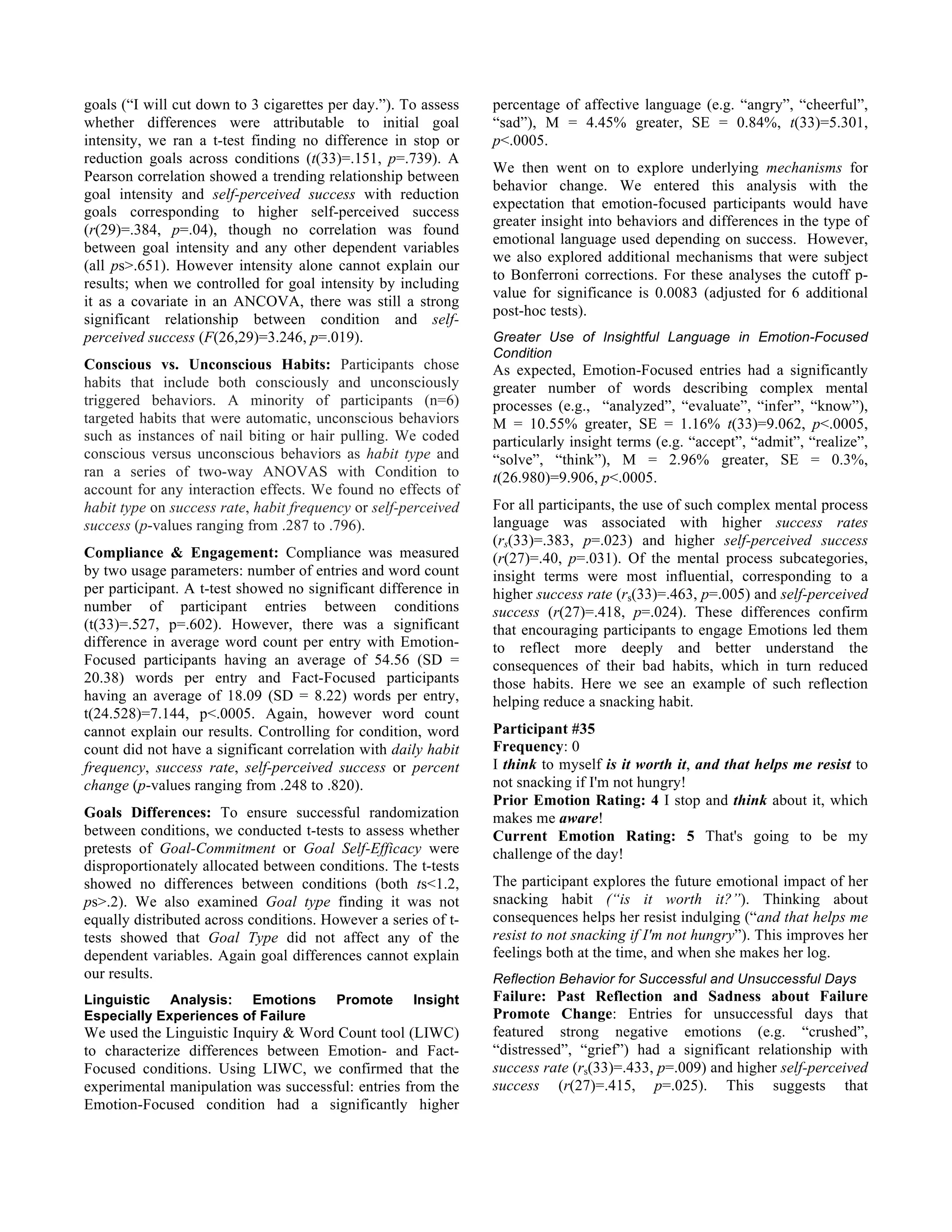
Fig. 1: Emotion Tracking UI: Confirmation page
showing 4 past entries with date, habit frequency,
emotion ratings and user entry for that day.
Permission to make digital or hard copies of all or part of this work for
personal or classroom use is granted without fee provided that copies are
not made or distributed for profit or commercial advantage and that copies
bear this notice and the full citation on the first page. Copyrights for
components of this work owned by others than ACM must be honored.
Abstracting with credit is permitted. To copy otherwise, or republish, to
post on servers or to redistribute to lists, requires prior specific permission
and/or a fee. Request permissions from Permissions@acm.org.
CHI 2015, April 18 - 23 2015, Seoul, Republic of Korea
Copyright is held by the authors. Publication rights licensed to ACM.
ACM 978-1-4503-3145-6/15/04 $15.00
http://dx.doi.org/10.1145/2702123.2702196
improved financial behavior [1, 25].
Relatively little of this focus on emotions has found its way
into current behavior-change technologies. Although some
systems allow participants to log emotions [10], behavior
change is typically not the primary focus. Other systems
specifically support emotion tracking, but with the goal of
regulating emotions [17]. In this paper, we therefore
explore new designs that incorporate emotion tracking to
determine whether engaging participants’ emotions can
specifically help reduce preventable behaviors. We address
impulse control and refer to the target preventable behavior
as a bad habit. We use the colloquial definition of “habit”
to reference a daily, problematic behavior (e.g., a “smoking
habit”) that references either consciously (e.g., drinking) or
unconsciously triggered activities (e.g., nail biting). To
explore benefits of emotion tracking, we first carried out
exploratory interviews to better understand how emotions
are involved in behavior change. We next conducted a
system intervention (see Fig. 1) to explore aspects of
emotion tracking for preventing habit engagement and
contrasted this with a traditional cognitive approach. Our
goal was to encourage reflection on the emotional
consequences of engaging in a bad habit, so as to
discourage habits that induce emotional distress.
We present qualitative and quantitative data to address the
following questions:
- What is the role of emotion in behavior change?
- What are the benefits of emotion-tracking compared with
more traditional cognitive approaches? Does engaging
emotions reduce bad habits?
- How does emotion tracking change behavior? What are
the underlying psychological mechanisms?
- What types of emotional engagement (positive vs.
negative) are most effective at reducing a bad habit?
Our contribution is to show that emotion tracking promotes
more successful behavior change than purely cognitive
methods. We also identify mechanisms for success: greater
engagement of negative affect for unsuccessful days and
increased insight were key to motivating change. We
present design implications to improve behavior-change
technologies with emotion tracking.
RELATED WORK
Behavior-Change Technologies
A common criticism of early behavior-change technology
was lack of theoretical foundation. However, this concern is
steadily being addressed with the increased use of theory to
intelligently scaffold system design [12, 15, 18]. Of these
theoretically-driven systems, many are influenced by
cognitive behavioral therapy (CBT) approaches, focused on
detailed record-keeping to promote self-awareness about
the relationship between everyday behaviors and
consequences for behavior change goals. Self-reflection
within behavior change technologies has also gained
recognition as an important component to promote self-
awareness and positive change [19]. Many of these
technologies have also leverage models, such as Theory of
Planned Behavior (TPB) [3], Transtheoretical Model [27],
Social Cognitive Theory [5] and Goal-Setting Theory [20],
to address factors that can affect behavior transformations
(e.g., self-efficacy or social pressure).
While early behavior-change technologies capitalized on
the benefits of self-monitoring alone [9, 23], many of these
technologies now include more refined features to increase
success rates. Popular commercial systems have features
motivated by psychological theory such as social pressure
(either as competition or cooperation) [5], goal-setting
principles [20] and motivational style [11].
One key gap in major behavior change theories and
smaller-scale models, such as goal-setting theory, is that
little work has focused on how emotional factors impact
motivation and this oversight has translated to how many
designers approach behavior-change technologies today.
Within psychology, empirical studies have made significant
progress in identifying the role of emotions in decision-
making. Pennebaker & Chung (2007) outlined extensive
research documenting the benefits of expressive, emotional
writing to improve well-being and health. In addition,
contemporary research examines bidirectional relationships
between emotions and behavior. In contrast to the
traditional view that emotions strictly serve as
predispositions to behavior, recent work demonstrates how
emotions serve as target affective outcomes which
influence the likelihood of engaging in a specific behavior.
For example, understanding that one feels better after
exercise serves to promote this habit. This causality is
supported by a meta-analysis by Baumeister et al. (2007)
which found that of approximately 400 tests focused on
emotions as predictors of behavior, only 17% of results
were significant. However, for studies aimed at predicting
behavior by judgments of anticipated emotional outcomes,
90% of results were significant. In line with this, mental
forecasts of future affective states dramatically alter
decision making, substantially changing perceived utilities
for outcomes and in turn increase the consistency between a
person's voiced intentions and actual behavior [1, 25].
Emotion-Oriented Technologies
Our focus here is on the relationship between emotions and
behavior change, where there is much less system
exploration. Nevertheless, a handful of commercial systems
have incorporated emotion tracking. For example, the
Runtastic app [28] includes mood entry post-jogging to
record emotional states and provides snapshots for users to
view moods after exercise. Similarly, the Mood Runner
[16] and Moodkit [29] apps allow mood tracking in
conjunction with physiological data such as exercise, sleep
or sex drive to help users draw connections between health
choices and emotional well-being. The Jawbone UP fitness
tracker allows users to associate days with mood type.
However, when displaying “UP Trends” to display
correlational data between different categories, such as food
intake and step count, mood-tracking information is
omitted. In the realm of addiction, the Quit Pro - Smoking
Cessation application [8] allows users to identify potential
triggers to smoking and replays information related to the
most successfully resisted or succumbed triggers. Of these
possible options, emotional factors (e.g., stress) are
included as one of many possible precursors to smoking
relapse. In conclusion, although behavior-change
technologies are beginning to include emotion-tracking
features, most are included as a peripheral characteristic.
Within academic contexts there has also been interest in
emotional aspects of behavior change. For example, Health
Mashups includes mood tracking alongside other
parameters such as food intake, weather and step count [7].
Mood tracking was well-received by participants and
provided important information on the relationship between
emotional states and health-related behaviors. However,
again the system incorporated emotion-tracking as a
peripheral characteristic rather than exploring its central
motivating role and the paper did not directly test how
mood tracking affected behavior change.
Closer to our research objective is the EmoTree app, an
ECG system which applies passive emotion detection to
raise user awareness about emotional triggers for overeating
[10]. The aim is to immediately signal high-risk emotional
states to users for just-in-time motivation to reduce binge
eating episodes. EmoTree identified a wide range of
emotional precursors for overeating episodes and
participant feedback indicated that customization for
emotional triggers was useful though still ineffective at
eliciting substantial change. Carroll et al., [10] reported that
while 87.5% of participants became more aware of
emotional triggers, only 37.5% communicated changing as
a result of immediate warnings. While we are also
interested in promoting user awareness of the effects of
emotional triggers on behavior, we extend this approach by
focusing on conscious reflection and anticipation of
emotional consequences.
In summary, much prior work has focused on cognitive
aspects of behavior change. Although a handful of newer
systems have begun to explore the relationship between
emotions and behavior, many do not follow our approach of
using emotion tracking as the core method to explicitly
reduce a behavior. We therefore examine the impact of a
system that encourages people to track emotions to record
emotional consequences when attempting to control bad
habits. To inform our intervention we first conducted
exploratory interviews to assess how emotions are involved
in behavior change.
EXPLORATORY INTERVIEWS TO EVALUATE THE ROLE
OF EMOTIONS IN BEHAVIOR CHANGE
Participants
We conducted semi-structured interviews with 12
participant aged 18-21 (9 women) recruited through a
university participant pool to satisfy a psychology course
requirement. Before the interview, participants were
instructed to prepare a topic of discussion for a personally
important behavior change goal that was either currently or
recently pursued. Interviews were conducted in-person,
ranged from approximately 30-60 minutes and transcribed
verbatim. Interview transcriptions were independently
coded for behavior category and themes of emotional
content. Participants’ goals for behavior change ranged
from practical lifestyle changes such as improved sleep
habits, to reduced aggressive outbursts with family
members. From these interviews, we explored what types of
behaviors people saw as problematic, why that behavior
was viewed as problematic and most critically the role of
emotions in affecting those behaviors.
Target Behaviors for Change and the Critical Role of
Emotions
Unsurprisingly academic performance was a common
concern and many participants specified a main goal of
improving study skills (N = 4). In relation to this goal,
several participants identified procrastination habits that
evoked strong negative affective consequences. One
participant described emotional hardship resulting from
schoolwork consuming more time than expected, leading to
feelings of frustration or working under extreme stress. She
specifically discussed her fear of failure, describing how
this encouraged procrastination:
(BC3): “...I’m really afraid of failure so I put [schoolwork]
off because I’m afraid I’m not going to do a good job on
something and then suddenly its time to do the thing and I
get really worried...I procrastinate, [then] I think I’m
gonna fail, so I procrastinate that longer…”
Other participants also conveyed a complex relationship
between study habits and emotions. Participant [BC13]
explained how successful time management promoted
better grades, and how the positive emotions associated
with that “...encouraged [her] into studying more” with the
expectation of continued success. In contrast, school
semesters that began with poor time management
precipitated the opposite train of events, leaving her to feel
discouraged and demotivated. Similarly, participant BC10
acknowledged that poor study habits and resulting bad
grades could also affect other life aspects, leading him to
“...feel down or depressed or maybe really anxious” and
become socially withdrawn.
Many of the participants were lucid about the emotional
consequences of engaging in certain behaviors. The
following participant [BC1] explores her complex
relationship to her smoking habit, including the social
stressors that precipitate her desire to smoke, (“being
attacked by people”, “unappreciated”, “not valued”). She
understands the immediate relief of smoking and enjoyment
of a nicotine rush. However, she is also aware of the long-
term health consequences of indulging her habit and
describes it in very strong terms (“I wanna just hurt
myself”). She has also considered other ways of reducing
stress levels by exercising but notes this alternative requires
more effort and planning:
[BC1]: “I know I would feel so much better if I had a
nicotine rush to de-stress, because when I don’t have time
to exercise this is the big issue...I don’t have a way to
relieve that stress so when I’m stressed out instantly I’m
like “I want a cigarette”… when I have social
stressors...when I feel attacked by other people or
unappreciated... well I wanna just hurt myself, hurt
yourself with a cigarette, you don’t really think of it…”
BC1 was also aware of the long term health consequences
of smoking but chose to overlook these for short term
catharsis:“I just have this weird justification for it...I don’t
really care if I die younger, ‘cause you’re so stressed out
and you don’t look at the long picture, like instant
gratification.”
These interviews were informative in revealing to us the
types of habits that people want to moderate. More
importantly, they revealed the critical role that emotions
had in moderating these habits. Participants are attuned to
the negative emotional consequences of engaging in their
habits and the positive emotions that follow from resisting
them. Being attuned to emotional consequences was
sometimes sufficient to elicit adaptive behaviors. However
on other occasions, participants were unable to resist
maladaptive behaviors because other alternatives were not
easily achieved. These observations along with prior
research motivated us to explore whether technological
interventions for increased emotional awareness might
moderate bad habits.
INTERVENTION: EMOTION VS. FACT FOCUSED
TRACKING
We built a mobile web-based system to explore the effects
of emotion tracking on behavior change, which we
compared with a more traditional, objective monitoring
system. We compared the two systems in a field trial where
participants aimed to change a bad habit. Consistent with
much current work taking a cognitive approach to behavior
change, half our participants were randomized into a Fact-
Focused condition to track objective information (e.g., time,
location) related to their habits. The remaining participants
were allocated to an Emotion-Focused condition to examine
the emotional consequences of habit engagement, with the
purpose of increasing awareness about emotions as delayed
consequences. Both sets of participants reported daily
behavior frequency, which should prompt all participants to
evaluate success against change goals. Prior work suggests
that simple factual description and monitoring of behaviors
has benefits [9, 23]. Nevertheless, we anticipated greater
success in the Emotion-Focused condition given that
awareness of later emotional consequences of a decision
has strong effects on behavior [1, 6, 25]. We also expected
this additional emotional processing to reveal itself in
participants’ daily reports of their behaviors in system logs:
with emotion focused participants showing enhanced
insight into behaviors and differences in expressed emotion,
depending on success. `
Study Design
The intervention involved pre- and post-intervention
surveys and 21 days of daily logging information using two
different web-based systems. All participation was
conducted online. Prior to the intervention, participants
identified a single bad habit that they wanted to completely
stop or reduce over a 3-week period. We evaluated success
by: (a) examining daily reports of habit frequency, and (b)
comparing pre- and post-test surveys assessing the habit.
All participants created a daily record of an event in which
their bad habit was engaged or avoided. In the Emotion-
Focused tracking condition, participants recorded emotional
content about the event and specifically rated their
emotional state at the time they engaged in, or avoided, that
bad habit. Emotion-Focused participants then also recorded
their current feelings about the event in hindsight. In the
Fact-Focused condition, participants recorded emotionally
neutral information (e.g., time, location) about the event.
Participants in both conditions recorded the total number of
times the bad habit was engaged for a given day. After
submitting a new entry, participants were instructed to
review the summary page with past entries.
Success in reducing the bad habit was measured through an
overall subjective goal progress rating, referred to as self-
perceived success [26]. We also dynamically assessed
success from reported daily Habit Frequency (HF), derived
from participant logs. Success Rate was computed from
logs, as the number of days when the participant entirely
avoided engaging in the bad habit (HF = 0), expressed as a
percentage of total daily entries.
Participants also submitted pre-test responses to rank
feelings of Goal Commitment and Goal Self-Efficacy. Prior
work [4, 20] has shown that both goal commitment and
self-efficacy affect the outcomes of behavior change
interventions and we wanted to eliminate these as possible
confounds.
Participants
Participants were recruited from an undergraduate
psychology course for the opportunity to receive extra
credit. They were randomized into the Emotion- or Fact-
focused conditions (using http://www.randomizer.org) and
equalized across gender. The final sample consisted of 19
participants in the Emotion-Focused condition (11 women,
mean = 21 years) and 16 participants in the Fact-Focused
condition (9 women, mean = 22 years). Participants were
blind to which group they were in and were not informed
that there were different groups. Participant ages ranged
from 19 to 26 years (M = 21.43).
Procedure
All participants were told that the research goal was to track
a bad habit that the participant would like to improve. After
completion of the online pretest, we emailed participants a
web-link to a secure personal online logging template with
login information. To maintain compliance, researchers
individually contacted participants by phone once a week to
confirm that they were consistently submitting entries and
to address any technical errors with the online template. We
also scanned server logs to determine that participants were
indeed making daily entries and correctly following our
instructions. Three weeks after the start date, participants
were contacted to answer the post-test survey, they were
debriefed and given the opportunity to delete or modify any
data that they wish to keep private before data analysis.
Instructions and Measures
Pre-test Materials
Participants completed pre-post intervention surveys and a
consent form online. The pre-test included a Goal
Characteristics survey for identifying one specific bad
habit to stop or reduce over the study period [26].
Following prior work on intervention methods [22], we
asked participants to set specific goals (e.g. reduce smoking
to 0 cigarettes per day) that they personally had sole control
over and that could be achieved within a 3-week period. We
checked that each participant’s goal complied before they
began the intervention. The pre-intervention survey also
included a 9-item Likert scale for Goal Commitment (“How
committed do you feel to this goal”) and Goal Self-Efficacy
(“The extent to which you feel you have the skills and
resources necessary to attain this goal.”), following
previous goal-pursuit research [4, 20]. After completion of
the study, participants submitted a post-intervention survey
response to a 9-item Likert scale for Goal Progress
(“Please rate how much progress you have made toward
your goal”).
Web-Based Log Templates
Participants submitted daily templates about their targeted
habit. The template was hosted on the lead researcher’s
private website which was SSL-encrypted and password-
protected with a 10-digit alphanumeric code. Participants
were allowed to edit or delete entries at any time. However
an entry timestamp tracked modified or deleted entries
allowing us to monitor participants’ compliance and
consistency of daily entries throughout the study. After
submitting a new entry, a confirmation page would
immediately display a summary of all previous records.
Participants in the Emotion-Rating condition could
additionally see emoticons associated with their entries.
Instructions
Participant instructions were embedded within the Fact-
Focused and Emotion-Focused logging templates to ensure
correct usage. Participants manually logged the total
number of times the habit was engaged each day (habit
frequency) and described a single event in which they
engaged or resisted the habit.
Following classic behavior change approaches, the Fact-
Focused Template prompted participants for objective
information related to an event involving the habit (habit
frequency, time, location, social context and optional
miscellaneous information). Participants were required to
provide the following information:
Overall, how many times did you engage in your specified
bad habit today?
Now think back to one specific instance when you engaged
in that behavior.
- Enter the time of the event:
- Enter the location where this event occurred:
- Enter who you were with at the time:
- (Optional) Record other miscellaneous information:
Below is an example of a Fact-Focused Entry for a
participant who wanted to reduce smoking. Despite his
intentions, he smoked 9 cigarettes overall that day. The log
also shows that at 11:30am while at a corporate event he
smoked a cigarette in lieu of interacting with coworkers:
Participant #82
Frequency: 9
Time: 11:30am
Location: Company BBQ
Social Company: By myself
(Optional) Miscellaneous: Went to smoke a cigarette by
myself because I could not find anyone interesting to talk to
The Emotion-Focused Template directed participants to
evaluate habit frequency but also to write about the
emotional content of an event with a brief textual
description and rating of mood using a 5-point emoticon
scale, ranging from 1 (“miserable) to 5 (“extremely
positive”). We are aware that there are more nuanced ways
to register emotions but wanted a logging method that was
not onerous. Participants were also asked to rate both how
they felt at the time of the event, as well as current feelings
about the incident at the time of recording. Participants
were required to provide the following information:
Overall, how many times did you engage in your specified
bad habit today?
Now think back to one specific instance when you engaged
in that behavior.
- Write a few sentences describing how you felt at the
time:
- Rate how you felt prior to this event:
- Reflecting on this situation, write a brief description
about your feelings toward this memory:
- Rate your current feelings about this event:
Below is an example of an Emotion-Focused Entry.
Participant #25 who wanted to stop eating outside normal
meal times, reports a day when she indulged in 8 instances
of snacking. The entry below describes a specific event
when she snacked despite her target goal to reduce
overeating and describes her feelings about the event both
at the time (‘neutral’) and currently (‘negative’):
Participant #25
Frequency: 8
Prior Emotion Rating: 3 (neutral) I couldn't control
myself around the tater tots at work. Every time they came
out of the fryer. I had to have one. I feel disappointed in
myself because I know tater tots are bad for you.
Current Emotion Rating: 2 (negative) Dissatisfied
On some days, participants successfully abstained from
their habit. If a participant abstained (indicated by them
entering “0” for Habit Frequency), the template questions
changed to record information associated with success. For
example, the prompt “Now think back to one specific
instance when you engaged a behavior” would modify to
“Now think back to one specific instance when you
successfully resisted that behavior”. This was done to
preserve the habit of daily logging even for successful days.
Quantitative Analysis - Behavior Change Metrics
We analyzed pre- and post-intervention survey responses
and participant logfiles to quantitatively assess differences
between conditions. Six participants did not provide
responses to the post-test survey. However, the logfile data
for these 6 participants were retained for the analysis of
daily Habit Frequency and Success Rate. We tested for
differences between conditions for 3 dependent variables:
Self-Perceived Success: Differences in post-test responses
for an overall assessment of goal progress (“Please rate
how much progress you have made toward your goal”).
Habit Frequency: Differences in Habit Frequency (HF) as
calculated from daily logs.
Success Rate: For each participant, we calculated the
percentage of entries with a zero habit frequency count
(successful days) out of total participant entries. For
example, if a participant logged 5 days with 0 HF counts
out of 20 days logged, their success rate is 25%. Days with
a non-zero habit frequency are referred to as unsuccessful
days.
Self-Perceived Success: Emotion-Focused Logging Is
Associated with Greater Perceived Progress Towards Goals
We first analyzed post-test responses to the goal progress
question (“Please rate how much progress you have made
toward your goal”) with responses given on a 9-point Likert
scale. We wanted to know whether Emotion-Focus
promoted greater perceived progress. Levene’s test showed
heterogeneity of variances (p>.05), so the data was
analyzed with Welch’s t-test. As expected, mean goal
progress for the Emotion-Focused (Mean = 5.82, SD =
1.47) was significantly greater than the Fact-Focused
condition (Mean=4.08, SD=2.47, Welch’s t(16.479)=2.186,
p =.044).
Habit Frequency
Habit frequencies (HF) scores were extracted from logfile
entries. Again we wanted to know whether Emotion-Focus
reduced habit frequency. HF scores were not similarly
distributed between conditions and HF scores for Fact-
Focused participants were positively skewed. A logarithmic
transformation was applied to the data to normalize
distribution. Participants in the Emotion-Focused condition
had a lower average daily HF count (Mean = -1.7, SD =
1.45) than Fact-Focused participants, though this fell short
of statistical significance (Mean = 3.6, SD = 3.84) (t(33)=-
1.631, p =.112).
Success Rate: Emotion-Focused Condition Promoted a
Greater Proportion of Successful Days
A Mann-Whitney U test was conducted to determine differ-
ences in success rate between Emotion-Focused and Fact-
Focused participants. We used a non-parametric test as both
distributions were non-normal. Median success rate was
statistically significantly higher for Emotion-Focused
participants (Median=27.78%) than for Fact-Focused
participants (Median=6.25%), U = 84, z = -2.265, p =.024.
Emotion Ratings: Participants who experienced most
difficulties were happiest when they succeeded
Nineteen participants in the Emotion-focused condition
provided emotion ratings. Participants retrospectively
reported emotional state at the time they engaged their habit
(prior emotion) and at time of recording (current emotion).
We explored the relation between emotion ratings and habit
success. The difference between current emotions for
unsuccessful vs. successful days was significant, with
successful days having a more positive mean current
emotion rating (Mean = 4.13 SD .53; CI 3.87 – 4.39) than
unsuccessful days (Mean = 2.977, SD = .68, CI 2.65 – 3.31,
t(18)=33.801 p<.0005). Prior feelings were similarly
influenced by success; successful days had a more positive
average prior emotion rating of 3.83 (SD = .659, CI = 3.51-
4.15) vs. unsuccessful days (Mean = 3.09, SD = .404, CI
2.89-3.29, t(18)=25.33 p<.0005).
There was also a significant correlation between emotion
ratings on successful days and overall daily habit
frequency. This was true for both current and prior
emotions (both rs(17) >.456, ps<.050). This indicates that
participants who engaged their bad behavior more
frequently expressed heightened positive reactions when
they achieved a successful day; perhaps their rare successes
made them more prone to celebrate.
We next conducted checks to rule out various confounding
factors that might otherwise explain our results.
Goal Intensity: One possible explanation for our results is
that participants in the two conditions set differently
challenging goals. From the pre-intervention survey,
participant goals were independently coded as either stop
goals (“I will smoke 0 cigarettes per day.”) or reduction
goals (“I will cut down to 3 cigarettes per day.”). To assess
whether differences were attributable to initial goal
intensity, we ran a t-test finding no difference in stop or
reduction goals across conditions (t(33)=.151, p=.739). A
Pearson correlation showed a trending relationship between
goal intensity and self-perceived success with reduction
goals corresponding to higher self-perceived success
(r(29)=.384, p=.04), though no correlation was found
between goal intensity and any other dependent variables
(all ps>.651). However intensity alone cannot explain our
results; when we controlled for goal intensity by including
it as a covariate in an ANCOVA, there was still a strong
significant relationship between condition and self-
perceived success (F(26,29)=3.246, p=.019).
Conscious vs. Unconscious Habits: Participants chose
habits that include both consciously and unconsciously
triggered behaviors. A minority of participants (n=6)
targeted habits that were automatic, unconscious behaviors
such as instances of nail biting or hair pulling. We coded
conscious versus unconscious behaviors as habit type and
ran a series of two-way ANOVAS with Condition to
account for any interaction effects. We found no effects of
habit type on success rate, habit frequency or self-perceived
success (p-values ranging from .287 to .796).
Compliance & Engagement: Compliance was measured
by two usage parameters: number of entries and word count
per participant. A t-test showed no significant difference in
number of participant entries between conditions
(t(33)=.527, p=.602). However, there was a significant
difference in average word count per entry with Emotion-
Focused participants having an average of 54.56 (SD =
20.38) words per entry and Fact-Focused participants
having an average of 18.09 (SD = 8.22) words per entry,
t(24.528)=7.144, p<.0005. Again, however word count
cannot explain our results. Controlling for condition, word
count did not have a significant correlation with daily habit
frequency, success rate, self-perceived success or percent
change (p-values ranging from .248 to .820).
Goals Differences: To ensure successful randomization
between conditions, we conducted t-tests to assess whether
pretests of Goal-Commitment or Goal Self-Efficacy were
disproportionately allocated between conditions. The t-tests
showed no differences between conditions (both ts<1.2,
ps>.2). We also examined Goal type finding it was not
equally distributed across conditions. However a series of t-
tests showed that Goal Type did not affect any of the
dependent variables. Again goal differences cannot explain
our results.
Linguistic Analysis: Emotions Promote Insight
Especially Experiences of Failure
We used the Linguistic Inquiry & Word Count tool (LIWC)
to characterize differences between Emotion- and Fact-
Focused conditions. Using LIWC, we confirmed that the
experimental manipulation was successful: entries from the
Emotion-Focused condition had a significantly higher
percentage of affective language (e.g. “angry”, “cheerful”,
“sad”), M = 4.45% greater, SE = 0.84%, t(33)=5.301,
p<.0005.
We then went on to explore underlying mechanisms for
behavior change. We entered this analysis with the
expectation that emotion-focused participants would have
greater insight into behaviors and differences in the type of
emotional language used depending on success. However,
we also explored additional mechanisms that were subject
to Bonferroni corrections. For these analyses the cutoff p-
value for significance is 0.0083 (adjusted for 6 additional
post-hoc tests).
Greater Use of Insightful Language in Emotion-Focused
Condition
As expected, Emotion-Focused entries had a significantly
greater number of words describing complex mental
processes (e.g., “analyzed”, “evaluate”, “infer”, “know”),
M = 10.55% greater, SE = 1.16% t(33)=9.062, p<.0005,
particularly insight terms (e.g. “accept”, “admit”, “realize”,
“solve”, “think”), M = 2.96% greater, SE = 0.3%,
t(26.980)=9.906, p<.0005.
For all participants, the use of such complex mental process
language was associated with higher success rates
(rs(33)=.383, p=.023) and higher self-perceived success
(r(27)=.40, p=.031). Of the mental process subcategories,
insight terms were most influential, corresponding to a
higher success rate (rs(33)=.463, p=.005) and self-perceived
success (r(27)=.418, p=.024). These differences confirm
that encouraging participants to engage Emotions led them
to reflect more deeply and better understand the
consequences of their bad habits, which in turn reduced
those habits. Here we see an example of such reflection
helping reduce a snacking habit.
Participant #35
Frequency: 0
I think to myself is it worth it, and that helps me resist to
not snacking if I'm not hungry!
Prior Emotion Rating: 4 I stop and think about it, which
makes me aware!
Current Emotion Rating: 5 That's going to be my
challenge of the day!
The participant explores the future emotional impact of her
snacking habit (“is it worth it?”). Thinking about
consequences helps her resist indulging (“and that helps me
resist to not snacking if I'm not hungry”). This improves her
feelings both at the time, and when she makes her log.
Reflection Behavior for Successful and Unsuccessful Days
Failure: Past Reflection and Sadness about Failure
Promote Change: Entries for unsuccessful days that
featured strong negative emotions (e.g. “crushed”,
“distressed”, “grief”) had a significant relationship with
success rate (rs(33)=.433, p=.009) and higher self-perceived
success (r(27)=.415, p=.025). This suggests that
participants especially benefitted from engaging negative
affect or regret about failures.
For example, Participant #29 displayed extremely negative
responses to unsuccessful days when he would
uncontrollably nap, yet concluded the study with a higher
than average success rate (52.83%) and self-perceived
success (7). In one log entry, Participant #29 notes: “I'm
disappointed in myself. I was tired from the last few days
and it looks like it culminated into me just giving in with a
nap. So stupid of me.” His emotion ratings were also highly
remorseful and self critical:
Prior Emotion Rating: 2 (negative) RGHHHHHHHH.
Frustrated. So. SO. SO. FRUSTRATED.
Current Emotion Rating: 1 (miserable) I didn't resist. I
hate everything right now.
Interestingly, post hoc analyses showed greater use of
inhibition terms (“stop”, “deny”, “avoid”) trended to a
lower success rate (rs(33)=-.419, p=.012) and significant
increase in habit frequency (rs(33)=.572, p<.0005). This
finding relates to previous work showing that planning
focused on negating a behavior (e.g., “If my friend offers
me a cigarette, I will not smoke it.”) causes an ironic
rebound effect to actually increase habit frequency [2]. Our
participants who emphasized the need to stop a behavior
without identifying a substitute response or alternative
recourse may have strengthened the bad habit, resulting in
worse performance.
Qualitative Analysis: Follow-up Interviews
Two weeks after the study, all participants were contacted
to participate in a voluntary follow-up interview. A total of
12 (Emotion-Focused: 10, Fact-Focused: 2) volunteered to
discuss their experiences and provide design suggestions.
All interviews were conducted individually over Skype and
were audio recorded and transcribed.
Perceived Relationship Between Emotions and Target
Behavior
Participants in the Emotion-Focused condition were
questioned about the relationship, or lack thereof, between
emotions and habit engagement. Participants generally
acknowledged that affect played a key role in the days they
engaged in their bad habits, as well as larger consequences.
EF#29: “I'm looking at a couple of days worth of entries
with kind of like “Oh, I've had a lot of naps in the course of
the first week of entries”… I kind of realized...“What am I
doing with my life?” I thought about how to do something
about it and I do actually see myself kind of happier when
I'm not taking naps...”
Some participants did not view affect as a significant factor
in their habits. Participant EF#32 stated that he “doesn’t
really feel anything” and doesn’t feel guilt for his behavior
because he does not view his habit (excessive video
gaming) as an important problem. Though this was a
minority opinion (N=3 interviews), it suggests that not all
will benefit from this type of intervention and that the
effectiveness of emotion-tracking may be dependent on the
perceived importance of changing the behavior.
Emotion-Tracking for Raised Awareness:
A majority of participants in the Emotion-Focused
condition (7 of 10) had highly positive responses to
emotion-tracking and believed that it played a key role in
modifying their behaviors. Many discussed the importance
of raised awareness as a result of logging emotional states.
EF#29: “…it just helped contextualize it a little bit...for why
I'm doing it... more than kind of what I'm doing, but how I
feel when I'm doing it and how the feelings connect to what
I'm doing... it helps provide a fuller picture of things as
opposed to just being about the bad habit.”
Participant (EF#27) noted that emotion-tracking made
affect “more salient” and helped to make it “more obvious
what was happening”. While this was considered “eerie to
recognize” she found it helpful “to make the connection
with [a] bad habit--that it’s happening when you’re in a
bad mood...It became easier to be aware of it, which was
important in the first part, because usually I wasn’t aware
of it. And then, being aware of it could, or would, make me
stop doing it.” Participant EF#37 also specifically found the
reflection format easier for analyzing his behavior because
he was not “blinded” by his emotions at the time of the
event. Similarly, all interviewees reported a preference for
making event entries after the fact because it allowed them
to assess their habit behaviors more holistically.
Participants in the Fact-Focused condition were not asked
specific questions about Emotion-Tracking features.
Strikingly, however, a Fact-Focused participant
spontaneously responded to a question about system design
improvements by suggesting we add emotion tracking:
(FF#22): “There should have included...Maybe how it
made us feel...probably not open-ended about how it made
me feel, but choose how from four: bad, good, okay...You
know, to see how people feel about the bad habit.”
Failure vs. Success Entries
Participants were also questioned on whether they found
success or failure entries more important at promoting
change. Despite our quantitative results showing that
reflecting on unsuccessful entries played an important role
in reducing habits, a majority of participants who were
interviewed (N=5) communicated a preference to record
successful entries only. In total, 3 participants prioritized
unsuccessful entries as more important for change and 4
participants thought both types of entries were equally
important.
DISCUSSION AND CONCLUSIONS
Our goal was to evaluate a system that encourages users to
associate a bad habit with long-term emotional
consequences, rather than the generally positive association
of immediate relief. Our results suggest a promising new
direction for behavior-change technologies. We deployed a
novel system intervention to evaluate the impact of
Emotion-Focused vs. Fact-Focused logging of a bad habit
for 3-weeks. Raised emotional awareness reduced the
persistence of bad habits and improved goal pursuit for a
wide range of target goals.
We also learned more about why this happened. Emotion
tracking promotes deeper insight into problematic
behaviors. It encourages users to think beyond what, when
and where a behavior occurred but also why, drawing
broader lessons for the future, and increased awareness of
the emotional consequences of detrimental behavior.
Failures seem to be particularly motivating. Reflection on
past failures induced sadness or regret which was strongly
associated with greater self-perceived success and number
of days with absolutely no habit engagement. For
successful days, the relationship between behavior and
habit change was less consistent. This suggests that remorse
may be a more powerful motivator to reduce a bad habit,
confirming previous literature [6]. Interestingly, these
quantitative results partially conflict with our user
interviews where a slight majority of participants expressed
a preference for seeing successful records. This discrepancy
suggests that despite user preference, behavior-change
technologies may benefit by encouraging active reflection
on failures.
Our results suggest a number of design implications to
extend current approaches to behavior change. The success
of emotion tracking indicates that this should be included in
future systems. However future work will be necessary to
determine whether this benefit arose from emotion-tracking
or simply because Emotion-Focused participants also
engaged in more extensive self-reflection. In addition (and
contrary to the opinions of some of our study participants),
it seems critical to expose users to failures, as these
promote greater motivation and insight than successes.
System defaults might therefore direct users to focus on
failures not successes. In addition, consistent with other
quantified-self systems [7, 10], our users expressed a desire
for computational tools enabling them to better analyze
relations between emotions and behavior. Users wanted to
be able to sort entries based on emotion, as well as to
explore behaviors that promoted extreme emotions. Our
results also speak to automatic logging of emotions using
physiological measures. While these emerging technologies
apparently address some of the problems with our
application by reducing demands on users to deliberately
log emotions, we would caution against them being directly
adopted. Our results indicate that active, conscious
reflection on events may be an important facilitator of
behavior change that automatic logging may not provide.
This need for deliberate reflection is supported by prior
work highlighting the need for conscious logging in the
expression and analysis of emotions for affect regulation
[17].
As advocated by other HCI researchers [18] we designed a
study to systematically evaluate one component of
behavior-change technology. Future systems may benefit
by integrating this single component into a more holistic
intervention for various targeted behavior change
interventions.
Limitations: Participants in each condition were prompted
to engage in different degrees of free writing and self-
reflection. While participants in the Emotion-Focused
condition were required to free write their feelings and
thoughts, participants in the Fact-Focused condition were
presented a “Miscellaneous” field as an optional place to
free write. We need to tease apart the separate contributions
of self-reflection formats and emotional tracking. In
addition, we need to further explore different goal types.
Participants’ goals and habits varied considerably, although
we did not find objective differences when we analyzed
different goal types. Bad habits vary significantly in their
automaticity, and susceptibility to our conscious plan based
approach. For example, past work has found bad habits
with strong physiological addictive qualities (e.g., smoking
or overeating) are more resistant to conventional behavioral
interventions [14]. Our intervention was also short term.
We need to explore whether improvements can be
maintained long term as well as whether participants will
comply longer term with the logging we asked from them.
In conclusion, our results suggest a highly promising
direction for behavior-change technologies. We can
promote successful behavior change by moving from
predominantly cognitive views to better engage users’
emotions, in particular by having users reflect on the
consequences of their bad habits, and their past failures to
abstain from those habits.
ACKNOWLEDGEMENTS
We would like to thank our research assistants, Rachael
Kraft, Kellie Su, Victoria Kazek, David Villalobos and
Lauren Park, for their valuable help with this research. We
would also like to thank our participants for sharing their
time and personal lives with us. This research was partially
supported by NSF grant IIS-1321102.
REFERENCES
1. Abraham, C., & Sheeran, P. (2003). Acting on
intentions: The role of anticipated regret. British
Journal of Social Psychology, 42(4), 495-511.
2. Adriaanse, M. A., et al. (2011). Planning what not to
eat: Ironic effects of implementation intentions
negating unhealthy habits. Personality and Social
Psychology Bulletin, 37(1), 69-81.
3. Ajzen, I. (1991). The theory of planned behavior.
Organizational behavior and human decision
processes, 50(2), 179-211.
4. Bandura, A. (1994). Self‐efficacy.Wiley, New York.
5. Bandura, A. (2001). Social cognitive theory: An
agentic perspective. Annual review of psychology,
52(1), 1-26.
6. Baumeister, R. F., et al. (2007). How emotion shapes
behavior: Feedback, anticipation, and reflection, rather
than direct causation. Personality and Social
Psychology Review, 11(2), 167-203.
7. Bentley, F., et al. (2013). Health Mashups: Presenting
statistical patterns between wellbeing data and context
in natural language to promote behavior change.
TOCHI, 20(5), 30.
8. Bitsmedia (2014) Quit Pro (Version 2.2.1) [Mobile
app.] Retrieved from https://itunes.apple.com/us/app/
quit-pro-your-smoking-cessation/id336786774?mt=8
9. Burke, L. E., et al. (2011). Self-monitoring in weight
loss: a systematic review of the literature. Journal of
the American Dietetic Association,111(1), 92-102.
10. Carroll, E. A. et al., (2013). Food and Mood: Just-in-
Time Support for Emotional Eating. In Proceedings of
ACII’13. (pp. 252-257). IEEE.
11. Carver, C. S., et al. (1994). Behavioral inhibition,
behavioral activation, and affective responses to
impending reward and punishment: the BIS/BAS
scales. Journal of personality and social psychology,
67(2), 319.
12. Consolvo, S. et al., (2009). Theory-driven design
strategies for technologies that support behavior
change in everyday life. In Proceedings of CHI’09.
13. Eysenbach, G. (2005). The law of attrition. Journal of
medical Internet research, 7(1).
14. Gould, R. A., et al. (1993). A meta-analysis of self-help
treatment approaches. Clinical psychology review,
13(2), 169-186.
15. He, H. A. et al., (2010). One size does not fit all:
applying the transtheoretical model to energy feedback
technology design. In Proceedings of CHI’10. (pp.
927-936). ACM.
16. inSight One, Inc. (2012) Mood Runner (Version 1.03)
[Mobile app. software.] Retrieved from https://itunes.
apple.com/us/app/mood-runner/id404822869?mt=8
17. Isaacs, E., et al. (2013). Echoes from the past: how
technology mediated reflection improves well-being. In
Proceedings of CHI’13. (pp. 1071-1080). ACM.
18. Klasnja, P. et al., (2011). How to evaluate technologies
for health behavior change in HCI research. In
Proceedings of CHI’11.
19. Li, I. (2012). Personal informatics & context: Using
context to reveal factors that affect behavior. Journal of
Ambient Intelligence and Smart Environments, 4(1),
71-72.
20. Locke, E. A., & Latham, G. P. (2002). Building a
practically useful theory of goal setting and task
motivation: A 35-year odyssey. American psychologist,
57(9), 705.
21. Lopez et al., (2006). Global and regional burden of
disease and risk factors, 2001: systematic analysis of
population health data. The Lancet, 367(9524), 1747-
1757.
22. Martin, G. L., & Pear, J. (1992). Behavior
Modification: What It Is and How To Do It, 9/E.
23. McFall, R. M. (1970). Effects of self-monitoring on
normal smoking behavior. Journal of Consulting and
Clinical Psychology, 35(2), 135.
24. Pennebaker, J.W., et al. (2007). The development and
psychometric properties of LIWC2007. [Software
manual]. Austin, TX (www.liwc.net)
25. Perugini, M., & Bagozzi, R. P. (2001). The role of
desires and anticipated emotions in goal‐directed
behaviours: Broadening and deepening the theory of
planned behaviour. British Journal of Social
Psychology, 40(1), 79-98.
26. Powers, T. A., et al. (2005). Implementation intentions,
perfectionism, and goal progress: Perhaps the road to
hell is paved with good intentions. Personality and
Social Psychology Bulletin, 31(7), 902-912.
27. Prochaska, J., et al. (1997). The transtheoretical model
of health behavior change. Am. J. Health Promot. 12,
1, 38–48.
28. Runtastic. (2014) Runtastic (Version 5.3) [Mobile app.]
Retrieved from http://itunes.apple.com/us/app/runtastic
-gps-running-walking/id336599882?mt=8
29. Thriveport (2013) MoodKit (Version 2.2) [Mobile
app.] Retrieved from https://itunes.apple.com/us/app/
moodkit-mood-improvement-tools/id427064987?mt=8
30. Webb, T., et al. (2010). Using the internet to promote
health behavior change: a systematic review and meta-
analysis of the impact of theoretical basis, use of
behavior change techniques, and mode of delivery on
efficacy. Journal of medical Internet research, 12(1),
e4.

Sub-413-Change-of-Heart-Jan-7

  • 1.
    Change of Heart:Emotion Tracking to Promote Behavior Change Victoria Hollis, Artie Konrad, Steve Whittaker University of California at Santa Cruz, High St, Santa Cruz, 95064. {vhollis, akonrad, swhittak}@ucsc.edu ABSTRACT Preventable behaviors contribute to many life threatening health problems. Behavior-change technologies have been deployed to modify these, but such systems typically draw on traditional behavioral theories that overlook affect. We examine the importance of emotion tracking for behavior change. First, we conducted interviews to explore how emotions influence unwanted behaviors. Next, we deployed a system intervention, in which 35 participants logged information for a self-selected, unwanted behavior (e.g., smoking or overeating) over 21 days. 16 participants engaged in standard behavior tracking using a Fact- Focused system to record objective information about goals. 19 participants used an Emotion-Focused system to record emotional consequences of behaviors. Emotion- Focused logging promoted more successful behavior change and analysis of logfiles revealed mechanisms for success: greater engagement of negative affect for unsuccessful days and increased insight were key to motivating change. We present design implications to improve behavior-change technologies with emotion tracking. Author Keywords Behavior change, emotions, lifestyle, user studies, everyday life, field experiment. ACM Classification Keywords H.5.m. Information interfaces and presentation (e.g., HCI): Miscellaneous. J.4 Social and Behavioral Sciences: Psychology INTRODUCTION Preventable behaviors account for over half of all deaths in high-income countries [21]. Though smoking, alcohol abuse and overeating are controllable through intervention, they continue to be life-threatening problems. One response has been the emergence of personal applications to assist self-led interventions. As of 2014, the Google Play and iTunes Application store return over 100,000 results for “Health & Fitness” including apps for diet, exercise, smoking cessation and sleep. This paper takes a novel approach to address preventable behaviors by using an emotion tracking system that encourages participants to reflect on the emotional consequences of that behavior. While behavior-change technologies have been successfully deployed [30] these systems commonly suffer from low compliance and often fail to maintain long-term change [13]. When systems do draw on theory, they generally emphasize cognitive aspects of behavior (Theory of Planned Behavior [3]; Transtheoretical Model [27], Social Cognitive Theory [5] and Goal-Setting Theory [20]. For example, traditional cognitive approaches typically encourage participants to monitor everyday behaviors for the purpose of tracking relevant information (e.g., step count or social comparison) and objective consequences for behavior change goals (e.g., daily weight). However recent research identifies the critical role that emotions play in motivating behavior. In particular this work shows the importance of affective forecasting [6] where behavior change is motivated by a desire to achieve a future affective state. This involves participants thinking about how they will feel if they engage in a behavior. Affective forecasting has been successfully applied to body weight regulation, safe sex, time management and Fig. 1: Emotion Tracking UI: Confirmation page showing 4 past entries with date, habit frequency, emotion ratings and user entry for that day. Permission to make digital or hard copies of all or part of this work for personal or classroom use is granted without fee provided that copies are not made or distributed for profit or commercial advantage and that copies bear this notice and the full citation on the first page. Copyrights for components of this work owned by others than ACM must be honored. Abstracting with credit is permitted. To copy otherwise, or republish, to post on servers or to redistribute to lists, requires prior specific permission and/or a fee. Request permissions from Permissions@acm.org. CHI 2015, April 18 - 23 2015, Seoul, Republic of Korea Copyright is held by the authors. Publication rights licensed to ACM. ACM 978-1-4503-3145-6/15/04 $15.00 http://dx.doi.org/10.1145/2702123.2702196
  • 2.
    improved financial behavior[1, 25]. Relatively little of this focus on emotions has found its way into current behavior-change technologies. Although some systems allow participants to log emotions [10], behavior change is typically not the primary focus. Other systems specifically support emotion tracking, but with the goal of regulating emotions [17]. In this paper, we therefore explore new designs that incorporate emotion tracking to determine whether engaging participants’ emotions can specifically help reduce preventable behaviors. We address impulse control and refer to the target preventable behavior as a bad habit. We use the colloquial definition of “habit” to reference a daily, problematic behavior (e.g., a “smoking habit”) that references either consciously (e.g., drinking) or unconsciously triggered activities (e.g., nail biting). To explore benefits of emotion tracking, we first carried out exploratory interviews to better understand how emotions are involved in behavior change. We next conducted a system intervention (see Fig. 1) to explore aspects of emotion tracking for preventing habit engagement and contrasted this with a traditional cognitive approach. Our goal was to encourage reflection on the emotional consequences of engaging in a bad habit, so as to discourage habits that induce emotional distress. We present qualitative and quantitative data to address the following questions: - What is the role of emotion in behavior change? - What are the benefits of emotion-tracking compared with more traditional cognitive approaches? Does engaging emotions reduce bad habits? - How does emotion tracking change behavior? What are the underlying psychological mechanisms? - What types of emotional engagement (positive vs. negative) are most effective at reducing a bad habit? Our contribution is to show that emotion tracking promotes more successful behavior change than purely cognitive methods. We also identify mechanisms for success: greater engagement of negative affect for unsuccessful days and increased insight were key to motivating change. We present design implications to improve behavior-change technologies with emotion tracking. RELATED WORK Behavior-Change Technologies A common criticism of early behavior-change technology was lack of theoretical foundation. However, this concern is steadily being addressed with the increased use of theory to intelligently scaffold system design [12, 15, 18]. Of these theoretically-driven systems, many are influenced by cognitive behavioral therapy (CBT) approaches, focused on detailed record-keeping to promote self-awareness about the relationship between everyday behaviors and consequences for behavior change goals. Self-reflection within behavior change technologies has also gained recognition as an important component to promote self- awareness and positive change [19]. Many of these technologies have also leverage models, such as Theory of Planned Behavior (TPB) [3], Transtheoretical Model [27], Social Cognitive Theory [5] and Goal-Setting Theory [20], to address factors that can affect behavior transformations (e.g., self-efficacy or social pressure). While early behavior-change technologies capitalized on the benefits of self-monitoring alone [9, 23], many of these technologies now include more refined features to increase success rates. Popular commercial systems have features motivated by psychological theory such as social pressure (either as competition or cooperation) [5], goal-setting principles [20] and motivational style [11]. One key gap in major behavior change theories and smaller-scale models, such as goal-setting theory, is that little work has focused on how emotional factors impact motivation and this oversight has translated to how many designers approach behavior-change technologies today. Within psychology, empirical studies have made significant progress in identifying the role of emotions in decision- making. Pennebaker & Chung (2007) outlined extensive research documenting the benefits of expressive, emotional writing to improve well-being and health. In addition, contemporary research examines bidirectional relationships between emotions and behavior. In contrast to the traditional view that emotions strictly serve as predispositions to behavior, recent work demonstrates how emotions serve as target affective outcomes which influence the likelihood of engaging in a specific behavior. For example, understanding that one feels better after exercise serves to promote this habit. This causality is supported by a meta-analysis by Baumeister et al. (2007) which found that of approximately 400 tests focused on emotions as predictors of behavior, only 17% of results were significant. However, for studies aimed at predicting behavior by judgments of anticipated emotional outcomes, 90% of results were significant. In line with this, mental forecasts of future affective states dramatically alter decision making, substantially changing perceived utilities for outcomes and in turn increase the consistency between a person's voiced intentions and actual behavior [1, 25]. Emotion-Oriented Technologies Our focus here is on the relationship between emotions and behavior change, where there is much less system exploration. Nevertheless, a handful of commercial systems have incorporated emotion tracking. For example, the Runtastic app [28] includes mood entry post-jogging to record emotional states and provides snapshots for users to view moods after exercise. Similarly, the Mood Runner [16] and Moodkit [29] apps allow mood tracking in conjunction with physiological data such as exercise, sleep or sex drive to help users draw connections between health choices and emotional well-being. The Jawbone UP fitness
  • 3.
    tracker allows usersto associate days with mood type. However, when displaying “UP Trends” to display correlational data between different categories, such as food intake and step count, mood-tracking information is omitted. In the realm of addiction, the Quit Pro - Smoking Cessation application [8] allows users to identify potential triggers to smoking and replays information related to the most successfully resisted or succumbed triggers. Of these possible options, emotional factors (e.g., stress) are included as one of many possible precursors to smoking relapse. In conclusion, although behavior-change technologies are beginning to include emotion-tracking features, most are included as a peripheral characteristic. Within academic contexts there has also been interest in emotional aspects of behavior change. For example, Health Mashups includes mood tracking alongside other parameters such as food intake, weather and step count [7]. Mood tracking was well-received by participants and provided important information on the relationship between emotional states and health-related behaviors. However, again the system incorporated emotion-tracking as a peripheral characteristic rather than exploring its central motivating role and the paper did not directly test how mood tracking affected behavior change. Closer to our research objective is the EmoTree app, an ECG system which applies passive emotion detection to raise user awareness about emotional triggers for overeating [10]. The aim is to immediately signal high-risk emotional states to users for just-in-time motivation to reduce binge eating episodes. EmoTree identified a wide range of emotional precursors for overeating episodes and participant feedback indicated that customization for emotional triggers was useful though still ineffective at eliciting substantial change. Carroll et al., [10] reported that while 87.5% of participants became more aware of emotional triggers, only 37.5% communicated changing as a result of immediate warnings. While we are also interested in promoting user awareness of the effects of emotional triggers on behavior, we extend this approach by focusing on conscious reflection and anticipation of emotional consequences. In summary, much prior work has focused on cognitive aspects of behavior change. Although a handful of newer systems have begun to explore the relationship between emotions and behavior, many do not follow our approach of using emotion tracking as the core method to explicitly reduce a behavior. We therefore examine the impact of a system that encourages people to track emotions to record emotional consequences when attempting to control bad habits. To inform our intervention we first conducted exploratory interviews to assess how emotions are involved in behavior change. EXPLORATORY INTERVIEWS TO EVALUATE THE ROLE OF EMOTIONS IN BEHAVIOR CHANGE Participants We conducted semi-structured interviews with 12 participant aged 18-21 (9 women) recruited through a university participant pool to satisfy a psychology course requirement. Before the interview, participants were instructed to prepare a topic of discussion for a personally important behavior change goal that was either currently or recently pursued. Interviews were conducted in-person, ranged from approximately 30-60 minutes and transcribed verbatim. Interview transcriptions were independently coded for behavior category and themes of emotional content. Participants’ goals for behavior change ranged from practical lifestyle changes such as improved sleep habits, to reduced aggressive outbursts with family members. From these interviews, we explored what types of behaviors people saw as problematic, why that behavior was viewed as problematic and most critically the role of emotions in affecting those behaviors. Target Behaviors for Change and the Critical Role of Emotions Unsurprisingly academic performance was a common concern and many participants specified a main goal of improving study skills (N = 4). In relation to this goal, several participants identified procrastination habits that evoked strong negative affective consequences. One participant described emotional hardship resulting from schoolwork consuming more time than expected, leading to feelings of frustration or working under extreme stress. She specifically discussed her fear of failure, describing how this encouraged procrastination: (BC3): “...I’m really afraid of failure so I put [schoolwork] off because I’m afraid I’m not going to do a good job on something and then suddenly its time to do the thing and I get really worried...I procrastinate, [then] I think I’m gonna fail, so I procrastinate that longer…” Other participants also conveyed a complex relationship between study habits and emotions. Participant [BC13] explained how successful time management promoted better grades, and how the positive emotions associated with that “...encouraged [her] into studying more” with the expectation of continued success. In contrast, school semesters that began with poor time management precipitated the opposite train of events, leaving her to feel discouraged and demotivated. Similarly, participant BC10 acknowledged that poor study habits and resulting bad grades could also affect other life aspects, leading him to “...feel down or depressed or maybe really anxious” and become socially withdrawn. Many of the participants were lucid about the emotional consequences of engaging in certain behaviors. The following participant [BC1] explores her complex relationship to her smoking habit, including the social stressors that precipitate her desire to smoke, (“being
  • 4.
    attacked by people”,“unappreciated”, “not valued”). She understands the immediate relief of smoking and enjoyment of a nicotine rush. However, she is also aware of the long- term health consequences of indulging her habit and describes it in very strong terms (“I wanna just hurt myself”). She has also considered other ways of reducing stress levels by exercising but notes this alternative requires more effort and planning: [BC1]: “I know I would feel so much better if I had a nicotine rush to de-stress, because when I don’t have time to exercise this is the big issue...I don’t have a way to relieve that stress so when I’m stressed out instantly I’m like “I want a cigarette”… when I have social stressors...when I feel attacked by other people or unappreciated... well I wanna just hurt myself, hurt yourself with a cigarette, you don’t really think of it…” BC1 was also aware of the long term health consequences of smoking but chose to overlook these for short term catharsis:“I just have this weird justification for it...I don’t really care if I die younger, ‘cause you’re so stressed out and you don’t look at the long picture, like instant gratification.” These interviews were informative in revealing to us the types of habits that people want to moderate. More importantly, they revealed the critical role that emotions had in moderating these habits. Participants are attuned to the negative emotional consequences of engaging in their habits and the positive emotions that follow from resisting them. Being attuned to emotional consequences was sometimes sufficient to elicit adaptive behaviors. However on other occasions, participants were unable to resist maladaptive behaviors because other alternatives were not easily achieved. These observations along with prior research motivated us to explore whether technological interventions for increased emotional awareness might moderate bad habits. INTERVENTION: EMOTION VS. FACT FOCUSED TRACKING We built a mobile web-based system to explore the effects of emotion tracking on behavior change, which we compared with a more traditional, objective monitoring system. We compared the two systems in a field trial where participants aimed to change a bad habit. Consistent with much current work taking a cognitive approach to behavior change, half our participants were randomized into a Fact- Focused condition to track objective information (e.g., time, location) related to their habits. The remaining participants were allocated to an Emotion-Focused condition to examine the emotional consequences of habit engagement, with the purpose of increasing awareness about emotions as delayed consequences. Both sets of participants reported daily behavior frequency, which should prompt all participants to evaluate success against change goals. Prior work suggests that simple factual description and monitoring of behaviors has benefits [9, 23]. Nevertheless, we anticipated greater success in the Emotion-Focused condition given that awareness of later emotional consequences of a decision has strong effects on behavior [1, 6, 25]. We also expected this additional emotional processing to reveal itself in participants’ daily reports of their behaviors in system logs: with emotion focused participants showing enhanced insight into behaviors and differences in expressed emotion, depending on success. ` Study Design The intervention involved pre- and post-intervention surveys and 21 days of daily logging information using two different web-based systems. All participation was conducted online. Prior to the intervention, participants identified a single bad habit that they wanted to completely stop or reduce over a 3-week period. We evaluated success by: (a) examining daily reports of habit frequency, and (b) comparing pre- and post-test surveys assessing the habit. All participants created a daily record of an event in which their bad habit was engaged or avoided. In the Emotion- Focused tracking condition, participants recorded emotional content about the event and specifically rated their emotional state at the time they engaged in, or avoided, that bad habit. Emotion-Focused participants then also recorded their current feelings about the event in hindsight. In the Fact-Focused condition, participants recorded emotionally neutral information (e.g., time, location) about the event. Participants in both conditions recorded the total number of times the bad habit was engaged for a given day. After submitting a new entry, participants were instructed to review the summary page with past entries. Success in reducing the bad habit was measured through an overall subjective goal progress rating, referred to as self- perceived success [26]. We also dynamically assessed success from reported daily Habit Frequency (HF), derived from participant logs. Success Rate was computed from logs, as the number of days when the participant entirely avoided engaging in the bad habit (HF = 0), expressed as a percentage of total daily entries. Participants also submitted pre-test responses to rank feelings of Goal Commitment and Goal Self-Efficacy. Prior work [4, 20] has shown that both goal commitment and self-efficacy affect the outcomes of behavior change interventions and we wanted to eliminate these as possible confounds. Participants Participants were recruited from an undergraduate psychology course for the opportunity to receive extra credit. They were randomized into the Emotion- or Fact- focused conditions (using http://www.randomizer.org) and equalized across gender. The final sample consisted of 19 participants in the Emotion-Focused condition (11 women, mean = 21 years) and 16 participants in the Fact-Focused condition (9 women, mean = 22 years). Participants were blind to which group they were in and were not informed
  • 5.
    that there weredifferent groups. Participant ages ranged from 19 to 26 years (M = 21.43). Procedure All participants were told that the research goal was to track a bad habit that the participant would like to improve. After completion of the online pretest, we emailed participants a web-link to a secure personal online logging template with login information. To maintain compliance, researchers individually contacted participants by phone once a week to confirm that they were consistently submitting entries and to address any technical errors with the online template. We also scanned server logs to determine that participants were indeed making daily entries and correctly following our instructions. Three weeks after the start date, participants were contacted to answer the post-test survey, they were debriefed and given the opportunity to delete or modify any data that they wish to keep private before data analysis. Instructions and Measures Pre-test Materials Participants completed pre-post intervention surveys and a consent form online. The pre-test included a Goal Characteristics survey for identifying one specific bad habit to stop or reduce over the study period [26]. Following prior work on intervention methods [22], we asked participants to set specific goals (e.g. reduce smoking to 0 cigarettes per day) that they personally had sole control over and that could be achieved within a 3-week period. We checked that each participant’s goal complied before they began the intervention. The pre-intervention survey also included a 9-item Likert scale for Goal Commitment (“How committed do you feel to this goal”) and Goal Self-Efficacy (“The extent to which you feel you have the skills and resources necessary to attain this goal.”), following previous goal-pursuit research [4, 20]. After completion of the study, participants submitted a post-intervention survey response to a 9-item Likert scale for Goal Progress (“Please rate how much progress you have made toward your goal”). Web-Based Log Templates Participants submitted daily templates about their targeted habit. The template was hosted on the lead researcher’s private website which was SSL-encrypted and password- protected with a 10-digit alphanumeric code. Participants were allowed to edit or delete entries at any time. However an entry timestamp tracked modified or deleted entries allowing us to monitor participants’ compliance and consistency of daily entries throughout the study. After submitting a new entry, a confirmation page would immediately display a summary of all previous records. Participants in the Emotion-Rating condition could additionally see emoticons associated with their entries. Instructions Participant instructions were embedded within the Fact- Focused and Emotion-Focused logging templates to ensure correct usage. Participants manually logged the total number of times the habit was engaged each day (habit frequency) and described a single event in which they engaged or resisted the habit. Following classic behavior change approaches, the Fact- Focused Template prompted participants for objective information related to an event involving the habit (habit frequency, time, location, social context and optional miscellaneous information). Participants were required to provide the following information: Overall, how many times did you engage in your specified bad habit today? Now think back to one specific instance when you engaged in that behavior. - Enter the time of the event: - Enter the location where this event occurred: - Enter who you were with at the time: - (Optional) Record other miscellaneous information: Below is an example of a Fact-Focused Entry for a participant who wanted to reduce smoking. Despite his intentions, he smoked 9 cigarettes overall that day. The log also shows that at 11:30am while at a corporate event he smoked a cigarette in lieu of interacting with coworkers: Participant #82 Frequency: 9 Time: 11:30am Location: Company BBQ Social Company: By myself (Optional) Miscellaneous: Went to smoke a cigarette by myself because I could not find anyone interesting to talk to The Emotion-Focused Template directed participants to evaluate habit frequency but also to write about the emotional content of an event with a brief textual description and rating of mood using a 5-point emoticon scale, ranging from 1 (“miserable) to 5 (“extremely positive”). We are aware that there are more nuanced ways to register emotions but wanted a logging method that was not onerous. Participants were also asked to rate both how they felt at the time of the event, as well as current feelings about the incident at the time of recording. Participants were required to provide the following information: Overall, how many times did you engage in your specified bad habit today? Now think back to one specific instance when you engaged in that behavior. - Write a few sentences describing how you felt at the time: - Rate how you felt prior to this event: - Reflecting on this situation, write a brief description about your feelings toward this memory: - Rate your current feelings about this event: Below is an example of an Emotion-Focused Entry. Participant #25 who wanted to stop eating outside normal meal times, reports a day when she indulged in 8 instances
  • 6.
    of snacking. Theentry below describes a specific event when she snacked despite her target goal to reduce overeating and describes her feelings about the event both at the time (‘neutral’) and currently (‘negative’): Participant #25 Frequency: 8 Prior Emotion Rating: 3 (neutral) I couldn't control myself around the tater tots at work. Every time they came out of the fryer. I had to have one. I feel disappointed in myself because I know tater tots are bad for you. Current Emotion Rating: 2 (negative) Dissatisfied On some days, participants successfully abstained from their habit. If a participant abstained (indicated by them entering “0” for Habit Frequency), the template questions changed to record information associated with success. For example, the prompt “Now think back to one specific instance when you engaged a behavior” would modify to “Now think back to one specific instance when you successfully resisted that behavior”. This was done to preserve the habit of daily logging even for successful days. Quantitative Analysis - Behavior Change Metrics We analyzed pre- and post-intervention survey responses and participant logfiles to quantitatively assess differences between conditions. Six participants did not provide responses to the post-test survey. However, the logfile data for these 6 participants were retained for the analysis of daily Habit Frequency and Success Rate. We tested for differences between conditions for 3 dependent variables: Self-Perceived Success: Differences in post-test responses for an overall assessment of goal progress (“Please rate how much progress you have made toward your goal”). Habit Frequency: Differences in Habit Frequency (HF) as calculated from daily logs. Success Rate: For each participant, we calculated the percentage of entries with a zero habit frequency count (successful days) out of total participant entries. For example, if a participant logged 5 days with 0 HF counts out of 20 days logged, their success rate is 25%. Days with a non-zero habit frequency are referred to as unsuccessful days. Self-Perceived Success: Emotion-Focused Logging Is Associated with Greater Perceived Progress Towards Goals We first analyzed post-test responses to the goal progress question (“Please rate how much progress you have made toward your goal”) with responses given on a 9-point Likert scale. We wanted to know whether Emotion-Focus promoted greater perceived progress. Levene’s test showed heterogeneity of variances (p>.05), so the data was analyzed with Welch’s t-test. As expected, mean goal progress for the Emotion-Focused (Mean = 5.82, SD = 1.47) was significantly greater than the Fact-Focused condition (Mean=4.08, SD=2.47, Welch’s t(16.479)=2.186, p =.044). Habit Frequency Habit frequencies (HF) scores were extracted from logfile entries. Again we wanted to know whether Emotion-Focus reduced habit frequency. HF scores were not similarly distributed between conditions and HF scores for Fact- Focused participants were positively skewed. A logarithmic transformation was applied to the data to normalize distribution. Participants in the Emotion-Focused condition had a lower average daily HF count (Mean = -1.7, SD = 1.45) than Fact-Focused participants, though this fell short of statistical significance (Mean = 3.6, SD = 3.84) (t(33)=- 1.631, p =.112). Success Rate: Emotion-Focused Condition Promoted a Greater Proportion of Successful Days A Mann-Whitney U test was conducted to determine differ- ences in success rate between Emotion-Focused and Fact- Focused participants. We used a non-parametric test as both distributions were non-normal. Median success rate was statistically significantly higher for Emotion-Focused participants (Median=27.78%) than for Fact-Focused participants (Median=6.25%), U = 84, z = -2.265, p =.024. Emotion Ratings: Participants who experienced most difficulties were happiest when they succeeded Nineteen participants in the Emotion-focused condition provided emotion ratings. Participants retrospectively reported emotional state at the time they engaged their habit (prior emotion) and at time of recording (current emotion). We explored the relation between emotion ratings and habit success. The difference between current emotions for unsuccessful vs. successful days was significant, with successful days having a more positive mean current emotion rating (Mean = 4.13 SD .53; CI 3.87 – 4.39) than unsuccessful days (Mean = 2.977, SD = .68, CI 2.65 – 3.31, t(18)=33.801 p<.0005). Prior feelings were similarly influenced by success; successful days had a more positive average prior emotion rating of 3.83 (SD = .659, CI = 3.51- 4.15) vs. unsuccessful days (Mean = 3.09, SD = .404, CI 2.89-3.29, t(18)=25.33 p<.0005). There was also a significant correlation between emotion ratings on successful days and overall daily habit frequency. This was true for both current and prior emotions (both rs(17) >.456, ps<.050). This indicates that participants who engaged their bad behavior more frequently expressed heightened positive reactions when they achieved a successful day; perhaps their rare successes made them more prone to celebrate. We next conducted checks to rule out various confounding factors that might otherwise explain our results. Goal Intensity: One possible explanation for our results is that participants in the two conditions set differently challenging goals. From the pre-intervention survey, participant goals were independently coded as either stop goals (“I will smoke 0 cigarettes per day.”) or reduction
  • 7.
    goals (“I willcut down to 3 cigarettes per day.”). To assess whether differences were attributable to initial goal intensity, we ran a t-test finding no difference in stop or reduction goals across conditions (t(33)=.151, p=.739). A Pearson correlation showed a trending relationship between goal intensity and self-perceived success with reduction goals corresponding to higher self-perceived success (r(29)=.384, p=.04), though no correlation was found between goal intensity and any other dependent variables (all ps>.651). However intensity alone cannot explain our results; when we controlled for goal intensity by including it as a covariate in an ANCOVA, there was still a strong significant relationship between condition and self- perceived success (F(26,29)=3.246, p=.019). Conscious vs. Unconscious Habits: Participants chose habits that include both consciously and unconsciously triggered behaviors. A minority of participants (n=6) targeted habits that were automatic, unconscious behaviors such as instances of nail biting or hair pulling. We coded conscious versus unconscious behaviors as habit type and ran a series of two-way ANOVAS with Condition to account for any interaction effects. We found no effects of habit type on success rate, habit frequency or self-perceived success (p-values ranging from .287 to .796). Compliance & Engagement: Compliance was measured by two usage parameters: number of entries and word count per participant. A t-test showed no significant difference in number of participant entries between conditions (t(33)=.527, p=.602). However, there was a significant difference in average word count per entry with Emotion- Focused participants having an average of 54.56 (SD = 20.38) words per entry and Fact-Focused participants having an average of 18.09 (SD = 8.22) words per entry, t(24.528)=7.144, p<.0005. Again, however word count cannot explain our results. Controlling for condition, word count did not have a significant correlation with daily habit frequency, success rate, self-perceived success or percent change (p-values ranging from .248 to .820). Goals Differences: To ensure successful randomization between conditions, we conducted t-tests to assess whether pretests of Goal-Commitment or Goal Self-Efficacy were disproportionately allocated between conditions. The t-tests showed no differences between conditions (both ts<1.2, ps>.2). We also examined Goal type finding it was not equally distributed across conditions. However a series of t- tests showed that Goal Type did not affect any of the dependent variables. Again goal differences cannot explain our results. Linguistic Analysis: Emotions Promote Insight Especially Experiences of Failure We used the Linguistic Inquiry & Word Count tool (LIWC) to characterize differences between Emotion- and Fact- Focused conditions. Using LIWC, we confirmed that the experimental manipulation was successful: entries from the Emotion-Focused condition had a significantly higher percentage of affective language (e.g. “angry”, “cheerful”, “sad”), M = 4.45% greater, SE = 0.84%, t(33)=5.301, p<.0005. We then went on to explore underlying mechanisms for behavior change. We entered this analysis with the expectation that emotion-focused participants would have greater insight into behaviors and differences in the type of emotional language used depending on success. However, we also explored additional mechanisms that were subject to Bonferroni corrections. For these analyses the cutoff p- value for significance is 0.0083 (adjusted for 6 additional post-hoc tests). Greater Use of Insightful Language in Emotion-Focused Condition As expected, Emotion-Focused entries had a significantly greater number of words describing complex mental processes (e.g., “analyzed”, “evaluate”, “infer”, “know”), M = 10.55% greater, SE = 1.16% t(33)=9.062, p<.0005, particularly insight terms (e.g. “accept”, “admit”, “realize”, “solve”, “think”), M = 2.96% greater, SE = 0.3%, t(26.980)=9.906, p<.0005. For all participants, the use of such complex mental process language was associated with higher success rates (rs(33)=.383, p=.023) and higher self-perceived success (r(27)=.40, p=.031). Of the mental process subcategories, insight terms were most influential, corresponding to a higher success rate (rs(33)=.463, p=.005) and self-perceived success (r(27)=.418, p=.024). These differences confirm that encouraging participants to engage Emotions led them to reflect more deeply and better understand the consequences of their bad habits, which in turn reduced those habits. Here we see an example of such reflection helping reduce a snacking habit. Participant #35 Frequency: 0 I think to myself is it worth it, and that helps me resist to not snacking if I'm not hungry! Prior Emotion Rating: 4 I stop and think about it, which makes me aware! Current Emotion Rating: 5 That's going to be my challenge of the day! The participant explores the future emotional impact of her snacking habit (“is it worth it?”). Thinking about consequences helps her resist indulging (“and that helps me resist to not snacking if I'm not hungry”). This improves her feelings both at the time, and when she makes her log. Reflection Behavior for Successful and Unsuccessful Days Failure: Past Reflection and Sadness about Failure Promote Change: Entries for unsuccessful days that featured strong negative emotions (e.g. “crushed”, “distressed”, “grief”) had a significant relationship with success rate (rs(33)=.433, p=.009) and higher self-perceived success (r(27)=.415, p=.025). This suggests that
  • 8.
    participants especially benefittedfrom engaging negative affect or regret about failures. For example, Participant #29 displayed extremely negative responses to unsuccessful days when he would uncontrollably nap, yet concluded the study with a higher than average success rate (52.83%) and self-perceived success (7). In one log entry, Participant #29 notes: “I'm disappointed in myself. I was tired from the last few days and it looks like it culminated into me just giving in with a nap. So stupid of me.” His emotion ratings were also highly remorseful and self critical: Prior Emotion Rating: 2 (negative) RGHHHHHHHH. Frustrated. So. SO. SO. FRUSTRATED. Current Emotion Rating: 1 (miserable) I didn't resist. I hate everything right now. Interestingly, post hoc analyses showed greater use of inhibition terms (“stop”, “deny”, “avoid”) trended to a lower success rate (rs(33)=-.419, p=.012) and significant increase in habit frequency (rs(33)=.572, p<.0005). This finding relates to previous work showing that planning focused on negating a behavior (e.g., “If my friend offers me a cigarette, I will not smoke it.”) causes an ironic rebound effect to actually increase habit frequency [2]. Our participants who emphasized the need to stop a behavior without identifying a substitute response or alternative recourse may have strengthened the bad habit, resulting in worse performance. Qualitative Analysis: Follow-up Interviews Two weeks after the study, all participants were contacted to participate in a voluntary follow-up interview. A total of 12 (Emotion-Focused: 10, Fact-Focused: 2) volunteered to discuss their experiences and provide design suggestions. All interviews were conducted individually over Skype and were audio recorded and transcribed. Perceived Relationship Between Emotions and Target Behavior Participants in the Emotion-Focused condition were questioned about the relationship, or lack thereof, between emotions and habit engagement. Participants generally acknowledged that affect played a key role in the days they engaged in their bad habits, as well as larger consequences. EF#29: “I'm looking at a couple of days worth of entries with kind of like “Oh, I've had a lot of naps in the course of the first week of entries”… I kind of realized...“What am I doing with my life?” I thought about how to do something about it and I do actually see myself kind of happier when I'm not taking naps...” Some participants did not view affect as a significant factor in their habits. Participant EF#32 stated that he “doesn’t really feel anything” and doesn’t feel guilt for his behavior because he does not view his habit (excessive video gaming) as an important problem. Though this was a minority opinion (N=3 interviews), it suggests that not all will benefit from this type of intervention and that the effectiveness of emotion-tracking may be dependent on the perceived importance of changing the behavior. Emotion-Tracking for Raised Awareness: A majority of participants in the Emotion-Focused condition (7 of 10) had highly positive responses to emotion-tracking and believed that it played a key role in modifying their behaviors. Many discussed the importance of raised awareness as a result of logging emotional states. EF#29: “…it just helped contextualize it a little bit...for why I'm doing it... more than kind of what I'm doing, but how I feel when I'm doing it and how the feelings connect to what I'm doing... it helps provide a fuller picture of things as opposed to just being about the bad habit.” Participant (EF#27) noted that emotion-tracking made affect “more salient” and helped to make it “more obvious what was happening”. While this was considered “eerie to recognize” she found it helpful “to make the connection with [a] bad habit--that it’s happening when you’re in a bad mood...It became easier to be aware of it, which was important in the first part, because usually I wasn’t aware of it. And then, being aware of it could, or would, make me stop doing it.” Participant EF#37 also specifically found the reflection format easier for analyzing his behavior because he was not “blinded” by his emotions at the time of the event. Similarly, all interviewees reported a preference for making event entries after the fact because it allowed them to assess their habit behaviors more holistically. Participants in the Fact-Focused condition were not asked specific questions about Emotion-Tracking features. Strikingly, however, a Fact-Focused participant spontaneously responded to a question about system design improvements by suggesting we add emotion tracking: (FF#22): “There should have included...Maybe how it made us feel...probably not open-ended about how it made me feel, but choose how from four: bad, good, okay...You know, to see how people feel about the bad habit.” Failure vs. Success Entries Participants were also questioned on whether they found success or failure entries more important at promoting change. Despite our quantitative results showing that reflecting on unsuccessful entries played an important role in reducing habits, a majority of participants who were interviewed (N=5) communicated a preference to record successful entries only. In total, 3 participants prioritized unsuccessful entries as more important for change and 4 participants thought both types of entries were equally important. DISCUSSION AND CONCLUSIONS Our goal was to evaluate a system that encourages users to associate a bad habit with long-term emotional consequences, rather than the generally positive association of immediate relief. Our results suggest a promising new direction for behavior-change technologies. We deployed a
  • 9.
    novel system interventionto evaluate the impact of Emotion-Focused vs. Fact-Focused logging of a bad habit for 3-weeks. Raised emotional awareness reduced the persistence of bad habits and improved goal pursuit for a wide range of target goals. We also learned more about why this happened. Emotion tracking promotes deeper insight into problematic behaviors. It encourages users to think beyond what, when and where a behavior occurred but also why, drawing broader lessons for the future, and increased awareness of the emotional consequences of detrimental behavior. Failures seem to be particularly motivating. Reflection on past failures induced sadness or regret which was strongly associated with greater self-perceived success and number of days with absolutely no habit engagement. For successful days, the relationship between behavior and habit change was less consistent. This suggests that remorse may be a more powerful motivator to reduce a bad habit, confirming previous literature [6]. Interestingly, these quantitative results partially conflict with our user interviews where a slight majority of participants expressed a preference for seeing successful records. This discrepancy suggests that despite user preference, behavior-change technologies may benefit by encouraging active reflection on failures. Our results suggest a number of design implications to extend current approaches to behavior change. The success of emotion tracking indicates that this should be included in future systems. However future work will be necessary to determine whether this benefit arose from emotion-tracking or simply because Emotion-Focused participants also engaged in more extensive self-reflection. In addition (and contrary to the opinions of some of our study participants), it seems critical to expose users to failures, as these promote greater motivation and insight than successes. System defaults might therefore direct users to focus on failures not successes. In addition, consistent with other quantified-self systems [7, 10], our users expressed a desire for computational tools enabling them to better analyze relations between emotions and behavior. Users wanted to be able to sort entries based on emotion, as well as to explore behaviors that promoted extreme emotions. Our results also speak to automatic logging of emotions using physiological measures. While these emerging technologies apparently address some of the problems with our application by reducing demands on users to deliberately log emotions, we would caution against them being directly adopted. Our results indicate that active, conscious reflection on events may be an important facilitator of behavior change that automatic logging may not provide. This need for deliberate reflection is supported by prior work highlighting the need for conscious logging in the expression and analysis of emotions for affect regulation [17]. As advocated by other HCI researchers [18] we designed a study to systematically evaluate one component of behavior-change technology. Future systems may benefit by integrating this single component into a more holistic intervention for various targeted behavior change interventions. Limitations: Participants in each condition were prompted to engage in different degrees of free writing and self- reflection. While participants in the Emotion-Focused condition were required to free write their feelings and thoughts, participants in the Fact-Focused condition were presented a “Miscellaneous” field as an optional place to free write. We need to tease apart the separate contributions of self-reflection formats and emotional tracking. In addition, we need to further explore different goal types. Participants’ goals and habits varied considerably, although we did not find objective differences when we analyzed different goal types. Bad habits vary significantly in their automaticity, and susceptibility to our conscious plan based approach. For example, past work has found bad habits with strong physiological addictive qualities (e.g., smoking or overeating) are more resistant to conventional behavioral interventions [14]. Our intervention was also short term. We need to explore whether improvements can be maintained long term as well as whether participants will comply longer term with the logging we asked from them. In conclusion, our results suggest a highly promising direction for behavior-change technologies. We can promote successful behavior change by moving from predominantly cognitive views to better engage users’ emotions, in particular by having users reflect on the consequences of their bad habits, and their past failures to abstain from those habits. ACKNOWLEDGEMENTS We would like to thank our research assistants, Rachael Kraft, Kellie Su, Victoria Kazek, David Villalobos and Lauren Park, for their valuable help with this research. We would also like to thank our participants for sharing their time and personal lives with us. This research was partially supported by NSF grant IIS-1321102. REFERENCES 1. Abraham, C., & Sheeran, P. (2003). Acting on intentions: The role of anticipated regret. British Journal of Social Psychology, 42(4), 495-511. 2. Adriaanse, M. A., et al. (2011). Planning what not to eat: Ironic effects of implementation intentions negating unhealthy habits. Personality and Social Psychology Bulletin, 37(1), 69-81. 3. Ajzen, I. (1991). The theory of planned behavior. Organizational behavior and human decision processes, 50(2), 179-211. 4. Bandura, A. (1994). Self‐efficacy.Wiley, New York.
  • 10.
    5. Bandura, A.(2001). Social cognitive theory: An agentic perspective. Annual review of psychology, 52(1), 1-26. 6. Baumeister, R. F., et al. (2007). How emotion shapes behavior: Feedback, anticipation, and reflection, rather than direct causation. Personality and Social Psychology Review, 11(2), 167-203. 7. Bentley, F., et al. (2013). Health Mashups: Presenting statistical patterns between wellbeing data and context in natural language to promote behavior change. TOCHI, 20(5), 30. 8. Bitsmedia (2014) Quit Pro (Version 2.2.1) [Mobile app.] Retrieved from https://itunes.apple.com/us/app/ quit-pro-your-smoking-cessation/id336786774?mt=8 9. Burke, L. E., et al. (2011). Self-monitoring in weight loss: a systematic review of the literature. Journal of the American Dietetic Association,111(1), 92-102. 10. Carroll, E. A. et al., (2013). Food and Mood: Just-in- Time Support for Emotional Eating. In Proceedings of ACII’13. (pp. 252-257). IEEE. 11. Carver, C. S., et al. (1994). Behavioral inhibition, behavioral activation, and affective responses to impending reward and punishment: the BIS/BAS scales. Journal of personality and social psychology, 67(2), 319. 12. Consolvo, S. et al., (2009). Theory-driven design strategies for technologies that support behavior change in everyday life. In Proceedings of CHI’09. 13. Eysenbach, G. (2005). The law of attrition. Journal of medical Internet research, 7(1). 14. Gould, R. A., et al. (1993). A meta-analysis of self-help treatment approaches. Clinical psychology review, 13(2), 169-186. 15. He, H. A. et al., (2010). One size does not fit all: applying the transtheoretical model to energy feedback technology design. In Proceedings of CHI’10. (pp. 927-936). ACM. 16. inSight One, Inc. (2012) Mood Runner (Version 1.03) [Mobile app. software.] Retrieved from https://itunes. apple.com/us/app/mood-runner/id404822869?mt=8 17. Isaacs, E., et al. (2013). Echoes from the past: how technology mediated reflection improves well-being. In Proceedings of CHI’13. (pp. 1071-1080). ACM. 18. Klasnja, P. et al., (2011). How to evaluate technologies for health behavior change in HCI research. In Proceedings of CHI’11. 19. Li, I. (2012). Personal informatics & context: Using context to reveal factors that affect behavior. Journal of Ambient Intelligence and Smart Environments, 4(1), 71-72. 20. Locke, E. A., & Latham, G. P. (2002). Building a practically useful theory of goal setting and task motivation: A 35-year odyssey. American psychologist, 57(9), 705. 21. Lopez et al., (2006). Global and regional burden of disease and risk factors, 2001: systematic analysis of population health data. The Lancet, 367(9524), 1747- 1757. 22. Martin, G. L., & Pear, J. (1992). Behavior Modification: What It Is and How To Do It, 9/E. 23. McFall, R. M. (1970). Effects of self-monitoring on normal smoking behavior. Journal of Consulting and Clinical Psychology, 35(2), 135. 24. Pennebaker, J.W., et al. (2007). The development and psychometric properties of LIWC2007. [Software manual]. Austin, TX (www.liwc.net) 25. Perugini, M., & Bagozzi, R. P. (2001). The role of desires and anticipated emotions in goal‐directed behaviours: Broadening and deepening the theory of planned behaviour. British Journal of Social Psychology, 40(1), 79-98. 26. Powers, T. A., et al. (2005). Implementation intentions, perfectionism, and goal progress: Perhaps the road to hell is paved with good intentions. Personality and Social Psychology Bulletin, 31(7), 902-912. 27. Prochaska, J., et al. (1997). The transtheoretical model of health behavior change. Am. J. Health Promot. 12, 1, 38–48. 28. Runtastic. (2014) Runtastic (Version 5.3) [Mobile app.] Retrieved from http://itunes.apple.com/us/app/runtastic -gps-running-walking/id336599882?mt=8 29. Thriveport (2013) MoodKit (Version 2.2) [Mobile app.] Retrieved from https://itunes.apple.com/us/app/ moodkit-mood-improvement-tools/id427064987?mt=8 30. Webb, T., et al. (2010). Using the internet to promote health behavior change: a systematic review and meta- analysis of the impact of theoretical basis, use of behavior change techniques, and mode of delivery on efficacy. Journal of medical Internet research, 12(1), e4.