







Study Skills
Sarah Jones
margaret-powers.com
Social Media
Twitter
@i_heart_science
YouTube
Sarah Jones
Instagram
@i.heart.science
Websites
I Heart Science
General Science Websites
I Heart Maths
General Maths Websites
General Maths iPad Apps
Note Taking During Class
Teachers use various strategies to indicate to
students what is important. Being aware of these
helps you identify the main ideas.
a) Introductions and conclusions
b) Beginnings and endings are vital. In the
introduction, the lecturer outlines the
important points, connects them with the
previous and next lectures and puts the topic
in context. The conclusion summarises the
main points.
c) Linking expressions
Listen for words and phrases that direct you to new
and important ideas or show the relationships
between the points being raised.
Addition words – also, too, in addition, another
Emphasis words – importantly, specifically, especially
Sequencing words – firstly, secondly, next, finally
Contrast words – however, but, despite, on the other
hand, conversely
Illustration words – for example, to illustrate, that is
Reason and result words – consequently, because,
therefore, leads to
Summary words – in conclusion, to sum up, in summary
The Cornell method is a useful method for
taking notes.
When taking notes Cornell-style, use two
columns:
– a review or key words column on the left
– the notes or details column on the right.
– Use point form to record information, ideas and
your own thinking.
– Colour can help to highlight different points.
http://emedia.rmit.edu.au/learninglab/sites/emedia.rmit.edu.au.learninglab/files/notetaking_lecture.pdf
https://www.youtube.com/watch?v=ogHIyREqLd4
Note Taking From Reading
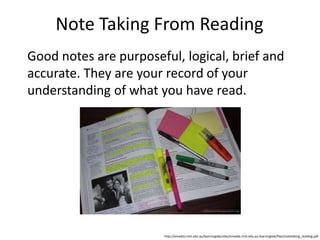
Good notes are purposeful, logical, brief and
accurate. They are your record of your
understanding of what you have read.
http://emedia.rmit.edu.au/learninglab/sites/emedia.rmit.edu.au.learninglab/files/notetaking_reading.pdf
sixteenandsuccessful.org
Good notes should have:
• key points and minor points
• source material i.e. relevant
bibliographical details of a text
• highlighting techniques, graphics,
colours, underlining to pick out main
points
• white space, so that you can add to
your notes later on
• abbreviations and symbols
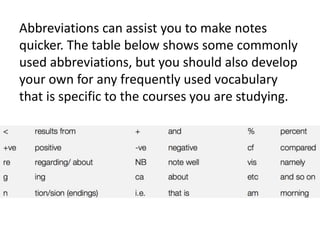
Abbreviations can assist you to make notes
quicker. The table below shows some commonly
used abbreviations, but you should also develop
your own for any frequently used vocabulary.
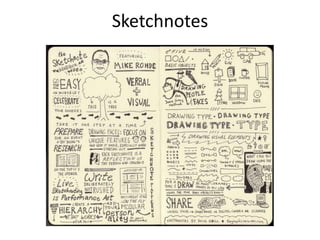
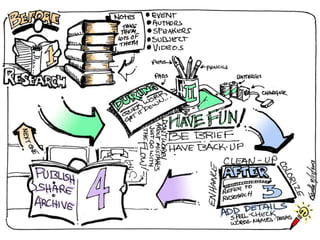
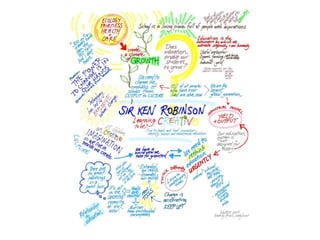
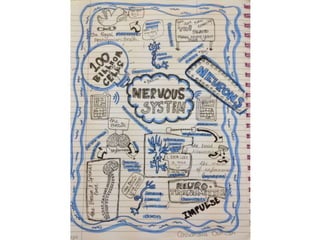
Sketchnotes
Brainstorming
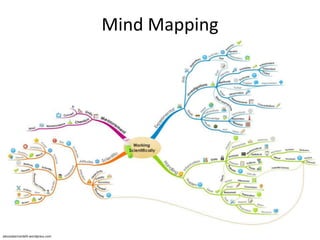
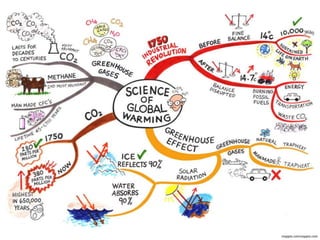
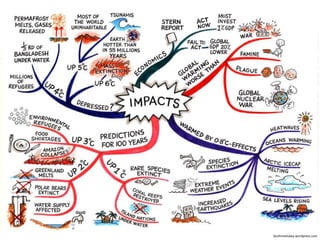
Mind Mapping
alessiobernardelli.wordpress.com
mappio.commappio.com
ibrahimelsawy.wordpress.com
Research Skills
• No matter what the resource or where it is,
subject-specific keyword lists can help you
refine your search.
• When you're looking for information using
search engines, online catalogues and
databases, there are a few simple techniques
that will help you find what you need:
• use ‘+’ to search for two or more words at a
time
• don't include small words like ‘at’, ‘a’, ‘in’, ‘of’,
‘the’, etc.
• use quotation marks to search for an exact
phrase, such as a title or a person's name use
nouns instead of verbs
Specialised websites and databases can help to
focus your research by looking at particular
groups of resources instead of the entire web.
They also limit your search by topic, media type
or website format.
http://ergo.slv.vic.gov.au/learn-skills/research-skills/locate-information
Study Time Management
• Set weekly study times for each subject in a
calendar/planner that is colour coded.
• Avoid distractions when studying – no phone,
television etc.
• Yearly planner that includes assessment dates
so adequate time can be allocated.
• Studying does not just mean homework
completion – review and completion of notes.
https://storybird.com/aaronblecha/

Study Skills

  • 1.
  • 2.
  • 3.
    Websites I Heart Science GeneralScience Websites I Heart Maths General Maths Websites General Maths iPad Apps
  • 4.
    Note Taking DuringClass Teachers use various strategies to indicate to students what is important. Being aware of these helps you identify the main ideas. a) Introductions and conclusions b) Beginnings and endings are vital. In the introduction, the lecturer outlines the important points, connects them with the previous and next lectures and puts the topic in context. The conclusion summarises the main points.
  • 5.
    c) Linking expressions Listenfor words and phrases that direct you to new and important ideas or show the relationships between the points being raised. Addition words – also, too, in addition, another Emphasis words – importantly, specifically, especially Sequencing words – firstly, secondly, next, finally Contrast words – however, but, despite, on the other hand, conversely Illustration words – for example, to illustrate, that is Reason and result words – consequently, because, therefore, leads to Summary words – in conclusion, to sum up, in summary
  • 6.
    The Cornell methodis a useful method for taking notes. When taking notes Cornell-style, use two columns: – a review or key words column on the left – the notes or details column on the right. – Use point form to record information, ideas and your own thinking. – Colour can help to highlight different points. http://emedia.rmit.edu.au/learninglab/sites/emedia.rmit.edu.au.learninglab/files/notetaking_lecture.pdf
  • 7.
  • 8.
    Note Taking FromReading Good notes are purposeful, logical, brief and accurate. They are your record of your understanding of what you have read. http://emedia.rmit.edu.au/learninglab/sites/emedia.rmit.edu.au.learninglab/files/notetaking_reading.pdf sixteenandsuccessful.org
  • 9.
    Good notes shouldhave: • key points and minor points • source material i.e. relevant bibliographical details of a text • highlighting techniques, graphics, colours, underlining to pick out main points • white space, so that you can add to your notes later on • abbreviations and symbols
  • 10.
    Abbreviations can assistyou to make notes quicker. The table below shows some commonly used abbreviations, but you should also develop your own for any frequently used vocabulary.
  • 11.
  • 21.
  • 23.
  • 24.
  • 25.
  • 26.
    Research Skills • Nomatter what the resource or where it is, subject-specific keyword lists can help you refine your search. • When you're looking for information using search engines, online catalogues and databases, there are a few simple techniques that will help you find what you need:
  • 27.
    • use ‘+’to search for two or more words at a time • don't include small words like ‘at’, ‘a’, ‘in’, ‘of’, ‘the’, etc. • use quotation marks to search for an exact phrase, such as a title or a person's name use nouns instead of verbs
  • 28.
    Specialised websites anddatabases can help to focus your research by looking at particular groups of resources instead of the entire web. They also limit your search by topic, media type or website format. http://ergo.slv.vic.gov.au/learn-skills/research-skills/locate-information
  • 29.
    Study Time Management •Set weekly study times for each subject in a calendar/planner that is colour coded. • Avoid distractions when studying – no phone, television etc. • Yearly planner that includes assessment dates so adequate time can be allocated. • Studying does not just mean homework completion – review and completion of notes. https://storybird.com/aaronblecha/