McGraw-Hill/Irwin Copyright © 2010 by The McGraw-Hill Companies, Inc. All rights reserved.
Chapter 12: Corporate Culture and
Leadership: Keys to Good Strategy
Execution
Screen graphics created by:
Jana F. Kuzmicki, Ph.D.
Troy University
12-2
Chapter Learning Objectives
1. Be able to identify the key features of a
company’s corporate culture.
2. Understand how and why a company’s culture
can aid the drive for proficient strategy
execution and operating excellence.
3. Learn the kinds of actions management can take
to change a problem corporate culture.
4. Learn why corporate cultures tend to be
grounded in core values and ethical principles
and help establish a corporate conscience.
5. Understand what constitutes effective
managerial leadership in achieving superior
strategy execution and operating excellence.
12-3
Chapter Roadmap
 Instilling a Corporate Culture that Promotes
Good Strategy Execution
 Identifying the Key Features of a Company’s Corporate
Culture
 Strong versus Weak Cultures
 Unhealthy Cultures
 High-Performance Cultures
 Adaptive Cultures
 Culture: Ally or Obstacle to Strategy Execution?
 Changing a Problem Culture
 Grounding the Culture in Core Values and Ethics
 Establishing a Strategy-Culture Fit in Multinational
Companies
 Leading the Strategy Execution Process
 Making Corrective Adjustments in Timely Fashion
 A Final Word on Managing the Process of
Crafting and Executing Strategy
INSTILLING A STRATEGY-
SUPPORTIVE CORPORATE
CULTURE
12-4
12-5
Defining Characteristics
of Corporate Culture
 Core values, beliefs, and business principles
 Ethical standards
 Operating practices and behaviors defining
“how we do things around here”
 Approach to people management
 “Chemistry” and “personality” permeating
work environment
 Oft-told stories illustrating
 Company’s values
 Business practices
 Traditions
12-6
A company’s culture is manifested in . . .
 Values, business principles, and ethical standards
preached and practiced by management
 Approaches to people management
and problem solving
 Official policies and procedures
 Spirit and character permeating work environment
 Interactions and relationships among managers and
employees
 Peer pressures that exist to display core values
 Its revered traditions and oft-repeated stories
 Its relationships with external stakeholders
Identifying the Key Features
of Corporate Culture
12-7
 Founder or early leader
 Influential individual or work group
 Policies, vision, or strategies
 Operating approaches
 Company’s approach to people
management
 Traditions, supervisory practices,
employee attitudes
 Organizational politics
 Relationships with stakeholders
Where Does Corporate
Culture Come From?
12-8
 Selecting new employees who will “fit” in
 Systematic indoctrination of new employees
 Senior management efforts
to reinforce core values, beliefs,
principles, key operating practices
 Story-telling of company legends
 Ceremonies honoring employees
who display cultural ideals
 Visibly rewarding those
who follow cultural norms
How Is a Company’s Culture Perpetuated?
12-9
Forces Causing Culture to Evolve
 New challenges in marketplace
 Revolutionary technologies
 Shifting internal conditions
 Internal crisis
 Turnover of top executives
 A new CEO who opts to change things
 Diversification into new businesses
 Expansion into foreign countries
 Rapid growth that involves adding many new
employees
 Merger with or acquisition of another company
12-10
Company Subcultures: Problems Posed by New
Acquisitions and Multinational Operations
 Values, beliefs, and practices within a company can
vary by
 Department
 Geographic location
 Business unit
 Subcultures can clash if
 They embrace conflicting business philosophies
 Key executives use different approaches to people
management
 Differences between a company’s culture and recent
acquisitions have not been ironed out
 Existence of subcultures does not preclude
important areas of commonality and compatibility
being established in different countries
Types of Corporate Cultures
Strong vs. Weak Cultures
Unhealthy Cultures
High-Performance Cultures
Adaptive Cultures
12-11
12-12
 Conduct business according to a
clear, widely-understood philosophy
 Considerable time spent by management
communicating and reinforcing values
 Values are widely shared and deeply rooted
 Have a well-defined corporate character,
reinforced by a creed or values statement
 Careful screening/selection of new
employees to be sure they will “fit in”
Characteristics of
Strong Culture Companies
12-13
How Does a Culture Come to Be Strong?
 Leader who establishes values and
behaviors consistent with
 Customer needs
 Competitive conditions
 Strategic requirements
 A deep, abiding commitment to espoused
values, beliefs, and business philosophy
 Practicing what is preached!
 Genuine concern for well-being of
 Customers
 Employees
 Shareholders
Values
Customers
Employees
Shareholders
12-14
Characteristics of Weak Culture Companies
 Lack of a widely-shared core set of values
 Few behavioral norms
evident in operating practices
 Few strong traditions
 No strong sense of company identity
 Little cohesion among departments
 Weak employee allegiance to company’s
vision and strategy
12-15
 Highly politicized internal environment
 Issues resolved on basis of political clout
 Hostility to change
 Avoid risks and don’t screw up
 Experimentation and efforts to
alter status quo discouraged
 “Not-invented-here” mindset – company
personnel discount need to look outside for
 Best practices
 New or better managerial approaches
 Innovative ideas
 Disregard for high ethical standards and
overzealous pursuit of wealth by key
executives
Characteristics of Unhealthy Cultures
12-16
 Standout cultural traits include
 A can-do spirit
 Pride in doing things right
 No-excuses accountability
 A results-oriented work climate in which people go
the extra mile to achieve performance targets
 Strong sense of involvement by all employees
 Emphasis on individual initiative and creativity
 Performance expectations are clearly identified
for all organizational members
 Strong bias for being proactive, not reactive
 Respect for the contributions of all employees
Characteristics of
High-Performance Cultures
12-17
 Willingness to accept change and embrace
challenge of introducing new strategies
 Risk-taking, experimentation, and
innovation to satisfy stakeholders
 Entrepreneurship is
encouraged and rewarded
 Funds provided for new products
 New ideas openly evaluated
 Genuine interest in well-being
of all key constituencies
 Proactive approaches to
implement workable solutions
Hallmarks of Adaptive Cultures
12-18
 A company’s culture can contribute to – or
hinder – successful strategy execution
 A culture that promotes attitudes and
behaviors that are well-suited to first-rate
strategy execution is a valuable ally in the
strategy execution process
 A culture where attitudes
and behaviors impede
good strategy execution is a
huge obstacle to be overcome
Culture: Ally or Obstacle
to Strategy Execution?
12-19
 A culture that encourages actions and behaviors
supportive of good strategy execution
 Provides employees with clear guidance regarding what behaviors
and results constitute good job performance
 Creates significant peer pressure among co-workers to conform to
culturally acceptable norms
 A deeply embedded culture tightly matched to the strategy
 Aids the cause of competent strategy execution by top management
to culturally approved behaviors, thus
 Making it far simpler for management to root out operating practices
that are a misfit
 A culture imbedded with values and behaviors
that facilitate strategy execution promotes
strong employee commitment to the company’s
 Vision
 Performance targets
 Strategy
Why Culture Matters: Benefits
of a Tight Culture-Strategy Fit
12-20
 A good job of culture-building
by managers
 Promotes can-do attitudes
 Encourages acceptance of change
 Instills strong peer pressure for
strategy-supportive behaviors
 Enlists enthusiasm and dedicated
effort to achieve company objectives
Optimal Outcome of a
Tight Culture-Strategy Fit
Closely aligning corporate culture with the
requirements for proficient strategy execution
merits the full attention of senior executives!
12-21
 Conflicts between culturally-approved
behaviors and behaviors needed for good
strategy execution send mixed signals
 Should employees by loyal to the culture and
company traditions and resist actions and
behaviors promoting better strategy execution?
 Or should they support the strategy
by engaging in behaviors that run
counter to the culture?
The Perils of Strategy-Culture Conflict
When a company’s culture is out of sync with what is
needed for strategic success, the culture has to be
changed as rapidly as can be managed!
Creating a Strong Fit
Between Strategy and Culture
Responsibility of Strategy Maker –
Select a strategy compatible with the
sacred or unchangeable parts of
organization’s prevailing corporate culture
Responsibility of Strategy Implementer –
Once strategy is chosen, change
whatever facets of the corporate
culture hinder effective execution
12-22
Figure 12.1: Changing a Problem Culture
12-23
12-24
 Make a compelling case why a new cultural
atmosphere is in best interests of both company
and employees
 Challenge status quo
 Create events where employees
must listen to angry key stakeholders
 Cite why and how certain behavioral norms and
work practices in current culture pose obstacles
to good execution of new strategic initiatives
 Explain how new behaviors and work practices
to be introduced will be more advantageous
and produce better results
Menu of Culture-Changing Actions
12-25
 Replace key executives strongly associated
with old culture
 Promote individuals who have desired cultural
traits and can serve as role models
 Appoint outsiders who have desired cultural
attributes to high-profile positions
 Screen all candidates for new
positions carefully, hiring only those
who fit in with the new culture
 Mandate all company personnel attend culture-
training programs to learn more about new work
practices, operating approaches, and behaviors
Substantive Culture-Changing Actions
12-26
 Push hard to implement new-style work
practices and operating procedures
 Design compensation incentives to reward
teams and individuals who display the
desired cultural behaviors
 Grant generous pay raises to individuals
who lead the way in adopting desired work
practices, displaying new-style behaviors,
and achieving pace-setting results
 Revise policies and procedures
in ways to drive cultural change
Substantive Culture-
Changing Actions (continued)
12-27
 Lead by example – Walk the talk
 Emphasize frugality
 Eliminate executive perks
 Require executives to spend time talking
with customers
 Ceremonial events to praise people and
teams who “get with the program”
 Alter practices identified
as cultural hindrances
 Visible awards to honor heroes
Symbolic Culture-Changing Actions
12-28
 A culture based on ethical principles is
vital to long-term strategic success
 Ethics programs help make
ethical conduct a way of life
 Executives must provide genuine support
of personnel displaying ethical standards
in conducting the company’s business
 Value statements serve as a cornerstone for
culture-building
Grounding the Culture in
Core Values and Ethics
Figure 12.2: The Two Culture-Building Roles of
a Company’s Core Values and Ethical Standards
12-29
12-30
Techniques to Transform Core Values and
Ethical Standards into Cultural Norms
 Screen out applicants who do not exhibit
compatible character traits
 Incorporate values statement and ethics code in
employee training programs
 Strong endorsement by senior executives of the
importance of core values and ethical principles at
company events and in internal communications
 Use values statements and codes of ethics as
benchmarks to judge appropriateness of company
policies and operating practices
 Make the display of core values and ethical
principles a big factor in evaluating employee
performance
12-31
Techniques to Transform Core Values and
Ethical Standards into Cultural Norms (continued)
 Make sure managers at all levels are diligent
in stressing the importance of ethical
conduct and observance of core values
 Encourage everyone to use their influence in
helping enforce observance of core values
and ethical standards
 Hold periodic ceremonies
to recognize individuals and
groups who display the values
 Institute ethics enforcement procedures
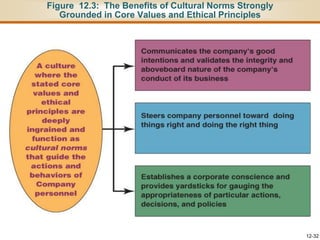
Figure 12.3: The Benefits of Cultural Norms Strongly
Grounded in Core Values and Ethical Principles
12-32
12-33
Establishing a Strategy-Culture Fit in
Multinational and Global Companies
 Institute training programs to
 Communicate the meaning of core values and
 Explain the case for common operating
principles and practices
 Create a cultural climate where the norm is to
 Adopt best practices
 Use common work procedures
 Pursue operating excellence
 Give local managers
 Flexibility to modify people management
approaches or operating styles
 Discretion to use different motivational and
compensation incentives to induce personnel to
practice desired behaviors
Leading the
Strategy-Execution Process
12-34
12-35
Leading the Strategy-Execution Process
 Top executives must be out
front personally
 Leading the process and
 Driving the pace of progress
 Entire management team
must work diligently to engage
all employees by
 Delegating authority to middle and lower-level
managers to move the implementation process
forward with all due speed
 Empowering all employees to exercise initiative,
get things done in a timely, efficient, and
effective manner
12-36
Key Roles in Leading the
Strategy-Execution Process
 Be out in the field, seeing
how well operations are going
 Gather information firsthand
 Gauge the progress being made
 Be diligent and adept in spotting gridlock
 Ferret out problems and issues
 Learn the obstacles in the path of good
execution and clear the way for progress
 Exert constructive, unrelenting pressure on
organizational units to
 Demonstrate growing consistency in strategy
execution
 Achieve performance targets
12-37
Making Corrective Adjustments
 Requires deciding
 When adjustments are needed
 What adjustments to make
 Involves
 Adjusting long-term direction, objectives, and
strategy on an as-needed basis in response to
unfolding events and changing circumstances
 Promoting fresh initiatives to bring internal
activities and behavior into better alignment with
strategy
 Making changes to pick up the pace when
results fall short of performance targets
12-38
Process of Making Corrective Adjustments
 Varies according to the situation
 Crisis situation – Take remedial action quickly
 Non-crisis situation – Incrementally solidify
commitment to a specific course of action
 Deciding on specific corrective adjustments
is the same for both proactive and reactive
situations
 Success in initiating corrective
actions hinges on
 Thorough analysis of the situation
 Exercise of good business judgment in deciding
on specific actions
 Good implementation of the corrective actions

strm13.pptx

  • 1.
    McGraw-Hill/Irwin Copyright ©2010 by The McGraw-Hill Companies, Inc. All rights reserved. Chapter 12: Corporate Culture and Leadership: Keys to Good Strategy Execution Screen graphics created by: Jana F. Kuzmicki, Ph.D. Troy University
  • 2.
    12-2 Chapter Learning Objectives 1.Be able to identify the key features of a company’s corporate culture. 2. Understand how and why a company’s culture can aid the drive for proficient strategy execution and operating excellence. 3. Learn the kinds of actions management can take to change a problem corporate culture. 4. Learn why corporate cultures tend to be grounded in core values and ethical principles and help establish a corporate conscience. 5. Understand what constitutes effective managerial leadership in achieving superior strategy execution and operating excellence.
  • 3.
    12-3 Chapter Roadmap  Instillinga Corporate Culture that Promotes Good Strategy Execution  Identifying the Key Features of a Company’s Corporate Culture  Strong versus Weak Cultures  Unhealthy Cultures  High-Performance Cultures  Adaptive Cultures  Culture: Ally or Obstacle to Strategy Execution?  Changing a Problem Culture  Grounding the Culture in Core Values and Ethics  Establishing a Strategy-Culture Fit in Multinational Companies  Leading the Strategy Execution Process  Making Corrective Adjustments in Timely Fashion  A Final Word on Managing the Process of Crafting and Executing Strategy
  • 4.
    INSTILLING A STRATEGY- SUPPORTIVECORPORATE CULTURE 12-4
  • 5.
    12-5 Defining Characteristics of CorporateCulture  Core values, beliefs, and business principles  Ethical standards  Operating practices and behaviors defining “how we do things around here”  Approach to people management  “Chemistry” and “personality” permeating work environment  Oft-told stories illustrating  Company’s values  Business practices  Traditions
  • 6.
    12-6 A company’s cultureis manifested in . . .  Values, business principles, and ethical standards preached and practiced by management  Approaches to people management and problem solving  Official policies and procedures  Spirit and character permeating work environment  Interactions and relationships among managers and employees  Peer pressures that exist to display core values  Its revered traditions and oft-repeated stories  Its relationships with external stakeholders Identifying the Key Features of Corporate Culture
  • 7.
    12-7  Founder orearly leader  Influential individual or work group  Policies, vision, or strategies  Operating approaches  Company’s approach to people management  Traditions, supervisory practices, employee attitudes  Organizational politics  Relationships with stakeholders Where Does Corporate Culture Come From?
  • 8.
    12-8  Selecting newemployees who will “fit” in  Systematic indoctrination of new employees  Senior management efforts to reinforce core values, beliefs, principles, key operating practices  Story-telling of company legends  Ceremonies honoring employees who display cultural ideals  Visibly rewarding those who follow cultural norms How Is a Company’s Culture Perpetuated?
  • 9.
    12-9 Forces Causing Cultureto Evolve  New challenges in marketplace  Revolutionary technologies  Shifting internal conditions  Internal crisis  Turnover of top executives  A new CEO who opts to change things  Diversification into new businesses  Expansion into foreign countries  Rapid growth that involves adding many new employees  Merger with or acquisition of another company
  • 10.
    12-10 Company Subcultures: ProblemsPosed by New Acquisitions and Multinational Operations  Values, beliefs, and practices within a company can vary by  Department  Geographic location  Business unit  Subcultures can clash if  They embrace conflicting business philosophies  Key executives use different approaches to people management  Differences between a company’s culture and recent acquisitions have not been ironed out  Existence of subcultures does not preclude important areas of commonality and compatibility being established in different countries
  • 11.
    Types of CorporateCultures Strong vs. Weak Cultures Unhealthy Cultures High-Performance Cultures Adaptive Cultures 12-11
  • 12.
    12-12  Conduct businessaccording to a clear, widely-understood philosophy  Considerable time spent by management communicating and reinforcing values  Values are widely shared and deeply rooted  Have a well-defined corporate character, reinforced by a creed or values statement  Careful screening/selection of new employees to be sure they will “fit in” Characteristics of Strong Culture Companies
  • 13.
    12-13 How Does aCulture Come to Be Strong?  Leader who establishes values and behaviors consistent with  Customer needs  Competitive conditions  Strategic requirements  A deep, abiding commitment to espoused values, beliefs, and business philosophy  Practicing what is preached!  Genuine concern for well-being of  Customers  Employees  Shareholders Values Customers Employees Shareholders
  • 14.
    12-14 Characteristics of WeakCulture Companies  Lack of a widely-shared core set of values  Few behavioral norms evident in operating practices  Few strong traditions  No strong sense of company identity  Little cohesion among departments  Weak employee allegiance to company’s vision and strategy
  • 15.
    12-15  Highly politicizedinternal environment  Issues resolved on basis of political clout  Hostility to change  Avoid risks and don’t screw up  Experimentation and efforts to alter status quo discouraged  “Not-invented-here” mindset – company personnel discount need to look outside for  Best practices  New or better managerial approaches  Innovative ideas  Disregard for high ethical standards and overzealous pursuit of wealth by key executives Characteristics of Unhealthy Cultures
  • 16.
    12-16  Standout culturaltraits include  A can-do spirit  Pride in doing things right  No-excuses accountability  A results-oriented work climate in which people go the extra mile to achieve performance targets  Strong sense of involvement by all employees  Emphasis on individual initiative and creativity  Performance expectations are clearly identified for all organizational members  Strong bias for being proactive, not reactive  Respect for the contributions of all employees Characteristics of High-Performance Cultures
  • 17.
    12-17  Willingness toaccept change and embrace challenge of introducing new strategies  Risk-taking, experimentation, and innovation to satisfy stakeholders  Entrepreneurship is encouraged and rewarded  Funds provided for new products  New ideas openly evaluated  Genuine interest in well-being of all key constituencies  Proactive approaches to implement workable solutions Hallmarks of Adaptive Cultures
  • 18.
    12-18  A company’sculture can contribute to – or hinder – successful strategy execution  A culture that promotes attitudes and behaviors that are well-suited to first-rate strategy execution is a valuable ally in the strategy execution process  A culture where attitudes and behaviors impede good strategy execution is a huge obstacle to be overcome Culture: Ally or Obstacle to Strategy Execution?
  • 19.
    12-19  A culturethat encourages actions and behaviors supportive of good strategy execution  Provides employees with clear guidance regarding what behaviors and results constitute good job performance  Creates significant peer pressure among co-workers to conform to culturally acceptable norms  A deeply embedded culture tightly matched to the strategy  Aids the cause of competent strategy execution by top management to culturally approved behaviors, thus  Making it far simpler for management to root out operating practices that are a misfit  A culture imbedded with values and behaviors that facilitate strategy execution promotes strong employee commitment to the company’s  Vision  Performance targets  Strategy Why Culture Matters: Benefits of a Tight Culture-Strategy Fit
  • 20.
    12-20  A goodjob of culture-building by managers  Promotes can-do attitudes  Encourages acceptance of change  Instills strong peer pressure for strategy-supportive behaviors  Enlists enthusiasm and dedicated effort to achieve company objectives Optimal Outcome of a Tight Culture-Strategy Fit Closely aligning corporate culture with the requirements for proficient strategy execution merits the full attention of senior executives!
  • 21.
    12-21  Conflicts betweenculturally-approved behaviors and behaviors needed for good strategy execution send mixed signals  Should employees by loyal to the culture and company traditions and resist actions and behaviors promoting better strategy execution?  Or should they support the strategy by engaging in behaviors that run counter to the culture? The Perils of Strategy-Culture Conflict When a company’s culture is out of sync with what is needed for strategic success, the culture has to be changed as rapidly as can be managed!
  • 22.
    Creating a StrongFit Between Strategy and Culture Responsibility of Strategy Maker – Select a strategy compatible with the sacred or unchangeable parts of organization’s prevailing corporate culture Responsibility of Strategy Implementer – Once strategy is chosen, change whatever facets of the corporate culture hinder effective execution 12-22
  • 23.
    Figure 12.1: Changinga Problem Culture 12-23
  • 24.
    12-24  Make acompelling case why a new cultural atmosphere is in best interests of both company and employees  Challenge status quo  Create events where employees must listen to angry key stakeholders  Cite why and how certain behavioral norms and work practices in current culture pose obstacles to good execution of new strategic initiatives  Explain how new behaviors and work practices to be introduced will be more advantageous and produce better results Menu of Culture-Changing Actions
  • 25.
    12-25  Replace keyexecutives strongly associated with old culture  Promote individuals who have desired cultural traits and can serve as role models  Appoint outsiders who have desired cultural attributes to high-profile positions  Screen all candidates for new positions carefully, hiring only those who fit in with the new culture  Mandate all company personnel attend culture- training programs to learn more about new work practices, operating approaches, and behaviors Substantive Culture-Changing Actions
  • 26.
    12-26  Push hardto implement new-style work practices and operating procedures  Design compensation incentives to reward teams and individuals who display the desired cultural behaviors  Grant generous pay raises to individuals who lead the way in adopting desired work practices, displaying new-style behaviors, and achieving pace-setting results  Revise policies and procedures in ways to drive cultural change Substantive Culture- Changing Actions (continued)
  • 27.
    12-27  Lead byexample – Walk the talk  Emphasize frugality  Eliminate executive perks  Require executives to spend time talking with customers  Ceremonial events to praise people and teams who “get with the program”  Alter practices identified as cultural hindrances  Visible awards to honor heroes Symbolic Culture-Changing Actions
  • 28.
    12-28  A culturebased on ethical principles is vital to long-term strategic success  Ethics programs help make ethical conduct a way of life  Executives must provide genuine support of personnel displaying ethical standards in conducting the company’s business  Value statements serve as a cornerstone for culture-building Grounding the Culture in Core Values and Ethics
  • 29.
    Figure 12.2: TheTwo Culture-Building Roles of a Company’s Core Values and Ethical Standards 12-29
  • 30.
    12-30 Techniques to TransformCore Values and Ethical Standards into Cultural Norms  Screen out applicants who do not exhibit compatible character traits  Incorporate values statement and ethics code in employee training programs  Strong endorsement by senior executives of the importance of core values and ethical principles at company events and in internal communications  Use values statements and codes of ethics as benchmarks to judge appropriateness of company policies and operating practices  Make the display of core values and ethical principles a big factor in evaluating employee performance
  • 31.
    12-31 Techniques to TransformCore Values and Ethical Standards into Cultural Norms (continued)  Make sure managers at all levels are diligent in stressing the importance of ethical conduct and observance of core values  Encourage everyone to use their influence in helping enforce observance of core values and ethical standards  Hold periodic ceremonies to recognize individuals and groups who display the values  Institute ethics enforcement procedures
  • 32.
    Figure 12.3: TheBenefits of Cultural Norms Strongly Grounded in Core Values and Ethical Principles 12-32
  • 33.
    12-33 Establishing a Strategy-CultureFit in Multinational and Global Companies  Institute training programs to  Communicate the meaning of core values and  Explain the case for common operating principles and practices  Create a cultural climate where the norm is to  Adopt best practices  Use common work procedures  Pursue operating excellence  Give local managers  Flexibility to modify people management approaches or operating styles  Discretion to use different motivational and compensation incentives to induce personnel to practice desired behaviors
  • 34.
  • 35.
    12-35 Leading the Strategy-ExecutionProcess  Top executives must be out front personally  Leading the process and  Driving the pace of progress  Entire management team must work diligently to engage all employees by  Delegating authority to middle and lower-level managers to move the implementation process forward with all due speed  Empowering all employees to exercise initiative, get things done in a timely, efficient, and effective manner
  • 36.
    12-36 Key Roles inLeading the Strategy-Execution Process  Be out in the field, seeing how well operations are going  Gather information firsthand  Gauge the progress being made  Be diligent and adept in spotting gridlock  Ferret out problems and issues  Learn the obstacles in the path of good execution and clear the way for progress  Exert constructive, unrelenting pressure on organizational units to  Demonstrate growing consistency in strategy execution  Achieve performance targets
  • 37.
    12-37 Making Corrective Adjustments Requires deciding  When adjustments are needed  What adjustments to make  Involves  Adjusting long-term direction, objectives, and strategy on an as-needed basis in response to unfolding events and changing circumstances  Promoting fresh initiatives to bring internal activities and behavior into better alignment with strategy  Making changes to pick up the pace when results fall short of performance targets
  • 38.
    12-38 Process of MakingCorrective Adjustments  Varies according to the situation  Crisis situation – Take remedial action quickly  Non-crisis situation – Incrementally solidify commitment to a specific course of action  Deciding on specific corrective adjustments is the same for both proactive and reactive situations  Success in initiating corrective actions hinges on  Thorough analysis of the situation  Exercise of good business judgment in deciding on specific actions  Good implementation of the corrective actions