Download to read offline

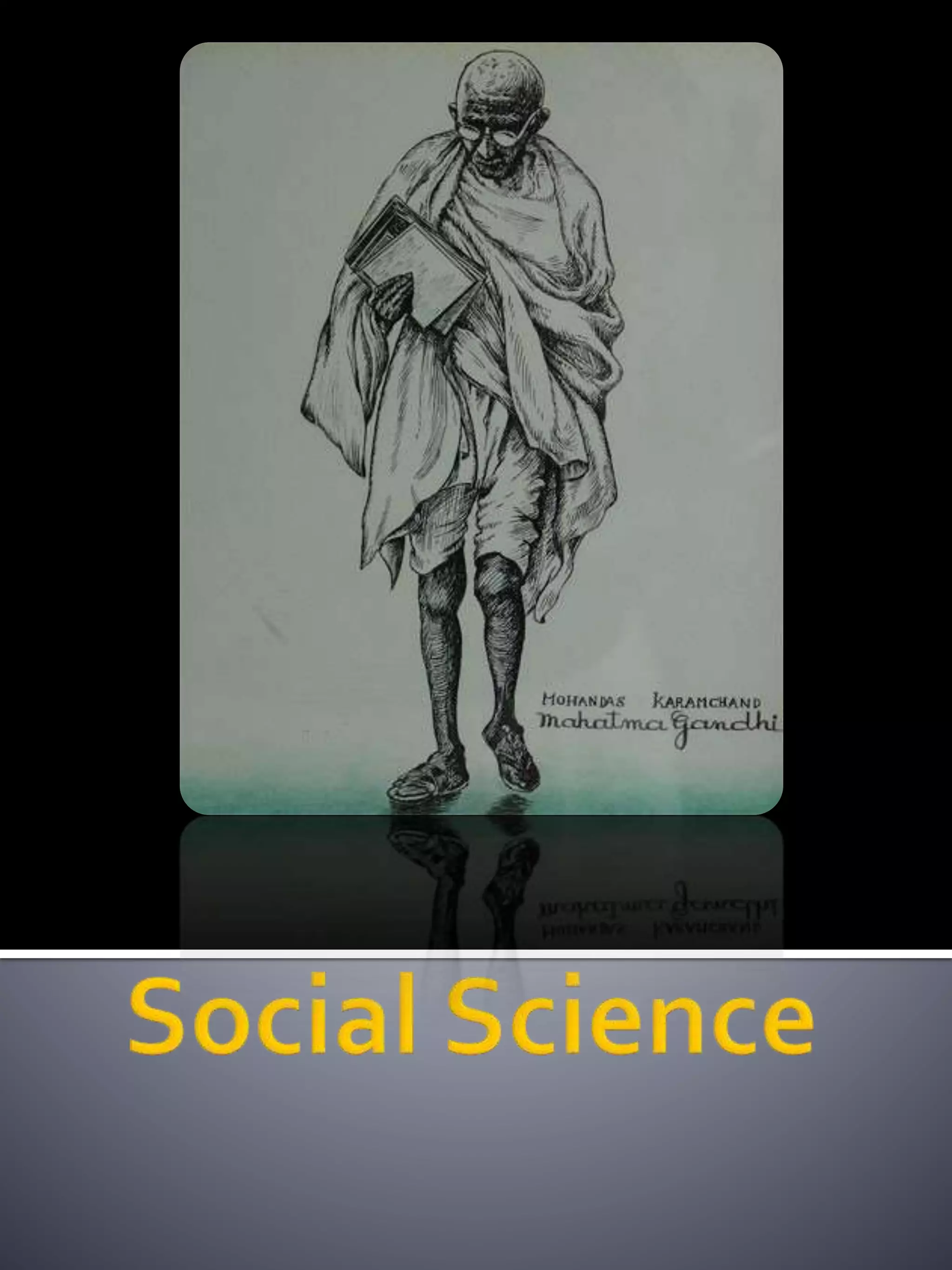
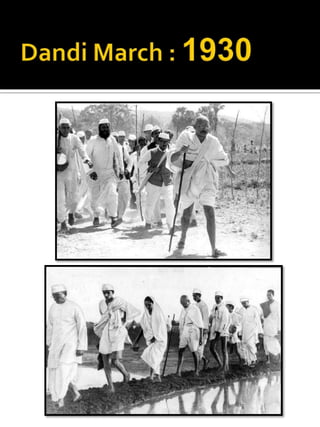
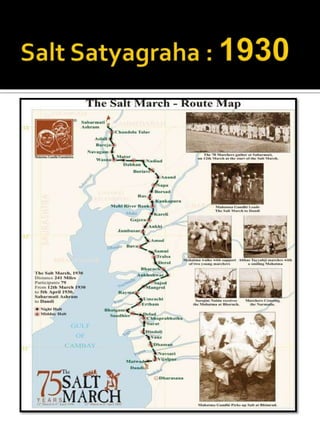
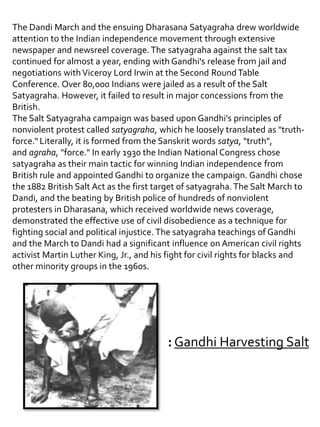

The Salt March of 1930 was a pivotal act of nonviolent civil disobedience led by Mahatma Gandhi against British salt taxes in colonial India. On March 12th, Gandhi began leading thousands of his followers on a 24-day, 240-mile march to the coastal village of Dandi. Upon arriving on April 5th, Gandhi broke the salt laws by boiling seawater, producing illegal salt. His actions sparked widespread disobedience across India and drew international attention, helping advance the cause of Indian independence. The march demonstrated the power of nonviolent protest and had significant influence on later civil rights leaders like Martin Luther King Jr.


