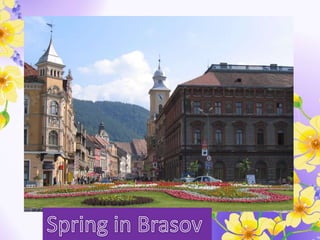
SPRING IN ROMANIA
Școala Gimnazială nr. 11
“St. O. Iosif”
Brașov - Romania
The Seasons
Comenius Multilateral Project
Natural phenomena
• Spring is one of the four
conventional temperate seasons,
following winter and preceding summer.
• When it is spring in the Northern
Hemisphere, it will be autumn in
the Southern Hemisphere.
The weather
• The weather is unstable. The sun crosses
hardly the clouds. Sometimes it happens to
snow, even if the calendar is the month of
March or April.
• Spring is seen as a time of growth, renewal, of
new life (both plants and animals) being born.
The term is also used more generally as a
metaphor for the start of better times.
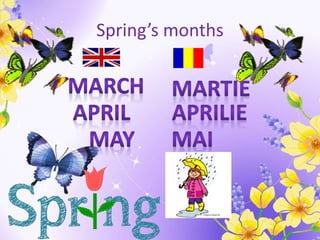
Spring’s months
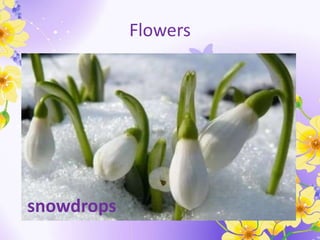
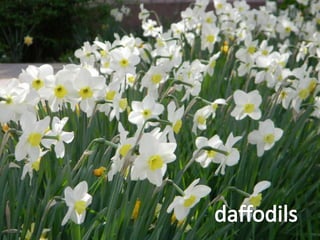
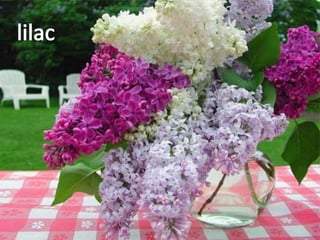
Flowers
snowdrops
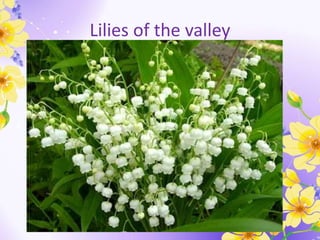
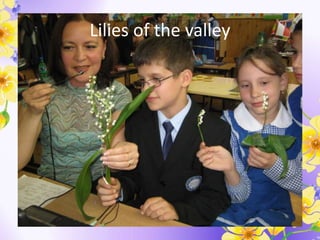
Lilies of the valley
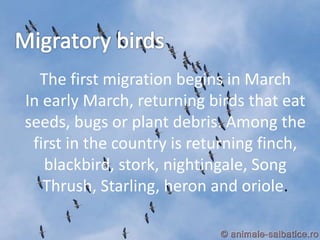
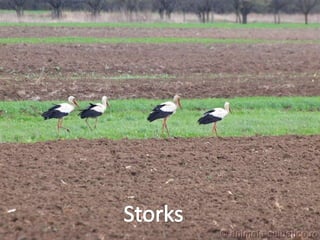
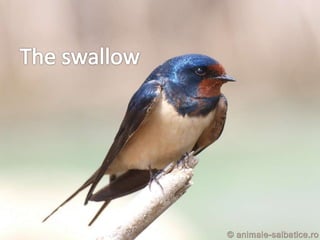
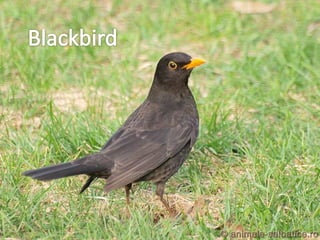
The first migration begins in March
In early March, returning birds that eat
seeds, bugs or plant debris. Among the
first in the country is returning finch,
blackbird, stork, nightingale, Song
Thrush, Starling, heron and oriole.
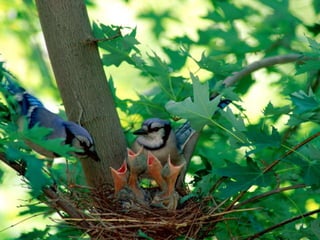
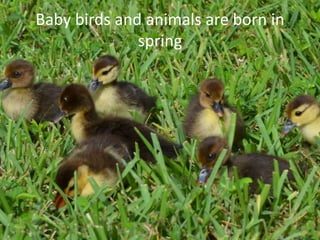
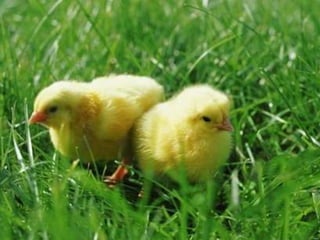
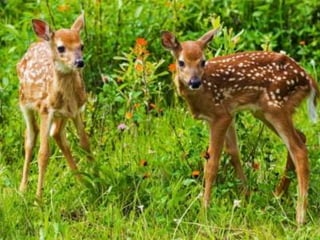
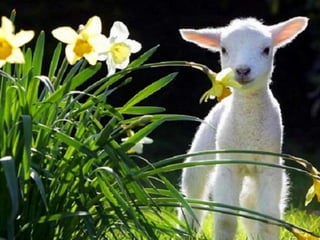
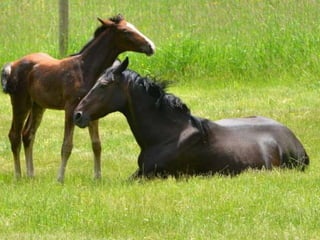
Baby birds and animals are born in
spring
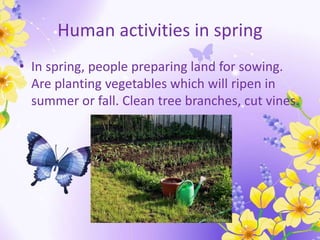
Human activities in spring
• In spring, people preparing land for sowing.
Are planting vegetables which will ripen in
summer or fall. Clean tree branches, cut vines.
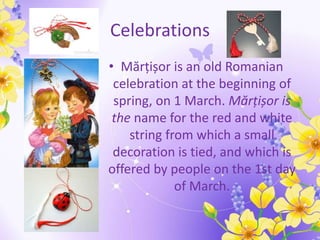
Celebrations
• Mărțișor is an old Romanian
celebration at the beginning of
spring, on 1 March. Mărțișor is
the name for the red and white
string from which a small
decoration is tied, and which is
offered by people on the 1st day
of March.
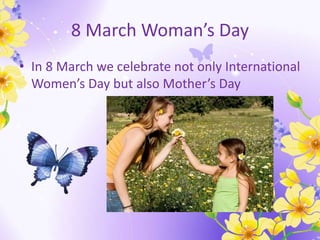
8 March Woman’s Day
• In 8 March we celebrate not only International
Women’s Day but also Mother’s Day
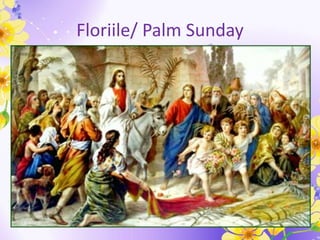
Floriile/ Palm Sunday
• Palm Sunday is celebrated on
the last Sunday before Easter.
• It celebrates the end of fasting
but the revival of nature. From a
religious perspective, Palm
Sunday marks the entrance in
Jerusalim of Jesus on a donkey
and greeted with flowers.
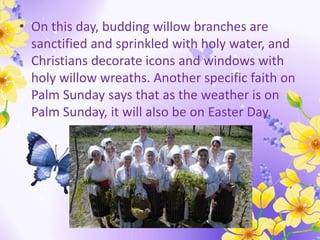
• On this day, budding willow branches are
sanctified and sprinkled with holy water, and
Christians decorate icons and windows with
holy willow wreaths. Another specific faith on
Palm Sunday says that as the weather is on
Palm Sunday, it will also be on Easter Day.
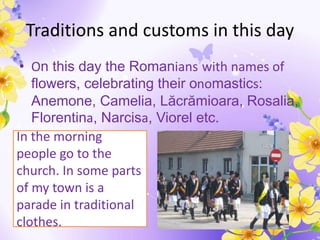
Traditions and customs in this day
• On this day the Romanians with names of
flowers, celebrating their onomastics:
Anemone, Camelia, Lăcrămioara, Rosalia,
Florentina, Narcisa, Viorel etc.
In the morning
people go to the
church. In some parts
of my town is a
parade in traditional
clothes.
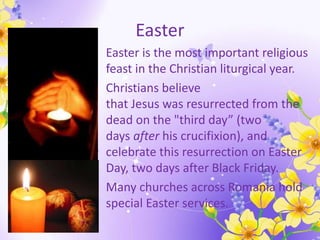
Easter
• Easter is the most important religious
feast in the Christian liturgical year.
• Christians believe
that Jesus was resurrected from the
dead on the "third day” (two
days after his crucifixion), and
celebrate this resurrection on Easter
Day, two days after Black Friday.
• Many churches across Romania hold
special Easter services.
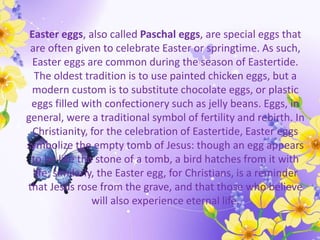
Easter eggs tree
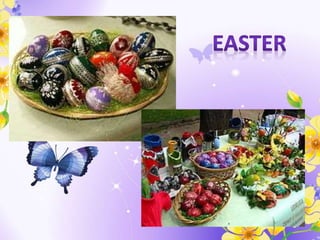
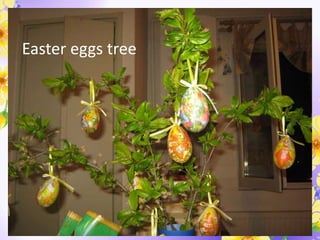
Easter eggs, also called Paschal eggs, are special eggs that
are often given to celebrate Easter or springtime. As such,
Easter eggs are common during the season of Eastertide.
The oldest tradition is to use painted chicken eggs, but a
modern custom is to substitute chocolate eggs, or plastic
eggs filled with confectionery such as jelly beans. Eggs, in
general, were a traditional symbol of fertility and rebirth. In
Christianity, for the celebration of Eastertide, Easter eggs
symbolize the empty tomb of Jesus: though an egg appears
to be like the stone of a tomb, a bird hatches from it with
life; similarly, the Easter egg, for Christians, is a reminder
that Jesus rose from the grave, and that those who believe
will also experience eternal life.
Knocking the eggs
• There’s the custom of knocking the eggs. It is
believed that those who knock their eggs will see
each other on the other world, after death. In the
first day of Easter, eggs are only knocked with the
top. On Monday they can be knocked top to the
bottom and on the next days they can be knocked
any way. The first ones to knock their eggs are the
parents, one to the other, then the children to the
parents and then the other relatives and friends.
According to the tradition, the one whose egg cracks
first is weaker and he will die quicker. He must give
his egg to the winner; otherwise he will eat its egg
rotten on the other world.
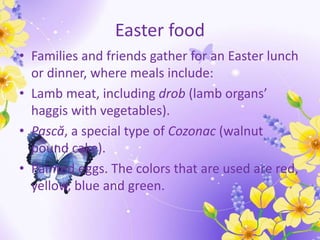
Easter food
• Families and friends gather for an Easter lunch
or dinner, where meals include:
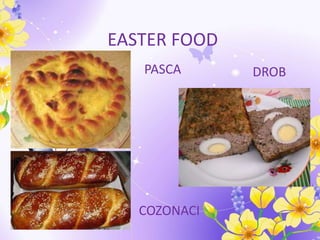
• Lamb meat, including drob (lamb organs’
haggis with vegetables).
• Pască, a special type of Cozonac (walnut
pound cake).
• Painted eggs. The colors that are used are red,
yellow, blue and green.
EASTER FOOD
COZONACI
PASCA DROB
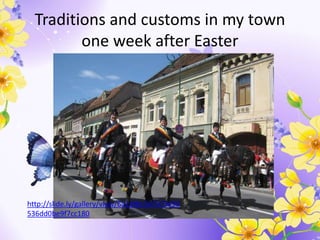
Traditions and customs in my town
one week after Easter
http://slide.ly/gallery/view/6618f8c567079490
536dd0be9f7cc180
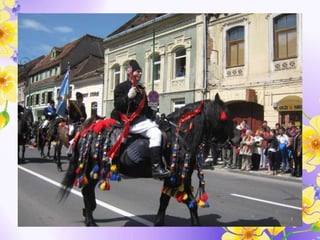
Junii Brasovului feast
• When the heavy snows of the harsh
Brasovian winters are gone and spring sun
shines again, it is the time for people from
Schei, the old district of Brasov, to start
celebrating the renewal. Yearly, they have a
festival, called “Junii”, (translated it would be
‘The Feast of the Youth’) which stretches
over weeks, having it’s climax on the first
Sunday after Easter when seven groups of
men from the Schei will ride from the
mountains and travel around Brasov.
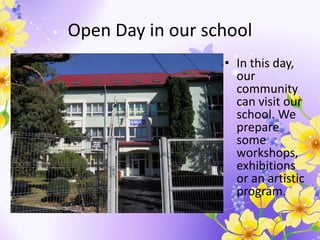
Open Day in our school
• In this day,
our
community
can visit our
school. We
prepare
some
workshops,
exhibitions
or an artistic
program.
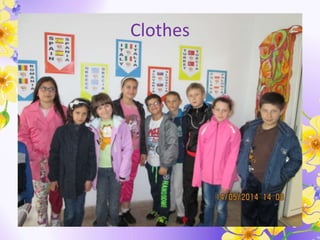
Clothes
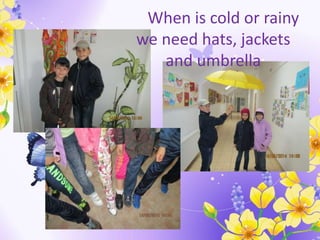
When is cold or rainy
we need hats, jackets
and umbrella
• This project has been funded with
support from the European Commission.
This publication reflects the views only
of the author, and the Commission
cannot be held responsible for any use
which may be made of the information
contained there in.

Spring

  • 1.
    SPRING IN ROMANIA ȘcoalaGimnazială nr. 11 “St. O. Iosif” Brașov - Romania The Seasons Comenius Multilateral Project
  • 2.
    Natural phenomena • Springis one of the four conventional temperate seasons, following winter and preceding summer. • When it is spring in the Northern Hemisphere, it will be autumn in the Southern Hemisphere.
  • 3.
    The weather • Theweather is unstable. The sun crosses hardly the clouds. Sometimes it happens to snow, even if the calendar is the month of March or April. • Spring is seen as a time of growth, renewal, of new life (both plants and animals) being born. The term is also used more generally as a metaphor for the start of better times.
  • 9.
  • 10.
  • 18.
  • 19.
  • 23.
    The first migrationbegins in March In early March, returning birds that eat seeds, bugs or plant debris. Among the first in the country is returning finch, blackbird, stork, nightingale, Song Thrush, Starling, heron and oriole.
  • 29.
    Baby birds andanimals are born in spring
  • 34.
    Human activities inspring • In spring, people preparing land for sowing. Are planting vegetables which will ripen in summer or fall. Clean tree branches, cut vines.
  • 35.
    Celebrations • Mărțișor isan old Romanian celebration at the beginning of spring, on 1 March. Mărțișor is the name for the red and white string from which a small decoration is tied, and which is offered by people on the 1st day of March.
  • 36.
    8 March Woman’sDay • In 8 March we celebrate not only International Women’s Day but also Mother’s Day
  • 37.
  • 38.
    Floriile/ Palm Sunday •Palm Sunday is celebrated on the last Sunday before Easter. • It celebrates the end of fasting but the revival of nature. From a religious perspective, Palm Sunday marks the entrance in Jerusalim of Jesus on a donkey and greeted with flowers.
  • 39.
    • On thisday, budding willow branches are sanctified and sprinkled with holy water, and Christians decorate icons and windows with holy willow wreaths. Another specific faith on Palm Sunday says that as the weather is on Palm Sunday, it will also be on Easter Day.
  • 40.
    Traditions and customsin this day • On this day the Romanians with names of flowers, celebrating their onomastics: Anemone, Camelia, Lăcrămioara, Rosalia, Florentina, Narcisa, Viorel etc. In the morning people go to the church. In some parts of my town is a parade in traditional clothes.
  • 41.
    Easter • Easter isthe most important religious feast in the Christian liturgical year. • Christians believe that Jesus was resurrected from the dead on the "third day” (two days after his crucifixion), and celebrate this resurrection on Easter Day, two days after Black Friday. • Many churches across Romania hold special Easter services.
  • 43.
  • 44.
    Easter eggs, alsocalled Paschal eggs, are special eggs that are often given to celebrate Easter or springtime. As such, Easter eggs are common during the season of Eastertide. The oldest tradition is to use painted chicken eggs, but a modern custom is to substitute chocolate eggs, or plastic eggs filled with confectionery such as jelly beans. Eggs, in general, were a traditional symbol of fertility and rebirth. In Christianity, for the celebration of Eastertide, Easter eggs symbolize the empty tomb of Jesus: though an egg appears to be like the stone of a tomb, a bird hatches from it with life; similarly, the Easter egg, for Christians, is a reminder that Jesus rose from the grave, and that those who believe will also experience eternal life.
  • 45.
    Knocking the eggs •There’s the custom of knocking the eggs. It is believed that those who knock their eggs will see each other on the other world, after death. In the first day of Easter, eggs are only knocked with the top. On Monday they can be knocked top to the bottom and on the next days they can be knocked any way. The first ones to knock their eggs are the parents, one to the other, then the children to the parents and then the other relatives and friends. According to the tradition, the one whose egg cracks first is weaker and he will die quicker. He must give his egg to the winner; otherwise he will eat its egg rotten on the other world.
  • 46.
    Easter food • Familiesand friends gather for an Easter lunch or dinner, where meals include: • Lamb meat, including drob (lamb organs’ haggis with vegetables). • Pască, a special type of Cozonac (walnut pound cake). • Painted eggs. The colors that are used are red, yellow, blue and green.
  • 47.
  • 48.
    Traditions and customsin my town one week after Easter http://slide.ly/gallery/view/6618f8c567079490 536dd0be9f7cc180
  • 49.
    Junii Brasovului feast •When the heavy snows of the harsh Brasovian winters are gone and spring sun shines again, it is the time for people from Schei, the old district of Brasov, to start celebrating the renewal. Yearly, they have a festival, called “Junii”, (translated it would be ‘The Feast of the Youth’) which stretches over weeks, having it’s climax on the first Sunday after Easter when seven groups of men from the Schei will ride from the mountains and travel around Brasov.
  • 51.
    Open Day inour school • In this day, our community can visit our school. We prepare some workshops, exhibitions or an artistic program.
  • 52.
  • 53.
    When is coldor rainy we need hats, jackets and umbrella
  • 55.
    • This projecthas been funded with support from the European Commission. This publication reflects the views only of the author, and the Commission cannot be held responsible for any use which may be made of the information contained there in.