9/28/2015 1 1
151-0735: Dynamic behavior of materials and structures
1
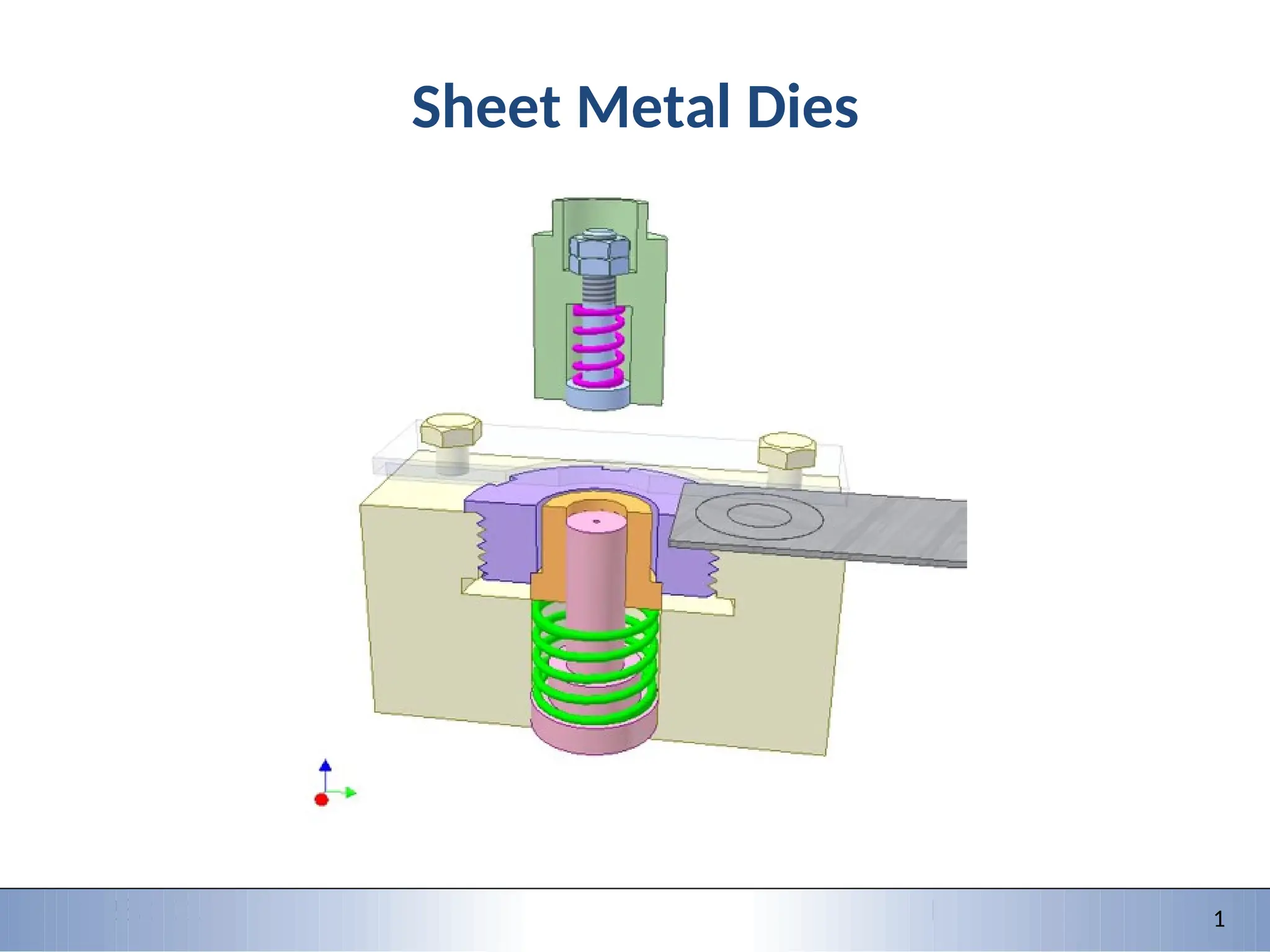
Sheet Metal Dies
9/28/2015 1 1
151-0735: Dynamic behavior of materials and structures
2
Review on Impact of Dies
Biswas and Ding [26] have studied numerical simulations to gain insights
on the observed material behaviour and a general understanding of the
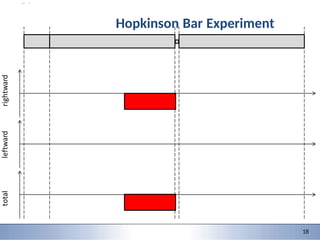
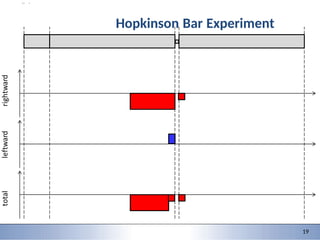
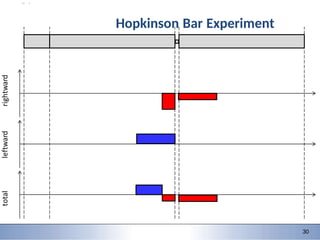
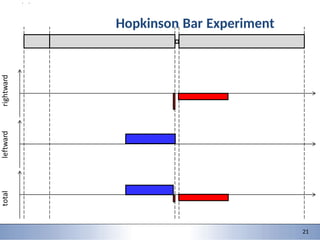
dynamic responses of AM porous metals.
Sahu et al. [28] investigated the high strain rate behaviour of two
twinning induced plasticity steels, wherein the stability of austenite was
found to be high at higher strain rates than at lower strain rates.
Singh et al. [29-30] studied the dynamic compressive as well as tensile
properties of a structural steel using SPHB and determined the material
properties for the existing JC model.
Bobbili et al. [31] conducted compression SHPB tests on high strength
armor steel tempered at various temperatures in the range of 500-6500
C.
Pothnis et al. [32]studied the effect of strain rate on tensile properties of
IS 2062 mild steel and 7075 aluminium alloy using tensile SHPB apparatus
9/28/2015 1 1
151-0735: Dynamic behavior of materials and structures
3
Comments on Review
However SHPB testing of additive manufactured specimens and efforts
on to characterize the dynamic behaviour of additive manufactured
parts have not been initiated in our country in a concerted manner
especially in dies materials.
As the use of AM parts in the mainstream applications of automotive
is on continuous. It is imperative carry out research, conducting of this
project is thoroughly justifiable.
9/28/2015 1 1
151-0735: Dynamic behavior of materials and structures
4
The scientific importance of the
proposed project lies in four aspects
i. Setup of split hopkinson pressure bar for testing and
characterization of AM tool steel materials
ii. Characterization of AM and traditional manufactured tool
steel material and determination of strain rate of tool steel
materials (traditional and AM) using split hopkinson pressure
bar.
iii. Comparison between additives manufactured tool steel
material and traditional manufactured tool steel materials.
iv. For the validation of the proposed additive manufactured tool
steel material will be tested on actual die industries.
9/28/2015 0
5 0
5
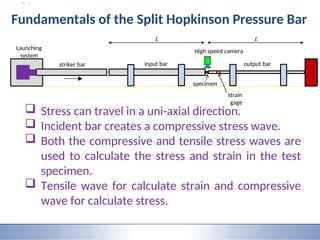
striker bar
specimen
strain
gage
input bar output bar
Launching
system
L L
High speed camera
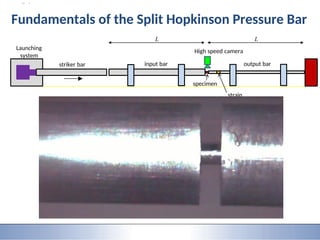
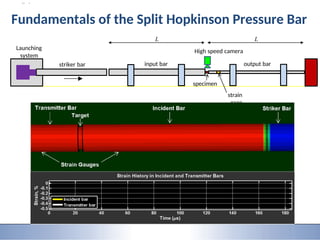
 Stress can travel in a uni-axial direction.
 Incident bar creates a compressive stress wave.
 Both the compressive and tensile stress waves are
used to calculate the stress and strain in the test
specimen.
 Tensile wave for calculate strain and compressive
wave for calculate stress.
Fundamentals of the Split Hopkinson Pressure Bar
9/28/2015 0
5 0
5
striker bar
specimen
strain
gage
input bar output bar
Launching
system
L L
High speed camera
Fundamentals of the Split Hopkinson Pressure Bar
9/28/2015 0
5 0
5
striker bar
specimen
strain
gage
input bar output bar
Launching
system
L L
High speed camera
Fundamentals of the Split Hopkinson Pressure Bar
9/28/2015 0
5 0
5
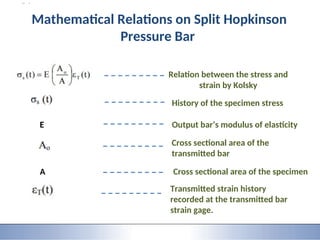
Mathematical Relations on Split Hopkinson
Pressure Bar
Relation between the stress and
strain by Kolsky
History of the specimen stress
E Output bar’s modulus of elasticity
Cross sectional area of the
transmitted bar
Cross sectional area of the specimen
A
Transmitted strain history
recorded at the transmitted bar
strain gage.
9/28/2015 8 8
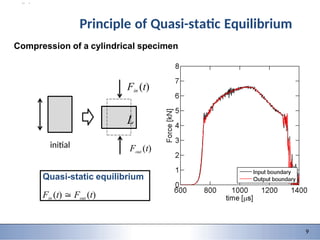
Fin (t)
L
Fout (t)
initial
Compression of a cylindrical specimen
Quasi-static equilibrium
Fin (t)  Fout (t)
Principle of Quasi-static Equilibrium
9
9/28/2015 0
2 0
2
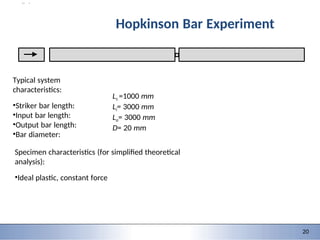
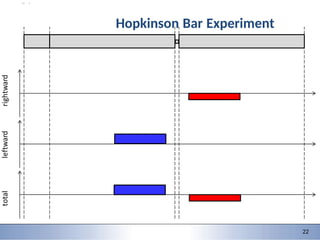
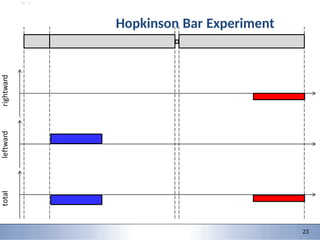
Hopkinson Bar Experiment
Typical system
characteristics:
•Striker bar length:
•Input bar length:
•Output bar length:
•Bar diameter:
20
Ls =1000 mm
Li= 3000 mm
Lo= 3000 mm
D= 20 mm
Specimen characteristics (for simplified theoretical
analysis):
•Ideal plastic, constant force
9/28/2015 1
2 1
2
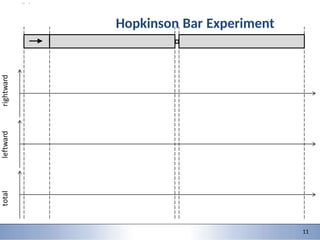
Hopkinson Bar Experiment
11
9/28/2015 2
2 2
2
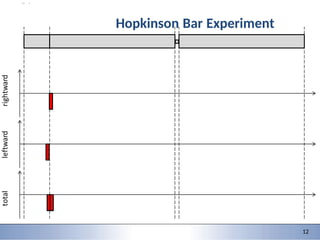
Hopkinson Bar Experiment
12
9/28/2015 3
2 3
2
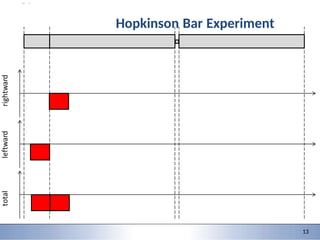
Hopkinson Bar Experiment
13
9/28/2015 4
2 4
2
Hopkinson Bar Experiment
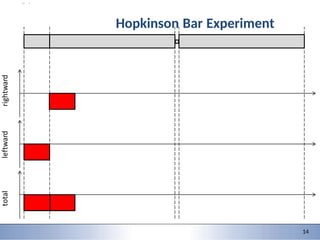
14
9/28/2015 5
2 5
2
Hopkinson Bar Experiment
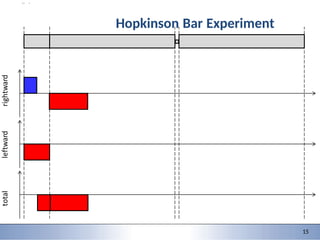
15
9/28/2015 6
2 6
2
Hopkinson Bar Experiment
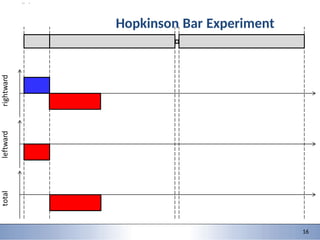
16
9/28/2015 7
2 7
2
Hopkinson Bar Experiment
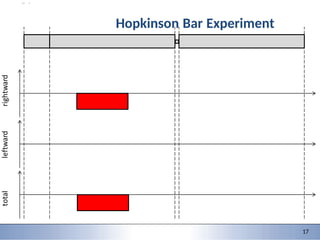
17
9/28/2015 8
2 8
2
Hopkinson Bar Experiment
18
9/28/2015 9
2 9
2
Hopkinson Bar Experiment
19
9/28/2015 0
3 0
3
Hopkinson Bar Experiment
30
9/28/2015 1
3 1
3
Hopkinson Bar Experiment
21
9/28/2015 2
3 2
3
Hopkinson Bar Experiment
22
9/28/2015 3
3 3
3
Hopkinson Bar Experiment
23
9/28/2015 4
3 4
3
Time
 R ( x,
t)
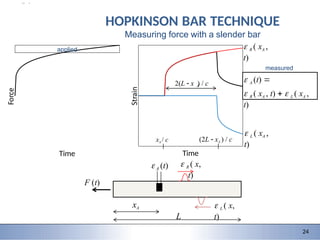
HOPKINSON BAR TECHNIQUE
Measuring force with a slender bar
F (t)
xA
Time
 (t)
A
 L ( x,
t)
L
 R ( xA ,
t)
 L ( xA ,
t)
 A (t) 
 R ( xA , t)   L ( xA ,
t)
measured
applied
xA / c (2L  xA ) / c
2(L  x ) / c
24
A
9/28/2015 7
3 7
3
HOPKINSON BAR TECHNIQUE
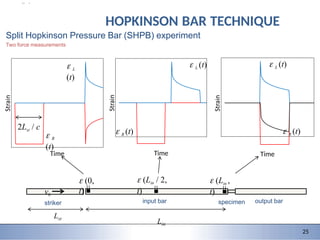
Split Hopkinson Pressure Bar (SHPB) experiment
Two force measurements
Time
 R (0, t)
Time
 (0,
t)
 (Lin ,
t)
 (Lin / 2,
t)
Time
 L (t)
 R (t)
 L (t)
 R (t)
 R
(t)
 L
(t)
2Lst / c
v0
striker input bar output bar
specimen
Lst
Lin
25
9/28/2015 2
4 2
4
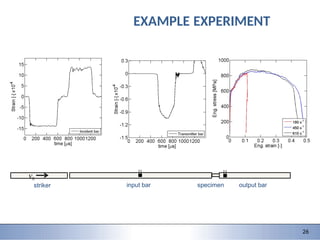
EXAMPLE EXPERIMENT
v0
striker output bar
input bar specimen
26
9/28/2015 2
4 2
4
27
Thank You

Split Hopkinson Pressure Bar in Sheet Metal

  • 1.
    9/28/2015 1 1 151-0735:Dynamic behavior of materials and structures 1 Sheet Metal Dies
  • 2.
    9/28/2015 1 1 151-0735:Dynamic behavior of materials and structures 2 Review on Impact of Dies Biswas and Ding [26] have studied numerical simulations to gain insights on the observed material behaviour and a general understanding of the dynamic responses of AM porous metals. Sahu et al. [28] investigated the high strain rate behaviour of two twinning induced plasticity steels, wherein the stability of austenite was found to be high at higher strain rates than at lower strain rates. Singh et al. [29-30] studied the dynamic compressive as well as tensile properties of a structural steel using SPHB and determined the material properties for the existing JC model. Bobbili et al. [31] conducted compression SHPB tests on high strength armor steel tempered at various temperatures in the range of 500-6500 C. Pothnis et al. [32]studied the effect of strain rate on tensile properties of IS 2062 mild steel and 7075 aluminium alloy using tensile SHPB apparatus
  • 3.
    9/28/2015 1 1 151-0735:Dynamic behavior of materials and structures 3 Comments on Review However SHPB testing of additive manufactured specimens and efforts on to characterize the dynamic behaviour of additive manufactured parts have not been initiated in our country in a concerted manner especially in dies materials. As the use of AM parts in the mainstream applications of automotive is on continuous. It is imperative carry out research, conducting of this project is thoroughly justifiable.
  • 4.
    9/28/2015 1 1 151-0735:Dynamic behavior of materials and structures 4 The scientific importance of the proposed project lies in four aspects i. Setup of split hopkinson pressure bar for testing and characterization of AM tool steel materials ii. Characterization of AM and traditional manufactured tool steel material and determination of strain rate of tool steel materials (traditional and AM) using split hopkinson pressure bar. iii. Comparison between additives manufactured tool steel material and traditional manufactured tool steel materials. iv. For the validation of the proposed additive manufactured tool steel material will be tested on actual die industries.
  • 5.
    9/28/2015 0 5 0 5 strikerbar specimen strain gage input bar output bar Launching system L L High speed camera  Stress can travel in a uni-axial direction.  Incident bar creates a compressive stress wave.  Both the compressive and tensile stress waves are used to calculate the stress and strain in the test specimen.  Tensile wave for calculate strain and compressive wave for calculate stress. Fundamentals of the Split Hopkinson Pressure Bar
  • 6.
    9/28/2015 0 5 0 5 strikerbar specimen strain gage input bar output bar Launching system L L High speed camera Fundamentals of the Split Hopkinson Pressure Bar
  • 7.
    9/28/2015 0 5 0 5 strikerbar specimen strain gage input bar output bar Launching system L L High speed camera Fundamentals of the Split Hopkinson Pressure Bar
  • 8.
    9/28/2015 0 5 0 5 MathematicalRelations on Split Hopkinson Pressure Bar Relation between the stress and strain by Kolsky History of the specimen stress E Output bar’s modulus of elasticity Cross sectional area of the transmitted bar Cross sectional area of the specimen A Transmitted strain history recorded at the transmitted bar strain gage.
  • 9.
    9/28/2015 8 8 Fin(t) L Fout (t) initial Compression of a cylindrical specimen Quasi-static equilibrium Fin (t)  Fout (t) Principle of Quasi-static Equilibrium 9
  • 10.
    9/28/2015 0 2 0 2 HopkinsonBar Experiment Typical system characteristics: •Striker bar length: •Input bar length: •Output bar length: •Bar diameter: 20 Ls =1000 mm Li= 3000 mm Lo= 3000 mm D= 20 mm Specimen characteristics (for simplified theoretical analysis): •Ideal plastic, constant force
  • 11.
    9/28/2015 1 2 1 2 HopkinsonBar Experiment 11
  • 12.
    9/28/2015 2 2 2 2 HopkinsonBar Experiment 12
  • 13.
    9/28/2015 3 2 3 2 HopkinsonBar Experiment 13
  • 14.
    9/28/2015 4 2 4 2 HopkinsonBar Experiment 14
  • 15.
    9/28/2015 5 2 5 2 HopkinsonBar Experiment 15
  • 16.
    9/28/2015 6 2 6 2 HopkinsonBar Experiment 16
  • 17.
    9/28/2015 7 2 7 2 HopkinsonBar Experiment 17
  • 18.
    9/28/2015 8 2 8 2 HopkinsonBar Experiment 18
  • 19.
    9/28/2015 9 2 9 2 HopkinsonBar Experiment 19
  • 20.
    9/28/2015 0 3 0 3 HopkinsonBar Experiment 30
  • 21.
    9/28/2015 1 3 1 3 HopkinsonBar Experiment 21
  • 22.
    9/28/2015 2 3 2 3 HopkinsonBar Experiment 22
  • 23.
    9/28/2015 3 3 3 3 HopkinsonBar Experiment 23
  • 24.
    9/28/2015 4 3 4 3 Time R ( x, t) HOPKINSON BAR TECHNIQUE Measuring force with a slender bar F (t) xA Time  (t) A  L ( x, t) L  R ( xA , t)  L ( xA , t)  A (t)   R ( xA , t)   L ( xA , t) measured applied xA / c (2L  xA ) / c 2(L  x ) / c 24 A
  • 25.
    9/28/2015 7 3 7 3 HOPKINSONBAR TECHNIQUE Split Hopkinson Pressure Bar (SHPB) experiment Two force measurements Time  R (0, t) Time  (0, t)  (Lin , t)  (Lin / 2, t) Time  L (t)  R (t)  L (t)  R (t)  R (t)  L (t) 2Lst / c v0 striker input bar output bar specimen Lst Lin 25
  • 26.
    9/28/2015 2 4 2 4 EXAMPLEEXPERIMENT v0 striker output bar input bar specimen 26
  • 27.