Spectrografi & Particle Counter
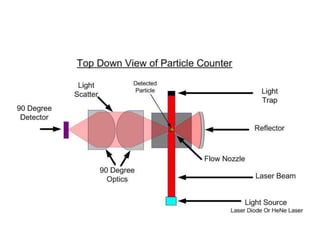
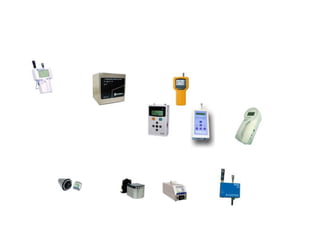
Applications of particle counters are separated
  into three primary categories:
• Aerosol particle counters
• Liquid particle counters
Most fluid sample labs can carry out analysis on
fuel, oil, water, coolants, etc. which may include
but not limited to one of the following:
Spectrographic analysis of wear metals, oil
additives, contaminants. These analyses focus
more on wear elements. It identifies and
quantifies the elemental constituents present in
the oil in parts per million, i.e. about 10 to 15
microns in size.
Particle count may be performed to determine
presence of large metal particles in hydraulic and
transmissions applications. It could also quantify any
type of particle metals and non-metals, from one
micron to 200 microns in size.
TAN (Total Acid Number) and TBN (Total Base Number):
Testing is a measure of acidity within oil. It indicates
the acid-neutralizing capacity still in the lubricant and
is particularly important for engine oil, as it is
continuously exposed to acidic combustion products
and these must be neutralised before they corrode
engine parts.
Taking an Oil Sample
  Analysis result will be based only on the sample that you
  send in for analysis.
  Run equipment or engine to operating temperature to
  ensure the oil is hot and thoroughly mixed before sampling.
  The fluid testing lab will provide you with the sampling kit.

Basically, oil samples can be taken by two methods:
1. Valve sampling
2. Vacuum extraction
Valve sampling method: In this method a sampling point
on the system must be in place or can be installed. Run the
engine at low idle until it reaches normal operating
temperature. Remove the dust cap from the sampling
valve of the compartment and wipe clean. With the
machine still running, insert the sampling probe into the
valve and draw a small amount of oil into a waste oil
container for disposal, then proceed to fill sample bottle
from the sampling point to about three-quarters full or the
level specified by the oil testing lab. Remove the probe
and replace the dust cap and secure the cap on the bottle.
Label the sample ready for shipping or to be tested in your
company’s lab.
Vacuum extraction: For systems without a sample point on
  the machine, run the system or engine to operating
  temperature and then stop the engine. Measure and cut
  new tubing to the length of the dipstick or to such a length
  that it reaches about halfway into the fluid depth of the
  given compartment. Using a vacuum pump, insert the
  measured plastic tubing into the pump and attach the
  sample bottle. Insert tubing into dipstick hole or the
  compartment and draw off the sample. Remove the
  tubing from the bottle and the vacuum pump and secure
  the cap on the bottle. Label the sample ready for shipping
  or to be tested in your company’s lab.
Labeling Sample
• Each sample submitted, must have the following information on the
   sample bottle:
• Owner or company’s name.
• Fleet or Unit Number of Machine
• Machine Make, Model and Manufacturer’s name
• Compartment from which the sample was taken
• Number of Hours on Sample.
• Date the Sample was taken
• Oil change and oil added
• Oil type and brand of oil
• Viscosity
• Any other comment can be added
Sample Result
  The sample analysis result will include a list of
  wear element present and the condition of the
  physical property of the fluid. The analysis report
  will compare the test data to a new fluid baseline
  results. Instant notifications are usually given for
  samples with excessive metal, particle
  contamination, fuel dilution or any other serious
  issues resulting from the test.
Test elements
The follow elements are tested for and are usually included in analysis of a sample result:
•    Silicon (Si): High Si readings generally indicate dirt or fine sand ingestion through air intake system, oil filter
     plugging, oil filler cap, breather, valve covers, oil supply etc. This would act as an abrasive, causing excessive wear.
•    Aluminum (Al): High readings can be from thrust washers, bearings and pistons which are made of this metal. Dirt
     ingestion through air intake system, oil filter plugging, oil filler cap and breather, valve covers, oil supply etc. may
     cause piston skirt erosion, enlarged ring groove, thrust washers wear, etc.
•    Lead (Pb): Bearing corrosion or wear will result in very high Pb test result. Extended oil change intervals, use of
     leaded fuel, dirt intake are associated with bearing wear. The indicators may be an abnormal engine noise or oil
     pressure, fuel dilution, etc.
•    Boron, Barium, Calcium, Magnesium, Phosphorous, and Zinc: These elements are usually added to fluids in the
     form of additives to improve their properties as a detergents, dispersants, anti-foam, anti-rust, etc. An acceptable
     level of these additives is necessary to guaranty the fluid property to perform its intended function.
•     Chromium (CR): High levels of (Cr) can be caused by dirt entry through the air intake or broken rings. Excessive oil
     blow-by and oil consumption, oil degradation are normally associated with broken piston rings or wear.
•    Silver (Ag) and Tin (Sn) will indicate wear of bearings resulting in excessive oil consumption, abnormal engine
     noise, loss in oil pressure, etc.
•    Iron (Fe): High (Fe) reading indicate wear of cylinder liner, camshafts, crankshaft, valve and gear train, oil pump,
     rust in system, stuck or broken piston rings, etc. and may be signalled by excessive oil consumption, abnormal
     engine noise, performance problems, abnormal operating temperatures or oil pressure, etc.
•    Copper (CU): High (Cu) reading will be from bearings, bushings and valve guide wear, etc. resulting in abnormal
     engine noise, oil pressure, fuel dilution, coolant in engine oil, etc. The likely cause will be dirt intake, extended oil
     change intervals, oil cooler failure, radiator corrosion, etc.
•    Sodium (Na): High Na readings are normally associated with a coolant leak in the system.
Physical Test
  In addition to the elemental analysis, physical test
  results from particle, magnetic test, etc. may be
  included.

Failure analysis
  Failure analysis must be carried out on failed
  components or parts to ascertain the root cause of a
  problem with a view of eliminating or preventing
  future occurrence.
Spectrografi & particle counter

Spectrografi & particle counter

  • 1.
  • 3.
    Applications of particlecounters are separated into three primary categories: • Aerosol particle counters • Liquid particle counters
  • 7.
    Most fluid samplelabs can carry out analysis on fuel, oil, water, coolants, etc. which may include but not limited to one of the following: Spectrographic analysis of wear metals, oil additives, contaminants. These analyses focus more on wear elements. It identifies and quantifies the elemental constituents present in the oil in parts per million, i.e. about 10 to 15 microns in size.
  • 8.
    Particle count maybe performed to determine presence of large metal particles in hydraulic and transmissions applications. It could also quantify any type of particle metals and non-metals, from one micron to 200 microns in size. TAN (Total Acid Number) and TBN (Total Base Number): Testing is a measure of acidity within oil. It indicates the acid-neutralizing capacity still in the lubricant and is particularly important for engine oil, as it is continuously exposed to acidic combustion products and these must be neutralised before they corrode engine parts.
  • 9.
    Taking an OilSample Analysis result will be based only on the sample that you send in for analysis. Run equipment or engine to operating temperature to ensure the oil is hot and thoroughly mixed before sampling. The fluid testing lab will provide you with the sampling kit. Basically, oil samples can be taken by two methods: 1. Valve sampling 2. Vacuum extraction
  • 10.
    Valve sampling method:In this method a sampling point on the system must be in place or can be installed. Run the engine at low idle until it reaches normal operating temperature. Remove the dust cap from the sampling valve of the compartment and wipe clean. With the machine still running, insert the sampling probe into the valve and draw a small amount of oil into a waste oil container for disposal, then proceed to fill sample bottle from the sampling point to about three-quarters full or the level specified by the oil testing lab. Remove the probe and replace the dust cap and secure the cap on the bottle. Label the sample ready for shipping or to be tested in your company’s lab.
  • 11.
    Vacuum extraction: Forsystems without a sample point on the machine, run the system or engine to operating temperature and then stop the engine. Measure and cut new tubing to the length of the dipstick or to such a length that it reaches about halfway into the fluid depth of the given compartment. Using a vacuum pump, insert the measured plastic tubing into the pump and attach the sample bottle. Insert tubing into dipstick hole or the compartment and draw off the sample. Remove the tubing from the bottle and the vacuum pump and secure the cap on the bottle. Label the sample ready for shipping or to be tested in your company’s lab.
  • 12.
    Labeling Sample • Eachsample submitted, must have the following information on the sample bottle: • Owner or company’s name. • Fleet or Unit Number of Machine • Machine Make, Model and Manufacturer’s name • Compartment from which the sample was taken • Number of Hours on Sample. • Date the Sample was taken • Oil change and oil added • Oil type and brand of oil • Viscosity • Any other comment can be added
  • 13.
    Sample Result The sample analysis result will include a list of wear element present and the condition of the physical property of the fluid. The analysis report will compare the test data to a new fluid baseline results. Instant notifications are usually given for samples with excessive metal, particle contamination, fuel dilution or any other serious issues resulting from the test.
  • 14.
    Test elements The followelements are tested for and are usually included in analysis of a sample result: • Silicon (Si): High Si readings generally indicate dirt or fine sand ingestion through air intake system, oil filter plugging, oil filler cap, breather, valve covers, oil supply etc. This would act as an abrasive, causing excessive wear. • Aluminum (Al): High readings can be from thrust washers, bearings and pistons which are made of this metal. Dirt ingestion through air intake system, oil filter plugging, oil filler cap and breather, valve covers, oil supply etc. may cause piston skirt erosion, enlarged ring groove, thrust washers wear, etc. • Lead (Pb): Bearing corrosion or wear will result in very high Pb test result. Extended oil change intervals, use of leaded fuel, dirt intake are associated with bearing wear. The indicators may be an abnormal engine noise or oil pressure, fuel dilution, etc. • Boron, Barium, Calcium, Magnesium, Phosphorous, and Zinc: These elements are usually added to fluids in the form of additives to improve their properties as a detergents, dispersants, anti-foam, anti-rust, etc. An acceptable level of these additives is necessary to guaranty the fluid property to perform its intended function. • Chromium (CR): High levels of (Cr) can be caused by dirt entry through the air intake or broken rings. Excessive oil blow-by and oil consumption, oil degradation are normally associated with broken piston rings or wear. • Silver (Ag) and Tin (Sn) will indicate wear of bearings resulting in excessive oil consumption, abnormal engine noise, loss in oil pressure, etc. • Iron (Fe): High (Fe) reading indicate wear of cylinder liner, camshafts, crankshaft, valve and gear train, oil pump, rust in system, stuck or broken piston rings, etc. and may be signalled by excessive oil consumption, abnormal engine noise, performance problems, abnormal operating temperatures or oil pressure, etc. • Copper (CU): High (Cu) reading will be from bearings, bushings and valve guide wear, etc. resulting in abnormal engine noise, oil pressure, fuel dilution, coolant in engine oil, etc. The likely cause will be dirt intake, extended oil change intervals, oil cooler failure, radiator corrosion, etc. • Sodium (Na): High Na readings are normally associated with a coolant leak in the system.
  • 15.
    Physical Test In addition to the elemental analysis, physical test results from particle, magnetic test, etc. may be included. Failure analysis Failure analysis must be carried out on failed components or parts to ascertain the root cause of a problem with a view of eliminating or preventing future occurrence.