 The act or process of simulating
 To assume the appearances or characteristics
of reality.
 Simulation can be defined as “an operating
representation of central features of reality as an
attempt to give the appearance and or to give the
effect of something else.”
- Barton
 Simulation is “a method whereby an artificial or
hypothetical experience is created, that engages the
learner in an activity that reflects real life conditions
but, without risk- taking consequences of actual
situations.”
- Rystedt& Lindstrom (2001)
 To help students to practice decision- making and
problem solving skills.
 To develop human interaction abilities in a controlled
and safe setting.
 To achieve cognitive; affective; and psychomotor
outcomes.
 Students have a chance to apply principles and
theories they have learned in daily life.
 Effectively controls extraneous variables that
might interfere with learning.
 Provide a mix of experiences that can be
replicated for successive learning.
 Provide a safe environment in which learning
has priority over patient care or system
demands.
 Focus on application rather than uncertain
recall of knowledge.
 Provide immediate feedback on the
performance.
 Ned Flander has recommended 6 steps in
simulation training techniques;
1. Assignment of roles
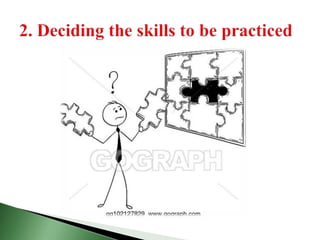
2. Deciding the skills to be practiced
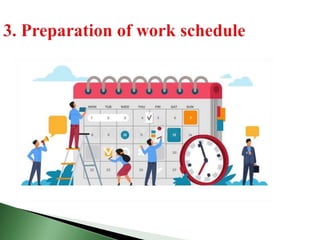
3. Preparation of work schedule
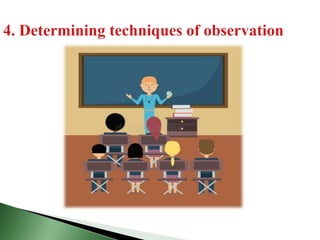
4. Determining the techniques of observation
5. Organizing the first practice of lesson
6. Alteration of procedure.
The student teachers are assigned the roles of
teachers; students and observers respectively.
Every pupil teacher has to play all the 3 roles
one after another
It is done in a rotation basis.
A few social skills are discussed which are to
be practiced by the student teachers.
Planning and preparations are made
The topic is selected according to the interest
and intelligence .
In order to run the program of practice
successfully.
In this stage it is decided who will teach first
and who will observe the lesson.
It is also decided how the turning for
everyone will be occur.
Teacher decides the procedure of observing
the lesson
How different type of data is to be observed
and interpreted is decided through the
discussion at this stage.
First practice of lesson is started and it’s
observations are recorded for judging the
teaching behavior.
Discussion leading to feedback and
suggestions for the improvement of the
lesson.
There is a change of teacher; change of
observer and change of teaching skills also
there is change in the topic to be taught.
Every student teacher is given an opportunity
to play the role of a teacher; a student and an
observer.
 Simulations are time consuming
 Mechanisms for feedback of data may require
the use of sophisticated materials
 Simulation limits aspects of reality situations
 Learners may not find the simulation relevant
to their situation.
 Costly to conduct
 Simulations cannot be made in all subjects in
curriculum
 There is a possibility to arouse emotions;
especially in role playing
 Specific skills are needed for the teachers
 The process and outcome of the simulation
may not always be predictable.
 Craft man ship is needed for local
construction.
SIMULATION.pptx

SIMULATION.pptx

  • 2.
     The actor process of simulating  To assume the appearances or characteristics of reality.
  • 3.
     Simulation canbe defined as “an operating representation of central features of reality as an attempt to give the appearance and or to give the effect of something else.” - Barton
  • 4.
     Simulation is“a method whereby an artificial or hypothetical experience is created, that engages the learner in an activity that reflects real life conditions but, without risk- taking consequences of actual situations.” - Rystedt& Lindstrom (2001)
  • 5.
     To helpstudents to practice decision- making and problem solving skills.  To develop human interaction abilities in a controlled and safe setting.  To achieve cognitive; affective; and psychomotor outcomes.  Students have a chance to apply principles and theories they have learned in daily life.
  • 6.
     Effectively controlsextraneous variables that might interfere with learning.  Provide a mix of experiences that can be replicated for successive learning.
  • 7.
     Provide asafe environment in which learning has priority over patient care or system demands.  Focus on application rather than uncertain recall of knowledge.  Provide immediate feedback on the performance.
  • 8.
     Ned Flanderhas recommended 6 steps in simulation training techniques;
  • 9.
    1. Assignment ofroles 2. Deciding the skills to be practiced 3. Preparation of work schedule 4. Determining the techniques of observation 5. Organizing the first practice of lesson 6. Alteration of procedure.
  • 11.
    The student teachersare assigned the roles of teachers; students and observers respectively. Every pupil teacher has to play all the 3 roles one after another It is done in a rotation basis.
  • 13.
    A few socialskills are discussed which are to be practiced by the student teachers. Planning and preparations are made The topic is selected according to the interest and intelligence .
  • 15.
    In order torun the program of practice successfully. In this stage it is decided who will teach first and who will observe the lesson. It is also decided how the turning for everyone will be occur.
  • 17.
    Teacher decides theprocedure of observing the lesson How different type of data is to be observed and interpreted is decided through the discussion at this stage.
  • 19.
    First practice oflesson is started and it’s observations are recorded for judging the teaching behavior. Discussion leading to feedback and suggestions for the improvement of the lesson.
  • 21.
    There is achange of teacher; change of observer and change of teaching skills also there is change in the topic to be taught. Every student teacher is given an opportunity to play the role of a teacher; a student and an observer.
  • 22.
     Simulations aretime consuming  Mechanisms for feedback of data may require the use of sophisticated materials  Simulation limits aspects of reality situations  Learners may not find the simulation relevant to their situation.
  • 23.
     Costly toconduct  Simulations cannot be made in all subjects in curriculum  There is a possibility to arouse emotions; especially in role playing  Specific skills are needed for the teachers
  • 24.
     The processand outcome of the simulation may not always be predictable.  Craft man ship is needed for local construction.