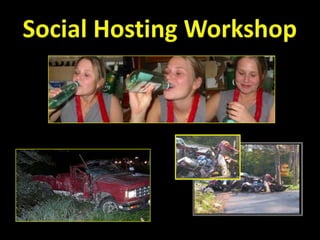
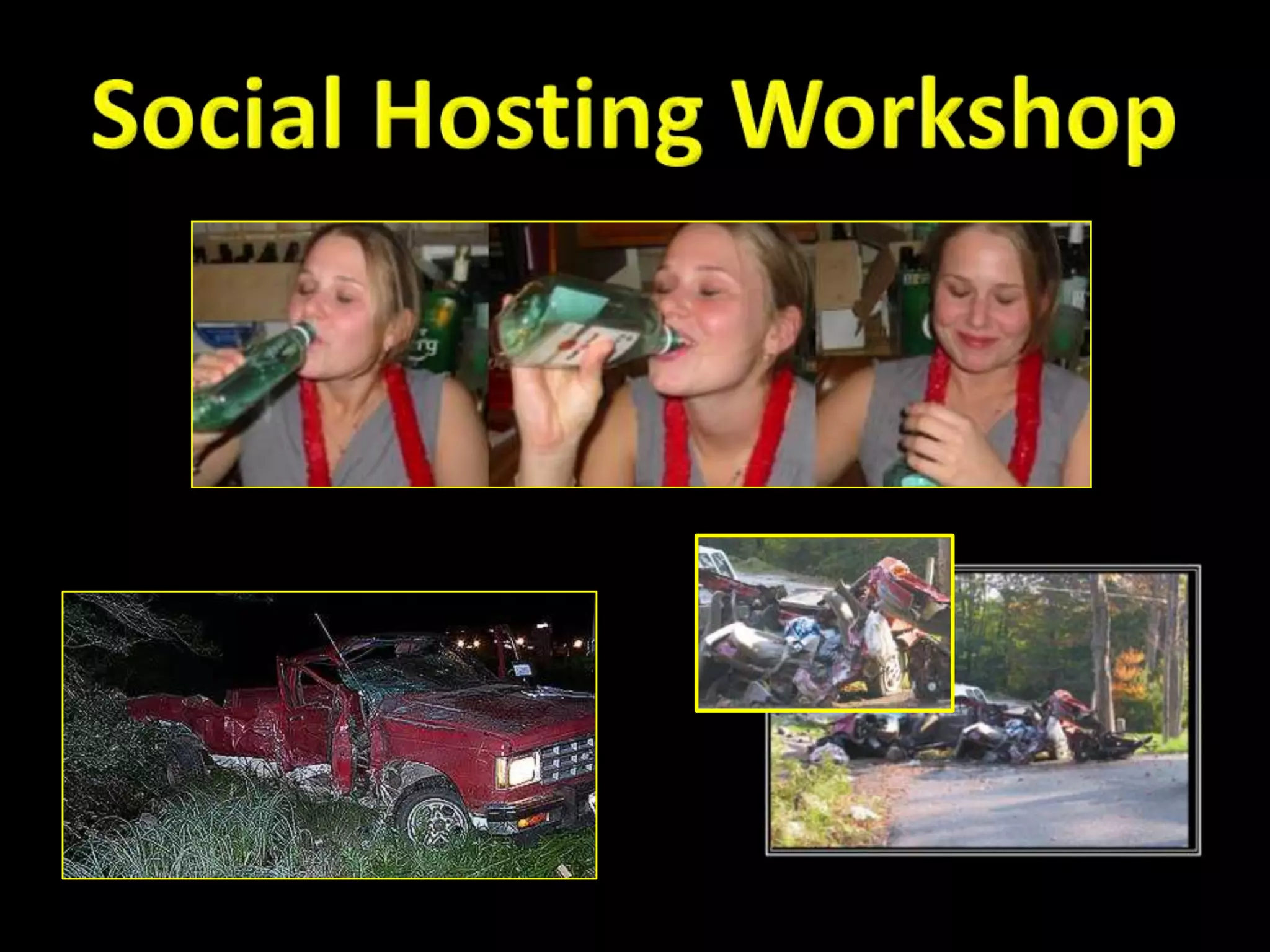
Social Hosting Workshop
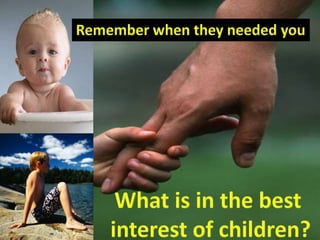
Remember when they needed youWhat is in the best interest of children?
General Lack of Concern
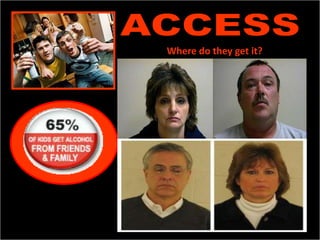
ACCESSWhere do they get it?
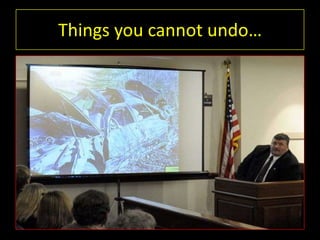
Things you cannot undo…
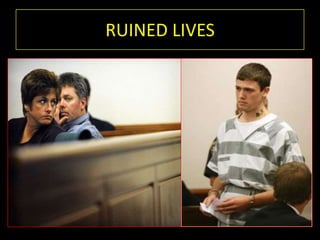
RUINED LIVES
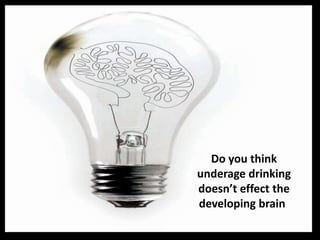
Do you think underage drinking doesn’t effect the developing brain?
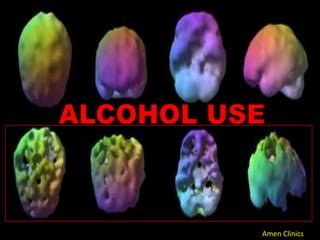
ALLOW DETERMINATION OF STRUCTURAL AND CHEMICAL DAMAGESCANS
ALCOHOL USEAmen Clinics
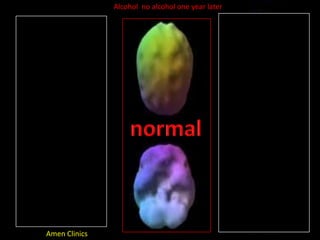
Alcohol  no alcohol one year laterusing>1 year  normalAmen Clinics
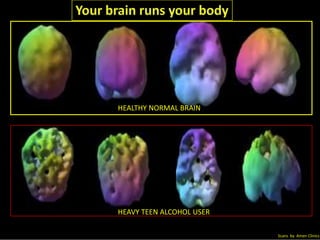
What kind of performance will you have? Your brain runs your bodyHEALTHY NORMAL BRAINHEAVY TEEN ALCOHOL USERScans  by  Amen Clinics
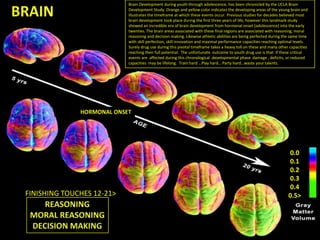
Brain Development during youth through adolescence, has been chronicled by the UCLA Brain Development Study. Orange and yellow color indicates the developing areas of the young brain and illustrates the timeframe at which these events occur. Previous studies for decades believed most brain development took place during the first three years of life, however this landmark study showed an incredible era of brain development from hormonal onset (adolescence) into the early twenties. The brain areas associated with these final regions are associated with reasoning, moral reasoning and decision making. Likewise athletic abilities are being perfected during the same time with skill perfection, skill innovation and maximal performance capacities reaching optimal levels. Surely drug use during this pivotal timeframe takes a heavy toll on these and many other capacities reaching their full potential.  The unfortunate  outcome to youth drug use is that  if these critical events are  affected during this chronological  developmental phase  damage , deficits, or reduced capacities  may be lifelong.  Train hard …Play hard… Party hard…waste your talents.BRAIN HORMONAL ONSET0.00.10.20.30.40.5>FINISHING TOUCHES 12-21>REASONINGMORAL REASONINGDECISION MAKING
ACADEMICS
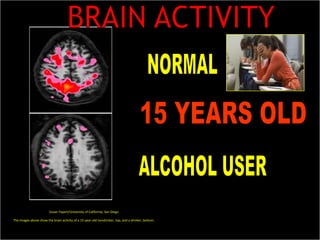
BRAIN ACTIVITYNORMALALCOHOL USER15 YEARS OLDSusan Tapert/University of California, San DiegoThe images above show the brain activity of a 15-year-old nondrinker, top, and a drinker, bottom.
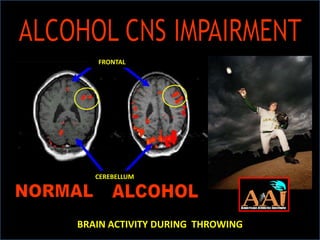
ALCOHOL CNS IMPAIRMENTFRONTALCEREBELLUMNORMALALCOHOLBRAIN ACTIVITY DURING  THROWING
14-24 THE TEN MOST DANGEROUS YEARSOF LIFE
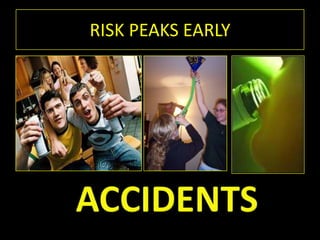
RISK PEAKS EARLYACCIDENTS
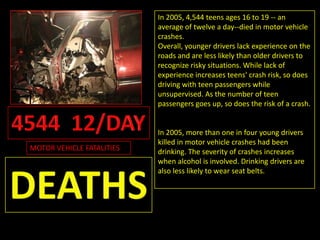
In 2005, 4,544 teens ages 16 to 19 -- an average of twelve a day--died in motor vehicle crashes.Overall, younger drivers lack experience on the roads and are less likely than older drivers to recognize risky situations. While lack ofexperience increases teens' crash risk, so does driving with teen passengers while  unsupervised. As the number of teen passengers goes up, so does the risk of a crash.In 2005, more than one in four young drivers killed in motor vehicle crashes had been drinking. The severity of crashes increases when alcohol is involved. Drinking drivers are also less likely to wear seat belts.4544  12/DAYMOTOR VEHICLE FATALITIESDEATHS
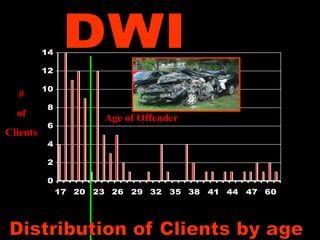
DWI# of ClientsAge of OffenderDistribution of Clients by age
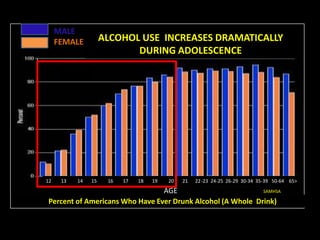
MALEFEMALEALCOHOL USE  INCREASES DRAMATICALLY DURING ADOLESCENCE12        13         14       15         16        17        18       19         20       21      22-23  24-25  26-29  30-34  35-39   50-64    65> AGESAMHSAPercent of Americans Who Have Ever Drunk Alcohol (A Whole  Drink)
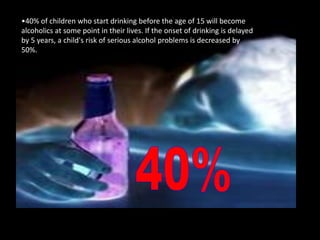
40% of children who start drinking before the age of 15 will become alcoholics at some point in their lives. If the onset of drinking is delayed by 5 years, a child's risk of serious alcohol problems is decreased by 50%. 40%
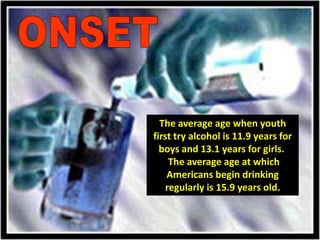
ONSETThe average age when youth first try alcohol is 11.9 years for boys and 13.1 years for girls.  The average age at which Americans begin drinking regularly is 15.9 years old.
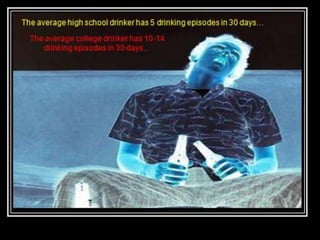
5X PER MONTH10-14X PER MONTH# OF DRINKING EPISODES/MO.
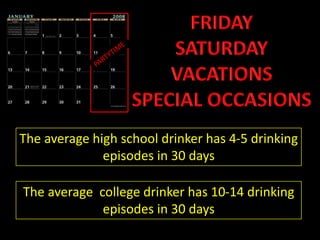
FRIDAYSATURDAYVACATIONSSPECIAL OCCASIONSPARTYTIMEThe average high school drinker has 4-5 drinking episodes in 30 daysThe average  college drinker has 10-14 drinking episodes in 30 days
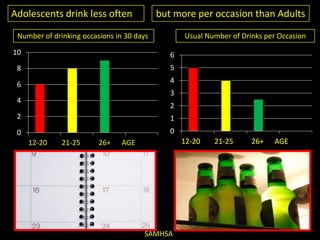
Adolescents drink less oftenbut more per occasion than AdultsUsual Number of Drinks per Occasion Number of drinking occasions in 30 days      12-20        21-25          26+      AGESAMHSA
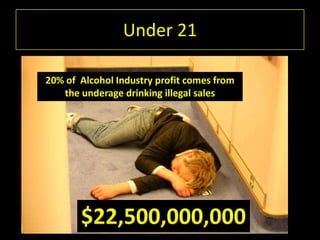
Under 2120% of  Alcohol Industry profit comes from the underage drinking illegal sales $22,500,000,000
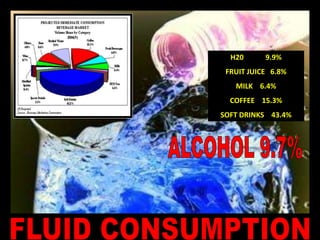
H20            9.9%FRUIT JUICE   6.8%MILK    6.4%COFFEE    15.3%SOFT DRINKS    43.4%ALCOHOL 9.7%FLUID CONSUMPTION
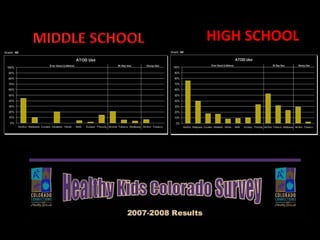
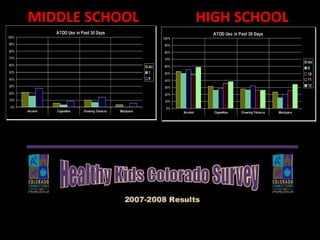
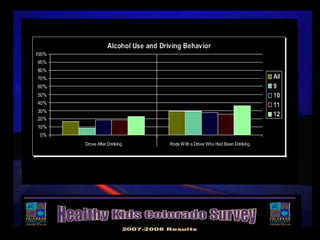
Track the numbers Track the behaviors
You cannot reduce risk  by increasing protective factors
HIGH SCHOOLMIDDLE SCHOOL
MIDDLE SCHOOLHIGH SCHOOL
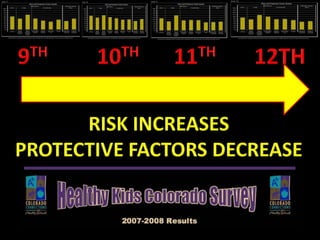
9TH         10TH         11TH       12THRISK INCREASESPROTECTIVE FACTORS DECREASE
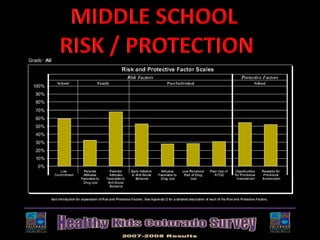
MIDDLE SCHOOL RISK / PROTECTION
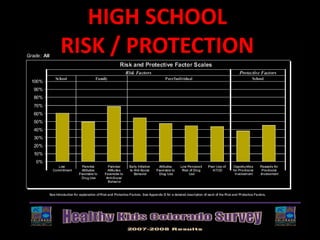
HIGH SCHOOL RISK / PROTECTION
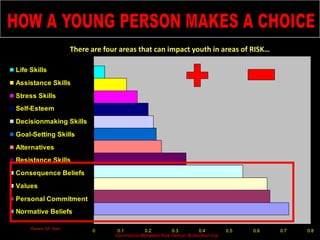
HOW A YOUNG PERSON MAKES A CHOICEThere are four areas that can impact youth in areas of RISK…+-Hansen All StarsCorrelation Between Risk Factors & Alcohol Use
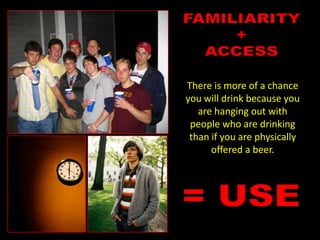
FAMILIARITY+ACCESSThere is more of a chance you will drink because you are hanging out with people who are drinking than if you are physically offered a beer.= USE
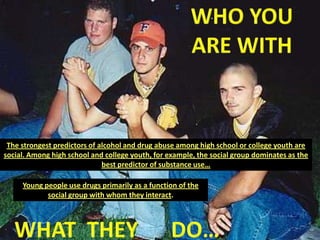
WHO YOU ARE WITHThe strongest predictors of alcohol and drug abuse among high school or college youth are social. Among high school and college youth, for example, the social group dominates as the best predictor of substance use…Young people use drugs primarily as a function of the social group with whom they interact.WHAT  THEY      DO…
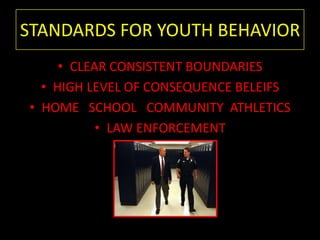
STANDARDS FOR YOUTH BEHAVIORCLEAR CONSISTENT BOUNDARIESHIGH LEVEL OF CONSEQUENCE BELEIFS HOME   SCHOOL   COMMUNITY  ATHLETICSLAW ENFORCEMENT
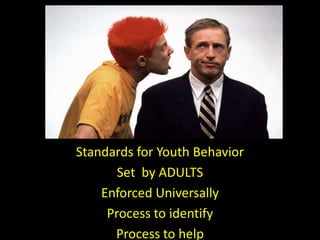
Standards for Youth BehaviorSet  by ADULTSEnforced UniversallyProcess to identifyProcess to help
“A child who reaches age 21 without smoking, abusing alcohol or using drugs is virtually certain never to do so”“A society whose adults do not abuse tobacco, alcohol or drugs,  is virtually certain not to raise children who do so.”The apple doesn’t fall far from the tree," Set the example for your children”
Parents of CRAIGI WILL CARE FOR THESE CHILDREN AT ALL TIMES  ESPECIALLY WHEN I AM WITH THEM I WILL AS AN ADULT SET A POSITIVE EXAMPLE FOR OUR YOUTH BY THE WAY I LIVE MY LIFEI WILL, AS AN ADULT,  ACCEPT RESPONSIBILTIY FOR OUR YOUTHI WILL FULFILL MY RESPONSIBILITY TO OUR YOUTH EVEN WHEN OTHERS FAILI WILL HELP IDENTIFY OUR YOUTH WITH PERSONAL AND SOCIAL ISSUESI WILL GET THEM PROFESIONAL HELPI WILL DO EVERYTHING POSSIBLE  TO PROTECT OUR YOUTH FROM RISK AND HARMI WILL NOT LET ONE CRAIG YOUTH FALL TO THE PERILS OF NEGLECTI WILL ALWAYS ACT  IN THE BEST INTEREST OF OUR CHILDRENI WILL SUPPORT THE LAWS THAT SEEK TO KEEP OUR YOUTH FROM HARM AND RISK I will support a community consensus that clearly states  that drug and underage  DRUG/alcohol use  is illegal, unhealthy and unacceptable and the zero -tolerance  measures that must be employed  to deter  such youth behaviors of concern.

Sho Workshop

  • 1.
  • 2.
    Remember when theyneeded youWhat is in the best interest of children?
  • 3.
  • 4.
  • 5.
  • 6.
  • 7.
    Do you thinkunderage drinking doesn’t effect the developing brain?
  • 8.
    ALLOW DETERMINATION OFSTRUCTURAL AND CHEMICAL DAMAGESCANS
  • 9.
  • 10.
    Alcohol noalcohol one year laterusing>1 year normalAmen Clinics
  • 11.
    What kind ofperformance will you have? Your brain runs your bodyHEALTHY NORMAL BRAINHEAVY TEEN ALCOHOL USERScans by Amen Clinics
  • 12.
    Brain Development duringyouth through adolescence, has been chronicled by the UCLA Brain Development Study. Orange and yellow color indicates the developing areas of the young brain and illustrates the timeframe at which these events occur. Previous studies for decades believed most brain development took place during the first three years of life, however this landmark study showed an incredible era of brain development from hormonal onset (adolescence) into the early twenties. The brain areas associated with these final regions are associated with reasoning, moral reasoning and decision making. Likewise athletic abilities are being perfected during the same time with skill perfection, skill innovation and maximal performance capacities reaching optimal levels. Surely drug use during this pivotal timeframe takes a heavy toll on these and many other capacities reaching their full potential. The unfortunate outcome to youth drug use is that if these critical events are affected during this chronological developmental phase damage , deficits, or reduced capacities may be lifelong. Train hard …Play hard… Party hard…waste your talents.BRAIN HORMONAL ONSET0.00.10.20.30.40.5>FINISHING TOUCHES 12-21>REASONINGMORAL REASONINGDECISION MAKING
  • 13.
  • 14.
    BRAIN ACTIVITYNORMALALCOHOL USER15YEARS OLDSusan Tapert/University of California, San DiegoThe images above show the brain activity of a 15-year-old nondrinker, top, and a drinker, bottom.
  • 16.
  • 17.
    14-24 THE TENMOST DANGEROUS YEARSOF LIFE
  • 18.
  • 19.
    In 2005, 4,544teens ages 16 to 19 -- an average of twelve a day--died in motor vehicle crashes.Overall, younger drivers lack experience on the roads and are less likely than older drivers to recognize risky situations. While lack ofexperience increases teens' crash risk, so does driving with teen passengers while unsupervised. As the number of teen passengers goes up, so does the risk of a crash.In 2005, more than one in four young drivers killed in motor vehicle crashes had been drinking. The severity of crashes increases when alcohol is involved. Drinking drivers are also less likely to wear seat belts.4544 12/DAYMOTOR VEHICLE FATALITIESDEATHS
  • 20.
    DWI# of ClientsAgeof OffenderDistribution of Clients by age
  • 22.
    MALEFEMALEALCOHOL USE INCREASES DRAMATICALLY DURING ADOLESCENCE12 13 14 15 16 17 18 19 20 21 22-23 24-25 26-29 30-34 35-39 50-64 65> AGESAMHSAPercent of Americans Who Have Ever Drunk Alcohol (A Whole Drink)
  • 23.
    40% of childrenwho start drinking before the age of 15 will become alcoholics at some point in their lives. If the onset of drinking is delayed by 5 years, a child's risk of serious alcohol problems is decreased by 50%. 40%
  • 24.
    ONSETThe average agewhen youth first try alcohol is 11.9 years for boys and 13.1 years for girls.  The average age at which Americans begin drinking regularly is 15.9 years old.
  • 25.
    5X PER MONTH10-14XPER MONTH# OF DRINKING EPISODES/MO.
  • 26.
    FRIDAYSATURDAYVACATIONSSPECIAL OCCASIONSPARTYTIMEThe averagehigh school drinker has 4-5 drinking episodes in 30 daysThe average college drinker has 10-14 drinking episodes in 30 days
  • 27.
    Adolescents drink lessoftenbut more per occasion than AdultsUsual Number of Drinks per Occasion Number of drinking occasions in 30 days 12-20 21-25 26+ AGESAMHSA
  • 28.
    Under 2120% of Alcohol Industry profit comes from the underage drinking illegal sales $22,500,000,000
  • 29.
    H20 9.9%FRUIT JUICE 6.8%MILK 6.4%COFFEE 15.3%SOFT DRINKS 43.4%ALCOHOL 9.7%FLUID CONSUMPTION
  • 30.
    Track the numbersTrack the behaviors
  • 31.
    You cannot reducerisk by increasing protective factors
  • 32.
  • 33.
  • 38.
    9TH 10TH 11TH 12THRISK INCREASESPROTECTIVE FACTORS DECREASE
  • 39.
    MIDDLE SCHOOL RISK/ PROTECTION
  • 40.
    HIGH SCHOOL RISK/ PROTECTION
  • 41.
    HOW A YOUNGPERSON MAKES A CHOICEThere are four areas that can impact youth in areas of RISK…+-Hansen All StarsCorrelation Between Risk Factors & Alcohol Use
  • 42.
    FAMILIARITY+ACCESSThere is moreof a chance you will drink because you are hanging out with people who are drinking than if you are physically offered a beer.= USE
  • 43.
    WHO YOU AREWITHThe strongest predictors of alcohol and drug abuse among high school or college youth are social. Among high school and college youth, for example, the social group dominates as the best predictor of substance use…Young people use drugs primarily as a function of the social group with whom they interact.WHAT THEY DO…
  • 44.
    STANDARDS FOR YOUTHBEHAVIORCLEAR CONSISTENT BOUNDARIESHIGH LEVEL OF CONSEQUENCE BELEIFS HOME SCHOOL COMMUNITY ATHLETICSLAW ENFORCEMENT
  • 45.
    Standards for YouthBehaviorSet by ADULTSEnforced UniversallyProcess to identifyProcess to help
  • 46.
    “A child whoreaches age 21 without smoking, abusing alcohol or using drugs is virtually certain never to do so”“A society whose adults do not abuse tobacco, alcohol or drugs, is virtually certain not to raise children who do so.”The apple doesn’t fall far from the tree," Set the example for your children”
  • 47.
    Parents of CRAIGIWILL CARE FOR THESE CHILDREN AT ALL TIMES ESPECIALLY WHEN I AM WITH THEM I WILL AS AN ADULT SET A POSITIVE EXAMPLE FOR OUR YOUTH BY THE WAY I LIVE MY LIFEI WILL, AS AN ADULT, ACCEPT RESPONSIBILTIY FOR OUR YOUTHI WILL FULFILL MY RESPONSIBILITY TO OUR YOUTH EVEN WHEN OTHERS FAILI WILL HELP IDENTIFY OUR YOUTH WITH PERSONAL AND SOCIAL ISSUESI WILL GET THEM PROFESIONAL HELPI WILL DO EVERYTHING POSSIBLE TO PROTECT OUR YOUTH FROM RISK AND HARMI WILL NOT LET ONE CRAIG YOUTH FALL TO THE PERILS OF NEGLECTI WILL ALWAYS ACT IN THE BEST INTEREST OF OUR CHILDRENI WILL SUPPORT THE LAWS THAT SEEK TO KEEP OUR YOUTH FROM HARM AND RISK I will support a community consensus that clearly states that drug and underage DRUG/alcohol use is illegal, unhealthy and unacceptable and the zero -tolerance measures that must be employed to deter such youth behaviors of concern.

Editor's Notes

  • #2 This is what a lot of people think when it concerns alcohol…..images easily dismissed with an it will never happen to me or it will never happen to my child.
  • #3 But are we offering our youth this? Ask them do they support Underage Drinking….Local law Enforcement doesn’t.Both the Chief of Police and MC Sheriff support this.
  • #5 21-24 age group providing weekly parties. Parents providing right of passage parties.
  • #6 Do we waiting for another tragedy before we take action?
  • #7 This isn’t the only way alcohol can have permenant last effects on our youth.
  • #9 Scans are done at the AmenClininc. Daniel G. Amen, MD is a physician, child and adult psychiatrist, brain imaging specialist, bestselling author, Distinguished Fellow of the American Psychiatric Association and the CEO and medical director of Amen Clinics, Inc. (ACI) in  Newport Beach and  Fairfield, California, Tacoma, Washington and Reston, Virginia
  • #16 Revert back to scans to show damaged passages
  • #19 Risk increases a brain develops and youth attempt to strike out on there own. Avoid inbreeding.
  • #20 That same need to strike out also leads to risk behaviors which often results in death.
  • #31 Grand Futures has and will continue to track these numbers will allow us to see if what we are doing matters!!!
  • #32 Explain Risk Protective……all the alt events in the world won’t stop drinking as a whole…policy and enforcement do.
  • #44 This is about changing what they do and what they have access to.