Download to read offline
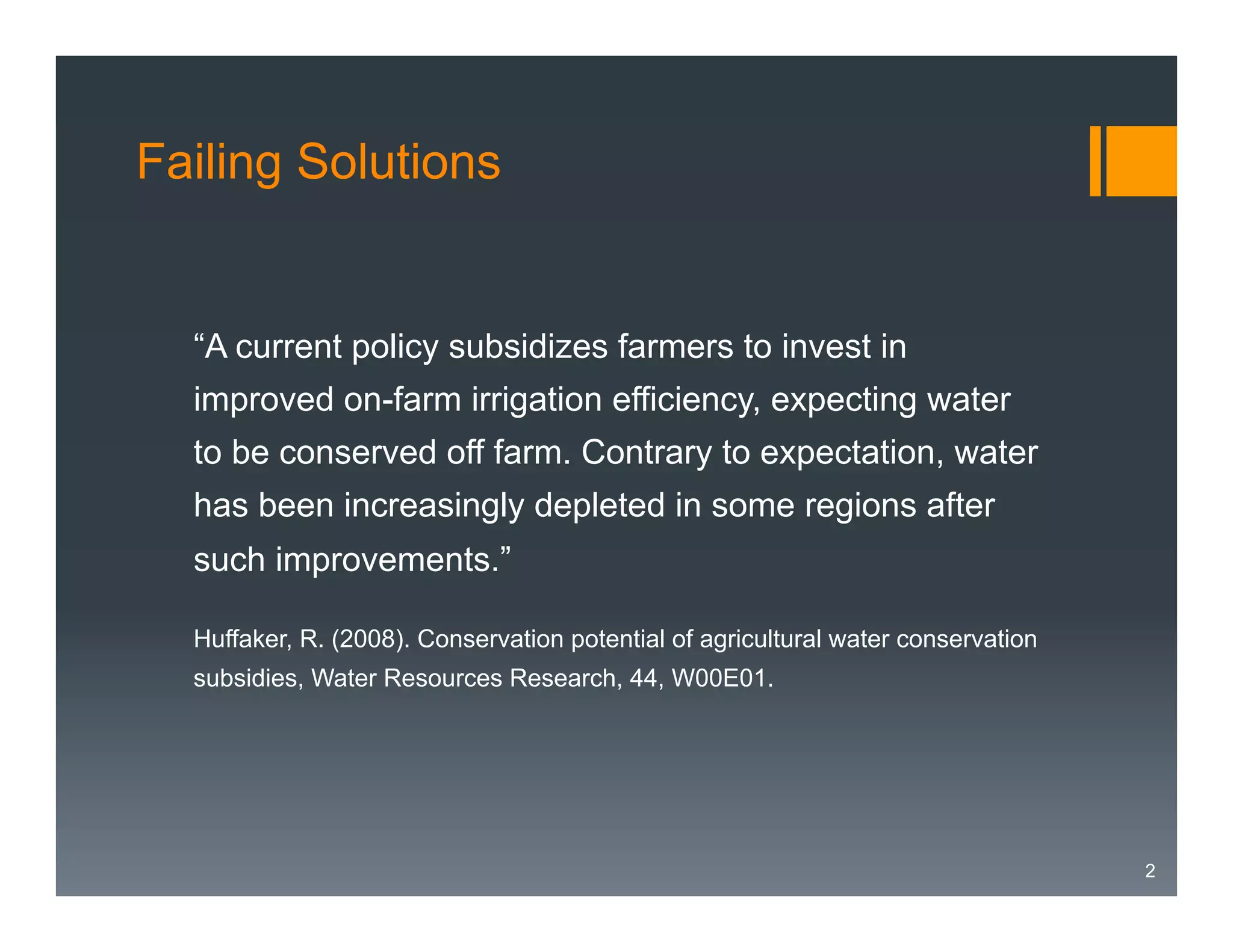
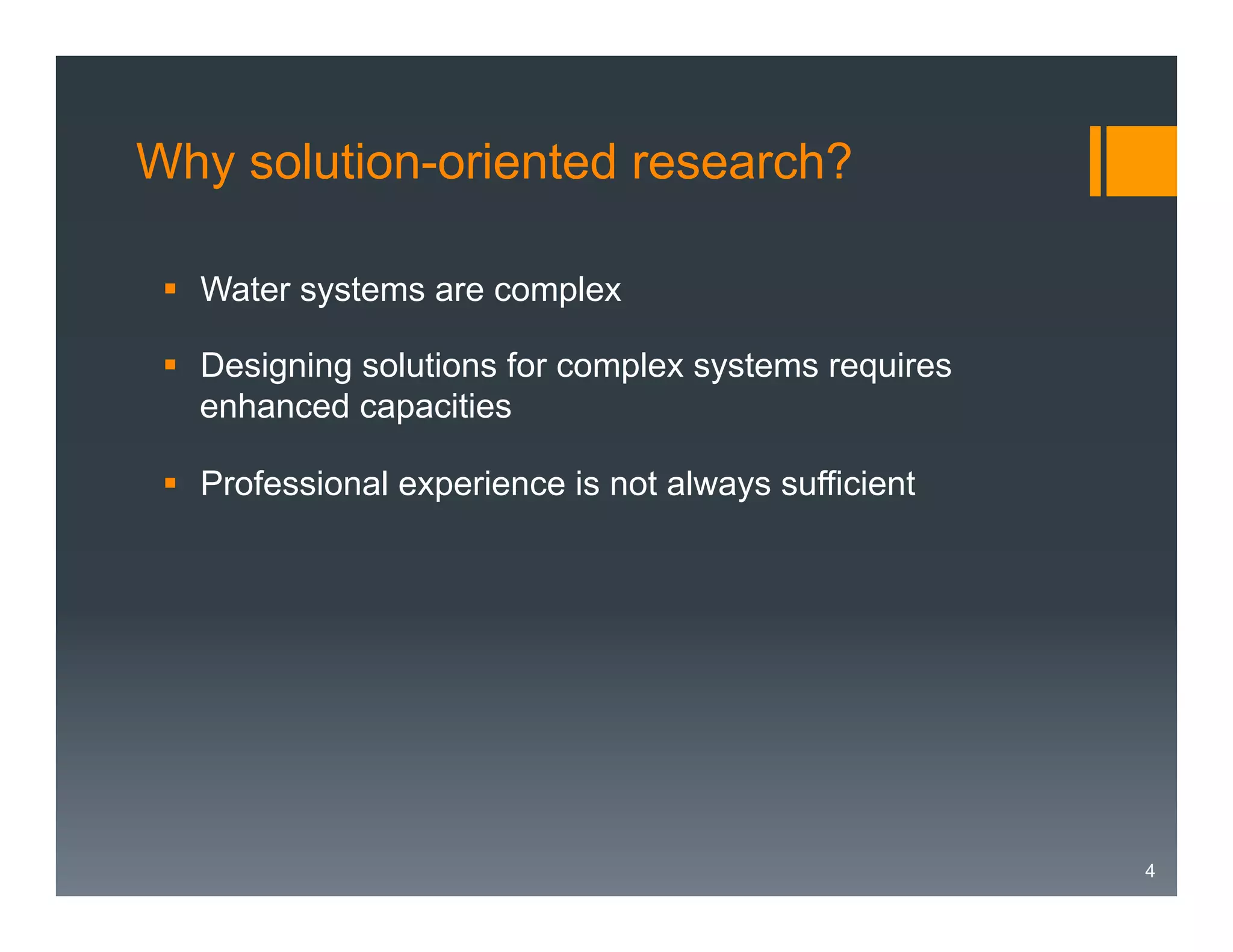
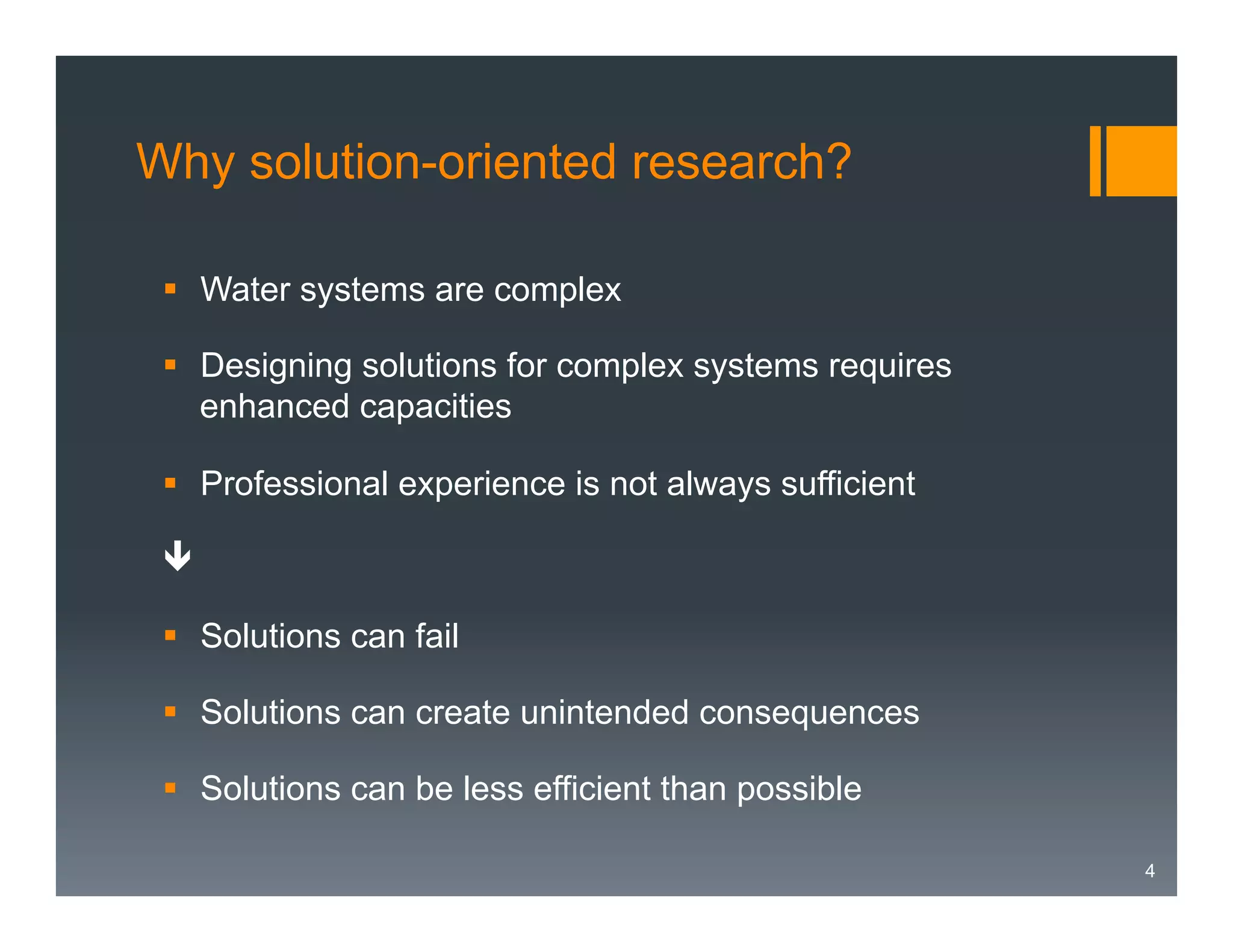
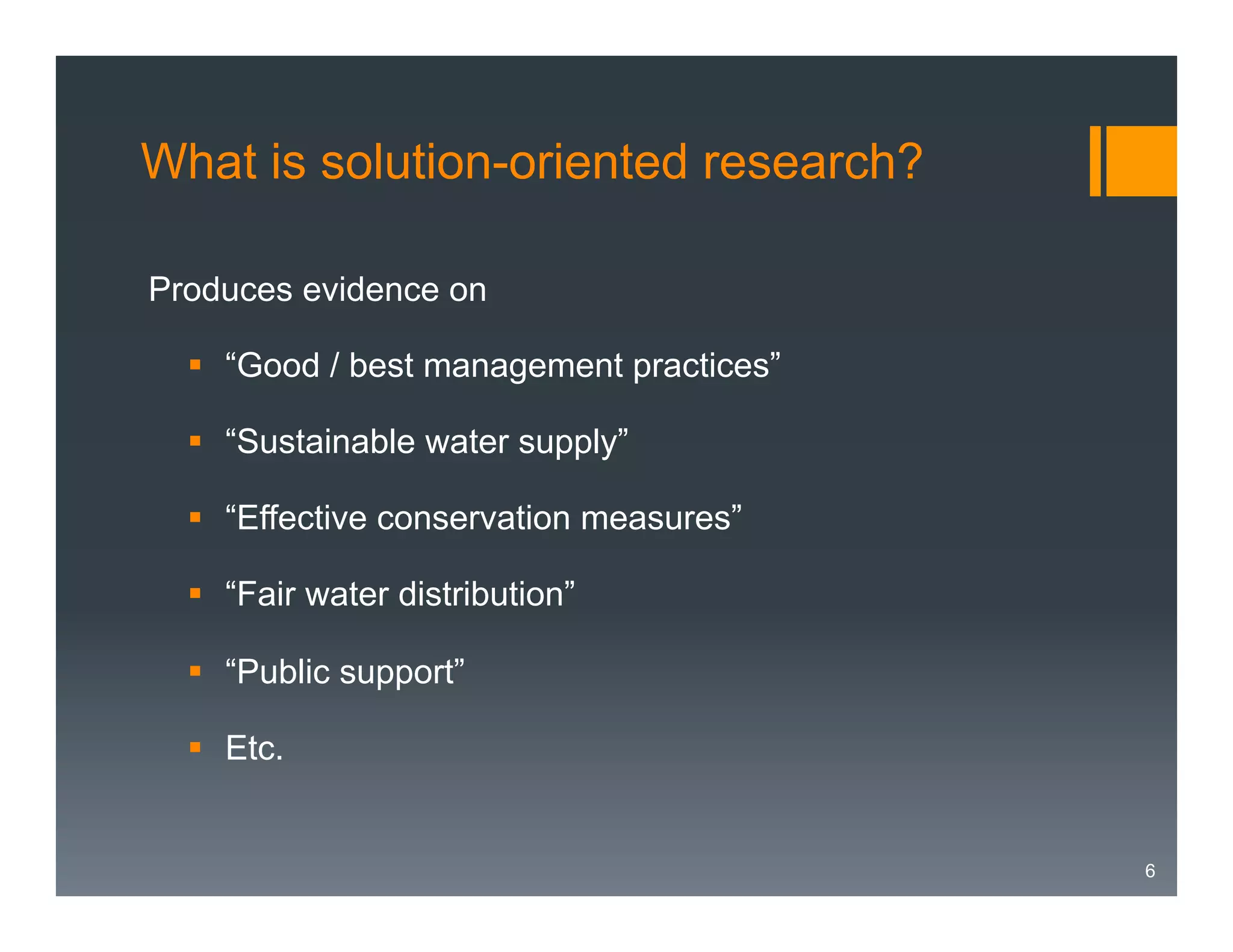
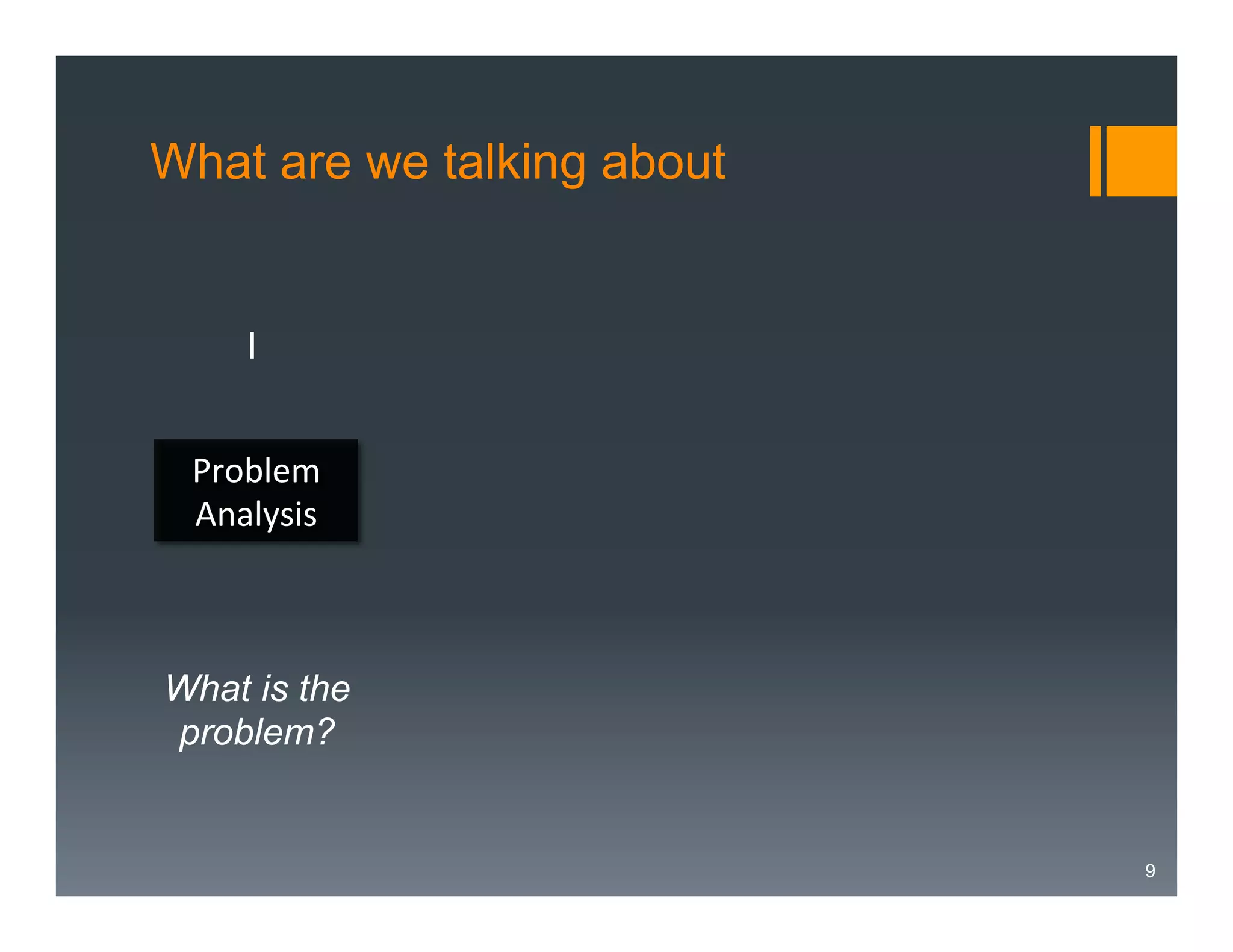
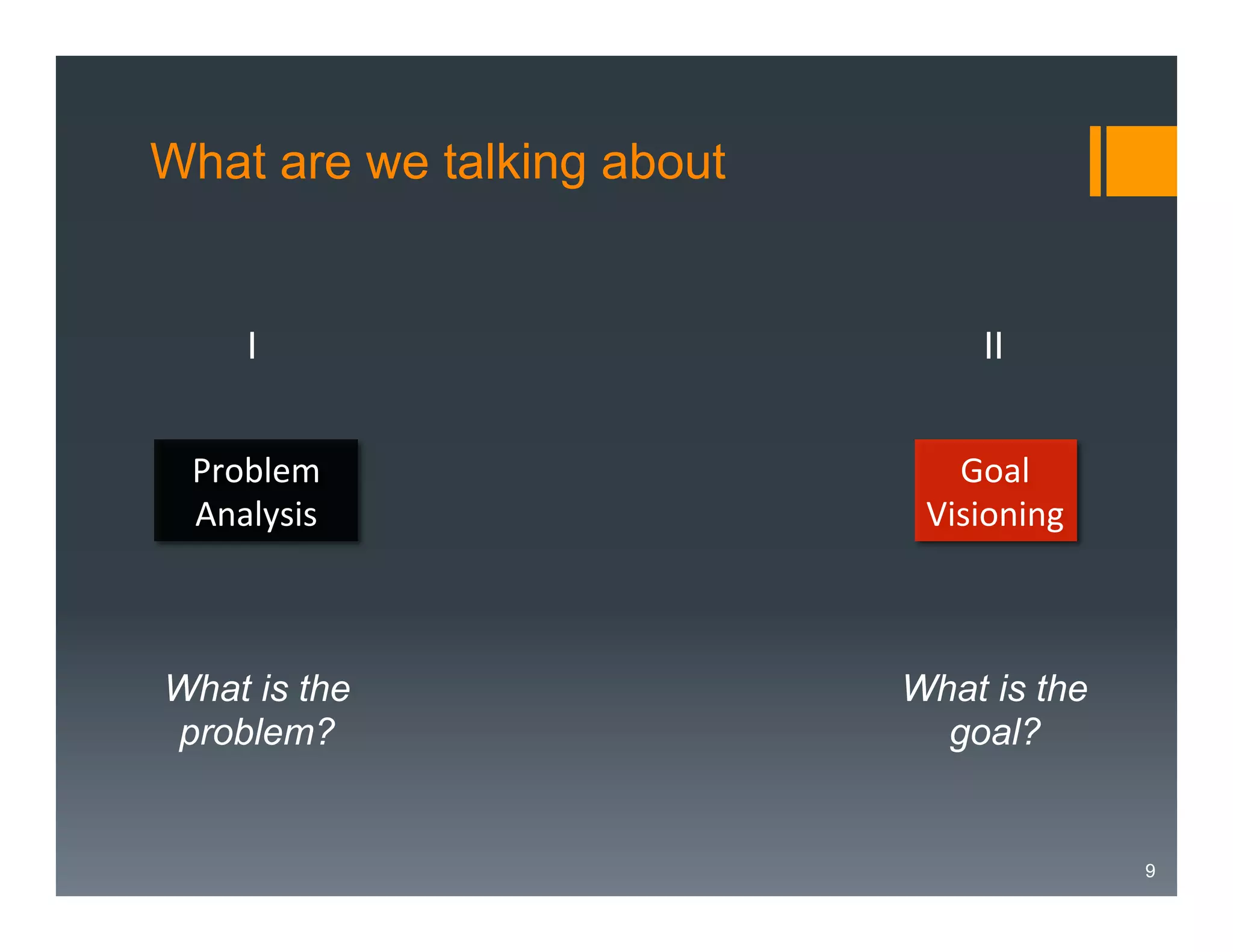
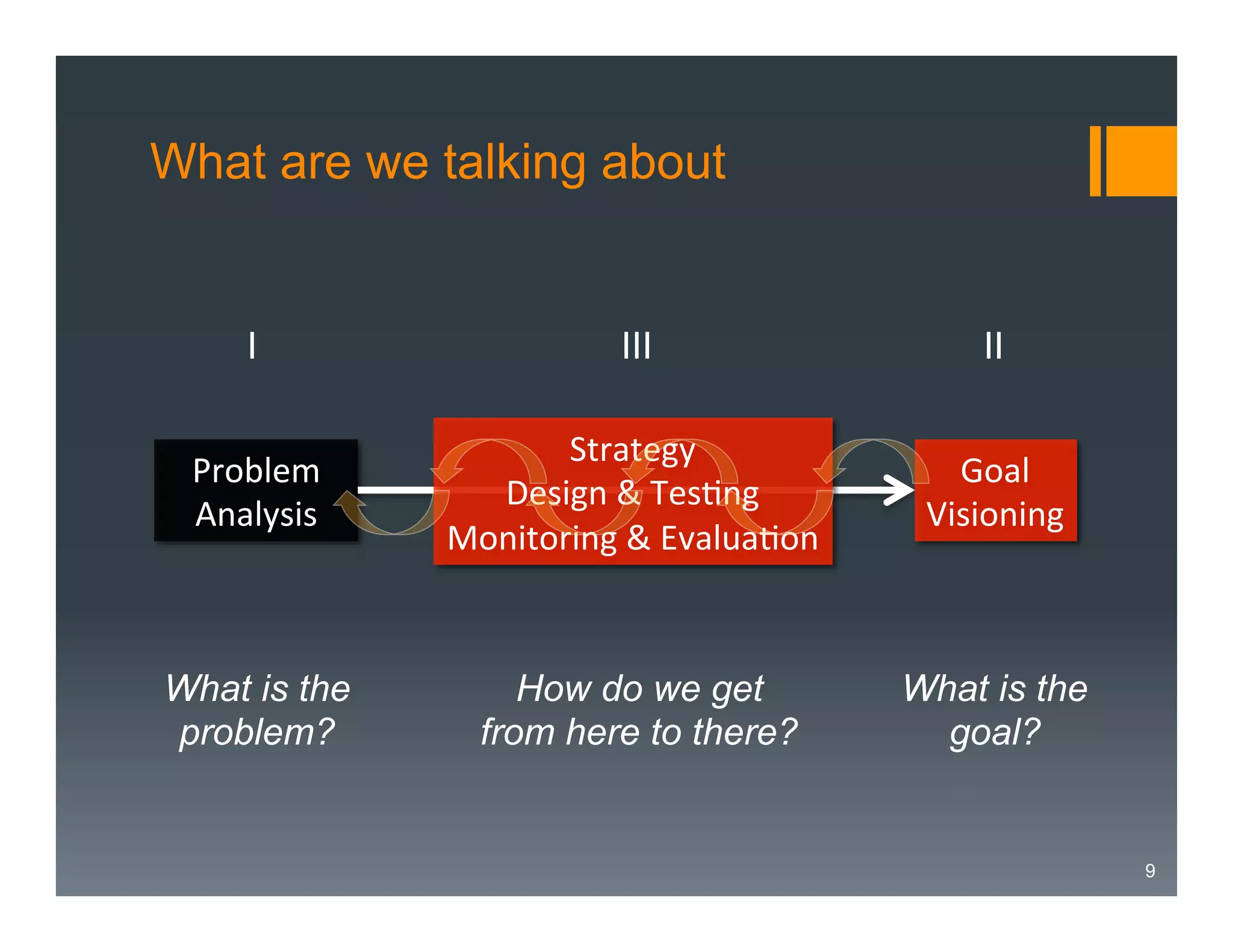
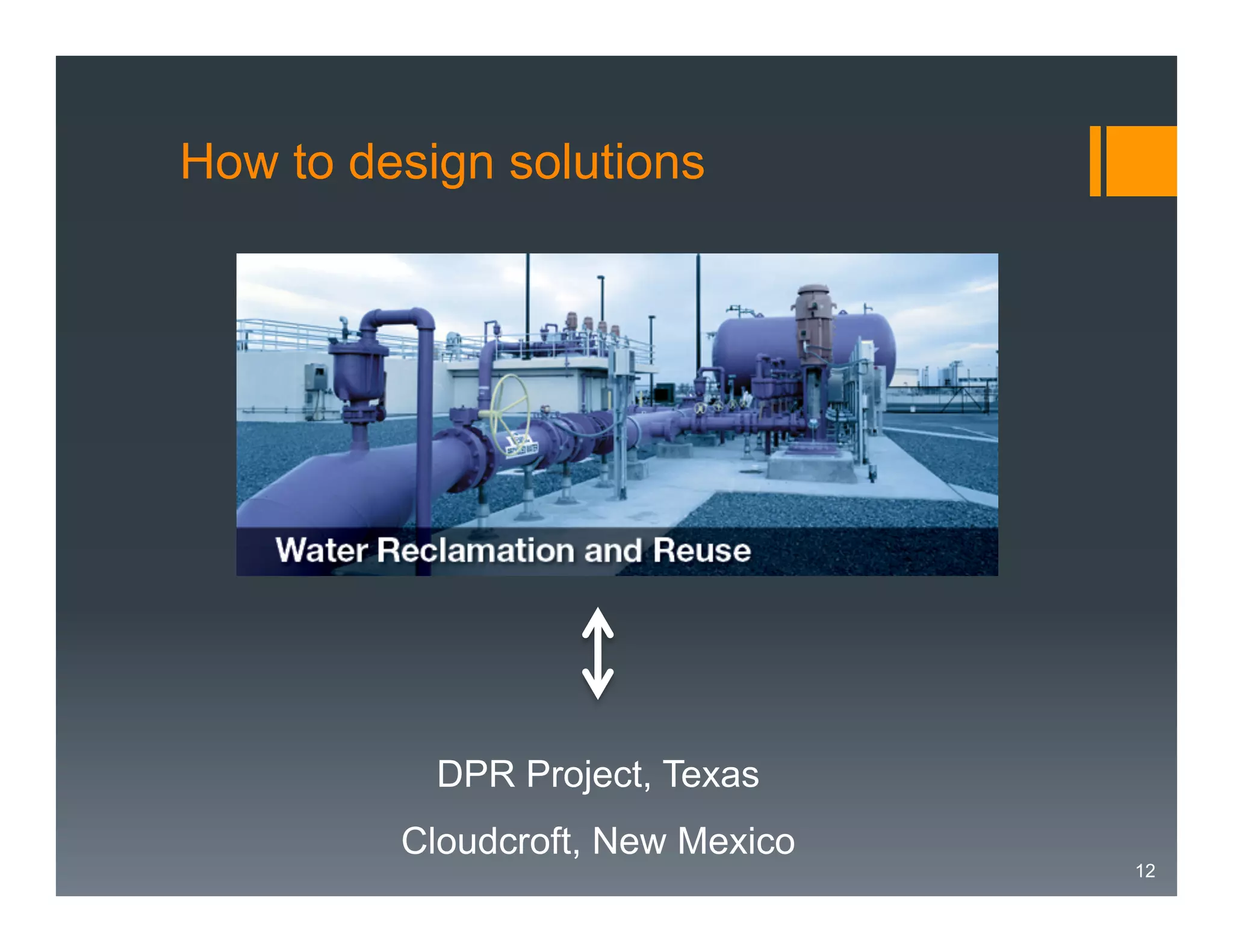
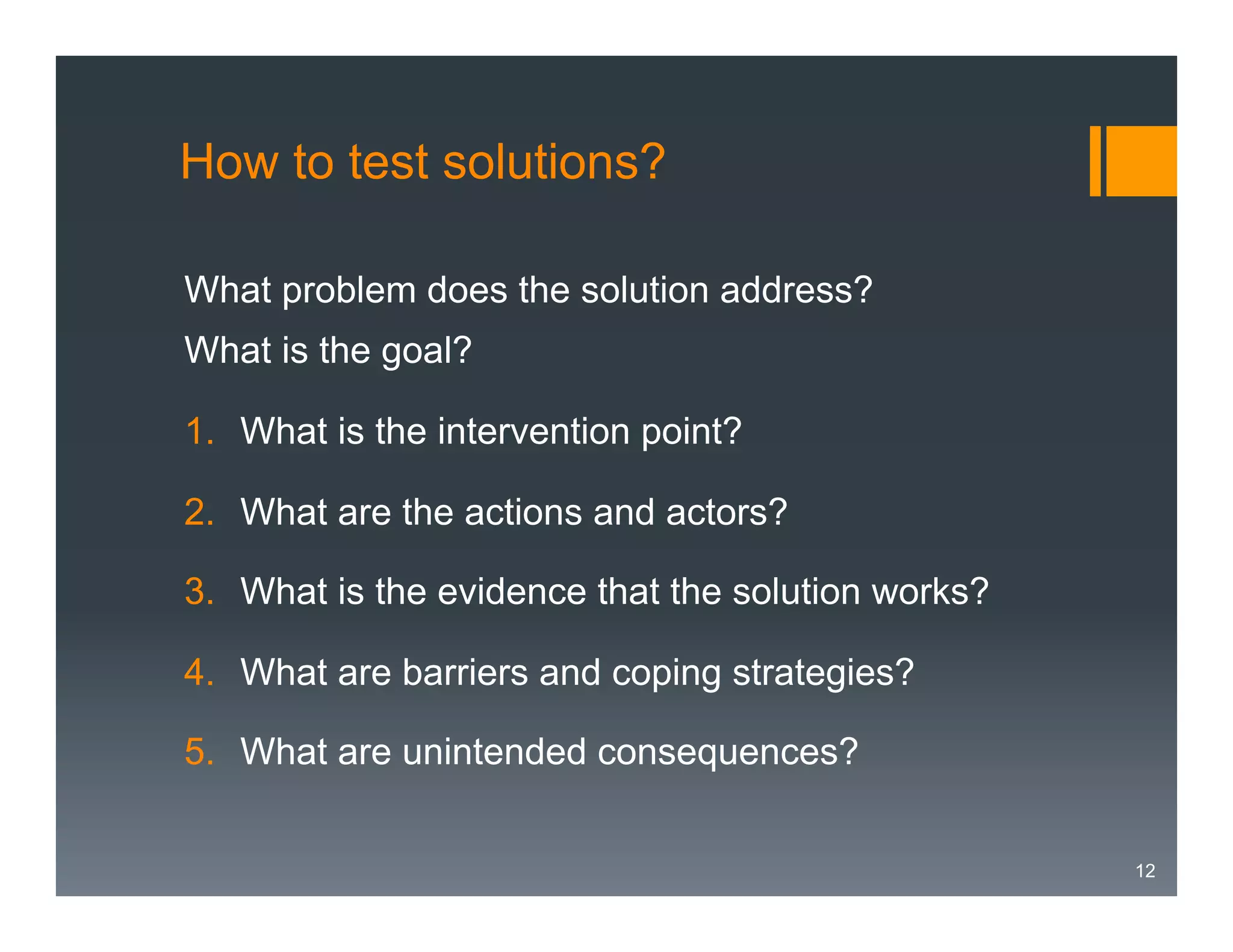
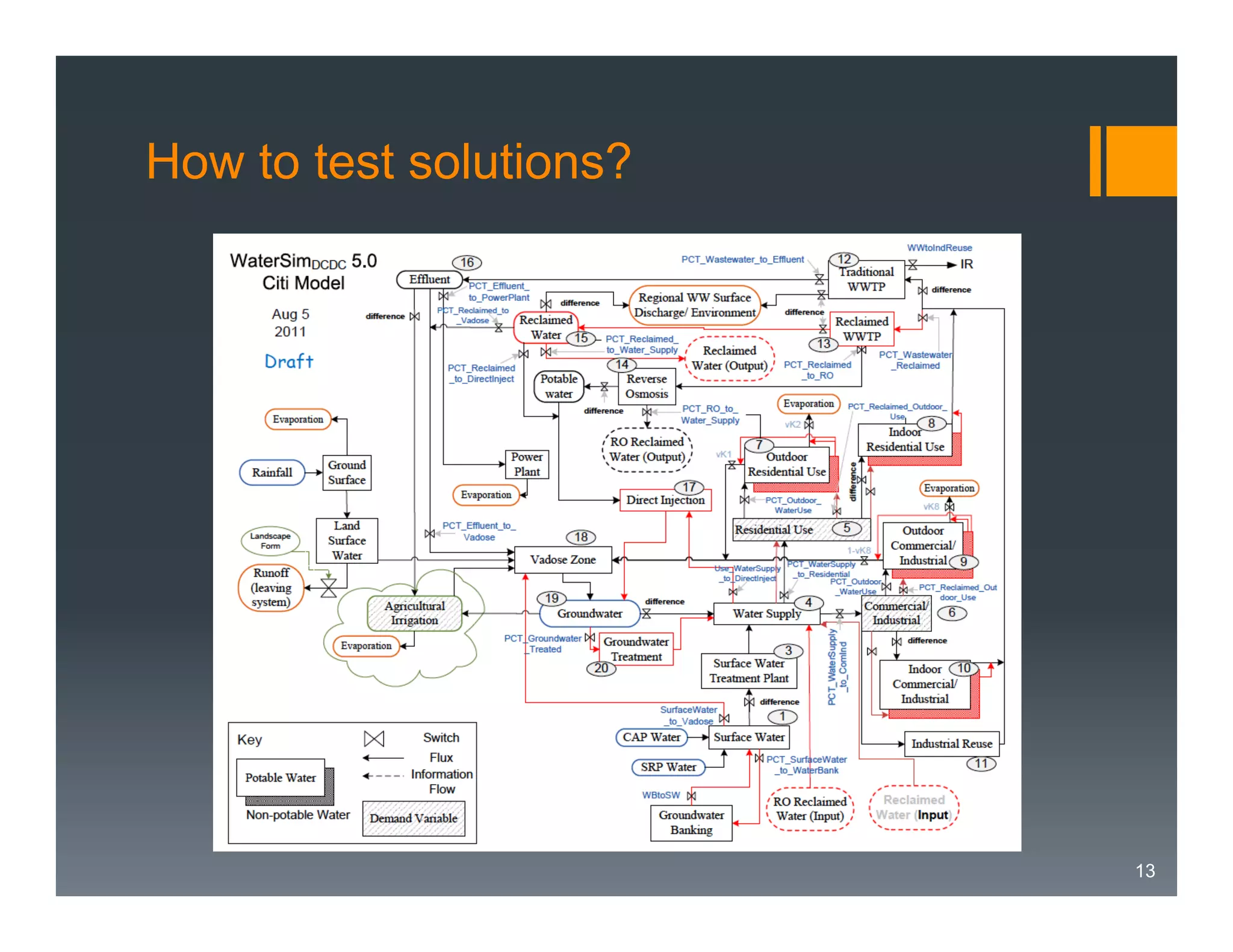
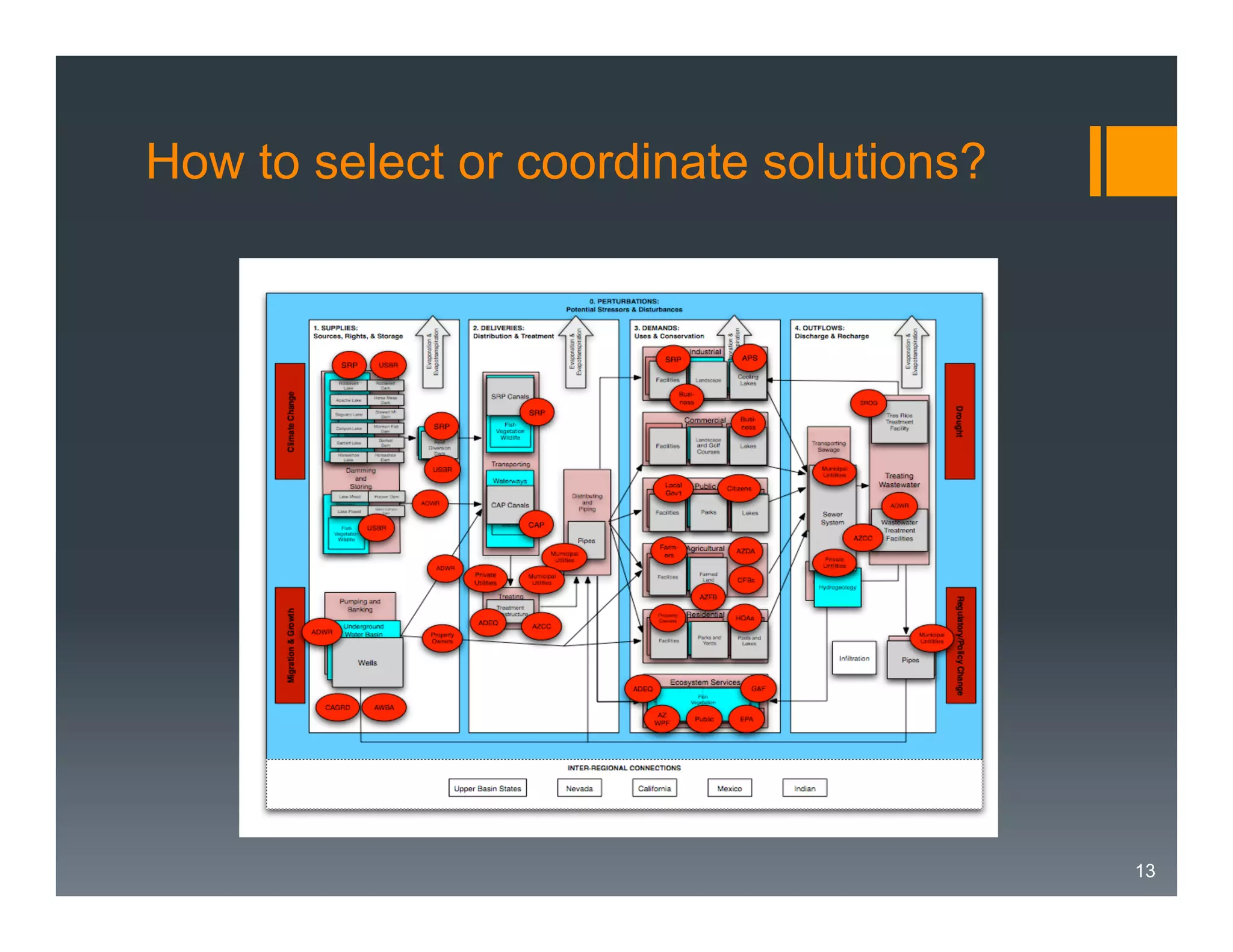
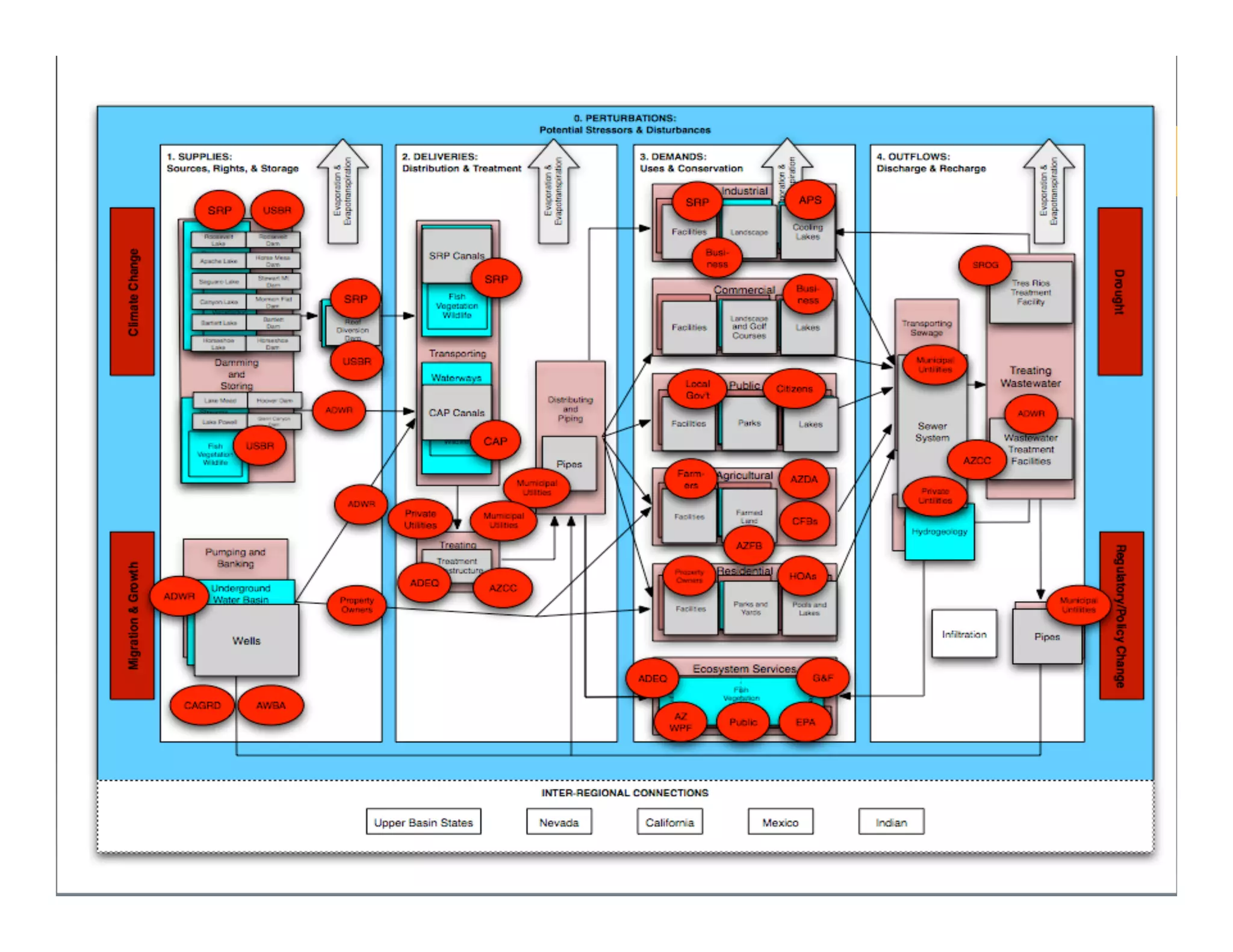
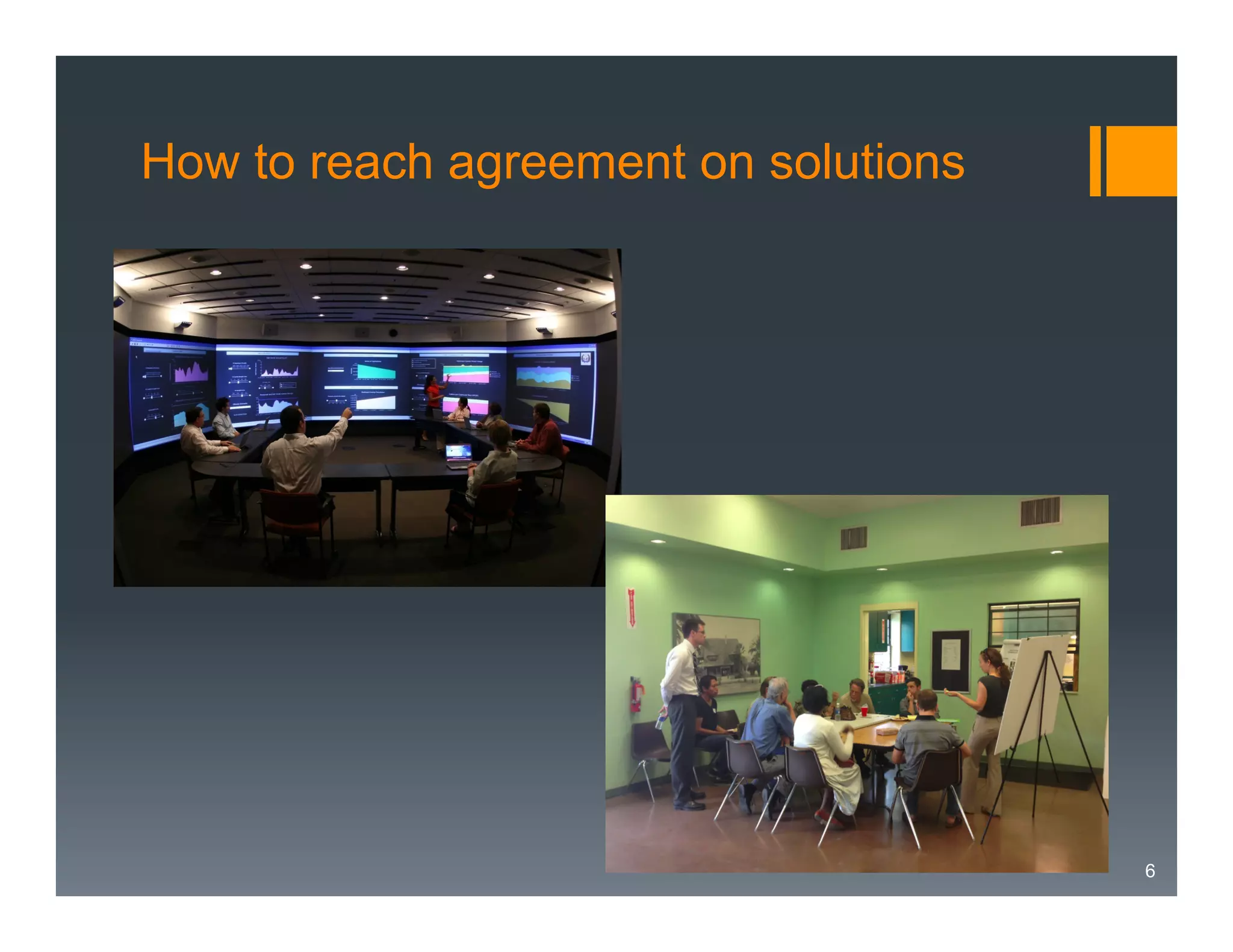
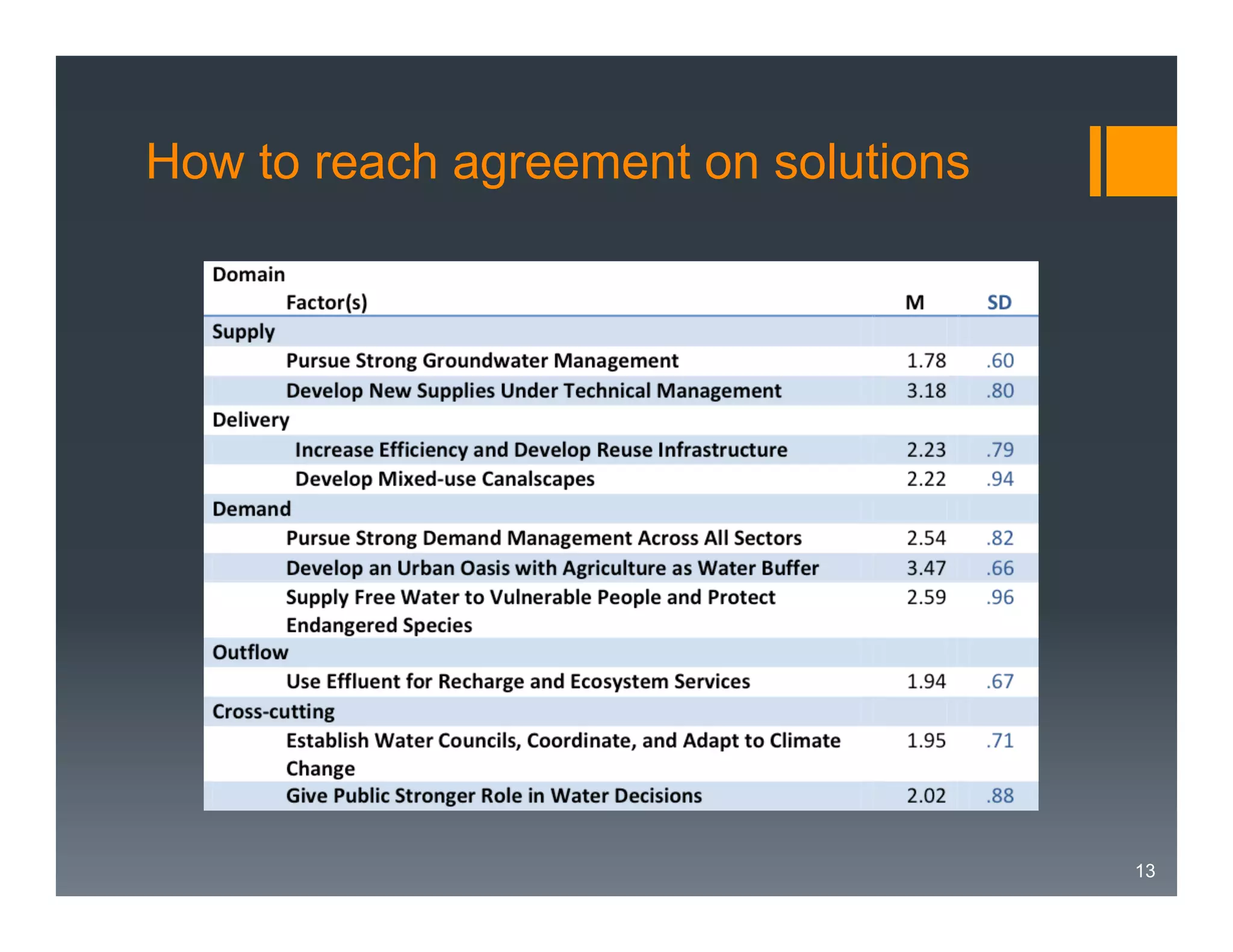
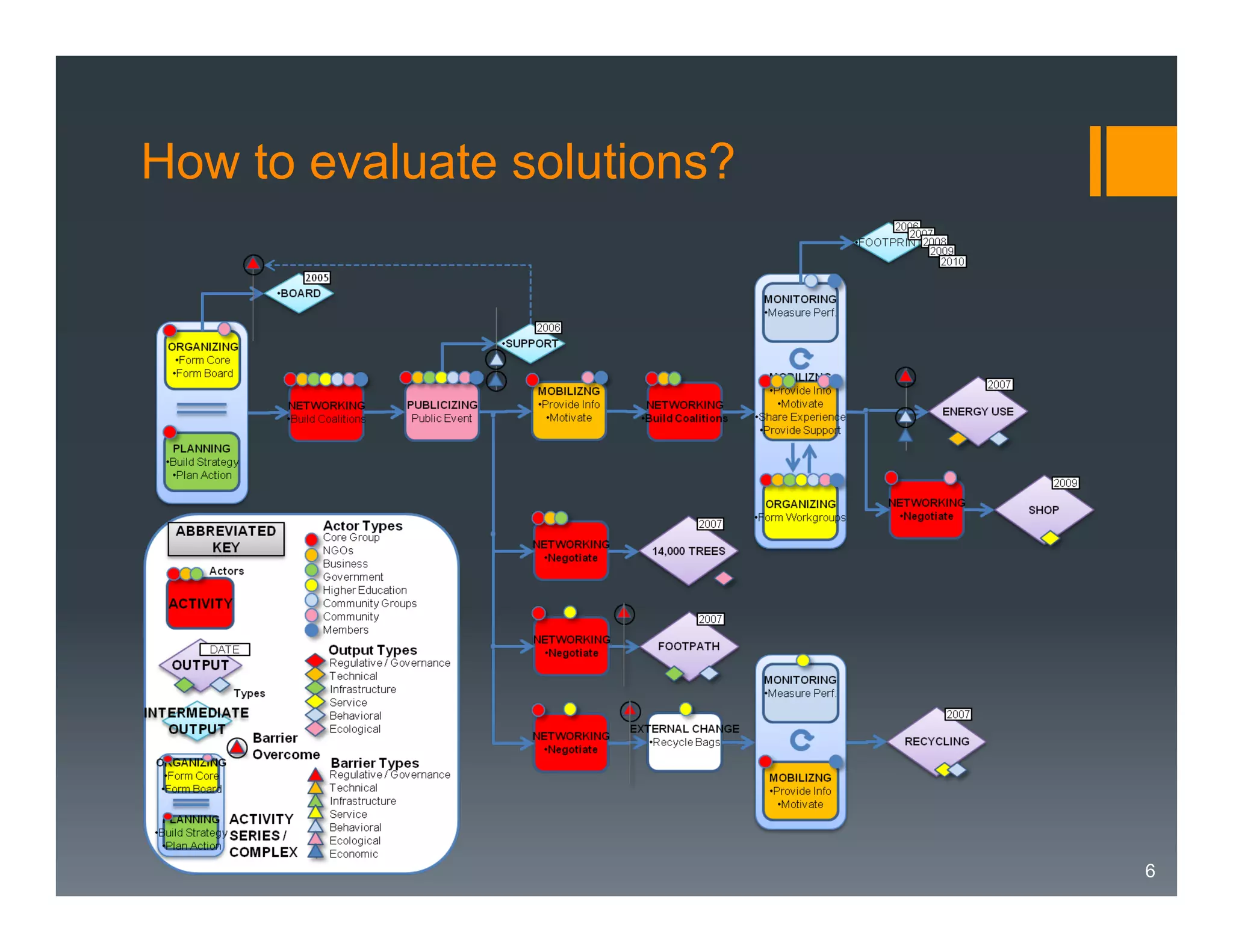
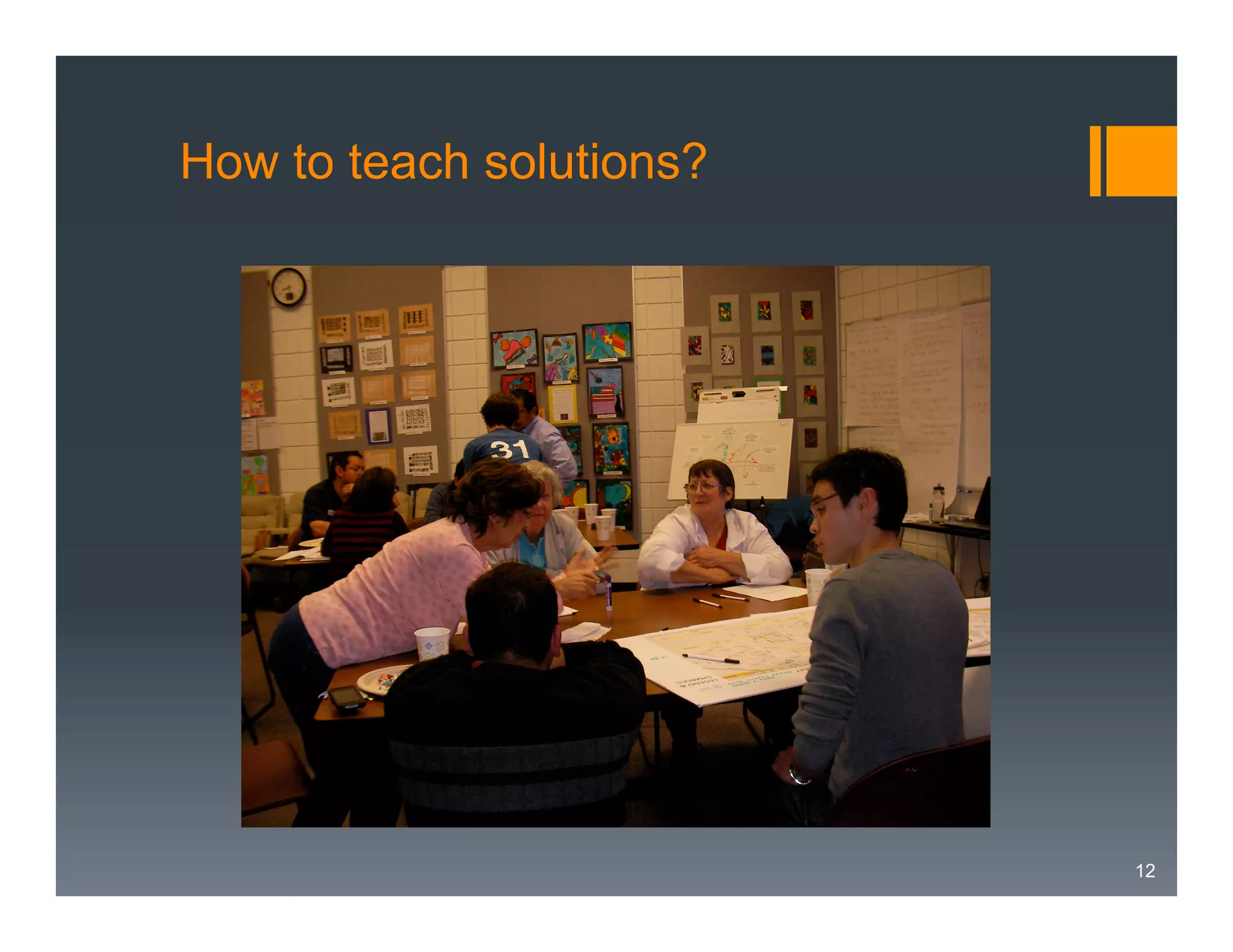
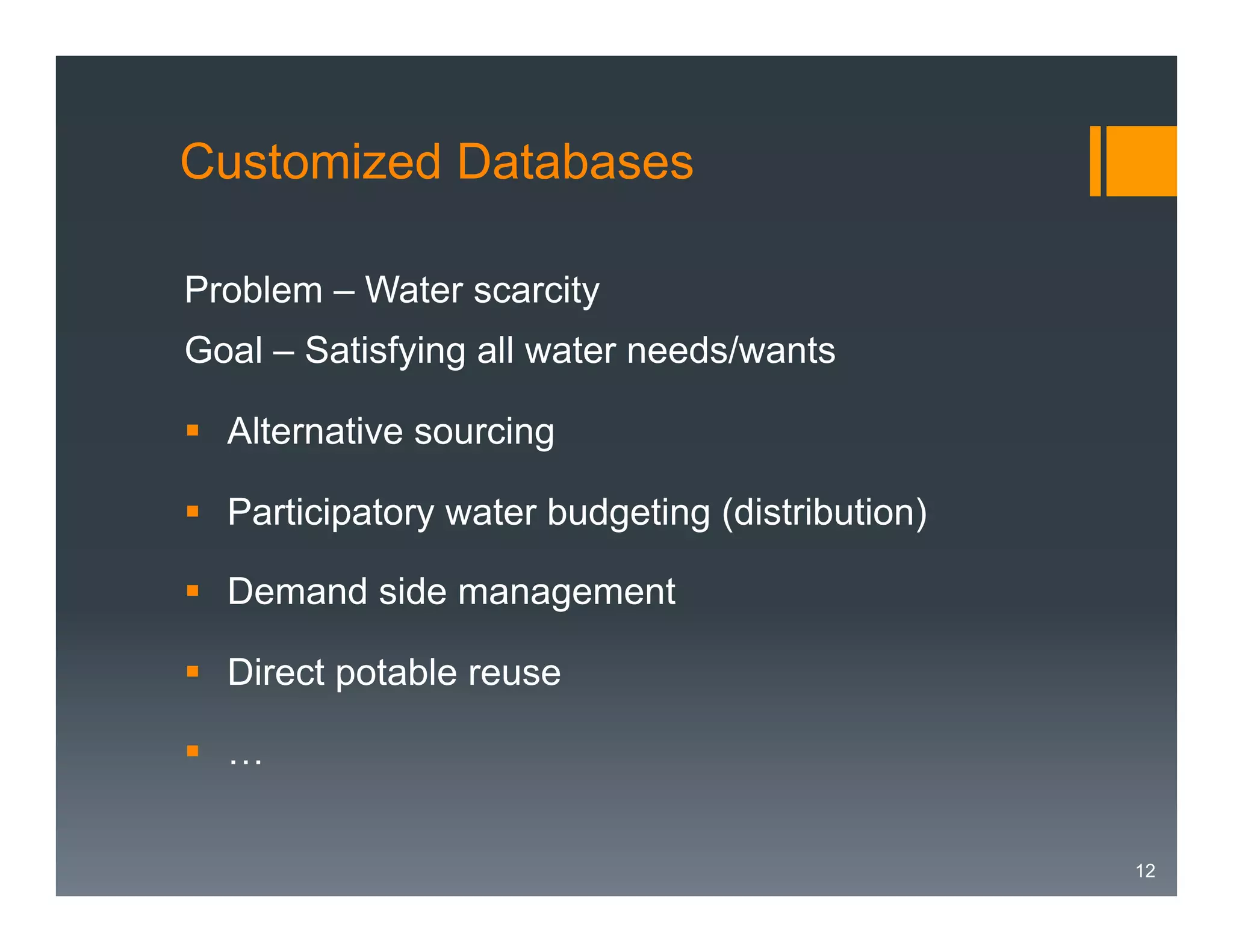
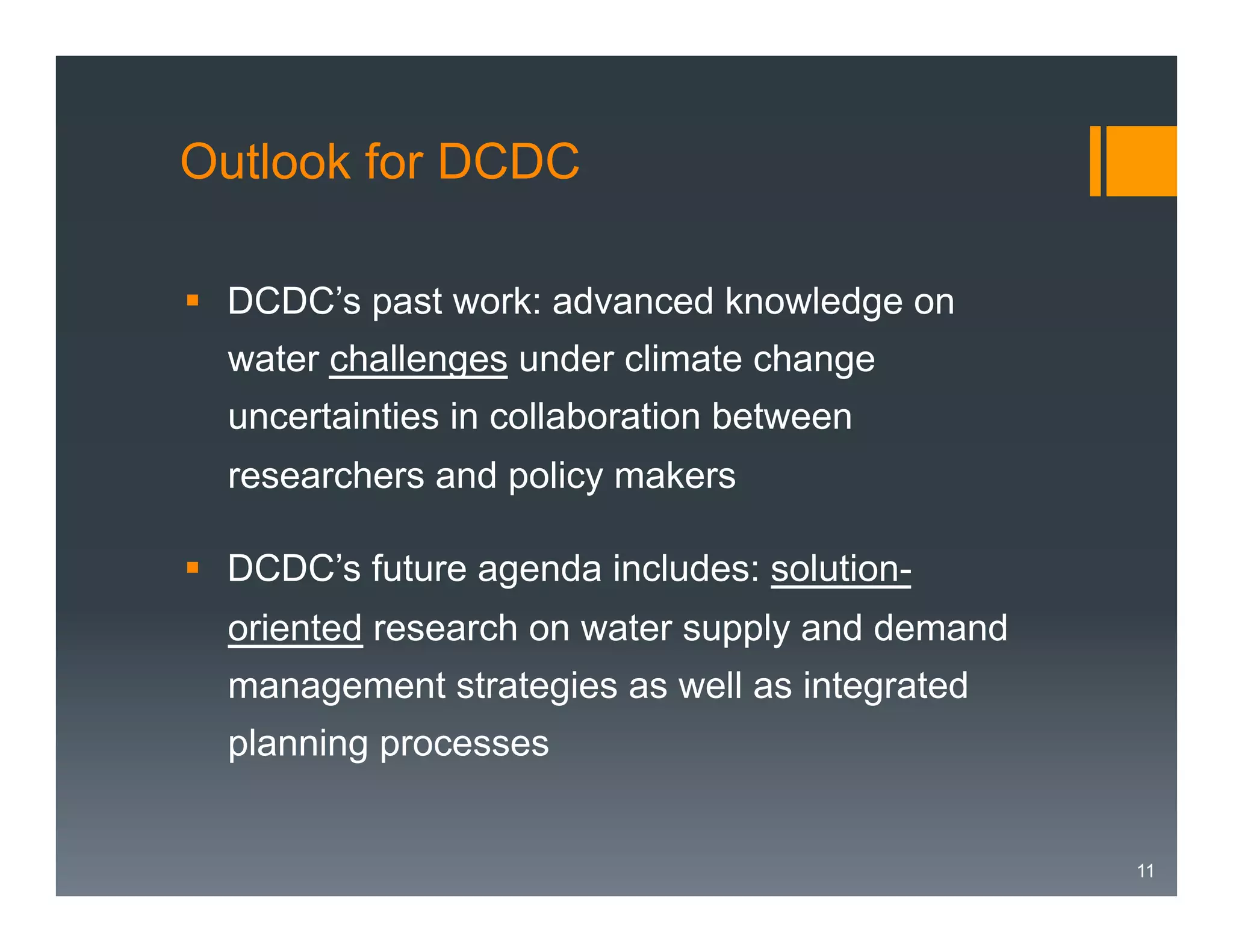

This document discusses the importance of solution-oriented research for developing transformational solutions to water sustainability challenges. It argues that water systems are complex and that professional experience alone is not sufficient, as solutions can fail, have unintended consequences, or be less efficient than possible. It then outlines what solution-oriented research entails, including producing evidence on best practices, sustainable water supply options, effective conservation measures, and more. The rest of the document discusses how to design, test, select, reach agreement on, evaluate, and teach solutions through a problem analysis, goal visioning, strategy design process. It provides examples of intervention points and customized databases to catalog potential solutions. The outlook is that continued solution-oriented research and integrated planning is


![Coded Agents – with UiPath SDK + LangGraph [Virtual Hands-on Workshop]](https://cdn.slidesharecdn.com/ss_thumbnails/codedagentsdeck-251215155422-5497c599-thumbnail.jpg?width=640&height=640&fit=bounds)


