Sensemaking Frameworks
For Metaverse Ethics
@KentBye
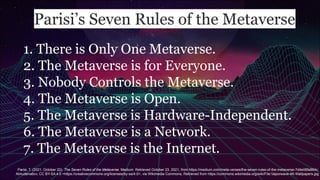
Parisi’s Seven Rules of the Metaverse
1. There is Only One Metaverse.
2. The Metaverse is for Everyone.
3. Nobody Controls the Metaverse.
4. The Metaverse is Open.
5. The Metaverse is Hardware-Independent.
6. The Metaverse is a Network.
7. The Metaverse is the Internet.
Parisi, T. (2021, October 22). The Seven Rules of the Metaverse. Medium. Retrieved October 23, 2021, from https://medium.com/meta-verses/the-seven-rules-of-the-metaverse-7d4e06fa864c.
Almudena6cv, CC BY-SA 4.0 <https://creativecommons.org/licenses/by-sa/4.0>, via Wikimedia Commons, Retrieved from https://commons.wikimedia.org/wiki/File:Vaporwave-4K-Wallpapers.jpg
Lessig, Lawrence, Code 2.0, Chapter: What Things Regulate (available in
print: Lawrence Lessig (2006). Code. Lawrence Lessig. pp. 120–137. ISBN
978-0-465-03914-2.
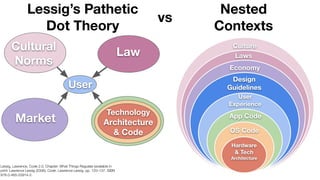
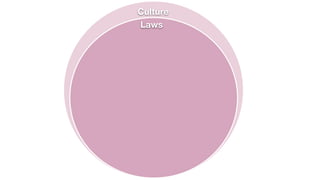
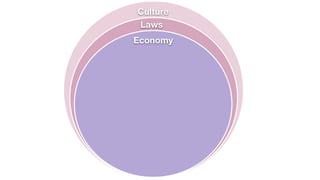
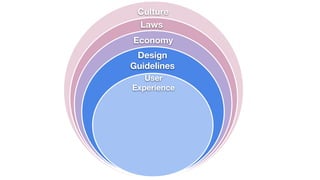
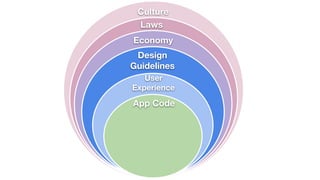
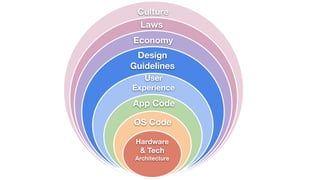
Lessig’s Pathetic
Dot Theory
Nested
Contexts
vs
Market
Law
Cultural
Norms
Technology
Architecture
& Code
User
Culture
Laws
Culture
Economy
Laws
Culture
Economy
Laws
Culture
Design
Guidelines
User
Experience
Economy
Laws
Culture
Design
Guidelines
App Code
User
Experience
Economy
Laws
Culture
Design
Guidelines
OS Code
App Code
User
Experience
Economy
Laws
Culture
Design
Guidelines
OS Code
App Code
User
Experience
Economy
Laws
Culture
Design
Guidelines
Hardware
& Tech
Architecture
OS Code
App Code
User
Experience
Economy
Laws
Culture
Design
Guidelines
Hardware
& Tech
Architecture
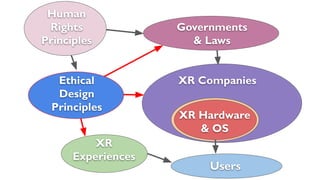
Human
Rights
Principles
Governments
& Laws
XR Companies
XR Hardware
& OS
Ethical
Design
Principles
XR
Experiences
Users
How do we preserve the Right
to Mental Privacy in XR?
Biometrically-inferred psychographic data from
XR is not covered by existing privacy laws.
Some biometric user data will be contextually-
relevant & required for some XR apps to
function, which users should be able to consent
to sharing within the context of those apps.
Companies require users to consent to their
Terms of Service & Privacy Policies, which do
not prevent them them from recording &
monetizing user data, extrapolating biometric
psychographic information, or using it for
contextually-aware AI, but they have limited
what third party developers can do with that
same data.
Human Rights
Principles
International Organizations
International Laws &
Human Rights Laws
UN Guiding
Principles on
Business &
Human Rights
Neuro-Rights
Initiative
Right to
Mental
Privacy
XR
Hardware +
Operating
System
Ethical
Design
Principles?
XR User’s Context & Data
Third-Party
XR Developers
XR Experiences
that Require User
Data to Operate
US Government
Lobbyists
European
Union
GDPR
XR Companies
State
Laws
Federal
Laws
Oversight & Enforcement
New
Federal
Privacy
Law?
Monetizing
User Data &
Biometric
Psychography?
Contextually
-Aware AI?
Terms of
Service
Privacy
Policy
App
Store
Developer
Terms of
Service
Human
Rights
Principles
Governments
& Laws
XR Companies
XR Hardware
& OS
Ethical
Design
Principles
XR
Experiences
Users
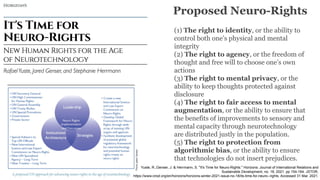
(1) The right to identity, or the ability to
control both one’s physical and mental
integrity
(2) The right to agency, or the freedom of
thought and free will to choose one’s own
actions
(3) The right to mental privacy, or the
ability to keep thoughts protected against
disclosure
(4) The right to fair access to mental
augmentation, or the ability to ensure that
the benefits of improvements to sensory and
mental capacity through neurotechnology
are distributed justly in the population.
(5) The right to protection from
algorithmic bias, or the ability to ensure
that technologies do not insert prejudices.
Proposed Neuro-Rights
Yuste, R.,Genser, J. & Herrmann, S. "It's Time for Neuro-Rights." Horizons: Journal of International Relations and
Sustainable Development, no. 18, 2021. pp 154-164. JSTOR,
https://www.cirsd.org/en/horizons/horizons-winter-2021-issue-no-18/its-time-for-neuro--rights. Accessed 31 Mar. 2021.
Photo by
XR Ethics Manifesto
@KentBye
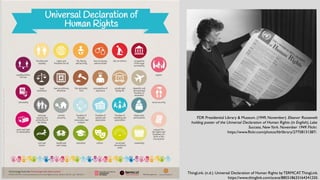
ThingLink. (n.d.). Universal Declaration of Human Rights by TERMCAT.ThingLink.
https://www.thinglink.com/scene/885518633164341250.
FDR Presidential Library & Museum. (1949, November). Eleanor Roosevelt
holding poster of the Universal Declaration of Human Rights (in English), Lake
Success, NewYork. November 1949. Flickr.
https://www.flickr.com/photos/fdrlibrary/27758131387/.
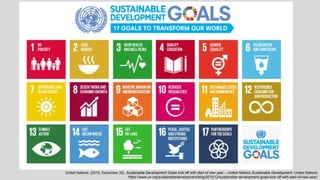
United Nations. (2015, December 30). Sustainable Development Goals kick off with start of new year – United Nations Sustainable Development. United Nations.
https://www.un.org/sustainabledevelopment/blog/2015/12/sustainable-development-goals-kick-off-with-start-of-new-year/.
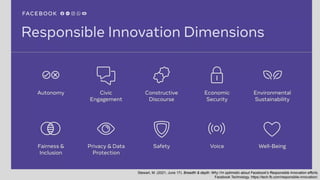
Stewart, M. (2021, June 17). Breadth & depth: Why I'm optimistic about Facebook's Responsible Innovation efforts.
Facebook Technology. https://tech.fb.com/responsible-innovation/.
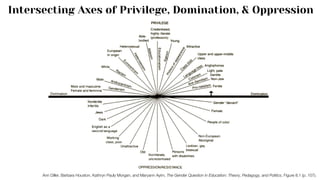
Ann Diller, Barbara Houston, Kathryn Pauly Morgan, and Maryann Ayim, The Gender Question in Education: Theory, Pedagogy, and Politics, Figure 8.1 (p. 107).
Intersecting Axes of Privilege, Domination, & Oppression
Wardley Mapping: Pioneers vs Settlers vs Town Planners
Wardley, Simon (2015). https://medium.com/wardleymaps/better-for-less-58fe8c0a3aaa
Wardley Mapping: 3D Production Pipeline
Wardley, Simon (2015). https://medium.com/wardleymaps/exploring-the-map-ad0266fad59b
Human
Rights
Principles
Governments
& Laws
XR Companies
XR Hardware
& OS
Ethical
Design
Principles
XR
Experiences
Users

Sensemaking Frameworks For Metaverse Ethics

  • 1.
  • 4.
    Parisi’s Seven Rulesof the Metaverse 1. There is Only One Metaverse. 2. The Metaverse is for Everyone. 3. Nobody Controls the Metaverse. 4. The Metaverse is Open. 5. The Metaverse is Hardware-Independent. 6. The Metaverse is a Network. 7. The Metaverse is the Internet. Parisi, T. (2021, October 22). The Seven Rules of the Metaverse. Medium. Retrieved October 23, 2021, from https://medium.com/meta-verses/the-seven-rules-of-the-metaverse-7d4e06fa864c. Almudena6cv, CC BY-SA 4.0 <https://creativecommons.org/licenses/by-sa/4.0>, via Wikimedia Commons, Retrieved from https://commons.wikimedia.org/wiki/File:Vaporwave-4K-Wallpapers.jpg
  • 6.
    Lessig, Lawrence, Code2.0, Chapter: What Things Regulate (available in print: Lawrence Lessig (2006). Code. Lawrence Lessig. pp. 120–137. ISBN 978-0-465-03914-2. Lessig’s Pathetic Dot Theory Nested Contexts vs Market Law Cultural Norms Technology Architecture & Code User
  • 7.
  • 8.
  • 9.
  • 10.
  • 11.
  • 12.
  • 13.
  • 14.
  • 15.
  • 16.
    Human Rights Principles Governments & Laws XR Companies XRHardware & OS Ethical Design Principles XR Experiences Users
  • 17.
    How do wepreserve the Right to Mental Privacy in XR? Biometrically-inferred psychographic data from XR is not covered by existing privacy laws. Some biometric user data will be contextually- relevant & required for some XR apps to function, which users should be able to consent to sharing within the context of those apps. Companies require users to consent to their Terms of Service & Privacy Policies, which do not prevent them them from recording & monetizing user data, extrapolating biometric psychographic information, or using it for contextually-aware AI, but they have limited what third party developers can do with that same data. Human Rights Principles International Organizations International Laws & Human Rights Laws UN Guiding Principles on Business & Human Rights Neuro-Rights Initiative Right to Mental Privacy XR Hardware + Operating System Ethical Design Principles? XR User’s Context & Data Third-Party XR Developers XR Experiences that Require User Data to Operate US Government Lobbyists European Union GDPR XR Companies State Laws Federal Laws Oversight & Enforcement New Federal Privacy Law? Monetizing User Data & Biometric Psychography? Contextually -Aware AI? Terms of Service Privacy Policy App Store Developer Terms of Service
  • 18.
    Human Rights Principles Governments & Laws XR Companies XRHardware & OS Ethical Design Principles XR Experiences Users
  • 19.
    (1) The rightto identity, or the ability to control both one’s physical and mental integrity (2) The right to agency, or the freedom of thought and free will to choose one’s own actions (3) The right to mental privacy, or the ability to keep thoughts protected against disclosure (4) The right to fair access to mental augmentation, or the ability to ensure that the benefits of improvements to sensory and mental capacity through neurotechnology are distributed justly in the population. (5) The right to protection from algorithmic bias, or the ability to ensure that technologies do not insert prejudices. Proposed Neuro-Rights Yuste, R.,Genser, J. & Herrmann, S. "It's Time for Neuro-Rights." Horizons: Journal of International Relations and Sustainable Development, no. 18, 2021. pp 154-164. JSTOR, https://www.cirsd.org/en/horizons/horizons-winter-2021-issue-no-18/its-time-for-neuro--rights. Accessed 31 Mar. 2021.
  • 20.
  • 21.
  • 25.
    ThingLink. (n.d.). UniversalDeclaration of Human Rights by TERMCAT.ThingLink. https://www.thinglink.com/scene/885518633164341250. FDR Presidential Library & Museum. (1949, November). Eleanor Roosevelt holding poster of the Universal Declaration of Human Rights (in English), Lake Success, NewYork. November 1949. Flickr. https://www.flickr.com/photos/fdrlibrary/27758131387/.
  • 26.
    United Nations. (2015,December 30). Sustainable Development Goals kick off with start of new year – United Nations Sustainable Development. United Nations. https://www.un.org/sustainabledevelopment/blog/2015/12/sustainable-development-goals-kick-off-with-start-of-new-year/.
  • 27.
    Stewart, M. (2021,June 17). Breadth & depth: Why I'm optimistic about Facebook's Responsible Innovation efforts. Facebook Technology. https://tech.fb.com/responsible-innovation/.
  • 28.
    Ann Diller, BarbaraHouston, Kathryn Pauly Morgan, and Maryann Ayim, The Gender Question in Education: Theory, Pedagogy, and Politics, Figure 8.1 (p. 107). Intersecting Axes of Privilege, Domination, & Oppression
  • 29.
    Wardley Mapping: Pioneersvs Settlers vs Town Planners Wardley, Simon (2015). https://medium.com/wardleymaps/better-for-less-58fe8c0a3aaa
  • 30.
    Wardley Mapping: 3DProduction Pipeline Wardley, Simon (2015). https://medium.com/wardleymaps/exploring-the-map-ad0266fad59b
  • 31.
    Human Rights Principles Governments & Laws XR Companies XRHardware & OS Ethical Design Principles XR Experiences Users