SCRUM
Saeed Sarshar
www.Sarshar.in
HISTORY
1986
Takeuchi
&
Nonaka
coined
Scrum
product
development
1993
Jeff
Sutherland
created
Scrum
process
2001
Agile
Manifesto
2002
Ken Schwaber
&
Mike Cohn
Co-founded
Scrum Alliance
#Ken Schwaber
“ SCRUM ISAFRAMEWORK. SO INSTEAD OF PROVIDING
COMPLETE, DETAILED DESCRIPTIONS OF HOW EVERYTHING
IS TO BE DONE ON THE PROJECT, MUCH IS LEFT UPTO THE
TEAM. THIS IS DONE BECAUSE THE TEAM WILLKNOW BEST
HOWTO SOLVE ITS PROBLEM. ”
Mike Cohn
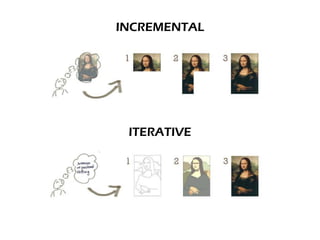
SCRUM IS AN ITERATIVE AND INCREMENTAL AGILE
SOFTWARE DEVELOPMENT FRAMEWORK FOR
MANAGING COMPLEX PRODUCT DEVELOPMENT.
SCRUM ORIGINALLY WAS FORMALIZED FOR SOFTWARE
DEVELOPMENT PROJECTS, BUT IT WORKS WELL FOR
ANY COMPLEX, INNOVATIVE SCOPE OF WORK.
A KEY PRINCIPLE OF SCRUM IS ITS RECOGNITION THAT
DURING A PROJECT THE CUSTOMERS CAN CHANGE
THEIR MINDS ABOUT WHAT THEY WANT AND NEED
("REQUIREMENTS CHURN"), AND THAT UNPREDICTED
CHALLENGES CANNOT BE EASILY ADDRESSED IN A
TRADITIONAL PREDICTIVE OR PLANNED MANNER.
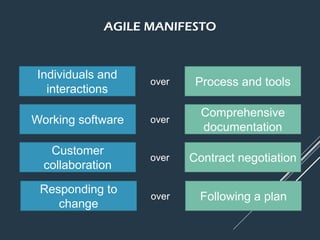
AGILE MANIFESTO
Process and tools
Individuals and
interactions
over
Following a plan
Responding to
change
over
Comprehensive
documentation
Working software over
Contract negotiation
Customer
collaboration
over
TRADITIONAL
Anticipation
Adaptation
Adaptation
Anticipation
AGILE
#6-18 M
#6-8 M
SCRUM ROLES
 PRODUCT OWNER
 DEVELOPMENT TEAM
 SCRUM MASTER
PRODUCT OWNER
The Product Owner represents the stakeholders and is
the voice of the customer. He or she is accountable
for ensuring that the team delivers value to the
business. The Product Owner writes (or has the team
write) customer-centric items (typically user stories),
ranks and prioritizes them, and adds them to the
product backlog. Scrum teams should have one
Product Owner, and while they may also be a
member of the development team, this role should
not be combined with that of the Scrum Master.
DEVELOPMENT TEAM
The Development Team is responsible for delivering
potentially shippable increments (PSIs) of product at
the end of each Sprint (the Sprint Goal). A Team is
made up of 2–9 individuals with cross-functional skills
who do the actual work (analyse, design, develop,
test, technical communication, document, etc.). The
Development Team in Scrum is self-organizing.
SCRUM MASTER
Scrum is facilitated by a Scrum Master, who is
accountable for removing impediments to the ability
of the team to deliver the product goals and
deliverables. The Scrum Master is not a traditional
team lead or project manager, but acts as a buffer
between the team and any distracting influences.
SCRUM MASTER
 Educate others involved with the project on Scrum
principles
 Promote self-organization within the team
 Facilitate team meetings to ensure regular progress
 Helping the Product Owner maintain the product
backlog in a way that ensures the project is well
defined and the team can continually advance
forward on the project at any given time
SCRUM EVENTS
 SPRINT
 SPRINT PLANNING MEETING
 DAILY SCRUM MEETING
 END MEETINGS
(SPRINT REVIEW AND SPRINT RETROSPECTIVE)
SPRINT
A sprint (or iteration) is the basic unit of development
in Scrum. The duration is fixed in advance for each
sprint and is normally between one week and Four
weeks , although two weeks is typical. Each sprint is
started by a planning meeting. The aim is to define a
sprint backlog where the tasks for the sprint are
identified and an estimated commitment for the
sprint goal is made.
SPRINT PLANNING MEETING
At the beginning of the sprint cycle (every 7–30 days),
a "Sprint planning meeting" is held:
Select what work is to be done
Prepare the Sprint Backlog that details the time it
will take to do that work, with the entire team
Identify and communicate how much of the work is
likely to be done during the current sprint
DAILY SCRUM MEETING
Each day during the sprint, a project team
communication meeting occurs. This is called the
daily scrum (meeting)
During the meeting, each team member answers
three questions:
What did I do yesterday that helped the
Development Team meet the Sprint Goal?
What will I do today to help the Development Team
meet the Sprint Goal?
Do I see any impediment that prevents me or the
Development Team from meeting the Sprint Goal?
END MEETINGS
(SPRINT REVIEW AND SPRINT RETROSPECTIVE)
At the end of a sprint cycle, two meetings are held:
At the Sprint Review Meeting:
Review the work that was completed and the
planned work that was not completed
Present the completed work to the stakeholders
(a.k.a. "the demo")
At the Sprint Retrospective:
Two main questions are asked in the sprint
retrospective:
 What went well during the sprint?
What could be improved in the next sprint?
SCRUM ARTIFACTS
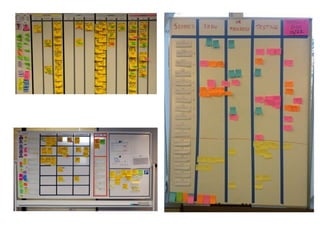
 PRODUCT BACKLOG
 SPRINT BACKLOG
 PRODUCT INCREMENT
 SPRINT BURN DOWN CHART
PRODUCT BACKLOG
The product backlog is an ordered list of requirements
that is maintained for a product. It consists of
features, bug fixes, non-functional requirements,
etc.—whatever needs to be done in order to
successfully deliver a viable product.
SPRINT BACKLOG
The sprint backlog is the list of work the Development
Team must address during the next sprint. The list is
derived by selecting product backlog items from the
top of the product backlog until the Development
Team feels it has enough work to fill the sprint.
PRODUCT INCREMENT
The increment is the sum of all the Product Backlog
items completed during a sprint and all previous
sprints.
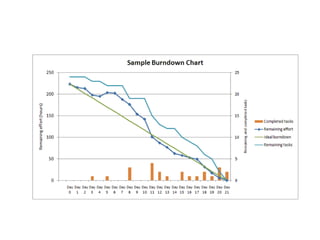
SPRINT BURN DOWN CHART
The sprint burndown chart is a public displayed chart
showing remaining work in the sprint backlog.
Updated every day, it gives a simple view of the sprint
progress.
THE SCRUM PROCESS
INCREMENTAL
ITERATIVE
ITERATIVE INCREMENTAL
Scrum
Scrum
Scrum
Scrum

Scrum

  • 1.
  • 2.
  • 3.
    “ SCRUM ISAFRAMEWORK.SO INSTEAD OF PROVIDING COMPLETE, DETAILED DESCRIPTIONS OF HOW EVERYTHING IS TO BE DONE ON THE PROJECT, MUCH IS LEFT UPTO THE TEAM. THIS IS DONE BECAUSE THE TEAM WILLKNOW BEST HOWTO SOLVE ITS PROBLEM. ” Mike Cohn
  • 4.
    SCRUM IS ANITERATIVE AND INCREMENTAL AGILE SOFTWARE DEVELOPMENT FRAMEWORK FOR MANAGING COMPLEX PRODUCT DEVELOPMENT. SCRUM ORIGINALLY WAS FORMALIZED FOR SOFTWARE DEVELOPMENT PROJECTS, BUT IT WORKS WELL FOR ANY COMPLEX, INNOVATIVE SCOPE OF WORK.
  • 5.
    A KEY PRINCIPLEOF SCRUM IS ITS RECOGNITION THAT DURING A PROJECT THE CUSTOMERS CAN CHANGE THEIR MINDS ABOUT WHAT THEY WANT AND NEED ("REQUIREMENTS CHURN"), AND THAT UNPREDICTED CHALLENGES CANNOT BE EASILY ADDRESSED IN A TRADITIONAL PREDICTIVE OR PLANNED MANNER.
  • 6.
    AGILE MANIFESTO Process andtools Individuals and interactions over Following a plan Responding to change over Comprehensive documentation Working software over Contract negotiation Customer collaboration over
  • 7.
  • 10.
    SCRUM ROLES  PRODUCTOWNER  DEVELOPMENT TEAM  SCRUM MASTER
  • 11.
    PRODUCT OWNER The ProductOwner represents the stakeholders and is the voice of the customer. He or she is accountable for ensuring that the team delivers value to the business. The Product Owner writes (or has the team write) customer-centric items (typically user stories), ranks and prioritizes them, and adds them to the product backlog. Scrum teams should have one Product Owner, and while they may also be a member of the development team, this role should not be combined with that of the Scrum Master.
  • 12.
    DEVELOPMENT TEAM The DevelopmentTeam is responsible for delivering potentially shippable increments (PSIs) of product at the end of each Sprint (the Sprint Goal). A Team is made up of 2–9 individuals with cross-functional skills who do the actual work (analyse, design, develop, test, technical communication, document, etc.). The Development Team in Scrum is self-organizing.
  • 13.
    SCRUM MASTER Scrum isfacilitated by a Scrum Master, who is accountable for removing impediments to the ability of the team to deliver the product goals and deliverables. The Scrum Master is not a traditional team lead or project manager, but acts as a buffer between the team and any distracting influences.
  • 14.
    SCRUM MASTER  Educateothers involved with the project on Scrum principles  Promote self-organization within the team  Facilitate team meetings to ensure regular progress  Helping the Product Owner maintain the product backlog in a way that ensures the project is well defined and the team can continually advance forward on the project at any given time
  • 15.
    SCRUM EVENTS  SPRINT SPRINT PLANNING MEETING  DAILY SCRUM MEETING  END MEETINGS (SPRINT REVIEW AND SPRINT RETROSPECTIVE)
  • 16.
    SPRINT A sprint (oriteration) is the basic unit of development in Scrum. The duration is fixed in advance for each sprint and is normally between one week and Four weeks , although two weeks is typical. Each sprint is started by a planning meeting. The aim is to define a sprint backlog where the tasks for the sprint are identified and an estimated commitment for the sprint goal is made.
  • 17.
    SPRINT PLANNING MEETING Atthe beginning of the sprint cycle (every 7–30 days), a "Sprint planning meeting" is held: Select what work is to be done Prepare the Sprint Backlog that details the time it will take to do that work, with the entire team Identify and communicate how much of the work is likely to be done during the current sprint
  • 18.
    DAILY SCRUM MEETING Eachday during the sprint, a project team communication meeting occurs. This is called the daily scrum (meeting) During the meeting, each team member answers three questions: What did I do yesterday that helped the Development Team meet the Sprint Goal? What will I do today to help the Development Team meet the Sprint Goal? Do I see any impediment that prevents me or the Development Team from meeting the Sprint Goal?
  • 19.
    END MEETINGS (SPRINT REVIEWAND SPRINT RETROSPECTIVE) At the end of a sprint cycle, two meetings are held: At the Sprint Review Meeting: Review the work that was completed and the planned work that was not completed Present the completed work to the stakeholders (a.k.a. "the demo") At the Sprint Retrospective: Two main questions are asked in the sprint retrospective:  What went well during the sprint? What could be improved in the next sprint?
  • 20.
    SCRUM ARTIFACTS  PRODUCTBACKLOG  SPRINT BACKLOG  PRODUCT INCREMENT  SPRINT BURN DOWN CHART
  • 21.
    PRODUCT BACKLOG The productbacklog is an ordered list of requirements that is maintained for a product. It consists of features, bug fixes, non-functional requirements, etc.—whatever needs to be done in order to successfully deliver a viable product.
  • 22.
    SPRINT BACKLOG The sprintbacklog is the list of work the Development Team must address during the next sprint. The list is derived by selecting product backlog items from the top of the product backlog until the Development Team feels it has enough work to fill the sprint.
  • 23.
    PRODUCT INCREMENT The incrementis the sum of all the Product Backlog items completed during a sprint and all previous sprints.
  • 24.
    SPRINT BURN DOWNCHART The sprint burndown chart is a public displayed chart showing remaining work in the sprint backlog. Updated every day, it gives a simple view of the sprint progress.
  • 25.
  • 26.
  • 27.