Living Well with Spinal
      Cord Injury
      Do’s & Don’ts
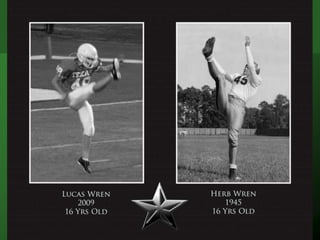
Mark Wren, MD, MPH
Physical Medicine & Rehabilitation
Medical Director, HealthSouth
Rehabilitation Hospital of Texarkana
3510 Richmond Rd Suite 400
903-831-6275
Winningest coach of all
     time said…

   Leadership, like coaching, is
    fighting for hearts & souls of
    men & getting them to believe
    in you.
    –Eddie Robinson
easier…it would be called
        football
Why is it Important
          ?
90% of SCI individuals survive
 67% greater survival 1990s vs
             1970s
History Of SCI
 2500 BC - ―An ailment not to
  be treated‖
 1940’s - Sir Ludwig Guttmann

  pioneers SCI rehab & patients begin
  to survive with surgery & antibiotics
History Of SCI
 1990 - High dose
  Methylprednisolone within
  8 hours of injury
 1996 - Peripheral nerve bridges
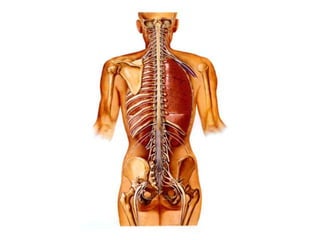
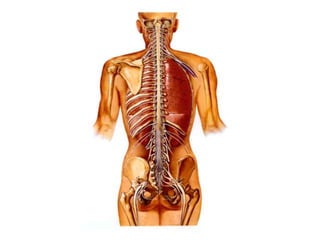
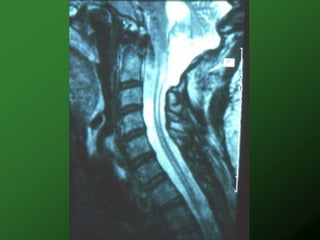
Anatomy 101
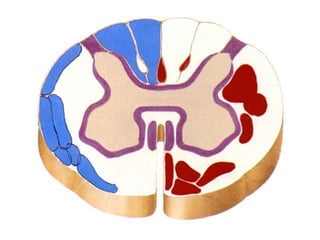
The Nervous System
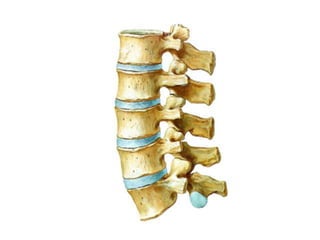
Function Equals Form
      Cervical
      Thoracic

      Lumbar and

       Sacral
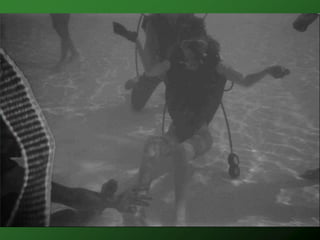
SCI Myth #1
People with SCI cannot
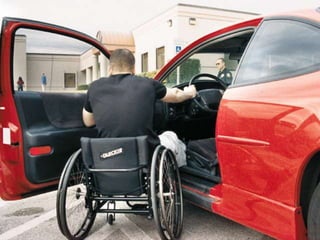
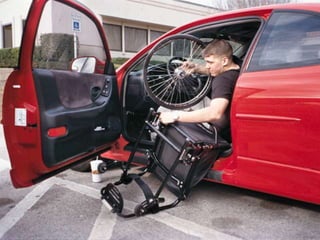
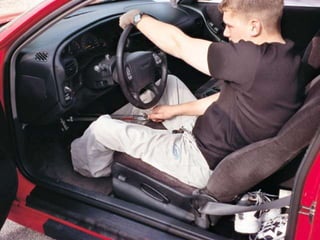
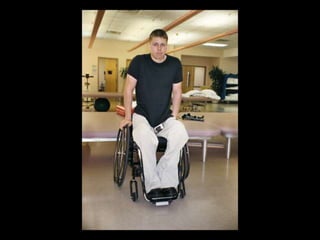
   lead an active life
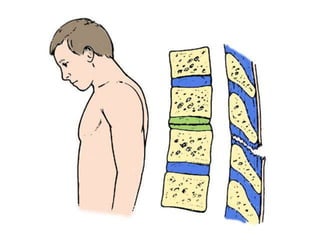
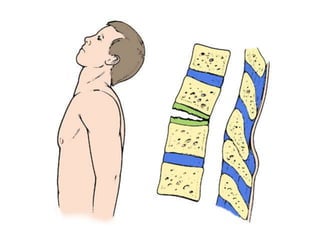
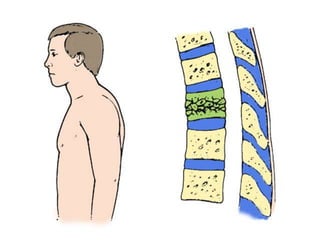
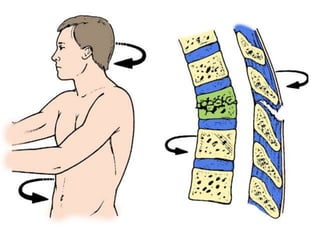
Mechanism Injury
   Flexion
   Hyperextensio

    n
   Compression

   Rotation
12,000 new SCI cases in the United States
each year, 25% to 33% of these individuals
regain some degree of ambulation by the
time of discharge


                       Melissa Riggins,
                       Michael Boniger
The Cytotoxic Cascade
Axonal Regeneration
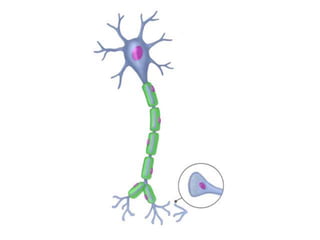
 PERIPHERAL - Schwann cells
  promote growth of nerve fibers
 CNS - Oligodendrocytes inhibit

  growth of axons
The Future
 Reduce secondary injury -
  neuroprotection
 Immunotherapy - antiinflammatory

 Nerve growth factor

 Axonal bridges

 Motor neuron implants

 Control collateral sprouting
SCI research

   Chondroitinase ABC + rehab—
    improves forelimb function by
    sprouting cortiocospinal tract in
    chronic SCI, allowing rehab &
    improved function
   PTEN deletion enables injured SCI
    neurons to mount a robust
    regenerative response never seen
    before in mammals
SCI research

   Epidural stimulation + task-specific
    training may reactivate previously silent
    spared neural circuits or promote
    plasticity
   Miami project begins transplant of
    schwann cells in humans (FDA phase 1,
    ―we believe is as important as man’s 1st
    step on the moon!‖
Hope for Recovery!

My Mayo Clinic professor said,
―Don’t take away hope.‖
―Let us hold unswervingly to the
hope we profess, for he who
promised is faithful. ―
Hebrews 10:23
It Might NOT be today…
Hope is the only thing
     stronger than fear

   Hunger Games
Clinicaltrials.gov
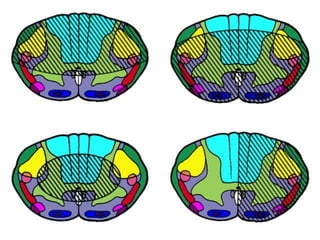
Classification of
Spinal Cord Injury
Touring ASIA
A: Complete Injury
B: Incomplete Injury
   (preserved sensation only)
C: Incomplete Injury (some sensory
   and motor function preserved)
Touring ASIA
D: Incomplete Injury
   (preserved motor function)
E: Normal
Golden Rules
1. Rehabilitation is a long process
2. Treatment should not focus
   completely on physical deficits
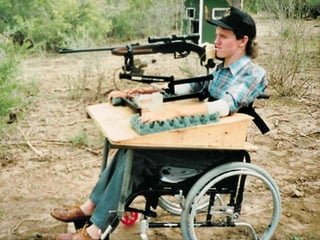
3. Recreational & vocational
   therapies are essential
Golden Rules
4. Rehabilitation must include
   and involve the family
5. You must realistically believe
   that improvement is possible
The Six Arenas
 Mobility
 Bladder and bowel

 Sexuality

 Skin care

 Complications

 Emotional issues
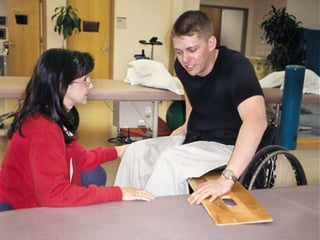
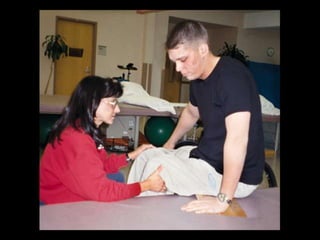
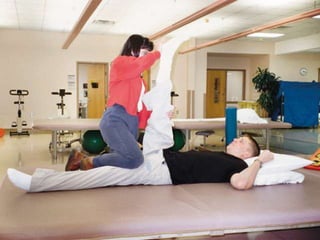
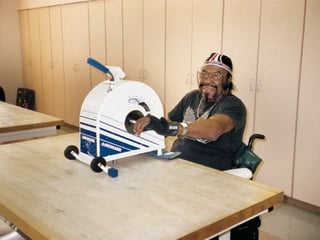
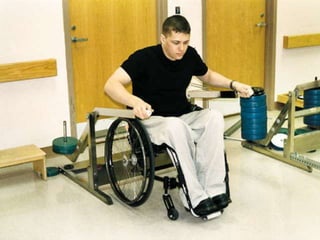
Mobility Therapy
 Transfer techniques
 ROM exercises

 Positioning

 Pressure relief

 Stretching

 Strengthening
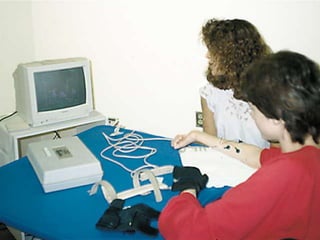
Biofeedback and
   Facilitation
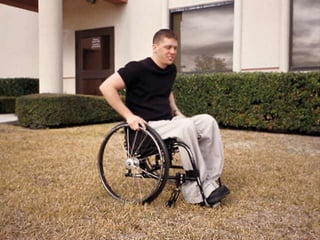
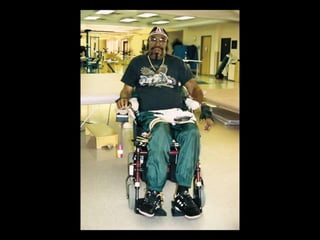
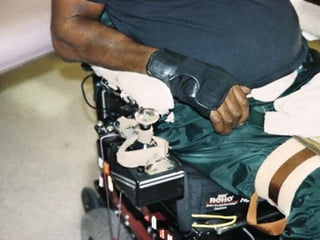
Spinning Your Wheels
       Manual
       Power

        chair
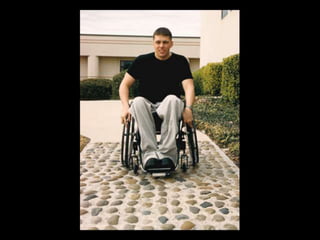
Wheelchair Tips
 Control
 Tires

 Brakes

 Leg rests and foot

  rests
 Arm rests

 Seats and cushions
Bladder and Bowel
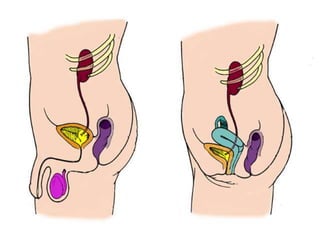
Failure to Store
       vs.
Failure to Empty
Alternatives
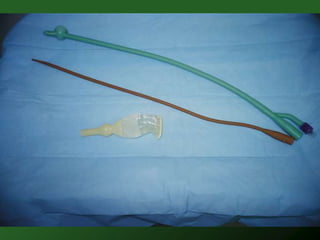
 Intermittent catheterization
  program
 Foley catheter

 Suprapubic catheter

 Bladder augmentation - diversion

 Condom catheter
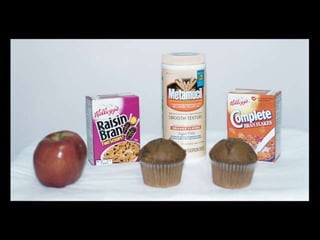
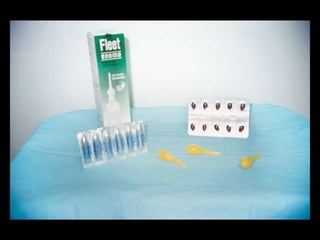
Bowel Management
   Regular
    program
   Stool softeners

   Bulk

   Medications

   Exercise
Sexuality
       Sex Drives Rules
1. Feeling good about yourself (take care:
   PAP, mammogram, colonoscopy ect)
2. Having the ability to communicate
3. Using all your senses
4. Using common sense doesn’t hurt
SCI Myth #2
People with SCI cannot
     have children
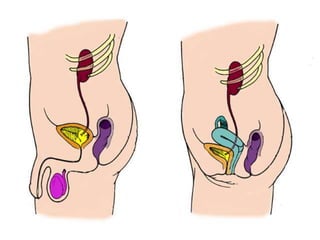
Sexual Changes In Women
   Loss of sensation
   Loss of lubrication

   Enhancement other senses
    above the level of injury
   Initial loss of menstrual cycle

   Alternative to oral
    contraceptive (>DVT risk)
Sexual Changes In Men
 Psychogenic erections
 Reflex erections

 Vasoactive substances

 Vacuum tumescence constriction
  therapy
 Penile prostheses

 Viagra
        ®
Skin Care
 Loss of sensation
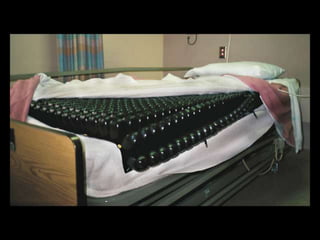
 Pressure relief

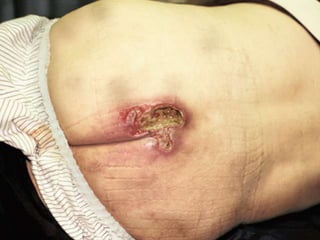
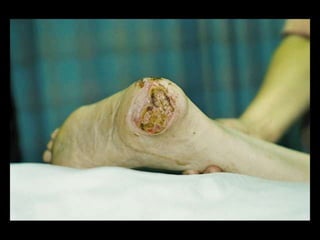
 Pressure sores

 Protection

  Inspection
  Protection
Avoid
 Spilling hot foods (burns)
 Smoking (15 year shorter life

  span)
 Extreme weather (less adaptation)

 Too much skin moisture (yeast)

 Tight clothing (ulcer)
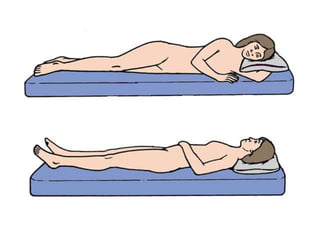
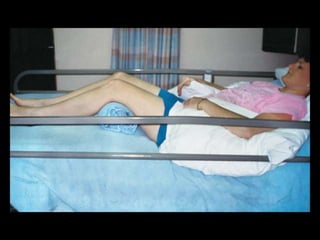
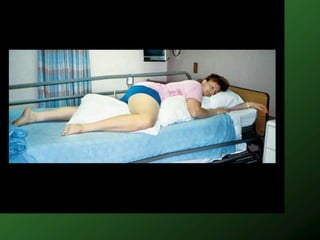
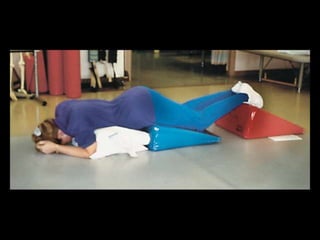
Positions Please!
SCI Complications
Autonomic Dysreflexia
 Usually injuries above T6
 Pounding headache

 Chills

 Profuse sweating

 Flushing

 Blurred vision

 Stuffed nose
What To Do !
 Sit up
 Stop - look - listen

 Catheter check - full
  bladder
 Constipation - impaction

 Infection

 Irritants

 Nitroglycerin paste
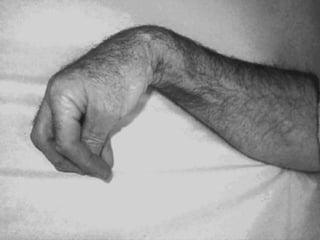
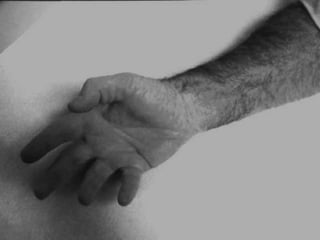
Spasticity
 Excessive muscle tone
 Extension or flexion

 Can be a friend or foe

 Worsened by: pressure

  sores, full bladder,
  constipation, stress
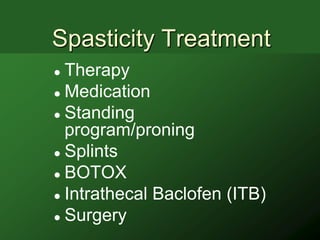
Spasticity Treatment
 Therapy
 Medication

 Standing
  program/proning
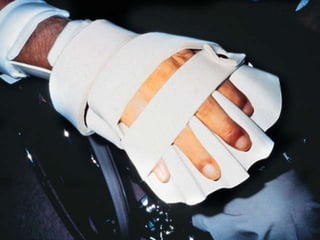
 Splints

 BOTOX

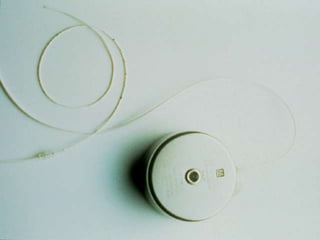
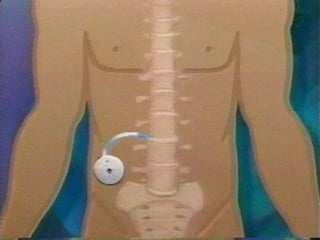
 Intrathecal Baclofen (ITB)

 Surgery
Other Complications
 UTI, stones, renal
  failure (annual US,
  BUN/Cr)
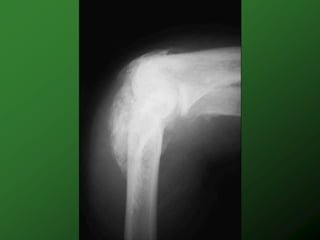
 Heterotopic ossification

  (ROM)
 Osteoporosis (DEXA)

 Bowel obstruction,
Other Complications
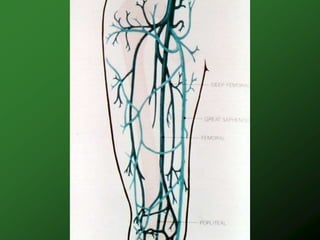
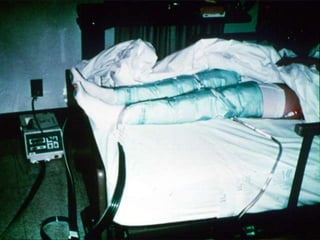
   Deep vein
    thrombosis lovenox
    8-12wk, ASA
   Gallstones

   Pneumonia

   Syringomyelia
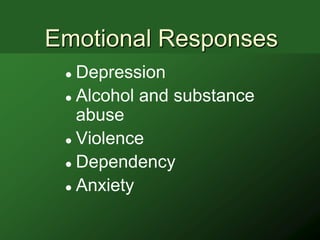
Emotional Responses
  Depression
  Alcohol and substance

   abuse
  Violence

  Dependency

  Anxiety
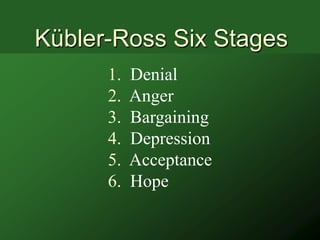
Kübler-Ross Six Stages
      1.   Denial
      2.   Anger
      3.   Bargaining
      4.   Depression
      5.   Acceptance
      6.   Hope
SCI Myth #3
  People with SCI end up
divorced or in bad marriages
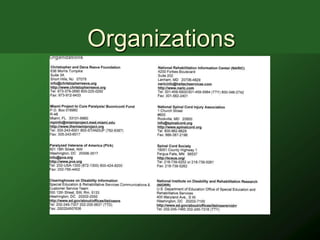
Organizations
Sci lecturedraft2

Sci lecturedraft2

  • 1.
    Living Well withSpinal Cord Injury Do’s & Don’ts
  • 2.
    Mark Wren, MD,MPH Physical Medicine & Rehabilitation Medical Director, HealthSouth Rehabilitation Hospital of Texarkana 3510 Richmond Rd Suite 400 903-831-6275
  • 3.
    Winningest coach ofall time said…  Leadership, like coaching, is fighting for hearts & souls of men & getting them to believe in you. –Eddie Robinson
  • 4.
    easier…it would becalled football
  • 5.
    Why is itImportant ? 90% of SCI individuals survive 67% greater survival 1990s vs 1970s
  • 7.
    History Of SCI 2500 BC - ―An ailment not to be treated‖  1940’s - Sir Ludwig Guttmann pioneers SCI rehab & patients begin to survive with surgery & antibiotics
  • 8.
    History Of SCI 1990 - High dose Methylprednisolone within 8 hours of injury  1996 - Peripheral nerve bridges
  • 9.
  • 10.
    Function Equals Form  Cervical  Thoracic  Lumbar and Sacral
  • 15.
    SCI Myth #1 Peoplewith SCI cannot lead an active life
  • 18.
    Mechanism Injury  Flexion  Hyperextensio n  Compression  Rotation
  • 26.
    12,000 new SCIcases in the United States each year, 25% to 33% of these individuals regain some degree of ambulation by the time of discharge Melissa Riggins, Michael Boniger
  • 27.
  • 29.
    Axonal Regeneration  PERIPHERAL- Schwann cells promote growth of nerve fibers  CNS - Oligodendrocytes inhibit growth of axons
  • 33.
    The Future  Reducesecondary injury - neuroprotection  Immunotherapy - antiinflammatory  Nerve growth factor  Axonal bridges  Motor neuron implants  Control collateral sprouting
  • 34.
    SCI research  Chondroitinase ABC + rehab— improves forelimb function by sprouting cortiocospinal tract in chronic SCI, allowing rehab & improved function  PTEN deletion enables injured SCI neurons to mount a robust regenerative response never seen before in mammals
  • 35.
    SCI research  Epidural stimulation + task-specific training may reactivate previously silent spared neural circuits or promote plasticity  Miami project begins transplant of schwann cells in humans (FDA phase 1, ―we believe is as important as man’s 1st step on the moon!‖
  • 36.
    Hope for Recovery! MyMayo Clinic professor said, ―Don’t take away hope.‖ ―Let us hold unswervingly to the hope we profess, for he who promised is faithful. ― Hebrews 10:23
  • 37.
    It Might NOTbe today…
  • 38.
    Hope is theonly thing stronger than fear  Hunger Games
  • 39.
  • 40.
  • 42.
    Touring ASIA A: CompleteInjury B: Incomplete Injury (preserved sensation only) C: Incomplete Injury (some sensory and motor function preserved)
  • 43.
    Touring ASIA D: IncompleteInjury (preserved motor function) E: Normal
  • 44.
    Golden Rules 1. Rehabilitationis a long process 2. Treatment should not focus completely on physical deficits 3. Recreational & vocational therapies are essential
  • 46.
    Golden Rules 4. Rehabilitationmust include and involve the family 5. You must realistically believe that improvement is possible
  • 47.
    The Six Arenas Mobility  Bladder and bowel  Sexuality  Skin care  Complications  Emotional issues
  • 48.
    Mobility Therapy  Transfertechniques  ROM exercises  Positioning  Pressure relief  Stretching  Strengthening
  • 58.
    Biofeedback and Facilitation
  • 60.
    Spinning Your Wheels  Manual  Power chair
  • 61.
    Wheelchair Tips  Control Tires  Brakes  Leg rests and foot rests  Arm rests  Seats and cushions
  • 68.
  • 69.
    Failure to Store vs. Failure to Empty
  • 71.
    Alternatives  Intermittent catheterization program  Foley catheter  Suprapubic catheter  Bladder augmentation - diversion  Condom catheter
  • 73.
    Bowel Management  Regular program  Stool softeners  Bulk  Medications  Exercise
  • 76.
    Sexuality Sex Drives Rules 1. Feeling good about yourself (take care: PAP, mammogram, colonoscopy ect) 2. Having the ability to communicate 3. Using all your senses 4. Using common sense doesn’t hurt
  • 77.
    SCI Myth #2 Peoplewith SCI cannot have children
  • 79.
    Sexual Changes InWomen  Loss of sensation  Loss of lubrication  Enhancement other senses above the level of injury  Initial loss of menstrual cycle  Alternative to oral contraceptive (>DVT risk)
  • 80.
    Sexual Changes InMen  Psychogenic erections  Reflex erections  Vasoactive substances  Vacuum tumescence constriction therapy  Penile prostheses  Viagra ®
  • 81.
    Skin Care  Lossof sensation  Pressure relief  Pressure sores  Protection Inspection Protection
  • 86.
    Avoid  Spilling hotfoods (burns)  Smoking (15 year shorter life span)  Extreme weather (less adaptation)  Too much skin moisture (yeast)  Tight clothing (ulcer)
  • 87.
  • 92.
  • 93.
    Autonomic Dysreflexia  Usuallyinjuries above T6  Pounding headache  Chills  Profuse sweating  Flushing  Blurred vision  Stuffed nose
  • 95.
    What To Do!  Sit up  Stop - look - listen  Catheter check - full bladder  Constipation - impaction  Infection  Irritants  Nitroglycerin paste
  • 96.
    Spasticity  Excessive muscletone  Extension or flexion  Can be a friend or foe  Worsened by: pressure sores, full bladder, constipation, stress
  • 97.
    Spasticity Treatment  Therapy Medication  Standing program/proning  Splints  BOTOX  Intrathecal Baclofen (ITB)  Surgery
  • 102.
    Other Complications  UTI,stones, renal failure (annual US, BUN/Cr)  Heterotopic ossification (ROM)  Osteoporosis (DEXA)  Bowel obstruction,
  • 104.
    Other Complications  Deep vein thrombosis lovenox 8-12wk, ASA  Gallstones  Pneumonia  Syringomyelia
  • 110.
    Emotional Responses Depression  Alcohol and substance abuse  Violence  Dependency  Anxiety
  • 111.
    Kübler-Ross Six Stages 1. Denial 2. Anger 3. Bargaining 4. Depression 5. Acceptance 6. Hope
  • 112.
    SCI Myth #3 People with SCI end up divorced or in bad marriages
  • 114.

Editor's Notes

  • #2 As a physiatrist, like coaching, I want to urge you to understand my goal as rehab team leader is fighting for your hearts & souls to believe in what I’m about to say. I can’t promise all I say will be gospel, BUT rest assured, I’ve done some homework. I’ve brought one of most knowledgeable experts possible, a C4 incomplete quad since he was 13y/o. I’ve personally contacted & received research info from Dr Frances Collins, director of NIH & what is considered THE most important research of the CENTURY, the Human Genome Project. I reviewed my talk with Spinal Cord Director at Baylor, Dr Rita Hamilton. Most of my slide data comes fromone of my closest professional friends, author of Spinal Cord Injury handbook for families, Dr Richard Senelick from RIOSA.