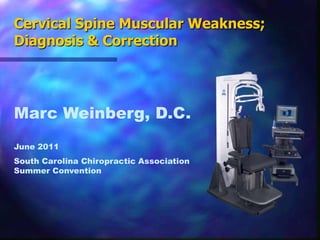
Cervical Spine Muscular Weakness; Diagnosis & CorrectionMarc Weinberg, D.C.June 2011South Carolina Chiropractic Association Summer Convention
Marc Weinberg, D.C. Marc Weinberg, D.C.Member, Florida Chiropractic SocietyMember, Foundation for Chiropractic Education and ResearchMember, National Academy of MUA PhysiciansPast Founding Member, ICA Council of Chiropractic PediatricsBoard of Directors American Thoracic Outlet Syndrome Association- Director of Alternative Medicine Research and Development 561.262.4724www.weinbergchiro.com
Goals Defining Cervical Muscular Weakness.Creating awareness of the importance of diagnosis and treatment of CMW.Exploring a reliable, valid andaccurate method of diagnosis and treatment.Creating a marketing niche for your practice.Revealing a method to improve service and clinical results with your patients.Creating a valuable income stream for your practice…All while remaining evidence based
What’s all the fuss about “Evidence Based Chiropractic”Is it important?My history as a chiropractorMy recent experiencesWouldn’t it be nice if ….
FAQ’s about Cervical Muscular WeaknessWhat is Cervical Muscular Weakness (CMW)?
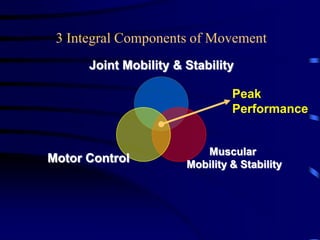
3 Integral Components of Movement
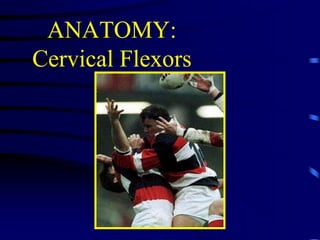
ANATOMY:Cervical Flexors
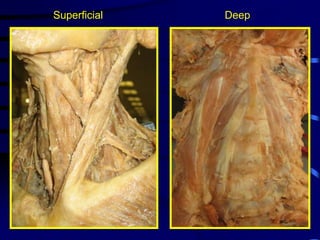
SuperficialDeep
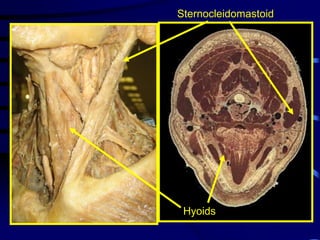
SternocleidomastoidHyoids
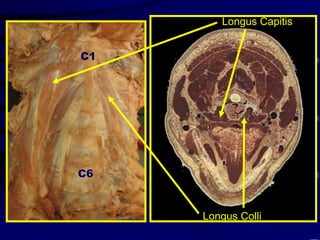
Longus CapitisC1C6Longus Colli
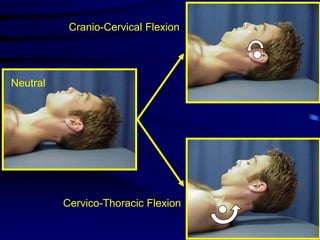
Cranio-Cervical FlexionNeutralCervico-Thoracic Flexion
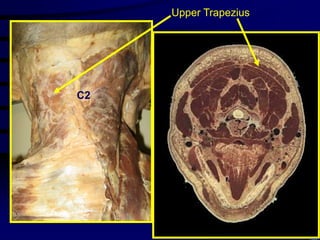
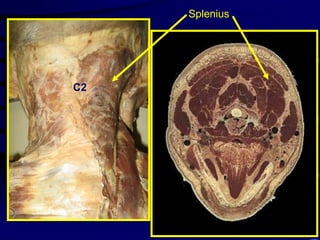
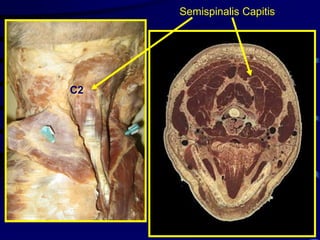
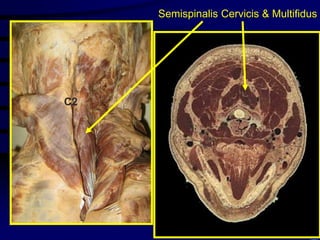
ANATOMY:Cervical Extensors
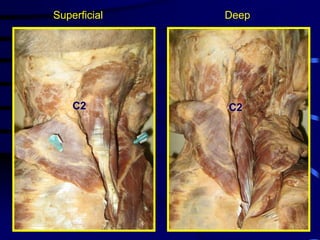
SuperficialDeepC2C2
Upper TrapeziusC2
SpleniusC2
Semispinalis CapitisC2
Semispinalis Cervicis & MultifidusC2
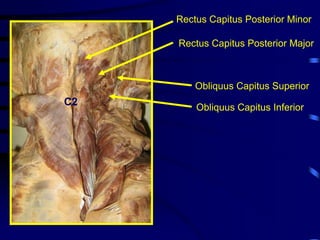
Rectus Capitus Posterior MinorRectus Capitus Posterior MajorObliquus Capitus SuperiorC2Obliquus Capitus Inferior
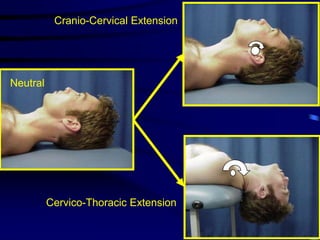
Cranio-Cervical ExtensionNeutralCervico-Thoracic Extension
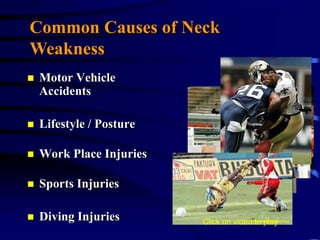
Common Causes of Neck WeaknessMotor Vehicle Accidents
Lifestyle / Posture
Work Place Injuries
Sports Injuries
Diving InjuriesClick on video to play
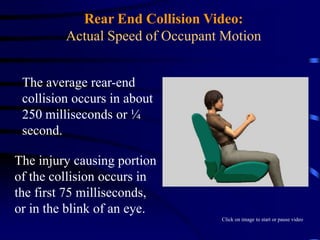
Rear End Collision Video:Actual Speed of Occupant MotionThe average rear-end collision occurs in about 250 milliseconds or ¼ second.The injury causing portion of the collision occurs in the first 75 milliseconds, or in the blink of an eye.Click on image to start or pause video
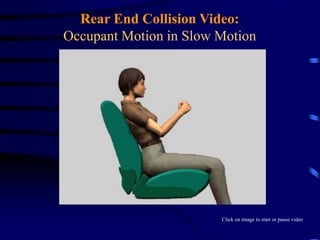
Rear End Collision Video:Occupant Motion in Slow MotionClick on image to start or pause video
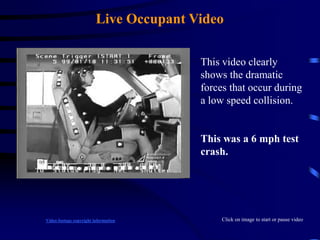
Live Occupant VideoThis video clearly shows the dramatic forces that occur during a low speed collision. This was a 6 mph test crash.Click on image to start or pause videoVideo footage copyright information
US National Safety Council / Research12 Million Car Accidents / Year1 Car Crash every 2.5 secs   >  46,000 Fatalities2.5  Million Rear End Collisions / Year1.99 Million Reported Whiplash InjuriesWAD’s all the Fuss About?
The WAD EpidemicUp to 60% of those who are “Rear-ended”  are symptomatic after 6 months.25 – 40% are symptomatic for 2 years.10% of all who are “rear-ended” will become chronically disabled.5 - 6  Million Current MVA Victims in U.S.$30-40 billion is spent in the US each year on WAD rehabilitation and litigation.
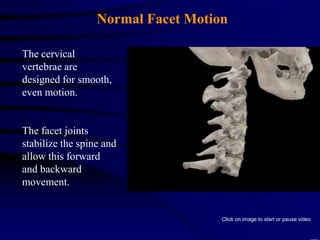
Normal Facet MotionThe cervical vertebrae are designed for smooth, even motion.The facet joints stabilize the spine and allow this forward and backward movement.Click on image to start or pause video
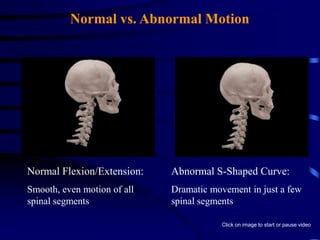
Normal vs. Abnormal MotionNormal Flexion/Extension:Smooth, even motion of all spinal segmentsAbnormal S-Shaped Curve:Dramatic movement in just a few spinal segmentsClick on image to start or pause video
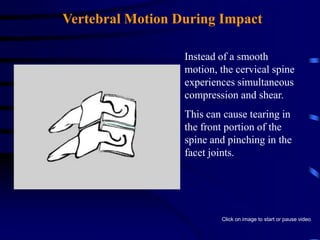
Vertebral Motion During ImpactInstead of a smooth motion, the cervical spine experiences simultaneous compression and shear.This can cause tearing in the front portion of the spine and pinching in the facet joints.Click on image to start or pause video
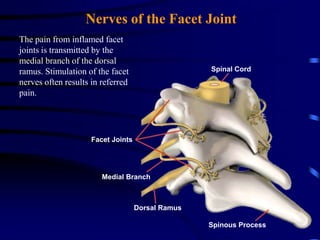
Nerves of the Facet JointThe pain from inflamed facet joints is transmitted by the medial branch of the dorsal ramus. Stimulation of the facet nerves often results in referred pain.Spinal CordFacet JointsMedial BranchDorsal RamusSpinous Process
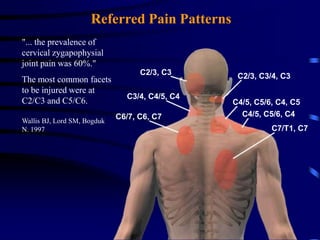
Referred Pain Patterns"... the prevalence of cervical zygapophysial joint pain was 60%."The most common facets to be injured were at C2/C3 and C5/C6.C2/3, C3C2/3, C3/4, C3C3/4, C4/5, C4C4/5, C5/6, C4, C5C4/5, C5/6, C4C6/7, C6, C7Wallis BJ, Lord SM, Bogduk N. 1997C7/T1, C7
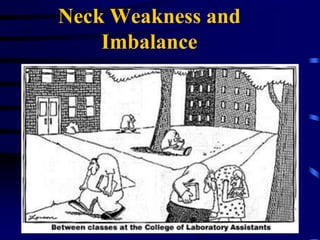
Neck Weakness and Imbalance
Home and recreational involvement
Occupational Involvement
Fighter Pilot TrainingRCT of 10 Naval Fighter Pilots 12 week strength training 2x/wkResults:  Indicated significant improvements in isometric strength and dynamic strength, typically occurring as early as 4 wks and improving throughout 12-wk period.Conclusion:  “These findings have implications for military personnel at risk of neck injury in their occupational activities” Dr. Marcus Taylor, 2006
ResearchWhat Are You Doing About Muscle Weakness? Pt. 2: Cervical Spine	Cuthbert SC, 	DYNAMIC CHIRO 2009JUL1; 27(14)  The most significant of the anatomic structures providing stability to the cervical spine are the musculature and the firm bond between the bodies formed by the intervertebral discs.“ The role of the muscles becomes even more important to chiropractors because of their integral control of spinal dynamics. the evidence now shows with greater clarity than ever that inflammation or injury produces specifically identified inhibited muscles. Controlled clinical studies have shown that dysfunction and pain specifically in the cervical spine will produce inhibited muscles. These data indicate that the body's reaction to injury and pain is not increased muscular tension and stiffness; muscle inhibition is often more significant, as measured by several different methods of testing	Overall studies indicate that compared to normal subjects, patients suffering from neck-related disorders present with significant reduction in cervical strength
ResearchWhat Are You Doing About Muscle Weakness? Pt. 2: Cervical Spine	Cuthbert SC, 	DYNAMIC CHIRO 2009JUL1; 27(14)  Prushansky and others have shown consistently cervical muscle weakness in chronic whiplash patients.	Barton, et al., measured the strength deficits in patients with neck pain and showed that all force values were significantly lower in the neck pain population.	Falla has similarly reported that both the sternocleidomastoid and anterior scalene muscles' strength was significantly reduced in patients with neck pain at 25 percent of maximum voluntary contraction (p<0.05).	Edgerton, et al., showed altered muscle activation ratios of synergist spinal muscles during a variety of motor tasks in whiplash patients.	Recent studies by Nederhand, et al., have confirmed that cervical muscle dysfunction appears to be a general sign in diverse chronic neck pain syndromes, especially related to whiplash injuries.	To summarize: In patients with neck pain, the research has shown that muscle weakness is a very common causative factor. To fail to diagnose and specifically treat this component in your patients with neck pain will impede your therapeutic efforts.
FAQ’s about Cervical Muscular WeaknessWhat is Cervical Muscular Weakness (CMW)?Is neck pain related to CMW?
ResearchAssociation of manual muscle tests and mechanical neck pain: results from a prospective pilot study.	Cuthbert SC, Rosner AL, McDowall D.J Bodyw Mov Ther. 2011 Apr;15(2):192-200. Epub 2010 Dec 15.	RESULTS: In group 1, 139 of 148 patients reporting neck pain also showed neck weakness.	In group 2, 30 of the 100 patients without MNP showed neck weakness	CONCLUSIONS: A symptomatic group of patients with MNP demonstrated significantly increased MMT findings in the form of reduced strength levels compared to a control group. This evidence suggests that the MMT is potentially a sensitive and specific test for evaluating cervical spine muscular impairments in patients with MNP.
ResearchCervical muscles strength testing: methods and clinical implications.	Dvir Z, Prushansky T, 	Department of Physical Therapy, Sackler Faculty of Medicine, Tel Aviv University, Tel Aviv, Israel. zdvir@post.tau.ac.il	J MANIPULATIVE PHYSIOL THER 2008SEP; 31(7)  pp. 518 - 24	SUMMARY: Overall studies indicate that compared to normal subjects patients suffering from neck-related disorders present with significant reduction in CS, whereas women are weaker than men by about 40%. Noteworthy a significant drop in CS in both sexes is delayed until the seventh decade. In terms of its reproducibility, CS findings have been investigated using primarily relative parameters, and hence, the associated error is not yet established. Therefore, application of CS as a clinical outcome measure, particularly for assessing change due to intervention, should be critically conducted.
ResearchA review of functional outcome measures for cervical spine disorders: literature reviewBussieres A,  	J CAN CHIRO ASSOC 1994MAR; 38(1)  pp. 32 - 40	Evidence suggested that neck pain sufferers have weaker neck flexors than normal subjects.
ResearchQuantitative cervical flexor strength in healthy subjects and in subjects with mechanical neck pain	ARCH PHYS MED REHABIL 1991AUG; 72(9)  pp. 679 - 81	Silverman J, Rodriquez A, Agre J, 	Alta Bates-Herrick Hospital, Berkeley, CA	[Anterior cervical muscle] weakness and its role in persistent neck pain should be recognized. The efficiency and effect of cervical muscle strengthening in treatment of chronic neck pain should be further defined.
FAQ’s about Cervical Muscular WeaknessWhat is Cervical Muscular Weakness (CMW)?Is neck pain related to CMW?Doesn’t regular exercise keep our necks strong?
ResearchMuscle strength of the cervical and lumbar spine in triathletesMiltner O, Siebert CH, Müller-Rath R, Kieffer O.	Z Orthop Unfall. 2010 Dec;148(6):657-61. Epub 2010 Mar 8	CONCLUSION: 	In conclusion, in the triathlon there is a specific stress that is obviously not an adequate stimulus for the muscles of the cervical spine in order to achieve a balanced musculature and the athletes should be advised to practice a preventive approach with regard to these areas.	The triathletes have a significant imbalance in the lateral flexion of the cervical spine compared to the reference group
Research	University of Connecticut's freshman football team. The purpose of this study was to identify weaknesses in the neck musculature and note any relationships between strength differences and cervical spine stability	CONCLUSIONS: The data recorded indicates that there are significant differences between the neck muscle strength of the two groups, as well as differences in neck muscle strength of individuals between their right and left sides. Looking at these muscular differences and their relationship to cervical vertebrae alignment during lateral flexion, the author contends that blocking or tackling with the head in a laterally flexed position, to supposedly hit with the shoulder, places the cervical spine in a structurally weak position lacking muscular support, and predisposes the athlete to cervical spine injuries. A Comparative Assessment of Neck Muscle Strength and Vertebral Stability	Franco J, Herzog A, 	J ORTHOP SPORTS PHYS THER 1987; 8  pp. 351 - 5
Research	Conditioning Provides Protection. Helping Athletes Avoid Neck Injuries	Bland JH, 	J MUSCULOSKEL MED 1996MAY; 13(5)  pp. 30 - 8	Conclusion:	During sports participation, the exceptional mobility of the neck can expose its structures to levels of flexion and compression that can cause injury and sometimes death.  Yet even athletes involved in contact sports. who are especially vulnerable to cervical spine injury, seldom receive adequate neck conditioning in their training. Exercises such as weight lifting and pulling against gravity are most effective for developing strength and endurance, Both anterior and posterior muscle groups must be trained.  Developing optimal proprioception is also important for cervical spine protection.
FAQ’s about Cervical Muscular WeaknessWhat is Cervical Muscular Weakness (CMW)?Is neck pain related to CMW?Doesn’t regular exercise keep our necks strong?Are there other conditions that can develop from CMW?
ResearchIs maximal strength of the cervical flexor muscles reduced in patients with temporomandibular disorders?	ARCH PHYS MED REHABIL 2010AUG; 91(8)  pp. 1236 - 42	Armijo-Olivo SL, Fuentes JP, Major PW, Warren S, Thie NM, Magee DJ, 	Department of Physical Therapy, University of Alberta, Edmonton, AB, Canada	CONCLUSIONS: These results indicated that strength evaluation is one of several assessment factors that need to be addressed when evaluating musculoskeletal painful conditions such as TMD and neck disorders, but strength evaluation cannot be considered as a direct measure of disability. Future studies should explore evaluation of strength in other muscular groups such as cervical extensors, rotators, and lateral flexors, and also under different conditions such as rapid movements, and in patients with more severe jaw disability.
ResearchThe treatment of neck and low back pain: who seeks care? who goes where?Côté P, Cassidy JD, Carroll L. Med Care. 2001 Sep;39(9):956-67.	RESULTS: 	Twenty-five percent of individuals with neck or low back pain visited a health care provider. Seeking health care was associated with disabling neck or back pain, digestive disorders, worse bodily pain and worse physical-role-functioning. 	CONCLUSIONS: 	Individuals seeking care for neck or back pain have worse health status than those who do not seek care. Patients consulting chiropractors alone report fewer co-morbidities and are less limited in their activities than those consulting medical doctors.
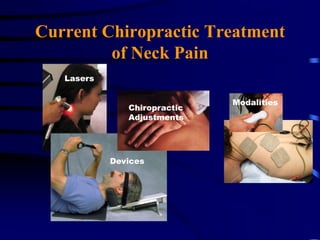
Current Chiropractic Treatment of Neck PainLasersModalitiesChiropractic AdjustmentsDevices
“Missing Link” in Neck Rehabilitation
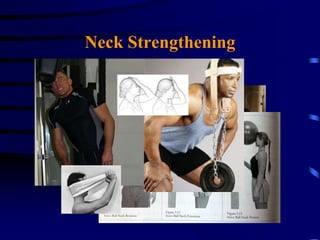
Neck Strengthening
ResearchMaximal Isometric Strength of the Cervical Musculature in 100 Healthy Volunteers 	Jordan A, Mehlsen J, Bulow PM, Ostergaard K, Danneskiold-Samsoe B	SPINE 1999JUL1; 24(13)  pp. 1343 - 8	Conclusions:  Men and women demonstrate impressive levels of muscular strength in the flexors and extensors of the cervical spine and can maintain these values until the seventh decade of life.  Successful rehabilitation of the cervical musculature will require considerable resistance for sufficient stimulation of the cervical musculature. 
ResearchDecreased isometric neck strength in women with chronic neck pain and the repeatability of neck strength measurements. 	Ylinen J, Salo P, Nykänen M, Kautiainen H, Häkkinen A, 	Department of Physical and Rehabilitation Medicine, Jyväskylä Central Hospital, Jyväskylä, Finland. 	ARCH PHYS MED REHABIL 2004AUG; 85(8)  pp. 1303 - 8	CONCLUSIONS: The group with neck pain had lower neck muscle strength in all the directions tested than the control group. This factor should be considered when planning rehabilitation programs. Strength tests may be useful in monitoring training progress in clinical settings, but training programs should be planned so that the improvement in results is well above biologic variation, measurement error, and learning effect because of repeated testing..
ResearchExercise therapy for office workers with nonspecific neck pain: a systematic review. 	Sihawong R, Janwantanakul P, Sitthipornvorakul E, Pensri P, 	PhD Candidate, Department of Physical Therapy, Faculty of Allied Health Sciences, Chulalongkorn University, Bangkok, Thailand.	J MANIPULATIVE PHYSIOL THER 2011JAN; 34(1)  pp. 62 - 71	RESULTS:	Strong evidence was found for the effectiveness of muscle strengthening and endurance exercises in treating neck pain. Moderate evidence supported the use of muscle endurance exercise in reducing disability attributed to neck pain. 	CONCLUSION:  Literature investigating the efficacy of exercise in office workers with nonspecific neck pain was heterogeneous. Within the limitations, for treatment of neck pain, either muscle strengthening or endurance exercise is recommended, whereas for reduction of pain-related disability, muscle endurance exercise is suggested
ResearchMonitoring the change: current trends in outcome measure usage in physiotherapy.	Abrams D, Davidson M, Harrick J, Harcourt P, Zylinski M, Clancy J, 	Lifecare Ashwood Sports Medicine Centre; Physiotherapy Consultant, Transport Accident Commission, 222 Exhibition St, Melbourne 3000, Australia.	MANUAL THERAPY 2006FEB; 11(1)  pp. 46 - 53	The trend towards greater objectivity in measuring the progress of rehabilitation can enable physiotherapists to develop improved treatment plans with the patients' needs at the centre of the equation.
ResearchIsometric strength of the cervical flexor, extensor, and rotator muscles in 220 healthy females aged 20 to 59 years.	Salo PK, Ylinen JJ, Mälkiä EA, Kautiainen H, Häkkinen AH, 	Department of Physical and Rehabilitation Medicine, Central Finland Health Care District, Jyväskylä. Petri.Salo@ksshp.fi	J ORTHOP SPORTS PHYS THER 2006JUL; 36(7)  pp. 495 - 502	CONCLUSIONS: Women aged 20 to 59 years appear to have similar absolute isometric neck muscle strength levels. Thus these values can be used as reference for the working-age female population. 
ResearchRehab of CAD Injury	Christensen KD, 	AMER CHIROP 2004SEP-OCT; 26(6)  pp. 50 - 1	Doctors of chiropractic who incorporate rehab exercises can provide "multimodal care" to whiplash patients, in order to minimize the risk of long-term problems. This has been defined in the previously referenced study as care that applies manual procedures (spinal manipulation, mobilization, and massage), along with physical training to improve muscle strength and endurance, including sport activities. Multimodal care has been found to be effective in preventing many of the persisting symptoms of "late whiplash syndrome." 
ResearchA specific exercise program and modification of postural alignment for treatment of cervicogenic headache: a case report. 	McDonnell MK, Sahrmann SA, Van Dillen L, 	J ORTHOP SPORTS PHYS THER 2005JAN; 35(1)  pp. 3 - 15	CONCLUSIONS: Interventions that included modification of alignment in the cervical, scapulothoracic, and lumbar region, along with instruction in a specific active-exercise program to address movement impairments in these 3 regions, appeared to have been successful in relieving headaches and improving function in this patient.
ResearchStrength and Endurance Measurements of the Cervical Musculature in 100 Health Subjects	1996OCT;  pp. 186 - 7	Jordan A, Mehlsen J, Bulow PM, Danneskiold-Samsoe B, 	CONCLUSIONS:	Strength levels are maintained until late in life in both groups.  Measured strength levels are high and the restoration of normal strength values in patient populations will require considerable resistance in order to provide the cervical musculature with sufficient stimulus.  This is in contrast with the lumbar muscles where simple anti-gravity training is sufficient.  Rehabilitative program dosage need not be age dependent until the 6th decade of life.
Use of Technology for Neck Strengthening
Initial Evaluation Protocols
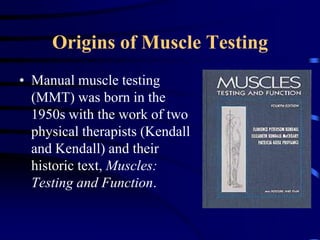
Origins of Muscle TestingManual muscle testing (MMT) was born in the 1950s with the work of two physical therapists (Kendall and Kendall) and their historic text, Muscles: Testing and Function.
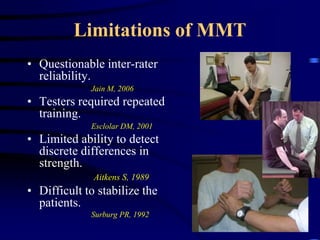
Limitations of MMTQuestionable inter-rater reliability.Jain M, 2006Testers required repeated training.Esclolar DM, 2001Limited ability to detect discrete differences in strength.Aitkens S, 1989Difficult to stabilize the patients.		Surburg PR, 1992
Did MMT stand the test of time?“Diagnostic accuracy of Manual Muscle Testing was never greater than 78% casting doubt on the suitability of manual muscle testing as a screening test for strength impairments.”Bohannon RW, 2005“MMT method does not seem to be sufficiently sensitive to assess muscle strength or to detect small or moderate increases of strength over the course of rehabilitation. Since outcome measures is an important issue in rehabilitation, objective measurements of strength should be used in clinical settings.” Noreau L, 1998
Strength gains Chronic Neck Pain31-41% improvement with 3 wk isometric training program. n=56											Ylinen J, 1994Dynamic strength training program yielded 69%-110% strength gains when measured isometrically. n=180Ylinen J, 200388-113% increase in isometric neck strength following dynamic strength program. n=371	 						DeNardis RJ, 2005
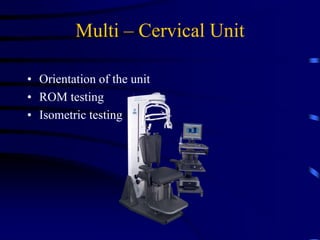
Multi – Cervical Unit Orientation of the unitROM testingIsometric testing
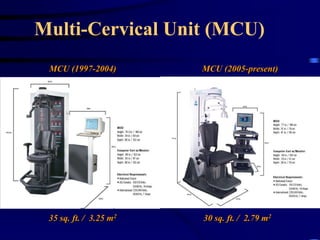
Multi-Cervical Unit (MCU)MCU (1997-2004)MCU (2005-present)35 sq. ft. /  3.25 m230 sq. ft. /  2.79 m2
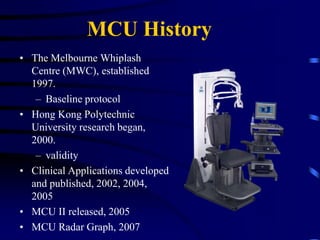
MCU HistoryThe Melbourne Whiplash Centre (MWC), established 1997.Baseline protocolHong Kong Polytechnic University research began, 2000.validityClinical Applications developed and published, 2002, 2004, 2005MCU II released, 2005 MCU Radar Graph, 2007
ReliabilityDr Kenneth Greenwood, La Trobe University-Results Indicated Good Inter and Intra- Tester ReliabilityThomas Chiu, PhD PT:  Hong Kong Polytechnic University-91 Healthy subjects aged 20-84. No significant difference among age groupsMulti-Center Outcome Data Analysis has also been performed by Dr Kenneth Greenwood and foundsignificant improvement in strength &ROM with significant reduction in perceived disability.The ProtocolsThe Melbourne & Hong Kong Protocols provide a systematic format for evaluation and treatment using the Multi-Cervical Unit.  Proven Reliability and Validity
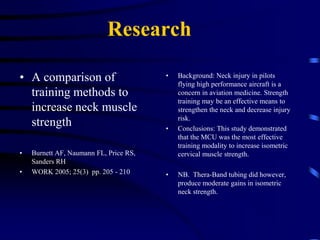
ResearchA comparison of training methods to increase neck muscle strengthBurnett AF, Naumann FL, Price RS, Sanders RHWORK 2005; 25(3)  pp. 205 - 210Background: Neck injury in pilots flying high performance aircraft is a concern in aviation medicine. Strength training may be an effective means to strengthen the neck and decrease injury risk. Conclusions: This study demonstrated that the MCU was the most effective training modality to increase isometric cervical muscle strength. NB.  Thera-Band tubing did however, produce moderate gains in isometric neck strength.
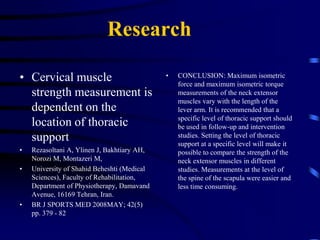
ResearchCervical muscle strength measurement is dependent on the location of thoracic supportRezasoltani A, Ylinen J, Bakhtiary AH, Norozi M, Montazeri M, University of Shahid Beheshti (Medical Sciences), Faculty of Rehabilitation, Department of Physiotherapy, Damavand Avenue, 16169 Tehran, Iran. BR J SPORTS MED 2008MAY; 42(5)  pp. 379 - 82CONCLUSION: Maximum isometric force and maximum isometric torque measurements of the neck extensor muscles vary with the length of the lever arm. It is recommended that a specific level of thoracic support should be used in follow-up and intervention studies. Setting the level of thoracic support at a specific level will make it possible to compare the strength of the neck extensor muscles in different studies. Measurements at the level of the spine of the scapula were easier and less time consuming.
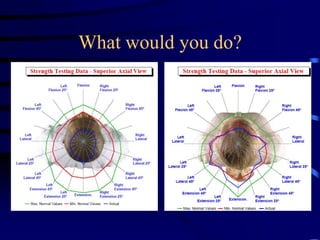
What would you do?
MCU Clinical Outcomes
Goals of RehabilitationThe primary goal is to regain the strength and symmetry of the cervical musculature.We also aim to  improve the active ROM of the cervical spine where restriction has been identified.Secondary goals will be to decrease pain and improve overall function
MCU vs. Heat TherapyRCT of 145 Subjects with neck painExercise and Infrared/Neck care instructionPre-Post measures after 6 weeks of intervention.Results:  Exercise group had a significantly better improvement in disability score, pain rating, and isometric strength after 6 weeks.Conclusion:  “Chronic neck pain can benefit from the neck exercise program” –Dr TT Chiu, 2004
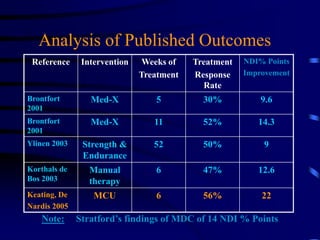
Analysis of Published OutcomesNote:	 Stratford’s findings of MDC of 14 NDI % Points
Reassessment:Re-assess symptoms each treatment sessionRe-evaluate on the MCU after 9 treatment sessionsAdjust treatment plan and MCU training as indicated.
S/P Cervical FusionDo not begin until 6 months post fusion.This patient population is extremely weak.ROM will be limited due to the fusion.Begin with neutral planes with very low resistance, within mid-ranges.Progress slowlyMonitor symptoms continually
Chronic WAD Case StudyReferring diagnosis: Neck pain/ C-4 HNP /DDD C6-7.History:58 yo female with chronic neck pain for the past 5 years after being involved in a MVA.Pain location: neck, bilateral trap and scapular area, with pain radiating up the back of her head.Neck pain rated as 9/10 and constant in nature.NDI score = 54%Mechanical assessment: non-responder
WAD Case StudyPatient began treatment on the MCU ~2x/wk.Between 7/31/08 and 10/14/08Refer to exercise sheet
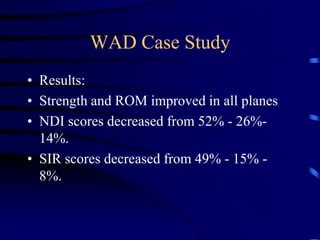
WAD Case StudyResults:Strength and ROM improved in all planesNDI scores decreased from 52% - 26%-14%.SIR scores decreased from 49% - 15% - 8%.
Other Case Studies:Chronic WADAcute WADCervical DDD/ StenosisS/P Cervical FusionHNP
Marketing Initiatives    2 Key Areas General Public - Media and Advertising   Referrers - GP’s, Health Professionals
Media PromotionTelevision Construct Press ReleaseSuccess StoriesRemarkable StoriesHigh Profile InjuriesAs per Media CDPrint Media
Newspaper
Direct Mail
Newsletter

SCCA Presentation

  • 1.
    Cervical Spine MuscularWeakness; Diagnosis & CorrectionMarc Weinberg, D.C.June 2011South Carolina Chiropractic Association Summer Convention
  • 2.
    Marc Weinberg, D.C.Marc Weinberg, D.C.Member, Florida Chiropractic SocietyMember, Foundation for Chiropractic Education and ResearchMember, National Academy of MUA PhysiciansPast Founding Member, ICA Council of Chiropractic PediatricsBoard of Directors American Thoracic Outlet Syndrome Association- Director of Alternative Medicine Research and Development 561.262.4724www.weinbergchiro.com
  • 3.
    Goals Defining CervicalMuscular Weakness.Creating awareness of the importance of diagnosis and treatment of CMW.Exploring a reliable, valid andaccurate method of diagnosis and treatment.Creating a marketing niche for your practice.Revealing a method to improve service and clinical results with your patients.Creating a valuable income stream for your practice…All while remaining evidence based
  • 4.
    What’s all thefuss about “Evidence Based Chiropractic”Is it important?My history as a chiropractorMy recent experiencesWouldn’t it be nice if ….
  • 5.
    FAQ’s about CervicalMuscular WeaknessWhat is Cervical Muscular Weakness (CMW)?
  • 6.
  • 7.
  • 8.
  • 9.
  • 10.
  • 11.
  • 12.
  • 13.
  • 14.
  • 15.
  • 16.
  • 17.
  • 18.
    Rectus Capitus PosteriorMinorRectus Capitus Posterior MajorObliquus Capitus SuperiorC2Obliquus Capitus Inferior
  • 19.
  • 20.
    Common Causes ofNeck WeaknessMotor Vehicle Accidents
  • 21.
  • 22.
  • 23.
  • 24.
  • 25.
    Rear End CollisionVideo:Actual Speed of Occupant MotionThe average rear-end collision occurs in about 250 milliseconds or ¼ second.The injury causing portion of the collision occurs in the first 75 milliseconds, or in the blink of an eye.Click on image to start or pause video
  • 26.
    Rear End CollisionVideo:Occupant Motion in Slow MotionClick on image to start or pause video
  • 27.
    Live Occupant VideoThisvideo clearly shows the dramatic forces that occur during a low speed collision. This was a 6 mph test crash.Click on image to start or pause videoVideo footage copyright information
  • 28.
    US National SafetyCouncil / Research12 Million Car Accidents / Year1 Car Crash every 2.5 secs  > 46,000 Fatalities2.5 Million Rear End Collisions / Year1.99 Million Reported Whiplash InjuriesWAD’s all the Fuss About?
  • 29.
    The WAD EpidemicUpto 60% of those who are “Rear-ended” are symptomatic after 6 months.25 – 40% are symptomatic for 2 years.10% of all who are “rear-ended” will become chronically disabled.5 - 6 Million Current MVA Victims in U.S.$30-40 billion is spent in the US each year on WAD rehabilitation and litigation.
  • 30.
    Normal Facet MotionThecervical vertebrae are designed for smooth, even motion.The facet joints stabilize the spine and allow this forward and backward movement.Click on image to start or pause video
  • 31.
    Normal vs. AbnormalMotionNormal Flexion/Extension:Smooth, even motion of all spinal segmentsAbnormal S-Shaped Curve:Dramatic movement in just a few spinal segmentsClick on image to start or pause video
  • 32.
    Vertebral Motion DuringImpactInstead of a smooth motion, the cervical spine experiences simultaneous compression and shear.This can cause tearing in the front portion of the spine and pinching in the facet joints.Click on image to start or pause video
  • 33.
    Nerves of theFacet JointThe pain from inflamed facet joints is transmitted by the medial branch of the dorsal ramus. Stimulation of the facet nerves often results in referred pain.Spinal CordFacet JointsMedial BranchDorsal RamusSpinous Process
  • 34.
    Referred Pain Patterns"...the prevalence of cervical zygapophysial joint pain was 60%."The most common facets to be injured were at C2/C3 and C5/C6.C2/3, C3C2/3, C3/4, C3C3/4, C4/5, C4C4/5, C5/6, C4, C5C4/5, C5/6, C4C6/7, C6, C7Wallis BJ, Lord SM, Bogduk N. 1997C7/T1, C7
  • 35.
  • 36.
  • 38.
  • 39.
    Fighter Pilot TrainingRCTof 10 Naval Fighter Pilots 12 week strength training 2x/wkResults: Indicated significant improvements in isometric strength and dynamic strength, typically occurring as early as 4 wks and improving throughout 12-wk period.Conclusion: “These findings have implications for military personnel at risk of neck injury in their occupational activities” Dr. Marcus Taylor, 2006
  • 40.
    ResearchWhat Are YouDoing About Muscle Weakness? Pt. 2: Cervical Spine Cuthbert SC, DYNAMIC CHIRO 2009JUL1; 27(14) The most significant of the anatomic structures providing stability to the cervical spine are the musculature and the firm bond between the bodies formed by the intervertebral discs.“ The role of the muscles becomes even more important to chiropractors because of their integral control of spinal dynamics. the evidence now shows with greater clarity than ever that inflammation or injury produces specifically identified inhibited muscles. Controlled clinical studies have shown that dysfunction and pain specifically in the cervical spine will produce inhibited muscles. These data indicate that the body's reaction to injury and pain is not increased muscular tension and stiffness; muscle inhibition is often more significant, as measured by several different methods of testing Overall studies indicate that compared to normal subjects, patients suffering from neck-related disorders present with significant reduction in cervical strength
  • 41.
    ResearchWhat Are YouDoing About Muscle Weakness? Pt. 2: Cervical Spine Cuthbert SC, DYNAMIC CHIRO 2009JUL1; 27(14) Prushansky and others have shown consistently cervical muscle weakness in chronic whiplash patients. Barton, et al., measured the strength deficits in patients with neck pain and showed that all force values were significantly lower in the neck pain population. Falla has similarly reported that both the sternocleidomastoid and anterior scalene muscles' strength was significantly reduced in patients with neck pain at 25 percent of maximum voluntary contraction (p<0.05). Edgerton, et al., showed altered muscle activation ratios of synergist spinal muscles during a variety of motor tasks in whiplash patients. Recent studies by Nederhand, et al., have confirmed that cervical muscle dysfunction appears to be a general sign in diverse chronic neck pain syndromes, especially related to whiplash injuries. To summarize: In patients with neck pain, the research has shown that muscle weakness is a very common causative factor. To fail to diagnose and specifically treat this component in your patients with neck pain will impede your therapeutic efforts.
  • 42.
    FAQ’s about CervicalMuscular WeaknessWhat is Cervical Muscular Weakness (CMW)?Is neck pain related to CMW?
  • 43.
    ResearchAssociation of manualmuscle tests and mechanical neck pain: results from a prospective pilot study. Cuthbert SC, Rosner AL, McDowall D.J Bodyw Mov Ther. 2011 Apr;15(2):192-200. Epub 2010 Dec 15. RESULTS: In group 1, 139 of 148 patients reporting neck pain also showed neck weakness. In group 2, 30 of the 100 patients without MNP showed neck weakness CONCLUSIONS: A symptomatic group of patients with MNP demonstrated significantly increased MMT findings in the form of reduced strength levels compared to a control group. This evidence suggests that the MMT is potentially a sensitive and specific test for evaluating cervical spine muscular impairments in patients with MNP.
  • 44.
    ResearchCervical muscles strengthtesting: methods and clinical implications. Dvir Z, Prushansky T, Department of Physical Therapy, Sackler Faculty of Medicine, Tel Aviv University, Tel Aviv, Israel. zdvir@post.tau.ac.il J MANIPULATIVE PHYSIOL THER 2008SEP; 31(7) pp. 518 - 24 SUMMARY: Overall studies indicate that compared to normal subjects patients suffering from neck-related disorders present with significant reduction in CS, whereas women are weaker than men by about 40%. Noteworthy a significant drop in CS in both sexes is delayed until the seventh decade. In terms of its reproducibility, CS findings have been investigated using primarily relative parameters, and hence, the associated error is not yet established. Therefore, application of CS as a clinical outcome measure, particularly for assessing change due to intervention, should be critically conducted.
  • 45.
    ResearchA review offunctional outcome measures for cervical spine disorders: literature reviewBussieres A,   J CAN CHIRO ASSOC 1994MAR; 38(1) pp. 32 - 40 Evidence suggested that neck pain sufferers have weaker neck flexors than normal subjects.
  • 46.
    ResearchQuantitative cervical flexorstrength in healthy subjects and in subjects with mechanical neck pain ARCH PHYS MED REHABIL 1991AUG; 72(9) pp. 679 - 81 Silverman J, Rodriquez A, Agre J, Alta Bates-Herrick Hospital, Berkeley, CA [Anterior cervical muscle] weakness and its role in persistent neck pain should be recognized. The efficiency and effect of cervical muscle strengthening in treatment of chronic neck pain should be further defined.
  • 47.
    FAQ’s about CervicalMuscular WeaknessWhat is Cervical Muscular Weakness (CMW)?Is neck pain related to CMW?Doesn’t regular exercise keep our necks strong?
  • 48.
    ResearchMuscle strength ofthe cervical and lumbar spine in triathletesMiltner O, Siebert CH, Müller-Rath R, Kieffer O. Z Orthop Unfall. 2010 Dec;148(6):657-61. Epub 2010 Mar 8 CONCLUSION: In conclusion, in the triathlon there is a specific stress that is obviously not an adequate stimulus for the muscles of the cervical spine in order to achieve a balanced musculature and the athletes should be advised to practice a preventive approach with regard to these areas. The triathletes have a significant imbalance in the lateral flexion of the cervical spine compared to the reference group
  • 49.
    Research University of Connecticut'sfreshman football team. The purpose of this study was to identify weaknesses in the neck musculature and note any relationships between strength differences and cervical spine stability CONCLUSIONS: The data recorded indicates that there are significant differences between the neck muscle strength of the two groups, as well as differences in neck muscle strength of individuals between their right and left sides. Looking at these muscular differences and their relationship to cervical vertebrae alignment during lateral flexion, the author contends that blocking or tackling with the head in a laterally flexed position, to supposedly hit with the shoulder, places the cervical spine in a structurally weak position lacking muscular support, and predisposes the athlete to cervical spine injuries. A Comparative Assessment of Neck Muscle Strength and Vertebral Stability Franco J, Herzog A, J ORTHOP SPORTS PHYS THER 1987; 8 pp. 351 - 5
  • 50.
    Research Conditioning Provides Protection.Helping Athletes Avoid Neck Injuries Bland JH, J MUSCULOSKEL MED 1996MAY; 13(5) pp. 30 - 8 Conclusion: During sports participation, the exceptional mobility of the neck can expose its structures to levels of flexion and compression that can cause injury and sometimes death. Yet even athletes involved in contact sports. who are especially vulnerable to cervical spine injury, seldom receive adequate neck conditioning in their training. Exercises such as weight lifting and pulling against gravity are most effective for developing strength and endurance, Both anterior and posterior muscle groups must be trained. Developing optimal proprioception is also important for cervical spine protection.
  • 51.
    FAQ’s about CervicalMuscular WeaknessWhat is Cervical Muscular Weakness (CMW)?Is neck pain related to CMW?Doesn’t regular exercise keep our necks strong?Are there other conditions that can develop from CMW?
  • 52.
    ResearchIs maximal strengthof the cervical flexor muscles reduced in patients with temporomandibular disorders? ARCH PHYS MED REHABIL 2010AUG; 91(8) pp. 1236 - 42 Armijo-Olivo SL, Fuentes JP, Major PW, Warren S, Thie NM, Magee DJ, Department of Physical Therapy, University of Alberta, Edmonton, AB, Canada CONCLUSIONS: These results indicated that strength evaluation is one of several assessment factors that need to be addressed when evaluating musculoskeletal painful conditions such as TMD and neck disorders, but strength evaluation cannot be considered as a direct measure of disability. Future studies should explore evaluation of strength in other muscular groups such as cervical extensors, rotators, and lateral flexors, and also under different conditions such as rapid movements, and in patients with more severe jaw disability.
  • 53.
    ResearchThe treatment ofneck and low back pain: who seeks care? who goes where?Côté P, Cassidy JD, Carroll L. Med Care. 2001 Sep;39(9):956-67. RESULTS: Twenty-five percent of individuals with neck or low back pain visited a health care provider. Seeking health care was associated with disabling neck or back pain, digestive disorders, worse bodily pain and worse physical-role-functioning. CONCLUSIONS: Individuals seeking care for neck or back pain have worse health status than those who do not seek care. Patients consulting chiropractors alone report fewer co-morbidities and are less limited in their activities than those consulting medical doctors.
  • 54.
    Current Chiropractic Treatmentof Neck PainLasersModalitiesChiropractic AdjustmentsDevices
  • 55.
    “Missing Link” inNeck Rehabilitation
  • 56.
  • 57.
    ResearchMaximal Isometric Strengthof the Cervical Musculature in 100 Healthy Volunteers  Jordan A, Mehlsen J, Bulow PM, Ostergaard K, Danneskiold-Samsoe B SPINE 1999JUL1; 24(13) pp. 1343 - 8 Conclusions: Men and women demonstrate impressive levels of muscular strength in the flexors and extensors of the cervical spine and can maintain these values until the seventh decade of life. Successful rehabilitation of the cervical musculature will require considerable resistance for sufficient stimulation of the cervical musculature. 
  • 58.
    ResearchDecreased isometric neckstrength in women with chronic neck pain and the repeatability of neck strength measurements.  Ylinen J, Salo P, Nykänen M, Kautiainen H, Häkkinen A, Department of Physical and Rehabilitation Medicine, Jyväskylä Central Hospital, Jyväskylä, Finland. ARCH PHYS MED REHABIL 2004AUG; 85(8) pp. 1303 - 8 CONCLUSIONS: The group with neck pain had lower neck muscle strength in all the directions tested than the control group. This factor should be considered when planning rehabilitation programs. Strength tests may be useful in monitoring training progress in clinical settings, but training programs should be planned so that the improvement in results is well above biologic variation, measurement error, and learning effect because of repeated testing..
  • 59.
    ResearchExercise therapy foroffice workers with nonspecific neck pain: a systematic review.  Sihawong R, Janwantanakul P, Sitthipornvorakul E, Pensri P, PhD Candidate, Department of Physical Therapy, Faculty of Allied Health Sciences, Chulalongkorn University, Bangkok, Thailand. J MANIPULATIVE PHYSIOL THER 2011JAN; 34(1) pp. 62 - 71 RESULTS: Strong evidence was found for the effectiveness of muscle strengthening and endurance exercises in treating neck pain. Moderate evidence supported the use of muscle endurance exercise in reducing disability attributed to neck pain.  CONCLUSION: Literature investigating the efficacy of exercise in office workers with nonspecific neck pain was heterogeneous. Within the limitations, for treatment of neck pain, either muscle strengthening or endurance exercise is recommended, whereas for reduction of pain-related disability, muscle endurance exercise is suggested
  • 60.
    ResearchMonitoring the change:current trends in outcome measure usage in physiotherapy. Abrams D, Davidson M, Harrick J, Harcourt P, Zylinski M, Clancy J, Lifecare Ashwood Sports Medicine Centre; Physiotherapy Consultant, Transport Accident Commission, 222 Exhibition St, Melbourne 3000, Australia. MANUAL THERAPY 2006FEB; 11(1) pp. 46 - 53 The trend towards greater objectivity in measuring the progress of rehabilitation can enable physiotherapists to develop improved treatment plans with the patients' needs at the centre of the equation.
  • 61.
    ResearchIsometric strength ofthe cervical flexor, extensor, and rotator muscles in 220 healthy females aged 20 to 59 years. Salo PK, Ylinen JJ, Mälkiä EA, Kautiainen H, Häkkinen AH, Department of Physical and Rehabilitation Medicine, Central Finland Health Care District, Jyväskylä. Petri.Salo@ksshp.fi J ORTHOP SPORTS PHYS THER 2006JUL; 36(7) pp. 495 - 502 CONCLUSIONS: Women aged 20 to 59 years appear to have similar absolute isometric neck muscle strength levels. Thus these values can be used as reference for the working-age female population. 
  • 62.
    ResearchRehab of CADInjury Christensen KD, AMER CHIROP 2004SEP-OCT; 26(6) pp. 50 - 1 Doctors of chiropractic who incorporate rehab exercises can provide "multimodal care" to whiplash patients, in order to minimize the risk of long-term problems. This has been defined in the previously referenced study as care that applies manual procedures (spinal manipulation, mobilization, and massage), along with physical training to improve muscle strength and endurance, including sport activities. Multimodal care has been found to be effective in preventing many of the persisting symptoms of "late whiplash syndrome." 
  • 63.
    ResearchA specific exerciseprogram and modification of postural alignment for treatment of cervicogenic headache: a case report. McDonnell MK, Sahrmann SA, Van Dillen L, J ORTHOP SPORTS PHYS THER 2005JAN; 35(1) pp. 3 - 15 CONCLUSIONS: Interventions that included modification of alignment in the cervical, scapulothoracic, and lumbar region, along with instruction in a specific active-exercise program to address movement impairments in these 3 regions, appeared to have been successful in relieving headaches and improving function in this patient.
  • 64.
    ResearchStrength and EnduranceMeasurements of the Cervical Musculature in 100 Health Subjects 1996OCT; pp. 186 - 7 Jordan A, Mehlsen J, Bulow PM, Danneskiold-Samsoe B, CONCLUSIONS: Strength levels are maintained until late in life in both groups. Measured strength levels are high and the restoration of normal strength values in patient populations will require considerable resistance in order to provide the cervical musculature with sufficient stimulus. This is in contrast with the lumbar muscles where simple anti-gravity training is sufficient. Rehabilitative program dosage need not be age dependent until the 6th decade of life.
  • 65.
    Use of Technologyfor Neck Strengthening
  • 66.
  • 67.
    Origins of MuscleTestingManual muscle testing (MMT) was born in the 1950s with the work of two physical therapists (Kendall and Kendall) and their historic text, Muscles: Testing and Function.
  • 68.
    Limitations of MMTQuestionableinter-rater reliability.Jain M, 2006Testers required repeated training.Esclolar DM, 2001Limited ability to detect discrete differences in strength.Aitkens S, 1989Difficult to stabilize the patients. Surburg PR, 1992
  • 69.
    Did MMT standthe test of time?“Diagnostic accuracy of Manual Muscle Testing was never greater than 78% casting doubt on the suitability of manual muscle testing as a screening test for strength impairments.”Bohannon RW, 2005“MMT method does not seem to be sufficiently sensitive to assess muscle strength or to detect small or moderate increases of strength over the course of rehabilitation. Since outcome measures is an important issue in rehabilitation, objective measurements of strength should be used in clinical settings.” Noreau L, 1998
  • 70.
    Strength gains ChronicNeck Pain31-41% improvement with 3 wk isometric training program. n=56 Ylinen J, 1994Dynamic strength training program yielded 69%-110% strength gains when measured isometrically. n=180Ylinen J, 200388-113% increase in isometric neck strength following dynamic strength program. n=371 DeNardis RJ, 2005
  • 71.
    Multi – CervicalUnit Orientation of the unitROM testingIsometric testing
  • 72.
    Multi-Cervical Unit (MCU)MCU(1997-2004)MCU (2005-present)35 sq. ft. / 3.25 m230 sq. ft. / 2.79 m2
  • 73.
    MCU HistoryThe MelbourneWhiplash Centre (MWC), established 1997.Baseline protocolHong Kong Polytechnic University research began, 2000.validityClinical Applications developed and published, 2002, 2004, 2005MCU II released, 2005 MCU Radar Graph, 2007
  • 74.
    ReliabilityDr Kenneth Greenwood,La Trobe University-Results Indicated Good Inter and Intra- Tester ReliabilityThomas Chiu, PhD PT: Hong Kong Polytechnic University-91 Healthy subjects aged 20-84. No significant difference among age groupsMulti-Center Outcome Data Analysis has also been performed by Dr Kenneth Greenwood and foundsignificant improvement in strength &ROM with significant reduction in perceived disability.The ProtocolsThe Melbourne & Hong Kong Protocols provide a systematic format for evaluation and treatment using the Multi-Cervical Unit. Proven Reliability and Validity
  • 75.
    ResearchA comparison oftraining methods to increase neck muscle strengthBurnett AF, Naumann FL, Price RS, Sanders RHWORK 2005; 25(3) pp. 205 - 210Background: Neck injury in pilots flying high performance aircraft is a concern in aviation medicine. Strength training may be an effective means to strengthen the neck and decrease injury risk. Conclusions: This study demonstrated that the MCU was the most effective training modality to increase isometric cervical muscle strength. NB. Thera-Band tubing did however, produce moderate gains in isometric neck strength.
  • 76.
    ResearchCervical muscle strengthmeasurement is dependent on the location of thoracic supportRezasoltani A, Ylinen J, Bakhtiary AH, Norozi M, Montazeri M, University of Shahid Beheshti (Medical Sciences), Faculty of Rehabilitation, Department of Physiotherapy, Damavand Avenue, 16169 Tehran, Iran. BR J SPORTS MED 2008MAY; 42(5) pp. 379 - 82CONCLUSION: Maximum isometric force and maximum isometric torque measurements of the neck extensor muscles vary with the length of the lever arm. It is recommended that a specific level of thoracic support should be used in follow-up and intervention studies. Setting the level of thoracic support at a specific level will make it possible to compare the strength of the neck extensor muscles in different studies. Measurements at the level of the spine of the scapula were easier and less time consuming.
  • 77.
  • 78.
  • 79.
    Goals of RehabilitationTheprimary goal is to regain the strength and symmetry of the cervical musculature.We also aim to improve the active ROM of the cervical spine where restriction has been identified.Secondary goals will be to decrease pain and improve overall function
  • 80.
    MCU vs. HeatTherapyRCT of 145 Subjects with neck painExercise and Infrared/Neck care instructionPre-Post measures after 6 weeks of intervention.Results: Exercise group had a significantly better improvement in disability score, pain rating, and isometric strength after 6 weeks.Conclusion: “Chronic neck pain can benefit from the neck exercise program” –Dr TT Chiu, 2004
  • 81.
    Analysis of PublishedOutcomesNote: Stratford’s findings of MDC of 14 NDI % Points
  • 82.
    Reassessment:Re-assess symptoms eachtreatment sessionRe-evaluate on the MCU after 9 treatment sessionsAdjust treatment plan and MCU training as indicated.
  • 83.
    S/P Cervical FusionDonot begin until 6 months post fusion.This patient population is extremely weak.ROM will be limited due to the fusion.Begin with neutral planes with very low resistance, within mid-ranges.Progress slowlyMonitor symptoms continually
  • 84.
    Chronic WAD CaseStudyReferring diagnosis: Neck pain/ C-4 HNP /DDD C6-7.History:58 yo female with chronic neck pain for the past 5 years after being involved in a MVA.Pain location: neck, bilateral trap and scapular area, with pain radiating up the back of her head.Neck pain rated as 9/10 and constant in nature.NDI score = 54%Mechanical assessment: non-responder
  • 85.
    WAD Case StudyPatientbegan treatment on the MCU ~2x/wk.Between 7/31/08 and 10/14/08Refer to exercise sheet
  • 86.
    WAD Case StudyResults:Strengthand ROM improved in all planesNDI scores decreased from 52% - 26%-14%.SIR scores decreased from 49% - 15% - 8%.
  • 87.
    Other Case Studies:ChronicWADAcute WADCervical DDD/ StenosisS/P Cervical FusionHNP
  • 88.
    Marketing Initiatives 2 Key Areas General Public - Media and Advertising Referrers - GP’s, Health Professionals
  • 89.
    Media PromotionTelevision ConstructPress ReleaseSuccess StoriesRemarkable StoriesHigh Profile InjuriesAs per Media CDPrint Media
  • 90.
  • 91.
  • 92.