Scanned with CamScanner
Research Summary (paper)
For this assignment you summarize one of the experimental
research studies from your research collection.
(I did not make one, feel free to choose any research that has to
do with psychology.)
Check out Audris Oh's research summary I put in the files -- it's
a great model.
Write your summary in 5 pages or so, basically summarizing
each of the major sections - literature review, methods section,
results section and discussion. Let the abstract at the beginning
of the paper guide you (It's just one paragraph but is a great
guide). Why was the study done and how does it fit in with
other work in the field (the intro or lit review)? What was the
actual experiment (the methods section)? What were the results
(the results section)? Why is it important
(the discussion section)? Conclude your paper with a personal
reaction -- does this fit with what you’ve seen? How might you
use any insight the study provides?
Include the pdf of the article (or link to it) and the reference to
the article in APA style. Here's an example of a reference:
Stein, S., Isaacs, G., & Andrews, T. (2004). Incorporating
authentic learning experiences within a university course.
Studies in Higher Education, 29(2), 239-258.
Example of how the essay should look like:
https://middlesexcc.libguides.com/ld.php?content_id=7578609
Mendel, 150 years on
T.H. Noel Ellis1, Julie M.I. Hofer1, Gail M. Timmerman-
Vaughan2, Clarice J. Coyne3
and Roger P. Hellens4
1
Institute of Biological, Environmental & Rural Sciences,
Aberystwyth University, Gogerddan Campus, Aberystwyth,
Ceredigion, SY23 3EB, UK
2
The New Zealand Institute for Plant & Food Research Ltd,
Christchurch 8140, New Zealand
3
USDA-ARS Western Regional Plant Introduction Station,
Washington State University, Pullman, Washington, USA
4
The New Zealand Institute for Plant & Food Research Ltd,
Auckland, New Zealand
Review
Mendel’s paper ‘Versuche über Pflanzen-Hybriden’ is the
best known in a series of studies published in the late 18th
and 19th centuries that built our understanding of the
mechanism of inheritance. Mendel investigated the seg-
regation of seven gene characters of pea (Pisum sativum),
of which four have been identified. Here, we review what
is known about the molecular nature of these genes,
which encode enzymes (R and Le), a biochemical regula-
tor (I) and a transcription factor (A). The mutations are: a
transposon insertion (r), an amino acid insertion (i), a
splice variant (a) and a missense mutation (le-1). The
nature of the three remaining uncharacterized characters
(green versus yellow pods, inflated versus constricted
pods, and axial versus terminal flowers) is discussed.
Mendel’s studies: species, traits and genes
Mendel’s paper ‘Versuche ü ber Pflanzen-Hybriden’ [1] is
the best known in a series of studies published in the late
18th and 19th centuries [2–4] that built our understanding
of the mechanism of inheritance [5]. The title of Mendel’s
paper is usually mistranslated in English as ‘Experiments
in Plant Hybridisation’ rather than ‘Experiments on Plant
Hybrids’, reflecting the impact of his work on the science of
genetics rather than Mendel’s own concern with the nature
of hybrids and their implications for the ‘Umwandlung
einer Art in eine andere’ - transformation of one species
into another. There is also a misconception, as a result of
R.A. Fisher’s attack on Mendelism [6], that Mendel’s
results and experimentation were in some way suspect.
These defamatory criticisms include imputations on the
scope of his experimental work, his understanding of what
he wrote and statistical interpretations of his results;
although they have been roundly debunked [7,8], they
remain embedded in common opinion.
In his paper, Mendel described eight single gene char-
acters of pea, of which he investigated the segregation of
seven. The eighth is the ‘purple podded’ character deter-
mined by the gene Pur on linkage group I. He also dis-
cussed the segregation of three traits (tall versus short,
green versus yellow pods and inflated versus constricted
pods) in common bean (Phaseolus vulgaris) that are likely
orthologues of the corresponding characters he studied in
pea. For both species Mendel used additional species
names (such as Phaseolus nanus or Pisum saccharatum).
Corresponding author: Hellens, R.P. ([email protected]).
590 1360-1385/$ – see front matter � 2011 Elsevier Ltd. All
rights reserved. d
These names are no longer used and we would consider
these types as variants – Mendel commented that there is
no ‘sharp line between the hybrids of species and varieties
as between species and varieties themselves’.
From a biological perspective Mendel’s genes appear to
be an unrelated set of genes that are uninformative about a
single process; but they did elucidate the process of genetic
inheritance itself. They are therefore important from an
historical perspective and they illustrate a diversity of
gene functions and types of mutation. Uncovering the
molecular basis of these mutations solves a longstanding
mystery in genetics.
This review focuses on the identification of four of Men-
del’s genes (R/r, round versus wrinkled seed; I/i, yellow
versus green cotyledons; A/a, coloured versus unpigmented
seed coats and flowers; and Le/le, long versus short internode
length). In addition, the possible natures of three other
characters studied by Mendel (Gp/gp, green versus yellow
pods; P/p or V/v, inflated versus constricted pods; and Fa/fa
or Fas/fas, axial versus terminal flowers) are discussed.
Linkage
A major conclusion from Mendel’s work was that the factors
determining individual traits segregated independently of
one another. We now know that this is not always the case.
The associated segregation of parental allelic combinations,
known as genetic linkage, is well established. Fortunately
Mendel studied segregation at multiple unlinked loci. This
meant his results were not confounded by linkage, which
would have been much more difficult to interpret. The issue
of linkage is sometimes egregiously combined with the
criticism of the quality of Mendel’s data to imply falsely
that he somehow suppressed inconvenient data [7]. Unfor-
tunately these discussions suffered from confusion in the
literature regarding chromosome numbers, linkage data
and their combination [9]. Our current view of the position
of the genetic loci Mendel studied is presented in Figure 1.
As discussed below, there is some uncertainty about the
identity of the genes for the fasciated (terminal) flowers (Fa
or Fas) or the constricted pod phenotypes (P or V); therefore,
the map locations of all are indicated. From this distribution
of genetic loci it is clear that there are two possible cases
where linkage could have confounded Mendel’s results:
these are R–Gp and Le–V.
The wrinkled seed character that Mendel studied was R
versus r on linkage group V [10]. The character ‘green versus
oi:10.1016/j.tplants.2011.06.006 Trends in Plant Science,
November 2011, Vol. 16, No. 11
mailto:[email protected]
http://dx.doi.org/10.1016/j.tplants.2011.06.006
(VII)
AA vs aa
(II)
10 mu
(I)
II vs ii
(III)
LeLe vs lele
VV vs vv
(IV)
FaFa vs fafa
(V)
RR vs rr
GpGp vs gpgp
(VI)
PP vs pp
FasFas
vs fasfas
TRENDS in Plant Science
Figure 1. Genetic location of Mendel’s seven characters on pea
linkage groups. Yellow versus green cotyledons II/ii on linkage
group (I); seed coat (and flower) colour AA/aa
on linkage group (II); tall versus dwarf plants (LeLe/lele) on
linkage group (III); difference in the form of the ripe pods
(PP/pp or VV/vv) on linkage groups (III) and (VI),
respectively; difference in the position of the flower
(FasFas/fasfas or FaFa/fafa) on linkage groups (III) or (IV),
respectively; round versus wrinkled (RR/rr) on linkage group
(V); and colour of unripe pod (GpGp/gpgp) on linkage group
(V).
Review Trends in Plant Science November 2011, Vol. 16, No.
11
yellow pod’ is unambiguously Gp versus gp, also on linkage
group V. Linkage between these two loci can be detected
[11]. In Mendel’s study of two- and three-factor crosses he
used approximately 600 F2 individuals. He did not present
data on the combination of RR GpGp crossed with rr gpgp,
but some F2 plants derived from this cross were probably
grown as implied by the text, ‘further experiments were
made with a smaller number of experimental plants in
which the remaining characters by twos and threes were
united as hybrids’ [1]. In one recombinant inbred population
derived from the cross between the inbred John Innes
Germplasm lines JI15 and JI399 [12], the recombination
fraction between the R locus (genotyped using a molecular
marker assay) and Gp is 36%, resulting in an expected
segregation ratio of 9.6:2.4:2.4:1.6 rather than 9:3:3:1. Men-
del would have needed about 200 plants in the ‘smaller
number’ to have a 5% statistically significant deviation from
independent assortment. Furthermore, linkage group V in
pea, most likely corresponding to chromosome 3, behaves
unusually in this cross because the number of chiasmata is
never greater than one [12]; usually two or three occur. The
recombination fraction calculated above is therefore the
smallest that Mendel could have encountered, so it is un-
likely that genetic linkage would have been discernable in
any of the crosses that Mendel examined.
Genes and their mutant alleles
Round versus wrinkled (R versus r)
The wrinkled phenotype is striking because plants that
appear completely normal bear seeds that are irregular in
shape (Figure 1). The immature seeds do not appear
unusual, but by maturity there are many differences be-
tween the wild-type and mutant seeds. These include
diverse features such as subcellular arrangement of orga-
nelles, the ratio of the two major types of storage protein,
the shape of starch granules, the amylose to amylopectin
ratio of the starch polymers and sugar content [13]. There
are several genes in pea that confer a wrinkled (rugosus)
phenotype and all are lesions in enzymes involved in starch
biosynthesis [14–17]. However, only the r mutant is known
to have been available to Mendel [10].
A biochemical approach was taken to identify the gene
encoded by R [10]. It was known that rr lines were distin-
guished from wild-type by their reaction to an antibody
raised against the starch branching enzyme, so this anti-
body was used to identify cDNA clones. These cDNAs
provided the route to isolating the structural gene encod-
ing a starch branching enzyme (EC 2.4.1.18). Subsequent
analysis showed that this gene co-segregated with the R
locus and that wrinkled (r) mutants were disrupted in this
gene by the insertion of a non-autonomous type II trans-
poson (called Ips-r) related to the Ac/Ds family [10]
(Figure 2). Thus the first of Mendel’s mutants to be char-
acterized corresponded to a mutation in a gene encoding a
biosynthetic enzyme and it was potentially associated with
an active transposon. No systematic search for other alleles
at the R locus has been undertaken and the active and
autonomous form of the transposon has not been identified.
Yellow versus green cotyledons (I versus i)
Ripe wild-type II seeds are yellow because the chlorophyll
is lost as the seeds mature, whereas ii seeds remain green
591
R vs r I vs i A vs a Le vs le
DNA
RNA
Protein
r a
A
a
A Le
le
Le
A
A
A
G
A
GA T
T
6bp
A
G
T
229
le
R
r
R I
i
i
I
T N
IL
S K
12 38
TRENDS in Plant Science
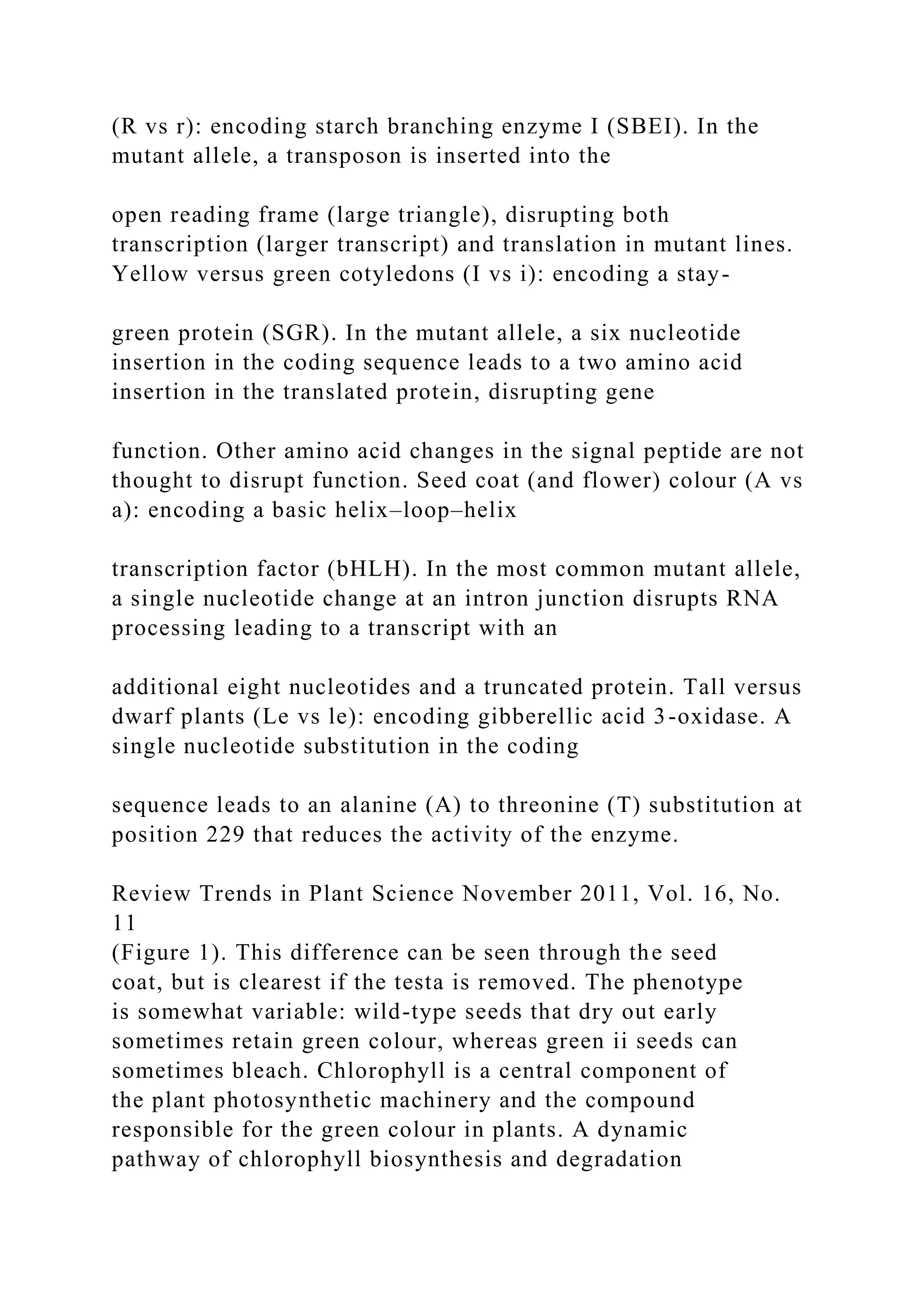
Figure 2. Mutations in Mendel’s genes. Round versus wrinkled
(R vs r): encoding starch branching enzyme I (SBEI). In the
mutant allele, a transposon is inserted into the
open reading frame (large triangle), disrupting both
transcription (larger transcript) and translation in mutant lines.
Yellow versus green cotyledons (I vs i): encoding a stay-
green protein (SGR). In the mutant allele, a six nucleotide
insertion in the coding sequence leads to a two amino acid
insertion in the translated protein, disrupting gene
function. Other amino acid changes in the signal peptide are not
thought to disrupt function. Seed coat (and flower) colour (A vs
a): encoding a basic helix–loop–helix
transcription factor (bHLH). In the most common mutant allele,
a single nucleotide change at an intron junction disrupts RNA
processing leading to a transcript with an
additional eight nucleotides and a truncated protein. Tall versus
dwarf plants (Le vs le): encoding gibberellic acid 3-oxidase. A
single nucleotide substitution in the coding
sequence leads to an alanine (A) to threonine (T) substitution at
position 229 that reduces the activity of the enzyme.
Review Trends in Plant Science November 2011, Vol. 16, No.
11
(Figure 1). This difference can be seen through the seed
coat, but is clearest if the testa is removed. The phenotype
is somewhat variable: wild-type seeds that dry out early
sometimes retain green colour, whereas green ii seeds can
sometimes bleach. Chlorophyll is a central component of
the plant photosynthetic machinery and the compound
responsible for the green colour in plants. A dynamic
pathway of chlorophyll biosynthesis and degradation
[18] maintains the amount of chlorophyll in photosynthetic
tissues and reduces it in low light, during senescence, or
other specific phases of plant development.
As green cotyledons are the recessive phenotype, a mu-
tation in the chlorophyll degradation pathway best explains
the molecular nature of this trait. Studies in species such as
rye grass (Festuca pratensis) [19], rice (Oryza sativa) [20],
maize (Zea mays) [21], pepper (Capsicum annuum) [22] and
Arabidopsis (Arabidopsis thaliana) [23,24], have identified
several genes with ‘stay-green’ phenotypes, such as: PAO,
which encodes pheophorbide a oxygenase that converts
pheophorbide a to red chlorophyll catabolite [21–24];
CBR, which encodes chlorophyll b reductase that converts
chlorophyll b to chlorophyll a [20]; Stay-Green (SGR), which
encodes a protein that is thought to aid the disassembly of
light harvesting complex II, allowing chlorophyll to enter
the degradation pathway [22,25]; and PPH, which encodes
pheophytin pheophorbide hydrolase that converts pheophy-
tin a to pheophorbide a [26].
The first indications that a mutation in a SGR gene
might be responsible for the i mutation were the observa-
tions of genetic linkage between a pea orthologue of SGR
from rice and the I locus together with a reduction in the
accumulation of SGR transcripts in ii pea lines [27]. The
molecular nature of this lesion was later described [28],
and several sequence differences were observed. Two
592
nucleotide differences in the region predicted to function
as a signal peptide were initially considered as explana-
tions for the stay-green phenotype because they lead to
amino acid substitutions. However, when bombarded into
onion (Allium cepa) epithelial cells, both the I and i
sequences fused with green fluorescent protein (GFP) were
able to target fluorescence into the plastid compartment,
indicating that the function of the signal peptide was not
compromised by these substitutions. A third sequence
difference in ii lines consisted of a six-nucleotide (two
amino acid) insertion (Figure 2). To assess the consequence
of this insertion, a modified form of the rice SGR2 gene
containing the same insertion was transformed into the
sgr-2 mutant. This construct was unable to complement
the sgr-2 mutant rice line, whereas the rice SGR2 gene was
able to complement the mutant. Neither SGR allele from
pea was able to complement the rice sgr-2 mutation [28].
SGR appears to direct chlorophyll to the degradation
pathway [25]. Although the mechanism by which the pro-
tein achieves this is unclear, it seems that a small modifi-
cation of the protein sequence, as seen in the green
cotyledon pea lines, might be sufficient to disrupt the
function of the protein.
Seed coat (and flower) colour (A versus a)
The a mutation abolishes anthocyanin pigmentation
throughout the plant. In pea, as in many other plants,
the appearance of red, purple or blue pigments is due to the
accumulation of anthocyanin compounds. The different
shades of red, purple and blue pigmentation are due to the
chemical makeup of the individual anthocyanin com-
pounds, in particular the presence of hydroxyl groups
and sugar moieties, together with the pH of the vacuole
where they accumulate and other compounds that
Review Trends in Plant Science November 2011, Vol. 16, No.
11
complex with the anthocyanins [29–31]. Anthocyanin pig-
mentation is patterned in space and in response to envi-
ronmental stimuli such as high light or cold temperatures.
Mutants that affect the pattern of pigmentation (such as
Pur q.v.) are well represented in Pisum germplasm but in a
mutants there is no accumulation of anthocyanin in any
part of the plant.
A gene that encodes a basic helix–loop–helix (bHLH)
transcription factor was identified as a candidate gene for
the A locus through comparative genomics [32]. The genet-
ic map of pea was aligned to genomic sequences of Med-
icago (Medicago truncatula) using the sequences of cDNA
probes known to flank the A locus. Annotated genes within
about a 10 Mb region of the medicago genome were then
scrutinized to identify candidate genes with predicted
functions known to influence anthocyanin accumulation.
No putative biosynthetic genes were identified in this
region. Only one potential regulatory gene, a bHLH gene
similar to Arabidopsis TT8 was identified. Degenerate
primers designed to the medicago gene were used to isolate
the pea orthologue, which was then mapped to linkage
group II and shown to co-segregate with the A locus
(Figure 1). Gene models for this bHLH gene were derived
from BAC DNA sequences from both coloured and white-
flowered lines [32].
Of the 16 single nucleotide polymorphisms (SNPs) iden-
tified between the two gene models, the majority (13/16)
were silent mutations. Two SNPs predicting amino acid
changes were subsequently found in both coloured and
white-flowered lines, excluding them as candidates for
the causal mutation. The remaining SNP, a G-to-A transi-
tion at the splice donor site of intron six of the gene model,
occurred only in white-flowered lines. This change inter-
feres with RNA splicing such that eight nucleotides of
intron sequence are retained in the processed mRNA,
corresponding to a truncated peptide on translation. To
confirm that this SNP determined the mutant phenotype,
the white-petal phenotype was complemented by transient
transformation using biolistics. BAC DNA from both
coloured and white-flowered lines was shot into pea petals
and coloured foci were observed after introduction of the
wild-type but not the mutated gene. Finally, the A gene
was sequenced from a range of pea germplasm. In this
selection, all 60 pea lines with coloured flowers had an
intact intron junction (Figure 2), and most but not all (78/
88) white-flowered lines had the mutated intron junction.
Of the ten remaining white-flowered lines, seven exotic
lines carried a different mutation, a single nucleotide
insertion in exon six that is predicted to introduce a
frameshift and lead to truncation of the protein on trans-
lation. No significant deviation from the wild-type se-
quence has been found in the three other white-flowered
lines; however, it is not certain that these three lines are a
mutants, and the entirety of the gene has not been se-
quenced [32].
Tall versus short (Le versus le)
Many pea genes are now known to be involved in the
synthesis of (Lh, Ls, Na, Sln and Le) [33–38], or in the
response to (LaI and Cry), the plant hormone gibberellin
(GA) [39]. On the basis of its phenotype and distribution
among varieties the Le gene is considered to be the one
studied by Mendel [33,40–42]. LeLe plants are tall,
lele plants are dwarf (Figure 1); this difference is due to
internode length rather than the number of nodes.
The Le gene product was implicated in GA biosynthesis
in early experiments that showed that stem elongation in
dwarf seedlings was stimulated by application of GA3
[43,44]. The activity of the Le gene product was established
because the conversion of GA20 to GA1 (one of the active
forms of GA) was much greater for LeLe than for lele plants
[36], and GA1 levels were higher in the shoots of LeLe
versus lele plants, whereas GA20 amounts were elevated in
lele plants [45,46]. As a consequence of these studies, it was
hypothesized that Le encodes a GA 3-oxidase (GA 3b-
hydroxylase). GA 3-oxidase activity was shown to be re-
duced in lele plants [45] and subsequent identification of
the Le gene demonstrated that it encodes a GA 3-oxidase
(EC 1.14.11.15) [40,41].
A partial Le sequence was obtained by screening a cDNA
library at low stringency with Arabidopsis GA 3-oxidase
(AtGA4) probe. This enabled the isolation of full length le
and Le genomic sequences [40]. Sequence alignment
revealed a G-to-A transition conferring an alanine-to-thre-
onine substitution at position 229 in the le-1 gene product
(Figure 2). Although this residue is not invariant among
plant 2-oxoglutarate-dependent dioxygenases, the class of
enzymes to which GA 3-oxidase belongs, it nevertheless
lies within a highly conserved region of the protein. Link-
age analysis demonstrated co-segregation of the pea GA3ox
sequence and Le. GA 3-oxidase enzymatic activity was
demonstrated following recombinant expression of the
cDNAs from Le and le-1 plants in Escherichia coli. The
GA20 substrate was converted to GA1 by both cDNA ex-
pression products but the enzyme encoded by le-1 showed
approximately 5% of the activity of the wild-type. The
identity of Le as GA3ox was further supported by the
characterization of two additional induced alleles; le-2
(formerly known as led) and le-3 [41]. The le-2 mutant
was found to carry both the alanine-to-threonine substitu-
tion at position 229 found in le-1, and a second mutation; a
single base deletion of G376, which was inferred to confer a
frameshift and premature termination of translation. This
mutation at a second site confirms that the le-2 allele is
derived from Mendel’s le-1 allele [47]. The le-3 line contains
a C-to-T transition resulting in a histidine-276 to tyrosine
amino acid substitution. The gene products from Le, le-1,
le-2 and le-3 GA 3-oxidase clones were assayed following
expression in E. coli. The relative activities of the recom-
binant enzymes for two substrates, GA4 (converted to GA9)
and GA20 (converted to GA1), were Le > le-1 � le-3 > le-2
[41,47].
The le-2 allele is likely to be a null allele because the
recombinant protein exhibits no activity when GA20 is
used as a substrate and GA1 product is measured [47].
Until recently, this was difficult to equate with the le-2
plant phenotype, which is not an extreme dwarf, and is
capable of limited GA20 to GA1 conversion [45]. A second
pea GA 3-oxidase gene (GA3ox2) that is expressed pri-
marily in roots but also in shoots might be responsible
for the low level of GA 3-oxidase activity in le-2 plants
[39].
593
Review Trends in Plant Science November 2011, Vol. 16, No.
11
Uncharacterized genes
Inflated versus constricted pods (P versus p or V
versus v)
The inflated versus constricted pod phenotype refers to the
presence or absence of a layer of lignified cells (sclerenchy-
ma) adjoining the epidermis of the pod wall and is referred
to as parchment (Figure 1). Pods without ‘that rough
skinny membrane’ are described in Gerard’s 1597 Herball
[48], and in general this cell layer is absent in vegetable pea
types where the whole pod is eaten (mangetout). Absence of
this cell layer leads to a pod that is constricted around the
seeds at maturity. There are two sub-types of this class of
cultivar, one with a thickened pod wall (nn) and no ‘string’
along the ventral suture (sin2sin2) called ‘snap’ or ‘sugar
snap’ peas. The second type, sometimes called ‘snow pea’
has thin pod walls (NN) and usually has a stringy pod
(Sin2Sin2). Although breeders commonly combine NN
with a wrinkled seed character (rr) it is difficult to recover
vigorous stringless plants with wrinkled seeds [49]. Men-
del referred to peas with this pod characteristic as ‘P.
saccharatum’ suggesting that he used a ‘sugar snap’ type
(probably rr Sin2Sin2 NN with either vv or pp).
It is difficult to be sure which locus Mendel was studying
because homozygous individuals carrying mutations in
either of the two genes P or V lack this cell layer [42].
However, we can make some deductions. Mendel studied
the segregation of multiple factors in single crosses and
although he did not report studies of the joint segregation
of ‘stem length’ and ‘pod form’ he did report that small-
scale experiments combining characters ‘by twos and
threes’ were undertaken. The V and Le loci are linked,
about 15 cM apart on linkage group III [50], so the combi-
nation of these two characters in a single cross would have
deviated from his expectation for independent segregation.
There are therefore two likely possibilities: (i) Mendel
studied vv in small populations where the deviation from
expectation due to linkage was not seen, or (ii) the charac-
ter state he studied was determined by pp; the P locus is
located on linkage group VI [51] and so would have segre-
gated independently of Le.
The ‘parchments’ of PP and VV genotypes are secondary
cell walls deposited after the cessation of cell growth and
are composites of cellulose, hemicelluloses and lignins [52].
Secondary wall biosynthesis has been characterized bio-
chemically and genetically, and studies on transcription
factors in Arabidopsis indicate that a group of NAC domain
proteins and their downstream targets act as regulators
[53]. Three homologues of these transcription factor genes
are located on chromosome 2 of medicago in regions syn-
tenic with P and V and are under investigation as candi-
dates for P or V in pea.
Green versus yellow pods (Gp versus gp)
The gp mutation conveys another striking phenotype.
GpGp plants have green pods whereas gpgp plants have
yellow pods (Figure 1). Young stems and buds at flowering
are also noticeably yellow, whereas leaflets are green as
normal. As with the cotyledon colour locus I, the green pod/
yellow pod Gp locus appears as a difference in the accumu-
lation of chlorophyll. In contrast to the I locus where
the wild-type dominant form is yellow and the recessive
594
mutant form is green, for the Gp locus the wild-type
dominant form is green and the recessive mutant form
is yellow. This suggests that the mutant form i represents a
failure of chlorophyll degradation, whereas the mutant
form gp fails to develop a normal chlorophyll complex in
the pods [54,55]. Interestingly the region of the medicago
genome syntenic to Gp contains a gene Medtr7g080590
annotated as ‘chloroplast lumenal protein related’ which
has similarity to the Arabidopsis LCD1 gene, mutants of
which have a pale phenotype under standard growth con-
ditions and bleach in response to ozone [56]. This pheno-
type has some similarities to gp suggesting that it is a
candidate worth investigating further.
Axial versus terminal flowers (Fa versus fa or Fas
versus fas)
The position of flowers, and hence the seeds, on a crop plant
is of great importance in agriculture. Several genes deter-
mine flower location in pea. Homozygous mutants carrying
the det gene are determinate with a terminal inflorescence.
This mutation has been characterized at the molecular
level [57]; however, it is most unlikely that this was the
gene studied by Mendel because he described the mutant
form as having ‘a false umbel’, implying a fasciated type
with a broadened stem and a ‘crown’ of many flowers.
Alleles of fasciation genes have been widely used in pea
breeding, particularly in conjunction with a mutation that
confers synchronicity in flowering time [58].
In pea, mutations at several different loci are known to
confer a fasciated phenotype; of these, the genes Fa (link-
age group IV) and Fas (linkage group III) are two that are
not also defective in nodulation [59]. Mendel would most
likely have noticed the yellowness of plants defective in
nodulation, thus Fa and Fas are contenders for the ‘differ-
ence in the position of the flowers’ character. The Fa locus
has been conventionally assigned to Mendel’s trait, but the
evidence for this is not definitive. The distance between
Fas and Le on linkage group III is sufficiently large that
linkage would have been difficult to detect without inter-
vening markers.
In general, stem fasciation is thought to result from
failure of cellular organization within the shoot apical
meristem. In Arabidopsis, several classes of genes are
known to contribute to this organization and to show
loss-of-function phenotypes that include shoot fasciation.
These include small secreted peptides encoded by CLA-
VATA3 (CLV3)/ENDOSPERM SURROUNDING RE-
GION (ESR)-related genes, which are known to act as
ligands for transmembrane proteins such as CLV1 in
the shoot apical meristem [60]. These interactions trans-
mit a signal that keeps the stem cell population in check. A
failure in the CLV signalling pathway leads to increased
stem cell accumulation, as seen in the fasciated phenotypes
of clv1 and clv3 mutants [61–63]. CLV-related genes are
therefore obvious candidates for Fa and Fas in pea, as well
as genes that affect the cell cycle. Although many cell cycle
mutants are embryo-lethal, several have been character-
ized in Arabidopsis that are viable and have a fasciated
shoot phenotype. Among these are the atbrca2 mutants,
which carry lesions in a homologue of the breast tumour
susceptibility factor BRCA2 [64], and the fasciata1 ( fas1)
Review Trends in Plant Science November 2011, Vol. 16, No.
11
and fas2 mutants [65], which are affected in the genes
encoding the p150 and p60 subunits of chromatin assembly
factor 1, respectively. A BLAST search of the region of the
medicago genome syntenic with Fa shows that it contains a
homologue of CLV1 whereas the region syntenic with Fas
contains a CLV1 homologue and a BRCA2 homologue.
Conclusion
As 150 years have elapsed since Mendel’s experiments
[6,32], it is difficult to state with certainty that the alleles
he studied have been identified. In this respect, the diver-
sity of mutant alleles can be informative: lines studied by
Mendel must have carried spontaneous mutations. We
should also bear in mind that multiple independent spon-
taneous mutations are unlikely because spontaneous mu-
tation rates are very low with respect to the time since
domestication. We do not know the number of …
Scanned with CamScannerResearch Summary (paper)For thi.docx

Scanned with CamScannerResearch Summary (paper)For thi.docx

  • 1.
    Scanned with CamScanner ResearchSummary (paper) For this assignment you summarize one of the experimental research studies from your research collection. (I did not make one, feel free to choose any research that has to do with psychology.) Check out Audris Oh's research summary I put in the files -- it's a great model. Write your summary in 5 pages or so, basically summarizing each of the major sections - literature review, methods section, results section and discussion. Let the abstract at the beginning of the paper guide you (It's just one paragraph but is a great guide). Why was the study done and how does it fit in with other work in the field (the intro or lit review)? What was the actual experiment (the methods section)? What were the results (the results section)? Why is it important (the discussion section)? Conclude your paper with a personal reaction -- does this fit with what you’ve seen? How might you use any insight the study provides? Include the pdf of the article (or link to it) and the reference to the article in APA style. Here's an example of a reference: Stein, S., Isaacs, G., & Andrews, T. (2004). Incorporating authentic learning experiences within a university course. Studies in Higher Education, 29(2), 239-258. Example of how the essay should look like: https://middlesexcc.libguides.com/ld.php?content_id=7578609
  • 2.
    Mendel, 150 yearson T.H. Noel Ellis1, Julie M.I. Hofer1, Gail M. Timmerman- Vaughan2, Clarice J. Coyne3 and Roger P. Hellens4 1 Institute of Biological, Environmental & Rural Sciences, Aberystwyth University, Gogerddan Campus, Aberystwyth, Ceredigion, SY23 3EB, UK 2 The New Zealand Institute for Plant & Food Research Ltd, Christchurch 8140, New Zealand 3 USDA-ARS Western Regional Plant Introduction Station, Washington State University, Pullman, Washington, USA 4 The New Zealand Institute for Plant & Food Research Ltd, Auckland, New Zealand Review Mendel’s paper ‘Versuche über Pflanzen-Hybriden’ is the best known in a series of studies published in the late 18th and 19th centuries that built our understanding of the mechanism of inheritance. Mendel investigated the seg-
  • 3.
    regation of sevengene characters of pea (Pisum sativum), of which four have been identified. Here, we review what is known about the molecular nature of these genes, which encode enzymes (R and Le), a biochemical regula- tor (I) and a transcription factor (A). The mutations are: a transposon insertion (r), an amino acid insertion (i), a splice variant (a) and a missense mutation (le-1). The nature of the three remaining uncharacterized characters (green versus yellow pods, inflated versus constricted pods, and axial versus terminal flowers) is discussed. Mendel’s studies: species, traits and genes Mendel’s paper ‘Versuche ü ber Pflanzen-Hybriden’ [1] is the best known in a series of studies published in the late 18th and 19th centuries [2–4] that built our understanding of the mechanism of inheritance [5]. The title of Mendel’s paper is usually mistranslated in English as ‘Experiments in Plant Hybridisation’ rather than ‘Experiments on Plant Hybrids’, reflecting the impact of his work on the science of genetics rather than Mendel’s own concern with the nature of hybrids and their implications for the ‘Umwandlung einer Art in eine andere’ - transformation of one species into another. There is also a misconception, as a result of R.A. Fisher’s attack on Mendelism [6], that Mendel’s results and experimentation were in some way suspect. These defamatory criticisms include imputations on the scope of his experimental work, his understanding of what he wrote and statistical interpretations of his results; although they have been roundly debunked [7,8], they remain embedded in common opinion. In his paper, Mendel described eight single gene char- acters of pea, of which he investigated the segregation of seven. The eighth is the ‘purple podded’ character deter- mined by the gene Pur on linkage group I. He also dis- cussed the segregation of three traits (tall versus short,
  • 4.
    green versus yellowpods and inflated versus constricted pods) in common bean (Phaseolus vulgaris) that are likely orthologues of the corresponding characters he studied in pea. For both species Mendel used additional species names (such as Phaseolus nanus or Pisum saccharatum). Corresponding author: Hellens, R.P. ([email protected]). 590 1360-1385/$ – see front matter � 2011 Elsevier Ltd. All rights reserved. d These names are no longer used and we would consider these types as variants – Mendel commented that there is no ‘sharp line between the hybrids of species and varieties as between species and varieties themselves’. From a biological perspective Mendel’s genes appear to be an unrelated set of genes that are uninformative about a single process; but they did elucidate the process of genetic inheritance itself. They are therefore important from an historical perspective and they illustrate a diversity of gene functions and types of mutation. Uncovering the molecular basis of these mutations solves a longstanding mystery in genetics. This review focuses on the identification of four of Men- del’s genes (R/r, round versus wrinkled seed; I/i, yellow versus green cotyledons; A/a, coloured versus unpigmented seed coats and flowers; and Le/le, long versus short internode length). In addition, the possible natures of three other characters studied by Mendel (Gp/gp, green versus yellow pods; P/p or V/v, inflated versus constricted pods; and Fa/fa or Fas/fas, axial versus terminal flowers) are discussed. Linkage A major conclusion from Mendel’s work was that the factors determining individual traits segregated independently of one another. We now know that this is not always the case.
  • 5.
    The associated segregationof parental allelic combinations, known as genetic linkage, is well established. Fortunately Mendel studied segregation at multiple unlinked loci. This meant his results were not confounded by linkage, which would have been much more difficult to interpret. The issue of linkage is sometimes egregiously combined with the criticism of the quality of Mendel’s data to imply falsely that he somehow suppressed inconvenient data [7]. Unfor- tunately these discussions suffered from confusion in the literature regarding chromosome numbers, linkage data and their combination [9]. Our current view of the position of the genetic loci Mendel studied is presented in Figure 1. As discussed below, there is some uncertainty about the identity of the genes for the fasciated (terminal) flowers (Fa or Fas) or the constricted pod phenotypes (P or V); therefore, the map locations of all are indicated. From this distribution of genetic loci it is clear that there are two possible cases where linkage could have confounded Mendel’s results: these are R–Gp and Le–V. The wrinkled seed character that Mendel studied was R versus r on linkage group V [10]. The character ‘green versus oi:10.1016/j.tplants.2011.06.006 Trends in Plant Science, November 2011, Vol. 16, No. 11 mailto:[email protected] http://dx.doi.org/10.1016/j.tplants.2011.06.006 (VII) AA vs aa (II) 10 mu
  • 6.
    (I) II vs ii (III) LeLevs lele VV vs vv (IV) FaFa vs fafa (V) RR vs rr GpGp vs gpgp (VI) PP vs pp FasFas vs fasfas TRENDS in Plant Science Figure 1. Genetic location of Mendel’s seven characters on pea linkage groups. Yellow versus green cotyledons II/ii on linkage group (I); seed coat (and flower) colour AA/aa on linkage group (II); tall versus dwarf plants (LeLe/lele) on linkage group (III); difference in the form of the ripe pods
  • 7.
    (PP/pp or VV/vv)on linkage groups (III) and (VI), respectively; difference in the position of the flower (FasFas/fasfas or FaFa/fafa) on linkage groups (III) or (IV), respectively; round versus wrinkled (RR/rr) on linkage group (V); and colour of unripe pod (GpGp/gpgp) on linkage group (V). Review Trends in Plant Science November 2011, Vol. 16, No. 11 yellow pod’ is unambiguously Gp versus gp, also on linkage group V. Linkage between these two loci can be detected [11]. In Mendel’s study of two- and three-factor crosses he used approximately 600 F2 individuals. He did not present data on the combination of RR GpGp crossed with rr gpgp, but some F2 plants derived from this cross were probably grown as implied by the text, ‘further experiments were made with a smaller number of experimental plants in which the remaining characters by twos and threes were united as hybrids’ [1]. In one recombinant inbred population derived from the cross between the inbred John Innes Germplasm lines JI15 and JI399 [12], the recombination fraction between the R locus (genotyped using a molecular marker assay) and Gp is 36%, resulting in an expected segregation ratio of 9.6:2.4:2.4:1.6 rather than 9:3:3:1. Men- del would have needed about 200 plants in the ‘smaller number’ to have a 5% statistically significant deviation from independent assortment. Furthermore, linkage group V in pea, most likely corresponding to chromosome 3, behaves unusually in this cross because the number of chiasmata is never greater than one [12]; usually two or three occur. The recombination fraction calculated above is therefore the smallest that Mendel could have encountered, so it is un- likely that genetic linkage would have been discernable in any of the crosses that Mendel examined.
  • 8.
    Genes and theirmutant alleles Round versus wrinkled (R versus r) The wrinkled phenotype is striking because plants that appear completely normal bear seeds that are irregular in shape (Figure 1). The immature seeds do not appear unusual, but by maturity there are many differences be- tween the wild-type and mutant seeds. These include diverse features such as subcellular arrangement of orga- nelles, the ratio of the two major types of storage protein, the shape of starch granules, the amylose to amylopectin ratio of the starch polymers and sugar content [13]. There are several genes in pea that confer a wrinkled (rugosus) phenotype and all are lesions in enzymes involved in starch biosynthesis [14–17]. However, only the r mutant is known to have been available to Mendel [10]. A biochemical approach was taken to identify the gene encoded by R [10]. It was known that rr lines were distin- guished from wild-type by their reaction to an antibody raised against the starch branching enzyme, so this anti- body was used to identify cDNA clones. These cDNAs provided the route to isolating the structural gene encod- ing a starch branching enzyme (EC 2.4.1.18). Subsequent analysis showed that this gene co-segregated with the R locus and that wrinkled (r) mutants were disrupted in this gene by the insertion of a non-autonomous type II trans- poson (called Ips-r) related to the Ac/Ds family [10] (Figure 2). Thus the first of Mendel’s mutants to be char- acterized corresponded to a mutation in a gene encoding a biosynthetic enzyme and it was potentially associated with an active transposon. No systematic search for other alleles at the R locus has been undertaken and the active and autonomous form of the transposon has not been identified.
  • 9.
    Yellow versus greencotyledons (I versus i) Ripe wild-type II seeds are yellow because the chlorophyll is lost as the seeds mature, whereas ii seeds remain green 591 R vs r I vs i A vs a Le vs le DNA RNA Protein r a A a A Le le Le A A A G A
  • 10.
    GA T T 6bp A G T 229 le R r R I i i I TN IL S K 12 38 TRENDS in Plant Science Figure 2. Mutations in Mendel’s genes. Round versus wrinkled
  • 11.
    (R vs r):encoding starch branching enzyme I (SBEI). In the mutant allele, a transposon is inserted into the open reading frame (large triangle), disrupting both transcription (larger transcript) and translation in mutant lines. Yellow versus green cotyledons (I vs i): encoding a stay- green protein (SGR). In the mutant allele, a six nucleotide insertion in the coding sequence leads to a two amino acid insertion in the translated protein, disrupting gene function. Other amino acid changes in the signal peptide are not thought to disrupt function. Seed coat (and flower) colour (A vs a): encoding a basic helix–loop–helix transcription factor (bHLH). In the most common mutant allele, a single nucleotide change at an intron junction disrupts RNA processing leading to a transcript with an additional eight nucleotides and a truncated protein. Tall versus dwarf plants (Le vs le): encoding gibberellic acid 3-oxidase. A single nucleotide substitution in the coding sequence leads to an alanine (A) to threonine (T) substitution at position 229 that reduces the activity of the enzyme. Review Trends in Plant Science November 2011, Vol. 16, No. 11 (Figure 1). This difference can be seen through the seed coat, but is clearest if the testa is removed. The phenotype is somewhat variable: wild-type seeds that dry out early sometimes retain green colour, whereas green ii seeds can sometimes bleach. Chlorophyll is a central component of the plant photosynthetic machinery and the compound responsible for the green colour in plants. A dynamic pathway of chlorophyll biosynthesis and degradation
  • 12.
    [18] maintains theamount of chlorophyll in photosynthetic tissues and reduces it in low light, during senescence, or other specific phases of plant development. As green cotyledons are the recessive phenotype, a mu- tation in the chlorophyll degradation pathway best explains the molecular nature of this trait. Studies in species such as rye grass (Festuca pratensis) [19], rice (Oryza sativa) [20], maize (Zea mays) [21], pepper (Capsicum annuum) [22] and Arabidopsis (Arabidopsis thaliana) [23,24], have identified several genes with ‘stay-green’ phenotypes, such as: PAO, which encodes pheophorbide a oxygenase that converts pheophorbide a to red chlorophyll catabolite [21–24]; CBR, which encodes chlorophyll b reductase that converts chlorophyll b to chlorophyll a [20]; Stay-Green (SGR), which encodes a protein that is thought to aid the disassembly of light harvesting complex II, allowing chlorophyll to enter the degradation pathway [22,25]; and PPH, which encodes pheophytin pheophorbide hydrolase that converts pheophy- tin a to pheophorbide a [26]. The first indications that a mutation in a SGR gene might be responsible for the i mutation were the observa- tions of genetic linkage between a pea orthologue of SGR from rice and the I locus together with a reduction in the accumulation of SGR transcripts in ii pea lines [27]. The molecular nature of this lesion was later described [28], and several sequence differences were observed. Two 592 nucleotide differences in the region predicted to function as a signal peptide were initially considered as explana- tions for the stay-green phenotype because they lead to amino acid substitutions. However, when bombarded into onion (Allium cepa) epithelial cells, both the I and i sequences fused with green fluorescent protein (GFP) were able to target fluorescence into the plastid compartment,
  • 13.
    indicating that thefunction of the signal peptide was not compromised by these substitutions. A third sequence difference in ii lines consisted of a six-nucleotide (two amino acid) insertion (Figure 2). To assess the consequence of this insertion, a modified form of the rice SGR2 gene containing the same insertion was transformed into the sgr-2 mutant. This construct was unable to complement the sgr-2 mutant rice line, whereas the rice SGR2 gene was able to complement the mutant. Neither SGR allele from pea was able to complement the rice sgr-2 mutation [28]. SGR appears to direct chlorophyll to the degradation pathway [25]. Although the mechanism by which the pro- tein achieves this is unclear, it seems that a small modifi- cation of the protein sequence, as seen in the green cotyledon pea lines, might be sufficient to disrupt the function of the protein. Seed coat (and flower) colour (A versus a) The a mutation abolishes anthocyanin pigmentation throughout the plant. In pea, as in many other plants, the appearance of red, purple or blue pigments is due to the accumulation of anthocyanin compounds. The different shades of red, purple and blue pigmentation are due to the chemical makeup of the individual anthocyanin com- pounds, in particular the presence of hydroxyl groups and sugar moieties, together with the pH of the vacuole where they accumulate and other compounds that Review Trends in Plant Science November 2011, Vol. 16, No. 11 complex with the anthocyanins [29–31]. Anthocyanin pig- mentation is patterned in space and in response to envi-
  • 14.
    ronmental stimuli suchas high light or cold temperatures. Mutants that affect the pattern of pigmentation (such as Pur q.v.) are well represented in Pisum germplasm but in a mutants there is no accumulation of anthocyanin in any part of the plant. A gene that encodes a basic helix–loop–helix (bHLH) transcription factor was identified as a candidate gene for the A locus through comparative genomics [32]. The genet- ic map of pea was aligned to genomic sequences of Med- icago (Medicago truncatula) using the sequences of cDNA probes known to flank the A locus. Annotated genes within about a 10 Mb region of the medicago genome were then scrutinized to identify candidate genes with predicted functions known to influence anthocyanin accumulation. No putative biosynthetic genes were identified in this region. Only one potential regulatory gene, a bHLH gene similar to Arabidopsis TT8 was identified. Degenerate primers designed to the medicago gene were used to isolate the pea orthologue, which was then mapped to linkage group II and shown to co-segregate with the A locus (Figure 1). Gene models for this bHLH gene were derived from BAC DNA sequences from both coloured and white- flowered lines [32]. Of the 16 single nucleotide polymorphisms (SNPs) iden- tified between the two gene models, the majority (13/16) were silent mutations. Two SNPs predicting amino acid changes were subsequently found in both coloured and white-flowered lines, excluding them as candidates for the causal mutation. The remaining SNP, a G-to-A transi- tion at the splice donor site of intron six of the gene model, occurred only in white-flowered lines. This change inter- feres with RNA splicing such that eight nucleotides of intron sequence are retained in the processed mRNA, corresponding to a truncated peptide on translation. To
  • 15.
    confirm that thisSNP determined the mutant phenotype, the white-petal phenotype was complemented by transient transformation using biolistics. BAC DNA from both coloured and white-flowered lines was shot into pea petals and coloured foci were observed after introduction of the wild-type but not the mutated gene. Finally, the A gene was sequenced from a range of pea germplasm. In this selection, all 60 pea lines with coloured flowers had an intact intron junction (Figure 2), and most but not all (78/ 88) white-flowered lines had the mutated intron junction. Of the ten remaining white-flowered lines, seven exotic lines carried a different mutation, a single nucleotide insertion in exon six that is predicted to introduce a frameshift and lead to truncation of the protein on trans- lation. No significant deviation from the wild-type se- quence has been found in the three other white-flowered lines; however, it is not certain that these three lines are a mutants, and the entirety of the gene has not been se- quenced [32]. Tall versus short (Le versus le) Many pea genes are now known to be involved in the synthesis of (Lh, Ls, Na, Sln and Le) [33–38], or in the response to (LaI and Cry), the plant hormone gibberellin (GA) [39]. On the basis of its phenotype and distribution among varieties the Le gene is considered to be the one studied by Mendel [33,40–42]. LeLe plants are tall, lele plants are dwarf (Figure 1); this difference is due to internode length rather than the number of nodes. The Le gene product was implicated in GA biosynthesis in early experiments that showed that stem elongation in dwarf seedlings was stimulated by application of GA3 [43,44]. The activity of the Le gene product was established because the conversion of GA20 to GA1 (one of the active
  • 16.
    forms of GA)was much greater for LeLe than for lele plants [36], and GA1 levels were higher in the shoots of LeLe versus lele plants, whereas GA20 amounts were elevated in lele plants [45,46]. As a consequence of these studies, it was hypothesized that Le encodes a GA 3-oxidase (GA 3b- hydroxylase). GA 3-oxidase activity was shown to be re- duced in lele plants [45] and subsequent identification of the Le gene demonstrated that it encodes a GA 3-oxidase (EC 1.14.11.15) [40,41]. A partial Le sequence was obtained by screening a cDNA library at low stringency with Arabidopsis GA 3-oxidase (AtGA4) probe. This enabled the isolation of full length le and Le genomic sequences [40]. Sequence alignment revealed a G-to-A transition conferring an alanine-to-thre- onine substitution at position 229 in the le-1 gene product (Figure 2). Although this residue is not invariant among plant 2-oxoglutarate-dependent dioxygenases, the class of enzymes to which GA 3-oxidase belongs, it nevertheless lies within a highly conserved region of the protein. Link- age analysis demonstrated co-segregation of the pea GA3ox sequence and Le. GA 3-oxidase enzymatic activity was demonstrated following recombinant expression of the cDNAs from Le and le-1 plants in Escherichia coli. The GA20 substrate was converted to GA1 by both cDNA ex- pression products but the enzyme encoded by le-1 showed approximately 5% of the activity of the wild-type. The identity of Le as GA3ox was further supported by the characterization of two additional induced alleles; le-2 (formerly known as led) and le-3 [41]. The le-2 mutant was found to carry both the alanine-to-threonine substitu- tion at position 229 found in le-1, and a second mutation; a single base deletion of G376, which was inferred to confer a frameshift and premature termination of translation. This mutation at a second site confirms that the le-2 allele is derived from Mendel’s le-1 allele [47]. The le-3 line contains
  • 17.
    a C-to-T transitionresulting in a histidine-276 to tyrosine amino acid substitution. The gene products from Le, le-1, le-2 and le-3 GA 3-oxidase clones were assayed following expression in E. coli. The relative activities of the recom- binant enzymes for two substrates, GA4 (converted to GA9) and GA20 (converted to GA1), were Le > le-1 � le-3 > le-2 [41,47]. The le-2 allele is likely to be a null allele because the recombinant protein exhibits no activity when GA20 is used as a substrate and GA1 product is measured [47]. Until recently, this was difficult to equate with the le-2 plant phenotype, which is not an extreme dwarf, and is capable of limited GA20 to GA1 conversion [45]. A second pea GA 3-oxidase gene (GA3ox2) that is expressed pri- marily in roots but also in shoots might be responsible for the low level of GA 3-oxidase activity in le-2 plants [39]. 593 Review Trends in Plant Science November 2011, Vol. 16, No. 11 Uncharacterized genes Inflated versus constricted pods (P versus p or V versus v) The inflated versus constricted pod phenotype refers to the presence or absence of a layer of lignified cells (sclerenchy- ma) adjoining the epidermis of the pod wall and is referred to as parchment (Figure 1). Pods without ‘that rough skinny membrane’ are described in Gerard’s 1597 Herball [48], and in general this cell layer is absent in vegetable pea types where the whole pod is eaten (mangetout). Absence of
  • 18.
    this cell layerleads to a pod that is constricted around the seeds at maturity. There are two sub-types of this class of cultivar, one with a thickened pod wall (nn) and no ‘string’ along the ventral suture (sin2sin2) called ‘snap’ or ‘sugar snap’ peas. The second type, sometimes called ‘snow pea’ has thin pod walls (NN) and usually has a stringy pod (Sin2Sin2). Although breeders commonly combine NN with a wrinkled seed character (rr) it is difficult to recover vigorous stringless plants with wrinkled seeds [49]. Men- del referred to peas with this pod characteristic as ‘P. saccharatum’ suggesting that he used a ‘sugar snap’ type (probably rr Sin2Sin2 NN with either vv or pp). It is difficult to be sure which locus Mendel was studying because homozygous individuals carrying mutations in either of the two genes P or V lack this cell layer [42]. However, we can make some deductions. Mendel studied the segregation of multiple factors in single crosses and although he did not report studies of the joint segregation of ‘stem length’ and ‘pod form’ he did report that small- scale experiments combining characters ‘by twos and threes’ were undertaken. The V and Le loci are linked, about 15 cM apart on linkage group III [50], so the combi- nation of these two characters in a single cross would have deviated from his expectation for independent segregation. There are therefore two likely possibilities: (i) Mendel studied vv in small populations where the deviation from expectation due to linkage was not seen, or (ii) the charac- ter state he studied was determined by pp; the P locus is located on linkage group VI [51] and so would have segre- gated independently of Le. The ‘parchments’ of PP and VV genotypes are secondary cell walls deposited after the cessation of cell growth and are composites of cellulose, hemicelluloses and lignins [52]. Secondary wall biosynthesis has been characterized bio-
  • 19.
    chemically and genetically,and studies on transcription factors in Arabidopsis indicate that a group of NAC domain proteins and their downstream targets act as regulators [53]. Three homologues of these transcription factor genes are located on chromosome 2 of medicago in regions syn- tenic with P and V and are under investigation as candi- dates for P or V in pea. Green versus yellow pods (Gp versus gp) The gp mutation conveys another striking phenotype. GpGp plants have green pods whereas gpgp plants have yellow pods (Figure 1). Young stems and buds at flowering are also noticeably yellow, whereas leaflets are green as normal. As with the cotyledon colour locus I, the green pod/ yellow pod Gp locus appears as a difference in the accumu- lation of chlorophyll. In contrast to the I locus where the wild-type dominant form is yellow and the recessive 594 mutant form is green, for the Gp locus the wild-type dominant form is green and the recessive mutant form is yellow. This suggests that the mutant form i represents a failure of chlorophyll degradation, whereas the mutant form gp fails to develop a normal chlorophyll complex in the pods [54,55]. Interestingly the region of the medicago genome syntenic to Gp contains a gene Medtr7g080590 annotated as ‘chloroplast lumenal protein related’ which has similarity to the Arabidopsis LCD1 gene, mutants of which have a pale phenotype under standard growth con- ditions and bleach in response to ozone [56]. This pheno- type has some similarities to gp suggesting that it is a candidate worth investigating further. Axial versus terminal flowers (Fa versus fa or Fas versus fas)
  • 20.
    The position offlowers, and hence the seeds, on a crop plant is of great importance in agriculture. Several genes deter- mine flower location in pea. Homozygous mutants carrying the det gene are determinate with a terminal inflorescence. This mutation has been characterized at the molecular level [57]; however, it is most unlikely that this was the gene studied by Mendel because he described the mutant form as having ‘a false umbel’, implying a fasciated type with a broadened stem and a ‘crown’ of many flowers. Alleles of fasciation genes have been widely used in pea breeding, particularly in conjunction with a mutation that confers synchronicity in flowering time [58]. In pea, mutations at several different loci are known to confer a fasciated phenotype; of these, the genes Fa (link- age group IV) and Fas (linkage group III) are two that are not also defective in nodulation [59]. Mendel would most likely have noticed the yellowness of plants defective in nodulation, thus Fa and Fas are contenders for the ‘differ- ence in the position of the flowers’ character. The Fa locus has been conventionally assigned to Mendel’s trait, but the evidence for this is not definitive. The distance between Fas and Le on linkage group III is sufficiently large that linkage would have been difficult to detect without inter- vening markers. In general, stem fasciation is thought to result from failure of cellular organization within the shoot apical meristem. In Arabidopsis, several classes of genes are known to contribute to this organization and to show loss-of-function phenotypes that include shoot fasciation. These include small secreted peptides encoded by CLA- VATA3 (CLV3)/ENDOSPERM SURROUNDING RE- GION (ESR)-related genes, which are known to act as ligands for transmembrane proteins such as CLV1 in
  • 21.
    the shoot apicalmeristem [60]. These interactions trans- mit a signal that keeps the stem cell population in check. A failure in the CLV signalling pathway leads to increased stem cell accumulation, as seen in the fasciated phenotypes of clv1 and clv3 mutants [61–63]. CLV-related genes are therefore obvious candidates for Fa and Fas in pea, as well as genes that affect the cell cycle. Although many cell cycle mutants are embryo-lethal, several have been character- ized in Arabidopsis that are viable and have a fasciated shoot phenotype. Among these are the atbrca2 mutants, which carry lesions in a homologue of the breast tumour susceptibility factor BRCA2 [64], and the fasciata1 ( fas1) Review Trends in Plant Science November 2011, Vol. 16, No. 11 and fas2 mutants [65], which are affected in the genes encoding the p150 and p60 subunits of chromatin assembly factor 1, respectively. A BLAST search of the region of the medicago genome syntenic with Fa shows that it contains a homologue of CLV1 whereas the region syntenic with Fas contains a CLV1 homologue and a BRCA2 homologue. Conclusion As 150 years have elapsed since Mendel’s experiments [6,32], it is difficult to state with certainty that the alleles he studied have been identified. In this respect, the diver- sity of mutant alleles can be informative: lines studied by Mendel must have carried spontaneous mutations. We should also bear in mind that multiple independent spon- taneous mutations are unlikely because spontaneous mu- tation rates are very low with respect to the time since domestication. We do not know the number of …