D. b. abraensis
D. menagei
D. b. balicassius
D. h. striatus
D. b. mirabilis
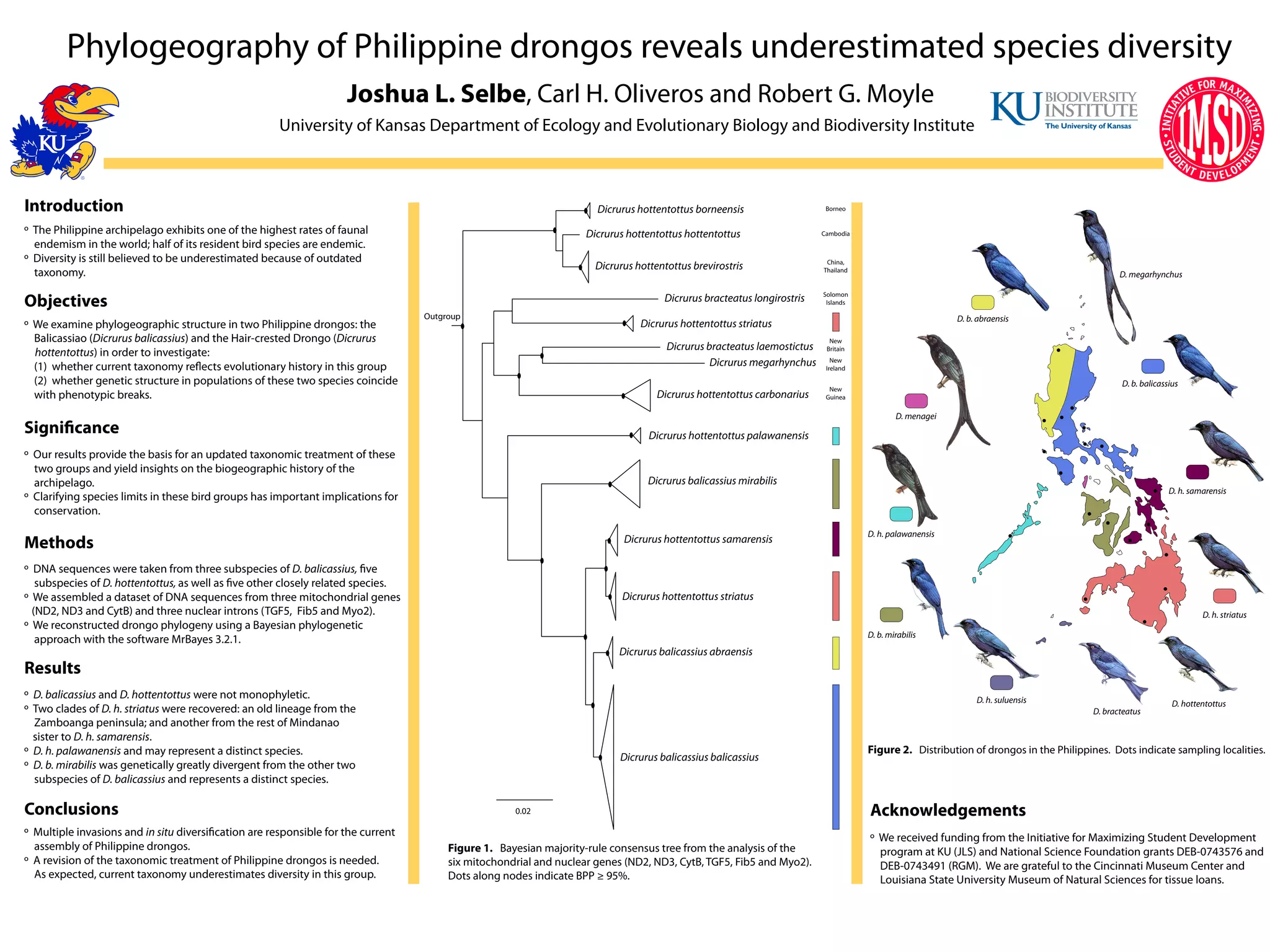
Figure 1. Bayesian majority-rule consensus tree from the analysis of the
six mitochondrial and nuclear genes (ND2, ND3, CytB, TGF5, Fib5 and Myo2).
Dots along nodes indicate BPP ≥ 95%.
Outgroup
D. h. samarensis
D. h. palawanensis
D. h. suluensis
Figure 2. Distribution of drongos in the Philippines. Dots indicate sampling localities.
D. bracteatus
D. hottentottus
D. megarhynchus
0.02
Dicrurus hottentottus striatus
Dicrurus balicassius abraensis
Dicrurus hottentottus hottentottus
Dicrurus hottentottus palawanensis
Dicrurus hottentottus brevirostris
Dicrurus bracteatus laemostictus
Dicrurus hottentottus borneensis
Dicrurus bracteatus longirostris
Dicrurus hottentottus carbonarius
Dicrurus hottentottus samarensis
Dicrurus hottentottus striatus
Dicrurus balicassius balicassius
Dicrurus balicassius mirabilis
Dicrurus megarhynchus
New
Guinea
New
Ireland
New
Britain
Solomon
Islands
China,
Thailand
Cambodia
Borneo
º The Philippine archipelago exhibits one of the highest rates of faunal
endemism in the world; half of its resident bird species are endemic.
º Diversity is still believed to be underestimated because of outdated
taxonomy.
Introduction
Joshua L. Selbe, Carl H. Oliveros and Robert G. Moyle
Phylogeography of Philippine drongos reveals underestimated species diversity
Objectives
º We examine phylogeographic structure in two Philippine drongos: the
Balicassiao (Dicrurus balicassius) and the Hair-crested Drongo (Dicrurus
hottentottus) in order to investigate:
(1) whether current taxonomy reflects evolutionary history in this group
(2) whether genetic structure in populations of these two species coincide
with phenotypic breaks.
Methods
º DNA sequences were taken from three subspecies of D. balicassius, five
subspecies of D. hottentottus, as well as five other closely related species.
º We assembled a dataset of DNA sequences from three mitochondrial genes
(ND2, ND3 and CytB) and three nuclear introns (TGF5, Fib5 and Myo2).
º We reconstructed drongo phylogeny using a Bayesian phylogenetic
approach with the software MrBayes 3.2.1.
º Our results provide the basis for an updated taxonomic treatment of these
two groups and yield insights on the biogeographic history of the
archipelago.
º Clarifying species limits in these bird groups has important implications for
conservation.
Significance
Conclusions
º Multiple invasions and in situ diversification are responsible for the current
assembly of Philippine drongos.
º A revision of the taxonomic treatment of Philippine drongos is needed.
As expected, current taxonomy underestimates diversity in this group.
Acknowledgements
º We received funding from the Initiative for Maximizing Student Development
program at KU (JLS) and National Science Foundation grants DEB-0743576 and
DEB-0743491 (RGM). We are grateful to the Cincinnati Museum Center and
Louisiana State University Museum of Natural Sciences for tissue loans.
University of Kansas Department of Ecology and Evolutionary Biology and Biodiversity Institute
Results
º D. balicassius and D. hottentottus were not monophyletic.
º Two clades of D. h. striatus were recovered: an old lineage from the
Zamboanga peninsula; and another from the rest of Mindanao
sister to D. h. samarensis.
º D. h. palawanensis and may represent a distinct species.
º D. b. mirabilis was genetically greatly divergent from the other two
subspecies of D. balicassius and represents a distinct species.

SACNASposter (1)

  • 1.
    D. b. abraensis D.menagei D. b. balicassius D. h. striatus D. b. mirabilis Figure 1. Bayesian majority-rule consensus tree from the analysis of the six mitochondrial and nuclear genes (ND2, ND3, CytB, TGF5, Fib5 and Myo2). Dots along nodes indicate BPP ≥ 95%. Outgroup D. h. samarensis D. h. palawanensis D. h. suluensis Figure 2. Distribution of drongos in the Philippines. Dots indicate sampling localities. D. bracteatus D. hottentottus D. megarhynchus 0.02 Dicrurus hottentottus striatus Dicrurus balicassius abraensis Dicrurus hottentottus hottentottus Dicrurus hottentottus palawanensis Dicrurus hottentottus brevirostris Dicrurus bracteatus laemostictus Dicrurus hottentottus borneensis Dicrurus bracteatus longirostris Dicrurus hottentottus carbonarius Dicrurus hottentottus samarensis Dicrurus hottentottus striatus Dicrurus balicassius balicassius Dicrurus balicassius mirabilis Dicrurus megarhynchus New Guinea New Ireland New Britain Solomon Islands China, Thailand Cambodia Borneo º The Philippine archipelago exhibits one of the highest rates of faunal endemism in the world; half of its resident bird species are endemic. º Diversity is still believed to be underestimated because of outdated taxonomy. Introduction Joshua L. Selbe, Carl H. Oliveros and Robert G. Moyle Phylogeography of Philippine drongos reveals underestimated species diversity Objectives º We examine phylogeographic structure in two Philippine drongos: the Balicassiao (Dicrurus balicassius) and the Hair-crested Drongo (Dicrurus hottentottus) in order to investigate: (1) whether current taxonomy reflects evolutionary history in this group (2) whether genetic structure in populations of these two species coincide with phenotypic breaks. Methods º DNA sequences were taken from three subspecies of D. balicassius, five subspecies of D. hottentottus, as well as five other closely related species. º We assembled a dataset of DNA sequences from three mitochondrial genes (ND2, ND3 and CytB) and three nuclear introns (TGF5, Fib5 and Myo2). º We reconstructed drongo phylogeny using a Bayesian phylogenetic approach with the software MrBayes 3.2.1. º Our results provide the basis for an updated taxonomic treatment of these two groups and yield insights on the biogeographic history of the archipelago. º Clarifying species limits in these bird groups has important implications for conservation. Significance Conclusions º Multiple invasions and in situ diversification are responsible for the current assembly of Philippine drongos. º A revision of the taxonomic treatment of Philippine drongos is needed. As expected, current taxonomy underestimates diversity in this group. Acknowledgements º We received funding from the Initiative for Maximizing Student Development program at KU (JLS) and National Science Foundation grants DEB-0743576 and DEB-0743491 (RGM). We are grateful to the Cincinnati Museum Center and Louisiana State University Museum of Natural Sciences for tissue loans. University of Kansas Department of Ecology and Evolutionary Biology and Biodiversity Institute Results º D. balicassius and D. hottentottus were not monophyletic. º Two clades of D. h. striatus were recovered: an old lineage from the Zamboanga peninsula; and another from the rest of Mindanao sister to D. h. samarensis. º D. h. palawanensis and may represent a distinct species. º D. b. mirabilis was genetically greatly divergent from the other two subspecies of D. balicassius and represents a distinct species.