3.18.15 @RebelsAtWork @LoisKelly
Run With A Rebel Wild Pack: Create a Better Future
Software Architecture Conference
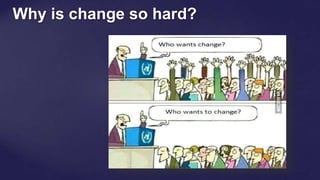
Why is change so hard?
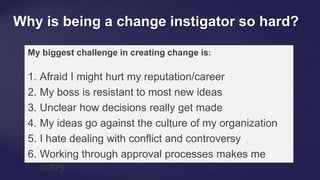
Why is being a change instigator so hard?
My biggest challenge in creating change is:
1. Afraid I might hurt my reputation/career
2. My boss is resistant to most new ideas
3. Unclear how decisions really get made
4. My ideas go against the culture of my organization
5. I hate dealing with conflict and controversy
6. Working through approval processes makes me
crazy
Mindset Skills Self-care
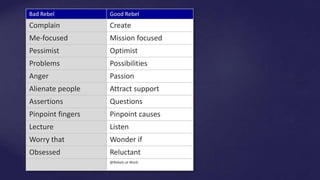
Bad Rebel Good Rebel
Complain Create
Me-focused Mission focused
Pessimist Optimist
Problems Possibilities
Anger Passion
Alienate people Attract support
Assertions Questions
Pinpoint fingers Pinpoint causes
Lecture Listen
Worry that Wonder if
Obsessed Reluctant
@Rebels at Work
What assumptions might
be in your way?
Address your boss’ worries
Not having all answers
Avoiding criticism
Managing risk
Wasting time, resources
Not being recognized
6 reasons bosses say NO
1. It’s just not that important
2. I can’t understand what the “it” is
3. Bad timing
4. Uncertainty makes me nervous
5. I don’t like the idea and can’t tell
you
6. I love the way things are
Don’t go it alone.
Create a rebel wild pack.
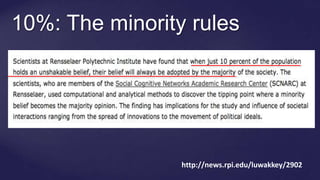
10%: The minority rules
http://news.rpi.edu/luwakkey/2902
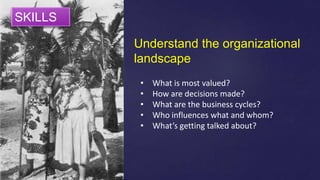
Understand the organizational
landscape
• What is most valued?
• How are decisions made?
• What are the business cycles?
• Who influences what and whom?
• What’s getting talked about?
SKILLS
Make friends with BBB’s
Who are two BBB’s with whom you
should have lunch?
(Bureaucratic Black Belts)
What’s at stake Show how the idea relates to what people want.
What could be Make the status quo unappealing.
Why it can work People support ideas they think can work.
What do people in your organization really want? Is it stated or unstated?
Communicate to effect behavior
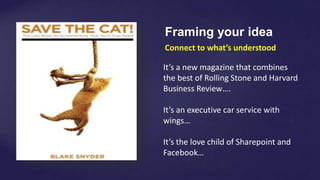
Connect to what’s understood
It’s a new magazine that combines
the best of Rolling Stone and Harvard
Business Review….
It’s an executive car service with
wings…
It’s the love child of Sharepoint and
Facebook…
Framing your idea
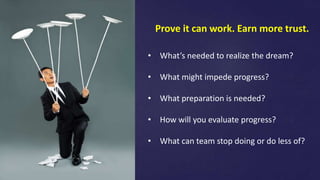
Prove it can work. Earn more trust.
• What’s needed to realize the dream?
• What might impede progress?
• What preparation is needed?
• How will you evaluate progress?
• What can team stop doing or do less of?
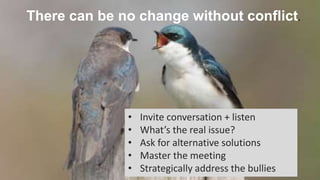
There can be no change without conflict.
• Invite conversation + listen
• What’s the real issue?
• Ask for alternative solutions
• Master the meeting
• Strategically address the bullies
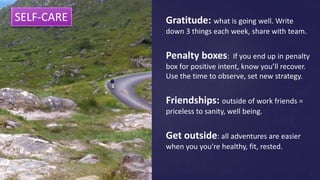
Gratitude: what is going well. Write
down 3 things each week, share with team.
Penalty boxes: If you end up in penalty
box for positive intent, know you’ll recover.
Use the time to observe, set new strategy.
Friendships: outside of work friends =
priceless to sanity, well being.
Get outside: all adventures are easier
when you you’re healthy, fit, rested.
SELF-CARE
Should you keep going?
• Rate importance
• Is the energy waning?
• Is it performance objective
worthy?
• How much are your colleagues
willing to help?
• Are you becoming not yourself?
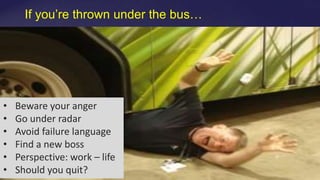
If you’re thrown under the bus…
• Beware your anger
• Go under radar
• Avoid failure language
• Find a new boss
• Perspective: work – life
• Should you quit?
Know when to quit
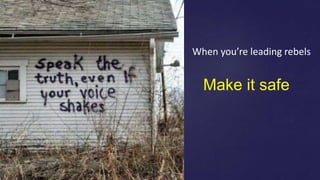
Make it safe
When you’re leading rebels
A Handbook for Leading
Change from W ithin
Lois Kelly & Carmen Medina
REBELS
AT WORK
“Rebels at Work is the essential guide to rocking the boat . From the trenches,
Lois Kelly and Carm en Medina outline how to gain credibilit y, pitch ideas,
navigate politics, manage confl ict , and m aint ain sanit y.”
—Adam Grant, W harton professor and
New York Times bestselling author of Give and Take
@LoisKelly
@RebelsAtWork
www.rebelsatwork.com
www.facebook.com/RebelsatWork
lois@rebelsatwork.com
www.foghound.com

Run with a rebel wild pack create a better future

  • 1.
    3.18.15 @RebelsAtWork @LoisKelly RunWith A Rebel Wild Pack: Create a Better Future Software Architecture Conference
  • 2.
    Why is changeso hard?
  • 3.
    Why is beinga change instigator so hard? My biggest challenge in creating change is: 1. Afraid I might hurt my reputation/career 2. My boss is resistant to most new ideas 3. Unclear how decisions really get made 4. My ideas go against the culture of my organization 5. I hate dealing with conflict and controversy 6. Working through approval processes makes me crazy
  • 4.
  • 5.
    Bad Rebel GoodRebel Complain Create Me-focused Mission focused Pessimist Optimist Problems Possibilities Anger Passion Alienate people Attract support Assertions Questions Pinpoint fingers Pinpoint causes Lecture Listen Worry that Wonder if Obsessed Reluctant @Rebels at Work
  • 6.
  • 7.
    Address your boss’worries Not having all answers Avoiding criticism Managing risk Wasting time, resources Not being recognized
  • 8.
    6 reasons bossessay NO 1. It’s just not that important 2. I can’t understand what the “it” is 3. Bad timing 4. Uncertainty makes me nervous 5. I don’t like the idea and can’t tell you 6. I love the way things are
  • 9.
    Don’t go italone. Create a rebel wild pack.
  • 10.
    10%: The minorityrules http://news.rpi.edu/luwakkey/2902
  • 11.
    Understand the organizational landscape •What is most valued? • How are decisions made? • What are the business cycles? • Who influences what and whom? • What’s getting talked about? SKILLS
  • 12.
    Make friends withBBB’s Who are two BBB’s with whom you should have lunch? (Bureaucratic Black Belts)
  • 13.
    What’s at stakeShow how the idea relates to what people want. What could be Make the status quo unappealing. Why it can work People support ideas they think can work. What do people in your organization really want? Is it stated or unstated? Communicate to effect behavior
  • 14.
    Connect to what’sunderstood It’s a new magazine that combines the best of Rolling Stone and Harvard Business Review…. It’s an executive car service with wings… It’s the love child of Sharepoint and Facebook… Framing your idea
  • 15.
    Prove it canwork. Earn more trust. • What’s needed to realize the dream? • What might impede progress? • What preparation is needed? • How will you evaluate progress? • What can team stop doing or do less of?
  • 16.
    There can beno change without conflict. • Invite conversation + listen • What’s the real issue? • Ask for alternative solutions • Master the meeting • Strategically address the bullies
  • 17.
    Gratitude: what isgoing well. Write down 3 things each week, share with team. Penalty boxes: If you end up in penalty box for positive intent, know you’ll recover. Use the time to observe, set new strategy. Friendships: outside of work friends = priceless to sanity, well being. Get outside: all adventures are easier when you you’re healthy, fit, rested. SELF-CARE
  • 18.
    Should you keepgoing? • Rate importance • Is the energy waning? • Is it performance objective worthy? • How much are your colleagues willing to help? • Are you becoming not yourself?
  • 19.
    If you’re thrownunder the bus… • Beware your anger • Go under radar • Avoid failure language • Find a new boss • Perspective: work – life • Should you quit?
  • 20.
  • 21.
    Make it safe Whenyou’re leading rebels
  • 23.
    A Handbook forLeading Change from W ithin Lois Kelly & Carmen Medina REBELS AT WORK “Rebels at Work is the essential guide to rocking the boat . From the trenches, Lois Kelly and Carm en Medina outline how to gain credibilit y, pitch ideas, navigate politics, manage confl ict , and m aint ain sanit y.” —Adam Grant, W harton professor and New York Times bestselling author of Give and Take @LoisKelly @RebelsAtWork www.rebelsatwork.com www.facebook.com/RebelsatWork lois@rebelsatwork.com www.foghound.com