


Organization 
and 
Social 
Process 
in Bringing 
Agroecology 
to Scale 
Peter Rosset, Ph.D., El Colegio de la Frontera Sur (ECOSUR), 
Mexico, & La Vía Campesina International
Peasant and family farm based 
agroecology has many 
advantages compared to 
industrial agriculture: 
• Healthy food for local people 
• Rural livelihoods and cultures 
• Resilience to climate and other shocks 
• Lower greenhouse gas emissions 
• Lower production costs, less indebtedness 
• Better stewardship of productive resources & 
biodiversity 
• Greater autonomy and less external dependence 
• Etc.
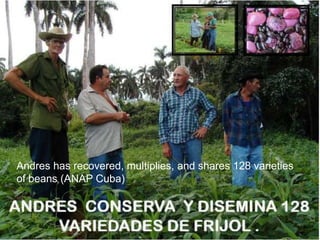
Andres has recovered, multiplies, and shares 128 varieties 
of beans (ANAP Cuba)
But a major challenge remains: 
How to bring agroecology to scale 
…such that it is practiced by 
ever more families, over 
ever larger territories
Scaling up and scaling out 
key roles for peasant and 
family farmer organizations and 
social movements
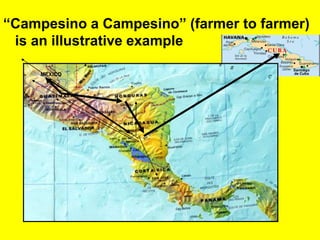
“Campesino a Campesino” (farmer to farmer) 
is an illustrative example 
MEXICO
Social organization (“organicity”) is the 
culture medium on which agroecology grows 
and spreads. 
Horizontal, social process methodology that 
builds peasant protagonism is the driving 
force. 
The global agroecology process in la Via 
Campesina is based on horizontal exchanges 
and includes more than 40 peasant and 
farmer agroecology schools
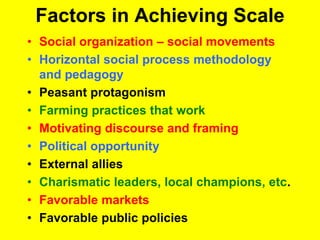
Factors in Achieving Scale 
• Social organization – social movements 
• Horizontal social process methodology 
and pedagogy 
• Peasant protagonism 
• Farming practices that work 
• Motivating discourse and framing 
• Political opportunity 
• External allies 
• Charismatic leaders, local champions, etc. 
• Favorable markets 
• Favorable public policies
Emblematic Examples from 
La Via Campesina
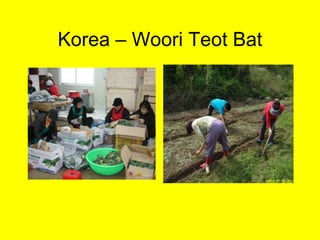
Korea – Woori Teot Bat
India 
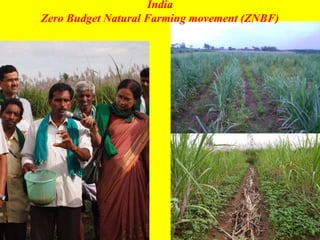
Zero Budget Natural Farming movement (ZNBF)
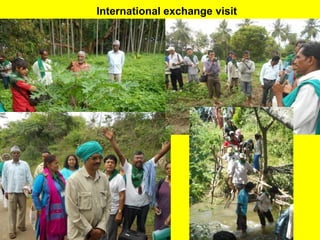
International exchange visit
Zimbabwe: 
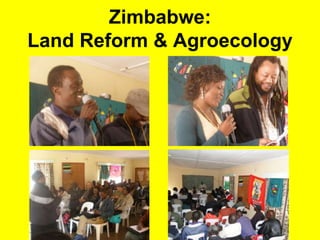
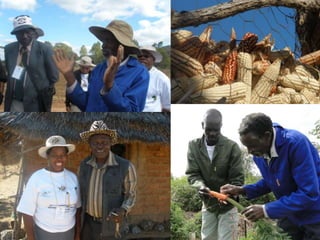
Land Reform & Agroecology
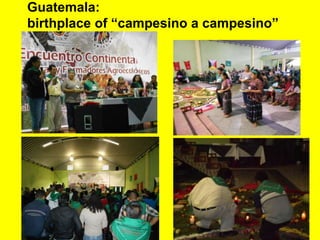
Guatemala: 
birthplace of “campesino a campesino”
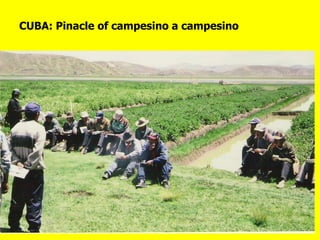
CUBA: Pinacle of campesino a campesino
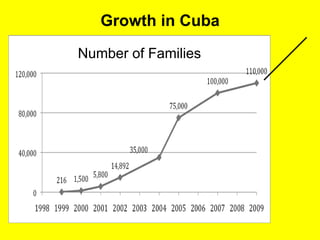
Growth in Cuba 
Number of Families
Factors in Achieving Scale 
• Social organization – social movements 
• Horizontal social process methodology 
and pedagogy 
• Peasant protagonism 
• Farming practices that work 
• Motivating discourse and framing 
• Political opportunity 
• External allies 
• Charismatic leaders, local champions, etc. 
• Favorable markets 
• Favorable public policies
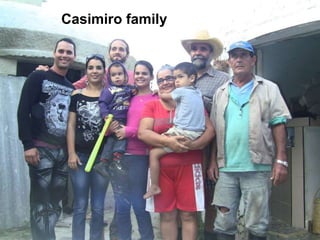
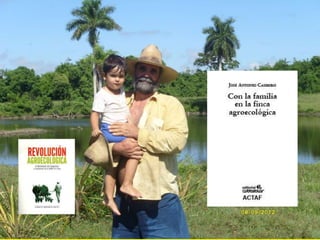
Casimiro family
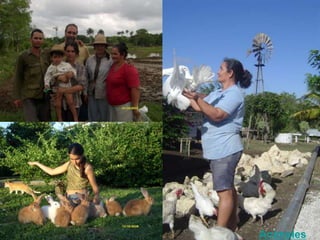
Animales
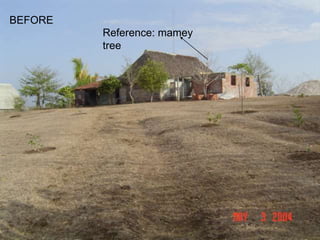
BEFORE 
Reference: mamey 
tree
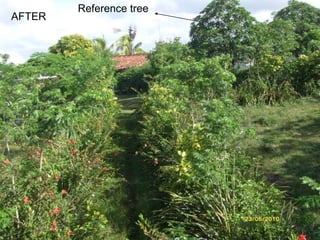
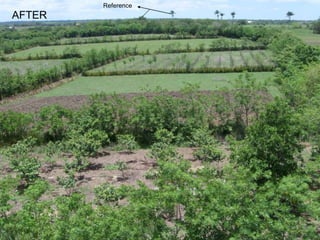
AFTER 
Reference tree
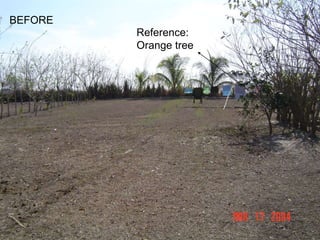
BEFORE 
Reference: 
Orange tree
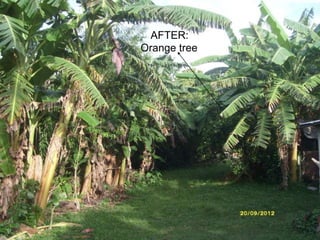
AFTER: 
Orange tree
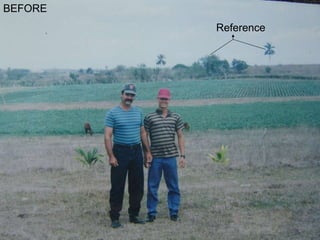
BEFORE 
Reference
AFTER 
Reference
Organization and Social Process in Bringing Agroecology to Scale

Organization and Social Process in Bringing Agroecology to Scale

  • 1.
    Organization and Social Process in Bringing Agroecology to Scale Peter Rosset, Ph.D., El Colegio de la Frontera Sur (ECOSUR), Mexico, & La Vía Campesina International
  • 2.
    Peasant and familyfarm based agroecology has many advantages compared to industrial agriculture: • Healthy food for local people • Rural livelihoods and cultures • Resilience to climate and other shocks • Lower greenhouse gas emissions • Lower production costs, less indebtedness • Better stewardship of productive resources & biodiversity • Greater autonomy and less external dependence • Etc.
  • 12.
    Andres has recovered,multiplies, and shares 128 varieties of beans (ANAP Cuba)
  • 13.
    But a majorchallenge remains: How to bring agroecology to scale …such that it is practiced by ever more families, over ever larger territories
  • 14.
    Scaling up andscaling out key roles for peasant and family farmer organizations and social movements
  • 15.
    “Campesino a Campesino”(farmer to farmer) is an illustrative example MEXICO
  • 16.
    Social organization (“organicity”)is the culture medium on which agroecology grows and spreads. Horizontal, social process methodology that builds peasant protagonism is the driving force. The global agroecology process in la Via Campesina is based on horizontal exchanges and includes more than 40 peasant and farmer agroecology schools
  • 17.
    Factors in AchievingScale • Social organization – social movements • Horizontal social process methodology and pedagogy • Peasant protagonism • Farming practices that work • Motivating discourse and framing • Political opportunity • External allies • Charismatic leaders, local champions, etc. • Favorable markets • Favorable public policies
  • 18.
    Emblematic Examples from La Via Campesina
  • 19.
  • 22.
    India Zero BudgetNatural Farming movement (ZNBF)
  • 24.
  • 25.
    Zimbabwe: Land Reform& Agroecology
  • 27.
    Guatemala: birthplace of“campesino a campesino”
  • 29.
    CUBA: Pinacle ofcampesino a campesino
  • 30.
    Growth in Cuba Number of Families
  • 32.
    Factors in AchievingScale • Social organization – social movements • Horizontal social process methodology and pedagogy • Peasant protagonism • Farming practices that work • Motivating discourse and framing • Political opportunity • External allies • Charismatic leaders, local champions, etc. • Favorable markets • Favorable public policies
  • 34.
  • 35.
  • 36.
  • 37.
  • 38.
  • 39.
  • 40.
  • 41.