Communication Process
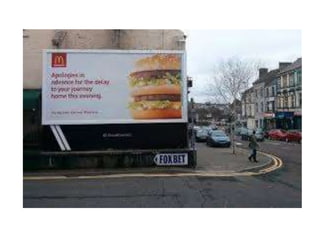
How to Communicate – No Horn
/ Honking
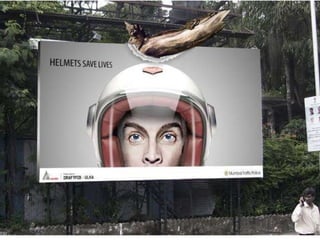
• Honking in traffic has become such a problem, creating so
much noise in Mumbai
• With complaints of rigorous honking at traffic signals
piling, the Mumbai Police has come up with the initiative
‘Honk More Wait More’, to curtail decibel levels at traffic
signals.
• Under the initiative, police are planning to configure traffic
signals to stay red for a longer period if incessant honking
cause the decibels levels to shoot up beyond 85 decibels
(db).
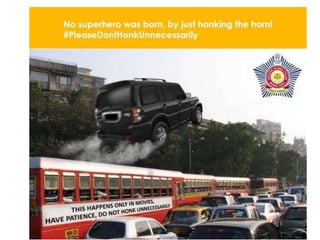
• Horn not okay, please! Find out how the
@MumbaiPolice hit the mute button on
#Mumbai’s reckless honkers.
#HonkResponsibly
• Twitter
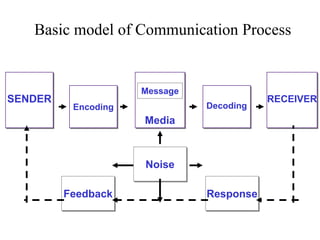
Basic model of Communication Process
RECEIVER
Decoding
Media
Encoding
SENDER
Response
Message
Noise
Feedback
Sender - Source Encoding
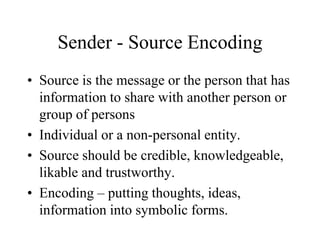
• Source is the message or the person that has
information to share with another person or
group of persons
• Individual or a non-personal entity.
• Source should be credible, knowledgeable,
likable and trustworthy.
• Encoding – putting thoughts, ideas,
information into symbolic forms.
Message
• Message may be verbal or non-verbal, oral
or written, or symbolic.
• Semiotics – which studies nature of
meaning and asks how our reality – words,
gestures, myths, signs, symbols, products,
services acquire meaning.
• Channel: personal & Non-personal
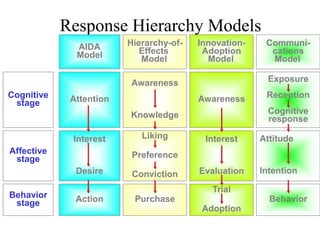
Response Hierarchy Models
Communi-
cations
Model
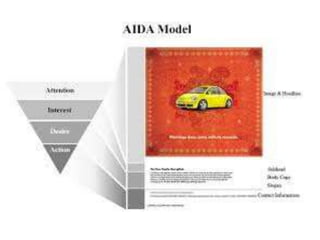
Stages AIDA
Model
Innovation-
Adoption
Model
Hierarchy-of-
Effects
Model
Cognitive
stage
Affective
stage
Behavior
stage
Attention
Interest
Desire
Action
Awareness
Knowledge
Liking
Preference
Conviction
Purchase
Awareness
Interest
Evaluation
Trial
Adoption
Exposure
Reception
Cognitive
response
Attitude
Intention
Behavior
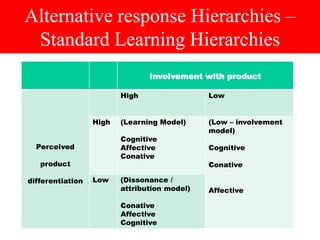
Alternative response Hierarchies –
Standard Learning Hierarchies
Involvement with product
Perceived
product
differentiation
High Low
High (Learning Model)
Cognitive
Affective
Conative
(Low – involvement
model)
Cognitive
Conative
Affective
Low (Dissonance /
attribution model)
Conative
Affective
Cognitive
FCB Model
Thinking Feeling
High
Involve
ment
Informative (Thinker)
Cars, House etc.
Learn Feel Do
Media: Long Copy Format
Test: Recall
Creative: Specific Inf.
Demonstration
Affective (Feeler)
Cosmetics,
Designer Clothing,
Motor Bike etc
Feel Learn Do
Media: Large Space
Image Specials
Test: Attitude
change – Emotional
Execution Impact
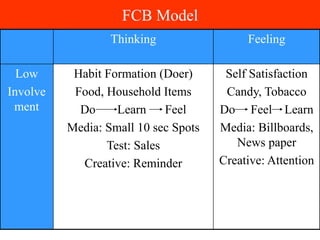
FCB Model
Thinking Feeling
Low
Involve
ment
Habit Formation (Doer)
Food, Household Items
Do Learn Feel
Media: Small 10 sec Spots
Test: Sales
Creative: Reminder
Self Satisfaction
Candy, Tobacco
Do Feel Learn
Media: Billboards,
News paper
Creative: Attention
The Kim-Lord Model
• The Chaung K. Kim & Kenneth R. Lord
have recognised that purchase decision for a
single product can be dominated by both
cognitive & affective involvement a
consumer face.
The Kim-Lord Grid
Affective Involvement (Feeling)
Low High
Cognitive
Involvement
(Thinking)
High Computer, Camera,
Cooking Oil
Car, Cosmetics fashion
accessories
Low Detergent
Candies, Ice-Cream
etc.
Fast Food, Cigarettes etc

Responsehierarchymodels.ppt

  • 1.
  • 2.
    How to Communicate– No Horn / Honking • Honking in traffic has become such a problem, creating so much noise in Mumbai • With complaints of rigorous honking at traffic signals piling, the Mumbai Police has come up with the initiative ‘Honk More Wait More’, to curtail decibel levels at traffic signals. • Under the initiative, police are planning to configure traffic signals to stay red for a longer period if incessant honking cause the decibels levels to shoot up beyond 85 decibels (db).
  • 3.
    • Horn notokay, please! Find out how the @MumbaiPolice hit the mute button on #Mumbai’s reckless honkers. #HonkResponsibly • Twitter
  • 5.
    Basic model ofCommunication Process RECEIVER Decoding Media Encoding SENDER Response Message Noise Feedback
  • 6.
    Sender - SourceEncoding • Source is the message or the person that has information to share with another person or group of persons • Individual or a non-personal entity. • Source should be credible, knowledgeable, likable and trustworthy. • Encoding – putting thoughts, ideas, information into symbolic forms.
  • 7.
    Message • Message maybe verbal or non-verbal, oral or written, or symbolic. • Semiotics – which studies nature of meaning and asks how our reality – words, gestures, myths, signs, symbols, products, services acquire meaning. • Channel: personal & Non-personal
  • 9.
    Response Hierarchy Models Communi- cations Model StagesAIDA Model Innovation- Adoption Model Hierarchy-of- Effects Model Cognitive stage Affective stage Behavior stage Attention Interest Desire Action Awareness Knowledge Liking Preference Conviction Purchase Awareness Interest Evaluation Trial Adoption Exposure Reception Cognitive response Attitude Intention Behavior
  • 15.
    Alternative response Hierarchies– Standard Learning Hierarchies Involvement with product Perceived product differentiation High Low High (Learning Model) Cognitive Affective Conative (Low – involvement model) Cognitive Conative Affective Low (Dissonance / attribution model) Conative Affective Cognitive
  • 16.
    FCB Model Thinking Feeling High Involve ment Informative(Thinker) Cars, House etc. Learn Feel Do Media: Long Copy Format Test: Recall Creative: Specific Inf. Demonstration Affective (Feeler) Cosmetics, Designer Clothing, Motor Bike etc Feel Learn Do Media: Large Space Image Specials Test: Attitude change – Emotional Execution Impact
  • 17.
    FCB Model Thinking Feeling Low Involve ment HabitFormation (Doer) Food, Household Items Do Learn Feel Media: Small 10 sec Spots Test: Sales Creative: Reminder Self Satisfaction Candy, Tobacco Do Feel Learn Media: Billboards, News paper Creative: Attention
  • 18.
    The Kim-Lord Model •The Chaung K. Kim & Kenneth R. Lord have recognised that purchase decision for a single product can be dominated by both cognitive & affective involvement a consumer face.
  • 19.
    The Kim-Lord Grid AffectiveInvolvement (Feeling) Low High Cognitive Involvement (Thinking) High Computer, Camera, Cooking Oil Car, Cosmetics fashion accessories Low Detergent Candies, Ice-Cream etc. Fast Food, Cigarettes etc