The Role of Healthy Lifestyle
Choices on College Students
Amy Teresa and Matea Mamic
Statistics and Research Methods 3050
Advisor: Dr. Spinetta
Individual
choices
students make
regarding diet
and
how often they
exercise.
Healthy Lifestyle Choices
Affected by
stress, athletic
involvement,
and whether or
not they are an
international
student.
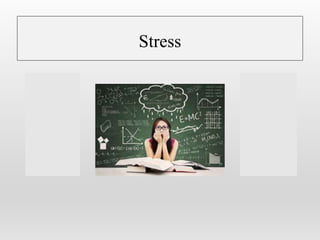
Stress
The degree to
which college
students
perceive their
lives as
stressful.
This includes
athletic
involvement
and adapting
to a new
environment.
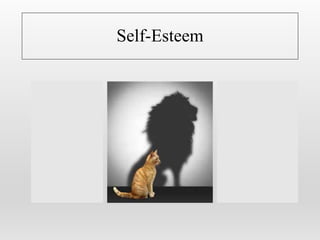
Self-Esteem
Feeling of self-
worth that
includes positive
and negative
feelings towards
oneself.
This includes
athletic
involvement and
adapting to a
new
environment.
Previous Research
There is strong evidence that healthy living has benefits for
physical and psychological functioning.
(Allen, Vella & Laborde, 2015.)
Less – frequent exercise was associated with more negative health
symptoms and poorer functional health.
(Weatherill, Krill, Orazem & Taft, 2013.)
Superior nutrition knowledge…driven by the pressure to exhaust
opportunities to excel at highest sports levels.
(Spendlove et al. 2012)
Emotions are experienced physically as well as mentally.
(Houghton et al. 2012)
Why is it Important?
The majority of literature that we found did not focused on non
athletes/ non international students.
Healthy lifestyle choices are important for personal health and
well being.
Our Hypotheses
• Hypothesis:
Healthy lifestyle choices
Athletic involvement Healthy Lifestyle Choices
Non Athletic involvement Healthy Lifestyle Choices
Stress
Athletic involvement Stress
Non Athletic involvement Stress
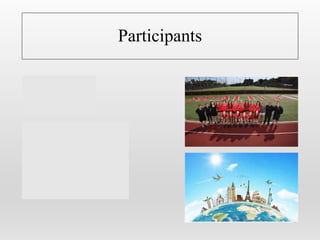
Participants
99 Participants
• 31 online
• 70 in person
Gender (self-identified)
• Female 51%
• Males 44%
• Transgender 1%
• Non-binary 1%
• Other 2%
Our Methods
Short survey asking participants about:
• Healthy Lifestyle Choices Scale
• Rosenberg Self – Esteem Scale
• Cohens Perceived Stress Scale
• Qualitative component (which is important when talking about
healthy lifestyle choices of athletes)
How often do you exercise?
r I exercise 0-2 times per week r I exercise 3-4 times per week r I exercise 5 or more times
per week
At what level of intensity do you exercise?
r Light r Moderate r Heavy
What type of exercise do you usually do?
r Cross-training r Aerobic r Strength-training r Competitive Sports r Combination r Other
write in __________
How do you feel about your body?
r I feel confident with how my body looks r I feel somewhat confident with how my body
looks r I don’t feel confident with how my body looks
Results
# Of
Students
Often
Exercise
Healthy
Lifestyle Scale
RSEsum PSSsum
International/ Athlete 20 3 ± 0 30.35 ± 2.87 16.8 ± 1.99 17.6 ± 6.42
International/ not an
Athlete
9 1.11 ± .33 25 ± 4.18 14.56 ± 2.92 20.78 ± 4.90
Not International/ Athlete 25 2.88 ± .33 29.36 ± 2.72 15.6 ± 1.82 16.24 ± 5.46
Not International/ Not
Athlete
45 1.8 ± .63 25.87 ± 4.90 14.51 ± 1.53 19.53 ± 6.03
Table 1. Number of individuals sampled and their scores based on the dependent variables
exercise frequency, healthy lifestyle, self-esteem, and stress.
RSEsum = Rosenberg Self Esteem Scale
PSSsum = Cohen’s Perceived Stress Scale
Results
0
5
10
15
20
25
Athlete Not an Athlete
MeanStress±SEM
Students
*
Figure 1. Athletic involvement has a significant effect on stress
t (97) = -2.450, p < .016.
Large effect size, Cohen’s d = 3.465.
Results
Athletic involvement has a significant effect on body confidence
t (89.808) = -2.890, p < .005.
Large effect size, Cohen’s d = 4.087.
*
0
0.5
1
1.5
2
2.5
3
Non Athl Athlete
BodyConfidenceMean
College Students
*
Qualitative Results
Student–Athletes at Seattle University reported the
following as the main factors for healthy lifestyle choices
Athletes reported factors on why they have healthy
eating habits:
• Better athletic performance: 22%
• Prevent injuries: 26%
• Improved sleep: 24%
• Nutritionist: 13%
Future Research
• These questions should be further investigated with larger sample
sizes of athletes and international students.
• Further explore factors that influence healthy lifestyle choices of
athletes and non–athletes.
• The impact of sports–specific nutrition was not adequately assessed.
• Wider representation of sports–specific factors needed, such as: team,
team sports, individual sports, etc.
Questions?
Thank You !!!

Reistr: Mamic Power Point

  • 1.
    The Role ofHealthy Lifestyle Choices on College Students Amy Teresa and Matea Mamic Statistics and Research Methods 3050 Advisor: Dr. Spinetta
  • 2.
    Individual choices students make regarding diet and howoften they exercise. Healthy Lifestyle Choices Affected by stress, athletic involvement, and whether or not they are an international student.
  • 3.
    Stress The degree to whichcollege students perceive their lives as stressful. This includes athletic involvement and adapting to a new environment.
  • 4.
    Self-Esteem Feeling of self- worththat includes positive and negative feelings towards oneself. This includes athletic involvement and adapting to a new environment.
  • 5.
    Previous Research There isstrong evidence that healthy living has benefits for physical and psychological functioning. (Allen, Vella & Laborde, 2015.) Less – frequent exercise was associated with more negative health symptoms and poorer functional health. (Weatherill, Krill, Orazem & Taft, 2013.) Superior nutrition knowledge…driven by the pressure to exhaust opportunities to excel at highest sports levels. (Spendlove et al. 2012) Emotions are experienced physically as well as mentally. (Houghton et al. 2012)
  • 6.
    Why is itImportant? The majority of literature that we found did not focused on non athletes/ non international students. Healthy lifestyle choices are important for personal health and well being.
  • 7.
    Our Hypotheses • Hypothesis: Healthylifestyle choices Athletic involvement Healthy Lifestyle Choices Non Athletic involvement Healthy Lifestyle Choices Stress Athletic involvement Stress Non Athletic involvement Stress
  • 8.
    Participants 99 Participants • 31online • 70 in person Gender (self-identified) • Female 51% • Males 44% • Transgender 1% • Non-binary 1% • Other 2%
  • 9.
    Our Methods Short surveyasking participants about: • Healthy Lifestyle Choices Scale • Rosenberg Self – Esteem Scale • Cohens Perceived Stress Scale • Qualitative component (which is important when talking about healthy lifestyle choices of athletes) How often do you exercise? r I exercise 0-2 times per week r I exercise 3-4 times per week r I exercise 5 or more times per week At what level of intensity do you exercise? r Light r Moderate r Heavy What type of exercise do you usually do? r Cross-training r Aerobic r Strength-training r Competitive Sports r Combination r Other write in __________ How do you feel about your body? r I feel confident with how my body looks r I feel somewhat confident with how my body looks r I don’t feel confident with how my body looks
  • 10.
    Results # Of Students Often Exercise Healthy Lifestyle Scale RSEsumPSSsum International/ Athlete 20 3 ± 0 30.35 ± 2.87 16.8 ± 1.99 17.6 ± 6.42 International/ not an Athlete 9 1.11 ± .33 25 ± 4.18 14.56 ± 2.92 20.78 ± 4.90 Not International/ Athlete 25 2.88 ± .33 29.36 ± 2.72 15.6 ± 1.82 16.24 ± 5.46 Not International/ Not Athlete 45 1.8 ± .63 25.87 ± 4.90 14.51 ± 1.53 19.53 ± 6.03 Table 1. Number of individuals sampled and their scores based on the dependent variables exercise frequency, healthy lifestyle, self-esteem, and stress. RSEsum = Rosenberg Self Esteem Scale PSSsum = Cohen’s Perceived Stress Scale
  • 11.
    Results 0 5 10 15 20 25 Athlete Not anAthlete MeanStress±SEM Students * Figure 1. Athletic involvement has a significant effect on stress t (97) = -2.450, p < .016. Large effect size, Cohen’s d = 3.465.
  • 12.
    Results Athletic involvement hasa significant effect on body confidence t (89.808) = -2.890, p < .005. Large effect size, Cohen’s d = 4.087. * 0 0.5 1 1.5 2 2.5 3 Non Athl Athlete BodyConfidenceMean College Students *
  • 13.
    Qualitative Results Student–Athletes atSeattle University reported the following as the main factors for healthy lifestyle choices Athletes reported factors on why they have healthy eating habits: • Better athletic performance: 22% • Prevent injuries: 26% • Improved sleep: 24% • Nutritionist: 13%
  • 14.
    Future Research • Thesequestions should be further investigated with larger sample sizes of athletes and international students. • Further explore factors that influence healthy lifestyle choices of athletes and non–athletes. • The impact of sports–specific nutrition was not adequately assessed. • Wider representation of sports–specific factors needed, such as: team, team sports, individual sports, etc.
  • 15.