Regulatory and Scientific Impact of
FDAMA
Joseph F. Holson, Ph.D.
WIL Research Laboratories, Inc.
The ‘carrot’ and the ‘stick’
FDAMA of 1997:
• law
• optional
• 6 months’ additional marketing exclusivity
Pediatric Final Rule 1998:
• regulation (with force of law)
• obligatory
• no additional marketing benefit to sponsors
Regulations Requiring Manufacturers to Assess
Safety and Effectiveness in Pediatric Patients
12/98: Final Rule
Effective: 4/11/99

Compliance date: 12/1/00

Purpose:
“…necessary to significantly increase the number of drug and biological products that have
adequate pediatric labeling. …..where there is a great need for data on drugs with relatively
small markets or for studies in neonates, infants, or young children, it may be necessary to
require rather than rely on incentives.”
“Limitations of exclusivity provision and voluntary nature will likely leave unstudied: most
antibiotics, biologics, off-patent products, drugs with smaller markets, youngest pediatric age
groups.”
Who has to do What: Scope
Requires pediatric safety and effectiveness data for all new active ingredients,
dosage forms, dosing regimens and routes of administration only for the
indications claimed by the manufacturer. (Orphan drugs not included.)

Requires pediatric safety and effectiveness data for marketed drugs and biological
products that:
• are used in a substantial number of pediatric patients for the claimed
indications and where the absence of adequate labeling could pose significant
risks
OR
• would provide meaningful therapeutic benefit over existing treatments for
pediatric patients, and the absence of adequate labeling could pose significant
risks to pediatric patients
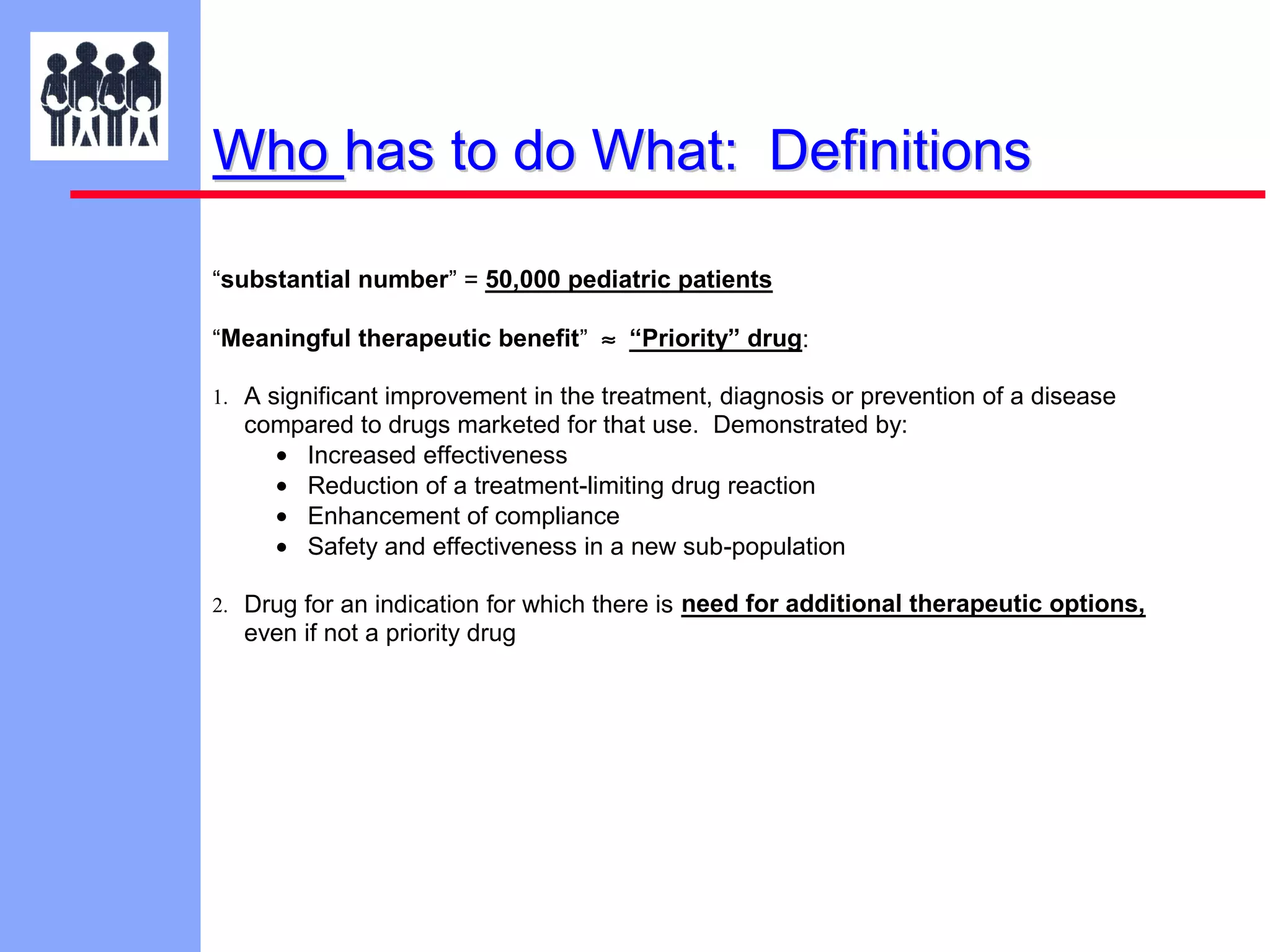
Who has to do What: Definitions
“substantial number” = 50,000 pediatric patients
“Meaningful therapeutic benefit” ≈ “Priority” drug:
1. A significant improvement in the treatment, diagnosis or prevention of a disease

compared to drugs marketed for that use. Demonstrated by:
• Increased effectiveness
• Reduction of a treatment-limiting drug reaction
• Enhancement of compliance
• Safety and effectiveness in a new sub-population
2. Drug for an indication for which there is need for additional therapeutic options,

even if not a priority drug
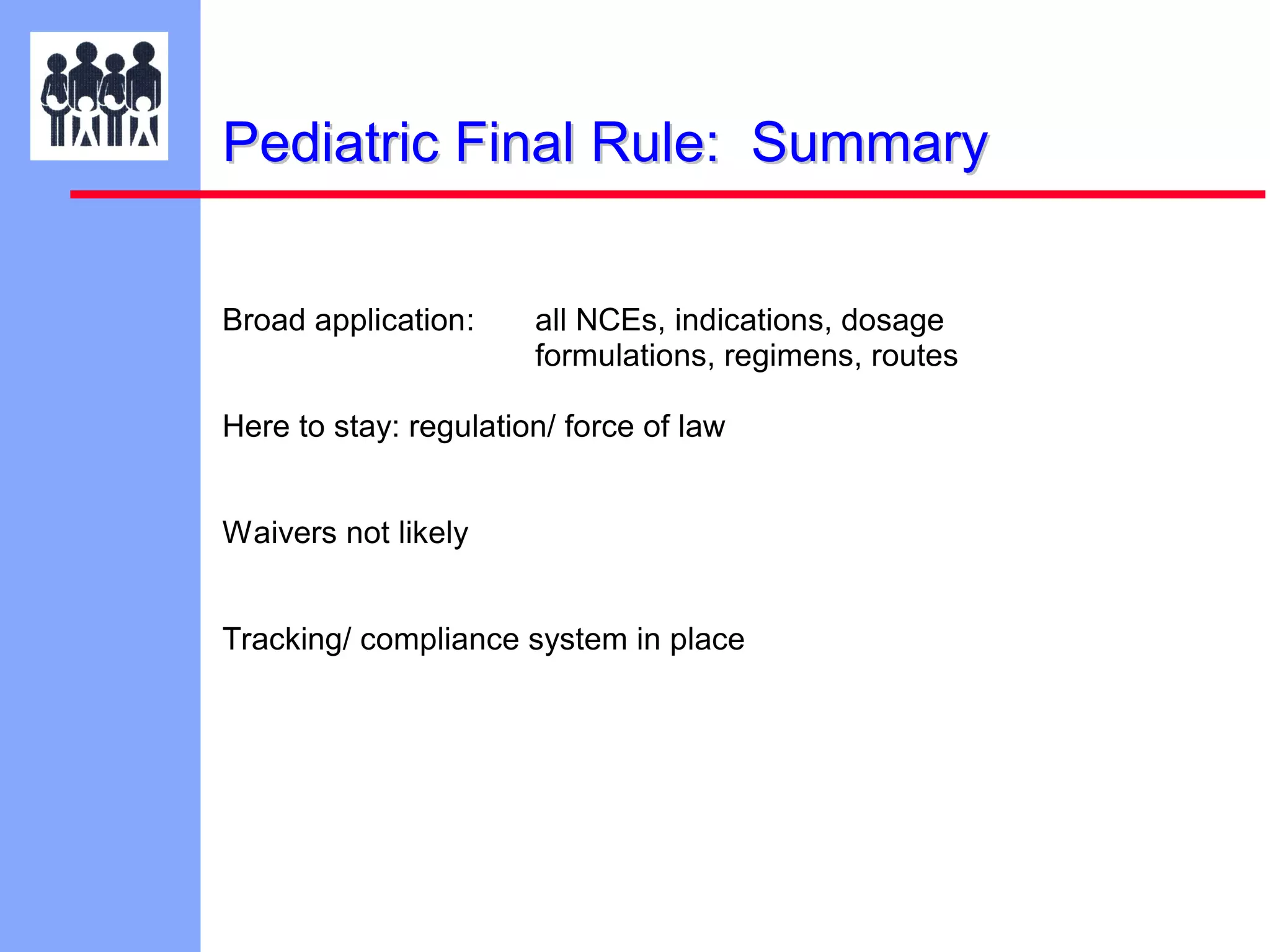
Pediatric Final Rule: Summary
Broad application:

all NCEs, indications, dosage
formulations, regimens, routes

Here to stay: regulation/ force of law
Waivers not likely
Tracking/ compliance system in place
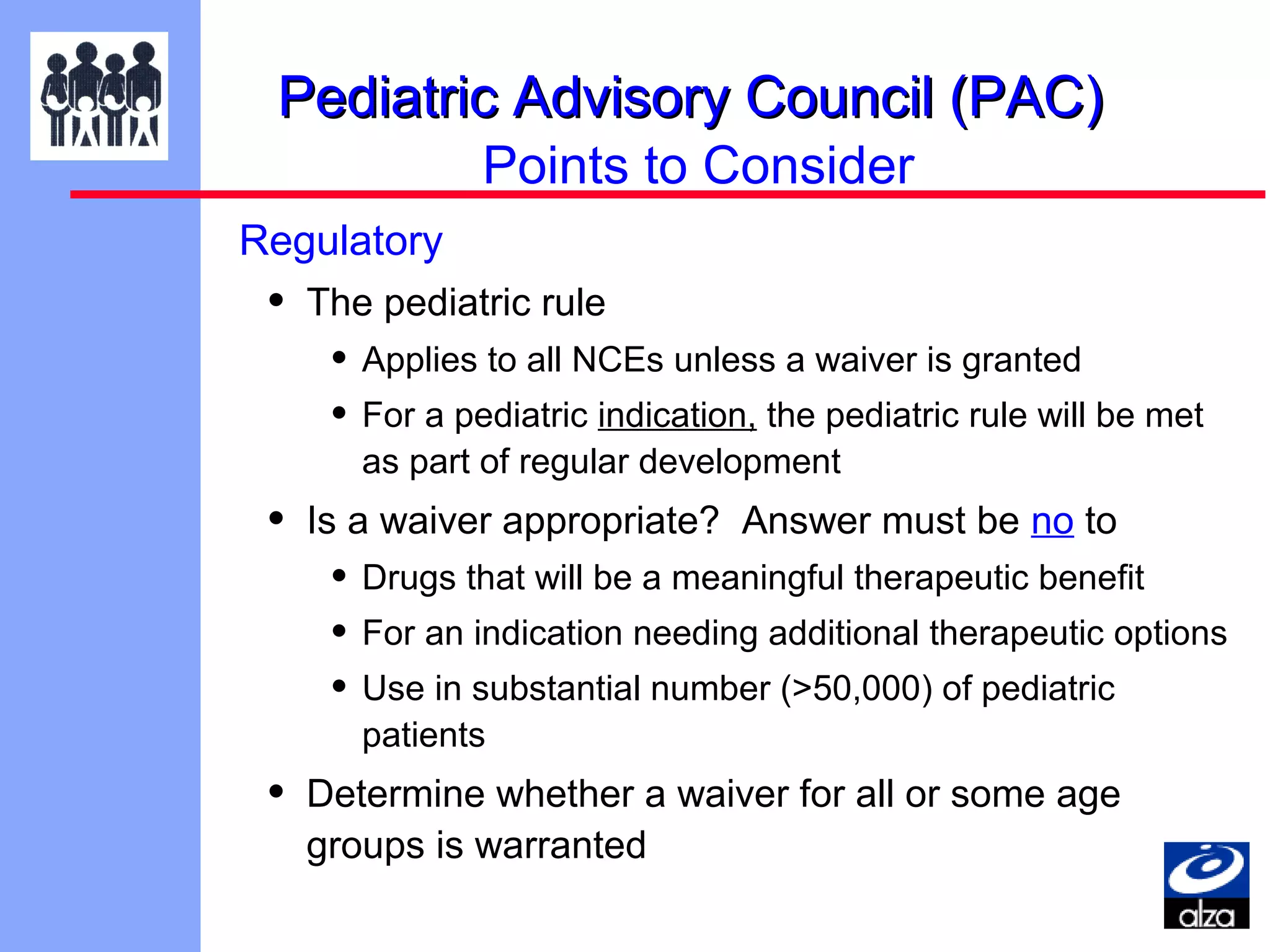
Pediatric Advisory Council (PAC)
Points to Consider
Regulatory

•

The pediatric rule

• Applies to all NCEs unless a waiver is granted
• For a pediatric indication, the pediatric rule will be met
as part of regular development

•

Is a waiver appropriate? Answer must be no to

• Drugs that will be a meaningful therapeutic benefit
• For an indication needing additional therapeutic options
• Use in substantial number (>50,000) of pediatric
patients

•

Determine whether a waiver for all or some age
groups is warranted
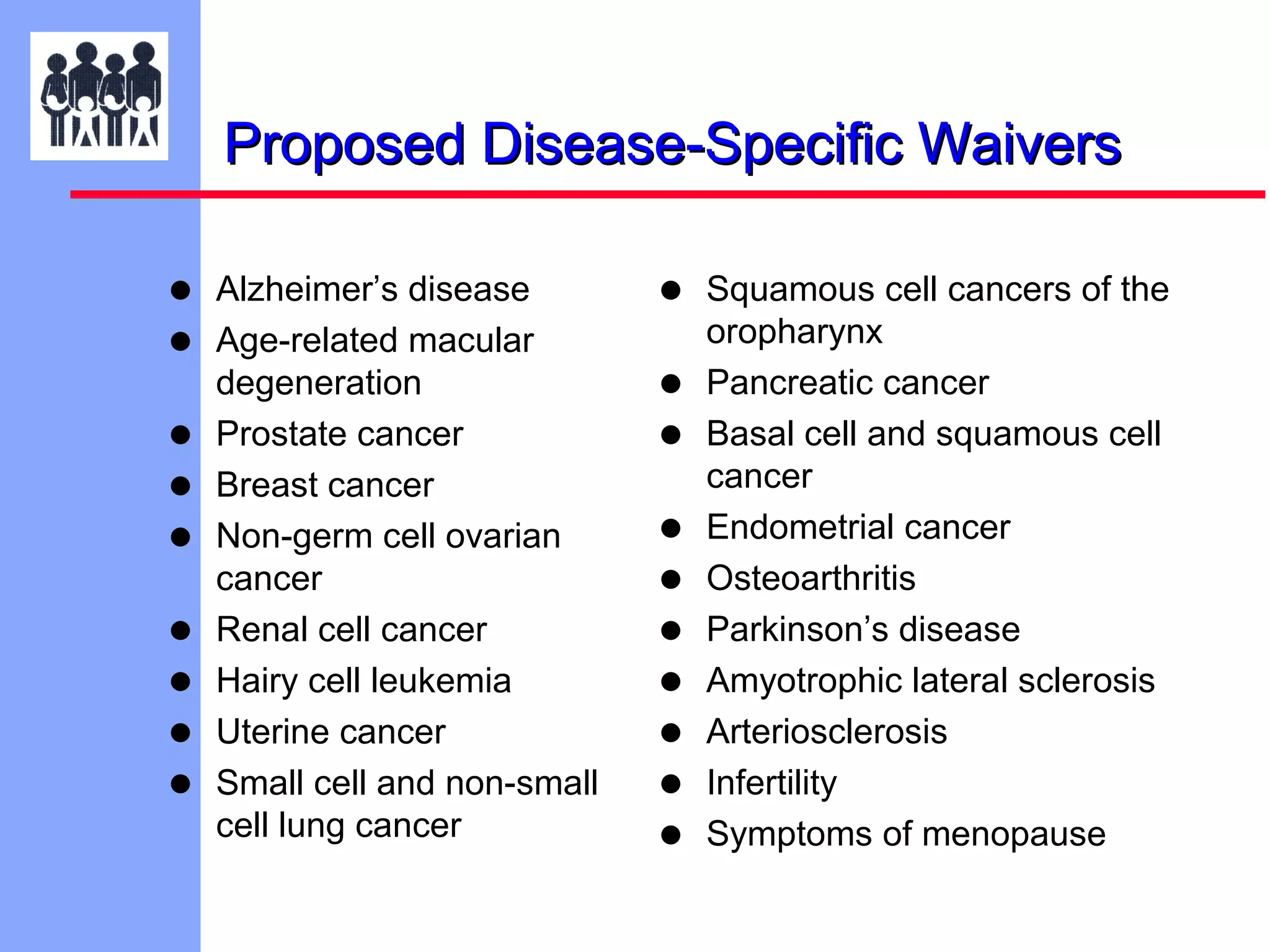
Proposed Disease-Specific Waivers
•
•
•
•
•
•
•
•
•

Alzheimer’s disease
Age-related macular
degeneration
Prostate cancer
Breast cancer
Non-germ cell ovarian
cancer
Renal cell cancer
Hairy cell leukemia
Uterine cancer
Small cell and non-small
cell lung cancer

•
•
•
•
•
•
•
•
•
•

Squamous cell cancers of the
oropharynx
Pancreatic cancer
Basal cell and squamous cell
cancer
Endometrial cancer
Osteoarthritis
Parkinson’s disease
Amyotrophic lateral sclerosis
Arteriosclerosis
Infertility
Symptoms of menopause
Pediatric Advisory Council (PAC)
Points to Consider
Regulatory

•

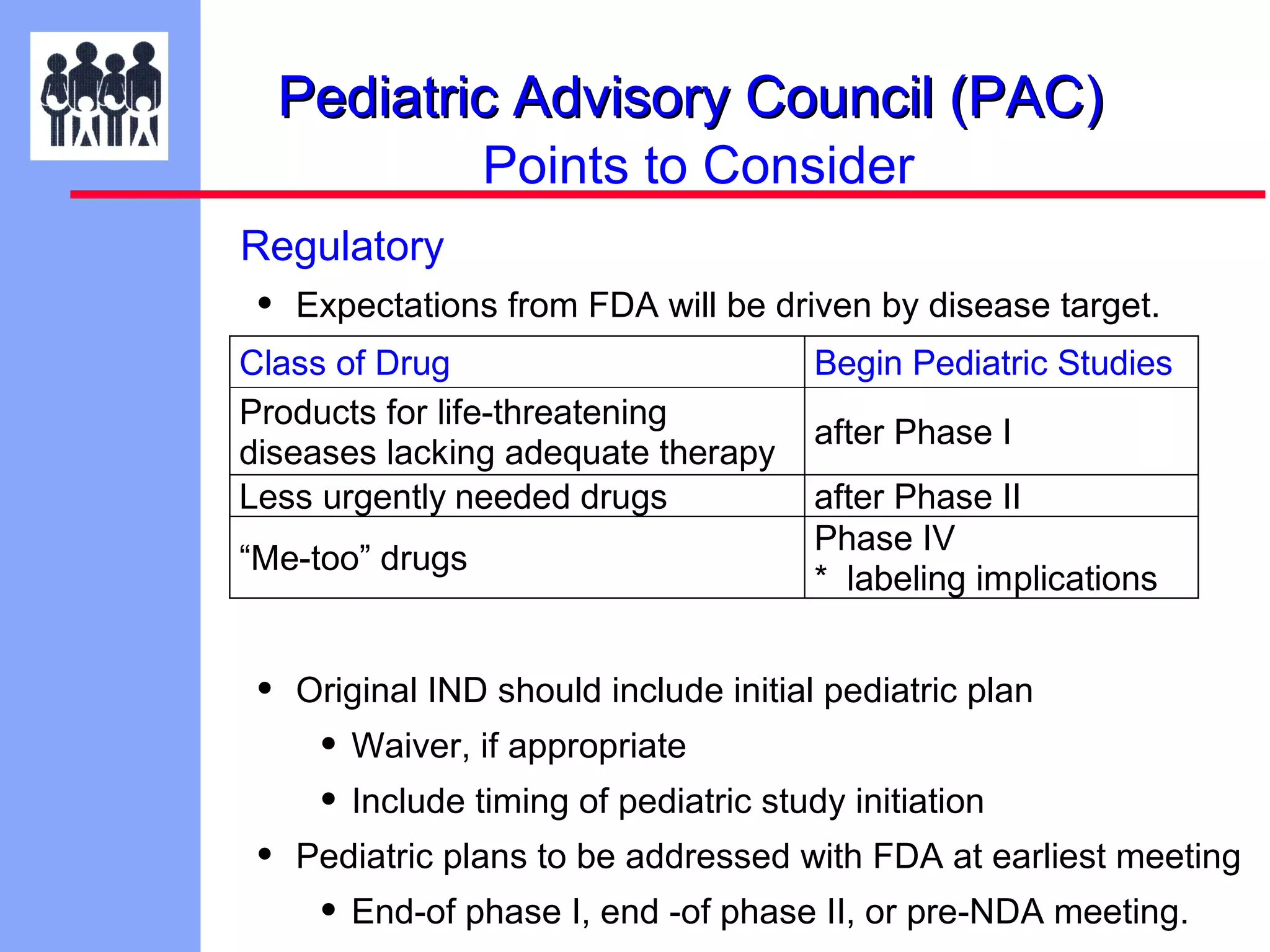
Expectations from FDA will be driven by disease target.

Class of Drug
Products for life-threatening
diseases lacking adequate therapy
Less urgently needed drugs
“Me-too” drugs

•

Begin Pediatric Studies
after Phase I
after Phase II
Phase IV
* labeling implications

Original IND should include initial pediatric plan

• Waiver, if appropriate
• Include timing of pediatric study initiation
•

Pediatric plans to be addressed with FDA at earliest meeting

• End-of phase I, end -of phase II, or pre-NDA meeting.
Pediatric Advisory Council (PAC)
Points to Consider
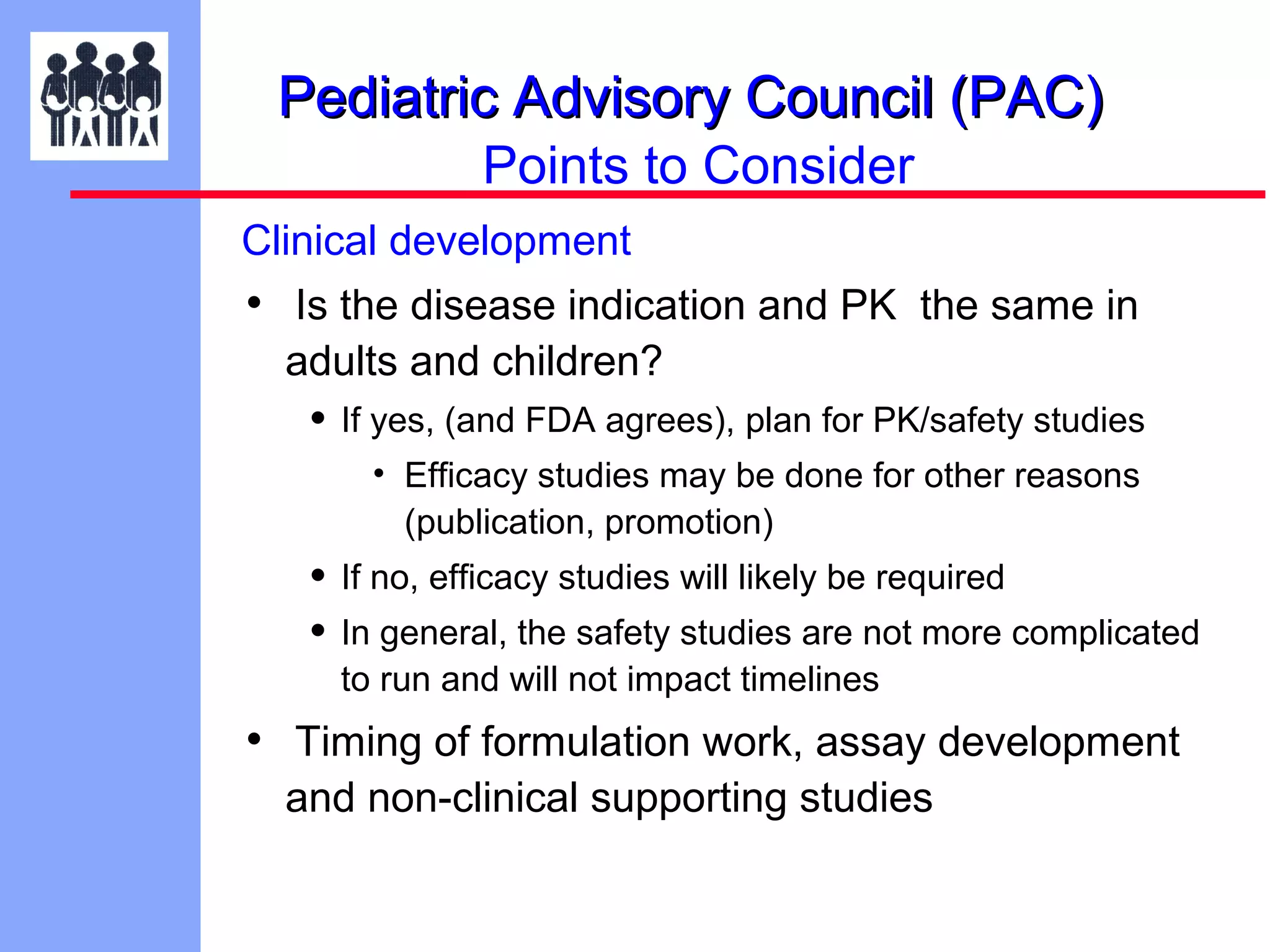
Clinical development

• Is the disease indication and PK the same in
adults and children?

• If yes, (and FDA agrees), plan for PK/safety studies
• Efficacy studies may be done for other reasons
(publication, promotion)

• If no, efficacy studies will likely be required
• In general, the safety studies are not more complicated
to run and will not impact timelines

• Timing of formulation work, assay development
and non-clinical supporting studies
Pediatric Advisory Council (PAC)
Points to Consider
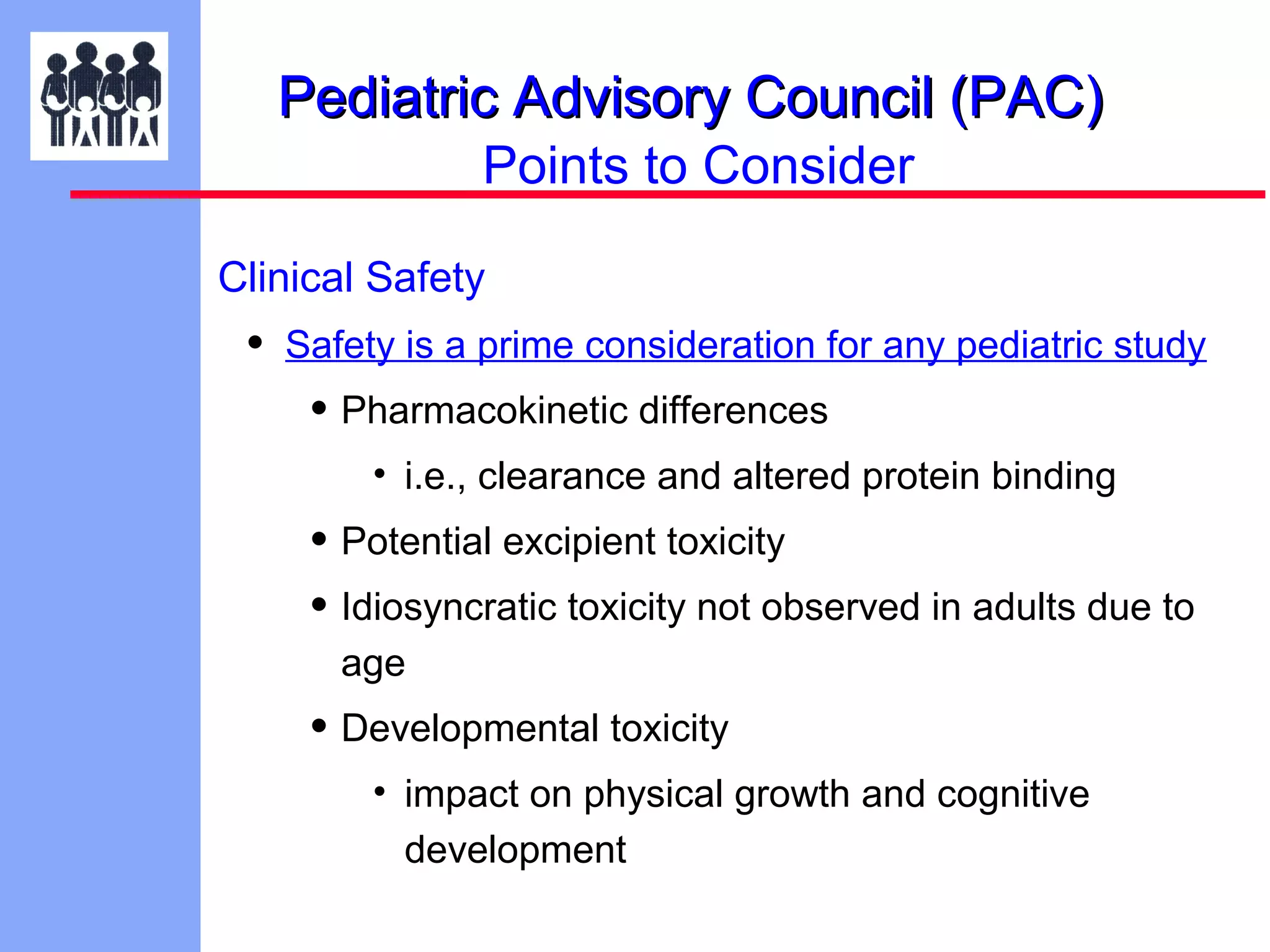
Clinical Safety

•

Safety is a prime consideration for any pediatric study

• Pharmacokinetic differences
• i.e., clearance and altered protein binding

• Potential excipient toxicity
• Idiosyncratic toxicity not observed in adults due to
age

• Developmental toxicity
• impact on physical growth and cognitive
development
Pediatric Advisory Council (PAC)
Points to Consider
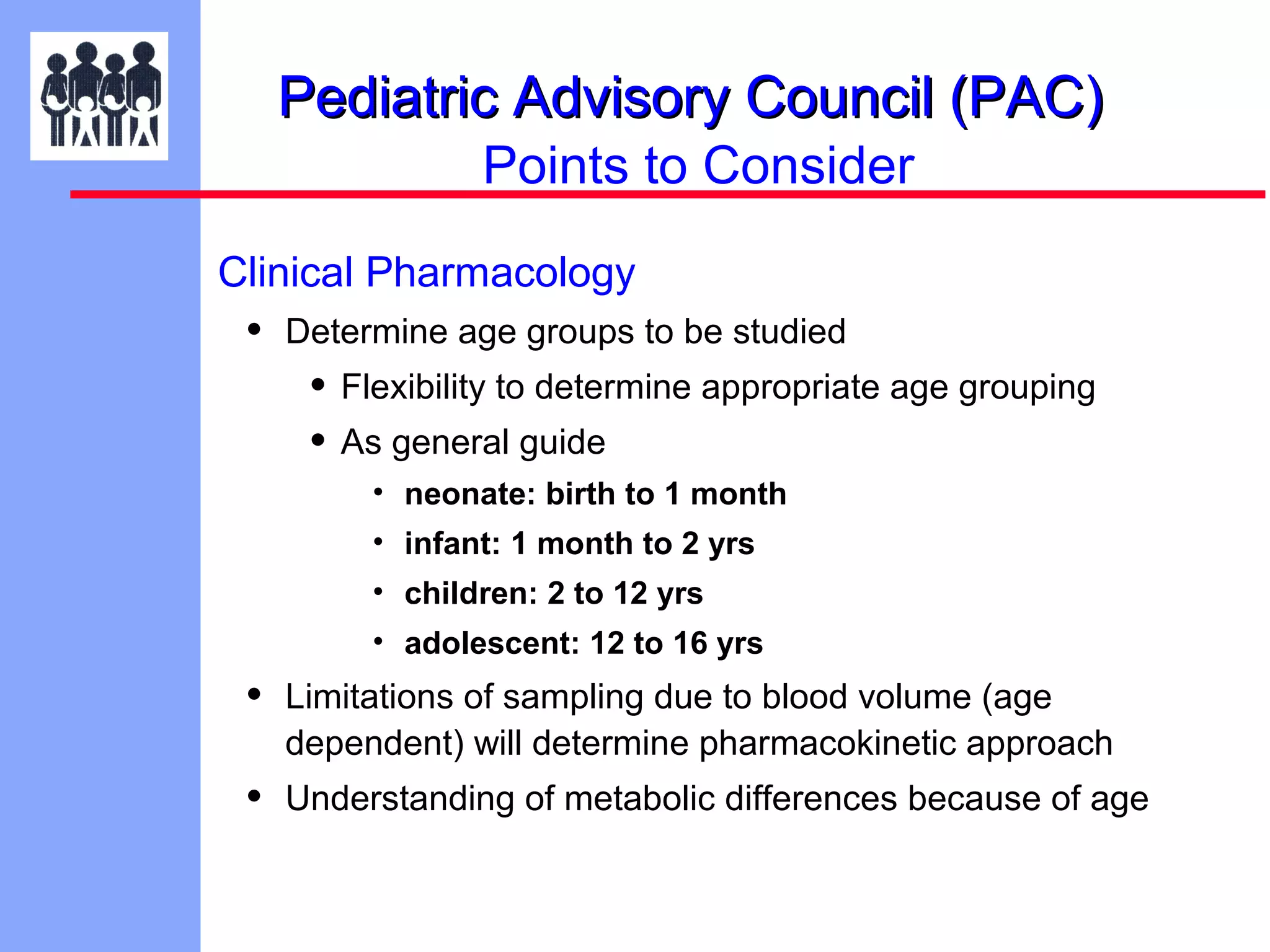
Clinical Pharmacology

•

Determine age groups to be studied

• Flexibility to determine appropriate age grouping
• As general guide
• neonate: birth to 1 month
• infant: 1 month to 2 yrs
• children: 2 to 12 yrs
• adolescent: 12 to 16 yrs

•

Limitations of sampling due to blood volume (age
dependent) will determine pharmacokinetic approach

•

Understanding of metabolic differences because of age
Pediatric Advisory Council (PAC)
Points to Consider
Drug Safety Evaluation

•

Nonclinical safety studies for support pediatric clinical testing
are the same as those needed for adult testing

• genetic toxicology studies
• acute studies
• multiple dose studies in two species (e.g.,1, 3, 6 months)
•

Reproductive toxicology studies should be completed

• Reproductive Study III, teratology (rat and rabbit)
• Reproductive Study II, peri-postnatal study
Pediatric Advisory Council (PAC)
Points to Consider
Drug Safety Evaluation

•
•

Juvenile animal studies are not automatically required.
Pediatric plan for the compound will dictate need
• What age group?
• studies likely if indication or use is expected in
neonates
• Critical periods of development
• can impact/safety be assessed clinically?
• If Yes,
• animal studies will not contribute to safety
evaluation
• if No,
• plan for additional animal studies 3-6 months
duration
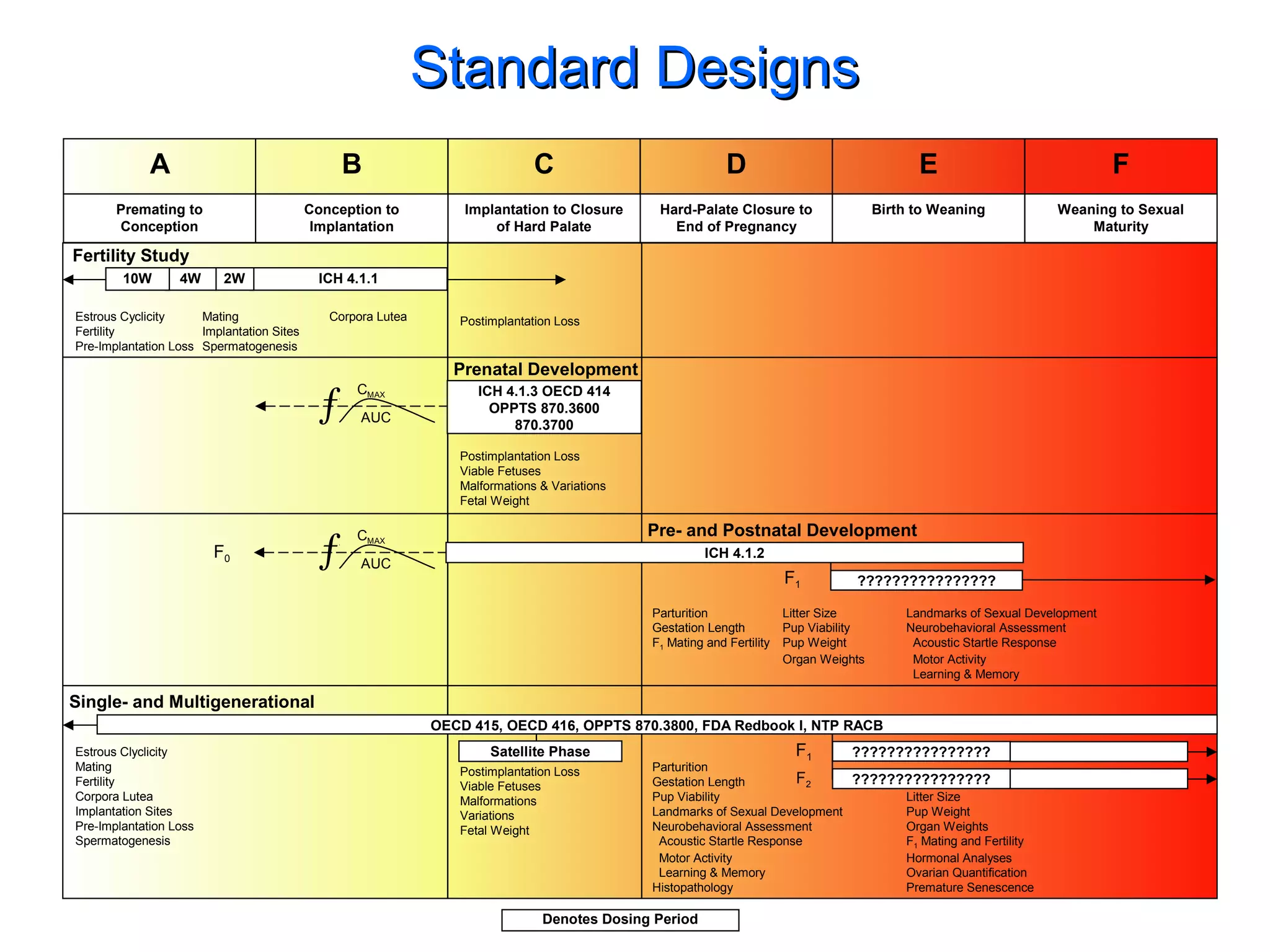
Standard Designs
A

B

C

D

E

F

Premating to
Conception

Conception to
Implantation

Implantation to Closure
of Hard Palate

Hard-Palate Closure to
End of Pregnancy

Birth to Weaning

Weaning to Sexual
Maturity

Fertility Study
10W

4W

2W

Estrous Cyclicity
Mating
Fertility
Implantation Sites
Pre-Implantation Loss Spermatogenesis

ICH 4.1.1
Corpora Lutea

ƒ

Postimplantation Loss

Prenatal Development
CMAX
AUC

ICH 4.1.3 OECD 414
OPPTS 870.3600
870.3700
Postimplantation Loss
Viable Fetuses
Malformations & Variations
Fetal Weight

F0

ƒ

Pre- and Postnatal Development

CMAX

ICH 4.1.2

AUC

F1
Parturition
Gestation Length
F1 Mating and Fertility

????????????????

Litter Size
Pup Viability
Pup Weight
Organ Weights

Landmarks of Sexual Development
Neurobehavioral Assessment
Acoustic Startle Response
Motor Activity
Learning & Memory

Single- and Multigenerational
OECD 415, OECD 416, OPPTS 870.3800, FDA Redbook I, NTP RACB
Estrous Clyclicity
Mating
Fertility
Corpora Lutea
Implantation Sites
Pre-Implantation Loss
Spermatogenesis

Satellite Phase
Postimplantation Loss
Viable Fetuses
Malformations
Variations
Fetal Weight

F1

????????????????

Parturition
F2
????????????????
Gestation Length
Pup Viability
Litter Size
Landmarks of Sexual Development
Pup Weight
Neurobehavioral Assessment
Organ Weights
Acoustic Startle Response
F1 Mating and Fertility
Motor Activity
Hormonal Analyses
Learning & Memory
Ovarian Quantification
Histopathology
Premature Senescence

Denotes Dosing Period
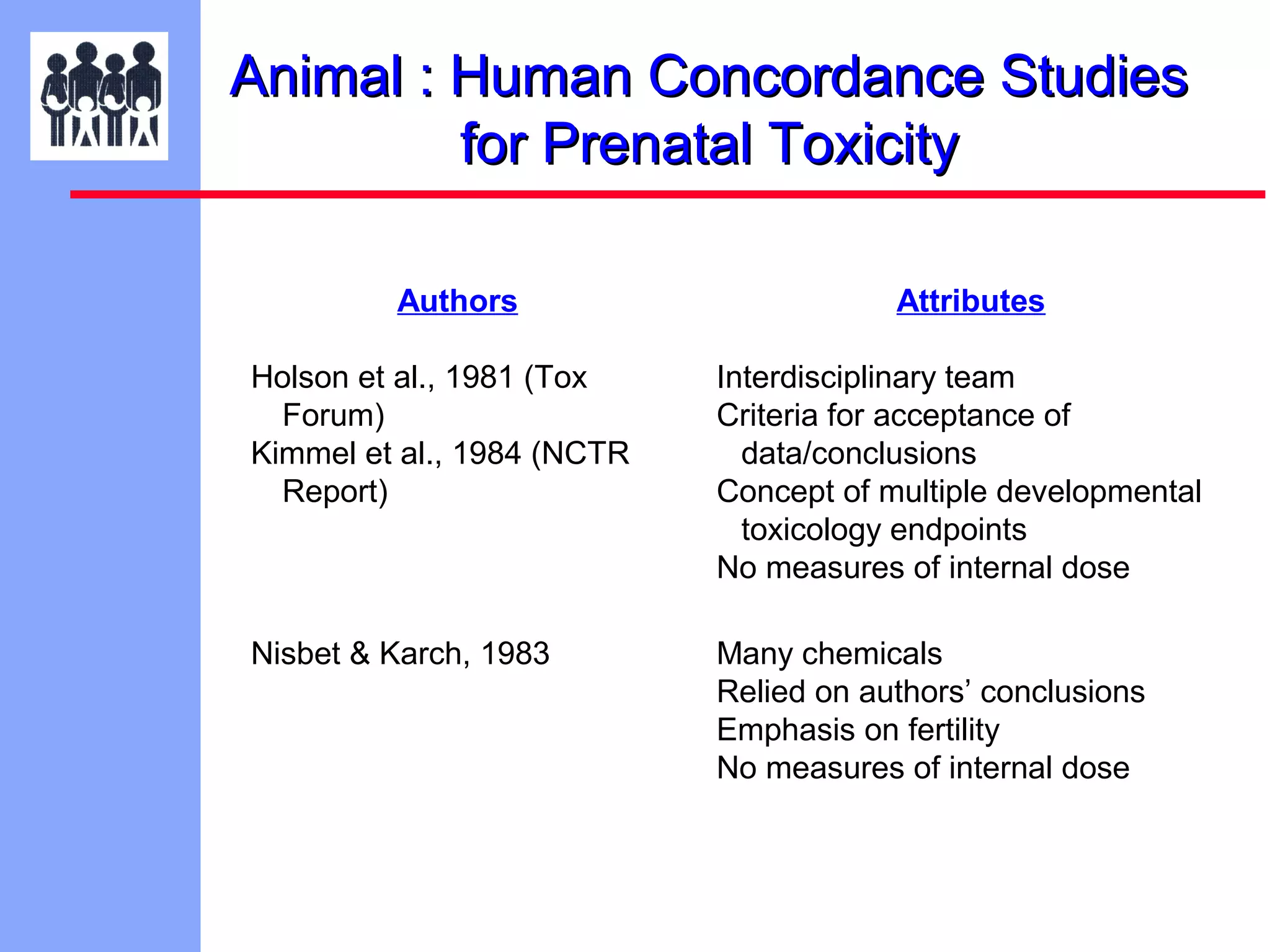
Animal : Human Concordance Studies
for Prenatal Toxicity
Authors

Attributes

Holson et al., 1981 (Tox
Forum)
Kimmel et al., 1984 (NCTR
Report)

Interdisciplinary team
Criteria for acceptance of
data/conclusions
Concept of multiple developmental
toxicology endpoints
No measures of internal dose

Nisbet & Karch, 1983

Many chemicals
Relied on authors’ conclusions
Emphasis on fertility
No measures of internal dose
Animal : Human Concordance Studies
for Prenatal Toxicity
Authors

Attributes

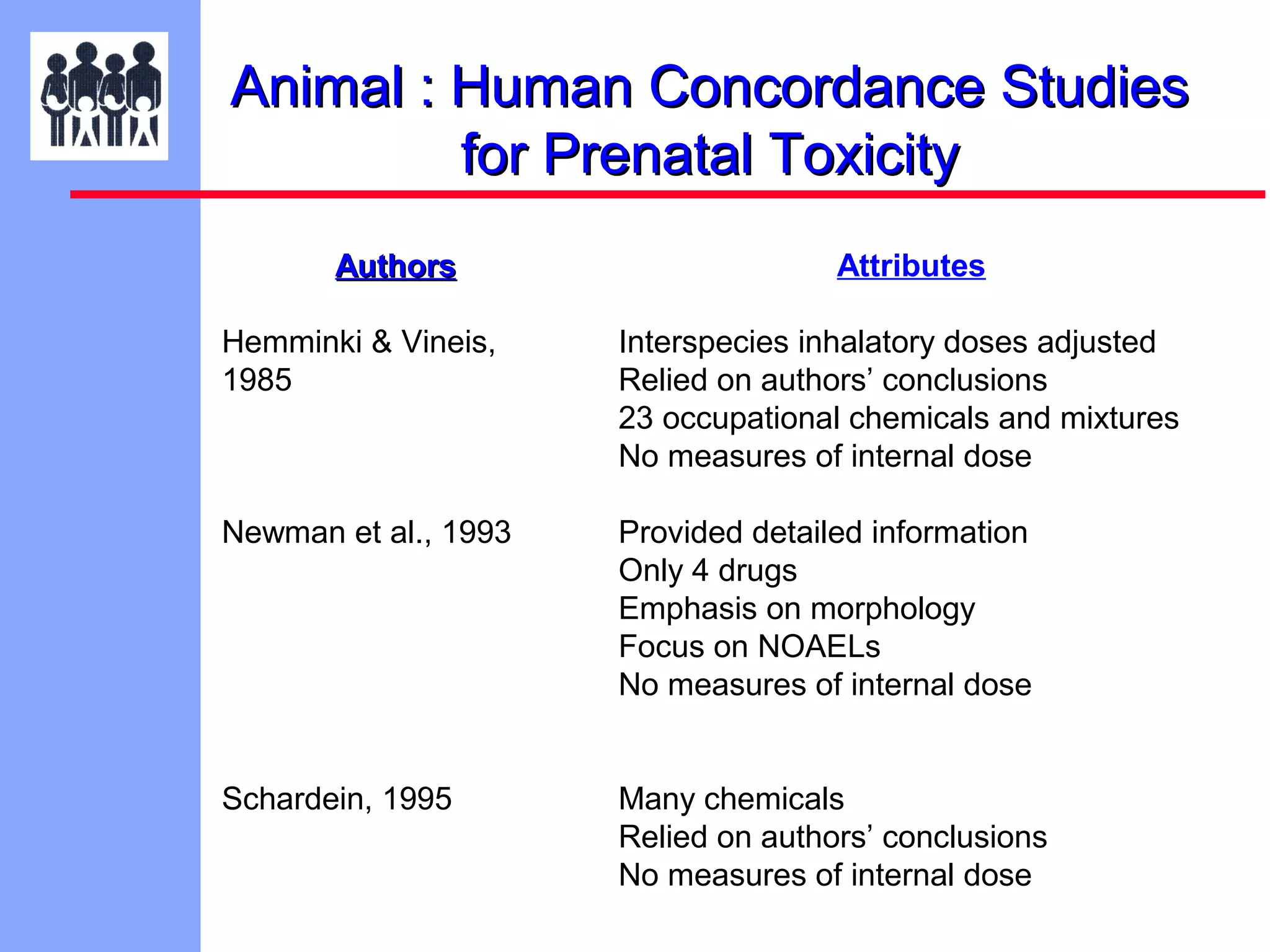
Hemminki & Vineis,
1985

Interspecies inhalatory doses adjusted
Relied on authors’ conclusions
23 occupational chemicals and mixtures
No measures of internal dose

Newman et al., 1993

Provided detailed information
Only 4 drugs
Emphasis on morphology
Focus on NOAELs
No measures of internal dose

Schardein, 1995

Many chemicals
Relied on authors’ conclusions
No measures of internal dose
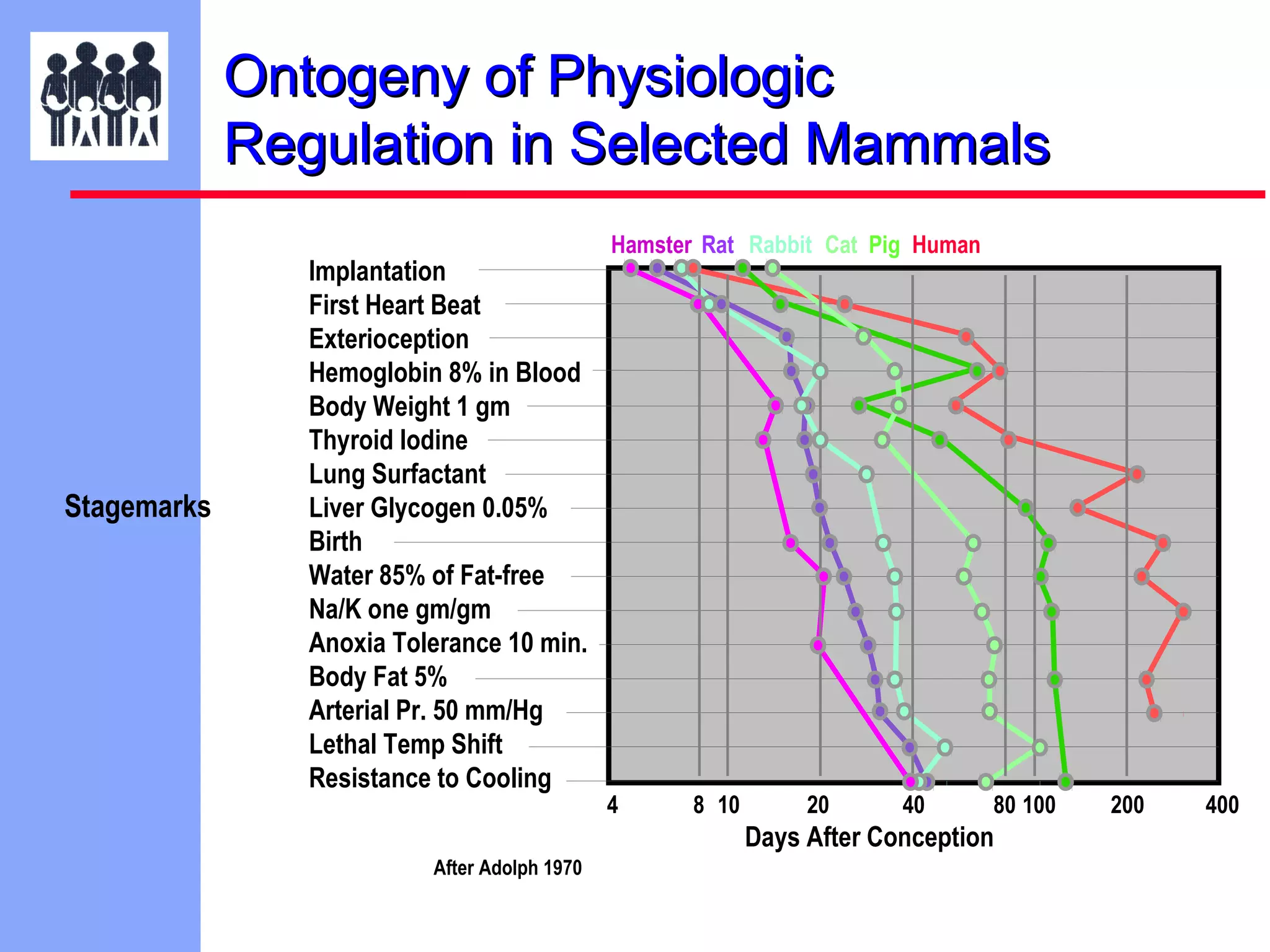
Ontogeny of Physiologic
Regulation in Selected Mammals

Stagemarks

Implantation
First Heart Beat
Exterioception
Hemoglobin 8% in Blood
Body Weight 1 gm
Thyroid Iodine
Lung Surfactant
Liver Glycogen 0.05%
Birth
Water 85% of Fat-free
Na/K one gm/gm
Anoxia Tolerance 10 min.
Body Fat 5%
Arterial Pr. 50 mm/Hg
Lethal Temp Shift
Resistance to Cooling

Hamster Rat Rabbit Cat Pig Human

4

8 10

20

40

80 100

Days After Conception
After Adolph 1970

200

400
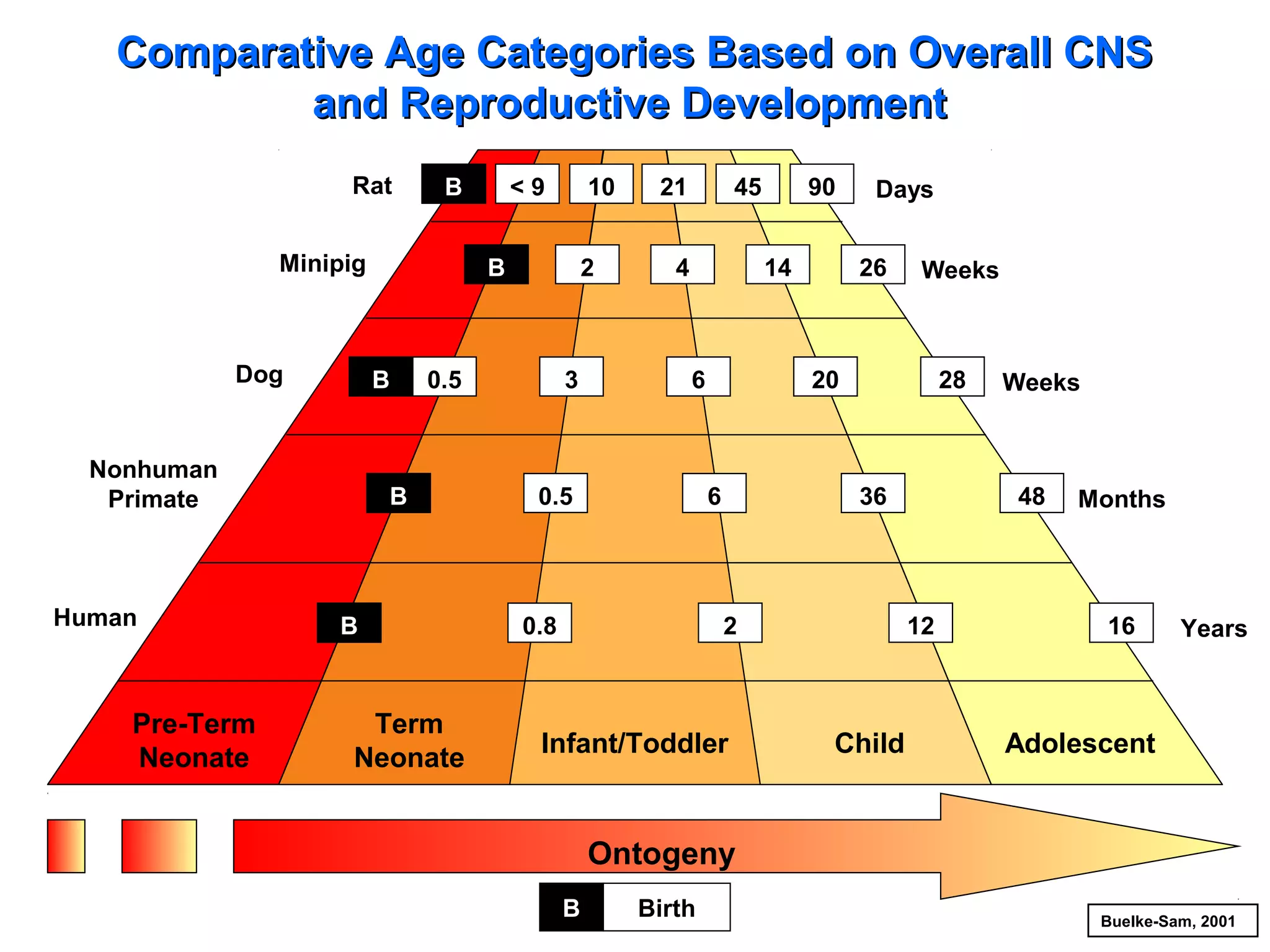
Comparative Age Categories Based on Overall CNS
and Reproductive Development
Rat

B

Minipig

Dog

Human

Pre-Term
Neonate

10

B

B

Nonhuman
Primate

<9

2

0.5

B

B

Term
Neonate

3

21

45

4

90
14

6

0.5

26

Weeks

20

6

0.8

Days

28

36

2

Infant/Toddler

48

12

Child

Weeks

Months

16

Years

Adolescent

Ontogeny
B

Birth

Buelke-Sam, 2001
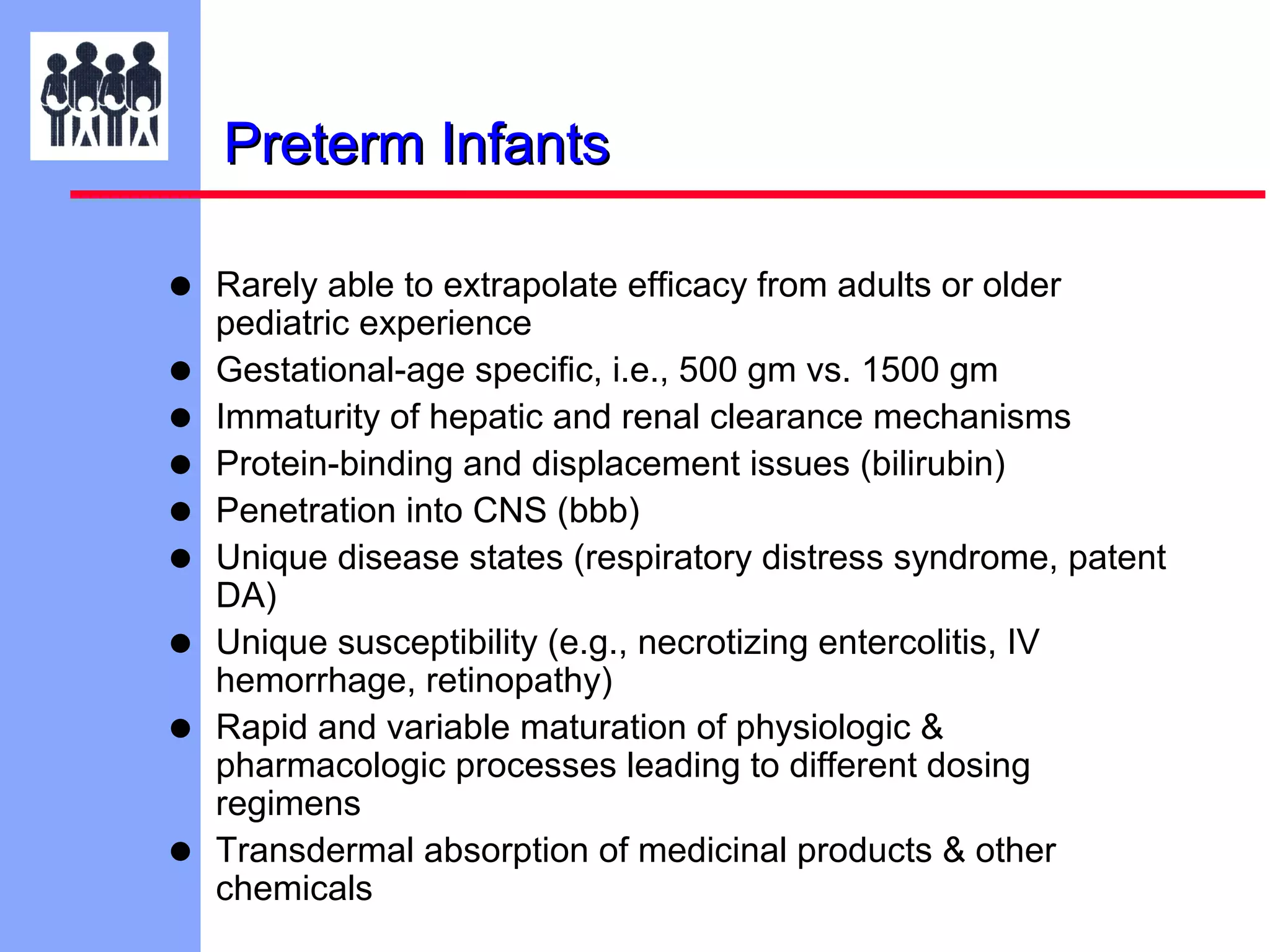
Preterm Infants
•
•
•
•
•
•
•
•
•

Rarely able to extrapolate efficacy from adults or older
pediatric experience
Gestational-age specific, i.e., 500 gm vs. 1500 gm
Immaturity of hepatic and renal clearance mechanisms
Protein-binding and displacement issues (bilirubin)
Penetration into CNS (bbb)
Unique disease states (respiratory distress syndrome, patent
DA)
Unique susceptibility (e.g., necrotizing entercolitis, IV
hemorrhage, retinopathy)
Rapid and variable maturation of physiologic &
pharmacologic processes leading to different dosing
regimens
Transdermal absorption of medicinal products & other
chemicals
Term Newborn Infants (0 to 27 Days)

• Volume of distribution because of different body
•
•
•
•
•

water/fat content & higher body-surface-area-toweight ratio
bbb not fully mature
Oral absorption less predictable than older pediatric
patients
Hepatic and renal clearance immature & changing
rapidly
Many examples of increased susceptibility to toxic
effects (e.g., chloramphenicol gray baby syndrome)
Less susceptible to aminoglycocide nephrotoxicity
Infants and Toddlers
(28 Days to 23 Months)

• Rapid CNS, immune system development and total
•
•

body growth
By 1-2 years of age, clearance of many drugs on a
mg/kg basis many exceed adult values
Considerable inter-individual variability in
maturation
Children (2-11 Years)
•
•
•
•
•
•

Most pathways of clearance (hepatic and renal) are mature
Changes in clearance may be dependent on maturation of
specific metabolic pathways
Achievement of several important milestones of psychomotor
development susceptible to CNS-active agents
Entry into school and increased cognitive and motor skills
may affect child’s ability to participate in certain types of
efficacy studies
May need to stratify by PK and/or efficacy endpoint
considerations
Onset of puberty (earlier in females) can occur as early as 9
years and affects metabolic enzymes (required dose of
theophylin decreases dramatically)
Adolescents (12 to 16-18 Years)

• Sexual maturation, potential to interfere with sex
•
•

hormones
Rapid growth & continual neurocognitive
development
Medicinal products/diseases which
delay/accelerate onset of puberty can have
profound effect on pubertal growth spurt, and by
changing pattern of growth, may affect final stature
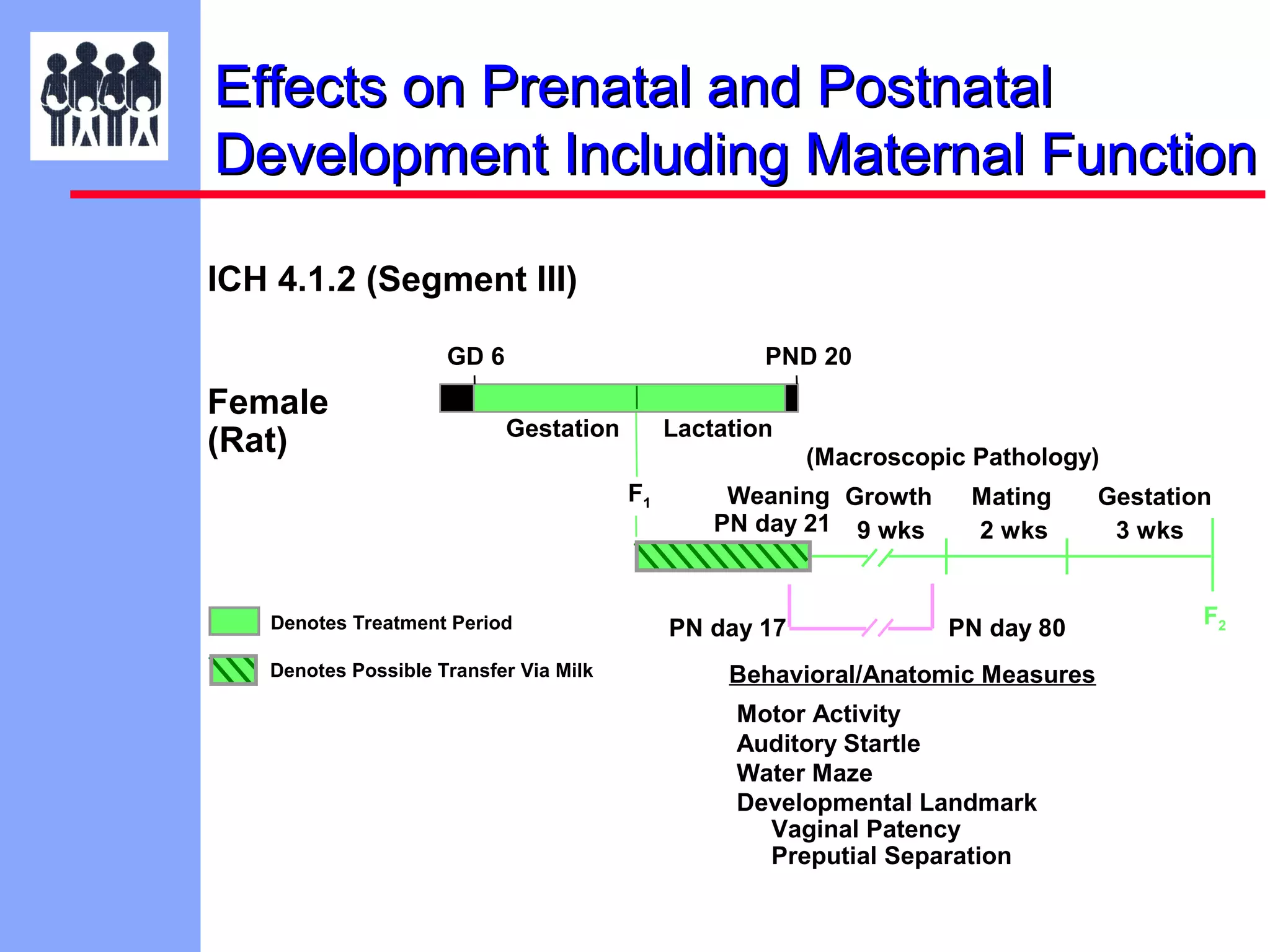
Effects on Prenatal and Postnatal
Development Including Maternal Function
ICH 4.1.2 (Segment III)
GD 6

Female
(Rat)

PND 20
Gestation

Lactation
(Macroscopic Pathology)
F1

Denotes Treatment Period
Denotes Possible Transfer Via Milk

Weaning Growth
PN day 21 9 wks

PN day 17

Mating
2 wks

PN day 80

Behavioral/Anatomic Measures
Motor Activity
Auditory Startle
Water Maze
Developmental Landmark
Vaginal Patency
Preputial Separation

Gestation
3 wks
F2
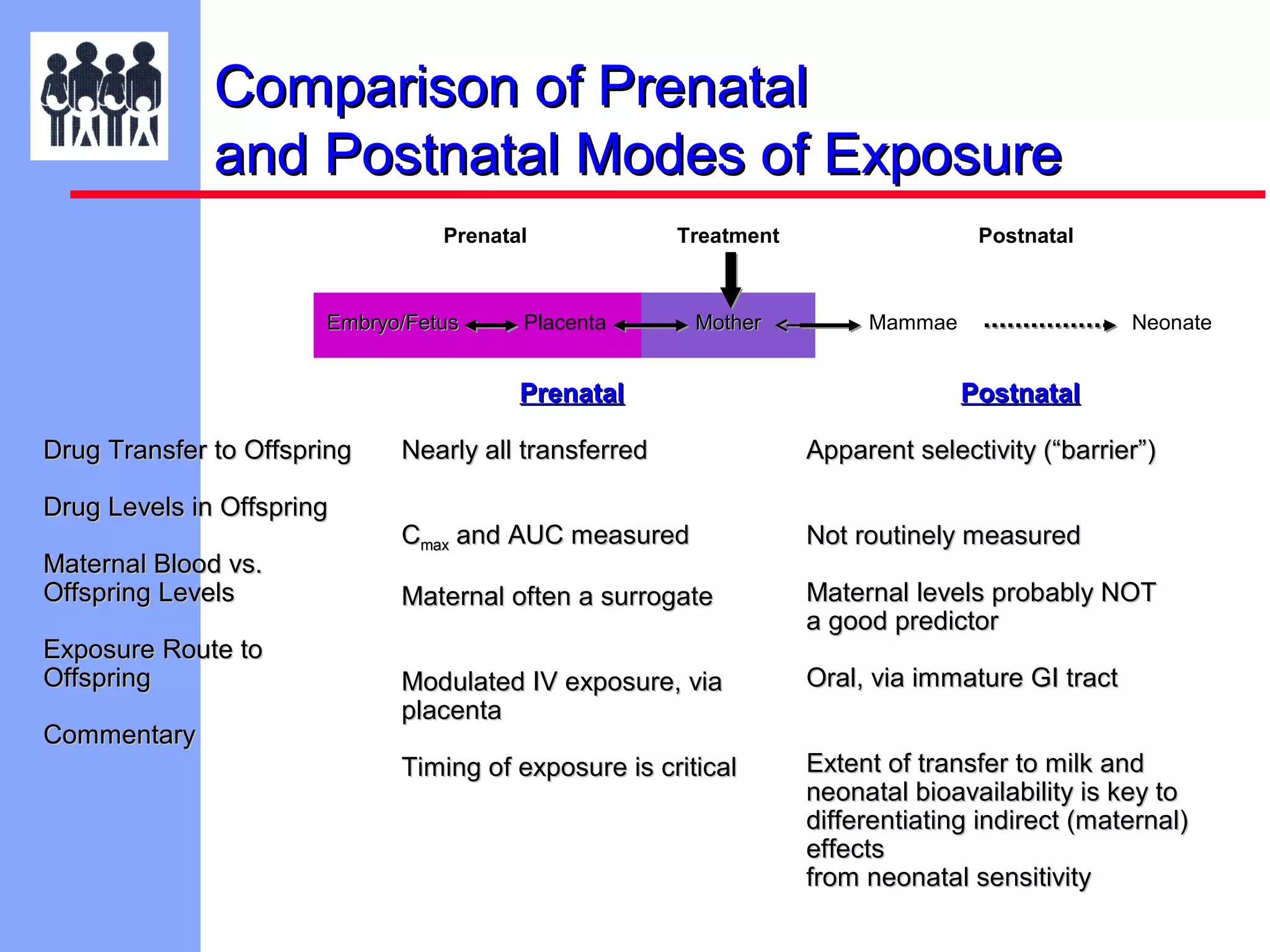
Comparison of Prenatal
and Postnatal Modes of Exposure
Prenatal

Embryo/Fetus

Treatment

Placenta

Mother

Prenatal
Drug Transfer to Offspring
Drug Levels in Offspring
Maternal Blood vs.
Offspring Levels
Exposure Route to
Offspring
Commentary

Postnatal

Mammae

Neonate

Postnatal

Nearly all transferred

Apparent selectivity (“barrier”)

Cmax and AUC measured

Not routinely measured

Maternal often a surrogate

Maternal levels probably NOT
a good predictor

Modulated IV exposure, via
placenta

Oral, via immature GI tract

Timing of exposure is critical

Extent of transfer to milk and
neonatal bioavailability is key to
differentiating indirect (maternal)
effects
from neonatal sensitivity
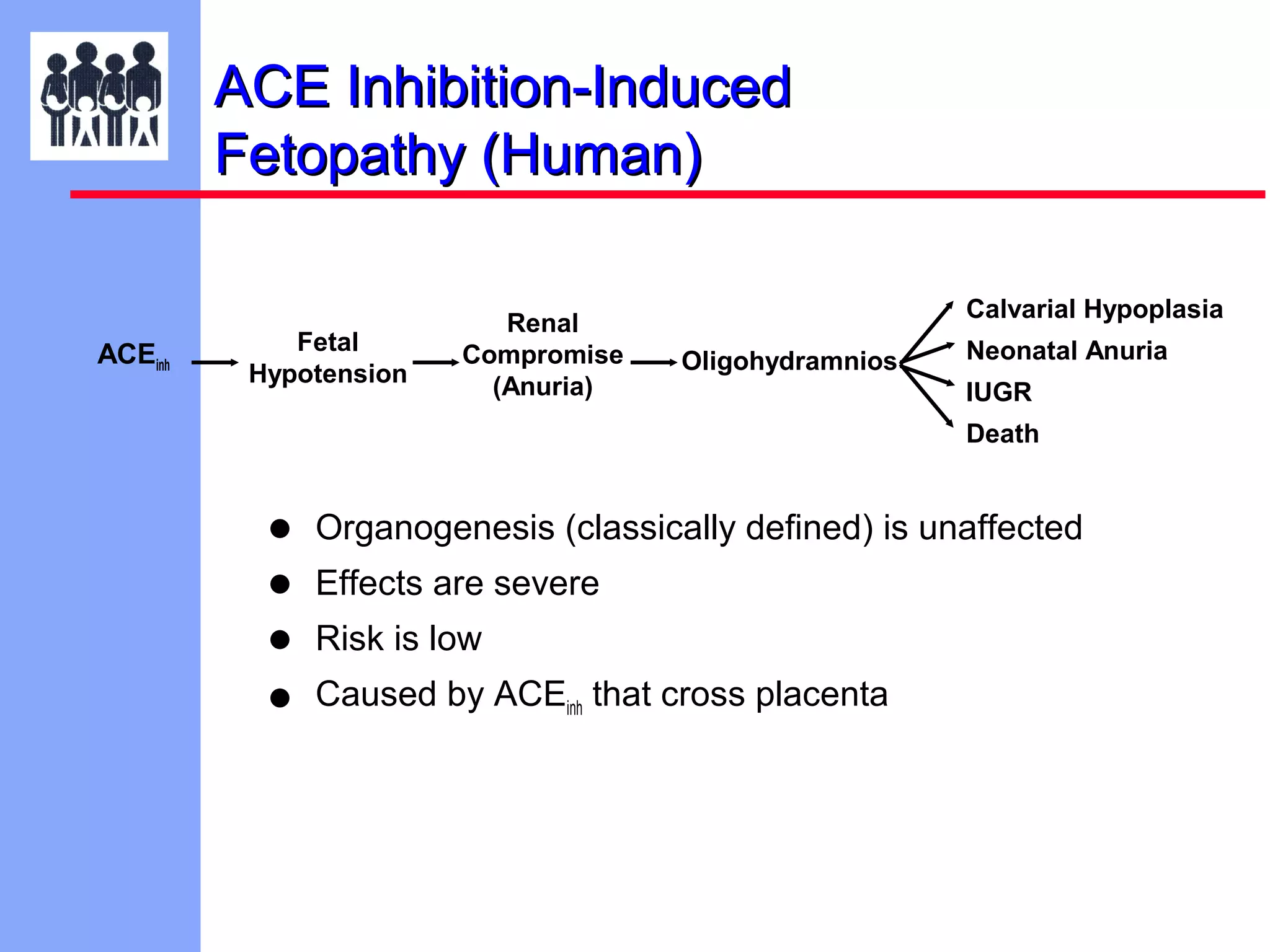
ACE Inhibition-Induced
Fetopathy (Human)

ACEinh

Fetal
Hypotension

Renal
Compromise
(Anuria)

Calvarial Hypoplasia
Oligohydramnios

Neonatal Anuria
IUGR
Death

•
•
•
•

Organogenesis (classically defined) is unaffected
Effects are severe
Risk is low
Caused by ACEinh that cross placenta
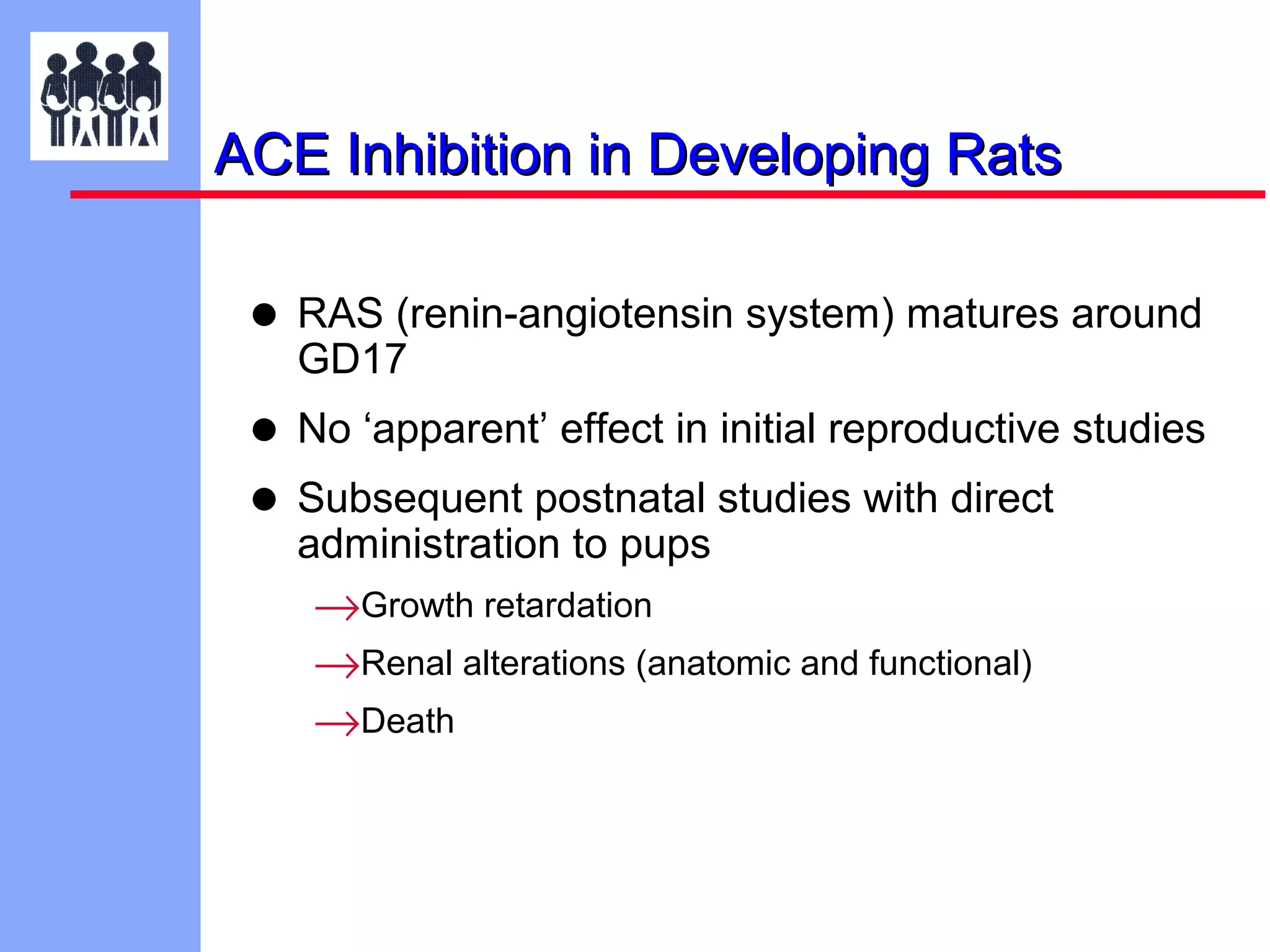
ACE Inhibition in Developing Rats

• RAS (renin-angiotensin system) matures around
GD17

• No ‘apparent’ effect in initial reproductive studies
• Subsequent postnatal studies with direct
administration to pups

→Growth retardation
→Renal alterations (anatomic and functional)
→Death
Examples of Perinatal/Juvenile Toxicants

• The following examples are not the result of an
•
•

exhaustive literature search.
In most instances, the cause of postnatal
morbidity/ mortality has not been investigated or
is not known.
The absence of standard blood
biochemistry/hematology assays and target
organ pathology hinders the identification of
sites and modes of action.
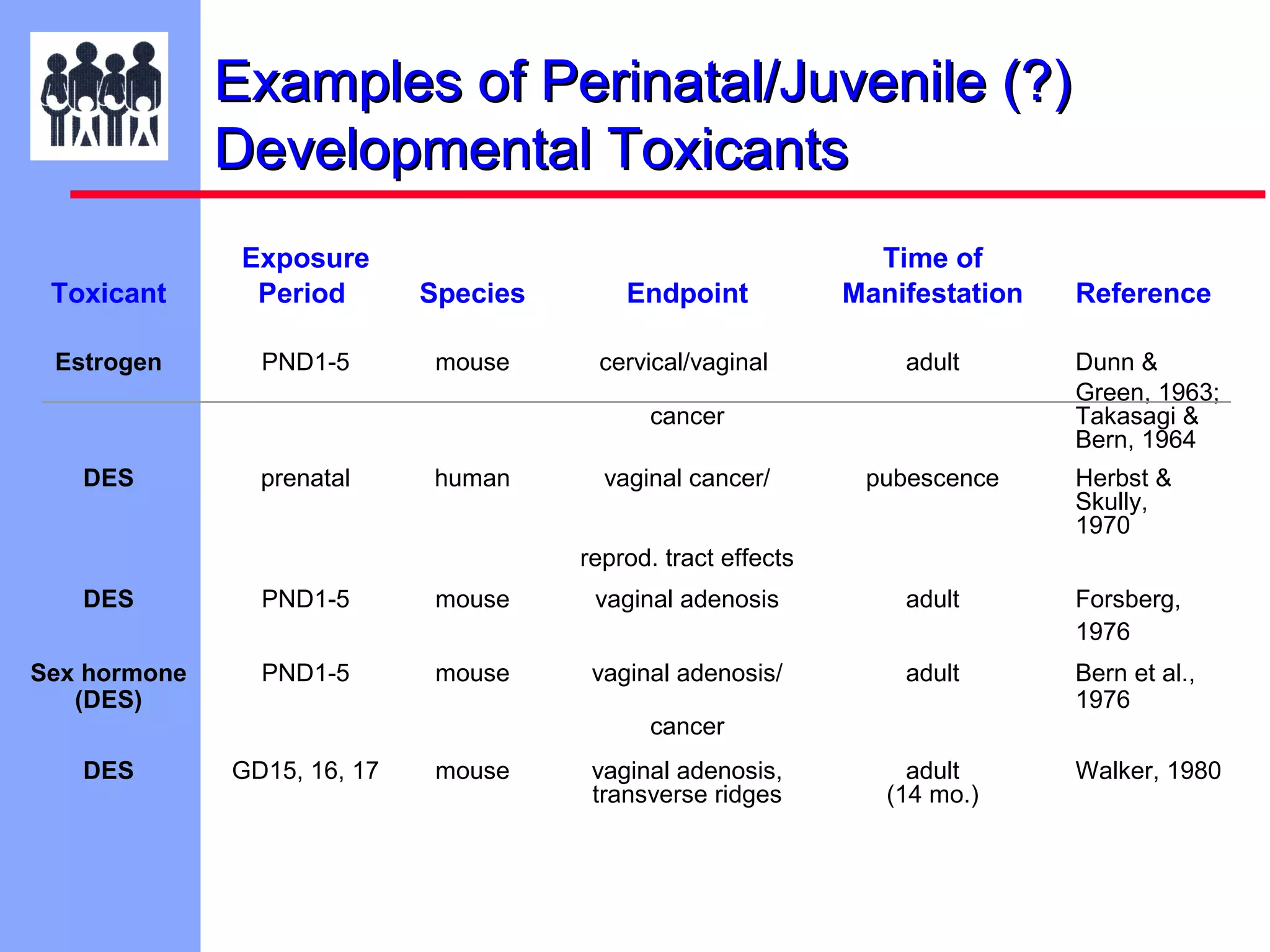
Examples of Perinatal/Juvenile (?)
Developmental Toxicants
Toxicant

Exposure
Period

Species

Endpoint

Time of
Manifestation

Estrogen

PND1-5

mouse

cervical/vaginal

adult

cancer
DES

prenatal

human

vaginal cancer/

Reference
Dunn &
Green, 1963;
Takasagi &
Bern, 1964

pubescence

Herbst &
Skully,
1970

reprod. tract effects
DES

PND1-5

mouse

vaginal adenosis

adult

Forsberg,
1976

Sex hormone
(DES)

PND1-5

mouse

vaginal adenosis/

adult

Bern et al.,
1976

DES

GD15, 16, 17

cancer
mouse

vaginal adenosis,
transverse ridges

adult
(14 mo.)

Walker, 1980
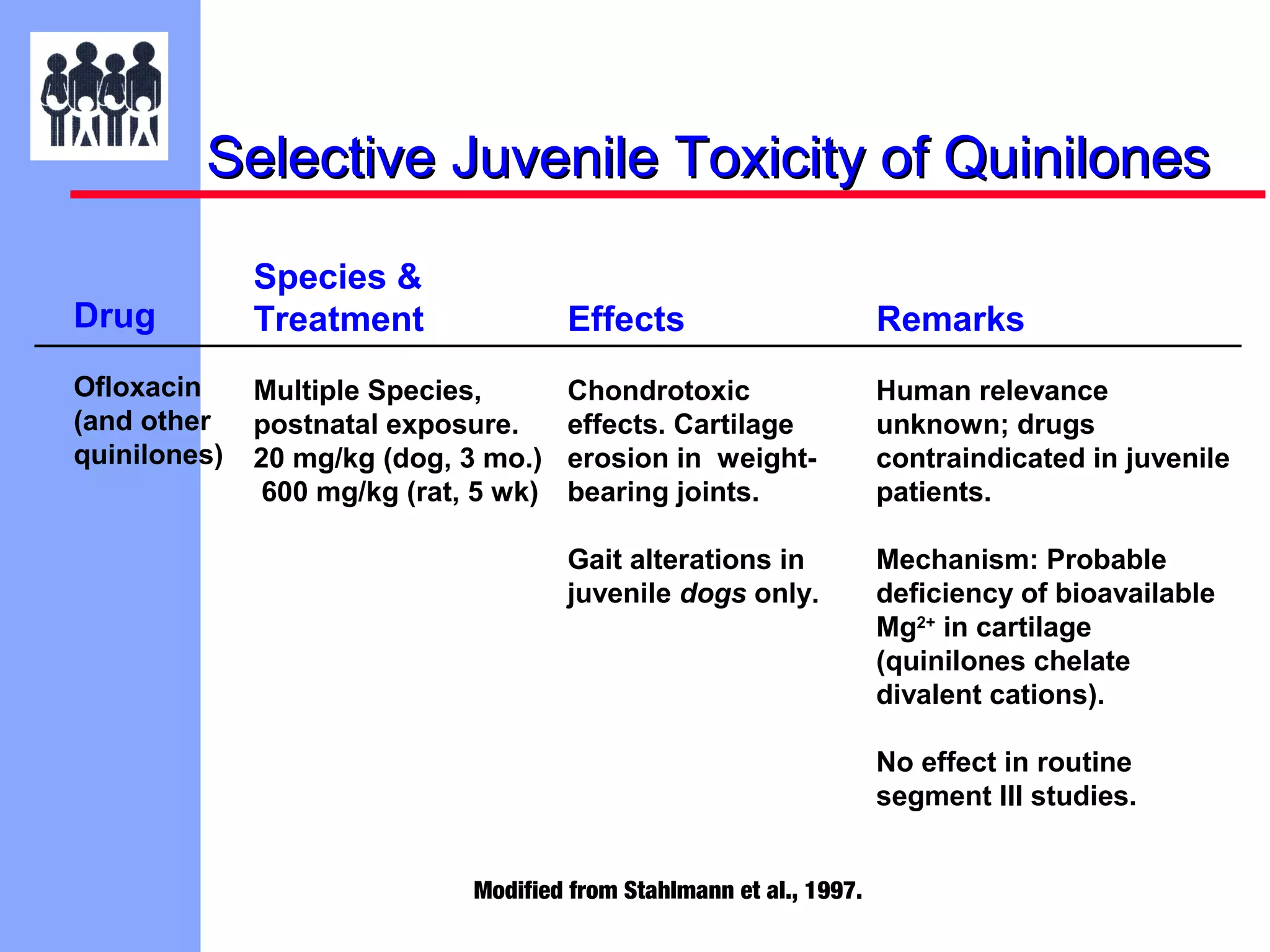
Selective Juvenile Toxicity of Quinilones
Drug
Ofloxacin
(and other
quinilones)

Species &
Treatment

Effects

Remarks

Multiple Species,
postnatal exposure.
20 mg/kg (dog, 3 mo.)
600 mg/kg (rat, 5 wk)

Chondrotoxic
effects. Cartilage
erosion in weightbearing joints.

Human relevance
unknown; drugs
contraindicated in juvenile
patients.

Gait alterations in
juvenile dogs only.

Mechanism: Probable
deficiency of bioavailable
Mg2+ in cartilage
(quinilones chelate
divalent cations).
No effect in routine
segment III studies.

Modified from Stahlmann et al., 1997.
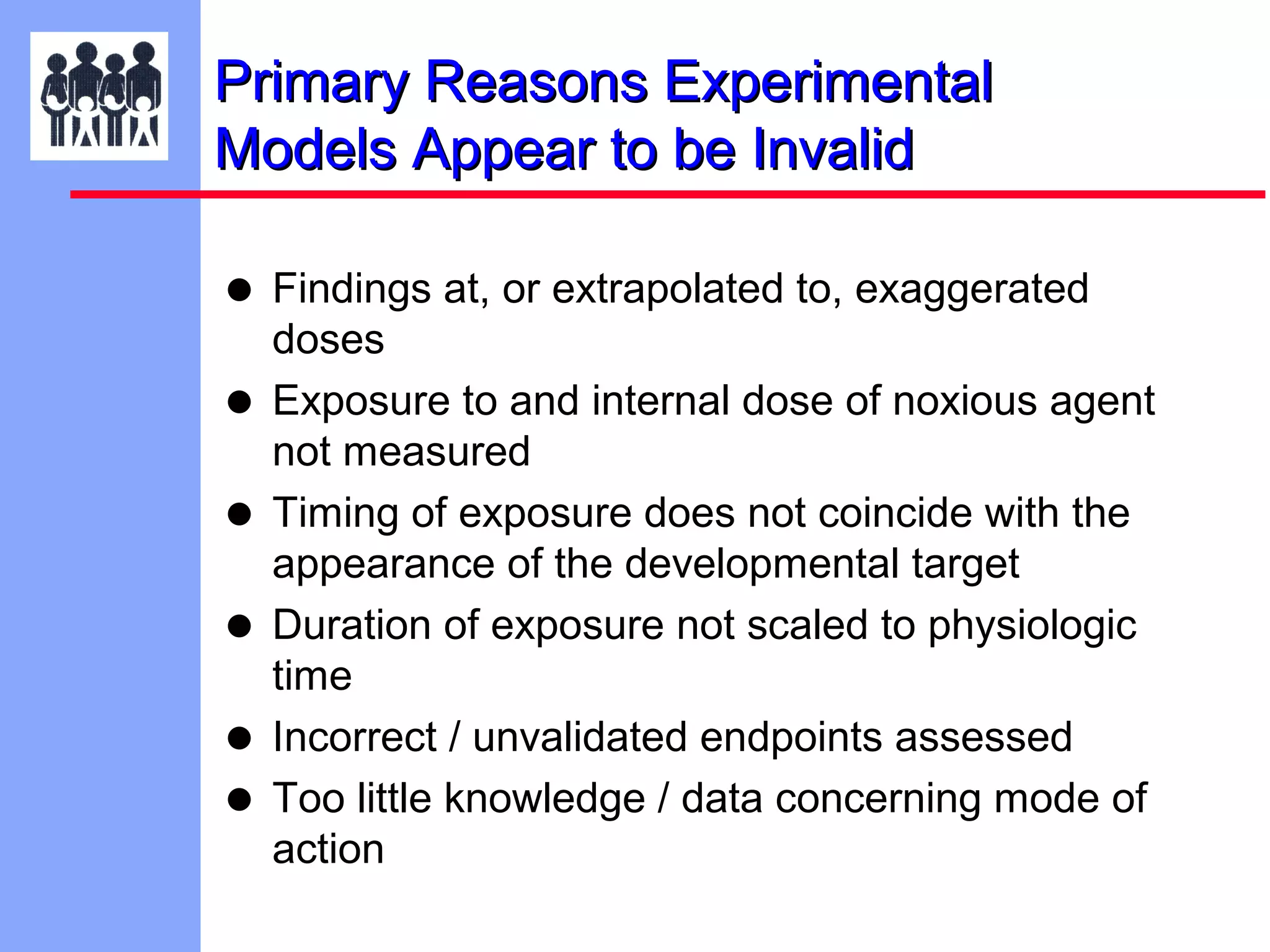
Primary Reasons Experimental
Models Appear to be Invalid

• Findings at, or extrapolated to, exaggerated
•
•
•
•
•

doses
Exposure to and internal dose of noxious agent
not measured
Timing of exposure does not coincide with the
appearance of the developmental target
Duration of exposure not scaled to physiologic
time
Incorrect / unvalidated endpoints assessed
Too little knowledge / data concerning mode of
action
Conclusions

•
•
•
•

Parallelism exists among species regardless of
lifespan.
Additional measurements and changes to current
guidelines could increase our ability to predict
postnatal toxicity.
Molecular biology and genomics have influenced
pharmaceutical development toward agents with
increasing specificity.
For novel, selective pharmaceutical agents,
nonclinical testing must be preceded by literature
mining and analysis.

Regulatory and Scientific Impact of FDAMA

  • 1.
    Regulatory and ScientificImpact of FDAMA Joseph F. Holson, Ph.D. WIL Research Laboratories, Inc.
  • 2.
    The ‘carrot’ andthe ‘stick’ FDAMA of 1997: • law • optional • 6 months’ additional marketing exclusivity Pediatric Final Rule 1998: • regulation (with force of law) • obligatory • no additional marketing benefit to sponsors
  • 3.
    Regulations Requiring Manufacturersto Assess Safety and Effectiveness in Pediatric Patients 12/98: Final Rule Effective: 4/11/99 Compliance date: 12/1/00 Purpose: “…necessary to significantly increase the number of drug and biological products that have adequate pediatric labeling. …..where there is a great need for data on drugs with relatively small markets or for studies in neonates, infants, or young children, it may be necessary to require rather than rely on incentives.” “Limitations of exclusivity provision and voluntary nature will likely leave unstudied: most antibiotics, biologics, off-patent products, drugs with smaller markets, youngest pediatric age groups.”
  • 4.
    Who has todo What: Scope Requires pediatric safety and effectiveness data for all new active ingredients, dosage forms, dosing regimens and routes of administration only for the indications claimed by the manufacturer. (Orphan drugs not included.) Requires pediatric safety and effectiveness data for marketed drugs and biological products that: • are used in a substantial number of pediatric patients for the claimed indications and where the absence of adequate labeling could pose significant risks OR • would provide meaningful therapeutic benefit over existing treatments for pediatric patients, and the absence of adequate labeling could pose significant risks to pediatric patients
  • 5.
    Who has todo What: Definitions “substantial number” = 50,000 pediatric patients “Meaningful therapeutic benefit” ≈ “Priority” drug: 1. A significant improvement in the treatment, diagnosis or prevention of a disease compared to drugs marketed for that use. Demonstrated by: • Increased effectiveness • Reduction of a treatment-limiting drug reaction • Enhancement of compliance • Safety and effectiveness in a new sub-population 2. Drug for an indication for which there is need for additional therapeutic options, even if not a priority drug
  • 6.
    Pediatric Final Rule:Summary Broad application: all NCEs, indications, dosage formulations, regimens, routes Here to stay: regulation/ force of law Waivers not likely Tracking/ compliance system in place
  • 7.
    Pediatric Advisory Council(PAC) Points to Consider Regulatory • The pediatric rule • Applies to all NCEs unless a waiver is granted • For a pediatric indication, the pediatric rule will be met as part of regular development • Is a waiver appropriate? Answer must be no to • Drugs that will be a meaningful therapeutic benefit • For an indication needing additional therapeutic options • Use in substantial number (>50,000) of pediatric patients • Determine whether a waiver for all or some age groups is warranted
  • 8.
    Proposed Disease-Specific Waivers • • • • • • • • • Alzheimer’sdisease Age-related macular degeneration Prostate cancer Breast cancer Non-germ cell ovarian cancer Renal cell cancer Hairy cell leukemia Uterine cancer Small cell and non-small cell lung cancer • • • • • • • • • • Squamous cell cancers of the oropharynx Pancreatic cancer Basal cell and squamous cell cancer Endometrial cancer Osteoarthritis Parkinson’s disease Amyotrophic lateral sclerosis Arteriosclerosis Infertility Symptoms of menopause
  • 9.
    Pediatric Advisory Council(PAC) Points to Consider Regulatory • Expectations from FDA will be driven by disease target. Class of Drug Products for life-threatening diseases lacking adequate therapy Less urgently needed drugs “Me-too” drugs • Begin Pediatric Studies after Phase I after Phase II Phase IV * labeling implications Original IND should include initial pediatric plan • Waiver, if appropriate • Include timing of pediatric study initiation • Pediatric plans to be addressed with FDA at earliest meeting • End-of phase I, end -of phase II, or pre-NDA meeting.
  • 10.
    Pediatric Advisory Council(PAC) Points to Consider Clinical development • Is the disease indication and PK the same in adults and children? • If yes, (and FDA agrees), plan for PK/safety studies • Efficacy studies may be done for other reasons (publication, promotion) • If no, efficacy studies will likely be required • In general, the safety studies are not more complicated to run and will not impact timelines • Timing of formulation work, assay development and non-clinical supporting studies
  • 11.
    Pediatric Advisory Council(PAC) Points to Consider Clinical Safety • Safety is a prime consideration for any pediatric study • Pharmacokinetic differences • i.e., clearance and altered protein binding • Potential excipient toxicity • Idiosyncratic toxicity not observed in adults due to age • Developmental toxicity • impact on physical growth and cognitive development
  • 12.
    Pediatric Advisory Council(PAC) Points to Consider Clinical Pharmacology • Determine age groups to be studied • Flexibility to determine appropriate age grouping • As general guide • neonate: birth to 1 month • infant: 1 month to 2 yrs • children: 2 to 12 yrs • adolescent: 12 to 16 yrs • Limitations of sampling due to blood volume (age dependent) will determine pharmacokinetic approach • Understanding of metabolic differences because of age
  • 13.
    Pediatric Advisory Council(PAC) Points to Consider Drug Safety Evaluation • Nonclinical safety studies for support pediatric clinical testing are the same as those needed for adult testing • genetic toxicology studies • acute studies • multiple dose studies in two species (e.g.,1, 3, 6 months) • Reproductive toxicology studies should be completed • Reproductive Study III, teratology (rat and rabbit) • Reproductive Study II, peri-postnatal study
  • 14.
    Pediatric Advisory Council(PAC) Points to Consider Drug Safety Evaluation • • Juvenile animal studies are not automatically required. Pediatric plan for the compound will dictate need • What age group? • studies likely if indication or use is expected in neonates • Critical periods of development • can impact/safety be assessed clinically? • If Yes, • animal studies will not contribute to safety evaluation • if No, • plan for additional animal studies 3-6 months duration
  • 15.
    Standard Designs A B C D E F Premating to Conception Conceptionto Implantation Implantation to Closure of Hard Palate Hard-Palate Closure to End of Pregnancy Birth to Weaning Weaning to Sexual Maturity Fertility Study 10W 4W 2W Estrous Cyclicity Mating Fertility Implantation Sites Pre-Implantation Loss Spermatogenesis ICH 4.1.1 Corpora Lutea ƒ Postimplantation Loss Prenatal Development CMAX AUC ICH 4.1.3 OECD 414 OPPTS 870.3600 870.3700 Postimplantation Loss Viable Fetuses Malformations & Variations Fetal Weight F0 ƒ Pre- and Postnatal Development CMAX ICH 4.1.2 AUC F1 Parturition Gestation Length F1 Mating and Fertility ???????????????? Litter Size Pup Viability Pup Weight Organ Weights Landmarks of Sexual Development Neurobehavioral Assessment Acoustic Startle Response Motor Activity Learning & Memory Single- and Multigenerational OECD 415, OECD 416, OPPTS 870.3800, FDA Redbook I, NTP RACB Estrous Clyclicity Mating Fertility Corpora Lutea Implantation Sites Pre-Implantation Loss Spermatogenesis Satellite Phase Postimplantation Loss Viable Fetuses Malformations Variations Fetal Weight F1 ???????????????? Parturition F2 ???????????????? Gestation Length Pup Viability Litter Size Landmarks of Sexual Development Pup Weight Neurobehavioral Assessment Organ Weights Acoustic Startle Response F1 Mating and Fertility Motor Activity Hormonal Analyses Learning & Memory Ovarian Quantification Histopathology Premature Senescence Denotes Dosing Period
  • 16.
    Animal : HumanConcordance Studies for Prenatal Toxicity Authors Attributes Holson et al., 1981 (Tox Forum) Kimmel et al., 1984 (NCTR Report) Interdisciplinary team Criteria for acceptance of data/conclusions Concept of multiple developmental toxicology endpoints No measures of internal dose Nisbet & Karch, 1983 Many chemicals Relied on authors’ conclusions Emphasis on fertility No measures of internal dose
  • 17.
    Animal : HumanConcordance Studies for Prenatal Toxicity Authors Attributes Hemminki & Vineis, 1985 Interspecies inhalatory doses adjusted Relied on authors’ conclusions 23 occupational chemicals and mixtures No measures of internal dose Newman et al., 1993 Provided detailed information Only 4 drugs Emphasis on morphology Focus on NOAELs No measures of internal dose Schardein, 1995 Many chemicals Relied on authors’ conclusions No measures of internal dose
  • 18.
    Ontogeny of Physiologic Regulationin Selected Mammals Stagemarks Implantation First Heart Beat Exterioception Hemoglobin 8% in Blood Body Weight 1 gm Thyroid Iodine Lung Surfactant Liver Glycogen 0.05% Birth Water 85% of Fat-free Na/K one gm/gm Anoxia Tolerance 10 min. Body Fat 5% Arterial Pr. 50 mm/Hg Lethal Temp Shift Resistance to Cooling Hamster Rat Rabbit Cat Pig Human 4 8 10 20 40 80 100 Days After Conception After Adolph 1970 200 400
  • 19.
    Comparative Age CategoriesBased on Overall CNS and Reproductive Development Rat B Minipig Dog Human Pre-Term Neonate 10 B B Nonhuman Primate <9 2 0.5 B B Term Neonate 3 21 45 4 90 14 6 0.5 26 Weeks 20 6 0.8 Days 28 36 2 Infant/Toddler 48 12 Child Weeks Months 16 Years Adolescent Ontogeny B Birth Buelke-Sam, 2001
  • 20.
    Preterm Infants • • • • • • • • • Rarely ableto extrapolate efficacy from adults or older pediatric experience Gestational-age specific, i.e., 500 gm vs. 1500 gm Immaturity of hepatic and renal clearance mechanisms Protein-binding and displacement issues (bilirubin) Penetration into CNS (bbb) Unique disease states (respiratory distress syndrome, patent DA) Unique susceptibility (e.g., necrotizing entercolitis, IV hemorrhage, retinopathy) Rapid and variable maturation of physiologic & pharmacologic processes leading to different dosing regimens Transdermal absorption of medicinal products & other chemicals
  • 21.
    Term Newborn Infants(0 to 27 Days) • Volume of distribution because of different body • • • • • water/fat content & higher body-surface-area-toweight ratio bbb not fully mature Oral absorption less predictable than older pediatric patients Hepatic and renal clearance immature & changing rapidly Many examples of increased susceptibility to toxic effects (e.g., chloramphenicol gray baby syndrome) Less susceptible to aminoglycocide nephrotoxicity
  • 22.
    Infants and Toddlers (28Days to 23 Months) • Rapid CNS, immune system development and total • • body growth By 1-2 years of age, clearance of many drugs on a mg/kg basis many exceed adult values Considerable inter-individual variability in maturation
  • 23.
    Children (2-11 Years) • • • • • • Mostpathways of clearance (hepatic and renal) are mature Changes in clearance may be dependent on maturation of specific metabolic pathways Achievement of several important milestones of psychomotor development susceptible to CNS-active agents Entry into school and increased cognitive and motor skills may affect child’s ability to participate in certain types of efficacy studies May need to stratify by PK and/or efficacy endpoint considerations Onset of puberty (earlier in females) can occur as early as 9 years and affects metabolic enzymes (required dose of theophylin decreases dramatically)
  • 24.
    Adolescents (12 to16-18 Years) • Sexual maturation, potential to interfere with sex • • hormones Rapid growth & continual neurocognitive development Medicinal products/diseases which delay/accelerate onset of puberty can have profound effect on pubertal growth spurt, and by changing pattern of growth, may affect final stature
  • 25.
    Effects on Prenataland Postnatal Development Including Maternal Function ICH 4.1.2 (Segment III) GD 6 Female (Rat) PND 20 Gestation Lactation (Macroscopic Pathology) F1 Denotes Treatment Period Denotes Possible Transfer Via Milk Weaning Growth PN day 21 9 wks PN day 17 Mating 2 wks PN day 80 Behavioral/Anatomic Measures Motor Activity Auditory Startle Water Maze Developmental Landmark Vaginal Patency Preputial Separation Gestation 3 wks F2
  • 26.
    Comparison of Prenatal andPostnatal Modes of Exposure Prenatal Embryo/Fetus Treatment Placenta Mother Prenatal Drug Transfer to Offspring Drug Levels in Offspring Maternal Blood vs. Offspring Levels Exposure Route to Offspring Commentary Postnatal Mammae Neonate Postnatal Nearly all transferred Apparent selectivity (“barrier”) Cmax and AUC measured Not routinely measured Maternal often a surrogate Maternal levels probably NOT a good predictor Modulated IV exposure, via placenta Oral, via immature GI tract Timing of exposure is critical Extent of transfer to milk and neonatal bioavailability is key to differentiating indirect (maternal) effects from neonatal sensitivity
  • 27.
    ACE Inhibition-Induced Fetopathy (Human) ACEinh Fetal Hypotension Renal Compromise (Anuria) CalvarialHypoplasia Oligohydramnios Neonatal Anuria IUGR Death • • • • Organogenesis (classically defined) is unaffected Effects are severe Risk is low Caused by ACEinh that cross placenta
  • 28.
    ACE Inhibition inDeveloping Rats • RAS (renin-angiotensin system) matures around GD17 • No ‘apparent’ effect in initial reproductive studies • Subsequent postnatal studies with direct administration to pups →Growth retardation →Renal alterations (anatomic and functional) →Death
  • 29.
    Examples of Perinatal/JuvenileToxicants • The following examples are not the result of an • • exhaustive literature search. In most instances, the cause of postnatal morbidity/ mortality has not been investigated or is not known. The absence of standard blood biochemistry/hematology assays and target organ pathology hinders the identification of sites and modes of action.
  • 30.
    Examples of Perinatal/Juvenile(?) Developmental Toxicants Toxicant Exposure Period Species Endpoint Time of Manifestation Estrogen PND1-5 mouse cervical/vaginal adult cancer DES prenatal human vaginal cancer/ Reference Dunn & Green, 1963; Takasagi & Bern, 1964 pubescence Herbst & Skully, 1970 reprod. tract effects DES PND1-5 mouse vaginal adenosis adult Forsberg, 1976 Sex hormone (DES) PND1-5 mouse vaginal adenosis/ adult Bern et al., 1976 DES GD15, 16, 17 cancer mouse vaginal adenosis, transverse ridges adult (14 mo.) Walker, 1980
  • 31.
    Selective Juvenile Toxicityof Quinilones Drug Ofloxacin (and other quinilones) Species & Treatment Effects Remarks Multiple Species, postnatal exposure. 20 mg/kg (dog, 3 mo.) 600 mg/kg (rat, 5 wk) Chondrotoxic effects. Cartilage erosion in weightbearing joints. Human relevance unknown; drugs contraindicated in juvenile patients. Gait alterations in juvenile dogs only. Mechanism: Probable deficiency of bioavailable Mg2+ in cartilage (quinilones chelate divalent cations). No effect in routine segment III studies. Modified from Stahlmann et al., 1997.
  • 32.
    Primary Reasons Experimental ModelsAppear to be Invalid • Findings at, or extrapolated to, exaggerated • • • • • doses Exposure to and internal dose of noxious agent not measured Timing of exposure does not coincide with the appearance of the developmental target Duration of exposure not scaled to physiologic time Incorrect / unvalidated endpoints assessed Too little knowledge / data concerning mode of action
  • 33.
    Conclusions • • • • Parallelism exists amongspecies regardless of lifespan. Additional measurements and changes to current guidelines could increase our ability to predict postnatal toxicity. Molecular biology and genomics have influenced pharmaceutical development toward agents with increasing specificity. For novel, selective pharmaceutical agents, nonclinical testing must be preceded by literature mining and analysis.

Editor's Notes