CALABARZONREGION IV-A
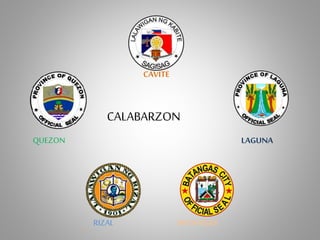
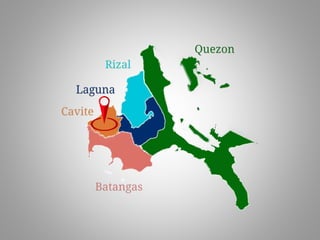
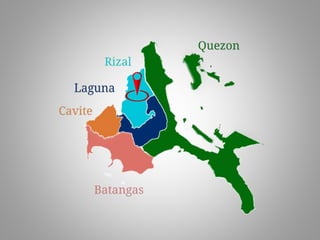
CALABARZON
CAVITE
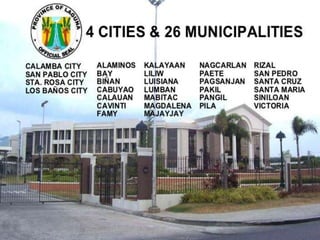
LAGUNA
BATANGASRIZAL
QUEZON
Cavite is a province in the Philippines located
on the southern shores of Manila Bay in
the Calabarzon region on Luzon island.
Situated 21 kilometers (13 miles) southwest
of Metro Manila.
Nickname: Agri-Industrial Center of Upland
Cavite.
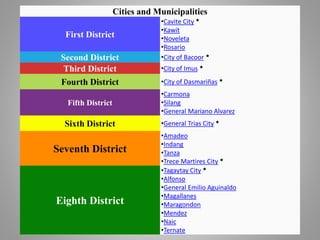
Cities and Municipalities
First District
•Cavite City ★
•Kawit
•Noveleta
•Rosario
Second District •City of Bacoor ★
Third District •City of Imus ★
Fourth District •City of Dasmariñas ★
Fifth District
•Carmona
•Silang
•General Mariano Alvarez
Sixth District •General Trias City ★
Seventh District
•Amadeo
•Indang
•Tanza
•Trece Martires City ★
Eighth District
•Tagaytay City ★
•Alfonso
•General Emilio Aguinaldo
•Magallanes
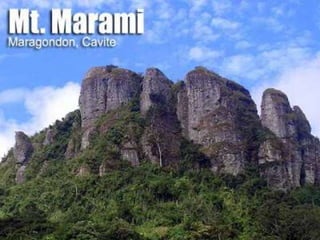
•Maragondon
•Mendez
•Naic
•Ternate
For over 300 years, the
province played an
important role in both
the country's colonial
past and eventual fight
for independence,
earning it the title
"Historical Capital of
the Philippines"
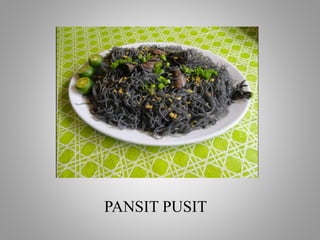
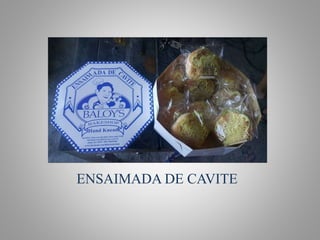
That must eat in Cavite
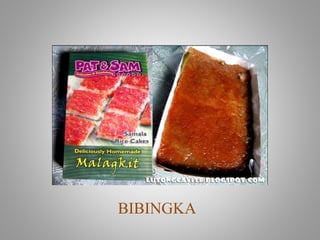
BIBINGKA
PANSIT PUSIT
KESONG PUTI O QUELLO
ENSAIMADA DE CAVITE
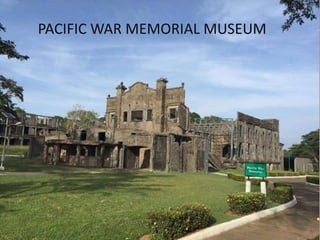
PACIFIC WAR MEMORIAL MUSEUM
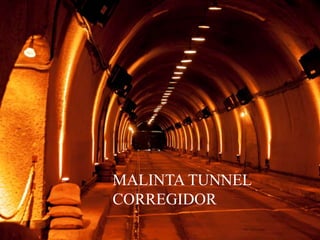
MALINTA TUNNEL
CORREGIDOR
RELIGION
Roman Catholic
AGLIPAYAN
SEVENTH DAY ADVENTIS
DIALECT
Tagalog and Chavacano
AGRICULTURE
Its major crops include rice, corn,
vegetables, fruits, root crops, coffee,
coconut and sugarcane. The province is
endowed with rich offshore and coastal
fishing grounds.
MUSIC
and
DANCE
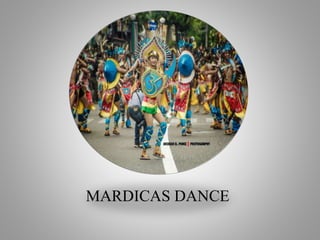
MARDICAS DANCE
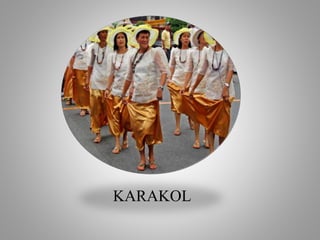
KARAKOL
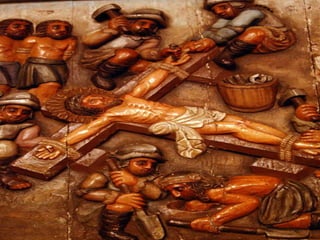
Live Via Crucis or Kalbaryo ni Hesus
ART
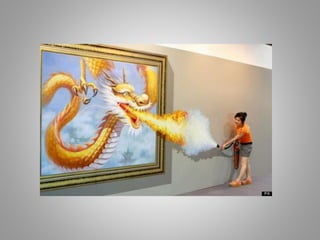
MIRACLE ART CAVITE
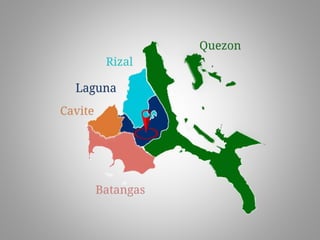
Its capital is Santa Cruz and the
province is situated southeast
of Metro Manila, south of the
province of Rizal, west of Quezon,
north of Batangas and east of Cavite.
Nickname: The Home of the
Coromblan Festival.
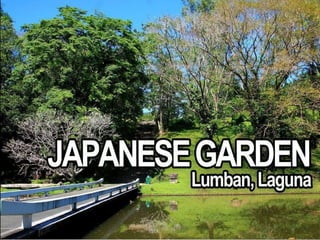
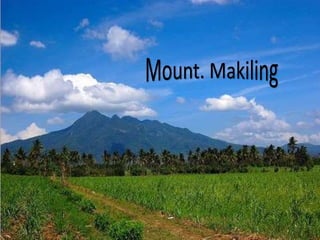
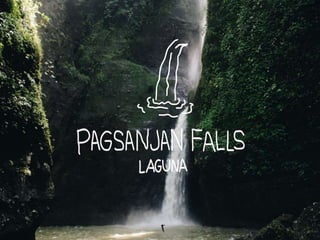
Laguna is widely known as the resort capital
of Luzon due to its hot spring pools with Mt.
Makiling as the source. Laguna is Spanish
word meaning “small lake”. It is not only
riched with natural wonders it also plays an
important role in the country’s history as the
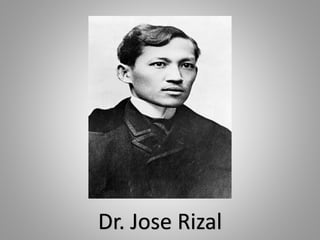
birthplace of Dr. Jose Rizal.
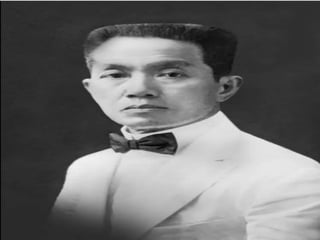
Dr. Jose Rizal
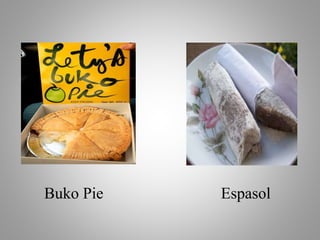
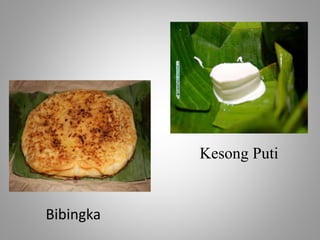
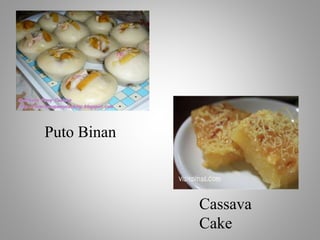
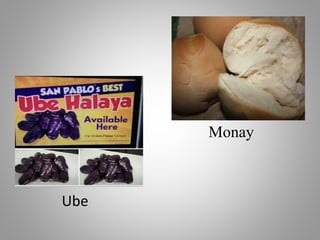
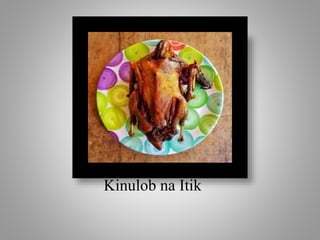
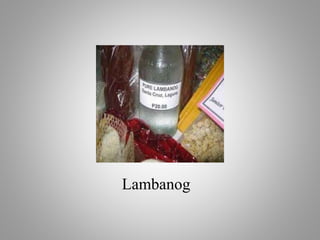
That must eat in Laguna
Buko Pie Espasol
Bibingka
Kesong Puti
Puto Binan
Cassava
Cake
Monay
Ube
Kinulob na Itik
Lambanog
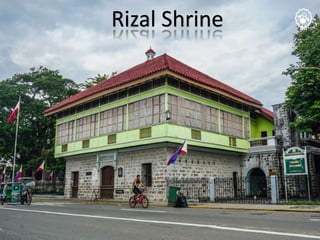
Rizal Shrine
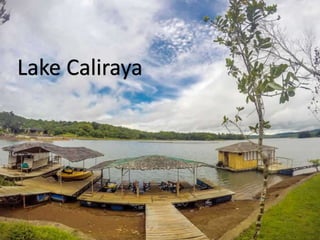
Lake Caliraya
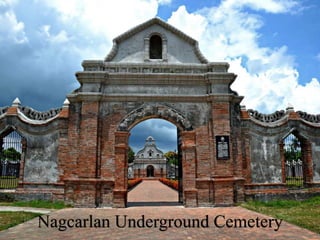
Nagcarlan Underground Cemetery
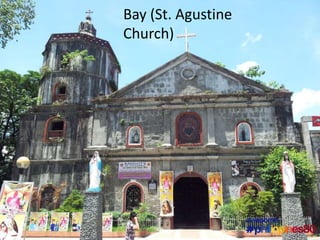
Bay (St. Agustine
Church)
RELIGION
Roman Catholic
DIALECT
Tagalog
English
AGRICULTURE
Laguna is also well-known for its abundant
supply of fruits such as lanzones,
rambutan, papaya, mango, pineapple.
Some large farms also cater to ornamental
plants and cut flower production. About
41,253 ha or 23.44% of Laguna’s total land
area is forest land which is ideal for
growing coconuts, tropical fruits, and
exotic plants. Laguna is the center of
agriculture, fisheries, and forest research in
the country.
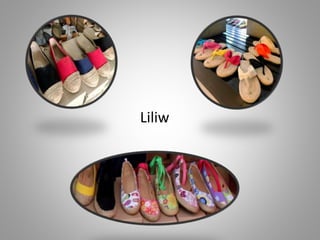
Liliw
MUSIC
and
DANCE
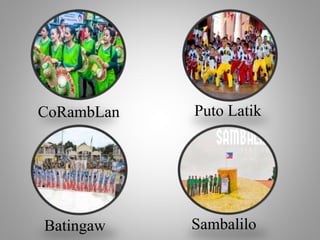
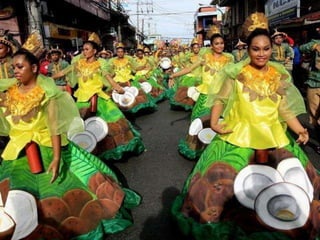
CoRambLan Puto Latik
Batingaw Sambalilo
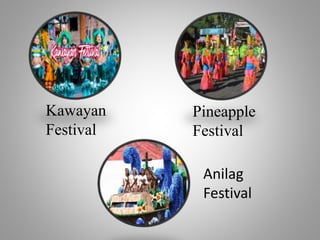
Kawayan
Festival
Pineapple
Festival
Anilag
Festival
ART
The Blessed Virgin Of
the Lumiere Festival
Prestigious
8th December in
Lyon
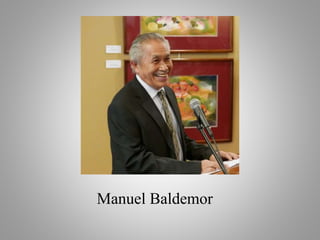
Manuel Baldemor
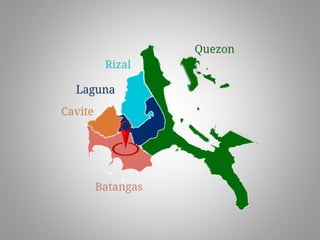
Its capital is the city of Batangas and is
bordered by the provinces of Cavite and
Laguna to the north and Quezon to the east.
Municipalities: 31
Nickname: Float Capital of the Philippines
The name "Batangas" was obtained from
the word "batang," which is a term of the
natives for the abundant logs in
Calumpang River.
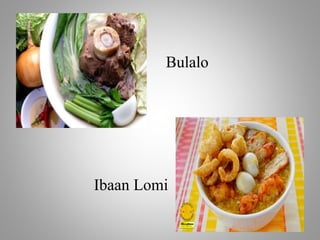
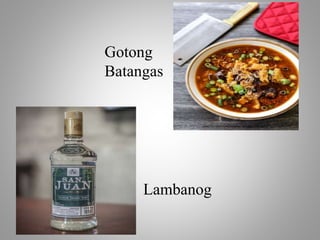
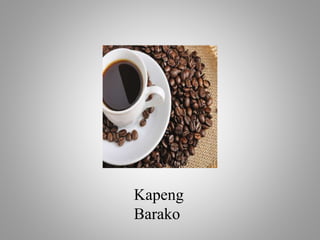
That must eat in Batangas
Bulalo
Ibaan Lomi
Gotong
Batangas
Lambanog
Kapeng
Barako
RELIGION
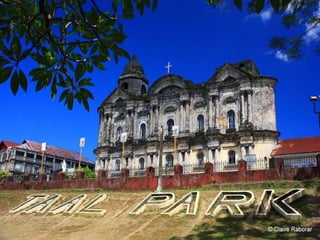
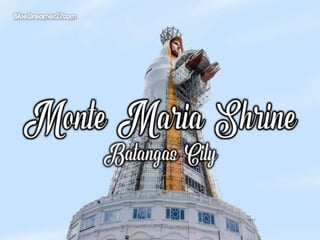
Not only did they make Batangas the
second most important religious centre of
the Archipelago, they did it in a mere 10-
year period. In fact, up to now, Batangas
remains to be one of the most
'Christianised' and even the most 'Catholic'
Province in the Philippines.
DIALECT
Batangas Tagalog (more properly
Batangan, Batangueño, or Batangenyo
[batɐŋˈgɛn.ɲo]), is a dialect of the Tagalog
language that is spoken primarily in the
province of Batangas.
AGRICULTURE
The main economic activity in Batangas.
The major crops produced by the province
are palay, sugarcane, coconut, and coffee.
The province is a major supplier of cattle to
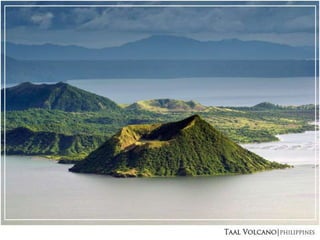
Metro Manila. Taal Lake and the nearby
coast are the main sources of fish for the
province.
MUSIC
and
DANCE
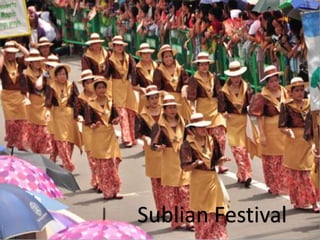
Sublian Festival
ART
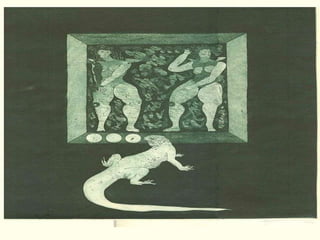
Manolito Tolentino Mayo
Before Rizal became a province, its
area used to be the provinces of
Tondo and La Laguna during the
Spanish era.
Nickname: Arts Capital of the
Philippines
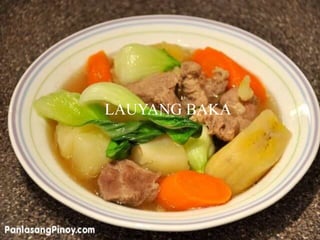
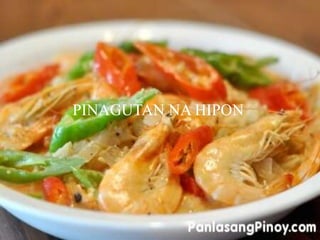
That must eat in Rizal
LAUYANG BAKA
PINAGUTAN NA HIPON
PIZZA IN LUTONG PUGON
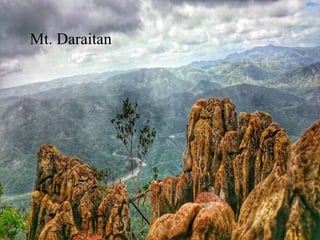
Mt. Daraitan
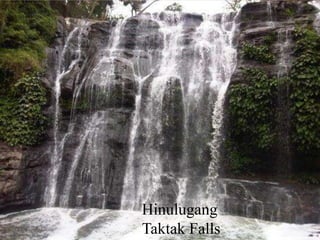
Hinulugang
Taktak Falls
RELIGION
• Roman Catholic
• Church of God International of Bro. Eli Soriano
• Iglesia Filipina Independiente
• Born-again Christians
• Jesus Is Lord Church Iglesia Ni Cristo
• Jehovah's Witnesses Baptist
• Church of Christ of Latter Day Saints
• El Shaddai
• Methodists
• Presbyterians
• Seventh-day Adventist Muslims
• Anitists
• animists
• and atheists are also present in the province.
DIALECT
T A
G
O
LAG
AGRICULTURE
The major crops are
rice and fruits,
specifically mango,
citrus, coffee, cacao
and cashew.
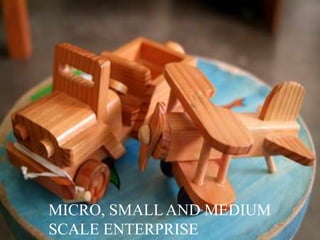
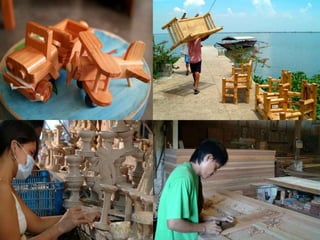
MICRO, SMALL AND MEDIUM
SCALE ENTERPRISE
MUSIC
and
DANCE
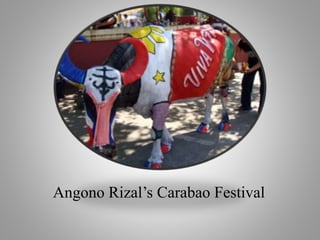
Angono Rizal’s Carabao Festival
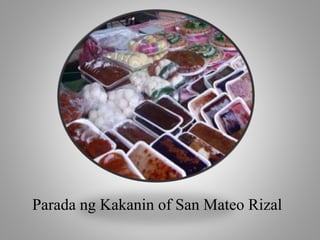
Parada ng Kakanin of San Mateo Rizal
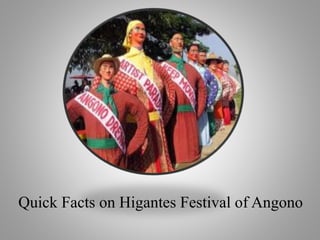
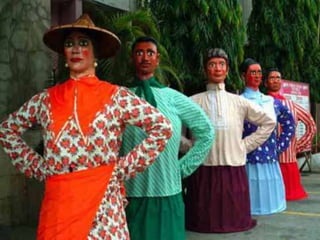
Quick Facts on Higantes Festival of Angono
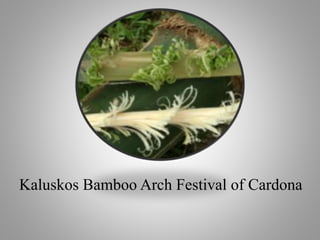
Kaluskos Bamboo Arch Festival of Cardona
ART
BOTONG FRANCISCO
VICENTE MANANSALA
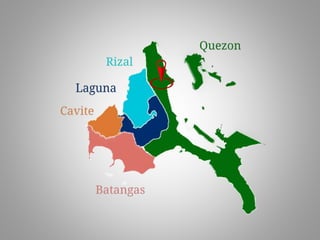
Quezon Province is bounded on the north by the
province of Aurora, on the west by the provinces of
Laguna and Rizal, on the southwest by the province of
Batangas and the southeast by Camarines Norte and
Camarines Sur.
Municipalities: 39
Nickname/s: The Hidden Gem of Quezon, Gateway to
the Pacific, Alabat, A lost Paradise.
In 1591 the province was called Kaliraya and
was later changed to Tayabas. On September 7,
1946 Manuel Roxas, president of the Philippine
Republic changed the province’s name from
Tayabas to Quezon, in honor of Manuel L.
Quezon, President of the Philippine
Commonwealth who hailed from the town of
Baler.
CAPITAL: LUCENA
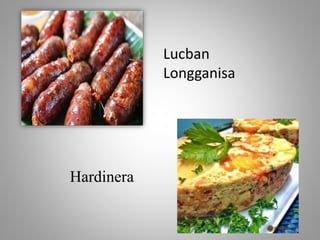
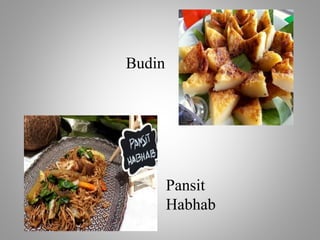
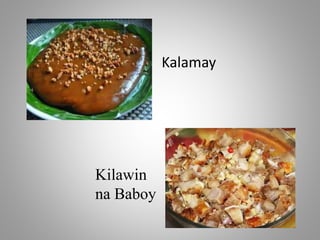
That must eat in Quezon
Lucban
Longganisa
Hardinera
Budin
Pansit
Habhab
Kalamay
Kilawin
na Baboy
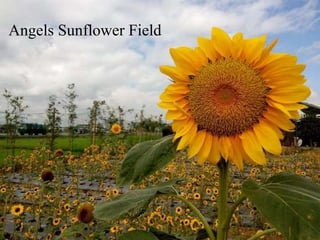
Angels Sunflower Field
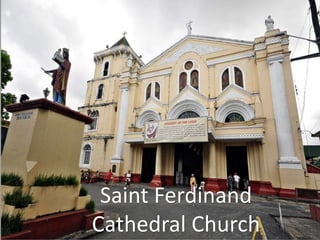
Saint Ferdinand
Cathedral Church
RELIGION
Roman Catholic
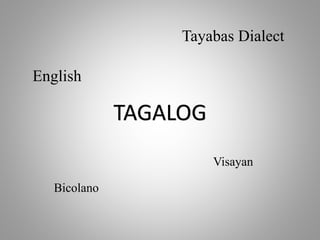
DIALECT
English
Tayabas Dialect
TAGALOG
Bicolano
Visayan
AGRICULTURE
• Niyog
• Palay
• Mais
• Saging
• Kapeng Barako
• Wood carving
• Pottery
• Buli weaving
• Soap Making
• Kiping
MUSIC
and
DANCE
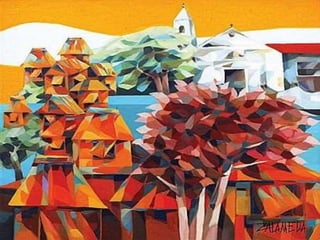
ART
Oscar De Zalameda

Region iv a