Re-imagining Rural Land Use Policy:
    Perspectives from the ‘Edge’
   Professor Alister Scott BA PhD MRTPI
       Working Party on Territorial
   Development Policies in Rural Areas
      OECD Paris 6th December 2012
An Interdisciplinary Perspective
  Focus on ‘edge’ spaces working across rural and
  urban land uses where they intersect and
  connect
  Applied academic with a focus on proportionate
  evidence-based research and policy leading to
  deliverable outcomes.
• Concern with the process by which policy,
  practice and decisions are enabled as much as
  outcome.
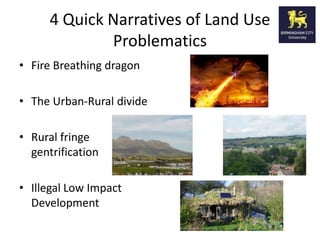
4 Quick Narratives of Land Use
              Problematics
• Fire Breathing dragon

• The Urban-Rural divide

• Rural fringe
  gentrification

• Illegal Low Impact
  Development
Fire Breathing Lessons
Lack of vision within which solution fitted.
Expert-led solution imposed without evidence.
Beware any expert (especially academics) offering
gifts or solutions.
Lack of human and physical responses to manage
solution.
Lack of translation and application of solution to
the local context
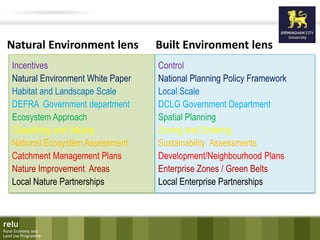
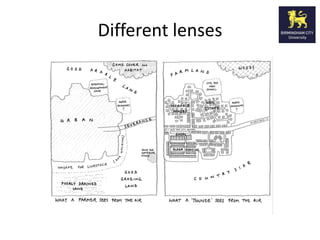
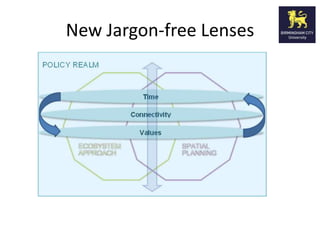
Natural Environment lens             Built Environment lens
    Incentives                        Control
    Natural Environment White Paper   National Planning Policy Framework
    Habitat and Landscape Scale       Local Scale
    DEFRA Government department       DCLG Government Department
    Ecosystem Approach                Spatial Planning
    Classifying and Valuing           Zoning and Ordering
    National Ecosystem Assessment     Sustainability Assessments
    Catchment Management Plans        Development/Neighbourhood Plans
    Nature Improvement Areas          Enterprise Zones / Green Belts
    Local Nature Partnerships         Local Enterprise Partnerships


relu
Rural Economy and
Land Use Programme
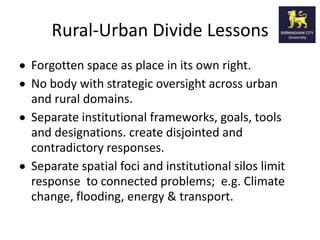
Rural-Urban Divide Lessons
Forgotten space as place in its own right.
No body with strategic oversight across urban
and rural domains.
Separate institutional frameworks, goals, tools
and designations. create disjointed and
contradictory responses.
Separate spatial foci and institutional silos limit
response to connected problems; e.g. Climate
change, flooding, energy & transport.
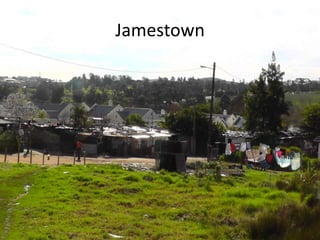
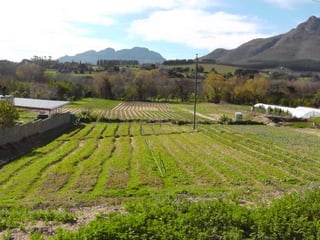
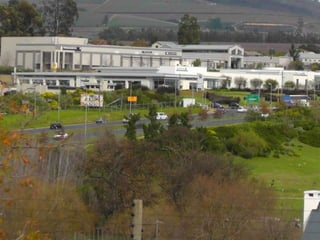
Jamestown
Lessons
• Gentrification conflicts with post-apartheid vision.
• Investment of foreign capital and wealthy migrants.
• Gated communities versus informal settlements
  (Highest Gini index coefficient in the world).
• Loss/Sale of farmland due to inflated land market
  pressures and price.
• Impotence of plans for rural planning due to inward
  investment on golf courses, business parks and
  vineyards.
• Loss of trust with large investors not delivering
  community benefits
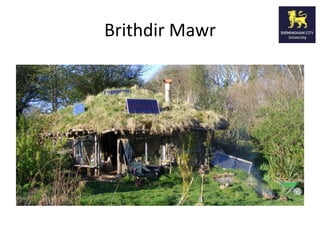
Brithdir Mawr
Lessons
Both sides (National Park Authority and Brithdir Mawr) claim
sustainable development is on their side.
Planning system seen s negative obstacle to low impact
lifestyle resulting in a ‘let’s just do it attitude ’.
Planning quest for order inhibits new ideas that do not fit in.
Planners have tools to encourage the new and the bold but
their use is limited by risk averse attitudes.
Contradiction in scales of decision making: national exemplar
(Welsh Assembly Government vs. Demolish order (National
Park/Local Authority)
Out of date (1987) development plan for decision making
Out of date (1947/1990) definitions of productivist agriculture
Disintegrated Development
Different lenses
Common Response Fallacies
• Develop new academic
  concept
• Creeping incrementalism
• More evidence
• More Regulation
• More Localism
• More Free market
• Institutional reform
• Behaviour change
• Black and white ‘media’issues
‘Journey’ to land use integration
• Path to success is littered
  with failures
• Path to success is
  illuminated by individuals
  going beyond convention
  in spite of the system
  (Scott, 2011)
• Path to success is enabled
  through using improved
  interdisciplinary glasses
New Jargon-free Lenses
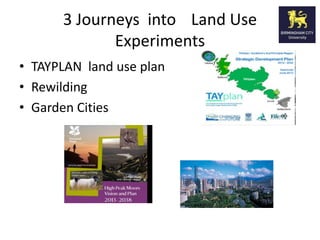
3 Journeys into Land Use
             Experiments
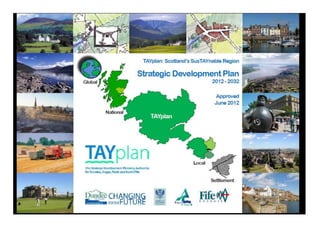
• TAYPLAN land use plan
• Rewilding
• Garden Cities
Ingredients
• Engaging local communities in high level plan at
  earliest stages and thereafter.
• Local Authority planners from each area working
  on joint strategic plan reinforces scalar
  connections.
• 8 policies and 24 pages ensures maximum
  exposure and engagement (people read it!)
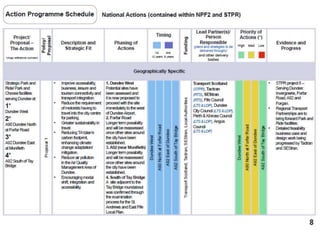
• Indicators identified for each of the plan policies
• Action plan developed along clear lines of
  accountability, priority and timing.
Approach
•
Ingredients
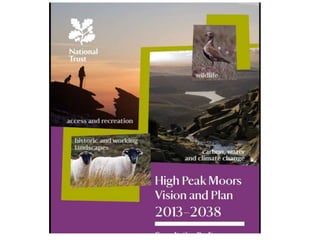
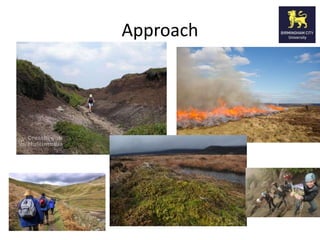
• NGOs/charities have the capacity and agenda to
  instigate land use experiments.
• It may not be popular, but it is possible to
  develop a bold vision underpinned by robust
  evidence.
• Exploit new markets to finance & justify
  managing land for public goods e.g. emerging
  markets for carbon and clean water.
• Traditional forms of land management may lose
  out; is managing the land for carbon and wildlife
  compatible with farmer’s identity and motives?
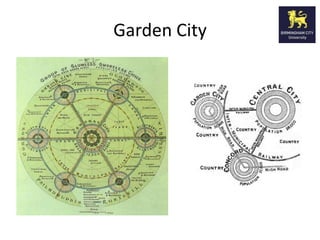
Garden City
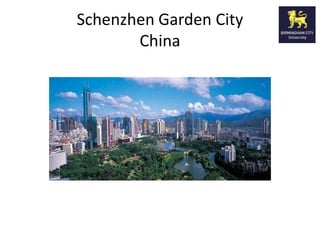
Schenzhen Garden City
       China
Ingredients
• Set within a national spatial plan and vision for growth
  rather than an isolated idea.
• 21st century re-interpretation of Ebenezer Howards
  ideals incorporating climate change.
• Town Countryside integral to the model; not a bolt on
  extra.
• Stakeholders involved across built and natural
  environment (from idea to evaluation).
• New models of community governance and private
  public partnerships.
• New Financial tools e.g. Tax Incremental Financing.
Concluding Recipe
• Learn by making mistakes
• Experiment with new ideas collectively within
  agreed visions
• Use effective evidence to support ideas and
  decisions
• Use a mix of regulatory, incentive and
  engagement tools within new models of land
  use governance.
• Do not overcook!
• Alister Scott
• http://www.bcu.ac.uk/research/-centres-of-
  excellence/centre-for-environment-and-
  society/projects/relu

Re imagining rural land use policy

  • 1.
    Re-imagining Rural LandUse Policy: Perspectives from the ‘Edge’ Professor Alister Scott BA PhD MRTPI Working Party on Territorial Development Policies in Rural Areas OECD Paris 6th December 2012
  • 2.
    An Interdisciplinary Perspective Focus on ‘edge’ spaces working across rural and urban land uses where they intersect and connect Applied academic with a focus on proportionate evidence-based research and policy leading to deliverable outcomes. • Concern with the process by which policy, practice and decisions are enabled as much as outcome.
  • 3.
    4 Quick Narrativesof Land Use Problematics • Fire Breathing dragon • The Urban-Rural divide • Rural fringe gentrification • Illegal Low Impact Development
  • 4.
    Fire Breathing Lessons Lackof vision within which solution fitted. Expert-led solution imposed without evidence. Beware any expert (especially academics) offering gifts or solutions. Lack of human and physical responses to manage solution. Lack of translation and application of solution to the local context
  • 5.
    Natural Environment lens Built Environment lens Incentives Control Natural Environment White Paper National Planning Policy Framework Habitat and Landscape Scale Local Scale DEFRA Government department DCLG Government Department Ecosystem Approach Spatial Planning Classifying and Valuing Zoning and Ordering National Ecosystem Assessment Sustainability Assessments Catchment Management Plans Development/Neighbourhood Plans Nature Improvement Areas Enterprise Zones / Green Belts Local Nature Partnerships Local Enterprise Partnerships relu Rural Economy and Land Use Programme
  • 6.
    Rural-Urban Divide Lessons Forgottenspace as place in its own right. No body with strategic oversight across urban and rural domains. Separate institutional frameworks, goals, tools and designations. create disjointed and contradictory responses. Separate spatial foci and institutional silos limit response to connected problems; e.g. Climate change, flooding, energy & transport.
  • 7.
  • 11.
    Lessons • Gentrification conflictswith post-apartheid vision. • Investment of foreign capital and wealthy migrants. • Gated communities versus informal settlements (Highest Gini index coefficient in the world). • Loss/Sale of farmland due to inflated land market pressures and price. • Impotence of plans for rural planning due to inward investment on golf courses, business parks and vineyards. • Loss of trust with large investors not delivering community benefits
  • 12.
  • 13.
    Lessons Both sides (NationalPark Authority and Brithdir Mawr) claim sustainable development is on their side. Planning system seen s negative obstacle to low impact lifestyle resulting in a ‘let’s just do it attitude ’. Planning quest for order inhibits new ideas that do not fit in. Planners have tools to encourage the new and the bold but their use is limited by risk averse attitudes. Contradiction in scales of decision making: national exemplar (Welsh Assembly Government vs. Demolish order (National Park/Local Authority) Out of date (1987) development plan for decision making Out of date (1947/1990) definitions of productivist agriculture
  • 14.
  • 15.
  • 16.
    Common Response Fallacies •Develop new academic concept • Creeping incrementalism • More evidence • More Regulation • More Localism • More Free market • Institutional reform • Behaviour change • Black and white ‘media’issues
  • 17.
    ‘Journey’ to landuse integration • Path to success is littered with failures • Path to success is illuminated by individuals going beyond convention in spite of the system (Scott, 2011) • Path to success is enabled through using improved interdisciplinary glasses
  • 18.
  • 19.
    3 Journeys intoLand Use Experiments • TAYPLAN land use plan • Rewilding • Garden Cities
  • 22.
    Ingredients • Engaging localcommunities in high level plan at earliest stages and thereafter. • Local Authority planners from each area working on joint strategic plan reinforces scalar connections. • 8 policies and 24 pages ensures maximum exposure and engagement (people read it!) • Indicators identified for each of the plan policies • Action plan developed along clear lines of accountability, priority and timing.
  • 24.
  • 25.
    Ingredients • NGOs/charities havethe capacity and agenda to instigate land use experiments. • It may not be popular, but it is possible to develop a bold vision underpinned by robust evidence. • Exploit new markets to finance & justify managing land for public goods e.g. emerging markets for carbon and clean water. • Traditional forms of land management may lose out; is managing the land for carbon and wildlife compatible with farmer’s identity and motives?
  • 26.
  • 27.
  • 28.
    Ingredients • Set withina national spatial plan and vision for growth rather than an isolated idea. • 21st century re-interpretation of Ebenezer Howards ideals incorporating climate change. • Town Countryside integral to the model; not a bolt on extra. • Stakeholders involved across built and natural environment (from idea to evaluation). • New models of community governance and private public partnerships. • New Financial tools e.g. Tax Incremental Financing.
  • 29.
    Concluding Recipe • Learnby making mistakes • Experiment with new ideas collectively within agreed visions • Use effective evidence to support ideas and decisions • Use a mix of regulatory, incentive and engagement tools within new models of land use governance. • Do not overcook!
  • 30.
    • Alister Scott •http://www.bcu.ac.uk/research/-centres-of- excellence/centre-for-environment-and- society/projects/relu

Editor's Notes

  • #11 Ripped the heart out of Stellenbosch.”“Changed the urban structure of Stellenbosch completely.” “We opposed Jamestown at risk of losing our jobs.”“There was money on the table with this one…at municipal and provincial levels. Once the shopping center was built, it turned its back on Jamestown.”Trust