Just Get Out There
And Sample!
Quality Management Plan
(QMP)
• The Department is required by
USEPA Region II to develop and
maintain a QA program
• QMP prepared and approved
every four years
• Defines Department’s QA program
QAPP Functions
• Communicate
• Summarize
• Document
• Audit
QAPPs are Written in
Accordance With:
“Guidance on Quality Assurance
Project Plans (QA/G-5),”
December,2002, USEPA
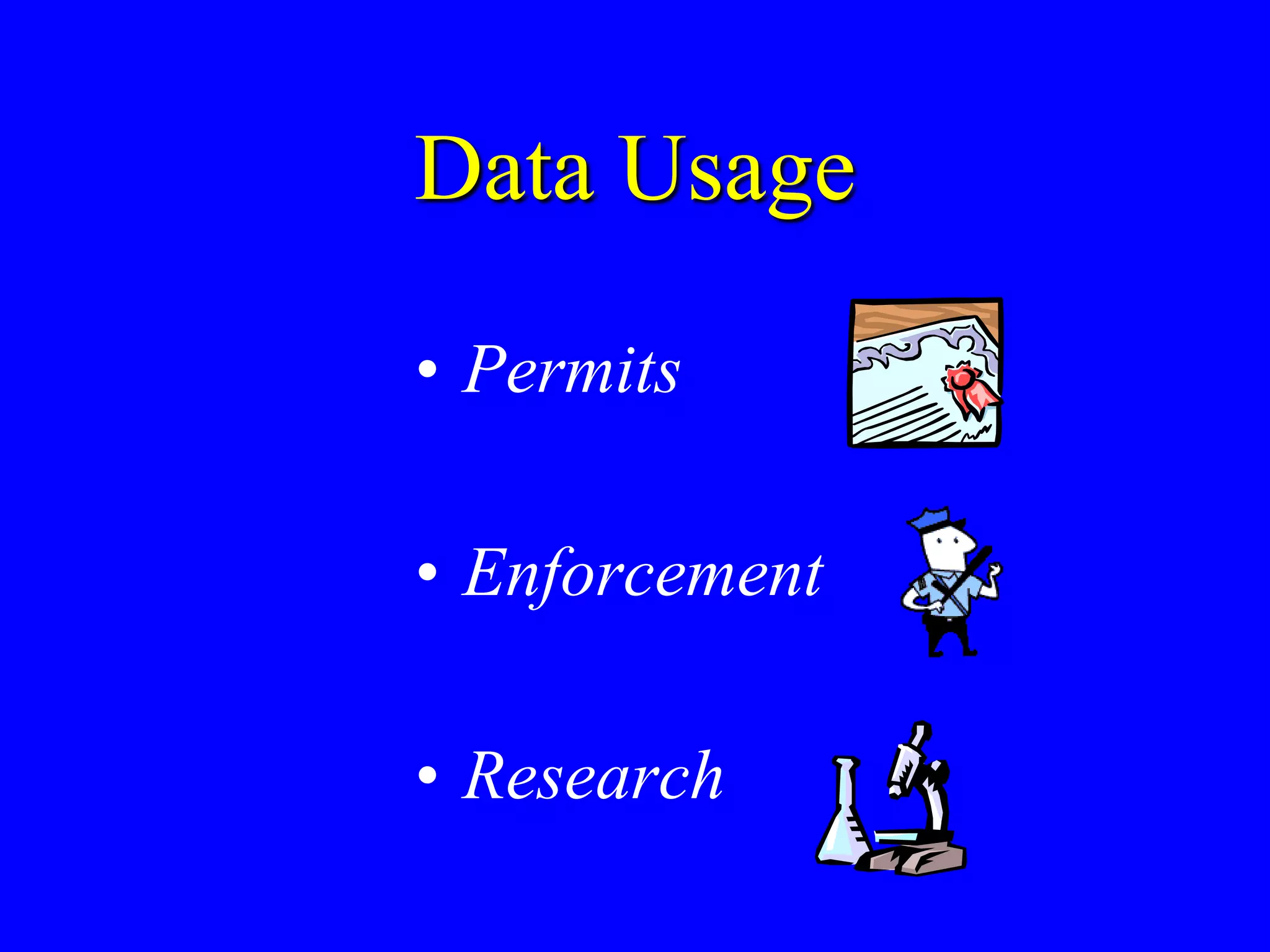
Data Usage
• Permits
• Enforcement
• Research
Elements in Providing
Quality Assurance
• QAPP
• SOP
• Certification Programs
• P.T. Samples
• Data Validation
• Audits - Lab and Field
Data Quality Requirements
• Method Options
• Laboratory Specific MDLs
Take Samples and Preserve
in the Field
• Deliver samples to lab within
holding time
• “Analyze Immediately”
parameters must be done within
fifteen minutes, i.e. DO, pH, TRC,
Temp, sulfite
Holding Times
• USEPA sets holding times
• Outlined in 40 CFR
• N.J.A.C. 7:18 regulations
• Department field sampling
procedures manual
Sample Containers
• Container must not react with sample
• Plastic containers - best for inorganic
parameters
• Glass containers - best for organic
parameters (teflon lined caps)
• Sterile container - required for
microbiological
Methods of Preservation
• Acids control pH, keep metal ions
in a dissolved state, and control
biological action
• If Chlorine is present, add a
reducing agent (ascorbic acid,
sodium thiosulfate)
• Refrigerate at 4o C
• Freezing - tissues (fish, birds)
Sample Cooling
• Blue ice is discouraged. It does
not generally maintain the
temperature of the sample at 4o C
or less.
• If using blue ice, it should be
frozen at the time of use, and
samples should be at 4o C before
packing with it
Sample Custody
• Chain-of-custody record used for
sample transfers
• Each sample transfer documented
with signature, date, and time
• Sample access and handling
controlled and documented
Potential Errors in
Sampling and Analysis
• Taking samples at location or
times that do not accurately
represent the quality of the
groundwater or effluent being
sampled
Potential Errors in
Sampling and Analysis
• Using equipment made of
inappropriate material that may
react with samples and
contaminate them
Potential Errors in
Sampling and Analysis
• Using sampling equipment that is
not decontaminated prior to
sampling and between sampling
episodes
Six Phases of a Project
• Enthusiasm
• Dillusionment
• Panic
• Search for the Guilty
• Punishment of the Innocent
• Praise and Honor for the
Nonparticipants

Quality Assurance Project Plans

  • 1.
    Just Get OutThere And Sample!
  • 2.
    Quality Management Plan (QMP) •The Department is required by USEPA Region II to develop and maintain a QA program • QMP prepared and approved every four years • Defines Department’s QA program
  • 3.
    QAPP Functions • Communicate •Summarize • Document • Audit
  • 4.
    QAPPs are Writtenin Accordance With: “Guidance on Quality Assurance Project Plans (QA/G-5),” December,2002, USEPA
  • 5.
    Data Usage • Permits •Enforcement • Research
  • 6.
    Elements in Providing QualityAssurance • QAPP • SOP • Certification Programs • P.T. Samples • Data Validation • Audits - Lab and Field
  • 7.
    Data Quality Requirements •Method Options • Laboratory Specific MDLs
  • 8.
    Take Samples andPreserve in the Field • Deliver samples to lab within holding time • “Analyze Immediately” parameters must be done within fifteen minutes, i.e. DO, pH, TRC, Temp, sulfite
  • 9.
    Holding Times • USEPAsets holding times • Outlined in 40 CFR • N.J.A.C. 7:18 regulations • Department field sampling procedures manual
  • 10.
    Sample Containers • Containermust not react with sample • Plastic containers - best for inorganic parameters • Glass containers - best for organic parameters (teflon lined caps) • Sterile container - required for microbiological
  • 11.
    Methods of Preservation •Acids control pH, keep metal ions in a dissolved state, and control biological action • If Chlorine is present, add a reducing agent (ascorbic acid, sodium thiosulfate) • Refrigerate at 4o C • Freezing - tissues (fish, birds)
  • 12.
    Sample Cooling • Blueice is discouraged. It does not generally maintain the temperature of the sample at 4o C or less. • If using blue ice, it should be frozen at the time of use, and samples should be at 4o C before packing with it
  • 13.
    Sample Custody • Chain-of-custodyrecord used for sample transfers • Each sample transfer documented with signature, date, and time • Sample access and handling controlled and documented
  • 14.
    Potential Errors in Samplingand Analysis • Taking samples at location or times that do not accurately represent the quality of the groundwater or effluent being sampled
  • 15.
    Potential Errors in Samplingand Analysis • Using equipment made of inappropriate material that may react with samples and contaminate them
  • 16.
    Potential Errors in Samplingand Analysis • Using sampling equipment that is not decontaminated prior to sampling and between sampling episodes
  • 17.
    Six Phases ofa Project • Enthusiasm • Dillusionment • Panic • Search for the Guilty • Punishment of the Innocent • Praise and Honor for the Nonparticipants