



The Presidency
Dr. Christopher S. Rice
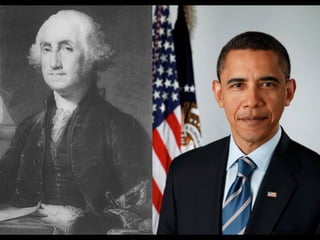
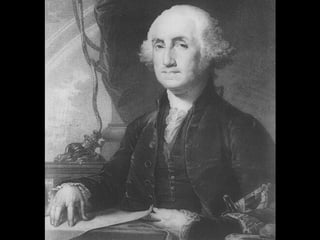
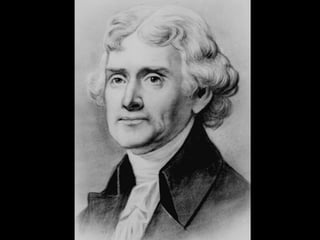
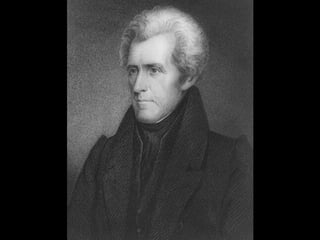
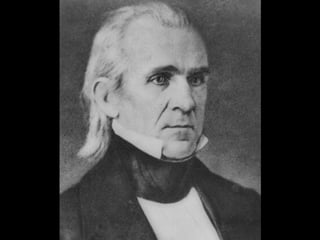
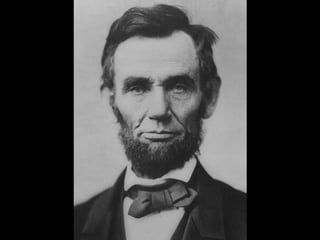
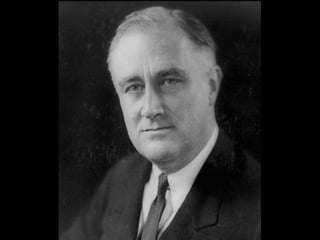
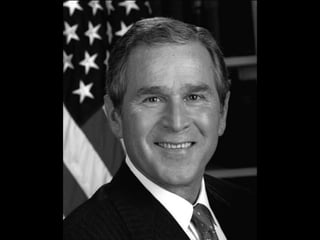
Setting precedents
Early US presidents & their actions…
What explains the
expansion of
presidential power?
4
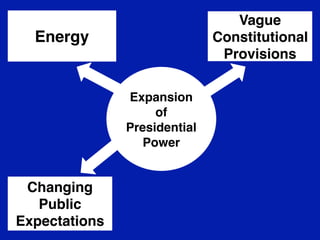
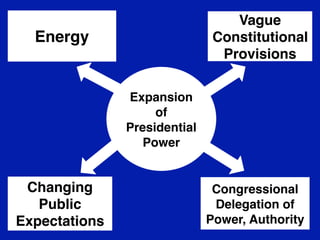
Factors
Expansion
of
Presidential
Power
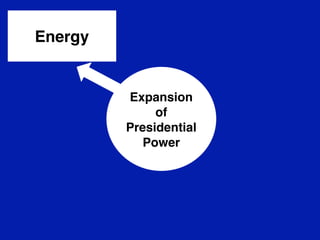
Energy

Expansion
of
Presidential
Power
Vague
Constitutional
Provisions

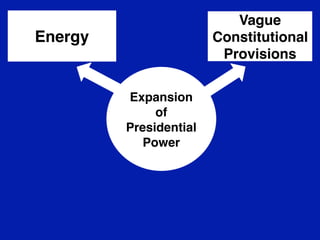
Energy

Expansion
of
Presidential
Power
Vague
Constitutional
Provisions

Energy

Expansion
of
Presidential
Power

Changing
Public
Expectations
Vague
Constitutional
Provisions

Energy

Expansion
of
Presidential
Power

Changing
Public
Expectations

Congressional
Delegation of
Power, Authority
Roles and Powers of
the President
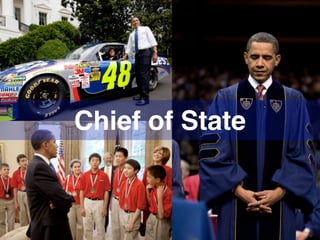
Chief of State
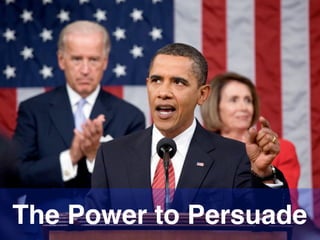
The Power to Persuade
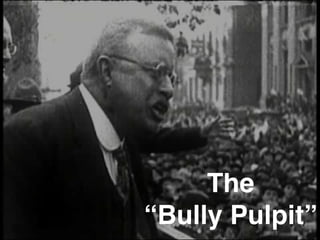
The
“Bully Pulpit”
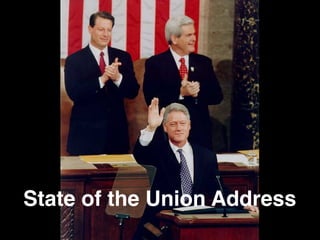
State of the Union Address
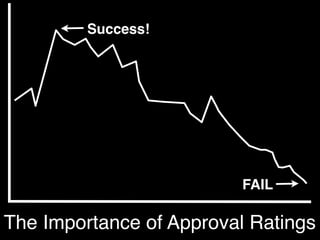
Success!

FAIL

The Importance of Approval Ratings
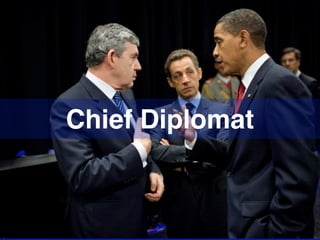
Chief Diplomat
Treaty Power
Power to negotiate treaties,
official agreements with other
countries
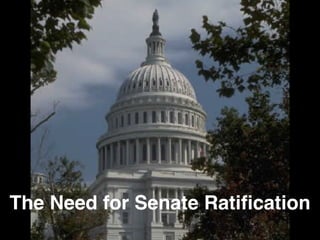
The Need for Senate Ratification
Executive Agreement
Legal contracts with foreign
countries that require only a
presidential signature
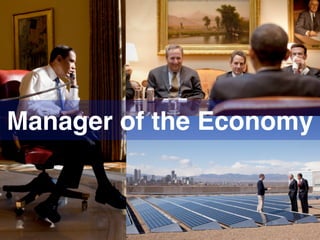
Manager of the Economy
Employment Act of 1946
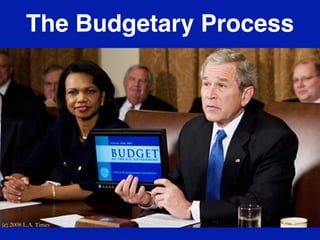
The Budgetary Process

(c) 2008 L.A. Times
Office of Management and
Budget (OMB)
Congressional Budget
Office (CBO)
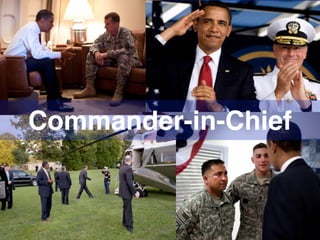
Commander-in-Chief
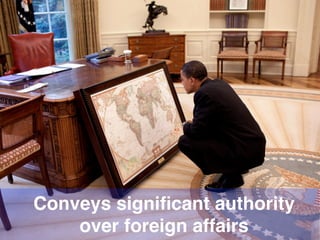
Conveys significant authority
over foreign affairs
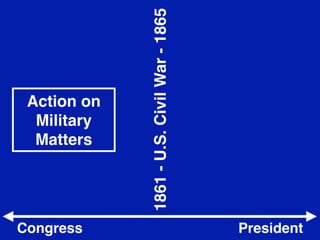
Congress

1861 - U.S. Civil War - 1865

Action on
Military
Matters

President
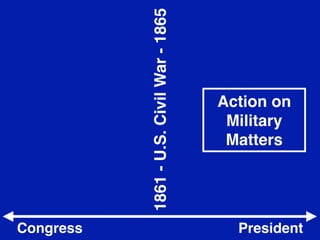
1861 - U.S. Civil War - 1865
Congress

Action on
Military
Matters

President
United States vs.
Curtiss-Wright (1936)
Youngstown Sheet &
Tube Co. v Sawyer
(1951)
War Powers Resolution
(1973)
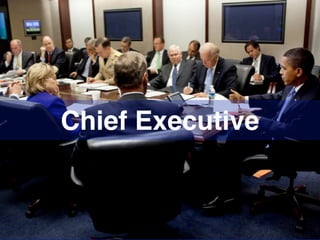
Chief Executive
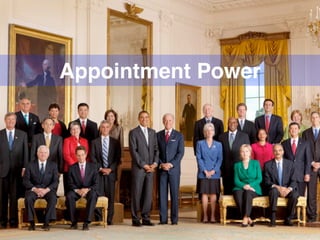
Appointment Power
Constitution allows presidents
to “appoint Ambassadors, other
public ministers and Consuls,
Judges of the supreme Court…
and all other Officers of the
United States.”
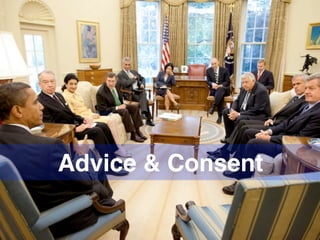
Advice & Consent
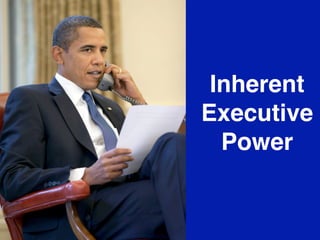
Inherent
Executive
Power
Executive Orders
directives to government
employees which carry the weight
of law unless they contradict acts
passed by Congress
Executive Privilege
right of the president to deny
Congress the information it
requests
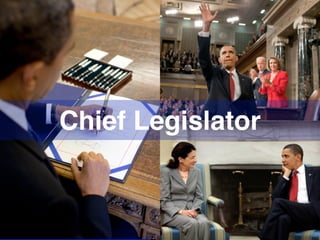
Chief Legislator
Power to Recommend
Constitution encourages presidents to
recommend for Congressional
“consideration such Measures as he
shall judge necessary and expedient.”
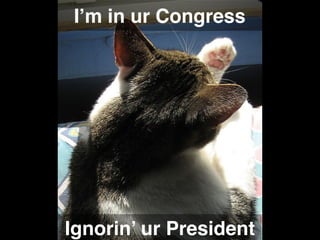
I’m in ur Congress

Ignorin’ ur President
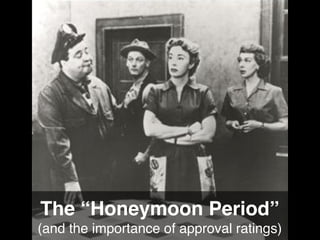
The “Honeymoon Period”
(and the importance of approval ratings)
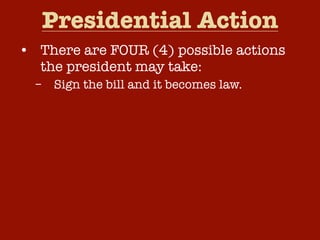
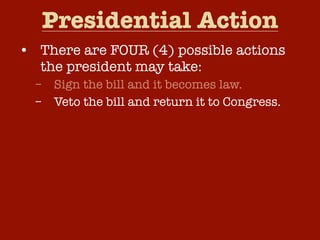
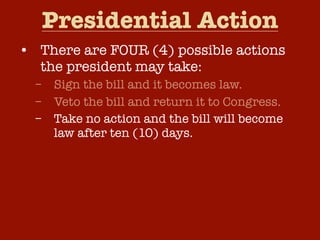
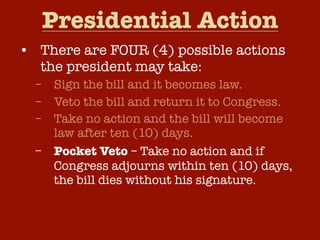
Presidential Action
• There are FOUR (4) possible actions
the president may take:
–
–
–
–

Sign the bill and it becomes law.
Veto the bill and return it to Congress.
Take no action and the bill will become
law after ten (10) days.
Pocket Veto – Take no action and if
Congress adjourns within ten (10) days,
the bill dies without his signature.
Presidential Action
• There are FOUR (4) possible actions
the president may take:
–
–
–
–

Sign the bill and it becomes law.
Veto the bill and return it to Congress.
Take no action and the bill will become
law after ten (10) days.
Pocket Veto – Take no action and if
Congress adjourns within ten (10) days,
the bill dies without his signature.
Presidential Action
• There are FOUR (4) possible actions
the president may take:
–
–
–
–

Sign the bill and it becomes law.
Veto the bill and return it to Congress.
Take no action and the bill will become
law after ten (10) days.
Pocket Veto – Take no action and if
Congress adjourns within ten (10) days,
the bill dies without his signature.
Veto Power
Most important FORMAL presidential power
Vetoes are a NEGATIVE option,
not a POSITIVE method
Presidential Action
• There are FOUR (4) possible actions
the president may take:
–
–
–
–

Sign the bill and it becomes law.
Veto the bill and return it to Congress.
Take no action and the bill will become
law after ten (10) days.
Pocket Veto – Take no action and if
Congress adjourns within ten (10) days,
the bill dies without his signature.
Presidential Action
• There are FOUR (4) possible actions
the president may take:
–
–
–
–

Sign the bill and it becomes law.
Veto the bill and return it to Congress.
Take no action and the bill will become
law after ten (10) days.
Pocket Veto – Take no action and if
Congress adjourns within ten (10) days,
the bill dies without his signature.
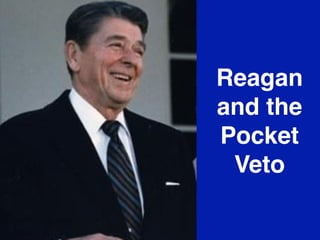
Reagan
and the
Pocket
Veto
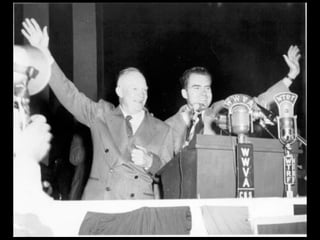
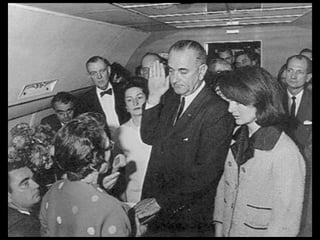
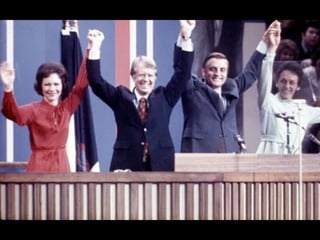
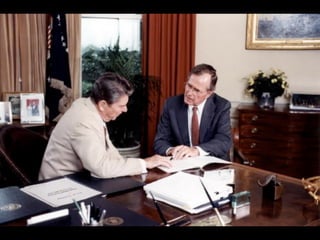
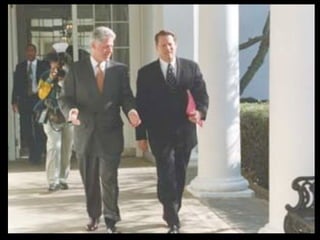
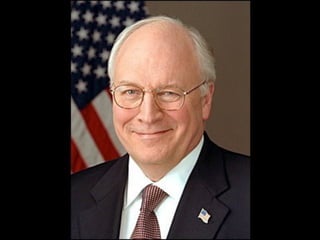
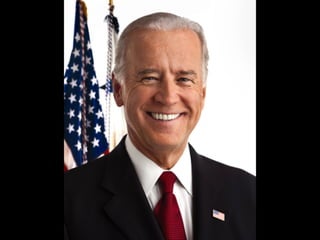
The Vice-Presidency
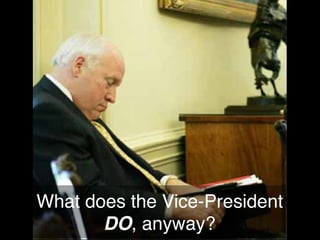
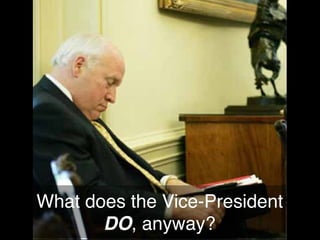
What does the Vice-President
DO, anyway?
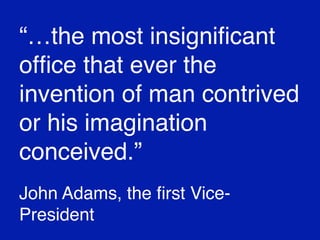
“…the most insignificant
office that ever the
invention of man contrived
or his imagination
conceived.”
John Adams, the first VicePresident
“…not worth a pitcher of
warm piss.”
John Nance Garner, the 32nd VicePresident
“Once there were two
brothers. One went away to
sea; the other was elected
Vice-President of the United
States. And nothing was ever
heard of either of them
again.”
Thomas R. Marshall, the 28th VicePresident
What does the Vice-President
DO, anyway?
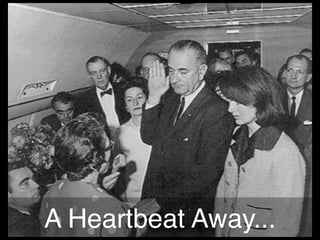
A Heartbeat Away...
Constitution:
Should the President die or become
disabled while in office, "powers
and duties" of the office transferred
to the Vice President.
25th Amendment
to the Rescue!
And the
First
Runner-Up
is...
(cc) 2005 Flickr user feastoffools
12th Amendment
(1804)
25th Amendment
(1967)
Okay, so I AM your
Stepping Stone

(cc) 2007 Flickr user .Gladius
The Modern Vice-Presidency
PS 101 The Presidency Fall 2013

PS 101 The Presidency Fall 2013