What is the fundamental pattern of any market that is trending? Depends on the direction, right?
If a market is trending up, we expect to see higher highs and lows and the downswings to be relatively the same. Flip what I just mentioned over and you have a market that is heading down.
This is certainly basic knowledge that any trader should know..and be able to profit from and I want to show you how.
Trading pullbacks in price is a basic trend trading move that has a huge following. Most "educational websites" talk about trading pullbacks in various ways and many also have use different names for the pattern.
It's pretty great marketing when you show incredible trades all using your special pullback pattern called "Hip Lisk T-Play" (high probability low risk trend play).
Let's keep it real and call a pullback or one of its many variations for what it really is: A pause in the trending move.
Yes, eventually these pauses can begin a longer term move in the other direction but let's keep everything relatively simple. Also, the probability leans on the trend continuing....not ending.
These pauses in the trend.or pullbacks...can generally be either one leg moves (simple pullback) or two legged variations (complex pullback) on your trading time frame.
Understand though that the pattern you see on your trading time frame that appears as a simple pullback can often be a complex one on a lower time frame.
By the same token, your complex pullback can be a simple pullback on a higher time frame.
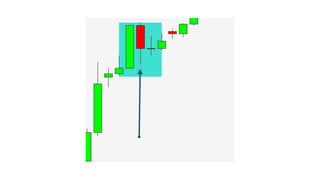
This next chart shows a red candle after a thrusting green candle indicating that we are in a pullback. However, all you really see on this time frame is pretty much a range but looking deeper, you will see this is actually a complex pullback.
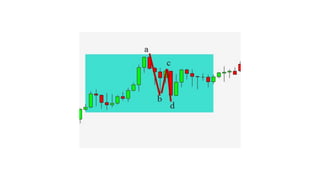
This next chart is one time frame lower and tells a different story than the previous chart. Clearly a complex pullback but the tip off was the formation on the previous chart with the shadow on the red candle.
What looked like a difficult play on the longer term chart, you can see that an entry off this chart shows a much better structure. The question now becomes how to enter this move.
I didn't find the cleanest example but more often than not, we will not be facing the A+ trading conditions.and that is ok. That is ok because all we are looking for is an indication that the correction is losing steam.
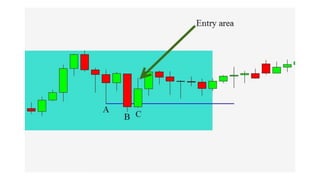
A complex correction actually gives us a great way to enter a trend trade long and that is through a failure to break lower. The lower time frame chart shows us how to do it:
A. This long shadow indicates buyers either on a simple pullback on this time frame or a complex pullback on a lower time frame
Where do all the textbooks (and overpriced trading courses) tell you to place your stop? Below the swing but is that really the best spot?
B. The second part of the pullback breaks below A and takes out stops of the weak hand longs who had tight stops below the shadow. This should have you on alert for your entry into the trend.
Since the trend is up and we see a failure to break lower after the complex pullback, those stopped out have to re-enter. You can see B breaks the low, with strength BUT there is no follow through.
C. Price closes back over the break out point indicating that the potential bear pressure has failed to materialize after the break. The green arrow indicates the candle where you would initiate a long position either on the close or a break of the high.
It takes a few days for this trade to work out of this pullback but when it does, it rallies over 400 pips in 8 trading days.
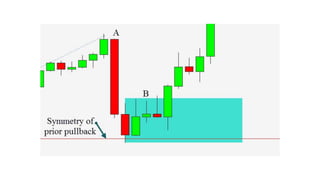
That sets up the complex but what if we only get a simple pullback? This next chart has the trend grinding itself up and while not favorable set up conditions on the trading time frame, the higher time frame support the move with several failures of a lower break.
A. This big red candle can be a concern but remember I mentioned the corrections to be relatively the same? This drop has the same symmetry of a previous correction so it's not an unusual occurrence but is characteristic of the current volatility of this market.
B. Price is consolidating at the lows of the pullback so the question is how to position ourselves into this move? Let's drop lower out of our trading time frame and see is we can locate when bullish pressure is mounting or at least have a structure that points to a break.
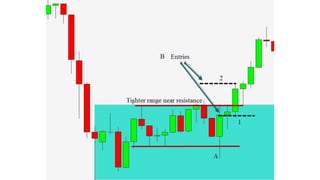
This next chart shows us a range forming inside the range close to an area that has shown resistance. When price holds close to one side of a range, it often indicates where the strength lies. What are we seeing on this chart?
A. Price pops through the low of the smaller range, can't hold, and then closes inside the range. Does this move look familiar? We saw it on the complex pullback example.
B. We have several entries available Once price breaks the low, fails to move lower and then closes inside, it offers an entry. This candle breaks strongly out of the range and you can buy the close or buy stop when price move above the candle.
Wait! We hear breakouts fail most of the time. I agree. There's a difference between playing a breakout to play a breakout and trading the break to enter into a higher time frame structure. That's a topic for another piece.
This is certainly a top level look at pullbacks as there are a few nuances that have been left out for sake of this piece. We also didn't cover stops and targets but that can be a something covered in the upcoming weeks.
There are other methods you can use for pullback entries and some of the popular ones include indicators. By understanding price action, structure, and trading around areas where buying or selling pressure will enter at an imbalance,
you can forsake many of the cookie cutter trading methods that litter the internet.
Download the Trend Jumper Free Version www.premiertraderuniversity.com/system

Profit From Pullback Trading

  • 2.
    What is thefundamental pattern of any market that is trending? Depends on the direction, right?
  • 3.
    If a marketis trending up, we expect to see higher highs and lows and the downswings to be relatively the same. Flip what I just mentioned over and you have a market that is heading down.
  • 4.
    This is certainlybasic knowledge that any trader should know..and be able to profit from and I want to show you how.
  • 5.
    Trading pullbacks inprice is a basic trend trading move that has a huge following. Most "educational websites" talk about trading pullbacks in various ways and many also have use different names for the pattern.
  • 6.
    It's pretty greatmarketing when you show incredible trades all using your special pullback pattern called "Hip Lisk T-Play" (high probability low risk trend play).
  • 7.
    Let's keep itreal and call a pullback or one of its many variations for what it really is: A pause in the trending move.
  • 8.
    Yes, eventually thesepauses can begin a longer term move in the other direction but let's keep everything relatively simple. Also, the probability leans on the trend continuing....not ending.
  • 9.
    These pauses inthe trend.or pullbacks...can generally be either one leg moves (simple pullback) or two legged variations (complex pullback) on your trading time frame.
  • 10.
    Understand though thatthe pattern you see on your trading time frame that appears as a simple pullback can often be a complex one on a lower time frame.
  • 11.
    By the sametoken, your complex pullback can be a simple pullback on a higher time frame.
  • 12.
    This next chartshows a red candle after a thrusting green candle indicating that we are in a pullback. However, all you really see on this time frame is pretty much a range but looking deeper, you will see this is actually a complex pullback.
  • 14.
    This next chartis one time frame lower and tells a different story than the previous chart. Clearly a complex pullback but the tip off was the formation on the previous chart with the shadow on the red candle.
  • 16.
    What looked likea difficult play on the longer term chart, you can see that an entry off this chart shows a much better structure. The question now becomes how to enter this move.
  • 17.
    I didn't findthe cleanest example but more often than not, we will not be facing the A+ trading conditions.and that is ok. That is ok because all we are looking for is an indication that the correction is losing steam.
  • 18.
    A complex correctionactually gives us a great way to enter a trend trade long and that is through a failure to break lower. The lower time frame chart shows us how to do it:
  • 20.
    A. This longshadow indicates buyers either on a simple pullback on this time frame or a complex pullback on a lower time frame
  • 21.
    Where do allthe textbooks (and overpriced trading courses) tell you to place your stop? Below the swing but is that really the best spot?
  • 22.
    B. The secondpart of the pullback breaks below A and takes out stops of the weak hand longs who had tight stops below the shadow. This should have you on alert for your entry into the trend.
  • 23.
    Since the trendis up and we see a failure to break lower after the complex pullback, those stopped out have to re-enter. You can see B breaks the low, with strength BUT there is no follow through.
  • 24.
    C. Price closesback over the break out point indicating that the potential bear pressure has failed to materialize after the break. The green arrow indicates the candle where you would initiate a long position either on the close or a break of the high.
  • 25.
    It takes afew days for this trade to work out of this pullback but when it does, it rallies over 400 pips in 8 trading days.
  • 26.
    That sets upthe complex but what if we only get a simple pullback? This next chart has the trend grinding itself up and while not favorable set up conditions on the trading time frame, the higher time frame support the move with several failures of a lower break.
  • 28.
    A. This bigred candle can be a concern but remember I mentioned the corrections to be relatively the same? This drop has the same symmetry of a previous correction so it's not an unusual occurrence but is characteristic of the current volatility of this market.
  • 29.
    B. Price isconsolidating at the lows of the pullback so the question is how to position ourselves into this move? Let's drop lower out of our trading time frame and see is we can locate when bullish pressure is mounting or at least have a structure that points to a break.
  • 30.
    This next chartshows us a range forming inside the range close to an area that has shown resistance. When price holds close to one side of a range, it often indicates where the strength lies. What are we seeing on this chart?
  • 32.
    A. Price popsthrough the low of the smaller range, can't hold, and then closes inside the range. Does this move look familiar? We saw it on the complex pullback example.
  • 33.
    B. We haveseveral entries available Once price breaks the low, fails to move lower and then closes inside, it offers an entry. This candle breaks strongly out of the range and you can buy the close or buy stop when price move above the candle.
  • 34.
    Wait! We hearbreakouts fail most of the time. I agree. There's a difference between playing a breakout to play a breakout and trading the break to enter into a higher time frame structure. That's a topic for another piece.
  • 35.
    This is certainlya top level look at pullbacks as there are a few nuances that have been left out for sake of this piece. We also didn't cover stops and targets but that can be a something covered in the upcoming weeks.
  • 36.
    There are othermethods you can use for pullback entries and some of the popular ones include indicators. By understanding price action, structure, and trading around areas where buying or selling pressure will enter at an imbalance,
  • 37.
    you can forsakemany of the cookie cutter trading methods that litter the internet.
  • 38.
    Download the TrendJumper Free Version www.premiertraderuniversity.com/system