Procedural Processes
Lessons Learnt From Automated
Content Generation in “Easy Money”?

Luke Dicken and Heather Decker-Davis
@LukeD

@HeatherMDecker
About Robot Overlord
Games
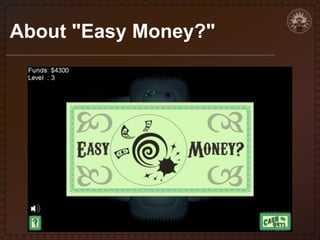
About "Easy Money?"
Easy Money?
Demo
Why Generate Procedurally?
• Players expect lots of content in games
• Players memorize static levels

• Disinterested in replaying the same content

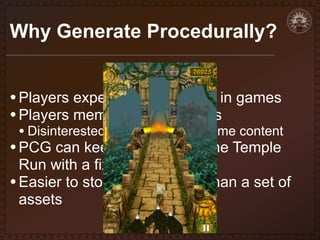
• PCG can keep it fresh. Imagine Temple

Run with a fixed level layout
• Easier to store an algorithm than a set of
assets
Procedural Generation in EM
• An ample set of levels was needed, and
PCG could help us achieve this

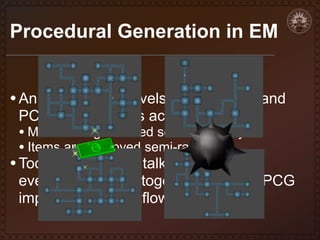
• Mazes are generated semi-randomly
• Items are deployed semi-randomly

• Today, we want to talk about how

everything comes together and how PCG
impacted our workflow and results
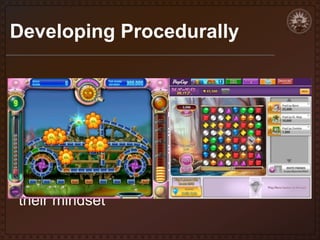
Developing Procedurally
• Setting up conditions for a potential range
of envisioned player experiences, rather
than crafting highly specific settings
• Static vs. Procedural levels
• Developers used to working strictly with
static content models may need to shift
their mindset
Designing Procedurally
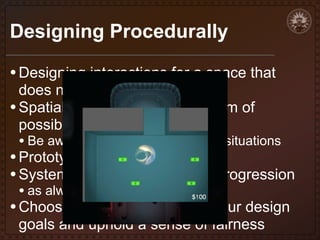
• Designing interactions for a space that
does not yet exist
• Spatial challenges and the realm of
possible results

• Be aware of potential unplayable situations

• Prototype your mechanics first
• System-oriented or formulaic progression
• as always, refine with testing

• Choose variables that follow your design
goals and uphold a sense of fairness
Designing Procedurally
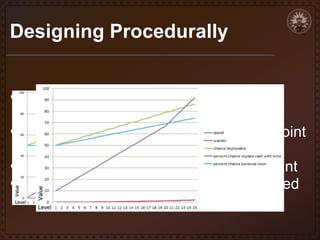
• Test extremes of variables to find your

target start and final level values
• Then build a formula to fill in between point
A and point B
• Linear equations are a good starting point
• Simple linear progression can be tweaked

• For a distinct endgame feel, for example
Asset Creation
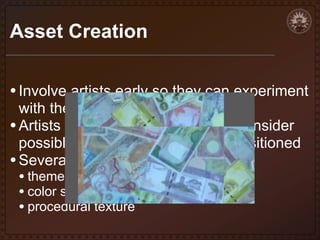
• Involve artists early so they can experiment
with the specific PCG system
• Artists must think modularly and consider
possible ways an asset may be positioned
• Several possible approaches

• theme packages
• color shifting
• procedural texture
Asset Creation

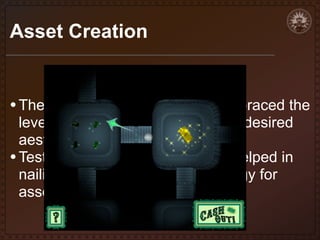
• The art style in Easy Money? embraced the
level structure while following the desired
aesthetic
• Testing and prototyping art was helped in
nailing down specifics methodology for
asset construction
Prototyping
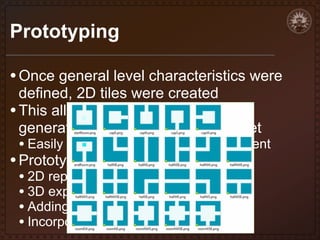
• Once general level characteristics were
defined, 2D tiles were created
• This allowed us to refine both the
generation system and the piece set

• Easily iterate with little asset commitment

• Prototyping stages

• 2D representation
• 3D explorable levels
• Adding the funds
• Incorporating hazards
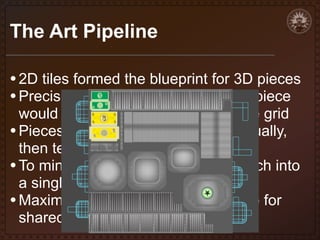
The Art Pipeline
• 2D tiles formed the blueprint for 3D pieces
• Precise construction ensured each piece
would snap together properly on the grid
• Pieces unwrapped, textured individually,
then tested in-game
• To minimize draw calls, pack as much into
a single texture sheet as possible
• Maximized reusability of pixel space for
shared components
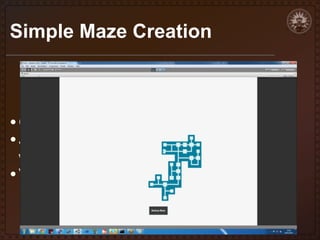
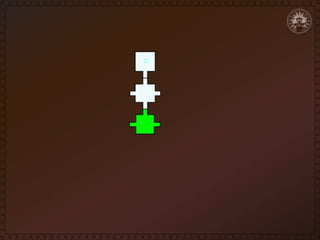
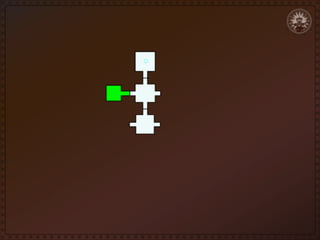
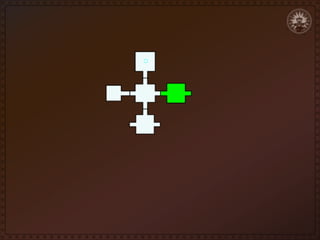
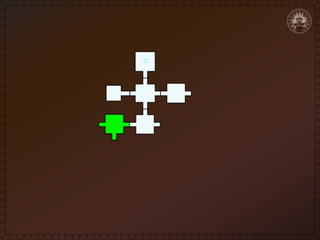
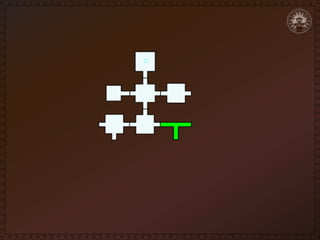
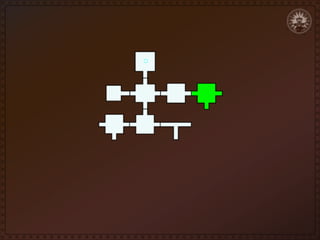
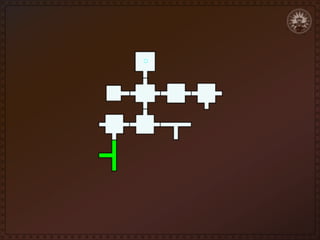
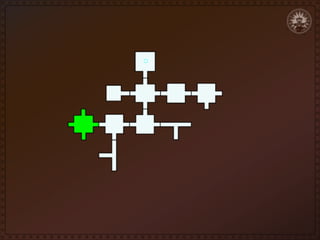
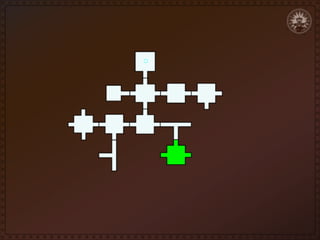
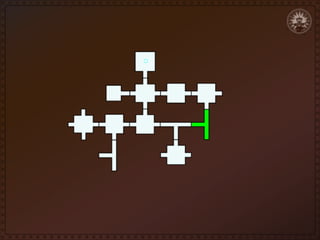
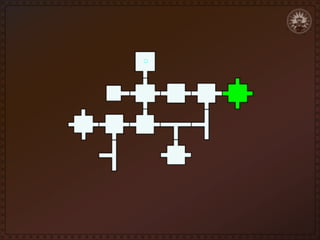
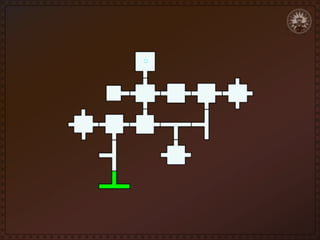
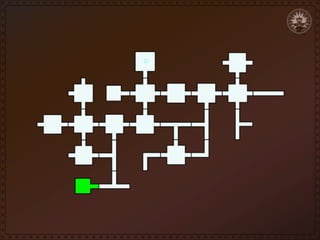
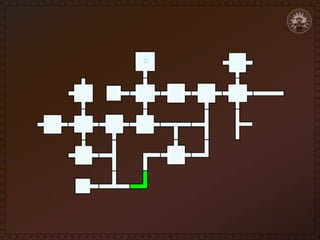
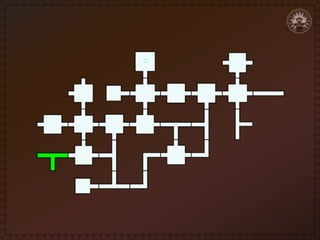
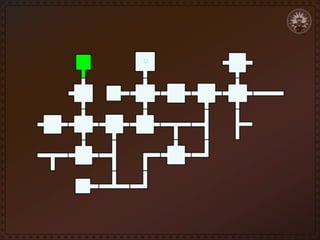
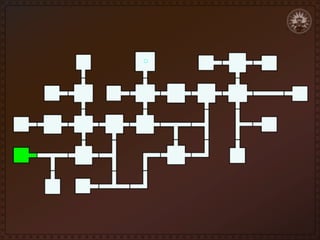
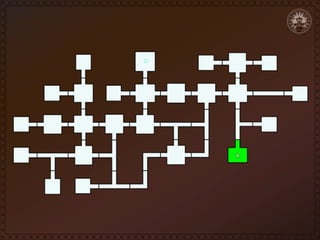
Simple Maze Creation

• Creating mazes isn't overly hard
• Just placing appropriate pieces into the

world where there is a “road to nowhere”
• Very efficient approach
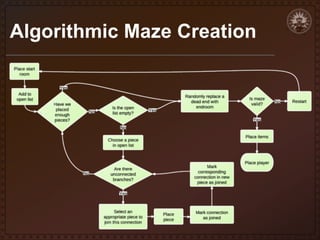
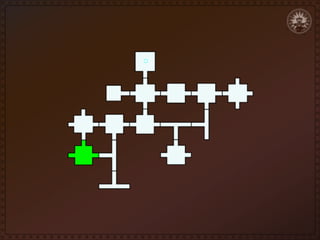
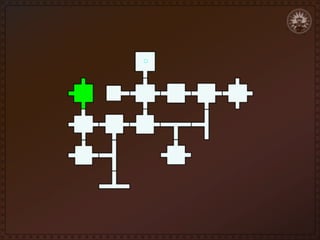
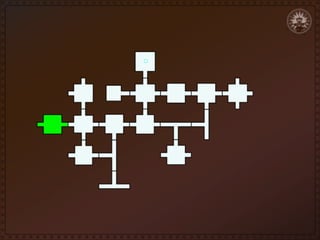
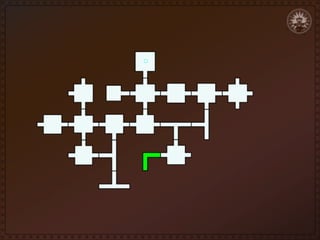
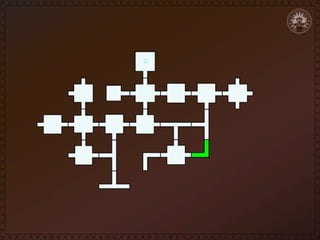
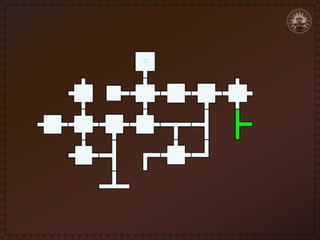
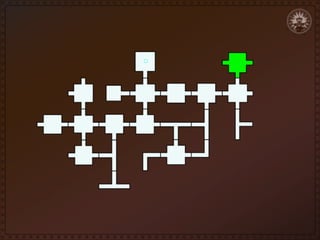
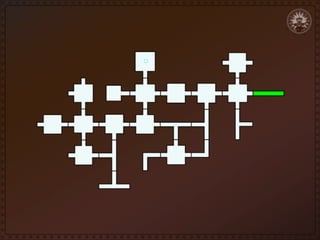
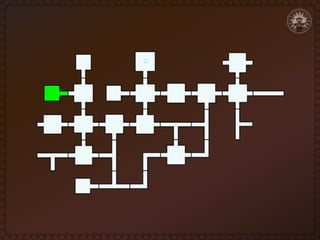
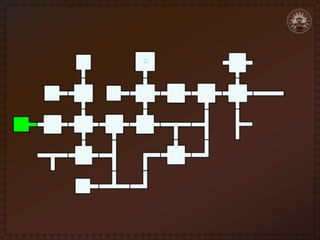
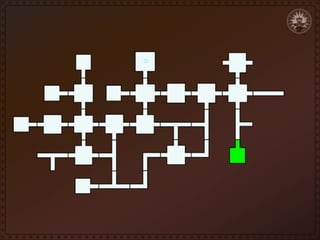
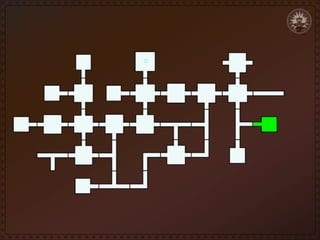
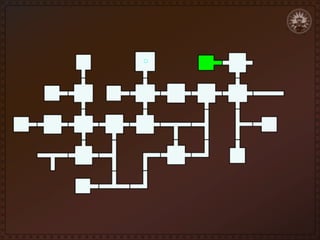
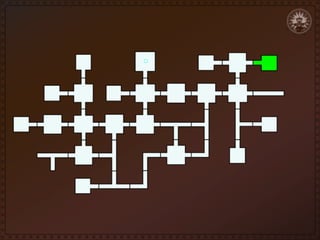
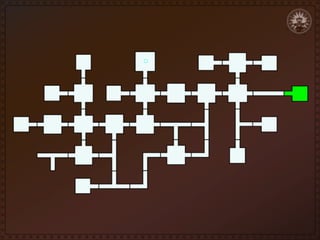
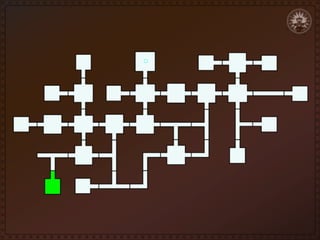
Algorithmic Maze Creation
Maze Verification
• We use some simple checks to validate the
mazes produced are interesting

• Number of dead-ends placed in the maze
• Straight-line Distance from start to end
• Number of pieces that have been placed

• If any of these checks fail, the maze is
rejected and a new one generated
Post-hoc Verification vs
Guided Generation

• Verification is a very simple process
• Guiding generation is way more complex
• Do we solve the simple problem multiple
times, or the complex problem once

• Your mileage may vary
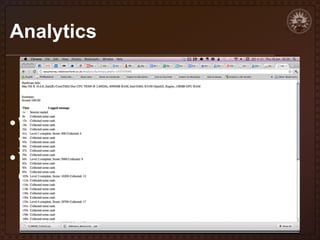
Analytics

• Working out what the player is doing in

your game is majorly important
• You need to pay attention and dig into the
data to discover what’s actually going on
Export and Replay of
Content

• Analysis needs context
• We need to have the ability to export
configurations of levels
• Also need to be able to bypass PCG
system to load up a specific maze
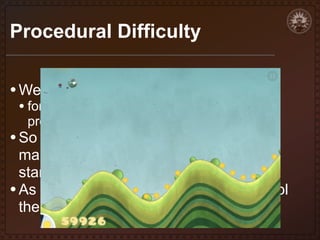
Procedural Difficulty
• We have parameters that we're using:
• for generation, for verification, for ingame
properties

• So it isn't hard to see that if we start

manipulating these parameters we can
start varying the difficulty
• As the game progresses, we can control
the tone of the spaces being created
Player Modelling
• We can look at how the player is playing
the game and what they are choosing to
spend time on
• Then tailor the game to these tastes:

• Players who prefer exploration can be given

larger spaces
• Players who dash to the goal can be given tight
mazes with more hazards
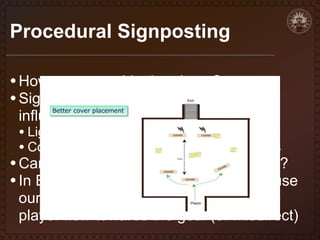
Procedural Signposting
• How can we guide the player?
• Signposting is how designers subtly
influence player perceptions

• Lights under "important" doors
• Cover position suggesting enemy locations

• Can we generate these signs on the fly?
• In EM, we're playing with how we can use

our collectibles and hazards to help the
player flow towards the goal (or misdirect)
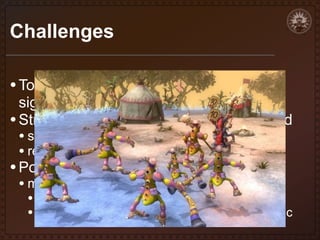
Challenges
• Tools development may rack up a

significant cost: both time and money
• Strong programming knowledge required

• significant debugging and refining
• responding to fringe cases

• Potential "sameness" generated spaces
• may be combated through:

• peppering in unique content
• combo approaches: both procedural and static
Challenges

• Balancing the power of your tools

• Easy Money? started out with 100 levels

• PCG is not ideal for all types of games
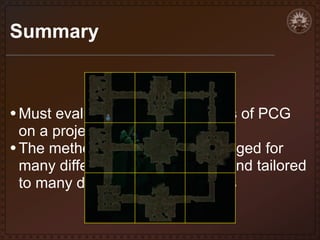
Summary

• Must evaluate the pros and cons of PCG

on a project-specific basic
• The methods here can be leveraged for
many different styles of games and tailored
to many different level structures
Takeaways

• Break levels down into modular pieces
• Establish the PCG system early
• Tight integration between artists, designers
and developers

• PCG will affect decisions made by all groups

• You can use PCG to turn your games to 11!
Alpha - http://easymoney.robotoverlord.co.uk/
Robot Overlord Games

!

Heather Decker-Davis
heather@robotoverlord.co.uk
@heathermdecker

!

Luke Dicken
luke@robotoverlord.co.uk
@LukeD

Procedural Processes - Lessons Learnt from Automated Content Generation in "Easy Money?"

  • 1.
    Procedural Processes Lessons LearntFrom Automated Content Generation in “Easy Money”? Luke Dicken and Heather Decker-Davis @LukeD @HeatherMDecker
  • 2.
  • 3.
  • 4.
  • 5.
    Why Generate Procedurally? •Players expect lots of content in games • Players memorize static levels • Disinterested in replaying the same content • PCG can keep it fresh. Imagine Temple Run with a fixed level layout • Easier to store an algorithm than a set of assets
  • 6.
    Procedural Generation inEM • An ample set of levels was needed, and PCG could help us achieve this • Mazes are generated semi-randomly • Items are deployed semi-randomly • Today, we want to talk about how everything comes together and how PCG impacted our workflow and results
  • 7.
    Developing Procedurally • Settingup conditions for a potential range of envisioned player experiences, rather than crafting highly specific settings • Static vs. Procedural levels • Developers used to working strictly with static content models may need to shift their mindset
  • 8.
    Designing Procedurally • Designinginteractions for a space that does not yet exist • Spatial challenges and the realm of possible results • Be aware of potential unplayable situations • Prototype your mechanics first • System-oriented or formulaic progression • as always, refine with testing • Choose variables that follow your design goals and uphold a sense of fairness
  • 9.
    Designing Procedurally • Testextremes of variables to find your target start and final level values • Then build a formula to fill in between point A and point B • Linear equations are a good starting point • Simple linear progression can be tweaked • For a distinct endgame feel, for example
  • 10.
    Asset Creation • Involveartists early so they can experiment with the specific PCG system • Artists must think modularly and consider possible ways an asset may be positioned • Several possible approaches • theme packages • color shifting • procedural texture
  • 11.
    Asset Creation • Theart style in Easy Money? embraced the level structure while following the desired aesthetic • Testing and prototyping art was helped in nailing down specifics methodology for asset construction
  • 12.
    Prototyping • Once generallevel characteristics were defined, 2D tiles were created • This allowed us to refine both the generation system and the piece set • Easily iterate with little asset commitment • Prototyping stages • 2D representation • 3D explorable levels • Adding the funds • Incorporating hazards
  • 13.
    The Art Pipeline •2D tiles formed the blueprint for 3D pieces • Precise construction ensured each piece would snap together properly on the grid • Pieces unwrapped, textured individually, then tested in-game • To minimize draw calls, pack as much into a single texture sheet as possible • Maximized reusability of pixel space for shared components
  • 14.
    Simple Maze Creation •Creating mazes isn't overly hard • Just placing appropriate pieces into the world where there is a “road to nowhere” • Very efficient approach
  • 15.
  • 52.
    Maze Verification • Weuse some simple checks to validate the mazes produced are interesting • Number of dead-ends placed in the maze • Straight-line Distance from start to end • Number of pieces that have been placed • If any of these checks fail, the maze is rejected and a new one generated
  • 53.
    Post-hoc Verification vs GuidedGeneration • Verification is a very simple process • Guiding generation is way more complex • Do we solve the simple problem multiple times, or the complex problem once • Your mileage may vary
  • 54.
    Analytics • Working outwhat the player is doing in your game is majorly important • You need to pay attention and dig into the data to discover what’s actually going on
  • 55.
    Export and Replayof Content • Analysis needs context • We need to have the ability to export configurations of levels • Also need to be able to bypass PCG system to load up a specific maze
  • 56.
    Procedural Difficulty • Wehave parameters that we're using: • for generation, for verification, for ingame properties • So it isn't hard to see that if we start manipulating these parameters we can start varying the difficulty • As the game progresses, we can control the tone of the spaces being created
  • 57.
    Player Modelling • Wecan look at how the player is playing the game and what they are choosing to spend time on • Then tailor the game to these tastes: • Players who prefer exploration can be given larger spaces • Players who dash to the goal can be given tight mazes with more hazards
  • 58.
    Procedural Signposting • Howcan we guide the player? • Signposting is how designers subtly influence player perceptions • Lights under "important" doors • Cover position suggesting enemy locations • Can we generate these signs on the fly? • In EM, we're playing with how we can use our collectibles and hazards to help the player flow towards the goal (or misdirect)
  • 59.
    Challenges • Tools developmentmay rack up a significant cost: both time and money • Strong programming knowledge required • significant debugging and refining • responding to fringe cases • Potential "sameness" generated spaces • may be combated through: • peppering in unique content • combo approaches: both procedural and static
  • 60.
    Challenges • Balancing thepower of your tools • Easy Money? started out with 100 levels • PCG is not ideal for all types of games
  • 61.
    Summary • Must evaluatethe pros and cons of PCG on a project-specific basic • The methods here can be leveraged for many different styles of games and tailored to many different level structures
  • 62.
    Takeaways • Break levelsdown into modular pieces • Establish the PCG system early • Tight integration between artists, designers and developers • PCG will affect decisions made by all groups • You can use PCG to turn your games to 11!
  • 63.
    Alpha - http://easymoney.robotoverlord.co.uk/ RobotOverlord Games ! Heather Decker-Davis heather@robotoverlord.co.uk @heathermdecker ! Luke Dicken luke@robotoverlord.co.uk @LukeD