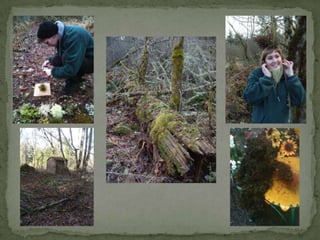
A center for enthusiastic, hands on, conservation education.
NorthWest Trek Wildlife Park
• 740(ish) acres
• Walking and tram tours
• Carnivores in enclosures
• Herbivores are free-roaming

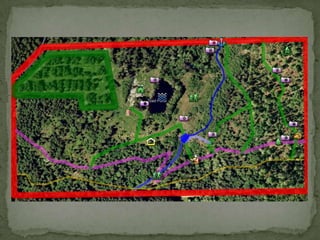
The Hundred Acre Woods
• Also referred to as the CC
  (Conservation Center)
• 108 acres used for conservation
  field trips
• Community restoration projects
• Natural resources include:
    • Pond with breeding toads
    • Large wetland and stream
    • Steep ledge overlooking
       landscape
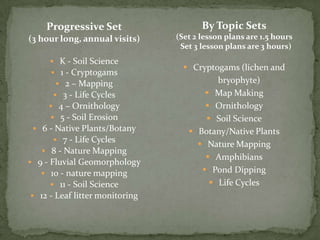
Progressive Set                     By Topic Sets
(3 hour long, annual visits)     (Set 2 lesson plans are 1.5 hours
                                  Set 3 lesson plans are 3 hours)
      K - Soil Science
                                    Cryptogams (lichen and
       1 - Cryptogams
         2 – Mapping                      bryophyte)
        3 - Life Cycles                 Map Making
      4 – Ornithology                   Ornithology
      5 - Soil Erosion                  Soil Science
  6 - Native Plants/Botany          Botany/Native Plants
       7 - Life Cycles
                                       Nature Mapping
    8 - Nature Mapping
                                         Amphibians
 9 - Fluvial Geomorphology
    10 - nature mapping                Pond Dipping
       11 - Soil Science                 Life Cycles
  12 - Leaf litter monitoring
Essential Academic Learning Requirements
   The program should be hands on at all levels, engaging each student’s head, hands, and
    heart in what they are doing.
   The program should be progressive, ensuring programs for higher grades build off
    previous learning and offer new challenges for each age group.
   At certain grade levels, student groups may benefit from ongoing projects, completed
    over many years.
   Students should leave feeling a sense of responsibility for the land, enthusiasm, and a
    feeling of connection to nature.
   The program should foster an understanding of “interconnectedness and
    interdependency of ecological, social, and economic systems” at an appropriate level.
    (IESLS, Standard 1, page 4)
   The program should encourage Systems Thinking: an approach to problem solving that
    facilitates the analysis and understanding of complex phenomena (IESLS, Standard 2,
    page 5)
   Students should be able to apply their knowledge to make personal and collective
    decisions that promote sustainability. (IESLS, Standard 3, page 5)
   Students should use their skills of communication, collaboration, and imagination,
    as well as a mindset of flexibility, commitment, appreciation, confidence, humor, and
    determination. (IESLS, Standard 3, pg. 5)
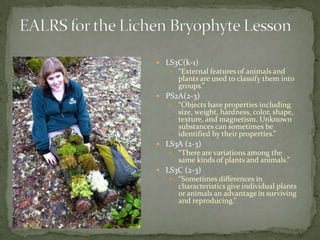
 LS3C(k-1)
    “External features of animals and
     plants are used to classify them into
     groups.”
 PS2A(2-3)
    “Objects have properties including
     size, weight, hardness, color, shape,
     texture, and magnetism. Unknown
     substances can sometimes be
     identified by their properties.”
 LS3A (2-3)
    “There are variations among the
     same kinds of plants and animals.”
 LS3C (2-3)
    “Sometimes differences in
     characteristics give individual plants
     or animals an advantage in surviving
     and reproducing.”
 Linus
 Purpose
   The purpose of this lesson is to engage students in the hands
    on work of monitoring leaf litter in the forest. They will
    primarily use skills of classification, measurement, while also
    having the chance to challenge themselves by analyzing the
    data and making assumptions about the health of the
    environment. Students will learn more about plant diseases
    in the process.
 Schedule
   Students collect leaf litter samples
   Students sort, weigh, and record data.
   Analyze Data
 EALRS
   16 Science EALRS for grades 9-12
 linus
 Intro to different grade levels
 K-3 soil Linus
 4-8 soil Brooke
 9-12 soil Brooke
Presentation nw trek

Presentation nw trek

  • 1.
    A center forenthusiastic, hands on, conservation education.
  • 2.
    NorthWest Trek WildlifePark • 740(ish) acres • Walking and tram tours • Carnivores in enclosures • Herbivores are free-roaming The Hundred Acre Woods • Also referred to as the CC (Conservation Center) • 108 acres used for conservation field trips • Community restoration projects • Natural resources include: • Pond with breeding toads • Large wetland and stream • Steep ledge overlooking landscape
  • 4.
    Progressive Set By Topic Sets (3 hour long, annual visits) (Set 2 lesson plans are 1.5 hours Set 3 lesson plans are 3 hours)  K - Soil Science  Cryptogams (lichen and  1 - Cryptogams  2 – Mapping bryophyte)  3 - Life Cycles  Map Making  4 – Ornithology  Ornithology  5 - Soil Erosion  Soil Science  6 - Native Plants/Botany  Botany/Native Plants  7 - Life Cycles  Nature Mapping  8 - Nature Mapping  Amphibians  9 - Fluvial Geomorphology  10 - nature mapping  Pond Dipping  11 - Soil Science  Life Cycles  12 - Leaf litter monitoring
  • 5.
    Essential Academic LearningRequirements  The program should be hands on at all levels, engaging each student’s head, hands, and heart in what they are doing.  The program should be progressive, ensuring programs for higher grades build off previous learning and offer new challenges for each age group.  At certain grade levels, student groups may benefit from ongoing projects, completed over many years.  Students should leave feeling a sense of responsibility for the land, enthusiasm, and a feeling of connection to nature.  The program should foster an understanding of “interconnectedness and interdependency of ecological, social, and economic systems” at an appropriate level. (IESLS, Standard 1, page 4)  The program should encourage Systems Thinking: an approach to problem solving that facilitates the analysis and understanding of complex phenomena (IESLS, Standard 2, page 5)  Students should be able to apply their knowledge to make personal and collective decisions that promote sustainability. (IESLS, Standard 3, page 5)  Students should use their skills of communication, collaboration, and imagination, as well as a mindset of flexibility, commitment, appreciation, confidence, humor, and determination. (IESLS, Standard 3, pg. 5)
  • 8.
     LS3C(k-1)  “External features of animals and plants are used to classify them into groups.”  PS2A(2-3)  “Objects have properties including size, weight, hardness, color, shape, texture, and magnetism. Unknown substances can sometimes be identified by their properties.”  LS3A (2-3)  “There are variations among the same kinds of plants and animals.”  LS3C (2-3)  “Sometimes differences in characteristics give individual plants or animals an advantage in surviving and reproducing.”
  • 10.
  • 11.
     Purpose  The purpose of this lesson is to engage students in the hands on work of monitoring leaf litter in the forest. They will primarily use skills of classification, measurement, while also having the chance to challenge themselves by analyzing the data and making assumptions about the health of the environment. Students will learn more about plant diseases in the process.  Schedule  Students collect leaf litter samples  Students sort, weigh, and record data.  Analyze Data  EALRS  16 Science EALRS for grades 9-12
  • 12.
  • 13.
     Intro todifferent grade levels  K-3 soil Linus  4-8 soil Brooke  9-12 soil Brooke