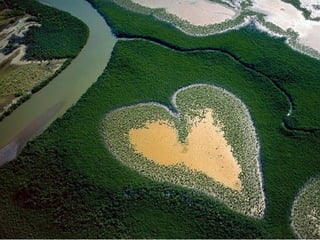
Livia MelloEduardo Muracciole
BrasilCountry Area: 8.511.965 sq Km
Brazil – Key FactsCountry Name: Federative Republic of BrazilCapital City: BrasiliaGovernment Type: Federal RepublicPresident: Luiz Inacio Lula Da SilvaPopulation: 190.01 millionLanguages: PortugueseStates: 27 units of the Federation and 1 federal district which contains the capital city (Brasilia)Currency: Real (equivalent to 0.582 US$)Life Expectancy:  	72 (total population)		68.4 (men)/ 75.7 (woman)ReligionEthnic CompositionPredominantly white and mulatoPredominantly Catholic
Brazil – Territorial DivisionDivided in 5 different regions(by the Brazilian Institute of Geography and Statistics)North RegionNortheast RegionCentral-West RegionSoutheast RegionSouth Region
Brazil – Territorial DivisionThe North Region 45.27% of the Brazil land area.
 Lowest number of inhabitants.
  Mainly unindustrialized and undeveloped.
  2% of GDP.
 Key city  to region development and trade– Manaus ( Zona Franca).
Most of the Amazon Rainforest and indigenous tribes (2% of population).
Main industry:  lumber, mining (iron, aluminum and gold), agriculture, oil and gas and ecotourism.7 statesAmazonZona FrancaAmazonas river
Brazil – Territorial DivisionThe Northeast Region30% of Brazil’s population.
 It’s the poorest region of Brazil (12% of GDP).
 Main cities: Salvador, Recife and Fortaleza.
Economy : sugar, cocoa and cotton and tourism.
Semi-arid climate: Suffers from long droughts.
 Major industries: tourism, agriculture (sugar cane and cotton) and extensive cattle breeding.9 states  Sertão NordestinoPorto de Galinhas - PernanbucoSalvador
Brazil – Territorial DivisionThe Central-West RegionLow demographic population (just 6.4%).
Pantanal- world’s largest wetland area.
Cerrado (the world largest savanna).
 Host of the capital city (Brasilia).
 Contributes with 8% of the GDP.
 Political business and tourism are very important for the region
Key industries: cattle breeding, mining, lumber, agriculture for subsistence .4 statesCerrado SavannaThe PantanalBrasilia
Brazil – Territorial DivisionThe South-East Region38% of the population.
58.5% of total GDP.
Economy: mining, manufacturing (machinery, electronics, automobile and aviation), energy production, coffee, sugar, tourism, petroleum, textiles, etc.
Business  economic centers of Brazil : largest cities and companies - Sao Paulo and Rio de Janeiro.4 statesRio de JaneiroSao PauloIndustrial Parks
Brazil – Territorial Division3 statesThe South RegionWealthiest region by GDP per Capita : highest standard of living in Brazil.
12.5% of Brazil’s population.
16.5% of the GDP
 Main industries: machinery and automobile, textiles, tourism, energy.
 Settled mainly by European immigrants
 It’s the coldest region of Brazil
Host of Curitiba – benchmark of urban planning PomerodeCuritibaPorto Alegre
Gross Domestic Product10th Economy in the worldBrasil GDP – Billions of US dollarsSource: International Monetary FundBrasil Growth Rate5.9%Brazil economy has not been badly affected… Strong Trade Balance (Exports higher than Imports)
The country’s growth rate increased in 2008 to reach 5.9%
Modern financial system GDP by sectorBrasil GDP by Sector Brazil is leader in agribusiness, but not very significant in terms of GDP
Services comprise 66% of the GDP, followed by industry and agriculture.
 Tourism, IT and banking are the chief sub-sectors of services.
 The industry sector includes motor vehicles, industrial equipments, chemicals and aircrafts. Most of these industries are clustered in the south-eastern region of the country and employs the maximum workforce in the region. Source: Datamonitor

Presentation Brazil Marketing

  • 1.
  • 2.
  • 3.
    Brazil – KeyFactsCountry Name: Federative Republic of BrazilCapital City: BrasiliaGovernment Type: Federal RepublicPresident: Luiz Inacio Lula Da SilvaPopulation: 190.01 millionLanguages: PortugueseStates: 27 units of the Federation and 1 federal district which contains the capital city (Brasilia)Currency: Real (equivalent to 0.582 US$)Life Expectancy: 72 (total population) 68.4 (men)/ 75.7 (woman)ReligionEthnic CompositionPredominantly white and mulatoPredominantly Catholic
  • 4.
    Brazil – TerritorialDivisionDivided in 5 different regions(by the Brazilian Institute of Geography and Statistics)North RegionNortheast RegionCentral-West RegionSoutheast RegionSouth Region
  • 5.
    Brazil – TerritorialDivisionThe North Region 45.27% of the Brazil land area.
  • 6.
    Lowest numberof inhabitants.
  • 7.
    Mainlyunindustrialized and undeveloped.
  • 8.
    2%of GDP.
  • 9.
    Key city to region development and trade– Manaus ( Zona Franca).
  • 10.
    Most of theAmazon Rainforest and indigenous tribes (2% of population).
  • 11.
    Main industry: lumber, mining (iron, aluminum and gold), agriculture, oil and gas and ecotourism.7 statesAmazonZona FrancaAmazonas river
  • 12.
    Brazil – TerritorialDivisionThe Northeast Region30% of Brazil’s population.
  • 13.
    It’s thepoorest region of Brazil (12% of GDP).
  • 14.
    Main cities:Salvador, Recife and Fortaleza.
  • 15.
    Economy : sugar,cocoa and cotton and tourism.
  • 16.
    Semi-arid climate: Suffersfrom long droughts.
  • 17.
    Major industries:tourism, agriculture (sugar cane and cotton) and extensive cattle breeding.9 states Sertão NordestinoPorto de Galinhas - PernanbucoSalvador
  • 18.
    Brazil – TerritorialDivisionThe Central-West RegionLow demographic population (just 6.4%).
  • 19.
  • 20.
    Cerrado (the worldlargest savanna).
  • 21.
    Host ofthe capital city (Brasilia).
  • 22.
    Contributes with8% of the GDP.
  • 23.
    Political businessand tourism are very important for the region
  • 24.
    Key industries: cattlebreeding, mining, lumber, agriculture for subsistence .4 statesCerrado SavannaThe PantanalBrasilia
  • 25.
    Brazil – TerritorialDivisionThe South-East Region38% of the population.
  • 26.
  • 27.
    Economy: mining, manufacturing(machinery, electronics, automobile and aviation), energy production, coffee, sugar, tourism, petroleum, textiles, etc.
  • 28.
    Business economiccenters of Brazil : largest cities and companies - Sao Paulo and Rio de Janeiro.4 statesRio de JaneiroSao PauloIndustrial Parks
  • 29.
    Brazil – TerritorialDivision3 statesThe South RegionWealthiest region by GDP per Capita : highest standard of living in Brazil.
  • 30.
  • 31.
  • 32.
    Main industries:machinery and automobile, textiles, tourism, energy.
  • 33.
    Settled mainlyby European immigrants
  • 34.
    It’s thecoldest region of Brazil
  • 35.
    Host of Curitiba– benchmark of urban planning PomerodeCuritibaPorto Alegre
  • 36.
    Gross Domestic Product10thEconomy in the worldBrasil GDP – Billions of US dollarsSource: International Monetary FundBrasil Growth Rate5.9%Brazil economy has not been badly affected… Strong Trade Balance (Exports higher than Imports)
  • 37.
    The country’s growthrate increased in 2008 to reach 5.9%
  • 38.
    Modern financial systemGDP by sectorBrasil GDP by Sector Brazil is leader in agribusiness, but not very significant in terms of GDP
  • 39.
    Services comprise 66%of the GDP, followed by industry and agriculture.
  • 40.
    Tourism, ITand banking are the chief sub-sectors of services.
  • 41.
    The industrysector includes motor vehicles, industrial equipments, chemicals and aircrafts. Most of these industries are clustered in the south-eastern region of the country and employs the maximum workforce in the region. Source: Datamonitor

Editor's Notes

  • #4 Sources – year?
  • #6 Zona FrancaTax incentives to many Brazilian Industries - Manaus is the major city of this region
  • #7 Bahia -” land of happiness” – culture/ dance/ festivities > 64% of pop is mulatos ( slang – coffee and milk)Foto sertao as well as the extensive cattle breedingVery tourism oriented > sometimes more expensive than going abroad
  • #8 Contributes significantly towards the nation’s agricultural output (cattle breeding) ( 4 cattles for one person)This picture of brasilia is the senate and chamber of commons
  • #9 The densest regionThe richest in terms of the total economic output It’s the business economic center of Brazil - Embraer (aviation) – competitor of Canadian Bombardier
  • #10 Major immigrants are germans and italians.Curitiba- benchmark for transportIt’s the coldest region of Brazil with occasional frost.
  • #13 Mercosul The Common Market of the South (Mercosul in Portuguese, Mercosur in Spanish) is an economic, political and social integration project created by Argentina, Brazil, Paraguay and Uruguay.In terms of economic integration the bloc already functions as a customs union, though in accordance with the Asunción Treaty of 1991 its ultimate objective is to become a common market.The four members of Mercosul have a total population of around 240 million and a combined GDP of more than one trillion dollars.
  • #16 Even though Brazil is a leader in agribusiness and in the Doha round – which had an objective to decrease agriculture subsidies in rich countries and industrial subsidies in poor countries, this month unfortunately it was cancelled.
  • #18 The market capitalization of BOVESPA increased from $710 billion in 2006 to $1,369.7 billion in 2007, registering an annual growth rate of 92%. However, the global economic downturn has lead to the market capitalization falling quite steeply, reaching $801.3 billion at the end of 2008, registering a drop of -41%. However, as seen the trend in 2009 the crisis is over.Industrias - empresas vale gerdau votorantim petrobras Reasons for growth Strong domestic market – increasing purchasing powerbillions of barrels of recently discovered light crudeEconomic stability Largest commodities exporter – not very impactec by crisisDifersified exporting partners
  • #19 Osktoberfest Culinaria – sul Mate
  • #20 Southeast region = biggest potential – 55% of household expenditure Extremely important to take in consideration culture and expensing differences in advertising in Brazil.Morumbi – chic Gini 55
  • #22 28% under 14 and underIn 2008, 27.3% is under 14 yrsIn 2020, 41.2% will be under 25 yrs
  • #24 1) Orkut – social network site by google - similar to facebook used in North America52% of Orkut users are in Brazil - 2007 33.5 Million2) Number of cell phones – 5th ( first China and USA)3) Internet:% crescimento internet 22% people blogging 37.1% internet retailing4) Cartoes de credito
  • #26 High concentration of media: Rede Globo : 53% of the media market and 54% of hearingTV – Major source of information: 88% of Brazilians had a TV in 2001. Radio – Second major media – 88% listened to radio daily in 2001Internet: Growing, but not widely spreadTelemarketing – increasing phenomena for credit cards, banking and news papers Direct Mail – Supermarkets (similar to NA)Globo:Newspaper, radio, TV, sport channels, cable channels, Globo international.Vertical integration of channels – every knows that there is 8-830 reginal news, 8 30 – 9 national news and 9 -30 novelaControls the sport- Since it is the biggest media it controls when a certain match will take place – max audience Glbotransmissao do futebol – maisjogos ( pagamais ) controlaoshorarios – maioraudiencial – muitoesploradonamidia e Greater audience – national news to 11 pmMechanding in novelasDistribuicao de verba de propaganda no brasil > TV
  • #28 High quality TV _ poor has access – paid by advertising
  • #29 Source: IBOPE PNT – 2006Mon thru Sun– 6pm till midnightBrasil is our origin and our source of inspiration – one of Globos our principles
  • #31 http://www.youtube.com/watch?v=02d2sw_l-xY Extremely important to take in consideration culture and expensing differences in advertising in Brazil Controle de prop de cerveja – horarios – abusive ( too sexual) – nao pode com bichos ( copia do superball)Humor Hyper explorado- todos falando de futebol – ojounal esportido futebol – coca cola, refrigerantem
  • #32 Casas Bahia largest retail chain store in BrazilIn the last 10 years: 10 x furniture/ 7X appliances/3X TVIn 2008 R$ 13,5 bilhões. 500 storesQuantovendequantaslojascomodistribuicao:Casas Bahia possui 8 Centros de Distribuição (CD) responsáveis pelo abastecimento de todas as lojas da rede. Os CDs estão localizados em Jundiaí, Ribeirão Preto e São Bernardo do Campo (SP), Betim (MG), São José dos Pinhais (PR), Duque de Caxias (RJ), Campo Grande (MS) e Pirajá (BA).Com 300 mil m² de área construída, o CD de Jundiaí é o 2º maior do mundo. Os depósitos de Duque de Caxias (RJ), Ribeirão Preto (SP), Betim (MG), São Bernardo do Campo (SP), Campo Grande (MS), São José dos Pinhais (PR) e Pirajá (BA) possuem, respectivamente, 180 mil, 40 mil, 21 mil, 96 mil, 12 mil, 70 mil, 14,5 mil m², todos de área construída % marketing Tvem 60 mesesQuantovende?Renda media – parcela – 72 meses –Price – comercialprecocasasbahiaIconos > peculiar < empresas tem queadptarsuaculutra Pele -Lula- giselebunchen