Positive practice
 environments…mandate for
the global nursing workforce
      Ann Marie T. Brooks
      Sharon M. Weinstein
        Sheila A. Ryan
Objectives
• Discuss impact of positive practice work
  environment on recruitment and retention
• Describe the global international labor
  market and effect on health outcomes
• Identify best practices in developing
  intercultural workplaces
What are Positive Practice
         Environments?
• They strive to ensure the health, safety
  and personal well-being of staff, support
  quality patient care and improve the
  motivation, productivity and performance
  of individuals and organizations     (ICN)

"We shape our buildings. Thereafter, our buildings shape us."
              - Winston Churchill, 1941
Effects of unhealthy work setting
• Increased sick time,   • A disconnect between
conflict, job              the work demanded of
dissatisfaction,           nurses and what they
turnover, and              can provide
inefficiency             • In studies, 41% of
•Slower reaction           hospital nurses were
times, adverse risks       dissatisfied with their
•High turnover             jobs and 22% planned
•Low morale                to leave them in less
                           than one year
Thinking Green
AACN - Six Standards
•   Skilled communication
•   True collaboration
•   Effective decision making
•   Appropriate staffing
•   Meaningful recognition
•   Authentic leadership
What will it take?
•   Commitment
•   Resources
•   Leadership
•   Resilience
•   Partnership
•   Collaboration
Translating ideas into action
• Major Stakeholders        * Major Beneficiaries
___________________________________________________
• Organizational leaders  * Patients, families
• Nursing Leaders         * Organization and its employees
• Unit Leaders            * Community including nursing
• Nursing Education
• Staff Nurses
• Physicians
• Healthcare Team Members
• Other Employees
Positive Work Environments
•   Resources for employees to do their job
•   Meaningful performance evaluations
•   On-going dialogue with supervisors
•   Peer evaluations
•   Commitment to continual improvement
•   Ability to adjust and adapt to change
•   Courage to challenge the system
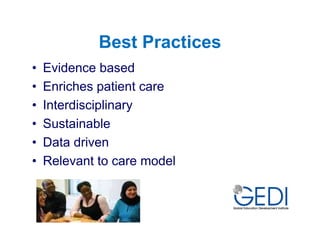
Best Practices
•   Evidence based
•   Enriches patient care
•   Interdisciplinary
•   Sustainable
•   Data driven
•   Relevant to care model
WHAT SHOULD I DO?
Leaders
Focus on more on meaningful priorities and less on
  activity to produce successful results
Managers
Guide employees to action to help them move through
  their fear of change
Direct Care Nurses
Be a continuous learner and passionate about doing
  the right things for the right reasons
Resources
• Weinstein, Sharon M. (2009), B is for Balance...a guide
  to creating balance at home and at work, STTI,
  Indianapolis, IN.
• Weinstein, Sharon M. (2010) in development. Workplace
  Wellness
• http://www.aone.org/aone/about/pdfs/20082010AONEStr
  atPlanFinal.pdf. American Organization of Nurse
  Executives Strategic Plan
• http://www.icn.ch/PR09_07.htm. ICN Announcement;
  ICN Calls for Positive Practice Environments to Ensure
  Quality Patient Care

Positiveworkenvironments Icn09 090807194949 Phpapp02

  • 1.
    Positive practice environments…mandatefor the global nursing workforce Ann Marie T. Brooks Sharon M. Weinstein Sheila A. Ryan
  • 2.
    Objectives • Discuss impactof positive practice work environment on recruitment and retention • Describe the global international labor market and effect on health outcomes • Identify best practices in developing intercultural workplaces
  • 3.
    What are PositivePractice Environments? • They strive to ensure the health, safety and personal well-being of staff, support quality patient care and improve the motivation, productivity and performance of individuals and organizations (ICN) "We shape our buildings. Thereafter, our buildings shape us." - Winston Churchill, 1941
  • 4.
    Effects of unhealthywork setting • Increased sick time, • A disconnect between conflict, job the work demanded of dissatisfaction, nurses and what they turnover, and can provide inefficiency • In studies, 41% of •Slower reaction hospital nurses were times, adverse risks dissatisfied with their •High turnover jobs and 22% planned •Low morale to leave them in less than one year
  • 5.
  • 6.
    AACN - SixStandards • Skilled communication • True collaboration • Effective decision making • Appropriate staffing • Meaningful recognition • Authentic leadership
  • 7.
    What will ittake? • Commitment • Resources • Leadership • Resilience • Partnership • Collaboration
  • 8.
    Translating ideas intoaction • Major Stakeholders * Major Beneficiaries ___________________________________________________ • Organizational leaders * Patients, families • Nursing Leaders * Organization and its employees • Unit Leaders * Community including nursing • Nursing Education • Staff Nurses • Physicians • Healthcare Team Members • Other Employees
  • 9.
    Positive Work Environments • Resources for employees to do their job • Meaningful performance evaluations • On-going dialogue with supervisors • Peer evaluations • Commitment to continual improvement • Ability to adjust and adapt to change • Courage to challenge the system
  • 10.
    Best Practices • Evidence based • Enriches patient care • Interdisciplinary • Sustainable • Data driven • Relevant to care model
  • 11.
    WHAT SHOULD IDO? Leaders Focus on more on meaningful priorities and less on activity to produce successful results Managers Guide employees to action to help them move through their fear of change Direct Care Nurses Be a continuous learner and passionate about doing the right things for the right reasons
  • 12.
    Resources • Weinstein, SharonM. (2009), B is for Balance...a guide to creating balance at home and at work, STTI, Indianapolis, IN. • Weinstein, Sharon M. (2010) in development. Workplace Wellness • http://www.aone.org/aone/about/pdfs/20082010AONEStr atPlanFinal.pdf. American Organization of Nurse Executives Strategic Plan • http://www.icn.ch/PR09_07.htm. ICN Announcement; ICN Calls for Positive Practice Environments to Ensure Quality Patient Care