ORGANIZATIONAL CULTURE AND
ENVIRONMENT
THE ORGANIZATION’S CULTURE
 Organizational Culture
 A system of shared meanings and common beliefs held
by organizational members that determines, in a large
degree, how they act towards each other.
 “The way we do things around here.”
 Values, symbols, rituals, myths, and practices
 Implications:
 Culture is a perception.
 Culture is shared.
 Culture is descriptive.
DEFINITION
 According to deal and Kennedy “ a system of
informal rules that spells out how people have how
to behave most of the time”
 CHARACTERISTICS:
 Risk tolerance
 Direction
 Unit integration
 Management contract
 Identity
 Reward system
 Conflict tolerance
 Individual initiative
HOW EMPLOYEES LEARN CULTURE/
SOURCES OF CULTURE
 Stories
 Narratives of significant events or actions of people that
convey the spirit of the organization
 Rituals
 Repetitive sequences of activities that express and
reinforce the values of the organization
 Material Symbols
 Physical assets distinguishing the organization
 Language
 Acronyms and jargon of terms, phrases, and word
meanings specific to an organization
FUNCTIONS OF CULTURE
 It distinguishes one organisation from the other
 It conversations of identity for organisation
members
 Facilities that generation of commitment to
something larger than self interest of individual
ones
HOW CULTURE AFFECTS MANAGERS
 Cultural Constraints on Managers
 Whatever managerial actions the organization
recognizes as proper or improper on its behalf
 Whatever organizational activities the organization
values and encourages
 The overall strength or weakness of the organizational
culture
Simple rule for getting ahead in an organization:
Find out what the organization rewards and do those
things.
COMPONENTS OF ORGANISATION CULTURE
1. support orientation
2. Rules orientation
3. Innovation orientation
4. Coordiantion orientation
TYPES OF ORGNISATIONAL CULTURE
 Subculture
 Dominant Culture
 Strong Culture
 Weak Culture
 Authoritarian Culture
 Participative Culture
 Normative Culture
 Academy Culture
 Paragmatic Culture
 Fortress Culture
CREATING CULTURE
 The vision and functions of organization or creators
of the culture the ideology customers of
organization functions or organization culture
organization develops the progressive ideas and
technological development following good culture in
their organization the mission and mission hard
work and commodity spirit have created display
normal culture for improving the performance
MANAGING CULTURE
1. Selection process
2. Actions of top management ( salaries, norms,
promotion , other rewards)
3. Socialization
1. Pre arrival stage ( values attidides, exceptations)
2. Encounter stage ( after joining nature of work, they
discountinued in the stage)
3. Metaprophisis stage ( new employees adopt in this
stage and became comfort
ORGANIZATION AND ENVIRONMENT FACTOR
 There are even such situation that occur May affect
the way a business is operated
 Situations can have either a positive or negative
impact on organisation business are called
environmental factors
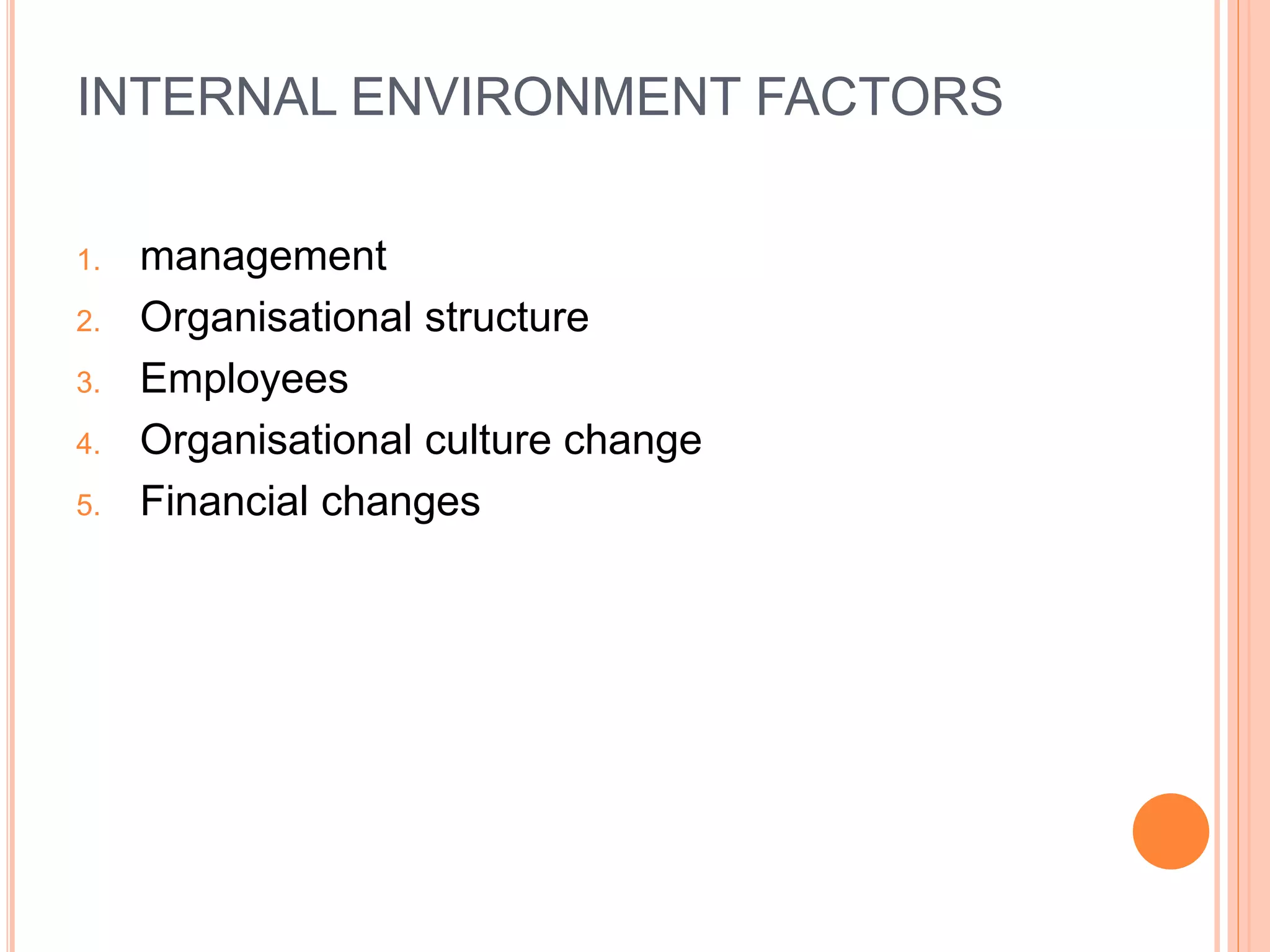
INTERNAL ENVIRONMENT FACTORS
1. management
2. Organisational structure
3. Employees
4. Organisational culture change
5. Financial changes
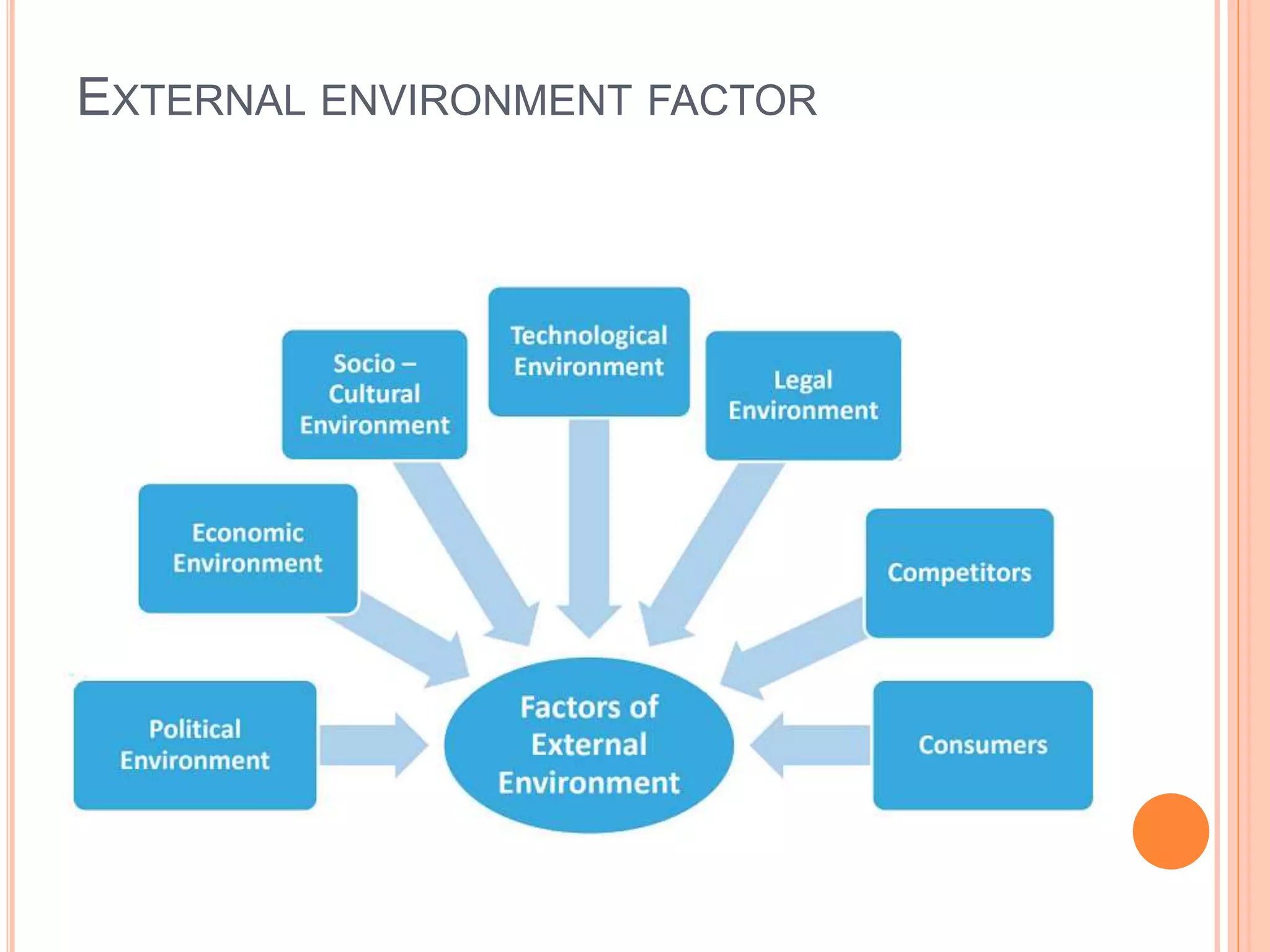
EXTERNAL ENVIRONMENT FACTOR
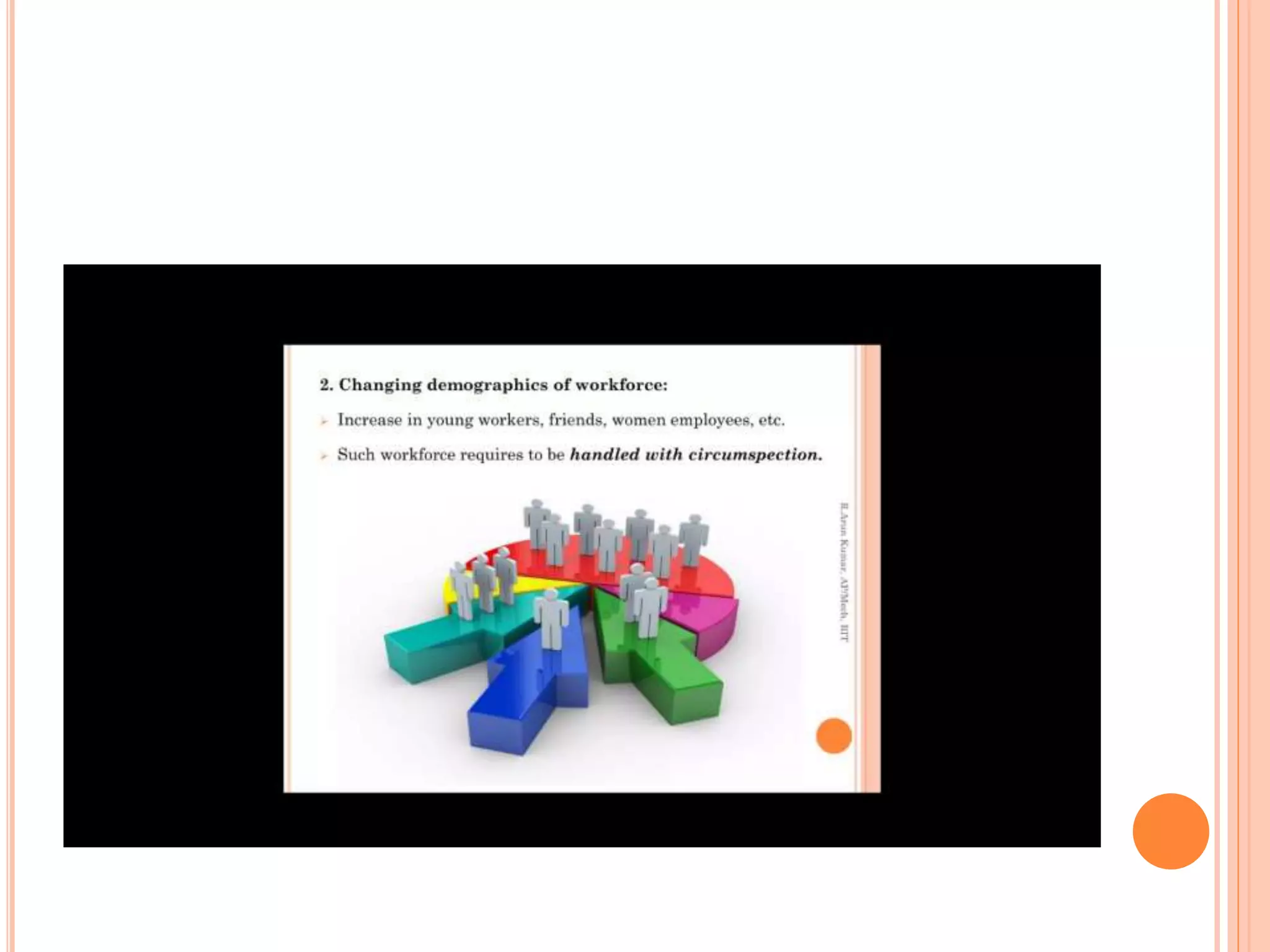
CURRENT TRENDS IN ISSUE IN MANAGEMENT
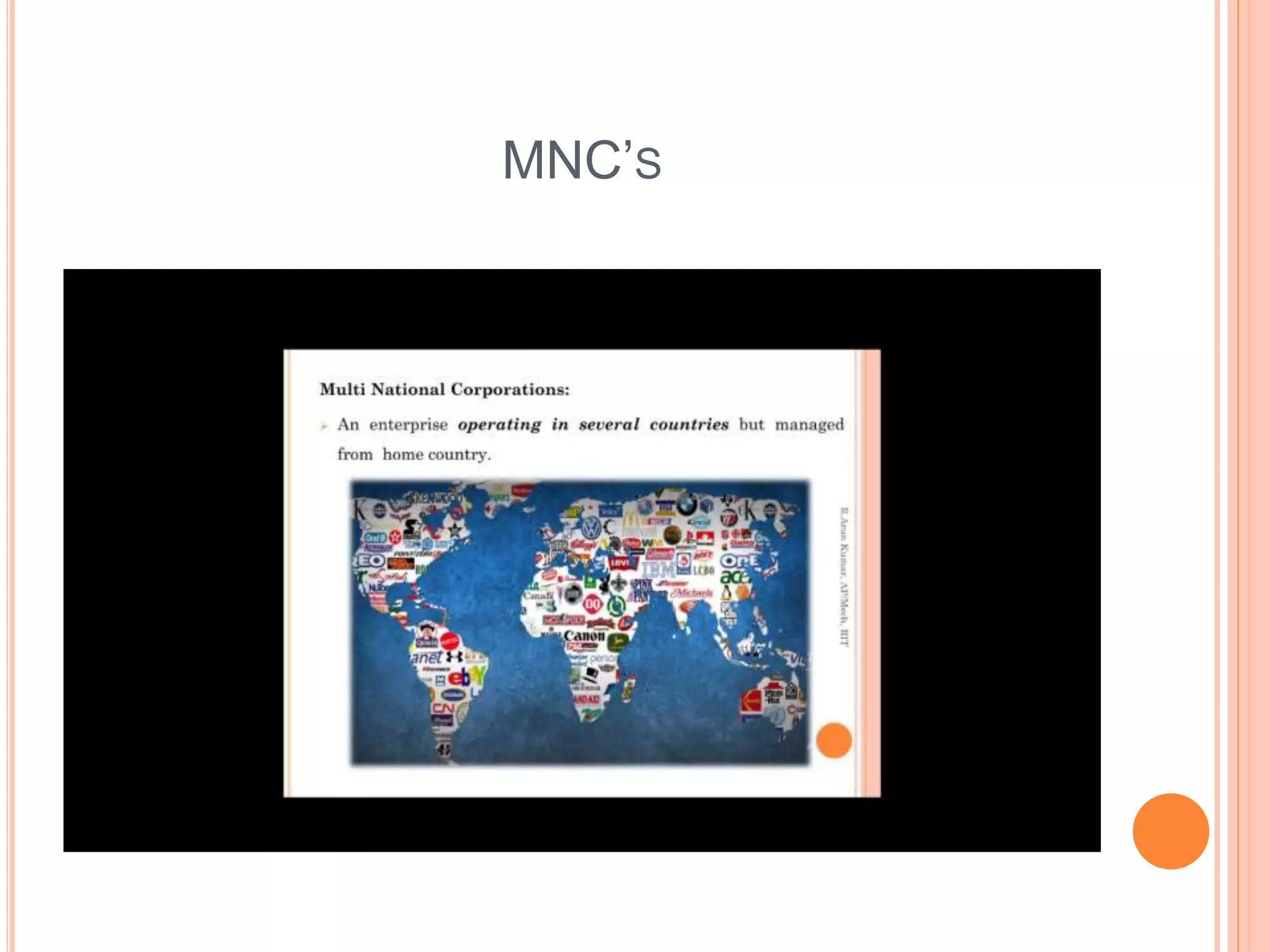
MNC’S
POM- UNIT-1 - Organizational Culture.ppt

POM- UNIT-1 - Organizational Culture.ppt

  • 1.
  • 2.
    THE ORGANIZATION’S CULTURE Organizational Culture  A system of shared meanings and common beliefs held by organizational members that determines, in a large degree, how they act towards each other.  “The way we do things around here.”  Values, symbols, rituals, myths, and practices  Implications:  Culture is a perception.  Culture is shared.  Culture is descriptive.
  • 3.
    DEFINITION  According todeal and Kennedy “ a system of informal rules that spells out how people have how to behave most of the time”  CHARACTERISTICS:  Risk tolerance  Direction  Unit integration  Management contract  Identity  Reward system  Conflict tolerance  Individual initiative
  • 4.
    HOW EMPLOYEES LEARNCULTURE/ SOURCES OF CULTURE  Stories  Narratives of significant events or actions of people that convey the spirit of the organization  Rituals  Repetitive sequences of activities that express and reinforce the values of the organization  Material Symbols  Physical assets distinguishing the organization  Language  Acronyms and jargon of terms, phrases, and word meanings specific to an organization
  • 5.
    FUNCTIONS OF CULTURE It distinguishes one organisation from the other  It conversations of identity for organisation members  Facilities that generation of commitment to something larger than self interest of individual ones
  • 6.
    HOW CULTURE AFFECTSMANAGERS  Cultural Constraints on Managers  Whatever managerial actions the organization recognizes as proper or improper on its behalf  Whatever organizational activities the organization values and encourages  The overall strength or weakness of the organizational culture Simple rule for getting ahead in an organization: Find out what the organization rewards and do those things.
  • 7.
    COMPONENTS OF ORGANISATIONCULTURE 1. support orientation 2. Rules orientation 3. Innovation orientation 4. Coordiantion orientation
  • 8.
    TYPES OF ORGNISATIONALCULTURE  Subculture  Dominant Culture  Strong Culture  Weak Culture  Authoritarian Culture  Participative Culture  Normative Culture  Academy Culture  Paragmatic Culture  Fortress Culture
  • 9.
    CREATING CULTURE  Thevision and functions of organization or creators of the culture the ideology customers of organization functions or organization culture organization develops the progressive ideas and technological development following good culture in their organization the mission and mission hard work and commodity spirit have created display normal culture for improving the performance
  • 10.
    MANAGING CULTURE 1. Selectionprocess 2. Actions of top management ( salaries, norms, promotion , other rewards) 3. Socialization 1. Pre arrival stage ( values attidides, exceptations) 2. Encounter stage ( after joining nature of work, they discountinued in the stage) 3. Metaprophisis stage ( new employees adopt in this stage and became comfort
  • 11.
    ORGANIZATION AND ENVIRONMENTFACTOR  There are even such situation that occur May affect the way a business is operated  Situations can have either a positive or negative impact on organisation business are called environmental factors
  • 12.
    INTERNAL ENVIRONMENT FACTORS 1.management 2. Organisational structure 3. Employees 4. Organisational culture change 5. Financial changes
  • 13.
  • 14.
    CURRENT TRENDS INISSUE IN MANAGEMENT
  • 26.