Pigmented villonodular synovitis 
(PVNS) 
Dr. Ahmed Al Ibraheemi
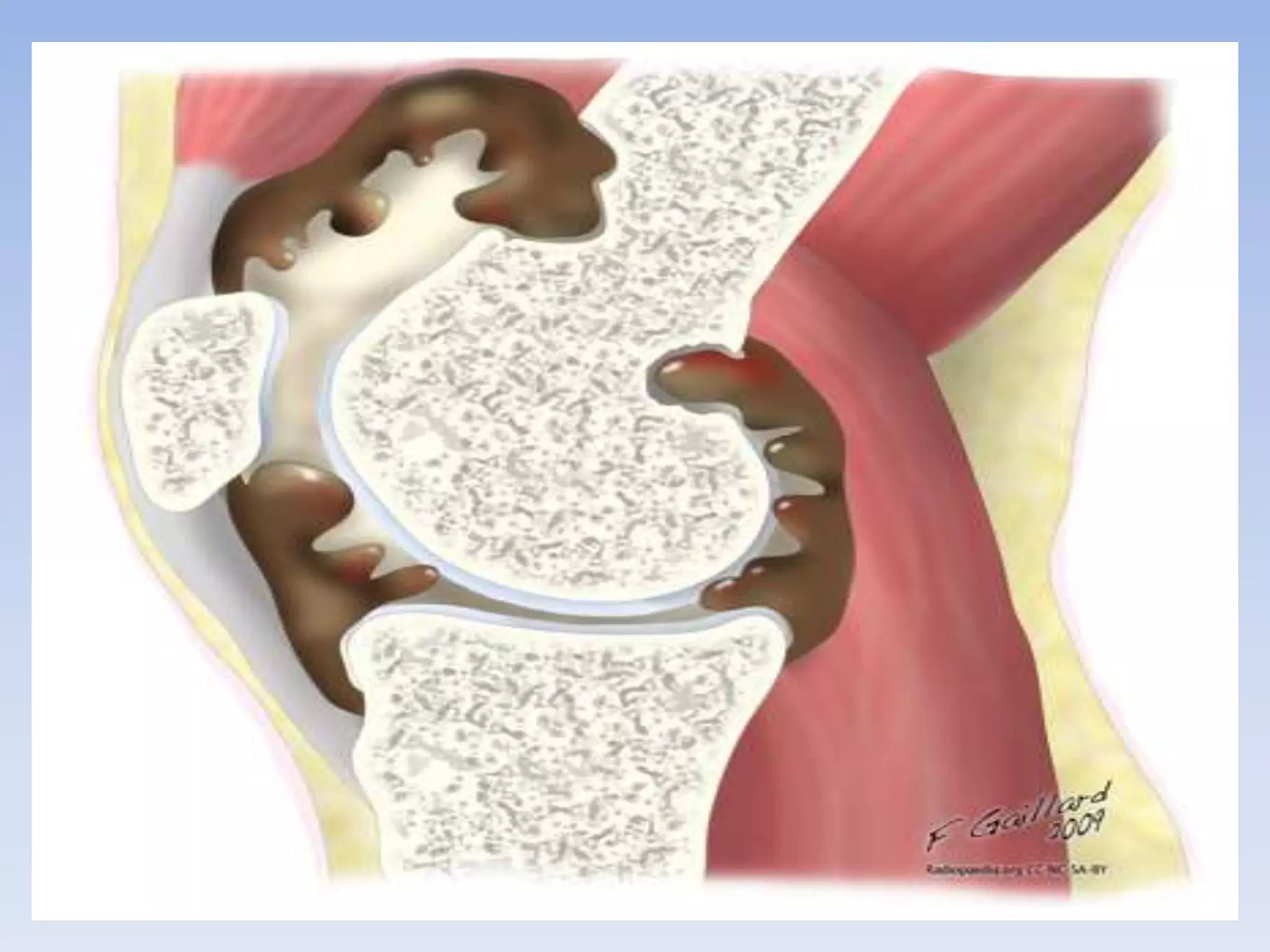
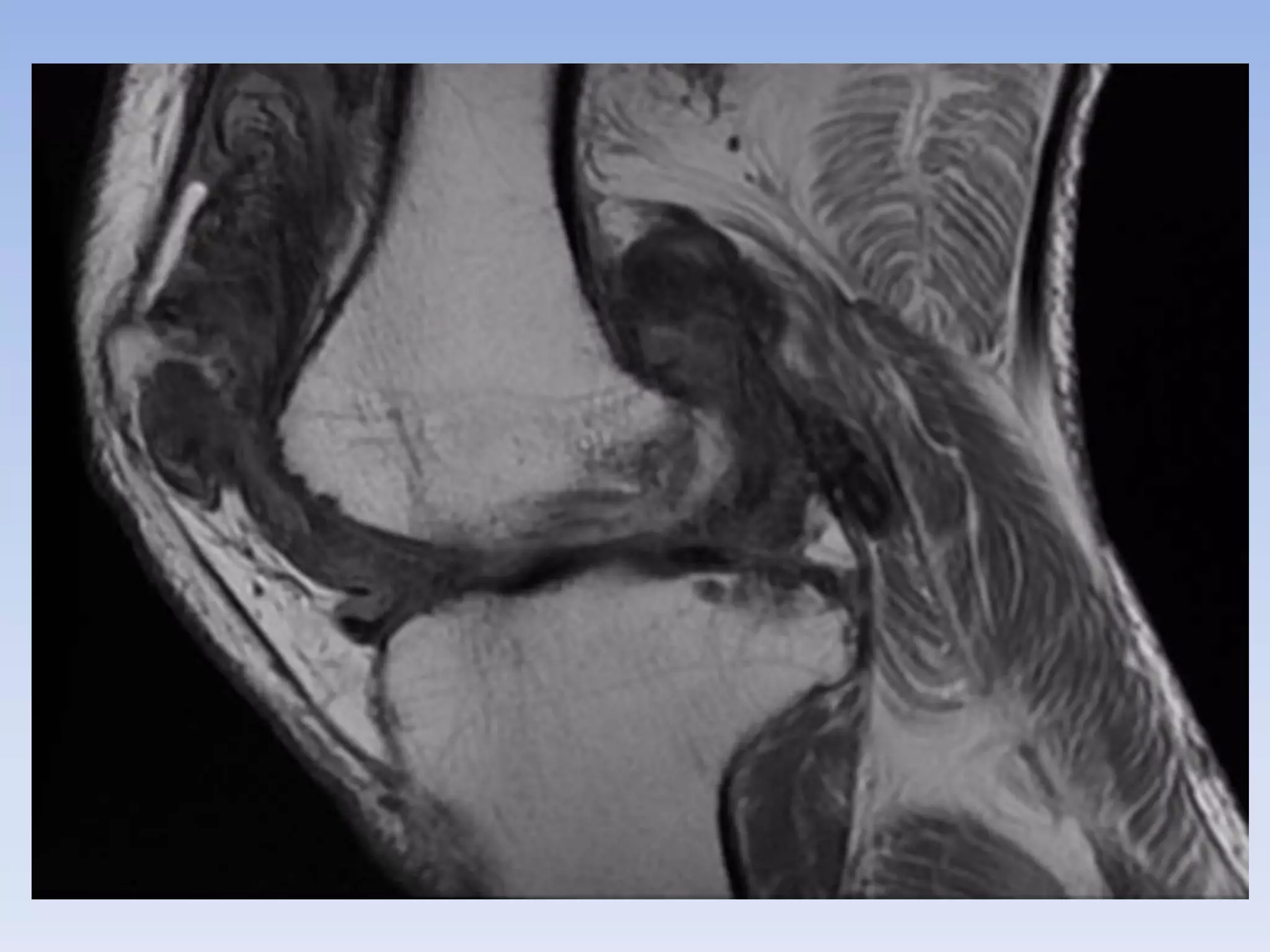
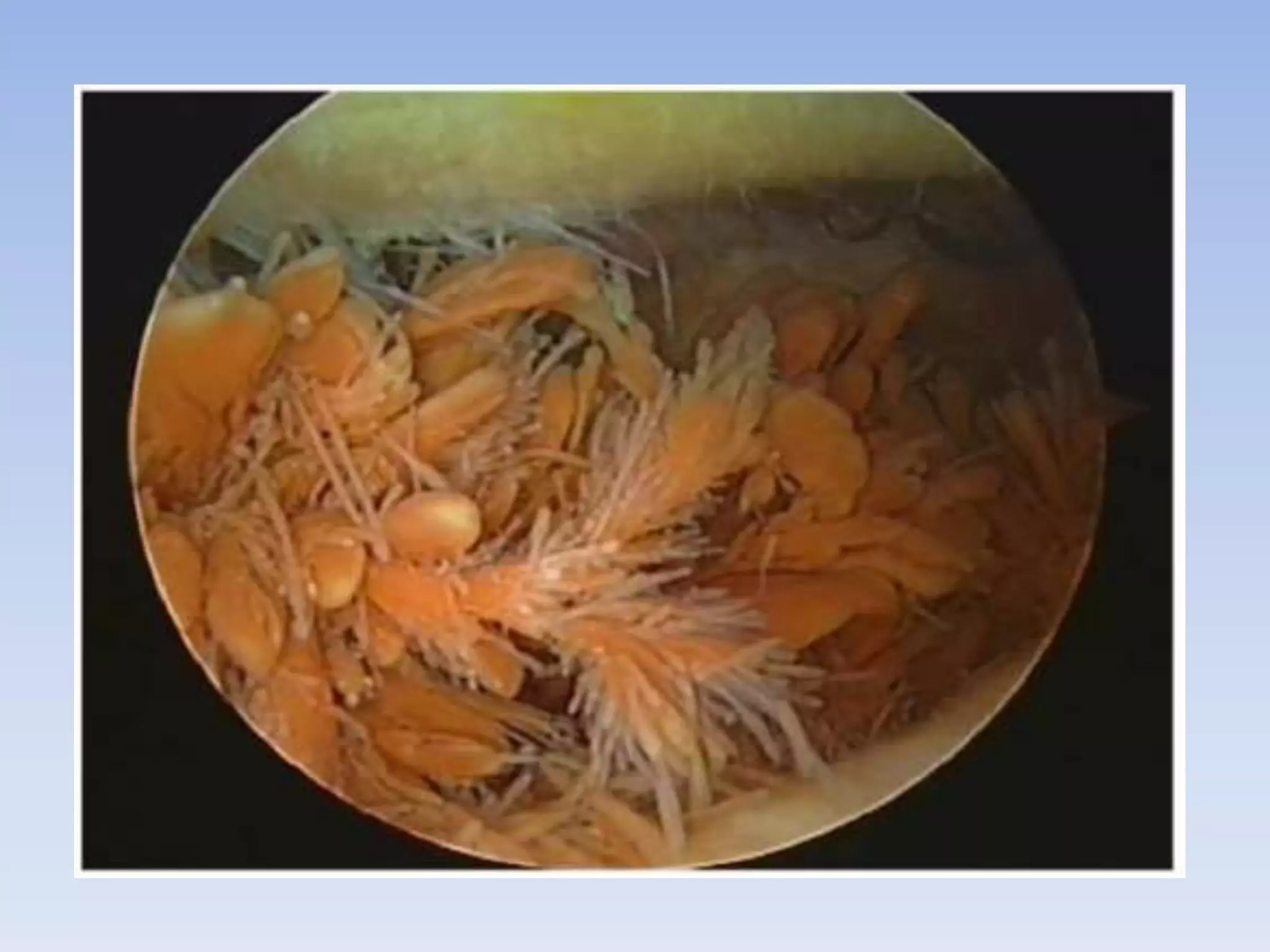
Pigmented villonodular synovitis (PVNS) 
• Is a benign proliferative disorder 
of uncertain etiology that affects 
synovial lined joints, bursae, and 
tendon sheaths . 
• characterized by inflammation 
and overgrowth of the joint lining
• It results in various degrees of villous 
and/or nodular changes in the 
affected structures. 
• PVNS lesions are monoarticular or 
solitary. Polyarticular disease is 
uncommon but more likely in 
children.
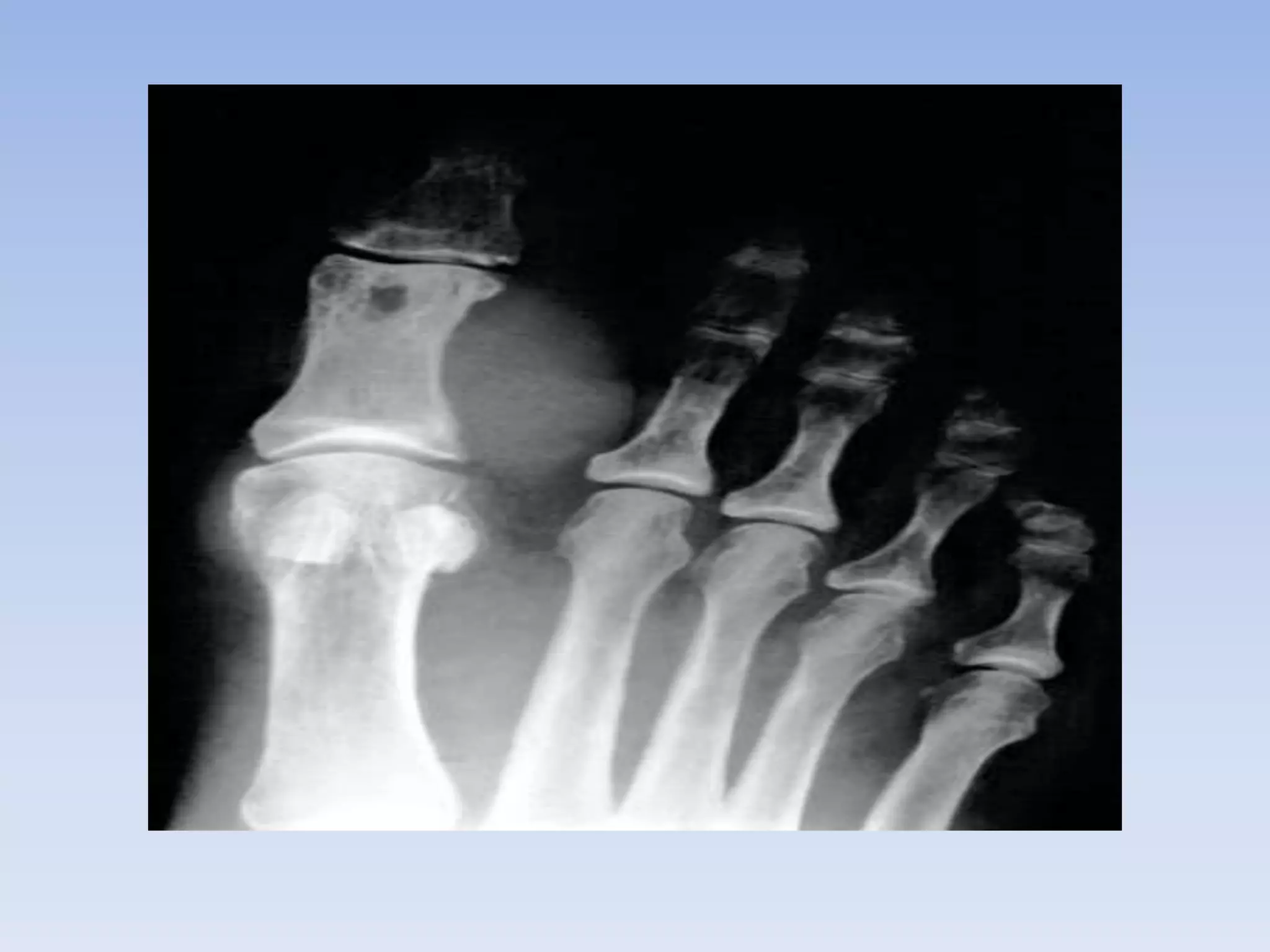
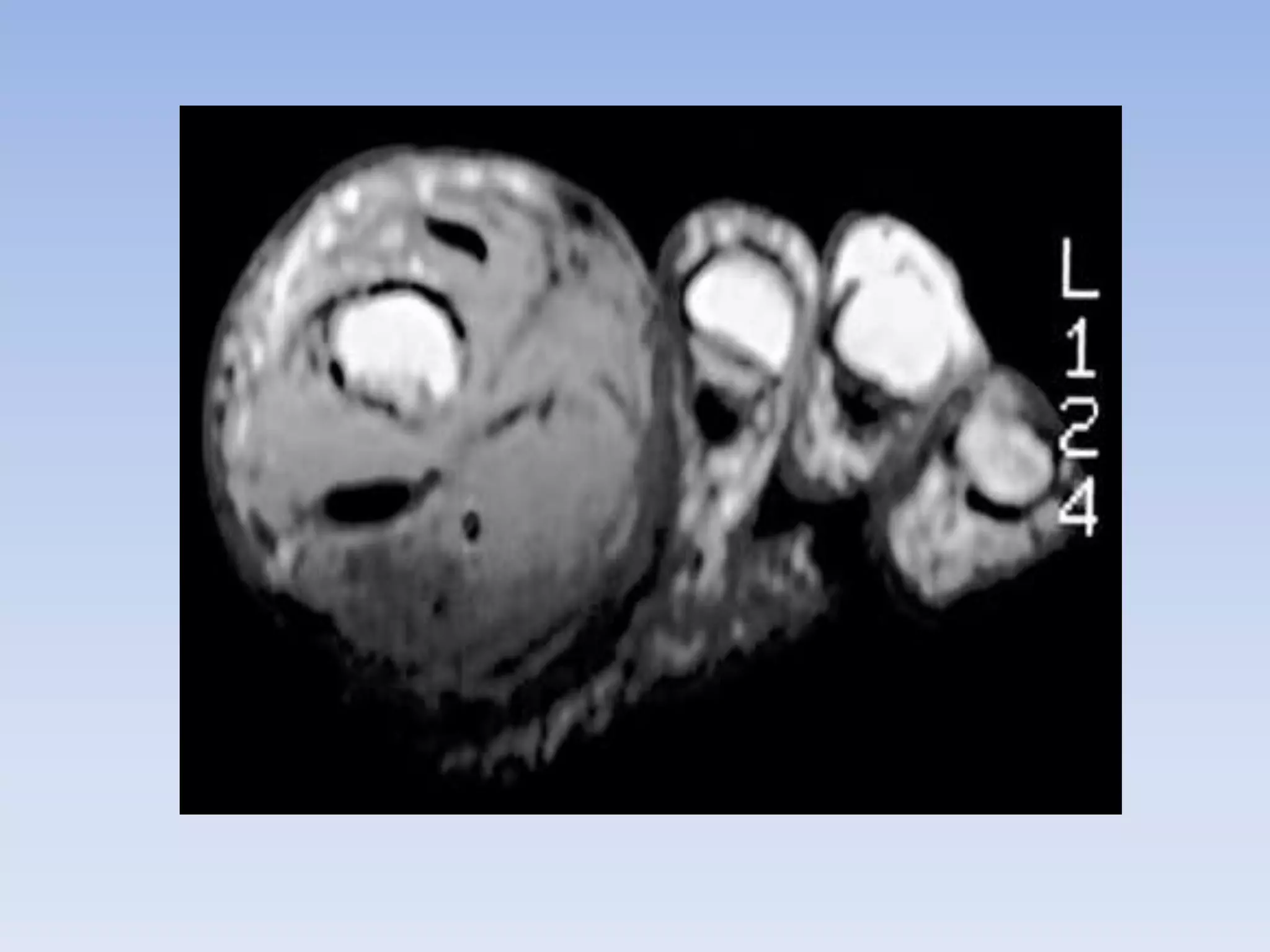
• It can also occur in the shoulder, 
ankle, elbow, hand or foot. 
• Two primary forms are described, 
including a diffuse form that affects 
the entire synovial lining of a joint, 
bursa, or tendon sheath, and a rare 
focal, or localized, form.
• The diffuse form typically 
involves the large joints , while 
the localized form typically 
occurs around the small joints 
of the hands and fee
Etiology 
• The etiology of PVNS remains uncertain. 
• Neoplasia is the presently accepted 
underlying etiology. 
• Evidence supporting this theory is both 
empirical and genetic. PVNS has 
demonstrated the capability of 
autonomous growth and rare malignant 
transformation.
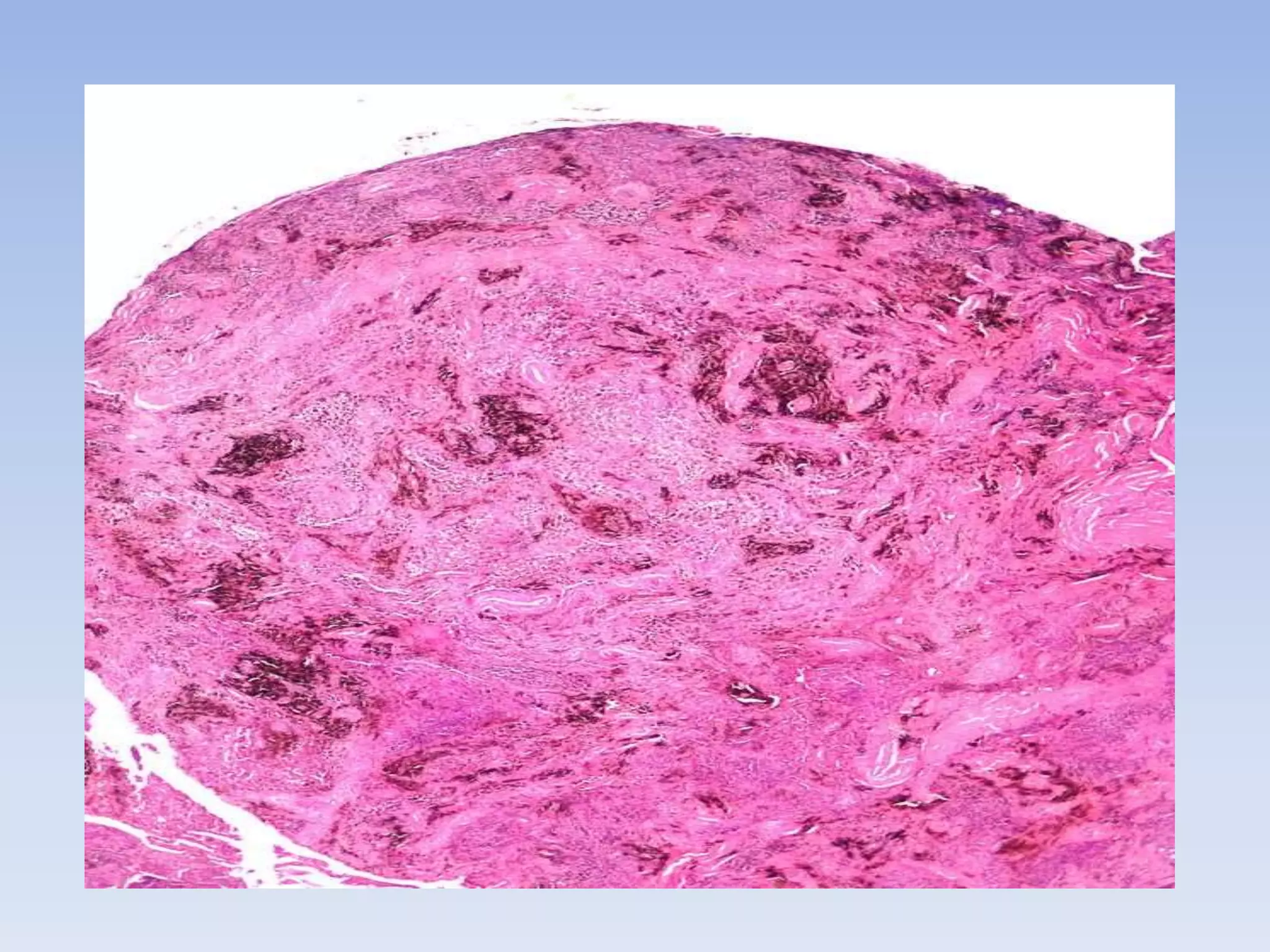
Histology 
• PVNS lesions on histology demonstrate 
synovial cell proliferation, 
xanthomatous cell accumulation, 
hemosiderin deposition, and the 
presence of multinucleated giant cells
Epidemiology 
• PVNS is an uncommon disease. 
• The prevalence is approximately 9.2 cases 
of extra-articular and 1.8 cases of intra-articular 
disease per 1 million population. 
• Localized lesions are more common than 
diffuse involvement, comprising 77% of 
total lesions in one review, with a 3.3:1 
localized-to-diffuse predominance ratio.
Epidemiology 
• Diffuse PVNS affects predominantly 
large joints, with the knee being the 
most common (66-80%). 
• The hip, ankle, shoulder, and elbow 
follow in descending frequency.
Epidemiology 
• Diffuse PVNS has nearly equal 
incidence in male and female 
patients, while the localized form 
demonstrates a female-to-male 
predominance ratio of 1.5-2:1. 
• Diagnosis is more common between 
ages 20 and 50 years, with a median 
age of 30 years.
Clinical presentation 
• In general, pigmented villonodular 
synovitis often manifests initially as 
sudden onset, unexplained joint swelling 
and pain; the joint swelling is 
disproportionate to the amount of pain 
the patient feels at first. Decreased 
motion and increased pain occur as the 
disorder progresses as well as locking of 
the joint.
Clinical presentation 
• The localized form often manifests 
initially as a painless, slow-growing 
mass and progresses to the other 
common symptoms of PVNS. The 
swelling often feels warm to the 
touch.
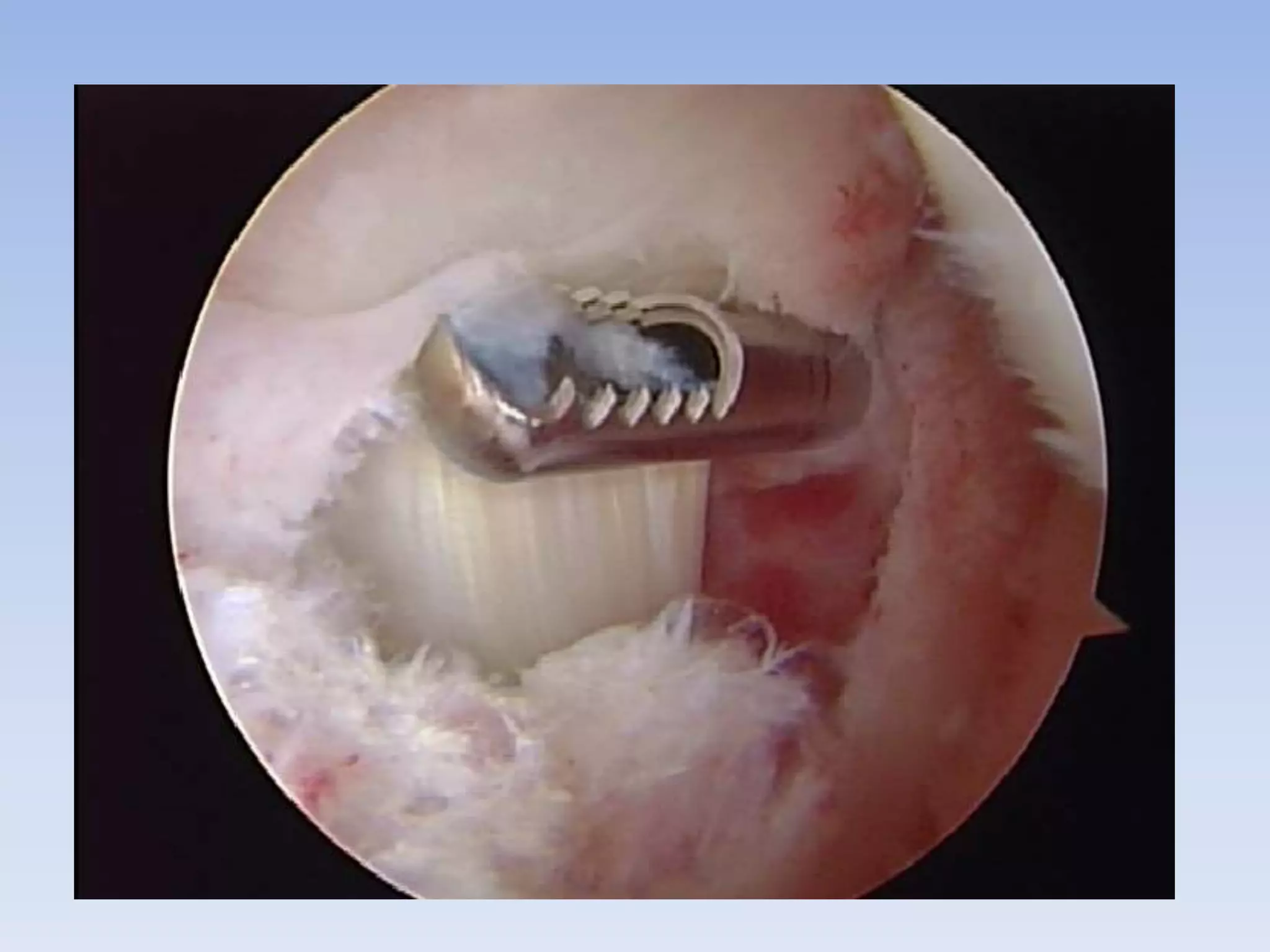
Treatment and prognosis 
• Although a benign condition, PVNS may 
result in significant morbidity if left 
untreated. Pain, loss of function, and 
eventual joint destruction may result. 
The primary treatment options include 
surgical resection via synovectomy or 
radiation therapy.
Treatment and prognosis 
• Recurrence is reduced with complete 
resection, and it is achieved more often 
with localized disease. 
• Radiation therapy may be used as the 
primary treatment method or in concert 
with surgical excision. 
• PVNS is overwhelmingly benign, with only a 
few cases of malignant transformation 
reported.
Radiotherapy 
• The literature review demonstrate 
that RT is a very safe and effective 
treatment option for the prevention 
of disease progression or recurrence 
in PVNS after primary surgical 
interventions.
Radiotherapy 
• The planned treatment volume should 
include the whole synovial space and 
eventually all invasive components of the 
disease. Currently, total doses in the 
range of 30-36 Gy are recommended 
• In Other article the total doses ranged 
from 30 to 50 Gy (median, 36 Gy), the 
median single dose was 2.0 Gy.
Radiotherapy 
• Other articles shown that Radiation 
therapy is a safe and effective 
treatment for PVNS in the 
postoperative setting after 
incomplete resection, and also as a 
salvage option for treatment of 
recurrences it provides a high rate of 
local control.
Radiotherapy 
• Local control was achieved 
95.1%, and 82.9% had no or only 
slight functional impairment. The 
early and late toxicity was mild
Thank you

Pigmented villonodular snynovitis

  • 1.
    Pigmented villonodular synovitis (PVNS) Dr. Ahmed Al Ibraheemi
  • 2.
    Pigmented villonodular synovitis(PVNS) • Is a benign proliferative disorder of uncertain etiology that affects synovial lined joints, bursae, and tendon sheaths . • characterized by inflammation and overgrowth of the joint lining
  • 3.
    • It resultsin various degrees of villous and/or nodular changes in the affected structures. • PVNS lesions are monoarticular or solitary. Polyarticular disease is uncommon but more likely in children.
  • 4.
    • It canalso occur in the shoulder, ankle, elbow, hand or foot. • Two primary forms are described, including a diffuse form that affects the entire synovial lining of a joint, bursa, or tendon sheath, and a rare focal, or localized, form.
  • 5.
    • The diffuseform typically involves the large joints , while the localized form typically occurs around the small joints of the hands and fee
  • 10.
    Etiology • Theetiology of PVNS remains uncertain. • Neoplasia is the presently accepted underlying etiology. • Evidence supporting this theory is both empirical and genetic. PVNS has demonstrated the capability of autonomous growth and rare malignant transformation.
  • 11.
    Histology • PVNSlesions on histology demonstrate synovial cell proliferation, xanthomatous cell accumulation, hemosiderin deposition, and the presence of multinucleated giant cells
  • 13.
    Epidemiology • PVNSis an uncommon disease. • The prevalence is approximately 9.2 cases of extra-articular and 1.8 cases of intra-articular disease per 1 million population. • Localized lesions are more common than diffuse involvement, comprising 77% of total lesions in one review, with a 3.3:1 localized-to-diffuse predominance ratio.
  • 14.
    Epidemiology • DiffusePVNS affects predominantly large joints, with the knee being the most common (66-80%). • The hip, ankle, shoulder, and elbow follow in descending frequency.
  • 15.
    Epidemiology • DiffusePVNS has nearly equal incidence in male and female patients, while the localized form demonstrates a female-to-male predominance ratio of 1.5-2:1. • Diagnosis is more common between ages 20 and 50 years, with a median age of 30 years.
  • 16.
    Clinical presentation •In general, pigmented villonodular synovitis often manifests initially as sudden onset, unexplained joint swelling and pain; the joint swelling is disproportionate to the amount of pain the patient feels at first. Decreased motion and increased pain occur as the disorder progresses as well as locking of the joint.
  • 17.
    Clinical presentation •The localized form often manifests initially as a painless, slow-growing mass and progresses to the other common symptoms of PVNS. The swelling often feels warm to the touch.
  • 19.
    Treatment and prognosis • Although a benign condition, PVNS may result in significant morbidity if left untreated. Pain, loss of function, and eventual joint destruction may result. The primary treatment options include surgical resection via synovectomy or radiation therapy.
  • 21.
    Treatment and prognosis • Recurrence is reduced with complete resection, and it is achieved more often with localized disease. • Radiation therapy may be used as the primary treatment method or in concert with surgical excision. • PVNS is overwhelmingly benign, with only a few cases of malignant transformation reported.
  • 22.
    Radiotherapy • Theliterature review demonstrate that RT is a very safe and effective treatment option for the prevention of disease progression or recurrence in PVNS after primary surgical interventions.
  • 23.
    Radiotherapy • Theplanned treatment volume should include the whole synovial space and eventually all invasive components of the disease. Currently, total doses in the range of 30-36 Gy are recommended • In Other article the total doses ranged from 30 to 50 Gy (median, 36 Gy), the median single dose was 2.0 Gy.
  • 24.
    Radiotherapy • Otherarticles shown that Radiation therapy is a safe and effective treatment for PVNS in the postoperative setting after incomplete resection, and also as a salvage option for treatment of recurrences it provides a high rate of local control.
  • 25.
    Radiotherapy • Localcontrol was achieved 95.1%, and 82.9% had no or only slight functional impairment. The early and late toxicity was mild
  • 26.