1
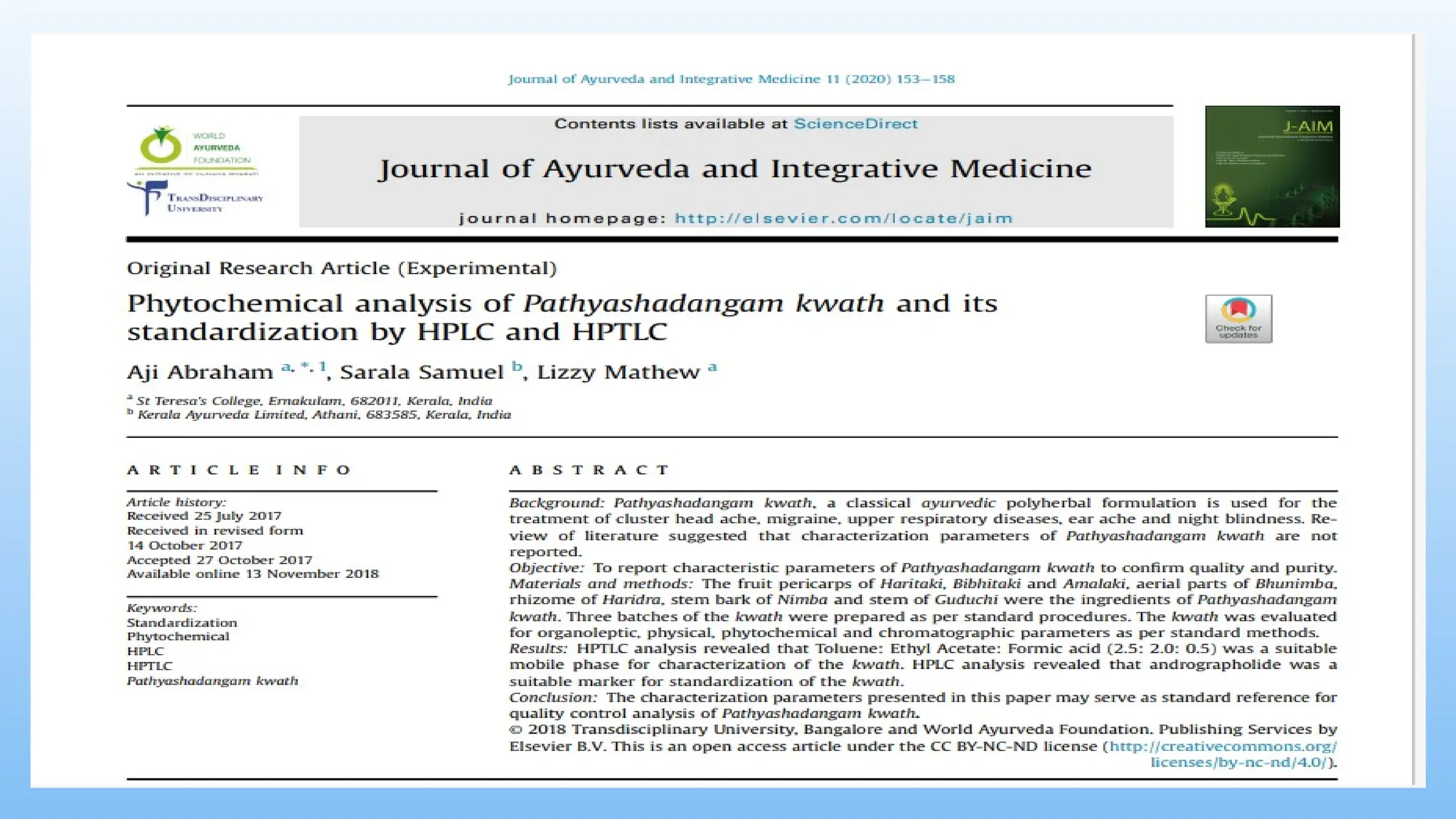
Phytochemical analysis of Pathyashadangam kwath and its
standardization by HPLC and HPTLC
Journal Name- Journal of Ayurveda and Integrative Medicine Year of Publication: 2018
Name: Swapnil S. Tirmanwar
GUIDE: Dr. Mrs. Sonal P. Motghare
DEPARTMENT: Pharmacognosy
COLLEGE NAME: Priyadarshini J. L. College of Pharmacy ,
Nagpur
(Science direct and Elsevier)
2
3
Abstract
• Pathyashadangam kwath, a classical ayurvedic polyherbal formulation is used for the treatment
of cluster head ache, migraine, upper respiratory diseases, ear ache and night blindness. Review
of literature suggested that characterization parameters of Pathyashadangam kwath are not
reported.
• To report characteristic parameters of Pathyashadangam kwath to confirm quality and purity.
• Three batches of the kwath were prepared as per standard procedures. The kwath was evaluated
for organoleptic, physical, phytochemical and chromatographic parameters as per standard
methods
• The characterization parameters presented in this paper may serve as standard reference for
quality control analysis of Pathyashadangam kwath.
4
Introduction
• More than 75% of world's population relies on traditional medicine for their basic health issues.
• The focus of Ayurveda is to restore balance by eradicating the root cause of disease using a blend of
natural elements and prevent the recurrence of imbalance by creating a healthy life style
• According to kwatha vidhi of S. samhita, kashayam or kwath is the filtered decoction obtained after
boiling a mixture of herbs with 16 times water under low flame for a prolonged period till the volume is
reduced to one eighth
• On account of its natural origin and lack of side effects, the demand for ayurvedic drugs have
aggrandized across the world
• Quality assurance which guarantees the delivery of apt quantity of standard medicament is an integral
part of traditional medicine
5
Introduction
• Pathyashadangam kwath (Pathyadi shadangam kashayam) is a classical ayurvedic
polyherbal formulation prescribed by ayurvedic physicians for the treatment of upper
respiratory tract infections and different types of head ache. There is dearth of
information regarding the scientific analysis of Pathyashadangam kwath. Hence
characterization of Pathyashadangam kwath was attempted to confirm its quality and
purity
6
Aim and Objectives
Phytochemical analysis of Pathyashadangam kwath and its standardization by HPLC and HPTLC
Objective:
To report characteristic parameters of Pathyashadangam kwath to confirm quality and
purity.
7
Materials & Methods
 plant materials or crude drugs :
1. Pathyashadangam kwath was prepared from seven ingredients:
2. Haritaki (Terminalia chebula Retz.) Fruit percarp
3. Bibhitaki (Terminalia bellirica (Gaertn.) Roxb.) Fruit percarp
4. Amalaki (Phyllanthus emblica L.) Fruit percarp
5. Bhunimba (Andrographis paniculata (Burm. f.) Wall. ex Nees) aerial parts
6. Haridra (Curcuma longa L.) rhizome
7. Nimba (Azadirachta indica A. Juss.) stem bark
8. Guduchi (Tinospora cordifolia (Willd.) Miers.). stem
8
Materials & Methods
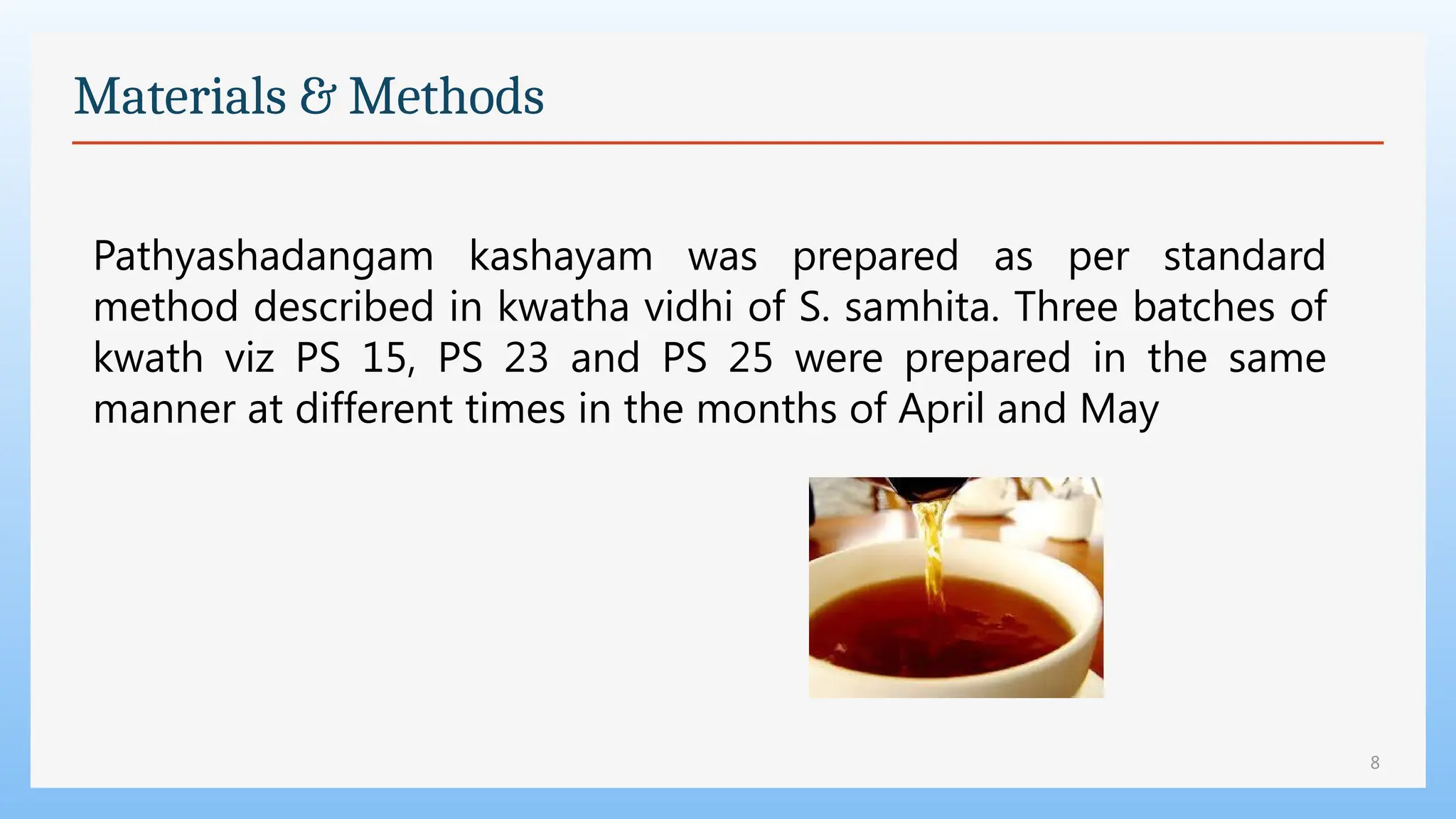
Pathyashadangam kashayam was prepared as per standard
method described in kwatha vidhi of S. samhita. Three batches of
kwath viz PS 15, PS 23 and PS 25 were prepared in the same
manner at different times in the months of April and May
9
Evaluation parameters :
1. Organoleptic evaluation:
organoleptic characters like colour, odor, taste and consistency of the kashayam were
evaluated
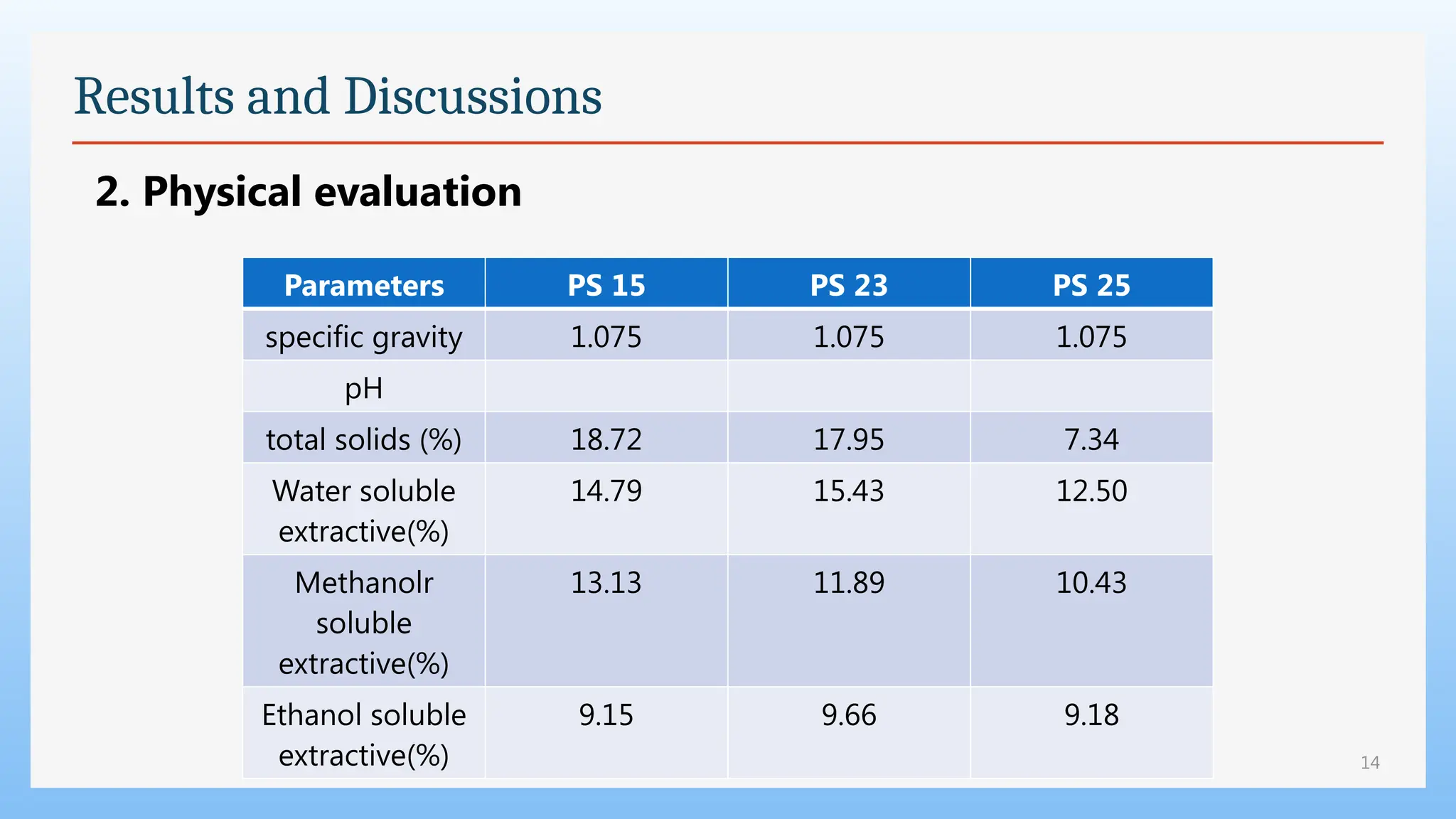
2 .Physical evaluation:
Different physical parameters like total solids, specific gravity, water soluble extractive
value, alcohol soluble extractive values and pH were evaluated using standard
pharmacopoeial methods
3. Microbial load:
Total aerobic microbial count (bacterial and fungal) was determined by plate count
method. Test for specific organisms was carried out as per standard procedures
10
Materials & Methods
4. Heavy metal analysis:
The kashayam was digested in HNO3 and HCLO4 (5:2). The volume of the digested
samples was then made up to 100 ml with deionized water and analyzed with ICP-AES
system (Thermo Electron, IRIS INTREPID II XSP DUO, Munich, Germany). The limit of
detection was Cd 0.01 ppm; Pb 0.05 ppm; Hg 0.1 ppm and As 0.04 ppm
5. Phytochemical investigation:
The methanol and ethanol extract of kwath was subjected to preliminary phytochemical
analysis
6. Quantification of total bitter:
By following std. procedure and Percentage of andrographolide was calculated by the
formula (W2eW1) 100/Weight of sample and was expressed as mean ± standard deviation
of three values
11
Materials & Methods
6. HPTLC
• The methanol extracts of three batches of kashayam were subjected to HPTLC
analysis.
• The plates were developed using Toluene: Ethyl Acetate: Formic acid (2.5: 2.0: 0.5) in
the CAMAG twin-trough glass chamber, previously saturated with the solvent for 30
min.
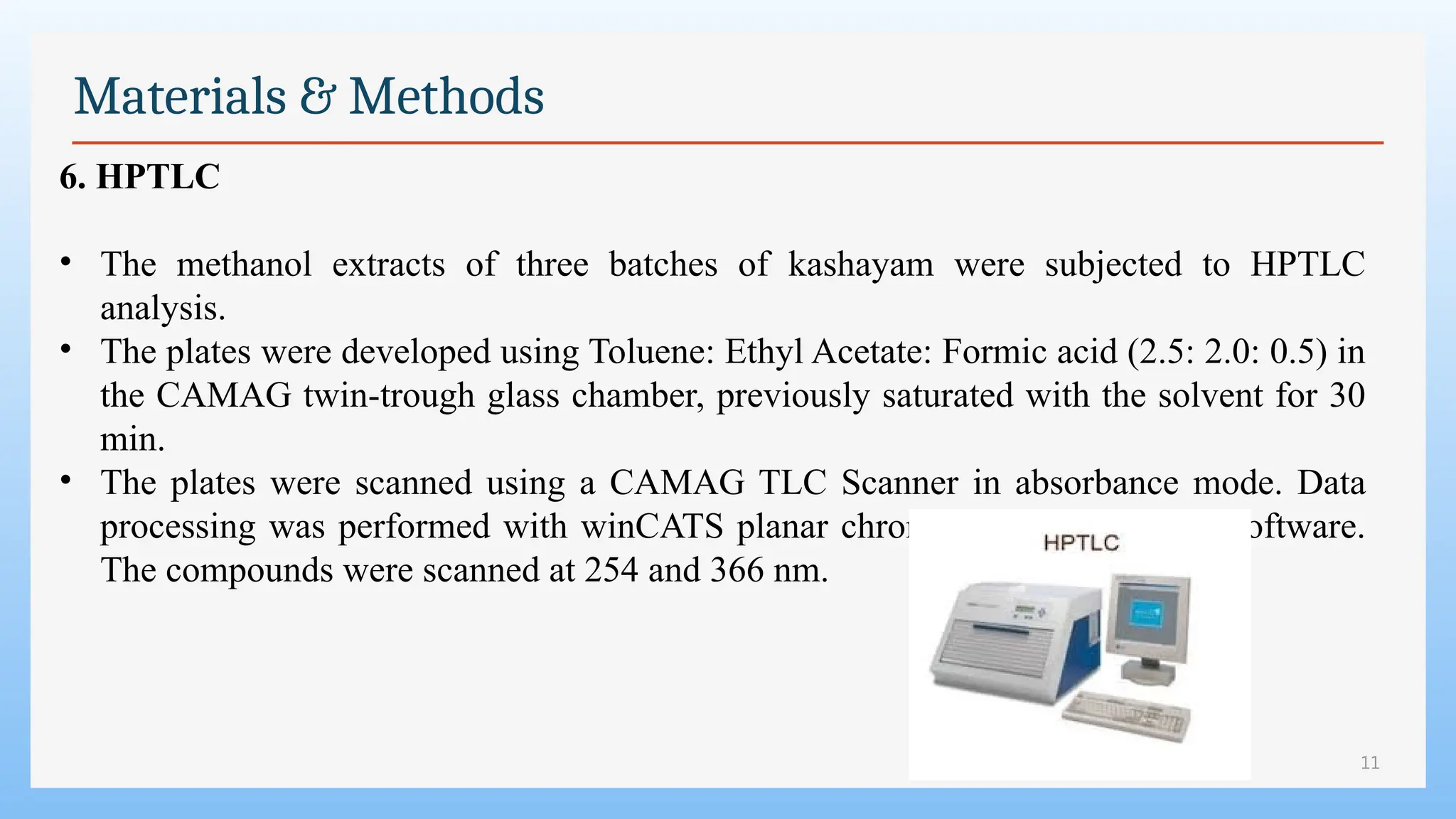
• The plates were scanned using a CAMAG TLC Scanner in absorbance mode. Data
processing was performed with winCATS planar chromatography manager software.
The compounds were scanned at 254 and 366 nm.
12
Materials & Methods
7. HPLC:
• The methanol extract of the kashayam was subjected to HPLC using
andrographolide as marker.
• A kashayam was prepared excluding all ingredients of Pathyashadangam kashayam
other than A. paniculata
• The HPLC analysis was carried out using Luna 5u C18 analytical column (250 4.6
mm), Shimadzu LC-10 AT vp binary pump and SPD-M10A vp photo diode array
detector (PDA).
• The mobile phase consisted of water (A) and acetonitrile (B). The elution condition
was 0-25 min, 20%-55% B [14]. The injection volume was 20 ml and flow rate was
1 ml/min. UV spectral range was 190 nm - 400 nm.
13
Results and Discussions
1.Organoleptic evaluation
Organoleptic evaluation of the kashayam revealed that
it had bitter taste, brown colour, and characteristic odour
and was a colloidal suspension.
14
Results and Discussions
Parameters PS 15 PS 23 PS 25
specific gravity 1.075 1.075 1.075
pH
total solids (%) 18.72 17.95 7.34
Water soluble
extractive(%)
14.79 15.43 12.50
Methanolr
soluble
extractive(%)
13.13 11.89 10.43
Ethanol soluble
extractive(%)
9.15 9.66 9.18
2. Physical evaluation
15
Results and Discussions
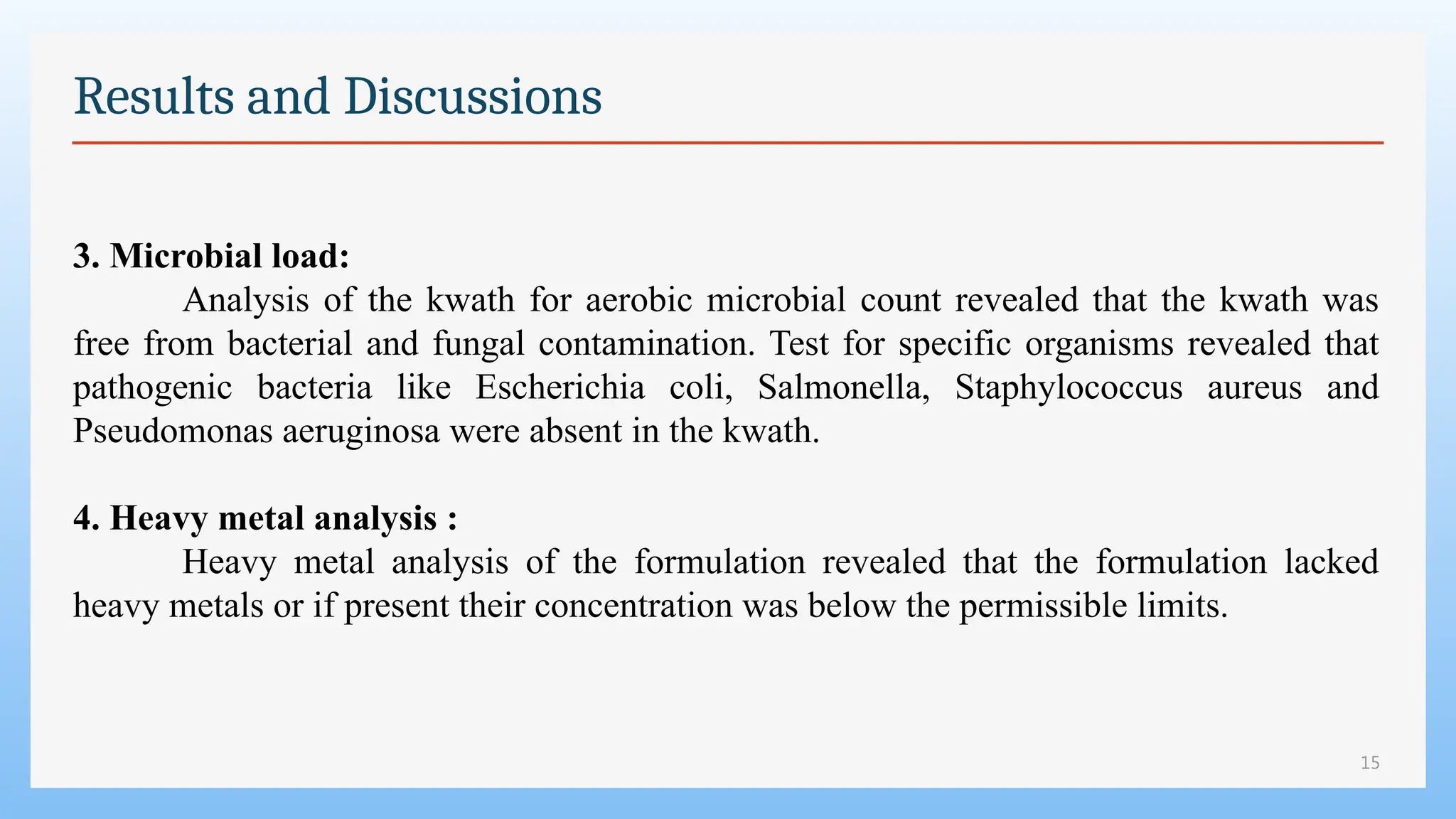
3. Microbial load:
Analysis of the kwath for aerobic microbial count revealed that the kwath was
free from bacterial and fungal contamination. Test for specific organisms revealed that
pathogenic bacteria like Escherichia coli, Salmonella, Staphylococcus aureus and
Pseudomonas aeruginosa were absent in the kwath.
4. Heavy metal analysis :
Heavy metal analysis of the formulation revealed that the formulation lacked
heavy metals or if present their concentration was below the permissible limits.
16
Results and Discussions
5. Phytochemical investigation
Preliminary phytochemical analysis of methanol and ethanol extracts of
kashayam revealed the presence of alkaloids, flavonoids, tannins, glycosides,
sterols, triterpenoids and saponins in both the extracts.
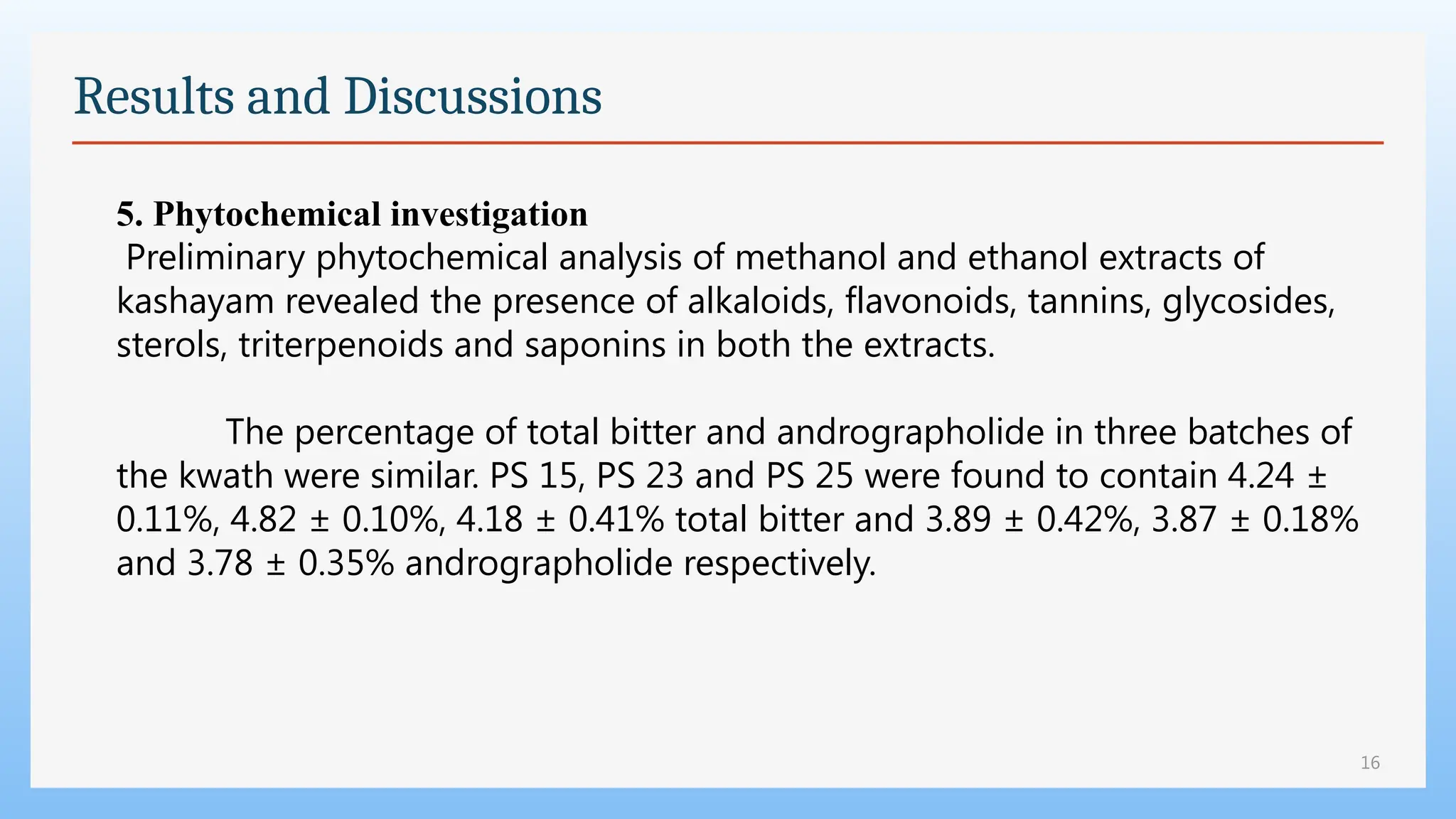
The percentage of total bitter and andrographolide in three batches of
the kwath were similar. PS 15, PS 23 and PS 25 were found to contain 4.24 ±
0.11%, 4.82 ± 0.10%, 4.18 ± 0.41% total bitter and 3.89 ± 0.42%, 3.87 ± 0.18%
and 3.78 ± 0.35% andrographolide respectively.
17
Results and Discussions
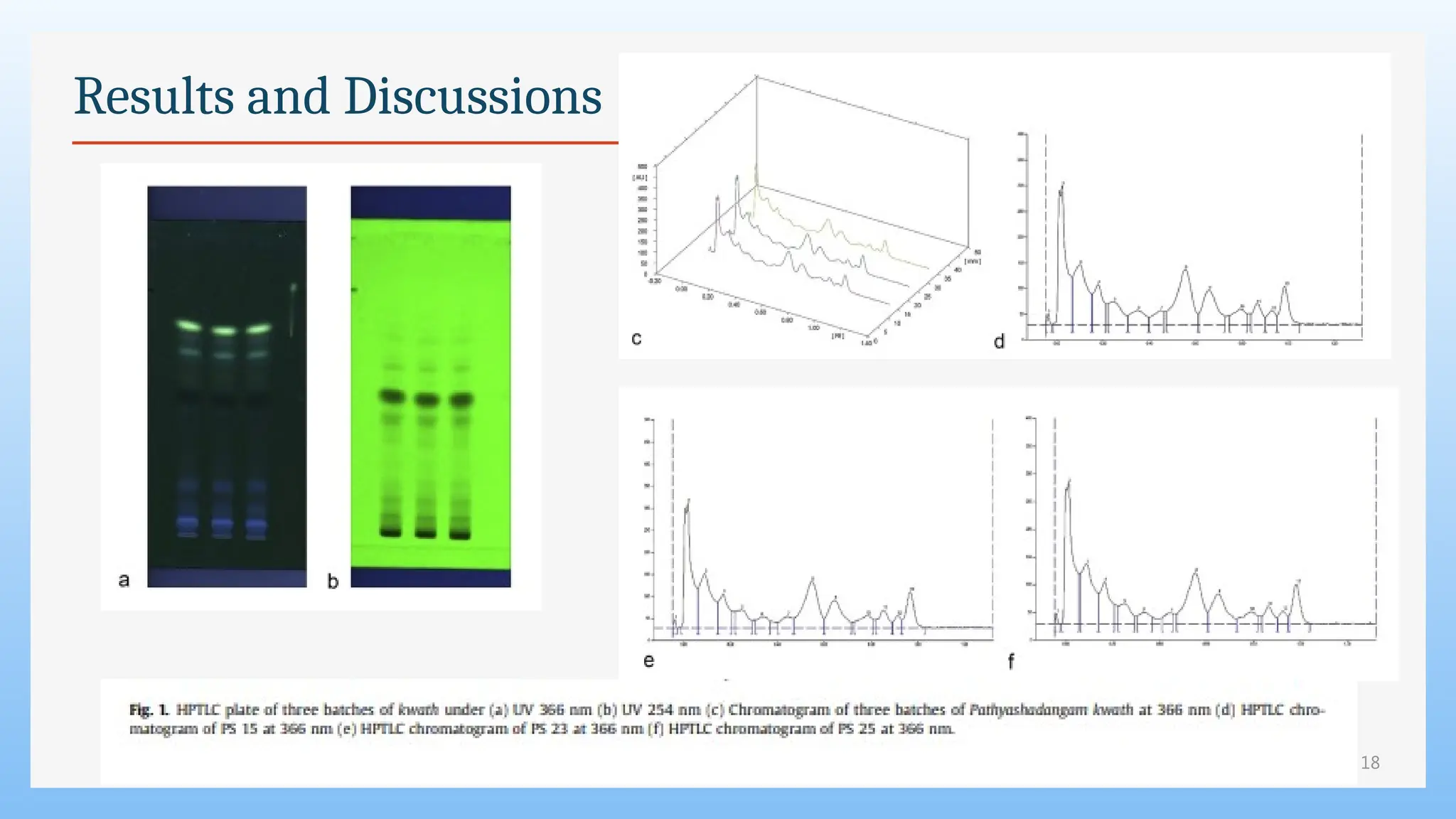
6. HPTLC analysis:
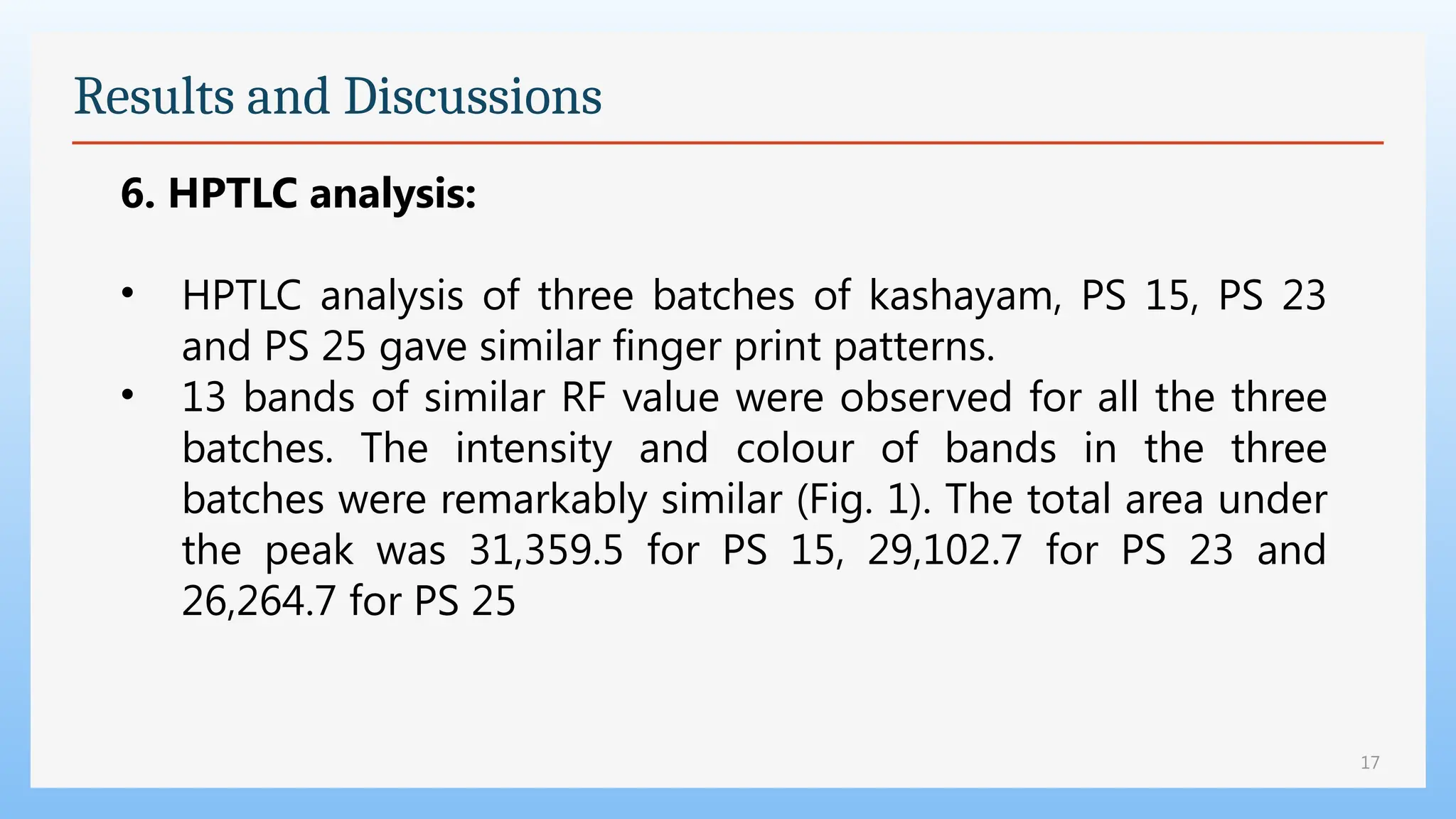
• HPTLC analysis of three batches of kashayam, PS 15, PS 23
and PS 25 gave similar finger print patterns.
• 13 bands of similar RF value were observed for all the three
batches. The intensity and colour of bands in the three
batches were remarkably similar (Fig. 1). The total area under
the peak was 31,359.5 for PS 15, 29,102.7 for PS 23 and
26,264.7 for PS 25
18
Results and Discussions
19
Results and Discussions
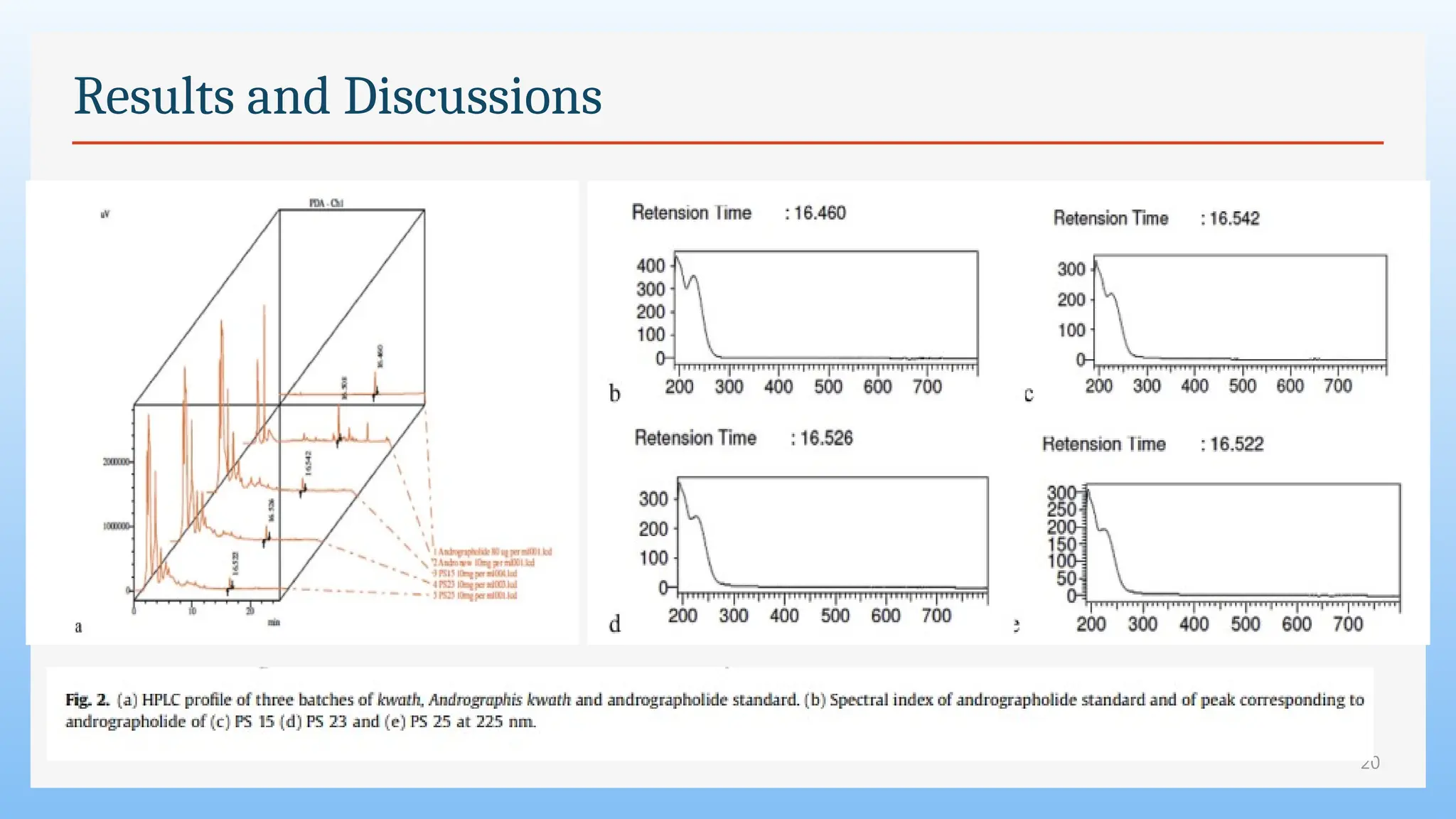
7. HPLC analysis:
1. HPLC analysis of methanol extracts of three batches of Pathyashadangam
kwath and Andrographis kwath was carried out along with andrographolide
standard (Fig. 2a)
2. The analysis revealed that all the three batches of pathyashadangam kwath
and A. kwath showed characteristic peak corresponding to andrographolide.
The RT for andrographolide was 16.46, 16.508, 16.542, 16.526 and 16.522
for standard, A. kwath, PS 15, PS 23 and PS 25 respectively.
20
Results and Discussions
21
Conclusions:
• Pathyashadangam kwath was characterized based on organoleptic, physical,
microbiological, heavy metal, phytochemical and chromatographic analysis. Bitter taste,
brown colour, absence of heavy metal and microbial contamination, pH, specific gravity,
water soluble extractive value methanol soluble extractive value of ethanol soluble
extractive value
• HPLTC analysis using Toluene: Ethyl acetate: Formic acid (2.5:2:0.5) mobile phase was
found suitable for consistency evaluation of the kashayam.
• All these parameters may be employed as standard reference for quality control analysis
of the formulation
22
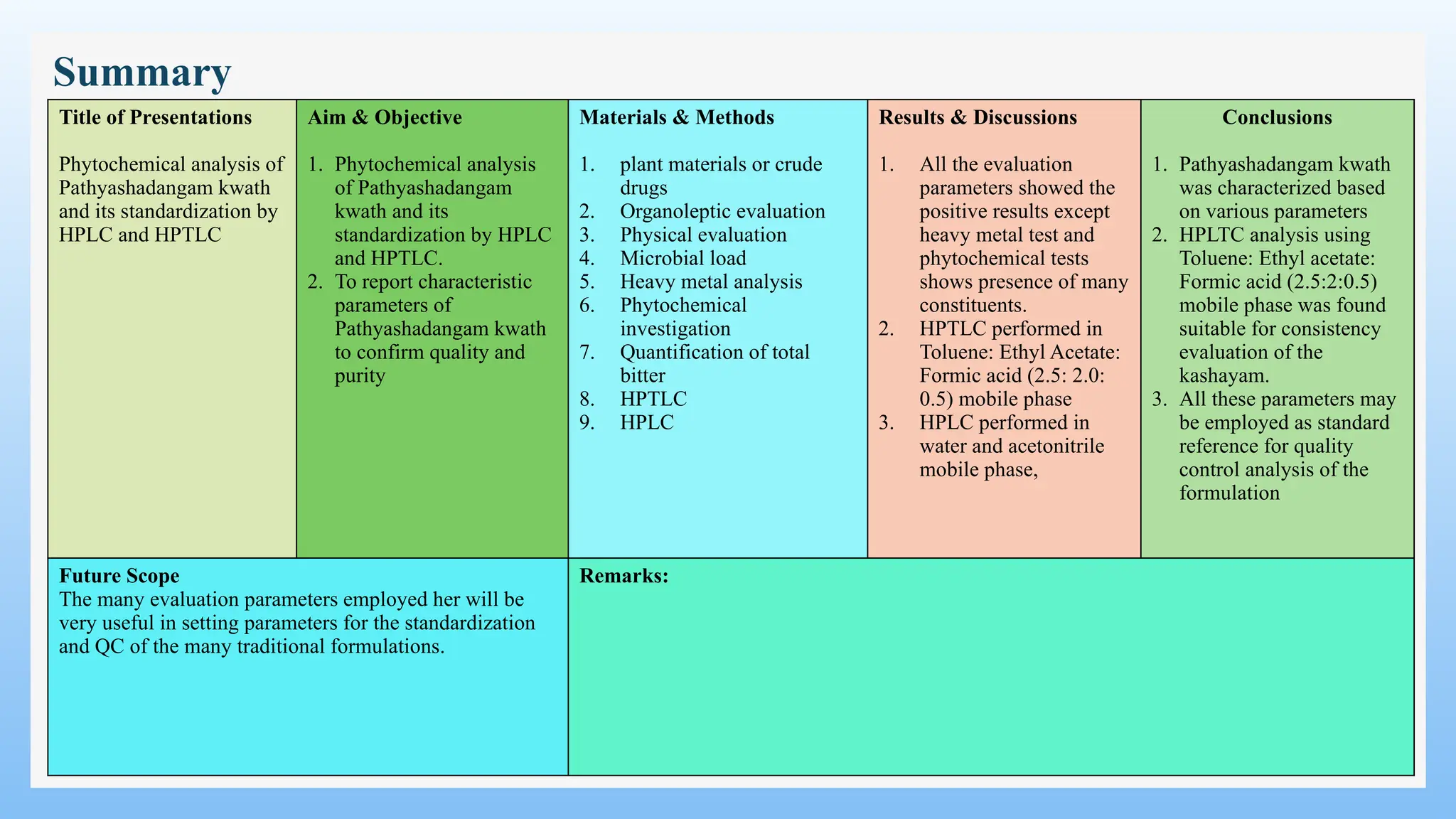
Summary
Title of Presentations
Phytochemical analysis of
Pathyashadangam kwath
and its standardization by
HPLC and HPTLC
Aim & Objective
1. Phytochemical analysis
of Pathyashadangam
kwath and its
standardization by HPLC
and HPTLC.
2. To report characteristic
parameters of
Pathyashadangam kwath
to confirm quality and
purity
Materials & Methods
1. plant materials or crude
drugs
2. Organoleptic evaluation
3. Physical evaluation
4. Microbial load
5. Heavy metal analysis
6. Phytochemical
investigation
7. Quantification of total
bitter
8. HPTLC
9. HPLC
Results & Discussions
1. All the evaluation
parameters showed the
positive results except
heavy metal test and
phytochemical tests
shows presence of many
constituents.
2. HPTLC performed in
Toluene: Ethyl Acetate:
Formic acid (2.5: 2.0:
0.5) mobile phase
3. HPLC performed in
water and acetonitrile
mobile phase,
Conclusions
1. Pathyashadangam kwath
was characterized based
on various parameters
2. HPLTC analysis using
Toluene: Ethyl acetate:
Formic acid (2.5:2:0.5)
mobile phase was found
suitable for consistency
evaluation of the
kashayam.
3. All these parameters may
be employed as standard
reference for quality
control analysis of the
formulation
Future Scope
The many evaluation parameters employed her will be
very useful in setting parameters for the standardization
and QC of the many traditional formulations.
Remarks:
23
References:
24
Thank You!

Phytochemical analysis of Pathyashadangam kwath and its standardization by HPLC and HPTLC

  • 1.
    1 Phytochemical analysis ofPathyashadangam kwath and its standardization by HPLC and HPTLC Journal Name- Journal of Ayurveda and Integrative Medicine Year of Publication: 2018 Name: Swapnil S. Tirmanwar GUIDE: Dr. Mrs. Sonal P. Motghare DEPARTMENT: Pharmacognosy COLLEGE NAME: Priyadarshini J. L. College of Pharmacy , Nagpur (Science direct and Elsevier)
  • 2.
  • 3.
    3 Abstract • Pathyashadangam kwath,a classical ayurvedic polyherbal formulation is used for the treatment of cluster head ache, migraine, upper respiratory diseases, ear ache and night blindness. Review of literature suggested that characterization parameters of Pathyashadangam kwath are not reported. • To report characteristic parameters of Pathyashadangam kwath to confirm quality and purity. • Three batches of the kwath were prepared as per standard procedures. The kwath was evaluated for organoleptic, physical, phytochemical and chromatographic parameters as per standard methods • The characterization parameters presented in this paper may serve as standard reference for quality control analysis of Pathyashadangam kwath.
  • 4.
    4 Introduction • More than75% of world's population relies on traditional medicine for their basic health issues. • The focus of Ayurveda is to restore balance by eradicating the root cause of disease using a blend of natural elements and prevent the recurrence of imbalance by creating a healthy life style • According to kwatha vidhi of S. samhita, kashayam or kwath is the filtered decoction obtained after boiling a mixture of herbs with 16 times water under low flame for a prolonged period till the volume is reduced to one eighth • On account of its natural origin and lack of side effects, the demand for ayurvedic drugs have aggrandized across the world • Quality assurance which guarantees the delivery of apt quantity of standard medicament is an integral part of traditional medicine
  • 5.
    5 Introduction • Pathyashadangam kwath(Pathyadi shadangam kashayam) is a classical ayurvedic polyherbal formulation prescribed by ayurvedic physicians for the treatment of upper respiratory tract infections and different types of head ache. There is dearth of information regarding the scientific analysis of Pathyashadangam kwath. Hence characterization of Pathyashadangam kwath was attempted to confirm its quality and purity
  • 6.
    6 Aim and Objectives Phytochemicalanalysis of Pathyashadangam kwath and its standardization by HPLC and HPTLC Objective: To report characteristic parameters of Pathyashadangam kwath to confirm quality and purity.
  • 7.
    7 Materials & Methods plant materials or crude drugs : 1. Pathyashadangam kwath was prepared from seven ingredients: 2. Haritaki (Terminalia chebula Retz.) Fruit percarp 3. Bibhitaki (Terminalia bellirica (Gaertn.) Roxb.) Fruit percarp 4. Amalaki (Phyllanthus emblica L.) Fruit percarp 5. Bhunimba (Andrographis paniculata (Burm. f.) Wall. ex Nees) aerial parts 6. Haridra (Curcuma longa L.) rhizome 7. Nimba (Azadirachta indica A. Juss.) stem bark 8. Guduchi (Tinospora cordifolia (Willd.) Miers.). stem
  • 8.
    8 Materials & Methods Pathyashadangamkashayam was prepared as per standard method described in kwatha vidhi of S. samhita. Three batches of kwath viz PS 15, PS 23 and PS 25 were prepared in the same manner at different times in the months of April and May
  • 9.
    9 Evaluation parameters : 1.Organoleptic evaluation: organoleptic characters like colour, odor, taste and consistency of the kashayam were evaluated 2 .Physical evaluation: Different physical parameters like total solids, specific gravity, water soluble extractive value, alcohol soluble extractive values and pH were evaluated using standard pharmacopoeial methods 3. Microbial load: Total aerobic microbial count (bacterial and fungal) was determined by plate count method. Test for specific organisms was carried out as per standard procedures
  • 10.
    10 Materials & Methods 4.Heavy metal analysis: The kashayam was digested in HNO3 and HCLO4 (5:2). The volume of the digested samples was then made up to 100 ml with deionized water and analyzed with ICP-AES system (Thermo Electron, IRIS INTREPID II XSP DUO, Munich, Germany). The limit of detection was Cd 0.01 ppm; Pb 0.05 ppm; Hg 0.1 ppm and As 0.04 ppm 5. Phytochemical investigation: The methanol and ethanol extract of kwath was subjected to preliminary phytochemical analysis 6. Quantification of total bitter: By following std. procedure and Percentage of andrographolide was calculated by the formula (W2eW1) 100/Weight of sample and was expressed as mean ± standard deviation of three values
  • 11.
    11 Materials & Methods 6.HPTLC • The methanol extracts of three batches of kashayam were subjected to HPTLC analysis. • The plates were developed using Toluene: Ethyl Acetate: Formic acid (2.5: 2.0: 0.5) in the CAMAG twin-trough glass chamber, previously saturated with the solvent for 30 min. • The plates were scanned using a CAMAG TLC Scanner in absorbance mode. Data processing was performed with winCATS planar chromatography manager software. The compounds were scanned at 254 and 366 nm.
  • 12.
    12 Materials & Methods 7.HPLC: • The methanol extract of the kashayam was subjected to HPLC using andrographolide as marker. • A kashayam was prepared excluding all ingredients of Pathyashadangam kashayam other than A. paniculata • The HPLC analysis was carried out using Luna 5u C18 analytical column (250 4.6 mm), Shimadzu LC-10 AT vp binary pump and SPD-M10A vp photo diode array detector (PDA). • The mobile phase consisted of water (A) and acetonitrile (B). The elution condition was 0-25 min, 20%-55% B [14]. The injection volume was 20 ml and flow rate was 1 ml/min. UV spectral range was 190 nm - 400 nm.
  • 13.
    13 Results and Discussions 1.Organolepticevaluation Organoleptic evaluation of the kashayam revealed that it had bitter taste, brown colour, and characteristic odour and was a colloidal suspension.
  • 14.
    14 Results and Discussions ParametersPS 15 PS 23 PS 25 specific gravity 1.075 1.075 1.075 pH total solids (%) 18.72 17.95 7.34 Water soluble extractive(%) 14.79 15.43 12.50 Methanolr soluble extractive(%) 13.13 11.89 10.43 Ethanol soluble extractive(%) 9.15 9.66 9.18 2. Physical evaluation
  • 15.
    15 Results and Discussions 3.Microbial load: Analysis of the kwath for aerobic microbial count revealed that the kwath was free from bacterial and fungal contamination. Test for specific organisms revealed that pathogenic bacteria like Escherichia coli, Salmonella, Staphylococcus aureus and Pseudomonas aeruginosa were absent in the kwath. 4. Heavy metal analysis : Heavy metal analysis of the formulation revealed that the formulation lacked heavy metals or if present their concentration was below the permissible limits.
  • 16.
    16 Results and Discussions 5.Phytochemical investigation Preliminary phytochemical analysis of methanol and ethanol extracts of kashayam revealed the presence of alkaloids, flavonoids, tannins, glycosides, sterols, triterpenoids and saponins in both the extracts. The percentage of total bitter and andrographolide in three batches of the kwath were similar. PS 15, PS 23 and PS 25 were found to contain 4.24 ± 0.11%, 4.82 ± 0.10%, 4.18 ± 0.41% total bitter and 3.89 ± 0.42%, 3.87 ± 0.18% and 3.78 ± 0.35% andrographolide respectively.
  • 17.
    17 Results and Discussions 6.HPTLC analysis: • HPTLC analysis of three batches of kashayam, PS 15, PS 23 and PS 25 gave similar finger print patterns. • 13 bands of similar RF value were observed for all the three batches. The intensity and colour of bands in the three batches were remarkably similar (Fig. 1). The total area under the peak was 31,359.5 for PS 15, 29,102.7 for PS 23 and 26,264.7 for PS 25
  • 18.
  • 19.
    19 Results and Discussions 7.HPLC analysis: 1. HPLC analysis of methanol extracts of three batches of Pathyashadangam kwath and Andrographis kwath was carried out along with andrographolide standard (Fig. 2a) 2. The analysis revealed that all the three batches of pathyashadangam kwath and A. kwath showed characteristic peak corresponding to andrographolide. The RT for andrographolide was 16.46, 16.508, 16.542, 16.526 and 16.522 for standard, A. kwath, PS 15, PS 23 and PS 25 respectively.
  • 20.
  • 21.
    21 Conclusions: • Pathyashadangam kwathwas characterized based on organoleptic, physical, microbiological, heavy metal, phytochemical and chromatographic analysis. Bitter taste, brown colour, absence of heavy metal and microbial contamination, pH, specific gravity, water soluble extractive value methanol soluble extractive value of ethanol soluble extractive value • HPLTC analysis using Toluene: Ethyl acetate: Formic acid (2.5:2:0.5) mobile phase was found suitable for consistency evaluation of the kashayam. • All these parameters may be employed as standard reference for quality control analysis of the formulation
  • 22.
    22 Summary Title of Presentations Phytochemicalanalysis of Pathyashadangam kwath and its standardization by HPLC and HPTLC Aim & Objective 1. Phytochemical analysis of Pathyashadangam kwath and its standardization by HPLC and HPTLC. 2. To report characteristic parameters of Pathyashadangam kwath to confirm quality and purity Materials & Methods 1. plant materials or crude drugs 2. Organoleptic evaluation 3. Physical evaluation 4. Microbial load 5. Heavy metal analysis 6. Phytochemical investigation 7. Quantification of total bitter 8. HPTLC 9. HPLC Results & Discussions 1. All the evaluation parameters showed the positive results except heavy metal test and phytochemical tests shows presence of many constituents. 2. HPTLC performed in Toluene: Ethyl Acetate: Formic acid (2.5: 2.0: 0.5) mobile phase 3. HPLC performed in water and acetonitrile mobile phase, Conclusions 1. Pathyashadangam kwath was characterized based on various parameters 2. HPLTC analysis using Toluene: Ethyl acetate: Formic acid (2.5:2:0.5) mobile phase was found suitable for consistency evaluation of the kashayam. 3. All these parameters may be employed as standard reference for quality control analysis of the formulation Future Scope The many evaluation parameters employed her will be very useful in setting parameters for the standardization and QC of the many traditional formulations. Remarks:
  • 23.
  • 24.