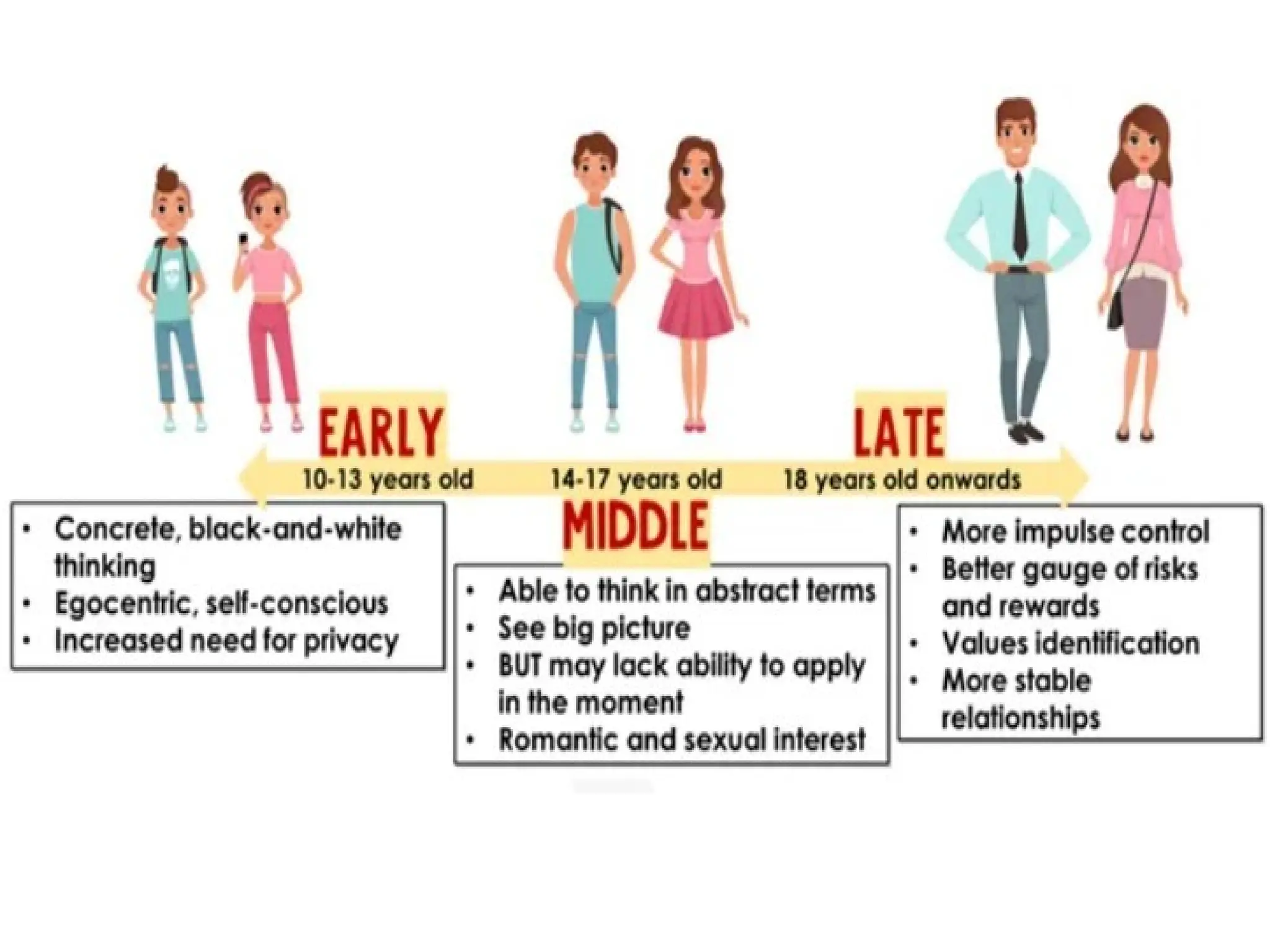
Knowing and
Understanding Oneself
during
Middle and Late
Adolescence
Topic 1: Self-Concept Inventory:
Exploring One’s Strengths and Limitations
• Self-disclosure for
adolescents may not
be easy because of
their tendency to be
self-conscious and
fear of being judged
or rejected.
How well do
I
Know
myself?
Activity #1
Activity #2 Self-Concept Inventory Scoring:
Physical Appeal
1. _________
2. _________
3. _________
4. _________
Subtotal: _____
Human Relations
5. ________
6. ________
7. ________
8. ________
Subtotal _______
Intelligence
9. _______
10. _______
11. _______
12. _______
Subtotal _______
Character
13. _______
14. _______
15. _______
16. _______
Subtotal _______
Communications
17. ________
18. ________
19. ________
20. ________
Subtotal ______
Maturity
21. _______
22. _______
23. _______
24. _______
Subtotal ______
Reflection # 1: How do you perceive yourself?
1. In what areas do you consider yourself strong (with score
14-16 or somewhat weak (score of 10-13) and very weak
(below 10)?
2. Are there qualities you consider as your weakness but other
people consider as your strength? What are these? Check
with a friend.
3. How realistic is your self-image? To what extent does it
reflect your real self?
4. Write your insights and realizations in the result of your self-concept
inventory. Your insights must be balanced with both positive observations
about self. Write 3 things that you can do in order to improve yourself.
KNOWING
ONESELF
WEEK 1
3RD QUARTER
PERSONAL DEVELOPMENT
Strength Weaknesses
Do you know?
Why is it important to
know and understand
yourself?
"Knowing Yourself is
the beginning of all
Wisdom. ”
A R I S T O T L E
Hypothetical question:
If you were allowed to
change your image or to be
someone you would like to be,
who would it be and why?
SELF
• Is the union of elements namely: body,
thoughts, feelings or emotions, and
sensations that constitute the individuality
and identity of a person.
• It includes a person’s life purpose, meaning,
and aspirations.
IN PSYCHOLOGY
Personality
refers to the set of
behaviors, feelings,
thoughts, and motives
that identify an
individual.
• Personality is influenced by both
 Nature (heredity or genetic makeup)
 Nurture (environment)
• There is no single gene that creates a
trait.
• It is always a complex combination of
genes, environmental exposure and
experiences, and cultural
backgrounds.
Self-
Development
• It is a process of
discovering oneself by
realizing one's potential
and capabilities that are
shaped over time by
studying in a formal
school or environmental
factors.
Self-Concept
• Refers to the
awareness of yourself
The Beautiful
Things
in YOU!!
1. SELF-CONCEPT IS LEARNED
2. SELF-CONCEPT IS ORGANIZED.
3. SELF-CONCEPT IS DYNAMIC.
3 ASPECTS OF SELF-CONCEPT
Imagine yourself looking into a mirror...What do you see?
The ideal self - is the self that you aspire to be. It is
the one that you hope will possess characteristics
similar to those of a mentor or some otherworldly
figure.
Or....
The actual self - is the one that you actually
see. It is the self that has characteristics
that you were nurtured or, in some cases,
born to have.
Actual Self - built on self-
knowledge
- who we actually are
- how we think, feel, look
and act
- it can be seen by others,
but because we have no way
of truly knowing how others
view us, the actual self is our
SELF-IMAGE.
Ideal Self
- how we want to be
- idealized image that we have
developed over time, based on what we
have learned and experienced
- include components of what our
parents have taught us, what we
admire in others, what our society
promotes, and what we think is in our
best interest.
Actual
Self
Ideal
Self
congruence
negotiation
- If the way that I am (the actual self) is aligned with what, I want to be
(the ideal self), then you will feel a sense of mental well-being or peace
of mind.
Seatwork #1
Write a reflection
“Me, Myself, and I
Guide:
•My social image
•My ideal self
•My actual self
Performance Task # 4 - Talent/Variety Show
Presentation – Self Expression
 Each group shall have a presentation in front of the class
and will be rated based on the following criteria:
* originality - 5 pts.
* creativity/resourcefulness - 5 pts.
* teamwork – 5 pts.
*confidence 5 pts.
* Total ............ 20pts.
Journal # 1
 Each group must assign somebody to take a
picture of the group during the performance.
Each member should have a copy of the picture
and write a short description of the said activity
by writing about his/her experience as a group
leader/member in the activity.
 Write a reflection/ your realizations before,
during, and after the presentation. What are the
things that you have discovered from yourself
after the activity?
PERFORMANCE TASK #1
Paste a picture of you when you were in
elementary, high school, and senior high
school. Below the picture, list your
strengths, limitations, likes, and dislikes.
PERFORMANCE TASK #1
PERFORMANCE TASK #1
Criteria:
Creativity 5
Clarity of thought and
concise descriptions 5
Effort 3
Timeliness 2
__________________________________________
15 pts

PERSONAL DEVELOPMENT QUARTER 3 WEEK 1 M1

  • 1.
  • 4.
    Topic 1: Self-ConceptInventory: Exploring One’s Strengths and Limitations • Self-disclosure for adolescents may not be easy because of their tendency to be self-conscious and fear of being judged or rejected.
  • 5.
  • 6.
  • 7.
    Activity #2 Self-ConceptInventory Scoring: Physical Appeal 1. _________ 2. _________ 3. _________ 4. _________ Subtotal: _____ Human Relations 5. ________ 6. ________ 7. ________ 8. ________ Subtotal _______ Intelligence 9. _______ 10. _______ 11. _______ 12. _______ Subtotal _______ Character 13. _______ 14. _______ 15. _______ 16. _______ Subtotal _______ Communications 17. ________ 18. ________ 19. ________ 20. ________ Subtotal ______ Maturity 21. _______ 22. _______ 23. _______ 24. _______ Subtotal ______
  • 8.
    Reflection # 1:How do you perceive yourself? 1. In what areas do you consider yourself strong (with score 14-16 or somewhat weak (score of 10-13) and very weak (below 10)? 2. Are there qualities you consider as your weakness but other people consider as your strength? What are these? Check with a friend. 3. How realistic is your self-image? To what extent does it reflect your real self? 4. Write your insights and realizations in the result of your self-concept inventory. Your insights must be balanced with both positive observations about self. Write 3 things that you can do in order to improve yourself.
  • 9.
  • 11.
  • 12.
    Why is itimportant to know and understand yourself?
  • 13.
    "Knowing Yourself is thebeginning of all Wisdom. ” A R I S T O T L E
  • 14.
    Hypothetical question: If youwere allowed to change your image or to be someone you would like to be, who would it be and why?
  • 15.
    SELF • Is theunion of elements namely: body, thoughts, feelings or emotions, and sensations that constitute the individuality and identity of a person. • It includes a person’s life purpose, meaning, and aspirations.
  • 16.
    IN PSYCHOLOGY Personality refers tothe set of behaviors, feelings, thoughts, and motives that identify an individual.
  • 17.
    • Personality isinfluenced by both  Nature (heredity or genetic makeup)  Nurture (environment) • There is no single gene that creates a trait. • It is always a complex combination of genes, environmental exposure and experiences, and cultural backgrounds.
  • 18.
    Self- Development • It isa process of discovering oneself by realizing one's potential and capabilities that are shaped over time by studying in a formal school or environmental factors.
  • 19.
    Self-Concept • Refers tothe awareness of yourself
  • 20.
  • 21.
    1. SELF-CONCEPT ISLEARNED 2. SELF-CONCEPT IS ORGANIZED. 3. SELF-CONCEPT IS DYNAMIC. 3 ASPECTS OF SELF-CONCEPT
  • 25.
    Imagine yourself lookinginto a mirror...What do you see? The ideal self - is the self that you aspire to be. It is the one that you hope will possess characteristics similar to those of a mentor or some otherworldly figure.
  • 26.
    Or.... The actual self- is the one that you actually see. It is the self that has characteristics that you were nurtured or, in some cases, born to have.
  • 27.
    Actual Self -built on self- knowledge - who we actually are - how we think, feel, look and act - it can be seen by others, but because we have no way of truly knowing how others view us, the actual self is our SELF-IMAGE.
  • 28.
    Ideal Self - howwe want to be - idealized image that we have developed over time, based on what we have learned and experienced - include components of what our parents have taught us, what we admire in others, what our society promotes, and what we think is in our best interest.
  • 29.
    Actual Self Ideal Self congruence negotiation - If theway that I am (the actual self) is aligned with what, I want to be (the ideal self), then you will feel a sense of mental well-being or peace of mind.
  • 30.
    Seatwork #1 Write areflection “Me, Myself, and I Guide: •My social image •My ideal self •My actual self
  • 31.
    Performance Task #4 - Talent/Variety Show Presentation – Self Expression  Each group shall have a presentation in front of the class and will be rated based on the following criteria: * originality - 5 pts. * creativity/resourcefulness - 5 pts. * teamwork – 5 pts. *confidence 5 pts. * Total ............ 20pts.
  • 32.
    Journal # 1 Each group must assign somebody to take a picture of the group during the performance. Each member should have a copy of the picture and write a short description of the said activity by writing about his/her experience as a group leader/member in the activity.  Write a reflection/ your realizations before, during, and after the presentation. What are the things that you have discovered from yourself after the activity?
  • 34.
    PERFORMANCE TASK #1 Pastea picture of you when you were in elementary, high school, and senior high school. Below the picture, list your strengths, limitations, likes, and dislikes.
  • 35.
  • 36.
    PERFORMANCE TASK #1 Criteria: Creativity5 Clarity of thought and concise descriptions 5 Effort 3 Timeliness 2 __________________________________________ 15 pts

Editor's Notes

  • #10 Adolescence is the time when young people start to ask questions about themselves, about their future, and even about their religious and political beliefs. During the adolescent stage of development, the young person grapples with his or her identity.
  • #16 It is the essence of who we are and is the embodiment of one’s physical, psychological, cognitive, affective and spiritual self.
  • #17 It is the essence of who we are and is the embodiment of one’s physical, psychological, cognitive, affective and spiritual self.
  • #18 The process of learning new things and building new skills—skills that help us increase our chances of success, achieving our goals, and manifesting our dreams. a process of consciously improving oneself in various aspects of his or her life.
  • #19 This means that it is in the mind that we know everything about ourselves like our identity, passion, interest, feelings, and/or intellect, thus everything that we are comes from the mind.
  • #20 This means that it is in the mind that we know everything about ourselves like our identity, passion, interest, feelings, and/or intellect, thus everything that we are comes from the mind.
  • #21 Self-concept theory has a lot of uncertain beliefs regarding how people learn to judge themselves. Among these, Sincero named three aspects such as:
  • #22 so this indicates that self-concept is influenced by the person’s environment and can be a product of the person’s socialization.
  • #24 Thus, self-concept undergoes development as the person goes through different experiences.