Best Practices in Digital Social Media
Timothy R. Huerta, PhD, MS
Associate Professor
Family Medicine and Biomedical Informatics
College of Medicine
The Ohio State University
The Bottom Line
• Meaningful Use positions HIT to transform care
• Most primary care facilities do not have the
expertise to manage an IT infrastructure, but
will be required to in the future or pay a penalty
• Best practice design in web and social media
Background
Healthcare is Changing

• More than 80 percent of adults
reported using Internet
resources to support
healthcare decisions in 2011
• Traditional patient interaction
is being replaced by frequent
interactions with integrated
medical groups and health
systems
• People seeking illness-related
information behave differently
than those seeking wellness
information

Social Media is becoming
more Important
• Increasingly important for these
organizations to have an effective
social media presence
• A organization’s home page is the
first point of contact for consumers
• A well-designed website and social
media strategy are critical features
of the modern healthcare
organization
• If a organization’s website doesn’t
meet customer’s standards, negative
inferences about facility quality will
influence the decision-making
process
The Objective
Assess the social media presence of
hospitals and their health systems on five
dimensions

Accessibility
Content
Marketing
Technology
Usability
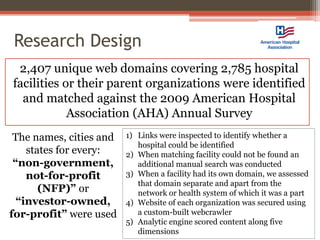
Research Design
2,407 unique web domains covering 2,785 hospital
facilities or their parent organizations were identified
and matched against the 2009 American Hospital
Association (AHA) Annual Survey
The names, cities and
states for every:
“non-government,
not-for-profit
(NFP)” or
“investor-owned,
for-profit” were used

1) Links were inspected to identify whether a
hospital could be identified
2) When matching facility could not be found an
additional manual search was conducted
3) When a facility had its own domain, we assessed
that domain separate and apart from the
network or health system of which it was a part
4) Website of each organization was secured using
a custom-built webcrawler
5) Analytic engine scored content along five
dimensions
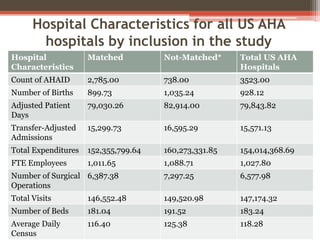
Hospital Characteristics for all US AHA
hospitals by inclusion in the study
Hospital
Characteristics

Matched

Not-Matched*

Total US AHA
Hospitals

Count of AHAID

2,785.00

738.00

3523.00

Number of Births

899.73

1,035.24

928.12

Adjusted Patient
Days

79,030.26

82,914.00

79,843.82

Transfer-Adjusted
Admissions

15,299.73

16,595.29

15,571.13

Total Expenditures

152,355,799.64

160,273,331.85

154,014,368.69

FTE Employees

1,011.65

1,088.71

1,027.80

Number of Surgical 6,387.38
Operations

7,297.25

6,577.98

Total Visits

146,552.48

149,520.98

147,174.32

Number of Beds

181.04

191.52

183.24

Average Daily
Census

116.40

125.38

118.28
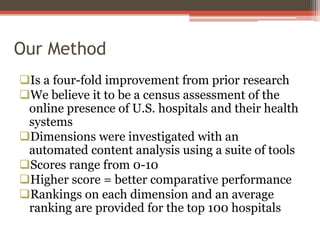
Our Method
Is a four-fold improvement from prior research
We believe it to be a census assessment of the
online presence of U.S. hospitals and their health
systems
Dimensions were investigated with an
automated content analysis using a suite of tools
Scores range from 0-10
Higher score = better comparative performance
Rankings on each dimension and an average
ranking are provided for the top 100 hospitals
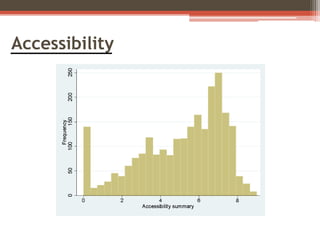
Accessibility Dimension
Critical factor
for reaching
as many users
as possible
Scoring:
 An assessment of a
website’s ease of use for
individuals with lower
computer literacy levels
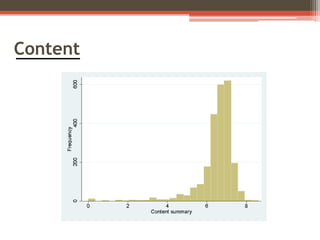
Content Dimension
Scoring:
Tests of spelling
Degree to which the site adds
new material
Calculated reading age of the
text on the pages
Freshness
Amount of content

An assessment of a
website’s overall content
quality without taking
into consideration the
technical limitations of
the site

Up-to-date content is a positive indicator to consumers that the
organization is engaged in state-of-the-art activities
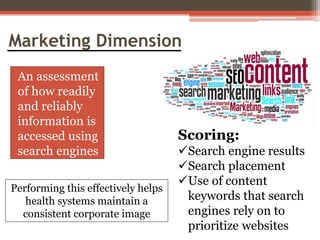
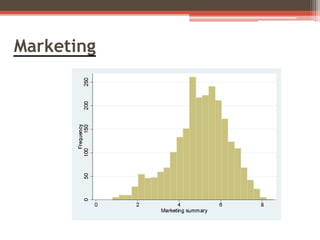
Marketing Dimension
An assessment
of how readily
and reliably
information is
accessed using
search engines
Performing this effectively helps
health systems maintain a
consistent corporate image

Scoring:
Search engine results
Search placement
Use of content
keywords that search
engines rely on to
prioritize websites
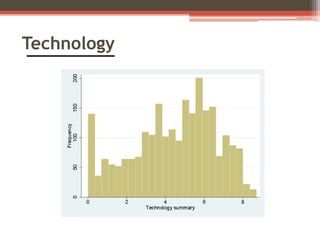
Technology Dimension
Scoring:
 Website download
speed
 Site structure
 Code quality
 Use of cascading style
sheets to organize
content
 Speed measure

An
assessment of
how well a
website is
designed,
built, and
maintained
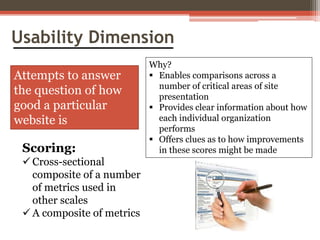
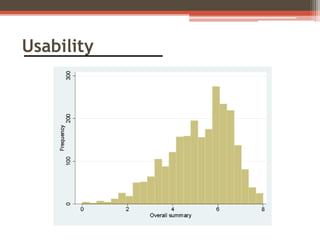
Usability Dimension
Attempts to answer
the question of how
good a particular
website is
Scoring:
 Cross-sectional
composite of a number
of metrics used in
other scales
 A composite of metrics

Why?
 Enables comparisons across a
number of critical areas of site
presentation
 Provides clear information about how
each individual organization
performs
 Offers clues as to how improvements
in these scores might be made
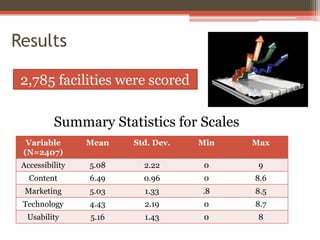
Results
2,785 facilities were scored
Summary Statistics for Scales
Variable
(N=2407)

Mean

Std. Dev.

Min

Max

Accessibility

5.08

2.22

0

9

Content

6.49

0.96

0

8.6

Marketing

5.03

1.33

.8

8.5

Technology

4.43

2.19

0

8.7

Usability

5.16

1.43

0

8
Accessibility
Content
Marketing
Technology
Usability
Implications for practice
The social media presence = first contact
A strong and well-designed social media presence can be
the difference
Health organizations should strive to standardize the
quality of information presented on their websites
Should also take care to deal with issues of accessibility,
standards compliance, and search engine optimization

Pbrn digital social media 2

  • 1.
    Best Practices inDigital Social Media Timothy R. Huerta, PhD, MS Associate Professor Family Medicine and Biomedical Informatics College of Medicine The Ohio State University
  • 2.
    The Bottom Line •Meaningful Use positions HIT to transform care • Most primary care facilities do not have the expertise to manage an IT infrastructure, but will be required to in the future or pay a penalty • Best practice design in web and social media
  • 3.
    Background Healthcare is Changing •More than 80 percent of adults reported using Internet resources to support healthcare decisions in 2011 • Traditional patient interaction is being replaced by frequent interactions with integrated medical groups and health systems • People seeking illness-related information behave differently than those seeking wellness information Social Media is becoming more Important • Increasingly important for these organizations to have an effective social media presence • A organization’s home page is the first point of contact for consumers • A well-designed website and social media strategy are critical features of the modern healthcare organization • If a organization’s website doesn’t meet customer’s standards, negative inferences about facility quality will influence the decision-making process
  • 4.
    The Objective Assess thesocial media presence of hospitals and their health systems on five dimensions Accessibility Content Marketing Technology Usability
  • 5.
    Research Design 2,407 uniqueweb domains covering 2,785 hospital facilities or their parent organizations were identified and matched against the 2009 American Hospital Association (AHA) Annual Survey The names, cities and states for every: “non-government, not-for-profit (NFP)” or “investor-owned, for-profit” were used 1) Links were inspected to identify whether a hospital could be identified 2) When matching facility could not be found an additional manual search was conducted 3) When a facility had its own domain, we assessed that domain separate and apart from the network or health system of which it was a part 4) Website of each organization was secured using a custom-built webcrawler 5) Analytic engine scored content along five dimensions
  • 6.
    Hospital Characteristics forall US AHA hospitals by inclusion in the study Hospital Characteristics Matched Not-Matched* Total US AHA Hospitals Count of AHAID 2,785.00 738.00 3523.00 Number of Births 899.73 1,035.24 928.12 Adjusted Patient Days 79,030.26 82,914.00 79,843.82 Transfer-Adjusted Admissions 15,299.73 16,595.29 15,571.13 Total Expenditures 152,355,799.64 160,273,331.85 154,014,368.69 FTE Employees 1,011.65 1,088.71 1,027.80 Number of Surgical 6,387.38 Operations 7,297.25 6,577.98 Total Visits 146,552.48 149,520.98 147,174.32 Number of Beds 181.04 191.52 183.24 Average Daily Census 116.40 125.38 118.28
  • 7.
    Our Method Is afour-fold improvement from prior research We believe it to be a census assessment of the online presence of U.S. hospitals and their health systems Dimensions were investigated with an automated content analysis using a suite of tools Scores range from 0-10 Higher score = better comparative performance Rankings on each dimension and an average ranking are provided for the top 100 hospitals
  • 8.
    Accessibility Dimension Critical factor forreaching as many users as possible Scoring:  An assessment of a website’s ease of use for individuals with lower computer literacy levels
  • 9.
    Content Dimension Scoring: Tests ofspelling Degree to which the site adds new material Calculated reading age of the text on the pages Freshness Amount of content An assessment of a website’s overall content quality without taking into consideration the technical limitations of the site Up-to-date content is a positive indicator to consumers that the organization is engaged in state-of-the-art activities
  • 10.
    Marketing Dimension An assessment ofhow readily and reliably information is accessed using search engines Performing this effectively helps health systems maintain a consistent corporate image Scoring: Search engine results Search placement Use of content keywords that search engines rely on to prioritize websites
  • 11.
    Technology Dimension Scoring:  Websitedownload speed  Site structure  Code quality  Use of cascading style sheets to organize content  Speed measure An assessment of how well a website is designed, built, and maintained
  • 12.
    Usability Dimension Attempts toanswer the question of how good a particular website is Scoring:  Cross-sectional composite of a number of metrics used in other scales  A composite of metrics Why?  Enables comparisons across a number of critical areas of site presentation  Provides clear information about how each individual organization performs  Offers clues as to how improvements in these scores might be made
  • 13.
    Results 2,785 facilities werescored Summary Statistics for Scales Variable (N=2407) Mean Std. Dev. Min Max Accessibility 5.08 2.22 0 9 Content 6.49 0.96 0 8.6 Marketing 5.03 1.33 .8 8.5 Technology 4.43 2.19 0 8.7 Usability 5.16 1.43 0 8
  • 14.
  • 15.
  • 16.
  • 17.
  • 18.
  • 19.
    Implications for practice Thesocial media presence = first contact A strong and well-designed social media presence can be the difference Health organizations should strive to standardize the quality of information presented on their websites Should also take care to deal with issues of accessibility, standards compliance, and search engine optimization