PRESENTED BY:
 Riya
 Vidit Mishra
 Aliza Nadir
 Venkat Nagaraj
 Rishav Joshi
 Vinay Dwivedi
Title and content layout with list
 Introduction
• vision and mission
 Products of patanjali
• products and services
 Financial status
 Competitors
• Strategies used by patanjali
• Comparision of patanjali and other brands
 Controversies
 Conclusion
Introduction
 Founded in 2006 by Acharya Balkrishna and Baba Ramdev, Patanjali Ayurved is
an Indian FMCG Company. Patanjali happens to the fastest growing Company in
India.
 Patanjali has its manufacturing units and headquarter located in Haridwar, India.
And also in Nepal, working under the brand name of Nepal Gramudhyog.
 It manufactures mineral and herbal products and imports majority of herbs from
Himalayas of Nepal.
 Listed 13th in the list of India’s most trusted brand as of 2018 and ranks 1st in
FMCG category.
Vision and Mission
 Vision:
Keeping nationalism , Ayurved and yog as its pillars, it is committed to create a
healthier country. It aims at raising the pride and glory of the world by
bringing the blessings of nature into the people’s lives. It envisions to make
India an economic super power by 2040.
 Mission:
Making India an ideal place for growth and development by establishing
science of Ayurveda in accordance and coordination with the latest technology
and ancient wisdom.
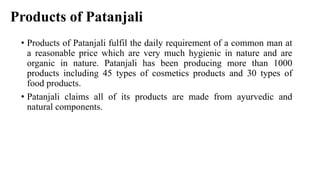
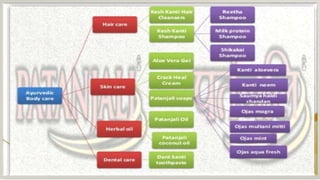
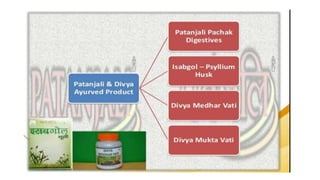
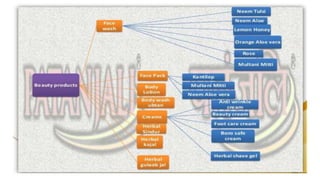
Products of Patanjali
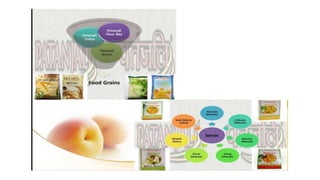
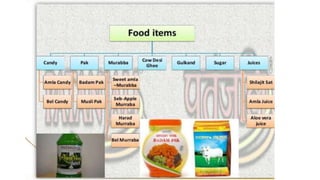
• Products of Patanjali fulfil the daily requirement of a common man at
a reasonable price which are very much hygienic in nature and are
organic in nature. Patanjali has been producing more than 1000
products including 45 types of cosmetics products and 30 types of
food products.
• Patanjali claims all of its products are made from ayurvedic and
natural components.
PATANJALI AND VENTURE FUNDING
 Venture funding is a funding process in which funding companies manage
the funds of the investors who want to invest in new businesses
which have the potential for high growth in future.
 A France Luxury Group (LVMH)
 Louis Vuitton ready to put 5,000 crore, which is half of its remaining Asia fund
into Patanjali.
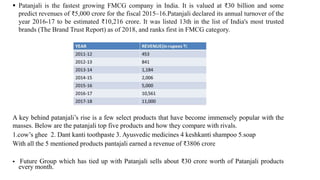
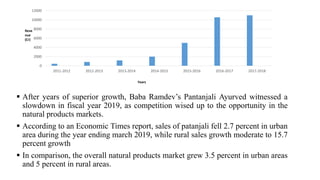
 Patanjali is the fastest growing FMCG company in India. It is valued at ₹30 billion and some
predict revenues of ₹5,000 crore for the fiscal 2015–16.Patanjali declared its annual turnover of the
year 2016-17 to be estimated ₹10,216 crore. It was listed 13th in the list of India's most trusted
brands (The Brand Trust Report) as of 2018, and ranks first in FMCG category.
A key behind patanjali’s rise is a few select products that have become immensely popular with the
masses. Below are the patanjali top five products and how they compare with rivals.
1.cow’s ghee 2. Dant kanti toothpaste 3. Ayusvedic medicines 4 keshkanti shampoo 5.soap
With all the 5 mentioned products pantajali earned a revenue of ₹3806 crore
 Future Group which has tied up with Patanjali sells about ₹30 crore worth of Patanjali products
every month.
0
2000
4000
6000
8000
10000
12000
2011-2012 2012-2013 2013-2014 2014-2015 2015-2016 2016-2017 2017-2018
Years
Reve
nue
(Cr)
 After years of superior growth, Baba Ramdev’s Pantanjali Ayurved witnessed a
slowdown in fiscal year 2019, as competition wised up to the opportunity in the
natural products markets.
 According to an Economic Times report, sales of patanjali fell 2.7 percent in urban
area during the year ending march 2019, while rural sales growth moderate to 15.7
percent growth
 In comparison, the overall natural products market grew 3.5 percent in urban areas
and 5 percent in rural areas.
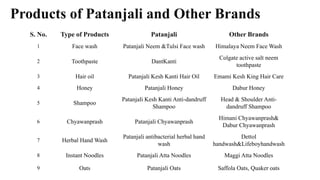
S. No. Type of Products Patanjali Other Brands
1 Face wash Patanjali Neem &Tulsi Face wash Himalaya Neem Face Wash
2 Toothpaste DantKanti
Colgate active salt neem
toothpaste
3 Hair oil Patanjali Kesh Kanti Hair Oil Emami Kesh King Hair Care
4 Honey Patanjali Honey Dabur Honey
5 Shampoo
Patanjali Kesh Kanti Anti-dandruff
Shampoo
Head & Shoulder Anti-
dandruff Shampoo
6 Chyawanprash Patanjali Chyawanprash
Himani Chyawanprash&
Dabur Chyawanprash
7 Herbal Hand Wash
Patanjali antibacterial herbal hand
wash
Dettol
handwash&Lifeboyhandwash
8 Instant Noodles Patanjali Atta Noodles Maggi Atta Noodles
9 Oats Patanjali Oats Saffola Oats, Quaker oats
Products of Patanjali and Other Brands
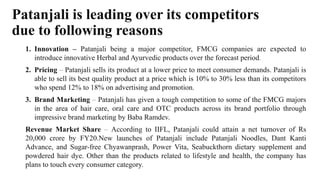
Patanjali is leading over its competitors
due to following reasons
1. Innovation – Patanjali being a major competitor, FMCG companies are expected to
introduce innovative Herbal and Ayurvedic products over the forecast period.
2. Pricing – Patanjali sells its product at a lower price to meet consumer demands. Patanjali is
able to sell its best quality product at a price which is 10% to 30% less than its competitors
who spend 12% to 18% on advertising and promotion.
3. Brand Marketing – Patanjali has given a tough competition to some of the FMCG majors
in the area of hair care, oral care and OTC products across its brand portfolio through
impressive brand marketing by Baba Ramdev.
Revenue Market Share – According to IIFL, Patanjali could attain a net turnover of Rs
20,000 crore by FY20.New launches of Patanjali include Patanjali Noodles, Dant Kanti
Advance, and Sugar-free Chyawanprash, Power Vita, Seabuckthorn dietary supplement and
powdered hair dye. Other than the products related to lifestyle and health, the company has
plans to touch every consumer category.
Amla juice controversy (2017)
 A batch from CSD (Canteen Store Department) inventory Kolkata failed to satisfy
FSSAI (Food Safety and Standards Authority of India) norms for consumption
based juices.
 The sample in question (Index no. 85417, Batch no. GH1502).
 CSD suspended sales of Patanjali Amla juice at all its outlets across the country.
Company’s status
 In a press release, authorities said that the product is not a food product ,but
a medicinal product , so should not be tested as per FSSAI norms.
 More over to this ,that was the only batch tested and that too by only one
laboratory
Misleading Ads controversy (2016)
 Case against company was filed in 2012 when samples of the products, including
honey ,salt mustard oil, jam, and besan failed the quality test.
 Later on it was found guilty of “releasing misleading advertisements by selling
certain products of other firms with its own label on them”.
 District court Haridwar charged the company with section 52(misbranding),
section 53(misleading advertiesement) and section 23.1(5) (packaging and
labelling regulations) and imposed a fine of Rs 11 lakh on Patanjali Ayurved Ltd
A mere glance on few other controversies
 Nepal’s department of drug administration asked Patanjali to recall its six of the
medical products that failed microbial tests.
 Desi ghee, instant noodles and Shivlingi beej –the products of Patanjali Ayurved
Ltd. were also found out to be of substandard quality and were found to be
adultrated.
 Putrajeevak Beej controversy, that associated the product with compromising sex
of yet to be born child ,which was later explained by the authority as being falsly
interpreted.
Conclusion
Patanjali is an FMCG empire that was not in the competition analysis powerpoints
of the big player even a couple of years back. Today, Baba Ramdev’s Patanjali is
sweeping away everything in its path. From local stores to Amazon, Patanjali
Products are everywhere.
Patanjali has brought the revolution in the FMCG industry, and it wants to do the
same by entering into other industries as well. It has achieved so much in these
small span of time but it still has a long way to go.

Patanjali case study

  • 1.
    PRESENTED BY:  Riya Vidit Mishra  Aliza Nadir  Venkat Nagaraj  Rishav Joshi  Vinay Dwivedi
  • 2.
    Title and contentlayout with list  Introduction • vision and mission  Products of patanjali • products and services  Financial status  Competitors • Strategies used by patanjali • Comparision of patanjali and other brands  Controversies  Conclusion
  • 3.
    Introduction  Founded in2006 by Acharya Balkrishna and Baba Ramdev, Patanjali Ayurved is an Indian FMCG Company. Patanjali happens to the fastest growing Company in India.  Patanjali has its manufacturing units and headquarter located in Haridwar, India. And also in Nepal, working under the brand name of Nepal Gramudhyog.  It manufactures mineral and herbal products and imports majority of herbs from Himalayas of Nepal.  Listed 13th in the list of India’s most trusted brand as of 2018 and ranks 1st in FMCG category.
  • 4.
    Vision and Mission Vision: Keeping nationalism , Ayurved and yog as its pillars, it is committed to create a healthier country. It aims at raising the pride and glory of the world by bringing the blessings of nature into the people’s lives. It envisions to make India an economic super power by 2040.  Mission: Making India an ideal place for growth and development by establishing science of Ayurveda in accordance and coordination with the latest technology and ancient wisdom.
  • 5.
    Products of Patanjali •Products of Patanjali fulfil the daily requirement of a common man at a reasonable price which are very much hygienic in nature and are organic in nature. Patanjali has been producing more than 1000 products including 45 types of cosmetics products and 30 types of food products. • Patanjali claims all of its products are made from ayurvedic and natural components.
  • 11.
    PATANJALI AND VENTUREFUNDING  Venture funding is a funding process in which funding companies manage the funds of the investors who want to invest in new businesses which have the potential for high growth in future.  A France Luxury Group (LVMH)  Louis Vuitton ready to put 5,000 crore, which is half of its remaining Asia fund into Patanjali.
  • 12.
     Patanjali isthe fastest growing FMCG company in India. It is valued at ₹30 billion and some predict revenues of ₹5,000 crore for the fiscal 2015–16.Patanjali declared its annual turnover of the year 2016-17 to be estimated ₹10,216 crore. It was listed 13th in the list of India's most trusted brands (The Brand Trust Report) as of 2018, and ranks first in FMCG category. A key behind patanjali’s rise is a few select products that have become immensely popular with the masses. Below are the patanjali top five products and how they compare with rivals. 1.cow’s ghee 2. Dant kanti toothpaste 3. Ayusvedic medicines 4 keshkanti shampoo 5.soap With all the 5 mentioned products pantajali earned a revenue of ₹3806 crore  Future Group which has tied up with Patanjali sells about ₹30 crore worth of Patanjali products every month.
  • 13.
    0 2000 4000 6000 8000 10000 12000 2011-2012 2012-2013 2013-20142014-2015 2015-2016 2016-2017 2017-2018 Years Reve nue (Cr)  After years of superior growth, Baba Ramdev’s Pantanjali Ayurved witnessed a slowdown in fiscal year 2019, as competition wised up to the opportunity in the natural products markets.  According to an Economic Times report, sales of patanjali fell 2.7 percent in urban area during the year ending march 2019, while rural sales growth moderate to 15.7 percent growth  In comparison, the overall natural products market grew 3.5 percent in urban areas and 5 percent in rural areas.
  • 15.
    S. No. Typeof Products Patanjali Other Brands 1 Face wash Patanjali Neem &Tulsi Face wash Himalaya Neem Face Wash 2 Toothpaste DantKanti Colgate active salt neem toothpaste 3 Hair oil Patanjali Kesh Kanti Hair Oil Emami Kesh King Hair Care 4 Honey Patanjali Honey Dabur Honey 5 Shampoo Patanjali Kesh Kanti Anti-dandruff Shampoo Head & Shoulder Anti- dandruff Shampoo 6 Chyawanprash Patanjali Chyawanprash Himani Chyawanprash& Dabur Chyawanprash 7 Herbal Hand Wash Patanjali antibacterial herbal hand wash Dettol handwash&Lifeboyhandwash 8 Instant Noodles Patanjali Atta Noodles Maggi Atta Noodles 9 Oats Patanjali Oats Saffola Oats, Quaker oats Products of Patanjali and Other Brands
  • 16.
    Patanjali is leadingover its competitors due to following reasons 1. Innovation – Patanjali being a major competitor, FMCG companies are expected to introduce innovative Herbal and Ayurvedic products over the forecast period. 2. Pricing – Patanjali sells its product at a lower price to meet consumer demands. Patanjali is able to sell its best quality product at a price which is 10% to 30% less than its competitors who spend 12% to 18% on advertising and promotion. 3. Brand Marketing – Patanjali has given a tough competition to some of the FMCG majors in the area of hair care, oral care and OTC products across its brand portfolio through impressive brand marketing by Baba Ramdev. Revenue Market Share – According to IIFL, Patanjali could attain a net turnover of Rs 20,000 crore by FY20.New launches of Patanjali include Patanjali Noodles, Dant Kanti Advance, and Sugar-free Chyawanprash, Power Vita, Seabuckthorn dietary supplement and powdered hair dye. Other than the products related to lifestyle and health, the company has plans to touch every consumer category.
  • 17.
    Amla juice controversy(2017)  A batch from CSD (Canteen Store Department) inventory Kolkata failed to satisfy FSSAI (Food Safety and Standards Authority of India) norms for consumption based juices.  The sample in question (Index no. 85417, Batch no. GH1502).  CSD suspended sales of Patanjali Amla juice at all its outlets across the country. Company’s status  In a press release, authorities said that the product is not a food product ,but a medicinal product , so should not be tested as per FSSAI norms.  More over to this ,that was the only batch tested and that too by only one laboratory
  • 18.
    Misleading Ads controversy(2016)  Case against company was filed in 2012 when samples of the products, including honey ,salt mustard oil, jam, and besan failed the quality test.  Later on it was found guilty of “releasing misleading advertisements by selling certain products of other firms with its own label on them”.  District court Haridwar charged the company with section 52(misbranding), section 53(misleading advertiesement) and section 23.1(5) (packaging and labelling regulations) and imposed a fine of Rs 11 lakh on Patanjali Ayurved Ltd
  • 19.
    A mere glanceon few other controversies  Nepal’s department of drug administration asked Patanjali to recall its six of the medical products that failed microbial tests.  Desi ghee, instant noodles and Shivlingi beej –the products of Patanjali Ayurved Ltd. were also found out to be of substandard quality and were found to be adultrated.  Putrajeevak Beej controversy, that associated the product with compromising sex of yet to be born child ,which was later explained by the authority as being falsly interpreted.
  • 20.
    Conclusion Patanjali is anFMCG empire that was not in the competition analysis powerpoints of the big player even a couple of years back. Today, Baba Ramdev’s Patanjali is sweeping away everything in its path. From local stores to Amazon, Patanjali Products are everywhere. Patanjali has brought the revolution in the FMCG industry, and it wants to do the same by entering into other industries as well. It has achieved so much in these small span of time but it still has a long way to go.