OUR PLANET - EARTH BY : ABHA ARORA
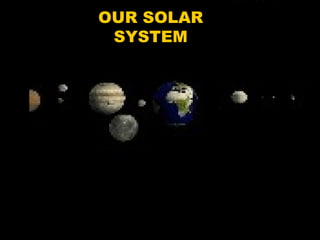
OUR SOLAR SYSTEM
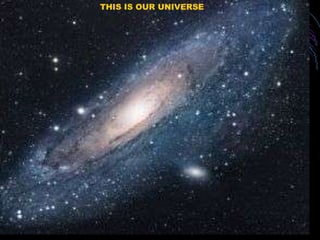
THIS IS OUR UNIVERSE
OUR UNIVERSE CONSISTS OF: STARS PLANETS MOONS
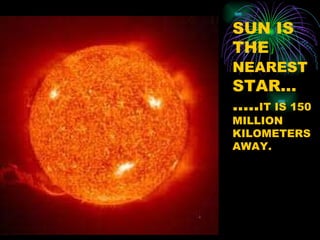
SUN IS THE  NEAREST  STAR…….. IT IS 150 MILLION KILOMETERS AWAY.
sun SUN IS A HOT GLOWING BALL OF FIRE………..IT PRODUCE ITS OWN LIGHT ALL THE TIME………………IT IS THE CHIEF SOURCE OF HEAT AND ENERGY OF OUR EARTH
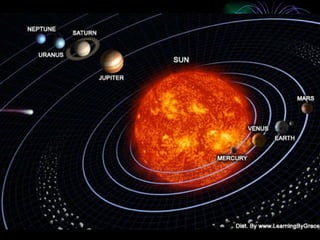
PLANETS THE HEAVENLY BODIES THAT REVOLVE AROUND THE SUN ARE KNOWN AS PLANETS……………………THERE ARE 8 PLANETS IN OUR SOLAR SYSTEM…….they do not produce their own light….
ORBITS Each planet move around the sun on its own path called an orbit. The orbit are kind of circular paths with the sun as their centre. The orbits of different planets do not cross each other because planet remains in its own orbit.
 
SOLAR SYSTEM The sun and its planets together form the solar system . There are 8 planets in the solar system.
HOW TO LEARN THE SEQUENCE OF PLANETS? My Very Energetic Mother Just Sent Us Noodles M  mercury V   venus E  earth M  mars J  jupiter
S Saturn U Uranus N Neptune
This shows that : Planet nearest to sun : mercury Planet farthest to sun : neptune Planet nearest to earth : venus and mars Our earth is at third position from the sun
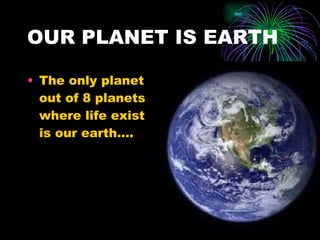
OUR PLANET IS EARTH The only planet out of 8 planets where life exist is our earth….
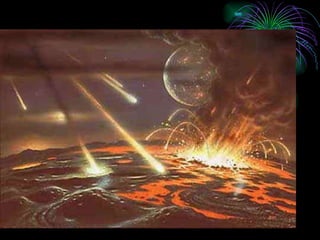
FORMATION OF EARTH Our Earth did not always look like this. In fact long ago , there was no earth at all. Scientists believe that the earth started as a large ball of burning gases.
 
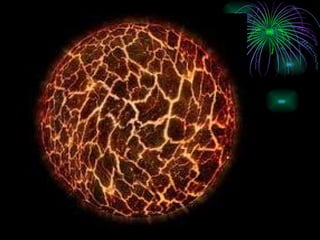
This hot cloud of gases spun around for millions of years. As it spun , it slowly became cooler. And as it cooled , it hardened slightly and it surface became cooler.
 
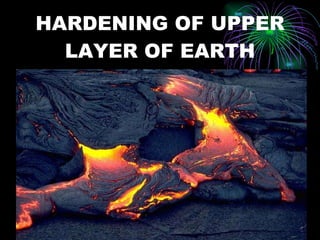
HARDENING OF UPPER LAYER OF EARTH
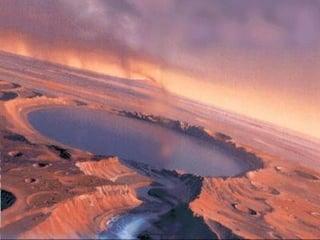
Its surface began to wrinkle like a dried plum. The wrinkles became mountain ranges. Water from the rain settled in the low lying places to form oceans , seas , rivers and lakes
 
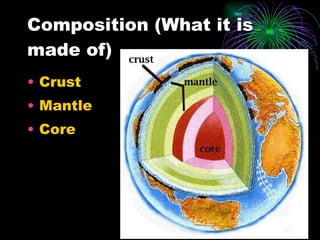
Composition (What it is made of) Crust Mantle Core
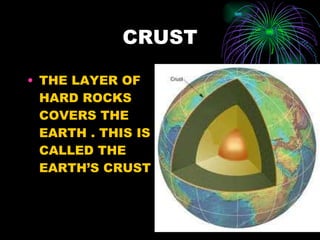
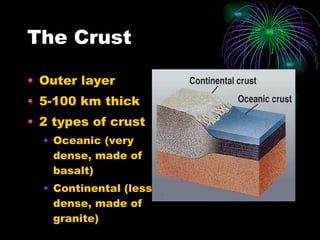
CRUST THE LAYER OF HARD ROCKS COVERS THE EARTH . THIS IS CALLED THE EARTH’S CRUST
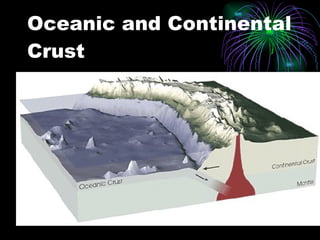
The Crust Outer layer 5-100 km thick 2 types of crust Oceanic (very dense, made of basalt) Continental (less dense, made of granite)
Oceanic and Continental Crust
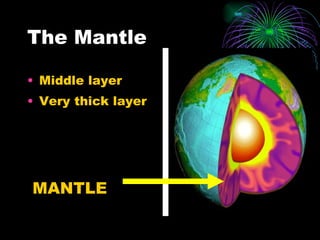
The Mantle Middle layer Very thick layer MANTLE
MANTLE Mantle is a mixture of rocks and metals
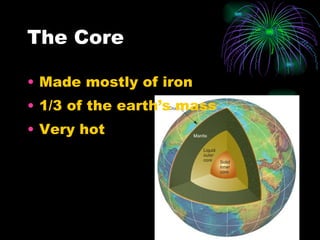
The Core Made mostly of iron 1/3 of the earth’s mass Very hot
CORE It is the centre of the earth……it is very hot………..due to this extreme heat , nothing here can remain in a solid form……….there are metals in molten form.
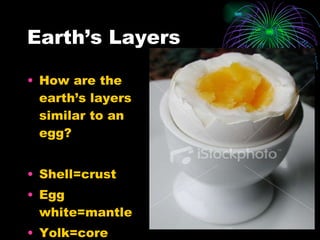
Earth’s Layers How are the earth’s layers similar to an egg? Shell=crust Egg white=mantle Yolk=core
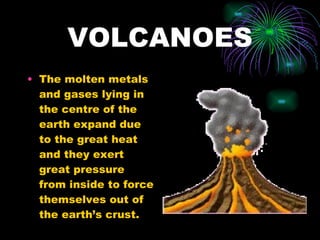
VOLCANOES The molten metals and gases lying in the centre of the earth expand due to the great heat and they exert great pressure from inside to force themselves out of the earth’s crust.
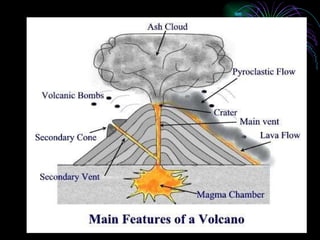
 
The molten material thrown out is called Lava…while the hole in the center of the volcano is called a Crater.
THE END

Our universe

  • 1.
    OUR PLANET -EARTH BY : ABHA ARORA
  • 2.
  • 3.
    THIS IS OURUNIVERSE
  • 4.
    OUR UNIVERSE CONSISTSOF: STARS PLANETS MOONS
  • 5.
    SUN IS THE NEAREST STAR…….. IT IS 150 MILLION KILOMETERS AWAY.
  • 6.
    sun SUN ISA HOT GLOWING BALL OF FIRE………..IT PRODUCE ITS OWN LIGHT ALL THE TIME………………IT IS THE CHIEF SOURCE OF HEAT AND ENERGY OF OUR EARTH
  • 7.
    PLANETS THE HEAVENLYBODIES THAT REVOLVE AROUND THE SUN ARE KNOWN AS PLANETS……………………THERE ARE 8 PLANETS IN OUR SOLAR SYSTEM…….they do not produce their own light….
  • 8.
    ORBITS Each planetmove around the sun on its own path called an orbit. The orbit are kind of circular paths with the sun as their centre. The orbits of different planets do not cross each other because planet remains in its own orbit.
  • 9.
  • 10.
    SOLAR SYSTEM Thesun and its planets together form the solar system . There are 8 planets in the solar system.
  • 11.
    HOW TO LEARNTHE SEQUENCE OF PLANETS? My Very Energetic Mother Just Sent Us Noodles M mercury V venus E earth M mars J jupiter
  • 12.
    S Saturn UUranus N Neptune
  • 13.
    This shows that: Planet nearest to sun : mercury Planet farthest to sun : neptune Planet nearest to earth : venus and mars Our earth is at third position from the sun
  • 14.
    OUR PLANET ISEARTH The only planet out of 8 planets where life exist is our earth….
  • 15.
    FORMATION OF EARTHOur Earth did not always look like this. In fact long ago , there was no earth at all. Scientists believe that the earth started as a large ball of burning gases.
  • 16.
  • 17.
    This hot cloudof gases spun around for millions of years. As it spun , it slowly became cooler. And as it cooled , it hardened slightly and it surface became cooler.
  • 18.
  • 19.
    HARDENING OF UPPERLAYER OF EARTH
  • 20.
    Its surface beganto wrinkle like a dried plum. The wrinkles became mountain ranges. Water from the rain settled in the low lying places to form oceans , seas , rivers and lakes
  • 21.
  • 22.
    Composition (What itis made of) Crust Mantle Core
  • 23.
    CRUST THE LAYEROF HARD ROCKS COVERS THE EARTH . THIS IS CALLED THE EARTH’S CRUST
  • 24.
    The Crust Outerlayer 5-100 km thick 2 types of crust Oceanic (very dense, made of basalt) Continental (less dense, made of granite)
  • 25.
  • 26.
    The Mantle Middlelayer Very thick layer MANTLE
  • 27.
    MANTLE Mantle isa mixture of rocks and metals
  • 28.
    The Core Mademostly of iron 1/3 of the earth’s mass Very hot
  • 29.
    CORE It isthe centre of the earth……it is very hot………..due to this extreme heat , nothing here can remain in a solid form……….there are metals in molten form.
  • 30.
    Earth’s Layers Howare the earth’s layers similar to an egg? Shell=crust Egg white=mantle Yolk=core
  • 31.
    VOLCANOES The moltenmetals and gases lying in the centre of the earth expand due to the great heat and they exert great pressure from inside to force themselves out of the earth’s crust.
  • 32.
  • 33.
    The molten materialthrown out is called Lava…while the hole in the center of the volcano is called a Crater.
  • 34.